Search

Pesachim 107

Want to dedicate learning? Get started here:

English
עברית
podcast placeholder

0:00
0:00


podcast placeholder

0:00
0:00


Summary

Today’s Daf is sponsored in celebration of Geri Goldstein’s birthday by her kids Audrey and Jake Levant and Michael and Stacy Goldstein. Happy birthday! And by Inbal in honor of her husband Gadi “Who’s been teaching me about life for 25 years, and who I’ve enjoyed learning the Daf with over the past year.”

What is the halacha regarding one who ate before Kiddush/Havdala? do we penalize them? What if they forgot to say Kiddush/Havdala – can they make it up the next day or later in the week? The gemara brings various stories and statements regarding beer and whether one can use it for making Kiddush/Havdala. How much does one need to drink in order to fulfill one’s obligation of Kiddush/Havdala? The gemara now gets back to the mishna regarding not eating on erev Pesach. When it says close to mincha, it is referring to mincha ketana (nine and a half hours into the day) or mincha gedola (six and a half hours into the day) – and “close to” would be a half-hour before that. The gemara brings the logic for each option and brings a tannaitic source to determine the correct answer. What foods are forbidden/permitted after “close to mincha” on erev Pesach? Is it actually a good thing to eat foods that are permitted in the afternoon or better to refrain from that also?


Today’s daily daf tools:

Pesachim 107

אָמַר רָבָא: הִילְכְתָא, טָעַם — מְקַדֵּשׁ, וְטָעַם — מַבְדִּיל, וּמִי שֶׁלֹּא קִידֵּשׁ בְּעֶרֶב שַׁבָּת — מְקַדֵּשׁ וְהוֹלֵךְ כׇּל הַיּוֹם כּוּלּוֹ עַד מוֹצָאֵי שַׁבָּת. מִי שֶׁלֹּא הִבְדִּיל בְּמוֹצָאֵי שַׁבָּת — מַבְדִּיל וְהוֹלֵךְ כׇּל הַשַּׁבָּת כּוּלּוֹ.

Rava said: The halakha is that one who tasted food before kiddush may recite kiddush; and one who tasted food before havdala may recite havdala; and one who did not recite kiddush on Shabbat eve, at night, may recite kiddush any time during the entire day until the conclusion of Shabbat. Likewise, one who did not recite havdala at the conclusion of Shabbat may recite havdala any time during the entire week, i.e., during the first three days of the week, the time period called: After Shabbat.

אַמֵּימָר פָּתַח לַהּ לְהָא שְׁמַעְתָּא דְּרָבָא בְּהַאי לִישָּׁנָא, אָמַר רָבָא: הִילְכְתָא, טָעַם — מְקַדֵּשׁ, טָעַם — מַבְדִּיל, מִי שֶׁלֹּא קִידֵּשׁ בָּעֶרֶב שַׁבָּת — מְקַדֵּשׁ וְהוֹלֵךְ כׇּל הַיּוֹם כּוּלּוֹ, מִי שֶׁלֹּא הִבְדִּיל בְּמוֹצָאֵי שַׁבָּת — מַבְדִּיל וְהוֹלֵךְ כׇּל הַיּוֹם כּוּלּוֹ.

Ameimar began this teaching of Rava in this emended formulation: Rava said: The halakha is that one who tasted food before kiddush may recite kiddush; and one who tasted food before havdala may recite havdala; and one who did not recite kiddush on Shabbat eve, at night, may recite kiddush any time during the entire day. One who did not recite havdala at the conclusion of Shabbat may recite havdala any time during the entire day of Sunday, but no later.

אָמְרִי לֵיהּ מָר יָנוֹקָא וּמָר קַשִּׁישָׁא בְּרֵיהּ דְּרַב חִסְדָּא לְרַב אָשֵׁי: זִימְנָא חֲדָא אִיקְּלַע אַמֵּימָר לְאַתְרִין, וְלָא הֲוָה לַן חַמְרָא. אַיְיתִינָא לֵיהּ שִׁיכְרָא, וְלָא אַבְדֵּיל וּבָת טְווֹת. לִמְחַר, טְרַחְנָא וְאַיְיתִינָא לֵיהּ חַמְרָא, וְאַבְדֵּיל וּטְעֵים מִידֵּי. לְשָׁנָה תּוּ אִיקְּלַע לְאַתְרִין, לָא הֲוָה לַן חַמְרָא, אַיְיתִינָא שִׁיכְרָא, אָמַר: אִי הָכִי, חֲמַר מְדִינָה הוּא, אַבְדֵּיל וּטְעֵים מִידֵּי.

The Gemara relates that the Mar Yanuka, the younger Mar, and Mar Kashisha, the elder Mar, both sons of Rav Ḥisda, said to Rav Ashi: Once Ameimar happened to come to our place and we did not have wine for havdala. We brought him beer and he did not recite havdala, and he passed the night fasting, as it is prohibited to eat before havdala. The next day we exerted ourselves and brought him wine, and he recited havdala and tasted some food. The next year he again happened to come to our place. Once again we did not have wine and we brought him beer. He said: If so, if it is so difficult to obtain wine in your place, beer is the wine of the province. He recited havdala over the beer and tasted some food.

שְׁמַע מִינַּהּ תְּלָת. שְׁמַע מִינַּהּ: הַמַּבְדִּיל בִּתְפִלָּה, צָרִיךְ שֶׁיַּבְדִּיל עַל הַכּוֹס. וּשְׁמַע מִינַּהּ: אָסוּר לוֹ לָאָדָם שֶׁיֹּאכַל קוֹדֶם שֶׁיַּבְדִּיל. וּשְׁמַע מִינַּהּ: מִי שֶׁלֹּא הִבְדִּיל בְּמוֹצָאֵי שַׁבָּת, מַבְדִּיל וְהוֹלֵךְ כׇּל הַשַּׁבָּת כּוּלּוֹ.

The Gemara notes that one may learn from Ameimar’s conduct three halakhot: Learn from it that one who recites havdala in the prayer service must recite havdala again over a cup, as Ameimar had presumably recited the paragraph of havdala in his Amida prayer. And learn from it that it is prohibited for a person to eat before he recites havdala. And learn from it that one who did not recite havdala at the conclusion of Shabbat may recite havdala anytime during the entire week, i.e., during the first three days of the week.

בְּעָא מִינֵּיהּ רַב הוּנָא מֵרַב חִסְדָּא: מַהוּ לְקַדּוֹשֵׁי אַשִּׁיכְרָא? אָמַר: הַשְׁתָּא וּמָה פִּירְזוּמָא וּתְאֵינֵי וְאַסְנֵי דִּבְעַאי מִינֵּיהּ מֵרַב, וְרַב מֵרַבִּי חִיָּיא, וְרַבִּי חִיָּיא מֵרַבִּי, וְלָא פְּשַׁט לֵיהּ — שִׁיכְרָא מִיבַּעְיָא?!

In the above story, Ameimar refused to recite havdala over beer. The Gemara addresses this issue at greater length. Rav Huna raised a dilemma before Rav Ḥisda: What is the halakha with regard to whether it is permitted to recite kiddush over date beer? He said: Now, if with regard to barley beer, fig beer, and beer produced from berries, I raised a dilemma before Rav as to whether or not they may be used for kiddush, and Rav had previously raised this dilemma before Rabbi Ḥiyya, and Rabbi Ḥiyya had inquired of Rabbi Yehuda HaNasi, and he did not resolve it for him, as he could not find a source that clearly permits it, is it necessary to say that date beer, which is inferior to those other types of beer, may not be used for kiddush?

סְבוּר מִינָּה קַדּוֹשֵׁי הוּא דְּלָא מְקַדְּשִׁינַן עִילָּוֵיהּ, אֲבָל אַבְדּוֹלֵי מַבְדְּלִינַן. אֲמַר לְהוּ רַב חִסְדָּא: הָכִי אָמַר רַב: כְּשֵׁם שֶׁאֵין מְקַדְּשִׁין עָלָיו, כָּךְ אֵין מַבְדִּילִין עָלָיו. אִיתְּמַר נָמֵי, אָמַר רַב תַּחְלִיפָא בַּר אֲבִימִי אָמַר שְׁמוּאֵל: כְּשֵׁם שֶׁאֵין מְקַדְּשִׁין עָלָיו, כָּךְ אֵין מַבְדִּילִין עָלָיו.

Those who heard this response understood from it that it is kiddush that one may not recite over it, but one may recite havdala over date beer. Rav Ḥisda said to them that Rav said as follows: Just as one may not recite kiddush over date beer, so one may not recite havdala over it. It was also stated that Rav Taḥalifa bar Avimi said that Shmuel said: Just as one may not recite kiddush over date beer, so one may not recite havdala over it.

לֵוִי שַׁדַּר לֵיהּ לְרַבִּי שִׁיכְרָא בַּר תְּלֵיסַר מְגָנֵי, טַעְמֵיהּ — הֲוָה בְּסִים טוּבָא, אֲמַר: כְּגוֹן זֶה רָאוּי לְקַדֵּשׁ עָלָיו וְלוֹמַר עָלָיו כׇּל שִׁירוֹת וְתוּשְׁבָּחוֹת שֶׁבָּעוֹלָם. בְּלֵילְיָא צַעֲרֵיהּ. אָמַר: מְיַסְּרָן וּמְפַיֵּיס.

The Gemara relates that Levi sent Rabbi Yehuda HaNasi a beer of thirteen soakings, i.e., thirteen batches of dates had been soaked in water until it had thoroughly absorbed the taste of the dates. This was considered a high-quality beer. Rabbi Yehuda HaNasi tasted it and it was especially pleasant. He said: A beer like this is fit to recite kiddush over and to say upon it all the songs and praises in the world, as it is as good as wine. At night, it disrupted his digestion and caused him pain. He said: It pains on the one hand and soothes on the other.

אָמַר רַב יוֹסֵף: אֶדּוֹר בָּרַבִּים דְּלָא אִישְׁתֵּי שִׁיכְרָא. אָמַר רָבָא: אִישְׁתֵּי מֵי זוּרְיוֹן וְלָא אִישְׁתֵּי שִׁיכְרָא.

With regard to the discomfort caused by beer, the Gemara cites related statements of amora’im. Rav Yosef said: I will take a vow in public, which cannot be nullified, that I will not drink beer due to its negative effects, despite the fact that beer was a popular beverage in Babylonia. Rava said: I would rather drink water used for soaking flax, and I will not drink beer.

וְאָמַר רָבָא: תֶּיהְוֵי שַׁקְיוּתֵיהּ שִׁיכְרָא מַאן דִּמְקַדֵּשׁ אַשִּׁיכְרָא. רַב, אַשְׁכְּחֵיהּ רַב הוּנָא דְּקַדֵּישׁ אַשִּׁיכְרָא, אֲמַר לֵיהּ: שָׁרֵי אַבָּא לְמִיקְנֵי אִיסְתֵּירֵי מִשִּׁיכְרָא.

And Rava said: One who recites kiddush over beer, his regular drink should be beer. In other words, the fitting punishment for one who recites kiddush over beer, the poor man’s drink in Babylonia, is for him to become poor himself and have to drink beer on a regular basis. The Gemara relates that Rav was found by Rav Huna reciting kiddush over beer. He said to him: Abba, Rav’s first name, has started to acquire coins with beer. As Rav recently began selling beer, it has become his favorite beverage, to the extent that he uses it for kiddush.

תָּנוּ רַבָּנַן: אֵין מְקַדְּשִׁין אֶלָּא עַל הַיַּיִן, וְאֵין מְבָרְכִין אֶלָּא עַל הַיַּיִן. אַטּוּ אַשִּׁיכְרָא וְאַמַּיָּא מִי לָא מְבָרְכִין עֲלַיְהוּ שֶׁהַכֹּל נִהְיֶה בִּדְבָרוֹ? אָמַר אַבָּיֵי, הָכִי קָאָמַר: אֵין אוֹמְרִים ״הָבֵא כּוֹס שֶׁל בְּרָכָה לְבָרֵךְ״ אֶלָּא עַל הַיַּיִן. תָּנוּ רַבָּנַן: אֵין מְקַדְּשִׁין עַל הַשֵּׁכָר. מִשּׁוּם רַבִּי אֶלְעָזָר בַּר רַבִּי שִׁמְעוֹן אָמְרוּ: מְקַדְּשִׁין.

The Sages taught: One may recite kiddush only over wine, and one may recite blessings only over wine. The Gemara expresses surprise: Is that to say that one does not say the blessing: By Whose word all things [shehakol] came to be, over beer and water? Abaye said: This is what the baraita is saying: One only says: Bring a cup of blessing to recite the blessing of Grace after Meals, over wine. The Rabbis taught in a baraita: One may not recite kiddush over beer. In the name of Rabbi Elazar, son of Rabbi Shimon, they said that one may recite kiddush over beer.

מַטְעֶימֶת יַיִן כׇּל שֶׁהוּא. רַבִּי יוֹסֵי בַּר יְהוּדָה אוֹמֵר: מְלֹא לוּגְמָא. אָמַר רַב הוּנָא אָמַר רַב, וְכֵן תָּנֵי רַב גִּידֵּל דְּמִן נָרֶשׁ: הַמְקַדֵּשׁ וְטָעַם מְלֹא לוּגְמָא — יָצָא, וְאִם לָאו — לֹא יָצָא.

With regard to the halakha that one who recites kiddush must drink from the cup, the Gemara states that one fulfills the mitzva of kiddush by tasting any amount of wine. Rabbi Yosei, son of Yehuda, says that one must drink at least a cheekful. Rav Huna said that Rav said, and Rav Giddel from the city of Neresh likewise teaches: One who recites kiddush and tastes a cheekful has fulfilled his obligation, and if not, he has not fulfilled his obligation.

אָמַר רַב נַחְמָן בַּר יִצְחָק: אֲנָא תְּנֵינָא לַהּ לָא גִּידּוֹל בַּר מְנַשְּׁיָא וְלָא גִּידּוֹל בַּר מִנְיוֹמֵי אֶלָּא גִּידּוֹל סְתָמָא. לְמַאי נָפְקָא מִינַּהּ? לְמִירְמָא דִּידֵיהּ אַדִּידֵיהּ.

Rav Naḥman bar Yitzḥak said: I teach this baraita in a precise manner, and I do not mention Giddul bar Menashya, nor Giddul bar Minyumei, but rather the plain name Giddul, without any identifying moniker. The Gemara asks: What is the practical difference in Rav Giddel’s name? The Gemara answers: To raise a contradiction between one of his rulings and another one of his rulings. Since it is not clear exactly which Sage issued this ruling, it is impossible to prove that he reversed or contradicted his opinion in a later statement.

סָמוּךְ לַמִּנְחָה. אִיבַּעְיָא לְהוּ: סָמוּךְ לְמִנְחָה גְּדוֹלָה תְּנַן, אוֹ דִילְמָא סָמוּךְ לְמִנְחָה קְטַנָּה תְּנַן?

The Gemara returns to the mishna, which stated that it is prohibited to eat adjacent to minḥa time on Passover eve. A dilemma was raised before the Sages in the study hall: Did we learn in the mishna that it is prohibited to eat adjacent to the time of the greater minḥa [minḥa gedola], which is half an hour after midday, or perhaps we learned in the mishna that it is prohibited to eat adjacent to the time of the lesser minḥa [minḥa ketana], two and a half hours before sunset?

סָמוּךְ לְמִנְחָה גְּדוֹלָה תְּנַן — וּמִשּׁוּם פֶּסַח, דִּילְמָא אָתֵי לְמִימְּשַׁךְ,

The Gemara elaborates: Did we learn in the mishna that it is prohibited to eat adjacent to the time of the greater minḥa, and this is because of the Paschal lamb, lest one come to be drawn after the meal and spend a long time eating, as was typical for large meals,

וְאָתֵי לְאִימְּנוֹעֵי מִלְּמִיעְבַּד פִּסְחָא. אוֹ דִילְמָא, סָמוּךְ לְמִנְחָה קְטַנָּה תְּנַן — וּמִשּׁוּם מַצָּה, דִּילְמָא אָתֵי לְמֵיכְלַהּ לְמַצָּה אֲכִילָה גַּסָּה.

and he will end up refraining from performing the Paschal lamb? Or perhaps we learned this halakha in the mishna as pertaining to the time adjacent to the lesser minḥa, and the reason for the prohibition is due to matza. If one eats shortly before nightfall, perhaps he will come to eat the matza as an act of excessive eating, when one forces himself to eat despite the fact that he has no desire to do so.

אָמַר רָבִינָא, תָּא שְׁמַע: אֲפִילּוּ אַגְרִיפַּס הַמֶּלֶךְ שֶׁהוּא רָגִיל לֶאֱכוֹל בְּתֵשַׁע שָׁעוֹת — אוֹתוֹ הַיּוֹם לֹא יֹאכַל עַד שֶׁתֶּחְשַׁךְ. אִי אָמְרַתְּ בִּשְׁלָמָא סָמוּךְ לְמִנְחָה קְטַנָּה תְּנַן, הַיְינוּ רְבוּתֵיהּ דְּאַגְרִיפַּס.

Ravina said: Come and hear a solution from a baraita: Even King Agrippa, who regularly eats every day at nine hours, i.e., three hours before sunset, on that day of Passover eve, he may not eat until dark. Ravina infers from this baraita: Granted, if you say that we learned in the mishna that it is prohibited to eat adjacent to the lesser minḥa, this is why his actions are accounted to the greatness of Agrippa, as he refrained from eating despite the fact that the prohibition had not yet gone into effect.

אֶלָּא אִי אָמְרַתְּ סָמוּךְ לְמִנְחָה גְּדוֹלָה תְּנַן, מַאי רְבוּתֵיהּ דְּאַגְרִיפַּס? חָל אִיסּוּר עֲלֵיהּ מֵעִיקָּרָא! אֶלָּא סָמוּךְ לְמִנְחָה קְטַנָּה תְּנַן.

However, if you say that we learned in the mishna that one may not eat adjacent to the greater minḥa, what is the greatness of Agrippa? The prohibition against eating had already taken effect at the outset, right after midday. Rather, it must be that we learned in the mishna that it is prohibited to eat adjacent to the lesser minḥa, and Agrippa was praised for changing his regular routine, despite the fact that he was not obligated to do so.

סוֹף סוֹף מַאי רְבוּתֵיהּ דְּאַגְרִיפַּס, הָא מָטְיָא לֵיהּ זְמַן אִיסּוּרָא! מַהוּ דְּתֵימָא תֵּשַׁע שָׁעוֹת לְאַגְרִיפַּס כְּאַרְבַּע שָׁעוֹת דִּידַן דָּמֵי, קָא מַשְׁמַע לַן.

However, the question still remains: Ultimately, what is the greatness of Agrippa? The time of the prohibition had arrived. Although the ninth hour begins shortly before the prohibition goes into effect, Agrippa’s meal would presumably extend into the time when it is prohibited to eat, and therefore it was indeed prohibited for him to start his meal at the regular time. The Gemara answers: Since Agrippa was accustomed to eating in the afternoon, it might have been thought that he should be permitted to eat at this hour on Passover eve as well. Lest you say that since Agrippa would not eat during the morning like most people, nine hours for Agrippa is considered like four hours for us, the baraita therefore teaches us that we do not distinguish between Agrippa and anyone else in this regard.

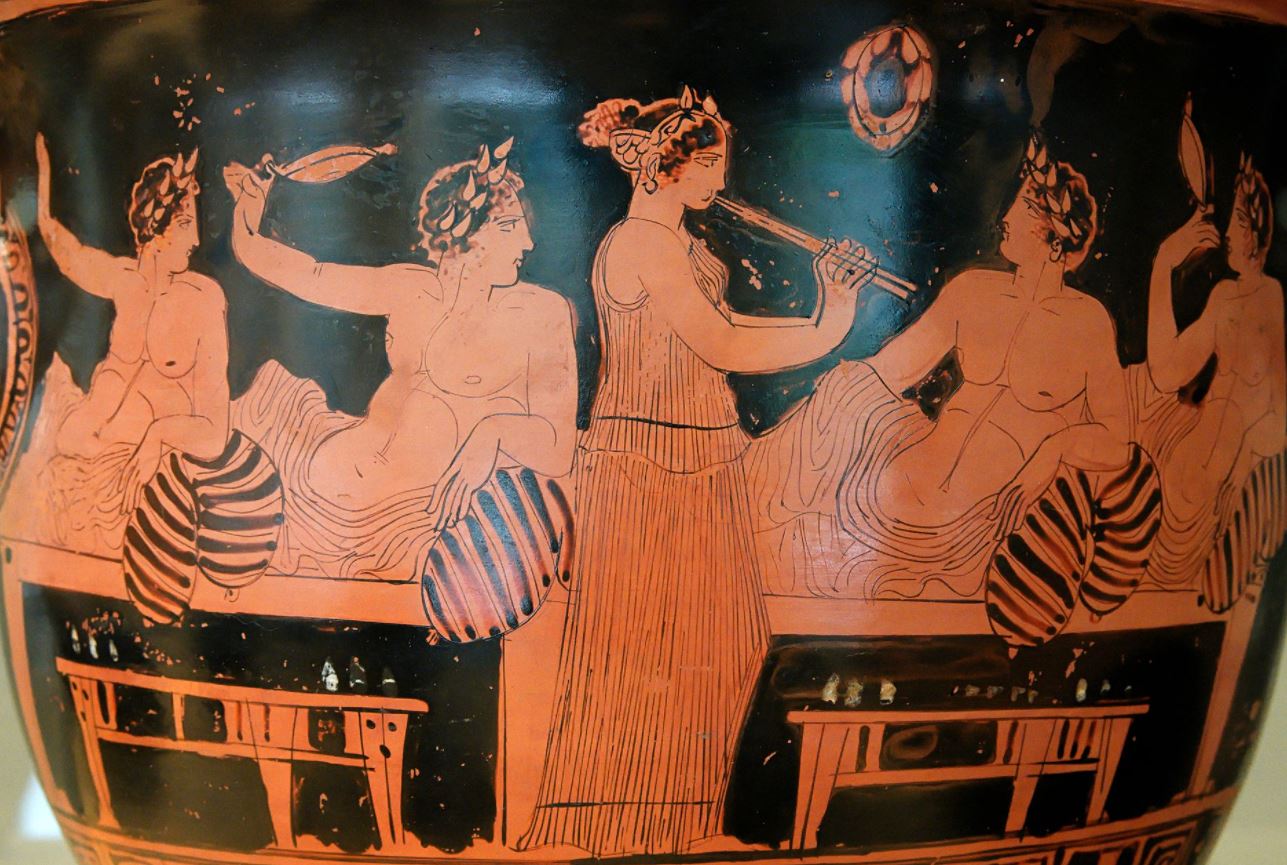
אָמַר רַבִּי (יוֹסֵי): אֲבָל מְטַבֵּיל הוּא בְּמִינֵי תַּרְגִּימָא. רַבִּי יִצְחָק מְטַבֵּיל בְּיַרְקֵי. תַּנְיָא נָמֵי הָכִי: הַשַּׁמָּשׁ מְטַבֵּיל בִּבְנֵי מֵעַיִין וְנוֹתְנָן לִפְנֵי הָאוֹרְחִים.

Rabbi Yosei said: It is prohibited to eat a proper meal from minḥa time onward; however, one may dip and eat types of refreshments, e.g., fruit or meat that do not constitute a full meal and will not fill one’s stomach. The Gemara relates that Rabbi Yitzḥak would dip and eat vegetables. That opinion, that it is permitted to snack after minḥa time on Passover eve, was also taught in a baraita: During the afternoon of Passover eve, the waiter may dip in the intestines of the animals that had been slaughtered in preparation for the Festival meals and place them before the guests who had registered for the Paschal lamb. This was done to whet their appetites, so they would eat the Paschal lamb and matza that evening with greater relish.

וְאַף עַל פִּי שֶׁאֵין רְאָיָה לַדָּבָר, זֵכֶר לַדָּבָר, שֶׁנֶּאֱמַר: ״נִירוּ לָכֶם נִיר וְאַל תִּזְרְעוּ אֶל קוֹצִים״.

The baraita continues: And although there is no absolute proof for this matter, there is an allusion to this matter, as it is stated: “Break up for yourselves a fallow ground, and do not sow among thorns” (Jeremiah 4:3). This verse teaches that one must undertake preparations to achieve positive results. Similarly, one should eat a small amount in the afternoon to enable him to consume more in the evening.

רָבָא הֲוָה שָׁתֵי חַמְרָא כּוּלֵּי מַעֲלֵי יוֹמָא דְפִיסְחָא, כִּי הֵיכִי דְּנִיגְרְרֵיהּ לְלִיבֵּיהּ דְּנֵיכוֹל מַצָּה טְפֵי לְאוּרְתָּא. אָמַר רָבָא: מְנָא אָמֵינָא לַהּ דְּחַמְרָא מִיגְרָר גָּרֵיר, דִּתְנַן:

The Gemara relates that Rava would drink wine the entire day of Passover eve, so as to whet his appetite to enable him to eat more matza at night. Rava said: From where do I say it, that wine whets the appetite? As we learned in a mishna:

Today’s daily daf tools:

Delve Deeper

Broaden your understanding of the topics on this daf with classes and podcasts from top women Talmud scholars.

For the Beyond the Daf shiurim offered in Hebrew, see here.

New to Talmud?

Check out our resources designed to help you navigate a page of Talmud – and study at the pace, level and style that fits you. 

The Hadran Women’s Tapestry

Meet the diverse women learning Gemara at Hadran and hear their stories. 

I started learning Daf Yomi inspired by תָּפַסְתָּ מְרוּבֶּה לֹא תָּפַסְתָּ, תָּפַסְתָּ מוּעָט תָּפַסְתָּ. I thought I’d start the first page, and then see. I was swept up into the enthusiasm of the Hadran Siyum, and from there the momentum kept building. Rabbanit Michelle’s shiur gives me an anchor, a connection to an incredible virtual community, and an energy to face whatever the day brings.

Medinah Korn
Medinah Korn

בית שמש, Israel

I started learning after the siyum hashas for women and my daily learning has been a constant over the last two years. It grounded me during the chaos of Corona while providing me with a community of fellow learners. The Daf can be challenging but it’s filled with life’s lessons, struggles and hope for a better world. It’s not about the destination but rather about the journey. Thank you Hadran!

Dena Lehrman
Dena Lehrman

אפרת, Israel

I began learning with Rabbanit Michelle’s wonderful Talmud Skills class on Pesachim, which really enriched my Pesach seder, and I have been learning Daf Yomi off and on over the past year. Because I’m relatively new at this, there is a “chiddush” for me every time I learn, and the knowledge and insights of the group members add so much to my experience. I feel very lucky to be a part of this.

Julie-Landau-Photo
Julie Landau

Karmiel, Israel

I read Ilana Kurshan’s “If All the Seas Were Ink” which inspired me. Then the Women’s Siyum in Jerusalem in 2020 convinced me, I knew I had to join! I have loved it- it’s been a constant in my life daily, many of the sugiyot connect to our lives. My family and friends all are so supportive. It’s incredible being part of this community and love how diverse it is! I am so excited to learn more!

Shira Jacobowitz
Shira Jacobowitz

Jerusalem, Israel

I started my journey on the day I realized that the Siyum was happening in Yerushalayim and I was missing out. What? I told myself. How could I have not known about this? How can I have missed out on this opportunity? I decided that moment, I would start Daf Yomi and Nach Yomi the very next day. I am so grateful to Hadran. I am changed forever because I learn Gemara with women. Thank you.

Linda Brownstein
Linda Brownstein

Mitspe, Israel

In July, 2012 I wrote for Tablet about the first all women’s siyum at Matan in Jerusalem, with 100 women. At the time, I thought, I would like to start with the next cycle – listening to a podcast at different times of day makes it possible. It is incredible that after 10 years, so many women are so engaged!

Beth Kissileff
Beth Kissileff

Pittsburgh, United States

I had dreamed of doing daf yomi since I had my first serious Talmud class 18 years ago at Pardes with Rahel Berkovitz, and then a couple of summers with Leah Rosenthal. There is no way I would be able to do it without another wonderful teacher, Michelle, and the Hadran organization. I wake up and am excited to start each day with the next daf.

Beth Elster
Beth Elster

Irvine, United States

I began learning the daf in January 2022. I initially “flew under the radar,” sharing my journey with my husband and a few close friends. I was apprehensive – who, me? Gemara? Now, 2 years in, I feel changed. The rigor of a daily commitment frames my days. The intellectual engagement enhances my knowledge. And the virtual community of learners has become a new family, weaving a glorious tapestry.

Gitta Jaroslawicz-Neufeld

Far Rockaway, United States

Michelle has been an inspiration for years, but I only really started this cycle after the moving and uplifting siyum in Jerusalem. It’s been an wonderful to learn and relearn the tenets of our religion and to understand how the extraordinary efforts of a band of people to preserve Judaism after the fall of the beit hamikdash is still bearing fruits today. I’m proud to be part of the chain!

Judith Weil
Judith Weil

Raanana, Israel

The first month I learned Daf Yomi by myself in secret, because I wasn’t sure how my husband would react, but after the siyyum on Masechet Brachot I discovered Hadran and now sometimes my husband listens to the daf with me. He and I also learn mishnayot together and are constantly finding connections between the different masechtot.

Laura Warshawsky
Laura Warshawsky

Silver Spring, Maryland, United States

Hadran entered my life after the last Siyum Hashaas, January 2020. I was inspired and challenged simultaneously, having never thought of learning Gemara. With my family’s encouragement, I googled “daf yomi for women”. A perfecr fit!
I especially enjoy when Rabbanit Michelle connects the daf to contemporary issues to share at the shabbat table e.g: looking at the Kohen during duchaning. Toda rabba

Marsha Wasserman
Marsha Wasserman

Jerusalem, Israel

I started learning Daf in Jan 2020 with Brachot b/c I had never seen the Jewish people united around something so positive, and I wanted to be a part of it. Also, I wanted to broaden my background in Torah Shebal Peh- Maayanot gave me a great gemara education, but I knew that I could hold a conversation in most parts of tanach but almost no TSB. I’m so thankful for Daf and have gained immensely.

Meira Shapiro
Meira Shapiro

NJ, United States

I was inspired to start learning after attending the 2020 siyum in Binyanei Hauma. It has been a great experience for me. It’s amazing to see the origins of stories I’ve heard and rituals I’ve participated in my whole life. Even when I don’t understand the daf itself, I believe that the commitment to learning every day is valuable and has multiple benefits. And there will be another daf tomorrow!

Khaya Eisenberg
Khaya Eisenberg

Jerusalem, Israel

With Rabbanit Dr. Naomi Cohen in the Women’s Talmud class, over 30 years ago. It was a “known” class and it was accepted, because of who taught. Since then I have also studied with Avigail Gross-Gelman and Dr. Gabriel Hazut for about a year). Years ago, in a shiur in my shul, I did know about Persians doing 3 things with their clothes on. They opened the shiur to woman after that!

Sharon Mink
Sharon Mink

Haifa, Israel

I began my Daf Yomi journey on January 5, 2020. I had never learned Talmud before. Initially it struck me as a bunch of inane and arcane details with mind bending logic. I am now smitten. Rabbanit Farber brings the page to life and I am eager to learn with her every day!

Lori Stark
Lori Stark

Highland Park, United States

Studying has changed my life view on הלכה and יהדות and time. It has taught me bonudaries of the human nature and honesty of our sages in their discourse to try and build a nation of caring people .

Goldie Gilad
Goldie Gilad

Kfar Saba, Israel

Michelle has been an inspiration for years, but I only really started this cycle after the moving and uplifting siyum in Jerusalem. It’s been an wonderful to learn and relearn the tenets of our religion and to understand how the extraordinary efforts of a band of people to preserve Judaism after the fall of the beit hamikdash is still bearing fruits today. I’m proud to be part of the chain!

Judith Weil
Judith Weil

Raanana, Israel

When I was working and taking care of my children, learning was never on the list. Now that I have more time I have two different Gemora classes and the nach yomi as well as the mishna yomi daily.

Shoshana Shinnar
Shoshana Shinnar

Jerusalem, Israel

I started learning Daf Yomi to fill what I saw as a large gap in my Jewish education. I also hope to inspire my three daughters to ensure that they do not allow the same Talmud-sized gap to form in their own educations. I am so proud to be a part of the Hadran community, and I have loved learning so many of the stories and halachot that we have seen so far. I look forward to continuing!
Dora Chana Haar
Dora Chana Haar

Oceanside NY, United States

Since I started in January of 2020, Daf Yomi has changed my life. It connects me to Jews all over the world, especially learned women. It makes cooking, gardening, and folding laundry into acts of Torah study. Daf Yomi enables me to participate in a conversation with and about our heritage that has been going on for more than 2000 years.

Shira Eliaser
Shira Eliaser

Skokie, IL, United States

Pesachim 107

אָמַר רָבָא: הִילְכְתָא, טָעַם — מְקַדֵּשׁ, וְטָעַם — מַבְדִּיל, וּמִי שֶׁלֹּא קִידֵּשׁ בְּעֶרֶב שַׁבָּת — מְקַדֵּשׁ וְהוֹלֵךְ כׇּל הַיּוֹם כּוּלּוֹ עַד מוֹצָאֵי שַׁבָּת. מִי שֶׁלֹּא הִבְדִּיל בְּמוֹצָאֵי שַׁבָּת — מַבְדִּיל וְהוֹלֵךְ כׇּל הַשַּׁבָּת כּוּלּוֹ.

Rava said: The halakha is that one who tasted food before kiddush may recite kiddush; and one who tasted food before havdala may recite havdala; and one who did not recite kiddush on Shabbat eve, at night, may recite kiddush any time during the entire day until the conclusion of Shabbat. Likewise, one who did not recite havdala at the conclusion of Shabbat may recite havdala any time during the entire week, i.e., during the first three days of the week, the time period called: After Shabbat.

אַמֵּימָר פָּתַח לַהּ לְהָא שְׁמַעְתָּא דְּרָבָא בְּהַאי לִישָּׁנָא, אָמַר רָבָא: הִילְכְתָא, טָעַם — מְקַדֵּשׁ, טָעַם — מַבְדִּיל, מִי שֶׁלֹּא קִידֵּשׁ בָּעֶרֶב שַׁבָּת — מְקַדֵּשׁ וְהוֹלֵךְ כׇּל הַיּוֹם כּוּלּוֹ, מִי שֶׁלֹּא הִבְדִּיל בְּמוֹצָאֵי שַׁבָּת — מַבְדִּיל וְהוֹלֵךְ כׇּל הַיּוֹם כּוּלּוֹ.

Ameimar began this teaching of Rava in this emended formulation: Rava said: The halakha is that one who tasted food before kiddush may recite kiddush; and one who tasted food before havdala may recite havdala; and one who did not recite kiddush on Shabbat eve, at night, may recite kiddush any time during the entire day. One who did not recite havdala at the conclusion of Shabbat may recite havdala any time during the entire day of Sunday, but no later.

אָמְרִי לֵיהּ מָר יָנוֹקָא וּמָר קַשִּׁישָׁא בְּרֵיהּ דְּרַב חִסְדָּא לְרַב אָשֵׁי: זִימְנָא חֲדָא אִיקְּלַע אַמֵּימָר לְאַתְרִין, וְלָא הֲוָה לַן חַמְרָא. אַיְיתִינָא לֵיהּ שִׁיכְרָא, וְלָא אַבְדֵּיל וּבָת טְווֹת. לִמְחַר, טְרַחְנָא וְאַיְיתִינָא לֵיהּ חַמְרָא, וְאַבְדֵּיל וּטְעֵים מִידֵּי. לְשָׁנָה תּוּ אִיקְּלַע לְאַתְרִין, לָא הֲוָה לַן חַמְרָא, אַיְיתִינָא שִׁיכְרָא, אָמַר: אִי הָכִי, חֲמַר מְדִינָה הוּא, אַבְדֵּיל וּטְעֵים מִידֵּי.

The Gemara relates that the Mar Yanuka, the younger Mar, and Mar Kashisha, the elder Mar, both sons of Rav Ḥisda, said to Rav Ashi: Once Ameimar happened to come to our place and we did not have wine for havdala. We brought him beer and he did not recite havdala, and he passed the night fasting, as it is prohibited to eat before havdala. The next day we exerted ourselves and brought him wine, and he recited havdala and tasted some food. The next year he again happened to come to our place. Once again we did not have wine and we brought him beer. He said: If so, if it is so difficult to obtain wine in your place, beer is the wine of the province. He recited havdala over the beer and tasted some food.

שְׁמַע מִינַּהּ תְּלָת. שְׁמַע מִינַּהּ: הַמַּבְדִּיל בִּתְפִלָּה, צָרִיךְ שֶׁיַּבְדִּיל עַל הַכּוֹס. וּשְׁמַע מִינַּהּ: אָסוּר לוֹ לָאָדָם שֶׁיֹּאכַל קוֹדֶם שֶׁיַּבְדִּיל. וּשְׁמַע מִינַּהּ: מִי שֶׁלֹּא הִבְדִּיל בְּמוֹצָאֵי שַׁבָּת, מַבְדִּיל וְהוֹלֵךְ כׇּל הַשַּׁבָּת כּוּלּוֹ.

The Gemara notes that one may learn from Ameimar’s conduct three halakhot: Learn from it that one who recites havdala in the prayer service must recite havdala again over a cup, as Ameimar had presumably recited the paragraph of havdala in his Amida prayer. And learn from it that it is prohibited for a person to eat before he recites havdala. And learn from it that one who did not recite havdala at the conclusion of Shabbat may recite havdala anytime during the entire week, i.e., during the first three days of the week.

בְּעָא מִינֵּיהּ רַב הוּנָא מֵרַב חִסְדָּא: מַהוּ לְקַדּוֹשֵׁי אַשִּׁיכְרָא? אָמַר: הַשְׁתָּא וּמָה פִּירְזוּמָא וּתְאֵינֵי וְאַסְנֵי דִּבְעַאי מִינֵּיהּ מֵרַב, וְרַב מֵרַבִּי חִיָּיא, וְרַבִּי חִיָּיא מֵרַבִּי, וְלָא פְּשַׁט לֵיהּ — שִׁיכְרָא מִיבַּעְיָא?!

In the above story, Ameimar refused to recite havdala over beer. The Gemara addresses this issue at greater length. Rav Huna raised a dilemma before Rav Ḥisda: What is the halakha with regard to whether it is permitted to recite kiddush over date beer? He said: Now, if with regard to barley beer, fig beer, and beer produced from berries, I raised a dilemma before Rav as to whether or not they may be used for kiddush, and Rav had previously raised this dilemma before Rabbi Ḥiyya, and Rabbi Ḥiyya had inquired of Rabbi Yehuda HaNasi, and he did not resolve it for him, as he could not find a source that clearly permits it, is it necessary to say that date beer, which is inferior to those other types of beer, may not be used for kiddush?

סְבוּר מִינָּה קַדּוֹשֵׁי הוּא דְּלָא מְקַדְּשִׁינַן עִילָּוֵיהּ, אֲבָל אַבְדּוֹלֵי מַבְדְּלִינַן. אֲמַר לְהוּ רַב חִסְדָּא: הָכִי אָמַר רַב: כְּשֵׁם שֶׁאֵין מְקַדְּשִׁין עָלָיו, כָּךְ אֵין מַבְדִּילִין עָלָיו. אִיתְּמַר נָמֵי, אָמַר רַב תַּחְלִיפָא בַּר אֲבִימִי אָמַר שְׁמוּאֵל: כְּשֵׁם שֶׁאֵין מְקַדְּשִׁין עָלָיו, כָּךְ אֵין מַבְדִּילִין עָלָיו.

Those who heard this response understood from it that it is kiddush that one may not recite over it, but one may recite havdala over date beer. Rav Ḥisda said to them that Rav said as follows: Just as one may not recite kiddush over date beer, so one may not recite havdala over it. It was also stated that Rav Taḥalifa bar Avimi said that Shmuel said: Just as one may not recite kiddush over date beer, so one may not recite havdala over it.

לֵוִי שַׁדַּר לֵיהּ לְרַבִּי שִׁיכְרָא בַּר תְּלֵיסַר מְגָנֵי, טַעְמֵיהּ — הֲוָה בְּסִים טוּבָא, אֲמַר: כְּגוֹן זֶה רָאוּי לְקַדֵּשׁ עָלָיו וְלוֹמַר עָלָיו כׇּל שִׁירוֹת וְתוּשְׁבָּחוֹת שֶׁבָּעוֹלָם. בְּלֵילְיָא צַעֲרֵיהּ. אָמַר: מְיַסְּרָן וּמְפַיֵּיס.

The Gemara relates that Levi sent Rabbi Yehuda HaNasi a beer of thirteen soakings, i.e., thirteen batches of dates had been soaked in water until it had thoroughly absorbed the taste of the dates. This was considered a high-quality beer. Rabbi Yehuda HaNasi tasted it and it was especially pleasant. He said: A beer like this is fit to recite kiddush over and to say upon it all the songs and praises in the world, as it is as good as wine. At night, it disrupted his digestion and caused him pain. He said: It pains on the one hand and soothes on the other.

אָמַר רַב יוֹסֵף: אֶדּוֹר בָּרַבִּים דְּלָא אִישְׁתֵּי שִׁיכְרָא. אָמַר רָבָא: אִישְׁתֵּי מֵי זוּרְיוֹן וְלָא אִישְׁתֵּי שִׁיכְרָא.

With regard to the discomfort caused by beer, the Gemara cites related statements of amora’im. Rav Yosef said: I will take a vow in public, which cannot be nullified, that I will not drink beer due to its negative effects, despite the fact that beer was a popular beverage in Babylonia. Rava said: I would rather drink water used for soaking flax, and I will not drink beer.

וְאָמַר רָבָא: תֶּיהְוֵי שַׁקְיוּתֵיהּ שִׁיכְרָא מַאן דִּמְקַדֵּשׁ אַשִּׁיכְרָא. רַב, אַשְׁכְּחֵיהּ רַב הוּנָא דְּקַדֵּישׁ אַשִּׁיכְרָא, אֲמַר לֵיהּ: שָׁרֵי אַבָּא לְמִיקְנֵי אִיסְתֵּירֵי מִשִּׁיכְרָא.

And Rava said: One who recites kiddush over beer, his regular drink should be beer. In other words, the fitting punishment for one who recites kiddush over beer, the poor man’s drink in Babylonia, is for him to become poor himself and have to drink beer on a regular basis. The Gemara relates that Rav was found by Rav Huna reciting kiddush over beer. He said to him: Abba, Rav’s first name, has started to acquire coins with beer. As Rav recently began selling beer, it has become his favorite beverage, to the extent that he uses it for kiddush.

תָּנוּ רַבָּנַן: אֵין מְקַדְּשִׁין אֶלָּא עַל הַיַּיִן, וְאֵין מְבָרְכִין אֶלָּא עַל הַיַּיִן. אַטּוּ אַשִּׁיכְרָא וְאַמַּיָּא מִי לָא מְבָרְכִין עֲלַיְהוּ שֶׁהַכֹּל נִהְיֶה בִּדְבָרוֹ? אָמַר אַבָּיֵי, הָכִי קָאָמַר: אֵין אוֹמְרִים ״הָבֵא כּוֹס שֶׁל בְּרָכָה לְבָרֵךְ״ אֶלָּא עַל הַיַּיִן. תָּנוּ רַבָּנַן: אֵין מְקַדְּשִׁין עַל הַשֵּׁכָר. מִשּׁוּם רַבִּי אֶלְעָזָר בַּר רַבִּי שִׁמְעוֹן אָמְרוּ: מְקַדְּשִׁין.

The Sages taught: One may recite kiddush only over wine, and one may recite blessings only over wine. The Gemara expresses surprise: Is that to say that one does not say the blessing: By Whose word all things [shehakol] came to be, over beer and water? Abaye said: This is what the baraita is saying: One only says: Bring a cup of blessing to recite the blessing of Grace after Meals, over wine. The Rabbis taught in a baraita: One may not recite kiddush over beer. In the name of Rabbi Elazar, son of Rabbi Shimon, they said that one may recite kiddush over beer.

מַטְעֶימֶת יַיִן כׇּל שֶׁהוּא. רַבִּי יוֹסֵי בַּר יְהוּדָה אוֹמֵר: מְלֹא לוּגְמָא. אָמַר רַב הוּנָא אָמַר רַב, וְכֵן תָּנֵי רַב גִּידֵּל דְּמִן נָרֶשׁ: הַמְקַדֵּשׁ וְטָעַם מְלֹא לוּגְמָא — יָצָא, וְאִם לָאו — לֹא יָצָא.

With regard to the halakha that one who recites kiddush must drink from the cup, the Gemara states that one fulfills the mitzva of kiddush by tasting any amount of wine. Rabbi Yosei, son of Yehuda, says that one must drink at least a cheekful. Rav Huna said that Rav said, and Rav Giddel from the city of Neresh likewise teaches: One who recites kiddush and tastes a cheekful has fulfilled his obligation, and if not, he has not fulfilled his obligation.

אָמַר רַב נַחְמָן בַּר יִצְחָק: אֲנָא תְּנֵינָא לַהּ לָא גִּידּוֹל בַּר מְנַשְּׁיָא וְלָא גִּידּוֹל בַּר מִנְיוֹמֵי אֶלָּא גִּידּוֹל סְתָמָא. לְמַאי נָפְקָא מִינַּהּ? לְמִירְמָא דִּידֵיהּ אַדִּידֵיהּ.

Rav Naḥman bar Yitzḥak said: I teach this baraita in a precise manner, and I do not mention Giddul bar Menashya, nor Giddul bar Minyumei, but rather the plain name Giddul, without any identifying moniker. The Gemara asks: What is the practical difference in Rav Giddel’s name? The Gemara answers: To raise a contradiction between one of his rulings and another one of his rulings. Since it is not clear exactly which Sage issued this ruling, it is impossible to prove that he reversed or contradicted his opinion in a later statement.

סָמוּךְ לַמִּנְחָה. אִיבַּעְיָא לְהוּ: סָמוּךְ לְמִנְחָה גְּדוֹלָה תְּנַן, אוֹ דִילְמָא סָמוּךְ לְמִנְחָה קְטַנָּה תְּנַן?

The Gemara returns to the mishna, which stated that it is prohibited to eat adjacent to minḥa time on Passover eve. A dilemma was raised before the Sages in the study hall: Did we learn in the mishna that it is prohibited to eat adjacent to the time of the greater minḥa [minḥa gedola], which is half an hour after midday, or perhaps we learned in the mishna that it is prohibited to eat adjacent to the time of the lesser minḥa [minḥa ketana], two and a half hours before sunset?

סָמוּךְ לְמִנְחָה גְּדוֹלָה תְּנַן — וּמִשּׁוּם פֶּסַח, דִּילְמָא אָתֵי לְמִימְּשַׁךְ,

The Gemara elaborates: Did we learn in the mishna that it is prohibited to eat adjacent to the time of the greater minḥa, and this is because of the Paschal lamb, lest one come to be drawn after the meal and spend a long time eating, as was typical for large meals,

וְאָתֵי לְאִימְּנוֹעֵי מִלְּמִיעְבַּד פִּסְחָא. אוֹ דִילְמָא, סָמוּךְ לְמִנְחָה קְטַנָּה תְּנַן — וּמִשּׁוּם מַצָּה, דִּילְמָא אָתֵי לְמֵיכְלַהּ לְמַצָּה אֲכִילָה גַּסָּה.

and he will end up refraining from performing the Paschal lamb? Or perhaps we learned this halakha in the mishna as pertaining to the time adjacent to the lesser minḥa, and the reason for the prohibition is due to matza. If one eats shortly before nightfall, perhaps he will come to eat the matza as an act of excessive eating, when one forces himself to eat despite the fact that he has no desire to do so.

אָמַר רָבִינָא, תָּא שְׁמַע: אֲפִילּוּ אַגְרִיפַּס הַמֶּלֶךְ שֶׁהוּא רָגִיל לֶאֱכוֹל בְּתֵשַׁע שָׁעוֹת — אוֹתוֹ הַיּוֹם לֹא יֹאכַל עַד שֶׁתֶּחְשַׁךְ. אִי אָמְרַתְּ בִּשְׁלָמָא סָמוּךְ לְמִנְחָה קְטַנָּה תְּנַן, הַיְינוּ רְבוּתֵיהּ דְּאַגְרִיפַּס.

Ravina said: Come and hear a solution from a baraita: Even King Agrippa, who regularly eats every day at nine hours, i.e., three hours before sunset, on that day of Passover eve, he may not eat until dark. Ravina infers from this baraita: Granted, if you say that we learned in the mishna that it is prohibited to eat adjacent to the lesser minḥa, this is why his actions are accounted to the greatness of Agrippa, as he refrained from eating despite the fact that the prohibition had not yet gone into effect.

אֶלָּא אִי אָמְרַתְּ סָמוּךְ לְמִנְחָה גְּדוֹלָה תְּנַן, מַאי רְבוּתֵיהּ דְּאַגְרִיפַּס? חָל אִיסּוּר עֲלֵיהּ מֵעִיקָּרָא! אֶלָּא סָמוּךְ לְמִנְחָה קְטַנָּה תְּנַן.

However, if you say that we learned in the mishna that one may not eat adjacent to the greater minḥa, what is the greatness of Agrippa? The prohibition against eating had already taken effect at the outset, right after midday. Rather, it must be that we learned in the mishna that it is prohibited to eat adjacent to the lesser minḥa, and Agrippa was praised for changing his regular routine, despite the fact that he was not obligated to do so.

סוֹף סוֹף מַאי רְבוּתֵיהּ דְּאַגְרִיפַּס, הָא מָטְיָא לֵיהּ זְמַן אִיסּוּרָא! מַהוּ דְּתֵימָא תֵּשַׁע שָׁעוֹת לְאַגְרִיפַּס כְּאַרְבַּע שָׁעוֹת דִּידַן דָּמֵי, קָא מַשְׁמַע לַן.

However, the question still remains: Ultimately, what is the greatness of Agrippa? The time of the prohibition had arrived. Although the ninth hour begins shortly before the prohibition goes into effect, Agrippa’s meal would presumably extend into the time when it is prohibited to eat, and therefore it was indeed prohibited for him to start his meal at the regular time. The Gemara answers: Since Agrippa was accustomed to eating in the afternoon, it might have been thought that he should be permitted to eat at this hour on Passover eve as well. Lest you say that since Agrippa would not eat during the morning like most people, nine hours for Agrippa is considered like four hours for us, the baraita therefore teaches us that we do not distinguish between Agrippa and anyone else in this regard.

אָמַר רַבִּי (יוֹסֵי): אֲבָל מְטַבֵּיל הוּא בְּמִינֵי תַּרְגִּימָא. רַבִּי יִצְחָק מְטַבֵּיל בְּיַרְקֵי. תַּנְיָא נָמֵי הָכִי: הַשַּׁמָּשׁ מְטַבֵּיל בִּבְנֵי מֵעַיִין וְנוֹתְנָן לִפְנֵי הָאוֹרְחִים.

Rabbi Yosei said: It is prohibited to eat a proper meal from minḥa time onward; however, one may dip and eat types of refreshments, e.g., fruit or meat that do not constitute a full meal and will not fill one’s stomach. The Gemara relates that Rabbi Yitzḥak would dip and eat vegetables. That opinion, that it is permitted to snack after minḥa time on Passover eve, was also taught in a baraita: During the afternoon of Passover eve, the waiter may dip in the intestines of the animals that had been slaughtered in preparation for the Festival meals and place them before the guests who had registered for the Paschal lamb. This was done to whet their appetites, so they would eat the Paschal lamb and matza that evening with greater relish.

וְאַף עַל פִּי שֶׁאֵין רְאָיָה לַדָּבָר, זֵכֶר לַדָּבָר, שֶׁנֶּאֱמַר: ״נִירוּ לָכֶם נִיר וְאַל תִּזְרְעוּ אֶל קוֹצִים״.

The baraita continues: And although there is no absolute proof for this matter, there is an allusion to this matter, as it is stated: “Break up for yourselves a fallow ground, and do not sow among thorns” (Jeremiah 4:3). This verse teaches that one must undertake preparations to achieve positive results. Similarly, one should eat a small amount in the afternoon to enable him to consume more in the evening.

רָבָא הֲוָה שָׁתֵי חַמְרָא כּוּלֵּי מַעֲלֵי יוֹמָא דְפִיסְחָא, כִּי הֵיכִי דְּנִיגְרְרֵיהּ לְלִיבֵּיהּ דְּנֵיכוֹל מַצָּה טְפֵי לְאוּרְתָּא. אָמַר רָבָא: מְנָא אָמֵינָא לַהּ דְּחַמְרָא מִיגְרָר גָּרֵיר, דִּתְנַן:

The Gemara relates that Rava would drink wine the entire day of Passover eve, so as to whet his appetite to enable him to eat more matza at night. Rava said: From where do I say it, that wine whets the appetite? As we learned in a mishna:

Want to follow content and continue where you left off?

Create an account today to track your progress, mark what you’ve learned, and follow the shiurim that speak to you.

Clear all items from this list?

This will remove ALL the items in this section. You will lose any progress or history connected to them. This is irreversible.

Cancel
Yes, clear all

Are you sure you want to delete this item?

You will lose any progress or history connected to this item.

Cancel
Yes, delete