Search

Kiddushin 2

Want to dedicate learning? Get started here:

English
עברית
podcast placeholder

0:00
0:00


podcast placeholder

0:00
0:00


Summary

Kiddushin bookmark and checklist

Masechet Kiddushin is sponsored by Julie and Martin Mendelsohn in honor of our two children who were married this past year and for arranging with our son the successful shidduch of another young couple. May all of our fellow learners and all of Am Yisrael have the zechut to see all of their children under the chuppah! If everyone listening takes the time during these 82 dapim to take action to help just one friend to find his/her shidduch, what an amazing accomplishment we can have together! Looking forward to learning this masechet together and hearing good news!

Today’s daf is sponsored by Joyce Friedman in honor of Gail Licht for finishing Shas on Sunday. 

A woman is betrothed in three ways and gets herself out of it in two ways. She can be betrothed with money, a document or intercourse. Beit Shamai and Beit Hillel disagree the minimum amount of money required. Why is the word kinyan (acquiring) used and not mekudeshet used as appears in the second chapter where it says the man is mekadesh. Why is the subject of the Mishna the woman and not the man? Why does the word three appear in feminine whereas a similarly structured mishna appears in the masculine form?

Today’s daily daf tools:

Kiddushin 2

הָאִשָּׁה נִקְנֵית בְּשָׁלֹשׁ דְּרָכִים, וְקוֹנָה אֶת עַצְמָהּ בִּשְׁתֵּי דְרָכִים. נִקְנֵית בְּכֶסֶף, בִּשְׁטָר, וּבְבִיאָה. בְּכֶסֶף: בֵּית שַׁמַּאי אוֹמְרִים בְּדִינָר וּבְשָׁוֶה דִּינָר, וּבֵית הִלֵּל אוֹמְרִים: בִּפְרוּטָה וּבְשָׁוֶה פְּרוּטָה. וְכַמָּה הִיא פְּרוּטָה – אֶחָד מִשְּׁמֹנָה בָּאִיסָּר הָאִיטַלְקִי.

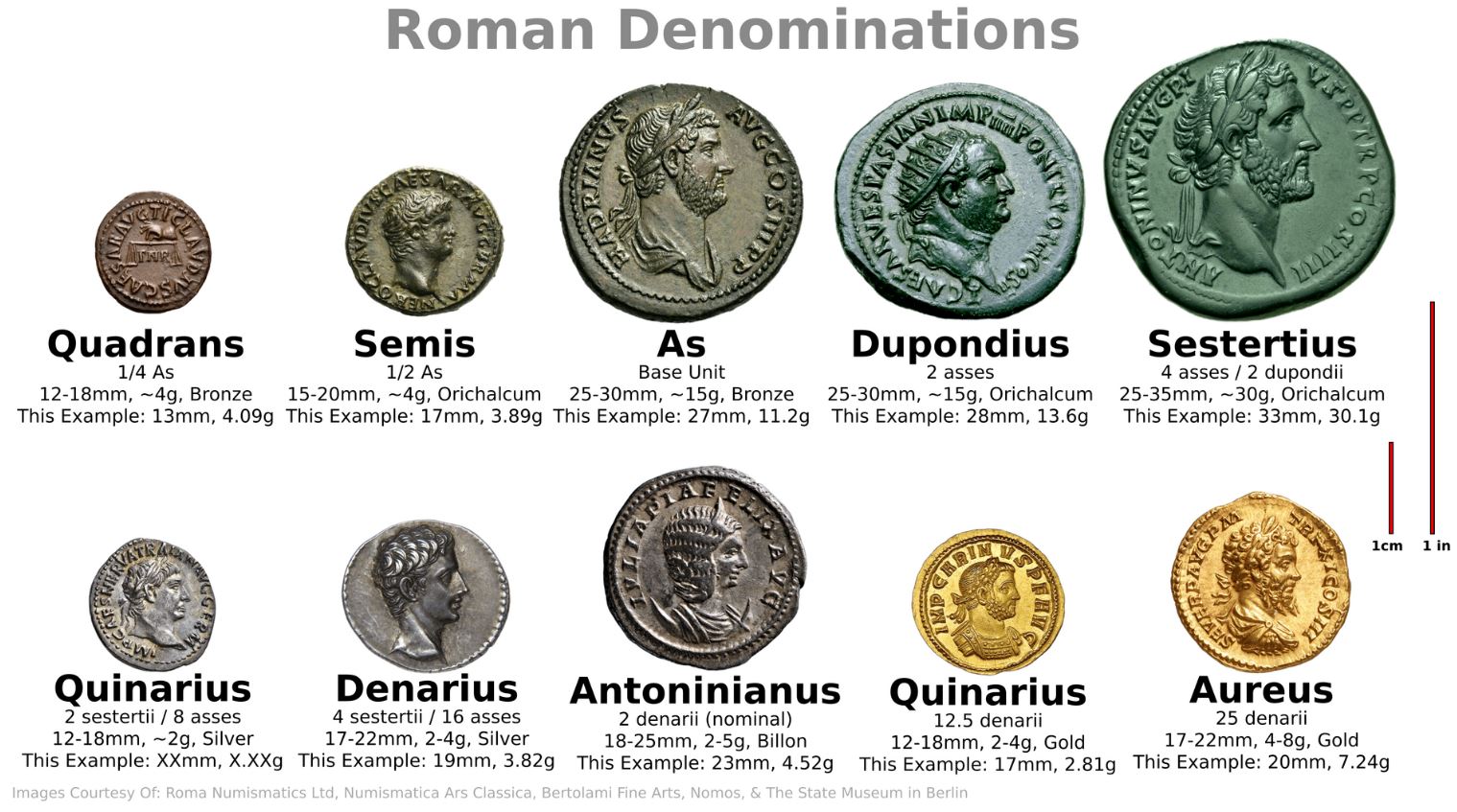
MISHNA: A woman is acquired by, i.e., becomes betrothed to, a man to be his wife in three ways, and she acquires herself, i.e., she terminates her marriage, in two ways. The mishna elaborates: She is acquired through money, through a document, and through sexual intercourse. With regard to a betrothal through money, there is a dispute between tanna’im: Beit Shammai say that she can be acquired with one dinar or with anything that is worth one dinar. And Beit Hillel say: She can be acquired with one peruta, a small copper coin, or with anything that is worth one peruta. The mishna further clarifies: And how much is the value of one peruta, by the fixed value of silver? The mishna explains that it is one-eighth of the Italian issar, which is a small silver coin.

וְקוֹנָה אֶת עַצְמָהּ בְּגֵט וּבְמִיתַת הַבַּעַל. הַיְּבָמָה נִקְנֵית בְּבִיאָה, וְקוֹנָה אֶת עַצְמָהּ בַּחֲלִיצָה וּבְמִיתַת הַיָּבָם.

And a woman acquires herself through a bill of divorce or through the death of the husband. A woman whose husband, who had a brother, died childless [yevama], can be acquired by the deceased husband’s brother, the yavam, only through intercourse. And she acquires herself, i.e., she is released from her levirate bond, through ḥalitza or through the death of the yavam.

גְּמָ׳ הָאִשָּׁה נִקְנֵית. מַאי שְׁנָא הָכָא דְּתָנֵי ״הָאִשָּׁה נִקְנֵית״, וּמַאי שְׁנָא הָתָם דְּתָנֵי ״הָאִישׁ מְקַדֵּשׁ״? מִשּׁוּם דְּקָא בָּעֵי לְמִיתְנֵי כֶּסֶף,

GEMARA: The mishna teaches that a woman can be acquired in three ways. The Gemara asks: What is different here that this mishna teaches: A woman is acquired, using the language of acquisition, and what is different there, in the beginning of the next chapter (42a), which teaches: A man betroths, using the language of betrothal? The Gemara explains: In this mishna the tanna utilized the language of acquisition because he wanted to teach about betrothal through money, which is the standard means of exchange in an act of acquisition.

וְכֶסֶף מְנָא לַן – גָּמַר ״קִיחָה״ ״קִיחָה״ מִשְּׂדֵה עֶפְרוֹן. כְּתִיב הָכָא: ״כִּי יִקַּח אִישׁ אִשָּׁה״, וּכְתִיב הָתָם: ״נָתַתִּי כֶּסֶף הַשָּׂדֶה קַח מִמֶּנִּי״,

The Gemara continues its explanation: And from where do we derive that betrothal is accomplished by means of giving money? It is derived by means of a verbal analogy between the term expressing taking stated with regard to betrothal and from the term expressing taking with regard to the field of Ephron. How so? It is written here, with regard to marriage: “When a man takes a woman” (Deuteronomy 24:1), and it is written there, concerning Abraham’s purchase of the field of the Cave of Machpelah from Ephron the Hittite: “I will give money for the field; take it from me” (Genesis 23:13). This verbal analogy teaches that just as Ephron’s field was acquired with money, so too, a woman can be acquired with money.

וְקִיחָה אִיקְּרִי ״קִנְיָן״, דִּכְתִיב: ״הַשָּׂדֶה אֲשֶׁר קָנָה אַבְרָהָם״.

The Gemara continues: And the taking of Ephron’s field is called an acquisition in the Torah, as it is written with regard to the same issue: “The field which Abraham acquired” (Genesis 25:10).

אִי נָמֵי, ״שָׂדוֹת בַּכֶּסֶף יִקְנוּ״, תָּנֵי ״הָאִשָּׁה נִקְנֵית״.

Alternatively, it can be proven that purchasing a field with money is called an acquisition from the verse: “They shall acquire fields with money” (Jeremiah 32:44). Consequently, as the tanna wanted to teach that a woman can be betrothed with money, he taught: A woman is acquired. This explains why the terminology of acquisition is used in this mishna.

וְנִיתְנֵי הָתָם ״הָאִישׁ קוֹנֶה״! מֵעִיקָּרָא תָּנֵי לִישָּׁנָא דְאוֹרָיְיתָא, וּלְבַסּוֹף תָּנֵי לִישָּׁנָא דְרַבָּנַן, וּמַאי לִישָּׁנָא דְרַבָּנַן? – דְּאָסַר לַהּ אַכּוּלֵּי עָלְמָא כְּהֶקְדֵּשׁ.

The Gemara asks: But let the mishna teach there, in the next chapter: A man acquires. The Gemara explains: Initially, the mishna taught using the language of the Torah, in which betrothal is called taking. And ultimately, in the next chapter, it taught using the language of the Sages. And what is the reason that betrothal is called kiddushin, literally, consecration, in the language of the Sages? The reason is that through betrothal the husband renders her forbidden to everyone like consecrated property. Therefore, this act is referred to as consecration.

וְנִיתְנֵי הָכָא ״הָאִישׁ קוֹנֶה״! מִשּׁוּם דְּקָא בָּעֵי לְמִיתְנָא סֵיפָא: ״וְקוֹנָה אֶת עַצְמָהּ״ בְּדִידַהּ, תְּנָא נָמֵי רֵישָׁא בְּדִידַהּ.

The Gemara asks another question with regard to the difference in wording between the two mishnayot: And let it teach here, as in the following chapter: A man acquires. Why does this mishna teach: The woman is acquired, with the woman as the subject of the sentence? The Gemara answers: This is because the tanna wanted to teach in the latter clause of the mishna: And she acquires herself, which is stated with regard to her. Therefore, the tanna also taught the halakha stated with regard to her in the first clause.

וְנִיתְנֵי ״הָאִישׁ קוֹנֶה וּמַקְנֶה״! מִשּׁוּם דְּאִיכָּא מִיתַת הַבַּעַל, דְּלָאו אִיהוּ קָא מַקְנֵי – מִן שְׁמַיָּא הוּא דְּמַקְנִי לָהּ.

The Gemara further asks: But if this is the reason, the mishna could have been formulated entirely differently. Let it teach: The man can acquire a woman and transfer authority, i.e., grant her the release from marriage in the form of a bill of divorce. The Gemara answers: The mishna could not use the expression: Transfer, because there is the case of the husband’s death, in which it is not he who transfers authority. Rather, it is from Heaven that her freedom is transferred to her. Therefore, the mishna could not issue a general statement that the man can actively transfer to the woman her release from marriage.

וְאִי בָּעֵית אֵימָא: אִי תְּנָא ״קוֹנֶה״, הֲוָה אָמֵינָא אֲפִילּוּ בְּעַל כׇּרְחָהּ – תְּנָא ״הָאִשָּׁה נִקְנֵית״, דְּמִדַּעְתָּהּ – אִין, שֶׁלֹּא מִדַּעְתָּהּ – לָא.

And if you wish, say instead another explanation. If the mishna had taught: The man acquires the woman, I would say that he can acquire her even against her will, as indicated by the expression: He acquires. One might have assumed that the betrothal depends on the husband, without the need for the woman’s consent. Therefore the mishna taught: The woman is acquired, from which it may be inferred that with her consent, yes, he can acquire her as a wife, but when he acts without her consent, no, she is not betrothed to him.

וּמַאי אִירְיָא דְּתָנֵי ״שָׁלֹשׁ״? לִיתְנֵי ״שְׁלֹשָׁה״! מִשּׁוּם דְּקָא בָּעֵי לְמִיתְנֵי ״דֶּרֶךְ״ וְ״דֶרֶךְ״ לְשׁוֹן נְקֵבָה הוּא, דִּכְתִיב: ״וְהוֹדַעְתָּ לָהֶם אֶת הַדֶּרֶךְ יֵלְכוּ בָהּ״.

The Gemara continues to analyze the style of the mishna: And why does the tanna specifically teach: Three [shalosh] ways, formulated in the feminine? Let it teach: Three [shelosha] ways, formulated in the masculine. The Gemara explains: The mishna uses this form because it wants to teach the word way [derekh], and derekh is formulated in the feminine, as it is written: “And you shall show them the way [derekh] in which [bah] they must walk” (Exodus 18:20). The term bah, which is referring to derekh, is formulated in the feminine.

וְאֶלָּא הָא דְּתַנְיָא: ״בְּשִׁבְעָה דְּרָכִים בּוֹדְקִין אֶת הַזָּב״, נִיתְנֵי ״שֶׁבַע״! מִשּׁוּם דְּקָא בָּעֵי לְמִיתְנֵי ״דֶּרֶךְ״, וְאַשְׁכְּחַן ״דֶּרֶךְ״ דְּאִיקְּרִי לְשׁוֹן זָכָר, דִּכְתִיב: ״בְּדֶרֶךְ אֶחָד יֵצְאוּ אֵלֶיךָ וּבְשִׁבְעָה דְרָכִים יָנוּסוּ לְפָנֶיךָ״. אִי הָכִי, קָשׁוּ קְרָאֵי אַהֲדָדֵי! וְקַשְׁיָא נָמֵי מַתְנִיתִין אַהֲדָדֵי!

The Gemara challenges: But with regard to that which is taught in a mishna (Nazir 65b): One examines a zav in seven [shiva] ways [derakhim], where shiva is formulated in the masculine, let it teach: Seven [sheva] ways, formulated in the feminine. The Gemara answers: The mishna uses the masculine formulation of the term seven because it wanted to teach: Derekh, and we find that the word derekh is referred to in the masculine form, as it is written: “They shall come out against you one way [derekh], and shall flee before you seven [shiva] ways” (Deuteronomy 28:7). The Gemara asks: If so, the verses contradict each other, as in one verse the term derekh is masculine, and in the other verse it is feminine. And furthermore, the mishnayot contradict each other, as in one mishna derekh is masculine while in the other it is feminine.

קְרָאֵי אַהֲדָדֵי לָא קַשְׁיָין: הָכָא, דִּבְתוֹרָה קָאֵי, וְתוֹרָה אִיקְּרִי לְשׁוֹן נְקֵבָה, דִּכְתִיב: ״תּוֹרַת ה׳ תְּמִימָה מְשִׁיבַת נָפֶשׁ״ – כָּתַב לָהּ בִּלְשׁוֹן נְקֵבָה. הָתָם, דִּבְמִלְחָמָה קָאֵי, דְּדַרְכּוֹ שֶׁל אִישׁ לַעֲשׂוֹת מִלְחָמָה וְאֵין דַּרְכָּהּ שֶׁל אִשָּׁה לַעֲשׂוֹת מִלְחָמָה – כָּתַב לָהּ בִּלְשׁוֹן זָכָר.

The Gemara answers: The verses do not contradict each other. Here, that verse: “The way in which they must walk” (Exodus 18:20), is referring to the Torah, i.e., the way mentioned here is referring to the path of the Torah, and Torah is referred to in the feminine form, as it is written: “The Torah of the Lord is perfect [temima], restoring the soul” (Psalms 19:8). The word temima is in the feminine. Consequently, in reference to the Torah the verse writes: Derekh, formulated in the feminine. There, that verse: “Shall flee before you seven ways” (Deuteronomy 28:7), is referring to war, and as it is the way of a man to wage war and it is not the way of a woman to wage war, it is appropriate to speak in the masculine. Therefore, the verse writes the word derekh formulated in the masculine.

מַתְנִיתִין אַהֲדָדֵי לָא קַשְׁיָין: הָכָא, דִּלְגַבֵּי אִשָּׁה קָאֵי – קָתָנֵי לַהּ בִּלְשׁוֹן נְקֵבָה. הָתָם, דִּלְגַבֵּי אִישׁ קָאֵי, דְּדַרְכּוֹ שֶׁל אִישׁ לִיבָּדֵק וְאֵין דַּרְכָּהּ שֶׁל אִשָּׁה לִיבָּדֵק, דְּהָא אִשָּׁה נָמֵי בְּאוֹנֶס מִיטַּמְּאָהּ – תָּנֵי לְשׁוֹן זָכָר.

Likewise, the mishnayot do not contradict each other: Here, where it is referring to a woman, the mishna teaches derekh formulated in the feminine. There, with regard to the examination of a zav, where it is referring to a man, as it is common for a man to undergo an examination to determine if his emission has a cause other than a gonorrhea-like discharge [ziva] but it is not common for a woman to undergo an examination, since, unlike a man, a woman is rendered impure even by circumstances beyond her control, it taught and used the word derekh formulated in the masculine. Even if a woman has an emission of blood for a reason other than illness, she is still impure. Consequently, in her case there is no reason for an examination to see what might have caused her discharge.

מַאי טַעְמָא תָּנֵי ״שָׁלֹשׁ״ – מִשּׁוּם ״דְּרָכִים״? נִיתְנֵי ״דְּבָרִים״ וְנִיתְנֵי ״שְׁלֹשָׁה״! מִשּׁוּם דְּקָבָעֵי לְמִיתְנֵי ״בִּיאָה״, וּבִיאָה אִיקְּרִי ״דֶּרֶךְ״, דִּכְתִיב: ״וְדֶרֶךְ גֶּבֶר בְּעַלְמָה כֵּן דֶּרֶךְ אִשָּׁה מְנָאָפֶת״.

The Gemara asks another question with regard to the language of the mishna: What is the reason that the mishna teaches: Three [shalosh], formulated in the feminine? This is because it wanted to teach: Ways. But if so, let it teach instead the word: Matters, i.e., a woman can be acquired through three matters, and as this term is masculine, let it teach three [shelosha], in the masculine. The Gemara answers: The mishna did do so because it wanted to teach intercourse as one of these ways, and intercourse is called a way in the Torah, as it is written: “And the way of a man with a young woman, so is the way of an adulterous woman” (Proverbs 30:19-20). For this reason the mishna used the term ways rather than matters.

הָא תִּינַח ״בִּיאָה״, ״כֶּסֶף״ וּ״שְׁטָר״ מַאי אִיכָּא לְמֵימַר? מִשּׁוּם ״בִּיאָה״.

The Gemara raises a difficulty: This works out well with regard to intercourse, which is referred to as a way. But what is there to say concerning money and a document? The mishna could have used the word matters with regard to these modes of betrothal. The Gemara answers: Because it was necessary to mention intercourse, which is called a way, the mishna used the word way in reference to the other two modes as well.

וְתָנֵי תַּרְתֵּי אַטּוּ חֲדָא? הָנָךְ נָמֵי צוֹרֶךְ בִּיאָה נִינְהוּ.

The Gemara asks: And would the mishna teach two cases in a particular manner due to one? Since the word way suits only one of the three modes of betrothal, why didn’t the mishna use the term: Matters, on account of the other two? The Gemara answers: These, too, are for the sake of sexual intercourse. Since the marital relationship, in which intercourse is paramount, is the ultimate purpose of betrothal, the mishna considers this clause as the most important part of the halakha.

וְאִי בָּעֵית אֵימָא: הָא מַנִּי – רַבִּי שִׁמְעוֹן הִיא, דְּתַנְיָא, רַבִּי שִׁמְעוֹן אוֹמֵר: מִפְּנֵי מָה אָמְרָה תּוֹרָה ״כִּי יִקַּח אִישׁ אִשָּׁה״, וְלֹא כָּתַב ״כִּי תִּלָּקַח אִשָּׁה לְאִישׁ״? – מִפְּנֵי שֶׁדַּרְכּוֹ שֶׁל אִישׁ לְחַזֵּר עַל אִשָּׁה וְאֵין דַּרְכָּהּ שֶׁל אִשָּׁה לְחַזֵּר עַל אִישׁ. מָשָׁל לְאָדָם שֶׁאָבְדָה לוֹ אֲבֵידָה – מִי חוֹזֵר עַל מִי? בַּעַל אֲבֵידָה מְחַזֵּר עַל אֲבֵידָתוֹ.

And if you wish, say instead: In accordance with whose opinion is this mishna, which teaches derekh? It is in accordance with the opinion of Rabbi Shimon, as it is taught in a baraita that Rabbi Shimon says: For what reason did the Torah say: “When a man takes a woman” (Deuteronomy 22:13) and did not write: “When a woman is taken by a man? Because it is the way [derekh] of a man to pursue a woman, and it is not the way of a woman to pursue a man. The Gemara cites a parable of a man who lost an item. Who searches for what? Certainly the owner of the lost item searches for his lost item, not the other way around. Since woman was created from man’s lost side, the man seeks that which he has lost. To allude to this statement of Rabbi Shimon, the mishna employs the term derekh in this context.

וְהָא דִּתְנַן: ״בְּשִׁבְעָה דְּרָכִים בּוֹדְקִין אֶת הַזָּב״, לִיתְנֵי ״דְּבָרִים״! הָתָם הָא קָא מַשְׁמַע לַן, דְּדַרְכָּא דְּמֵיכְלָא יַתִּירָא לְאֵתוֹיֵי לִידֵי זִיבָה, וְדַרְכָּא דְּמִישְׁתְּיָא יַתִּירָא לְאֵתוֹיֵי לִידֵי זִיבָה.

The Gemara asks: But with regard to that which we learned in a mishna: One examines a zav in seven ways, why does it use this phraseology? Let it teach the word: Matters. The Gemara answers that the mishna there teaches us this halakha, that it is the way of excessive eating to lead to ziva, and likewise it is the way of excessive drinking to lead to ziva. Therefore, the mishna uses the phrase: Seven ways, to emphasize that there are ways of behavior that can cause the emission of a zav.

וְהָא דִּתְנַן: ״אֶתְרוֹג שָׁוֶה לָאִילָן בִּשְׁלֹשָׁה דְּרָכִים״, לִיתְנֵי ״דְּבָרִים״! מִשּׁוּם דְּבָעֵינַן מִתְנֵי סֵיפָא: ״וְלַיָּרָק בְּדֶרֶךְ אֶחָד״. סֵיפָא נָמֵי, נִיתְנֵי ״דָּבָר״!

The Gemara further challenges: And with regard to that which we learned in a mishna (Bikkurim 2:6): The halakhot of an etrog tree correspond to those of a tree in three ways. Let it teach instead: Three matters. The Gemara answers: Because it wants to teach in the latter clause: And the halakhot of an etrog tree correspond to those of a vegetable in one way, therefore the mishna uses the term: Ways, in the first clause as well. The Gemara asks: In the latter clause too, let the mishna teach: Matter, rather than: Way.

Today’s daily daf tools:

Delve Deeper

Broaden your understanding of the topics on this daf with classes and podcasts from top women Talmud scholars.

For the Beyond the Daf shiurim offered in Hebrew, see here.

New to Talmud?

Check out our resources designed to help you navigate a page of Talmud – and study at the pace, level and style that fits you. 

The Hadran Women’s Tapestry

Meet the diverse women learning Gemara at Hadran and hear their stories. 

I began learning the daf in January 2022. I initially “flew under the radar,” sharing my journey with my husband and a few close friends. I was apprehensive – who, me? Gemara? Now, 2 years in, I feel changed. The rigor of a daily commitment frames my days. The intellectual engagement enhances my knowledge. And the virtual community of learners has become a new family, weaving a glorious tapestry.

Gitta Jaroslawicz-Neufeld

Far Rockaway, United States

Inspired by Hadran’s first Siyum ha Shas L’Nashim two years ago, I began daf yomi right after for the next cycle. As to this extraordinary journey together with Hadran..as TS Eliot wrote “We must not cease from exploration and the end of all our exploring will be to arrive where we began and to know the place for the first time.

Susan Handelman
Susan Handelman

Jerusalem, Israel

I started learning at the beginning of the cycle after a friend persuaded me that it would be right up my alley. I was lucky enough to learn at Rabbanit Michelle’s house before it started on zoom and it was quickly part of my daily routine. I find it so important to see for myself where halachot were derived, where stories were told and to get more insight into how the Rabbis interacted.

Deborah Dickson
Deborah Dickson

Ra’anana, Israel

After being so inspired by the siyum shas two years ago, I began tentatively learning daf yomi, like Rabbanut Michelle kept saying – taking one daf at a time. I’m still taking it one daf at a time, one masechet at a time, but I’m loving it and am still so inspired by Rabbanit Michelle and the Hadran community, and yes – I am proud to be finishing Seder Mo’ed.

Caroline Graham-Ofstein

Bet Shemesh, Israel

I went to day school in Toronto but really began to learn when I attended Brovenders back in the early 1980’s. Last year after talking to my sister who was learning Daf Yomi, inspired, I looked on the computer and the Hadran site came up. I have been listening to each days shiur in the morning as I work. I emphasis listening since I am not sitting with a Gamara. I listen while I work in my studio.

Rachel Rotenberg
Rachel Rotenberg

Tekoa, Israel

I learned Talmud as a student in Yeshivat Ramaz and felt at the time that Talmud wasn’t for me. After reading Ilana Kurshan’s book I was intrigued and after watching the great siyum in Yerushalayim it ignited the spark to begin this journey. It has been a transformative life experience for me as a wife, mother, Savta and member of Klal Yisrael.
Elana Storch
Elana Storch

Phoenix, Arizona, United States

When I began learning Daf Yomi at the beginning of the current cycle, I was preparing for an upcoming surgery and thought that learning the Daf would be something positive I could do each day during my recovery, even if I accomplished nothing else. I had no idea what a lifeline learning the Daf would turn out to be in so many ways.

Laura Shechter
Laura Shechter

Lexington, MA, United States

In January 2020 on a Shabbaton to Baltimore I heard about the new cycle of Daf Yomi after the siyum celebration in NYC stadium. I started to read “ a daily dose of Talmud “ and really enjoyed it . It led me to google “ do Orthodox women study Talmud? “ and found HADRAN! Since then I listen to the podcast every morning, participate in classes and siyum. I love to learn, this is amazing! Thank you

Sandrine Simons
Sandrine Simons

Atlanta, United States

My Daf journey began in August 2012 after participating in the Siyum Hashas where I was blessed as an “enabler” of others.  Galvanized into my own learning I recited the Hadran on Shas in January 2020 with Rabbanit Michelle. That Siyum was a highlight in my life.  Now, on round two, Daf has become my spiritual anchor to which I attribute manifold blessings.

Rina Goldberg
Rina Goldberg

Englewood NJ, United States

Jill Shames
Jill Shames

Jerusalem, Israel

I started at the beginning of this cycle. No 1 reason, but here’s 5.
In 2019 I read about the upcoming siyum hashas.
There was a sermon at shul about how anyone can learn Talmud.
Talmud references come up when I am studying. I wanted to know more.
Yentl was on telly. Not a great movie but it’s about studying Talmud.
I went to the Hadran website: A new cycle is starting. I’m gonna do this

Denise Neapolitan
Denise Neapolitan

Cambridge, United Kingdom

I had never heard of Daf Yomi and after reading the book, The Weight of Ink, I explored more about it. I discovered that it was only 6 months before a whole new cycle started and I was determined to give it a try. I tried to get a friend to join me on the journey but after the first few weeks they all dropped it. I haven’t missed a day of reading and of listening to the podcast.

Anne Rubin
Anne Rubin

Elkins Park, United States

Having never learned Talmud before, I started Daf Yomi in hopes of connecting to the Rabbinic tradition, sharing a daily idea on Instagram (@dafyomiadventures). With Hadran and Sefaria, I slowly gained confidence in my skills and understanding. Now, part of the Pardes Jewish Educators Program, I can’t wait to bring this love of learning with me as I continue to pass it on to my future students.

Hannah-G-pic
Hannah Greenberg

Pennsylvania, United States

The start of my journey is not so exceptional. I was between jobs and wanted to be sure to get out every day (this was before corona). Well, I was hooked after about a month and from then on only looked for work-from-home jobs so I could continue learning the Daf. Daf has been a constant in my life, though hurricanes, death, illness/injury, weddings. My new friends are Rav, Shmuel, Ruth, Joanna.
Judi Felber
Judi Felber

Raanana, Israel

I started learning daf in January, 2020, being inspired by watching the Siyyum Hashas in Binyanei Haumah. I wasn’t sure I would be able to keep up with the task. When I went to school, Gemara was not an option. Fast forward to March, 2022, and each day starts with the daf. The challenge is now learning the intricacies of delving into the actual learning. Hadran community, thank you!

Rochel Cheifetz
Rochel Cheifetz

Riverdale, NY, United States

I began daf yomi in January 2020 with Brachot. I had made aliya 6 months before, and one of my post-aliya goals was to complete a full cycle. As a life-long Tanach teacher, I wanted to swim from one side of the Yam shel Torah to the other. Daf yomi was also my sanity through COVID. It was the way to marking the progression of time, and feel that I could grow and accomplish while time stopped.

Leah Herzog
Leah Herzog

Givat Zev, Israel

My husband learns Daf, my son learns Daf, my son-in-law learns Daf.
When I read about Hadran’s Siyyum HaShas 2 years ago, I thought- I can learn Daf too!
I had learned Gemara in Hillel HS in NJ, & I remembered loving it.
Rabbanit Michelle & Hadran have opened my eyes & expanding my learning so much in the past few years. We can now discuss Gemara as a family.
This was a life saver during Covid

Renee Braha
Renee Braha

Brooklyn, NY, United States

Shortly after the death of my father, David Malik z”l, I made the commitment to Daf Yomi. While riding to Ben Gurion airport in January, Siyum HaShas was playing on the radio; that was the nudge I needed to get started. The “everyday-ness” of the Daf has been a meaningful spiritual practice, especial after COVID began & I was temporarily unable to say Kaddish at daily in-person minyanim.

Lisa S. Malik
Lisa S. Malik

Wynnewood, United States

I started learning at the beginning of the cycle after a friend persuaded me that it would be right up my alley. I was lucky enough to learn at Rabbanit Michelle’s house before it started on zoom and it was quickly part of my daily routine. I find it so important to see for myself where halachot were derived, where stories were told and to get more insight into how the Rabbis interacted.

Deborah Dickson
Deborah Dickson

Ra’anana, Israel

As Jewish educator and as a woman, I’m mindful that Talmud has been kept from women for many centuries. Now that we are privileged to learn, and learning is so accessible, it’s my intent to complete Daf Yomi. I am so excited to keep learning with my Hadran community.

Sue Parker Gerson
Sue Parker Gerson

Denver, United States

Kiddushin 2

הָאִשָּׁה נִקְנֵית בְּשָׁלֹשׁ דְּרָכִים, וְקוֹנָה אֶת עַצְמָהּ בִּשְׁתֵּי דְרָכִים. נִקְנֵית בְּכֶסֶף, בִּשְׁטָר, וּבְבִיאָה. בְּכֶסֶף: בֵּית שַׁמַּאי אוֹמְרִים בְּדִינָר וּבְשָׁוֶה דִּינָר, וּבֵית הִלֵּל אוֹמְרִים: בִּפְרוּטָה וּבְשָׁוֶה פְּרוּטָה. וְכַמָּה הִיא פְּרוּטָה – אֶחָד מִשְּׁמֹנָה בָּאִיסָּר הָאִיטַלְקִי.

MISHNA: A woman is acquired by, i.e., becomes betrothed to, a man to be his wife in three ways, and she acquires herself, i.e., she terminates her marriage, in two ways. The mishna elaborates: She is acquired through money, through a document, and through sexual intercourse. With regard to a betrothal through money, there is a dispute between tanna’im: Beit Shammai say that she can be acquired with one dinar or with anything that is worth one dinar. And Beit Hillel say: She can be acquired with one peruta, a small copper coin, or with anything that is worth one peruta. The mishna further clarifies: And how much is the value of one peruta, by the fixed value of silver? The mishna explains that it is one-eighth of the Italian issar, which is a small silver coin.

וְקוֹנָה אֶת עַצְמָהּ בְּגֵט וּבְמִיתַת הַבַּעַל. הַיְּבָמָה נִקְנֵית בְּבִיאָה, וְקוֹנָה אֶת עַצְמָהּ בַּחֲלִיצָה וּבְמִיתַת הַיָּבָם.

And a woman acquires herself through a bill of divorce or through the death of the husband. A woman whose husband, who had a brother, died childless [yevama], can be acquired by the deceased husband’s brother, the yavam, only through intercourse. And she acquires herself, i.e., she is released from her levirate bond, through ḥalitza or through the death of the yavam.

גְּמָ׳ הָאִשָּׁה נִקְנֵית. מַאי שְׁנָא הָכָא דְּתָנֵי ״הָאִשָּׁה נִקְנֵית״, וּמַאי שְׁנָא הָתָם דְּתָנֵי ״הָאִישׁ מְקַדֵּשׁ״? מִשּׁוּם דְּקָא בָּעֵי לְמִיתְנֵי כֶּסֶף,

GEMARA: The mishna teaches that a woman can be acquired in three ways. The Gemara asks: What is different here that this mishna teaches: A woman is acquired, using the language of acquisition, and what is different there, in the beginning of the next chapter (42a), which teaches: A man betroths, using the language of betrothal? The Gemara explains: In this mishna the tanna utilized the language of acquisition because he wanted to teach about betrothal through money, which is the standard means of exchange in an act of acquisition.

וְכֶסֶף מְנָא לַן – גָּמַר ״קִיחָה״ ״קִיחָה״ מִשְּׂדֵה עֶפְרוֹן. כְּתִיב הָכָא: ״כִּי יִקַּח אִישׁ אִשָּׁה״, וּכְתִיב הָתָם: ״נָתַתִּי כֶּסֶף הַשָּׂדֶה קַח מִמֶּנִּי״,

The Gemara continues its explanation: And from where do we derive that betrothal is accomplished by means of giving money? It is derived by means of a verbal analogy between the term expressing taking stated with regard to betrothal and from the term expressing taking with regard to the field of Ephron. How so? It is written here, with regard to marriage: “When a man takes a woman” (Deuteronomy 24:1), and it is written there, concerning Abraham’s purchase of the field of the Cave of Machpelah from Ephron the Hittite: “I will give money for the field; take it from me” (Genesis 23:13). This verbal analogy teaches that just as Ephron’s field was acquired with money, so too, a woman can be acquired with money.

וְקִיחָה אִיקְּרִי ״קִנְיָן״, דִּכְתִיב: ״הַשָּׂדֶה אֲשֶׁר קָנָה אַבְרָהָם״.

The Gemara continues: And the taking of Ephron’s field is called an acquisition in the Torah, as it is written with regard to the same issue: “The field which Abraham acquired” (Genesis 25:10).

אִי נָמֵי, ״שָׂדוֹת בַּכֶּסֶף יִקְנוּ״, תָּנֵי ״הָאִשָּׁה נִקְנֵית״.

Alternatively, it can be proven that purchasing a field with money is called an acquisition from the verse: “They shall acquire fields with money” (Jeremiah 32:44). Consequently, as the tanna wanted to teach that a woman can be betrothed with money, he taught: A woman is acquired. This explains why the terminology of acquisition is used in this mishna.

וְנִיתְנֵי הָתָם ״הָאִישׁ קוֹנֶה״! מֵעִיקָּרָא תָּנֵי לִישָּׁנָא דְאוֹרָיְיתָא, וּלְבַסּוֹף תָּנֵי לִישָּׁנָא דְרַבָּנַן, וּמַאי לִישָּׁנָא דְרַבָּנַן? – דְּאָסַר לַהּ אַכּוּלֵּי עָלְמָא כְּהֶקְדֵּשׁ.

The Gemara asks: But let the mishna teach there, in the next chapter: A man acquires. The Gemara explains: Initially, the mishna taught using the language of the Torah, in which betrothal is called taking. And ultimately, in the next chapter, it taught using the language of the Sages. And what is the reason that betrothal is called kiddushin, literally, consecration, in the language of the Sages? The reason is that through betrothal the husband renders her forbidden to everyone like consecrated property. Therefore, this act is referred to as consecration.

וְנִיתְנֵי הָכָא ״הָאִישׁ קוֹנֶה״! מִשּׁוּם דְּקָא בָּעֵי לְמִיתְנָא סֵיפָא: ״וְקוֹנָה אֶת עַצְמָהּ״ בְּדִידַהּ, תְּנָא נָמֵי רֵישָׁא בְּדִידַהּ.

The Gemara asks another question with regard to the difference in wording between the two mishnayot: And let it teach here, as in the following chapter: A man acquires. Why does this mishna teach: The woman is acquired, with the woman as the subject of the sentence? The Gemara answers: This is because the tanna wanted to teach in the latter clause of the mishna: And she acquires herself, which is stated with regard to her. Therefore, the tanna also taught the halakha stated with regard to her in the first clause.

וְנִיתְנֵי ״הָאִישׁ קוֹנֶה וּמַקְנֶה״! מִשּׁוּם דְּאִיכָּא מִיתַת הַבַּעַל, דְּלָאו אִיהוּ קָא מַקְנֵי – מִן שְׁמַיָּא הוּא דְּמַקְנִי לָהּ.

The Gemara further asks: But if this is the reason, the mishna could have been formulated entirely differently. Let it teach: The man can acquire a woman and transfer authority, i.e., grant her the release from marriage in the form of a bill of divorce. The Gemara answers: The mishna could not use the expression: Transfer, because there is the case of the husband’s death, in which it is not he who transfers authority. Rather, it is from Heaven that her freedom is transferred to her. Therefore, the mishna could not issue a general statement that the man can actively transfer to the woman her release from marriage.

וְאִי בָּעֵית אֵימָא: אִי תְּנָא ״קוֹנֶה״, הֲוָה אָמֵינָא אֲפִילּוּ בְּעַל כׇּרְחָהּ – תְּנָא ״הָאִשָּׁה נִקְנֵית״, דְּמִדַּעְתָּהּ – אִין, שֶׁלֹּא מִדַּעְתָּהּ – לָא.

And if you wish, say instead another explanation. If the mishna had taught: The man acquires the woman, I would say that he can acquire her even against her will, as indicated by the expression: He acquires. One might have assumed that the betrothal depends on the husband, without the need for the woman’s consent. Therefore the mishna taught: The woman is acquired, from which it may be inferred that with her consent, yes, he can acquire her as a wife, but when he acts without her consent, no, she is not betrothed to him.

וּמַאי אִירְיָא דְּתָנֵי ״שָׁלֹשׁ״? לִיתְנֵי ״שְׁלֹשָׁה״! מִשּׁוּם דְּקָא בָּעֵי לְמִיתְנֵי ״דֶּרֶךְ״ וְ״דֶרֶךְ״ לְשׁוֹן נְקֵבָה הוּא, דִּכְתִיב: ״וְהוֹדַעְתָּ לָהֶם אֶת הַדֶּרֶךְ יֵלְכוּ בָהּ״.

The Gemara continues to analyze the style of the mishna: And why does the tanna specifically teach: Three [shalosh] ways, formulated in the feminine? Let it teach: Three [shelosha] ways, formulated in the masculine. The Gemara explains: The mishna uses this form because it wants to teach the word way [derekh], and derekh is formulated in the feminine, as it is written: “And you shall show them the way [derekh] in which [bah] they must walk” (Exodus 18:20). The term bah, which is referring to derekh, is formulated in the feminine.

וְאֶלָּא הָא דְּתַנְיָא: ״בְּשִׁבְעָה דְּרָכִים בּוֹדְקִין אֶת הַזָּב״, נִיתְנֵי ״שֶׁבַע״! מִשּׁוּם דְּקָא בָּעֵי לְמִיתְנֵי ״דֶּרֶךְ״, וְאַשְׁכְּחַן ״דֶּרֶךְ״ דְּאִיקְּרִי לְשׁוֹן זָכָר, דִּכְתִיב: ״בְּדֶרֶךְ אֶחָד יֵצְאוּ אֵלֶיךָ וּבְשִׁבְעָה דְרָכִים יָנוּסוּ לְפָנֶיךָ״. אִי הָכִי, קָשׁוּ קְרָאֵי אַהֲדָדֵי! וְקַשְׁיָא נָמֵי מַתְנִיתִין אַהֲדָדֵי!

The Gemara challenges: But with regard to that which is taught in a mishna (Nazir 65b): One examines a zav in seven [shiva] ways [derakhim], where shiva is formulated in the masculine, let it teach: Seven [sheva] ways, formulated in the feminine. The Gemara answers: The mishna uses the masculine formulation of the term seven because it wanted to teach: Derekh, and we find that the word derekh is referred to in the masculine form, as it is written: “They shall come out against you one way [derekh], and shall flee before you seven [shiva] ways” (Deuteronomy 28:7). The Gemara asks: If so, the verses contradict each other, as in one verse the term derekh is masculine, and in the other verse it is feminine. And furthermore, the mishnayot contradict each other, as in one mishna derekh is masculine while in the other it is feminine.

קְרָאֵי אַהֲדָדֵי לָא קַשְׁיָין: הָכָא, דִּבְתוֹרָה קָאֵי, וְתוֹרָה אִיקְּרִי לְשׁוֹן נְקֵבָה, דִּכְתִיב: ״תּוֹרַת ה׳ תְּמִימָה מְשִׁיבַת נָפֶשׁ״ – כָּתַב לָהּ בִּלְשׁוֹן נְקֵבָה. הָתָם, דִּבְמִלְחָמָה קָאֵי, דְּדַרְכּוֹ שֶׁל אִישׁ לַעֲשׂוֹת מִלְחָמָה וְאֵין דַּרְכָּהּ שֶׁל אִשָּׁה לַעֲשׂוֹת מִלְחָמָה – כָּתַב לָהּ בִּלְשׁוֹן זָכָר.

The Gemara answers: The verses do not contradict each other. Here, that verse: “The way in which they must walk” (Exodus 18:20), is referring to the Torah, i.e., the way mentioned here is referring to the path of the Torah, and Torah is referred to in the feminine form, as it is written: “The Torah of the Lord is perfect [temima], restoring the soul” (Psalms 19:8). The word temima is in the feminine. Consequently, in reference to the Torah the verse writes: Derekh, formulated in the feminine. There, that verse: “Shall flee before you seven ways” (Deuteronomy 28:7), is referring to war, and as it is the way of a man to wage war and it is not the way of a woman to wage war, it is appropriate to speak in the masculine. Therefore, the verse writes the word derekh formulated in the masculine.

מַתְנִיתִין אַהֲדָדֵי לָא קַשְׁיָין: הָכָא, דִּלְגַבֵּי אִשָּׁה קָאֵי – קָתָנֵי לַהּ בִּלְשׁוֹן נְקֵבָה. הָתָם, דִּלְגַבֵּי אִישׁ קָאֵי, דְּדַרְכּוֹ שֶׁל אִישׁ לִיבָּדֵק וְאֵין דַּרְכָּהּ שֶׁל אִשָּׁה לִיבָּדֵק, דְּהָא אִשָּׁה נָמֵי בְּאוֹנֶס מִיטַּמְּאָהּ – תָּנֵי לְשׁוֹן זָכָר.

Likewise, the mishnayot do not contradict each other: Here, where it is referring to a woman, the mishna teaches derekh formulated in the feminine. There, with regard to the examination of a zav, where it is referring to a man, as it is common for a man to undergo an examination to determine if his emission has a cause other than a gonorrhea-like discharge [ziva] but it is not common for a woman to undergo an examination, since, unlike a man, a woman is rendered impure even by circumstances beyond her control, it taught and used the word derekh formulated in the masculine. Even if a woman has an emission of blood for a reason other than illness, she is still impure. Consequently, in her case there is no reason for an examination to see what might have caused her discharge.

מַאי טַעְמָא תָּנֵי ״שָׁלֹשׁ״ – מִשּׁוּם ״דְּרָכִים״? נִיתְנֵי ״דְּבָרִים״ וְנִיתְנֵי ״שְׁלֹשָׁה״! מִשּׁוּם דְּקָבָעֵי לְמִיתְנֵי ״בִּיאָה״, וּבִיאָה אִיקְּרִי ״דֶּרֶךְ״, דִּכְתִיב: ״וְדֶרֶךְ גֶּבֶר בְּעַלְמָה כֵּן דֶּרֶךְ אִשָּׁה מְנָאָפֶת״.

The Gemara asks another question with regard to the language of the mishna: What is the reason that the mishna teaches: Three [shalosh], formulated in the feminine? This is because it wanted to teach: Ways. But if so, let it teach instead the word: Matters, i.e., a woman can be acquired through three matters, and as this term is masculine, let it teach three [shelosha], in the masculine. The Gemara answers: The mishna did do so because it wanted to teach intercourse as one of these ways, and intercourse is called a way in the Torah, as it is written: “And the way of a man with a young woman, so is the way of an adulterous woman” (Proverbs 30:19-20). For this reason the mishna used the term ways rather than matters.

הָא תִּינַח ״בִּיאָה״, ״כֶּסֶף״ וּ״שְׁטָר״ מַאי אִיכָּא לְמֵימַר? מִשּׁוּם ״בִּיאָה״.

The Gemara raises a difficulty: This works out well with regard to intercourse, which is referred to as a way. But what is there to say concerning money and a document? The mishna could have used the word matters with regard to these modes of betrothal. The Gemara answers: Because it was necessary to mention intercourse, which is called a way, the mishna used the word way in reference to the other two modes as well.

וְתָנֵי תַּרְתֵּי אַטּוּ חֲדָא? הָנָךְ נָמֵי צוֹרֶךְ בִּיאָה נִינְהוּ.

The Gemara asks: And would the mishna teach two cases in a particular manner due to one? Since the word way suits only one of the three modes of betrothal, why didn’t the mishna use the term: Matters, on account of the other two? The Gemara answers: These, too, are for the sake of sexual intercourse. Since the marital relationship, in which intercourse is paramount, is the ultimate purpose of betrothal, the mishna considers this clause as the most important part of the halakha.

וְאִי בָּעֵית אֵימָא: הָא מַנִּי – רַבִּי שִׁמְעוֹן הִיא, דְּתַנְיָא, רַבִּי שִׁמְעוֹן אוֹמֵר: מִפְּנֵי מָה אָמְרָה תּוֹרָה ״כִּי יִקַּח אִישׁ אִשָּׁה״, וְלֹא כָּתַב ״כִּי תִּלָּקַח אִשָּׁה לְאִישׁ״? – מִפְּנֵי שֶׁדַּרְכּוֹ שֶׁל אִישׁ לְחַזֵּר עַל אִשָּׁה וְאֵין דַּרְכָּהּ שֶׁל אִשָּׁה לְחַזֵּר עַל אִישׁ. מָשָׁל לְאָדָם שֶׁאָבְדָה לוֹ אֲבֵידָה – מִי חוֹזֵר עַל מִי? בַּעַל אֲבֵידָה מְחַזֵּר עַל אֲבֵידָתוֹ.

And if you wish, say instead: In accordance with whose opinion is this mishna, which teaches derekh? It is in accordance with the opinion of Rabbi Shimon, as it is taught in a baraita that Rabbi Shimon says: For what reason did the Torah say: “When a man takes a woman” (Deuteronomy 22:13) and did not write: “When a woman is taken by a man? Because it is the way [derekh] of a man to pursue a woman, and it is not the way of a woman to pursue a man. The Gemara cites a parable of a man who lost an item. Who searches for what? Certainly the owner of the lost item searches for his lost item, not the other way around. Since woman was created from man’s lost side, the man seeks that which he has lost. To allude to this statement of Rabbi Shimon, the mishna employs the term derekh in this context.

וְהָא דִּתְנַן: ״בְּשִׁבְעָה דְּרָכִים בּוֹדְקִין אֶת הַזָּב״, לִיתְנֵי ״דְּבָרִים״! הָתָם הָא קָא מַשְׁמַע לַן, דְּדַרְכָּא דְּמֵיכְלָא יַתִּירָא לְאֵתוֹיֵי לִידֵי זִיבָה, וְדַרְכָּא דְּמִישְׁתְּיָא יַתִּירָא לְאֵתוֹיֵי לִידֵי זִיבָה.

The Gemara asks: But with regard to that which we learned in a mishna: One examines a zav in seven ways, why does it use this phraseology? Let it teach the word: Matters. The Gemara answers that the mishna there teaches us this halakha, that it is the way of excessive eating to lead to ziva, and likewise it is the way of excessive drinking to lead to ziva. Therefore, the mishna uses the phrase: Seven ways, to emphasize that there are ways of behavior that can cause the emission of a zav.

וְהָא דִּתְנַן: ״אֶתְרוֹג שָׁוֶה לָאִילָן בִּשְׁלֹשָׁה דְּרָכִים״, לִיתְנֵי ״דְּבָרִים״! מִשּׁוּם דְּבָעֵינַן מִתְנֵי סֵיפָא: ״וְלַיָּרָק בְּדֶרֶךְ אֶחָד״. סֵיפָא נָמֵי, נִיתְנֵי ״דָּבָר״!

The Gemara further challenges: And with regard to that which we learned in a mishna (Bikkurim 2:6): The halakhot of an etrog tree correspond to those of a tree in three ways. Let it teach instead: Three matters. The Gemara answers: Because it wants to teach in the latter clause: And the halakhot of an etrog tree correspond to those of a vegetable in one way, therefore the mishna uses the term: Ways, in the first clause as well. The Gemara asks: In the latter clause too, let the mishna teach: Matter, rather than: Way.

Want to follow content and continue where you left off?

Create an account today to track your progress, mark what you’ve learned, and follow the shiurim that speak to you.

Clear all items from this list?

This will remove ALL the items in this section. You will lose any progress or history connected to them. This is irreversible.

Cancel
Yes, clear all

Are you sure you want to delete this item?

You will lose any progress or history connected to this item.

Cancel
Yes, delete