Search

Bava Batra 104

Want to dedicate learning? Get started here:

podcast placeholder

0:00
0:00


Summary

Today is October 7. It’s hard to believe it has been a year since that tragic day. Sadly, we are still grappling with its aftermath. We continue to pray for the release of all the hostages, the safety of the soldiers on the front lines, the safe return of all those displaced from their homes, the full recovery of injured soldiers, and comfort for those mourning the loss of close family or friends. We also pray for the safety of those living under constant rocket attacks, and the list goes on… May this year bring peace and better days for Am Yisrael.

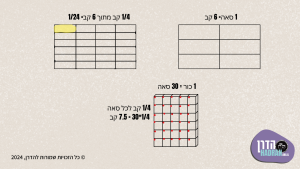
If a seller sells a field and does not specify anything further, do we allow for a margin of error? First, the Gemara tries to answer this question from our Mishna, but it is inconclusive. Then they derive from a braita that there is a margin of error, just like one who adds the words “more or less.” The Mishna explains that if the amount given to the buyer is greater than the margin of error (1/4 of a kav per se’ah, 1/24), the seller can insist that the buyer pay for all the land greater than the amount agreed upon. The buyer cannot insist on giving back the land to the seller as a small piece of land is useless to the seller. This gives power to the seller over the buyer. However, according to a braita, the buyer can insist that the seller sell the land if it is more than the margin of error, giving the buyer power over the seller. To resolve this contradiction, the case of the braita is understood to be one in which the price fluctuated from the time of the sale and the time they realized there was a mistake in the size of the land given to the buyer. While the buyer cannot insist on buying it (as per the Mishna), if the seller chooses to sell it to the buyer, the buyer is forced to pay but can insist on paying the lower price, either the one at the time of the sale or the current price (as per the braita).

If the amount of land given to the buyer is nine kav more than agreed upon, the buyer can insist on returning the land to the seller, as nine kav of property is the minimum size of a field. Rav Huna and Rav Nachman disagree about whether this is an absolute amount (Rav Huna) and even if the field is larger than thirty se’ah, the buyer returns the amount to the seller (as there is no presumption of mechila for the amount of nine kav, even in a large field) or is it a relative amount (Rav Nachman) – nine kav for a field of 30 se’ah, as at that amount there is no presumption of mechila, but if it were in a larger field, there would be mechila by the seller on the error (as per 1/4 kav per se’ah). Rava raises difficulties with Rav Nachman’s position, but they are resolved.

Rav Ashi asks: If a field was sold with a surplus of more than seven and a half, but less than nine kav, and when the surplus was measured, the field became potentially used as a garden, can the buyer return the surplus land to the seller? What about the reverse case? These questions remain unanswered.

If the seller owns the adjacent field to the one being sold, the buyer can return the land, even if the surplus is less than nine kav. What if there is a pit, water channel, road, or row of palm trees separating the surplus land from the seller’s field?

Today’s daily daf tools:

Bava Batra 104

פָּחוֹת כׇּל שֶׁהוּא – יְנַכֶּה, יָתֵר כׇּל שֶׁהוּא – יַחֲזִיר. הָא סְתָמָא – כְּ״הֵן חָסֵר הֵן יָתֵר״ דָּמֵי!

and he gave him even the slightest amount less that what was stipulated, the seller must deduct the difference from the purchase price of the field and return money to the buyer. If he gave him even the slightest amount more than what was stipulated, the buyer must return the difference to the seller. The reason that even the slightest difference in value must be returned is that the seller specified that he was selling land measured precisely with a rope. But had he sold the land without further specification, it would be like he sold it saying that it is a beit kor more or less.

אֵימָא סֵיפָא – וְאִם אָמַר לוֹ: ״הֵן חָסֵר הֵן יָתֵר״; אֲפִילּוּ פִּיחֵת רוֹבַע לִסְאָה אוֹ הוֹתִיר רוֹבַע לִסְאָה – הִגִּיעוֹ. הָא סְתָמָא – כְּמִדָּה בְּחֶבֶל דָּמֵי! אֶלָּא מֵהָא לֵיכָּא לְמִשְׁמַע מִינַּהּ.

The Gemara rejects this argument by proposing another, completely opposite proof: Say the latter clause of the mishna: And if the seller said to the buyer that he is selling him a beit kor of land more or less, then even if he gave him one-quarter of a kav per se’a less than what was stipulated, or he gave him one-quarter of a kav per se’a more than what was stipulated, it is his and the sale is valid. One can infer: The reason that the sale is valid is that he specified that he was selling a beit kor of land more or less. But had he sold the land without further specification, it would be like he sold it saying that he was selling the land measured precisely with a rope. Rather, since the mishna can be interpreted in two opposite ways, no inference is to be learned from the mishna.

תָּא שְׁמַע: ״בֵּית כּוֹר עָפָר אֲנִי מוֹכֵר לָךְ״; ״כְּבֵית כּוֹר עָפָר אֲנִי מוֹכֵר לָךְ״; ״הֵן חָסֵר הֵן יָתֵר אֲנִי מוֹכֵר לָךְ״ – אֲפִילּוּ פִּיחֵת רוֹבַע לִסְאָה, אוֹ הוֹתִיר רוֹבַע לִסְאָה – הִגִּיעוֹ. אַלְמָא סְתָמָא נָמֵי, כְּ״הֵן חָסֵר הֵן יָתֵר״ דָּמֵי! הָתָם, פָּרוֹשֵׁי קָא מְפָרֵשׁ – אֵיזֶהוּ בֵּית כּוֹר שֶׁהִיא כְּבֵית כּוֹר? כְּגוֹן דַּאֲמַר לֵיהּ: ״הֵן חָסֵר הֵן יָתֵר״.

The Gemara tries to present another proof: Come and hear a proof from a baraita: If the seller said to the buyer: I am selling you a plot of earth the size of a beit kor; or he said to him: I am selling you a plot of earth about the size of a beit kor; or he said to him: I am selling you a beit kor more or less; then even if he gave him one-quarter of a kav per se’a less than what was stipulated, or he gave him one-quarter of a kav per se’a more than what was stipulated, it is his and the sale is valid. One can infer: Apparently, selling a beit kor of land without further specification is also like selling it more or less. The Gemara rejects this proof: There, the tanna is explaining his statement, which should be understood as follows: When is the phrase a beit kor treated like the phrase about the size of a beit kor? In a case where the seller says to the buyer: I am selling you a beit kor more or less.

מַתְקֵיף לַהּ רַב אָשֵׁי: אִם כֵּן, ״אֲנִי מוֹכֵר לָךְ״ ״אֲנִי מוֹכֵר לָךְ״ לְמָה לִי? אֶלָּא לָאו שְׁמַע מִינַּהּ סְתָמָא נָמֵי כְּ״הֵן חָסֵר הֵן יָתֵר״ דָּמֵי? שְׁמַע מִינַּהּ.

Rav Ashi objects to this: If that is so, then why do I need to repeat the words: I am selling you, three times? The fact that the baraita repeats these words in each clause indicates that it is discussing three separate sale transactions, and not that the three clauses are all referring to one case. Rather, isn’t it correct to conclude from the baraita that selling a beit kor of land without further specification is like selling it more or less? The Gemara affirms: Conclude from the baraita that this is so.

מַהוּ מַחֲזִיר לוֹ? מָעוֹת וְכוּ׳. לְיַפּוֹת כֹּחוֹ שֶׁל מוֹכֵר אָמְרִינַן, לְיַפּוֹת כֹּחוֹ שֶׁל לוֹקֵחַ לָא אָמְרִינַן?!

§ With regard to a buyer who received too much land and now must compensate the seller, the mishna teaches: What does he return to him? He pays him money, and if the seller so wishes, the buyer returns the surplus land to him, because the Sages said that the buyer pays money in order to enhance the power of the seller. In other words, the Sages allowed the seller to choose whether to take back the surplus land or to demand payment for it from the buyer, even though this effectively forces the buyer to purchase the surplus land from him. The Gemara asks: Is it correct that we say that the seller’s power should be enhanced, and that we do not say that the buyer’s power should be enhanced?

וְהָתַנְיָא: פִּיחֵת שִׁבְעַת קַבִּין וּמֶחֱצָה לְכוֹר, אוֹ הוֹתִיר שִׁבְעַת קַבִּין וּמֶחֱצָה לְכוֹר – הִגִּיעוֹ. יוֹתֵר מִכָּאן – כּוֹפִין אֶת הַמּוֹכֵר לִמְכּוֹר וְאֶת הַלּוֹקֵחַ לִיקַּח.

But isn’t it taught otherwise in a baraita: If the seller gave the buyer seven and a half kav per kor less than what was stipulated, which is the equivalent of a quarter-kav per se’a, as a kor is equal to thirty se’a, or he gave him seven and a half kav per kor more than what was stipulated, it is his and the sale is valid. If the difference is greater than that amount, the court compels the seller to sell and the buyer to buy the difference. This indicates that we also say that the buyer’s power should be enhanced, since if the buyer so wishes, the seller is compelled to sell him land and accept payment for it.

הָתָם, כְּגוֹן דַּהֲוָה יַקִּירָא מֵעִיקָּרָא, וְזָל הַשְׁתָּא; דְּאָמְרִינַן לֵיהּ: אִי אַרְעָא יָהֲבַתְּ לִי – הַב לִי כְּזוּלָא דְּהַשְׁתָּא.

The Gemara replies: There, the baraita is not discussing a case where the buyer wishes to acquire the surplus land, but rather with a case where the land was initially, at the time of the sale, expensive, but now it is cheap, and the seller wants the buyer to pay him for the surplus land according to the initial higher rate. In this case, we say to the seller, in the name of the buyer: If you wish to give me land and receive money, give me the land according to the current, cheaper rate. This is what the baraita is referring to when it states that the seller is compelled to sell.

וְהָתַנְיָא: כְּשֶׁהוּא נוֹתֵן לוֹ – נוֹתֵן לוֹ כְּשַׁעַר שֶׁלָּקַח מִמֶּנּוּ! הָתָם, כְּגוֹן דַּהֲוָה זוּלָא מֵעִיקָּרָא, וְיָקְרָא לַהּ הַשְׁתָּא.

The Gemara raises a difficulty: But isn’t it taught in a baraita: When he gives him money in payment for the surplus land, he gives it to him according to the rate at which he had bought the rest of the land from him? The Gemara replies: There the baraita is referring to a case where the land was initially cheap but now it is expensive. If, in such a case, the seller wants the buyer to pay him for the surplus land, he is compelled to sell it to him according to the cheap rate from the time of the original sale.

שֶׁאִם שִׁיֵּיר בַּשָּׂדֶה בֵּית תִּשְׁעָה קַבִּין וְכוּ׳. אָמַר רַב הוּנָא: תִּשְׁעָה קַבִּין שֶׁאָמְרוּ, וַאֲפִילּוּ בְּבִקְעָה גְּדוֹלָה.

§ The mishna teaches: As, if the surplus in the field was an area required for the sowing of nine kav of seed, and in a garden an area required for the sowing of a half-kav of seed, or, according to the Rabbi Akiva, an area required for the sowing of a quarter-kav of seed, the buyer can return the surplus land to the seller, and the seller cannot demand payment in money. Rav Huna says: The halakha that was stated in the mishna, that a surplus in the size of an area required for the sowing of nine kav of seed can be returned to the seller, applies even in a large valley which measures several kor. If the surplus is a significant plot of land equal in size to an area required for the sowing of nine kav of seed, the buyer can return it to the seller, even if it is less than one-quarter of a kav per se’a, i.e., less than one twenty-fourth the size of the field that was sold.

וְרַב נַחְמָן אָמַר: נוֹתֵן שִׁבְעַת קַבִּין וּמֶחֱצָה לְכׇל כּוֹר וָכוֹר.

And Rav Naḥman says: He calculates seven and a half kav for each and every kor, which is equivalent to one-quarter of a kav per se’a. As long as the surplus does not exceed that ratio, he is not required to return it, even if the surplus is greater than the area required for the sowing of nine kav.

וְאִי אִיכָּא מִילְּתָא יַתִּירָא, דְּהָוֵי לְתִשְׁעַת קַבִּין – הָדְרִי.

And if after this calculation there is still a surplus in excess of a quarter-kav per se’a, equal in size to an area required for the sowing of nine kav of seed, the entire surplus must be returned.

אֵיתִיבֵיהּ רָבָא לְרַב נַחְמָן: ״שֶׁאִם שִׁיֵּיר בַּשָּׂדֶה בֵּית תִּשְׁעַת קַבִּין״ – לָאו דְּזַבֵּין לֵיהּ כּוֹרַיִים? לָא, דְּזַבֵּין לֵיהּ כּוֹר.

Rava raised an objection to Rav Naḥman: The mishna teaches that if the surplus in the field was an area required for the sowing of nine kav of seed, the buyer returns the land to the seller. Isn’t this the halakha even in a case where he sold him a field measuring two kor? This would seem to indicate that even if the surplus does not exceed a quarter-kav per se’a, as a quarter-kav per se’a in a field of two kor is fifteen kav, the sole determining factor is whether or not the surplus is equal in size to an area required for the sowing of nine kav. Rav Naḥman rejects this argument: No, the case in the mishna is specifically where he sold him a field measuring one kor.

״וּבַגִּנָּה בֵּית חֲצִי קַב״ – לָאו דְּזַבֵּין לֵיהּ סָאתַיִם? לָא, דְּזַבֵּין לֵיהּ סְאָה.

Rava raised a further objection to Rav Naḥman: We learned in the continuation of the mishna that if the surplus in a garden was an area required for the sowing of a half-kav of seed, the buyer returns the land to the seller. Isn’t this the halakha even in a case where he sold him a garden measuring two se’a? Once again, this would seem to indicate that the surplus is returned to the seller, provided that it is equal in size to the minimum measure of a garden, even if the surplus does not exceed one-half of a kav per two se’a, which is equivalent to one-quarter of a kav per se’a. Rav Naḥman rejects this argument as well: No, the case in the mishna is where he sold him a garden measuring a se’a, so that the surplus is proportionately twice as large.

״וּכְדִבְרֵי רַבִּי עֲקִיבָא, בֵּית רוֹבַע״ – מַאי, לָאו דְּזַבֵּין לֵיהּ סְאָה? לָא, דְּזַבֵּין לֵיהּ חֲצִי סְאָה.

Rava raised yet another objection to Rav Naḥman from the next clause in the mishna, which states: Or, according to the statement of Rabbi Akiva, if the surplus in the garden was an area required for sowing a quarter-kav of seed, the buyer returns the land to the seller. What, isn’t this the halakha even in a case where he sold him a garden measuring a se’a? In that case, the surplus does not exceed one-quarter of a kav per se’a, and nevertheless the surplus is returned to the seller, provided that it is equal in size to the minimum measure of a garden. Rav Naḥman also rejects this argument: No, the case in the mishna is where he sold him a garden measuring a half-se’a, so that the surplus is proportionately twice as large.

בָּעֵי רַב אָשֵׁי: שָׂדֶה – וְנַעֲשֵׂית גִּנָּה; גִּנָּה – וְנַעֲשֵׂיתָ שָׂדֶה, מַאי? תֵּיקוּ.

The mishna teaches that in the case of a field, the buyer can return the land itself if the surplus was an area required for the sowing of nine kav of seed, and in the case of a garden, if the surplus was an area required for the sowing of a half-kav of seed. Rav Ashi raises a dilemma: If one sold a field and it turned out that the plot was larger than had been stipulated, but before the buyer returned the surplus, the plot was turned into a garden, or if it was initially a garden and it was turned into a field (see 11a), what is the halakha? Is the surplus governed by the halakhot applying to a field or by those applying to a garden? The Gemara answers: The dilemma shall stand unresolved, as no answer has been found.

תָּנָא: אִם הָיָה סָמוּךְ לְשָׂדֵהוּ – אֲפִילּוּ כָּל שֶׁהוּא, מַחֲזִיר לוֹ קַרְקַע.

A Sage taught in a baraita: If the field being sold was adjacent to another field belonging to the seller, then even if the surplus was of a minimal amount, the buyer can return the land itself to the seller, and the seller cannot demand payment in money. This is because the seller loses nothing when he receives a small tract of land, as he can cultivate it along with his adjoining field.

בָּעֵי רַב אָשֵׁי: בּוֹר, מַהוּ שֶׁתַּפְסִיק? אַמַּת הַמַּיִם, מַהוּ שֶׁתַּפְסִיק? דֶּרֶךְ הָרַבִּים, מַהוּ שֶׁתַּפְסִיק? רִיכְבָּא דְּדִיקְלָא, מַהוּ שֶׁתַּפְסִיק? תֵּיקוּ.

Rav Ashi raises a set of dilemmas: With regard to a pit between the surplus in the sold field and the adjoining field belonging to the seller, what is the halakha: Should the pit be considered an interposition between the two fields? With regard to a water channel between the two fields, what is the halakha: Should the water channel be considered an interposition? With regard to the public thoroughfare, what is the halakha: Should the public thoroughfare be considered an interposition? With regard to a row of palm trees, what is the halakha: Should a row of palm trees be considered an interposition? The Gemara states: All these dilemmas shall stand unresolved.

וְלֹא אֶת הָרוֹבַע בִּלְבַד מַחֲזִיר לוֹ, אֶלָּא כָּל הַמּוֹתָר. כְּלַפֵּי לְיָיא? תָּאנֵי רָבִין בַּר רַב נַחְמָן: לֹא אֶת הַמּוֹתָר בִּלְבַד מַחֲזִיר לוֹ, אֶלָּא אֶת כָּל הָרְבָעִין כּוּלָּן.

§ The mishna teaches that if the surplus is greater than a quarter-kav per se’a, it is not only the quarter-kav that the buyer returns; rather, he returns all of the surplus. Since he is already required to make a refund, the refund must be made in the precise amount. The Gemara raises a question: Isn’t it the opposite [kelappei layya]? The buyer is required to return the surplus even when the quarters of a kav remain in his possession. Ravin bar Rav Naḥman taught the mishna as follows: Not only must the buyer return the extra land that is beyond the limit of a quarter-kav area per beit se’a, but he must also return to him every one of the extra quarter-kav areas of land that he received beyond the stated area of a beit kor. When he is required to return the surplus, he returns not only the surplus, but also all the quarter-kav areas over and above what had originally been stipulated to be included in the sale.

מַתְנִי׳ ״מִדָּה בְּחֶבֶל אֲנִי מוֹכֵר לָךְ, הֵן חָסֵר הֵן יָתֵר״ – בִּטֵּל ״הֵן חָסֵר הֵן יָתֵר״ ״מִדָּה בְּחֶבֶל״. ״הֵן חָסֵר הֵן יָתֵר, מִדָּה בְּחֶבֶל״ –

MISHNA: If the seller says to the buyer: I am selling you a plot of land of a certain size measured precisely with a rope more or less, thereby attaching to the sale two contradictory stipulations; in this case, the words: More or less, nullify the words: Measured precisely with a rope. Accordingly, if the surplus did not exceed a quarter-kav per se’a, the sale is valid as is. Similarly, if the seller says to the buyer: I am selling you a plot of land of a certain size more or less measured precisely with a rope,

Today’s daily daf tools:

Delve Deeper

Broaden your understanding of the topics on this daf with classes and podcasts from top women Talmud scholars.

For the Beyond the Daf shiurim offered in Hebrew, see here.

New to Talmud?

Check out our resources designed to help you navigate a page of Talmud – and study at the pace, level and style that fits you. 

The Hadran Women’s Tapestry

Meet the diverse women learning Gemara at Hadran and hear their stories. 

I began to learn this cycle of Daf Yomi after my husband passed away 2 1/2 years ago. It seemed a good way to connect to him. Even though I don’t know whether he would have encouraged women learning Gemara, it would have opened wonderful conversations. It also gives me more depth for understanding my frum children and grandchildren. Thank you Hadran and Rabbanit Michelle Farber!!

Harriet Hartman
Harriet Hartman

Tzur Hadassah, Israel

After experiences over the years of asking to join gemara shiurim for men and either being refused by the maggid shiur or being the only women there, sometimes behind a mechitza, I found out about Hadran sometime during the tail end of Masechet Shabbat, I think. Life has been much better since then.

Madeline Cohen
Madeline Cohen

London, United Kingdom

I started learning after the siyum hashas for women and my daily learning has been a constant over the last two years. It grounded me during the chaos of Corona while providing me with a community of fellow learners. The Daf can be challenging but it’s filled with life’s lessons, struggles and hope for a better world. It’s not about the destination but rather about the journey. Thank you Hadran!

Dena Lehrman
Dena Lehrman

אפרת, Israel

I started learning on January 5, 2020. When I complete the 7+ year cycle I will be 70 years old. I had been intimidated by those who said that I needed to study Talmud in a traditional way with a chevruta, but I decided the learning was more important to me than the method. Thankful for Daf Yomi for Women helping me catch up when I fall behind, and also being able to celebrate with each Siyum!

Pamela Elisheva
Pamela Elisheva

Bakersfield, United States

3 years ago, I joined Rabbanit Michelle to organize the unprecedented Siyum HaShas event in Jerusalem for thousands of women. The whole experience was so inspiring that I decided then to start learning the daf and see how I would go…. and I’m still at it. I often listen to the Daf on my bike in mornings, surrounded by both the external & the internal beauty of Eretz Yisrael & Am Yisrael!

Lisa Kolodny
Lisa Kolodny

Raanana, Israel

Margo
I started my Talmud journey in 7th grade at Akiba Jewish Day School in Chicago. I started my Daf Yomi journey after hearing Erica Brown speak at the Hadran Siyum about marking the passage of time through Daf Yomi.

Carolyn
I started my Talmud journey post-college in NY with a few classes. I started my Daf Yomi journey after the Hadran Siyum, which inspired both my son and myself.

Carolyn Hochstadter and Margo Kossoff Shizgal

Merion Station,  USA

Beit Shemesh, Israel

When I was working and taking care of my children, learning was never on the list. Now that I have more time I have two different Gemora classes and the nach yomi as well as the mishna yomi daily.

Shoshana Shinnar
Shoshana Shinnar

Jerusalem, Israel

I decided to give daf yomi a try when I heard about the siyum hashas in 2020. Once the pandemic hit, the daily commitment gave my days some much-needed structure. There have been times when I’ve felt like quitting- especially when encountering very technical details in the text. But then I tell myself, “Look how much you’ve done. You can’t stop now!” So I keep going & my Koren bookshelf grows…

Miriam Eckstein-Koas

Huntington, United States

I LOVE learning the Daf. I started with Shabbat. I join the morning Zoom with Reb Michelle and it totally grounds my day. When Corona hit us in Israel, I decided that I would use the Daf to keep myself sane, especially during the days when we could not venture out more than 300 m from our home. Now my husband and I have so much new material to talk about! It really is the best part of my day!

Batsheva Pava
Batsheva Pava

Hashmonaim, Israel

I started at the beginning of this cycle. No 1 reason, but here’s 5.
In 2019 I read about the upcoming siyum hashas.
There was a sermon at shul about how anyone can learn Talmud.
Talmud references come up when I am studying. I wanted to know more.
Yentl was on telly. Not a great movie but it’s about studying Talmud.
I went to the Hadran website: A new cycle is starting. I’m gonna do this

Denise Neapolitan
Denise Neapolitan

Cambridge, United Kingdom

In early 2020, I began the process of a stem cell transplant. The required extreme isolation forced me to leave work and normal life but gave me time to delve into Jewish text study. I did not feel isolated. I began Daf Yomi at the start of this cycle, with family members joining me online from my hospital room. I’ve used my newly granted time to to engage, grow and connect through this learning.

Reena Slovin
Reena Slovin

Worcester, United States

I decided to give daf yomi a try when I heard about the siyum hashas in 2020. Once the pandemic hit, the daily commitment gave my days some much-needed structure. There have been times when I’ve felt like quitting- especially when encountering very technical details in the text. But then I tell myself, “Look how much you’ve done. You can’t stop now!” So I keep going & my Koren bookshelf grows…

Miriam Eckstein-Koas

Huntington, United States

I started learning daf yomi at the beginning of this cycle. As the pandemic evolved, it’s been so helpful to me to have this discipline every morning to listen to the daf podcast after I’ve read the daf; learning about the relationships between the rabbis and the ways they were constructing our Jewish religion after the destruction of the Temple. I’m grateful to be on this journey!

Mona Fishbane
Mona Fishbane

Teaneck NJ, United States

Geri Goldstein got me started learning daf yomi when I was in Israel 2 years ago. It’s been a challenge and I’ve learned a lot though I’m sure I miss a lot. I quilt as I listen and I want to share what I’ve been working on.

Rebecca Stulberg
Rebecca Stulberg

Ottawa, Canada

With Rabbanit Dr. Naomi Cohen in the Women’s Talmud class, over 30 years ago. It was a “known” class and it was accepted, because of who taught. Since then I have also studied with Avigail Gross-Gelman and Dr. Gabriel Hazut for about a year). Years ago, in a shiur in my shul, I did know about Persians doing 3 things with their clothes on. They opened the shiur to woman after that!

Sharon Mink
Sharon Mink

Haifa, Israel

I began Daf Yomi with the last cycle. I was inspired by the Hadran Siyum in Yerushalayim to continue with this cycle. I have learned Daf Yomi with Rabanit Michelle in over 25 countries on 6 continents ( missing Australia)

Barbara-Goldschlag
Barbara Goldschlag

Silver Spring, MD, United States

A Gemara shiur previous to the Hadran Siyum, was the impetus to attend it.It was highly inspirational and I was smitten. The message for me was התלמוד בידינו. I had decided along with my Chahsmonaim group to to do the daf and take it one daf at time- without any expectations at all. There has been a wealth of information, insights and halachik ideas. It is truly exercise of the mind, heart & Soul

Phyllis Hecht.jpeg
Phyllis Hecht

Hashmonaim, Israel

I attended the Siyum so that I could tell my granddaughter that I had been there. Then I decided to listen on Spotify and after the siyum of Brachot, Covid and zoom began. It gave structure to my day. I learn with people from all over the world who are now my friends – yet most of us have never met. I can’t imagine life without it. Thank you Rabbanit Michelle.

Emma Rinberg
Emma Rinberg

Raanana, Israel

I had tried to start after being inspired by the hadran siyum, but did not manage to stick to it. However, just before masechet taanit, our rav wrote a message to the shul WhatsApp encouraging people to start with masechet taanit, so I did! And this time, I’m hooked! I listen to the shiur every day , and am also trying to improve my skills.

Laura Major
Laura Major

Yad Binyamin, Israel

I never thought I’d be able to do Daf Yomi till I saw the video of Hadran’s Siyum HaShas. Now, 2 years later, I’m about to participate in Siyum Seder Mo’ed with my Hadran community. It has been an incredible privilege to learn with Rabbanit Michelle and to get to know so many caring, talented and knowledgeable women. I look forward with great anticipation and excitement to learning Seder Nashim.

Caroline-Ben-Ari-Tapestry
Caroline Ben-Ari

Karmiel, Israel

Bava Batra 104

פָּחוֹת כׇּל שֶׁהוּא – יְנַכֶּה, יָתֵר כׇּל שֶׁהוּא – יַחֲזִיר. הָא סְתָמָא – כְּ״הֵן חָסֵר הֵן יָתֵר״ דָּמֵי!

and he gave him even the slightest amount less that what was stipulated, the seller must deduct the difference from the purchase price of the field and return money to the buyer. If he gave him even the slightest amount more than what was stipulated, the buyer must return the difference to the seller. The reason that even the slightest difference in value must be returned is that the seller specified that he was selling land measured precisely with a rope. But had he sold the land without further specification, it would be like he sold it saying that it is a beit kor more or less.

אֵימָא סֵיפָא – וְאִם אָמַר לוֹ: ״הֵן חָסֵר הֵן יָתֵר״; אֲפִילּוּ פִּיחֵת רוֹבַע לִסְאָה אוֹ הוֹתִיר רוֹבַע לִסְאָה – הִגִּיעוֹ. הָא סְתָמָא – כְּמִדָּה בְּחֶבֶל דָּמֵי! אֶלָּא מֵהָא לֵיכָּא לְמִשְׁמַע מִינַּהּ.

The Gemara rejects this argument by proposing another, completely opposite proof: Say the latter clause of the mishna: And if the seller said to the buyer that he is selling him a beit kor of land more or less, then even if he gave him one-quarter of a kav per se’a less than what was stipulated, or he gave him one-quarter of a kav per se’a more than what was stipulated, it is his and the sale is valid. One can infer: The reason that the sale is valid is that he specified that he was selling a beit kor of land more or less. But had he sold the land without further specification, it would be like he sold it saying that he was selling the land measured precisely with a rope. Rather, since the mishna can be interpreted in two opposite ways, no inference is to be learned from the mishna.

תָּא שְׁמַע: ״בֵּית כּוֹר עָפָר אֲנִי מוֹכֵר לָךְ״; ״כְּבֵית כּוֹר עָפָר אֲנִי מוֹכֵר לָךְ״; ״הֵן חָסֵר הֵן יָתֵר אֲנִי מוֹכֵר לָךְ״ – אֲפִילּוּ פִּיחֵת רוֹבַע לִסְאָה, אוֹ הוֹתִיר רוֹבַע לִסְאָה – הִגִּיעוֹ. אַלְמָא סְתָמָא נָמֵי, כְּ״הֵן חָסֵר הֵן יָתֵר״ דָּמֵי! הָתָם, פָּרוֹשֵׁי קָא מְפָרֵשׁ – אֵיזֶהוּ בֵּית כּוֹר שֶׁהִיא כְּבֵית כּוֹר? כְּגוֹן דַּאֲמַר לֵיהּ: ״הֵן חָסֵר הֵן יָתֵר״.

The Gemara tries to present another proof: Come and hear a proof from a baraita: If the seller said to the buyer: I am selling you a plot of earth the size of a beit kor; or he said to him: I am selling you a plot of earth about the size of a beit kor; or he said to him: I am selling you a beit kor more or less; then even if he gave him one-quarter of a kav per se’a less than what was stipulated, or he gave him one-quarter of a kav per se’a more than what was stipulated, it is his and the sale is valid. One can infer: Apparently, selling a beit kor of land without further specification is also like selling it more or less. The Gemara rejects this proof: There, the tanna is explaining his statement, which should be understood as follows: When is the phrase a beit kor treated like the phrase about the size of a beit kor? In a case where the seller says to the buyer: I am selling you a beit kor more or less.

מַתְקֵיף לַהּ רַב אָשֵׁי: אִם כֵּן, ״אֲנִי מוֹכֵר לָךְ״ ״אֲנִי מוֹכֵר לָךְ״ לְמָה לִי? אֶלָּא לָאו שְׁמַע מִינַּהּ סְתָמָא נָמֵי כְּ״הֵן חָסֵר הֵן יָתֵר״ דָּמֵי? שְׁמַע מִינַּהּ.

Rav Ashi objects to this: If that is so, then why do I need to repeat the words: I am selling you, three times? The fact that the baraita repeats these words in each clause indicates that it is discussing three separate sale transactions, and not that the three clauses are all referring to one case. Rather, isn’t it correct to conclude from the baraita that selling a beit kor of land without further specification is like selling it more or less? The Gemara affirms: Conclude from the baraita that this is so.

מַהוּ מַחֲזִיר לוֹ? מָעוֹת וְכוּ׳. לְיַפּוֹת כֹּחוֹ שֶׁל מוֹכֵר אָמְרִינַן, לְיַפּוֹת כֹּחוֹ שֶׁל לוֹקֵחַ לָא אָמְרִינַן?!

§ With regard to a buyer who received too much land and now must compensate the seller, the mishna teaches: What does he return to him? He pays him money, and if the seller so wishes, the buyer returns the surplus land to him, because the Sages said that the buyer pays money in order to enhance the power of the seller. In other words, the Sages allowed the seller to choose whether to take back the surplus land or to demand payment for it from the buyer, even though this effectively forces the buyer to purchase the surplus land from him. The Gemara asks: Is it correct that we say that the seller’s power should be enhanced, and that we do not say that the buyer’s power should be enhanced?

וְהָתַנְיָא: פִּיחֵת שִׁבְעַת קַבִּין וּמֶחֱצָה לְכוֹר, אוֹ הוֹתִיר שִׁבְעַת קַבִּין וּמֶחֱצָה לְכוֹר – הִגִּיעוֹ. יוֹתֵר מִכָּאן – כּוֹפִין אֶת הַמּוֹכֵר לִמְכּוֹר וְאֶת הַלּוֹקֵחַ לִיקַּח.

But isn’t it taught otherwise in a baraita: If the seller gave the buyer seven and a half kav per kor less than what was stipulated, which is the equivalent of a quarter-kav per se’a, as a kor is equal to thirty se’a, or he gave him seven and a half kav per kor more than what was stipulated, it is his and the sale is valid. If the difference is greater than that amount, the court compels the seller to sell and the buyer to buy the difference. This indicates that we also say that the buyer’s power should be enhanced, since if the buyer so wishes, the seller is compelled to sell him land and accept payment for it.

הָתָם, כְּגוֹן דַּהֲוָה יַקִּירָא מֵעִיקָּרָא, וְזָל הַשְׁתָּא; דְּאָמְרִינַן לֵיהּ: אִי אַרְעָא יָהֲבַתְּ לִי – הַב לִי כְּזוּלָא דְּהַשְׁתָּא.

The Gemara replies: There, the baraita is not discussing a case where the buyer wishes to acquire the surplus land, but rather with a case where the land was initially, at the time of the sale, expensive, but now it is cheap, and the seller wants the buyer to pay him for the surplus land according to the initial higher rate. In this case, we say to the seller, in the name of the buyer: If you wish to give me land and receive money, give me the land according to the current, cheaper rate. This is what the baraita is referring to when it states that the seller is compelled to sell.

וְהָתַנְיָא: כְּשֶׁהוּא נוֹתֵן לוֹ – נוֹתֵן לוֹ כְּשַׁעַר שֶׁלָּקַח מִמֶּנּוּ! הָתָם, כְּגוֹן דַּהֲוָה זוּלָא מֵעִיקָּרָא, וְיָקְרָא לַהּ הַשְׁתָּא.

The Gemara raises a difficulty: But isn’t it taught in a baraita: When he gives him money in payment for the surplus land, he gives it to him according to the rate at which he had bought the rest of the land from him? The Gemara replies: There the baraita is referring to a case where the land was initially cheap but now it is expensive. If, in such a case, the seller wants the buyer to pay him for the surplus land, he is compelled to sell it to him according to the cheap rate from the time of the original sale.

שֶׁאִם שִׁיֵּיר בַּשָּׂדֶה בֵּית תִּשְׁעָה קַבִּין וְכוּ׳. אָמַר רַב הוּנָא: תִּשְׁעָה קַבִּין שֶׁאָמְרוּ, וַאֲפִילּוּ בְּבִקְעָה גְּדוֹלָה.

§ The mishna teaches: As, if the surplus in the field was an area required for the sowing of nine kav of seed, and in a garden an area required for the sowing of a half-kav of seed, or, according to the Rabbi Akiva, an area required for the sowing of a quarter-kav of seed, the buyer can return the surplus land to the seller, and the seller cannot demand payment in money. Rav Huna says: The halakha that was stated in the mishna, that a surplus in the size of an area required for the sowing of nine kav of seed can be returned to the seller, applies even in a large valley which measures several kor. If the surplus is a significant plot of land equal in size to an area required for the sowing of nine kav of seed, the buyer can return it to the seller, even if it is less than one-quarter of a kav per se’a, i.e., less than one twenty-fourth the size of the field that was sold.

וְרַב נַחְמָן אָמַר: נוֹתֵן שִׁבְעַת קַבִּין וּמֶחֱצָה לְכׇל כּוֹר וָכוֹר.

And Rav Naḥman says: He calculates seven and a half kav for each and every kor, which is equivalent to one-quarter of a kav per se’a. As long as the surplus does not exceed that ratio, he is not required to return it, even if the surplus is greater than the area required for the sowing of nine kav.

וְאִי אִיכָּא מִילְּתָא יַתִּירָא, דְּהָוֵי לְתִשְׁעַת קַבִּין – הָדְרִי.

And if after this calculation there is still a surplus in excess of a quarter-kav per se’a, equal in size to an area required for the sowing of nine kav of seed, the entire surplus must be returned.

אֵיתִיבֵיהּ רָבָא לְרַב נַחְמָן: ״שֶׁאִם שִׁיֵּיר בַּשָּׂדֶה בֵּית תִּשְׁעַת קַבִּין״ – לָאו דְּזַבֵּין לֵיהּ כּוֹרַיִים? לָא, דְּזַבֵּין לֵיהּ כּוֹר.

Rava raised an objection to Rav Naḥman: The mishna teaches that if the surplus in the field was an area required for the sowing of nine kav of seed, the buyer returns the land to the seller. Isn’t this the halakha even in a case where he sold him a field measuring two kor? This would seem to indicate that even if the surplus does not exceed a quarter-kav per se’a, as a quarter-kav per se’a in a field of two kor is fifteen kav, the sole determining factor is whether or not the surplus is equal in size to an area required for the sowing of nine kav. Rav Naḥman rejects this argument: No, the case in the mishna is specifically where he sold him a field measuring one kor.

״וּבַגִּנָּה בֵּית חֲצִי קַב״ – לָאו דְּזַבֵּין לֵיהּ סָאתַיִם? לָא, דְּזַבֵּין לֵיהּ סְאָה.

Rava raised a further objection to Rav Naḥman: We learned in the continuation of the mishna that if the surplus in a garden was an area required for the sowing of a half-kav of seed, the buyer returns the land to the seller. Isn’t this the halakha even in a case where he sold him a garden measuring two se’a? Once again, this would seem to indicate that the surplus is returned to the seller, provided that it is equal in size to the minimum measure of a garden, even if the surplus does not exceed one-half of a kav per two se’a, which is equivalent to one-quarter of a kav per se’a. Rav Naḥman rejects this argument as well: No, the case in the mishna is where he sold him a garden measuring a se’a, so that the surplus is proportionately twice as large.

״וּכְדִבְרֵי רַבִּי עֲקִיבָא, בֵּית רוֹבַע״ – מַאי, לָאו דְּזַבֵּין לֵיהּ סְאָה? לָא, דְּזַבֵּין לֵיהּ חֲצִי סְאָה.

Rava raised yet another objection to Rav Naḥman from the next clause in the mishna, which states: Or, according to the statement of Rabbi Akiva, if the surplus in the garden was an area required for sowing a quarter-kav of seed, the buyer returns the land to the seller. What, isn’t this the halakha even in a case where he sold him a garden measuring a se’a? In that case, the surplus does not exceed one-quarter of a kav per se’a, and nevertheless the surplus is returned to the seller, provided that it is equal in size to the minimum measure of a garden. Rav Naḥman also rejects this argument: No, the case in the mishna is where he sold him a garden measuring a half-se’a, so that the surplus is proportionately twice as large.

בָּעֵי רַב אָשֵׁי: שָׂדֶה – וְנַעֲשֵׂית גִּנָּה; גִּנָּה – וְנַעֲשֵׂיתָ שָׂדֶה, מַאי? תֵּיקוּ.

The mishna teaches that in the case of a field, the buyer can return the land itself if the surplus was an area required for the sowing of nine kav of seed, and in the case of a garden, if the surplus was an area required for the sowing of a half-kav of seed. Rav Ashi raises a dilemma: If one sold a field and it turned out that the plot was larger than had been stipulated, but before the buyer returned the surplus, the plot was turned into a garden, or if it was initially a garden and it was turned into a field (see 11a), what is the halakha? Is the surplus governed by the halakhot applying to a field or by those applying to a garden? The Gemara answers: The dilemma shall stand unresolved, as no answer has been found.

תָּנָא: אִם הָיָה סָמוּךְ לְשָׂדֵהוּ – אֲפִילּוּ כָּל שֶׁהוּא, מַחֲזִיר לוֹ קַרְקַע.

A Sage taught in a baraita: If the field being sold was adjacent to another field belonging to the seller, then even if the surplus was of a minimal amount, the buyer can return the land itself to the seller, and the seller cannot demand payment in money. This is because the seller loses nothing when he receives a small tract of land, as he can cultivate it along with his adjoining field.

בָּעֵי רַב אָשֵׁי: בּוֹר, מַהוּ שֶׁתַּפְסִיק? אַמַּת הַמַּיִם, מַהוּ שֶׁתַּפְסִיק? דֶּרֶךְ הָרַבִּים, מַהוּ שֶׁתַּפְסִיק? רִיכְבָּא דְּדִיקְלָא, מַהוּ שֶׁתַּפְסִיק? תֵּיקוּ.

Rav Ashi raises a set of dilemmas: With regard to a pit between the surplus in the sold field and the adjoining field belonging to the seller, what is the halakha: Should the pit be considered an interposition between the two fields? With regard to a water channel between the two fields, what is the halakha: Should the water channel be considered an interposition? With regard to the public thoroughfare, what is the halakha: Should the public thoroughfare be considered an interposition? With regard to a row of palm trees, what is the halakha: Should a row of palm trees be considered an interposition? The Gemara states: All these dilemmas shall stand unresolved.

וְלֹא אֶת הָרוֹבַע בִּלְבַד מַחֲזִיר לוֹ, אֶלָּא כָּל הַמּוֹתָר. כְּלַפֵּי לְיָיא? תָּאנֵי רָבִין בַּר רַב נַחְמָן: לֹא אֶת הַמּוֹתָר בִּלְבַד מַחֲזִיר לוֹ, אֶלָּא אֶת כָּל הָרְבָעִין כּוּלָּן.

§ The mishna teaches that if the surplus is greater than a quarter-kav per se’a, it is not only the quarter-kav that the buyer returns; rather, he returns all of the surplus. Since he is already required to make a refund, the refund must be made in the precise amount. The Gemara raises a question: Isn’t it the opposite [kelappei layya]? The buyer is required to return the surplus even when the quarters of a kav remain in his possession. Ravin bar Rav Naḥman taught the mishna as follows: Not only must the buyer return the extra land that is beyond the limit of a quarter-kav area per beit se’a, but he must also return to him every one of the extra quarter-kav areas of land that he received beyond the stated area of a beit kor. When he is required to return the surplus, he returns not only the surplus, but also all the quarter-kav areas over and above what had originally been stipulated to be included in the sale.

מַתְנִי׳ ״מִדָּה בְּחֶבֶל אֲנִי מוֹכֵר לָךְ, הֵן חָסֵר הֵן יָתֵר״ – בִּטֵּל ״הֵן חָסֵר הֵן יָתֵר״ ״מִדָּה בְּחֶבֶל״. ״הֵן חָסֵר הֵן יָתֵר, מִדָּה בְּחֶבֶל״ –

MISHNA: If the seller says to the buyer: I am selling you a plot of land of a certain size measured precisely with a rope more or less, thereby attaching to the sale two contradictory stipulations; in this case, the words: More or less, nullify the words: Measured precisely with a rope. Accordingly, if the surplus did not exceed a quarter-kav per se’a, the sale is valid as is. Similarly, if the seller says to the buyer: I am selling you a plot of land of a certain size more or less measured precisely with a rope,

Want to follow content and continue where you left off?

Create an account today to track your progress, mark what you’ve learned, and follow the shiurim that speak to you.

Clear all items from this list?

This will remove ALL the items in this section. You will lose any progress or history connected to them. This is irreversible.

Cancel
Yes, clear all

Are you sure you want to delete this item?

You will lose any progress or history connected to this item.

Cancel
Yes, delete