Search

Bava Batra 108

Want to dedicate learning? Get started here:

podcast placeholder

0:00
0:00


Summary

What is the purpose of the small and large ditches around a field?

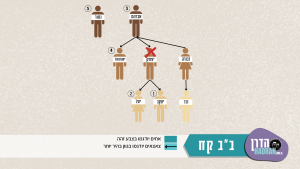
Laws of inheritance begin with a list of which family relations inherit from each other and which bequeath to another. Some do both, some do neither and some do one or the other. Why does the Mishna begin with a son dying and passing on inheritance to his father and not the reverse case? The Torah delineates the order of who is first in the line of inheritance but the father is left off the list. The order in the Torah is son, daughter, brother, uncle (father’s brother). Since the law that the father inherits the son is derived from a drasha, the author of the Mishna listed it first. According to the drasha, a father inherits if there are no children (before it goes to the brothers). Why not before the son? The son is considered the closest relative, as the son replaces his father for two laws, ye’ud and a consecrated ancestral field. But also a brother can replace his brother in yibum, so why isn’t a brother considered closer?

Today’s daily daf tools:

Bava Batra 108

כְּדֵי שֶׁלֹּא תְּהֵא חַיָּה קוֹפֶצֶת. וְלַעֲבֵיד חָרִיץ – וְלָא לַעֲבֵיד בֶּן חָרִיץ! אַיְּידֵי דְּרָוַוח, קָיְימָא בְּגַוֵּיהּ וְקָפְצָה. וְלַעֲבֵיד בֶּן חָרִיץ – וְלָא לַעֲבֵיד חָרִיץ! אַיְּידֵי דְּקַטִּין, קָיְימָא אַשִּׂפְתֵּיהּ וְקָפְצָה. וְכַמָּה בֵּין חָרִיץ לְבֶן חָרִיץ? טֶפַח.

so that an animal will not jump over the fence, enter the field, and cause damage. The Gemara asks: Let him make only a larger ditch and not make a smaller ditch. The Gemara replies: Since the ditch is wide, the animal can stand inside it and jump from there over the fence. The Gemara asks: If so, then let him make only a smaller ditch and not make a larger ditch? Since the ditch is small, the animal stands on its edge and jumps over the fence. The baraita explains the matter further: And how much space is there between the larger ditch and the smaller ditch? One handbreadth.


הֲדַרַן עֲלָךְ בֵּית כּוֹר

יֵשׁ נוֹחֲלִין וּמַנְחִילִין, וְיֵשׁ נוֹחֲלִין וְלֹא מַנְחִילִין; מַנְחִילִין וְלֹא נוֹחֲלִין; לֹא נוֹחֲלִין וְלֹא מַנְחִילִין.

MISHNA: There are family members who both inherit from and bequeath to each other upon their respective deaths; and there are those who inherit from certain relatives but do not bequeath to them; and there are those who bequeath to certain relatives but do not inherit from them; and there are those who, despite being relatives, do not inherit from nor bequeath to one another.

וְאֵלּוּ נוֹחֲלִין וּמַנְחִילִין: הָאָב אֶת הַבָּנִים, וְהַבָּנִים אֶת הָאָב, וְהָאַחִין מִן הָאָב – נוֹחֲלִין וּמַנְחִילִין. הָאִישׁ אֶת אִמּוֹ, וְהָאִישׁ אֶת אִשְׁתּוֹ, וּבְנֵי אֲחָיוֹת – נוֹחֲלִין וְלֹא מַנְחִילִין. הָאִשָּׁה אֶת בָּנֶיהָ, וְהָאִשָּׁה אֶת בַּעְלָהּ, וַאֲחֵי הָאֵם – מַנְחִילִין וְלֹא נוֹחֲלִין. וְהָאַחִין מִן הָאֵם – לֹא נוֹחֲלִין וְלֹא מַנְחִילִין.

The mishna lists those referred to above. And these both inherit and bequeath: A father with regard to his sons, and sons with regard to their father, and paternal brothers; all inherit from one another and bequeath to each other. A man with regard to his mother, and a man with regard to his wife, and sons of sisters, i.e., nephews born to the sisters of the deceased, all inherit from their respective relatives but do not bequeath to them. A woman with regard to her sons, and a woman with regard to her husband, and maternal uncles, all bequeath to their respective relatives but do not inherit from them. And maternal brothers, despite being blood relatives, do not inherit from each other nor do they bequeath to one another, as they are not considered relatives for the purpose of inheritance.

גְּמָ׳ מַאי שְׁנָא דְּקָתָנֵי ״הָאָב אֶת הַבָּנִים״ בְּרֵישָׁא? לִיתְנֵי ״הַבָּנִים אֶת הָאָב״ בְּרֵישָׁא – חֲדָא, דְּאַתְחוֹלֵי בְּפוּרְעֲנוּתָא לָא מַתְחֲלִינַן;

GEMARA: The Gemara begins by clarifying the order of the list in the mishna. What is different, i.e., what is the reason, that the mishna teaches: A father with regard to his sons, as the first example? Let it teach: Sons with regard to their father, as the first example. The Gemara explains why this would be preferable: One reason is that we do not want to begin with a calamity, as the death of a son during his father’s lifetime is a calamity; therefore, it would have been appropriate to begin with the example of sons inheriting from their father.

וְעוֹד, כְּדִכְתִיב: ״אִישׁ כִּי יָמוּת וּבֵן אֵין לוֹ״ –

And furthermore, the verse first states that a son inherits from his father, as it is written in the portion concerning inheritance: “If a man dies, and has no son, then you shall pass his inheritance to his daughter” (Numbers 27:8).

וְתַנָּא, אַיְּידֵי דְּאָתְיָא לֵיהּ מִדְּרָשָׁא – חֲבִיבָא לֵיהּ!

The Gemara answers: And as for the tanna of the mishna who listed the father inheriting first, since the halakha that a father inherits from his son is learned through a derivation and is not explicitly mentioned in the verse, this halakha is dear to him; therefore, he listed it first.

וּמַאי דְּרָשָׁא? דְּתַנְיָא: ״שְׁאֵרוֹ״ – זֶה הָאָב; מְלַמֵּד שֶׁהָאָב קוֹדֶם לָאַחִין. יָכוֹל יְהֵא קוֹדֶם לַבֵּן? תַּלְמוּד לוֹמַר: ״הַקָּרוֹב״ – קָרוֹב קָרוֹב קוֹדֵם.

And what is the derivation? As it is taught in a baraita concerning the verse: “And if his father has no brothers, then you shall give his inheritance to his kinsman who is next to him of his family, and he shall inherit it” (Numbers 27:11): “His kinsman”; this is referring to the father, and the Torah teaches that the father precedes the brothers of the deceased in inheriting from him. One might have thought that the father of the deceased should precede the son of the deceased in inheriting from him; the verse therefore states: “Next [hakkarov] to him,” teaching that the closer [karov] one is to the deceased, the earlier one is in the order of inheritance, and a son of the deceased is considered to be a closer relative to the deceased than the father of the deceased.

וּמָה רָאִיתָ לְרַבּוֹת אֶת הַבֵּן, וּלְהוֹצִיא אֶת הָאָח? מְרַבֶּה אֲנִי אֶת הַבֵּן – שֶׁכֵּן קָם תַּחַת אָבִיו לִיעִדָה וְלִשְׂדֵה אֲחוּזָּה.

The Gemara asks: And what did you see to include the son as the closer relative than the father and to exclude the brother? The Gemara answers: I include the son, as he stands in place of his father to designate a Hebrew maidservant as a wife for himself, which a brother cannot do. And similarly, he stands in place of his father with regard to an ancestral field. If a son redeems a field consecrated by his father, it is considered as though the father himself redeemed it and the field returns to the family in the Jubilee Year. By contrast, if the brother of the one who consecrated it redeems the field, it does not return to the family (see Leviticus 27:16–21).

אַדְּרַבָּה! מְרַבֶּה אֲנִי אֶת הָאָח, שֶׁכֵּן קָם תַּחַת אָחִיו לְיִבּוּם! כְּלוּם יֵשׁ יִבּוּם – אֶלָּא בְּמָקוֹם שֶׁאֵין בֵּן, הָא בְּמָקוֹם שֶׁיֵּשׁ בֵּן – אֵין יִבּוּם.

The Gemara asks: On the contrary, I should include the brother as the closer relative, as he stands in his brother’s place with regard to levirate marriage, and a son does not. The Gemara answers: This is not a valid claim, as is there levirate marriage except in a case where there is no son? In a case where there is a son, there is no levirate marriage. This indicates that a son stands in place of the deceased before a brother even with regard to levirate marriage.

טַעְמָא דְּאִיכָּא הַאי פִּירְכָא, הָא לָאו הָכִי – הֲוָה אָמֵינָא אָח עֲדִיף? תִּיפּוֹק לֵיהּ

The Gemara comments: The reason that a son is considered to be a closer relative than a brother is specifically due to this refutation, that where there is a son there is no levirate marriage. This indicates that without this refutation I would say that a brother is superior to a son in terms of how close a relative he is. The Gemara therefore asks: Why not derive that a son is closer to the deceased than a brother

Today’s daily daf tools:

Delve Deeper

Broaden your understanding of the topics on this daf with classes and podcasts from top women Talmud scholars.

For the Beyond the Daf shiurim offered in Hebrew, see here.

New to Talmud?

Check out our resources designed to help you navigate a page of Talmud – and study at the pace, level and style that fits you. 

The Hadran Women’s Tapestry

Meet the diverse women learning Gemara at Hadran and hear their stories. 

I’ve been studying Talmud since the ’90s, and decided to take on Daf Yomi two years ago. I wanted to attempt the challenge of a day-to-day, very Jewish activity. Some days are so interesting and some days are so boring. But I’m still here.
Sarene Shanus
Sarene Shanus

Mamaroneck, NY, United States

In early 2020, I began the process of a stem cell transplant. The required extreme isolation forced me to leave work and normal life but gave me time to delve into Jewish text study. I did not feel isolated. I began Daf Yomi at the start of this cycle, with family members joining me online from my hospital room. I’ve used my newly granted time to to engage, grow and connect through this learning.

Reena Slovin
Reena Slovin

Worcester, United States

I had no formal learning in Talmud until I began my studies in the Joint Program where in 1976 I was one of the few, if not the only, woman talmud major. It was superior training for law school and enabled me to approach my legal studies with a foundation . In 2018, I began daf yomi listening to Rabbanit MIchelle’s pod cast and my daily talmud studies are one of the highlights of my life.

Krivosha_Terri_Bio
Terri Krivosha

Minneapolis, United States

I started the daf at the beginning of this cycle in January 2020. My husband, my children, grandchildren and siblings have been very supportive. As someone who learned and taught Tanach and mefarshim for many years, it has been an amazing adventure to complete the six sedarim of Mishnah, and now to study Talmud on a daily basis along with Rabbanit Michelle and the wonderful women of Hadran.

Rookie Billet
Rookie Billet

Jerusalem, Israel

It has been a pleasure keeping pace with this wonderful and scholarly group of women.

Janice Block
Janice Block

Beit Shemesh, Israel

My curiosity was peaked after seeing posts about the end of the last cycle. I am always looking for opportunities to increase my Jewish literacy & I am someone that is drawn to habit and consistency. Dinnertime includes a “Guess what I learned on the daf” segment for my husband and 18 year old twins. I also love the feelings of connection with my colleagues who are also learning.

Diana Bloom
Diana Bloom

Tampa, United States

I started my journey on the day I realized that the Siyum was happening in Yerushalayim and I was missing out. What? I told myself. How could I have not known about this? How can I have missed out on this opportunity? I decided that moment, I would start Daf Yomi and Nach Yomi the very next day. I am so grateful to Hadran. I am changed forever because I learn Gemara with women. Thank you.

Linda Brownstein
Linda Brownstein

Mitspe, Israel

I was inspired to start learning after attending the 2020 siyum in Binyanei Hauma. It has been a great experience for me. It’s amazing to see the origins of stories I’ve heard and rituals I’ve participated in my whole life. Even when I don’t understand the daf itself, I believe that the commitment to learning every day is valuable and has multiple benefits. And there will be another daf tomorrow!

Khaya Eisenberg
Khaya Eisenberg

Jerusalem, Israel

I started learning Dec 2019 after reading “If all the Seas Were Ink”. I found
Daily daf sessions of Rabbanit Michelle in her house teaching, I then heard about the siyum and a new cycle starting wow I am in! Afternoon here in Sydney, my family and friends know this is my sacred time to hide away to live zoom and learn. Often it’s hard to absorb and relate then a gem shines touching my heart.

Dianne Kuchar
Dianne Kuchar

Dover Heights, Australia

I started learning on January 5, 2020. When I complete the 7+ year cycle I will be 70 years old. I had been intimidated by those who said that I needed to study Talmud in a traditional way with a chevruta, but I decided the learning was more important to me than the method. Thankful for Daf Yomi for Women helping me catch up when I fall behind, and also being able to celebrate with each Siyum!

Pamela Elisheva
Pamela Elisheva

Bakersfield, United States

Robin Zeiger
Robin Zeiger

Tel Aviv, Israel

I decided to learn one masechet, Brachot, but quickly fell in love and never stopped! It has been great, everyone is always asking how it’s going and chering me on, and my students are always making sure I did the day’s daf.

Yafit Fishbach
Yafit Fishbach

Memphis, Tennessee, United States

I began learning with Rabbanit Michelle’s wonderful Talmud Skills class on Pesachim, which really enriched my Pesach seder, and I have been learning Daf Yomi off and on over the past year. Because I’m relatively new at this, there is a “chiddush” for me every time I learn, and the knowledge and insights of the group members add so much to my experience. I feel very lucky to be a part of this.

Julie-Landau-Photo
Julie Landau

Karmiel, Israel

My Daf journey began in August 2012 after participating in the Siyum Hashas where I was blessed as an “enabler” of others.  Galvanized into my own learning I recited the Hadran on Shas in January 2020 with Rabbanit Michelle. That Siyum was a highlight in my life.  Now, on round two, Daf has become my spiritual anchor to which I attribute manifold blessings.

Rina Goldberg
Rina Goldberg

Englewood NJ, United States

Studying has changed my life view on הלכה and יהדות and time. It has taught me bonudaries of the human nature and honesty of our sages in their discourse to try and build a nation of caring people .

Goldie Gilad
Goldie Gilad

Kfar Saba, Israel

When I began learning Daf Yomi at the beginning of the current cycle, I was preparing for an upcoming surgery and thought that learning the Daf would be something positive I could do each day during my recovery, even if I accomplished nothing else. I had no idea what a lifeline learning the Daf would turn out to be in so many ways.

Laura Shechter
Laura Shechter

Lexington, MA, United States

I’ve been studying Talmud since the ’90s, and decided to take on Daf Yomi two years ago. I wanted to attempt the challenge of a day-to-day, very Jewish activity. Some days are so interesting and some days are so boring. But I’m still here.
Wendy Rozov
Wendy Rozov

Phoenix, AZ, United States

About a year into learning more about Judaism on a path to potential conversion, I saw an article about the upcoming Siyum HaShas in January of 2020. My curiosity was piqued and I immediately started investigating what learning the Daf actually meant. Daily learning? Just what I wanted. Seven and a half years? I love a challenge! So I dove in head first and I’ve enjoyed every moment!!
Nickie Matthews
Nickie Matthews

Blacksburg, United States

I started learning Daf Yomi because my sister, Ruth Leah Kahan, attended Michelle’s class in person and suggested I listen remotely. She always sat near Michelle and spoke up during class so that I could hear her voice. Our mom had just died unexpectedly and it made me feel connected to hear Ruth Leah’s voice, and now to know we are both listening to the same thing daily, continents apart.
Jessica Shklar
Jessica Shklar

Philadelphia, United States

I started learning daf in January, 2020, being inspired by watching the Siyyum Hashas in Binyanei Haumah. I wasn’t sure I would be able to keep up with the task. When I went to school, Gemara was not an option. Fast forward to March, 2022, and each day starts with the daf. The challenge is now learning the intricacies of delving into the actual learning. Hadran community, thank you!

Rochel Cheifetz
Rochel Cheifetz

Riverdale, NY, United States

Bava Batra 108

כְּדֵי שֶׁלֹּא תְּהֵא חַיָּה קוֹפֶצֶת. וְלַעֲבֵיד חָרִיץ – וְלָא לַעֲבֵיד בֶּן חָרִיץ! אַיְּידֵי דְּרָוַוח, קָיְימָא בְּגַוֵּיהּ וְקָפְצָה. וְלַעֲבֵיד בֶּן חָרִיץ – וְלָא לַעֲבֵיד חָרִיץ! אַיְּידֵי דְּקַטִּין, קָיְימָא אַשִּׂפְתֵּיהּ וְקָפְצָה. וְכַמָּה בֵּין חָרִיץ לְבֶן חָרִיץ? טֶפַח.

so that an animal will not jump over the fence, enter the field, and cause damage. The Gemara asks: Let him make only a larger ditch and not make a smaller ditch. The Gemara replies: Since the ditch is wide, the animal can stand inside it and jump from there over the fence. The Gemara asks: If so, then let him make only a smaller ditch and not make a larger ditch? Since the ditch is small, the animal stands on its edge and jumps over the fence. The baraita explains the matter further: And how much space is there between the larger ditch and the smaller ditch? One handbreadth.

הֲדַרַן עֲלָךְ בֵּית כּוֹר

יֵשׁ נוֹחֲלִין וּמַנְחִילִין, וְיֵשׁ נוֹחֲלִין וְלֹא מַנְחִילִין; מַנְחִילִין וְלֹא נוֹחֲלִין; לֹא נוֹחֲלִין וְלֹא מַנְחִילִין.

MISHNA: There are family members who both inherit from and bequeath to each other upon their respective deaths; and there are those who inherit from certain relatives but do not bequeath to them; and there are those who bequeath to certain relatives but do not inherit from them; and there are those who, despite being relatives, do not inherit from nor bequeath to one another.

וְאֵלּוּ נוֹחֲלִין וּמַנְחִילִין: הָאָב אֶת הַבָּנִים, וְהַבָּנִים אֶת הָאָב, וְהָאַחִין מִן הָאָב – נוֹחֲלִין וּמַנְחִילִין. הָאִישׁ אֶת אִמּוֹ, וְהָאִישׁ אֶת אִשְׁתּוֹ, וּבְנֵי אֲחָיוֹת – נוֹחֲלִין וְלֹא מַנְחִילִין. הָאִשָּׁה אֶת בָּנֶיהָ, וְהָאִשָּׁה אֶת בַּעְלָהּ, וַאֲחֵי הָאֵם – מַנְחִילִין וְלֹא נוֹחֲלִין. וְהָאַחִין מִן הָאֵם – לֹא נוֹחֲלִין וְלֹא מַנְחִילִין.

The mishna lists those referred to above. And these both inherit and bequeath: A father with regard to his sons, and sons with regard to their father, and paternal brothers; all inherit from one another and bequeath to each other. A man with regard to his mother, and a man with regard to his wife, and sons of sisters, i.e., nephews born to the sisters of the deceased, all inherit from their respective relatives but do not bequeath to them. A woman with regard to her sons, and a woman with regard to her husband, and maternal uncles, all bequeath to their respective relatives but do not inherit from them. And maternal brothers, despite being blood relatives, do not inherit from each other nor do they bequeath to one another, as they are not considered relatives for the purpose of inheritance.

גְּמָ׳ מַאי שְׁנָא דְּקָתָנֵי ״הָאָב אֶת הַבָּנִים״ בְּרֵישָׁא? לִיתְנֵי ״הַבָּנִים אֶת הָאָב״ בְּרֵישָׁא – חֲדָא, דְּאַתְחוֹלֵי בְּפוּרְעֲנוּתָא לָא מַתְחֲלִינַן;

GEMARA: The Gemara begins by clarifying the order of the list in the mishna. What is different, i.e., what is the reason, that the mishna teaches: A father with regard to his sons, as the first example? Let it teach: Sons with regard to their father, as the first example. The Gemara explains why this would be preferable: One reason is that we do not want to begin with a calamity, as the death of a son during his father’s lifetime is a calamity; therefore, it would have been appropriate to begin with the example of sons inheriting from their father.

וְעוֹד, כְּדִכְתִיב: ״אִישׁ כִּי יָמוּת וּבֵן אֵין לוֹ״ –

And furthermore, the verse first states that a son inherits from his father, as it is written in the portion concerning inheritance: “If a man dies, and has no son, then you shall pass his inheritance to his daughter” (Numbers 27:8).

וְתַנָּא, אַיְּידֵי דְּאָתְיָא לֵיהּ מִדְּרָשָׁא – חֲבִיבָא לֵיהּ!

The Gemara answers: And as for the tanna of the mishna who listed the father inheriting first, since the halakha that a father inherits from his son is learned through a derivation and is not explicitly mentioned in the verse, this halakha is dear to him; therefore, he listed it first.

וּמַאי דְּרָשָׁא? דְּתַנְיָא: ״שְׁאֵרוֹ״ – זֶה הָאָב; מְלַמֵּד שֶׁהָאָב קוֹדֶם לָאַחִין. יָכוֹל יְהֵא קוֹדֶם לַבֵּן? תַּלְמוּד לוֹמַר: ״הַקָּרוֹב״ – קָרוֹב קָרוֹב קוֹדֵם.

And what is the derivation? As it is taught in a baraita concerning the verse: “And if his father has no brothers, then you shall give his inheritance to his kinsman who is next to him of his family, and he shall inherit it” (Numbers 27:11): “His kinsman”; this is referring to the father, and the Torah teaches that the father precedes the brothers of the deceased in inheriting from him. One might have thought that the father of the deceased should precede the son of the deceased in inheriting from him; the verse therefore states: “Next [hakkarov] to him,” teaching that the closer [karov] one is to the deceased, the earlier one is in the order of inheritance, and a son of the deceased is considered to be a closer relative to the deceased than the father of the deceased.

וּמָה רָאִיתָ לְרַבּוֹת אֶת הַבֵּן, וּלְהוֹצִיא אֶת הָאָח? מְרַבֶּה אֲנִי אֶת הַבֵּן – שֶׁכֵּן קָם תַּחַת אָבִיו לִיעִדָה וְלִשְׂדֵה אֲחוּזָּה.

The Gemara asks: And what did you see to include the son as the closer relative than the father and to exclude the brother? The Gemara answers: I include the son, as he stands in place of his father to designate a Hebrew maidservant as a wife for himself, which a brother cannot do. And similarly, he stands in place of his father with regard to an ancestral field. If a son redeems a field consecrated by his father, it is considered as though the father himself redeemed it and the field returns to the family in the Jubilee Year. By contrast, if the brother of the one who consecrated it redeems the field, it does not return to the family (see Leviticus 27:16–21).

אַדְּרַבָּה! מְרַבֶּה אֲנִי אֶת הָאָח, שֶׁכֵּן קָם תַּחַת אָחִיו לְיִבּוּם! כְּלוּם יֵשׁ יִבּוּם – אֶלָּא בְּמָקוֹם שֶׁאֵין בֵּן, הָא בְּמָקוֹם שֶׁיֵּשׁ בֵּן – אֵין יִבּוּם.

The Gemara asks: On the contrary, I should include the brother as the closer relative, as he stands in his brother’s place with regard to levirate marriage, and a son does not. The Gemara answers: This is not a valid claim, as is there levirate marriage except in a case where there is no son? In a case where there is a son, there is no levirate marriage. This indicates that a son stands in place of the deceased before a brother even with regard to levirate marriage.

טַעְמָא דְּאִיכָּא הַאי פִּירְכָא, הָא לָאו הָכִי – הֲוָה אָמֵינָא אָח עֲדִיף? תִּיפּוֹק לֵיהּ

The Gemara comments: The reason that a son is considered to be a closer relative than a brother is specifically due to this refutation, that where there is a son there is no levirate marriage. This indicates that without this refutation I would say that a brother is superior to a son in terms of how close a relative he is. The Gemara therefore asks: Why not derive that a son is closer to the deceased than a brother

Want to follow content and continue where you left off?

Create an account today to track your progress, mark what you’ve learned, and follow the shiurim that speak to you.
Clear all items from this list?

This will remove ALL the items in this section. You will lose any progress or history connected to them. This is irreversible.

Cancel
Yes, clear all

Are you sure you want to delete this item?

You will lose any progress or history connected to this item.

Cancel
Yes, delete