Search

Bava Batra 142

Want to dedicate learning? Get started here:

podcast placeholder

0:00
0:00


Summary

If one gives a gift to an unborn child, while it is a fetus, Rav Huna rules that the gift is not acquired. Rav Nachman holds that one can give a gift if they say, “I am giving this gift when the baby is born.” Rav Sheshet holds that a fetus can acquire items in all cases and brings a braita to support his position. Abaye and Rava each provide different explanations for the ruling in braita to show that it does not necessarily prove Rav Sheshet’s position. The Gemara brings a Mishna in Nidda 44a to reject Rav Sheshet’s opinion. But this is dismissed as Rav Sheshet himself explained the Mishna as referring to a particular case, without ramifications for this debate. Another explanation of that Mishna is brought in the name of Rava can also resolve the difficulty raised against Rav Sheshet.

Rabbi Yochanan holds that in most situations, a gift given to an unborn fetus is not effective, but our Mishna is an exception to the rule as a father feels a closeness to an unborn child and it can therefore effectively transfer ownership of the gift to the fetus. The Gemara rules like Rabbi Yochanan.

A case is brought where a man promised his wife that the sons she would have with him in the future would inherit all of his property, excluding his sons from a previous wife. When the son of the other wife complained, the father promised him a portion with his future brothers. The rabbis were split about whether or not that son would receive an extra portion when the inheritance was later divided between him and the other sons. Those who hold he does not deserve an extra portion claim that the promise was that he would get a portion like his unborn brother, but since the father cannot give them a portion at that point, as they were unborn, the statement was meaningless.

Today’s daily daf tools:

Bava Batra 142

וְלֵימָא לֵיהּ דְּאָמַר לִכְשֶׁתֵּלֵד! רַב הוּנָא לְטַעְמֵיהּ, דְּאָמַר רַב הוּנָא: אַף לִכְשֶׁתֵּלֵד – לֹא קָנָה.

The Gemara proposes another resolution to Rav Naḥman’s objection: But let Rav Huna say to Rav Naḥman that the mishna is referring to one who says that the transfer of ownership should take effect when she gives birth, at which point the child already exists. The Gemara rejects this resolution: Rav Huna does not interpret the mishna in this way, because Rav Huna conforms to his line of reasoning, as Rav Huna says: Even if one says that the transfer of ownership should take effect when she gives birth, the fetus does not acquire it.

דְּאָמַר רַב נַחְמָן: הַמְזַכֶּה לְעוּבָּר – לֹא קָנָה. לִכְשֶׁתֵּלֵד – קָנָה. וְרַב הוּנָא אָמַר: אַף לִכְשֶׁתֵּלֵד – לֹא קָנָה. וְרַב שֵׁשֶׁת אָמַר: אֶחָד זֶה וְאֶחָד זֶה קָנָה.

The Gemara clarifies: As Rav Naḥman says: With regard to one who transfers ownership of an item to a fetus, the fetus does not acquire it. But if he says that the transfer of ownership of the item should take effect when she gives birth, the fetus acquires it. And Rav Huna says: Even if he says that the transfer of ownership of the item should take effect when she gives birth, the fetus does not acquire it, because the fetus did not exist in the world when he transferred ownership. And Rav Sheshet says: In both this case and that case, the fetus acquires the item.

אָמַר רַב שֵׁשֶׁת: מְנָא אָמֵינָא לַהּ? דְּתַנְיָא: גֵּר שֶׁמֵּת, וּבִזְבְּזוּ יִשְׂרָאֵל נְכָסָיו, וְשָׁמְעוּ שֶׁיֵּשׁ לוֹ בֵּן אוֹ שֶׁהָיְתָה אִשְׁתּוֹ מְעוּבֶּרֶת – חַיָּיבִין לְהַחֲזִיר. הֶחְזִירוּ הַכֹּל, וְאַחַר כָּךְ שָׁמְעוּ שֶׁמֵּת בְּנוֹ אוֹ שֶׁהִפִּילָה אִשְׁתּוֹ – הֶחְזִיק בַּשְּׁנִיָּה, קָנָה; וּבָרִאשׁוֹנָה, לֹא קָנָה.

Rav Sheshet said: From where do I say that the fetus acquires the item? As it is taught in a baraita: With regard to a convert who died, apparently without offspring, and Jews plundered [uvizbezu] his property, assuming that he had no heirs and his property was therefore ownerless, and subsequently they heard that he had a son or that his wife was pregnant, they are obligated to return the property. If they returned it all, and then they heard that his son died or that his wife miscarried, if one took possession at the second time, after hearing about the death or the miscarriage, he acquired the property, but if one took possession only at the first time, before it was known there was an heir at all, he did not acquire the property.

וְאִי סָלְקָא דַּעְתָּךְ: עוּבָּר לָא קָנֵי, לְמָה לְהוּ אַחְזוֹקֵי בַּשְּׁנִיָּה? הָא אַחְזִיקוּ לְהוּ חֲדָא זִימְנָא!

Rav Sheshet explains: And if it enters your mind that a fetus does not acquire property, why do they need to take possession again the second time? Didn’t they already take possession one time? Evidently, the miscarried fetus had acquired ownership in the meantime.

אָמַר אַבָּיֵי: יְרוּשָּׁה הַבָּאָה מֵאֵילֶיהָ שָׁאנֵי. רָבָא אָמַר: שָׁאנֵי הָתָם, דְּרַפּוֹיֵי מְרַפְּיָאן בִּידַיְיהוּ מֵעִיקָּרָא.

Abaye said in reply to Rav Sheshet: Inheritance, which comes into the possession of the heir by itself without a formal act of acquisition, is different. Even if a fetus inherits property, it may not be able to acquire property in any other manner, e.g., receiving a gift. Rava said: It is different there, in the case where they plundered the property of the convert, as the property was initially only loosely held in their hands, as they did not clearly know whether or not the deceased convert had heirs. Therefore, the first time they took possession was not sufficient, and they needed to take possession again in order to acquire the property.

מַאי בֵּינַיְיהוּ? אִיכָּא בֵּינַיְיהוּ שֶׁשָּׁמְעוּ בּוֹ שֶׁמֵּת – וְלֹא מֵת; וְאַחַר כָּךְ מֵת.

The Gemara asks: What is the difference between Abaye’s refutation and Rava’s refutation? The practical difference between them is in a case where they initially heard with regard to the fetus that he had died, and they then took possession of the property. But in reality, he had not died, and then he died. According to Abaye, a fetus inherits property. Therefore, the property was not ownerless, and the plunderers did not acquire it. According to Rava, since the plunderers heard that the fetus had died, they took a firm hold upon the property, and they acquired it the first time.

תָּא שְׁמַע: תִּינוֹק בֶּן יוֹם אֶחָד – נוֹחֵל וּמַנְחִיל. בֶּן יוֹם אֶחָד אִין, עוּבָּר לָא! הָא אָמַר רַב שֵׁשֶׁת: נוֹחֵל בְּנִכְסֵי הָאֵם, לְהַנְחִיל לָאַחִין מִן הָאָב. וְדַוְקָא בֶּן יוֹם אֶחָד, אֲבָל עוּבָּר – לָא. מַאי טַעְמָא?

The Gemara offers another refutation of the opinion of Rav Sheshet: Come and hear a proof from a mishna (Nidda 43b–44a): A one-day-old child inherits property and bequeaths property. One can infer that if the child is one day old, yes, he inherits property; but a fetus does not. The Gemara replies: Doesn’t Rav Sheshet say that the mishna teaches a different halakha? The mishna teaches that a one-day-old child inherits his mother’s property the moment he is born, so that he is able to bequeath it, if he then dies, to his heirs who are not the mother’s heirs, e.g., his paternal brothers. This halakha specifically applies from when he is one day old, but a fetus whose mother died does not inherit from her. What is the reason for this?

דְּהוּא מָיֵית בְּרֵישָׁא, וְאֵין הַבֵּן יוֹרֵשׁ אֶת אִמּוֹ בַּקֶּבֶר לְהַנְחִיל לָאַחִין מִן הָאָב.

The reason is that we presume that the fetus died first, before its mother died, and the son does not inherit from his mother while in the grave, in order to bequeath the inheritance to his paternal brothers. The halakha is that if a son dies, and afterward his mother dies, the deceased son does not inherit from his mother and subsequently bequeath the inheritance to his paternal brothers, who are not related to the mother. But in other cases, where it is not his mother’s estate, a fetus inherits property.

לְמֵימְרָא דְּהוּא מָיֵית בְּרֵישָׁא?! וְהָא הֲוָה עוֹבָדָא, וּפַרְכֵּס תְּלָתָא פִּרְכּוּסֵי! אָמַר מָר בַּר רַב אָשֵׁי: מִידֵּי דְּהָוֵה אַזְּנַב הַלְּטָאָה, שֶׁמְּפַרְכֶּסֶת.

The Gemara asks: Is this to say that it is certain that the fetus died first? But there was an incident where the mother died and the fetus made three spasmodic motions afterward. Apparently, a fetus can die after the mother. Mar bar Rav Ashi said: That incident was just as it is with the tail of the lizard, which jerks after being severed from the lizard, but it is just a spasmodic motion which does not indicate that it is still alive.

מָר בְּרֵיהּ דְּרַב יוֹסֵף מִשְּׁמֵיהּ דְּרָבָא אָמַר: לוֹמַר שֶׁמְּמַעֵט בְּחֵלֶק בְּכוֹרָה. וְדַוְקָא בֶּן יוֹם אֶחָד, אֲבָל עוּבָּר – לָא. מַאי טַעְמָא? ״וְיָלְדוּ לוֹ״ אָמַר רַחֲמָנָא.

Mar, son of Rav Yosef, says in the name of Rava: The mishna comes to say that a one-day-old child reduces the portion of the firstborn. The firstborn is entitled to a double portion of the inheritance, and this is calculated taking into account the portion due to his dead brother. And it is in this context that specifically the portion of a one-day-old child is taken into account, but the portion of a fetus is not taken into account, even though a fetus also inherits property. What is the reason for this? The Merciful One states concerning the portion of the firstborn: “If a man has two wives, the one beloved, and the other hated, and they bore him children, both the beloved and the hated; and if the firstborn son be hers that was hated” (Deuteronomy 21:15). The term “children” excludes a fetus.

דְּאָמַר מָר בְּרֵיהּ דְּרַב יוֹסֵף מִשְּׁמֵיהּ דְּרָבָא: בֵּן שֶׁנּוֹלַד לְאַחַר מִיתַת אָבִיו – אֵינוֹ מְמַעֵט בְּחֵלֶק בְּכוֹרָה. מַאי טַעְמָא? ״וְיָלְדוּ לוֹ״ אָמַר רַחֲמָנָא, וְהָא לֵיכָּא.

This is similar to another halakha, as Mar, son of Rav Yosef, says in the name of Rava: A son who was born after his father’s death does not reduce the firstborn’s portion. What is the reason for this? The Merciful One states in the Torah: “And they bore him children,” and this term “children” does not apply to a fetus.

בְּסוּרָא – מַתְנוּ הָכִי. בְּפוּמְבְּדִיתָא – מַתְנוּ הָכִי: אָמַר מָר בְּרֵיהּ דְּרַב יוֹסֵף מִשְּׁמֵיהּ דְּרָבָא: בְּכוֹר שֶׁנּוֹלַד לְאַחַר מִיתַת אָבִיו – אֵינוֹ נוֹטֵל פִּי שְׁנַיִם. מַאי טַעְמָא? ״יַכִּיר״ אָמַר רַחֲמָנָא, וְהָא לֵיתָא דְּיַכִּיר. וְהִלְכְתָא כְּכׇל הָנֵי לִישָּׁנֵי דְּאָמַר מָר בְּרֵיהּ דְּרַב יוֹסֵף מִשְּׁמֵיהּ דְּרָבָא.

The Gemara notes: In Sura they taught Mar’s statement that way, but in Pumbedita they taught it this way: Mar, son of Rav Yosef, says in the name of Rava: A firstborn who was born after his father’s death does not receive a double portion. What is the reason for this? The Merciful One states in the Torah: “But he shall acknowledge the firstborn, the son of the hated, by giving him a double portion” (Deuteronomy 21:17), and in this case the father is not there that he can acknowledge him. The Gemara concludes: And the halakha is in accordance with all these versions of that which Mar, son of Rav Yosef, says in the name of Rava. Accordingly, a one-day-old child reduces the portion of the firstborn, a son born after his father’s death does not reduce the firstborn’s portion, and a firstborn born after his father’s death does not receive a double portion.

אָמַר רַבִּי יִצְחָק אָמַר רַבִּי יוֹחָנָן: הַמְזַכֶּה לְעוּבָּר – לֹא קָנָה. וְאִם תֹּאמַר: מִשְׁנָתֵינוּ! הוֹאִיל וְדַעְתּוֹ שֶׁל אָדָם קְרוֹבָה אֵצֶל בְּנוֹ.

§ Rabbi Yitzḥak says that Rabbi Yoḥanan says: With regard to one who transfers ownership of an item to a fetus, the fetus does not acquire the item. And if you say that the statement of our mishna (140b), with regard to one who gives a gift to his unborn child, indicates that an item can be transferred to a fetus, the circumstances there are unique. Since the disposition of a person is to be inclined toward his son, the Sages validated such a transfer, but one cannot transfer an item to the unborn child of another.

אֲמַר לֵיהּ שְׁמוּאֵל לְרַב חָנָא בַּגְדָּתָאָה: פּוֹק אַיְיתִי לִי בֵּי עַשְׂרָה, וְאֵימַר לָךְ בְּאַפַּיְיהוּ: הַמְזַכֶּה לְעוּבָּר קָנָה. וְהִלְכְתָא: הַמְזַכֶּה לְעוּבָּר לֹא קָנָה.

Shmuel said to Rav Ḥana of Baghdad: Go out and bring me an assembly of ten men, and I will say a halakha to you in their presence, so that it will be well publicized. The halakha was: With regard to one who transfers ownership of an item to a fetus, the fetus acquires the item. The Gemara concludes: And the halakha is that with regard to one who transfers ownership of an item to a fetus, the fetus does not acquire the item.

הָהוּא דַּאֲמַר לִדְבֵיתְהוּ: ״נִכְסַי לִבְנֵי דְּיִהְווּ לִי מִינִּיךְ״. אֲתָא בְּרֵיהּ קַשִּׁישָׁא, אֲמַר לֵיהּ: ״הַהוּא גַּבְרָא מַאי תֶּיהְוֵי עֲלֵיהּ?״ אָמַר לֵיהּ: ״זִיל קְנִי כְּחַד מִבְּרָא״. הָנָךְ – וַדַּאי לָא קָנוּ, דְּאַכַּתִּי לֵיתַנְהוּ.

§ The Gemara relates: There was a certain man who said to his wife, before she conceived: My property is given to the sons that I will have from you. His older son from a previous marriage came and said to him: That man, i.e., me, what will become of him, i.e., will I receive nothing? He said to his son: Go and acquire a portion like one of the sons who will be born, i.e., you will receive a share as well. The Gemara comments: Those sons who were not yet born certainly did not acquire the property, and do not receive more than their share as heirs, as they are not yet in existence.

הַאי – אִית חוּלָק לְטַלְיָא בִּמְקוֹם בְּנַיָּא, אוֹ לֵית לֵיהּ חוּלָק לְטַלְיָא בִּמְקוֹם בְּנַיָּא? רַבִּי אָבִין וְרַבִּי מְיָישָׁא וְרַבִּי יִרְמְיָה דְּאָמְרִי: אִית חוּלָק לְטַלְיָא בִּמְקוֹם בְּנַיָּא. רַבִּי אֲבָהוּ וְרַבִּי חֲנִינָא בַּר פַּפִּי וְרַבִּי יִצְחָק נַפָּחָא דְּאָמְרִי: לֵית חוּלָק לְטַלְיָא בִּמְקוֹם בְּנַיָּא.

The Gemara asks: With regard to this son, does the young man [letalya] receive an additional share of the inheritance in a case where there are other sons from the second wife, since his father gave him an additional share, or does the young man not receive an additional share of the inheritance where there are other sons? There are Rabbi Avin, and Rabbi Meyasha, and Rabbi Yirmeya, who all say: The young man does receive an additional share of the inheritance where there are other sons. And there are Rabbi Abbahu, and Rabbi Ḥanina bar Pappi, and Rabbi Yitzḥak Nappaḥa, who all say: The young man does not receive an additional share of the inheritance where there are other sons.

אֲמַר לֵיהּ רַבִּי אֲבָהוּ לְרַבִּי יִרְמְיָה: הִלְכְתָא כְּווֹתַן, אוֹ הִלְכְתָא כְּוָתַיְיכוּ? אֲמַר לֵיהּ: פְּשִׁיטָא דְּהִלְכְתָא כְּווֹתַן – דְּקַשִּׁישְׁנָא מִינַּיְיכוּ, וְלָאו הִלְכְתָא כְּווֹתַיְיכוּ – דְּדַרְדְּקֵי אַתּוּן. אֲמַר לֵיהּ: מִידֵּי בְּקַשִּׁישׁוּתָא תַּלְיָא מִילְּתָא?! בְּטַעְמָא תַּלְיָא מִילְּתָא! וְטַעְמָא מַאי? זִיל לְגַבֵּיהּ דְּרַבִּי אָבִין – דְּאַסְבַּרְתַּהּ נִיהֲלֵיהּ,

Rabbi Abbahu said to Rabbi Yirmeya: Is the halakha in accordance with our opinion, or is the halakha in accordance with your opinion? Rabbi Yirmeya said to Rabbi Abbahu: It is obvious that the halakha is in accordance with our opinion, as we are older than you, and the halakha is not in accordance with your opinion, as you are youngsters [dardekei]. Rabbi Abbahu said to Rabbi Yirmeya in reply: Does the matter depend upon age? The matter depends upon the reason behind the ruling. Rabbi Yirmeya asked him: And what is your reason? Rabbi Abbahu replied: Go to Rabbi Avin, as I explained this halakha to him,

Today’s daily daf tools:

Delve Deeper

Broaden your understanding of the topics on this daf with classes and podcasts from top women Talmud scholars.

For the Beyond the Daf shiurim offered in Hebrew, see here.

New to Talmud?

Check out our resources designed to help you navigate a page of Talmud – and study at the pace, level and style that fits you. 

The Hadran Women’s Tapestry

Meet the diverse women learning Gemara at Hadran and hear their stories. 

תמיד רציתי. למדתי גמרא בבית ספר בטורונטו קנדה. עליתי ארצה ולמדתי שזה לא מקובל. הופתעתי.
יצאתי לגימלאות לפני שנתיים וזה מאפשר את המחוייבות לדף יומי.
עבורי ההתמדה בלימוד מעגן אותי בקשר שלי ליהדות. אני תמיד מחפשת ותמיד. מוצאת מקור לקשר. ללימוד חדש ומחדש. קשר עם נשים לומדות מעמיק את החוויה ומשמעותית מאוד.

Vitti Kones
Vitti Kones

מיתר, ישראל

My first Talmud class experience was a weekly group in 1971 studying Taanit. In 2007 I resumed Talmud study with a weekly group I continue learning with. January 2020, I was inspired to try learning Daf Yomi. A friend introduced me to Daf Yomi for Women and Rabbanit Michelle Farber, I have kept with this program and look forward, G- willing, to complete the entire Shas with Hadran.
Lorri Lewis
Lorri Lewis

Palo Alto, CA, United States

When I was working and taking care of my children, learning was never on the list. Now that I have more time I have two different Gemora classes and the nach yomi as well as the mishna yomi daily.

Shoshana Shinnar
Shoshana Shinnar

Jerusalem, Israel

I began to learn this cycle of Daf Yomi after my husband passed away 2 1/2 years ago. It seemed a good way to connect to him. Even though I don’t know whether he would have encouraged women learning Gemara, it would have opened wonderful conversations. It also gives me more depth for understanding my frum children and grandchildren. Thank you Hadran and Rabbanit Michelle Farber!!

Harriet Hartman
Harriet Hartman

Tzur Hadassah, Israel

I started learning after the siyum hashas for women and my daily learning has been a constant over the last two years. It grounded me during the chaos of Corona while providing me with a community of fellow learners. The Daf can be challenging but it’s filled with life’s lessons, struggles and hope for a better world. It’s not about the destination but rather about the journey. Thank you Hadran!

Dena Lehrman
Dena Lehrman

אפרת, Israel

A beautiful world of Talmudic sages now fill my daily life with discussion and debate.
bringing alive our traditions and texts that has brought new meaning to my life.
I am a מגילת אסתר reader for women . the words in the Mishna of מסכת megillah 17a
הקורא את המגילה למפרע לא יצא were powerful to me.
I hope to have the zchut to complete the cycle for my 70th birthday.

Sheila Hauser
Sheila Hauser

Jerusalem, Israel

After enthusing to my friend Ruth Kahan about how much I had enjoyed remote Jewish learning during the earlier part of the pandemic, she challenged me to join her in learning the daf yomi cycle. I had always wanted to do daf yomi but now had no excuse. The beginning was particularly hard as I had never studied Talmud but has become easier, as I have gained some familiarity with it.

Susan-Vishner-Hadran-photo-scaled
Susan Vishner

Brookline, United States

After being so inspired by the siyum shas two years ago, I began tentatively learning daf yomi, like Rabbanut Michelle kept saying – taking one daf at a time. I’m still taking it one daf at a time, one masechet at a time, but I’m loving it and am still so inspired by Rabbanit Michelle and the Hadran community, and yes – I am proud to be finishing Seder Mo’ed.

Caroline Graham-Ofstein

Bet Shemesh, Israel

I began learning with Rabbanit Michelle’s wonderful Talmud Skills class on Pesachim, which really enriched my Pesach seder, and I have been learning Daf Yomi off and on over the past year. Because I’m relatively new at this, there is a “chiddush” for me every time I learn, and the knowledge and insights of the group members add so much to my experience. I feel very lucky to be a part of this.

Julie-Landau-Photo
Julie Landau

Karmiel, Israel

I attended the Siyum so that I could tell my granddaughter that I had been there. Then I decided to listen on Spotify and after the siyum of Brachot, Covid and zoom began. It gave structure to my day. I learn with people from all over the world who are now my friends – yet most of us have never met. I can’t imagine life without it. Thank you Rabbanit Michelle.

Emma Rinberg
Emma Rinberg

Raanana, Israel

Inspired by Hadran’s first Siyum ha Shas L’Nashim two years ago, I began daf yomi right after for the next cycle. As to this extraordinary journey together with Hadran..as TS Eliot wrote “We must not cease from exploration and the end of all our exploring will be to arrive where we began and to know the place for the first time.

Susan Handelman
Susan Handelman

Jerusalem, Israel

I began learning the daf in January 2022. I initially “flew under the radar,” sharing my journey with my husband and a few close friends. I was apprehensive – who, me? Gemara? Now, 2 years in, I feel changed. The rigor of a daily commitment frames my days. The intellectual engagement enhances my knowledge. And the virtual community of learners has become a new family, weaving a glorious tapestry.

Gitta Jaroslawicz-Neufeld

Far Rockaway, United States

I heard about the syium in January 2020 & I was excited to start learning then the pandemic started. Learning Daf became something to focus on but also something stressful. As the world changed around me & my family I had to adjust my expectations for myself & the world. Daf Yomi & the Hadran podcast has been something I look forward to every day. It gives me a moment of centering & Judaism daily.

Talia Haykin
Talia Haykin

Denver, United States

תמיד רציתי. למדתי גמרא בבית ספר בטורונטו קנדה. עליתי ארצה ולמדתי שזה לא מקובל. הופתעתי.
יצאתי לגימלאות לפני שנתיים וזה מאפשר את המחוייבות לדף יומי.
עבורי ההתמדה בלימוד מעגן אותי בקשר שלי ליהדות. אני תמיד מחפשת ותמיד. מוצאת מקור לקשר. ללימוד חדש ומחדש. קשר עם נשים לומדות מעמיק את החוויה ומשמעותית מאוד.

Vitti Kones
Vitti Kones

מיתר, ישראל

I started learning Dec 2019 after reading “If all the Seas Were Ink”. I found
Daily daf sessions of Rabbanit Michelle in her house teaching, I then heard about the siyum and a new cycle starting wow I am in! Afternoon here in Sydney, my family and friends know this is my sacred time to hide away to live zoom and learn. Often it’s hard to absorb and relate then a gem shines touching my heart.

Dianne Kuchar
Dianne Kuchar

Dover Heights, Australia

Studying has changed my life view on הלכה and יהדות and time. It has taught me bonudaries of the human nature and honesty of our sages in their discourse to try and build a nation of caring people .

Goldie Gilad
Goldie Gilad

Kfar Saba, Israel

I started learning at the beginning of this Daf Yomi cycle because I heard a lot about the previous cycle coming to an end and thought it would be a good thing to start doing. My husband had already bought several of the Koren Talmud Bavli books and they were just sitting on the shelf, not being used, so here was an opportunity to start using them and find out exactly what was in them. Loving it!

Caroline Levison
Caroline Levison

Borehamwood, United Kingdom

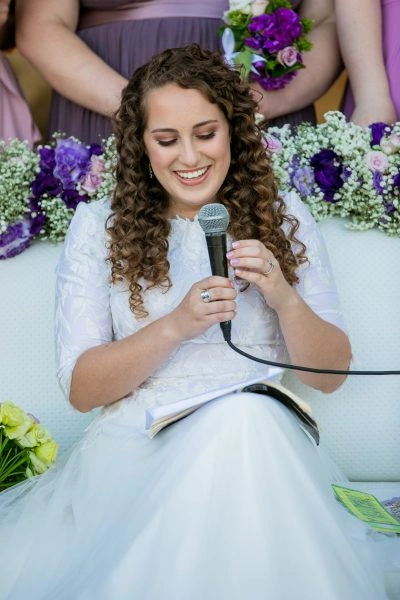
In my Shana bet at Migdal Oz I attended the Hadran siyum hash”as. Witnessing so many women so passionate about their Torah learning and connection to God, I knew I had to begin with the coming cycle. My wedding (June 24) was two weeks before the siyum of mesechet yoma so I went a little ahead and was able to make a speech and siyum at my kiseh kallah on my wedding day!

Sharona Guggenheim Plumb

Givat Shmuel, Israel

I was inspired to start learning after attending the 2020 siyum in Binyanei Hauma. It has been a great experience for me. It’s amazing to see the origins of stories I’ve heard and rituals I’ve participated in my whole life. Even when I don’t understand the daf itself, I believe that the commitment to learning every day is valuable and has multiple benefits. And there will be another daf tomorrow!

Khaya Eisenberg
Khaya Eisenberg

Jerusalem, Israel

The first month I learned Daf Yomi by myself in secret, because I wasn’t sure how my husband would react, but after the siyyum on Masechet Brachot I discovered Hadran and now sometimes my husband listens to the daf with me. He and I also learn mishnayot together and are constantly finding connections between the different masechtot.

Laura Warshawsky
Laura Warshawsky

Silver Spring, Maryland, United States

Bava Batra 142

וְלֵימָא לֵיהּ דְּאָמַר לִכְשֶׁתֵּלֵד! רַב הוּנָא לְטַעְמֵיהּ, דְּאָמַר רַב הוּנָא: אַף לִכְשֶׁתֵּלֵד – לֹא קָנָה.

The Gemara proposes another resolution to Rav Naḥman’s objection: But let Rav Huna say to Rav Naḥman that the mishna is referring to one who says that the transfer of ownership should take effect when she gives birth, at which point the child already exists. The Gemara rejects this resolution: Rav Huna does not interpret the mishna in this way, because Rav Huna conforms to his line of reasoning, as Rav Huna says: Even if one says that the transfer of ownership should take effect when she gives birth, the fetus does not acquire it.

דְּאָמַר רַב נַחְמָן: הַמְזַכֶּה לְעוּבָּר – לֹא קָנָה. לִכְשֶׁתֵּלֵד – קָנָה. וְרַב הוּנָא אָמַר: אַף לִכְשֶׁתֵּלֵד – לֹא קָנָה. וְרַב שֵׁשֶׁת אָמַר: אֶחָד זֶה וְאֶחָד זֶה קָנָה.

The Gemara clarifies: As Rav Naḥman says: With regard to one who transfers ownership of an item to a fetus, the fetus does not acquire it. But if he says that the transfer of ownership of the item should take effect when she gives birth, the fetus acquires it. And Rav Huna says: Even if he says that the transfer of ownership of the item should take effect when she gives birth, the fetus does not acquire it, because the fetus did not exist in the world when he transferred ownership. And Rav Sheshet says: In both this case and that case, the fetus acquires the item.

אָמַר רַב שֵׁשֶׁת: מְנָא אָמֵינָא לַהּ? דְּתַנְיָא: גֵּר שֶׁמֵּת, וּבִזְבְּזוּ יִשְׂרָאֵל נְכָסָיו, וְשָׁמְעוּ שֶׁיֵּשׁ לוֹ בֵּן אוֹ שֶׁהָיְתָה אִשְׁתּוֹ מְעוּבֶּרֶת – חַיָּיבִין לְהַחֲזִיר. הֶחְזִירוּ הַכֹּל, וְאַחַר כָּךְ שָׁמְעוּ שֶׁמֵּת בְּנוֹ אוֹ שֶׁהִפִּילָה אִשְׁתּוֹ – הֶחְזִיק בַּשְּׁנִיָּה, קָנָה; וּבָרִאשׁוֹנָה, לֹא קָנָה.

Rav Sheshet said: From where do I say that the fetus acquires the item? As it is taught in a baraita: With regard to a convert who died, apparently without offspring, and Jews plundered [uvizbezu] his property, assuming that he had no heirs and his property was therefore ownerless, and subsequently they heard that he had a son or that his wife was pregnant, they are obligated to return the property. If they returned it all, and then they heard that his son died or that his wife miscarried, if one took possession at the second time, after hearing about the death or the miscarriage, he acquired the property, but if one took possession only at the first time, before it was known there was an heir at all, he did not acquire the property.

וְאִי סָלְקָא דַּעְתָּךְ: עוּבָּר לָא קָנֵי, לְמָה לְהוּ אַחְזוֹקֵי בַּשְּׁנִיָּה? הָא אַחְזִיקוּ לְהוּ חֲדָא זִימְנָא!

Rav Sheshet explains: And if it enters your mind that a fetus does not acquire property, why do they need to take possession again the second time? Didn’t they already take possession one time? Evidently, the miscarried fetus had acquired ownership in the meantime.

אָמַר אַבָּיֵי: יְרוּשָּׁה הַבָּאָה מֵאֵילֶיהָ שָׁאנֵי. רָבָא אָמַר: שָׁאנֵי הָתָם, דְּרַפּוֹיֵי מְרַפְּיָאן בִּידַיְיהוּ מֵעִיקָּרָא.

Abaye said in reply to Rav Sheshet: Inheritance, which comes into the possession of the heir by itself without a formal act of acquisition, is different. Even if a fetus inherits property, it may not be able to acquire property in any other manner, e.g., receiving a gift. Rava said: It is different there, in the case where they plundered the property of the convert, as the property was initially only loosely held in their hands, as they did not clearly know whether or not the deceased convert had heirs. Therefore, the first time they took possession was not sufficient, and they needed to take possession again in order to acquire the property.

מַאי בֵּינַיְיהוּ? אִיכָּא בֵּינַיְיהוּ שֶׁשָּׁמְעוּ בּוֹ שֶׁמֵּת – וְלֹא מֵת; וְאַחַר כָּךְ מֵת.

The Gemara asks: What is the difference between Abaye’s refutation and Rava’s refutation? The practical difference between them is in a case where they initially heard with regard to the fetus that he had died, and they then took possession of the property. But in reality, he had not died, and then he died. According to Abaye, a fetus inherits property. Therefore, the property was not ownerless, and the plunderers did not acquire it. According to Rava, since the plunderers heard that the fetus had died, they took a firm hold upon the property, and they acquired it the first time.

תָּא שְׁמַע: תִּינוֹק בֶּן יוֹם אֶחָד – נוֹחֵל וּמַנְחִיל. בֶּן יוֹם אֶחָד אִין, עוּבָּר לָא! הָא אָמַר רַב שֵׁשֶׁת: נוֹחֵל בְּנִכְסֵי הָאֵם, לְהַנְחִיל לָאַחִין מִן הָאָב. וְדַוְקָא בֶּן יוֹם אֶחָד, אֲבָל עוּבָּר – לָא. מַאי טַעְמָא?

The Gemara offers another refutation of the opinion of Rav Sheshet: Come and hear a proof from a mishna (Nidda 43b–44a): A one-day-old child inherits property and bequeaths property. One can infer that if the child is one day old, yes, he inherits property; but a fetus does not. The Gemara replies: Doesn’t Rav Sheshet say that the mishna teaches a different halakha? The mishna teaches that a one-day-old child inherits his mother’s property the moment he is born, so that he is able to bequeath it, if he then dies, to his heirs who are not the mother’s heirs, e.g., his paternal brothers. This halakha specifically applies from when he is one day old, but a fetus whose mother died does not inherit from her. What is the reason for this?

דְּהוּא מָיֵית בְּרֵישָׁא, וְאֵין הַבֵּן יוֹרֵשׁ אֶת אִמּוֹ בַּקֶּבֶר לְהַנְחִיל לָאַחִין מִן הָאָב.

The reason is that we presume that the fetus died first, before its mother died, and the son does not inherit from his mother while in the grave, in order to bequeath the inheritance to his paternal brothers. The halakha is that if a son dies, and afterward his mother dies, the deceased son does not inherit from his mother and subsequently bequeath the inheritance to his paternal brothers, who are not related to the mother. But in other cases, where it is not his mother’s estate, a fetus inherits property.

לְמֵימְרָא דְּהוּא מָיֵית בְּרֵישָׁא?! וְהָא הֲוָה עוֹבָדָא, וּפַרְכֵּס תְּלָתָא פִּרְכּוּסֵי! אָמַר מָר בַּר רַב אָשֵׁי: מִידֵּי דְּהָוֵה אַזְּנַב הַלְּטָאָה, שֶׁמְּפַרְכֶּסֶת.

The Gemara asks: Is this to say that it is certain that the fetus died first? But there was an incident where the mother died and the fetus made three spasmodic motions afterward. Apparently, a fetus can die after the mother. Mar bar Rav Ashi said: That incident was just as it is with the tail of the lizard, which jerks after being severed from the lizard, but it is just a spasmodic motion which does not indicate that it is still alive.

מָר בְּרֵיהּ דְּרַב יוֹסֵף מִשְּׁמֵיהּ דְּרָבָא אָמַר: לוֹמַר שֶׁמְּמַעֵט בְּחֵלֶק בְּכוֹרָה. וְדַוְקָא בֶּן יוֹם אֶחָד, אֲבָל עוּבָּר – לָא. מַאי טַעְמָא? ״וְיָלְדוּ לוֹ״ אָמַר רַחֲמָנָא.

Mar, son of Rav Yosef, says in the name of Rava: The mishna comes to say that a one-day-old child reduces the portion of the firstborn. The firstborn is entitled to a double portion of the inheritance, and this is calculated taking into account the portion due to his dead brother. And it is in this context that specifically the portion of a one-day-old child is taken into account, but the portion of a fetus is not taken into account, even though a fetus also inherits property. What is the reason for this? The Merciful One states concerning the portion of the firstborn: “If a man has two wives, the one beloved, and the other hated, and they bore him children, both the beloved and the hated; and if the firstborn son be hers that was hated” (Deuteronomy 21:15). The term “children” excludes a fetus.

דְּאָמַר מָר בְּרֵיהּ דְּרַב יוֹסֵף מִשְּׁמֵיהּ דְּרָבָא: בֵּן שֶׁנּוֹלַד לְאַחַר מִיתַת אָבִיו – אֵינוֹ מְמַעֵט בְּחֵלֶק בְּכוֹרָה. מַאי טַעְמָא? ״וְיָלְדוּ לוֹ״ אָמַר רַחֲמָנָא, וְהָא לֵיכָּא.

This is similar to another halakha, as Mar, son of Rav Yosef, says in the name of Rava: A son who was born after his father’s death does not reduce the firstborn’s portion. What is the reason for this? The Merciful One states in the Torah: “And they bore him children,” and this term “children” does not apply to a fetus.

בְּסוּרָא – מַתְנוּ הָכִי. בְּפוּמְבְּדִיתָא – מַתְנוּ הָכִי: אָמַר מָר בְּרֵיהּ דְּרַב יוֹסֵף מִשְּׁמֵיהּ דְּרָבָא: בְּכוֹר שֶׁנּוֹלַד לְאַחַר מִיתַת אָבִיו – אֵינוֹ נוֹטֵל פִּי שְׁנַיִם. מַאי טַעְמָא? ״יַכִּיר״ אָמַר רַחֲמָנָא, וְהָא לֵיתָא דְּיַכִּיר. וְהִלְכְתָא כְּכׇל הָנֵי לִישָּׁנֵי דְּאָמַר מָר בְּרֵיהּ דְּרַב יוֹסֵף מִשְּׁמֵיהּ דְּרָבָא.

The Gemara notes: In Sura they taught Mar’s statement that way, but in Pumbedita they taught it this way: Mar, son of Rav Yosef, says in the name of Rava: A firstborn who was born after his father’s death does not receive a double portion. What is the reason for this? The Merciful One states in the Torah: “But he shall acknowledge the firstborn, the son of the hated, by giving him a double portion” (Deuteronomy 21:17), and in this case the father is not there that he can acknowledge him. The Gemara concludes: And the halakha is in accordance with all these versions of that which Mar, son of Rav Yosef, says in the name of Rava. Accordingly, a one-day-old child reduces the portion of the firstborn, a son born after his father’s death does not reduce the firstborn’s portion, and a firstborn born after his father’s death does not receive a double portion.

אָמַר רַבִּי יִצְחָק אָמַר רַבִּי יוֹחָנָן: הַמְזַכֶּה לְעוּבָּר – לֹא קָנָה. וְאִם תֹּאמַר: מִשְׁנָתֵינוּ! הוֹאִיל וְדַעְתּוֹ שֶׁל אָדָם קְרוֹבָה אֵצֶל בְּנוֹ.

§ Rabbi Yitzḥak says that Rabbi Yoḥanan says: With regard to one who transfers ownership of an item to a fetus, the fetus does not acquire the item. And if you say that the statement of our mishna (140b), with regard to one who gives a gift to his unborn child, indicates that an item can be transferred to a fetus, the circumstances there are unique. Since the disposition of a person is to be inclined toward his son, the Sages validated such a transfer, but one cannot transfer an item to the unborn child of another.

אֲמַר לֵיהּ שְׁמוּאֵל לְרַב חָנָא בַּגְדָּתָאָה: פּוֹק אַיְיתִי לִי בֵּי עַשְׂרָה, וְאֵימַר לָךְ בְּאַפַּיְיהוּ: הַמְזַכֶּה לְעוּבָּר קָנָה. וְהִלְכְתָא: הַמְזַכֶּה לְעוּבָּר לֹא קָנָה.

Shmuel said to Rav Ḥana of Baghdad: Go out and bring me an assembly of ten men, and I will say a halakha to you in their presence, so that it will be well publicized. The halakha was: With regard to one who transfers ownership of an item to a fetus, the fetus acquires the item. The Gemara concludes: And the halakha is that with regard to one who transfers ownership of an item to a fetus, the fetus does not acquire the item.

הָהוּא דַּאֲמַר לִדְבֵיתְהוּ: ״נִכְסַי לִבְנֵי דְּיִהְווּ לִי מִינִּיךְ״. אֲתָא בְּרֵיהּ קַשִּׁישָׁא, אֲמַר לֵיהּ: ״הַהוּא גַּבְרָא מַאי תֶּיהְוֵי עֲלֵיהּ?״ אָמַר לֵיהּ: ״זִיל קְנִי כְּחַד מִבְּרָא״. הָנָךְ – וַדַּאי לָא קָנוּ, דְּאַכַּתִּי לֵיתַנְהוּ.

§ The Gemara relates: There was a certain man who said to his wife, before she conceived: My property is given to the sons that I will have from you. His older son from a previous marriage came and said to him: That man, i.e., me, what will become of him, i.e., will I receive nothing? He said to his son: Go and acquire a portion like one of the sons who will be born, i.e., you will receive a share as well. The Gemara comments: Those sons who were not yet born certainly did not acquire the property, and do not receive more than their share as heirs, as they are not yet in existence.

הַאי – אִית חוּלָק לְטַלְיָא בִּמְקוֹם בְּנַיָּא, אוֹ לֵית לֵיהּ חוּלָק לְטַלְיָא בִּמְקוֹם בְּנַיָּא? רַבִּי אָבִין וְרַבִּי מְיָישָׁא וְרַבִּי יִרְמְיָה דְּאָמְרִי: אִית חוּלָק לְטַלְיָא בִּמְקוֹם בְּנַיָּא. רַבִּי אֲבָהוּ וְרַבִּי חֲנִינָא בַּר פַּפִּי וְרַבִּי יִצְחָק נַפָּחָא דְּאָמְרִי: לֵית חוּלָק לְטַלְיָא בִּמְקוֹם בְּנַיָּא.

The Gemara asks: With regard to this son, does the young man [letalya] receive an additional share of the inheritance in a case where there are other sons from the second wife, since his father gave him an additional share, or does the young man not receive an additional share of the inheritance where there are other sons? There are Rabbi Avin, and Rabbi Meyasha, and Rabbi Yirmeya, who all say: The young man does receive an additional share of the inheritance where there are other sons. And there are Rabbi Abbahu, and Rabbi Ḥanina bar Pappi, and Rabbi Yitzḥak Nappaḥa, who all say: The young man does not receive an additional share of the inheritance where there are other sons.

אֲמַר לֵיהּ רַבִּי אֲבָהוּ לְרַבִּי יִרְמְיָה: הִלְכְתָא כְּווֹתַן, אוֹ הִלְכְתָא כְּוָתַיְיכוּ? אֲמַר לֵיהּ: פְּשִׁיטָא דְּהִלְכְתָא כְּווֹתַן – דְּקַשִּׁישְׁנָא מִינַּיְיכוּ, וְלָאו הִלְכְתָא כְּווֹתַיְיכוּ – דְּדַרְדְּקֵי אַתּוּן. אֲמַר לֵיהּ: מִידֵּי בְּקַשִּׁישׁוּתָא תַּלְיָא מִילְּתָא?! בְּטַעְמָא תַּלְיָא מִילְּתָא! וְטַעְמָא מַאי? זִיל לְגַבֵּיהּ דְּרַבִּי אָבִין – דְּאַסְבַּרְתַּהּ נִיהֲלֵיהּ,

Rabbi Abbahu said to Rabbi Yirmeya: Is the halakha in accordance with our opinion, or is the halakha in accordance with your opinion? Rabbi Yirmeya said to Rabbi Abbahu: It is obvious that the halakha is in accordance with our opinion, as we are older than you, and the halakha is not in accordance with your opinion, as you are youngsters [dardekei]. Rabbi Abbahu said to Rabbi Yirmeya in reply: Does the matter depend upon age? The matter depends upon the reason behind the ruling. Rabbi Yirmeya asked him: And what is your reason? Rabbi Abbahu replied: Go to Rabbi Avin, as I explained this halakha to him,

Want to follow content and continue where you left off?

Create an account today to track your progress, mark what you’ve learned, and follow the shiurim that speak to you.

Clear all items from this list?

This will remove ALL the items in this section. You will lose any progress or history connected to them. This is irreversible.

Cancel
Yes, clear all

Are you sure you want to delete this item?

You will lose any progress or history connected to this item.

Cancel
Yes, delete