Search

Bava Batra 147

Want to dedicate learning? Get started here:

podcast placeholder

0:00
0:00


Summary

Today’s daf is sponsored by Esther Kremer in loving memory of Manny Gross on his 2nd yahrzeit. “May his memory forever be a blessing.”

Today’s daf is sponsored by Marc and Debbie Pershan in loving memory of  Marc’s mother, Perel Bayla bat Simcha, on the occasion of the shloshim.

From where do we learn that a declaration of a person on their deathbed is effective as if an act of acquiring was performed? The sages brought sources for the law from two verses in the Torah and two from the Prophets. Rava says in the name of Rav Nachman that this law is not derived from the Torah, but the rabbis instituted it to prevent the person from being overly distressed. The Gemara questions Rav Nachman from a different statement of Rav Nachman on a ruling of Shmuel. Shmuel held that if one sold a promissory note of a loan to another and then pardoned the original loan, the loan would be canceled, and even the heir of the original lender could cancel the loan. Rav Nachman explained that even Shmuel would agree though that if the promissory note were not sold to another but given as a gift from the lender on his/her deathbed, the heir cannot cancel the loan. This seems to show that the power of the words of a person on their deathbed is valid by Torah law as they are stronger than a regular gift. They resolve this difficulty by explaining that Rav Nachman gave it the strength of Torah law, even though it is rabbinic.

Rava quoted Rav Nachman that one cannot transfer intangible items – like the right to live in a house or the right to future fruits from a tree, even on one’s deathbed. This seems to show that Rav Nachman treats a gift on one’s deathbed like laws relating to gifts of one who is healthy. The Gemara raises a difficulty on this assumption.

Today’s daily daf tools:

Bava Batra 147

דּוֹמֶה שֶׁיֵּשׁ לִי בֵּן, עַכְשָׁיו שֶׁאֵין לִי בֵּן – נְכָסַי לִפְלוֹנִי; הָיָה חוֹלֶה וּמוּטָל בַּמִּטָּה, וְאָמְרוּ לוֹ: נְכָסָיו לְמִי? אָמַר לָהֶן: דּוֹמֶה שֶׁאִשְׁתִּי מְעוּבֶּרֶת, עַכְשָׁיו שֶׁאֵין אִשְׁתִּי מְעוּבֶּרֶת – נְכָסַי לִפְלוֹנִי; וְנוֹדַע שֶׁיֵּשׁ לוֹ בֵּן אוֹ שֶׁהָיְתָה אִשְׁתּוֹ מְעוּבֶּרֶת – אֵין מַתְּנָתוֹ מַתָּנָה.

Previously, I thought that I had a son. Now that I have been informed that I do not have a son, my property shall be given to so-and-so. Or if he was ill and bedridden, and those present said to him: To whom shall his property be given? And he said to them: Previously, I thought that my wife was pregnant. Now that I have been informed that my wife is not pregnant, my property shall be given to so-and-so. And if it then became known, in either of those cases, that he had a son or that his wife was pregnant, his gift is not a valid gift, since he clearly indicated that he bestowed the gift on that recipient only because he thought he had no heir.

לֵימָא רַבִּי שִׁמְעוֹן בֶּן מְנַסְיָא הִיא, וְלָא רַבָּנַן? אֲפִילּוּ תֵּימָא רַבָּנַן, ״דּוֹמֶה״ שָׁאנֵי.

The Gemara asks: Shall we say that this is the opinion of Rabbi Shimon ben Menasya and not the opinion of the Rabbis? The Gemara rejects this: You can even say that this is the opinion of the Rabbis, as the case where he said: I thought that I had a son, is different, since he stated the reason for his actions.

וּדְקָאָרֵי לַהּ – מַאי קָאָרֵי לַהּ? מַהוּ דְּתֵימָא: צַעְרֵיהּ הוּא דְּקָא מַדְכַּר, קָא מַשְׁמַע לַן.

Since the difference between the cases is obvious, the Gemara asks: He who asked it, why did he ask it? The Gemara replies: Lest you say that when the bedridden man mentioned that he does not have a son, he is mentioning it only as an expression of his sorrow, since the matter of the disposal of his estate brings it to mind, but he is not mentioning this as the reason for the gift, the baraita therefore teaches us that the reference to his son indicates that had he known that he had a son, he would not have given his property to others.

אָמַר רַבִּי זֵירָא אָמַר רַב: מִנַּיִן לְמַתְּנַת שְׁכִיב מְרַע שֶׁהִיא מִן הַתּוֹרָה? שֶׁנֶּאֱמַר: ״וְהַעֲבַרְתֶּם אֶת נַחֲלָתוֹ לְבִתּוֹ״ – יֵשׁ לְךָ הַעֲבָרָה אַחֶרֶת שֶׁהִיא כָּזוֹ. וְאֵי זוֹ? זוֹ מַתְּנַת שְׁכִיב מְרַע.

§ Unlike the gifts of a healthy person, the gifts of a person on his deathbed do not require a formal act of acquisition. Rabbi Zeira says that Rav says: From where is it derived that this halakha with regard to the gift of a person on his deathbed is by Torah law? As it is stated in the passage delineating the laws of inheritance: “If a man dies, and he does not have a son, then you shall cause his inheritance to pass to his daughter” (Numbers 27:8). The term “you shall cause…to pass” is superfluous, as the verse could have stated: His inheritance shall go to his daughter. One can therefore derive from this term that you have another case of causing property to pass to another, which is comparable to this case of inheritance, which does not require an act of acquisition. And what is this case? This is the case of the gift of a person on his deathbed.

רַב נַחְמָן אָמַר רַבָּה בַּר אֲבוּהּ, מֵהָכָא: ״וּנְתַתֶּם אֶת נַחֲלָתוֹ לְאֶחָיו״ – יֵשׁ לְךָ נְתִינָה אַחֶרֶת שֶׁהִיא כָּזוֹ. וְאֵי זוֹ? זוֹ מַתְּנַת שְׁכִיב מְרַע.

Rav Naḥman says that Rabba bar Avuh says: The halakha with regard to the gift of a person on his deathbed is derived from here: “And if he has no daughter, then you shall give his inheritance to his brothers” (Numbers 27:9). The verse could have stated: His inheritance shall go to his brothers, as inheritance is transferred by itself, without any intervention. One can therefore derive from the term “you shall give” that you have another case of giving that is comparable to this case. And what is this case? This is the case of the gift of a person on his deathbed.

וְרַב נַחְמָן – מַאי טַעְמָא לָא אָמַר מִ״וְהַעֲבַרְתֶּם״? הַהוּא מִיבְּעֵי לֵיהּ לְכִדְרַבִּי – דְּתַנְיָא, רַבִּי אוֹמֵר: בְּכוּלָּן נֶאֶמְרָה בָּהֶן ״נְתִינָה״, וְכָאן נֶאֶמְרָה ״הַעֲבָרָה״; אֵין לְךָ שֶׁמַּעֲבִיר נַחֲלָה מִשֵּׁבֶט לְשֵׁבֶט, אֶלָּא בַּת – הוֹאִיל וּבְנָהּ וּבַעְלָהּ יוֹרְשִׁין אוֹתָהּ.

The Gemara asks: And with regard to Rav Naḥman, what is the reason that he did not say that this halakha can be derived from the term “you shall cause…to pass”? The Gemara answers: He requires that verse for that which is taught by Rabbi Yehuda HaNasi, as it is taught in a baraita: Rabbi Yehuda HaNasi says: With regard to all of the heirs, the term giving was stated in the Torah, and here, with regard to the daughter, the term causing to pass was stated. One can derive from this that there is no heir who can cause one’s inheritance to pass from one tribe to another tribe except for the daughter, since her son and her husband inherit from her, and they may be of a different tribe.

וְרַבִּי זֵירָא – מַאי טַעְמָא לָא אָמַר מִ״וּנְתַתֶּם״? אוֹרְחֵיהּ דִּקְרָא הוּא.

The Gemara asks: And with regard to Rabbi Zeira, what is the reason that he did not say that this halakha can be derived from the term “Then you shall give”? The Gemara answers: Rabbi Zeira maintains that this usage is the usual manner of the verse, and one cannot derive anything from this term.

רַב מְנַשְּׁיָא בַּר יִרְמְיָה אָמַר, מֵהָכָא: ״בַּיָּמִים הָהֵם חָלָה חִזְקִיָּהוּ לָמוּת, וַיָּבֹא אֵלָיו יְשַׁעְיָהוּ בֶן אָמוֹץ הַנָּבִיא, וַיֹּאמֶר אֵלָיו: כֹּה אָמַר ה׳, צַו לְבֵיתֶךָ, כִּי מֵת אַתָּה וְלֹא תִחְיֶה״ – בְּצַוָּאָה בְּעָלְמָא.

Rav Menashya bar Yirmeya says: The halakha with regard to the gift of a person on his deathbed is derived from here: “In those days Hezekiah became deathly ill, and Isaiah ben Amoz the prophet came to him, and said to him: So says the Lord: Instruct your household, for you will die, and you will not live” (II Kings 20:1). This indicates that merely by issuing an instruction, a person on his deathbed can transfer ownership of his property.

רָמֵי בַּר יְחֶזְקֵאל אָמַר, מֵהָכָא: ״וַאֲחִיתוֹפֶל רָאָה כִּי לֹא נֶעֶשְׂתָה עֲצָתוֹ וַיַּחֲבֹשׁ אֶת הַחֲמוֹר וַיֵּלֶךְ אֶל בֵּיתוֹ אֶל עִירוֹ וַיְצַו אֶל בֵּיתוֹ וַיֵּחָנַק״, בְּצַוָּאָה בְּעָלְמָא.

Rami bar Yeḥezkel says: The halakha with regard to the gift of a person on his deathbed is derived from here: “And when Ahithophel saw that his counsel was not followed, he saddled his ass, and he arose, and went to his home, to his city; and he instructed his household, and strangled himself” (II Samuel 17:23). This indicates that merely by issuing an instruction, a person on his deathbed can transfer ownership of his property.

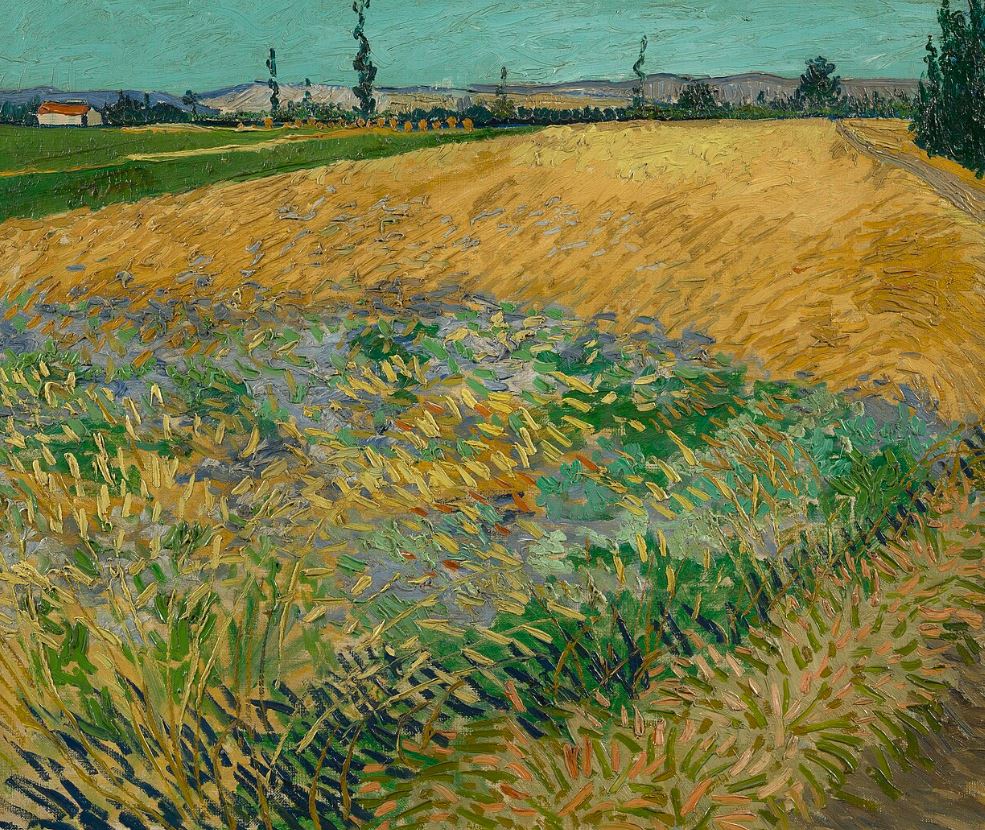
תָּנוּ רַבָּנַן: שְׁלֹשָׁה דְּבָרִים צִוָּה אֲחִיתוֹפֶל אֶת בָּנָיו – אַל תִּהְיוּ בְּמַחְלוֹקֶת, וְאַל תִּמְרְדוּ בְּמַלְכוּת בֵּית דָּוִד, וְיוֹם טוֹב שֶׁל עֲצֶרֶת בָּרוּר – זִרְעוּ חִטִּים. מָר זוּטְרָא אָמַר: ״בָּלוּל״ אִיתְּמַר. אָמְרִי נְהַרְדָּעֵי מִשְּׁמֵיהּ דְּרַבִּי יַעֲקֹב: לֹא ״בָּרוּר״ – בָּרוּר מַמָּשׁ, וְלֹא ״בָּלוּל״ – בָּלוּל מַמָּשׁ, אֶלָּא אֲפִילּוּ בָּלוּל וְרוּחַ צְפוֹנִית מְנַשַּׁבְתּוֹ – זֶה הוּא בָּרוּר.

The Sages taught: Before his death, when he saw that Absalom’s rebellion against King David had failed, Ahithophel instructed his sons with regard to three matters: Do not be participants in a dispute. And do not rebel against the kingship of the house of David. And if the festival of Shavuot is a clear day, sow wheat, as it is a sign that the wheat crop will thrive. Mar Zutra said: It was stated that the wheat crop will thrive if Shavuot is a cloudy day, not if it is a clear day. The Sages of Neharde’a say in the name of Rabbi Ya’akov: According to both opinions, a clear day does not literally mean a clear day, nor does a cloudy day literally mean a cloudy day. Rather, even if the day is cloudy but a north wind is blowing the clouds away, this is considered a clear day.

אֲמַר לֵיהּ רַבִּי אַבָּא לְרַב אָשֵׁי: אֲנַן – אַדְּרַב יִצְחָק בַּר אַבְדִּימִי מַתְנֵינַן לַהּ, דְּאָמַר רַב יִצְחָק בַּר אַבְדִּימִי: מוֹצָאֵי יוֹם טוֹב הָאַחֲרוֹן שֶׁל חַג, הַכֹּל צוֹפִין לַעֲשַׁן הַמַּעֲרָכָה; נָטָה כְּלַפֵּי צָפוֹן – עֲנִיִּים שְׂמֵחִים וּבַעְלֵי בָתִּים עֲצֵבִין, מִפְּנֵי שֶׁגִּשְׁמֵי שָׁנָה מְרוּבִּין, וּפֵירוֹת מַרְקִיבִין.

Rabbi Abba said to Rav Ashi: We teach this matter of signs concerning crops with regard to the statement of Rav Yitzḥak bar Avdimi, as Rav Yitzḥak bar Avdimi says: At the conclusion of the final day of the festival of Sukkot, everyone looked upon the smoke rising from the arrangement of wood on the altar. If the smoke inclined toward the north due to a south wind, the poor were glad and the homeowners were sad, because this was a sign that the year’s rainfall would be plentiful, and although the rain would produce an abundant crop, the produce would decay due to the humidity. The humidity would make it difficult to store the abundant harvest, forcing the homeowners to sell the produce quickly at a lower price.

נָטָה כְּלַפֵּי דָרוֹם – עֲנִיִּים עֲצֵבִים וּבַעְלֵי בָתִּים שְׂמֵחִין, מִפְּנֵי שֶׁגִּשְׁמֵי שָׁנָה מוּעָטִין, וּפֵירוֹת מִשְׁתַּמְּרִין. נָטָה כְּלַפֵּי מִזְרָח – הַכֹּל שְׂמֵחִין. כְּלַפֵּי מַעֲרָב – הַכֹּל עֲצֵבִין.

If the smoke inclined toward the south due to a north wind, the poor were sad and the homeowners were glad, because this indicated that the year’s rainfall would be sparse and the produce would be meager and would store well. If the smoke inclined toward the east due to a west wind, everyone was glad, because this indicated that there would be sufficient rainfall to ensure a substantial crop, and at the same time, the produce would store well. If the smoke inclined toward the west due to an east wind, everyone was sad, because the east wind does not bring rain, and this indicated that there would be a drought.

וּרְמִינְהִי: מִזְרָחִית – לְעוֹלָם יָפָה. מַעֲרָבִית – לְעוֹלָם קָשָׁה. רוּחַ צְפוֹנִית – יָפָה לְחִטִּים בְּשָׁעָה שֶׁהֵבִיאוּ שְׁלִישׁ, וְקָשָׁה לְזֵיתִים בְּשָׁעָה שֶׁיָּנֵיצוּ. וְרוּחַ דְּרוֹמִית – קָשָׁה לְחִטִּין בְּשָׁעָה שֶׁהֵבִיאוּ שְׁלִישׁ, וְיָפָה לְזֵיתִים בְּשָׁעָה שֶׁיָּנֵיצוּ.

The Gemara raises a contradiction from a baraita: An east wind is always beneficial, and a west wind is always harmful. A north wind is beneficial to the wheat when it has reached one-third of its growth and harmful to the olives when they are blossoming. And a south wind is harmful to the wheat when it has reached one-third of its growth and beneficial to the olives when they are blossoming.

וְאָמַר רַב יוֹסֵף, וְאִיתֵּימָא מָר זוּטְרָא, וְאִיתֵּימָא רַב נַחְמָן בַּר יִצְחָק: וְסִימָנָךְ – שֻׁלְחָן בַּצָּפוֹן, וּמְנוֹרָה בַּדָּרוֹם. הַאי מְרַבֵּי דִידֵיהּ וְהַאי מְרַבֵּי דִידֵיהּ!

And Rav Yosef says, and some say it is Mar Zutra who says this, and some say it is Rav Naḥman bar Yitzḥak who says this: The following is your mnemonic to remember which wind is beneficial to which crop: The Table is in the north of the Sanctuary, and the Candelabrum is in the south. This one increases its own, and that one increases its own, i.e., the Table, upon which the shewbread made from wheat is placed, is in the north, and the north wind is beneficial to the wheat. The Candelabrum, which is lit with olive oil, is in the south, and the south wind is beneficial to the olives. In any event, the baraita contradicts the statement of Rav Yitzḥak bar Avdimi with regard to the effect of the western and eastern winds.

לָא קַשְׁיָא; הָא לַן, וְהָא לְהוּ.

The Gemara answers: This is not difficult. This, the east wind, is for us, in Babylonia, and that, the west wind, is for them, in Eretz Yisrael. In Babylonia the east wind is beneficial, because water is plentiful there, and the dry east wind does not harm the crops. In Eretz Yisrael the east wind is harmful, because water is scarce, and the east wind ruins the crops, whereas the west wind brings the necessary rain.

תַּנְיָא, אַבָּא שָׁאוּל אוֹמֵר: יוֹם טוֹב שֶׁל עֲצֶרֶת בָּרוּר – סִימָן יָפֶה לְכׇל הַשָּׁנָה כּוּלָּהּ. אָמַר רַב זְבִיד: הַאי יוֹמָא קַמָּא דְּרֵישׁ שַׁתָּא, אִי חַמִּים – כּוּלַּהּ שַׁתָּא חַמִּימָא, אִי קָרִיר – כּוּלַּהּ שַׁתָּא קָרִירָא. לְמַאי נָפְקָא מִינַּהּ?

It is taught in a baraita: Abba Shaul says: If the festival of Shavuot is a clear day, this is a good sign for the entire year. Rav Zevid said: With regard to this first day of Rosh HaShana, if it is warm, the entire year will be warm, but if it is cold, the entire year will be cold. The Gemara asks: What difference is there whether one knows this or not?

לִתְפִלָּתוֹ שֶׁל כֹּהֵן גָּדוֹל.

The Gemara answers: The difference is with regard to the prayer of the High Priest, who would pray on Yom Kippur for beneficial weather, and this knowledge enabled him to formulate his prayers accordingly.

וְרָבָא אָמַר רַב נַחְמָן: מַתְּנַת שְׁכִיב מְרַע מִדְּרַבָּנַן בְּעָלְמָא הִיא, שֶׁמָּא תִּטָּרֵף דַּעְתּוֹ עָלָיו.

The Gemara resumes the discussion with regard to the gifts of a person on his deathbed: And Rava says that Rav Naḥman says: The halakha that the gift of a person on his deathbed does not require an act of acquisition is merely by rabbinic law, and it is instituted lest he see that his will is not being carried out and he lose control of his mind due to his grief, exacerbating his physical state.

וּמִי אָמַר רַב נַחְמָן הָכִי?! וְהָא אָמַר רַב נַחְמָן, אַף עַל גַּב דְּאָמַר שְׁמוּאֵל: הַמּוֹכֵר שְׁטַר חוֹב לַחֲבֵירוֹ, וְחָזַר וּמְחָלוֹ – מָחוּל; וַאֲפִילּוּ יוֹרֵשׁ מוֹחֵל; מוֹדֶה שְׁמוּאֵל שֶׁאִם נְתָנוֹ בְּמַתְּנַת שְׁכִיב מְרַע, דְּאֵינוֹ יָכוֹל לְמוֹחְלוֹ.

The Gemara asks: And did Rav Naḥman actually say this? But doesn’t Rav Naḥman say: Even though Shmuel says that with regard to one who sells a promissory note to another and then forgives the debt, the debt is forgiven and the note is nullified, and even the heir of the creditor can forgive the debt, Shmuel concedes that if the creditor gave the promissory note as the gift of a person on his deathbed, his heir cannot forgive the debt?

אִי אָמְרַתְּ בִּשְׁלָמָא דְּאוֹרָיְיתָא, מִשּׁוּם הָכִי אֵינוֹ יָכוֹל לִמְחוֹל. אֶלָּא אִי אָמְרַתְּ דְּרַבָּנַן הִיא, אַמַּאי אֵינוֹ יָכוֹל לִמְחוֹל? אֵינָהּ שֶׁל תּוֹרָה, וַעֲשָׂאוּהָ כְּשֶׁל תּוֹרָה.

Granted, if you say that the gift of a person on his deathbed is valid by Torah law without an act of acquisition, due to that reason the heir cannot forgive the debt, as the debt was acquired by another. But if you say that it is valid by rabbinic law, why is the heir unable to forgive the debt? The Gemara replies: Rav Naḥman maintains that although this gift is not effective by Torah law, nevertheless, the Sages made it a halakha with the force of Torah law.

אָמַר רָבָא אָמַר רַב נַחְמָן: שְׁכִיב מְרַע שֶׁאָמַר ״יָדוּר פְּלוֹנִי בְּבַיִת זֶה״; ״יֹאכַל פְּלוֹנִי פֵּירוֹת דֶּקֶל זֶה״ – לֹא אָמַר כְּלוּם, עַד שֶׁיֹּאמַר: ״תְּנוּ בַּיִת זֶה לִפְלוֹנִי וְיָדוּר בּוֹ״; ״תְּנוּ דֶּקֶל זֶה לִפְלוֹנִי וְיֹאכַל פֵּירוֹתָיו״.

Rava says that Rav Naḥman says: With regard to a person on his deathbed who says: So-and-so shall reside in this house, or who says: So-and-so shall eat the fruit of this palm tree, he has not said anything, as one cannot give that which is not tangible, such as the right to use property, or the right to consume fruit that has not yet grown. His statement is ineffective until he says: Give this house to so-and-so and he shall reside there, or: Give this palm tree to so-and-so and he shall eat its fruit.

לְמֵימְרָא דְּסָבַר רַב נַחְמָן מִילְּתָא דְּאִיתָא בְּבָרִיא – אִיתָא בִּשְׁכִיב מְרַע, דְלֵיתָא בְּבָרִיא – לֵיתָא בִּשְׁכִיב מְרַע? וְהָא אָמַר רָבָא אָמַר רַב נַחְמָן:

The Gemara asks: Is this to say that Rav Naḥman maintains that only a matter that can be conferred as a gift by a healthy person with an act of acquisition can be conferred as a gift by a person on his deathbed by means of verbal instruction, but a matter that cannot be conferred as a gift by a healthy person cannot be conferred as a gift by a person on his deathbed? Consequently, a person on his deathbed cannot transfer ownership of an intangible right, just as a healthy person cannot do so. But doesn’t Rava say that Rav Naḥman says:

Today’s daily daf tools:

Delve Deeper

Broaden your understanding of the topics on this daf with classes and podcasts from top women Talmud scholars.

For the Beyond the Daf shiurim offered in Hebrew, see here.

New to Talmud?

Check out our resources designed to help you navigate a page of Talmud – and study at the pace, level and style that fits you. 

The Hadran Women’s Tapestry

Meet the diverse women learning Gemara at Hadran and hear their stories. 

3 years ago, I joined Rabbanit Michelle to organize the unprecedented Siyum HaShas event in Jerusalem for thousands of women. The whole experience was so inspiring that I decided then to start learning the daf and see how I would go…. and I’m still at it. I often listen to the Daf on my bike in mornings, surrounded by both the external & the internal beauty of Eretz Yisrael & Am Yisrael!

Lisa Kolodny
Lisa Kolodny

Raanana, Israel

When I started studying Hebrew at Brown University’s Hillel, I had no idea that almost 38 years later, I’m doing Daf Yomi. My Shabbat haburah is led by Rabbanit Leah Sarna. The women are a hoot. I’m tracking the completion of each tractate by reading Ilana Kurshan’s memoir, If All the Seas Were Ink.

Hannah Lee
Hannah Lee

Pennsylvania, United States

I was inspired to start learning after attending the 2020 siyum in Binyanei Hauma. It has been a great experience for me. It’s amazing to see the origins of stories I’ve heard and rituals I’ve participated in my whole life. Even when I don’t understand the daf itself, I believe that the commitment to learning every day is valuable and has multiple benefits. And there will be another daf tomorrow!

Khaya Eisenberg
Khaya Eisenberg

Jerusalem, Israel

See video

Susan Fisher
Susan Fisher

Raanana, Israel

A few years back, after reading Ilana Kurshan’s book, “If All The Seas Were Ink,” I began pondering the crazy, outlandish idea of beginning the Daf Yomi cycle. Beginning in December, 2019, a month before the previous cycle ended, I “auditioned” 30 different podcasts in 30 days, and ultimately chose to take the plunge with Hadran and Rabbanit Michelle. Such joy!

Cindy Dolgin
Cindy Dolgin

HUNTINGTON, United States

Hearing and reading about the siyumim at the completion of the 13 th cycle Daf Yomi asked our shul rabbi about starting the Daf – he directed me to another shiur in town he thought would allow a woman to join, and so I did! Love seeing the sources for the Divrei Torah I’ve been hearing for the past decades of living an observant life and raising 5 children .

Jill Felder
Jill Felder

Pittsburgh, Pennsylvania, United States

Inspired by Hadran’s first Siyum ha Shas L’Nashim two years ago, I began daf yomi right after for the next cycle. As to this extraordinary journey together with Hadran..as TS Eliot wrote “We must not cease from exploration and the end of all our exploring will be to arrive where we began and to know the place for the first time.

Susan Handelman
Susan Handelman

Jerusalem, Israel

I never thought I’d be able to do Daf Yomi till I saw the video of Hadran’s Siyum HaShas. Now, 2 years later, I’m about to participate in Siyum Seder Mo’ed with my Hadran community. It has been an incredible privilege to learn with Rabbanit Michelle and to get to know so many caring, talented and knowledgeable women. I look forward with great anticipation and excitement to learning Seder Nashim.

Caroline-Ben-Ari-Tapestry
Caroline Ben-Ari

Karmiel, Israel

I began my journey two years ago at the beginning of this cycle of the daf yomi. It has been an incredible, challenging experience and has given me a new perspective of Torah Sh’baal Peh and the role it plays in our lives

linda kalish-marcus
linda kalish-marcus

Efrat, Israel

I had tried to start after being inspired by the hadran siyum, but did not manage to stick to it. However, just before masechet taanit, our rav wrote a message to the shul WhatsApp encouraging people to start with masechet taanit, so I did! And this time, I’m hooked! I listen to the shiur every day , and am also trying to improve my skills.

Laura Major
Laura Major

Yad Binyamin, Israel

After being so inspired by the siyum shas two years ago, I began tentatively learning daf yomi, like Rabbanut Michelle kept saying – taking one daf at a time. I’m still taking it one daf at a time, one masechet at a time, but I’m loving it and am still so inspired by Rabbanit Michelle and the Hadran community, and yes – I am proud to be finishing Seder Mo’ed.

Caroline Graham-Ofstein

Bet Shemesh, Israel

After enthusing to my friend Ruth Kahan about how much I had enjoyed remote Jewish learning during the earlier part of the pandemic, she challenged me to join her in learning the daf yomi cycle. I had always wanted to do daf yomi but now had no excuse. The beginning was particularly hard as I had never studied Talmud but has become easier, as I have gained some familiarity with it.

Susan-Vishner-Hadran-photo-scaled
Susan Vishner

Brookline, United States

I began daf yomi in January 2020 with Brachot. I had made aliya 6 months before, and one of my post-aliya goals was to complete a full cycle. As a life-long Tanach teacher, I wanted to swim from one side of the Yam shel Torah to the other. Daf yomi was also my sanity through COVID. It was the way to marking the progression of time, and feel that I could grow and accomplish while time stopped.

Leah Herzog
Leah Herzog

Givat Zev, Israel

I began Daf Yomi with the last cycle. I was inspired by the Hadran Siyum in Yerushalayim to continue with this cycle. I have learned Daf Yomi with Rabanit Michelle in over 25 countries on 6 continents ( missing Australia)

Barbara-Goldschlag
Barbara Goldschlag

Silver Spring, MD, United States

I started learning daf in January, 2020, being inspired by watching the Siyyum Hashas in Binyanei Haumah. I wasn’t sure I would be able to keep up with the task. When I went to school, Gemara was not an option. Fast forward to March, 2022, and each day starts with the daf. The challenge is now learning the intricacies of delving into the actual learning. Hadran community, thank you!

Rochel Cheifetz
Rochel Cheifetz

Riverdale, NY, United States

It happened without intent (so am I yotzei?!) – I watched the women’s siyum live and was so moved by it that the next morning, I tuned in to Rabbanit Michelle’s shiur, and here I am, still learning every day, over 2 years later. Some days it all goes over my head, but others I grasp onto an idea or a story, and I ‘get it’ and that’s the best feeling in the world. So proud to be a Hadran learner.

Jeanne Yael Klempner

Zichron Yaakov, Israel

In my Shana bet at Migdal Oz I attended the Hadran siyum hash”as. Witnessing so many women so passionate about their Torah learning and connection to God, I knew I had to begin with the coming cycle. My wedding (June 24) was two weeks before the siyum of mesechet yoma so I went a little ahead and was able to make a speech and siyum at my kiseh kallah on my wedding day!

Sharona Guggenheim Plumb

Givat Shmuel, Israel

After reading the book, “ If All The Seas Were Ink “ by Ileana Kurshan I started studying Talmud. I searched and studied with several teachers until I found Michelle Farber. I have been studying with her for two years. I look forward every day to learn from her.

Janine Rubens
Janine Rubens

Virginia, United States

I was inspired to start learning after attending the 2020 siyum in Binyanei Hauma. It has been a great experience for me. It’s amazing to see the origins of stories I’ve heard and rituals I’ve participated in my whole life. Even when I don’t understand the daf itself, I believe that the commitment to learning every day is valuable and has multiple benefits. And there will be another daf tomorrow!

Khaya Eisenberg
Khaya Eisenberg

Jerusalem, Israel

I started learning daf yomi at the beginning of this cycle. As the pandemic evolved, it’s been so helpful to me to have this discipline every morning to listen to the daf podcast after I’ve read the daf; learning about the relationships between the rabbis and the ways they were constructing our Jewish religion after the destruction of the Temple. I’m grateful to be on this journey!

Mona Fishbane
Mona Fishbane

Teaneck NJ, United States

Bava Batra 147

דּוֹמֶה שֶׁיֵּשׁ לִי בֵּן, עַכְשָׁיו שֶׁאֵין לִי בֵּן – נְכָסַי לִפְלוֹנִי; הָיָה חוֹלֶה וּמוּטָל בַּמִּטָּה, וְאָמְרוּ לוֹ: נְכָסָיו לְמִי? אָמַר לָהֶן: דּוֹמֶה שֶׁאִשְׁתִּי מְעוּבֶּרֶת, עַכְשָׁיו שֶׁאֵין אִשְׁתִּי מְעוּבֶּרֶת – נְכָסַי לִפְלוֹנִי; וְנוֹדַע שֶׁיֵּשׁ לוֹ בֵּן אוֹ שֶׁהָיְתָה אִשְׁתּוֹ מְעוּבֶּרֶת – אֵין מַתְּנָתוֹ מַתָּנָה.

Previously, I thought that I had a son. Now that I have been informed that I do not have a son, my property shall be given to so-and-so. Or if he was ill and bedridden, and those present said to him: To whom shall his property be given? And he said to them: Previously, I thought that my wife was pregnant. Now that I have been informed that my wife is not pregnant, my property shall be given to so-and-so. And if it then became known, in either of those cases, that he had a son or that his wife was pregnant, his gift is not a valid gift, since he clearly indicated that he bestowed the gift on that recipient only because he thought he had no heir.

לֵימָא רַבִּי שִׁמְעוֹן בֶּן מְנַסְיָא הִיא, וְלָא רַבָּנַן? אֲפִילּוּ תֵּימָא רַבָּנַן, ״דּוֹמֶה״ שָׁאנֵי.

The Gemara asks: Shall we say that this is the opinion of Rabbi Shimon ben Menasya and not the opinion of the Rabbis? The Gemara rejects this: You can even say that this is the opinion of the Rabbis, as the case where he said: I thought that I had a son, is different, since he stated the reason for his actions.

וּדְקָאָרֵי לַהּ – מַאי קָאָרֵי לַהּ? מַהוּ דְּתֵימָא: צַעְרֵיהּ הוּא דְּקָא מַדְכַּר, קָא מַשְׁמַע לַן.

Since the difference between the cases is obvious, the Gemara asks: He who asked it, why did he ask it? The Gemara replies: Lest you say that when the bedridden man mentioned that he does not have a son, he is mentioning it only as an expression of his sorrow, since the matter of the disposal of his estate brings it to mind, but he is not mentioning this as the reason for the gift, the baraita therefore teaches us that the reference to his son indicates that had he known that he had a son, he would not have given his property to others.

אָמַר רַבִּי זֵירָא אָמַר רַב: מִנַּיִן לְמַתְּנַת שְׁכִיב מְרַע שֶׁהִיא מִן הַתּוֹרָה? שֶׁנֶּאֱמַר: ״וְהַעֲבַרְתֶּם אֶת נַחֲלָתוֹ לְבִתּוֹ״ – יֵשׁ לְךָ הַעֲבָרָה אַחֶרֶת שֶׁהִיא כָּזוֹ. וְאֵי זוֹ? זוֹ מַתְּנַת שְׁכִיב מְרַע.

§ Unlike the gifts of a healthy person, the gifts of a person on his deathbed do not require a formal act of acquisition. Rabbi Zeira says that Rav says: From where is it derived that this halakha with regard to the gift of a person on his deathbed is by Torah law? As it is stated in the passage delineating the laws of inheritance: “If a man dies, and he does not have a son, then you shall cause his inheritance to pass to his daughter” (Numbers 27:8). The term “you shall cause…to pass” is superfluous, as the verse could have stated: His inheritance shall go to his daughter. One can therefore derive from this term that you have another case of causing property to pass to another, which is comparable to this case of inheritance, which does not require an act of acquisition. And what is this case? This is the case of the gift of a person on his deathbed.

רַב נַחְמָן אָמַר רַבָּה בַּר אֲבוּהּ, מֵהָכָא: ״וּנְתַתֶּם אֶת נַחֲלָתוֹ לְאֶחָיו״ – יֵשׁ לְךָ נְתִינָה אַחֶרֶת שֶׁהִיא כָּזוֹ. וְאֵי זוֹ? זוֹ מַתְּנַת שְׁכִיב מְרַע.

Rav Naḥman says that Rabba bar Avuh says: The halakha with regard to the gift of a person on his deathbed is derived from here: “And if he has no daughter, then you shall give his inheritance to his brothers” (Numbers 27:9). The verse could have stated: His inheritance shall go to his brothers, as inheritance is transferred by itself, without any intervention. One can therefore derive from the term “you shall give” that you have another case of giving that is comparable to this case. And what is this case? This is the case of the gift of a person on his deathbed.

וְרַב נַחְמָן – מַאי טַעְמָא לָא אָמַר מִ״וְהַעֲבַרְתֶּם״? הַהוּא מִיבְּעֵי לֵיהּ לְכִדְרַבִּי – דְּתַנְיָא, רַבִּי אוֹמֵר: בְּכוּלָּן נֶאֶמְרָה בָּהֶן ״נְתִינָה״, וְכָאן נֶאֶמְרָה ״הַעֲבָרָה״; אֵין לְךָ שֶׁמַּעֲבִיר נַחֲלָה מִשֵּׁבֶט לְשֵׁבֶט, אֶלָּא בַּת – הוֹאִיל וּבְנָהּ וּבַעְלָהּ יוֹרְשִׁין אוֹתָהּ.

The Gemara asks: And with regard to Rav Naḥman, what is the reason that he did not say that this halakha can be derived from the term “you shall cause…to pass”? The Gemara answers: He requires that verse for that which is taught by Rabbi Yehuda HaNasi, as it is taught in a baraita: Rabbi Yehuda HaNasi says: With regard to all of the heirs, the term giving was stated in the Torah, and here, with regard to the daughter, the term causing to pass was stated. One can derive from this that there is no heir who can cause one’s inheritance to pass from one tribe to another tribe except for the daughter, since her son and her husband inherit from her, and they may be of a different tribe.

וְרַבִּי זֵירָא – מַאי טַעְמָא לָא אָמַר מִ״וּנְתַתֶּם״? אוֹרְחֵיהּ דִּקְרָא הוּא.

The Gemara asks: And with regard to Rabbi Zeira, what is the reason that he did not say that this halakha can be derived from the term “Then you shall give”? The Gemara answers: Rabbi Zeira maintains that this usage is the usual manner of the verse, and one cannot derive anything from this term.

רַב מְנַשְּׁיָא בַּר יִרְמְיָה אָמַר, מֵהָכָא: ״בַּיָּמִים הָהֵם חָלָה חִזְקִיָּהוּ לָמוּת, וַיָּבֹא אֵלָיו יְשַׁעְיָהוּ בֶן אָמוֹץ הַנָּבִיא, וַיֹּאמֶר אֵלָיו: כֹּה אָמַר ה׳, צַו לְבֵיתֶךָ, כִּי מֵת אַתָּה וְלֹא תִחְיֶה״ – בְּצַוָּאָה בְּעָלְמָא.

Rav Menashya bar Yirmeya says: The halakha with regard to the gift of a person on his deathbed is derived from here: “In those days Hezekiah became deathly ill, and Isaiah ben Amoz the prophet came to him, and said to him: So says the Lord: Instruct your household, for you will die, and you will not live” (II Kings 20:1). This indicates that merely by issuing an instruction, a person on his deathbed can transfer ownership of his property.

רָמֵי בַּר יְחֶזְקֵאל אָמַר, מֵהָכָא: ״וַאֲחִיתוֹפֶל רָאָה כִּי לֹא נֶעֶשְׂתָה עֲצָתוֹ וַיַּחֲבֹשׁ אֶת הַחֲמוֹר וַיֵּלֶךְ אֶל בֵּיתוֹ אֶל עִירוֹ וַיְצַו אֶל בֵּיתוֹ וַיֵּחָנַק״, בְּצַוָּאָה בְּעָלְמָא.

Rami bar Yeḥezkel says: The halakha with regard to the gift of a person on his deathbed is derived from here: “And when Ahithophel saw that his counsel was not followed, he saddled his ass, and he arose, and went to his home, to his city; and he instructed his household, and strangled himself” (II Samuel 17:23). This indicates that merely by issuing an instruction, a person on his deathbed can transfer ownership of his property.

תָּנוּ רַבָּנַן: שְׁלֹשָׁה דְּבָרִים צִוָּה אֲחִיתוֹפֶל אֶת בָּנָיו – אַל תִּהְיוּ בְּמַחְלוֹקֶת, וְאַל תִּמְרְדוּ בְּמַלְכוּת בֵּית דָּוִד, וְיוֹם טוֹב שֶׁל עֲצֶרֶת בָּרוּר – זִרְעוּ חִטִּים. מָר זוּטְרָא אָמַר: ״בָּלוּל״ אִיתְּמַר. אָמְרִי נְהַרְדָּעֵי מִשְּׁמֵיהּ דְּרַבִּי יַעֲקֹב: לֹא ״בָּרוּר״ – בָּרוּר מַמָּשׁ, וְלֹא ״בָּלוּל״ – בָּלוּל מַמָּשׁ, אֶלָּא אֲפִילּוּ בָּלוּל וְרוּחַ צְפוֹנִית מְנַשַּׁבְתּוֹ – זֶה הוּא בָּרוּר.

The Sages taught: Before his death, when he saw that Absalom’s rebellion against King David had failed, Ahithophel instructed his sons with regard to three matters: Do not be participants in a dispute. And do not rebel against the kingship of the house of David. And if the festival of Shavuot is a clear day, sow wheat, as it is a sign that the wheat crop will thrive. Mar Zutra said: It was stated that the wheat crop will thrive if Shavuot is a cloudy day, not if it is a clear day. The Sages of Neharde’a say in the name of Rabbi Ya’akov: According to both opinions, a clear day does not literally mean a clear day, nor does a cloudy day literally mean a cloudy day. Rather, even if the day is cloudy but a north wind is blowing the clouds away, this is considered a clear day.

אֲמַר לֵיהּ רַבִּי אַבָּא לְרַב אָשֵׁי: אֲנַן – אַדְּרַב יִצְחָק בַּר אַבְדִּימִי מַתְנֵינַן לַהּ, דְּאָמַר רַב יִצְחָק בַּר אַבְדִּימִי: מוֹצָאֵי יוֹם טוֹב הָאַחֲרוֹן שֶׁל חַג, הַכֹּל צוֹפִין לַעֲשַׁן הַמַּעֲרָכָה; נָטָה כְּלַפֵּי צָפוֹן – עֲנִיִּים שְׂמֵחִים וּבַעְלֵי בָתִּים עֲצֵבִין, מִפְּנֵי שֶׁגִּשְׁמֵי שָׁנָה מְרוּבִּין, וּפֵירוֹת מַרְקִיבִין.

Rabbi Abba said to Rav Ashi: We teach this matter of signs concerning crops with regard to the statement of Rav Yitzḥak bar Avdimi, as Rav Yitzḥak bar Avdimi says: At the conclusion of the final day of the festival of Sukkot, everyone looked upon the smoke rising from the arrangement of wood on the altar. If the smoke inclined toward the north due to a south wind, the poor were glad and the homeowners were sad, because this was a sign that the year’s rainfall would be plentiful, and although the rain would produce an abundant crop, the produce would decay due to the humidity. The humidity would make it difficult to store the abundant harvest, forcing the homeowners to sell the produce quickly at a lower price.

נָטָה כְּלַפֵּי דָרוֹם – עֲנִיִּים עֲצֵבִים וּבַעְלֵי בָתִּים שְׂמֵחִין, מִפְּנֵי שֶׁגִּשְׁמֵי שָׁנָה מוּעָטִין, וּפֵירוֹת מִשְׁתַּמְּרִין. נָטָה כְּלַפֵּי מִזְרָח – הַכֹּל שְׂמֵחִין. כְּלַפֵּי מַעֲרָב – הַכֹּל עֲצֵבִין.

If the smoke inclined toward the south due to a north wind, the poor were sad and the homeowners were glad, because this indicated that the year’s rainfall would be sparse and the produce would be meager and would store well. If the smoke inclined toward the east due to a west wind, everyone was glad, because this indicated that there would be sufficient rainfall to ensure a substantial crop, and at the same time, the produce would store well. If the smoke inclined toward the west due to an east wind, everyone was sad, because the east wind does not bring rain, and this indicated that there would be a drought.

וּרְמִינְהִי: מִזְרָחִית – לְעוֹלָם יָפָה. מַעֲרָבִית – לְעוֹלָם קָשָׁה. רוּחַ צְפוֹנִית – יָפָה לְחִטִּים בְּשָׁעָה שֶׁהֵבִיאוּ שְׁלִישׁ, וְקָשָׁה לְזֵיתִים בְּשָׁעָה שֶׁיָּנֵיצוּ. וְרוּחַ דְּרוֹמִית – קָשָׁה לְחִטִּין בְּשָׁעָה שֶׁהֵבִיאוּ שְׁלִישׁ, וְיָפָה לְזֵיתִים בְּשָׁעָה שֶׁיָּנֵיצוּ.

The Gemara raises a contradiction from a baraita: An east wind is always beneficial, and a west wind is always harmful. A north wind is beneficial to the wheat when it has reached one-third of its growth and harmful to the olives when they are blossoming. And a south wind is harmful to the wheat when it has reached one-third of its growth and beneficial to the olives when they are blossoming.

וְאָמַר רַב יוֹסֵף, וְאִיתֵּימָא מָר זוּטְרָא, וְאִיתֵּימָא רַב נַחְמָן בַּר יִצְחָק: וְסִימָנָךְ – שֻׁלְחָן בַּצָּפוֹן, וּמְנוֹרָה בַּדָּרוֹם. הַאי מְרַבֵּי דִידֵיהּ וְהַאי מְרַבֵּי דִידֵיהּ!

And Rav Yosef says, and some say it is Mar Zutra who says this, and some say it is Rav Naḥman bar Yitzḥak who says this: The following is your mnemonic to remember which wind is beneficial to which crop: The Table is in the north of the Sanctuary, and the Candelabrum is in the south. This one increases its own, and that one increases its own, i.e., the Table, upon which the shewbread made from wheat is placed, is in the north, and the north wind is beneficial to the wheat. The Candelabrum, which is lit with olive oil, is in the south, and the south wind is beneficial to the olives. In any event, the baraita contradicts the statement of Rav Yitzḥak bar Avdimi with regard to the effect of the western and eastern winds.

לָא קַשְׁיָא; הָא לַן, וְהָא לְהוּ.

The Gemara answers: This is not difficult. This, the east wind, is for us, in Babylonia, and that, the west wind, is for them, in Eretz Yisrael. In Babylonia the east wind is beneficial, because water is plentiful there, and the dry east wind does not harm the crops. In Eretz Yisrael the east wind is harmful, because water is scarce, and the east wind ruins the crops, whereas the west wind brings the necessary rain.

תַּנְיָא, אַבָּא שָׁאוּל אוֹמֵר: יוֹם טוֹב שֶׁל עֲצֶרֶת בָּרוּר – סִימָן יָפֶה לְכׇל הַשָּׁנָה כּוּלָּהּ. אָמַר רַב זְבִיד: הַאי יוֹמָא קַמָּא דְּרֵישׁ שַׁתָּא, אִי חַמִּים – כּוּלַּהּ שַׁתָּא חַמִּימָא, אִי קָרִיר – כּוּלַּהּ שַׁתָּא קָרִירָא. לְמַאי נָפְקָא מִינַּהּ?

It is taught in a baraita: Abba Shaul says: If the festival of Shavuot is a clear day, this is a good sign for the entire year. Rav Zevid said: With regard to this first day of Rosh HaShana, if it is warm, the entire year will be warm, but if it is cold, the entire year will be cold. The Gemara asks: What difference is there whether one knows this or not?

לִתְפִלָּתוֹ שֶׁל כֹּהֵן גָּדוֹל.

The Gemara answers: The difference is with regard to the prayer of the High Priest, who would pray on Yom Kippur for beneficial weather, and this knowledge enabled him to formulate his prayers accordingly.

וְרָבָא אָמַר רַב נַחְמָן: מַתְּנַת שְׁכִיב מְרַע מִדְּרַבָּנַן בְּעָלְמָא הִיא, שֶׁמָּא תִּטָּרֵף דַּעְתּוֹ עָלָיו.

The Gemara resumes the discussion with regard to the gifts of a person on his deathbed: And Rava says that Rav Naḥman says: The halakha that the gift of a person on his deathbed does not require an act of acquisition is merely by rabbinic law, and it is instituted lest he see that his will is not being carried out and he lose control of his mind due to his grief, exacerbating his physical state.

וּמִי אָמַר רַב נַחְמָן הָכִי?! וְהָא אָמַר רַב נַחְמָן, אַף עַל גַּב דְּאָמַר שְׁמוּאֵל: הַמּוֹכֵר שְׁטַר חוֹב לַחֲבֵירוֹ, וְחָזַר וּמְחָלוֹ – מָחוּל; וַאֲפִילּוּ יוֹרֵשׁ מוֹחֵל; מוֹדֶה שְׁמוּאֵל שֶׁאִם נְתָנוֹ בְּמַתְּנַת שְׁכִיב מְרַע, דְּאֵינוֹ יָכוֹל לְמוֹחְלוֹ.

The Gemara asks: And did Rav Naḥman actually say this? But doesn’t Rav Naḥman say: Even though Shmuel says that with regard to one who sells a promissory note to another and then forgives the debt, the debt is forgiven and the note is nullified, and even the heir of the creditor can forgive the debt, Shmuel concedes that if the creditor gave the promissory note as the gift of a person on his deathbed, his heir cannot forgive the debt?

אִי אָמְרַתְּ בִּשְׁלָמָא דְּאוֹרָיְיתָא, מִשּׁוּם הָכִי אֵינוֹ יָכוֹל לִמְחוֹל. אֶלָּא אִי אָמְרַתְּ דְּרַבָּנַן הִיא, אַמַּאי אֵינוֹ יָכוֹל לִמְחוֹל? אֵינָהּ שֶׁל תּוֹרָה, וַעֲשָׂאוּהָ כְּשֶׁל תּוֹרָה.

Granted, if you say that the gift of a person on his deathbed is valid by Torah law without an act of acquisition, due to that reason the heir cannot forgive the debt, as the debt was acquired by another. But if you say that it is valid by rabbinic law, why is the heir unable to forgive the debt? The Gemara replies: Rav Naḥman maintains that although this gift is not effective by Torah law, nevertheless, the Sages made it a halakha with the force of Torah law.

אָמַר רָבָא אָמַר רַב נַחְמָן: שְׁכִיב מְרַע שֶׁאָמַר ״יָדוּר פְּלוֹנִי בְּבַיִת זֶה״; ״יֹאכַל פְּלוֹנִי פֵּירוֹת דֶּקֶל זֶה״ – לֹא אָמַר כְּלוּם, עַד שֶׁיֹּאמַר: ״תְּנוּ בַּיִת זֶה לִפְלוֹנִי וְיָדוּר בּוֹ״; ״תְּנוּ דֶּקֶל זֶה לִפְלוֹנִי וְיֹאכַל פֵּירוֹתָיו״.

Rava says that Rav Naḥman says: With regard to a person on his deathbed who says: So-and-so shall reside in this house, or who says: So-and-so shall eat the fruit of this palm tree, he has not said anything, as one cannot give that which is not tangible, such as the right to use property, or the right to consume fruit that has not yet grown. His statement is ineffective until he says: Give this house to so-and-so and he shall reside there, or: Give this palm tree to so-and-so and he shall eat its fruit.

לְמֵימְרָא דְּסָבַר רַב נַחְמָן מִילְּתָא דְּאִיתָא בְּבָרִיא – אִיתָא בִּשְׁכִיב מְרַע, דְלֵיתָא בְּבָרִיא – לֵיתָא בִּשְׁכִיב מְרַע? וְהָא אָמַר רָבָא אָמַר רַב נַחְמָן:

The Gemara asks: Is this to say that Rav Naḥman maintains that only a matter that can be conferred as a gift by a healthy person with an act of acquisition can be conferred as a gift by a person on his deathbed by means of verbal instruction, but a matter that cannot be conferred as a gift by a healthy person cannot be conferred as a gift by a person on his deathbed? Consequently, a person on his deathbed cannot transfer ownership of an intangible right, just as a healthy person cannot do so. But doesn’t Rava say that Rav Naḥman says:

Want to follow content and continue where you left off?

Create an account today to track your progress, mark what you’ve learned, and follow the shiurim that speak to you.

Clear all items from this list?

This will remove ALL the items in this section. You will lose any progress or history connected to them. This is irreversible.

Cancel
Yes, clear all

Are you sure you want to delete this item?

You will lose any progress or history connected to this item.

Cancel
Yes, delete