Search

Bava Batra 149

Want to dedicate learning? Get started here:

podcast placeholder

0:00
0:00


Summary

What language must be used for a gift stated on one’s deathbed to be valid?

If one sells all of one’s property on one’s deathbed, is it a valid sale if one recovers from one’s illness?

If one admits on one’s deathbed that one owes money, do we believe the admission or is it possible the person is lying and just wants to show they don’t have a lot of money? A story is brought with Issur the convert and how he was able to use this (an admission) as a solution to passing on his money that was in Rava’s possession (as Rava was watching it for him) to his son, who was conceived before his conversion and therefore was unable to inherit the money.

The Mishna says the gift is valid if one divides up one’s possessions on one’s deathbed but leaves over land of any amount, and then recovers. Rav Yehuda says in the name of Rav that “any amount” actually means an amount worthy of sustaining him/her. Rav Yirmiya bar Abba says that even if one leaves movable items worthy of sustaining the person. Rav Zeira supports their opinions and Rav Yosef questions them based on the wording in the Mishna (“land” and “any amount”). Abaye supports Rabbi Zeira from a Mishna in Peah where land includes movable items.

Today’s daily daf tools:

Bava Batra 149

״יֵהָנֶה בָּהֶן״, מַהִי? דְּנֶיהְוֵי כּוּלְּהוּ מַתָּנָה קָאָמַר, אוֹ דִלְמָא לִיתְהֲנֵי מִינַּיְיהוּ מִידֵּי קָאָמַר? ״יֵרָאֶה בָּהֶן״, מַהוּ? ״יַעֲמוֹד בָּהֶן״, מַהוּ? ״יִשָּׁעֵן בָּהֶן״, מַהוּ? תֵּיקוּ.

If a person on his deathbed says: So-and-so shall benefit from my property, what is the halakha? Is he saying that all of the property shall be a gift? Or perhaps he is saying that the recipient shall derive some benefit from the property. If he says: So-and-so shall be seen in my property, what is the halakha? If he says: So-and-so shall stand in my property, what is the halakha? If he says: So-and-so shall rely on my property, what is the halakha? The Gemara concludes: All these dilemmas shall stand unresolved.

אִיבַּעְיָא לְהוּ: מָכַר כׇּל נְכָסָיו, מַהוּ? אָמַר רַב יְהוּדָה אָמַר רַב: אִם עָמַד אֵינוֹ חוֹזֵר. וְזִימְנִין אָמַר רַב יְהוּדָה אָמַר רַב: אִם עָמַד חוֹזֵר. וְלָא פְּלִיגִי: הָא דְּאִיתַנְהוּ לְזוּזִי בְּעֵינַיְיהוּ, הָא דְּפַרְעִינְהוּ בְּחוֹבוֹ.

A dilemma was raised before the Sages: If a person on his deathbed sold all of his property, what is the halakha? Rav Yehuda says that Rav says: If he recovers, he cannot retract the sale. And at times, Rav Yehuda said that Rav said: If he recovers, he can retract the sale. And these statements do not disagree. This statement, that he can retract the sale, applies in a case where the dinars he received as payment are still extant, i.e., in his possession. That statement, that he cannot retract the sale, applies in a case where he paid his debt with those dinars.

אִיבַּעְיָא לְהוּ: שְׁכִיב מְרַע שֶׁהוֹדָה, מַהוּ? תָּא שְׁמַע, דְּאִיסּוּר גִּיּוֹרָא הֲוָה לֵיהּ תְּרֵיסַר אַלְפֵי זוּזֵי בֵּי רָבָא. רַב מָרִי בְּרֵיהּ – הוֹרָתוֹ שֶׁלֹּא בִּקְדוּשָּׁה, וְלֵידָתוֹ בִּקְדוּשָּׁה הֲוַאי; וּבֵי רַב הֲוָה.

§ A dilemma was raised before the Sages: In the case of a person on his deathbed who admitted that he owed money to a certain person, where it was possible that he did not actually owe him money, what is the halakha? Does his admission qualify as the gift of a person on his deathbed? The Gemara answers: Come and hear a proof, as Issur the convert had twelve thousand dinars deposited in the house of Rava. Rav Mari, Issur’s son, whose conception was not in the sanctity of the Jewish people, i.e., he was conceived before his father converted, but his birth was in the sanctity of the Jewish people, i.e., he was born after his father converted, was in a study hall elsewhere when his father was on his deathbed.

אָמַר רָבָא: הֵיכִי נִיקְנִינְהוּ רַב מָרִי לְהָנֵי זוּזֵי? אִי בִּירוּשָׁה – לָאו בַּר יְרוּשָּׁה הוּא. אִי בְּמַתָּנָה – מַתְּנַת שְׁכִיב מְרַע כִּירוּשָּׁה שַׁוְּיוּהָ רַבָּנַן; כׇּל הֵיכָא דְּאִיתֵיהּ בִּירוּשָׁה – אִיתֵיהּ בְּמַתָּנָה, כֹּל הֵיכָא דְּלֵיתֵיהּ בִּירוּשָׁה – לֵיתֵיהּ בְּמַתָּנָה.

Rava reasoned that he would acquire possession of the deposit for himself, as he said: How can Rav Mari acquire these dinars? If he attempts to acquire the money as inheritance, he is not fit to inherit from Issur. Since he was conceived before his father converted, he is therefore not halakhically considered his son. If he attempts to acquire it as a gift, the Sages equated the halakhic status of the gift of a person on his deathbed with that of inheritance. Therefore, anywhere that the property can be acquired as inheritance, it can also be acquired as a gift, and anywhere that the property cannot be acquired as inheritance, it cannot be acquired as a gift.

אִי בִּמְשִׁיכָה – לֵיתַנְהוּ גַּבֵּיהּ. אִי בַּחֲלִיפִין – אֵין מַטְבֵּעַ נִקְנֶה בַּחֲלִיפִין. אִי אַגַּב קַרְקַע – לֵית לֵיהּ אַרְעָא. אִי בְּמַעֲמַד שְׁלָשְׁתָּן – אִי שָׁלַח לִי לָא אָזֵילְנָא.

If he attempts to acquire the dinars by pulling them, which is a formal act of acquisition, he will not be able to do this, as the dinars are not with him. If he attempts to acquire them by means of symbolic exchange, a pro forma act of acquisition effecting the transfer of ownership of an article, money cannot be acquired by means of symbolic exchange. If he attempts to acquire them by means of the acquisition of land, Issur does not have any land. If he attempts to acquire them by means of verbal instruction made by his father in the presence of all three parties, i.e., the giver, the recipient, and the bailee, if he sends for me, the bailee, I shall not go, as without the presence of the bailee he cannot transfer ownership of the money.

מַתְקֵיף לַהּ רַב אִיקָא בְּרֵיהּ דְּרַב אַמֵּי: אַמַּאי? וְלוֹדֵי אִיסּוּר דְּהָלֵין זוּזֵי דְּרַב מָרִי נִינְהוּ, וְלִיקְנִינְהוּ בְּאוֹדִיתָא! אַדְּהָכִי, נְפַק אוֹדִיתָא מִבֵּי אִיסּוּר. אִיקְּפַד רָבָא, אָמַר: קָא מַגְמְרִי טַעֲנָתָא לְאִינָשֵׁי, וּמַפְסְדִי לִי.

Rav Ika, son of Rav Ami, objected to this: Why is Rav Mari unable to acquire the money? But why not let Issur admit that these dinars are owned by Rav Mari, and he shall transfer ownership of them to Rav Mari by means of a document of admission? In the meantime, a document of admission stating that the dinars belonged to Rav Mari emerged from Issur’s house. Rava became angry, and said: They are teaching people legal claims and causing me loss. In any event, this incident proves that the admission of a person on his deathbed is a valid means of transferring ownership.

שִׁיֵּיר קַרְקַע כׇּל שֶׁהוּא – מַתְּנָתוֹ קַיֶּימֶת. וְכַמָּה ״כׇּל שֶׁהוּא״? אָמַר רַב יְהוּדָה אָמַר רַב: קַרְקַע כְּדֵי פַרְנָסָתוֹ. וְרַב יִרְמְיָה בַּר אַבָּא אָמַר: מְטַלְטְלִין כְּדֵי פַרְנָסָתוֹ.

§ The mishna teaches (146b): If a person on his deathbed reserved for himself any amount of land, his gift stands even if he subsequently recovers. The Gemara asks: And how much is meant by the term: Any amount? Rav Yehuda says that Rav says: This means land that is sufficient to provide for his livelihood. Since he reserved this land for himself, one can assume that he wished to transfer the rest of his property in any event. And Rav Yirmeya bar Abba says: Even if he reserved for himself movable property that is sufficient to provide for his livelihood, his gift is valid.

אָמַר רַבִּי זֵירָא: כַּמָּה מְכַוְּונָן שְׁמַעְתָּתָא דְסָבֵי; קַרְקַע טַעְמָא מַאי – דְּאִי קָאֵי סָמֵיךְ עֲלֵיהּ; מִטַּלְטְלִי נָמֵי – אִי קָאֵי סָמֵיךְ עִילָּוַיְהוּ.

Rabbi Zeira said: How meticulous are the halakhic statements of the elders Rav Yehuda and Rav Yirmeya. With regard to land, what is the reason that he must have reserved enough for his livelihood? The reason is that if he recovers he will rely on that land for his livelihood. With regard to movable property as well, if he recovers he will rely on it for his livelihood.

מַתְקֵיף לַהּ רַב יוֹסֵף: וּמַאי כַּוּוֹנְתָּא? מַאן דְּאָמַר מְטַלְטְלִין – ״קַרְקַע״ תְּנַן! מַאן דְּאָמַר: כְּדֵי פַרְנָסָתוֹ – ״כׇּל שֶׁהוּא״ תְּנַן!

Rav Yosef objects to Rabbi Zeira’s statement: What is meticulous about these statements? The statement of the one who says the gift is valid even if he reserved for himself movable property is difficult, as we learn in the mishna that he must leave himself land. The statement of the one who says that he must leave himself an amount sufficient to provide for his livelihood is difficult, as we learn in the mishna that his gift is valid if he reserved for himself any amount.

אֲמַר לֵיהּ אַבָּיֵי: וְכׇל הֵיכָא דְּתָנֵי ״קַרְקַע״ – קַרְקַע דַּוְקָא? וְהָא תְּנַן: הַכּוֹתֵב כׇּל נְכָסָיו לְעַבְדּוֹ – יָצָא בֶּן חוֹרִין. שִׁיֵּיר קַרְקַע כָּל שֶׁהוּא, לֹא יָצָא בֶּן חוֹרִין. רַבִּי שִׁמְעוֹן אוֹמֵר: לְעוֹלָם הוּא בֶּן חוֹרִין, עַד שֶׁיֹּאמַר: ״כׇּל נְכָסַי נְתוּנִין לִפְלוֹנִי עַבְדִּי, חוּץ מֵאֶחָד מֵרִבּוֹא שֶׁבָּהֶן״.

Abaye said to Rav Yosef: And anywhere that the term land is taught, does it mean specifically land? But didn’t we learn in a mishna (Pe’a 3:8): With regard to one who writes, i.e., gives via a document, all of his property to his Canaanite slave, the slave has been emancipated, but if he reserved for himself any amount of land, then he has not been emancipated, as perhaps he reserved the slave for himself as well. Rabbi Shimon says: He always becomes a freeman regardless of the wording of the document, even if the owner reserved land for himself, unless it says in the document: All of my property is given to so-and-so my slave, except for one ten-thousandth of it, as in that case it is possible that the master meant to include the slave in the portion that he is not giving away. Consequently, the slave is not emancipated.

Today’s daily daf tools:

Delve Deeper

Broaden your understanding of the topics on this daf with classes and podcasts from top women Talmud scholars.

For the Beyond the Daf shiurim offered in Hebrew, see here.

New to Talmud?

Check out our resources designed to help you navigate a page of Talmud – and study at the pace, level and style that fits you. 

The Hadran Women’s Tapestry

Meet the diverse women learning Gemara at Hadran and hear their stories. 

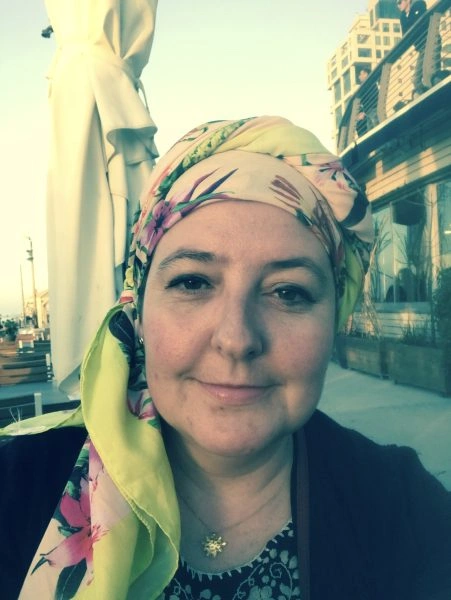
In early 2020, I began the process of a stem cell transplant. The required extreme isolation forced me to leave work and normal life but gave me time to delve into Jewish text study. I did not feel isolated. I began Daf Yomi at the start of this cycle, with family members joining me online from my hospital room. I’ve used my newly granted time to to engage, grow and connect through this learning.

Reena Slovin
Reena Slovin

Worcester, United States

What a great experience to learn with Rabbanit Michelle Farber. I began with this cycle in January 2020 and have been comforted by the consistency and energy of this process throughout the isolation period of Covid. Week by week, I feel like I am exploring a treasure chest with sparkling gems and puzzling antiquities. The hunt is exhilarating.

Marian Frankston
Marian Frankston

Pennsylvania, United States

I decided to give daf yomi a try when I heard about the siyum hashas in 2020. Once the pandemic hit, the daily commitment gave my days some much-needed structure. There have been times when I’ve felt like quitting- especially when encountering very technical details in the text. But then I tell myself, “Look how much you’ve done. You can’t stop now!” So I keep going & my Koren bookshelf grows…

Miriam Eckstein-Koas

Huntington, United States

3 years ago, I joined Rabbanit Michelle to organize the unprecedented Siyum HaShas event in Jerusalem for thousands of women. The whole experience was so inspiring that I decided then to start learning the daf and see how I would go…. and I’m still at it. I often listen to the Daf on my bike in mornings, surrounded by both the external & the internal beauty of Eretz Yisrael & Am Yisrael!

Lisa Kolodny
Lisa Kolodny

Raanana, Israel

When I began learning Daf Yomi at the beginning of the current cycle, I was preparing for an upcoming surgery and thought that learning the Daf would be something positive I could do each day during my recovery, even if I accomplished nothing else. I had no idea what a lifeline learning the Daf would turn out to be in so many ways.

Laura Shechter
Laura Shechter

Lexington, MA, United States

I started learning Daf Yomi in January 2020 after watching my grandfather, Mayer Penstein z”l, finish shas with the previous cycle. My grandfather made learning so much fun was so proud that his grandchildren wanted to join him. I was also inspired by Ilana Kurshan’s book, If All the Seas Were Ink. Two years in, I can say that it has enriched my life in so many ways.

Leeza Hirt Wilner
Leeza Hirt Wilner

New York, United States

I began my journey two years ago at the beginning of this cycle of the daf yomi. It has been an incredible, challenging experience and has given me a new perspective of Torah Sh’baal Peh and the role it plays in our lives

linda kalish-marcus
linda kalish-marcus

Efrat, Israel

It has been a pleasure keeping pace with this wonderful and scholarly group of women.

Janice Block
Janice Block

Beit Shemesh, Israel

I began Daf Yomi with the last cycle. I was inspired by the Hadran Siyum in Yerushalayim to continue with this cycle. I have learned Daf Yomi with Rabanit Michelle in over 25 countries on 6 continents ( missing Australia)

Barbara-Goldschlag
Barbara Goldschlag

Silver Spring, MD, United States

In my Shana bet at Migdal Oz I attended the Hadran siyum hash”as. Witnessing so many women so passionate about their Torah learning and connection to God, I knew I had to begin with the coming cycle. My wedding (June 24) was two weeks before the siyum of mesechet yoma so I went a little ahead and was able to make a speech and siyum at my kiseh kallah on my wedding day!

Sharona Guggenheim Plumb

Givat Shmuel, Israel

I started learning daf in January, 2020, being inspired by watching the Siyyum Hashas in Binyanei Haumah. I wasn’t sure I would be able to keep up with the task. When I went to school, Gemara was not an option. Fast forward to March, 2022, and each day starts with the daf. The challenge is now learning the intricacies of delving into the actual learning. Hadran community, thank you!

Rochel Cheifetz
Rochel Cheifetz

Riverdale, NY, United States

In July, 2012 I wrote for Tablet about the first all women’s siyum at Matan in Jerusalem, with 100 women. At the time, I thought, I would like to start with the next cycle – listening to a podcast at different times of day makes it possible. It is incredible that after 10 years, so many women are so engaged!

Beth Kissileff
Beth Kissileff

Pittsburgh, United States

I was moved to tears by the Hadran Siyyum HaShas. I have learned Torah all my life, but never connected to learning Gemara on a regular basis until then. Seeing the sheer joy Talmud Torah at the siyyum, I felt compelled to be part of it, and I haven’t missed a day!
It’s not always easy, but it is so worthwhile, and it has strengthened my love of learning. It is part of my life now.

Michelle Lewis
Michelle Lewis

Beit Shemesh, Israel

I’ve been learning since January 2020, and in June I started drawing a phrase from each daf. Sometimes it’s easy (e.g. plants), sometimes it’s very hard (e.g. korbanot), and sometimes it’s loads of fun (e.g. bird racing) to find something to draw. I upload my pictures from each masechet to #DafYomiArt. I am enjoying every step of the journey.

Gila Loike
Gila Loike

Ashdod, Israel

When I was working and taking care of my children, learning was never on the list. Now that I have more time I have two different Gemora classes and the nach yomi as well as the mishna yomi daily.

Shoshana Shinnar
Shoshana Shinnar

Jerusalem, Israel

About a year into learning more about Judaism on a path to potential conversion, I saw an article about the upcoming Siyum HaShas in January of 2020. My curiosity was piqued and I immediately started investigating what learning the Daf actually meant. Daily learning? Just what I wanted. Seven and a half years? I love a challenge! So I dove in head first and I’ve enjoyed every moment!!
Nickie Matthews
Nickie Matthews

Blacksburg, United States

I started learning Daf Yomi in January 2020 after watching my grandfather, Mayer Penstein z”l, finish shas with the previous cycle. My grandfather made learning so much fun was so proud that his grandchildren wanted to join him. I was also inspired by Ilana Kurshan’s book, If All the Seas Were Ink. Two years in, I can say that it has enriched my life in so many ways.

Leeza Hirt Wilner
Leeza Hirt Wilner

New York, United States

I read Ilana Kurshan’s “If All the Seas Were Ink” which inspired me. Then the Women’s Siyum in Jerusalem in 2020 convinced me, I knew I had to join! I have loved it- it’s been a constant in my life daily, many of the sugiyot connect to our lives. My family and friends all are so supportive. It’s incredible being part of this community and love how diverse it is! I am so excited to learn more!

Shira Jacobowitz
Shira Jacobowitz

Jerusalem, Israel

When I began learning Daf Yomi at the beginning of the current cycle, I was preparing for an upcoming surgery and thought that learning the Daf would be something positive I could do each day during my recovery, even if I accomplished nothing else. I had no idea what a lifeline learning the Daf would turn out to be in so many ways.

Laura Shechter
Laura Shechter

Lexington, MA, United States

In January 2020 on a Shabbaton to Baltimore I heard about the new cycle of Daf Yomi after the siyum celebration in NYC stadium. I started to read “ a daily dose of Talmud “ and really enjoyed it . It led me to google “ do Orthodox women study Talmud? “ and found HADRAN! Since then I listen to the podcast every morning, participate in classes and siyum. I love to learn, this is amazing! Thank you

Sandrine Simons
Sandrine Simons

Atlanta, United States

Bava Batra 149

״יֵהָנֶה בָּהֶן״, מַהִי? דְּנֶיהְוֵי כּוּלְּהוּ מַתָּנָה קָאָמַר, אוֹ דִלְמָא לִיתְהֲנֵי מִינַּיְיהוּ מִידֵּי קָאָמַר? ״יֵרָאֶה בָּהֶן״, מַהוּ? ״יַעֲמוֹד בָּהֶן״, מַהוּ? ״יִשָּׁעֵן בָּהֶן״, מַהוּ? תֵּיקוּ.

If a person on his deathbed says: So-and-so shall benefit from my property, what is the halakha? Is he saying that all of the property shall be a gift? Or perhaps he is saying that the recipient shall derive some benefit from the property. If he says: So-and-so shall be seen in my property, what is the halakha? If he says: So-and-so shall stand in my property, what is the halakha? If he says: So-and-so shall rely on my property, what is the halakha? The Gemara concludes: All these dilemmas shall stand unresolved.

אִיבַּעְיָא לְהוּ: מָכַר כׇּל נְכָסָיו, מַהוּ? אָמַר רַב יְהוּדָה אָמַר רַב: אִם עָמַד אֵינוֹ חוֹזֵר. וְזִימְנִין אָמַר רַב יְהוּדָה אָמַר רַב: אִם עָמַד חוֹזֵר. וְלָא פְּלִיגִי: הָא דְּאִיתַנְהוּ לְזוּזִי בְּעֵינַיְיהוּ, הָא דְּפַרְעִינְהוּ בְּחוֹבוֹ.

A dilemma was raised before the Sages: If a person on his deathbed sold all of his property, what is the halakha? Rav Yehuda says that Rav says: If he recovers, he cannot retract the sale. And at times, Rav Yehuda said that Rav said: If he recovers, he can retract the sale. And these statements do not disagree. This statement, that he can retract the sale, applies in a case where the dinars he received as payment are still extant, i.e., in his possession. That statement, that he cannot retract the sale, applies in a case where he paid his debt with those dinars.

אִיבַּעְיָא לְהוּ: שְׁכִיב מְרַע שֶׁהוֹדָה, מַהוּ? תָּא שְׁמַע, דְּאִיסּוּר גִּיּוֹרָא הֲוָה לֵיהּ תְּרֵיסַר אַלְפֵי זוּזֵי בֵּי רָבָא. רַב מָרִי בְּרֵיהּ – הוֹרָתוֹ שֶׁלֹּא בִּקְדוּשָּׁה, וְלֵידָתוֹ בִּקְדוּשָּׁה הֲוַאי; וּבֵי רַב הֲוָה.

§ A dilemma was raised before the Sages: In the case of a person on his deathbed who admitted that he owed money to a certain person, where it was possible that he did not actually owe him money, what is the halakha? Does his admission qualify as the gift of a person on his deathbed? The Gemara answers: Come and hear a proof, as Issur the convert had twelve thousand dinars deposited in the house of Rava. Rav Mari, Issur’s son, whose conception was not in the sanctity of the Jewish people, i.e., he was conceived before his father converted, but his birth was in the sanctity of the Jewish people, i.e., he was born after his father converted, was in a study hall elsewhere when his father was on his deathbed.

אָמַר רָבָא: הֵיכִי נִיקְנִינְהוּ רַב מָרִי לְהָנֵי זוּזֵי? אִי בִּירוּשָׁה – לָאו בַּר יְרוּשָּׁה הוּא. אִי בְּמַתָּנָה – מַתְּנַת שְׁכִיב מְרַע כִּירוּשָּׁה שַׁוְּיוּהָ רַבָּנַן; כׇּל הֵיכָא דְּאִיתֵיהּ בִּירוּשָׁה – אִיתֵיהּ בְּמַתָּנָה, כֹּל הֵיכָא דְּלֵיתֵיהּ בִּירוּשָׁה – לֵיתֵיהּ בְּמַתָּנָה.

Rava reasoned that he would acquire possession of the deposit for himself, as he said: How can Rav Mari acquire these dinars? If he attempts to acquire the money as inheritance, he is not fit to inherit from Issur. Since he was conceived before his father converted, he is therefore not halakhically considered his son. If he attempts to acquire it as a gift, the Sages equated the halakhic status of the gift of a person on his deathbed with that of inheritance. Therefore, anywhere that the property can be acquired as inheritance, it can also be acquired as a gift, and anywhere that the property cannot be acquired as inheritance, it cannot be acquired as a gift.

אִי בִּמְשִׁיכָה – לֵיתַנְהוּ גַּבֵּיהּ. אִי בַּחֲלִיפִין – אֵין מַטְבֵּעַ נִקְנֶה בַּחֲלִיפִין. אִי אַגַּב קַרְקַע – לֵית לֵיהּ אַרְעָא. אִי בְּמַעֲמַד שְׁלָשְׁתָּן – אִי שָׁלַח לִי לָא אָזֵילְנָא.

If he attempts to acquire the dinars by pulling them, which is a formal act of acquisition, he will not be able to do this, as the dinars are not with him. If he attempts to acquire them by means of symbolic exchange, a pro forma act of acquisition effecting the transfer of ownership of an article, money cannot be acquired by means of symbolic exchange. If he attempts to acquire them by means of the acquisition of land, Issur does not have any land. If he attempts to acquire them by means of verbal instruction made by his father in the presence of all three parties, i.e., the giver, the recipient, and the bailee, if he sends for me, the bailee, I shall not go, as without the presence of the bailee he cannot transfer ownership of the money.

מַתְקֵיף לַהּ רַב אִיקָא בְּרֵיהּ דְּרַב אַמֵּי: אַמַּאי? וְלוֹדֵי אִיסּוּר דְּהָלֵין זוּזֵי דְּרַב מָרִי נִינְהוּ, וְלִיקְנִינְהוּ בְּאוֹדִיתָא! אַדְּהָכִי, נְפַק אוֹדִיתָא מִבֵּי אִיסּוּר. אִיקְּפַד רָבָא, אָמַר: קָא מַגְמְרִי טַעֲנָתָא לְאִינָשֵׁי, וּמַפְסְדִי לִי.

Rav Ika, son of Rav Ami, objected to this: Why is Rav Mari unable to acquire the money? But why not let Issur admit that these dinars are owned by Rav Mari, and he shall transfer ownership of them to Rav Mari by means of a document of admission? In the meantime, a document of admission stating that the dinars belonged to Rav Mari emerged from Issur’s house. Rava became angry, and said: They are teaching people legal claims and causing me loss. In any event, this incident proves that the admission of a person on his deathbed is a valid means of transferring ownership.

שִׁיֵּיר קַרְקַע כׇּל שֶׁהוּא – מַתְּנָתוֹ קַיֶּימֶת. וְכַמָּה ״כׇּל שֶׁהוּא״? אָמַר רַב יְהוּדָה אָמַר רַב: קַרְקַע כְּדֵי פַרְנָסָתוֹ. וְרַב יִרְמְיָה בַּר אַבָּא אָמַר: מְטַלְטְלִין כְּדֵי פַרְנָסָתוֹ.

§ The mishna teaches (146b): If a person on his deathbed reserved for himself any amount of land, his gift stands even if he subsequently recovers. The Gemara asks: And how much is meant by the term: Any amount? Rav Yehuda says that Rav says: This means land that is sufficient to provide for his livelihood. Since he reserved this land for himself, one can assume that he wished to transfer the rest of his property in any event. And Rav Yirmeya bar Abba says: Even if he reserved for himself movable property that is sufficient to provide for his livelihood, his gift is valid.

אָמַר רַבִּי זֵירָא: כַּמָּה מְכַוְּונָן שְׁמַעְתָּתָא דְסָבֵי; קַרְקַע טַעְמָא מַאי – דְּאִי קָאֵי סָמֵיךְ עֲלֵיהּ; מִטַּלְטְלִי נָמֵי – אִי קָאֵי סָמֵיךְ עִילָּוַיְהוּ.

Rabbi Zeira said: How meticulous are the halakhic statements of the elders Rav Yehuda and Rav Yirmeya. With regard to land, what is the reason that he must have reserved enough for his livelihood? The reason is that if he recovers he will rely on that land for his livelihood. With regard to movable property as well, if he recovers he will rely on it for his livelihood.

מַתְקֵיף לַהּ רַב יוֹסֵף: וּמַאי כַּוּוֹנְתָּא? מַאן דְּאָמַר מְטַלְטְלִין – ״קַרְקַע״ תְּנַן! מַאן דְּאָמַר: כְּדֵי פַרְנָסָתוֹ – ״כׇּל שֶׁהוּא״ תְּנַן!

Rav Yosef objects to Rabbi Zeira’s statement: What is meticulous about these statements? The statement of the one who says the gift is valid even if he reserved for himself movable property is difficult, as we learn in the mishna that he must leave himself land. The statement of the one who says that he must leave himself an amount sufficient to provide for his livelihood is difficult, as we learn in the mishna that his gift is valid if he reserved for himself any amount.

אֲמַר לֵיהּ אַבָּיֵי: וְכׇל הֵיכָא דְּתָנֵי ״קַרְקַע״ – קַרְקַע דַּוְקָא? וְהָא תְּנַן: הַכּוֹתֵב כׇּל נְכָסָיו לְעַבְדּוֹ – יָצָא בֶּן חוֹרִין. שִׁיֵּיר קַרְקַע כָּל שֶׁהוּא, לֹא יָצָא בֶּן חוֹרִין. רַבִּי שִׁמְעוֹן אוֹמֵר: לְעוֹלָם הוּא בֶּן חוֹרִין, עַד שֶׁיֹּאמַר: ״כׇּל נְכָסַי נְתוּנִין לִפְלוֹנִי עַבְדִּי, חוּץ מֵאֶחָד מֵרִבּוֹא שֶׁבָּהֶן״.

Abaye said to Rav Yosef: And anywhere that the term land is taught, does it mean specifically land? But didn’t we learn in a mishna (Pe’a 3:8): With regard to one who writes, i.e., gives via a document, all of his property to his Canaanite slave, the slave has been emancipated, but if he reserved for himself any amount of land, then he has not been emancipated, as perhaps he reserved the slave for himself as well. Rabbi Shimon says: He always becomes a freeman regardless of the wording of the document, even if the owner reserved land for himself, unless it says in the document: All of my property is given to so-and-so my slave, except for one ten-thousandth of it, as in that case it is possible that the master meant to include the slave in the portion that he is not giving away. Consequently, the slave is not emancipated.

Want to follow content and continue where you left off?

Create an account today to track your progress, mark what you’ve learned, and follow the shiurim that speak to you.

Clear all items from this list?

This will remove ALL the items in this section. You will lose any progress or history connected to them. This is irreversible.

Cancel
Yes, clear all

Are you sure you want to delete this item?

You will lose any progress or history connected to this item.

Cancel
Yes, delete