Search

Bava Batra 156

Want to dedicate learning? Get started here:

podcast placeholder

0:00
0:00


Summary

This week’s learning is sponsored by my parents, Paula and Robert Cohen, in loving memory of my grandmother, Sonja Waschitz, Sara bat Yitzchak z”l, on her third yahrzeit. My grandmother was always optimistic, despite the many challenges she endured, beginning with leaving her parents behind in Vienna to forge a new life in America at age 14 in 1939. She continues to serve as a role model for our entire family.

Ameimar ruled that children not old enough to sell their inheritance could give it away as a gift. After being questioned by Rav Ashi, he explains the logic behind his ruling by differentiating between a sale and a gift.

Rav Nachman brings in the name of Shmuel a list of cases where one must check if the person has signs of maturity to see if the action was valid. The Gemara analyzes why he brought each of the cases.

The Mishna bring the opinion of Rabbi Elazar that one on one’s deathbed cannot pass on possessions through words but must do an actual kinyan, act of acquisition. A debate between him and the rabbis regarding a few cases is brought – each one explains the cases in a way that supports their position.

The Mishna explains a debate between Rabbi Eliezer and Rabbi Yehoshua regarding the differences between whether an act of acquisition is not needed only on Shabbat or is not needed at all. The logic of their positions matches the logic of their argument regarding the concept of zakhin l’adam shelo b’fanav as applying only for a minor or everyone else as well.

Today’s daily daf tools:

Bava Batra 156

וּלְטַעְמָיךְ, זַבֵּין שָׁוֵי חַמְשָׁא – בְּשִׁיתָּא, הָכִי נָמֵי דִּזְבִינֵיהּ זְבִינֵי?!

And according to your reasoning, that the money he receives in exchange for the property is a reason one could consider his sale valid, if he sold property worth five dinars for six dinars, would his sale also be a valid sale?

אֶלָּא קִים לְהוּ לְרַבָּנַן דְּיָנוֹקָא מְקָרְבָא דַּעְתֵּיהּ גַּבֵּי זוּזֵי; וְאִי אָמְרַתְּ זְבִינֵיהּ זְבִינֵי, זִמְנִין דִּמְקַרְקְשִׁי לֵיהּ זוּזֵי, אָזֵיל מְזַבֵּין לְכוּלְּהוּ נִכְסֵי דַּאֲבוּהּ. אֲבָל גַּבֵּי מַתָּנָה, אִי לָאו דַּהֲוָה לֵיהּ הֲנָאָה מִינֵּיהּ – לָא הֲוָה יָהֵיב לֵיהּ מַתָּנָה; אֲמַרוּ רַבָּנַן: תֶּיהְוֵי מַתְּנָתוֹ מַתָּנָה, דְּלִעְבְּידוּ לְהוּ מִילֵּי.

Rather, the Sages maintain that a child’s inclination is to be attracted to money. And if you say that his sale is a valid sale, there may be times that there are potential buyers who rattle the dinars before him in order to tempt him to sell, and he will go and sell all of his father’s property. That is why the Sages ruled that all of his sales are not valid. But with regard to a gift, if he did not derive benefit from the recipient, he would not give him a gift. The Sages therefore said: Let the gift of an orphan be a valid gift, so that people will perform beneficial matters for the orphans, as the orphan can reciprocate by giving gifts.

אָמַר רַב נַחְמָן אָמַר שְׁמוּאֵל: בּוֹדְקִין לְקִדּוּשִׁין, לְגֵרוּשִׁין, וְלַחֲלִיצָה, וּלְמֵיאוּנִין. וְלִמְכּוֹר בְּנִכְסֵי אָבִיו – עַד שֶׁיְּהֵא בֶּן עֶשְׂרִים.

§ Rav Naḥman says that Shmuel says: Children who have reached the age of majority, i.e., a boy who is thirteen years old and a girl who is twelve years old, are examined for signs indicating puberty if it is necessary to determine their adulthood for the purpose of betrothal, for the purpose of divorce, for the purpose of ḥalitza, and for the purpose of stating a girl’s refusal to remain married. But in order to sell from the property that one inherited from his father, the seller must be older, and one cannot sell this property until the seller is twenty years old.

וְכֵיוָן דִּבְדַקְנָא לְקִדּוּשִׁין, לְגֵרוּשִׁין לְמָה לִי? לֹא נִצְרְכָא אֶלָּא לְיִבּוּם – דִּתְנַן: בֶּן תֵּשַׁע שָׁנִים וְיוֹם אֶחָד שֶׁבָּא עַל יְבִמְתּוֹ – קְנָאָהּ. וְאֵין נוֹתֵן גֵּט עַד שֶׁיִּגְדַּל.

The Gemara asks: But once I examined the boy for the purpose of betrothal, why do I need to examine him again for the purpose of divorce? The Gemara answers: This is necessary only with regard to the levirate marriage of a minor, as we learned in a mishna (Nidda 45a): A boy who is nine years and one day old who engaged in intercourse with his yevama, i.e., his brother’s widow, acquired her as his wife by means of engaging in the act of intercourse. Although a minor cannot betroth a woman under ordinary circumstances, in the case of levirate marriage the act of intercourse of a nine-year-old with his yevama effects acquisition. But he cannot give her a bill of divorce until he reaches his majority. It is therefore necessary to examine him at the time of the divorce.

לַחֲלִיצָה – לְאַפּוֹקֵי מִדְּרַבִּי יוֹסֵי, דְּאָמַר: ״אִישׁ״ כָּתוּב בַּפָּרָשָׁה, אֲבָל אִשָּׁה – בֵּין גְּדוֹלָה וּבֵין קְטַנָּה; קָא מַשְׁמַע לַן דְּמַקְּשִׁינַן אִשָּׁה לְאִישׁ, דְּלָא כְּרַבִּי יוֹסֵי.

The Gemara explains why it is necessary to mention examining a boy for the purpose of ḥalitza: This is mentioned to the exclusion of that which Rabbi Yosei says, as Rabbi Yosei says: “Man,” i.e., an adult man, is written in the Torah passage with regard to ḥalitza, as the verse states: “And if the man does not wish to take his brother’s wife” (Deuteronomy 25:7). But a woman, whether she is an adult or a minor, can be released by ḥalitza, as the verse does not indicate her age. To counter this, Rav Naḥman teaches us that a woman is juxtaposed to a man in this passage, indicating that the yevama must also have reached adulthood, and the halakha is not in accordance with the opinion of Rabbi Yosei.

וּלְמֵיאוּנִין – לְאַפּוֹקֵי מִדְּרַבִּי יְהוּדָה, דְּאָמַר: עַד שֶׁיִּרְבֶּה שָׁחוֹר; קָא מַשְׁמַע לַן דְּלָא כְּרַבִּי יְהוּדָה.

The Gemara explains why it is necessary to mention examining a person for the purpose of stating her refusal. This is mentioned to the exclusion of that which Rabbi Yehuda says, as Rabbi Yehuda says that a girl whose mother or brother married her off while she was a minor can nullify her marriage by refusing to remain married, and she can state this refusal until she reaches complete maturity, i.e., when the area covered by black pubic hairs is greater than the skin of the genital area. Rav Naḥman therefore teaches us that the halakha is not in accordance with the opinion of Rabbi Yehuda, and once a girl has developed two pubic hairs she cannot state her refusal.

וְלִמְכּוֹר בְּנִכְסֵי אָבִיו עַד שֶׁיְּהֵא בֶּן עֶשְׂרִים – לְאַפּוֹקֵי מִמַּאן דְּאָמַר בֶּן שְׁמֹנֶה עֶשְׂרֵה.

Rav Naḥman states: But in order to sell from the property that one inherited from his father, the seller must be older, and he cannot sell the property until he is twenty years old. This is mentioned to the exclusion of the opinion of the one who says that the seller can be eighteen years old.

וְהִלְכְתָא: תּוֹךְ זְמַן, כְּלִפְנֵי זְמַן. וְהִלְכְתָא כְּגִידֵּל בַּר מְנַשֶּׁה.

The Gemara concludes: And the halakha is that with regard to the age when a minor can sell property inherited from his father, during the time, i.e., during his twentieth year, is considered as before the time when it is permitted, and he cannot sell until the end of his twentieth year. And the halakha is in accordance with the ruling that Rava sent to Giddel bar Menashe, that a child who has reached his majority and understands the nature of business negotiations can sell land.

וְהִלְכְתָא כְּמָר זוּטְרָא. וְהִלְכְתָא כְּאַמֵּימָר. וְהִלְכְתָא כְּרַב נַחְמָן אָמַר שְׁמוּאֵל – בְּכוּלְּהוּ.

The Gemara continues: And the halakha is in accordance with the statement of Mar Zutra, that one who is not fit to sell land is also not fit to bear witness with regard to land. And the halakha is in accordance with the statement of Ameimar, that an orphan under the age of twenty can bestow gifts from the property he inherited from his father. And the halakha is in accordance with the statement that Rav Naḥman says that Shmuel says with regard to all the matters that he mentioned.

מַתְנִי׳ הַמְחַלֵּק נְכָסָיו עַל פִּיו, רַבִּי אֶלְעָזָר אוֹמֵר: אֶחָד בָּרִיא וְאֶחָד מְסוּכָּן; נְכָסִים שֶׁיֵּשׁ לָהֶן אַחְרָיוּת – נִקְנִין בְּכֶסֶף וּבִשְׁטָר וּבַחֲזָקָה, וְשֶׁאֵין לָהֶן אַחְרָיוּת – אֵין נִקְנִין אֶלָּא בִּמְשִׁיכָה.

MISHNA: With regard to one who divides his property between various recipients by means of verbal instruction, Rabbi Elazar says: Both in the case of one who is healthy and in the case of one who is dangerously ill, the halakha is as follows: Property that serves as a guarantee, i.e., land, is acquired by means of money, by a deed of transfer, or by taking possession of it. And that which does not serve as a guarantee, i.e., movable property, can be acquired only by pulling.

אָמְרוּ לוֹ: מַעֲשֶׂה בְּאִמָּן שֶׁל בְּנֵי רוֹכֵל שֶׁהָיְתָה חוֹלָה, וְאָמְרָה: ״תְּנוּ כְּבִינְתִּי לְבִתִּי, וְהִיא בִּשְׁנֵים עָשָׂר מָנֶה״, וּמֵתָה, וְקִיְּימוּ אֶת דְּבָרֶיהָ! אָמַר לָהֶן: בְּנֵי רוֹכֵל – תִּקְבְּרֵם אִמָּן.

The Rabbis said to Rabbi Elazar: There was an incident involving the mother of the sons of Rokhel, who was sick, and who said: My brooch shall be given to my daughter, and it is valued at twelve hundred dinars. And this woman subsequently died, and the Sages upheld her statement. This indicates that a person on his deathbed can gift property without an act of acquisition. Rabbi Elazar said to them: That case was different; the sons of Rokhel should be buried by their mother, i.e., he cursed them. It is not possible to bring a proof from this incident, as these sons were wicked people. Consequently, when ruling in this matter the Sages did not act in accordance with the halakha, but allowed the mother of the sons of Rokhel to give this valuable piece of jewelry to their sister without an act of acquisition having been performed.

גְּמָ׳ תַּנְיָא, אָמַר לָהֶן רַבִּי אֱלִיעֶזֶר לַחֲכָמִים: מַעֲשֶׂה בְּמָרוֹנִי אֶחָד שֶׁהָיָה בִּירוּשָׁלַיִם, וְהָיוּ לוֹ מִטַּלְטְלִין הַרְבֵּה וּבִיקֵּשׁ לִיתְּנָם בְּמַתָּנָה. אָמְרוּ לוֹ: אֵין לָהֶם תַּקָּנָה עַד שֶׁיַּקְנֶה עַל גַּב קַרְקַע.

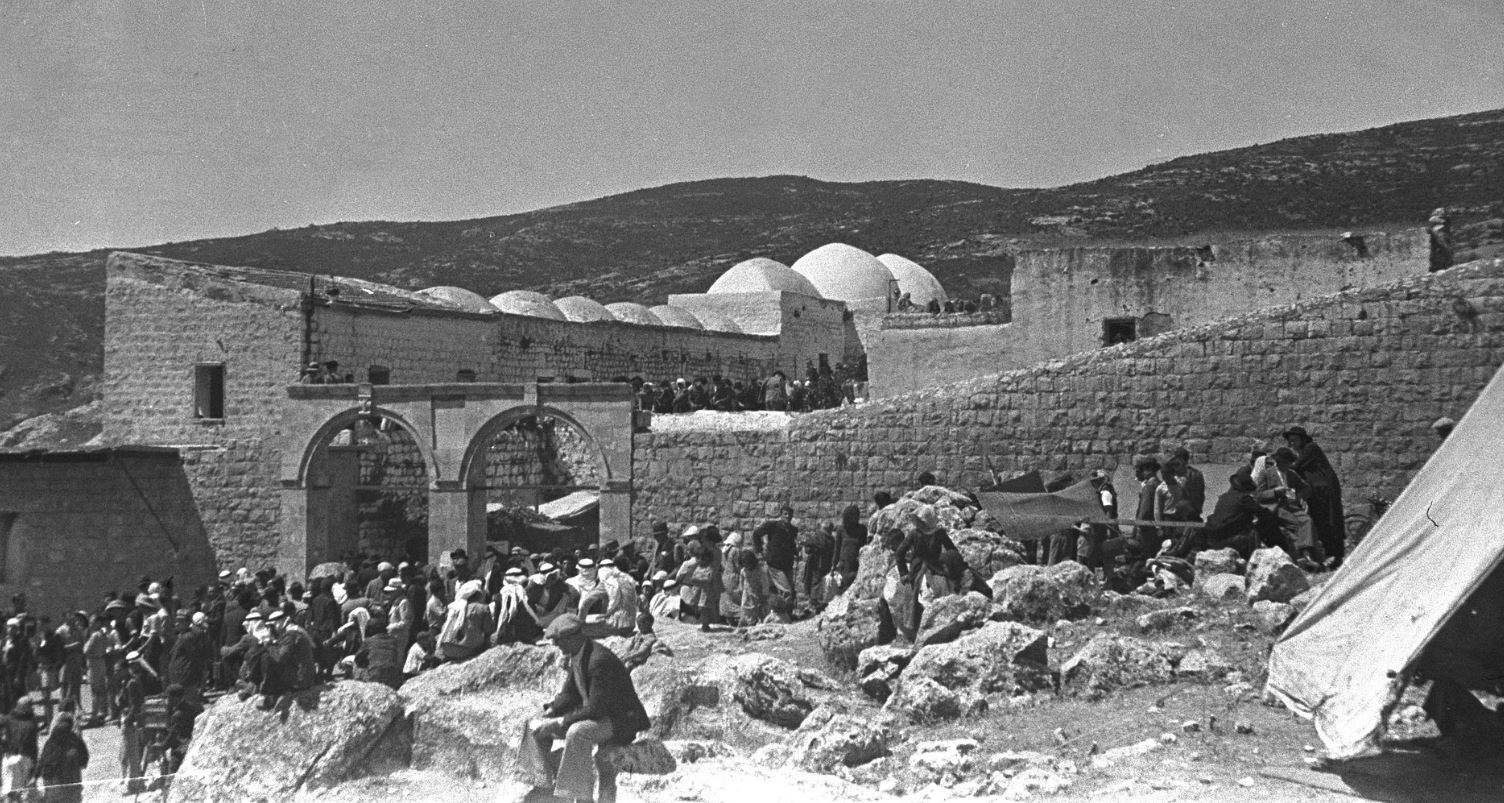
GEMARA: It is taught in a baraita: Rabbi Eliezer said to the Rabbis: There was an incident involving a certain man of Meron who was in Jerusalem, and he had a lot of movable property. And he desired to give the movable property as gifts to various individuals, but they could not be acquired by pulling. The Rabbis said to him: There is no remedy for transferring the property unless he transfers the movable property by means of transferring the ownership of land.

הָלַךְ וְלָקַח בֵּית סֶלַע אֶחָד סָמוּךְ לִירוּשָׁלַיִם, וְאָמַר: צְפוֹנוֹ לִפְלוֹנִי, וְעִמּוֹ מֵאָה צֹאן וּמֵאָה חָבִיּוֹת; וּדְרוֹמוֹ לִפְלוֹנִי, וְעִמּוֹ מֵאָה צֹאן וּמֵאָה חָבִיּוֹת. וָמֵת, וְקִיְּימוּ חֲכָמִים אֶת דְּבָרָיו. אָמְרוּ לוֹ: מִשָּׁם רְאָיָה?! מָרוֹנִי בָּרִיא הָיָה.

He went and acquired one plot of rocky land adjacent to Jerusalem, and he said: I give the north part of this area to so-and-so, and with it one hundred sheep and one hundred barrels. And I give the south part of the area to so-and-so, and with it one hundred sheep and one hundred barrels. And he died, and the Sages upheld his statement. This indicates that a person on his deathbed cannot transfer property without an act of acquisition. The Rabbis said to Rabbi Eliezer: Do you bring proof from there? The man of Meron was healthy at the time. This was not the gift of a person on his deathbed, and it could not be acquired by verbal instruction.

אָמַר לָהֶן: בְּנֵי רוֹכֵל תִּקְבְּרֵם אִמָּן וְכוּ׳. מַאי טַעְמָא קָא לָיֵיט לְהוּ? אָמַר רַב יְהוּדָה אָמַר שְׁמוּאֵל: מְקַיְּימֵי קוֹצִים בַּכֶּרֶם הָיוּ, וְרַבִּי אֱלִיעֶזֶר לְטַעְמֵיהּ – דִּתְנַן: הַמְקַיֵּים קוֹצִים בַּכֶּרֶם, רַבִּי אֱלִיעֶזֶר אוֹמֵר: קִדֵּשׁ; וַחֲכָמִים אוֹמְרִים: לֹא קִדֵּשׁ, אֶלָּא דָּבָר שֶׁכָּמוֹהוּ מְקַיְּימִין.

§ The mishna teaches: Rabbi Elazar said to them: That case was different; the sons of Rokhel should be buried by their mother. The Gemara asks: What is the reason that he was cursing them? Rav Yehuda says that Shmuel says: They were maintaining thorns in a vineyard and did not uproot them, and Rabbi Eliezer conforms to his line of reasoning, as we learned in a mishna (Kilayim 5:8): With regard to one who maintains thorns in a vineyard, Rabbi Eliezer says: He has proscribed the vineyard, rendering it forbidden due to the prohibition against diverse kinds. And the Rabbis say: Only growing a matter, i.e., a crop, the like of which people usually maintain, proscribes a vineyard and renders it forbidden.

בִּשְׁלָמָא כַּרְכּוֹם, חֲזֵי; אֶלָּא קוֹצִים, לְמַאי חֲזֵי? אָמַר רַבִּי חֲנִינָא: מַאי טַעְמָא דְּרַבִּי אֱלִיעֶזֶר? שֶׁכֵּן בַּעֲרַבְיָא מְקַיְּימִין קוֹצִים בַּשָּׂדוֹת לִגְמַלֵּיהֶן.

The Gemara asks: Granted, if it were saffron that grew in the vineyard, it is useful for seasoning and other uses, and therefore it proscribes the vineyard. But with regard to thorns, for what are they useful? Rabbi Ḥanina said: What is the reasoning of Rabbi Eliezer? It is because in Arabia they maintain thorns in the fields for their camels. Rabbi Eliezer holds that since thorns are maintained in one place, they are considered useful everywhere.

אָמַר רַבִּי לֵוִי: קוֹנִין קִנְיָן מִשְּׁכִיב מְרַע, אֲפִילּוּ בְּשַׁבָּת. וְלֹא לָחוֹשׁ לְדִבְרֵי רַבִּי אֱלִיעֶזֶר, אֶלָּא שֶׁמָּא תִּטָּרֵף דַּעְתּוֹ עָלָיו.

Rabbi Levi says: An act of acquisition may be performed in order to effect acquisition of property from a person on his deathbed even on Shabbat, even though transactions are not performed on Shabbat. And this, that an act of acquisition must be performed, is not stated in order to take into consideration the statement of Rabbi Eliezer that the gifts of any person on his deathbed require an act of acquisition. Rather, the reason for this is that if a person on his deathbed requests the performance of an act of acquisition, his request is fulfilled, lest his anxiety upon seeing that his will is not being carried out cause him to lose control of his mind due to his grief, exacerbating his poor physical state.

מַתְנִי׳ רַבִּי אֱלִיעֶזֶר אוֹמֵר: בַּשַּׁבָּת – דְּבָרָיו קַיָּימִין, מִפְּנֵי שֶׁאֵין יָכוֹל לִכְתּוֹב; אֲבָל לֹא בַּחוֹל. רַבִּי יְהוֹשֻׁעַ אוֹמֵר: בַּשַּׁבָּת אָמְרוּ, קַל וָחוֹמֶר בַּחוֹל.

MISHNA: Rabbi Eliezer says: On Shabbat, the verbal statement of a person on his deathbed stands, as he cannot write, and the Sages instituted that he can effect the transaction verbally lest the inability to do so exacerbate his condition. But a verbal instruction does not stand if stated on a weekday. Rabbi Yehoshua says: With regard to Shabbat, the Sages stated that his verbal instruction is sufficient, even though writing is prohibited. One can infer a fortiori that the same applies with regard to a weekday, when writing is permitted.

כַּיּוֹצֵא בּוֹ – זָכִין לַקָּטָן, וְאֵין זָכִין לַגָּדוֹל; דִּבְרֵי רַבִּי אֱלִיעֶזֶר. רַבִּי יְהוֹשֻׁעַ אוֹמֵר: לַקָּטָן אָמְרוּ, קַל וָחוֹמֶר לַגָּדוֹל.

Similarly, one can acquire property on behalf of a minor, but one cannot acquire property on behalf of an adult, since he can perform the act of acquisition himself; this is the statement of Rabbi Eliezer. Rabbi Yehoshua says: The Sages stated this halakha with regard to a minor, and one may infer a fortiori that this also applies with regard to an adult, who is able to perform the act of acquisition himself.

גְּמָ׳ מַתְנִיתִין מַנִּי? רַבִּי יְהוּדָה הִיא – דְּתַנְיָא: רַבִּי מֵאִיר אוֹמֵר, רַבִּי אֱלִיעֶזֶר אוֹמֵר: בַּחוֹל – דְּבָרָיו קַיָּימִין, מִפְּנֵי שֶׁיָּכוֹל לִכְתּוֹב; אֲבָל לֹא בַּשַּׁבָּת.

GEMARA: The Gemara asks: Whose opinion is expressed in the mishna? The Gemara answers: This is the opinion of Rabbi Yehuda. This is as it is taught in a baraita: Rabbi Meir says that Rabbi Eliezer says: With regard to a person on his deathbed who distributes his property by verbal instruction, on a weekday, his statements stand, because he can write, but his statement does not stand on Shabbat, because he cannot write.

רַבִּי יְהוֹשֻׁעַ

Rabbi Yehoshua

Today’s daily daf tools:

Delve Deeper

Broaden your understanding of the topics on this daf with classes and podcasts from top women Talmud scholars.

For the Beyond the Daf shiurim offered in Hebrew, see here.

New to Talmud?

Check out our resources designed to help you navigate a page of Talmud – and study at the pace, level and style that fits you. 

The Hadran Women’s Tapestry

Meet the diverse women learning Gemara at Hadran and hear their stories. 

Hearing and reading about the siyumim at the completion of the 13 th cycle Daf Yomi asked our shul rabbi about starting the Daf – he directed me to another shiur in town he thought would allow a woman to join, and so I did! Love seeing the sources for the Divrei Torah I’ve been hearing for the past decades of living an observant life and raising 5 children .

Jill Felder
Jill Felder

Pittsburgh, Pennsylvania, United States

Attending the Siyyum in Jerusalem 26 months ago inspired me to become part of this community of learners. So many aspects of Jewish life have been illuminated by what we have learned in Seder Moed. My day is not complete without daf Yomi. I am so grateful to Rabbanit Michelle and the Hadran Community.

Nancy Kolodny
Nancy Kolodny

Newton, United States

A few years back, after reading Ilana Kurshan’s book, “If All The Seas Were Ink,” I began pondering the crazy, outlandish idea of beginning the Daf Yomi cycle. Beginning in December, 2019, a month before the previous cycle ended, I “auditioned” 30 different podcasts in 30 days, and ultimately chose to take the plunge with Hadran and Rabbanit Michelle. Such joy!

Cindy Dolgin
Cindy Dolgin

HUNTINGTON, United States

Inspired by Hadran’s first Siyum ha Shas L’Nashim two years ago, I began daf yomi right after for the next cycle. As to this extraordinary journey together with Hadran..as TS Eliot wrote “We must not cease from exploration and the end of all our exploring will be to arrive where we began and to know the place for the first time.

Susan Handelman
Susan Handelman

Jerusalem, Israel

Michelle has been an inspiration for years, but I only really started this cycle after the moving and uplifting siyum in Jerusalem. It’s been an wonderful to learn and relearn the tenets of our religion and to understand how the extraordinary efforts of a band of people to preserve Judaism after the fall of the beit hamikdash is still bearing fruits today. I’m proud to be part of the chain!

Judith Weil
Judith Weil

Raanana, Israel

In January 2020 on a Shabbaton to Baltimore I heard about the new cycle of Daf Yomi after the siyum celebration in NYC stadium. I started to read “ a daily dose of Talmud “ and really enjoyed it . It led me to google “ do Orthodox women study Talmud? “ and found HADRAN! Since then I listen to the podcast every morning, participate in classes and siyum. I love to learn, this is amazing! Thank you

Sandrine Simons
Sandrine Simons

Atlanta, United States

I went to day school in Toronto but really began to learn when I attended Brovenders back in the early 1980’s. Last year after talking to my sister who was learning Daf Yomi, inspired, I looked on the computer and the Hadran site came up. I have been listening to each days shiur in the morning as I work. I emphasis listening since I am not sitting with a Gamara. I listen while I work in my studio.

Rachel Rotenberg
Rachel Rotenberg

Tekoa, Israel

Hadran entered my life after the last Siyum Hashaas, January 2020. I was inspired and challenged simultaneously, having never thought of learning Gemara. With my family’s encouragement, I googled “daf yomi for women”. A perfecr fit!
I especially enjoy when Rabbanit Michelle connects the daf to contemporary issues to share at the shabbat table e.g: looking at the Kohen during duchaning. Toda rabba

Marsha Wasserman
Marsha Wasserman

Jerusalem, Israel

I learned Mishnayot more than twenty years ago and started with Gemara much later in life. Although I never managed to learn Daf Yomi consistently, I am learning since some years Gemara in depth and with much joy. Since last year I am studying at the International Halakha Scholars Program at the WIHL. I often listen to Rabbanit Farbers Gemara shiurim to understand better a specific sugyiah. I am grateful for the help and inspiration!

Shoshana Ruerup
Shoshana Ruerup

Berlin, Germany

I started my Daf Yomi journey at the beginning of the COVID19 pandemic.

Karena Perry
Karena Perry

Los Angeles, United States

I LOVE learning the Daf. I started with Shabbat. I join the morning Zoom with Reb Michelle and it totally grounds my day. When Corona hit us in Israel, I decided that I would use the Daf to keep myself sane, especially during the days when we could not venture out more than 300 m from our home. Now my husband and I have so much new material to talk about! It really is the best part of my day!

Batsheva Pava
Batsheva Pava

Hashmonaim, Israel

When I was working and taking care of my children, learning was never on the list. Now that I have more time I have two different Gemora classes and the nach yomi as well as the mishna yomi daily.

Shoshana Shinnar
Shoshana Shinnar

Jerusalem, Israel

I’ve been studying Talmud since the ’90s, and decided to take on Daf Yomi two years ago. I wanted to attempt the challenge of a day-to-day, very Jewish activity. Some days are so interesting and some days are so boring. But I’m still here.
Sarene Shanus
Sarene Shanus

Mamaroneck, NY, United States

I heard the new Daf Yomi cycle was starting and I was curious, so I searched online for a women’s class and was pleasently surprised to find Rabanit Michelle’s great class reviews in many online articles. It has been a splendid journey. It is a way to fill my days with Torah, learning so many amazing things I have never heard before during my Tanach learning at High School. Thanks so much .

Martha Tarazi
Martha Tarazi

Panama, Panama

A Gemara shiur previous to the Hadran Siyum, was the impetus to attend it.It was highly inspirational and I was smitten. The message for me was התלמוד בידינו. I had decided along with my Chahsmonaim group to to do the daf and take it one daf at time- without any expectations at all. There has been a wealth of information, insights and halachik ideas. It is truly exercise of the mind, heart & Soul

Phyllis Hecht.jpeg
Phyllis Hecht

Hashmonaim, Israel

I began learning with Rabbanit Michelle’s wonderful Talmud Skills class on Pesachim, which really enriched my Pesach seder, and I have been learning Daf Yomi off and on over the past year. Because I’m relatively new at this, there is a “chiddush” for me every time I learn, and the knowledge and insights of the group members add so much to my experience. I feel very lucky to be a part of this.

Julie-Landau-Photo
Julie Landau

Karmiel, Israel

My family recently made Aliyah, because we believe the next chapter in the story of the Jewish people is being written here, and we want to be a part of it. Daf Yomi, on the other hand, connects me BACK, to those who wrote earlier chapters thousands of years ago. So, I feel like I’m living in the middle of this epic story. I’m learning how it all began, and looking ahead to see where it goes!
Tina Lamm
Tina Lamm

Jerusalem, Israel

When I began the previous cycle, I promised myself that if I stuck with it, I would reward myself with a trip to Israel. Little did I know that the trip would involve attending the first ever women’s siyum and being inspired by so many learners. I am now over 2 years into my second cycle and being part of this large, diverse, fascinating learning family has enhanced my learning exponentially.

Shira Krebs
Shira Krebs

Minnesota, United States

I had never heard of Daf Yomi and after reading the book, The Weight of Ink, I explored more about it. I discovered that it was only 6 months before a whole new cycle started and I was determined to give it a try. I tried to get a friend to join me on the journey but after the first few weeks they all dropped it. I haven’t missed a day of reading and of listening to the podcast.

Anne Rubin
Anne Rubin

Elkins Park, United States

Studying has changed my life view on הלכה and יהדות and time. It has taught me bonudaries of the human nature and honesty of our sages in their discourse to try and build a nation of caring people .

Goldie Gilad
Goldie Gilad

Kfar Saba, Israel

Bava Batra 156

וּלְטַעְמָיךְ, זַבֵּין שָׁוֵי חַמְשָׁא – בְּשִׁיתָּא, הָכִי נָמֵי דִּזְבִינֵיהּ זְבִינֵי?!

And according to your reasoning, that the money he receives in exchange for the property is a reason one could consider his sale valid, if he sold property worth five dinars for six dinars, would his sale also be a valid sale?

אֶלָּא קִים לְהוּ לְרַבָּנַן דְּיָנוֹקָא מְקָרְבָא דַּעְתֵּיהּ גַּבֵּי זוּזֵי; וְאִי אָמְרַתְּ זְבִינֵיהּ זְבִינֵי, זִמְנִין דִּמְקַרְקְשִׁי לֵיהּ זוּזֵי, אָזֵיל מְזַבֵּין לְכוּלְּהוּ נִכְסֵי דַּאֲבוּהּ. אֲבָל גַּבֵּי מַתָּנָה, אִי לָאו דַּהֲוָה לֵיהּ הֲנָאָה מִינֵּיהּ – לָא הֲוָה יָהֵיב לֵיהּ מַתָּנָה; אֲמַרוּ רַבָּנַן: תֶּיהְוֵי מַתְּנָתוֹ מַתָּנָה, דְּלִעְבְּידוּ לְהוּ מִילֵּי.

Rather, the Sages maintain that a child’s inclination is to be attracted to money. And if you say that his sale is a valid sale, there may be times that there are potential buyers who rattle the dinars before him in order to tempt him to sell, and he will go and sell all of his father’s property. That is why the Sages ruled that all of his sales are not valid. But with regard to a gift, if he did not derive benefit from the recipient, he would not give him a gift. The Sages therefore said: Let the gift of an orphan be a valid gift, so that people will perform beneficial matters for the orphans, as the orphan can reciprocate by giving gifts.

אָמַר רַב נַחְמָן אָמַר שְׁמוּאֵל: בּוֹדְקִין לְקִדּוּשִׁין, לְגֵרוּשִׁין, וְלַחֲלִיצָה, וּלְמֵיאוּנִין. וְלִמְכּוֹר בְּנִכְסֵי אָבִיו – עַד שֶׁיְּהֵא בֶּן עֶשְׂרִים.

§ Rav Naḥman says that Shmuel says: Children who have reached the age of majority, i.e., a boy who is thirteen years old and a girl who is twelve years old, are examined for signs indicating puberty if it is necessary to determine their adulthood for the purpose of betrothal, for the purpose of divorce, for the purpose of ḥalitza, and for the purpose of stating a girl’s refusal to remain married. But in order to sell from the property that one inherited from his father, the seller must be older, and one cannot sell this property until the seller is twenty years old.

וְכֵיוָן דִּבְדַקְנָא לְקִדּוּשִׁין, לְגֵרוּשִׁין לְמָה לִי? לֹא נִצְרְכָא אֶלָּא לְיִבּוּם – דִּתְנַן: בֶּן תֵּשַׁע שָׁנִים וְיוֹם אֶחָד שֶׁבָּא עַל יְבִמְתּוֹ – קְנָאָהּ. וְאֵין נוֹתֵן גֵּט עַד שֶׁיִּגְדַּל.

The Gemara asks: But once I examined the boy for the purpose of betrothal, why do I need to examine him again for the purpose of divorce? The Gemara answers: This is necessary only with regard to the levirate marriage of a minor, as we learned in a mishna (Nidda 45a): A boy who is nine years and one day old who engaged in intercourse with his yevama, i.e., his brother’s widow, acquired her as his wife by means of engaging in the act of intercourse. Although a minor cannot betroth a woman under ordinary circumstances, in the case of levirate marriage the act of intercourse of a nine-year-old with his yevama effects acquisition. But he cannot give her a bill of divorce until he reaches his majority. It is therefore necessary to examine him at the time of the divorce.

לַחֲלִיצָה – לְאַפּוֹקֵי מִדְּרַבִּי יוֹסֵי, דְּאָמַר: ״אִישׁ״ כָּתוּב בַּפָּרָשָׁה, אֲבָל אִשָּׁה – בֵּין גְּדוֹלָה וּבֵין קְטַנָּה; קָא מַשְׁמַע לַן דְּמַקְּשִׁינַן אִשָּׁה לְאִישׁ, דְּלָא כְּרַבִּי יוֹסֵי.

The Gemara explains why it is necessary to mention examining a boy for the purpose of ḥalitza: This is mentioned to the exclusion of that which Rabbi Yosei says, as Rabbi Yosei says: “Man,” i.e., an adult man, is written in the Torah passage with regard to ḥalitza, as the verse states: “And if the man does not wish to take his brother’s wife” (Deuteronomy 25:7). But a woman, whether she is an adult or a minor, can be released by ḥalitza, as the verse does not indicate her age. To counter this, Rav Naḥman teaches us that a woman is juxtaposed to a man in this passage, indicating that the yevama must also have reached adulthood, and the halakha is not in accordance with the opinion of Rabbi Yosei.

וּלְמֵיאוּנִין – לְאַפּוֹקֵי מִדְּרַבִּי יְהוּדָה, דְּאָמַר: עַד שֶׁיִּרְבֶּה שָׁחוֹר; קָא מַשְׁמַע לַן דְּלָא כְּרַבִּי יְהוּדָה.

The Gemara explains why it is necessary to mention examining a person for the purpose of stating her refusal. This is mentioned to the exclusion of that which Rabbi Yehuda says, as Rabbi Yehuda says that a girl whose mother or brother married her off while she was a minor can nullify her marriage by refusing to remain married, and she can state this refusal until she reaches complete maturity, i.e., when the area covered by black pubic hairs is greater than the skin of the genital area. Rav Naḥman therefore teaches us that the halakha is not in accordance with the opinion of Rabbi Yehuda, and once a girl has developed two pubic hairs she cannot state her refusal.

וְלִמְכּוֹר בְּנִכְסֵי אָבִיו עַד שֶׁיְּהֵא בֶּן עֶשְׂרִים – לְאַפּוֹקֵי מִמַּאן דְּאָמַר בֶּן שְׁמֹנֶה עֶשְׂרֵה.

Rav Naḥman states: But in order to sell from the property that one inherited from his father, the seller must be older, and he cannot sell the property until he is twenty years old. This is mentioned to the exclusion of the opinion of the one who says that the seller can be eighteen years old.

וְהִלְכְתָא: תּוֹךְ זְמַן, כְּלִפְנֵי זְמַן. וְהִלְכְתָא כְּגִידֵּל בַּר מְנַשֶּׁה.

The Gemara concludes: And the halakha is that with regard to the age when a minor can sell property inherited from his father, during the time, i.e., during his twentieth year, is considered as before the time when it is permitted, and he cannot sell until the end of his twentieth year. And the halakha is in accordance with the ruling that Rava sent to Giddel bar Menashe, that a child who has reached his majority and understands the nature of business negotiations can sell land.

וְהִלְכְתָא כְּמָר זוּטְרָא. וְהִלְכְתָא כְּאַמֵּימָר. וְהִלְכְתָא כְּרַב נַחְמָן אָמַר שְׁמוּאֵל – בְּכוּלְּהוּ.

The Gemara continues: And the halakha is in accordance with the statement of Mar Zutra, that one who is not fit to sell land is also not fit to bear witness with regard to land. And the halakha is in accordance with the statement of Ameimar, that an orphan under the age of twenty can bestow gifts from the property he inherited from his father. And the halakha is in accordance with the statement that Rav Naḥman says that Shmuel says with regard to all the matters that he mentioned.

מַתְנִי׳ הַמְחַלֵּק נְכָסָיו עַל פִּיו, רַבִּי אֶלְעָזָר אוֹמֵר: אֶחָד בָּרִיא וְאֶחָד מְסוּכָּן; נְכָסִים שֶׁיֵּשׁ לָהֶן אַחְרָיוּת – נִקְנִין בְּכֶסֶף וּבִשְׁטָר וּבַחֲזָקָה, וְשֶׁאֵין לָהֶן אַחְרָיוּת – אֵין נִקְנִין אֶלָּא בִּמְשִׁיכָה.

MISHNA: With regard to one who divides his property between various recipients by means of verbal instruction, Rabbi Elazar says: Both in the case of one who is healthy and in the case of one who is dangerously ill, the halakha is as follows: Property that serves as a guarantee, i.e., land, is acquired by means of money, by a deed of transfer, or by taking possession of it. And that which does not serve as a guarantee, i.e., movable property, can be acquired only by pulling.

אָמְרוּ לוֹ: מַעֲשֶׂה בְּאִמָּן שֶׁל בְּנֵי רוֹכֵל שֶׁהָיְתָה חוֹלָה, וְאָמְרָה: ״תְּנוּ כְּבִינְתִּי לְבִתִּי, וְהִיא בִּשְׁנֵים עָשָׂר מָנֶה״, וּמֵתָה, וְקִיְּימוּ אֶת דְּבָרֶיהָ! אָמַר לָהֶן: בְּנֵי רוֹכֵל – תִּקְבְּרֵם אִמָּן.

The Rabbis said to Rabbi Elazar: There was an incident involving the mother of the sons of Rokhel, who was sick, and who said: My brooch shall be given to my daughter, and it is valued at twelve hundred dinars. And this woman subsequently died, and the Sages upheld her statement. This indicates that a person on his deathbed can gift property without an act of acquisition. Rabbi Elazar said to them: That case was different; the sons of Rokhel should be buried by their mother, i.e., he cursed them. It is not possible to bring a proof from this incident, as these sons were wicked people. Consequently, when ruling in this matter the Sages did not act in accordance with the halakha, but allowed the mother of the sons of Rokhel to give this valuable piece of jewelry to their sister without an act of acquisition having been performed.

גְּמָ׳ תַּנְיָא, אָמַר לָהֶן רַבִּי אֱלִיעֶזֶר לַחֲכָמִים: מַעֲשֶׂה בְּמָרוֹנִי אֶחָד שֶׁהָיָה בִּירוּשָׁלַיִם, וְהָיוּ לוֹ מִטַּלְטְלִין הַרְבֵּה וּבִיקֵּשׁ לִיתְּנָם בְּמַתָּנָה. אָמְרוּ לוֹ: אֵין לָהֶם תַּקָּנָה עַד שֶׁיַּקְנֶה עַל גַּב קַרְקַע.

GEMARA: It is taught in a baraita: Rabbi Eliezer said to the Rabbis: There was an incident involving a certain man of Meron who was in Jerusalem, and he had a lot of movable property. And he desired to give the movable property as gifts to various individuals, but they could not be acquired by pulling. The Rabbis said to him: There is no remedy for transferring the property unless he transfers the movable property by means of transferring the ownership of land.

הָלַךְ וְלָקַח בֵּית סֶלַע אֶחָד סָמוּךְ לִירוּשָׁלַיִם, וְאָמַר: צְפוֹנוֹ לִפְלוֹנִי, וְעִמּוֹ מֵאָה צֹאן וּמֵאָה חָבִיּוֹת; וּדְרוֹמוֹ לִפְלוֹנִי, וְעִמּוֹ מֵאָה צֹאן וּמֵאָה חָבִיּוֹת. וָמֵת, וְקִיְּימוּ חֲכָמִים אֶת דְּבָרָיו. אָמְרוּ לוֹ: מִשָּׁם רְאָיָה?! מָרוֹנִי בָּרִיא הָיָה.

He went and acquired one plot of rocky land adjacent to Jerusalem, and he said: I give the north part of this area to so-and-so, and with it one hundred sheep and one hundred barrels. And I give the south part of the area to so-and-so, and with it one hundred sheep and one hundred barrels. And he died, and the Sages upheld his statement. This indicates that a person on his deathbed cannot transfer property without an act of acquisition. The Rabbis said to Rabbi Eliezer: Do you bring proof from there? The man of Meron was healthy at the time. This was not the gift of a person on his deathbed, and it could not be acquired by verbal instruction.

אָמַר לָהֶן: בְּנֵי רוֹכֵל תִּקְבְּרֵם אִמָּן וְכוּ׳. מַאי טַעְמָא קָא לָיֵיט לְהוּ? אָמַר רַב יְהוּדָה אָמַר שְׁמוּאֵל: מְקַיְּימֵי קוֹצִים בַּכֶּרֶם הָיוּ, וְרַבִּי אֱלִיעֶזֶר לְטַעְמֵיהּ – דִּתְנַן: הַמְקַיֵּים קוֹצִים בַּכֶּרֶם, רַבִּי אֱלִיעֶזֶר אוֹמֵר: קִדֵּשׁ; וַחֲכָמִים אוֹמְרִים: לֹא קִדֵּשׁ, אֶלָּא דָּבָר שֶׁכָּמוֹהוּ מְקַיְּימִין.

§ The mishna teaches: Rabbi Elazar said to them: That case was different; the sons of Rokhel should be buried by their mother. The Gemara asks: What is the reason that he was cursing them? Rav Yehuda says that Shmuel says: They were maintaining thorns in a vineyard and did not uproot them, and Rabbi Eliezer conforms to his line of reasoning, as we learned in a mishna (Kilayim 5:8): With regard to one who maintains thorns in a vineyard, Rabbi Eliezer says: He has proscribed the vineyard, rendering it forbidden due to the prohibition against diverse kinds. And the Rabbis say: Only growing a matter, i.e., a crop, the like of which people usually maintain, proscribes a vineyard and renders it forbidden.

בִּשְׁלָמָא כַּרְכּוֹם, חֲזֵי; אֶלָּא קוֹצִים, לְמַאי חֲזֵי? אָמַר רַבִּי חֲנִינָא: מַאי טַעְמָא דְּרַבִּי אֱלִיעֶזֶר? שֶׁכֵּן בַּעֲרַבְיָא מְקַיְּימִין קוֹצִים בַּשָּׂדוֹת לִגְמַלֵּיהֶן.

The Gemara asks: Granted, if it were saffron that grew in the vineyard, it is useful for seasoning and other uses, and therefore it proscribes the vineyard. But with regard to thorns, for what are they useful? Rabbi Ḥanina said: What is the reasoning of Rabbi Eliezer? It is because in Arabia they maintain thorns in the fields for their camels. Rabbi Eliezer holds that since thorns are maintained in one place, they are considered useful everywhere.

אָמַר רַבִּי לֵוִי: קוֹנִין קִנְיָן מִשְּׁכִיב מְרַע, אֲפִילּוּ בְּשַׁבָּת. וְלֹא לָחוֹשׁ לְדִבְרֵי רַבִּי אֱלִיעֶזֶר, אֶלָּא שֶׁמָּא תִּטָּרֵף דַּעְתּוֹ עָלָיו.

Rabbi Levi says: An act of acquisition may be performed in order to effect acquisition of property from a person on his deathbed even on Shabbat, even though transactions are not performed on Shabbat. And this, that an act of acquisition must be performed, is not stated in order to take into consideration the statement of Rabbi Eliezer that the gifts of any person on his deathbed require an act of acquisition. Rather, the reason for this is that if a person on his deathbed requests the performance of an act of acquisition, his request is fulfilled, lest his anxiety upon seeing that his will is not being carried out cause him to lose control of his mind due to his grief, exacerbating his poor physical state.

מַתְנִי׳ רַבִּי אֱלִיעֶזֶר אוֹמֵר: בַּשַּׁבָּת – דְּבָרָיו קַיָּימִין, מִפְּנֵי שֶׁאֵין יָכוֹל לִכְתּוֹב; אֲבָל לֹא בַּחוֹל. רַבִּי יְהוֹשֻׁעַ אוֹמֵר: בַּשַּׁבָּת אָמְרוּ, קַל וָחוֹמֶר בַּחוֹל.

MISHNA: Rabbi Eliezer says: On Shabbat, the verbal statement of a person on his deathbed stands, as he cannot write, and the Sages instituted that he can effect the transaction verbally lest the inability to do so exacerbate his condition. But a verbal instruction does not stand if stated on a weekday. Rabbi Yehoshua says: With regard to Shabbat, the Sages stated that his verbal instruction is sufficient, even though writing is prohibited. One can infer a fortiori that the same applies with regard to a weekday, when writing is permitted.

כַּיּוֹצֵא בּוֹ – זָכִין לַקָּטָן, וְאֵין זָכִין לַגָּדוֹל; דִּבְרֵי רַבִּי אֱלִיעֶזֶר. רַבִּי יְהוֹשֻׁעַ אוֹמֵר: לַקָּטָן אָמְרוּ, קַל וָחוֹמֶר לַגָּדוֹל.

Similarly, one can acquire property on behalf of a minor, but one cannot acquire property on behalf of an adult, since he can perform the act of acquisition himself; this is the statement of Rabbi Eliezer. Rabbi Yehoshua says: The Sages stated this halakha with regard to a minor, and one may infer a fortiori that this also applies with regard to an adult, who is able to perform the act of acquisition himself.

גְּמָ׳ מַתְנִיתִין מַנִּי? רַבִּי יְהוּדָה הִיא – דְּתַנְיָא: רַבִּי מֵאִיר אוֹמֵר, רַבִּי אֱלִיעֶזֶר אוֹמֵר: בַּחוֹל – דְּבָרָיו קַיָּימִין, מִפְּנֵי שֶׁיָּכוֹל לִכְתּוֹב; אֲבָל לֹא בַּשַּׁבָּת.

GEMARA: The Gemara asks: Whose opinion is expressed in the mishna? The Gemara answers: This is the opinion of Rabbi Yehuda. This is as it is taught in a baraita: Rabbi Meir says that Rabbi Eliezer says: With regard to a person on his deathbed who distributes his property by verbal instruction, on a weekday, his statements stand, because he can write, but his statement does not stand on Shabbat, because he cannot write.

רַבִּי יְהוֹשֻׁעַ

Rabbi Yehoshua

Want to follow content and continue where you left off?

Create an account today to track your progress, mark what you’ve learned, and follow the shiurim that speak to you.

Clear all items from this list?

This will remove ALL the items in this section. You will lose any progress or history connected to them. This is irreversible.

Cancel
Yes, clear all

Are you sure you want to delete this item?

You will lose any progress or history connected to this item.

Cancel
Yes, delete