Search

Bava Batra 22

Want to dedicate learning? Get started here:

podcast placeholder

0:00
0:00


Summary

Today’s daf is sponsored for the refuah shleima of Asher ben Riva. 

Under what circumstances can outsiders come into a town and sell their wares? Special dispensations are made for those who learn. On account of that, the rabbis questioned Rav Dimi when he came to town to sell to determine whether or not he was a Torah scholar, and when he didn’t know the answer, they assumed he wasn’t all the dried figs he was trying to sell rotted. When he went to complain to Rav Yosef, Rav Yosef cursed those who did this and the rabbi, Rav Ada bar Abba, who had questioned Rav Dimi died. Upon Rav Ada’s death, various rabbis assumed responsibility for his death (some connected to this particular incident and others to other incidents). The Mishna rules that one who has a wall next to another’s wall and wants to build a wall, must leave a distance of four cubits. If the neighbor’s wall has a window, one needs to distance one’s wall from the window by four cubits (higher, lower, or opposite). It is unclear what the first ruling means, and the Gemara brings two explanations, the first one is rejected. The second explanation, Rava’s, is that the first wall was also four cubits away and then fell. The Mishna rules that one needs to distance the new one four cubits away so that space is left for people to tread on the ground alongside the wall which will strengthen the neighbor’s wall. Various difficulties are raised against this explanation of Rava – from the second part of the Mishna and the next Mishna. One needs to distance one’s ladder from another’s dovecote to not allow a creature to climb up and eat the birds. One needs to distance one’s wall from another’s roof gutter to give the neighbor enough space to set up a ladder to get to the gutter.

Today’s daily daf tools:

Bava Batra 22

קִנְאַת סוֹפְרִים תַּרְבֶּה חָכְמָה.

Jealousy among teachers increases wisdom.

אָמַר רַב נַחְמָן בַּר יִצְחָק: וּמוֹדֶה רַב הוּנָא בְּרֵיהּ דְּרַב יְהוֹשֻׁעַ בְּרוֹכְלִין הַמַּחֲזִירִין בָּעֲיָירוֹת, דְּלָא מָצֵי מְעַכֵּב; דְּאָמַר מָר: עֶזְרָא תִּקֵּן לָהֶן לְיִשְׂרָאֵל שֶׁיְּהוּ רוֹכְלִין מַחֲזִירִין בָּעֲיָירוֹת, כְּדֵי שֶׁיְּהוּ תַּכְשִׁיטִין מְצוּיִין לִבְנוֹת יִשְׂרָאֵל.

Rav Naḥman bar Yitzḥak said: And Rav Huna, son of Rav Yehoshua, who said that townspeople can bar craftsmen who come from other cities, concedes with regard to perfume salesmen who travel from one town to another that the townspeople cannot prevent them from entering their town. As the Master said: Ezra instituted an ordinance for the Jewish people that perfume salesmen shall travel from town to town so that cosmetics will be available to Jewish women. Since this ordinance was instituted on behalf of Jewish women, the Sages ruled that these peddlers could not be barred from entering a town.

וְהָנֵי מִילֵּי לְאַהְדּוֹרֵי, אֲבָל לְאִקְּבוֹעֵי – לָא. וְאִי צוּרְבָּא מֵרַבָּנַן הוּא, אֲפִילּוּ לְאִקְּבוֹעֵי נָמֵי. כִּי הָא דְּרָבָא שְׁרָא לְהוּ לְרַבִּי יֹאשִׁיָּה וּלְרַב עוֹבַדְיָה לְאִקְּבוֹעֵי – דְּלָא כְּהִלְכְתָא. מַאי טַעְמָא? כֵּיוָן דְּרַבָּנַן נִינְהוּ, אָתוּ לִטַּרְדוּ מִגִּירְסַיְיהוּ.

The Gemara continues: And this matter applies only to one who seeks to travel from town to town as a salesman. But if he wants to establish a shop, this ruling was not stated, and the townspeople can prevent him from doing so. And if he is a Torah scholar he may even establish a shop as a perfume salesman. This is like that incident in which Rava permitted Rabbi Yoshiya and Rav Ovadya to establish a shop not in accordance with the halakha. What is the reason for this ruling? The reason is that since they are rabbis, they are likely to be distracted from their studies should they be required to travel from place to place.

הָנְהוּ דִּיקּוּלָאֵי דְּאַיְיתוֹ דִּיקְלָאֵי לְבָבֶל. אֲתוֹ בְּנֵי מָתָא קָא מְעַכְּבִי עִלָּוַיְהוּ. אֲתוֹ לְקַמֵּיהּ דְּרָבִינָא, אֲמַר לְהוּ: מֵעָלְמָא אָתוּ, וּלְעָלְמָא לִיזַבְּנוּ. וְהָנֵי מִילֵּי בְּיוֹמָא דְשׁוּקָא, אֲבָל בְּלָא יוֹמָא דְשׁוּקָא – לָא. וּבְיוֹמָא דְשׁוּקָא נָמֵי לָא אָמְרִינַן אֶלָּא לְזַבּוֹנֵי בְּשׁוּקָא, אֲבָל לְאַהְדּוֹרֵי – לָא.

§ The Gemara relates: There were these basket sellers who brought baskets to Babylonia. The townspeople came and prevented them from selling there. The two parties came before Ravina for a ruling. Ravina said to them: The basket sellers came from outside the town, and they sell to those from outside the town, i.e., to guests who are not residents of the town. The Gemara comments: And this statement applies only on a market day, when people from other towns come to shop, but they may not sell their wares on non-market days. And even with regard to market days, we say so only with regard to selling in the market, but this halakha does not apply to circulating around the town.

הָנְהוּ עָמוֹרָאֵי דְּאַיְיתוֹ עַמְרָא לְפוּם נַהֲרָא. אֲתוֹ בְּנֵי מָתָא קָא מְעַכְּבִי עִלָּוַיְהוּ. אֲתוֹ לְקַמֵּיהּ דְּרַב כָּהֲנָא, אָמַר לְהוּ: דִּינָא הוּא דִּמְעַכְּבִי עֲלַיְיכוּ. אֲמַרוּ לֵיהּ: אִית לַן אַשְׁרַאי! אֲמַר לְהוּ: זִילוּ זַבְּנוּ שִׁיעוּר חַיּוּתַיְיכוּ עַד דְּעָקְרִיתוּ אַשְׁרַאי דִּידְכוּ, וְאָזְלִיתוּ.

The Gemara further relates: There were these wool sellers who brought wool to the city of Pum Nahara. The townsfolk came and prevented them from selling it. The two parties came before Rav Kahana for a ruling. Rav Kahana said to them: The halakha is that they may prevent you from selling your wares. The wool sellers said to him: We have debts to collect in the city, and we must sell our wares in the meantime to sustain ourselves until we are paid. Rav Kahana said to them: Go and sell the amount needed to sustain yourselves until you have collected your debts, and then leave.

רַב דִּימִי מִנְּהַרְדְּעָא אַיְיתִי גְּרוֹגְרוֹת בִּסְפִינָה. אֲמַר לֵיהּ רֵישׁ גָּלוּתָא לְרָבָא: פּוֹק חֲזִי, אִי צוּרְבָּא מֵרַבָּנַן הוּא – נַקֵּיט לֵיהּ שׁוּקָא. אֲמַר לֵיהּ רָבָא לְרַב אַדָּא בַּר אַבָּא: פּוֹק תְּהִי לֵיהּ בְּקַנְקַנֵּיהּ.

§ The Gemara relates: Rav Dimi of Neharde’a brought dried figs on a ship to sell them. The Exilarch said to Rava: Go and see; if he is a Torah scholar, reserve the market for him, i.e., declare that he has the exclusive right to sell dried figs. Rava said to his student Rav Adda bar Abba: Go and smell his jar, i.e., determine whether or not Rav Dimi is a Torah scholar.

נְפַק [אֲזַל] בְּעָא מִינֵּיהּ: פִּיל שֶׁבְּלַע כְּפִיפָה מִצְרִית, וֶהֱקִיאָהּ דֶּרֶךְ בֵּית הָרְעִי, מַהוּ? לָא הֲוָה בִּידֵיהּ. אֲמַר לֵיהּ: מָר נִיהוּ רָבָא? טְפַח לֵיהּ בְּסַנְדָּלֵיהּ, אֲמַר לֵיהּ: בֵּין דִּידִי לְרָבָא אִיכָּא טוּבָא, מִיהוּ עַל כׇּרְחָךְ אֲנָא רַבָּךְ, וְרָבָא רַבָּה דְרַבָּךְ.

Rav Adda bar Abba went and asked Rav Dimi a question: With regard to an elephant that swallowed a wicker basket and excreted it intact along with its waste, what is the halakha? Is the vessel still susceptible to ritual impurity or is it considered digested and not susceptible to impurity? An answer was not available to Rav Dimi. Rav Dimi said to Rav Adda bar Abba: Is the Master Rava, i.e., are you Rava, as you have asked me such a difficult question? Rav Adda bar Abba struck him on his shoe in a disparaging way and said to him: There is a great difference between me and Rava; but I am perforce your teacher, and Rava is your teacher’s teacher.

לָא נַקִּטוּ לֵיהּ שׁוּקָא, פְּסוּד גְּרוֹגְרוֹת דִּידֵיהּ. אֲתָא לְקַמֵּיהּ דְּרַב יוֹסֵף, אֲמַר לֵיהּ: חֲזִי מָר מַאי עֲבַדוּ לִי! אֲמַר לֵיהּ: מַאן דְּלָא שַׁהֲיַיהּ לְאוֹנִיתָא דְּמַלְכָּא דֶּאֱדוֹם, לָא נְשַׁהֲיַיהּ לְאוֹנִיתָיךְ. דִּכְתִיב: ״כֹּה אָמַר ה׳: עַל שְׁלֹשָׁה פִּשְׁעֵי מוֹאָב וְעַל אַרְבָּעָה לֹא אֲשִׁיבֶנּוּ, עַל שׇׂרְפוֹ עַצְמוֹת מֶלֶךְ אֱדוֹם לַסִּיד״.

Based on this exchange, Rav Adda bar Abba decided that Rav Dimi was not a great Torah scholar, and therefore he did not reserve the market for him, and Rav Dimi lost his dried figs, as they rotted. Rav Dimi came before Rav Yosef to complain, and said to him: The Master should see what they did to me. Rav Yosef said to him: He Who did not delay retribution for the humiliation of the King of Edom should not delay His response to your humiliation, but should punish whoever distressed you, as it is written: “So says the Lord: For three transgressions of Moab, indeed for four I will not reverse for him, because he burned the bones of the King of Edom into lime” (Amos 2:1).

נָח נַפְשֵׁיהּ דְּרַב אַדָּא בַּר אַבָּא. רַב יוֹסֵף אָמַר: אֲנָא עֲנֵישְׁתֵּיהּ – דַּאֲנָא לַטְיִיתֵיהּ. רַב דִּימִי מִנְּהַרְדְּעָא אָמַר: אֲנָא עֲנֵישְׁתֵּיהּ, דְּאַפְסֵיד גְּרוֹגְרוֹת דִּידִי. אַבָּיֵי אָמַר: אֲנָא עֲנֵישְׁתֵּיהּ, דַּאֲמַר לְהוּ לְרַבָּנַן: אַדִּמְגָרְמִיתוּ גַּרְמֵי בֵּי אַבָּיֵי, תּוּ אִכְלוּ בִּישְׂרָא [שַׁמִּינָא] בֵּי רָבָא. וְרָבָא אָמַר: אֲנָא עֲנֵישְׁתֵּיהּ, [דְּכִי הֲוָה אָזֵיל לְבֵי טַבָּחָא לְמִשְׁקַל אוּמְצָא,] אָמַר לְהוּ לְטַבָּחֵי: אֲנָא שָׁקֵילְנָא בִּישְׂרָא מִיקַּמֵּי שַׁמָּעֵיהּ דְּרָבָא, דַּאֲנָא עֲדִיפְנָא מִינֵּיהּ.

The Gemara reports that Rav Adda bar Abba died. Rav Yosef said: I punished him, i.e., I am to blame for his death, as I cursed him. Rav Dimi from Neharde’a said: I punished him, as he caused my loss of dried figs. Abaye said: I punished him, i.e., he was punished on my account because he did not exhibit the proper respect for me. As Rav Adda bar Abba said to the Sages: Instead of gnawing the bones in the school of Abaye, you would do better to eat fatty meat in the school of Rava, i.e., it is preferable to study with Rava than with Abaye. And Rava said: I punished him, as when he would go to the butcher to buy a piece of meat, he would say to the butchers: I will take meat before Rava’s servant, as I am greater than he is.

רַב נַחְמָן בַּר יִצְחָק אָמַר: אֲנָא עֲנֵישְׁתֵּיהּ – דְּרַב נַחְמָן בַּר יִצְחָק רֵישׁ כַּלָּה הֲוָה. כׇּל יוֹמָא מִיקַּמֵּי דְּנֵיעוּל לְכַלָּה, מַרְהֵיט בַּהֲדֵיהּ רַב אַדָּא בַּר אַבָּא לִשְׁמַעְתֵּיהּ, וַהֲדַר עָיֵיל לְכַלָּה.

Rav Naḥman bar Yitzḥak said: I punished him, i.e., he was punished because of me, as Rav Naḥman bar Yitzḥak was the head of the kalla lectures, the gatherings for Torah study during Elul and Adar. Rav Naḥman bar Yitzḥak would teach the students immediately following the lesson taught by the head of the academy. Every day, before he went in for the kalla lecture, he reviewed his lecture with Rav Adda bar Abba, and then he would enter the study hall for the kalla lecture.

הָהוּא יוֹמָא נַקְטוּהּ רַב פָּפָּא וְרַב הוּנָא בְּרֵיהּ דְּרַב יְהוֹשֻׁעַ לְרַב אַדָּא בַּר אַבָּא מִשּׁוּם דְּלָא הֲווֹ בְּסִיּוּמָא, אֲמַרוּ לֵיהּ: אֵימָא לַן הָנֵי שְׁמַעְתָּתָא דְּמַעְשַׂר בְּהֵמָה הֵיכִי אַמְרִינְהוּ רָבָא. אֲמַר לְהוּ: הָכִי אָמַר רָבָא, וְהָכִי אָמַר רָבָא. אַדְּהָכִי נְגַהּ לֵיהּ [לְרַב נַחְמָן בַּר יִצְחָק], וְלָא אָתֵי רַב אַדָּא בַּר אַבָּא;

On that day Rav Pappa and Rav Huna, son of Rav Yehoshua, seized Rav Adda bar Abba, because they had not been present at the conclusion of Rava’s lecture. They said to him: Tell us how Rava stated these halakhot of animal tithe. Rav Adda bar Abba said to them: Rava said this and Rava said that. Meanwhile, it grew late for Rav Naḥman bar Yitzḥak, and Rav Adda bar Abba had not yet arrived.

אֲמַרוּ לֵיהּ רַבָּנַן לְרַב נַחְמָן בַּר יִצְחָק: קוּם, דִּנְגַהּ לַן, לְמָה יָתֵיב מָר? אֲמַר לְהוּ: יָתֵיבְנָא וְקָא מְנַטְּרָא לְעַרְסֵיהּ דְּרַב אַדָּא בַּר אַבָּא. אַדְּהָכִי נְפַק קָלָא דְּנָח נַפְשֵׁיהּ דְּרַב אַדָּא בַּר אַבָּא. וּמִסְתַּבְּרָא, דְּרַב נַחְמָן בַּר יִצְחָק עַנְשֵׁיהּ.

The Sages said to Rav Naḥman bar Yitzḥak: Arise and teach us, as it is late for us. Why does the Master sit and wait? Rav Naḥman bar Yitzḥak said to them: I am sitting and waiting for the bier of Rav Adda bar Abba, who has presumably died. Meanwhile, a rumor emerged that Rav Adda bar Abba had indeed died. The Gemara comments: And so too, it is reasonable to conclude that Rav Naḥman bar Yitzḥak punished him, i.e., he died as a result of Rav Naḥman bar Yitzḥak’s statement, as the unfortunate event occurred just as he announced that Rav Adda bar Abba’s bier was on its way.

מַתְנִי׳ מִי שֶׁהָיָה כּוֹתְלוֹ סָמוּךְ לְכוֹתֶל חֲבֵירוֹ, לֹא יִסְמוֹךְ לוֹ כּוֹתֶל אַחֵר, אֶלָּא אִם כֵּן הִרְחִיק מִמֶּנּוּ אַרְבַּע אַמּוֹת. הַחַלּוֹנוֹת – בֵּין מִלְּמַעְלָן, בֵּין מִלְּמַטָּן, בֵּין כְּנֶגְדָּן – אַרְבַּע אַמּוֹת.

MISHNA: One whose wall was close to the wall of another may not build another wall close to the neighbor’s wall unless he distances it four cubits from the wall of the neighbor. And one who desires to build a wall opposite the windows of a neighbor’s house must distance the wall four cubits from the windows, whether above, below, or opposite.

גְּמָ׳ וְקַמָּא הֵיכִי סָמֵיךְ? אָמַר רַב יְהוּדָה, הָכִי קָאָמַר:

GEMARA: The Gemara comments: Before addressing the construction of the second wall, one could ask: And with regard to the first man, how did he place his wall close to the neighbor’s wall in the first place? Rav Yehuda said that this is what the tanna is saying:

הַבָּא לִסְמוֹךְ, לֹא יִסְמוֹךְ אֶלָּא אִם כֵּן הִרְחִיק מִמֶּנּוּ אַרְבַּע אַמּוֹת. מַתְקֵיף לַהּ רָבָא: וְהָא ״מִי שֶׁהָיָה כּוֹתְלוֹ סָמוּךְ לְכוֹתֶל חֲבֵירוֹ״ קָתָנֵי!

One who comes to place a wall close to his neighbor’s wall may place that wall close to the neighbor’s wall only if he distances his wall four cubits from the existing wall. Accordingly, the mishna is discussing one constructing a wall close to his neighbor’s wall the first time. Rava objects to this explanation: But the mishna teaches: One whose wall was near the wall of another, which indicates that there had already been a wall there.

אֶלָּא אָמַר רָבָא, הָכִי קָתָנֵי: מִי שֶׁהָיָה כּוֹתְלוֹ סָמוּךְ לְכוֹתֶל חֲבֵירוֹ בְּרָחוֹק אַרְבַּע אַמּוֹת, וְנָפַל, לֹא יִסְמוֹךְ לוֹ כּוֹתֶל אַחֵר – אֶלָּא אִם כֵּן הִרְחִיק מִמֶּנּוּ אַרְבַּע אַמּוֹת. מַאי טַעְמָא? דְּדַוְושָׁא דְּהָכָא מְעַלֵּי לְהָתָם.

Rather, Rava said that this is what the mishna is teaching: In a case of one whose wall was near the wall of another at a distance of four cubits and it fell, he may not place another wall close to his neighbor’s wall unless he distances the wall four cubits from it. What is the reason that this distance must be observed? The reason is that walking here benefits there, i.e., the ground is strengthened by people walking on the land in the area between the walls.

אָמַר רַב: לֹא שָׁנוּ אֶלָּא כּוֹתֶל גִּינָה, אֲבָל כּוֹתֶל חָצֵר – אִם בָּא לִסְמוֹךְ, סוֹמֵךְ. רַבִּי אוֹשַׁעְיָא אוֹמֵר: אֶחָד כּוֹתֶל גִּינָּה וְאֶחָד כּוֹתֶל חָצֵר – אִם בָּא לִסְמוֹךְ, אֵינוֹ סוֹמֵךְ.

Rav says: They taught that one must leave a space of four cubits between his wall and that of his neighbor only if he builds it alongside the wall of his neighbor’s garden, where people do not usually walk due to the seeds. But with regard to the wall of a courtyard, where people walk, if he comes to place his wall close by, he may place it close by. By contrast, Rabbi Oshaya says: With regard to both the wall of a garden and the wall of a courtyard, if one comes to place his wall close by, he may not place his wall close by.

אָמַר רַבִּי יוֹסֵי בַּר חֲנִינָא: וְלָא פְּלִיגִי – הָא בְּעִיר יְשָׁנָה, הָא בְּעִיר חֲדָשָׁה.

Rabbi Yosei bar Ḥanina said: And the two amora’im do not disagree, as they are referring to different cases. This statement of Rav is referring to an old city, whose ground is well trodden and stable, and that statement of Rabbi Oshaya is referring to a new city, where even the wall of a courtyard requires walking on its adjacent ground to strengthen it.

תְּנַן: הַחַלּוֹנוֹת, בֵּין מִלְּמַעְלָן בֵּין מִלְּמַטָּן בֵּין מִכְּנֶגְדָּן – אַרְבַּע אַמּוֹת. וְתָנֵי עֲלַהּ: מִלְּמַעְלָן – כְּדֵי שֶׁלֹּא יָצִיץ וְיִרְאֶה, מִלְּמַטָּן – שֶׁלֹּא יַעֲמוֹד וְיִרְאֶה, וּמִכְּנֶגְדָּן – שֶׁלֹּא יַאֲפִיל.

With regard to the claim that the halakha of the mishna is due to the need for space for people to walk on the ground between the walls, the Gemara asks: We learned in the mishna: And one who desires to build a wall opposite the windows of a neighbor’s house must distance the wall four cubits from the windows, whether above, below, or opposite. And it is taught in a baraita with regard to this ruling: Concerning the requirement of a distance above, the wall must be high enough so that one cannot peer into the window and see into the window; concerning the requirement of a distance below, the wall must be low so that he will not be able to stand on top of it and see into the window; and concerning the requirement of a distance opposite, one must distance the wall from the windows so that it will not darken his neighbor’s house by blocking the light that enters the house through the window.

טַעְמָא שֶׁלֹּא יַאֲפִיל, אֲבָל מִשּׁוּם דַּוְושָׁא לָא! הָכָא בְּמַאי עָסְקִינַן – בְּבָא מִן הַצַּד.

The Gemara analyzes this statement: The reason that distance is required opposite the window is so that he will not darken his neighbor’s house by blocking the light that enters the house through the window, but it is not due to the fact that walking will strengthen the ground. The Gemara answers: With what are we dealing here? We are dealing with a wall that is positioned to the side, i.e., perpendicular to the wall with the window in it, and therefore it blocks the light from entering the house through the window but does not prevent walking along the length of the neighbor’s wall.

וְכַמָּה? אָמַר יֵיבָא, חֲמוּהּ דְּאַשְׁיָין בַּר נִדְבָּךְ, מִשְּׁמֵיהּ דְּרַב: כִּמְלֹא רֹחַב חַלּוֹן. וַהֲלֹא מֵצִיץ! אָמַר רַב זְבִיד: בְּמַדִּיר אֶת כּוֹתְלוֹ.

The Gemara asks: And how far must one distance his wall if it is perpendicular to the other wall? Yeiva, the father-in-law of Ashyan bar Nidbakh, says in the name of Rav: As much as the full width of the window. The Gemara asks: But why is this sufficient? Can’t he still peer into the window if he is that close? Rav Zevid says: This is referring to one who slopes his wall, i.e., he fashions an incline on the upper surface of the wall so that he will not be able to stand on top of it and look through the window.

וְהָא אֲנַן תְּנַן: אַרְבַּע אַמּוֹת! לָא קַשְׁיָא: כָּאן מֵרוּחַ אַחַת, כָּאן מִשְׁתֵּי רוּחוֹת.

The Gemara asks: But didn’t we learn in the mishna that one must keep the wall four cubits away from the window? The Gemara answers: This is not difficult; here, he builds the wall on one side of the window, whereas there, in the mishna, he builds walls on two sides of the window. In the latter case, if he builds the walls any closer he will block the light from entering the house through the window even if they are perpendicular.

תָּא שְׁמַע: וְאֶת הַכּוֹתֶל מִן הַמַּזְחֵילָה אַרְבַּע אַמּוֹת, כְּדֵי שֶׁיְּהֵא זוֹקֵף אֶת הַסּוּלָּם. טַעְמָא מִשּׁוּם סוּלָּם, אֲבָל מִשּׁוּם דַּוְושָׁא לָא! הָכָא בְּמַאי עָסְקִינַן – בְּמַזְחֵילָה מְשׁוּפַּעַת, דְּאִי מִשּׁוּם דַּוְושָׁא הוּא – הָא קָא אָזֵיל וְאָתֵי תּוּתֵיהּ.

The Gemara suggests: Come and hear a further difficulty from the mishna below with regard to the claim that the requisite gap between the walls is for the purpose of walking, as the mishna teaches: And one must distance his wall four cubits from a roof gutter so that his neighbor can lean a ladder in the empty space to clean and repair the gutter. The Gemara analyzes this statement: The reason this distance is required is due to the fact that he will be able to lean a ladder, but it is not due to the fact that walking will strengthen the ground. The Gemara answers: With what are we dealing here? We are dealing with a sloping roof gutter, which protrudes beyond the boundary of the wall. As in this case, if the reason for distancing the wall is due to walking, one can walk back and forth beneath it. Nevertheless, a distance of four cubits from the roof gutter is required so that repairs can be performed.

מַתְנִי׳ מַרְחִיקִין אֶת הַסּוּלָּם מִן הַשּׁוֹבָךְ אַרְבַּע אַמּוֹת, כְּדֵי שֶׁלֹּא תִּקְפּוֹץ הַנְּמִיָּיה. וְאֶת הַכּוֹתֶל מִן הַמַּזְחֵילָה אַרְבַּע אַמּוֹת, כְּדֵי שֶׁיְּהֵא זוֹקֵף אֶת הַסּוּלָּם.

MISHNA: One must distance his ladder four cubits from a neighbor’s dovecote so that a mongoose will not be able to jump from the ladder to the dovecote and devour the birds. And one must distance his wall four cubits from a roof gutter, so that the neighbor can lean a ladder in the empty space to clean and repair the gutter.

גְּמָ׳ לֵימָא מַתְנִיתִין דְּלָא כְּרַבִּי יוֹסֵי? דְּאִי רַבִּי יוֹסֵי, הָא אָמַר: זֶה חוֹפֵר בְּתוֹךְ שֶׁלּוֹ, וְזֶה נוֹטֵעַ בְּתוֹךְ שֶׁלּוֹ!

GEMARA: Let us say that the mishna is not in accordance with the opinion of Rabbi Yosei, as, if it were in accordance with the opinion of Rabbi Yosei, doesn’t he say with regard to planting a tree next to a neighbor’s cistern: This one digs within his land, and that one plants within his land, and neither individual need consider what is happening in the property of the other?

אֲפִילּוּ תֵּימָא רַבִּי יוֹסֵי, הָא אָמַר רַב אָשֵׁי: כִּי הֲוֵינַן בֵּי רַב כָּהֲנָא, הֲוָה אָמַר: מוֹדֵי רַבִּי יוֹסֵי בְּגִירֵי דִידֵיהּ; הָכָא נָמֵי, זִמְנִין דְּבַהֲדֵי דְּמַנַּח לֵיהּ – יָתְבָא בְּחוֹר וְקָפְצָה. וְהָא גְּרָמָא הוּא! אָמַר רַב טוֹבִי בַּר מַתְנָה, זֹאת אוֹמֶרֶת: גְּרָמָא בְּנִיזָּקִין אָסוּר.

The Gemara answers: You may even say that the mishna follows the opinion of Rabbi Yosei, as didn’t Rav Ashi say: When we were studying in the study hall of Rav Kahana, he would say to us that Rabbi Yosei concedes with regard to his arrows, i.e., he concedes that one must distance himself if his actions will cause damage to his neighbor. Here too, sometimes when he places the ladder, the mongoose might be sitting in a hole and will immediately jump up and climb the ladder to the dovecote. The Gemara challenges: But that is indirect damage, as he is not the immediate cause. Rav Tovi bar Mattana said: That is to say that it is prohibited to cause even indirect damage.

רַב יוֹסֵף הֲוָה לֵיהּ הָנְהוּ תָּאלֵי, דַּהֲווֹ

The Gemara relates: Rav Yosef had certain small palm trees [talei], and

Today’s daily daf tools:

Delve Deeper

Broaden your understanding of the topics on this daf with classes and podcasts from top women Talmud scholars.

For the Beyond the Daf shiurim offered in Hebrew, see here.

New to Talmud?

Check out our resources designed to help you navigate a page of Talmud – and study at the pace, level and style that fits you. 

The Hadran Women’s Tapestry

Meet the diverse women learning Gemara at Hadran and hear their stories. 

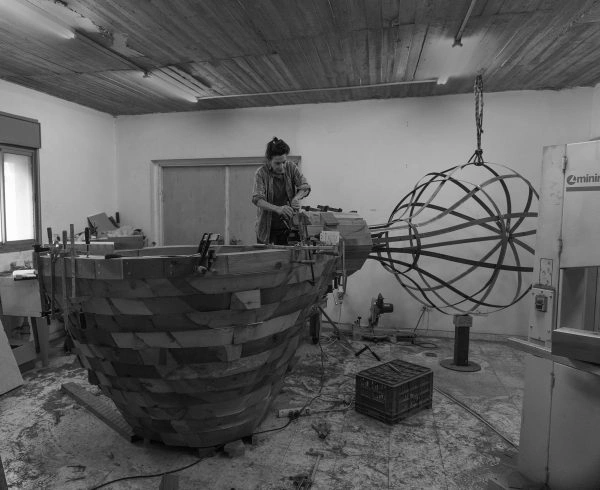
I’ve been learning since January 2020, and in June I started drawing a phrase from each daf. Sometimes it’s easy (e.g. plants), sometimes it’s very hard (e.g. korbanot), and sometimes it’s loads of fun (e.g. bird racing) to find something to draw. I upload my pictures from each masechet to #DafYomiArt. I am enjoying every step of the journey.

Gila Loike
Gila Loike

Ashdod, Israel

I learned Talmud as a student in Yeshivat Ramaz and felt at the time that Talmud wasn’t for me. After reading Ilana Kurshan’s book I was intrigued and after watching the great siyum in Yerushalayim it ignited the spark to begin this journey. It has been a transformative life experience for me as a wife, mother, Savta and member of Klal Yisrael.
Elana Storch
Elana Storch

Phoenix, Arizona, United States

I started learning daf in January, 2020, being inspired by watching the Siyyum Hashas in Binyanei Haumah. I wasn’t sure I would be able to keep up with the task. When I went to school, Gemara was not an option. Fast forward to March, 2022, and each day starts with the daf. The challenge is now learning the intricacies of delving into the actual learning. Hadran community, thank you!

Rochel Cheifetz
Rochel Cheifetz

Riverdale, NY, United States

I read Ilana Kurshan’s “If All the Seas Were Ink” which inspired me. Then the Women’s Siyum in Jerusalem in 2020 convinced me, I knew I had to join! I have loved it- it’s been a constant in my life daily, many of the sugiyot connect to our lives. My family and friends all are so supportive. It’s incredible being part of this community and love how diverse it is! I am so excited to learn more!

Shira Jacobowitz
Shira Jacobowitz

Jerusalem, Israel

I saw an elderly man at the shul kiddush in early March 2020, celebrating the siyyum of masechet brachot which he had been learning with a young yeshiva student. I thought, if he can do it, I can do it! I began to learn masechet Shabbat the next day, Making up masechet brachot myself, which I had missed. I haven’t missed a day since, thanks to the ease of listening to Hadran’s podcast!
Judith Shapiro
Judith Shapiro

Minnesota, United States

I started learning after the siyum hashas for women and my daily learning has been a constant over the last two years. It grounded me during the chaos of Corona while providing me with a community of fellow learners. The Daf can be challenging but it’s filled with life’s lessons, struggles and hope for a better world. It’s not about the destination but rather about the journey. Thank you Hadran!

Dena Lehrman
Dena Lehrman

אפרת, Israel

I attended the Siyum so that I could tell my granddaughter that I had been there. Then I decided to listen on Spotify and after the siyum of Brachot, Covid and zoom began. It gave structure to my day. I learn with people from all over the world who are now my friends – yet most of us have never met. I can’t imagine life without it. Thank you Rabbanit Michelle.

Emma Rinberg
Emma Rinberg

Raanana, Israel

I started Daf during the pandemic. I listened to a number of podcasts by various Rebbeim until one day, I discovered Rabbanit Farbers podcast. Subsequently I joined the Hadran family in Eruvin. Not the easiest place to begin, Rabbanit Farber made it all understandable and fun. The online live group has bonded together and have really become a supportive, encouraging family.

Leah Goldford
Leah Goldford

Edmonton, Alberta, Canada

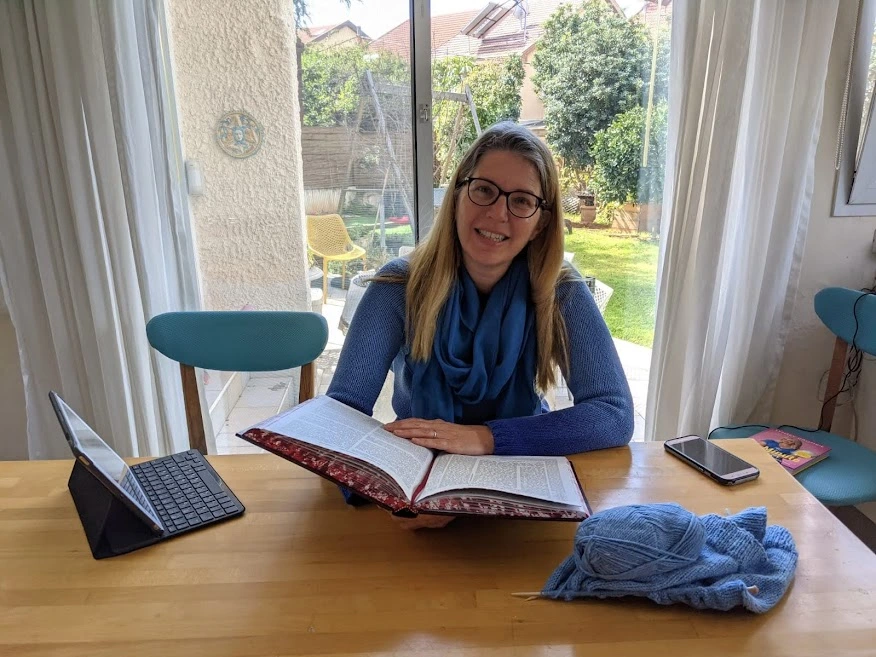
I decided to learn one masechet, Brachot, but quickly fell in love and never stopped! It has been great, everyone is always asking how it’s going and chering me on, and my students are always making sure I did the day’s daf.

Yafit Fishbach
Yafit Fishbach

Memphis, Tennessee, United States

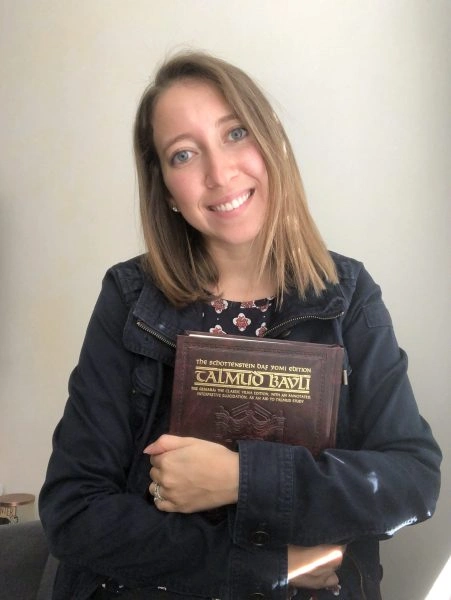
About a year into learning more about Judaism on a path to potential conversion, I saw an article about the upcoming Siyum HaShas in January of 2020. My curiosity was piqued and I immediately started investigating what learning the Daf actually meant. Daily learning? Just what I wanted. Seven and a half years? I love a challenge! So I dove in head first and I’ve enjoyed every moment!!
Nickie Matthews
Nickie Matthews

Blacksburg, United States

I had tried to start after being inspired by the hadran siyum, but did not manage to stick to it. However, just before masechet taanit, our rav wrote a message to the shul WhatsApp encouraging people to start with masechet taanit, so I did! And this time, I’m hooked! I listen to the shiur every day , and am also trying to improve my skills.

Laura Major
Laura Major

Yad Binyamin, Israel

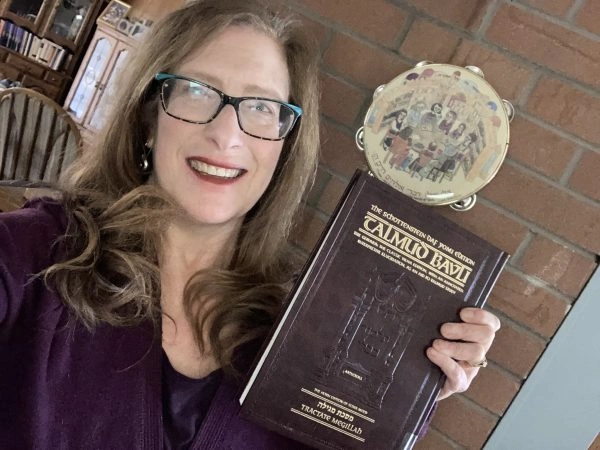
Retirement and Covid converged to provide me with the opportunity to commit to daily Talmud study in October 2020. I dove into the middle of Eruvin and continued to navigate Seder Moed, with Rabannit Michelle as my guide. I have developed more confidence in my learning as I completed each masechet and look forward to completing the Daf Yomi cycle so that I can begin again!

Rhona Fink
Rhona Fink

San Diego, United States

Margo
I started my Talmud journey in 7th grade at Akiba Jewish Day School in Chicago. I started my Daf Yomi journey after hearing Erica Brown speak at the Hadran Siyum about marking the passage of time through Daf Yomi.

Carolyn
I started my Talmud journey post-college in NY with a few classes. I started my Daf Yomi journey after the Hadran Siyum, which inspired both my son and myself.

Carolyn Hochstadter and Margo Kossoff Shizgal

Merion Station,  USA

Beit Shemesh, Israel

“I got my job through the NY Times” was an ad campaign when I was growing up. I can headline “I got my daily Daf shiur and Hadran through the NY Times”. I read the January 4, 2020 feature on Reb. Michelle Farber and Hadran and I have been participating ever since. Thanks NY Times & Hadran!
Deborah Aschheim
Deborah Aschheim

New York, United States

As Jewish educator and as a woman, I’m mindful that Talmud has been kept from women for many centuries. Now that we are privileged to learn, and learning is so accessible, it’s my intent to complete Daf Yomi. I am so excited to keep learning with my Hadran community.

Sue Parker Gerson
Sue Parker Gerson

Denver, United States

I went to day school in Toronto but really began to learn when I attended Brovenders back in the early 1980’s. Last year after talking to my sister who was learning Daf Yomi, inspired, I looked on the computer and the Hadran site came up. I have been listening to each days shiur in the morning as I work. I emphasis listening since I am not sitting with a Gamara. I listen while I work in my studio.

Rachel Rotenberg
Rachel Rotenberg

Tekoa, Israel

My family recently made Aliyah, because we believe the next chapter in the story of the Jewish people is being written here, and we want to be a part of it. Daf Yomi, on the other hand, connects me BACK, to those who wrote earlier chapters thousands of years ago. So, I feel like I’m living in the middle of this epic story. I’m learning how it all began, and looking ahead to see where it goes!
Tina Lamm
Tina Lamm

Jerusalem, Israel

After reading the book, “ If All The Seas Were Ink “ by Ileana Kurshan I started studying Talmud. I searched and studied with several teachers until I found Michelle Farber. I have been studying with her for two years. I look forward every day to learn from her.

Janine Rubens
Janine Rubens

Virginia, United States

I’ve been studying Talmud since the ’90s, and decided to take on Daf Yomi two years ago. I wanted to attempt the challenge of a day-to-day, very Jewish activity. Some days are so interesting and some days are so boring. But I’m still here.
Wendy Rozov
Wendy Rozov

Phoenix, AZ, United States

I started learning at the beginning of the cycle after a friend persuaded me that it would be right up my alley. I was lucky enough to learn at Rabbanit Michelle’s house before it started on zoom and it was quickly part of my daily routine. I find it so important to see for myself where halachot were derived, where stories were told and to get more insight into how the Rabbis interacted.

Deborah Dickson
Deborah Dickson

Ra’anana, Israel

Bava Batra 22

קִנְאַת סוֹפְרִים תַּרְבֶּה חָכְמָה.

Jealousy among teachers increases wisdom.

אָמַר רַב נַחְמָן בַּר יִצְחָק: וּמוֹדֶה רַב הוּנָא בְּרֵיהּ דְּרַב יְהוֹשֻׁעַ בְּרוֹכְלִין הַמַּחֲזִירִין בָּעֲיָירוֹת, דְּלָא מָצֵי מְעַכֵּב; דְּאָמַר מָר: עֶזְרָא תִּקֵּן לָהֶן לְיִשְׂרָאֵל שֶׁיְּהוּ רוֹכְלִין מַחֲזִירִין בָּעֲיָירוֹת, כְּדֵי שֶׁיְּהוּ תַּכְשִׁיטִין מְצוּיִין לִבְנוֹת יִשְׂרָאֵל.

Rav Naḥman bar Yitzḥak said: And Rav Huna, son of Rav Yehoshua, who said that townspeople can bar craftsmen who come from other cities, concedes with regard to perfume salesmen who travel from one town to another that the townspeople cannot prevent them from entering their town. As the Master said: Ezra instituted an ordinance for the Jewish people that perfume salesmen shall travel from town to town so that cosmetics will be available to Jewish women. Since this ordinance was instituted on behalf of Jewish women, the Sages ruled that these peddlers could not be barred from entering a town.

וְהָנֵי מִילֵּי לְאַהְדּוֹרֵי, אֲבָל לְאִקְּבוֹעֵי – לָא. וְאִי צוּרְבָּא מֵרַבָּנַן הוּא, אֲפִילּוּ לְאִקְּבוֹעֵי נָמֵי. כִּי הָא דְּרָבָא שְׁרָא לְהוּ לְרַבִּי יֹאשִׁיָּה וּלְרַב עוֹבַדְיָה לְאִקְּבוֹעֵי – דְּלָא כְּהִלְכְתָא. מַאי טַעְמָא? כֵּיוָן דְּרַבָּנַן נִינְהוּ, אָתוּ לִטַּרְדוּ מִגִּירְסַיְיהוּ.

The Gemara continues: And this matter applies only to one who seeks to travel from town to town as a salesman. But if he wants to establish a shop, this ruling was not stated, and the townspeople can prevent him from doing so. And if he is a Torah scholar he may even establish a shop as a perfume salesman. This is like that incident in which Rava permitted Rabbi Yoshiya and Rav Ovadya to establish a shop not in accordance with the halakha. What is the reason for this ruling? The reason is that since they are rabbis, they are likely to be distracted from their studies should they be required to travel from place to place.

הָנְהוּ דִּיקּוּלָאֵי דְּאַיְיתוֹ דִּיקְלָאֵי לְבָבֶל. אֲתוֹ בְּנֵי מָתָא קָא מְעַכְּבִי עִלָּוַיְהוּ. אֲתוֹ לְקַמֵּיהּ דְּרָבִינָא, אֲמַר לְהוּ: מֵעָלְמָא אָתוּ, וּלְעָלְמָא לִיזַבְּנוּ. וְהָנֵי מִילֵּי בְּיוֹמָא דְשׁוּקָא, אֲבָל בְּלָא יוֹמָא דְשׁוּקָא – לָא. וּבְיוֹמָא דְשׁוּקָא נָמֵי לָא אָמְרִינַן אֶלָּא לְזַבּוֹנֵי בְּשׁוּקָא, אֲבָל לְאַהְדּוֹרֵי – לָא.

§ The Gemara relates: There were these basket sellers who brought baskets to Babylonia. The townspeople came and prevented them from selling there. The two parties came before Ravina for a ruling. Ravina said to them: The basket sellers came from outside the town, and they sell to those from outside the town, i.e., to guests who are not residents of the town. The Gemara comments: And this statement applies only on a market day, when people from other towns come to shop, but they may not sell their wares on non-market days. And even with regard to market days, we say so only with regard to selling in the market, but this halakha does not apply to circulating around the town.

הָנְהוּ עָמוֹרָאֵי דְּאַיְיתוֹ עַמְרָא לְפוּם נַהֲרָא. אֲתוֹ בְּנֵי מָתָא קָא מְעַכְּבִי עִלָּוַיְהוּ. אֲתוֹ לְקַמֵּיהּ דְּרַב כָּהֲנָא, אָמַר לְהוּ: דִּינָא הוּא דִּמְעַכְּבִי עֲלַיְיכוּ. אֲמַרוּ לֵיהּ: אִית לַן אַשְׁרַאי! אֲמַר לְהוּ: זִילוּ זַבְּנוּ שִׁיעוּר חַיּוּתַיְיכוּ עַד דְּעָקְרִיתוּ אַשְׁרַאי דִּידְכוּ, וְאָזְלִיתוּ.

The Gemara further relates: There were these wool sellers who brought wool to the city of Pum Nahara. The townsfolk came and prevented them from selling it. The two parties came before Rav Kahana for a ruling. Rav Kahana said to them: The halakha is that they may prevent you from selling your wares. The wool sellers said to him: We have debts to collect in the city, and we must sell our wares in the meantime to sustain ourselves until we are paid. Rav Kahana said to them: Go and sell the amount needed to sustain yourselves until you have collected your debts, and then leave.

רַב דִּימִי מִנְּהַרְדְּעָא אַיְיתִי גְּרוֹגְרוֹת בִּסְפִינָה. אֲמַר לֵיהּ רֵישׁ גָּלוּתָא לְרָבָא: פּוֹק חֲזִי, אִי צוּרְבָּא מֵרַבָּנַן הוּא – נַקֵּיט לֵיהּ שׁוּקָא. אֲמַר לֵיהּ רָבָא לְרַב אַדָּא בַּר אַבָּא: פּוֹק תְּהִי לֵיהּ בְּקַנְקַנֵּיהּ.

§ The Gemara relates: Rav Dimi of Neharde’a brought dried figs on a ship to sell them. The Exilarch said to Rava: Go and see; if he is a Torah scholar, reserve the market for him, i.e., declare that he has the exclusive right to sell dried figs. Rava said to his student Rav Adda bar Abba: Go and smell his jar, i.e., determine whether or not Rav Dimi is a Torah scholar.

נְפַק [אֲזַל] בְּעָא מִינֵּיהּ: פִּיל שֶׁבְּלַע כְּפִיפָה מִצְרִית, וֶהֱקִיאָהּ דֶּרֶךְ בֵּית הָרְעִי, מַהוּ? לָא הֲוָה בִּידֵיהּ. אֲמַר לֵיהּ: מָר נִיהוּ רָבָא? טְפַח לֵיהּ בְּסַנְדָּלֵיהּ, אֲמַר לֵיהּ: בֵּין דִּידִי לְרָבָא אִיכָּא טוּבָא, מִיהוּ עַל כׇּרְחָךְ אֲנָא רַבָּךְ, וְרָבָא רַבָּה דְרַבָּךְ.

Rav Adda bar Abba went and asked Rav Dimi a question: With regard to an elephant that swallowed a wicker basket and excreted it intact along with its waste, what is the halakha? Is the vessel still susceptible to ritual impurity or is it considered digested and not susceptible to impurity? An answer was not available to Rav Dimi. Rav Dimi said to Rav Adda bar Abba: Is the Master Rava, i.e., are you Rava, as you have asked me such a difficult question? Rav Adda bar Abba struck him on his shoe in a disparaging way and said to him: There is a great difference between me and Rava; but I am perforce your teacher, and Rava is your teacher’s teacher.

לָא נַקִּטוּ לֵיהּ שׁוּקָא, פְּסוּד גְּרוֹגְרוֹת דִּידֵיהּ. אֲתָא לְקַמֵּיהּ דְּרַב יוֹסֵף, אֲמַר לֵיהּ: חֲזִי מָר מַאי עֲבַדוּ לִי! אֲמַר לֵיהּ: מַאן דְּלָא שַׁהֲיַיהּ לְאוֹנִיתָא דְּמַלְכָּא דֶּאֱדוֹם, לָא נְשַׁהֲיַיהּ לְאוֹנִיתָיךְ. דִּכְתִיב: ״כֹּה אָמַר ה׳: עַל שְׁלֹשָׁה פִּשְׁעֵי מוֹאָב וְעַל אַרְבָּעָה לֹא אֲשִׁיבֶנּוּ, עַל שׇׂרְפוֹ עַצְמוֹת מֶלֶךְ אֱדוֹם לַסִּיד״.

Based on this exchange, Rav Adda bar Abba decided that Rav Dimi was not a great Torah scholar, and therefore he did not reserve the market for him, and Rav Dimi lost his dried figs, as they rotted. Rav Dimi came before Rav Yosef to complain, and said to him: The Master should see what they did to me. Rav Yosef said to him: He Who did not delay retribution for the humiliation of the King of Edom should not delay His response to your humiliation, but should punish whoever distressed you, as it is written: “So says the Lord: For three transgressions of Moab, indeed for four I will not reverse for him, because he burned the bones of the King of Edom into lime” (Amos 2:1).

נָח נַפְשֵׁיהּ דְּרַב אַדָּא בַּר אַבָּא. רַב יוֹסֵף אָמַר: אֲנָא עֲנֵישְׁתֵּיהּ – דַּאֲנָא לַטְיִיתֵיהּ. רַב דִּימִי מִנְּהַרְדְּעָא אָמַר: אֲנָא עֲנֵישְׁתֵּיהּ, דְּאַפְסֵיד גְּרוֹגְרוֹת דִּידִי. אַבָּיֵי אָמַר: אֲנָא עֲנֵישְׁתֵּיהּ, דַּאֲמַר לְהוּ לְרַבָּנַן: אַדִּמְגָרְמִיתוּ גַּרְמֵי בֵּי אַבָּיֵי, תּוּ אִכְלוּ בִּישְׂרָא [שַׁמִּינָא] בֵּי רָבָא. וְרָבָא אָמַר: אֲנָא עֲנֵישְׁתֵּיהּ, [דְּכִי הֲוָה אָזֵיל לְבֵי טַבָּחָא לְמִשְׁקַל אוּמְצָא,] אָמַר לְהוּ לְטַבָּחֵי: אֲנָא שָׁקֵילְנָא בִּישְׂרָא מִיקַּמֵּי שַׁמָּעֵיהּ דְּרָבָא, דַּאֲנָא עֲדִיפְנָא מִינֵּיהּ.

The Gemara reports that Rav Adda bar Abba died. Rav Yosef said: I punished him, i.e., I am to blame for his death, as I cursed him. Rav Dimi from Neharde’a said: I punished him, as he caused my loss of dried figs. Abaye said: I punished him, i.e., he was punished on my account because he did not exhibit the proper respect for me. As Rav Adda bar Abba said to the Sages: Instead of gnawing the bones in the school of Abaye, you would do better to eat fatty meat in the school of Rava, i.e., it is preferable to study with Rava than with Abaye. And Rava said: I punished him, as when he would go to the butcher to buy a piece of meat, he would say to the butchers: I will take meat before Rava’s servant, as I am greater than he is.

רַב נַחְמָן בַּר יִצְחָק אָמַר: אֲנָא עֲנֵישְׁתֵּיהּ – דְּרַב נַחְמָן בַּר יִצְחָק רֵישׁ כַּלָּה הֲוָה. כׇּל יוֹמָא מִיקַּמֵּי דְּנֵיעוּל לְכַלָּה, מַרְהֵיט בַּהֲדֵיהּ רַב אַדָּא בַּר אַבָּא לִשְׁמַעְתֵּיהּ, וַהֲדַר עָיֵיל לְכַלָּה.

Rav Naḥman bar Yitzḥak said: I punished him, i.e., he was punished because of me, as Rav Naḥman bar Yitzḥak was the head of the kalla lectures, the gatherings for Torah study during Elul and Adar. Rav Naḥman bar Yitzḥak would teach the students immediately following the lesson taught by the head of the academy. Every day, before he went in for the kalla lecture, he reviewed his lecture with Rav Adda bar Abba, and then he would enter the study hall for the kalla lecture.

הָהוּא יוֹמָא נַקְטוּהּ רַב פָּפָּא וְרַב הוּנָא בְּרֵיהּ דְּרַב יְהוֹשֻׁעַ לְרַב אַדָּא בַּר אַבָּא מִשּׁוּם דְּלָא הֲווֹ בְּסִיּוּמָא, אֲמַרוּ לֵיהּ: אֵימָא לַן הָנֵי שְׁמַעְתָּתָא דְּמַעְשַׂר בְּהֵמָה הֵיכִי אַמְרִינְהוּ רָבָא. אֲמַר לְהוּ: הָכִי אָמַר רָבָא, וְהָכִי אָמַר רָבָא. אַדְּהָכִי נְגַהּ לֵיהּ [לְרַב נַחְמָן בַּר יִצְחָק], וְלָא אָתֵי רַב אַדָּא בַּר אַבָּא;

On that day Rav Pappa and Rav Huna, son of Rav Yehoshua, seized Rav Adda bar Abba, because they had not been present at the conclusion of Rava’s lecture. They said to him: Tell us how Rava stated these halakhot of animal tithe. Rav Adda bar Abba said to them: Rava said this and Rava said that. Meanwhile, it grew late for Rav Naḥman bar Yitzḥak, and Rav Adda bar Abba had not yet arrived.

אֲמַרוּ לֵיהּ רַבָּנַן לְרַב נַחְמָן בַּר יִצְחָק: קוּם, דִּנְגַהּ לַן, לְמָה יָתֵיב מָר? אֲמַר לְהוּ: יָתֵיבְנָא וְקָא מְנַטְּרָא לְעַרְסֵיהּ דְּרַב אַדָּא בַּר אַבָּא. אַדְּהָכִי נְפַק קָלָא דְּנָח נַפְשֵׁיהּ דְּרַב אַדָּא בַּר אַבָּא. וּמִסְתַּבְּרָא, דְּרַב נַחְמָן בַּר יִצְחָק עַנְשֵׁיהּ.

The Sages said to Rav Naḥman bar Yitzḥak: Arise and teach us, as it is late for us. Why does the Master sit and wait? Rav Naḥman bar Yitzḥak said to them: I am sitting and waiting for the bier of Rav Adda bar Abba, who has presumably died. Meanwhile, a rumor emerged that Rav Adda bar Abba had indeed died. The Gemara comments: And so too, it is reasonable to conclude that Rav Naḥman bar Yitzḥak punished him, i.e., he died as a result of Rav Naḥman bar Yitzḥak’s statement, as the unfortunate event occurred just as he announced that Rav Adda bar Abba’s bier was on its way.

מַתְנִי׳ מִי שֶׁהָיָה כּוֹתְלוֹ סָמוּךְ לְכוֹתֶל חֲבֵירוֹ, לֹא יִסְמוֹךְ לוֹ כּוֹתֶל אַחֵר, אֶלָּא אִם כֵּן הִרְחִיק מִמֶּנּוּ אַרְבַּע אַמּוֹת. הַחַלּוֹנוֹת – בֵּין מִלְּמַעְלָן, בֵּין מִלְּמַטָּן, בֵּין כְּנֶגְדָּן – אַרְבַּע אַמּוֹת.

MISHNA: One whose wall was close to the wall of another may not build another wall close to the neighbor’s wall unless he distances it four cubits from the wall of the neighbor. And one who desires to build a wall opposite the windows of a neighbor’s house must distance the wall four cubits from the windows, whether above, below, or opposite.

גְּמָ׳ וְקַמָּא הֵיכִי סָמֵיךְ? אָמַר רַב יְהוּדָה, הָכִי קָאָמַר:

GEMARA: The Gemara comments: Before addressing the construction of the second wall, one could ask: And with regard to the first man, how did he place his wall close to the neighbor’s wall in the first place? Rav Yehuda said that this is what the tanna is saying:

הַבָּא לִסְמוֹךְ, לֹא יִסְמוֹךְ אֶלָּא אִם כֵּן הִרְחִיק מִמֶּנּוּ אַרְבַּע אַמּוֹת. מַתְקֵיף לַהּ רָבָא: וְהָא ״מִי שֶׁהָיָה כּוֹתְלוֹ סָמוּךְ לְכוֹתֶל חֲבֵירוֹ״ קָתָנֵי!

One who comes to place a wall close to his neighbor’s wall may place that wall close to the neighbor’s wall only if he distances his wall four cubits from the existing wall. Accordingly, the mishna is discussing one constructing a wall close to his neighbor’s wall the first time. Rava objects to this explanation: But the mishna teaches: One whose wall was near the wall of another, which indicates that there had already been a wall there.

אֶלָּא אָמַר רָבָא, הָכִי קָתָנֵי: מִי שֶׁהָיָה כּוֹתְלוֹ סָמוּךְ לְכוֹתֶל חֲבֵירוֹ בְּרָחוֹק אַרְבַּע אַמּוֹת, וְנָפַל, לֹא יִסְמוֹךְ לוֹ כּוֹתֶל אַחֵר – אֶלָּא אִם כֵּן הִרְחִיק מִמֶּנּוּ אַרְבַּע אַמּוֹת. מַאי טַעְמָא? דְּדַוְושָׁא דְּהָכָא מְעַלֵּי לְהָתָם.

Rather, Rava said that this is what the mishna is teaching: In a case of one whose wall was near the wall of another at a distance of four cubits and it fell, he may not place another wall close to his neighbor’s wall unless he distances the wall four cubits from it. What is the reason that this distance must be observed? The reason is that walking here benefits there, i.e., the ground is strengthened by people walking on the land in the area between the walls.

אָמַר רַב: לֹא שָׁנוּ אֶלָּא כּוֹתֶל גִּינָה, אֲבָל כּוֹתֶל חָצֵר – אִם בָּא לִסְמוֹךְ, סוֹמֵךְ. רַבִּי אוֹשַׁעְיָא אוֹמֵר: אֶחָד כּוֹתֶל גִּינָּה וְאֶחָד כּוֹתֶל חָצֵר – אִם בָּא לִסְמוֹךְ, אֵינוֹ סוֹמֵךְ.

Rav says: They taught that one must leave a space of four cubits between his wall and that of his neighbor only if he builds it alongside the wall of his neighbor’s garden, where people do not usually walk due to the seeds. But with regard to the wall of a courtyard, where people walk, if he comes to place his wall close by, he may place it close by. By contrast, Rabbi Oshaya says: With regard to both the wall of a garden and the wall of a courtyard, if one comes to place his wall close by, he may not place his wall close by.

אָמַר רַבִּי יוֹסֵי בַּר חֲנִינָא: וְלָא פְּלִיגִי – הָא בְּעִיר יְשָׁנָה, הָא בְּעִיר חֲדָשָׁה.

Rabbi Yosei bar Ḥanina said: And the two amora’im do not disagree, as they are referring to different cases. This statement of Rav is referring to an old city, whose ground is well trodden and stable, and that statement of Rabbi Oshaya is referring to a new city, where even the wall of a courtyard requires walking on its adjacent ground to strengthen it.

תְּנַן: הַחַלּוֹנוֹת, בֵּין מִלְּמַעְלָן בֵּין מִלְּמַטָּן בֵּין מִכְּנֶגְדָּן – אַרְבַּע אַמּוֹת. וְתָנֵי עֲלַהּ: מִלְּמַעְלָן – כְּדֵי שֶׁלֹּא יָצִיץ וְיִרְאֶה, מִלְּמַטָּן – שֶׁלֹּא יַעֲמוֹד וְיִרְאֶה, וּמִכְּנֶגְדָּן – שֶׁלֹּא יַאֲפִיל.

With regard to the claim that the halakha of the mishna is due to the need for space for people to walk on the ground between the walls, the Gemara asks: We learned in the mishna: And one who desires to build a wall opposite the windows of a neighbor’s house must distance the wall four cubits from the windows, whether above, below, or opposite. And it is taught in a baraita with regard to this ruling: Concerning the requirement of a distance above, the wall must be high enough so that one cannot peer into the window and see into the window; concerning the requirement of a distance below, the wall must be low so that he will not be able to stand on top of it and see into the window; and concerning the requirement of a distance opposite, one must distance the wall from the windows so that it will not darken his neighbor’s house by blocking the light that enters the house through the window.

טַעְמָא שֶׁלֹּא יַאֲפִיל, אֲבָל מִשּׁוּם דַּוְושָׁא לָא! הָכָא בְּמַאי עָסְקִינַן – בְּבָא מִן הַצַּד.

The Gemara analyzes this statement: The reason that distance is required opposite the window is so that he will not darken his neighbor’s house by blocking the light that enters the house through the window, but it is not due to the fact that walking will strengthen the ground. The Gemara answers: With what are we dealing here? We are dealing with a wall that is positioned to the side, i.e., perpendicular to the wall with the window in it, and therefore it blocks the light from entering the house through the window but does not prevent walking along the length of the neighbor’s wall.

וְכַמָּה? אָמַר יֵיבָא, חֲמוּהּ דְּאַשְׁיָין בַּר נִדְבָּךְ, מִשְּׁמֵיהּ דְּרַב: כִּמְלֹא רֹחַב חַלּוֹן. וַהֲלֹא מֵצִיץ! אָמַר רַב זְבִיד: בְּמַדִּיר אֶת כּוֹתְלוֹ.

The Gemara asks: And how far must one distance his wall if it is perpendicular to the other wall? Yeiva, the father-in-law of Ashyan bar Nidbakh, says in the name of Rav: As much as the full width of the window. The Gemara asks: But why is this sufficient? Can’t he still peer into the window if he is that close? Rav Zevid says: This is referring to one who slopes his wall, i.e., he fashions an incline on the upper surface of the wall so that he will not be able to stand on top of it and look through the window.

וְהָא אֲנַן תְּנַן: אַרְבַּע אַמּוֹת! לָא קַשְׁיָא: כָּאן מֵרוּחַ אַחַת, כָּאן מִשְׁתֵּי רוּחוֹת.

The Gemara asks: But didn’t we learn in the mishna that one must keep the wall four cubits away from the window? The Gemara answers: This is not difficult; here, he builds the wall on one side of the window, whereas there, in the mishna, he builds walls on two sides of the window. In the latter case, if he builds the walls any closer he will block the light from entering the house through the window even if they are perpendicular.

תָּא שְׁמַע: וְאֶת הַכּוֹתֶל מִן הַמַּזְחֵילָה אַרְבַּע אַמּוֹת, כְּדֵי שֶׁיְּהֵא זוֹקֵף אֶת הַסּוּלָּם. טַעְמָא מִשּׁוּם סוּלָּם, אֲבָל מִשּׁוּם דַּוְושָׁא לָא! הָכָא בְּמַאי עָסְקִינַן – בְּמַזְחֵילָה מְשׁוּפַּעַת, דְּאִי מִשּׁוּם דַּוְושָׁא הוּא – הָא קָא אָזֵיל וְאָתֵי תּוּתֵיהּ.

The Gemara suggests: Come and hear a further difficulty from the mishna below with regard to the claim that the requisite gap between the walls is for the purpose of walking, as the mishna teaches: And one must distance his wall four cubits from a roof gutter so that his neighbor can lean a ladder in the empty space to clean and repair the gutter. The Gemara analyzes this statement: The reason this distance is required is due to the fact that he will be able to lean a ladder, but it is not due to the fact that walking will strengthen the ground. The Gemara answers: With what are we dealing here? We are dealing with a sloping roof gutter, which protrudes beyond the boundary of the wall. As in this case, if the reason for distancing the wall is due to walking, one can walk back and forth beneath it. Nevertheless, a distance of four cubits from the roof gutter is required so that repairs can be performed.

מַתְנִי׳ מַרְחִיקִין אֶת הַסּוּלָּם מִן הַשּׁוֹבָךְ אַרְבַּע אַמּוֹת, כְּדֵי שֶׁלֹּא תִּקְפּוֹץ הַנְּמִיָּיה. וְאֶת הַכּוֹתֶל מִן הַמַּזְחֵילָה אַרְבַּע אַמּוֹת, כְּדֵי שֶׁיְּהֵא זוֹקֵף אֶת הַסּוּלָּם.

MISHNA: One must distance his ladder four cubits from a neighbor’s dovecote so that a mongoose will not be able to jump from the ladder to the dovecote and devour the birds. And one must distance his wall four cubits from a roof gutter, so that the neighbor can lean a ladder in the empty space to clean and repair the gutter.

גְּמָ׳ לֵימָא מַתְנִיתִין דְּלָא כְּרַבִּי יוֹסֵי? דְּאִי רַבִּי יוֹסֵי, הָא אָמַר: זֶה חוֹפֵר בְּתוֹךְ שֶׁלּוֹ, וְזֶה נוֹטֵעַ בְּתוֹךְ שֶׁלּוֹ!

GEMARA: Let us say that the mishna is not in accordance with the opinion of Rabbi Yosei, as, if it were in accordance with the opinion of Rabbi Yosei, doesn’t he say with regard to planting a tree next to a neighbor’s cistern: This one digs within his land, and that one plants within his land, and neither individual need consider what is happening in the property of the other?

אֲפִילּוּ תֵּימָא רַבִּי יוֹסֵי, הָא אָמַר רַב אָשֵׁי: כִּי הֲוֵינַן בֵּי רַב כָּהֲנָא, הֲוָה אָמַר: מוֹדֵי רַבִּי יוֹסֵי בְּגִירֵי דִידֵיהּ; הָכָא נָמֵי, זִמְנִין דְּבַהֲדֵי דְּמַנַּח לֵיהּ – יָתְבָא בְּחוֹר וְקָפְצָה. וְהָא גְּרָמָא הוּא! אָמַר רַב טוֹבִי בַּר מַתְנָה, זֹאת אוֹמֶרֶת: גְּרָמָא בְּנִיזָּקִין אָסוּר.

The Gemara answers: You may even say that the mishna follows the opinion of Rabbi Yosei, as didn’t Rav Ashi say: When we were studying in the study hall of Rav Kahana, he would say to us that Rabbi Yosei concedes with regard to his arrows, i.e., he concedes that one must distance himself if his actions will cause damage to his neighbor. Here too, sometimes when he places the ladder, the mongoose might be sitting in a hole and will immediately jump up and climb the ladder to the dovecote. The Gemara challenges: But that is indirect damage, as he is not the immediate cause. Rav Tovi bar Mattana said: That is to say that it is prohibited to cause even indirect damage.

רַב יוֹסֵף הֲוָה לֵיהּ הָנְהוּ תָּאלֵי, דַּהֲווֹ

The Gemara relates: Rav Yosef had certain small palm trees [talei], and

Want to follow content and continue where you left off?

Create an account today to track your progress, mark what you’ve learned, and follow the shiurim that speak to you.

Clear all items from this list?

This will remove ALL the items in this section. You will lose any progress or history connected to them. This is irreversible.

Cancel
Yes, clear all

Are you sure you want to delete this item?

You will lose any progress or history connected to this item.

Cancel
Yes, delete