Search

Bava Batra 28

Want to dedicate learning? Get started here:

podcast placeholder

0:00
0:00


Summary

Today’s daf is sponsored by Mark Goldstein in honor of Rena Septee Goldstein’s birthday! “Happy birthday to my wonderful wife and daf partner!”

After three years of uncontested use of land or property, a possessor’s claim of purchase or gift is sufficient to prove ownership without documentation (chazaka). For non-irrigated fields, partial use in the first and last years suffices. A tannaitic debate discusses the required duration. Concerning fields with trees, Rabbi Yishmael is lenient and requires only three harvests of different fruits, even within one year.

The three-year rule’s origins are debated. Rabbi Yochanan, citing Usha rabbis, derives it from shor muad (an ox established as dangerous after three gorings). However, the Gemara raises and resolves several objections to the shor muad comparison, though the final resolution aligns only with Rabbi Yishmael’s position in the Mishna. Therefore Rav Yosef brings an explanation for the rabbis who disagree with Rabbi Yishmael from Yirmiyahu 32:44, interpreting the prophet’s advice to keep documents to prove ownership of land after the destruction, which was to happen in the upcoming year, implying that one would need documentation to prove ownership for possessing land that one had possessed for only two years, but not for three.  Abaye dismisses Rav Yosef’s proof as Yirmiyahu’s suggestion can be viewed as good advice, rather than law.

Today’s daily daf tools:

Bava Batra 28

חֶזְקַת הַבָּתִּים, וְהַבּוֹרוֹת, וְהַשִּׁיחִין, וְהַמְּעָרוֹת, וְהַשּׁוֹבָכוֹת, וְהַמֶּרְחֲצָאוֹת, וּבֵית הַבַּדִּין, וּבֵית הַשְּׁלָחִין, וְהָעֲבָדִים, וְכׇל שֶׁהוּא עוֹשֶׂה פֵּירוֹת תָּדִיר – חֶזְקָתָן שָׁלֹשׁ שָׁנִים מִיּוֹם לְיוֹם.

MISHNA: With regard to the presumptive ownership of houses; and of pits; and of ditches; and of caves, which are used to collect water; and of dovecotes; and of bathhouses; and of olive presses; and of irrigated fields, which must be watered by people; and of slaves; and all similar property that constantly, i.e., throughout the year, generates profits, their presumptive ownership is established by working and profiting from them for a duration of three years from day to day. If the one in possession of the property can prove that he worked and profited from it for the previous three full years, there is a presumption that it belongs to him, and would remain in his possession if another were to claim that the property belonged to him or to his ancestors.

שְׂדֵה הַבַּעַל – חֶזְקָתָהּ שָׁלֹשׁ שָׁנִים, וְאֵינָן מִיּוֹם לְיוֹם.

With regard to a non-irrigated field, i.e., one that is watered by rain, in which produce grows during certain seasons during the year, its presumption of ownership is established in three years, but they are not from day to day, since the fields are not worked and harvested continually throughout the three-year period.

רַבִּי יִשְׁמָעֵאל אוֹמֵר: שְׁלֹשָׁה חֳדָשִׁים בָּרִאשׁוֹנָה, שְׁלֹשָׁה בָּאַחֲרוֹנָה, וּשְׁנֵים עָשָׂר חֹדֶשׁ בָּאֶמְצַע; הֲרֵי שְׁמוֹנָה עָשָׂר חֹדֶשׁ.

Rabbi Yishmael says: Three months of possession in the first year, three months of possession in the last year, and twelve months of possession in the middle, which are eighteen months, suffice to establish the presumption of ownership with regard to a non-irrigated field.

רַבִּי עֲקִיבָא אוֹמֵר: חֹדֶשׁ בָּרִאשׁוֹנָה, וְחֹדֶשׁ בָּאַחֲרוֹנָה, וּשְׁנֵים עָשָׂר חֹדֶשׁ בָּאֶמְצַע; הֲרֵי אַרְבָּעָה עָשָׂר חֹדֶשׁ.

Rabbi Akiva says: A month of possession in the first year, and a month of possession in the last year, and twelve months of possession in the middle, which are fourteen months, suffice to establish the presumption of ownership with regard to a non-irrigated field.

אָמַר רַבִּי יִשְׁמָעֵאל: בַּמֶּה דְּבָרִים אֲמוּרִים – בִּשְׂדֵה לָבָן, אֲבָל בִּשְׂדֵה אִילָן – כָּנַס אֶת תְּבוּאָתוֹ, וּמָסַק אֶת זֵיתָיו, כָּנַס אֶת קַיְיצוֹ – הֲרֵי אֵלּוּ שָׁלֹשׁ שָׁנִים.

Rabbi Yishmael said: In what case is this statement, that eighteen months are required for a non-irrigated field, said? It is said with regard to a white field [bisdeh lavan], i.e., a grain field. But with regard to a field of trees, once he gathered his produce, and then harvested his olives, and then gathered his figs, these three harvests are the equivalent of three years. Since he harvested three types of produce, this is equivalent to having possessed the field for three years.

גְּמָ׳ אָמַר רַבִּי יוֹחָנָן, שָׁמַעְתִּי מֵהוֹלְכֵי אוּשָׁא שֶׁהָיוּ אוֹמְרִים: מִנַּיִן לַחֲזָקָה שָׁלֹשׁ שָׁנִים? מִשּׁוֹר הַמּוּעָד – מָה שׁוֹר הַמּוּעָד, כֵּיוָן שֶׁנָּגַח שָׁלֹשׁ נְגִיחוֹת – נְפַק לֵיהּ מֵחֶזְקַת תָּם, וְקָם לֵיהּ בְּחֶזְקַת מוּעָד; הָכָא נָמֵי, כֵּיוָן דְּאַכְלַהּ תְּלָת שְׁנִין – נְפַק לַהּ מֵרְשׁוּת מוֹכֵר, וְקָיְימָא לַהּ בִּרְשׁוּת לוֹקֵחַ.

GEMARA: Rabbi Yoḥanan says: I heard from those who travel to Usha to study with the Sages there that they would say: From where is it derived that presumptive ownership is established in three years? From the forewarned ox: Just as in the case of a forewarned ox, once it has intentionally gored three gorings, it left the presumptive status of an innocuous ox and it is established as having the presumptive status of a forewarned ox, here too, once he has worked and profited from the land for three years, the land left the possession of the seller, and it is established as being in the possession of the buyer.

אִי – מָה שׁוֹר הַמּוּעָד עַד נְגִיחָה רְבִיעִית לָא מִיחַיַּיב, הָכָא נָמֵי, עַד שָׁנָה רְבִיעִית לָא קָיְימָא בִּרְשׁוּתֵיהּ! הָכִי הַשְׁתָּא?! הָתָם מִכִּי נְגַח שָׁלֹשׁ נְגִיחוֹת – הָוֵי מוּעָד,

The Gemara questions this comparison: If so, say that just as with a forewarned ox, the owner is not liable to pay full damages until the fourth goring, here too, the land should not be established as being in his possession until the fourth year. The Gemara rejects this question: How can these cases be compared? There, once it has gored three times it is forewarned,

וְאִידַּךְ, כִּי לָא נְגַח – מַאי לְשַׁלֵּם? הָכָא, כֵּיוָן דְּאַכְלַהּ תְּלָת שְׁנֵי – קָיְימָא לַהּ בִּרְשׁוּתֵיהּ.

and the requirement for there to be another, fourth, incident for the owner to be liable to pay full damages exists because before it gores after having become a forewarned ox, what is there for the owner to pay? Here, once he has worked and profited from the land for three years, the land is established as being in his possession.

אֶלָּא מֵעַתָּה, חֲזָקָה שֶׁאֵין עִמָּהּ טַעֲנָה תֶּיהְוֵי חֲזָקָה! אַלְּמָה תְּנַן: כׇּל חֲזָקָה שֶׁאֵין עִמָּהּ טַעֲנָה, אֵינָהּ חֲזָקָה?

The Gemara asks: If that is so, according to the explanation that the forewarned ox is the source for the presumption of ownership with regard to land, even possession that is not accompanied by a claim, i.e., where the possessor has no explanation as to how he acquired it, should be sufficient to establish the presumption of ownership, just as goring three times automatically establishes its having the status of a forewarned ox. Why did we learn in a mishna (41a): Any possession that is not accompanied by a claim explaining how the possessor became the owner is not sufficient to establish the presumption of ownership?

טַעְמָא מַאי – דְּאָמְרִינַן: דִּלְמָא כִּדְקָאָמַר, הַשְׁתָּא אִיהוּ לָא טָעֵין, אֲנַן לִיטְעוֹן לֵיהּ?!

The Gemara answers: What is the reason that possession that is not accompanied by a claim is not sufficient to establish the presumption of ownership? Because in a standard case where one has presumptive ownership, we say that even if the claimant proves that the field was once his, since the other is in possession of the land, perhaps the truth is as he says, that he purchased it from the previous owner. But now that he himself does not claim that he purchased it, will we claim this for him?

מַתְקֵיף לַהּ רַב עַוִּירָא: אֶלָּא מֵעַתָּה, מֶחָאָה שֶׁלֹּא בְּפָנָיו לָא תֶּיהְוֵי מֶחָאָה – דּוּמְיָא דְּשׁוֹר מוּעָד; מָה שׁוֹר הַמּוּעָד בְּפָנָיו בָּעֵינַן, אַף הָכָא נָמֵי בְּפָנָיו בָּעֵינַן!

Rav Avira objects to the explanation that the presumption with regard to land is derived from the halakha of a forewarned ox: If that is so, a protest that the claimant lodges during the three years not in the presence of the possessor should not be considered a protest, because it must be similar to the halakha of a forewarned ox: Just as we require that the testimony concerning a forewarned ox be in its owner’s presence, so too here, we should also require that a protest be lodged in the possessor’s presence.

הָתָם – ״וְהוּעַד בִּבְעָלָיו״ כְּתִיב; הָכָא – חַבְרָךְ חַבְרָא אִית לֵיהּ, וְחַבְרָא דְּחַבְרָךְ – חַבְרָא אִית לֵיהּ.

The Gemara answers: This is not difficult. There, with regard to a forewarned ox, it is written: “And warning has been given to its owner” (Exodus 21:29), indicating that the warning must be issued in the presence of the owner. Here, with regard to the protest, your friend has a friend, and the friend of your friend has a friend, so that the protest will become known even if lodged not in the presence of the possessor, as word of it will spread. There is no Torah edict mandating that the protest be lodged in his presence, and it is sufficient that he hears of it, even secondhand.

וּלְרַבִּי מֵאִיר, דְּאָמַר: רִיחֵק נְגִיחוֹתָיו חַיָּיב, קֵירַב נְגִיחוֹתָיו לֹא כׇּל שֶׁכֵּן; אַכְלַהּ תְּלָתָא פֵּירֵי בְּחַד יוֹמָא – כְּגוֹן תְּאֵנָה, לֶיהֱוֵי חֲזָקָה!

The Gemara further asks: And according to Rabbi Meir, who says: When the ox performs its gorings at intervals its owner is liable, if it performs its gorings successively, is it not all the more so the case that its owner is liable? According to his opinion, the animal must gore only three times to become forewarned, and it is not required that the gorings occur on three separate days; they can all occur on the same day. Similarly, one could say that if he profited from the field by consuming three fruits of, for example, a fig tree, within one day, that should be sufficient to establish the presumption of ownership.

דּוּמְיָא דְּשׁוֹר הַמּוּעָד, מָה שׁוֹר הַמּוּעָד בְּעִידָּנָא דְּאִית לֵיהּ הָא נְגִיחָה לֵיתָא לְהָא נְגִיחָה, הָכָא נָמֵי בְּעִידָּנָא דְּאִיתָא לְהַאי פֵּירָא לֵיתָא לְהַאי פֵּירָא.

The Gemara answers: This would not be a valid comparison, as presumptive ownership with regard to land must be similar to the halakha of a forewarned ox: Just as with a forewarned ox, at the time when the animal has this goring, it does not have that goring, as each act of goring occurs at a separate time, here too, in order for the consumption of the produce to establish the presumption of ownership, it must be that at the time when this fruit is here, that fruit is not here. When all the produce of the field is extant concurrently, consumption of this produce does not establish the presumption of ownership, even if the produce is consumed at three different times.

אַכְלַהּ תְּלָתָא פֵּרֵי בִּתְלָתָא יוֹמֵי – כְּגוֹן צָלָף, לֶיהֱוֵי חֲזָקָה! הָתָם פֵּירָא מִיהָא אִיתֵיהּ, וּמִגְמָר הוּא דְּקָא גָמַר וְאָזֵיל.

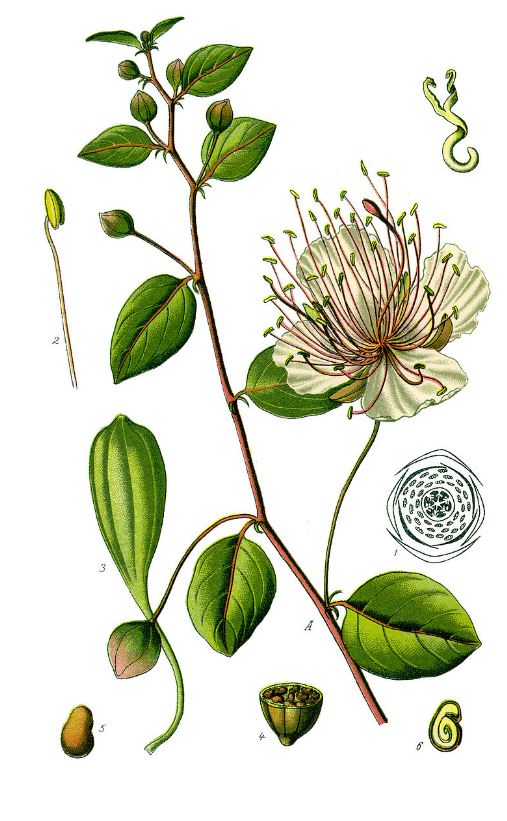
The Gemara asks: Based on this, if he profited from the field by consuming three fruits within three consecutive days, for example, the fruits of a caper bush, whose fruits ripen day after day, that should be sufficient to establish the presumption of ownership, as all three fruits were not ripe concurrently. The Gemara answers: There, with regard to the caper bush, at least the fruit is here and it is in the process of finishing its ripening during the three days. This is not similar to the goring ox, where each goring is fully independent of the others.

אַכְלַהּ תְּלָתָא פֵּירֵי בִּתְלָתִין יוֹמֵי – כְּגוֹן אַסְפַּסְתָּא, לֶיהֱוֵי חֲזָקָה! הֵיכִי דָּמֵי – דְּקָדַיח וְאָכְלָה דְּקָדַיח וְאָכְלָה; הָתָם מִשְׁמָט הוּא דְּקָא שָׁמֵיט וְאָכֵיל.

The Gemara challenges: Based on this, if he profited from the field by consuming three fruits within thirty days, for example, alfalfa [aspasta], which quickly regrows when cut, and which is repeatedly cut over a short period of time, that should be sufficient to establish the presumption of ownership. The Gemara explains: What are the circumstances where it could regrow three times within thirty days? Where it grows a little and he cuts and consumes it, where it grows a little more and he consumes it, such that he cuts it three times within thirty days. There, he is seizing and consuming the alfalfa, which is not the normal way of farming it, and consequently he does not establish the presumption of ownership, which is established only through standard use of the land.

אַכְלַהּ תְּלָתָא פֵּירֵי בִּתְלָתָא יַרְחֵי – כְּגוֹן אַסְפַּסְתָּא, לֶיהֱוֵי חֲזָקָה! מַאן הוֹלְכֵי אוּשָׁא – רַבִּי יִשְׁמָעֵאל; לְרַבִּי יִשְׁמָעֵאל הָכִי נָמֵי –

The Gemara challenges: Based on this, if he profited from the field by consuming three fruits within three months, for example, alfalfa, where he did employ the standard method of harvesting it, that should be sufficient to establish the presumption of ownership. The Gemara explains: Who are they who travel to Usha whose opinion is under discussion? It is Rabbi Yishmael. Indeed, according to Rabbi Yishmael, this would establish the presumption of ownership.

דִּתְנַן, רַבִּי יִשְׁמָעֵאל אוֹמֵר: בַּמֶּה דְּבָרִים אֲמוּרִים – בִּשְׂדֵה הַלָּבָן, אֲבָל בִּשְׂדֵה אִילָן – כָּנַס אֶת תְּבוּאָתוֹ, וּמָסַק אֶת זֵיתָיו, וְכָנַס אֶת קַיְיצוֹ – הֲרֵי אֵלּוּ שָׁלֹשׁ שָׁנִים.

This is as we learned in the mishna that Rabbi Yishmael says: In what case is this statement, that eighteen months are required for a non-irrigated field, said? With regard to a white field, i.e., a grain field. But with regard to a field of trees, once he gathered his produce, and then harvested his olives, and then gathered his figs, these three harvests are the equivalent of three years. Rabbi Yishmael is of the opinion that three harvests are sufficient.

לְרַבָּנַן, מַאי?

The Gemara asks: According to the Rabbis, who hold that three years, and not three harvests, are required to establish the presumption of ownership, what is the source for the concept of this type of presumptive ownership?

אָמַר רַב יוֹסֵף, קְרָא כְּתִיב: ״שָׂדוֹת בַּכֶּסֶף יִקְנוּ וְכָתוֹב בַּסֵּפֶר וְחָתוֹם״ – שֶׁהֲרֵי נָבִיא עוֹמֵד בְּעֶשֶׂר, וּמַזְהִיר עַל אַחַת עֶשְׂרֵה.

Rav Yosef said that it is written in the verse detailing the purchase of a field from Hanamel by Jeremiah, his cousin, during the time of the siege of Eretz Yisrael: “Men shall buy fields for money, and subscribe the deeds, and seal them” (Jeremiah 32:44). This describes the writing of a bill of sale to serve as proof of ownership of the field, since he was unable to remain living there for three years to establish the presumption of ownership. As the prophet Jeremiah stood in the tenth year of King Zedekiah’s reign and warned people to write bills of sale for the eleventh year, when Eretz Yisrael would be overrun. Consequently, despite the fact that one purchasing a field there would be able to live on the land for two years, this would not be sufficient to establish the presumption of ownership, which is why he said that they should have bills of sale written.

אֲמַר לֵיהּ אַבָּיֵי: דִּלְמָא הָתָם עֵצָה טוֹבָה קָא מַשְׁמַע לַן!

Abaye said to him: Perhaps there he merely teaches us good advice, that it is advisable to have documents to preclude the need to present witnesses that can attest that one had been living on the land. This is not a proof that the presumption of ownership cannot be established in less than three years.

Today’s daily daf tools:

Delve Deeper

Broaden your understanding of the topics on this daf with classes and podcasts from top women Talmud scholars.

For the Beyond the Daf shiurim offered in Hebrew, see here.

New to Talmud?

Check out our resources designed to help you navigate a page of Talmud – and study at the pace, level and style that fits you. 

The Hadran Women’s Tapestry

Meet the diverse women learning Gemara at Hadran and hear their stories. 

I began to learn this cycle of Daf Yomi after my husband passed away 2 1/2 years ago. It seemed a good way to connect to him. Even though I don’t know whether he would have encouraged women learning Gemara, it would have opened wonderful conversations. It also gives me more depth for understanding my frum children and grandchildren. Thank you Hadran and Rabbanit Michelle Farber!!

Harriet Hartman
Harriet Hartman

Tzur Hadassah, Israel

I read Ilana Kurshan’s “If All the Seas Were Ink” which inspired me. Then the Women’s Siyum in Jerusalem in 2020 convinced me, I knew I had to join! I have loved it- it’s been a constant in my life daily, many of the sugiyot connect to our lives. My family and friends all are so supportive. It’s incredible being part of this community and love how diverse it is! I am so excited to learn more!

Shira Jacobowitz
Shira Jacobowitz

Jerusalem, Israel

Michelle has been an inspiration for years, but I only really started this cycle after the moving and uplifting siyum in Jerusalem. It’s been an wonderful to learn and relearn the tenets of our religion and to understand how the extraordinary efforts of a band of people to preserve Judaism after the fall of the beit hamikdash is still bearing fruits today. I’m proud to be part of the chain!

Judith Weil
Judith Weil

Raanana, Israel

I attended the Siyum so that I could tell my granddaughter that I had been there. Then I decided to listen on Spotify and after the siyum of Brachot, Covid and zoom began. It gave structure to my day. I learn with people from all over the world who are now my friends – yet most of us have never met. I can’t imagine life without it. Thank you Rabbanit Michelle.

Emma Rinberg
Emma Rinberg

Raanana, Israel

I learned Mishnayot more than twenty years ago and started with Gemara much later in life. Although I never managed to learn Daf Yomi consistently, I am learning since some years Gemara in depth and with much joy. Since last year I am studying at the International Halakha Scholars Program at the WIHL. I often listen to Rabbanit Farbers Gemara shiurim to understand better a specific sugyiah. I am grateful for the help and inspiration!

Shoshana Ruerup
Shoshana Ruerup

Berlin, Germany

The first month I learned Daf Yomi by myself in secret, because I wasn’t sure how my husband would react, but after the siyyum on Masechet Brachot I discovered Hadran and now sometimes my husband listens to the daf with me. He and I also learn mishnayot together and are constantly finding connections between the different masechtot.

Laura Warshawsky
Laura Warshawsky

Silver Spring, Maryland, United States

I started with Ze Kollel in Berlin, directed by Jeremy Borowitz for Hillel Deutschland. We read Masechet Megillah chapter 4 and each participant wrote his commentary on a Sugia that particularly impressed him. I wrote six poems about different Sugiot! Fascinated by the discussions on Talmud I continued to learn with Rabanit Michelle Farber and am currently taking part in the Tikun Olam course.
Yael Merlini
Yael Merlini

Berlin, Germany

I began my Daf Yomi journey on January 5, 2020. I had never learned Talmud before. Initially it struck me as a bunch of inane and arcane details with mind bending logic. I am now smitten. Rabbanit Farber brings the page to life and I am eager to learn with her every day!

Lori Stark
Lori Stark

Highland Park, United States

When I was working and taking care of my children, learning was never on the list. Now that I have more time I have two different Gemora classes and the nach yomi as well as the mishna yomi daily.

Shoshana Shinnar
Shoshana Shinnar

Jerusalem, Israel

I started learning at the beginning of this cycle more than 2 years ago, and I have not missed a day or a daf. It’s been challenging and enlightening and even mind-numbing at times, but the learning and the shared experience have all been worth it. If you are open to it, there’s no telling what might come into your life.

Patti Evans
Patti Evans

Phoenix, Arizona, United States

When I was working and taking care of my children, learning was never on the list. Now that I have more time I have two different Gemora classes and the nach yomi as well as the mishna yomi daily.

Shoshana Shinnar
Shoshana Shinnar

Jerusalem, Israel

At almost 70 I am just beginning my journey with Talmud and Hadran. I began not late, but right when I was called to learn. It is never too late to begin! The understanding patience of staff and participants with more experience and knowledge has been fabulous. The joy of learning never stops and for me. It is a new life, a new light, a new depth of love of The Holy One, Blessed be He.
Deborah Hoffman-Wade

Richmond, CA, United States

I’ve been wanting to do Daf Yomi for years, but always wanted to start at the beginning and not in the middle of things. When the opportunity came in 2020, I decided: “this is now the time!” I’ve been posting my journey daily on social media, tracking my progress (#DafYomi); now it’s fully integrated into my daily routines. I’ve also inspired my partner to join, too!

Joséphine Altzman
Joséphine Altzman

Teaneck, United States

I started learning Daf Yomi inspired by תָּפַסְתָּ מְרוּבֶּה לֹא תָּפַסְתָּ, תָּפַסְתָּ מוּעָט תָּפַסְתָּ. I thought I’d start the first page, and then see. I was swept up into the enthusiasm of the Hadran Siyum, and from there the momentum kept building. Rabbanit Michelle’s shiur gives me an anchor, a connection to an incredible virtual community, and an energy to face whatever the day brings.

Medinah Korn
Medinah Korn

בית שמש, Israel

When I began learning Daf Yomi at the beginning of the current cycle, I was preparing for an upcoming surgery and thought that learning the Daf would be something positive I could do each day during my recovery, even if I accomplished nothing else. I had no idea what a lifeline learning the Daf would turn out to be in so many ways.

Laura Shechter
Laura Shechter

Lexington, MA, United States

Last cycle, I listened to parts of various מסכתות. When the הדרן סיום was advertised, I listened to Michelle on נידה. I knew that בע”ה with the next cycle I was in (ב”נ). As I entered the סיום (early), I saw the signs and was overcome with emotion. I was randomly seated in the front row, and I cried many times that night. My choice to learn דף יומי was affirmed. It is one of the best I have made!

Miriam Tannenbaum
Miriam Tannenbaum

אפרת, Israel

I learned Mishnayot more than twenty years ago and started with Gemara much later in life. Although I never managed to learn Daf Yomi consistently, I am learning since some years Gemara in depth and with much joy. Since last year I am studying at the International Halakha Scholars Program at the WIHL. I often listen to Rabbanit Farbers Gemara shiurim to understand better a specific sugyiah. I am grateful for the help and inspiration!

Shoshana Ruerup
Shoshana Ruerup

Berlin, Germany

I started learning daf in January, 2020, being inspired by watching the Siyyum Hashas in Binyanei Haumah. I wasn’t sure I would be able to keep up with the task. When I went to school, Gemara was not an option. Fast forward to March, 2022, and each day starts with the daf. The challenge is now learning the intricacies of delving into the actual learning. Hadran community, thank you!

Rochel Cheifetz
Rochel Cheifetz

Riverdale, NY, United States

My husband learns Daf, my son learns Daf, my son-in-law learns Daf.
When I read about Hadran’s Siyyum HaShas 2 years ago, I thought- I can learn Daf too!
I had learned Gemara in Hillel HS in NJ, & I remembered loving it.
Rabbanit Michelle & Hadran have opened my eyes & expanding my learning so much in the past few years. We can now discuss Gemara as a family.
This was a life saver during Covid

Renee Braha
Renee Braha

Brooklyn, NY, United States

A Gemara shiur previous to the Hadran Siyum, was the impetus to attend it.It was highly inspirational and I was smitten. The message for me was התלמוד בידינו. I had decided along with my Chahsmonaim group to to do the daf and take it one daf at time- without any expectations at all. There has been a wealth of information, insights and halachik ideas. It is truly exercise of the mind, heart & Soul

Phyllis Hecht.jpeg
Phyllis Hecht

Hashmonaim, Israel

Bava Batra 28

חֶזְקַת הַבָּתִּים, וְהַבּוֹרוֹת, וְהַשִּׁיחִין, וְהַמְּעָרוֹת, וְהַשּׁוֹבָכוֹת, וְהַמֶּרְחֲצָאוֹת, וּבֵית הַבַּדִּין, וּבֵית הַשְּׁלָחִין, וְהָעֲבָדִים, וְכׇל שֶׁהוּא עוֹשֶׂה פֵּירוֹת תָּדִיר – חֶזְקָתָן שָׁלֹשׁ שָׁנִים מִיּוֹם לְיוֹם.

MISHNA: With regard to the presumptive ownership of houses; and of pits; and of ditches; and of caves, which are used to collect water; and of dovecotes; and of bathhouses; and of olive presses; and of irrigated fields, which must be watered by people; and of slaves; and all similar property that constantly, i.e., throughout the year, generates profits, their presumptive ownership is established by working and profiting from them for a duration of three years from day to day. If the one in possession of the property can prove that he worked and profited from it for the previous three full years, there is a presumption that it belongs to him, and would remain in his possession if another were to claim that the property belonged to him or to his ancestors.

שְׂדֵה הַבַּעַל – חֶזְקָתָהּ שָׁלֹשׁ שָׁנִים, וְאֵינָן מִיּוֹם לְיוֹם.

With regard to a non-irrigated field, i.e., one that is watered by rain, in which produce grows during certain seasons during the year, its presumption of ownership is established in three years, but they are not from day to day, since the fields are not worked and harvested continually throughout the three-year period.

רַבִּי יִשְׁמָעֵאל אוֹמֵר: שְׁלֹשָׁה חֳדָשִׁים בָּרִאשׁוֹנָה, שְׁלֹשָׁה בָּאַחֲרוֹנָה, וּשְׁנֵים עָשָׂר חֹדֶשׁ בָּאֶמְצַע; הֲרֵי שְׁמוֹנָה עָשָׂר חֹדֶשׁ.

Rabbi Yishmael says: Three months of possession in the first year, three months of possession in the last year, and twelve months of possession in the middle, which are eighteen months, suffice to establish the presumption of ownership with regard to a non-irrigated field.

רַבִּי עֲקִיבָא אוֹמֵר: חֹדֶשׁ בָּרִאשׁוֹנָה, וְחֹדֶשׁ בָּאַחֲרוֹנָה, וּשְׁנֵים עָשָׂר חֹדֶשׁ בָּאֶמְצַע; הֲרֵי אַרְבָּעָה עָשָׂר חֹדֶשׁ.

Rabbi Akiva says: A month of possession in the first year, and a month of possession in the last year, and twelve months of possession in the middle, which are fourteen months, suffice to establish the presumption of ownership with regard to a non-irrigated field.

אָמַר רַבִּי יִשְׁמָעֵאל: בַּמֶּה דְּבָרִים אֲמוּרִים – בִּשְׂדֵה לָבָן, אֲבָל בִּשְׂדֵה אִילָן – כָּנַס אֶת תְּבוּאָתוֹ, וּמָסַק אֶת זֵיתָיו, כָּנַס אֶת קַיְיצוֹ – הֲרֵי אֵלּוּ שָׁלֹשׁ שָׁנִים.

Rabbi Yishmael said: In what case is this statement, that eighteen months are required for a non-irrigated field, said? It is said with regard to a white field [bisdeh lavan], i.e., a grain field. But with regard to a field of trees, once he gathered his produce, and then harvested his olives, and then gathered his figs, these three harvests are the equivalent of three years. Since he harvested three types of produce, this is equivalent to having possessed the field for three years.

גְּמָ׳ אָמַר רַבִּי יוֹחָנָן, שָׁמַעְתִּי מֵהוֹלְכֵי אוּשָׁא שֶׁהָיוּ אוֹמְרִים: מִנַּיִן לַחֲזָקָה שָׁלֹשׁ שָׁנִים? מִשּׁוֹר הַמּוּעָד – מָה שׁוֹר הַמּוּעָד, כֵּיוָן שֶׁנָּגַח שָׁלֹשׁ נְגִיחוֹת – נְפַק לֵיהּ מֵחֶזְקַת תָּם, וְקָם לֵיהּ בְּחֶזְקַת מוּעָד; הָכָא נָמֵי, כֵּיוָן דְּאַכְלַהּ תְּלָת שְׁנִין – נְפַק לַהּ מֵרְשׁוּת מוֹכֵר, וְקָיְימָא לַהּ בִּרְשׁוּת לוֹקֵחַ.

GEMARA: Rabbi Yoḥanan says: I heard from those who travel to Usha to study with the Sages there that they would say: From where is it derived that presumptive ownership is established in three years? From the forewarned ox: Just as in the case of a forewarned ox, once it has intentionally gored three gorings, it left the presumptive status of an innocuous ox and it is established as having the presumptive status of a forewarned ox, here too, once he has worked and profited from the land for three years, the land left the possession of the seller, and it is established as being in the possession of the buyer.

אִי – מָה שׁוֹר הַמּוּעָד עַד נְגִיחָה רְבִיעִית לָא מִיחַיַּיב, הָכָא נָמֵי, עַד שָׁנָה רְבִיעִית לָא קָיְימָא בִּרְשׁוּתֵיהּ! הָכִי הַשְׁתָּא?! הָתָם מִכִּי נְגַח שָׁלֹשׁ נְגִיחוֹת – הָוֵי מוּעָד,

The Gemara questions this comparison: If so, say that just as with a forewarned ox, the owner is not liable to pay full damages until the fourth goring, here too, the land should not be established as being in his possession until the fourth year. The Gemara rejects this question: How can these cases be compared? There, once it has gored three times it is forewarned,

וְאִידַּךְ, כִּי לָא נְגַח – מַאי לְשַׁלֵּם? הָכָא, כֵּיוָן דְּאַכְלַהּ תְּלָת שְׁנֵי – קָיְימָא לַהּ בִּרְשׁוּתֵיהּ.

and the requirement for there to be another, fourth, incident for the owner to be liable to pay full damages exists because before it gores after having become a forewarned ox, what is there for the owner to pay? Here, once he has worked and profited from the land for three years, the land is established as being in his possession.

אֶלָּא מֵעַתָּה, חֲזָקָה שֶׁאֵין עִמָּהּ טַעֲנָה תֶּיהְוֵי חֲזָקָה! אַלְּמָה תְּנַן: כׇּל חֲזָקָה שֶׁאֵין עִמָּהּ טַעֲנָה, אֵינָהּ חֲזָקָה?

The Gemara asks: If that is so, according to the explanation that the forewarned ox is the source for the presumption of ownership with regard to land, even possession that is not accompanied by a claim, i.e., where the possessor has no explanation as to how he acquired it, should be sufficient to establish the presumption of ownership, just as goring three times automatically establishes its having the status of a forewarned ox. Why did we learn in a mishna (41a): Any possession that is not accompanied by a claim explaining how the possessor became the owner is not sufficient to establish the presumption of ownership?

טַעְמָא מַאי – דְּאָמְרִינַן: דִּלְמָא כִּדְקָאָמַר, הַשְׁתָּא אִיהוּ לָא טָעֵין, אֲנַן לִיטְעוֹן לֵיהּ?!

The Gemara answers: What is the reason that possession that is not accompanied by a claim is not sufficient to establish the presumption of ownership? Because in a standard case where one has presumptive ownership, we say that even if the claimant proves that the field was once his, since the other is in possession of the land, perhaps the truth is as he says, that he purchased it from the previous owner. But now that he himself does not claim that he purchased it, will we claim this for him?

מַתְקֵיף לַהּ רַב עַוִּירָא: אֶלָּא מֵעַתָּה, מֶחָאָה שֶׁלֹּא בְּפָנָיו לָא תֶּיהְוֵי מֶחָאָה – דּוּמְיָא דְּשׁוֹר מוּעָד; מָה שׁוֹר הַמּוּעָד בְּפָנָיו בָּעֵינַן, אַף הָכָא נָמֵי בְּפָנָיו בָּעֵינַן!

Rav Avira objects to the explanation that the presumption with regard to land is derived from the halakha of a forewarned ox: If that is so, a protest that the claimant lodges during the three years not in the presence of the possessor should not be considered a protest, because it must be similar to the halakha of a forewarned ox: Just as we require that the testimony concerning a forewarned ox be in its owner’s presence, so too here, we should also require that a protest be lodged in the possessor’s presence.

הָתָם – ״וְהוּעַד בִּבְעָלָיו״ כְּתִיב; הָכָא – חַבְרָךְ חַבְרָא אִית לֵיהּ, וְחַבְרָא דְּחַבְרָךְ – חַבְרָא אִית לֵיהּ.

The Gemara answers: This is not difficult. There, with regard to a forewarned ox, it is written: “And warning has been given to its owner” (Exodus 21:29), indicating that the warning must be issued in the presence of the owner. Here, with regard to the protest, your friend has a friend, and the friend of your friend has a friend, so that the protest will become known even if lodged not in the presence of the possessor, as word of it will spread. There is no Torah edict mandating that the protest be lodged in his presence, and it is sufficient that he hears of it, even secondhand.

וּלְרַבִּי מֵאִיר, דְּאָמַר: רִיחֵק נְגִיחוֹתָיו חַיָּיב, קֵירַב נְגִיחוֹתָיו לֹא כׇּל שֶׁכֵּן; אַכְלַהּ תְּלָתָא פֵּירֵי בְּחַד יוֹמָא – כְּגוֹן תְּאֵנָה, לֶיהֱוֵי חֲזָקָה!

The Gemara further asks: And according to Rabbi Meir, who says: When the ox performs its gorings at intervals its owner is liable, if it performs its gorings successively, is it not all the more so the case that its owner is liable? According to his opinion, the animal must gore only three times to become forewarned, and it is not required that the gorings occur on three separate days; they can all occur on the same day. Similarly, one could say that if he profited from the field by consuming three fruits of, for example, a fig tree, within one day, that should be sufficient to establish the presumption of ownership.

דּוּמְיָא דְּשׁוֹר הַמּוּעָד, מָה שׁוֹר הַמּוּעָד בְּעִידָּנָא דְּאִית לֵיהּ הָא נְגִיחָה לֵיתָא לְהָא נְגִיחָה, הָכָא נָמֵי בְּעִידָּנָא דְּאִיתָא לְהַאי פֵּירָא לֵיתָא לְהַאי פֵּירָא.

The Gemara answers: This would not be a valid comparison, as presumptive ownership with regard to land must be similar to the halakha of a forewarned ox: Just as with a forewarned ox, at the time when the animal has this goring, it does not have that goring, as each act of goring occurs at a separate time, here too, in order for the consumption of the produce to establish the presumption of ownership, it must be that at the time when this fruit is here, that fruit is not here. When all the produce of the field is extant concurrently, consumption of this produce does not establish the presumption of ownership, even if the produce is consumed at three different times.

אַכְלַהּ תְּלָתָא פֵּרֵי בִּתְלָתָא יוֹמֵי – כְּגוֹן צָלָף, לֶיהֱוֵי חֲזָקָה! הָתָם פֵּירָא מִיהָא אִיתֵיהּ, וּמִגְמָר הוּא דְּקָא גָמַר וְאָזֵיל.

The Gemara asks: Based on this, if he profited from the field by consuming three fruits within three consecutive days, for example, the fruits of a caper bush, whose fruits ripen day after day, that should be sufficient to establish the presumption of ownership, as all three fruits were not ripe concurrently. The Gemara answers: There, with regard to the caper bush, at least the fruit is here and it is in the process of finishing its ripening during the three days. This is not similar to the goring ox, where each goring is fully independent of the others.

אַכְלַהּ תְּלָתָא פֵּירֵי בִּתְלָתִין יוֹמֵי – כְּגוֹן אַסְפַּסְתָּא, לֶיהֱוֵי חֲזָקָה! הֵיכִי דָּמֵי – דְּקָדַיח וְאָכְלָה דְּקָדַיח וְאָכְלָה; הָתָם מִשְׁמָט הוּא דְּקָא שָׁמֵיט וְאָכֵיל.

The Gemara challenges: Based on this, if he profited from the field by consuming three fruits within thirty days, for example, alfalfa [aspasta], which quickly regrows when cut, and which is repeatedly cut over a short period of time, that should be sufficient to establish the presumption of ownership. The Gemara explains: What are the circumstances where it could regrow three times within thirty days? Where it grows a little and he cuts and consumes it, where it grows a little more and he consumes it, such that he cuts it three times within thirty days. There, he is seizing and consuming the alfalfa, which is not the normal way of farming it, and consequently he does not establish the presumption of ownership, which is established only through standard use of the land.

אַכְלַהּ תְּלָתָא פֵּירֵי בִּתְלָתָא יַרְחֵי – כְּגוֹן אַסְפַּסְתָּא, לֶיהֱוֵי חֲזָקָה! מַאן הוֹלְכֵי אוּשָׁא – רַבִּי יִשְׁמָעֵאל; לְרַבִּי יִשְׁמָעֵאל הָכִי נָמֵי –

The Gemara challenges: Based on this, if he profited from the field by consuming three fruits within three months, for example, alfalfa, where he did employ the standard method of harvesting it, that should be sufficient to establish the presumption of ownership. The Gemara explains: Who are they who travel to Usha whose opinion is under discussion? It is Rabbi Yishmael. Indeed, according to Rabbi Yishmael, this would establish the presumption of ownership.

דִּתְנַן, רַבִּי יִשְׁמָעֵאל אוֹמֵר: בַּמֶּה דְּבָרִים אֲמוּרִים – בִּשְׂדֵה הַלָּבָן, אֲבָל בִּשְׂדֵה אִילָן – כָּנַס אֶת תְּבוּאָתוֹ, וּמָסַק אֶת זֵיתָיו, וְכָנַס אֶת קַיְיצוֹ – הֲרֵי אֵלּוּ שָׁלֹשׁ שָׁנִים.

This is as we learned in the mishna that Rabbi Yishmael says: In what case is this statement, that eighteen months are required for a non-irrigated field, said? With regard to a white field, i.e., a grain field. But with regard to a field of trees, once he gathered his produce, and then harvested his olives, and then gathered his figs, these three harvests are the equivalent of three years. Rabbi Yishmael is of the opinion that three harvests are sufficient.

לְרַבָּנַן, מַאי?

The Gemara asks: According to the Rabbis, who hold that three years, and not three harvests, are required to establish the presumption of ownership, what is the source for the concept of this type of presumptive ownership?

אָמַר רַב יוֹסֵף, קְרָא כְּתִיב: ״שָׂדוֹת בַּכֶּסֶף יִקְנוּ וְכָתוֹב בַּסֵּפֶר וְחָתוֹם״ – שֶׁהֲרֵי נָבִיא עוֹמֵד בְּעֶשֶׂר, וּמַזְהִיר עַל אַחַת עֶשְׂרֵה.

Rav Yosef said that it is written in the verse detailing the purchase of a field from Hanamel by Jeremiah, his cousin, during the time of the siege of Eretz Yisrael: “Men shall buy fields for money, and subscribe the deeds, and seal them” (Jeremiah 32:44). This describes the writing of a bill of sale to serve as proof of ownership of the field, since he was unable to remain living there for three years to establish the presumption of ownership. As the prophet Jeremiah stood in the tenth year of King Zedekiah’s reign and warned people to write bills of sale for the eleventh year, when Eretz Yisrael would be overrun. Consequently, despite the fact that one purchasing a field there would be able to live on the land for two years, this would not be sufficient to establish the presumption of ownership, which is why he said that they should have bills of sale written.

אֲמַר לֵיהּ אַבָּיֵי: דִּלְמָא הָתָם עֵצָה טוֹבָה קָא מַשְׁמַע לַן!

Abaye said to him: Perhaps there he merely teaches us good advice, that it is advisable to have documents to preclude the need to present witnesses that can attest that one had been living on the land. This is not a proof that the presumption of ownership cannot be established in less than three years.

Want to follow content and continue where you left off?

Create an account today to track your progress, mark what you’ve learned, and follow the shiurim that speak to you.

Clear all items from this list?

This will remove ALL the items in this section. You will lose any progress or history connected to them. This is irreversible.

Cancel
Yes, clear all

Are you sure you want to delete this item?

You will lose any progress or history connected to this item.

Cancel
Yes, delete