Search

Bava Batra 33

Want to dedicate learning? Get started here:

podcast placeholder

0:00
0:00


Summary

More cases regarding disagreements about land ownership are discussed. Rava bar Sharshom was living on property that others claimed belonged to orphans. What did he do to try to prove he was the owner? Was his claim accepted? Another involved a disagreement about heirs – which was the closer relative who was supposed to inherit the property? Since neither had proof, one went to live on the land based on the principle of kol d’alim gvar, whoever is stronger, wins. When he later admitted he was not the closer relative, there was a debate about whether he needed to return all the produce he had eaten or to only return the land at the time of the admission.

A case is brought where the possessor brought testimony that he had eaten produce for two years and couldn’t produce a witness for the third year. Rav Nachman ruled that the possessor needed to return the land and the value of the produce he ate. Rav Zevid held that he did not need to return the value of the produce if he were to say that he possessed the right to eat the fruit (like a sharecropper) but not the land.

A case is brought where a possessor brought one witness to support his claim that he ate produce for three years. One witness’s testimony is not sufficient to prove ownership, but can the witness be used against him and the court will rule that he now needs to pay for the produce that he ate, based on the law that one witness requires him to swear, and since in this case he cannot swear (because he already said he ate the produce), he needs to pay? Is this like the case of the naska d’Rabbi Abba?

Today’s daily daf tools:

Bava Batra 33

זוּזִי אַחֲרִינֵי גַּבֵּיהּ, וַאֲכַלְתַּהּ שְׁנֵי מַשְׁכַּנְתָּא.

other money with him, i.e., he owed me money for a different reason, for which I had no collateral, and I profited from the land for the duration of the years of the collateral.

אָמֵינָא: אִי מַהְדַּרְנָא לַהּ אַרְעָא לְיַתְמֵי, וְאָמֵינָא דְּאִית לִי זוּזִי אַחֲרִינֵי גַּבֵּי דַּאֲבוּכוֹן – אֲמוּר רַבָּנַן: הַבָּא לִיפָּרַע מִנִּכְסֵי יְתוֹמִים – לֹא יִפָּרַע אֶלָּא בִּשְׁבוּעָה. אֶלָּא אֶכְבְּשֵׁיהּ לִשְׁטַר מַשְׁכַּנְתָּא, וְאוֹכְלַהּ שִׁיעוּר זוּזֵי, דְּמִיגּוֹ דְּאִי בָּעֵינָא אָמֵינָא לְקוּחָה הִיא בְּיָדִי – מְהֵימַנָּא, כִּי אָמֵינָא דְּאִית לִי זוּזִי גַּבַּיְיכוּ – מְהֵימַנְנָא.

I then said to myself: If I return the land to the orphans now that the years of collateral have finished, and I say that I have other money with your late father, I will not be able to collect it, as the Sages say that one who comes to collect a debt from the property of orphans can collect only by means of an oath, and I do not wish to take an oath. Rather than do that, I will suppress the document detailing the terms of the collateral, and profit from the land up to the measure of the money that their father owed me. This is legitimate, since if I so desire I can say: It is purchased, and that is why it is in my possession, and I would have been deemed credible, as I profited from the land for the years necessary to establish the presumption of ownership, so when I say that I have money with you, I am also deemed credible.

אֲמַר לֵיהּ: ״לְקוּחָה בְּיָדִי״ לָא מָצֵית אָמְרַתְּ – דְּהָא אִיכָּא עֲלַהּ קָלָא דְּאַרְעָא דְיַתְמֵי הִיא. אֶלָּא זִיל אַהְדְּרַהּ נִיהֲלַיְיהוּ, וְכִי גָּדְלִי יַתְמֵי – אִשְׁתַּעִי דִּינָא בַּהֲדַיְיהוּ.

Abaye said to Rava bar Sharshom: Your reasoning is incorrect. You would not have been able to say: It is purchased, and that is why it is in my possession, as there is publicity concerning it that it is land of orphans. Therefore, you are unable to collect your debt based on the fact that you could have made a more advantageous claim [miggo]. Rather, return the land to the orphans now, and when the orphans become adults, then litigate with them, as you have no other option.

קְרִיבֵיהּ דְּרַב אִידִי בַּר אָבִין שְׁכֵיב, וּשְׁבַק דִּיקְלָא. רַב אִידִי בַּר אָבִין אָמַר: אֲנָא קָרִיבְנָא טְפֵי; וְהָהוּא גַּבְרָא אֲמַר: אֲנָא קָרִיבְנָא טְפֵי. לְסוֹף אוֹדִי לֵיהּ דְּאִיהוּ קָרִיב טְפֵי, אוֹקְמַהּ רַב חִסְדָּא בִּידֵיהּ.

The Gemara relates: A relative of Rav Idi bar Avin died and left a date tree as an inheritance. Another relative took possession of the tree, claiming to be a closer relative than Rav Idi bar Avin. Rav Idi bar Avin said: I am closer in relation to the deceased than he, and that man said: I am closer in relation to the deceased than Rav Idi bar Avin. Ultimately, the other man admitted to Rav Idi bar Avin that, in fact, Rav Idi was closer in relation to the deceased. Rav Ḥisda established the date tree in the possession of Rav Idi bar Avin.

אֲמַר לֵיהּ: לַיהְדַּר לִי פֵּירֵי דַּאֲכַל מֵהָהוּא יוֹמָא עַד הַשְׁתָּא! אָמַר: זֶה הוּא שֶׁאוֹמְרִים עָלָיו אָדָם גָּדוֹל הוּא? אַמַּאן קָא סְמִיךְ מָר – אַהַאי; הָא קָאָמַר דַּאֲנָא מְקָרַבְנָא טְפֵי! אַבָּיֵי וְרָבָא לָא סְבִירָא לְהוּ הָא דְּרַב חִסְדָּא,

Rav Idi bar Avin said to Rav Ḥisda: The value of the produce that he consumed unlawfully from that day when he took possession of the tree until now should be returned to me. Rav Ḥisda said: Is this he about whom people say: He is a great man? On whom is the Master basing his claim to receive the value of the produce? On this other relative. But he was saying until this point: I am closer in relation to the deceased than he. Therefore, you have ownership of the tree only from the time of his admission, and not from when he took possession of the tree. The Gemara comments: Abaye and Rava do not hold in accordance with this opinion of Rav Ḥisda,

כֵּיוָן דְּאוֹדִי – אוֹדִי.

as they hold that once it is so that the other relative admitted that he is not a closer relative, he admitted that he never had any right to the produce of the tree. Therefore, by his own admission, he is liable to reimburse Rav Idi bar Avin.

זֶה אוֹמֵר: ״שֶׁל אֲבוֹתַי״, וְזֶה אוֹמֵר: ״שֶׁל אֲבוֹתַי״; הַאי אַיְיתִי סָהֲדִי דַּאֲבָהָתֵיהּ הוּא, וְהַאי אַיְיתִי סָהֲדִי דַּאֲכַל שְׁנֵי חֲזָקָה –

§ There was an incident where two people dispute the ownership of land. This one says: The land belonged to my ancestors and I inherited it from them, and that one says: The land belonged to my ancestors and I inherited it from them. This one brings witnesses that the land belonged to his ancestors, and that one brings witnesses that he worked and profited from the land for the years necessary for establishing the presumption of ownership.

אָמַר רַב חִסְדָּא: מָה לוֹ לְשַׁקֵּר? אִי בָּעֵי, אָמַר לֵיהּ: מִינָּךְ זְבֵינְתַּהּ וַאֲכַלְתִּיהָ שְׁנֵי חֲזָקָה. אַבָּיֵי וְרָבָא לָא סְבִירָא לְהוּ הָא דְּרַב חִסְדָּא – ״מָה לִי לְשַׁקֵּר״ בִּמְקוֹם עֵדִים – לָא אָמְרִינַן.

Rav Ḥisda said: The one who is in possession of the land is deemed credible due to the legal principle that if one would have been deemed credible had he stated one claim but instead stated another claim that accomplishes the same result, he has credibility, because why would he lie and state this claim? If he wants to lie, he could have said to him: I purchased it from you and I worked and profited from it for the years necessary for establishing the presumption of ownership. Abaye and Rava do not hold in accordance with this opinion of Rav Ḥisda, because they hold that we do not say that the principle of: Why would I lie, applies in a case where there are witnesses contradicting the claim he is stating, and in this case, witnesses testify that it belonged to the ancestors of the other claimant.

הָהוּא דַּאֲמַר לֵיהּ לְחַבְרֵיהּ: מַאי בָּעֵית בְּהַאי אַרְעָא? אֲמַר לֵיהּ: מִינָּךְ זְבַנִי, וַאֲכַלְתִּיהָ שְׁנֵי חֲזָקָה. אֲזַל אַיְיתִי סָהֲדִי דְּאַכְלַהּ תַּרְתֵּי שְׁנֵי. אָמַר רַב נַחְמָן: הָדְרָא אַרְעָא, וְהָדְרִי פֵּירֵי.

There was a certain person who said to another: What do you want with this land of mine? The possessor said to him in response: I purchased it from you and I worked and profited from it for the years necessary for establishing the presumption of ownership. He then went and brought witnesses that he had profited from the land for two years, but he was unable to bring witnesses to testify about a third year. Rav Naḥman said: The land reverts back to the prior owner, and payment for the produce consumed during those two years reverts to the prior owner. Since the possessor was unable to substantiate his claim to the land, the assumption is that he consumed the produce unlawfully.

אָמַר רַב זְבִיד: אִם טָעַן וְאָמַר ״לְפֵירוֹת יָרַדְתִּי״ – נֶאֱמָן. לָאו מִי אָמַר רַב יְהוּדָה: הַאי מַאן דְּנָקֵיט מַגָּלָא וְתוּבַלְיָא, וְאָמַר: אֵיזִיל אֶיגְדְּרֵיהּ לְדִיקְלָא דִפְלָנְיָא, דְּזַבְּנֵיהּ נִיהֲלִי – מְהֵימַן? אַלְמָא לָא חֲצִיף אִינִישׁ דְּגָזַר דִּיקְלָא דְּלָאו דִּילֵיהּ; הָכָא נָמֵי, לָא חֲצִיף אִינִישׁ לְמֵיכַל פֵּירֵי דְּלָאו דִּילֵיהּ.

Rav Zevid said: If initially, when questioned by the other, the one occupying the land claimed and said: I entered the land to consume its produce that I had purchased, he is deemed credible. After all, didn’t Rav Yehuda say: This one who is holding a sickle and rope [vetovelaya] and says: I will go cull [igderei] the dates from the date tree of so-and-so who sold it to me, is deemed credible that he has the right to do so? Apparently, a person is not so brazen that he would cull the dates of a date tree that is not his. Here too, in the case discussed by Rav Zevid, a person is not so brazen as to consume produce that is not his.

אִי הָכִי, אַרְעָא נָמֵי! אַרְעָא, אָמְרִינַן לֵיהּ: אַחְוִי שְׁטָרָךְ. אִי הָכִי, פֵּירֵי נָמֵי! שְׁטָרָא לְפֵירֵי לָא עָבְדִי אִינָשֵׁי.

The Gemara asks: If that is so, that the assumption is that he would not lie, let one be deemed credible with regard to the land as well. The Gemara answers: In terms of the land, we say to him: Show your bill of sale if you indeed purchased it. The Gemara challenges: If that is so, then in terms of the produce as well, let him be deemed credible only if he can produce documentation of his claim. The Gemara explains: It is not common for people to write documents to establish the right to consume produce alone, and one can therefore claim to have consumed the produce based on an oral agreement.

הָהוּא דַּאֲמַר לְחַבְרֵיהּ: מַאי בָּעֵית בְּהַאי אַרְעָא? אֲמַר לֵיהּ: מִינָּךְ זְבַנִית, וַאֲכַלְתִּיהָ שְׁנֵי חֲזָקָה. אַיְיתִי חַד סָהֲדָא דְּאַכְלַהּ תְּלָת שְׁנֵי. סְבוּר רַבָּנַן קַמֵּיהּ דְּאַבָּיֵי לְמֵימַר: הַיְינוּ נְסָכָא דְּרַבִּי אַבָּא –

There was a certain person who said to another: What do you want with this land of mine? The possessor said to him in response: I purchased it from you and I worked and profited from it for the years necessary for establishing the presumption of ownership. He then brought one witness who testified that he profited from the land for the necessary three years. The Rabbis who were studying before Abaye maintained that it made sense to say that the principle in this case is the same as that in the case of the piece of cast metal [naskha] adjudicated by Rabbi Abba.

דְּהָהוּא גַּבְרָא דַּחֲטַף נְסָכָא מֵחַבְרֵיהּ. אֲתָא לְקַמֵּיהּ דְּרַבִּי אַמֵּי, הֲוָה יָתֵיב רַבִּי אַבָּא קַמֵּיהּ. אַיְיתִי חַד סָהֲדָא דְּמִיחְטָף חֲטַפָא מִינֵּיהּ. אֲמַר לֵיהּ: אִין, חֲטַפִי – וְדִידִי חֲטַפִי. אָמַר רַבִּי אַמֵּי:

The Gemara now presents that case: As there was a certain man who snatched a piece of cast metal from another. The one from whom it was taken came before Rabbi Ami while Rabbi Abba was sitting before him, and he brought one witness who testified that it was, in fact, snatched from him. The one who snatched it said to him: Yes, it is true that I snatched it, but I merely snatched that which was mine. Rabbi Ami said:

Today’s daily daf tools:

Delve Deeper

Broaden your understanding of the topics on this daf with classes and podcasts from top women Talmud scholars.

For the Beyond the Daf shiurim offered in Hebrew, see here.

New to Talmud?

Check out our resources designed to help you navigate a page of Talmud – and study at the pace, level and style that fits you. 

The Hadran Women’s Tapestry

Meet the diverse women learning Gemara at Hadran and hear their stories. 

I started learning Daf Yomi because my sister, Ruth Leah Kahan, attended Michelle’s class in person and suggested I listen remotely. She always sat near Michelle and spoke up during class so that I could hear her voice. Our mom had just died unexpectedly and it made me feel connected to hear Ruth Leah’s voice, and now to know we are both listening to the same thing daily, continents apart.
Jessica Shklar
Jessica Shklar

Philadelphia, United States

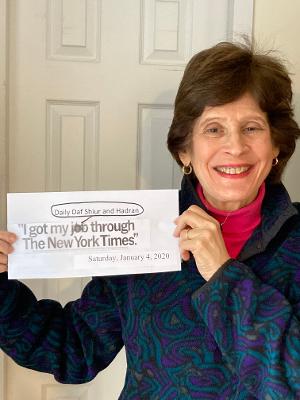
“I got my job through the NY Times” was an ad campaign when I was growing up. I can headline “I got my daily Daf shiur and Hadran through the NY Times”. I read the January 4, 2020 feature on Reb. Michelle Farber and Hadran and I have been participating ever since. Thanks NY Times & Hadran!
Deborah Aschheim
Deborah Aschheim

New York, United States

It has been a pleasure keeping pace with this wonderful and scholarly group of women.

Janice Block
Janice Block

Beit Shemesh, Israel

Years ago, I attended the local Siyum HaShas with my high school class. It was inspiring! Through that cycle and the next one, I studied masekhtot on my own and then did “daf yomi practice.” The amazing Hadran Siyum HaShas event firmed my resolve to “really do” Daf Yomi this time. It has become a family goal. We’ve supported each other through challenges, and now we’re at the Siyum of Seder Moed!

Elisheva Brauner
Elisheva Brauner

Jerusalem, Israel

Retirement and Covid converged to provide me with the opportunity to commit to daily Talmud study in October 2020. I dove into the middle of Eruvin and continued to navigate Seder Moed, with Rabannit Michelle as my guide. I have developed more confidence in my learning as I completed each masechet and look forward to completing the Daf Yomi cycle so that I can begin again!

Rhona Fink
Rhona Fink

San Diego, United States

A beautiful world of Talmudic sages now fill my daily life with discussion and debate.
bringing alive our traditions and texts that has brought new meaning to my life.
I am a מגילת אסתר reader for women . the words in the Mishna of מסכת megillah 17a
הקורא את המגילה למפרע לא יצא were powerful to me.
I hope to have the zchut to complete the cycle for my 70th birthday.

Sheila Hauser
Sheila Hauser

Jerusalem, Israel

After experiences over the years of asking to join gemara shiurim for men and either being refused by the maggid shiur or being the only women there, sometimes behind a mechitza, I found out about Hadran sometime during the tail end of Masechet Shabbat, I think. Life has been much better since then.

Madeline Cohen
Madeline Cohen

London, United Kingdom

I started learning daf yomi at the beginning of this cycle. As the pandemic evolved, it’s been so helpful to me to have this discipline every morning to listen to the daf podcast after I’ve read the daf; learning about the relationships between the rabbis and the ways they were constructing our Jewish religion after the destruction of the Temple. I’m grateful to be on this journey!

Mona Fishbane
Mona Fishbane

Teaneck NJ, United States

I began learning the daf in January 2022. I initially “flew under the radar,” sharing my journey with my husband and a few close friends. I was apprehensive – who, me? Gemara? Now, 2 years in, I feel changed. The rigor of a daily commitment frames my days. The intellectual engagement enhances my knowledge. And the virtual community of learners has become a new family, weaving a glorious tapestry.

Gitta Jaroslawicz-Neufeld

Far Rockaway, United States

I had never heard of Daf Yomi and after reading the book, The Weight of Ink, I explored more about it. I discovered that it was only 6 months before a whole new cycle started and I was determined to give it a try. I tried to get a friend to join me on the journey but after the first few weeks they all dropped it. I haven’t missed a day of reading and of listening to the podcast.

Anne Rubin
Anne Rubin

Elkins Park, United States

I had dreamed of doing daf yomi since I had my first serious Talmud class 18 years ago at Pardes with Rahel Berkovitz, and then a couple of summers with Leah Rosenthal. There is no way I would be able to do it without another wonderful teacher, Michelle, and the Hadran organization. I wake up and am excited to start each day with the next daf.

Beth Elster
Beth Elster

Irvine, United States

Studying has changed my life view on הלכה and יהדות and time. It has taught me bonudaries of the human nature and honesty of our sages in their discourse to try and build a nation of caring people .

Goldie Gilad
Goldie Gilad

Kfar Saba, Israel

I started learning daf yomi at the beginning of this cycle. As the pandemic evolved, it’s been so helpful to me to have this discipline every morning to listen to the daf podcast after I’ve read the daf; learning about the relationships between the rabbis and the ways they were constructing our Jewish religion after the destruction of the Temple. I’m grateful to be on this journey!

Mona Fishbane
Mona Fishbane

Teaneck NJ, United States

I started the daf at the beginning of this cycle in January 2020. My husband, my children, grandchildren and siblings have been very supportive. As someone who learned and taught Tanach and mefarshim for many years, it has been an amazing adventure to complete the six sedarim of Mishnah, and now to study Talmud on a daily basis along with Rabbanit Michelle and the wonderful women of Hadran.

Rookie Billet
Rookie Billet

Jerusalem, Israel

I began learning with Rabbanit Michelle’s wonderful Talmud Skills class on Pesachim, which really enriched my Pesach seder, and I have been learning Daf Yomi off and on over the past year. Because I’m relatively new at this, there is a “chiddush” for me every time I learn, and the knowledge and insights of the group members add so much to my experience. I feel very lucky to be a part of this.

Julie-Landau-Photo
Julie Landau

Karmiel, Israel

Last cycle, I listened to parts of various מסכתות. When the הדרן סיום was advertised, I listened to Michelle on נידה. I knew that בע”ה with the next cycle I was in (ב”נ). As I entered the סיום (early), I saw the signs and was overcome with emotion. I was randomly seated in the front row, and I cried many times that night. My choice to learn דף יומי was affirmed. It is one of the best I have made!

Miriam Tannenbaum
Miriam Tannenbaum

אפרת, Israel

I heard the new Daf Yomi cycle was starting and I was curious, so I searched online for a women’s class and was pleasently surprised to find Rabanit Michelle’s great class reviews in many online articles. It has been a splendid journey. It is a way to fill my days with Torah, learning so many amazing things I have never heard before during my Tanach learning at High School. Thanks so much .

Martha Tarazi
Martha Tarazi

Panama, Panama

I LOVE learning the Daf. I started with Shabbat. I join the morning Zoom with Reb Michelle and it totally grounds my day. When Corona hit us in Israel, I decided that I would use the Daf to keep myself sane, especially during the days when we could not venture out more than 300 m from our home. Now my husband and I have so much new material to talk about! It really is the best part of my day!

Batsheva Pava
Batsheva Pava

Hashmonaim, Israel

I have joined the community of daf yomi learners at the start of this cycle. I have studied in different ways – by reading the page, translating the page, attending a local shiur and listening to Rabbanit Farber’s podcasts, depending on circumstances and where I was at the time. The reactions have been positive throughout – with no exception!

Silke Goldberg
Silke Goldberg

Guildford, United Kingdom

The first month I learned Daf Yomi by myself in secret, because I wasn’t sure how my husband would react, but after the siyyum on Masechet Brachot I discovered Hadran and now sometimes my husband listens to the daf with me. He and I also learn mishnayot together and are constantly finding connections between the different masechtot.

Laura Warshawsky
Laura Warshawsky

Silver Spring, Maryland, United States

Bava Batra 33

זוּזִי אַחֲרִינֵי גַּבֵּיהּ, וַאֲכַלְתַּהּ שְׁנֵי מַשְׁכַּנְתָּא.

other money with him, i.e., he owed me money for a different reason, for which I had no collateral, and I profited from the land for the duration of the years of the collateral.

אָמֵינָא: אִי מַהְדַּרְנָא לַהּ אַרְעָא לְיַתְמֵי, וְאָמֵינָא דְּאִית לִי זוּזִי אַחֲרִינֵי גַּבֵּי דַּאֲבוּכוֹן – אֲמוּר רַבָּנַן: הַבָּא לִיפָּרַע מִנִּכְסֵי יְתוֹמִים – לֹא יִפָּרַע אֶלָּא בִּשְׁבוּעָה. אֶלָּא אֶכְבְּשֵׁיהּ לִשְׁטַר מַשְׁכַּנְתָּא, וְאוֹכְלַהּ שִׁיעוּר זוּזֵי, דְּמִיגּוֹ דְּאִי בָּעֵינָא אָמֵינָא לְקוּחָה הִיא בְּיָדִי – מְהֵימַנָּא, כִּי אָמֵינָא דְּאִית לִי זוּזִי גַּבַּיְיכוּ – מְהֵימַנְנָא.

I then said to myself: If I return the land to the orphans now that the years of collateral have finished, and I say that I have other money with your late father, I will not be able to collect it, as the Sages say that one who comes to collect a debt from the property of orphans can collect only by means of an oath, and I do not wish to take an oath. Rather than do that, I will suppress the document detailing the terms of the collateral, and profit from the land up to the measure of the money that their father owed me. This is legitimate, since if I so desire I can say: It is purchased, and that is why it is in my possession, and I would have been deemed credible, as I profited from the land for the years necessary to establish the presumption of ownership, so when I say that I have money with you, I am also deemed credible.

אֲמַר לֵיהּ: ״לְקוּחָה בְּיָדִי״ לָא מָצֵית אָמְרַתְּ – דְּהָא אִיכָּא עֲלַהּ קָלָא דְּאַרְעָא דְיַתְמֵי הִיא. אֶלָּא זִיל אַהְדְּרַהּ נִיהֲלַיְיהוּ, וְכִי גָּדְלִי יַתְמֵי – אִשְׁתַּעִי דִּינָא בַּהֲדַיְיהוּ.

Abaye said to Rava bar Sharshom: Your reasoning is incorrect. You would not have been able to say: It is purchased, and that is why it is in my possession, as there is publicity concerning it that it is land of orphans. Therefore, you are unable to collect your debt based on the fact that you could have made a more advantageous claim [miggo]. Rather, return the land to the orphans now, and when the orphans become adults, then litigate with them, as you have no other option.

קְרִיבֵיהּ דְּרַב אִידִי בַּר אָבִין שְׁכֵיב, וּשְׁבַק דִּיקְלָא. רַב אִידִי בַּר אָבִין אָמַר: אֲנָא קָרִיבְנָא טְפֵי; וְהָהוּא גַּבְרָא אֲמַר: אֲנָא קָרִיבְנָא טְפֵי. לְסוֹף אוֹדִי לֵיהּ דְּאִיהוּ קָרִיב טְפֵי, אוֹקְמַהּ רַב חִסְדָּא בִּידֵיהּ.

The Gemara relates: A relative of Rav Idi bar Avin died and left a date tree as an inheritance. Another relative took possession of the tree, claiming to be a closer relative than Rav Idi bar Avin. Rav Idi bar Avin said: I am closer in relation to the deceased than he, and that man said: I am closer in relation to the deceased than Rav Idi bar Avin. Ultimately, the other man admitted to Rav Idi bar Avin that, in fact, Rav Idi was closer in relation to the deceased. Rav Ḥisda established the date tree in the possession of Rav Idi bar Avin.

אֲמַר לֵיהּ: לַיהְדַּר לִי פֵּירֵי דַּאֲכַל מֵהָהוּא יוֹמָא עַד הַשְׁתָּא! אָמַר: זֶה הוּא שֶׁאוֹמְרִים עָלָיו אָדָם גָּדוֹל הוּא? אַמַּאן קָא סְמִיךְ מָר – אַהַאי; הָא קָאָמַר דַּאֲנָא מְקָרַבְנָא טְפֵי! אַבָּיֵי וְרָבָא לָא סְבִירָא לְהוּ הָא דְּרַב חִסְדָּא,

Rav Idi bar Avin said to Rav Ḥisda: The value of the produce that he consumed unlawfully from that day when he took possession of the tree until now should be returned to me. Rav Ḥisda said: Is this he about whom people say: He is a great man? On whom is the Master basing his claim to receive the value of the produce? On this other relative. But he was saying until this point: I am closer in relation to the deceased than he. Therefore, you have ownership of the tree only from the time of his admission, and not from when he took possession of the tree. The Gemara comments: Abaye and Rava do not hold in accordance with this opinion of Rav Ḥisda,

כֵּיוָן דְּאוֹדִי – אוֹדִי.

as they hold that once it is so that the other relative admitted that he is not a closer relative, he admitted that he never had any right to the produce of the tree. Therefore, by his own admission, he is liable to reimburse Rav Idi bar Avin.

זֶה אוֹמֵר: ״שֶׁל אֲבוֹתַי״, וְזֶה אוֹמֵר: ״שֶׁל אֲבוֹתַי״; הַאי אַיְיתִי סָהֲדִי דַּאֲבָהָתֵיהּ הוּא, וְהַאי אַיְיתִי סָהֲדִי דַּאֲכַל שְׁנֵי חֲזָקָה –

§ There was an incident where two people dispute the ownership of land. This one says: The land belonged to my ancestors and I inherited it from them, and that one says: The land belonged to my ancestors and I inherited it from them. This one brings witnesses that the land belonged to his ancestors, and that one brings witnesses that he worked and profited from the land for the years necessary for establishing the presumption of ownership.

אָמַר רַב חִסְדָּא: מָה לוֹ לְשַׁקֵּר? אִי בָּעֵי, אָמַר לֵיהּ: מִינָּךְ זְבֵינְתַּהּ וַאֲכַלְתִּיהָ שְׁנֵי חֲזָקָה. אַבָּיֵי וְרָבָא לָא סְבִירָא לְהוּ הָא דְּרַב חִסְדָּא – ״מָה לִי לְשַׁקֵּר״ בִּמְקוֹם עֵדִים – לָא אָמְרִינַן.

Rav Ḥisda said: The one who is in possession of the land is deemed credible due to the legal principle that if one would have been deemed credible had he stated one claim but instead stated another claim that accomplishes the same result, he has credibility, because why would he lie and state this claim? If he wants to lie, he could have said to him: I purchased it from you and I worked and profited from it for the years necessary for establishing the presumption of ownership. Abaye and Rava do not hold in accordance with this opinion of Rav Ḥisda, because they hold that we do not say that the principle of: Why would I lie, applies in a case where there are witnesses contradicting the claim he is stating, and in this case, witnesses testify that it belonged to the ancestors of the other claimant.

הָהוּא דַּאֲמַר לֵיהּ לְחַבְרֵיהּ: מַאי בָּעֵית בְּהַאי אַרְעָא? אֲמַר לֵיהּ: מִינָּךְ זְבַנִי, וַאֲכַלְתִּיהָ שְׁנֵי חֲזָקָה. אֲזַל אַיְיתִי סָהֲדִי דְּאַכְלַהּ תַּרְתֵּי שְׁנֵי. אָמַר רַב נַחְמָן: הָדְרָא אַרְעָא, וְהָדְרִי פֵּירֵי.

There was a certain person who said to another: What do you want with this land of mine? The possessor said to him in response: I purchased it from you and I worked and profited from it for the years necessary for establishing the presumption of ownership. He then went and brought witnesses that he had profited from the land for two years, but he was unable to bring witnesses to testify about a third year. Rav Naḥman said: The land reverts back to the prior owner, and payment for the produce consumed during those two years reverts to the prior owner. Since the possessor was unable to substantiate his claim to the land, the assumption is that he consumed the produce unlawfully.

אָמַר רַב זְבִיד: אִם טָעַן וְאָמַר ״לְפֵירוֹת יָרַדְתִּי״ – נֶאֱמָן. לָאו מִי אָמַר רַב יְהוּדָה: הַאי מַאן דְּנָקֵיט מַגָּלָא וְתוּבַלְיָא, וְאָמַר: אֵיזִיל אֶיגְדְּרֵיהּ לְדִיקְלָא דִפְלָנְיָא, דְּזַבְּנֵיהּ נִיהֲלִי – מְהֵימַן? אַלְמָא לָא חֲצִיף אִינִישׁ דְּגָזַר דִּיקְלָא דְּלָאו דִּילֵיהּ; הָכָא נָמֵי, לָא חֲצִיף אִינִישׁ לְמֵיכַל פֵּירֵי דְּלָאו דִּילֵיהּ.

Rav Zevid said: If initially, when questioned by the other, the one occupying the land claimed and said: I entered the land to consume its produce that I had purchased, he is deemed credible. After all, didn’t Rav Yehuda say: This one who is holding a sickle and rope [vetovelaya] and says: I will go cull [igderei] the dates from the date tree of so-and-so who sold it to me, is deemed credible that he has the right to do so? Apparently, a person is not so brazen that he would cull the dates of a date tree that is not his. Here too, in the case discussed by Rav Zevid, a person is not so brazen as to consume produce that is not his.

אִי הָכִי, אַרְעָא נָמֵי! אַרְעָא, אָמְרִינַן לֵיהּ: אַחְוִי שְׁטָרָךְ. אִי הָכִי, פֵּירֵי נָמֵי! שְׁטָרָא לְפֵירֵי לָא עָבְדִי אִינָשֵׁי.

The Gemara asks: If that is so, that the assumption is that he would not lie, let one be deemed credible with regard to the land as well. The Gemara answers: In terms of the land, we say to him: Show your bill of sale if you indeed purchased it. The Gemara challenges: If that is so, then in terms of the produce as well, let him be deemed credible only if he can produce documentation of his claim. The Gemara explains: It is not common for people to write documents to establish the right to consume produce alone, and one can therefore claim to have consumed the produce based on an oral agreement.

הָהוּא דַּאֲמַר לְחַבְרֵיהּ: מַאי בָּעֵית בְּהַאי אַרְעָא? אֲמַר לֵיהּ: מִינָּךְ זְבַנִית, וַאֲכַלְתִּיהָ שְׁנֵי חֲזָקָה. אַיְיתִי חַד סָהֲדָא דְּאַכְלַהּ תְּלָת שְׁנֵי. סְבוּר רַבָּנַן קַמֵּיהּ דְּאַבָּיֵי לְמֵימַר: הַיְינוּ נְסָכָא דְּרַבִּי אַבָּא –

There was a certain person who said to another: What do you want with this land of mine? The possessor said to him in response: I purchased it from you and I worked and profited from it for the years necessary for establishing the presumption of ownership. He then brought one witness who testified that he profited from the land for the necessary three years. The Rabbis who were studying before Abaye maintained that it made sense to say that the principle in this case is the same as that in the case of the piece of cast metal [naskha] adjudicated by Rabbi Abba.

דְּהָהוּא גַּבְרָא דַּחֲטַף נְסָכָא מֵחַבְרֵיהּ. אֲתָא לְקַמֵּיהּ דְּרַבִּי אַמֵּי, הֲוָה יָתֵיב רַבִּי אַבָּא קַמֵּיהּ. אַיְיתִי חַד סָהֲדָא דְּמִיחְטָף חֲטַפָא מִינֵּיהּ. אֲמַר לֵיהּ: אִין, חֲטַפִי – וְדִידִי חֲטַפִי. אָמַר רַבִּי אַמֵּי:

The Gemara now presents that case: As there was a certain man who snatched a piece of cast metal from another. The one from whom it was taken came before Rabbi Ami while Rabbi Abba was sitting before him, and he brought one witness who testified that it was, in fact, snatched from him. The one who snatched it said to him: Yes, it is true that I snatched it, but I merely snatched that which was mine. Rabbi Ami said:

Want to follow content and continue where you left off?

Create an account today to track your progress, mark what you’ve learned, and follow the shiurim that speak to you.

Clear all items from this list?

This will remove ALL the items in this section. You will lose any progress or history connected to them. This is irreversible.

Cancel
Yes, clear all

Are you sure you want to delete this item?

You will lose any progress or history connected to this item.

Cancel
Yes, delete