Search

Bava Batra 34

Want to dedicate learning? Get started here:

podcast placeholder

0:00
0:00


Summary

The Gemara rejects the comparison of the case that came before Abaye where there was only one witness to the case of the naska (silver bricks) of Rabbi Abba.

There was a case in which two people claimed ownership over a boat and the law of “may the stronger one prevail (kol d’alim g’var),” was applicable. But one of them asked the court to seize the property to prevent that law from kicking in to buy time in which he could find evidence to support his claim. Rav Huna and Rav Yehuda disagreed about whether the court could intervene. If one were to rule that the court does seize it, can they release it if no further proof is brought?

There was a case where two claimed ownership of land and each claimed they inherited it from their fathers, but neither could prove it. Rav Nachman ruled that the stronger one prevails.


Today’s daily daf tools:

Bava Batra 34

הֵיכִי נִידַיְּינוּהּ דַּיָּינֵי לְהַאי דִּינָא? לִישַׁלֵּם? לֵיכָּא תְּרֵי סָהֲדִי! לִיפְטְרֵיהּ? אִיכָּא חַד סָהֲדָא! לִישְׁתְּבַע, הָא אָמַר מִיחְטָף חַטְפַהּ, וְכֵיוָן דְּאָמַר דְּחַטְפַהּ – הָוֵה לֵיהּ כְּגַזְלָן!

How should judges judge for this judgment? There are reasons not to implement all potential rulings. If they were to order the one who snatched the metal to pay for it, that would not be the correct ruling, because there are not two witnesses who saw him snatch it, and the court does not force payment based on the testimony of one witness. If they were to accept his claim and exempt him entirely, that would not be the correct ruling, because there is one witness who testified against him. If they were to order him to take an oath, which is the usual response to counter the testimony of one witness, didn’t he say that he did in fact snatch it, and since he said that he snatched it and there is no proof that it is his, he is like a robber, and the court does not allow a robber to take an oath.

אֲמַר לְהוּ רַבִּי אַבָּא: הָוֵי מְחוּיָּב שְׁבוּעָה שֶׁאֵינוֹ יָכוֹל לִישָּׁבַע, וְכׇל הַמְחוּיָּב שְׁבוּעָה שֶׁאֵינוֹ יָכוֹל לִישָּׁבַע – מְשַׁלֵּם.

Rabbi Abba said to them: He is one who is liable to take an oath who is unable to take an oath, and anyone who is liable to take an oath who is unable to take an oath is liable to pay. The Rabbis who were studying before Abaye thought that the case of the witness to the years of profiting and Rabbi Abba’s case are similar, in that since the possessor is unable to take an oath to refute the witness, as he concedes that he profited from the land for those years, he should have to pay for his consumption of the produce.

אֲמַר לְהוּ אַבָּיֵי: מִי דָּמֵי?! הָתָם סָהֲדָא לְאוֹרוֹעֵי קָאָתֵי – כִּי אָתֵי אַחֲרִינָא בַּהֲדֵיהּ, מַפְּקִינַן לַהּ מִינֵּיהּ; הָכָא לְסַיּוֹעֵי קָא אָתֵי – כִּי אֲתָא אַחֲרִינָא, מוֹקְמִינַן לַהּ בִּידֵיהּ!

Abaye said to these Rabbis: Are these two cases comparable? There, in Rabbi Abba’s case, the witness is coming to undermine the position of the one who snatched the metal. This can be seen from the fact that when it would be the case that another witness comes to court and testifies with the first witness, we would take away the piece of metal from the one who snatched it. By contrast, here, in the case of the individual who brought one witness to attest to his profiting from the land, the witness is coming to support the possessor. This can be seen from the fact that when another witness would come to court and testify with the first witness, we would establish the land in his possession. Therefore, the testimony of the one witness does not render the one who profited from the land liable to take an oath.

אֶלָּא אִי דָּמְיָא הָא דְּרַבִּי אַבָּא – לְחַד סָהֲדָא וּלְתַרְתֵּי שְׁנֵי – וּלְפֵירֵי.

Rather, if this case of Rabbi Abba is comparable to a case such as this, it is comparable to a case where there is one witness and he testifies to someone’s profiting from land for two years, and the comparison is in terms of payment for the produce that he consumed. In terms of the consumption of the produce, two witnesses would have rendered the possessor liable to pay, as consumption of the produce for only two years does not establish the presumption of ownership. Therefore, one witness renders him liable to take an oath. Since he himself claimed that he profited from the land as the witness testified, he cannot take an oath to contest the testimony. Therefore, he would have to pay for the produce.

הָהוּא אַרְבָּא דַּהֲווֹ מִינְּצוּ עֲלַהּ בֵּי תְרֵי, הַאי אָמַר: ״דִּידִי הִיא״, וְהַאי אָמַר: ״דִּידִי הִיא״. אֲתָא חַד מִינַּיְיהוּ לְבֵי דִינָא, וְאָמַר: תִּיפְסוּהָ אַדְּמַיְיתֵינָא סָהֲדֵי דְּדִידִי הִיא. תָּפְסִינַן, אוֹ לָא תָּפְסִינַן? רַב הוּנָא אָמַר: תָּפְסִינַן. רַב יְהוּדָה אָמַר: לָא תָּפְסִינַן.

§ The Gemara relates: There was a certain boat that two people were quarreling about with regard to its ownership. This one said: It is mine, and that one also said: It is mine. One of them came to court and said: Seize it until I am able to bring witnesses that it is mine. The Gemara asks: In such a case, do we seize it or do we not seize it? Rav Huna said: We seize it. Rav Yehuda said: We do not seize it, as there is no cause for the court to intervene.

אֲזַל, וְלָא אַשְׁכַּח סָהֲדֵי. אֲמַר לְהוּ: אַפְּקוּהָ, וְכֹל דְּאַלִּים גָּבַר. מַפְּקִינַן, אוֹ לָא מַפְּקִינַן? רַב יְהוּדָה אָמַר: לָא מַפְּקִינַן. רַב פָּפָּא אָמַר: מַפְּקִינַן. וְהִלְכְתָא: לָא תָּפְסִינַן, וְהֵיכָא דִּתְפַס – לָא מַפְּקִינַן.

The court seized the boat. The one who requested of the court to seize it went to seek witnesses, but did not find witnesses. He then said to the court: Release the boat, and whoever is stronger prevails, as this is the ruling in a case where there is neither evidence nor presumptive ownership for either litigant. The Gemara asks: In such a case, do we release it or do we not release it? Rav Yehuda said: We do not release it. Rav Pappa said: We release it. The Gemara concludes: And the halakha is that we do not seize property in a case where ownership is uncertain, and where it was seized, we do not release it.

זֶה אוֹמֵר: ״שֶׁל אֲבוֹתַי״, וְזֶה אוֹמֵר: ״שֶׁל אֲבוֹתַי״ – אָמַר רַב נַחְמָן: כֹּל דְּאַלִּים גָּבַר. וּמַאי שְׁנָא מִשְּׁנֵי שְׁטָרוֹת הַיּוֹצְאִין בְּיוֹם אֶחָד –

There was an incident where two people dispute the ownership of property. This one says: It belonged to my ancestors and I inherited it from them, and that one says: It belonged to my ancestors and I inherited it from them. There was neither evidence nor presumptive ownership for either litigant. Rav Naḥman said: Whoever is stronger prevails. The Gemara asks: And in what way is this case different from the case where two people produce two deeds of sale or gift for the same field that are issued on one day,

Today’s daily daf tools:

Delve Deeper

Broaden your understanding of the topics on this daf with classes and podcasts from top women Talmud scholars.

For the Beyond the Daf shiurim offered in Hebrew, see here.

New to Talmud?

Check out our resources designed to help you navigate a page of Talmud – and study at the pace, level and style that fits you. 

The Hadran Women’s Tapestry

Meet the diverse women learning Gemara at Hadran and hear their stories. 

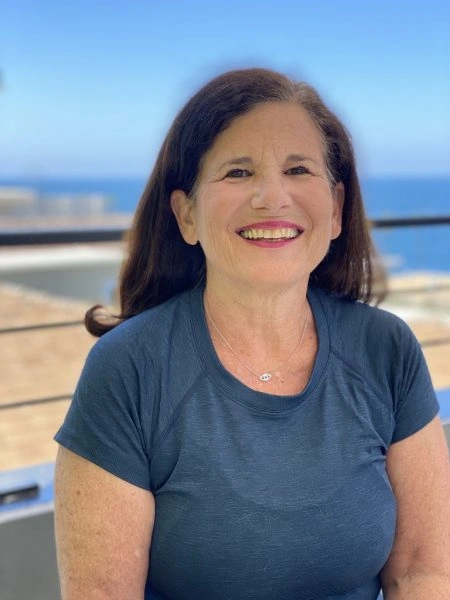
Retirement and Covid converged to provide me with the opportunity to commit to daily Talmud study in October 2020. I dove into the middle of Eruvin and continued to navigate Seder Moed, with Rabannit Michelle as my guide. I have developed more confidence in my learning as I completed each masechet and look forward to completing the Daf Yomi cycle so that I can begin again!

Rhona Fink
Rhona Fink

San Diego, United States

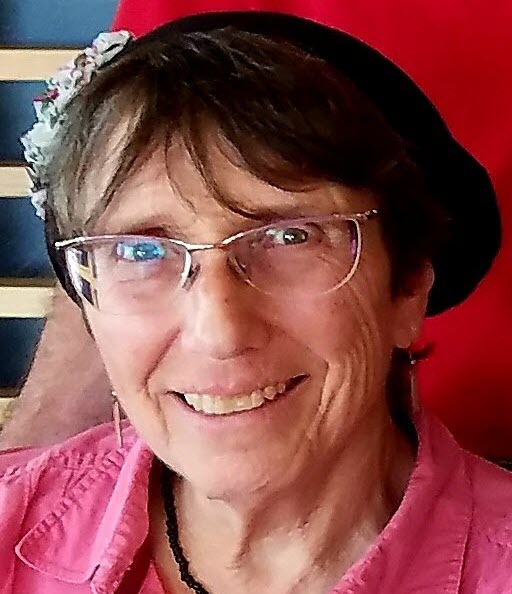
With Rabbanit Dr. Naomi Cohen in the Women’s Talmud class, over 30 years ago. It was a “known” class and it was accepted, because of who taught. Since then I have also studied with Avigail Gross-Gelman and Dr. Gabriel Hazut for about a year). Years ago, in a shiur in my shul, I did know about Persians doing 3 things with their clothes on. They opened the shiur to woman after that!

Sharon Mink
Sharon Mink

Haifa, Israel

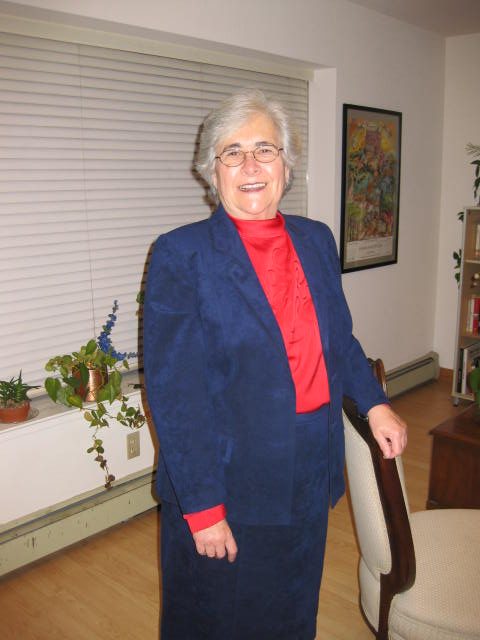
My first Talmud class experience was a weekly group in 1971 studying Taanit. In 2007 I resumed Talmud study with a weekly group I continue learning with. January 2020, I was inspired to try learning Daf Yomi. A friend introduced me to Daf Yomi for Women and Rabbanit Michelle Farber, I have kept with this program and look forward, G- willing, to complete the entire Shas with Hadran.
Lorri Lewis
Lorri Lewis

Palo Alto, CA, United States

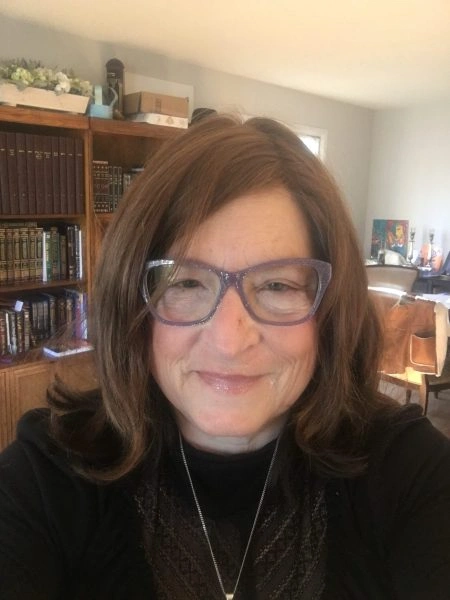
I started Daf during the pandemic. I listened to a number of podcasts by various Rebbeim until one day, I discovered Rabbanit Farbers podcast. Subsequently I joined the Hadran family in Eruvin. Not the easiest place to begin, Rabbanit Farber made it all understandable and fun. The online live group has bonded together and have really become a supportive, encouraging family.

Leah Goldford
Leah Goldford

Edmonton, Alberta, Canada

The start of my journey is not so exceptional. I was between jobs and wanted to be sure to get out every day (this was before corona). Well, I was hooked after about a month and from then on only looked for work-from-home jobs so I could continue learning the Daf. Daf has been a constant in my life, though hurricanes, death, illness/injury, weddings. My new friends are Rav, Shmuel, Ruth, Joanna.
Judi Felber
Judi Felber

Raanana, Israel

When I was working and taking care of my children, learning was never on the list. Now that I have more time I have two different Gemora classes and the nach yomi as well as the mishna yomi daily.

Shoshana Shinnar
Shoshana Shinnar

Jerusalem, Israel

Years ago, I attended the local Siyum HaShas with my high school class. It was inspiring! Through that cycle and the next one, I studied masekhtot on my own and then did “daf yomi practice.” The amazing Hadran Siyum HaShas event firmed my resolve to “really do” Daf Yomi this time. It has become a family goal. We’ve supported each other through challenges, and now we’re at the Siyum of Seder Moed!

Elisheva Brauner
Elisheva Brauner

Jerusalem, Israel

It happened without intent (so am I yotzei?!) – I watched the women’s siyum live and was so moved by it that the next morning, I tuned in to Rabbanit Michelle’s shiur, and here I am, still learning every day, over 2 years later. Some days it all goes over my head, but others I grasp onto an idea or a story, and I ‘get it’ and that’s the best feeling in the world. So proud to be a Hadran learner.

Jeanne Yael Klempner

Zichron Yaakov, Israel

I learned Talmud as a student in Yeshivat Ramaz and felt at the time that Talmud wasn’t for me. After reading Ilana Kurshan’s book I was intrigued and after watching the great siyum in Yerushalayim it ignited the spark to begin this journey. It has been a transformative life experience for me as a wife, mother, Savta and member of Klal Yisrael.
Elana Storch
Elana Storch

Phoenix, Arizona, United States

When we heard that R. Michelle was starting daf yomi, my 11-year-old suggested that I go. Little did she know that she would lose me every morning from then on. I remember standing at the Farbers’ door, almost too shy to enter. After that first class, I said that I would come the next day but couldn’t commit to more. A decade later, I still look forward to learning from R. Michelle every morning.

Ruth Leah Kahan
Ruth Leah Kahan

Ra’anana, Israel

When I began the previous cycle, I promised myself that if I stuck with it, I would reward myself with a trip to Israel. Little did I know that the trip would involve attending the first ever women’s siyum and being inspired by so many learners. I am now over 2 years into my second cycle and being part of this large, diverse, fascinating learning family has enhanced my learning exponentially.

Shira Krebs
Shira Krebs

Minnesota, United States

The start of my journey is not so exceptional. I was between jobs and wanted to be sure to get out every day (this was before corona). Well, I was hooked after about a month and from then on only looked for work-from-home jobs so I could continue learning the Daf. Daf has been a constant in my life, though hurricanes, death, illness/injury, weddings. My new friends are Rav, Shmuel, Ruth, Joanna.
Judi Felber
Judi Felber

Raanana, Israel

I started learning Daf Yomi to fill what I saw as a large gap in my Jewish education. I also hope to inspire my three daughters to ensure that they do not allow the same Talmud-sized gap to form in their own educations. I am so proud to be a part of the Hadran community, and I have loved learning so many of the stories and halachot that we have seen so far. I look forward to continuing!
Dora Chana Haar
Dora Chana Haar

Oceanside NY, United States

I started learning when my brother sent me the news clip of the celebration of the last Daf Yomi cycle. I was so floored to see so many women celebrating that I wanted to be a part of it. It has been an enriching experience studying a text in a language I don’t speak, using background knowledge that I don’t have. It is stretching my learning in unexpected ways, bringing me joy and satisfaction.

Jodi Gladstone
Jodi Gladstone

Warwick, Rhode Island, United States

I began Daf Yomi with the last cycle. I was inspired by the Hadran Siyum in Yerushalayim to continue with this cycle. I have learned Daf Yomi with Rabanit Michelle in over 25 countries on 6 continents ( missing Australia)

Barbara-Goldschlag
Barbara Goldschlag

Silver Spring, MD, United States

I saw an elderly man at the shul kiddush in early March 2020, celebrating the siyyum of masechet brachot which he had been learning with a young yeshiva student. I thought, if he can do it, I can do it! I began to learn masechet Shabbat the next day, Making up masechet brachot myself, which I had missed. I haven’t missed a day since, thanks to the ease of listening to Hadran’s podcast!
Judith Shapiro
Judith Shapiro

Minnesota, United States

I started last year after completing the Pesach Sugiyot class. Masechet Yoma might seem like a difficult set of topics, but for me made Yom Kippur and the Beit HaMikdash come alive. Liturgy I’d always had trouble connecting with took on new meaning as I gained a sense of real people moving through specific spaces in particular ways. It was the perfect introduction; I am so grateful for Hadran!

Debbie Engelen-Eigles

Minnesota, United States

In early 2020, I began the process of a stem cell transplant. The required extreme isolation forced me to leave work and normal life but gave me time to delve into Jewish text study. I did not feel isolated. I began Daf Yomi at the start of this cycle, with family members joining me online from my hospital room. I’ve used my newly granted time to to engage, grow and connect through this learning.

Reena Slovin
Reena Slovin

Worcester, United States

I read Ilana Kurshan’s “If All the Seas Were Ink” which inspired me. Then the Women’s Siyum in Jerusalem in 2020 convinced me, I knew I had to join! I have loved it- it’s been a constant in my life daily, many of the sugiyot connect to our lives. My family and friends all are so supportive. It’s incredible being part of this community and love how diverse it is! I am so excited to learn more!

Shira Jacobowitz
Shira Jacobowitz

Jerusalem, Israel

Retirement and Covid converged to provide me with the opportunity to commit to daily Talmud study in October 2020. I dove into the middle of Eruvin and continued to navigate Seder Moed, with Rabannit Michelle as my guide. I have developed more confidence in my learning as I completed each masechet and look forward to completing the Daf Yomi cycle so that I can begin again!

Rhona Fink
Rhona Fink

San Diego, United States

Bava Batra 34

הֵיכִי נִידַיְּינוּהּ דַּיָּינֵי לְהַאי דִּינָא? לִישַׁלֵּם? לֵיכָּא תְּרֵי סָהֲדִי! לִיפְטְרֵיהּ? אִיכָּא חַד סָהֲדָא! לִישְׁתְּבַע, הָא אָמַר מִיחְטָף חַטְפַהּ, וְכֵיוָן דְּאָמַר דְּחַטְפַהּ – הָוֵה לֵיהּ כְּגַזְלָן!

How should judges judge for this judgment? There are reasons not to implement all potential rulings. If they were to order the one who snatched the metal to pay for it, that would not be the correct ruling, because there are not two witnesses who saw him snatch it, and the court does not force payment based on the testimony of one witness. If they were to accept his claim and exempt him entirely, that would not be the correct ruling, because there is one witness who testified against him. If they were to order him to take an oath, which is the usual response to counter the testimony of one witness, didn’t he say that he did in fact snatch it, and since he said that he snatched it and there is no proof that it is his, he is like a robber, and the court does not allow a robber to take an oath.

אֲמַר לְהוּ רַבִּי אַבָּא: הָוֵי מְחוּיָּב שְׁבוּעָה שֶׁאֵינוֹ יָכוֹל לִישָּׁבַע, וְכׇל הַמְחוּיָּב שְׁבוּעָה שֶׁאֵינוֹ יָכוֹל לִישָּׁבַע – מְשַׁלֵּם.

Rabbi Abba said to them: He is one who is liable to take an oath who is unable to take an oath, and anyone who is liable to take an oath who is unable to take an oath is liable to pay. The Rabbis who were studying before Abaye thought that the case of the witness to the years of profiting and Rabbi Abba’s case are similar, in that since the possessor is unable to take an oath to refute the witness, as he concedes that he profited from the land for those years, he should have to pay for his consumption of the produce.

אֲמַר לְהוּ אַבָּיֵי: מִי דָּמֵי?! הָתָם סָהֲדָא לְאוֹרוֹעֵי קָאָתֵי – כִּי אָתֵי אַחֲרִינָא בַּהֲדֵיהּ, מַפְּקִינַן לַהּ מִינֵּיהּ; הָכָא לְסַיּוֹעֵי קָא אָתֵי – כִּי אֲתָא אַחֲרִינָא, מוֹקְמִינַן לַהּ בִּידֵיהּ!

Abaye said to these Rabbis: Are these two cases comparable? There, in Rabbi Abba’s case, the witness is coming to undermine the position of the one who snatched the metal. This can be seen from the fact that when it would be the case that another witness comes to court and testifies with the first witness, we would take away the piece of metal from the one who snatched it. By contrast, here, in the case of the individual who brought one witness to attest to his profiting from the land, the witness is coming to support the possessor. This can be seen from the fact that when another witness would come to court and testify with the first witness, we would establish the land in his possession. Therefore, the testimony of the one witness does not render the one who profited from the land liable to take an oath.

אֶלָּא אִי דָּמְיָא הָא דְּרַבִּי אַבָּא – לְחַד סָהֲדָא וּלְתַרְתֵּי שְׁנֵי – וּלְפֵירֵי.

Rather, if this case of Rabbi Abba is comparable to a case such as this, it is comparable to a case where there is one witness and he testifies to someone’s profiting from land for two years, and the comparison is in terms of payment for the produce that he consumed. In terms of the consumption of the produce, two witnesses would have rendered the possessor liable to pay, as consumption of the produce for only two years does not establish the presumption of ownership. Therefore, one witness renders him liable to take an oath. Since he himself claimed that he profited from the land as the witness testified, he cannot take an oath to contest the testimony. Therefore, he would have to pay for the produce.

הָהוּא אַרְבָּא דַּהֲווֹ מִינְּצוּ עֲלַהּ בֵּי תְרֵי, הַאי אָמַר: ״דִּידִי הִיא״, וְהַאי אָמַר: ״דִּידִי הִיא״. אֲתָא חַד מִינַּיְיהוּ לְבֵי דִינָא, וְאָמַר: תִּיפְסוּהָ אַדְּמַיְיתֵינָא סָהֲדֵי דְּדִידִי הִיא. תָּפְסִינַן, אוֹ לָא תָּפְסִינַן? רַב הוּנָא אָמַר: תָּפְסִינַן. רַב יְהוּדָה אָמַר: לָא תָּפְסִינַן.

§ The Gemara relates: There was a certain boat that two people were quarreling about with regard to its ownership. This one said: It is mine, and that one also said: It is mine. One of them came to court and said: Seize it until I am able to bring witnesses that it is mine. The Gemara asks: In such a case, do we seize it or do we not seize it? Rav Huna said: We seize it. Rav Yehuda said: We do not seize it, as there is no cause for the court to intervene.

אֲזַל, וְלָא אַשְׁכַּח סָהֲדֵי. אֲמַר לְהוּ: אַפְּקוּהָ, וְכֹל דְּאַלִּים גָּבַר. מַפְּקִינַן, אוֹ לָא מַפְּקִינַן? רַב יְהוּדָה אָמַר: לָא מַפְּקִינַן. רַב פָּפָּא אָמַר: מַפְּקִינַן. וְהִלְכְתָא: לָא תָּפְסִינַן, וְהֵיכָא דִּתְפַס – לָא מַפְּקִינַן.

The court seized the boat. The one who requested of the court to seize it went to seek witnesses, but did not find witnesses. He then said to the court: Release the boat, and whoever is stronger prevails, as this is the ruling in a case where there is neither evidence nor presumptive ownership for either litigant. The Gemara asks: In such a case, do we release it or do we not release it? Rav Yehuda said: We do not release it. Rav Pappa said: We release it. The Gemara concludes: And the halakha is that we do not seize property in a case where ownership is uncertain, and where it was seized, we do not release it.

זֶה אוֹמֵר: ״שֶׁל אֲבוֹתַי״, וְזֶה אוֹמֵר: ״שֶׁל אֲבוֹתַי״ – אָמַר רַב נַחְמָן: כֹּל דְּאַלִּים גָּבַר. וּמַאי שְׁנָא מִשְּׁנֵי שְׁטָרוֹת הַיּוֹצְאִין בְּיוֹם אֶחָד –

There was an incident where two people dispute the ownership of property. This one says: It belonged to my ancestors and I inherited it from them, and that one says: It belonged to my ancestors and I inherited it from them. There was neither evidence nor presumptive ownership for either litigant. Rav Naḥman said: Whoever is stronger prevails. The Gemara asks: And in what way is this case different from the case where two people produce two deeds of sale or gift for the same field that are issued on one day,

Want to follow content and continue where you left off?

Create an account today to track your progress, mark what you’ve learned, and follow the shiurim that speak to you.

Clear all items from this list?

This will remove ALL the items in this section. You will lose any progress or history connected to them. This is irreversible.

Cancel
Yes, clear all

Are you sure you want to delete this item?

You will lose any progress or history connected to this item.

Cancel
Yes, delete