










The Gemara continues to discuss whether plowing can create a chazaka on land. This issue was a subject of debate by many rabbis. If one benefits from only 10 out of 30 trees (that are growing in a field of three beit sea) each year (and each year a different ten), one can still create a chazaka on the whole field, both according to the rabbis and Rabbi Yishmael. However, there are two limitations to this halakha. If one sold all one’s property to two people – one the trees and the other, the land, does the one who purchased the trees also acquire the land under/around the trees? How does that differ from one who sold the rights to the trees in one’s property? Or if one sold the land but kept the trees? How does that case relate to the argument of Rabbi Akiva and the rabbis regarding one who sold a field but kept a pit or cistern for him/herself – did one leave oneself a path to get there or does one need to buy a path from the buyer to get there?
Bava Batra
Masechet Bava Batra is sponsored by Lori Stark in loving memory of her mother in law, Sara Shapiro z”l and her father Nehemiah Sosewitz z”l.
This week’s learning is sponsored by Robert and Paula Cohen in loving memory of Joseph Cohen, Yosef ben Moshe HaCohen, z”l. “He was hard working, loved to sing, esp. as a chazan, and was very dedicated to his family and community.”
Want to dedicate learning? Get started here:

Today’s daily daf tools:
Bava Batra
Masechet Bava Batra is sponsored by Lori Stark in loving memory of her mother in law, Sara Shapiro z”l and her father Nehemiah Sosewitz z”l.
This week’s learning is sponsored by Robert and Paula Cohen in loving memory of Joseph Cohen, Yosef ben Moshe HaCohen, z”l. “He was hard working, loved to sing, esp. as a chazan, and was very dedicated to his family and community.”
Bava Batra 37
לָאו מִי אָמַר רַבִּי יִשְׁמָעֵאל: חַד פֵּירָא הָוֵי חֲזָקָה לְכוּלְּהוּ פֵּירֵי? הָכָא נָמֵי – הָנֵי הָווּ חֲזָקָה לְהָנֵי, וְהָנֵי הָווּ חֲזָקָה לְהָנֵי.
The Gemara explains the inference from the statement of Rabbi Yishmael and how it clarifies the opinion of the Rabbis: Didn’t Rabbi Yishmael say that harvesting one type of fruit is sufficient to establish the presumption of ownership for all of the types of fruit, i.e., for the entire field? Here too, these trees are sufficient to establish the presumption of ownership for those trees, and those trees are sufficient to establish the presumption of ownership for these trees.
וְהָנֵי מִילֵּי הֵיכָא דְּלָא אַפִּיקוּ, אֲבָל אַפִּיקוּ וְלָא אֲכַל – לָא הָוְיָא חֲזָקָה. וְהוּא דְּבַאזִּי בַּאזּוֹזֵי.
The Gemara notes two restrictions to the aforementioned ruling: And this statement applies specifically where the other twenty trees did not produce fruit, but if the other trees produced fruit and he did not consume their fruit, then his conduct is not sufficient to establish the presumption of ownership with regard to the other trees. And this principle, that consuming the produce of some of the trees each year establishes the presumption of ownership for the entire field, applies only if it is the case that the trees are scattered [devazei bazuzei] throughout the field. Otherwise, he establishes the presumption of ownership only over the section where the trees are located.
זֶה הֶחְזִיק בָּאִילָנוֹת, וְזֶה הֶחְזִיק בַּקַּרְקַע – אָמַר רַב זְבִיד: זֶה קָנָה אִילָנוֹת, וְזֶה קָנָה קַרְקַע. מַתְקֵיף לַהּ רַב פָּפָּא: אִם כֵּן, אֵין לוֹ לְבַעַל אִילָנוֹת בַּקַּרְקַע כְּלוּם; לֵימָא לֵיהּ בַּעַל קַרְקַע לְבַעַל אִילָנוֹת: עֲקוֹר אִילָנָךְ, שְׁקוֹל וְזִיל! אֶלָּא אָמַר רַב פָּפָּא: זֶה קָנָה אִילָנוֹת וַחֲצִי קַרְקַע, וָזֶה קָנָה חֲצִי קַרְקַע.
§ In a case where there was a field with trees in it, and this person took possession of the trees and that person took possession of the land, Rav Zevid says: This one acquired the trees and that one acquired the land. Rav Pappa objects to this: If this is so, then the owner of the trees has no share in the land at all. Let the owner of the land say to the owner of the trees: Uproot your trees, take them, and go. Rather, Rav Pappa said: This one acquired the trees and half of the land, and that one acquired half of the land.
פְּשִׁיטָא – מָכַר קַרְקַע, וְשִׁיֵּיר אִילָנוֹת לְפָנָיו – יֵשׁ לוֹ קַרְקַע. וַאֲפִילּוּ לְרַבִּי עֲקִיבָא, דְּאָמַר: מוֹכֵר בְּעַיִן יָפָה מוֹכֵר, הָנֵי מִילֵּי גַּבֵּי בּוֹר וָדוּת –
The Gemara notes: It is obvious that if one sold a section of land and left the ownership of the trees in that land for himself, he has ownership of the land surrounding the trees. And this is the halakha even according to the opinion of Rabbi Akiva, who says: One who sells, sells generously, and he is presumed to have included in the sale even items that were not explicitly specified, because that statement applies only concerning a case such as when one sold land and retained ownership of a pit or a cistern. In that case, Rabbi Akiva ruled that he does not retain any land, not even a path to access the pit or cistern, as he sold generously, including all of the land in the sale.
דְּלָא מַכְחֲשׁוּ בְּאַרְעָא, אֲבָל אִילָנוֹת,
The Gemara explains the difference between the cases: That ruling applies there, as the pit or cistern causes no harm to the land surrounding them, and since the seller does not foresee a conflict arising from his pit and cistern being located adjacent to the buyer’s property, he therefore transfers the entire land. But in the case of his retaining the trees,
דְּקָמַכְחֲשִׁי בְּאַרְעָא – שַׁיּוֹרֵי שַׁיַּיר. דְּאִי לָא שַׁיַּיר, לֵימָא לֵיהּ: עֲקוֹר אִילָנָא וְזִיל.
since they are causing harm to the land, the seller does leave the land that is surrounding the trees for himself, as if he did not leave it, let the buyer say to him: Uproot your trees and go.
מָכַר אִילָנוֹת וְשִׁיֵּיר קַרְקַע לְפָנָיו – פְּלוּגְתָּא דְּרַבִּי עֲקִיבָא וְרַבָּנַן; לְרַבִּי עֲקִיבָא דְּאָמַר: מוֹכֵר בְּעַיִן יָפָה מוֹכֵר – אִית לֵיהּ; לְרַבָּנַן – לֵית לֵיהּ.
The Gemara discusses the reverse case: If one sold the trees and left the ownership of the land for himself, the halakha depends on the outcome of the dispute of Rabbi Akiva and the Rabbis. According to Rabbi Akiva, who says: One who sells, sells generously, the buyer has ownership of the land surrounding the trees, as the presumption is that the seller included it in the sale. According to the Rabbis, who say: One who sells, sells sparingly, the buyer does not have ownership of the land surrounding the trees, as the presumption is that the seller did not include it in the sale.
לְרַבִּי עֲקִיבָא אִית לֵיהּ – וַאֲפִילּוּ לְרַב זְבִיד דְּאָמַר: אֵין לוֹ – הָנֵי מִילֵּי גַּבֵּי שְׁנֵי לָקוֹחוֹת, דְּאָמַר לֵיהּ: כִּי הֵיכִי דִּלְדִידִי לֵית לִי בְּאִילָנוֹת, לְדִידָךְ נָמֵי לֵית לָךְ בְּקַרְקַע; אֲבָל הָכָא – מוֹכֵר בְּעַיִן יָפָה מוֹכֵר.
The Gemara stated previously that according to the opinion of Rabbi Akiva, the buyer has ownership of the land surrounding the trees. The Gemara clarifies this opinion: And even according to Rav Zevid, who said (37a) that in a case where one took possession of the land and another took possession of the trees, the one who took possession of the trees has no share in the land, that matter applies only concerning the case of two buyers. As in that case, the one who acquired the land can say to the other: Just as it is so that I have no share in the trees, you also have no share in the land; but here, where one sold the trees and left the land for himself, one who sells, sells generously. Therefore, it is reasonable to assume that the sale included the land surrounding the trees.
לְרַבָּנַן לֵית לֵיהּ – וַאֲפִילּוּ לְרַב פָּפָּא דְּאָמַר: יֵשׁ לוֹ – הָנֵי מִילֵּי גַּבֵּי שְׁנֵי לָקוֹחוֹת, דְּאָמַר לֵיהּ: כִּי הֵיכִי דִּלְדִידָךְ זַבֵּין בְּעַיִן יָפָה, לְדִידִי נָמֵי זַבֵּין בְּעַיִן יָפָה; אֲבָל הָכָא – מוֹכֵר בְּעַיִן רָעָה מוֹכֵר.
The Gemara stated earlier that according to the opinion of the Rabbis, the buyer does not have ownership of the land surrounding the trees. The Gemara clarifies this opinion: And even according to Rav Pappa, who says above that in a case where one took possession of the land and another took possession of the trees that the one who took possession of the trees has ownership of half of the land as well, that matter applies only concerning the case of two buyers. As in that case, the one who acquired the trees can say to the other: Just as it is so that the seller sold to you generously, as you have both the land and the right to consume its produce, he also sold to me generously, including the land surrounding the trees; but here, where one sold the trees and left the land for himself, one who sells, sells sparingly, retaining for himself whatever he did not explicitly include in the sale.
אָמְרִי נְהַרְדָּעֵי: אֲכָלָן רְצוּפִין – אֵין לוֹ חֲזָקָה. מַתְקֵיף לַהּ רָבָא: אֶלָּא מֵעַתָּה, הַאי מֵישָׁרָא דְאַסְפַּסְתָּא – בְּמַאי קָנֵי לַהּ? אֶלָּא אָמַר רָבָא: מְכָרָן רְצוּפִין – אֵין לוֹ קַרְקַע.
§ The Sages of Neharde’a say: If one consumed the produce of an overcrowded orchard, he does not thereby have presumptive ownership of the orchard. Rava objects to this: If that is so, how does one ever acquire this alfalfa field, which is planted without spacing? Rather, Rava said: If one sold an overcrowded orchard, the buyer does not have ownership of the land surrounding the trees. Generally, if one purchases three or more trees, he acquires the surrounding land, as the trees are considered an orchard. If the trees are overcrowded, they will soon have to be uprooted, and that is why the buyer does not acquire the land surrounding the trees.
אָמַר רַבִּי זֵירָא: כְּתַנָּאֵי – כֶּרֶם שֶׁהוּא נָטוּעַ עַל פָּחוֹת מֵאַרְבַּע אַמּוֹת, רַבִּי שִׁמְעוֹן אוֹמֵר: אֵינוֹ כֶּרֶם. וַחֲכָמִים אוֹמְרִים: הֲרֵי זוֹ כֶּרֶם, וְרוֹאִין אֶת הָאֶמְצָעִיִּים כְּאִילּוּ אֵינָן.
Rabbi Zeira said: This is like a dispute between tanna’im (Kilayim 5:2): With regard to a vineyard that is planted on an area where there is less than four cubits of open space between the vines, Rabbi Shimon says: It is not considered to be a vineyard with regard to the prohibition of diverse kinds and other halakhot, as it is overcrowded. And the Rabbis say: This is considered to be a vineyard, and the reason for this is that the middle vines are viewed as if they are not there, and the outer vines meet the requirements for a vineyard. It follows that according to the opinion of the Rabbis, if one sold an overcrowded orchard, the middle trees would be viewed as if they were not there. Therefore, it would be considered an orchard and the buyer would acquire the land surrounding the trees.
אָמְרִי נְהַרְדָּעֵי: הַאי מַאן דְּזָבֵין דִּקְלָא לְחַבְרֵיהּ – קָנֵי לֵיהּ מִשִּׁפּוּלֵיהּ עַד תְּהוֹמָא.
The Sages of Neharde’a say: This one who sells a date tree to another, the buyer acquires the land from its bottom until the depths.

Today’s daily daf tools:
Delve Deeper
Broaden your understanding of the topics on this daf with classes and podcasts from top women Talmud scholars.
New to Talmud?
Check out our resources designed to help you navigate a page of Talmud – and study at the pace, level and style that fits you.
The Hadran Women’s Tapestry
Meet the diverse women learning Gemara at Hadran and hear their stories.
I started learning on January 5, 2020. When I complete the 7+ year cycle I will be 70 years old. I had been intimidated by those who said that I needed to study Talmud in a traditional way with a chevruta, but I decided the learning was more important to me than the method. Thankful for Daf Yomi for Women helping me catch up when I fall behind, and also being able to celebrate with each Siyum!
Bakersfield, United States
I started Daf during the pandemic. I listened to a number of podcasts by various Rebbeim until one day, I discovered Rabbanit Farbers podcast. Subsequently I joined the Hadran family in Eruvin. Not the easiest place to begin, Rabbanit Farber made it all understandable and fun. The online live group has bonded together and have really become a supportive, encouraging family.

Edmonton, Alberta, Canada
A beautiful world of Talmudic sages now fill my daily life with discussion and debate.
bringing alive our traditions and texts that has brought new meaning to my life.
I am a מגילת אסתר reader for women . the words in the Mishna of מסכת megillah 17a
הקורא את המגילה למפרע לא יצא were powerful to me.
I hope to have the zchut to complete the cycle for my 70th birthday.

Jerusalem, Israel
Having never learned Talmud before, I started Daf Yomi in hopes of connecting to the Rabbinic tradition, sharing a daily idea on Instagram (@dafyomiadventures). With Hadran and Sefaria, I slowly gained confidence in my skills and understanding. Now, part of the Pardes Jewish Educators Program, I can’t wait to bring this love of learning with me as I continue to pass it on to my future students.
Pennsylvania, United States
I had tried to start after being inspired by the hadran siyum, but did not manage to stick to it. However, just before masechet taanit, our rav wrote a message to the shul WhatsApp encouraging people to start with masechet taanit, so I did! And this time, I’m hooked! I listen to the shiur every day , and am also trying to improve my skills.

Yad Binyamin, Israel
When I was working and taking care of my children, learning was never on the list. Now that I have more time I have two different Gemora classes and the nach yomi as well as the mishna yomi daily.
Jerusalem, Israel
In July, 2012 I wrote for Tablet about the first all women’s siyum at Matan in Jerusalem, with 100 women. At the time, I thought, I would like to start with the next cycle – listening to a podcast at different times of day makes it possible. It is incredible that after 10 years, so many women are so engaged!
Pittsburgh, United States
See video
Raanana, Israel
After being so inspired by the siyum shas two years ago, I began tentatively learning daf yomi, like Rabbanut Michelle kept saying – taking one daf at a time. I’m still taking it one daf at a time, one masechet at a time, but I’m loving it and am still so inspired by Rabbanit Michelle and the Hadran community, and yes – I am proud to be finishing Seder Mo’ed.

Bet Shemesh, Israel
תמיד רציתי. למדתי גמרא בבית ספר בטורונטו קנדה. עליתי ארצה ולמדתי שזה לא מקובל. הופתעתי.
יצאתי לגימלאות לפני שנתיים וזה מאפשר את המחוייבות לדף יומי.
עבורי ההתמדה בלימוד מעגן אותי בקשר שלי ליהדות. אני תמיד מחפשת ותמיד. מוצאת מקור לקשר. ללימוד חדש ומחדש. קשר עם נשים לומדות מעמיק את החוויה ומשמעותית מאוד.
מיתר, ישראל
As Jewish educator and as a woman, I’m mindful that Talmud has been kept from women for many centuries. Now that we are privileged to learn, and learning is so accessible, it’s my intent to complete Daf Yomi. I am so excited to keep learning with my Hadran community.
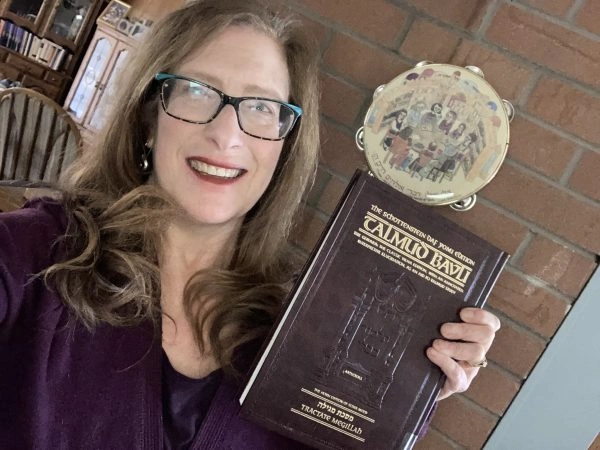
Denver, United States
I have joined the community of daf yomi learners at the start of this cycle. I have studied in different ways – by reading the page, translating the page, attending a local shiur and listening to Rabbanit Farber’s podcasts, depending on circumstances and where I was at the time. The reactions have been positive throughout – with no exception!

Guildford, United Kingdom
In July, 2012 I wrote for Tablet about the first all women’s siyum at Matan in Jerusalem, with 100 women. At the time, I thought, I would like to start with the next cycle – listening to a podcast at different times of day makes it possible. It is incredible that after 10 years, so many women are so engaged!
Pittsburgh, United States

Richmond, CA, United States
In January 2020, my teaching partner at IDC suggested we do daf yomi. Thanks to her challenge, I started learning daily from Rabbanit Michelle. It’s a joy to be part of the Hadran community. (It’s also a tikkun: in 7th grade, my best friend and I tied for first place in a citywide gemara exam, but we weren’t invited to the celebration because girls weren’t supposed to be learning gemara).
Jerusalem, Israel
When I was working and taking care of my children, learning was never on the list. Now that I have more time I have two different Gemora classes and the nach yomi as well as the mishna yomi daily.
Jerusalem, Israel
I began daf yomi in January 2020 with Brachot. I had made aliya 6 months before, and one of my post-aliya goals was to complete a full cycle. As a life-long Tanach teacher, I wanted to swim from one side of the Yam shel Torah to the other. Daf yomi was also my sanity through COVID. It was the way to marking the progression of time, and feel that I could grow and accomplish while time stopped.
Givat Zev, Israel
I started learning at the beginning of the cycle after a friend persuaded me that it would be right up my alley. I was lucky enough to learn at Rabbanit Michelle’s house before it started on zoom and it was quickly part of my daily routine. I find it so important to see for myself where halachot were derived, where stories were told and to get more insight into how the Rabbis interacted.
Ra’anana, Israel
I went to day school in Toronto but really began to learn when I attended Brovenders back in the early 1980’s. Last year after talking to my sister who was learning Daf Yomi, inspired, I looked on the computer and the Hadran site came up. I have been listening to each days shiur in the morning as I work. I emphasis listening since I am not sitting with a Gamara. I listen while I work in my studio.
Tekoa, Israel
I started learning after the siyum hashas for women and my daily learning has been a constant over the last two years. It grounded me during the chaos of Corona while providing me with a community of fellow learners. The Daf can be challenging but it’s filled with life’s lessons, struggles and hope for a better world. It’s not about the destination but rather about the journey. Thank you Hadran!

אפרת, Israel
Bava Batra 37
לָאו מִי אָמַר רַבִּי יִשְׁמָעֵאל: חַד פֵּירָא הָוֵי חֲזָקָה לְכוּלְּהוּ פֵּירֵי? הָכָא נָמֵי – הָנֵי הָווּ חֲזָקָה לְהָנֵי, וְהָנֵי הָווּ חֲזָקָה לְהָנֵי.
The Gemara explains the inference from the statement of Rabbi Yishmael and how it clarifies the opinion of the Rabbis: Didn’t Rabbi Yishmael say that harvesting one type of fruit is sufficient to establish the presumption of ownership for all of the types of fruit, i.e., for the entire field? Here too, these trees are sufficient to establish the presumption of ownership for those trees, and those trees are sufficient to establish the presumption of ownership for these trees.
וְהָנֵי מִילֵּי הֵיכָא דְּלָא אַפִּיקוּ, אֲבָל אַפִּיקוּ וְלָא אֲכַל – לָא הָוְיָא חֲזָקָה. וְהוּא דְּבַאזִּי בַּאזּוֹזֵי.
The Gemara notes two restrictions to the aforementioned ruling: And this statement applies specifically where the other twenty trees did not produce fruit, but if the other trees produced fruit and he did not consume their fruit, then his conduct is not sufficient to establish the presumption of ownership with regard to the other trees. And this principle, that consuming the produce of some of the trees each year establishes the presumption of ownership for the entire field, applies only if it is the case that the trees are scattered [devazei bazuzei] throughout the field. Otherwise, he establishes the presumption of ownership only over the section where the trees are located.
זֶה הֶחְזִיק בָּאִילָנוֹת, וְזֶה הֶחְזִיק בַּקַּרְקַע – אָמַר רַב זְבִיד: זֶה קָנָה אִילָנוֹת, וְזֶה קָנָה קַרְקַע. מַתְקֵיף לַהּ רַב פָּפָּא: אִם כֵּן, אֵין לוֹ לְבַעַל אִילָנוֹת בַּקַּרְקַע כְּלוּם; לֵימָא לֵיהּ בַּעַל קַרְקַע לְבַעַל אִילָנוֹת: עֲקוֹר אִילָנָךְ, שְׁקוֹל וְזִיל! אֶלָּא אָמַר רַב פָּפָּא: זֶה קָנָה אִילָנוֹת וַחֲצִי קַרְקַע, וָזֶה קָנָה חֲצִי קַרְקַע.
§ In a case where there was a field with trees in it, and this person took possession of the trees and that person took possession of the land, Rav Zevid says: This one acquired the trees and that one acquired the land. Rav Pappa objects to this: If this is so, then the owner of the trees has no share in the land at all. Let the owner of the land say to the owner of the trees: Uproot your trees, take them, and go. Rather, Rav Pappa said: This one acquired the trees and half of the land, and that one acquired half of the land.
פְּשִׁיטָא – מָכַר קַרְקַע, וְשִׁיֵּיר אִילָנוֹת לְפָנָיו – יֵשׁ לוֹ קַרְקַע. וַאֲפִילּוּ לְרַבִּי עֲקִיבָא, דְּאָמַר: מוֹכֵר בְּעַיִן יָפָה מוֹכֵר, הָנֵי מִילֵּי גַּבֵּי בּוֹר וָדוּת –
The Gemara notes: It is obvious that if one sold a section of land and left the ownership of the trees in that land for himself, he has ownership of the land surrounding the trees. And this is the halakha even according to the opinion of Rabbi Akiva, who says: One who sells, sells generously, and he is presumed to have included in the sale even items that were not explicitly specified, because that statement applies only concerning a case such as when one sold land and retained ownership of a pit or a cistern. In that case, Rabbi Akiva ruled that he does not retain any land, not even a path to access the pit or cistern, as he sold generously, including all of the land in the sale.
דְּלָא מַכְחֲשׁוּ בְּאַרְעָא, אֲבָל אִילָנוֹת,
The Gemara explains the difference between the cases: That ruling applies there, as the pit or cistern causes no harm to the land surrounding them, and since the seller does not foresee a conflict arising from his pit and cistern being located adjacent to the buyer’s property, he therefore transfers the entire land. But in the case of his retaining the trees,
דְּקָמַכְחֲשִׁי בְּאַרְעָא – שַׁיּוֹרֵי שַׁיַּיר. דְּאִי לָא שַׁיַּיר, לֵימָא לֵיהּ: עֲקוֹר אִילָנָא וְזִיל.
since they are causing harm to the land, the seller does leave the land that is surrounding the trees for himself, as if he did not leave it, let the buyer say to him: Uproot your trees and go.
מָכַר אִילָנוֹת וְשִׁיֵּיר קַרְקַע לְפָנָיו – פְּלוּגְתָּא דְּרַבִּי עֲקִיבָא וְרַבָּנַן; לְרַבִּי עֲקִיבָא דְּאָמַר: מוֹכֵר בְּעַיִן יָפָה מוֹכֵר – אִית לֵיהּ; לְרַבָּנַן – לֵית לֵיהּ.
The Gemara discusses the reverse case: If one sold the trees and left the ownership of the land for himself, the halakha depends on the outcome of the dispute of Rabbi Akiva and the Rabbis. According to Rabbi Akiva, who says: One who sells, sells generously, the buyer has ownership of the land surrounding the trees, as the presumption is that the seller included it in the sale. According to the Rabbis, who say: One who sells, sells sparingly, the buyer does not have ownership of the land surrounding the trees, as the presumption is that the seller did not include it in the sale.
לְרַבִּי עֲקִיבָא אִית לֵיהּ – וַאֲפִילּוּ לְרַב זְבִיד דְּאָמַר: אֵין לוֹ – הָנֵי מִילֵּי גַּבֵּי שְׁנֵי לָקוֹחוֹת, דְּאָמַר לֵיהּ: כִּי הֵיכִי דִּלְדִידִי לֵית לִי בְּאִילָנוֹת, לְדִידָךְ נָמֵי לֵית לָךְ בְּקַרְקַע; אֲבָל הָכָא – מוֹכֵר בְּעַיִן יָפָה מוֹכֵר.
The Gemara stated previously that according to the opinion of Rabbi Akiva, the buyer has ownership of the land surrounding the trees. The Gemara clarifies this opinion: And even according to Rav Zevid, who said (37a) that in a case where one took possession of the land and another took possession of the trees, the one who took possession of the trees has no share in the land, that matter applies only concerning the case of two buyers. As in that case, the one who acquired the land can say to the other: Just as it is so that I have no share in the trees, you also have no share in the land; but here, where one sold the trees and left the land for himself, one who sells, sells generously. Therefore, it is reasonable to assume that the sale included the land surrounding the trees.
לְרַבָּנַן לֵית לֵיהּ – וַאֲפִילּוּ לְרַב פָּפָּא דְּאָמַר: יֵשׁ לוֹ – הָנֵי מִילֵּי גַּבֵּי שְׁנֵי לָקוֹחוֹת, דְּאָמַר לֵיהּ: כִּי הֵיכִי דִּלְדִידָךְ זַבֵּין בְּעַיִן יָפָה, לְדִידִי נָמֵי זַבֵּין בְּעַיִן יָפָה; אֲבָל הָכָא – מוֹכֵר בְּעַיִן רָעָה מוֹכֵר.
The Gemara stated earlier that according to the opinion of the Rabbis, the buyer does not have ownership of the land surrounding the trees. The Gemara clarifies this opinion: And even according to Rav Pappa, who says above that in a case where one took possession of the land and another took possession of the trees that the one who took possession of the trees has ownership of half of the land as well, that matter applies only concerning the case of two buyers. As in that case, the one who acquired the trees can say to the other: Just as it is so that the seller sold to you generously, as you have both the land and the right to consume its produce, he also sold to me generously, including the land surrounding the trees; but here, where one sold the trees and left the land for himself, one who sells, sells sparingly, retaining for himself whatever he did not explicitly include in the sale.
אָמְרִי נְהַרְדָּעֵי: אֲכָלָן רְצוּפִין – אֵין לוֹ חֲזָקָה. מַתְקֵיף לַהּ רָבָא: אֶלָּא מֵעַתָּה, הַאי מֵישָׁרָא דְאַסְפַּסְתָּא – בְּמַאי קָנֵי לַהּ? אֶלָּא אָמַר רָבָא: מְכָרָן רְצוּפִין – אֵין לוֹ קַרְקַע.
§ The Sages of Neharde’a say: If one consumed the produce of an overcrowded orchard, he does not thereby have presumptive ownership of the orchard. Rava objects to this: If that is so, how does one ever acquire this alfalfa field, which is planted without spacing? Rather, Rava said: If one sold an overcrowded orchard, the buyer does not have ownership of the land surrounding the trees. Generally, if one purchases three or more trees, he acquires the surrounding land, as the trees are considered an orchard. If the trees are overcrowded, they will soon have to be uprooted, and that is why the buyer does not acquire the land surrounding the trees.
אָמַר רַבִּי זֵירָא: כְּתַנָּאֵי – כֶּרֶם שֶׁהוּא נָטוּעַ עַל פָּחוֹת מֵאַרְבַּע אַמּוֹת, רַבִּי שִׁמְעוֹן אוֹמֵר: אֵינוֹ כֶּרֶם. וַחֲכָמִים אוֹמְרִים: הֲרֵי זוֹ כֶּרֶם, וְרוֹאִין אֶת הָאֶמְצָעִיִּים כְּאִילּוּ אֵינָן.
Rabbi Zeira said: This is like a dispute between tanna’im (Kilayim 5:2): With regard to a vineyard that is planted on an area where there is less than four cubits of open space between the vines, Rabbi Shimon says: It is not considered to be a vineyard with regard to the prohibition of diverse kinds and other halakhot, as it is overcrowded. And the Rabbis say: This is considered to be a vineyard, and the reason for this is that the middle vines are viewed as if they are not there, and the outer vines meet the requirements for a vineyard. It follows that according to the opinion of the Rabbis, if one sold an overcrowded orchard, the middle trees would be viewed as if they were not there. Therefore, it would be considered an orchard and the buyer would acquire the land surrounding the trees.
אָמְרִי נְהַרְדָּעֵי: הַאי מַאן דְּזָבֵין דִּקְלָא לְחַבְרֵיהּ – קָנֵי לֵיהּ מִשִּׁפּוּלֵיהּ עַד תְּהוֹמָא.
The Sages of Neharde’a say: This one who sells a date tree to another, the buyer acquires the land from its bottom until the depths.

