










If the original owner protests if a possessor is profiting from the land, but tells the witnesses not to let the possessor know, is the protest effective? The Gemara brings several variations of this type of situation and the rulings of different rabbis in each one, depending on the language used. In front of how many people does one need to protest – two or three? Is it similar to the laws of lashon hara? What is at the root of the debate? Is it sufficient to protest once in the first year or does one need to protest once every three years? What other actions need to be performed in the presence of two people and which require three?
Bava Batra
Masechet Bava Batra is sponsored by Lori Stark in loving memory of her mother in law, Sara Shapiro z”l and her father Nehemiah Sosewitz z”l.
This week’s learning is sponsored by Robert and Paula Cohen in loving memory of Joseph Cohen, Yosef ben Moshe HaCohen, z”l. “He was hard working, loved to sing, esp. as a chazan, and was very dedicated to his family and community.”
Want to dedicate learning? Get started here:

0:00
0:00
Today’s daily daf tools:
Bava Batra
Masechet Bava Batra is sponsored by Lori Stark in loving memory of her mother in law, Sara Shapiro z”l and her father Nehemiah Sosewitz z”l.
This week’s learning is sponsored by Robert and Paula Cohen in loving memory of Joseph Cohen, Yosef ben Moshe HaCohen, z”l. “He was hard working, loved to sing, esp. as a chazan, and was very dedicated to his family and community.”
Bava Batra 39
וְלִמְחַר תָּבַעְנָא לֵיהּ בְּדִינָא״ – הָוְיָא מֶחָאָה.
and tomorrow, i.e., in the future, I will bring a claim against him in court, it is a valid protest.
אָמַר ״לָא תֵּימְרוּ לֵיהּ״, מַאי? אָמַר רַב זְבִיד: הָא קָאָמַר ״לָא תֵּימְרוּ לֵיהּ״! רַב פָּפָּא אָמַר: לְדִידֵיהּ לָא תֵּימְרוּ לֵיהּ, לְאַחֲרִינֵי אֵימַרוּ לְהוּ – חַבְרָךְ חַבְרָא אִית לֵיהּ, חַבְרָא דְחַבְרָךְ חַבְרָא אִית לֵיהּ.
If the one lodging a protest also said: Do not tell the possessor of the protest, what is the halakha? Rav Zevid said: It is not a valid protest, because isn’t he saying: Do not tell him? Therefore, word of the protest will not reach the possessor and it is meaningless. Rav Pappa disagreed and said that the owner merely meant: Do not tell him personally, but they, i.e. the witnesses, should tell others. In that case, word of the protest will reach the possessor, since your friend has a friend whom he tells about the protest, and your friend’s friend has a friend whom he tells about the protest; therefore, it is a valid protest.
אֲמַרוּ לֵיהּ: ״לָא אָמְרִינַן לֵיהּ״ – אָמַר רַב זְבִיד: הָא קָא אֲמַרוּ לֵיהּ ״לָא אָמְרִינַן לֵיהּ״! רַב פָּפָּא אָמַר: לְדִידֵיהּ לָא אָמְרִינַן לֵיהּ, לְאַחֲרִינֵי אָמְרִי לְהוּ – חַבְרָךְ חַבְרָא אִית לֵיהּ, וְחַבְרָא דְחַבְרָךְ חַבְרָא אִית לֵיהּ.
If the witnesses before whom the owner lodged the protest said to him: We are not going to tell the possessor about your protest, what is the halakha? Rav Zevid said: It is not a valid protest, and he has to lodge a protest before other witnesses, as are they not saying to him: We are not going to tell him about your protest? Rav Pappa disagreed and said that they merely meant: We are not going to tell him personally, but we are going to tell others. In that case, word of the protest will reach the possessor, since your friend has a friend whom he tells about the protest, and your friend’s friend has a friend whom he tells about the protest; therefore, it is a valid protest.
אֲמַר לְהוּ: ״לָא תִּיפּוֹק לְכוּ שׁוּתָא״ – אָמַר רַב זְבִיד: הָא קָאָמַר ״לָא תִּיפּוֹק לְכוּ שׁוּתָא״! אֲמַרוּ לֵיהּ: ״לָא מַפְּקִינַן שׁוּתָא״ – אָמַר רַב פָּפָּא: הָא קָאָמְרִי לֵיהּ ״לָא מַפְּקִינַן שׁוּתָא״! רַב הוּנָא בְּרֵיהּ דְּרַב יְהוֹשֻׁעַ אָמַר: כֹּל מִילְּתָא דְלָא רַמְיָא עֲלֵיהּ דְּאִינִישׁ, אָמַר לַהּ וְלָאו אַדַּעְתֵּיהּ.
If the one lodging the protest also said to them: A word [shuta] should not emerge from you about this, what is the halakha? Rav Zevid said: It is not a valid protest, as isn’t he saying to them: A word should not emerge from you? Similarly, if the people before whom he protested said to him: We will not have a word emerge from us, Rav Pappa said: It is not a valid protest, as aren’t they saying to him: We will not have a word emerge from us? Rav Huna, the son of Rav Yehoshua, disagreed and said: It is a valid protest, because with regard to any matter that is not actually incumbent on a person to keep secret, it is likely that he will say it to others unawares, and therefore the presumption is that word will reach the possessor.
אָמַר רָבָא אָמַר רַב נַחְמָן: מֶחָאָה שֶׁלֹּא בְּפָנָיו הָוְיָא מֶחָאָה. אֵיתִיבֵיהּ רָבָא לְרַב נַחְמָן – אָמַר רַבִּי יְהוּדָה: לֹא אָמְרוּ שָׁלֹשׁ שָׁנִים, אֶלָּא כְּדֵי שֶׁיְּהֵא בְּאַסְפַּמְיָא וְיַחְזִיק שָׁנָה, וְיֵלְכוּ וְיוֹדִיעוּהוּ שָׁנָה, וְיָבֹא לְשָׁנָה אַחֶרֶת. וְאִי סָלְקָא דַעְתָּךְ מֶחָאָה שֶׁלֹּא בְּפָנָיו הָוְיָא מֶחָאָה, לְמָה לִי לְמֵיתֵי? לִיתֵּיב הָתָם אַדּוּכְתֵּיהּ, וְלִימַחֵי! הָתָם עֵצָה טוֹבָה קָא מַשְׁמַע לַן, דְּנֵיתֵי וְנִשְׁקוֹל אַרְעָא וּפֵירֵי.
§ Rava says that Rav Naḥman says: A protest that is lodged not in the presence of the possessor is a valid protest. Rava raised an objection to what Rav Naḥman said from the mishna: Rabbi Yehuda says: The Sages said that establishing the presumption of ownership requires three years only in order that if the owner will be in Spain and another possesses his field for a year, people will go and inform the owner by the end of the next year, and the owner will come back in the following year and take the possessor to court. And if it enters your mind that a protest that is lodged not in his presence is a valid protest, why do I need the owner to come? Let him remain there in his place and protest. The Gemara answers: There, Rabbi Yehuda wishes to teach us good advice, that he should come and collect the land and its produce.
מִדְּקָא מוֹתֵיב לֵיהּ רָבָא לְרַב נַחְמָן – מִכְּלָל דְּלָא סְבִירָא לֵיהּ דְּמֶחָאָה שֶׁלֹּא בְּפָנָיו הָוְיָא מֶחָאָה; וְהָאָמַר רָבָא: מֶחָאָה שֶׁלֹּא בְּפָנָיו הָוְיָא מֶחָאָה! בָּתַר דְּשַׁמְעַהּ מֵרַב נַחְמָן, סַבְרַהּ.
The Gemara asks: From the fact that Rava raised an objection to Rav Naḥman, it may be inferred that he does not hold that a protest that is lodged not in his presence is a valid protest. But doesn’t Rava say: A protest that is lodged not in his presence is a valid protest? The Gemara answers: He held that conclusion only after he heard this halakha from Rav Naḥman.
אַשְׁכְּחִינְהוּ רַבִּי יוֹסֵי בְּרַבִּי חֲנִינָא לְתַלְמִידָיו דְּרַבִּי יוֹחָנָן, אֲמַר לְהוּ: מִי אָמַר רַבִּי יוֹחָנָן מֶחָאָה – בְּכַמָּה? רַבִּי חִיָּיא בַּר אַבָּא אָמַר רַבִּי יוֹחָנָן: מֶחָאָה בִּפְנֵי שְׁנַיִם. רַבִּי אֲבָהוּ אָמַר רַבִּי יוֹחָנָן: מֶחָאָה בִּפְנֵי שְׁלֹשָׁה.
§ The Gemara relates: Rabbi Yosei, son of Rabbi Ḥanina, encountered the students of Rabbi Yoḥanan and said to them: Did Rabbi Yoḥanan say in the presence of how many people a protest must be lodged? Rabbi Ḥiyya bar Abba says that Rabbi Yoḥanan says: A protest must be lodged in the presence of two people. Rabbi Abbahu said that Rabbi Yoḥanan said: A protest must be lodged in the presence of three people.
לֵימָא בִּדְרַבָּה בַּר רַב הוּנָא קָא מִיפַּלְגִי – דְּאָמַר רַבָּה בַּר רַב הוּנָא: כֹּל מִילְּתָא דְּמִתְאַמְרָא בְּאַפֵּי תְּלָתָא,
The Gemara suggests: Shall we say that they disagree with regard to the halakha of Rabba bar Rav Huna? As Rabba bar Rav Huna says: Any matter that is said in the presence of three people
לֵית בָּהּ מִשּׁוּם לִישָּׁנָא בִּישָׁא; מַאן דְּאָמַר בִּפְנֵי שְׁנַיִם – לֵית לֵיהּ דְּרַבָּה בַּר רַב הוּנָא, וּמַאן דְּאָמַר בִּפְנֵי שְׁלֹשָׁה – אִית לֵיהּ דְּרַבָּה בַּר רַב הוּנָא?
is not subject to the prohibition of malicious speech, as it is already public knowledge. The Gemara elaborates on the suggestion that the dispute hinges upon this point: The one who says that a protest can be lodged in the presence of two people is not of the opinion that the ruling is in accordance with the opinion of Rabba bar Rav Huna and holds that even if only two people hear of a matter it will become a matter of public knowledge. Therefore, it is sufficient to protest in the presence of two witnesses. And the one who says that a protest must be lodged in the presence of three people is of the opinion that the ruling is in accordance with the opinion of Rabba bar Rav Huna.
לָא, דְּכוּלֵּי עָלְמָא אִית לְהוּ דְּרַבָּה בַּר רַב הוּנָא; וְהָכָא בְּהָא קָא מִיפַּלְגִי – מַאן דְּאָמַר בִּפְנֵי שְׁנַיִם, קָסָבַר: מֶחָאָה שֶׁלֹּא בְּפָנָיו לָא הָוְיָא מֶחָאָה. וּמַאן דְּאָמַר בִּפְנֵי שְׁלֹשָׁה, קָסָבַר: מֶחָאָה שֶׁלֹּא בְּפָנָיו הָוְיָא מֶחָאָה.
The Gemara rejects this suggestion: No, everyone is of the opinion that the ruling is in accordance with the opinion of Rabba bar Rav Huna, and here they disagree with regard to this: The one who says that a protest can be lodged in the presence of two people holds that a protest that is lodged not in his presence is not a valid protest. Therefore, two witnesses suffice, as they are needed to attest only to the fact that the owner protested. And the one who says that a protest must be lodged in the presence of three people holds that a protest that is lodged not in his presence is a valid protest. Since the protest can be lodged not in the possessor’s presence, three people are needed to ensure that word of the protest will reach him.
אִי בָּעֵית אֵימָא: דְּכוּלֵּי עָלְמָא – מֶחָאָה שֶׁלֹּא בְּפָנָיו הָוְיָא מֶחָאָה; וְהָכָא בְּהָא קָמִיפַּלְגִי – מַאן דְּאָמַר בִּפְנֵי שְׁנַיִם, סָבַר: סָהֲדוּתָא בָּעֵינַן. וּמַאן דְּאָמַר בִּפְנֵי שְׁלֹשָׁה, קָסָבַר: גַּלּוֹיֵי מִילְּתָא בָּעֵינַן.
If you wish, say instead that everyone holds that a protest that is lodged not in his presence is a valid protest, and here they disagree with regard to this: The one who says that a protest can be lodged in the presence of only two people holds that we require testimony, and two are sufficient for testimony. And the one who says that a protest must be lodged in the presence of three people holds that we require that the matter of the protest be revealed, and for that purpose three people are needed.
גִּידֵּל בַּר מִנְיוֹמֵי הֲוָה לֵיהּ מַחוּיָאתָה לְמַחוֹיֵי. אַשְׁכְּחִינְהוּ לְרַב הוּנָא וּלְחִיָּיא בַּר רַב וּלְרַב חִלְקִיָּה בַּר טוֹבִי דַּהֲווֹ יָתְבִי, וּמַחָה קַמַּיְיהוּ. לְשָׁנָה – הֲדַר אֲתָא לְמַחוֹיֵי, אֲמַרוּ לֵיהּ: לָא צְרִיכַתְּ, הָכִי אָמַר רַב: כֵּיוָן שֶׁמִּיחָה שָׁנָה רִאשׁוֹנָה, שׁוּב אֵינוֹ צָרִיךְ לְמַחוֹת. וְאִיכָּא דְאָמְרִי, אֲמַר לֵיהּ חִיָּיא בַּר רַב: כֵּיוָן שֶׁמִּיחָה שָׁנָה רִאשׁוֹנָה, שׁוּב אֵין צָרִיךְ לְמַחוֹת.
§ The Gemara relates: Giddel bar Minyumi had a protest to lodge with regard to his property. He found Rav Huna and Ḥiyya bar Rav and Rav Ḥilkiya bar Tuvi, who were sitting, and he protested before them. After a year, he came to them again to protest. They said to him: You do not need to do so; this is what Rav says: Once the owner protested in the first year, he no longer needs to protest. And there are those who say that Ḥiyya bar Rav said to him, not in the name of Rav: Once the owner protested in the first year, he no longer needs to protest.
אָמַר רֵישׁ לָקִישׁ מִשּׁוּם בַּר קַפָּרָא: וְצָרִיךְ לְמַחוֹת בְּסוֹף כׇּל שָׁלֹשׁ וְשָׁלֹשׁ. תָּהֵי בַּהּ רַבִּי יוֹחָנָן: וְכִי גַּזְלָן יֵשׁ לוֹ חֲזָקָה?! ״גַּזְלָן״ סָלְקָא דַּעְתָּךְ?! אֶלָּא ״כְּגַזְלָן״ יֵשׁ לוֹ חֲזָקָה.
Reish Lakish says in the name of bar Kappara: And he needs to protest at the end of each and every period of three years, so that the possessor will not hold his property for three consecutive years uncontested. Rabbi Yoḥanan expressed surprise at this ruling of Reish Lakish and said: But does a robber have the ability to establish the presumption of ownership? Once the owner lodged one protest, he demonstrated that the possessor occupied his land unlawfully. Therefore, the possessor should never be able to establish the presumption of ownership. The Gemara clarifies: Does it enter your mind that the possessor is actually a robber? There is no evidence that he robbed, there is only a protest by the prior owner. Rather, emend his question as follows: Does one who is akin to a robber have the ability to establish the presumption of ownership?
אָמַר רָבָא: הִלְכְתָא – צָרִיךְ לְמַחוֹת בְּסוֹף כׇּל שָׁלֹשׁ וְשָׁלֹשׁ. תָּנֵי בַּר קַפָּרָא: עִרְעֵר, חָזַר וְעִרְעֵר, חָזַר וְעִרְעֵר – אִם מֵחֲמַת טַעֲנָה רִאשׁוֹנָה עִרְעֵר, אֵין לוֹ חֲזָקָה. וְאִם לָאו – יֵשׁ לוֹ חֲזָקָה.
Rava says that the halakha is: The owner needs to protest at the end of each and every period of three years. Bar Kappara teaches: If the owner protested, returned and protested, and then returned and protested, if, when he protested the later times, his protest was based on the same claim as the initial claim, the possessor has no presumptive ownership. But if the later protests were not based on the same claim as the initial protest, the possessor has presumptive ownership since each time the owner advanced a new claim, he thereby nullified his earlier claims.
אָמַר רָבָא אָמַר רַב נַחְמָן: מֶחָאָה – בִּפְנֵי שְׁנַיִם,
§ Rava says that Rav Naḥman says: A protest can be lodged in the presence of two witnesses,
Follow 
Today’s daily daf tools:
Delve Deeper
Broaden your understanding of the topics on this daf with classes and podcasts from top women Talmud scholars.
New to Talmud?
Check out our resources designed to help you navigate a page of Talmud – and study at the pace, level and style that fits you.
The Hadran Women’s Tapestry
Meet the diverse women learning Gemara at Hadran and hear their stories.
I was inspired to start learning after attending the 2020 siyum in Binyanei Hauma. It has been a great experience for me. It’s amazing to see the origins of stories I’ve heard and rituals I’ve participated in my whole life. Even when I don’t understand the daf itself, I believe that the commitment to learning every day is valuable and has multiple benefits. And there will be another daf tomorrow!

Khaya Eisenberg
Jerusalem, Israel
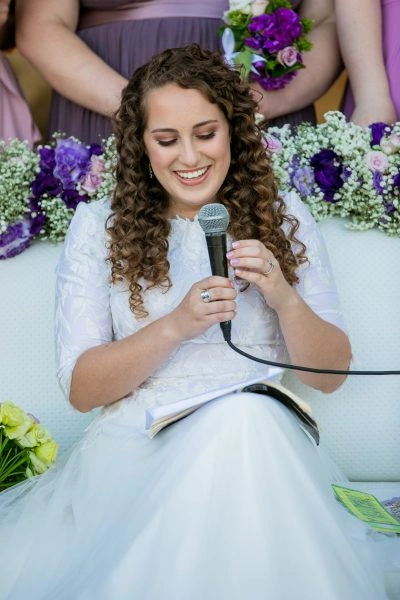
In my Shana bet at Migdal Oz I attended the Hadran siyum hash”as. Witnessing so many women so passionate about their Torah learning and connection to God, I knew I had to begin with the coming cycle. My wedding (June 24) was two weeks before the siyum of mesechet yoma so I went a little ahead and was able to make a speech and siyum at my kiseh kallah on my wedding day!
Sharona Guggenheim Plumb
Givat Shmuel, Israel
I started learning after the siyum hashas for women and my daily learning has been a constant over the last two years. It grounded me during the chaos of Corona while providing me with a community of fellow learners. The Daf can be challenging but it’s filled with life’s lessons, struggles and hope for a better world. It’s not about the destination but rather about the journey. Thank you Hadran!

Dena Lehrman
אפרת, Israel
My family recently made Aliyah, because we believe the next chapter in the story of the Jewish people is being written here, and we want to be a part of it. Daf Yomi, on the other hand, connects me BACK, to those who wrote earlier chapters thousands of years ago. So, I feel like I’m living in the middle of this epic story. I’m learning how it all began, and looking ahead to see where it goes!

Tina Lamm
Jerusalem, Israel
I started learning daf in January, 2020, being inspired by watching the Siyyum Hashas in Binyanei Haumah. I wasn’t sure I would be able to keep up with the task. When I went to school, Gemara was not an option. Fast forward to March, 2022, and each day starts with the daf. The challenge is now learning the intricacies of delving into the actual learning. Hadran community, thank you!

Rochel Cheifetz
Riverdale, NY, United States
I graduated college in December 2019 and received a set of shas as a present from my husband. With my long time dream of learning daf yomi, I had no idea that a new cycle was beginning just one month later, in January 2020. I have been learning the daf ever since with Michelle Farber… Through grad school, my first job, my first baby, and all the other incredible journeys over the past few years!
Sigal Spitzer Flamholz
Bronx, United States
I started learning when my brother sent me the news clip of the celebration of the last Daf Yomi cycle. I was so floored to see so many women celebrating that I wanted to be a part of it. It has been an enriching experience studying a text in a language I don’t speak, using background knowledge that I don’t have. It is stretching my learning in unexpected ways, bringing me joy and satisfaction.
Jodi Gladstone
Warwick, Rhode Island, United States
I was moved to tears by the Hadran Siyyum HaShas. I have learned Torah all my life, but never connected to learning Gemara on a regular basis until then. Seeing the sheer joy Talmud Torah at the siyyum, I felt compelled to be part of it, and I haven’t missed a day!
It’s not always easy, but it is so worthwhile, and it has strengthened my love of learning. It is part of my life now.

Michelle Lewis
Beit Shemesh, Israel
When the new cycle began, I thought, If not now, when? I’d just turned 72. I feel like a tourist on a tour bus passing astonishing scenery each day. Rabbanit Michelle is my beloved tour guide. When the cycle ends, I’ll be 80. I pray that I’ll have strength and mind to continue the journey to glimpse a little more. My grandchildren think having a daf-learning savta is cool!
Wendy Dickstein
Jerusalem, Israel
I’ve been studying Talmud since the ’90s, and decided to take on Daf Yomi two years ago. I wanted to attempt the challenge of a day-to-day, very Jewish activity. Some days are so interesting and some days are so boring. But I’m still here.

Wendy Rozov
Phoenix, AZ, United States
Shortly after the death of my father, David Malik z”l, I made the commitment to Daf Yomi. While riding to Ben Gurion airport in January, Siyum HaShas was playing on the radio; that was the nudge I needed to get started. The “everyday-ness” of the Daf has been a meaningful spiritual practice, especial after COVID began & I was temporarily unable to say Kaddish at daily in-person minyanim.

Lisa S. Malik
Wynnewood, United States
With Rabbanit Dr. Naomi Cohen in the Women’s Talmud class, over 30 years ago. It was a “known” class and it was accepted, because of who taught. Since then I have also studied with Avigail Gross-Gelman and Dr. Gabriel Hazut for about a year). Years ago, in a shiur in my shul, I did know about Persians doing 3 things with their clothes on. They opened the shiur to woman after that!

Sharon Mink
Haifa, Israel
Michelle has been an inspiration for years, but I only really started this cycle after the moving and uplifting siyum in Jerusalem. It’s been an wonderful to learn and relearn the tenets of our religion and to understand how the extraordinary efforts of a band of people to preserve Judaism after the fall of the beit hamikdash is still bearing fruits today. I’m proud to be part of the chain!
Judith Weil
Raanana, Israel
When I began learning Daf Yomi at the beginning of the current cycle, I was preparing for an upcoming surgery and thought that learning the Daf would be something positive I could do each day during my recovery, even if I accomplished nothing else. I had no idea what a lifeline learning the Daf would turn out to be in so many ways.

Laura Shechter
Lexington, MA, United States
Since I started in January of 2020, Daf Yomi has changed my life. It connects me to Jews all over the world, especially learned women. It makes cooking, gardening, and folding laundry into acts of Torah study. Daf Yomi enables me to participate in a conversation with and about our heritage that has been going on for more than 2000 years.
Shira Eliaser
Skokie, IL, United States
I began my Daf Yomi journey on January 5, 2020. I had never learned Talmud before. Initially it struck me as a bunch of inane and arcane details with mind bending logic. I am now smitten. Rabbanit Farber brings the page to life and I am eager to learn with her every day!
Lori Stark
Highland Park, United States
I started learning Daf in Jan 2020 with Brachot b/c I had never seen the Jewish people united around something so positive, and I wanted to be a part of it. Also, I wanted to broaden my background in Torah Shebal Peh- Maayanot gave me a great gemara education, but I knew that I could hold a conversation in most parts of tanach but almost no TSB. I’m so thankful for Daf and have gained immensely.
Meira Shapiro
NJ, United States
Margo
I started my Talmud journey in 7th grade at Akiba Jewish Day School in Chicago. I started my Daf Yomi journey after hearing Erica Brown speak at the Hadran Siyum about marking the passage of time through Daf Yomi.
Carolyn
I started my Talmud journey post-college in NY with a few classes. I started my Daf Yomi journey after the Hadran Siyum, which inspired both my son and myself.
Carolyn Hochstadter and Margo Kossoff Shizgal
Merion Station, USA
Beit Shemesh, Israel
I decided to learn one masechet, Brachot, but quickly fell in love and never stopped! It has been great, everyone is always asking how it’s going and chering me on, and my students are always making sure I did the day’s daf.
Yafit Fishbach
Memphis, Tennessee, United States
I started learning on January 5, 2020. When I complete the 7+ year cycle I will be 70 years old. I had been intimidated by those who said that I needed to study Talmud in a traditional way with a chevruta, but I decided the learning was more important to me than the method. Thankful for Daf Yomi for Women helping me catch up when I fall behind, and also being able to celebrate with each Siyum!

Pamela Elisheva
Bakersfield, United States
Bava Batra 39
וְלִמְחַר תָּבַעְנָא לֵיהּ בְּדִינָא״ – הָוְיָא מֶחָאָה.
and tomorrow, i.e., in the future, I will bring a claim against him in court, it is a valid protest.
אָמַר ״לָא תֵּימְרוּ לֵיהּ״, מַאי? אָמַר רַב זְבִיד: הָא קָאָמַר ״לָא תֵּימְרוּ לֵיהּ״! רַב פָּפָּא אָמַר: לְדִידֵיהּ לָא תֵּימְרוּ לֵיהּ, לְאַחֲרִינֵי אֵימַרוּ לְהוּ – חַבְרָךְ חַבְרָא אִית לֵיהּ, חַבְרָא דְחַבְרָךְ חַבְרָא אִית לֵיהּ.
If the one lodging a protest also said: Do not tell the possessor of the protest, what is the halakha? Rav Zevid said: It is not a valid protest, because isn’t he saying: Do not tell him? Therefore, word of the protest will not reach the possessor and it is meaningless. Rav Pappa disagreed and said that the owner merely meant: Do not tell him personally, but they, i.e. the witnesses, should tell others. In that case, word of the protest will reach the possessor, since your friend has a friend whom he tells about the protest, and your friend’s friend has a friend whom he tells about the protest; therefore, it is a valid protest.
אֲמַרוּ לֵיהּ: ״לָא אָמְרִינַן לֵיהּ״ – אָמַר רַב זְבִיד: הָא קָא אֲמַרוּ לֵיהּ ״לָא אָמְרִינַן לֵיהּ״! רַב פָּפָּא אָמַר: לְדִידֵיהּ לָא אָמְרִינַן לֵיהּ, לְאַחֲרִינֵי אָמְרִי לְהוּ – חַבְרָךְ חַבְרָא אִית לֵיהּ, וְחַבְרָא דְחַבְרָךְ חַבְרָא אִית לֵיהּ.
If the witnesses before whom the owner lodged the protest said to him: We are not going to tell the possessor about your protest, what is the halakha? Rav Zevid said: It is not a valid protest, and he has to lodge a protest before other witnesses, as are they not saying to him: We are not going to tell him about your protest? Rav Pappa disagreed and said that they merely meant: We are not going to tell him personally, but we are going to tell others. In that case, word of the protest will reach the possessor, since your friend has a friend whom he tells about the protest, and your friend’s friend has a friend whom he tells about the protest; therefore, it is a valid protest.
אֲמַר לְהוּ: ״לָא תִּיפּוֹק לְכוּ שׁוּתָא״ – אָמַר רַב זְבִיד: הָא קָאָמַר ״לָא תִּיפּוֹק לְכוּ שׁוּתָא״! אֲמַרוּ לֵיהּ: ״לָא מַפְּקִינַן שׁוּתָא״ – אָמַר רַב פָּפָּא: הָא קָאָמְרִי לֵיהּ ״לָא מַפְּקִינַן שׁוּתָא״! רַב הוּנָא בְּרֵיהּ דְּרַב יְהוֹשֻׁעַ אָמַר: כֹּל מִילְּתָא דְלָא רַמְיָא עֲלֵיהּ דְּאִינִישׁ, אָמַר לַהּ וְלָאו אַדַּעְתֵּיהּ.
If the one lodging the protest also said to them: A word [shuta] should not emerge from you about this, what is the halakha? Rav Zevid said: It is not a valid protest, as isn’t he saying to them: A word should not emerge from you? Similarly, if the people before whom he protested said to him: We will not have a word emerge from us, Rav Pappa said: It is not a valid protest, as aren’t they saying to him: We will not have a word emerge from us? Rav Huna, the son of Rav Yehoshua, disagreed and said: It is a valid protest, because with regard to any matter that is not actually incumbent on a person to keep secret, it is likely that he will say it to others unawares, and therefore the presumption is that word will reach the possessor.
אָמַר רָבָא אָמַר רַב נַחְמָן: מֶחָאָה שֶׁלֹּא בְּפָנָיו הָוְיָא מֶחָאָה. אֵיתִיבֵיהּ רָבָא לְרַב נַחְמָן – אָמַר רַבִּי יְהוּדָה: לֹא אָמְרוּ שָׁלֹשׁ שָׁנִים, אֶלָּא כְּדֵי שֶׁיְּהֵא בְּאַסְפַּמְיָא וְיַחְזִיק שָׁנָה, וְיֵלְכוּ וְיוֹדִיעוּהוּ שָׁנָה, וְיָבֹא לְשָׁנָה אַחֶרֶת. וְאִי סָלְקָא דַעְתָּךְ מֶחָאָה שֶׁלֹּא בְּפָנָיו הָוְיָא מֶחָאָה, לְמָה לִי לְמֵיתֵי? לִיתֵּיב הָתָם אַדּוּכְתֵּיהּ, וְלִימַחֵי! הָתָם עֵצָה טוֹבָה קָא מַשְׁמַע לַן, דְּנֵיתֵי וְנִשְׁקוֹל אַרְעָא וּפֵירֵי.
§ Rava says that Rav Naḥman says: A protest that is lodged not in the presence of the possessor is a valid protest. Rava raised an objection to what Rav Naḥman said from the mishna: Rabbi Yehuda says: The Sages said that establishing the presumption of ownership requires three years only in order that if the owner will be in Spain and another possesses his field for a year, people will go and inform the owner by the end of the next year, and the owner will come back in the following year and take the possessor to court. And if it enters your mind that a protest that is lodged not in his presence is a valid protest, why do I need the owner to come? Let him remain there in his place and protest. The Gemara answers: There, Rabbi Yehuda wishes to teach us good advice, that he should come and collect the land and its produce.
מִדְּקָא מוֹתֵיב לֵיהּ רָבָא לְרַב נַחְמָן – מִכְּלָל דְּלָא סְבִירָא לֵיהּ דְּמֶחָאָה שֶׁלֹּא בְּפָנָיו הָוְיָא מֶחָאָה; וְהָאָמַר רָבָא: מֶחָאָה שֶׁלֹּא בְּפָנָיו הָוְיָא מֶחָאָה! בָּתַר דְּשַׁמְעַהּ מֵרַב נַחְמָן, סַבְרַהּ.
The Gemara asks: From the fact that Rava raised an objection to Rav Naḥman, it may be inferred that he does not hold that a protest that is lodged not in his presence is a valid protest. But doesn’t Rava say: A protest that is lodged not in his presence is a valid protest? The Gemara answers: He held that conclusion only after he heard this halakha from Rav Naḥman.
אַשְׁכְּחִינְהוּ רַבִּי יוֹסֵי בְּרַבִּי חֲנִינָא לְתַלְמִידָיו דְּרַבִּי יוֹחָנָן, אֲמַר לְהוּ: מִי אָמַר רַבִּי יוֹחָנָן מֶחָאָה – בְּכַמָּה? רַבִּי חִיָּיא בַּר אַבָּא אָמַר רַבִּי יוֹחָנָן: מֶחָאָה בִּפְנֵי שְׁנַיִם. רַבִּי אֲבָהוּ אָמַר רַבִּי יוֹחָנָן: מֶחָאָה בִּפְנֵי שְׁלֹשָׁה.
§ The Gemara relates: Rabbi Yosei, son of Rabbi Ḥanina, encountered the students of Rabbi Yoḥanan and said to them: Did Rabbi Yoḥanan say in the presence of how many people a protest must be lodged? Rabbi Ḥiyya bar Abba says that Rabbi Yoḥanan says: A protest must be lodged in the presence of two people. Rabbi Abbahu said that Rabbi Yoḥanan said: A protest must be lodged in the presence of three people.
לֵימָא בִּדְרַבָּה בַּר רַב הוּנָא קָא מִיפַּלְגִי – דְּאָמַר רַבָּה בַּר רַב הוּנָא: כֹּל מִילְּתָא דְּמִתְאַמְרָא בְּאַפֵּי תְּלָתָא,
The Gemara suggests: Shall we say that they disagree with regard to the halakha of Rabba bar Rav Huna? As Rabba bar Rav Huna says: Any matter that is said in the presence of three people
לֵית בָּהּ מִשּׁוּם לִישָּׁנָא בִּישָׁא; מַאן דְּאָמַר בִּפְנֵי שְׁנַיִם – לֵית לֵיהּ דְּרַבָּה בַּר רַב הוּנָא, וּמַאן דְּאָמַר בִּפְנֵי שְׁלֹשָׁה – אִית לֵיהּ דְּרַבָּה בַּר רַב הוּנָא?
is not subject to the prohibition of malicious speech, as it is already public knowledge. The Gemara elaborates on the suggestion that the dispute hinges upon this point: The one who says that a protest can be lodged in the presence of two people is not of the opinion that the ruling is in accordance with the opinion of Rabba bar Rav Huna and holds that even if only two people hear of a matter it will become a matter of public knowledge. Therefore, it is sufficient to protest in the presence of two witnesses. And the one who says that a protest must be lodged in the presence of three people is of the opinion that the ruling is in accordance with the opinion of Rabba bar Rav Huna.
לָא, דְּכוּלֵּי עָלְמָא אִית לְהוּ דְּרַבָּה בַּר רַב הוּנָא; וְהָכָא בְּהָא קָא מִיפַּלְגִי – מַאן דְּאָמַר בִּפְנֵי שְׁנַיִם, קָסָבַר: מֶחָאָה שֶׁלֹּא בְּפָנָיו לָא הָוְיָא מֶחָאָה. וּמַאן דְּאָמַר בִּפְנֵי שְׁלֹשָׁה, קָסָבַר: מֶחָאָה שֶׁלֹּא בְּפָנָיו הָוְיָא מֶחָאָה.
The Gemara rejects this suggestion: No, everyone is of the opinion that the ruling is in accordance with the opinion of Rabba bar Rav Huna, and here they disagree with regard to this: The one who says that a protest can be lodged in the presence of two people holds that a protest that is lodged not in his presence is not a valid protest. Therefore, two witnesses suffice, as they are needed to attest only to the fact that the owner protested. And the one who says that a protest must be lodged in the presence of three people holds that a protest that is lodged not in his presence is a valid protest. Since the protest can be lodged not in the possessor’s presence, three people are needed to ensure that word of the protest will reach him.
אִי בָּעֵית אֵימָא: דְּכוּלֵּי עָלְמָא – מֶחָאָה שֶׁלֹּא בְּפָנָיו הָוְיָא מֶחָאָה; וְהָכָא בְּהָא קָמִיפַּלְגִי – מַאן דְּאָמַר בִּפְנֵי שְׁנַיִם, סָבַר: סָהֲדוּתָא בָּעֵינַן. וּמַאן דְּאָמַר בִּפְנֵי שְׁלֹשָׁה, קָסָבַר: גַּלּוֹיֵי מִילְּתָא בָּעֵינַן.
If you wish, say instead that everyone holds that a protest that is lodged not in his presence is a valid protest, and here they disagree with regard to this: The one who says that a protest can be lodged in the presence of only two people holds that we require testimony, and two are sufficient for testimony. And the one who says that a protest must be lodged in the presence of three people holds that we require that the matter of the protest be revealed, and for that purpose three people are needed.
גִּידֵּל בַּר מִנְיוֹמֵי הֲוָה לֵיהּ מַחוּיָאתָה לְמַחוֹיֵי. אַשְׁכְּחִינְהוּ לְרַב הוּנָא וּלְחִיָּיא בַּר רַב וּלְרַב חִלְקִיָּה בַּר טוֹבִי דַּהֲווֹ יָתְבִי, וּמַחָה קַמַּיְיהוּ. לְשָׁנָה – הֲדַר אֲתָא לְמַחוֹיֵי, אֲמַרוּ לֵיהּ: לָא צְרִיכַתְּ, הָכִי אָמַר רַב: כֵּיוָן שֶׁמִּיחָה שָׁנָה רִאשׁוֹנָה, שׁוּב אֵינוֹ צָרִיךְ לְמַחוֹת. וְאִיכָּא דְאָמְרִי, אֲמַר לֵיהּ חִיָּיא בַּר רַב: כֵּיוָן שֶׁמִּיחָה שָׁנָה רִאשׁוֹנָה, שׁוּב אֵין צָרִיךְ לְמַחוֹת.
§ The Gemara relates: Giddel bar Minyumi had a protest to lodge with regard to his property. He found Rav Huna and Ḥiyya bar Rav and Rav Ḥilkiya bar Tuvi, who were sitting, and he protested before them. After a year, he came to them again to protest. They said to him: You do not need to do so; this is what Rav says: Once the owner protested in the first year, he no longer needs to protest. And there are those who say that Ḥiyya bar Rav said to him, not in the name of Rav: Once the owner protested in the first year, he no longer needs to protest.
אָמַר רֵישׁ לָקִישׁ מִשּׁוּם בַּר קַפָּרָא: וְצָרִיךְ לְמַחוֹת בְּסוֹף כׇּל שָׁלֹשׁ וְשָׁלֹשׁ. תָּהֵי בַּהּ רַבִּי יוֹחָנָן: וְכִי גַּזְלָן יֵשׁ לוֹ חֲזָקָה?! ״גַּזְלָן״ סָלְקָא דַּעְתָּךְ?! אֶלָּא ״כְּגַזְלָן״ יֵשׁ לוֹ חֲזָקָה.
Reish Lakish says in the name of bar Kappara: And he needs to protest at the end of each and every period of three years, so that the possessor will not hold his property for three consecutive years uncontested. Rabbi Yoḥanan expressed surprise at this ruling of Reish Lakish and said: But does a robber have the ability to establish the presumption of ownership? Once the owner lodged one protest, he demonstrated that the possessor occupied his land unlawfully. Therefore, the possessor should never be able to establish the presumption of ownership. The Gemara clarifies: Does it enter your mind that the possessor is actually a robber? There is no evidence that he robbed, there is only a protest by the prior owner. Rather, emend his question as follows: Does one who is akin to a robber have the ability to establish the presumption of ownership?
אָמַר רָבָא: הִלְכְתָא – צָרִיךְ לְמַחוֹת בְּסוֹף כׇּל שָׁלֹשׁ וְשָׁלֹשׁ. תָּנֵי בַּר קַפָּרָא: עִרְעֵר, חָזַר וְעִרְעֵר, חָזַר וְעִרְעֵר – אִם מֵחֲמַת טַעֲנָה רִאשׁוֹנָה עִרְעֵר, אֵין לוֹ חֲזָקָה. וְאִם לָאו – יֵשׁ לוֹ חֲזָקָה.
Rava says that the halakha is: The owner needs to protest at the end of each and every period of three years. Bar Kappara teaches: If the owner protested, returned and protested, and then returned and protested, if, when he protested the later times, his protest was based on the same claim as the initial claim, the possessor has no presumptive ownership. But if the later protests were not based on the same claim as the initial protest, the possessor has presumptive ownership since each time the owner advanced a new claim, he thereby nullified his earlier claims.
אָמַר רָבָא אָמַר רַב נַחְמָן: מֶחָאָה – בִּפְנֵי שְׁנַיִם,
§ Rava says that Rav Naḥman says: A protest can be lodged in the presence of two witnesses,
Follow

