









Bava Batra
Masechet Bava Batra is sponsored by Lori Stark in loving memory of her mother in law, Sara Shapiro z”l and her father Nehemiah Sosewitz z”l.
This week’s learning is sponsored by Robert and Paula Cohen in loving memory of Joseph Cohen, Yosef ben Moshe HaCohen, z”l. “He was hard working, loved to sing, esp. as a chazan, and was very dedicated to his family and community.”
Want to dedicate learning? Get started here:


Today’s daily daf tools:
Bava Batra
Masechet Bava Batra is sponsored by Lori Stark in loving memory of her mother in law, Sara Shapiro z”l and her father Nehemiah Sosewitz z”l.
This week’s learning is sponsored by Robert and Paula Cohen in loving memory of Joseph Cohen, Yosef ben Moshe HaCohen, z”l. “He was hard working, loved to sing, esp. as a chazan, and was very dedicated to his family and community.”
Bava Batra 42
אִינְהוּ אַפְסִידוּ אַנַּפְשַׁיְיהוּ.
they caused their own loss by not investigating whether there was a lien on the property that they intended to buy.
וּמִי אָמַר רַב הָכִי? וְהָתְנַן: הַמַּלְוֶה אֶת חֲבֵירוֹ בִּשְׁטָר – גּוֹבֶה מִנְּכָסִים מְשׁוּעְבָּדִים, עַל יְדֵי עֵדִים – גּוֹבֶה מִנְּכָסִים בְּנֵי חוֹרִין!
The Gemara asks: And did Rav, in fact, say this, that one can collect sold property by means of witnesses alone? But didn’t we learn in a mishna (175a): One who lends money to another with a promissory note collects his debt from liened property that had been sold after the loan, if the debtor has no other property; but if one lent by means of witnesses without a promissory note, he collects his debt only from unsold property?
וְכִי תֵּימָא: רַב תַּנָּא הוּא וּפָלֵיג, וְהָא רַב וּשְׁמוּאֵל דְּאָמְרִי תַּרְוַיְיהוּ: מִלְוֶה עַל פֶּה – אֵינוֹ גּוֹבֶה לֹא מִן הַיּוֹרְשִׁים וְלֹא מִן הַלָּקוֹחוֹת!
And if you would say that Rav is a tanna, and as such has the authority to dispute the determination in the mishna, but didn’t Rav himself and Shmuel both say: One who is owed a debt due to a loan by oral contract does not collect liened property, not from the heirs of the debtor nor from the buyers, despite the fact that there are witnesses?
מִלְוֶה אַזְּבִינֵי קָא רָמֵית?! מִלְוֶה, כִּי קָא יָזֵיף – בְּצִנְעָא קָא יָזֵיף, כִּי הֵיכִי דְּלָא לִיתַּזְלוּ נִכְסֵיהּ עֲלֵיהּ. זְבִינֵי, מַאן דְּזָבֵין אַרְעָא – בְּפַרְהֶסְיָא זָבֵין, כִּי הֵיכִי דְּלִיפּוֹק לַהּ קָלָא.
The Gemara answers: Are you raising a contradiction from a case of a loan to a case of a sale? They are not comparable. In the case of a loan, when one borrows money he borrows discreetly, in order that his property not be devalued, as people will pay less for his property if they know that he is pressed for capital. Since a loan is issued discreetly, the presumption is that the buyers were unaware of the loan. Therefore, the creditor does not collect from sold property. By contrast, in the case of a sale, one who sells land sells it in public in order that publicity be generated with regard to it. Therefore, the cases of loans and sales are not comparable.
תָּנוּ רַבָּנַן: אֲכָלָהּ הָאָב שָׁנָה וְהַבֵּן שְׁתַּיִם; הָאָב שְׁתַּיִם וְהַבֵּן שָׁנָה; הָאָב שָׁנָה, וְהַבֵּן שָׁנָה, וְהַלּוֹקֵחַ שָׁנָה – הֲרֵי זוֹ חֲזָקָה.
The Gemara continues the discussion of the establishment of the presumption of ownership by successive possessors. The Sages taught: If the father worked and profited from the land for one year and the son who inherited it from him worked and profited from it for two years, or if the father worked and profited from the land for two years and the son worked and profited from it for one year, or if the father worked and profited from the land for one year and the son worked and profited from it for one year, and the buyer, who purchased it from the son, worked and profited from it for one year, this is sufficient to establish the presumption of ownership.
לְמֵימְרָא דְּלוֹקֵחַ אִית לֵיהּ קָלָא?! וּרְמִינְהִי: אֲכָלָהּ בִּפְנֵי הָאָב שָׁנָה וּבִפְנֵי הַבֵּן שְׁתַּיִם; בִּפְנֵי הָאָב שְׁתַּיִם וּבִפְנֵי הַבֵּן שָׁנָה; בִּפְנֵי הָאָב שָׁנָה, וּבִפְנֵי הַבֵּן שָׁנָה, וּבִפְנֵי לוֹקֵחַ שָׁנָה – הֲרֵי זוֹ חֲזָקָה. וְאִי סָלְקָא דַעְתָּךְ לוֹקֵחַ אִית לֵיהּ קָלָא, אֵין לְךָ מְחָאָה גְּדוֹלָה מִזּוֹ!
The Gemara asks: Is this to say that with regard to a buyer, the transaction generates publicity? And one can raise a contradiction from a baraita (Tosefta 2:8): If one worked and profited from the land in the presence of the father, the prior owner, for one year, and in the presence of the son, who then inherited it from the father, for two years; or in the presence of the father for two years and in the presence of the son for one year; or in the presence of the father for one year and in the presence of the son for one year and in the presence of the buyer, who purchased it from the son, for one year; this is sufficient to establish the presumption of ownership. And if it enters your mind that with regard to a buyer, the transaction generates publicity, there is no greater protest than this. By selling his land to someone else, the son of the prior owner is clearly stating that it does not belong to the possessor.
אָמַר רַב פָּפָּא: כִּי תַּנְיָא הָהִיא – בְּמוֹכֵר שְׂדוֹתָיו סְתָם.
Rav Pappa said: That is not a contradiction, as when that baraita is taught, it is taught with regard to one who sells his fields without specification. The son of the prior owner sold his fields without clarifying which fields he was selling. Since he did not specify the field from which the possessor is profiting, the possessor had no reason to assume that this field was being sold and that he needed to hold on to his deed, and he establishes the presumption of ownership despite the sale. In a case where the son of the prior owner stated explicitly that he was selling the field in question, the sale would serve as his protest.
מַתְנִי׳ הָאוּמָּנִין, וְהַשּׁוּתָּפִין, וְהָאֲרִיסִין, וְהָאַפּוֹטְרוֹפִּין – אֵין לָהֶם חֲזָקָה. לֹא לָאִישׁ חֲזָקָה בְּנִכְסֵי אִשְׁתּוֹ, וְלֹא לָאִשָּׁה חֲזָקָה בְּנִכְסֵי בַּעֲלָהּ; וְלֹא לָאָב בְּנִכְסֵי הַבֵּן, וְלֹא לַבֵּן בְּנִכְסֵי הָאָב.
MISHNA: Craftsmen who are in possession of items that they are repairing, and partners, and sharecroppers, and stewards [veha’apotropin] do not have the ability to establish the presumption of ownership with regard to property in their possession, as their possession is not indicative of ownership. Similarly, a man does not have the ability to establish the presumption of ownership with regard to his wife’s property, and a wife does not have the ability to establish the presumption of ownership with regard to her husband’s property. And a father similarly does not have the ability to establish the presumption of ownership with regard to a son’s property, and a son does not have the ability to establish the presumption of ownership with regard to a father’s property. A husband and wife, or son and father, use each other’s property freely. Possession is therefore not indicative of ownership.
בַּמֶּה דְּבָרִים אֲמוּרִים – בְּמַחְזִיק; אֲבָל בְּנוֹתֵן מַתָּנָה, וְהָאַחִין שֶׁחָלְקוּ, וְהַמַּחְזִיק בְּנִכְסֵי הַגֵּר – נָעַל וְגָדֵר וּפָרַץ כׇּל שֶׁהוּא – הֲרֵי זוֹ חֲזָקָה.
The mishna continues: In what case is this statement, that one establishes the presumption of ownership after profiting from the property for a certain duration, with the exception of the above people, said? It is said in a case of one who has mere possession of the property, which does, in some cases, serve as proof of ownership. But in a case where another person gives one a gift, or there are brothers who divided their inheritance, or there is one who takes possession of the property of a convert who died without heirs and his property is now ownerless, as soon as one locked the door of the property, or fenced it or breached its fence even a bit, this is considered taking possession of the property, and it effects acquisition.
גְּמָ׳ אֲבוּהּ דִּשְׁמוּאֵל וְלֵוִי תָּנוּ: שׁוּתָּף אֵין לוֹ חֲזָקָה, וְכׇל שֶׁכֵּן אוּמָּן. שְׁמוּאֵל תָּנֵי: אוּמָּן אֵין לוֹ חֲזָקָה, אֲבָל שׁוּתָּף יֵשׁ לוֹ חֲזָקָה. וְאַזְדָּא שְׁמוּאֵל לְטַעְמֵיהּ – דְּאָמַר שְׁמוּאֵל: הַשּׁוּתָּפִין מַחְזִיקִין זֶה עַל זֶה, וּמְעִידִין זֶה עַל זֶה, וְנַעֲשִׂים שׁוֹמְרֵי שָׂכָר זֶה לָזֶה.
GEMARA: Shmuel’s father and Levi taught: A partner does not have the ability to establish the presumption of ownership of property in his possession, and, all the more so, this inability applies to a craftsman as well. But Shmuel teaches: A craftsman does not have the ability to establish the presumption of ownership of property in his possession, but a partner does have the ability to establish the presumption of ownership. The Gemara comments: And Shmuel follows his line of reasoning, as Shmuel says: Partners establish the presumption of ownership with regard to the property of each other, and they testify for each other and become paid bailees of their joint property with regard to each other. In terms of these issues, Shmuel considers partners to be independent parties.
רָמֵי לֵיהּ רַבִּי אַבָּא לְרַב יְהוּדָה בִּמְעָרְתָּא דְּבֵי רַב זַכַּאי, מִי אָמַר שְׁמוּאֵל: שׁוּתָּף יֵשׁ לוֹ חֲזָקָה? וְהָאָמַר שְׁמוּאֵל: שׁוּתָּף כְּיוֹרֵד בִּרְשׁוּת דָּמֵי. לָאו לְמֵימְרָא דְּשׁוּתָּף אֵין לוֹ חֲזָקָה? לָא קַשְׁיָא; הָא דִּנְחֵית לְכוּלַּהּ, הָא דִּנְחֵית לְפַלְגָא.
Rabbi Abba raises a contradiction to Rav Yehuda in the case of Rav Zakkai’s house: Did Shmuel actually say that a partner has the ability to establish the presumption of ownership? But doesn’t Shmuel say: A partner is considered as one who enters the field with permission, such as a sharecropper? Isn’t that to say that a partner does not have the ability to establish the presumption of ownership? The Gemara answers: It is not difficult. This is referring to where he enters all of the field, and that is referring to where he enters half of the field.
אָמְרִי לַהּ לְהַאי גִּיסָא, וְאָמְרִי לַהּ לְהַאי גִּיסָא.
The Gemara explains: Some say it in this manner and some say it in that manner. On the one hand, it is possible to explain that if he entered half of the field he establishes the presumption of ownership with regard to that half, but if he entered the entire field he is merely acting as a partner. On the other hand, one could explain that entering half of the field does not establish the presumption of ownership at all, while entering the entire field does establish it.
רָבִינָא אָמַר: הָא וְהָא דִּנְחֵית לְכוּלַּהּ; וְלָא קַשְׁיָא – הָא דְּאִית בָּהּ דִּין חֲלוּקָהּ, הָא דְּלֵית בָּהּ דִּין חֲלוּקָהּ.
Ravina stated a different resolution to the contradiction: Both this and that are referring to a case where he enters the entire field, and it is not difficult. This is referring to a case where the field is of sufficient area to be subject to the halakha of division. In this case, his being in possession of the other half of the field as well, which belonged to his partner, establishes the presumption of ownership. That is referring to a case where the field is not of sufficient area to be subject to the halakha of division. Since the property will not be divided but will remain co-owned, he is merely possessing it as a partner and does not establish the presumption of ownership.
גּוּפָא – אָמַר שְׁמוּאֵל: שׁוּתָּף – כְּיוֹרֵד בִּרְשׁוּת דָּמֵי. מַאי קָא מַשְׁמַע לַן, שׁוּתָּפוּת אֵין לוֹ חֲזָקָה? לֵימָא: שׁוּתָּף אֵין לוֹ חֲזָקָה!
§ The Gemara addresses the matter itself. Shmuel says: A partner is considered as one who enters the field with permission. What is this teaching us, that there is not the presumption of ownership in the context of partnership? If so, let him say explicitly: A partner does not have the ability to establish the presumption of ownership of property in his possession.
אָמַר רַב נַחְמָן אָמַר רַבָּה בַּר אֲבוּהּ: לוֹמַר שֶׁנּוֹטֵל בַּשֶּׁבַח הַמַּגִּיעַ לִכְתֵפַיִם – בְּשָׂדֶה שֶׁאֵינָהּ עֲשׂוּיָה לִיטַּע, כְּשָׂדֶה הָעֲשׂוּיָה לִיטַּע.
Rav Naḥman says that Rabba bar Avuh says: Shmuel’s intent was to state that a partner who proactively works to improve their mutual property collects the enhancement that reaches shoulders, i.e., when the produce that grew due to the efforts of the partner is fully grown and ripened and can be harvested and carried upon one’s shoulders. He is not considered as one who entered another’s field without permission and improved it, who collects only for his expenditures. This is the halakha if he planted trees in a field that is not commonly used for planting trees, just as it is if he planted in a field that is commonly used for planting trees.
וּמְעִידִין זֶה לָזֶה.
The Gemara continues its discussion of Shmuel’s statement: And testify for each other. A partner may join another witness in testifying with regard to the fact that his partner owns a share of their field in order to counter the claim of a one who claims ownership of the field, and his testimony is not disqualified due to being biased.

Today’s daily daf tools:
Delve Deeper
Broaden your understanding of the topics on this daf with classes and podcasts from top women Talmud scholars.

New to Talmud?
Check out our resources designed to help you navigate a page of Talmud – and study at the pace, level and style that fits you.
The Hadran Women’s Tapestry
Meet the diverse women learning Gemara at Hadran and hear their stories.
I started learning when my brother sent me the news clip of the celebration of the last Daf Yomi cycle. I was so floored to see so many women celebrating that I wanted to be a part of it. It has been an enriching experience studying a text in a language I don’t speak, using background knowledge that I don’t have. It is stretching my learning in unexpected ways, bringing me joy and satisfaction.
Warwick, Rhode Island, United States
What a great experience to learn with Rabbanit Michelle Farber. I began with this cycle in January 2020 and have been comforted by the consistency and energy of this process throughout the isolation period of Covid. Week by week, I feel like I am exploring a treasure chest with sparkling gems and puzzling antiquities. The hunt is exhilarating.
Pennsylvania, United States
Phoenix, Arizona, United States

Philadelphia, United States

Jerusalem, Israel
I started learning Daf in Jan 2020 with Brachot b/c I had never seen the Jewish people united around something so positive, and I wanted to be a part of it. Also, I wanted to broaden my background in Torah Shebal Peh- Maayanot gave me a great gemara education, but I knew that I could hold a conversation in most parts of tanach but almost no TSB. I’m so thankful for Daf and have gained immensely.

NJ, United States
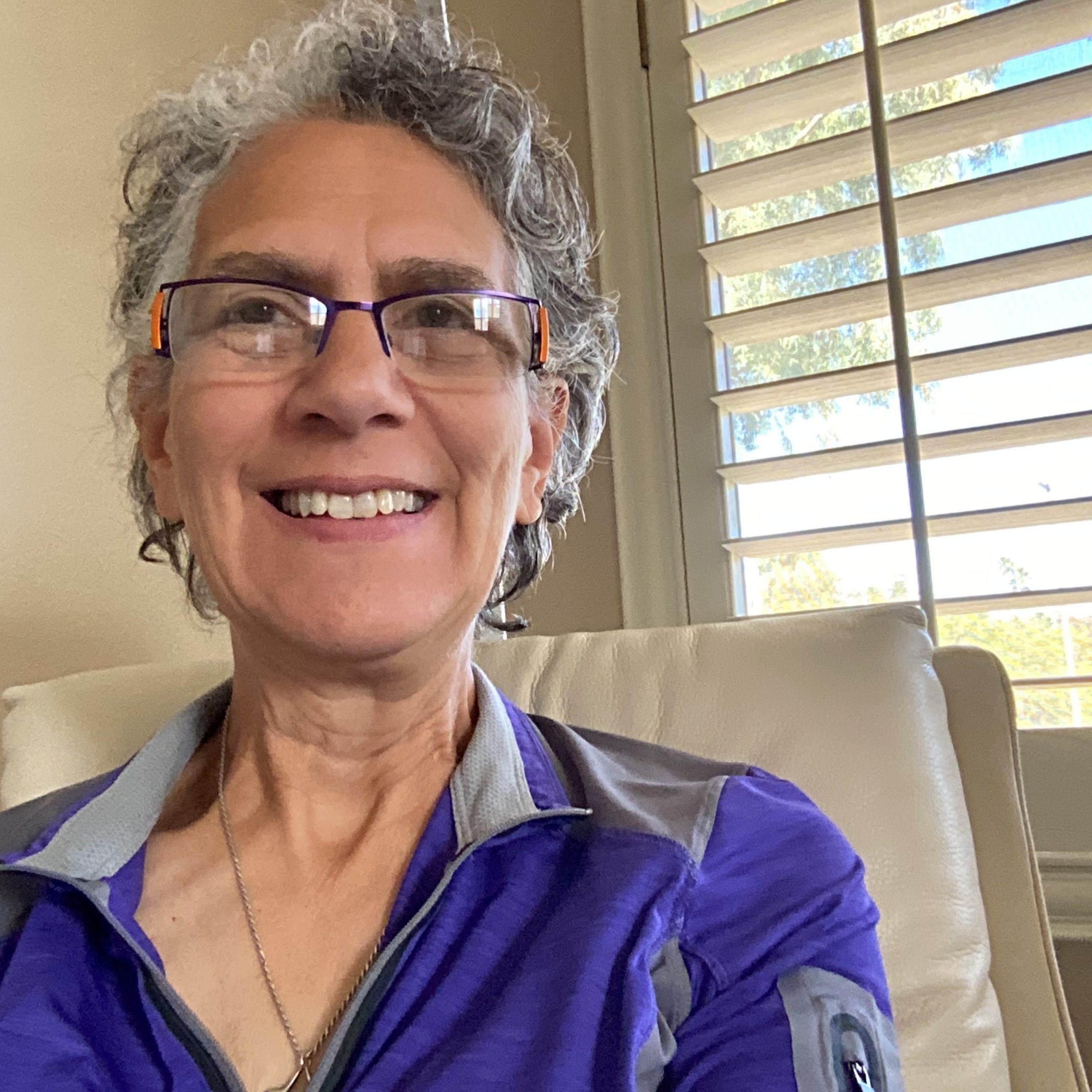
Minnesota, United States
Inspired by Hadran’s first Siyum ha Shas L’Nashim two years ago, I began daf yomi right after for the next cycle. As to this extraordinary journey together with Hadran..as TS Eliot wrote “We must not cease from exploration and the end of all our exploring will be to arrive where we began and to know the place for the first time.
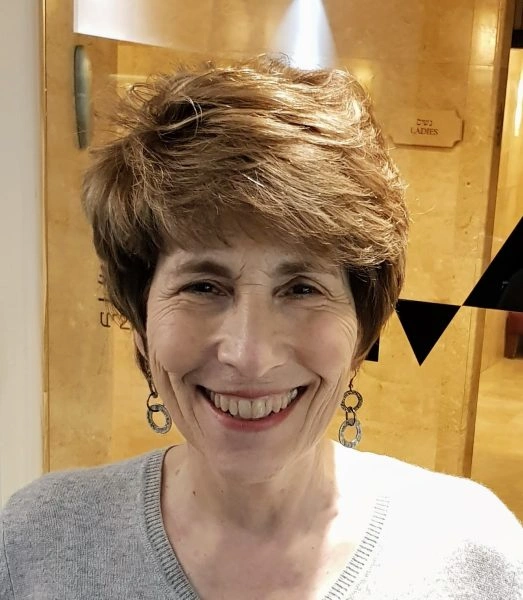
Jerusalem, Israel
When I was working and taking care of my children, learning was never on the list. Now that I have more time I have two different Gemora classes and the nach yomi as well as the mishna yomi daily.
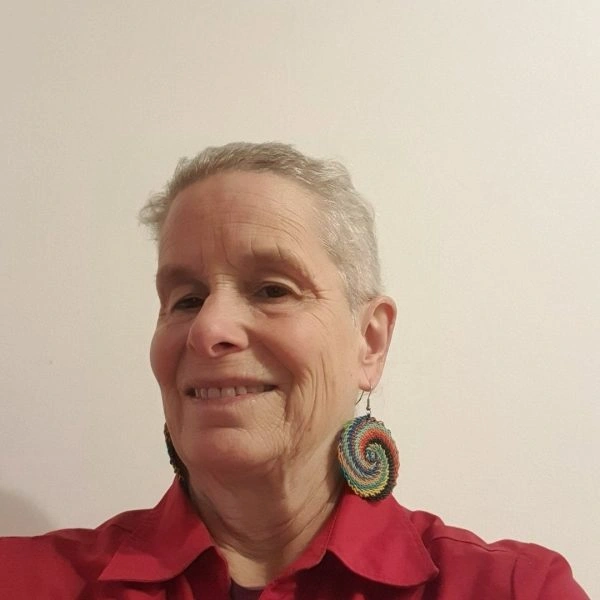
Jerusalem, Israel
A beautiful world of Talmudic sages now fill my daily life with discussion and debate.
bringing alive our traditions and texts that has brought new meaning to my life.
I am a מגילת אסתר reader for women . the words in the Mishna of מסכת megillah 17a
הקורא את המגילה למפרע לא יצא were powerful to me.
I hope to have the zchut to complete the cycle for my 70th birthday.

Jerusalem, Israel
I started learning at the beginning of this Daf Yomi cycle because I heard a lot about the previous cycle coming to an end and thought it would be a good thing to start doing. My husband had already bought several of the Koren Talmud Bavli books and they were just sitting on the shelf, not being used, so here was an opportunity to start using them and find out exactly what was in them. Loving it!

Borehamwood, United Kingdom
I tried Daf Yomi in the middle of the last cycle after realizing I could listen to Michelle’s shiurim online. It lasted all of 2 days! Then the new cycle started just days before my father’s first yahrzeit and my youngest daughter’s bat mitzvah. It seemed the right time for a new beginning. My family, friends, colleagues are immensely supportive!
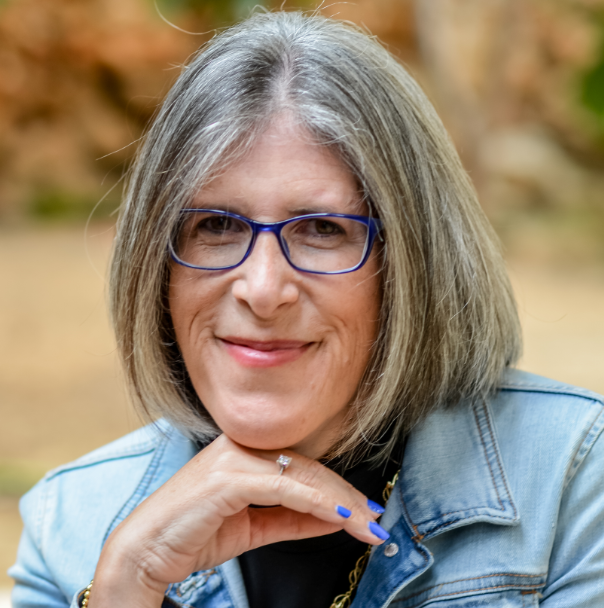
Zichron Yaakov, Israel
When the new cycle began, I thought, If not now, when? I’d just turned 72. I feel like a tourist on a tour bus passing astonishing scenery each day. Rabbanit Michelle is my beloved tour guide. When the cycle ends, I’ll be 80. I pray that I’ll have strength and mind to continue the journey to glimpse a little more. My grandchildren think having a daf-learning savta is cool!
Jerusalem, Israel
When we heard that R. Michelle was starting daf yomi, my 11-year-old suggested that I go. Little did she know that she would lose me every morning from then on. I remember standing at the Farbers’ door, almost too shy to enter. After that first class, I said that I would come the next day but couldn’t commit to more. A decade later, I still look forward to learning from R. Michelle every morning.
Ra’anana, Israel
It has been a pleasure keeping pace with this wonderful and scholarly group of women.

Beit Shemesh, Israel
I attended the Siyum so that I could tell my granddaughter that I had been there. Then I decided to listen on Spotify and after the siyum of Brachot, Covid and zoom began. It gave structure to my day. I learn with people from all over the world who are now my friends – yet most of us have never met. I can’t imagine life without it. Thank you Rabbanit Michelle.

Raanana, Israel
I’ve been wanting to do Daf Yomi for years, but always wanted to start at the beginning and not in the middle of things. When the opportunity came in 2020, I decided: “this is now the time!” I’ve been posting my journey daily on social media, tracking my progress (#DafYomi); now it’s fully integrated into my daily routines. I’ve also inspired my partner to join, too!

Teaneck, United States
I LOVE learning the Daf. I started with Shabbat. I join the morning Zoom with Reb Michelle and it totally grounds my day. When Corona hit us in Israel, I decided that I would use the Daf to keep myself sane, especially during the days when we could not venture out more than 300 m from our home. Now my husband and I have so much new material to talk about! It really is the best part of my day!
Hashmonaim, Israel
Margo
I started my Talmud journey in 7th grade at Akiba Jewish Day School in Chicago. I started my Daf Yomi journey after hearing Erica Brown speak at the Hadran Siyum about marking the passage of time through Daf Yomi.
Carolyn
I started my Talmud journey post-college in NY with a few classes. I started my Daf Yomi journey after the Hadran Siyum, which inspired both my son and myself.
Merion Station, USA
Beit Shemesh, Israel
I started learning with rabbis. I needed to know more than the stories. My first teacher to show me “the way of the Talmud” as well as the stories was Samara Schwartz.
Michelle Farber started the new cycle 2 yrs ago and I jumped on for the ride.
I do not look back.
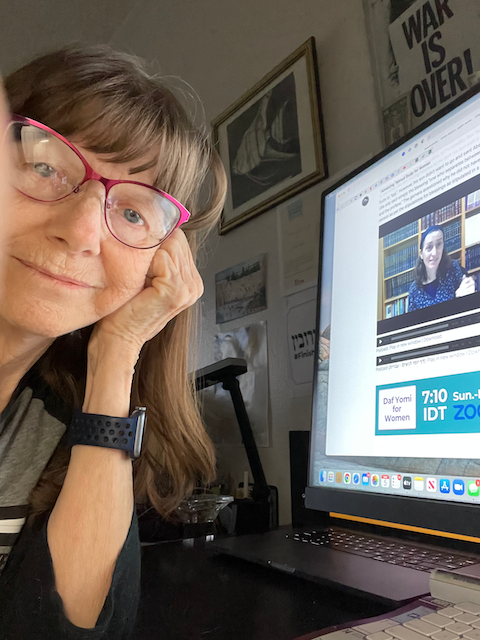
Houston, United States
Bava Batra 42
אִינְהוּ אַפְסִידוּ אַנַּפְשַׁיְיהוּ.
they caused their own loss by not investigating whether there was a lien on the property that they intended to buy.
וּמִי אָמַר רַב הָכִי? וְהָתְנַן: הַמַּלְוֶה אֶת חֲבֵירוֹ בִּשְׁטָר – גּוֹבֶה מִנְּכָסִים מְשׁוּעְבָּדִים, עַל יְדֵי עֵדִים – גּוֹבֶה מִנְּכָסִים בְּנֵי חוֹרִין!
The Gemara asks: And did Rav, in fact, say this, that one can collect sold property by means of witnesses alone? But didn’t we learn in a mishna (175a): One who lends money to another with a promissory note collects his debt from liened property that had been sold after the loan, if the debtor has no other property; but if one lent by means of witnesses without a promissory note, he collects his debt only from unsold property?
וְכִי תֵּימָא: רַב תַּנָּא הוּא וּפָלֵיג, וְהָא רַב וּשְׁמוּאֵל דְּאָמְרִי תַּרְוַיְיהוּ: מִלְוֶה עַל פֶּה – אֵינוֹ גּוֹבֶה לֹא מִן הַיּוֹרְשִׁים וְלֹא מִן הַלָּקוֹחוֹת!
And if you would say that Rav is a tanna, and as such has the authority to dispute the determination in the mishna, but didn’t Rav himself and Shmuel both say: One who is owed a debt due to a loan by oral contract does not collect liened property, not from the heirs of the debtor nor from the buyers, despite the fact that there are witnesses?
מִלְוֶה אַזְּבִינֵי קָא רָמֵית?! מִלְוֶה, כִּי קָא יָזֵיף – בְּצִנְעָא קָא יָזֵיף, כִּי הֵיכִי דְּלָא לִיתַּזְלוּ נִכְסֵיהּ עֲלֵיהּ. זְבִינֵי, מַאן דְּזָבֵין אַרְעָא – בְּפַרְהֶסְיָא זָבֵין, כִּי הֵיכִי דְּלִיפּוֹק לַהּ קָלָא.
The Gemara answers: Are you raising a contradiction from a case of a loan to a case of a sale? They are not comparable. In the case of a loan, when one borrows money he borrows discreetly, in order that his property not be devalued, as people will pay less for his property if they know that he is pressed for capital. Since a loan is issued discreetly, the presumption is that the buyers were unaware of the loan. Therefore, the creditor does not collect from sold property. By contrast, in the case of a sale, one who sells land sells it in public in order that publicity be generated with regard to it. Therefore, the cases of loans and sales are not comparable.
תָּנוּ רַבָּנַן: אֲכָלָהּ הָאָב שָׁנָה וְהַבֵּן שְׁתַּיִם; הָאָב שְׁתַּיִם וְהַבֵּן שָׁנָה; הָאָב שָׁנָה, וְהַבֵּן שָׁנָה, וְהַלּוֹקֵחַ שָׁנָה – הֲרֵי זוֹ חֲזָקָה.
The Gemara continues the discussion of the establishment of the presumption of ownership by successive possessors. The Sages taught: If the father worked and profited from the land for one year and the son who inherited it from him worked and profited from it for two years, or if the father worked and profited from the land for two years and the son worked and profited from it for one year, or if the father worked and profited from the land for one year and the son worked and profited from it for one year, and the buyer, who purchased it from the son, worked and profited from it for one year, this is sufficient to establish the presumption of ownership.
לְמֵימְרָא דְּלוֹקֵחַ אִית לֵיהּ קָלָא?! וּרְמִינְהִי: אֲכָלָהּ בִּפְנֵי הָאָב שָׁנָה וּבִפְנֵי הַבֵּן שְׁתַּיִם; בִּפְנֵי הָאָב שְׁתַּיִם וּבִפְנֵי הַבֵּן שָׁנָה; בִּפְנֵי הָאָב שָׁנָה, וּבִפְנֵי הַבֵּן שָׁנָה, וּבִפְנֵי לוֹקֵחַ שָׁנָה – הֲרֵי זוֹ חֲזָקָה. וְאִי סָלְקָא דַעְתָּךְ לוֹקֵחַ אִית לֵיהּ קָלָא, אֵין לְךָ מְחָאָה גְּדוֹלָה מִזּוֹ!
The Gemara asks: Is this to say that with regard to a buyer, the transaction generates publicity? And one can raise a contradiction from a baraita (Tosefta 2:8): If one worked and profited from the land in the presence of the father, the prior owner, for one year, and in the presence of the son, who then inherited it from the father, for two years; or in the presence of the father for two years and in the presence of the son for one year; or in the presence of the father for one year and in the presence of the son for one year and in the presence of the buyer, who purchased it from the son, for one year; this is sufficient to establish the presumption of ownership. And if it enters your mind that with regard to a buyer, the transaction generates publicity, there is no greater protest than this. By selling his land to someone else, the son of the prior owner is clearly stating that it does not belong to the possessor.
אָמַר רַב פָּפָּא: כִּי תַּנְיָא הָהִיא – בְּמוֹכֵר שְׂדוֹתָיו סְתָם.
Rav Pappa said: That is not a contradiction, as when that baraita is taught, it is taught with regard to one who sells his fields without specification. The son of the prior owner sold his fields without clarifying which fields he was selling. Since he did not specify the field from which the possessor is profiting, the possessor had no reason to assume that this field was being sold and that he needed to hold on to his deed, and he establishes the presumption of ownership despite the sale. In a case where the son of the prior owner stated explicitly that he was selling the field in question, the sale would serve as his protest.
מַתְנִי׳ הָאוּמָּנִין, וְהַשּׁוּתָּפִין, וְהָאֲרִיסִין, וְהָאַפּוֹטְרוֹפִּין – אֵין לָהֶם חֲזָקָה. לֹא לָאִישׁ חֲזָקָה בְּנִכְסֵי אִשְׁתּוֹ, וְלֹא לָאִשָּׁה חֲזָקָה בְּנִכְסֵי בַּעֲלָהּ; וְלֹא לָאָב בְּנִכְסֵי הַבֵּן, וְלֹא לַבֵּן בְּנִכְסֵי הָאָב.
MISHNA: Craftsmen who are in possession of items that they are repairing, and partners, and sharecroppers, and stewards [veha’apotropin] do not have the ability to establish the presumption of ownership with regard to property in their possession, as their possession is not indicative of ownership. Similarly, a man does not have the ability to establish the presumption of ownership with regard to his wife’s property, and a wife does not have the ability to establish the presumption of ownership with regard to her husband’s property. And a father similarly does not have the ability to establish the presumption of ownership with regard to a son’s property, and a son does not have the ability to establish the presumption of ownership with regard to a father’s property. A husband and wife, or son and father, use each other’s property freely. Possession is therefore not indicative of ownership.
בַּמֶּה דְּבָרִים אֲמוּרִים – בְּמַחְזִיק; אֲבָל בְּנוֹתֵן מַתָּנָה, וְהָאַחִין שֶׁחָלְקוּ, וְהַמַּחְזִיק בְּנִכְסֵי הַגֵּר – נָעַל וְגָדֵר וּפָרַץ כׇּל שֶׁהוּא – הֲרֵי זוֹ חֲזָקָה.
The mishna continues: In what case is this statement, that one establishes the presumption of ownership after profiting from the property for a certain duration, with the exception of the above people, said? It is said in a case of one who has mere possession of the property, which does, in some cases, serve as proof of ownership. But in a case where another person gives one a gift, or there are brothers who divided their inheritance, or there is one who takes possession of the property of a convert who died without heirs and his property is now ownerless, as soon as one locked the door of the property, or fenced it or breached its fence even a bit, this is considered taking possession of the property, and it effects acquisition.
גְּמָ׳ אֲבוּהּ דִּשְׁמוּאֵל וְלֵוִי תָּנוּ: שׁוּתָּף אֵין לוֹ חֲזָקָה, וְכׇל שֶׁכֵּן אוּמָּן. שְׁמוּאֵל תָּנֵי: אוּמָּן אֵין לוֹ חֲזָקָה, אֲבָל שׁוּתָּף יֵשׁ לוֹ חֲזָקָה. וְאַזְדָּא שְׁמוּאֵל לְטַעְמֵיהּ – דְּאָמַר שְׁמוּאֵל: הַשּׁוּתָּפִין מַחְזִיקִין זֶה עַל זֶה, וּמְעִידִין זֶה עַל זֶה, וְנַעֲשִׂים שׁוֹמְרֵי שָׂכָר זֶה לָזֶה.
GEMARA: Shmuel’s father and Levi taught: A partner does not have the ability to establish the presumption of ownership of property in his possession, and, all the more so, this inability applies to a craftsman as well. But Shmuel teaches: A craftsman does not have the ability to establish the presumption of ownership of property in his possession, but a partner does have the ability to establish the presumption of ownership. The Gemara comments: And Shmuel follows his line of reasoning, as Shmuel says: Partners establish the presumption of ownership with regard to the property of each other, and they testify for each other and become paid bailees of their joint property with regard to each other. In terms of these issues, Shmuel considers partners to be independent parties.
רָמֵי לֵיהּ רַבִּי אַבָּא לְרַב יְהוּדָה בִּמְעָרְתָּא דְּבֵי רַב זַכַּאי, מִי אָמַר שְׁמוּאֵל: שׁוּתָּף יֵשׁ לוֹ חֲזָקָה? וְהָאָמַר שְׁמוּאֵל: שׁוּתָּף כְּיוֹרֵד בִּרְשׁוּת דָּמֵי. לָאו לְמֵימְרָא דְּשׁוּתָּף אֵין לוֹ חֲזָקָה? לָא קַשְׁיָא; הָא דִּנְחֵית לְכוּלַּהּ, הָא דִּנְחֵית לְפַלְגָא.
Rabbi Abba raises a contradiction to Rav Yehuda in the case of Rav Zakkai’s house: Did Shmuel actually say that a partner has the ability to establish the presumption of ownership? But doesn’t Shmuel say: A partner is considered as one who enters the field with permission, such as a sharecropper? Isn’t that to say that a partner does not have the ability to establish the presumption of ownership? The Gemara answers: It is not difficult. This is referring to where he enters all of the field, and that is referring to where he enters half of the field.
אָמְרִי לַהּ לְהַאי גִּיסָא, וְאָמְרִי לַהּ לְהַאי גִּיסָא.
The Gemara explains: Some say it in this manner and some say it in that manner. On the one hand, it is possible to explain that if he entered half of the field he establishes the presumption of ownership with regard to that half, but if he entered the entire field he is merely acting as a partner. On the other hand, one could explain that entering half of the field does not establish the presumption of ownership at all, while entering the entire field does establish it.
רָבִינָא אָמַר: הָא וְהָא דִּנְחֵית לְכוּלַּהּ; וְלָא קַשְׁיָא – הָא דְּאִית בָּהּ דִּין חֲלוּקָהּ, הָא דְּלֵית בָּהּ דִּין חֲלוּקָהּ.
Ravina stated a different resolution to the contradiction: Both this and that are referring to a case where he enters the entire field, and it is not difficult. This is referring to a case where the field is of sufficient area to be subject to the halakha of division. In this case, his being in possession of the other half of the field as well, which belonged to his partner, establishes the presumption of ownership. That is referring to a case where the field is not of sufficient area to be subject to the halakha of division. Since the property will not be divided but will remain co-owned, he is merely possessing it as a partner and does not establish the presumption of ownership.
גּוּפָא – אָמַר שְׁמוּאֵל: שׁוּתָּף – כְּיוֹרֵד בִּרְשׁוּת דָּמֵי. מַאי קָא מַשְׁמַע לַן, שׁוּתָּפוּת אֵין לוֹ חֲזָקָה? לֵימָא: שׁוּתָּף אֵין לוֹ חֲזָקָה!
§ The Gemara addresses the matter itself. Shmuel says: A partner is considered as one who enters the field with permission. What is this teaching us, that there is not the presumption of ownership in the context of partnership? If so, let him say explicitly: A partner does not have the ability to establish the presumption of ownership of property in his possession.
אָמַר רַב נַחְמָן אָמַר רַבָּה בַּר אֲבוּהּ: לוֹמַר שֶׁנּוֹטֵל בַּשֶּׁבַח הַמַּגִּיעַ לִכְתֵפַיִם – בְּשָׂדֶה שֶׁאֵינָהּ עֲשׂוּיָה לִיטַּע, כְּשָׂדֶה הָעֲשׂוּיָה לִיטַּע.
Rav Naḥman says that Rabba bar Avuh says: Shmuel’s intent was to state that a partner who proactively works to improve their mutual property collects the enhancement that reaches shoulders, i.e., when the produce that grew due to the efforts of the partner is fully grown and ripened and can be harvested and carried upon one’s shoulders. He is not considered as one who entered another’s field without permission and improved it, who collects only for his expenditures. This is the halakha if he planted trees in a field that is not commonly used for planting trees, just as it is if he planted in a field that is commonly used for planting trees.
וּמְעִידִין זֶה לָזֶה.
The Gemara continues its discussion of Shmuel’s statement: And testify for each other. A partner may join another witness in testifying with regard to the fact that his partner owns a share of their field in order to counter the claim of a one who claims ownership of the field, and his testimony is not disqualified due to being biased.

