










Todays daf is sponsored by Emma Rinberg in loving memory of her parents, Dr. Eric, Yitzchak Nisan ben Yaacov, and Marjorie Glick, Miriam Chana bat Rachel. “My Mum passed away 3 years ago on Av 5, my Dad 34 years ago on 10 Tammuz. Dearly loved and greatly missed by all their family.”
Bava Batra
Masechet Bava Batra is sponsored by Lori Stark in loving memory of her mother in law, Sara Shapiro z”l and her father Nehemiah Sosewitz z”l.
This week’s learning is sponsored by Robert and Paula Cohen in loving memory of Joseph Cohen, Yosef ben Moshe HaCohen, z”l. “He was hard working, loved to sing, esp. as a chazan, and was very dedicated to his family and community.”
Want to dedicate learning? Get started here:

0:00
0:00
Today’s daily daf tools:
Bava Batra
Masechet Bava Batra is sponsored by Lori Stark in loving memory of her mother in law, Sara Shapiro z”l and her father Nehemiah Sosewitz z”l.
This week’s learning is sponsored by Robert and Paula Cohen in loving memory of Joseph Cohen, Yosef ben Moshe HaCohen, z”l. “He was hard working, loved to sing, esp. as a chazan, and was very dedicated to his family and community.”
Bava Batra 45
אִי דְּאִית לֵיהּ אַרְעָא אַחֲרִיתִי, עֲלֵיהּ דִּידֵיהּ הָדַר! אִי דְּלֵית לֵיהּ אַרְעָא אַחֲרִיתִי, מַאי נָפְקָא לֵיהּ מִינָּה?
If this is a case where the seller has other land, that he did not sell, in addition to the field that he sold with regard to which he currently wishes to testify, his creditor will go after it, and collect from that land. In that case, he is not biased in his testimony concerning the field that he sold. If this is a case where the seller does not have other land, what difference does it make to him if the buyer is unable to keep the land? In any event the creditor cannot collect directly from the seller.
לְעוֹלָם דְּלֵית לֵיהּ אַרְעָא אַחֲרִיתִי, דְּאָמַר: לָא נִיחָא דְּלֶיהְוֵי ״לֹוֶה רָשָׁע וְלֹא יְשַׁלֵּם״.
The Gemara answers: Actually, Shmuel is referring to a case where the seller does not have other land, and the reason that he is nevertheless biased in his testimony is that he wants his creditors to be able to collect the debt because he says to himself that it is uncomfortable for him to be in the category of: “The wicked borrows, and pays not” (Psalms 37:21).
סוֹף סוֹף, לְגַבֵּי אִידַּךְ נָמֵי – ״לֹוֶה רָשָׁע וְלֹא יְשַׁלֵּם״ הוּא! דְּאָמַר: לְהָכִי זַבֵּינִי לָךְ שֶׁלֹּא בְּאַחְרָיוּת.
The Gemara asks: But ultimately, he is also in the category of: “The wicked borrows, and pays not” (Psalms 37:21) with regard to the other one, to whom he sold the land. He took money from the buyer, who did not receive anything in exchange, as the land was seized from him. The Gemara answers: He is not concerned about his behavior toward the buyer, as he can say to him: For this very reason I sold it to you without a guarantee, so that if it would be seized from you I would not be liable.
מַכְרֵיז רָבָא, וְאִיתֵּימָא רַב פָּפָּא: דְּסָלְקִין לְעֵילָּא וּדְנָחֲתִין לְתַתָּא; הַאי בַּר יִשְׂרָאֵל דְּזָבֵין לֵיהּ חֲמָרָא לְיִשְׂרָאֵל חַבְרֵיהּ, וְקָא אָתֵי גּוֹי וְאָנֵיס לֵיהּ מִינֵּיהּ, דִּינָא הוּא דִּמְפַצֵּי לֵיהּ מִינֵּיהּ.
§ The Gemara relates: Rava announced, and some say it was Rav Pappa who announced: All those who ascend from Babylonia to Eretz Yisrael and all those who descend from Eretz Yisrael to Babylonia should be aware of the following: In a case of this Jew who sold a donkey to another Jew, and then a gentile came and seized it from him, claiming that it was really his, the halakha is that the seller should rescue [dimfatzei] it from the gentile or reimburse the buyer.
וְלָא אֲמַרַן אֶלָּא שֶׁאֵינוֹ מַכִּיר בָּהּ שֶׁהִיא בַּת חֲמוֹרוֹ, אֲבָל מַכִּיר בָּהּ שֶׁהִיא בַּת חֲמוֹרוֹ – לָא. וְלָא אֲמַרַן אֶלָּא דְּלָא אָנֵיס לֵיהּ לְדִידֵיהּ וּלְאוּכָּפָא, אֲבָל אָנֵיס לֵיהּ לְדִידֵיהּ וּלְאוּכָּפָא – לָא.
The Gemara points out: And we said this halakha only in a case where the buyer does not recognize that this is the offspring of the seller’s donkey, and it is possible that the gentile’s claim is true. But if the buyer recognizes that this is the offspring of the seller’s donkey, then the seller is not liable to reimburse him. It is clear that the gentile’s claim is false, so the seller bears no responsibility for the buyer’s loss. And furthermore, we said this halakha only in a case where the gentile did not seize it and the saddle with it. But if he seized it and the saddle with it, it is clear that the gentile is a robber, and it is assumed that there is no validity to his claim with regard to the donkey. Therefore, the seller is not liable to reimburse him.
אַמֵּימָר אָמַר: אֲפִילּוּ לֵיכָּא כׇּל הָנֵי – לָא. מַאי טַעְמָא? מִידָּע יָדַע דִּסְתַם גּוֹי אַנָּס הוּא – שֶׁנֶּאֱמַר: ״אֲשֶׁר פִּיהֶם דִּבֶּר שָׁוְא וִימִינָם יְמִין שָׁקֶר״.
Ameimar said: Even if there are not any of these factors, the seller is not liable to reimburse him. What is the reasoning for this? It is that it is known that an ordinary gentile is an extortionist, so it is assumed that the donkey did indeed belong to the seller, as it is stated: “Whose mouth speaks falsehood, and their right hand is a right hand of lying” (Psalms 144:8).
אוּמָּן אֵין לוֹ חֲזָקָה וְכוּ׳. אָמַר רַבָּה: לֹא שָׁנוּ אֶלָּא שֶׁמָּסַר לוֹ בְּעֵדִים, אֲבָל מָסַר לוֹ שֶׁלֹּא בְּעֵדִים – מִתּוֹךְ שֶׁיָּכוֹל לוֹמַר לוֹ ״לֹא הָיוּ דְבָרִים מֵעוֹלָם״, כִּי אָמַר לֵיהּ נָמֵי ״לְקוּחָה הִיא בְּיָדִי״ – מְהֵימַן.
§ The Gemara returns to discuss the statement of Shmuel (42b): A craftsman does not have the ability to establish the presumption of ownership of the property in his possession, but a partner has the ability to establish the presumption of ownership. Rabba says: They taught this only in a case where the owner transferred the item to the craftsman in the presence of witnesses. But if the owner transferred the item to the craftsman not in the presence of witnesses, then, since the craftsman is able to say to the one who claims to be the owner: These matters never occurred, i.e., you did not give me this item but it was mine to begin with, and he would keep possession of the item with that claim, then even when the craftsman says to him: It is purchased by me from you, and that is why it is in my possession, he is deemed credible.
אֲמַר לֵיהּ אַבָּיֵי: אִי הָכִי, אֲפִילּוּ בְּעֵדִים נָמֵי – מִתּוֹךְ שֶׁיָּכוֹל לוֹמַר לוֹ: ״הֶחְזַרְתִּיו לְךָ״, כִּי אָמַר לֵיהּ: ״לְקוּחָה הִיא בְּיָדִי״ – מְהֵימַן!
Abaye said to Rabba: If so, then even if the owner transferred the item to the craftsman in the presence of witnesses as well, he should be deemed credible. Since the craftsman is able to say to the owner: I returned the item to you, and he would be exempt from payment, when the craftsman says to him: It is purchased by me from you, and that is why it is in my possession, he is deemed credible.
אֲמַר לֵיהּ רַבָּה: מִי סָבְרַתְּ
Rabba said to Abaye: Do you maintain that
הַמַּפְקִיד אֵצֶל חֲבֵירוֹ בְּעֵדִים – אֵינוֹ צָרִיךְ לְהַחְזִיר לוֹ בְּעֵדִים? לָא סָלְקָא דַּעְתָּךְ – אֶלָּא הַמַּפְקִיד אֵצֶל חֲבֵירוֹ בְּעֵדִים, צָרִיךְ לְהַחֲזִיר לוֹ בְּעֵדִים.
in the case of one who deposits an item with another in the presence of witnesses the recipient need not return it to him in the presence of witnesses? If that were to be so, the craftsman could claim that he had returned it to the owner, even though there are no witnesses. That possibility should not enter your mind. Rather, in the case of one who deposits an item with another in the presence of witnesses, the recipient must return it to him in the presence of witnesses. Therefore, the craftsman could not have claimed that he returned it to the owner.
מֵיתִיבִי אַבָּיֵי: רָאָה עַבְדּוֹ בְּיַד אוּמָּן, וְטַלִּיתוֹ בְּיַד כּוֹבֵס, אָמַר לוֹ: ״מַה טִּיבוֹ אֶצְלְךָ?״ ״אַתָּה מְכַרְתּוֹ לִי״, ״אַתָּה נְתַתּוֹ לִי בְּמַתָּנָה״ – לֹא אָמַר כְּלוּם. ״בְּפָנַי אָמַרְתָּ לוֹ לְמוֹכְרו וְלִיתְּנוֹ לוֹ בְּמַתָּנָה״ – דְּבָרָיו קַיָּימִין.
Abaye raises an objection to Rabba’s ruling from a baraita (Tosefta 2:6): There is a case where one saw his slave in the possession of a craftsman, or his cloak in the possession of a launderer, and says to him: What is the nature of its presence in your possession? If the craftsman or launderer replied: You sold me the slave or cloak, or: You gave the slave or cloak to me as a gift, he has not said anything, and must return it, since a craftsman does not establish the presumption of ownership. But if the craftsman or launderer replied: You said in my presence to someone else to sell the slave or cloak to him or to give the slave or cloak to him, i.e., to sell or give the slave or cloak to the craftsman or launderer himself, as a gift, then his statement is valid.
מַאי שְׁנָא רֵישָׁא וּמַאי שְׁנָא סֵיפָא?
Before Abaya raises his objection, he first clarifies the ruling of the baraita. What is different in the first clause that the craftsman is not deemed credible and what is different in the latter clause that he is?
אָמַר רַבָּה: סֵיפָא – בְּיוֹצֵא מִתַּחַת יְדֵי אַחֵר, וְקָאָמַר לֵיהּ אַחֵר: בְּפָנַי אָמַרְתָּ לוֹ לְמוֹכְרוֹ וְלִיתְּנוֹ בְּמַתָּנָה. מִיגּוֹ דְּאִי בָּעֵי אָמַר לֵיהּ: ״מִינָּךְ זְבַנְתֵּיהּ״, כִּי אָמַר לֵיהּ נָמֵי: ״בְּפָנַי אָמַרְתָּ לוֹ לְמוֹכְרוֹ״ – דְּבָרָיו קַיָּימִין, וּמְהֵימַן.
Rabba said: The latter clause is stated with regard to a case where the slave or cloak emerges from the possession of another, and not from the possession of the craftsman, and this other person is saying to the owner: You said in my presence to the craftsman to sell the slave or cloak or to give the slave or cloak to me as gift. This person is deemed credible despite acknowledging that he received it from the craftsman, since if he had wanted to, he could have said to the owner of the item: I purchased the slave or cloak from you. As this third party is not a craftsman, he is able to establish the presumption of ownership through possession and would be deemed credible. Therefore, when he says to him as well: You said to him in my presence to sell the slave or cloak, his statement is valid, and he is also deemed credible.
קָתָנֵי מִיהַת רֵישָׁא: ״רָאָה״. הֵיכִי דָמֵי? אִי דְּאִיכָּא עֵדִים – לְמָה לִי רָאָה? נַיְתֵי עֵדִים וְנִשְׁקוֹל! אֶלָּא לָאו דְּלֵיכָּא עֵדִים? וְכִי רָאָה מִיהָא תָּפֵיס לֵיהּ!
After having clarified the ruling of the baraita, Abaye presents his objection: In any event, the first clause of the baraita teaches that the case where a craftsman is not deemed credible is where the owner saw the slave or cloak in the possession of the craftsman. What are the circumstances? If it is referring to where there are witnesses to the fact that the owner gave the slave or cloak to the craftsman for training or cleaning, respectively, why do I need for the owner to have seen them in the craftsman’s possession? Let the owner simply bring witnesses and take back his slave or cloak. Rather, is it not referring to a case where there are no witnesses, and nevertheless, when the owner saw the slave or cloak in the craftsman’s possession, he may seize the slave or cloak in any case? This contradicts Rabba’s statement that the decisive factor is whether the transfer took place in the presence of witnesses.
לָא, לְעוֹלָם דְּאִיכָּא עֵדִים; וְהוּא דְּרָאָה.
Rabba answers this objection: No, that is not the case of the baraita. Actually, it is referring to a case where there are witnesses, and nevertheless, that is the halakha, that he may seize the slave or cloak only where he saw it currently in the possession of the craftsman. But if there are no witnesses that it is currently in his possession, he would be deemed credible if he were to claim that he purchased the slave or cloak from the owner, as he could have claimed that he returned the slave or cloak.
וְהָא אַתְּ הוּא דְּאָמְרַתְּ: הַמַּפְקִיד אֵצֶל חֲבֵירוֹ בְּעֵדִים, צָרִיךְ לְפוֹרְעוֹ בְּעֵדִים! אֲמַר לֵיהּ: הֲדַרִי בִּי.
Abaye asked him: But you are the one who said: In the case of one who deposits an item with another in the presence of witnesses, the recipient must return it to him in the presence of witnesses. Therefore, if it was given to the craftsman in the presence of witnesses, he would not have the ability to make a more advantageous claim [miggo] that he returned it. Rabba said to Abaye: I retracted that opinion and hold that he may return it even when not in the presence of witnesses.
מֵתִיב רָבָא לְסַיּוֹעֵי לְרַבָּה: הַנּוֹתֵן טַלִּיתוֹ לְאוּמָּן, אוּמָּן אוֹמֵר: שְׁתַּיִם קָצַצְתָּ לִי, וְהַלָּה אוֹמֵר: לֹא קָצַצְתִּי לְךָ אֶלָּא אַחַת. כׇּל זְמַן שֶׁהַטַּלִּית בְּיַד אוּמָּן – עַל בַּעַל הַבַּיִת לְהָבִיא רְאָיָה. נְתָנָהּ לוֹ – בִּזְמַנּוֹ, נִשְׁבָּע וְנוֹטֵל. עָבַר זְמַנּוֹ, הַמּוֹצִיא מֵחֲבֵירוֹ עָלָיו הָרְאָיָה.
Rava raises an objection from a baraita to support the opinion of Rabba: With regard to one who gives his cloak to a craftsman, and then the craftsman says: You fixed two dinars as my payment, and that one, the owner, says: I fixed only one dinar as your payment, then, so long as it is so that the cloak is in the possession of the craftsman, it is incumbent upon the owner to bring proof that the fee was one dinar. If the craftsman gave the cloak back to him, then there are two scenarios: If the claim is lodged in its proper time, i.e., on the day of the cloak’s return, then the craftsman takes an oath and receives the two dinars. But if its proper time passed, then the burden of proof rests upon the claimant, and the craftsman would need to bring proof that the fee was two dinars.
הֵיכִי דָמֵי? אִי דְּאִיכָּא עֵדִים, לִיחְזֵי עֵדִים מַאי קָאָמְרִי!
Rava continues with an analysis of this baraita: What are the circumstances of the case discussed in this baraita? If it is a case where there are witnesses who saw the transfer of the item, let us see what the witnesses say about the fee, as they presumably heard the details of the arrangement.
Follow 
Today’s daily daf tools:
Delve Deeper
Broaden your understanding of the topics on this daf with classes and podcasts from top women Talmud scholars.

New to Talmud?
Check out our resources designed to help you navigate a page of Talmud – and study at the pace, level and style that fits you.
The Hadran Women’s Tapestry
Meet the diverse women learning Gemara at Hadran and hear their stories.
What a great experience to learn with Rabbanit Michelle Farber. I began with this cycle in January 2020 and have been comforted by the consistency and energy of this process throughout the isolation period of Covid. Week by week, I feel like I am exploring a treasure chest with sparkling gems and puzzling antiquities. The hunt is exhilarating.
Marian Frankston
Pennsylvania, United States
I started learning at the beginning of this cycle more than 2 years ago, and I have not missed a day or a daf. It’s been challenging and enlightening and even mind-numbing at times, but the learning and the shared experience have all been worth it. If you are open to it, there’s no telling what might come into your life.
Patti Evans
Phoenix, Arizona, United States
I began Daf Yomi with the last cycle. I was inspired by the Hadran Siyum in Yerushalayim to continue with this cycle. I have learned Daf Yomi with Rabanit Michelle in over 25 countries on 6 continents ( missing Australia)

Barbara Goldschlag
Silver Spring, MD, United States
In my Shana bet at Migdal Oz I attended the Hadran siyum hash”as. Witnessing so many women so passionate about their Torah learning and connection to God, I knew I had to begin with the coming cycle. My wedding (June 24) was two weeks before the siyum of mesechet yoma so I went a little ahead and was able to make a speech and siyum at my kiseh kallah on my wedding day!
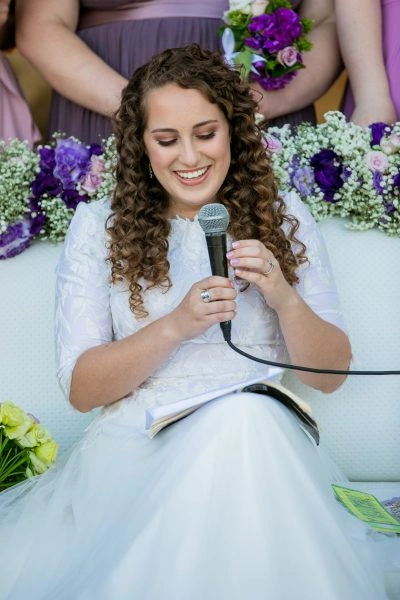
Sharona Guggenheim Plumb
Givat Shmuel, Israel
In early 2020, I began the process of a stem cell transplant. The required extreme isolation forced me to leave work and normal life but gave me time to delve into Jewish text study. I did not feel isolated. I began Daf Yomi at the start of this cycle, with family members joining me online from my hospital room. I’ve used my newly granted time to to engage, grow and connect through this learning.

Reena Slovin
Worcester, United States
I started with Ze Kollel in Berlin, directed by Jeremy Borowitz for Hillel Deutschland. We read Masechet Megillah chapter 4 and each participant wrote his commentary on a Sugia that particularly impressed him. I wrote six poems about different Sugiot! Fascinated by the discussions on Talmud I continued to learn with Rabanit Michelle Farber and am currently taking part in the Tikun Olam course.

Yael Merlini
Berlin, Germany
I decided to learn one masechet, Brachot, but quickly fell in love and never stopped! It has been great, everyone is always asking how it’s going and chering me on, and my students are always making sure I did the day’s daf.
Yafit Fishbach
Memphis, Tennessee, United States
I decided to give daf yomi a try when I heard about the siyum hashas in 2020. Once the pandemic hit, the daily commitment gave my days some much-needed structure. There have been times when I’ve felt like quitting- especially when encountering very technical details in the text. But then I tell myself, “Look how much you’ve done. You can’t stop now!” So I keep going & my Koren bookshelf grows…

Miriam Eckstein-Koas
Huntington, United States
I tried Daf Yomi in the middle of the last cycle after realizing I could listen to Michelle’s shiurim online. It lasted all of 2 days! Then the new cycle started just days before my father’s first yahrzeit and my youngest daughter’s bat mitzvah. It seemed the right time for a new beginning. My family, friends, colleagues are immensely supportive!
Catriella Freedman
Zichron Yaakov, Israel
I began to learn this cycle of Daf Yomi after my husband passed away 2 1/2 years ago. It seemed a good way to connect to him. Even though I don’t know whether he would have encouraged women learning Gemara, it would have opened wonderful conversations. It also gives me more depth for understanding my frum children and grandchildren. Thank you Hadran and Rabbanit Michelle Farber!!

Harriet Hartman
Tzur Hadassah, Israel
I started learning at the beginning of the cycle after a friend persuaded me that it would be right up my alley. I was lucky enough to learn at Rabbanit Michelle’s house before it started on zoom and it was quickly part of my daily routine. I find it so important to see for myself where halachot were derived, where stories were told and to get more insight into how the Rabbis interacted.
Deborah Dickson
Ra’anana, Israel
I’ve been wanting to do Daf Yomi for years, but always wanted to start at the beginning and not in the middle of things. When the opportunity came in 2020, I decided: “this is now the time!” I’ve been posting my journey daily on social media, tracking my progress (#DafYomi); now it’s fully integrated into my daily routines. I’ve also inspired my partner to join, too!

Joséphine Altzman
Teaneck, United States
I began to learn this cycle of Daf Yomi after my husband passed away 2 1/2 years ago. It seemed a good way to connect to him. Even though I don’t know whether he would have encouraged women learning Gemara, it would have opened wonderful conversations. It also gives me more depth for understanding my frum children and grandchildren. Thank you Hadran and Rabbanit Michelle Farber!!
Harriet Hartman
Tzur Hadassah, Israel
I began learning with Rabbanit Michelle’s wonderful Talmud Skills class on Pesachim, which really enriched my Pesach seder, and I have been learning Daf Yomi off and on over the past year. Because I’m relatively new at this, there is a “chiddush” for me every time I learn, and the knowledge and insights of the group members add so much to my experience. I feel very lucky to be a part of this.
Julie Landau
Karmiel, Israel
A friend mentioned that she was starting Daf Yomi in January 2020. I had heard of it and thought, why not? I decided to try it – go day by day and not think about the seven plus year commitment. Fast forward today, over two years in and I can’t imagine my life without Daf Yomi. It’s part of my morning ritual. If I have a busy day ahead of me I set my alarm to get up early to finish the day’s daf

Debbie Fitzerman
Ontario, Canada
Margo
I started my Talmud journey in 7th grade at Akiba Jewish Day School in Chicago. I started my Daf Yomi journey after hearing Erica Brown speak at the Hadran Siyum about marking the passage of time through Daf Yomi.
Carolyn
I started my Talmud journey post-college in NY with a few classes. I started my Daf Yomi journey after the Hadran Siyum, which inspired both my son and myself.
Carolyn Hochstadter and Margo Kossoff Shizgal
Merion Station, USA
Beit Shemesh, Israel
I started learning Daf Yomi because my sister, Ruth Leah Kahan, attended Michelle’s class in person and suggested I listen remotely. She always sat near Michelle and spoke up during class so that I could hear her voice. Our mom had just died unexpectedly and it made me feel connected to hear Ruth Leah’s voice, and now to know we are both listening to the same thing daily, continents apart.

Jessica Shklar
Philadelphia, United States
It happened without intent (so am I yotzei?!) – I watched the women’s siyum live and was so moved by it that the next morning, I tuned in to Rabbanit Michelle’s shiur, and here I am, still learning every day, over 2 years later. Some days it all goes over my head, but others I grasp onto an idea or a story, and I ‘get it’ and that’s the best feeling in the world. So proud to be a Hadran learner.

Jeanne Yael Klempner
Zichron Yaakov, Israel
While vacationing in San Diego, Rabbi Leah Herz asked if I’d be interested in being in hevruta with her to learn Daf Yomi through Hadran. Why not? I had loved learning Gemara in college in 1971 but hadn’t returned. With the onset of covid, Daf Yomi and Rabbanit Michelle centered me each day. Thank-you for helping me grow and enter this amazing world of learning.
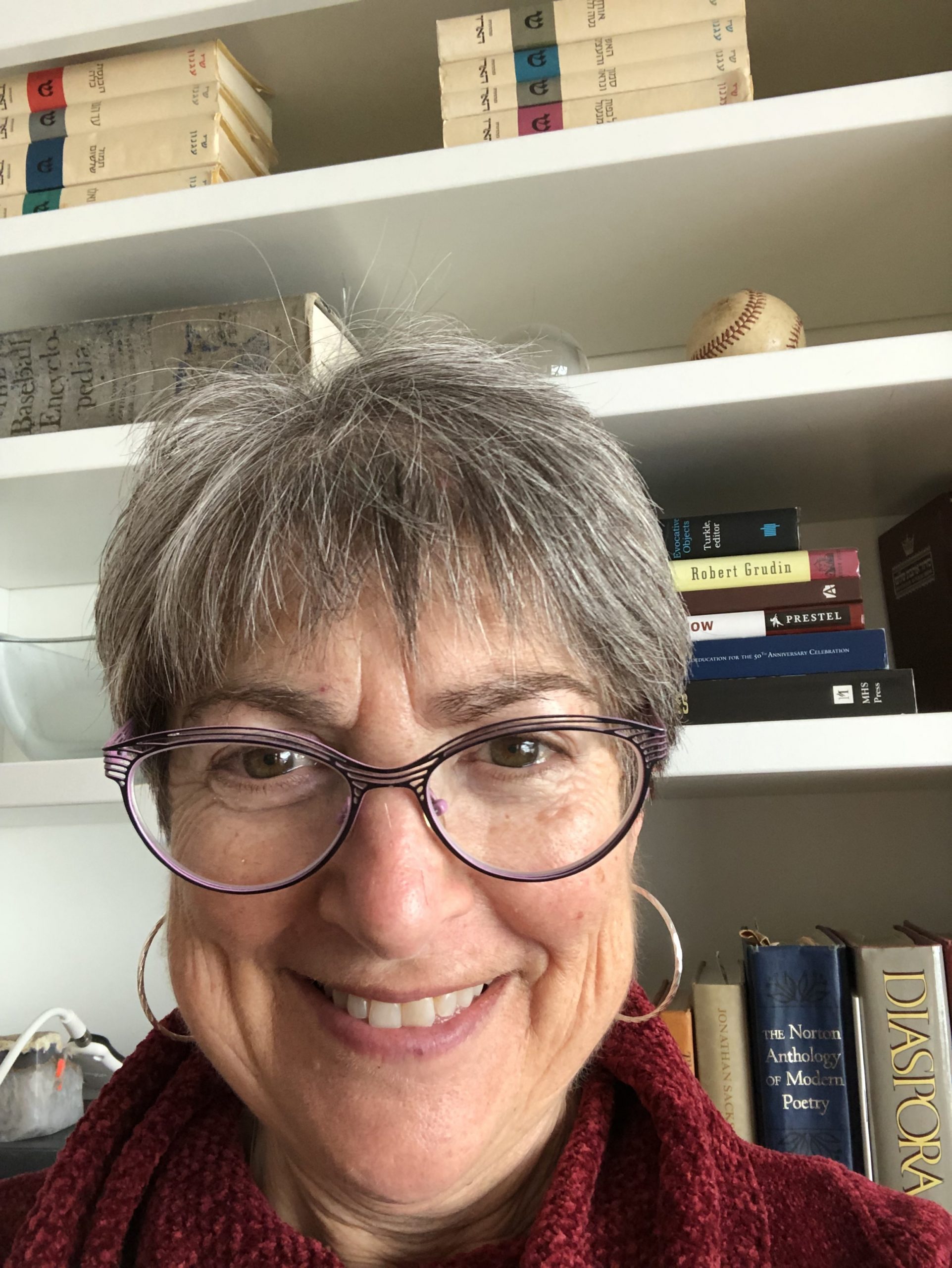
Meryll Page
Minneapolis, MN, United States
I learned daf more off than on 40 years ago. At the beginning of the current cycle, I decided to commit to learning daf regularly. Having Rabanit Michelle available as a learning partner has been amazing. Sometimes I learn with Hadran, sometimes with my husband, and sometimes on my own. It’s been fun to be part of an extended learning community.

Miriam Pollack
Honolulu, Hawaii, United States
Bava Batra 45
אִי דְּאִית לֵיהּ אַרְעָא אַחֲרִיתִי, עֲלֵיהּ דִּידֵיהּ הָדַר! אִי דְּלֵית לֵיהּ אַרְעָא אַחֲרִיתִי, מַאי נָפְקָא לֵיהּ מִינָּה?
If this is a case where the seller has other land, that he did not sell, in addition to the field that he sold with regard to which he currently wishes to testify, his creditor will go after it, and collect from that land. In that case, he is not biased in his testimony concerning the field that he sold. If this is a case where the seller does not have other land, what difference does it make to him if the buyer is unable to keep the land? In any event the creditor cannot collect directly from the seller.
לְעוֹלָם דְּלֵית לֵיהּ אַרְעָא אַחֲרִיתִי, דְּאָמַר: לָא נִיחָא דְּלֶיהְוֵי ״לֹוֶה רָשָׁע וְלֹא יְשַׁלֵּם״.
The Gemara answers: Actually, Shmuel is referring to a case where the seller does not have other land, and the reason that he is nevertheless biased in his testimony is that he wants his creditors to be able to collect the debt because he says to himself that it is uncomfortable for him to be in the category of: “The wicked borrows, and pays not” (Psalms 37:21).
סוֹף סוֹף, לְגַבֵּי אִידַּךְ נָמֵי – ״לֹוֶה רָשָׁע וְלֹא יְשַׁלֵּם״ הוּא! דְּאָמַר: לְהָכִי זַבֵּינִי לָךְ שֶׁלֹּא בְּאַחְרָיוּת.
The Gemara asks: But ultimately, he is also in the category of: “The wicked borrows, and pays not” (Psalms 37:21) with regard to the other one, to whom he sold the land. He took money from the buyer, who did not receive anything in exchange, as the land was seized from him. The Gemara answers: He is not concerned about his behavior toward the buyer, as he can say to him: For this very reason I sold it to you without a guarantee, so that if it would be seized from you I would not be liable.
מַכְרֵיז רָבָא, וְאִיתֵּימָא רַב פָּפָּא: דְּסָלְקִין לְעֵילָּא וּדְנָחֲתִין לְתַתָּא; הַאי בַּר יִשְׂרָאֵל דְּזָבֵין לֵיהּ חֲמָרָא לְיִשְׂרָאֵל חַבְרֵיהּ, וְקָא אָתֵי גּוֹי וְאָנֵיס לֵיהּ מִינֵּיהּ, דִּינָא הוּא דִּמְפַצֵּי לֵיהּ מִינֵּיהּ.
§ The Gemara relates: Rava announced, and some say it was Rav Pappa who announced: All those who ascend from Babylonia to Eretz Yisrael and all those who descend from Eretz Yisrael to Babylonia should be aware of the following: In a case of this Jew who sold a donkey to another Jew, and then a gentile came and seized it from him, claiming that it was really his, the halakha is that the seller should rescue [dimfatzei] it from the gentile or reimburse the buyer.
וְלָא אֲמַרַן אֶלָּא שֶׁאֵינוֹ מַכִּיר בָּהּ שֶׁהִיא בַּת חֲמוֹרוֹ, אֲבָל מַכִּיר בָּהּ שֶׁהִיא בַּת חֲמוֹרוֹ – לָא. וְלָא אֲמַרַן אֶלָּא דְּלָא אָנֵיס לֵיהּ לְדִידֵיהּ וּלְאוּכָּפָא, אֲבָל אָנֵיס לֵיהּ לְדִידֵיהּ וּלְאוּכָּפָא – לָא.
The Gemara points out: And we said this halakha only in a case where the buyer does not recognize that this is the offspring of the seller’s donkey, and it is possible that the gentile’s claim is true. But if the buyer recognizes that this is the offspring of the seller’s donkey, then the seller is not liable to reimburse him. It is clear that the gentile’s claim is false, so the seller bears no responsibility for the buyer’s loss. And furthermore, we said this halakha only in a case where the gentile did not seize it and the saddle with it. But if he seized it and the saddle with it, it is clear that the gentile is a robber, and it is assumed that there is no validity to his claim with regard to the donkey. Therefore, the seller is not liable to reimburse him.
אַמֵּימָר אָמַר: אֲפִילּוּ לֵיכָּא כׇּל הָנֵי – לָא. מַאי טַעְמָא? מִידָּע יָדַע דִּסְתַם גּוֹי אַנָּס הוּא – שֶׁנֶּאֱמַר: ״אֲשֶׁר פִּיהֶם דִּבֶּר שָׁוְא וִימִינָם יְמִין שָׁקֶר״.
Ameimar said: Even if there are not any of these factors, the seller is not liable to reimburse him. What is the reasoning for this? It is that it is known that an ordinary gentile is an extortionist, so it is assumed that the donkey did indeed belong to the seller, as it is stated: “Whose mouth speaks falsehood, and their right hand is a right hand of lying” (Psalms 144:8).
אוּמָּן אֵין לוֹ חֲזָקָה וְכוּ׳. אָמַר רַבָּה: לֹא שָׁנוּ אֶלָּא שֶׁמָּסַר לוֹ בְּעֵדִים, אֲבָל מָסַר לוֹ שֶׁלֹּא בְּעֵדִים – מִתּוֹךְ שֶׁיָּכוֹל לוֹמַר לוֹ ״לֹא הָיוּ דְבָרִים מֵעוֹלָם״, כִּי אָמַר לֵיהּ נָמֵי ״לְקוּחָה הִיא בְּיָדִי״ – מְהֵימַן.
§ The Gemara returns to discuss the statement of Shmuel (42b): A craftsman does not have the ability to establish the presumption of ownership of the property in his possession, but a partner has the ability to establish the presumption of ownership. Rabba says: They taught this only in a case where the owner transferred the item to the craftsman in the presence of witnesses. But if the owner transferred the item to the craftsman not in the presence of witnesses, then, since the craftsman is able to say to the one who claims to be the owner: These matters never occurred, i.e., you did not give me this item but it was mine to begin with, and he would keep possession of the item with that claim, then even when the craftsman says to him: It is purchased by me from you, and that is why it is in my possession, he is deemed credible.
אֲמַר לֵיהּ אַבָּיֵי: אִי הָכִי, אֲפִילּוּ בְּעֵדִים נָמֵי – מִתּוֹךְ שֶׁיָּכוֹל לוֹמַר לוֹ: ״הֶחְזַרְתִּיו לְךָ״, כִּי אָמַר לֵיהּ: ״לְקוּחָה הִיא בְּיָדִי״ – מְהֵימַן!
Abaye said to Rabba: If so, then even if the owner transferred the item to the craftsman in the presence of witnesses as well, he should be deemed credible. Since the craftsman is able to say to the owner: I returned the item to you, and he would be exempt from payment, when the craftsman says to him: It is purchased by me from you, and that is why it is in my possession, he is deemed credible.
אֲמַר לֵיהּ רַבָּה: מִי סָבְרַתְּ
Rabba said to Abaye: Do you maintain that
הַמַּפְקִיד אֵצֶל חֲבֵירוֹ בְּעֵדִים – אֵינוֹ צָרִיךְ לְהַחְזִיר לוֹ בְּעֵדִים? לָא סָלְקָא דַּעְתָּךְ – אֶלָּא הַמַּפְקִיד אֵצֶל חֲבֵירוֹ בְּעֵדִים, צָרִיךְ לְהַחֲזִיר לוֹ בְּעֵדִים.
in the case of one who deposits an item with another in the presence of witnesses the recipient need not return it to him in the presence of witnesses? If that were to be so, the craftsman could claim that he had returned it to the owner, even though there are no witnesses. That possibility should not enter your mind. Rather, in the case of one who deposits an item with another in the presence of witnesses, the recipient must return it to him in the presence of witnesses. Therefore, the craftsman could not have claimed that he returned it to the owner.
מֵיתִיבִי אַבָּיֵי: רָאָה עַבְדּוֹ בְּיַד אוּמָּן, וְטַלִּיתוֹ בְּיַד כּוֹבֵס, אָמַר לוֹ: ״מַה טִּיבוֹ אֶצְלְךָ?״ ״אַתָּה מְכַרְתּוֹ לִי״, ״אַתָּה נְתַתּוֹ לִי בְּמַתָּנָה״ – לֹא אָמַר כְּלוּם. ״בְּפָנַי אָמַרְתָּ לוֹ לְמוֹכְרו וְלִיתְּנוֹ לוֹ בְּמַתָּנָה״ – דְּבָרָיו קַיָּימִין.
Abaye raises an objection to Rabba’s ruling from a baraita (Tosefta 2:6): There is a case where one saw his slave in the possession of a craftsman, or his cloak in the possession of a launderer, and says to him: What is the nature of its presence in your possession? If the craftsman or launderer replied: You sold me the slave or cloak, or: You gave the slave or cloak to me as a gift, he has not said anything, and must return it, since a craftsman does not establish the presumption of ownership. But if the craftsman or launderer replied: You said in my presence to someone else to sell the slave or cloak to him or to give the slave or cloak to him, i.e., to sell or give the slave or cloak to the craftsman or launderer himself, as a gift, then his statement is valid.
מַאי שְׁנָא רֵישָׁא וּמַאי שְׁנָא סֵיפָא?
Before Abaya raises his objection, he first clarifies the ruling of the baraita. What is different in the first clause that the craftsman is not deemed credible and what is different in the latter clause that he is?
אָמַר רַבָּה: סֵיפָא – בְּיוֹצֵא מִתַּחַת יְדֵי אַחֵר, וְקָאָמַר לֵיהּ אַחֵר: בְּפָנַי אָמַרְתָּ לוֹ לְמוֹכְרוֹ וְלִיתְּנוֹ בְּמַתָּנָה. מִיגּוֹ דְּאִי בָּעֵי אָמַר לֵיהּ: ״מִינָּךְ זְבַנְתֵּיהּ״, כִּי אָמַר לֵיהּ נָמֵי: ״בְּפָנַי אָמַרְתָּ לוֹ לְמוֹכְרוֹ״ – דְּבָרָיו קַיָּימִין, וּמְהֵימַן.
Rabba said: The latter clause is stated with regard to a case where the slave or cloak emerges from the possession of another, and not from the possession of the craftsman, and this other person is saying to the owner: You said in my presence to the craftsman to sell the slave or cloak or to give the slave or cloak to me as gift. This person is deemed credible despite acknowledging that he received it from the craftsman, since if he had wanted to, he could have said to the owner of the item: I purchased the slave or cloak from you. As this third party is not a craftsman, he is able to establish the presumption of ownership through possession and would be deemed credible. Therefore, when he says to him as well: You said to him in my presence to sell the slave or cloak, his statement is valid, and he is also deemed credible.
קָתָנֵי מִיהַת רֵישָׁא: ״רָאָה״. הֵיכִי דָמֵי? אִי דְּאִיכָּא עֵדִים – לְמָה לִי רָאָה? נַיְתֵי עֵדִים וְנִשְׁקוֹל! אֶלָּא לָאו דְּלֵיכָּא עֵדִים? וְכִי רָאָה מִיהָא תָּפֵיס לֵיהּ!
After having clarified the ruling of the baraita, Abaye presents his objection: In any event, the first clause of the baraita teaches that the case where a craftsman is not deemed credible is where the owner saw the slave or cloak in the possession of the craftsman. What are the circumstances? If it is referring to where there are witnesses to the fact that the owner gave the slave or cloak to the craftsman for training or cleaning, respectively, why do I need for the owner to have seen them in the craftsman’s possession? Let the owner simply bring witnesses and take back his slave or cloak. Rather, is it not referring to a case where there are no witnesses, and nevertheless, when the owner saw the slave or cloak in the craftsman’s possession, he may seize the slave or cloak in any case? This contradicts Rabba’s statement that the decisive factor is whether the transfer took place in the presence of witnesses.
לָא, לְעוֹלָם דְּאִיכָּא עֵדִים; וְהוּא דְּרָאָה.
Rabba answers this objection: No, that is not the case of the baraita. Actually, it is referring to a case where there are witnesses, and nevertheless, that is the halakha, that he may seize the slave or cloak only where he saw it currently in the possession of the craftsman. But if there are no witnesses that it is currently in his possession, he would be deemed credible if he were to claim that he purchased the slave or cloak from the owner, as he could have claimed that he returned the slave or cloak.
וְהָא אַתְּ הוּא דְּאָמְרַתְּ: הַמַּפְקִיד אֵצֶל חֲבֵירוֹ בְּעֵדִים, צָרִיךְ לְפוֹרְעוֹ בְּעֵדִים! אֲמַר לֵיהּ: הֲדַרִי בִּי.
Abaye asked him: But you are the one who said: In the case of one who deposits an item with another in the presence of witnesses, the recipient must return it to him in the presence of witnesses. Therefore, if it was given to the craftsman in the presence of witnesses, he would not have the ability to make a more advantageous claim [miggo] that he returned it. Rabba said to Abaye: I retracted that opinion and hold that he may return it even when not in the presence of witnesses.
מֵתִיב רָבָא לְסַיּוֹעֵי לְרַבָּה: הַנּוֹתֵן טַלִּיתוֹ לְאוּמָּן, אוּמָּן אוֹמֵר: שְׁתַּיִם קָצַצְתָּ לִי, וְהַלָּה אוֹמֵר: לֹא קָצַצְתִּי לְךָ אֶלָּא אַחַת. כׇּל זְמַן שֶׁהַטַּלִּית בְּיַד אוּמָּן – עַל בַּעַל הַבַּיִת לְהָבִיא רְאָיָה. נְתָנָהּ לוֹ – בִּזְמַנּוֹ, נִשְׁבָּע וְנוֹטֵל. עָבַר זְמַנּוֹ, הַמּוֹצִיא מֵחֲבֵירוֹ עָלָיו הָרְאָיָה.
Rava raises an objection from a baraita to support the opinion of Rabba: With regard to one who gives his cloak to a craftsman, and then the craftsman says: You fixed two dinars as my payment, and that one, the owner, says: I fixed only one dinar as your payment, then, so long as it is so that the cloak is in the possession of the craftsman, it is incumbent upon the owner to bring proof that the fee was one dinar. If the craftsman gave the cloak back to him, then there are two scenarios: If the claim is lodged in its proper time, i.e., on the day of the cloak’s return, then the craftsman takes an oath and receives the two dinars. But if its proper time passed, then the burden of proof rests upon the claimant, and the craftsman would need to bring proof that the fee was two dinars.
הֵיכִי דָמֵי? אִי דְּאִיכָּא עֵדִים, לִיחְזֵי עֵדִים מַאי קָאָמְרִי!
Rava continues with an analysis of this baraita: What are the circumstances of the case discussed in this baraita? If it is a case where there are witnesses who saw the transfer of the item, let us see what the witnesses say about the fee, as they presumably heard the details of the arrangement.
Follow

