









Bava Batra
Masechet Bava Batra is sponsored by Lori Stark in loving memory of her mother in law, Sara Shapiro z”l and her father Nehemiah Sosewitz z”l.
This week’s learning is sponsored by Robert and Paula Cohen in loving memory of Joseph Cohen, Yosef ben Moshe HaCohen, z”l. “He was hard working, loved to sing, esp. as a chazan, and was very dedicated to his family and community.”
Want to dedicate learning? Get started here:


Today’s daily daf tools:
Bava Batra
Masechet Bava Batra is sponsored by Lori Stark in loving memory of her mother in law, Sara Shapiro z”l and her father Nehemiah Sosewitz z”l.
This week’s learning is sponsored by Robert and Paula Cohen in loving memory of Joseph Cohen, Yosef ben Moshe HaCohen, z”l. “He was hard working, loved to sing, esp. as a chazan, and was very dedicated to his family and community.”
Bava Batra 46
אֶלָּא לָאו דְּלֵיכָּא עֵדִים? וְקָתָנֵי: אוּמָּן מְהֵימַן – מִיגּוֹ דְּאִי בָּעֵי אָמַר לֵיהּ ״לְקוּחָה הִיא בְּיָדִי״, מְהֵימַן נָמֵי אַאַגְרֵיהּ!
Rather, is it not referring to a case where there are no witnesses to the transfer, and it teaches that the craftsman is deemed credible? Since if he had wanted to he could have said to him: It is purchased and that is why it is in my possession, he is deemed credible with regard to his claim about his fee as well. This supports the ruling of Rabba that if there are no witnesses, the craftsman is deemed credible if he says that the item belongs to him.
לָא, לְעוֹלָם דְּלֵיכָּא עֵדִים; וְהוּא דְּלֹא רָאָה.
The Gemara rejects this proof: No, actually, perhaps the baraita is referring to a case where there are no witnesses to the transfer, but it is specifically referring to a case where the owner did not see the cloak in the possession of the craftsman, who could consequently deny ever having received it from the owner. Therefore, it is not a proof in support of the ruling of Rabba that the craftsman would be deemed credible even if there are witnesses that it is currently in his possession.
מֵתִיב רַב נַחְמָן בַּר יִצְחָק: אוּמָּן אֵין לוֹ חֲזָקָה. אוּמָּן הוּא דְּאֵין לוֹ חֲזָקָה – הָא אַחֵר יֵשׁ לוֹ חֲזָקָה.
Rav Naḥman bar Yitzḥak raises an objection to Rabba’s ruling from Shmuel’s paraphrase of the mishna: A craftsman does not have the ability to establish the presumption of ownership of property in his possession. This indicates that it is specifically a craftsman who does not have the ability to establish the presumption of ownership, but another person in similar circumstances has the ability to establish the presumption of ownership.
הֵיכִי דָמֵי? אִי דְּאִיכָּא עֵדִים, אַחֵר – אַמַּאי יֵשׁ לוֹ חֲזָקָה? אֶלָּא לָאו דְּלֵיכָּא עֵדִים? וְקָתָנֵי: אוּמָּן אֵין לוֹ חֲזָקָה. תְּיוּבְתָּא דְּרַבָּה! תְּיוּבְתָּא.
What are the circumstances in which this would apply? If it is referring to a case where there are witnesses that the person in question received the item from another, why is it that another person has the ability to establish the presumption of ownership, when there are witnesses that he received this item as a deposit? Rather, is it not referring to a case where there are no witnesses, and yet, the mishna teaches: A craftsman does not have the ability to establish the presumption of ownership. This indicates that a craftsman does not establish the presumption of ownership under any circumstances, contrary to the ruling of Rabba. The Gemara concludes: The refutation of the opinion of Rabba is indeed a conclusive refutation, and his ruling is rejected.
תָּנוּ רַבָּנַן: נִתְחַלְּפוּ לוֹ כֵּלִים בְּכֵלִים בְּבֵית הָאוּמָּן – הֲרֵי זֶה יִשְׁתַּמֵּשׁ בָּהֶן, עַד שֶׁיָּבֹא הַלָּה וְיִטּוֹל אֶת שֶׁלּוֹ. בְּבֵית הָאֵבֶל אוֹ בְּבֵית הַמִּשְׁתֶּה – הֲרֵי זֶה לֹא יִשְׁתַּמֵּשׁ בָּהֶן, עַד שֶׁיָּבֹא הַלָּה וְיִטּוֹל אֶת שֶׁלּוֹ. מַאי שְׁנָא רֵישָׁא וּמַאי שְׁנָא סֵיפָא?
§ The Gemara discusses another halakha pertaining to the giving of an item to a craftsman. The Sages taught: If one’s utensils were mistakenly switched with another’s utensils in the house of a craftsman, this one who received the wrong utensils may use them until the time when that one, whose utensils he received, comes and takes his. But if his utensils and another’s utensils were mistakenly switched in a house of mourning or in a house of a wedding feast, this one who took the wrong utensils may not use them in the interim, i.e., until the time when that one, whose utensils he took, comes and takes his. The Gemara asks: What is different in the first clause where he may use the utensils, and what is different in the latter clause where he may not?
אָמַר רַב: הֲוָה יָתֵיבְנָא קַמֵּיהּ דְּחַבִּיבִי, וַאֲמַר לִי: וְכִי אֵין אָדָם עָשׂוּי לוֹמַר לָאוּמָּן ״מְכוֹר לִי טַלִּיתִי״?!
Rav said: I was sitting before my uncle, Rav Ḥiyya, and he said the explanation to me: And is a person not likely to say to the craftsman: Sell my cloak for me after you finish repairing it? It is possible that the craftsman mistakenly sold the utensils of another client instead, and gave to that other client the utensils that should have been sold. Since the owner of these utensils received the money from the sale of the other client’s utensils, the craftsman has a right to give the remaining utensils to the other client in the interim. This reasoning does not apply in the case of the house of mourning or a wedding feast, where one simply took utensils belonging to another.
אָמַר רַב חִיָּיא בְּרֵיהּ דְּרַב נַחְמָן: לֹא שָׁנוּ אֶלָּא הוּא, אֲבָל אִשְׁתּוֹ וּבָנָיו – לֹא. וְהוּא נָמֵי – לָא אֲמַרַן אֶלָּא דַּאֲמַר לֵיהּ: ״טַלִּית״ סְתָם, אֲבָל ״טַלִּיתְךָ״ – לָא, הַאי לָאו טַלִּית דִּידֵיהּ הוּא.
Rav Ḥiyya, son of Rav Naḥman, said: They taught that it is permitted to use the utensils only if the craftsman himself gave them to his customer, as in that case, the above reasoning applies. But if the craftsman’s wife or children gave them to him, the customer may not use the utensils, as it is likely that they were given to him in error. And even if the craftsman himself gave the utensils to his customer, we said that it is permitted for him to use them only in a case where the craftsman said to him, for example: I am returning a cloak, without specification. But if the craftsman said to him: I am returning your cloak, then he may not use it, as this is not his cloak, and clearly it was given to him in error.
אֲמַר לֵיהּ אַבָּיֵי לְרָבָא: תָּא אַחְוִי לָךְ רַמָּאֵי דְפוּמְבְּדִיתָא, מַאי עָבְדִי. אָמַר לֵיהּ: ״הַב לִי סַרְבָּלַאי״. ״לֹא הָיוּ דְבָרִים מֵעוֹלָם״. ״הָא אִית לִי סָהֲדִי דְּחַזְיוּהּ גַּבָּךְ!״ אָמַר לֵיהּ: ״הָהוּא אַחֲרִינָא הֲוָה״. ״אַפְּקִינֵּיהּ וְנֶחְזִינְהוּ!״ אָמַר לֵיהּ: ״אִיבְרָא לָא מַפֵּיקְנָא לֵיהּ״.
§ The Gemara presents another statement with regard to craftsmen. Abaye said to Rava: Come and I will show you what the swindlers of Pumbedita do. There was a case where the owner of an item said to a craftsman: Give me back my cloak [sarbelai] that I gave you to repair, and the craftsman replied: These matters never occurred. The owner responded: But I have witnesses who saw it in your possession. The craftsman said to the owner: That was a different cloak that they saw. The witnesses are uncertain as to whether it was really his cloak. The owner then said: Bring it out and we will see it, so as to determine whose it is. The craftsman said to the owner: In truth, I will not bring it out, as you have no valid claim to the cloak and I am not willing to show you another’s property. This is the trickery to which Abaye referred, as it is not a sincere response, and the craftsman merely wishes to keep the cloak.
אָמַר רָבָא: שַׁפִּיר קָאָמַר לֵיהּ –
Rava said to Abaye: The craftsman is saying well to the owner, and his claim will be accepted,
״רָאָה״ תַּנְיָא.
as it is taught in the earlier baraita that the owner has a valid claim only when he, and witnesses, saw his cloak in the possession of the launderer and can definitively identify it. He cannot state a claim based on the mere possibility that it is his. This validates the claim of the craftsmen of Pumbedita.
אָמַר רַב אָשֵׁי: וְאִי חַכִּים, מְשַׁוֵּי לֵיהּ ״רָאָה״ – דְּאָמַר לֵיהּ: אַמַּאי תְּפִיסַתְּ לֵיהּ, לָאו מִשּׁוּם דְּאִית לָךְ גַּבַּאי? הַשְׁתָּא אַפְּקִינְהוּ וְשַׁיְּמִינְהוּ – שְׁקוֹל אַתְּ דִּידָך,ְ וְאֶשְׁקוֹל אֲנָא דִּידִי. אֲמַר לֵיהּ רַב אַחָא בְּרֵיהּ דְּרַב אַוְיָא לְרַב אָשֵׁי, מָצֵי אָמַר לֵיהּ: לָא צְרִיכְנָא לְשׁוּמָא דִידָךְ, כְּבָר שָׁמוּהַּ קַמָּאֵי דְקַמָּךְ.
Rav Ashi said: And if the owner is clever, he will render the situation into one of his having seen his cloak, as the owner can say to the craftsman: Why are you holding it? Is it not due to the fact that there is money of yours with me, and you are using the cloak as a means of collecting the debt that I owe you? Now bring out my cloak before the appraisers and they will appraise its value, and then you take what is rightfully yours, and I will take what is rightfully mine. When the craftsman presents the cloak, the ruling will change, as the owner will have seen the cloak. Rav Aḥa, son of Rav Avya, said to Rav Ashi: If the craftsman is clever, he can say to the owner: I do not need your appraisal, as the earlier ones who preceded you already appraised it and determined that its value does not exceed that of your debt to me.
אָרִיס אֵין לוֹ חֲזָקָה. אַמַּאי? עַד הָאִידָּנָא פַּלְגָא, וְהַשְׁתָּא כּוּלַּהּ! אָמַר רַבִּי יוֹחָנָן: בַּאֲרִיסֵי בָּתֵּי אָבוֹת.
§ The Gemara discusses a ruling that it paraphrases from the mishna: A sharecropper does not have the ability to establish the presumption of ownership of property in his possession. Why not? Isn’t it so that until that time, while he was definitely working as a sharecropper, he consumed only half of the produce of the land, and now, for the past three years, he consumed all of its produce? He should be able to establish the presumption of ownership by consuming more produce than a sharecropper does. Rabbi Yoḥanan says: The ruling of the mishna is stated with regard to family sharecroppers. This type of sharecropper, who works for a family for many years, gathers all of the produce into his property, and then returns the landowner’s share. Therefore, his collecting all of the produce into his property does not establish the presumption of ownership.
אָמַר רַב נַחְמָן: אָרִיס שֶׁהוֹרִיד אֲרִיסִין תַּחְתָּיו – יֵשׁ לוֹ חֲזָקָה. מַאי טַעְמָא? דְּלָא עֲבִיד אִינָשׁ דְּנָחֲתִי אֲרִיסֵי לְאַרְעֵיהּ, וְשָׁתֵיק.
Rav Naḥman says: A sharecropper who installed other sharecroppers in his place has the ability to establish the presumption of ownership. What is the reason? It is that it is not common for a person to see that unknown sharecroppers have been installed in his land and remain silent. If the prior owner did not lodge a protest, it indicates that the sharecropper is the owner of the land.
אָמַר רַבִּי יוֹחָנָן: אָרִיס שֶׁחִלֵּק לַאֲרִיסִין – אֵין לוֹ חֲזָקָה. מַאי טַעְמָא? אֵימוֹר הַרְמַנְיָא בְּעָלְמָא שַׁוְּיוּהּ.
Rabbi Yoḥanan says: A sharecropper who divided among different sharecroppers does not have the ability to establish the presumption of ownership by that act. What is the reason? It is that one can say that the landowner merely appointed him as an administrator [harmanya], and there is no indication that he is acting as an owner.
שְׁלַח לֵיהּ רַב נַחְמָן בַּר רַב חִסְדָּא לְרַב נַחְמָן בַּר יַעֲקֹב, יְלַמְּדֵנוּ רַבֵּינוּ: אָרִיס מֵעִיד, אוֹ אֵינוֹ מֵעִיד? הֲוָה יָתֵיב רַב יוֹסֵף קַמֵּיהּ, אֲמַר לֵיהּ: הָכִי אָמַר שְׁמוּאֵל: אָרִיס מֵעִיד. וְהָתַנְיָא: אֵינוֹ מֵעִיד!
The Gemara relates: Rav Naḥman bar Rav Ḥisda sent this message to Rav Naḥman bar Yaakov: Our teacher, instruct us. Can a sharecropper testify with regard to the ownership of a field of which he is a sharecropper, or can he not testify, as he is biased in his testimony? Rav Yosef was sitting before Rav Naḥman bar Yaakov and said to him: This is what Shmuel said: A sharecropper can testify. Rav Naḥman bar Yaakov said to him: But isn’t it taught in a baraita that a sharecropper cannot testify?
לָא קַשְׁיָא – הָא דְּאִיכָּא פֵּירָא בְּאַרְעָא, וְהָא דְּלֵיכָּא פֵּירָא בְּאַרְעָא.
Rav Yosef answered: It is not difficult. This baraita, which states that he cannot testify, is referring to a case where there is produce on the land. Therefore, he is biased in his testimony, as, if the current owner will lose possession of the land, the sharecropper will lose his right to consume the produce. And that statement of Shmuel that he can testify is referring to a case where there is no produce on the land, and he is not biased in his testimony.
(עֲמָלֵק סִימָן)
§ The Gemara presents the word Amalek as a mnemonic for the cases discussed in the baraita. It stands for: Ayin, guarantor [arev]; mem, creditor [malve]; lamed, buyer [loke’aḥ]; kuf, unconditional guarantor [kablan].
תָּנוּ רַבָּנַן: עָרֵב מֵעִיד לַלֹּוֶה, וְהוּא דְּאִית לֵיהּ אַרְעָא אַחֲרִיתִי. מַלְוֶה מֵעִיד לַלֹּוֶה, וְהוּא דְּאִית לֵיהּ אַרְעָא אַחֲרִיתִי.
The Sages taught: A guarantor can testify for the benefit of the debtor that the latter owns a particular parcel of land, but that is the halakha only if the debtor has other land from which the creditor can collect the debt. Otherwise, he is biased in his testimony, as the creditor could collect from him if the debtor were to lose ownership of this land. A creditor can testify for the benefit of the debtor that the latter owns a particular parcel of land, but that is the halakha only if the debtor has other land from which the creditor can collect. Otherwise, he is biased in his testimony, as this land is the only land available for collection.
לוֹקֵחַ רִאשׁוֹן מֵעִיד לְלוֹקֵחַ שֵׁנִי, וְהוּא דְּאִית לֵיהּ אַרְעָא אַחֲרִיתִי.
Similarly, if two people purchase land from one seller, the first buyer can testify for the benefit of the second buyer if someone else were to claim that the land was his, but that is the halakha only if the second buyer has other land that he purchased from the same seller either concurrent with or subsequent to the first buyer’s purchase of the land in question. A creditor of the seller can collect a debt from the land that the seller sold most recently. Therefore, if the second buyer purchased only the land in question from the seller, the first buyer is biased in his testimony, as the second buyer’s ownership of the land prevents the creditor from collecting a debt from the land from the first buyer.

Today’s daily daf tools:
Delve Deeper
Broaden your understanding of the topics on this daf with classes and podcasts from top women Talmud scholars.

New to Talmud?
Check out our resources designed to help you navigate a page of Talmud – and study at the pace, level and style that fits you.
The Hadran Women’s Tapestry
Meet the diverse women learning Gemara at Hadran and hear their stories.
Phoenix, Arizona, United States
After being so inspired by the siyum shas two years ago, I began tentatively learning daf yomi, like Rabbanut Michelle kept saying – taking one daf at a time. I’m still taking it one daf at a time, one masechet at a time, but I’m loving it and am still so inspired by Rabbanit Michelle and the Hadran community, and yes – I am proud to be finishing Seder Mo’ed.

Bet Shemesh, Israel
I went to day school in Toronto but really began to learn when I attended Brovenders back in the early 1980’s. Last year after talking to my sister who was learning Daf Yomi, inspired, I looked on the computer and the Hadran site came up. I have been listening to each days shiur in the morning as I work. I emphasis listening since I am not sitting with a Gamara. I listen while I work in my studio.
Tekoa, Israel
In January 2020 on a Shabbaton to Baltimore I heard about the new cycle of Daf Yomi after the siyum celebration in NYC stadium. I started to read “ a daily dose of Talmud “ and really enjoyed it . It led me to google “ do Orthodox women study Talmud? “ and found HADRAN! Since then I listen to the podcast every morning, participate in classes and siyum. I love to learn, this is amazing! Thank you

Atlanta, United States
I started learning on January 5, 2020. When I complete the 7+ year cycle I will be 70 years old. I had been intimidated by those who said that I needed to study Talmud in a traditional way with a chevruta, but I decided the learning was more important to me than the method. Thankful for Daf Yomi for Women helping me catch up when I fall behind, and also being able to celebrate with each Siyum!

Bakersfield, United States
The first month I learned Daf Yomi by myself in secret, because I wasn’t sure how my husband would react, but after the siyyum on Masechet Brachot I discovered Hadran and now sometimes my husband listens to the daf with me. He and I also learn mishnayot together and are constantly finding connections between the different masechtot.
Silver Spring, Maryland, United States

Phoenix, AZ, United States
I started to listen to Michelle’s podcasts four years ago. The minute I started I was hooked. I’m so excited to learn the entire Talmud, and think I will continue always. I chose the quote “while a woman is engaged in conversation she also holds the spindle”. (Megillah 14b). It reminds me of all of the amazing women I learn with every day who multi-task, think ahead and accomplish so much.
Zichron Yakov, Israel
I attended the Siyum so that I could tell my granddaughter that I had been there. Then I decided to listen on Spotify and after the siyum of Brachot, Covid and zoom began. It gave structure to my day. I learn with people from all over the world who are now my friends – yet most of us have never met. I can’t imagine life without it. Thank you Rabbanit Michelle.
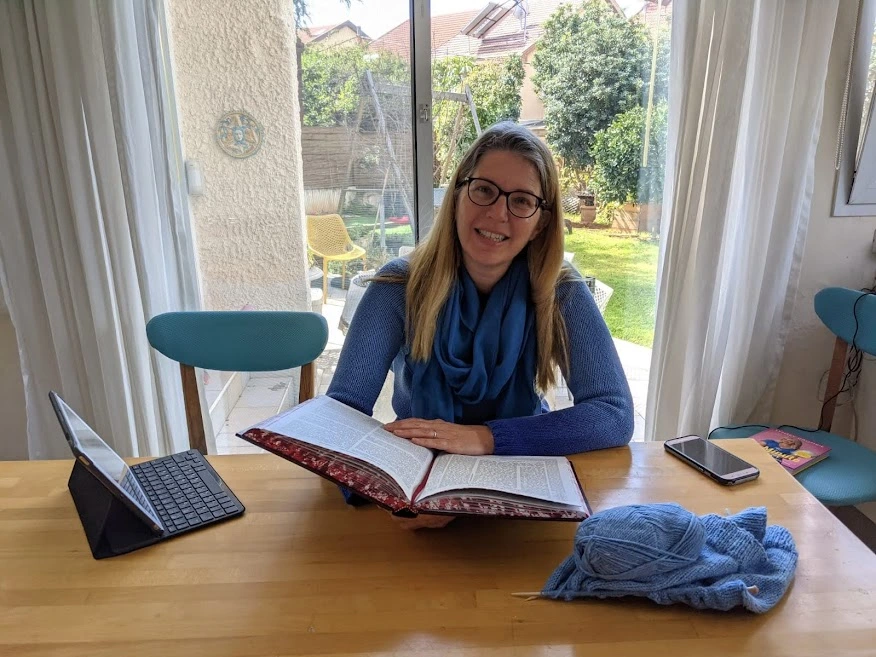
Raanana, Israel
I began daf yomi in January 2020 with Brachot. I had made aliya 6 months before, and one of my post-aliya goals was to complete a full cycle. As a life-long Tanach teacher, I wanted to swim from one side of the Yam shel Torah to the other. Daf yomi was also my sanity through COVID. It was the way to marking the progression of time, and feel that I could grow and accomplish while time stopped.
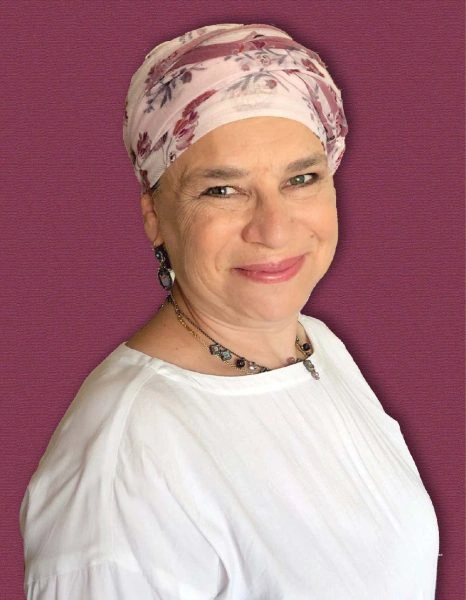
Givat Zev, Israel
I had tried to start after being inspired by the hadran siyum, but did not manage to stick to it. However, just before masechet taanit, our rav wrote a message to the shul WhatsApp encouraging people to start with masechet taanit, so I did! And this time, I’m hooked! I listen to the shiur every day , and am also trying to improve my skills.
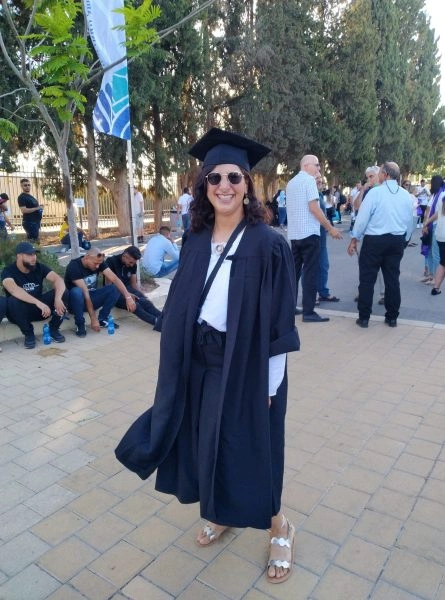
Yad Binyamin, Israel
What a great experience to learn with Rabbanit Michelle Farber. I began with this cycle in January 2020 and have been comforted by the consistency and energy of this process throughout the isolation period of Covid. Week by week, I feel like I am exploring a treasure chest with sparkling gems and puzzling antiquities. The hunt is exhilarating.
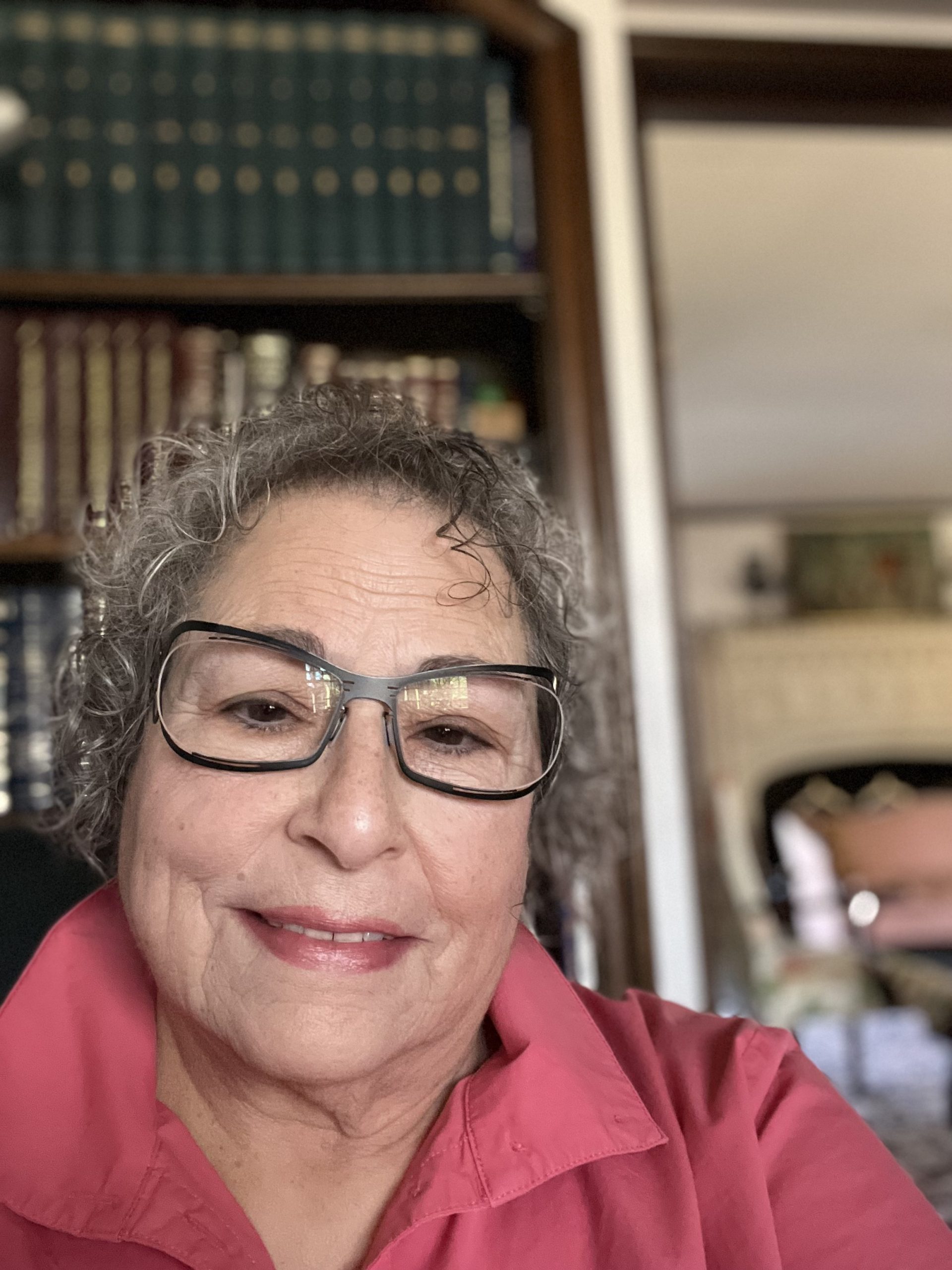
Pennsylvania, United States
When I was working and taking care of my children, learning was never on the list. Now that I have more time I have two different Gemora classes and the nach yomi as well as the mishna yomi daily.
Jerusalem, Israel
When I began the previous cycle, I promised myself that if I stuck with it, I would reward myself with a trip to Israel. Little did I know that the trip would involve attending the first ever women’s siyum and being inspired by so many learners. I am now over 2 years into my second cycle and being part of this large, diverse, fascinating learning family has enhanced my learning exponentially.

Minnesota, United States
I started at the beginning of this cycle. No 1 reason, but here’s 5.
In 2019 I read about the upcoming siyum hashas.
There was a sermon at shul about how anyone can learn Talmud.
Talmud references come up when I am studying. I wanted to know more.
Yentl was on telly. Not a great movie but it’s about studying Talmud.
I went to the Hadran website: A new cycle is starting. I’m gonna do this
Cambridge, United Kingdom
Los Angeles, United States
In early January of 2020, I learned about Siyyum HaShas and Daf Yomi via Tablet Magazine’s brief daily podcast about the Daf. I found it compelling and fascinating. Soon I discovered Hadran; since then I have learned the Daf daily with Rabbanit Michelle Cohen Farber. The Daf has permeated my every hour, and has transformed and magnified my place within the Jewish Universe.
San Francisco, CA , United States
I began to learn this cycle of Daf Yomi after my husband passed away 2 1/2 years ago. It seemed a good way to connect to him. Even though I don’t know whether he would have encouraged women learning Gemara, it would have opened wonderful conversations. It also gives me more depth for understanding my frum children and grandchildren. Thank you Hadran and Rabbanit Michelle Farber!!

Tzur Hadassah, Israel
I started learning Talmud with R’ Haramati in Yeshivah of Flatbush. But after a respite of 60 years, Rabbanit Michelle lit my fire – after attending the last three world siyumim in Miami Beach, Meadowlands and Boca Raton, and now that I’m retired, I decided – “I can do this!” It has been an incredible journey so far, and I look forward to learning Daf everyday – Mazal Tov to everyone!

Florida, United States
I tried Daf Yomi in the middle of the last cycle after realizing I could listen to Michelle’s shiurim online. It lasted all of 2 days! Then the new cycle started just days before my father’s first yahrzeit and my youngest daughter’s bat mitzvah. It seemed the right time for a new beginning. My family, friends, colleagues are immensely supportive!
Zichron Yaakov, Israel
Bava Batra 46
אֶלָּא לָאו דְּלֵיכָּא עֵדִים? וְקָתָנֵי: אוּמָּן מְהֵימַן – מִיגּוֹ דְּאִי בָּעֵי אָמַר לֵיהּ ״לְקוּחָה הִיא בְּיָדִי״, מְהֵימַן נָמֵי אַאַגְרֵיהּ!
Rather, is it not referring to a case where there are no witnesses to the transfer, and it teaches that the craftsman is deemed credible? Since if he had wanted to he could have said to him: It is purchased and that is why it is in my possession, he is deemed credible with regard to his claim about his fee as well. This supports the ruling of Rabba that if there are no witnesses, the craftsman is deemed credible if he says that the item belongs to him.
לָא, לְעוֹלָם דְּלֵיכָּא עֵדִים; וְהוּא דְּלֹא רָאָה.
The Gemara rejects this proof: No, actually, perhaps the baraita is referring to a case where there are no witnesses to the transfer, but it is specifically referring to a case where the owner did not see the cloak in the possession of the craftsman, who could consequently deny ever having received it from the owner. Therefore, it is not a proof in support of the ruling of Rabba that the craftsman would be deemed credible even if there are witnesses that it is currently in his possession.
מֵתִיב רַב נַחְמָן בַּר יִצְחָק: אוּמָּן אֵין לוֹ חֲזָקָה. אוּמָּן הוּא דְּאֵין לוֹ חֲזָקָה – הָא אַחֵר יֵשׁ לוֹ חֲזָקָה.
Rav Naḥman bar Yitzḥak raises an objection to Rabba’s ruling from Shmuel’s paraphrase of the mishna: A craftsman does not have the ability to establish the presumption of ownership of property in his possession. This indicates that it is specifically a craftsman who does not have the ability to establish the presumption of ownership, but another person in similar circumstances has the ability to establish the presumption of ownership.
הֵיכִי דָמֵי? אִי דְּאִיכָּא עֵדִים, אַחֵר – אַמַּאי יֵשׁ לוֹ חֲזָקָה? אֶלָּא לָאו דְּלֵיכָּא עֵדִים? וְקָתָנֵי: אוּמָּן אֵין לוֹ חֲזָקָה. תְּיוּבְתָּא דְּרַבָּה! תְּיוּבְתָּא.
What are the circumstances in which this would apply? If it is referring to a case where there are witnesses that the person in question received the item from another, why is it that another person has the ability to establish the presumption of ownership, when there are witnesses that he received this item as a deposit? Rather, is it not referring to a case where there are no witnesses, and yet, the mishna teaches: A craftsman does not have the ability to establish the presumption of ownership. This indicates that a craftsman does not establish the presumption of ownership under any circumstances, contrary to the ruling of Rabba. The Gemara concludes: The refutation of the opinion of Rabba is indeed a conclusive refutation, and his ruling is rejected.
תָּנוּ רַבָּנַן: נִתְחַלְּפוּ לוֹ כֵּלִים בְּכֵלִים בְּבֵית הָאוּמָּן – הֲרֵי זֶה יִשְׁתַּמֵּשׁ בָּהֶן, עַד שֶׁיָּבֹא הַלָּה וְיִטּוֹל אֶת שֶׁלּוֹ. בְּבֵית הָאֵבֶל אוֹ בְּבֵית הַמִּשְׁתֶּה – הֲרֵי זֶה לֹא יִשְׁתַּמֵּשׁ בָּהֶן, עַד שֶׁיָּבֹא הַלָּה וְיִטּוֹל אֶת שֶׁלּוֹ. מַאי שְׁנָא רֵישָׁא וּמַאי שְׁנָא סֵיפָא?
§ The Gemara discusses another halakha pertaining to the giving of an item to a craftsman. The Sages taught: If one’s utensils were mistakenly switched with another’s utensils in the house of a craftsman, this one who received the wrong utensils may use them until the time when that one, whose utensils he received, comes and takes his. But if his utensils and another’s utensils were mistakenly switched in a house of mourning or in a house of a wedding feast, this one who took the wrong utensils may not use them in the interim, i.e., until the time when that one, whose utensils he took, comes and takes his. The Gemara asks: What is different in the first clause where he may use the utensils, and what is different in the latter clause where he may not?
אָמַר רַב: הֲוָה יָתֵיבְנָא קַמֵּיהּ דְּחַבִּיבִי, וַאֲמַר לִי: וְכִי אֵין אָדָם עָשׂוּי לוֹמַר לָאוּמָּן ״מְכוֹר לִי טַלִּיתִי״?!
Rav said: I was sitting before my uncle, Rav Ḥiyya, and he said the explanation to me: And is a person not likely to say to the craftsman: Sell my cloak for me after you finish repairing it? It is possible that the craftsman mistakenly sold the utensils of another client instead, and gave to that other client the utensils that should have been sold. Since the owner of these utensils received the money from the sale of the other client’s utensils, the craftsman has a right to give the remaining utensils to the other client in the interim. This reasoning does not apply in the case of the house of mourning or a wedding feast, where one simply took utensils belonging to another.
אָמַר רַב חִיָּיא בְּרֵיהּ דְּרַב נַחְמָן: לֹא שָׁנוּ אֶלָּא הוּא, אֲבָל אִשְׁתּוֹ וּבָנָיו – לֹא. וְהוּא נָמֵי – לָא אֲמַרַן אֶלָּא דַּאֲמַר לֵיהּ: ״טַלִּית״ סְתָם, אֲבָל ״טַלִּיתְךָ״ – לָא, הַאי לָאו טַלִּית דִּידֵיהּ הוּא.
Rav Ḥiyya, son of Rav Naḥman, said: They taught that it is permitted to use the utensils only if the craftsman himself gave them to his customer, as in that case, the above reasoning applies. But if the craftsman’s wife or children gave them to him, the customer may not use the utensils, as it is likely that they were given to him in error. And even if the craftsman himself gave the utensils to his customer, we said that it is permitted for him to use them only in a case where the craftsman said to him, for example: I am returning a cloak, without specification. But if the craftsman said to him: I am returning your cloak, then he may not use it, as this is not his cloak, and clearly it was given to him in error.
אֲמַר לֵיהּ אַבָּיֵי לְרָבָא: תָּא אַחְוִי לָךְ רַמָּאֵי דְפוּמְבְּדִיתָא, מַאי עָבְדִי. אָמַר לֵיהּ: ״הַב לִי סַרְבָּלַאי״. ״לֹא הָיוּ דְבָרִים מֵעוֹלָם״. ״הָא אִית לִי סָהֲדִי דְּחַזְיוּהּ גַּבָּךְ!״ אָמַר לֵיהּ: ״הָהוּא אַחֲרִינָא הֲוָה״. ״אַפְּקִינֵּיהּ וְנֶחְזִינְהוּ!״ אָמַר לֵיהּ: ״אִיבְרָא לָא מַפֵּיקְנָא לֵיהּ״.
§ The Gemara presents another statement with regard to craftsmen. Abaye said to Rava: Come and I will show you what the swindlers of Pumbedita do. There was a case where the owner of an item said to a craftsman: Give me back my cloak [sarbelai] that I gave you to repair, and the craftsman replied: These matters never occurred. The owner responded: But I have witnesses who saw it in your possession. The craftsman said to the owner: That was a different cloak that they saw. The witnesses are uncertain as to whether it was really his cloak. The owner then said: Bring it out and we will see it, so as to determine whose it is. The craftsman said to the owner: In truth, I will not bring it out, as you have no valid claim to the cloak and I am not willing to show you another’s property. This is the trickery to which Abaye referred, as it is not a sincere response, and the craftsman merely wishes to keep the cloak.
אָמַר רָבָא: שַׁפִּיר קָאָמַר לֵיהּ –
Rava said to Abaye: The craftsman is saying well to the owner, and his claim will be accepted,
״רָאָה״ תַּנְיָא.
as it is taught in the earlier baraita that the owner has a valid claim only when he, and witnesses, saw his cloak in the possession of the launderer and can definitively identify it. He cannot state a claim based on the mere possibility that it is his. This validates the claim of the craftsmen of Pumbedita.
אָמַר רַב אָשֵׁי: וְאִי חַכִּים, מְשַׁוֵּי לֵיהּ ״רָאָה״ – דְּאָמַר לֵיהּ: אַמַּאי תְּפִיסַתְּ לֵיהּ, לָאו מִשּׁוּם דְּאִית לָךְ גַּבַּאי? הַשְׁתָּא אַפְּקִינְהוּ וְשַׁיְּמִינְהוּ – שְׁקוֹל אַתְּ דִּידָך,ְ וְאֶשְׁקוֹל אֲנָא דִּידִי. אֲמַר לֵיהּ רַב אַחָא בְּרֵיהּ דְּרַב אַוְיָא לְרַב אָשֵׁי, מָצֵי אָמַר לֵיהּ: לָא צְרִיכְנָא לְשׁוּמָא דִידָךְ, כְּבָר שָׁמוּהַּ קַמָּאֵי דְקַמָּךְ.
Rav Ashi said: And if the owner is clever, he will render the situation into one of his having seen his cloak, as the owner can say to the craftsman: Why are you holding it? Is it not due to the fact that there is money of yours with me, and you are using the cloak as a means of collecting the debt that I owe you? Now bring out my cloak before the appraisers and they will appraise its value, and then you take what is rightfully yours, and I will take what is rightfully mine. When the craftsman presents the cloak, the ruling will change, as the owner will have seen the cloak. Rav Aḥa, son of Rav Avya, said to Rav Ashi: If the craftsman is clever, he can say to the owner: I do not need your appraisal, as the earlier ones who preceded you already appraised it and determined that its value does not exceed that of your debt to me.
אָרִיס אֵין לוֹ חֲזָקָה. אַמַּאי? עַד הָאִידָּנָא פַּלְגָא, וְהַשְׁתָּא כּוּלַּהּ! אָמַר רַבִּי יוֹחָנָן: בַּאֲרִיסֵי בָּתֵּי אָבוֹת.
§ The Gemara discusses a ruling that it paraphrases from the mishna: A sharecropper does not have the ability to establish the presumption of ownership of property in his possession. Why not? Isn’t it so that until that time, while he was definitely working as a sharecropper, he consumed only half of the produce of the land, and now, for the past three years, he consumed all of its produce? He should be able to establish the presumption of ownership by consuming more produce than a sharecropper does. Rabbi Yoḥanan says: The ruling of the mishna is stated with regard to family sharecroppers. This type of sharecropper, who works for a family for many years, gathers all of the produce into his property, and then returns the landowner’s share. Therefore, his collecting all of the produce into his property does not establish the presumption of ownership.
אָמַר רַב נַחְמָן: אָרִיס שֶׁהוֹרִיד אֲרִיסִין תַּחְתָּיו – יֵשׁ לוֹ חֲזָקָה. מַאי טַעְמָא? דְּלָא עֲבִיד אִינָשׁ דְּנָחֲתִי אֲרִיסֵי לְאַרְעֵיהּ, וְשָׁתֵיק.
Rav Naḥman says: A sharecropper who installed other sharecroppers in his place has the ability to establish the presumption of ownership. What is the reason? It is that it is not common for a person to see that unknown sharecroppers have been installed in his land and remain silent. If the prior owner did not lodge a protest, it indicates that the sharecropper is the owner of the land.
אָמַר רַבִּי יוֹחָנָן: אָרִיס שֶׁחִלֵּק לַאֲרִיסִין – אֵין לוֹ חֲזָקָה. מַאי טַעְמָא? אֵימוֹר הַרְמַנְיָא בְּעָלְמָא שַׁוְּיוּהּ.
Rabbi Yoḥanan says: A sharecropper who divided among different sharecroppers does not have the ability to establish the presumption of ownership by that act. What is the reason? It is that one can say that the landowner merely appointed him as an administrator [harmanya], and there is no indication that he is acting as an owner.
שְׁלַח לֵיהּ רַב נַחְמָן בַּר רַב חִסְדָּא לְרַב נַחְמָן בַּר יַעֲקֹב, יְלַמְּדֵנוּ רַבֵּינוּ: אָרִיס מֵעִיד, אוֹ אֵינוֹ מֵעִיד? הֲוָה יָתֵיב רַב יוֹסֵף קַמֵּיהּ, אֲמַר לֵיהּ: הָכִי אָמַר שְׁמוּאֵל: אָרִיס מֵעִיד. וְהָתַנְיָא: אֵינוֹ מֵעִיד!
The Gemara relates: Rav Naḥman bar Rav Ḥisda sent this message to Rav Naḥman bar Yaakov: Our teacher, instruct us. Can a sharecropper testify with regard to the ownership of a field of which he is a sharecropper, or can he not testify, as he is biased in his testimony? Rav Yosef was sitting before Rav Naḥman bar Yaakov and said to him: This is what Shmuel said: A sharecropper can testify. Rav Naḥman bar Yaakov said to him: But isn’t it taught in a baraita that a sharecropper cannot testify?
לָא קַשְׁיָא – הָא דְּאִיכָּא פֵּירָא בְּאַרְעָא, וְהָא דְּלֵיכָּא פֵּירָא בְּאַרְעָא.
Rav Yosef answered: It is not difficult. This baraita, which states that he cannot testify, is referring to a case where there is produce on the land. Therefore, he is biased in his testimony, as, if the current owner will lose possession of the land, the sharecropper will lose his right to consume the produce. And that statement of Shmuel that he can testify is referring to a case where there is no produce on the land, and he is not biased in his testimony.
(עֲמָלֵק סִימָן)
§ The Gemara presents the word Amalek as a mnemonic for the cases discussed in the baraita. It stands for: Ayin, guarantor [arev]; mem, creditor [malve]; lamed, buyer [loke’aḥ]; kuf, unconditional guarantor [kablan].
תָּנוּ רַבָּנַן: עָרֵב מֵעִיד לַלֹּוֶה, וְהוּא דְּאִית לֵיהּ אַרְעָא אַחֲרִיתִי. מַלְוֶה מֵעִיד לַלֹּוֶה, וְהוּא דְּאִית לֵיהּ אַרְעָא אַחֲרִיתִי.
The Sages taught: A guarantor can testify for the benefit of the debtor that the latter owns a particular parcel of land, but that is the halakha only if the debtor has other land from which the creditor can collect the debt. Otherwise, he is biased in his testimony, as the creditor could collect from him if the debtor were to lose ownership of this land. A creditor can testify for the benefit of the debtor that the latter owns a particular parcel of land, but that is the halakha only if the debtor has other land from which the creditor can collect. Otherwise, he is biased in his testimony, as this land is the only land available for collection.
לוֹקֵחַ רִאשׁוֹן מֵעִיד לְלוֹקֵחַ שֵׁנִי, וְהוּא דְּאִית לֵיהּ אַרְעָא אַחֲרִיתִי.
Similarly, if two people purchase land from one seller, the first buyer can testify for the benefit of the second buyer if someone else were to claim that the land was his, but that is the halakha only if the second buyer has other land that he purchased from the same seller either concurrent with or subsequent to the first buyer’s purchase of the land in question. A creditor of the seller can collect a debt from the land that the seller sold most recently. Therefore, if the second buyer purchased only the land in question from the seller, the first buyer is biased in his testimony, as the second buyer’s ownership of the land prevents the creditor from collecting a debt from the land from the first buyer.

