










Today’s daf is sponsored by Rikki and Alan Zibitt in loving memory of Alan’s father, Irving Zibitt, Yitzhak Eisig ben Eliyah haCohen Z”L, on his 43rd Yahrzeit. “May his neshama have the highest Aliyah.”
Bava Batra
Masechet Bava Batra is sponsored by Lori Stark in loving memory of her mother in law, Sara Shapiro z”l and her father Nehemiah Sosewitz z”l.
This week’s learning is sponsored by Robert and Paula Cohen in loving memory of Joseph Cohen, Yosef ben Moshe HaCohen, z”l. “He was hard working, loved to sing, esp. as a chazan, and was very dedicated to his family and community.”
Want to dedicate learning? Get started here:

0:00
0:00
Today’s daily daf tools:
Bava Batra
Masechet Bava Batra is sponsored by Lori Stark in loving memory of her mother in law, Sara Shapiro z”l and her father Nehemiah Sosewitz z”l.
This week’s learning is sponsored by Robert and Paula Cohen in loving memory of Joseph Cohen, Yosef ben Moshe HaCohen, z”l. “He was hard working, loved to sing, esp. as a chazan, and was very dedicated to his family and community.”
Today’s daily daf tools:
Delve Deeper
Broaden your understanding of the topics on this daf with classes and podcasts from top women Talmud scholars.
New to Talmud?
Check out our resources designed to help you navigate a page of Talmud – and study at the pace, level and style that fits you.
The Hadran Women’s Tapestry
Meet the diverse women learning Gemara at Hadran and hear their stories.
I started learning on January 5, 2020. When I complete the 7+ year cycle I will be 70 years old. I had been intimidated by those who said that I needed to study Talmud in a traditional way with a chevruta, but I decided the learning was more important to me than the method. Thankful for Daf Yomi for Women helping me catch up when I fall behind, and also being able to celebrate with each Siyum!
Pamela Elisheva
Bakersfield, United States
I heard about the syium in January 2020 & I was excited to start learning then the pandemic started. Learning Daf became something to focus on but also something stressful. As the world changed around me & my family I had to adjust my expectations for myself & the world. Daf Yomi & the Hadran podcast has been something I look forward to every day. It gives me a moment of centering & Judaism daily.
Talia Haykin
Denver, United States
Years ago, I attended the local Siyum HaShas with my high school class. It was inspiring! Through that cycle and the next one, I studied masekhtot on my own and then did “daf yomi practice.” The amazing Hadran Siyum HaShas event firmed my resolve to “really do” Daf Yomi this time. It has become a family goal. We’ve supported each other through challenges, and now we’re at the Siyum of Seder Moed!
Elisheva Brauner
Jerusalem, Israel
A friend mentioned that she was starting Daf Yomi in January 2020. I had heard of it and thought, why not? I decided to try it – go day by day and not think about the seven plus year commitment. Fast forward today, over two years in and I can’t imagine my life without Daf Yomi. It’s part of my morning ritual. If I have a busy day ahead of me I set my alarm to get up early to finish the day’s daf

Debbie Fitzerman
Ontario, Canada
I decided to learn one masechet, Brachot, but quickly fell in love and never stopped! It has been great, everyone is always asking how it’s going and chering me on, and my students are always making sure I did the day’s daf.
Yafit Fishbach
Memphis, Tennessee, United States
I started learning at the beginning of the cycle after a friend persuaded me that it would be right up my alley. I was lucky enough to learn at Rabbanit Michelle’s house before it started on zoom and it was quickly part of my daily routine. I find it so important to see for myself where halachot were derived, where stories were told and to get more insight into how the Rabbis interacted.
Deborah Dickson
Ra’anana, Israel
After being so inspired by the siyum shas two years ago, I began tentatively learning daf yomi, like Rabbanut Michelle kept saying – taking one daf at a time. I’m still taking it one daf at a time, one masechet at a time, but I’m loving it and am still so inspired by Rabbanit Michelle and the Hadran community, and yes – I am proud to be finishing Seder Mo’ed.

Caroline Graham-Ofstein
Bet Shemesh, Israel
I went to day school in Toronto but really began to learn when I attended Brovenders back in the early 1980’s. Last year after talking to my sister who was learning Daf Yomi, inspired, I looked on the computer and the Hadran site came up. I have been listening to each days shiur in the morning as I work. I emphasis listening since I am not sitting with a Gamara. I listen while I work in my studio.
Rachel Rotenberg
Tekoa, Israel
Attending the Siyyum in Jerusalem 26 months ago inspired me to become part of this community of learners. So many aspects of Jewish life have been illuminated by what we have learned in Seder Moed. My day is not complete without daf Yomi. I am so grateful to Rabbanit Michelle and the Hadran Community.
Nancy Kolodny
Newton, United States
תמיד רציתי. למדתי גמרא בבית ספר בטורונטו קנדה. עליתי ארצה ולמדתי שזה לא מקובל. הופתעתי.
יצאתי לגימלאות לפני שנתיים וזה מאפשר את המחוייבות לדף יומי.
עבורי ההתמדה בלימוד מעגן אותי בקשר שלי ליהדות. אני תמיד מחפשת ותמיד. מוצאת מקור לקשר. ללימוד חדש ומחדש. קשר עם נשים לומדות מעמיק את החוויה ומשמעותית מאוד.
Vitti Kones
מיתר, ישראל
I had no formal learning in Talmud until I began my studies in the Joint Program where in 1976 I was one of the few, if not the only, woman talmud major. It was superior training for law school and enabled me to approach my legal studies with a foundation . In 2018, I began daf yomi listening to Rabbanit MIchelle’s pod cast and my daily talmud studies are one of the highlights of my life.
Terri Krivosha
Minneapolis, United States
I started learning after the siyum hashas for women and my daily learning has been a constant over the last two years. It grounded me during the chaos of Corona while providing me with a community of fellow learners. The Daf can be challenging but it’s filled with life’s lessons, struggles and hope for a better world. It’s not about the destination but rather about the journey. Thank you Hadran!
Dena Lehrman
אפרת, Israel
I started my journey on the day I realized that the Siyum was happening in Yerushalayim and I was missing out. What? I told myself. How could I have not known about this? How can I have missed out on this opportunity? I decided that moment, I would start Daf Yomi and Nach Yomi the very next day. I am so grateful to Hadran. I am changed forever because I learn Gemara with women. Thank you.
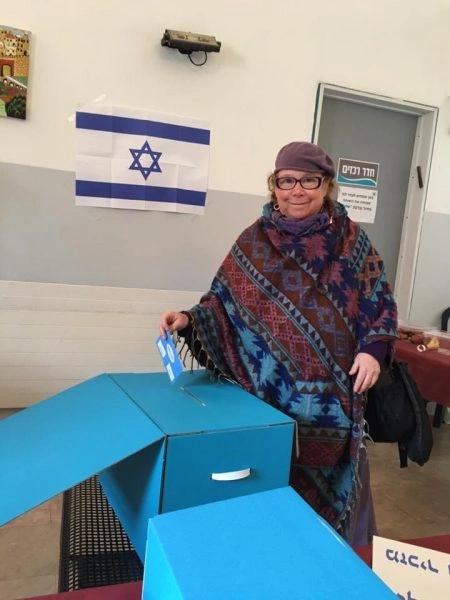
Linda Brownstein
Mitspe, Israel
Hearing and reading about the siyumim at the completion of the 13 th cycle Daf Yomi asked our shul rabbi about starting the Daf – he directed me to another shiur in town he thought would allow a woman to join, and so I did! Love seeing the sources for the Divrei Torah I’ve been hearing for the past decades of living an observant life and raising 5 children .
Jill Felder
Pittsburgh, Pennsylvania, United States
Retirement and Covid converged to provide me with the opportunity to commit to daily Talmud study in October 2020. I dove into the middle of Eruvin and continued to navigate Seder Moed, with Rabannit Michelle as my guide. I have developed more confidence in my learning as I completed each masechet and look forward to completing the Daf Yomi cycle so that I can begin again!
Rhona Fink
San Diego, United States
I started learning Daf in Jan 2020 with Brachot b/c I had never seen the Jewish people united around something so positive, and I wanted to be a part of it. Also, I wanted to broaden my background in Torah Shebal Peh- Maayanot gave me a great gemara education, but I knew that I could hold a conversation in most parts of tanach but almost no TSB. I’m so thankful for Daf and have gained immensely.
Meira Shapiro
NJ, United States
My curiosity was peaked after seeing posts about the end of the last cycle. I am always looking for opportunities to increase my Jewish literacy & I am someone that is drawn to habit and consistency. Dinnertime includes a “Guess what I learned on the daf” segment for my husband and 18 year old twins. I also love the feelings of connection with my colleagues who are also learning.
Diana Bloom
Tampa, United States
3 years ago, I joined Rabbanit Michelle to organize the unprecedented Siyum HaShas event in Jerusalem for thousands of women. The whole experience was so inspiring that I decided then to start learning the daf and see how I would go…. and I’m still at it. I often listen to the Daf on my bike in mornings, surrounded by both the external & the internal beauty of Eretz Yisrael & Am Yisrael!
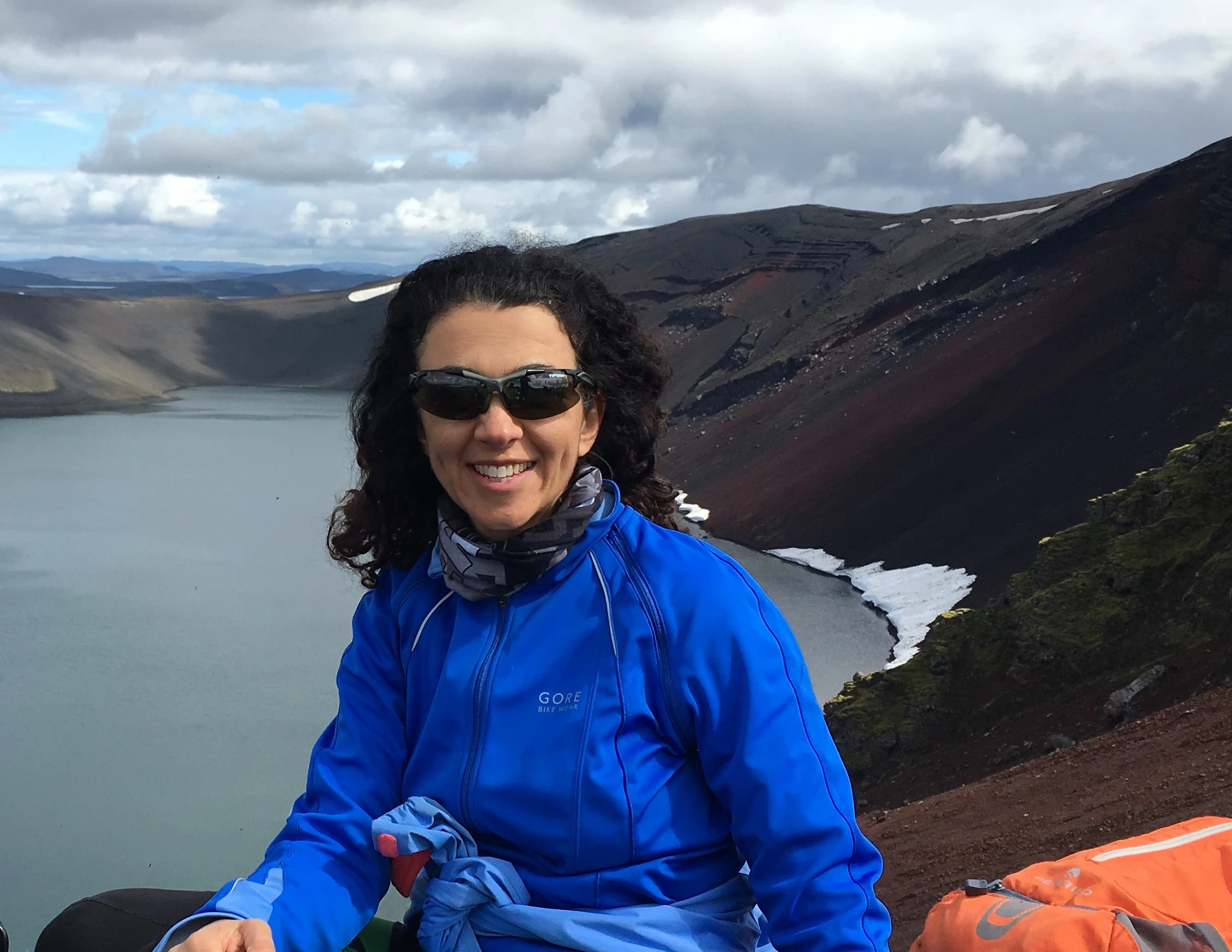
Lisa Kolodny
Raanana, Israel
Shortly after the death of my father, David Malik z”l, I made the commitment to Daf Yomi. While riding to Ben Gurion airport in January, Siyum HaShas was playing on the radio; that was the nudge I needed to get started. The “everyday-ness” of the Daf has been a meaningful spiritual practice, especial after COVID began & I was temporarily unable to say Kaddish at daily in-person minyanim.
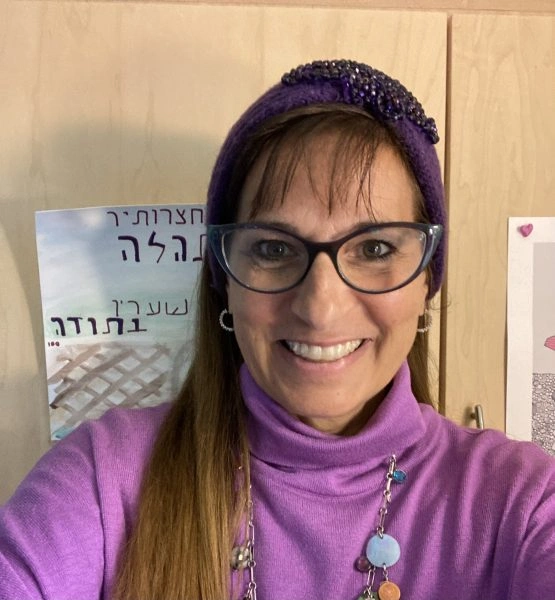
Lisa S. Malik
Wynnewood, United States
I started learning Dec 2019 after reading “If all the Seas Were Ink”. I found
Daily daf sessions of Rabbanit Michelle in her house teaching, I then heard about the siyum and a new cycle starting wow I am in! Afternoon here in Sydney, my family and friends know this is my sacred time to hide away to live zoom and learn. Often it’s hard to absorb and relate then a gem shines touching my heart.
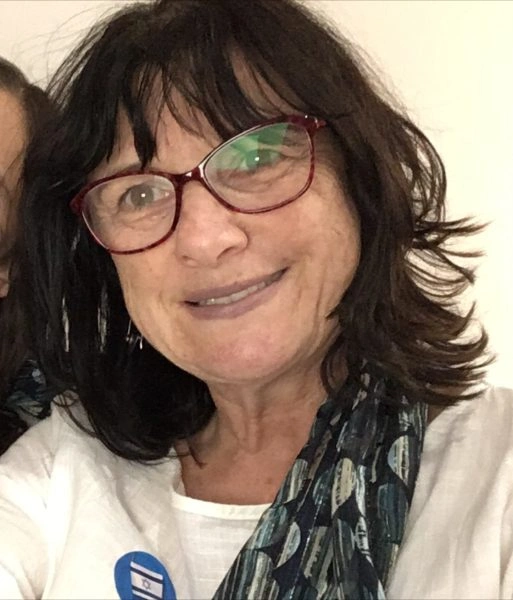
Dianne Kuchar
Dover Heights, Australia
Bava Batra 49
אֵין נֶאֱמָנִים; ״מוֹדָעָא הָיוּ דְּבָרֵינוּ״ – אֵין נֶאֱמָנִין!
they are not deemed credible. And similarly, witnesses who said: Our statement that we signed was accompanied by a preemptive declaration, are not deemed credible. They cannot negate the testimony of the document that they themselves signed by claiming that there had been a preemptive declaration. Similarly, how could Rabba bar bar Ḥana’s signing of the preemptive declaration override his signing the bill of sale?
הָנֵי מִילֵּי עַל פֶּה – דְּלָא אָתֵי עַל פֶּה וּמַרַע לִשְׁטָרָא, אֲבָל בִּשְׁטָרָא – אָתֵי שְׁטָרָא וּמַרַע לִשְׁטָרָא.
The Gemara answers: That matter of witnesses not being deemed credible to nullify a document applies only when the witnesses attempt to nullify the document by means of an oral declaration, as an oral declaration cannot come and weaken a written document. But if the witnesses attempt to nullify the bill of sale by means of testimony in another document, e.g., by signing the preemptive declaration, then this preemptive document can come and weaken a written document, in this case, the bill of sale.
גּוּפָא – אָמַר רַב נַחְמָן: ״אֲמָנָה הָיוּ דְּבָרֵינוּ״ – אֵין נֶאֱמָנִין, ״מוֹדָעָא הָיוּ דְּבָרֵינוּ״ – אֵין נֶאֱמָנִין.
The Gemara returns to discuss the matter itself: Rav Naḥman says that witnesses who said: Our statement that we signed was a document of trust, are not deemed credible. And similarly, witnesses who said: Our statement that we signed was accompanied by a preemptive declaration, are not deemed credible.
וּמָר בַּר רַב אָשֵׁי אָמַר: ״אֲמָנָה הָיוּ דְּבָרֵינוּ״ – אֵין נֶאֱמָנִין, ״מוֹדָעָא הָיוּ דְּבָרֵינוּ״ – נֶאֱמָנִין. מַאי טַעְמָא? שֶׁזֶּה נִיתַּן לִיכָּתֵב, וְזֶה לֹא נִיתַּן לִיכָּתֵב.
And Mar bar Rav Ashi says that witnesses who said: Our statement that we signed was a statement of trust, are not deemed credible; but witnesses who said: Our statement that we signed was accompanied by a preemptive declaration, are deemed credible. What is the reason for the difference between the cases? The reason is that this document that was accompanied by a preemptive declaration may be written, as it is merely written under duress, but that document of trust may not be written, as it is a false document. Testifying that they wrote it is self-incriminating, and the witnesses are not deemed credible to incriminate themselves.
וְלֹא לָאִישׁ חֲזָקָה בְּנִכְסֵי אִשְׁתּוֹ וְכוּ׳. פְּשִׁיטָא – כֵּיוָן דְּאִית לֵיהּ לְפֵירָא, פֵּירָא הוּא דְּקָאָכֵיל!
§ The mishna teaches that a man does not have the ability to establish the presumption of ownership with regard to his wife’s property and a wife does not have the ability to establish the presumption of ownership with regard to her husband’s property. The Gemara asks: Isn’t this obvious? Since he has the right to enjoy the profits of her property while they are married, it is known that he is only enjoying the profits and that he has no claim to the field itself. On what grounds, then, would he establish the presumption of ownership?
לָא צְרִיכָא, דִּכְתַב לַהּ: ״דִּין וּדְבָרִים אֵין לִי בִּנְכָסַיִיךְ״.
The Gemara responds: No, it is necessary to teach this halakha in a case where the husband wrote to his wife: I do not have any legal dealings or involvement with your property, i.e., he forfeits his right to enjoy the profits of her property, and therefore if he subsequently did enjoy the profits of her field, one might assume that it is because he acquired the land from her. It was therefore necessary for the mishna to teach that this does not indicate that he owns the land, since it is possible that she does not prevent him from enjoying the profits, due to their relationship.
וְכִי כְּתַב לַהּ – מַאי הָוֵי? וְהָתַנְיָא, הָאוֹמֵר לַחֲבֵירוֹ: ״דִּין וּדְבָרִים אֵין לִי עַל שָׂדֶה זוֹ״, וְ״אֵין לִי עֵסֶק בָּהּ״, וְ״יָדַי מְסוּלָּקוֹת מִמֶּנָּה״ – לֹא אָמַר כְּלוּם!
The Gemara asks: And if he wrote this to her, what of it? And isn’t it taught in a baraita: One who says to another: I do not have any legal dealings or involvement concerning this field, or: I have no dealings with it, or: My hands are removed from it, has not said anything. That is to say, these statements have no legal standing.
אָמְרִי לַהּ דְּבֵי רַבִּי יַנַּאי: מַתְנִיתִין בְּכוֹתֵב לָהּ וְעוֹדָהּ אֲרוּסָה – וְכִדְרַב כָּהֲנָא, דְּאָמַר רַב כָּהֲנָא:
The scholars of the school of Rabbi Yannai said with regard to this: The mishna states its ruling with regard to one who writes this formulation to her while she is still only betrothed, before he had any rights to her property. Therefore, he is able to prevent his rights from taking effect after the marriage. And this is in accordance with the statement of Rav Kahana, as Rav Kahana says:
נַחֲלָה הַבָּאָה לוֹ לְאָדָם מִמָּקוֹם אַחֵר, אָדָם מַתְנֶה עָלֶיהָ שֶׁלֹּא יִירָשֶׁנָּה. וְכִדְרָבָא – דְּאָמַר רָבָא: כׇּל הָאוֹמֵר ״אִי אֶפְשִׁי בְּתַקָּנַת חֲכָמִים״ כְּגוֹן זֹאת, שׁוֹמְעִין לוֹ.
With regard to an inheritance that comes to a person from another place, i.e., an inheritance one will receive in the future, a person can make a condition about it from the outset that he will not inherit it, since one can waive his future rights to property that is not currently his. And this ruling is in accordance with the opinion of Rava, as Rava said that with regard to anyone who says: I do not want to avail myself of an ordinance of the Sages such as this one that was instituted for my benefit, one listens to him.
מַאי ״כְּגוֹן זֹאת״? כִּדְרַב הוּנָא אָמַר רַב – דְּאָמַר רַב הוּנָא אָמַר רַב: יְכוֹלָה אִשָּׁה שֶׁתֹּאמַר לְבַעְלָהּ: ״אֵינִי נִיזּוֹנֶת וְאֵינִי עוֹשָׂה״.
The Gemara asks: What is meant by: Such as this one? The Gemara explains: Rava is referring to that statement of Rav Huna, who said that Rav says a certain ruling. As Rav Huna says that Rav says: A woman can say to her husband: I will not be sustained by you and, in turn, I will not work, i.e., you will not keep my earnings. The Sages instituted that a husband must provide sustenance for his wife, and in exchange is entitled to her wages. Since this was instituted for the benefit of wives, the wife is able to opt out of this arrangement. Similarly, the husband may waive his rights to the profits from his wife’s land. It is in such a circumstance that the mishna rules that even if he relinquished his rights, he does not establish the presumption of ownership by enjoying the profits.
הָא רְאָיָה – יֵשׁ? תֵּימָא: ״נַחַת רוּחַ עָשִׂיתִי לְבַעְלִי״!
§ The mishna teaches that a husband does not establish the presumption of ownership of his wife’s field by enjoying its profits. The Gemara suggests: By inference, the husband has the ability to bring proof that he purchased the field from his wife or received it as a gift from her and consequently be regarded as the owner of the field. The Gemara asks: Why is this proof decisive? Let her say: I did it, i.e., I gave or sold the field to my husband, only to please my husband, but I did not mean it.
מִי לָא תְּנַן: לָקַח מִן הָאִישׁ, וְחָזַר וְלָקַח מִן הָאִשָּׁה – מִקָּחוֹ בָּטֵל; אַלְמָא אָמְרָה: ״נַחַת רוּחַ עָשִׂיתִי לְבַעְלִי״, הָכָא נָמֵי תֵּימָא: ״נַחַת רוּחַ עָשִׂיתִי לְבַעְלִי״!
The Gemara quotes a source for this claim: Didn’t we learn in a mishna (Gittin 55b): If one first purchased land from the husband and afterward returned and purchased it from the wife, i.e., he purchased her rights to this land for after the death of her husband or in the event of their divorce, as stipulated in her marriage contract, then his transaction is void. Apparently, she said: I did it, i.e., signed this bill of sale, only to please my husband, but I did not mean it. Here too let her say: I did it only to please my husband but did not mean to give or sell the field to him.
הָא אִיתְּמַר עֲלַהּ, אָמַר רַבָּה בַּר רַב הוּנָא: לֹא נִצְרְכָה אֶלָּא בְּאוֹתָן שָׁלֹשׁ שָׂדוֹת – אַחַת שֶׁכָּתַב לָהּ בִּכְתוּבָּתָהּ,
The Gemara answers: But wasn’t it stated with regard to that mishna that Rabba bar Rav Huna says: The halakha that a woman can claim that she acted only in order to please her husband is not stated with regard to all of her property, but is necessary only with regard to those three types of fields that have special status: One field about which he wrote to her in her marriage contract that it would serve as payment of her marriage contract;
Follow


