










Today’s daf is sponsored by the Hadran Women of Long Island in honor of the marriage of Shai Laniado, son of our friend and co-learner Sami Groff, to Lily Snyder. “May the home that they build be a bayit neeman beYisrael, filled with joy, Torah, and a passion for what’s right.”
Bava Batra
Masechet Bava Batra is sponsored by Lori Stark in loving memory of her mother in law, Sara Shapiro z”l and her father Nehemiah Sosewitz z”l.
This week’s learning is sponsored by Robert and Paula Cohen in loving memory of Joseph Cohen, Yosef ben Moshe HaCohen, z”l. “He was hard working, loved to sing, esp. as a chazan, and was very dedicated to his family and community.”
Want to dedicate learning? Get started here:

0:00
0:00
Today’s daily daf tools:
Bava Batra
Masechet Bava Batra is sponsored by Lori Stark in loving memory of her mother in law, Sara Shapiro z”l and her father Nehemiah Sosewitz z”l.
This week’s learning is sponsored by Robert and Paula Cohen in loving memory of Joseph Cohen, Yosef ben Moshe HaCohen, z”l. “He was hard working, loved to sing, esp. as a chazan, and was very dedicated to his family and community.”
Bava Batra 51
וְדַיָּינֵי גוֹלָה אָמְרוּ: מַחְזִיקִין. אָמַר רַב: הֲלָכָה כְּדַיָּינֵי גוֹלָה. אֲמַרוּ לֵיהּ רַב כָּהֲנָא וְרַב אַסִּי לְרַב: הֲדַר בֵּיהּ מָר מִשְּׁמַעְתֵּיהּ? אֲמַר לְהוּ: מִסְתַּבְּרָא אֲמַרִי – כִּדְרַב יוֹסֵף.
but the judges of the exile said that one can establish the presumption of ownership. Rav says: The halakha is in accordance with the opinion of the judges of the exile. Rav Kahana and Rav Asi said to Rav: Has the Master retracted his halakha that one cannot establish the presumption of ownership with regard to the property of a married woman? Rav said to them: I said that the opinion of the judges of the exile is reasonable, as the presumption of ownership can be established with regard the property of a married woman under certain circumstances. The Gemara comments: This is like that ruling of Rav Yosef with regard to one who possesses the land for three years after the death of the husband.
וְלֹא לְאִשָּׁה בְּנִכְסֵי בַעְלָהּ וְכוּ׳. פְּשִׁיטָא – כֵּיוָן דְּאִית לַהּ מְזוֹנֵי, מְזוֹנֵי הוּא דְּקָא אָכְלָה! לָא צְרִיכָא, דְּיַחֵד לַהּ אַרְעָא אַחֲרִיתִי לִמְזוֹנַהּ.
§ The mishna teaches: And a wife does not have the ability to establish the presumption of ownership with regard to her husband’s property. The Gemara asks: Isn’t that obvious? Since she has the right to sustenance from her husband’s property, she is enjoying the profits as payment of her sustenance, so her use of the property does not establish the presumption of ownership. The Gemara responds: No, it is necessary to state this halakha in the event that he designated another parcel of land for her sustenance. The mishna teaches that even if she enjoys the profits of a second field for three years, she does not establish the presumption of ownership of that field.
הָא רְאָיָה – יֵשׁ? לֵימָא לְגַלּוֹיֵי זוּזֵי הוּא דְּבָעֵי!
The Gemara asks: By inference, the wife has the ability to bring proof of her ownership and take possession of her husband’s field. Why is this proof valid? Let him say that he desires to expose her concealed money. If he offers to sell the field to her and she agrees, it will be discovered that she has money of which he had been unaware. His intention was never to sell the property, but to claim money to which he is entitled.
שָׁמְעַתְּ מִינַּהּ, הַמּוֹכֵר שָׂדֶה לְאִשְׁתּוֹ – קָנְתָה, וְלָא אָמְרִינַן: לְגַלּוֹיֵי זוּזֵי הוּא דְּבָעֵי?! לָא; אֵימָא: הָא רְאָיָה יֵשׁ – בִּשְׁטַר מַתָּנָה.
Can one conclude from this mishna that in the case of one who sells a field to his wife, she has acquired it, and we do not say that he desires to expose her concealed money? The Gemara answers: No, as one may say that the inference from the mishna that if she has proof then she has ownership rights is the halakha only with regard to a deed of gift, as, if her husband gave her the field as a gift, he cannot claim that he did so in order to expose her concealed money.
אֲמַר לֵיהּ רַב נַחְמָן לְרַב הוּנָא: לָא הֲוָה מָר גַּבָּן בְּאוּרְתָּא בִּתְחוּמָא, דְּאָמְרִינַן מִילֵּי מְעַלְּיָיתָא. אֲמַר לֵיהּ: מַאי מִילֵּי מְעַלְּיָיתָא אָמְרִיתוּ? הַמּוֹכֵר שָׂדֶה לְאִשְׁתּוֹ – קָנְתָה, וְלָא אָמְרִינַן לְגַלּוֹיֵי זוּזֵי הוּא דְּבָעֵי.
The Gemara relates: Rav Naḥman said to Rav Huna: The Master was not with us in the evening in the study hall that is within the boundaries of the town, where we said a superior matter. Rav Huna said to him: What superior matter did you say? Rav Naḥman responded: In the case of one who sells a field to his wife, she has acquired it, and we do not say that he desires to expose her concealed money.
אֲמַר לֵיהּ: פְּשִׁיטָא, דַּל זוּזֵי מֵהָכָא – וְתִיקְנֵי בִּשְׁטָרָא! מִי לָא תְּנַן: נְכָסִים שֶׁיֵּשׁ לָהֶן אַחְרָיוּת נִקְנִין בְּכֶסֶף וּבִשְׁטָר וּבַחֲזָקָה?
Rav Huna said to him: That is obvious; remove the money from here and she will acquire the property by means of the bill of sale, as, even if she has not yet given him the money, she acquires the land by means of the bill of sale. Didn’t we learn in a mishna (Kiddushin 26a): Property that serves as a guarantee, i.e., land, can be acquired by means of giving money, by means of giving a document, or by means of taking possession of it?
אֲמַר לֵיהּ: וְלָאו אִיתְּמַר עֲלַהּ, אָמַר שְׁמוּאֵל: לֹא שָׁנוּ אֶלָּא בִּשְׁטַר מַתָּנָה, אֲבָל בִּשְׁטַר מֶכֶר – לֹא קָנָה עַד שֶׁיִּתֵּן לוֹ דָּמֶיהָ? וְלָאו מוֹתֵיב רַב הַמְנוּנָא: בִּשְׁטָר – כֵּיצַד? כָּתַב לוֹ עַל הַנְּיָיר אוֹ עַל הַחֶרֶס – אַף עַל פִּי שֶׁאֵין בּוֹ שָׁוֶה פְּרוּטָה: ״שָׂדִי מְכוּרָה לָךְ״, ״שָׂדִי קְנוּיָה לָךְ״ – הֲרֵי זוֹ מְכוּרָה וּנְתוּנָה?
Rav Naḥman said to him: But wasn’t it stated with regard to this that Shmuel says: They taught that the document alone suffices only if the transaction is with a deed of gift, but if the transaction is with a bill of sale, the buyer does not acquire the property until he gives him its money? Rav Huna responded: But didn’t Rav Hamnuna raise an objection to this, based on this following baraita: How is acquisition by means of giving a document performed? If he wrote it for him on paper or earthenware, then even though the paper or the earthenware is not worth even one peruta, if he writes: My field is sold to you, or: My field is acquired by you as a gift, it is thereby sold or given. This indicates that a document suffices to complete an acquisition both in the case of a sale and a gift.
וְלָאו הוּא מוֹתֵיב לַהּ וְהוּא מְפָרֵק לַהּ – בְּמוֹכֵר שָׂדֵהוּ מִפְּנֵי רָעָתָהּ?
Rav Naḥman responded: But is it not so that he, Rav Hamnuna, raises the objection and he himself resolves it? The baraita states its ruling with regard to one who sells his field due to its poor quality. The seller wants to be rid of his field due to its low value, and would like to transfer ownership of it as quickly as possible. In this case, writing a document suffices to complete the acquisition. By contrast, in standard cases it does not. Since the acquisition of a field requires monetary payment in addition to a bill of sale, Rav Naḥman’s statement, that if one sells a field to his wife the sale is valid and we do not say that he desires to expose her concealed money, is a novelty.
(רַב בִּיבִי מְסַיֵּים בַּהּ מִשְּׁמֵיהּ דְּרַב נַחְמָן) וְרַב אָשֵׁי אָמַר: בְּמַתָּנָה בִּקֵּשׁ לִיתְּנָהּ לוֹ, וְלָמָּה כָּתַב לוֹ בִּלְשׁוֹן מֶכֶר? כְּדֵי לְיַפּוֹת כֹּחוֹ.
The Gemara notes that in interpreting this baraita, Rav Beivai would conclude in the name of Rav Naḥman, or, according to another version, Rav Ashi says: Why does a document suffice for him to acquire the land? It is because it is assumed that he wanted to give it to him as a gift. And why did he write the document for him employing the terminology of a sale? It was in order to enhance the power of the one acquiring the land, since with regard to a property guarantee, i.e., a document that states that if the property is seized by the seller’s creditor, the seller will reimburse the buyer for his loss, a bill of sale is superior to a deed of gift.
מֵיתִיבִי: לָוָה מִן הָעֶבֶד, וְשִׁחְרְרוֹ; מִן הָאִשָּׁה, וְגֵרְשָׁהּ – אֵין לָהֶן עָלָיו כְּלוּם. מַאי טַעְמָא? לָאו מִשּׁוּם דְּאָמְרִינַן: לְגַלּוֹיֵי זוּזֵי הוּא דְּבָעֵי?
The Gemara raises an objection to the ruling of Rav Naḥman, that we do not say that he desires to expose her concealed money, from a baraita: If one borrowed money from his own slave and then frees him, or if one borrowed money from his wife and then divorces her, they do not have any claim on him, and he need not repay them. What is the reason for this? Is it not because we say that he desires to expose their concealed money, and his taking of the loan was a mere artifice to claim money to which he was entitled?
שָׁאנֵי הָתָם, דְּלָא נִיחָא לֵיהּ לְשַׁוּוֹיֵיהּ נַפְשֵׁיהּ ״עֶבֶד לֹוֶה לְאִישׁ מַלְוֶה״.
The Gemara answers: It is different there, because there is an additional reason to think it was an artifice, as it is uncomfortable for him to make applicable to himself the verse: “The rich rules over the poor, and the borrower is servant to the lender” (Proverbs 22:7). It is therefore reasonable to posit that his intention was not to borrow money, but to expose the concealed money that was in the possession of his slave or wife. This concern does not apply to one who sells property to his wife, and therefore the sale is valid.
שְׁלַח רַב הוּנָא בַּר אָבִין: הַמּוֹכֵר שָׂדֶה לְאִשְׁתּוֹ – קָנְתָה,
The Gemara relates that Rav Huna bar Avin sent a ruling to those in the study hall: In the case of one who sells a field to his wife, she has acquired it,
וּבַעַל אוֹכֵל פֵּירוֹת. בְּרַם, רַבִּי אַבָּא וְרַבִּי אֲבָהוּ וְכׇל גְּדוֹלֵי הַדּוֹר אָמְרוּ: בְּמַתָּנָה בִּקֵּשׁ לִיתְּנוֹ לָהּ, וְלָמָּה כָּתַב לָהּ לְשׁוּם מֶכֶר? כְּדֵי לְיַפּוֹת אֶת כֹּחָהּ.
and as long as they remain married, the husband enjoys the profits, as he would with any usufruct property. But Rabbi Abba and Rabbi Abbahu and all of the great Sages of the generation said that the assumption is that the husband wanted to give it to her as a gift. And why did he write the deed for her employing terminology indicating that it is for the sake of a sale? It was in order to enhance her power.
מֵיתִיבִי: לָוָה מִן הָעֶבֶד וְשִׁחְרְרוֹ, מִן הָאִשָּׁה וְגֵרְשָׁהּ – אֵין לָהֶן עָלָיו כְּלוּם. מַאי טַעְמָא? לָאו מִשּׁוּם דְּאָמְרִי: לְגַלּוֹיֵי זוּזֵי הוּא דִּבְעָא?
The Gemara raises an objection from a baraita to the ruling that the wife acquires the property: If one borrowed from his own slave and then freed him, or if one borrowed from his wife and then divorced her, they do not have any claim on him, and he need not repay them. What is the reason for this? Is it not because we say that he desired to expose their concealed money, and his taking of the loan was merely an artifice to claim money to which he was entitled? Similarly, the assumption should be that his sale to her was merely an artifice.
שָׁאנֵי הָתָם, דְּלָא לִישַׁוֵּי אִינִישׁ ״עֶבֶד לֹוֶה לְאִישׁ מַלְוֶה״.
The Gemara answers: It is different there, because there is an additional reason to think it was an artifice, as it is uncomfortable for a person to be described by the verse: “The rich rules over the poor, and the borrower is servant to the lender” (Proverbs 22:7). It is therefore reasonable to posit that his intention was not to borrow money, but to expose the concealed money that was in the possession of his slave or wife. This concern does not apply to one who sells property to his wife, and therefore the sale is valid.
אָמַר רַב: הַמּוֹכֵר שָׂדֶה לְאִשְׁתּוֹ – קָנְתָה, וְהַבַּעַל אוֹכֵל פֵּירוֹת. בְּמַתָּנָה – קָנְתָה, וְאֵין הַבַּעַל אוֹכֵל פֵּירוֹת. וְרַבִּי אֶלְעָזָר אָמַר: אֶחָד זֶה וְאֶחָד זֶה – קָנְתָה, וְאֵין הַבַּעַל אוֹכֵל פֵּירוֹת.
The Gemara quotes a related statement. Rav says: In the case of one who sells a field to his wife, she has acquired it, and the husband enjoys the profits. In the case of one who gives a married woman the field as a gift, she has acquired it and the husband does not enjoy the profits, since he gave it to her completely. And Rabbi Elazar says: In both this case and that case she has acquired it, and the husband does not enjoy the profits.
עֲבַד רַב חִסְדָּא עוֹבָדָא כְּרַבִּי אֶלְעָזָר. אֲמַרוּ לֵיהּ רַבָּן עוּקְבָא וְרַבָּן נְחֶמְיָה בְּנֵי בְנָתֵיהּ דְּרַב, לְרַב חִסְדָּא: שָׁבֵיק מָר רַבְרְבֵי, וְעָבֵיד כְּזוּטְרֵי?! אֲמַר לְהוּ: וַאֲנָא נָמֵי כְּרַבְרְבֵי עֲבַדִי, דְּכִי אֲתָא רָבִין אָמַר רַבִּי יוֹחָנָן: אֶחָד זֶה וְאֶחָד זֶה – קָנְתָה, וְאֵין הַבַּעַל אוֹכֵל פֵּירוֹת.
The Gemara relates: Rav Ḥisda performed an action in accordance with the opinion of Rabbi Elazar, and did not allow a husband to enjoy the profits of a field he sold to his wife. Rabban Ukva and Rabban Neḥemya, the sons of Rav’s daughters, said to Rav Ḥisda: Does the Master abandon a greater Sage, i.e., Rav, the greatest Sage of his generation, and act in accordance with the opinion of a lesser Sage, i.e., Rabbi Elazar, who was Rav’s student? Rav Ḥisda said to them: But I too am acting in accordance with the opinion of a greater Sage, as when Ravin came from Eretz Yisrael, he said that Rabbi Yoḥanan said: In both this case and that case she has acquired it, and the husband does not enjoy the profits. I am consequently not relying exclusively on Rabbi Elazar’s opinion, but also on that of Rabbi Yoḥanan.
אָמַר רָבָא, הִלְכְתָא: הַמּוֹכֵר שָׂדֶה לְאִשְׁתּוֹ – לֹא קָנְתָה, וְהַבַּעַל אוֹכֵל פֵּירוֹת. בְּמַתָּנָה – קָנְתָה, וְאֵין הַבַּעַל אוֹכֵל פֵּירוֹת. תַּרְתֵּי?!
Rava says that the halakha is: In the case of one who sells a field to his wife, she has not acquired it, and the husband enjoys the profits. In the case of one who gives a married woman the field as a gift, she has acquired it and the husband does not enjoy the profits. The Gemara asks with regard to the first halakha: Can these two ostensibly contradictory rulings be given? Rava’s statement that the wife has not acquired the field means that the husband still owns it, while his statement that the husband enjoys the profits, i.e., he merely enjoys the profits but does not own the field, indicates that the field itself is owned by the wife.
לָא קַשְׁיָא; כָּאן בְּמָעוֹת טְמוּנִין, כָּאן בְּמָעוֹת שֶׁאֵין טְמוּנִין – דְּאָמַר רַב יְהוּדָה: מָעוֹת טְמוּנִין – לֹא קָנְתָה, מָעוֹת שֶׁאֵינָן טְמוּנִין – קָנְתָה.
The Gemara responds: This is not difficult, because Rava is referring to two different cases. Here, where he says that she has not acquired the land, he is referring to a case where her money was concealed, and the sale was an artifice to expose it; while there, where he says that she acquires the land, he is referring to a case where she had money that is not concealed. As Rav Yehuda says: If she purchased the field with concealed money, she has not acquired it; if she purchased it with money that is not concealed, she has acquired it.
תָּנוּ רַבָּנַן: אֵין מְקַבְּלִין פִּקְדוֹנוֹת – לֹא מִן הַנָּשִׁים, וְלֹא מִן הָעֲבָדִים, וְלֹא מִן הַתִּינוֹקוֹת. קִבֵּל מִן הָאִשָּׁה – יַחְזִיר לָאִשָּׁה, וְאִם מֵתָה – יַחְזִיר לְבַעְלָהּ. קִבֵּל מִן הָעֶבֶד – יַחְזִיר לָעֶבֶד, וְאִם מֵת – יַחְזִיר לְרַבּוֹ.
§ The Sages taught in a baraita: One may not accept deposits from women, and not from slaves, and not from children. Since it is likely that they do not own property, they might have taken the item without authorization from their husband, master, or parent, respectively. Consequently, one should not accept the deposit. If, however, one accepted a deposit from a woman, he must return it to the woman, as he cannot be certain that it is not hers. And if the woman died, he must return it to her husband, as he is her heir. If one accepted a deposit from a slave, he must return it to the slave, since it might not belong to the master. And if the slave died, he must return it to his master.
Follow 
Today’s daily daf tools:
Delve Deeper
Broaden your understanding of the topics on this daf with classes and podcasts from top women Talmud scholars.


New to Talmud?
Check out our resources designed to help you navigate a page of Talmud – and study at the pace, level and style that fits you.
The Hadran Women’s Tapestry
Meet the diverse women learning Gemara at Hadran and hear their stories.
Inspired by Hadran’s first Siyum ha Shas L’Nashim two years ago, I began daf yomi right after for the next cycle. As to this extraordinary journey together with Hadran..as TS Eliot wrote “We must not cease from exploration and the end of all our exploring will be to arrive where we began and to know the place for the first time.

Susan Handelman
Jerusalem, Israel
I started learning Daf Yomi to fill what I saw as a large gap in my Jewish education. I also hope to inspire my three daughters to ensure that they do not allow the same Talmud-sized gap to form in their own educations. I am so proud to be a part of the Hadran community, and I have loved learning so many of the stories and halachot that we have seen so far. I look forward to continuing!

Dora Chana Haar
Oceanside NY, United States
I started learning Daf Yomi inspired by תָּפַסְתָּ מְרוּבֶּה לֹא תָּפַסְתָּ, תָּפַסְתָּ מוּעָט תָּפַסְתָּ. I thought I’d start the first page, and then see. I was swept up into the enthusiasm of the Hadran Siyum, and from there the momentum kept building. Rabbanit Michelle’s shiur gives me an anchor, a connection to an incredible virtual community, and an energy to face whatever the day brings.

Medinah Korn
בית שמש, Israel
I am a Reform rabbi and took Talmud courses in rabbinical school, but I knew there was so much more to learn. It felt inauthentic to serve as a rabbi without having read the entire Talmud, so when the opportunity arose to start Daf Yomi in 2020, I dove in! Thanks to Hadran, Daf Yomi has enriched my understanding of rabbinic Judaism and deepened my love of Jewish text & tradition. Todah rabbah!
Rabbi Nicki Greninger
California, United States
I have joined the community of daf yomi learners at the start of this cycle. I have studied in different ways – by reading the page, translating the page, attending a local shiur and listening to Rabbanit Farber’s podcasts, depending on circumstances and where I was at the time. The reactions have been positive throughout – with no exception!

Silke Goldberg
Guildford, United Kingdom
I had no formal learning in Talmud until I began my studies in the Joint Program where in 1976 I was one of the few, if not the only, woman talmud major. It was superior training for law school and enabled me to approach my legal studies with a foundation . In 2018, I began daf yomi listening to Rabbanit MIchelle’s pod cast and my daily talmud studies are one of the highlights of my life.

Terri Krivosha
Minneapolis, United States
I’ve been studying Talmud since the ’90s, and decided to take on Daf Yomi two years ago. I wanted to attempt the challenge of a day-to-day, very Jewish activity. Some days are so interesting and some days are so boring. But I’m still here.
Sarene Shanus
Mamaroneck, NY, United States
I heard the new Daf Yomi cycle was starting and I was curious, so I searched online for a women’s class and was pleasently surprised to find Rabanit Michelle’s great class reviews in many online articles. It has been a splendid journey. It is a way to fill my days with Torah, learning so many amazing things I have never heard before during my Tanach learning at High School. Thanks so much .

Martha Tarazi
Panama, Panama
I went to day school in Toronto but really began to learn when I attended Brovenders back in the early 1980’s. Last year after talking to my sister who was learning Daf Yomi, inspired, I looked on the computer and the Hadran site came up. I have been listening to each days shiur in the morning as I work. I emphasis listening since I am not sitting with a Gamara. I listen while I work in my studio.
Rachel Rotenberg
Tekoa, Israel
As Jewish educator and as a woman, I’m mindful that Talmud has been kept from women for many centuries. Now that we are privileged to learn, and learning is so accessible, it’s my intent to complete Daf Yomi. I am so excited to keep learning with my Hadran community.
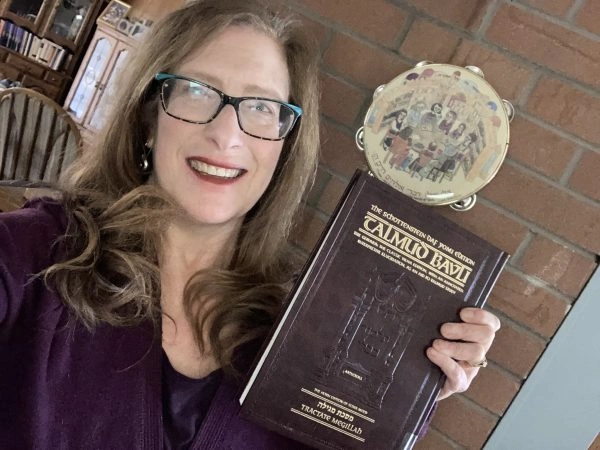
Sue Parker Gerson
Denver, United States
Hearing and reading about the siyumim at the completion of the 13 th cycle Daf Yomi asked our shul rabbi about starting the Daf – he directed me to another shiur in town he thought would allow a woman to join, and so I did! Love seeing the sources for the Divrei Torah I’ve been hearing for the past decades of living an observant life and raising 5 children .

Jill Felder
Pittsburgh, Pennsylvania, United States
“I got my job through the NY Times” was an ad campaign when I was growing up. I can headline “I got my daily Daf shiur and Hadran through the NY Times”. I read the January 4, 2020 feature on Reb. Michelle Farber and Hadran and I have been participating ever since. Thanks NY Times & Hadran!

Deborah Aschheim
New York, United States
A beautiful world of Talmudic sages now fill my daily life with discussion and debate.
bringing alive our traditions and texts that has brought new meaning to my life.
I am a מגילת אסתר reader for women . the words in the Mishna of מסכת megillah 17a
הקורא את המגילה למפרע לא יצא were powerful to me.
I hope to have the zchut to complete the cycle for my 70th birthday.

Sheila Hauser
Jerusalem, Israel
Michelle has been an inspiration for years, but I only really started this cycle after the moving and uplifting siyum in Jerusalem. It’s been an wonderful to learn and relearn the tenets of our religion and to understand how the extraordinary efforts of a band of people to preserve Judaism after the fall of the beit hamikdash is still bearing fruits today. I’m proud to be part of the chain!
Judith Weil
Raanana, Israel
I started at the beginning of this cycle. No 1 reason, but here’s 5.
In 2019 I read about the upcoming siyum hashas.
There was a sermon at shul about how anyone can learn Talmud.
Talmud references come up when I am studying. I wanted to know more.
Yentl was on telly. Not a great movie but it’s about studying Talmud.
I went to the Hadran website: A new cycle is starting. I’m gonna do this
Denise Neapolitan
Cambridge, United Kingdom
I am a Reform rabbi and took Talmud courses in rabbinical school, but I knew there was so much more to learn. It felt inauthentic to serve as a rabbi without having read the entire Talmud, so when the opportunity arose to start Daf Yomi in 2020, I dove in! Thanks to Hadran, Daf Yomi has enriched my understanding of rabbinic Judaism and deepened my love of Jewish text & tradition. Todah rabbah!
Rabbi Nicki Greninger
California, United States
Hadran entered my life after the last Siyum Hashaas, January 2020. I was inspired and challenged simultaneously, having never thought of learning Gemara. With my family’s encouragement, I googled “daf yomi for women”. A perfecr fit!
I especially enjoy when Rabbanit Michelle connects the daf to contemporary issues to share at the shabbat table e.g: looking at the Kohen during duchaning. Toda rabba

Marsha Wasserman
Jerusalem, Israel
I started my Daf Yomi journey at the beginning of the COVID19 pandemic.

Karena Perry
Los Angeles, United States
I began my journey with Rabbanit Michelle more than five years ago. My friend came up with a great idea for about 15 of us to learn the daf and one of us would summarize weekly what we learned.
It was fun but after 2-3 months people began to leave. I have continued. Since the cycle began Again I have joined the Teaneck women.. I find it most rewarding in so many ways. Thank you
Dena Heller
New Jersey, United States
Inspired by Hadran’s first Siyum ha Shas L’Nashim two years ago, I began daf yomi right after for the next cycle. As to this extraordinary journey together with Hadran..as TS Eliot wrote “We must not cease from exploration and the end of all our exploring will be to arrive where we began and to know the place for the first time.
Susan Handelman
Jerusalem, Israel
Bava Batra 51
וְדַיָּינֵי גוֹלָה אָמְרוּ: מַחְזִיקִין. אָמַר רַב: הֲלָכָה כְּדַיָּינֵי גוֹלָה. אֲמַרוּ לֵיהּ רַב כָּהֲנָא וְרַב אַסִּי לְרַב: הֲדַר בֵּיהּ מָר מִשְּׁמַעְתֵּיהּ? אֲמַר לְהוּ: מִסְתַּבְּרָא אֲמַרִי – כִּדְרַב יוֹסֵף.
but the judges of the exile said that one can establish the presumption of ownership. Rav says: The halakha is in accordance with the opinion of the judges of the exile. Rav Kahana and Rav Asi said to Rav: Has the Master retracted his halakha that one cannot establish the presumption of ownership with regard to the property of a married woman? Rav said to them: I said that the opinion of the judges of the exile is reasonable, as the presumption of ownership can be established with regard the property of a married woman under certain circumstances. The Gemara comments: This is like that ruling of Rav Yosef with regard to one who possesses the land for three years after the death of the husband.
וְלֹא לְאִשָּׁה בְּנִכְסֵי בַעְלָהּ וְכוּ׳. פְּשִׁיטָא – כֵּיוָן דְּאִית לַהּ מְזוֹנֵי, מְזוֹנֵי הוּא דְּקָא אָכְלָה! לָא צְרִיכָא, דְּיַחֵד לַהּ אַרְעָא אַחֲרִיתִי לִמְזוֹנַהּ.
§ The mishna teaches: And a wife does not have the ability to establish the presumption of ownership with regard to her husband’s property. The Gemara asks: Isn’t that obvious? Since she has the right to sustenance from her husband’s property, she is enjoying the profits as payment of her sustenance, so her use of the property does not establish the presumption of ownership. The Gemara responds: No, it is necessary to state this halakha in the event that he designated another parcel of land for her sustenance. The mishna teaches that even if she enjoys the profits of a second field for three years, she does not establish the presumption of ownership of that field.
הָא רְאָיָה – יֵשׁ? לֵימָא לְגַלּוֹיֵי זוּזֵי הוּא דְּבָעֵי!
The Gemara asks: By inference, the wife has the ability to bring proof of her ownership and take possession of her husband’s field. Why is this proof valid? Let him say that he desires to expose her concealed money. If he offers to sell the field to her and she agrees, it will be discovered that she has money of which he had been unaware. His intention was never to sell the property, but to claim money to which he is entitled.
שָׁמְעַתְּ מִינַּהּ, הַמּוֹכֵר שָׂדֶה לְאִשְׁתּוֹ – קָנְתָה, וְלָא אָמְרִינַן: לְגַלּוֹיֵי זוּזֵי הוּא דְּבָעֵי?! לָא; אֵימָא: הָא רְאָיָה יֵשׁ – בִּשְׁטַר מַתָּנָה.
Can one conclude from this mishna that in the case of one who sells a field to his wife, she has acquired it, and we do not say that he desires to expose her concealed money? The Gemara answers: No, as one may say that the inference from the mishna that if she has proof then she has ownership rights is the halakha only with regard to a deed of gift, as, if her husband gave her the field as a gift, he cannot claim that he did so in order to expose her concealed money.
אֲמַר לֵיהּ רַב נַחְמָן לְרַב הוּנָא: לָא הֲוָה מָר גַּבָּן בְּאוּרְתָּא בִּתְחוּמָא, דְּאָמְרִינַן מִילֵּי מְעַלְּיָיתָא. אֲמַר לֵיהּ: מַאי מִילֵּי מְעַלְּיָיתָא אָמְרִיתוּ? הַמּוֹכֵר שָׂדֶה לְאִשְׁתּוֹ – קָנְתָה, וְלָא אָמְרִינַן לְגַלּוֹיֵי זוּזֵי הוּא דְּבָעֵי.
The Gemara relates: Rav Naḥman said to Rav Huna: The Master was not with us in the evening in the study hall that is within the boundaries of the town, where we said a superior matter. Rav Huna said to him: What superior matter did you say? Rav Naḥman responded: In the case of one who sells a field to his wife, she has acquired it, and we do not say that he desires to expose her concealed money.
אֲמַר לֵיהּ: פְּשִׁיטָא, דַּל זוּזֵי מֵהָכָא – וְתִיקְנֵי בִּשְׁטָרָא! מִי לָא תְּנַן: נְכָסִים שֶׁיֵּשׁ לָהֶן אַחְרָיוּת נִקְנִין בְּכֶסֶף וּבִשְׁטָר וּבַחֲזָקָה?
Rav Huna said to him: That is obvious; remove the money from here and she will acquire the property by means of the bill of sale, as, even if she has not yet given him the money, she acquires the land by means of the bill of sale. Didn’t we learn in a mishna (Kiddushin 26a): Property that serves as a guarantee, i.e., land, can be acquired by means of giving money, by means of giving a document, or by means of taking possession of it?
אֲמַר לֵיהּ: וְלָאו אִיתְּמַר עֲלַהּ, אָמַר שְׁמוּאֵל: לֹא שָׁנוּ אֶלָּא בִּשְׁטַר מַתָּנָה, אֲבָל בִּשְׁטַר מֶכֶר – לֹא קָנָה עַד שֶׁיִּתֵּן לוֹ דָּמֶיהָ? וְלָאו מוֹתֵיב רַב הַמְנוּנָא: בִּשְׁטָר – כֵּיצַד? כָּתַב לוֹ עַל הַנְּיָיר אוֹ עַל הַחֶרֶס – אַף עַל פִּי שֶׁאֵין בּוֹ שָׁוֶה פְּרוּטָה: ״שָׂדִי מְכוּרָה לָךְ״, ״שָׂדִי קְנוּיָה לָךְ״ – הֲרֵי זוֹ מְכוּרָה וּנְתוּנָה?
Rav Naḥman said to him: But wasn’t it stated with regard to this that Shmuel says: They taught that the document alone suffices only if the transaction is with a deed of gift, but if the transaction is with a bill of sale, the buyer does not acquire the property until he gives him its money? Rav Huna responded: But didn’t Rav Hamnuna raise an objection to this, based on this following baraita: How is acquisition by means of giving a document performed? If he wrote it for him on paper or earthenware, then even though the paper or the earthenware is not worth even one peruta, if he writes: My field is sold to you, or: My field is acquired by you as a gift, it is thereby sold or given. This indicates that a document suffices to complete an acquisition both in the case of a sale and a gift.
וְלָאו הוּא מוֹתֵיב לַהּ וְהוּא מְפָרֵק לַהּ – בְּמוֹכֵר שָׂדֵהוּ מִפְּנֵי רָעָתָהּ?
Rav Naḥman responded: But is it not so that he, Rav Hamnuna, raises the objection and he himself resolves it? The baraita states its ruling with regard to one who sells his field due to its poor quality. The seller wants to be rid of his field due to its low value, and would like to transfer ownership of it as quickly as possible. In this case, writing a document suffices to complete the acquisition. By contrast, in standard cases it does not. Since the acquisition of a field requires monetary payment in addition to a bill of sale, Rav Naḥman’s statement, that if one sells a field to his wife the sale is valid and we do not say that he desires to expose her concealed money, is a novelty.
(רַב בִּיבִי מְסַיֵּים בַּהּ מִשְּׁמֵיהּ דְּרַב נַחְמָן) וְרַב אָשֵׁי אָמַר: בְּמַתָּנָה בִּקֵּשׁ לִיתְּנָהּ לוֹ, וְלָמָּה כָּתַב לוֹ בִּלְשׁוֹן מֶכֶר? כְּדֵי לְיַפּוֹת כֹּחוֹ.
The Gemara notes that in interpreting this baraita, Rav Beivai would conclude in the name of Rav Naḥman, or, according to another version, Rav Ashi says: Why does a document suffice for him to acquire the land? It is because it is assumed that he wanted to give it to him as a gift. And why did he write the document for him employing the terminology of a sale? It was in order to enhance the power of the one acquiring the land, since with regard to a property guarantee, i.e., a document that states that if the property is seized by the seller’s creditor, the seller will reimburse the buyer for his loss, a bill of sale is superior to a deed of gift.
מֵיתִיבִי: לָוָה מִן הָעֶבֶד, וְשִׁחְרְרוֹ; מִן הָאִשָּׁה, וְגֵרְשָׁהּ – אֵין לָהֶן עָלָיו כְּלוּם. מַאי טַעְמָא? לָאו מִשּׁוּם דְּאָמְרִינַן: לְגַלּוֹיֵי זוּזֵי הוּא דְּבָעֵי?
The Gemara raises an objection to the ruling of Rav Naḥman, that we do not say that he desires to expose her concealed money, from a baraita: If one borrowed money from his own slave and then frees him, or if one borrowed money from his wife and then divorces her, they do not have any claim on him, and he need not repay them. What is the reason for this? Is it not because we say that he desires to expose their concealed money, and his taking of the loan was a mere artifice to claim money to which he was entitled?
שָׁאנֵי הָתָם, דְּלָא נִיחָא לֵיהּ לְשַׁוּוֹיֵיהּ נַפְשֵׁיהּ ״עֶבֶד לֹוֶה לְאִישׁ מַלְוֶה״.
The Gemara answers: It is different there, because there is an additional reason to think it was an artifice, as it is uncomfortable for him to make applicable to himself the verse: “The rich rules over the poor, and the borrower is servant to the lender” (Proverbs 22:7). It is therefore reasonable to posit that his intention was not to borrow money, but to expose the concealed money that was in the possession of his slave or wife. This concern does not apply to one who sells property to his wife, and therefore the sale is valid.
שְׁלַח רַב הוּנָא בַּר אָבִין: הַמּוֹכֵר שָׂדֶה לְאִשְׁתּוֹ – קָנְתָה,
The Gemara relates that Rav Huna bar Avin sent a ruling to those in the study hall: In the case of one who sells a field to his wife, she has acquired it,
וּבַעַל אוֹכֵל פֵּירוֹת. בְּרַם, רַבִּי אַבָּא וְרַבִּי אֲבָהוּ וְכׇל גְּדוֹלֵי הַדּוֹר אָמְרוּ: בְּמַתָּנָה בִּקֵּשׁ לִיתְּנוֹ לָהּ, וְלָמָּה כָּתַב לָהּ לְשׁוּם מֶכֶר? כְּדֵי לְיַפּוֹת אֶת כֹּחָהּ.
and as long as they remain married, the husband enjoys the profits, as he would with any usufruct property. But Rabbi Abba and Rabbi Abbahu and all of the great Sages of the generation said that the assumption is that the husband wanted to give it to her as a gift. And why did he write the deed for her employing terminology indicating that it is for the sake of a sale? It was in order to enhance her power.
מֵיתִיבִי: לָוָה מִן הָעֶבֶד וְשִׁחְרְרוֹ, מִן הָאִשָּׁה וְגֵרְשָׁהּ – אֵין לָהֶן עָלָיו כְּלוּם. מַאי טַעְמָא? לָאו מִשּׁוּם דְּאָמְרִי: לְגַלּוֹיֵי זוּזֵי הוּא דִּבְעָא?
The Gemara raises an objection from a baraita to the ruling that the wife acquires the property: If one borrowed from his own slave and then freed him, or if one borrowed from his wife and then divorced her, they do not have any claim on him, and he need not repay them. What is the reason for this? Is it not because we say that he desired to expose their concealed money, and his taking of the loan was merely an artifice to claim money to which he was entitled? Similarly, the assumption should be that his sale to her was merely an artifice.
שָׁאנֵי הָתָם, דְּלָא לִישַׁוֵּי אִינִישׁ ״עֶבֶד לֹוֶה לְאִישׁ מַלְוֶה״.
The Gemara answers: It is different there, because there is an additional reason to think it was an artifice, as it is uncomfortable for a person to be described by the verse: “The rich rules over the poor, and the borrower is servant to the lender” (Proverbs 22:7). It is therefore reasonable to posit that his intention was not to borrow money, but to expose the concealed money that was in the possession of his slave or wife. This concern does not apply to one who sells property to his wife, and therefore the sale is valid.
אָמַר רַב: הַמּוֹכֵר שָׂדֶה לְאִשְׁתּוֹ – קָנְתָה, וְהַבַּעַל אוֹכֵל פֵּירוֹת. בְּמַתָּנָה – קָנְתָה, וְאֵין הַבַּעַל אוֹכֵל פֵּירוֹת. וְרַבִּי אֶלְעָזָר אָמַר: אֶחָד זֶה וְאֶחָד זֶה – קָנְתָה, וְאֵין הַבַּעַל אוֹכֵל פֵּירוֹת.
The Gemara quotes a related statement. Rav says: In the case of one who sells a field to his wife, she has acquired it, and the husband enjoys the profits. In the case of one who gives a married woman the field as a gift, she has acquired it and the husband does not enjoy the profits, since he gave it to her completely. And Rabbi Elazar says: In both this case and that case she has acquired it, and the husband does not enjoy the profits.
עֲבַד רַב חִסְדָּא עוֹבָדָא כְּרַבִּי אֶלְעָזָר. אֲמַרוּ לֵיהּ רַבָּן עוּקְבָא וְרַבָּן נְחֶמְיָה בְּנֵי בְנָתֵיהּ דְּרַב, לְרַב חִסְדָּא: שָׁבֵיק מָר רַבְרְבֵי, וְעָבֵיד כְּזוּטְרֵי?! אֲמַר לְהוּ: וַאֲנָא נָמֵי כְּרַבְרְבֵי עֲבַדִי, דְּכִי אֲתָא רָבִין אָמַר רַבִּי יוֹחָנָן: אֶחָד זֶה וְאֶחָד זֶה – קָנְתָה, וְאֵין הַבַּעַל אוֹכֵל פֵּירוֹת.
The Gemara relates: Rav Ḥisda performed an action in accordance with the opinion of Rabbi Elazar, and did not allow a husband to enjoy the profits of a field he sold to his wife. Rabban Ukva and Rabban Neḥemya, the sons of Rav’s daughters, said to Rav Ḥisda: Does the Master abandon a greater Sage, i.e., Rav, the greatest Sage of his generation, and act in accordance with the opinion of a lesser Sage, i.e., Rabbi Elazar, who was Rav’s student? Rav Ḥisda said to them: But I too am acting in accordance with the opinion of a greater Sage, as when Ravin came from Eretz Yisrael, he said that Rabbi Yoḥanan said: In both this case and that case she has acquired it, and the husband does not enjoy the profits. I am consequently not relying exclusively on Rabbi Elazar’s opinion, but also on that of Rabbi Yoḥanan.
אָמַר רָבָא, הִלְכְתָא: הַמּוֹכֵר שָׂדֶה לְאִשְׁתּוֹ – לֹא קָנְתָה, וְהַבַּעַל אוֹכֵל פֵּירוֹת. בְּמַתָּנָה – קָנְתָה, וְאֵין הַבַּעַל אוֹכֵל פֵּירוֹת. תַּרְתֵּי?!
Rava says that the halakha is: In the case of one who sells a field to his wife, she has not acquired it, and the husband enjoys the profits. In the case of one who gives a married woman the field as a gift, she has acquired it and the husband does not enjoy the profits. The Gemara asks with regard to the first halakha: Can these two ostensibly contradictory rulings be given? Rava’s statement that the wife has not acquired the field means that the husband still owns it, while his statement that the husband enjoys the profits, i.e., he merely enjoys the profits but does not own the field, indicates that the field itself is owned by the wife.
לָא קַשְׁיָא; כָּאן בְּמָעוֹת טְמוּנִין, כָּאן בְּמָעוֹת שֶׁאֵין טְמוּנִין – דְּאָמַר רַב יְהוּדָה: מָעוֹת טְמוּנִין – לֹא קָנְתָה, מָעוֹת שֶׁאֵינָן טְמוּנִין – קָנְתָה.
The Gemara responds: This is not difficult, because Rava is referring to two different cases. Here, where he says that she has not acquired the land, he is referring to a case where her money was concealed, and the sale was an artifice to expose it; while there, where he says that she acquires the land, he is referring to a case where she had money that is not concealed. As Rav Yehuda says: If she purchased the field with concealed money, she has not acquired it; if she purchased it with money that is not concealed, she has acquired it.
תָּנוּ רַבָּנַן: אֵין מְקַבְּלִין פִּקְדוֹנוֹת – לֹא מִן הַנָּשִׁים, וְלֹא מִן הָעֲבָדִים, וְלֹא מִן הַתִּינוֹקוֹת. קִבֵּל מִן הָאִשָּׁה – יַחְזִיר לָאִשָּׁה, וְאִם מֵתָה – יַחְזִיר לְבַעְלָהּ. קִבֵּל מִן הָעֶבֶד – יַחְזִיר לָעֶבֶד, וְאִם מֵת – יַחְזִיר לְרַבּוֹ.
§ The Sages taught in a baraita: One may not accept deposits from women, and not from slaves, and not from children. Since it is likely that they do not own property, they might have taken the item without authorization from their husband, master, or parent, respectively. Consequently, one should not accept the deposit. If, however, one accepted a deposit from a woman, he must return it to the woman, as he cannot be certain that it is not hers. And if the woman died, he must return it to her husband, as he is her heir. If one accepted a deposit from a slave, he must return it to the slave, since it might not belong to the master. And if the slave died, he must return it to his master.
Follow

