









Bava Batra
Masechet Bava Batra is sponsored by Lori Stark in loving memory of her mother in law, Sara Shapiro z”l and her father Nehemiah Sosewitz z”l.
This week’s learning is sponsored by Robert and Paula Cohen in loving memory of Joseph Cohen, Yosef ben Moshe HaCohen, z”l. “He was hard working, loved to sing, esp. as a chazan, and was very dedicated to his family and community.”
Want to dedicate learning? Get started here:


Today’s daily daf tools:
Bava Batra
Masechet Bava Batra is sponsored by Lori Stark in loving memory of her mother in law, Sara Shapiro z”l and her father Nehemiah Sosewitz z”l.
This week’s learning is sponsored by Robert and Paula Cohen in loving memory of Joseph Cohen, Yosef ben Moshe HaCohen, z”l. “He was hard working, loved to sing, esp. as a chazan, and was very dedicated to his family and community.”
Bava Batra 54
דִּשְׁדָא לִיפְתָּא בֵּי פִילֵי דְּאַרְעָא דְגֵר – לָא הָוֵי חֲזָקָה. מַאי טַעְמָא? בְּעִידָּנָא דִּשְׁדָא – לָא הָוֵי שְׁבָחָא, הַשְׁתָּא דְּקָא שָׁבַח – מִמֵּילָא קָא שָׁבַח.
who threw turnip seeds in the crevices [filei] of the land of a convert who died without heirs, it is not sufficient to take possession. What is the reason for this? As at the time that he threw the seeds there was no enhancement to the value of the field. Now that the turnips have grown and the value of the field is enhanced, it is enhanced by itself.
אָמַר שְׁמוּאֵל: הַאי מַאן דְּפָשַׁח דִּיקְלָא; אַדַּעְתָּא דְּדִיקְלָא – קָנֵי, אַדַּעְתָּא דְחֵיוָתָא – לָא קָנֵי. הֵיכִי דָּמֵי? שְׁקַל מֵהַאי גִּיסָא וּמֵהַאי גִּיסָא – אַדַּעְתָּא דְּדִיקְלָא. כּוֹלָּא מֵחַד גִּיסָא – אַדַּעְתָּא דְחֵיוָתָא.
The Gemara records a series of rulings with regard to taking possession of land. Shmuel says: With regard to this one who cuts the branches of a palm tree, if he had in mind the acquisition of the palm tree, he has acquired it; but if he had in mind the benefit of the animals, to feed his animals the branches, he has not acquired it. The Gemara asks: What are the circumstances in which it can be known what he had in mind? The Gemara answers: If he took branches from this side and from that side, he had in mind the acquisition of the palm tree, as this assists the growth of the tree; but if the branches that he took were all from one side, he had in mind the benefit of the animals.
וְאָמַר שְׁמוּאֵל: הַאי מַאן דְּזָכֵי זִיכְיָא; אַדַּעְתָּא דְאַרְעָא – קָנֵי, אַדַּעְתָּא דְצִיבֵי – לָא קָנֵי. הֵיכִי דָּמֵי? שְׁקַל רַבְרְבֵי וְזוּטְרֵי – אַדַּעְתָּא דְאַרְעָא, שְׁקַל רַבְרְבֵי וּשְׁבַק זוּטְרֵי – אַדַּעְתָּא דְצִיבֵי.
And Shmuel says with regard to this one who clears [dezakkei zikheya] a field of trees, if he had in mind the improvement of the field, to prepare it for plowing, he has acquired it; but if he had in mind the collection of the wood, he has not acquired it. The Gemara asks: What are the circumstances in which it can be known what he had in mind? The Gemara answers: If he took large and small pieces of wood, he had in mind the improvement of the field; however, if he took the large pieces of wood but left the small ones, he had in mind the collection of the wood.
וְאָמַר שְׁמוּאֵל: הַאי מַאן דְּאתָקֵיל תִּיקְלָא; אַדַּעְתָּא דְאַרְעָא – קָנֵי, אַדַּעְתָּא דְבֵי דָרֵי – לָא קָנֵי. הֵיכִי דָּמֵי? שְׁקַל מוּלְיָא וּשְׁדָא בְּנַצָּא – אַדַּעְתָּא דְאַרְעָא. מוּלְיָא בְּמוּלְיָא וְנַצָּא בְּנַצָּא – אַדַּעְתָּא דְבֵי דָרֵי.
And Shmuel says with regard to this one who removes protuberances and levels the ground, if he had in mind the improvement of the field, to prepare it for plowing, he has acquired it; but if he had in mind the conversion of the field into a threshing floor, he has not acquired it. The Gemara asks: What are the circumstances in which it can be known what he had in mind? The Gemara answers: If he took a mound and threw it in a ditch, thereby leveling both areas, he had in mind the improvement of the field; but if he leveled the ground with a mound in the place of a mound and a ditch in the place of a ditch, expanding each area but leaving the field as a whole uneven, he had in mind the conversion of the field into a threshing floor.
וְאָמַר שְׁמוּאֵל: הַאי מַאן דְּפָתַח מַיָּא בְּאַרְעָא; אַדַּעְתָּא דְאַרְעָא – קָנֵי, אַדַּעְתָּא דְכַוְורֵי – לָא קָנֵי. הֵיכִי דָּמֵי? פָּתַח תְּרֵי בָבֵי, חַד מְעַיֵּיל וְחַד מַפֵּיק – אַדַּעְתָּא דְכַוְורֵי. חַד בָּבָא – אַדַּעְתָּא דְאַרְעָא.
And Shmuel says with regard to this one who opened a blockage and enabled water to enter into a section of land, if he had in mind the improvement of the field, to irrigate it, he has acquired it; but if he had in mind the catching of the fish, i.e., to enable the water to flow in so that he could catch the fish therein, he has not acquired it. The Gemara asks: What are the circumstances in which it can be known what he had in mind? The Gemara answers: If he opened two gates, one bringing in the water and one taking out the water, this indicates that he had in mind the catching of the fish, as the water will flow out of the field, giving him the means to catch the fish; but if he opened only one gate, this indicates that he had in mind the improvement of the field.
הָהִיא אִיתְּתָא דַּאֲכַלָה דִּיקְלָא בְּתַפְשִׁיחָא, תְּלֵיסַר שְׁנִין. אֲתָא הָהוּא [גַּבְרָא], רָפֵיק תּוּתֵיהּ פּוּרְתָּא. אֲתָא לְקַמֵּיהּ דְּלֵוִי, וְאָמְרִי לַהּ קַמֵּיהּ דְּמָר עוּקְבָא, אוֹקְמֵיהּ בִּידֵיהּ. אֲתַאי קָא צָוְוחָא קַמֵּיהּ, אֲמַר לַהּ: מַאי אֶעֱבֵיד לָךְ, דְּלָא אַחְזֵיקְתְּ כִּדְמַחְזְקִי אִינָשֵׁי.
The Gemara relates: There was a certain woman who profited from an ownerless palm tree by cutting its branches for thirteen years. Another then came and plowed beneath it a bit. The case came before Levi, and some say that it came before Mar Ukva, who established the property in the possession of the one who plowed. The woman came and shouted before him, protesting the perceived injustice of his ruling. Mar Ukva said to her: What can I do for you, as you did not take possession of the property in the manner that people take possession?
אָמַר רַב: הַצָּר צוּרָה בְּנִכְסֵי הַגֵּר – קָנָה; דְּרַב לָא קָנֵי לְגִנְּתָא דְּבֵי רַב, אֶלָּא בְּצוּרְתָּא.
Rav says: One who draws an image, e.g., he paints an image on the wall, on the property of a convert who died without heirs has acquired it, as Rav himself acquired the garden of the house of Rav, which had been ownerless property, only by drawing an image.
אִיתְּמַר: שָׂדֶה הַמְסוּיֶּימֶת בִּמְצָרֶיהָ – אָמַר רַב הוּנָא אָמַר רַב: כֵּיוָן שֶׁהִכִּישׁ בָּהּ מַכּוֹשׁ אֶחָד – קָנָה כּוּלָּהּ. וּשְׁמוּאֵל אָמַר: לֹא קָנָה אֶלָּא מְקוֹם מַכּוֹשׁוֹ בִּלְבַד.
§ It was stated: With regard to a field that is defined by its boundaries, i.e., it has clearly demarcated boundaries on all sides, Rav Huna says that Rav says: Once he struck the land with a hoe one time, he acquired the entire property. And Shmuel says that he has acquired only the place that he struck with the hoe.
וְשֶׁאֵינָהּ מְסוּיֶּימֶת בִּמְצָרֶיהָ, עַד כַּמָּה? אָמַר רַב פָּפָּא: כִּדְאָזֵיל תַּיָּירָא דְשׁוֹרֵי וְהָדַר.
And if it is not defined by its boundaries, up to how much of the field is acquired by one strike of the hoe? Rav Pappa said: He acquires as far as an ox driver goes and returns, i.e., the size of a standard furrow, beginning where the hoe entered the ground.
אָמַר רַב יְהוּדָה אָמַר שְׁמוּאֵל: נִכְסֵי גּוֹי הֲרֵי הֵן כְּמִדְבָּר, כׇּל הַמַּחְזִיק בָּהֶן זָכָה בָּהֶן. מַאי טַעְמָא? גּוֹי – מִכִּי מָטוּ זוּזֵי לִידֵיהּ אִסְתַּלַּק לֵיהּ, יִשְׂרָאֵל לָא קָנֵי עַד דְּמָטֵי שְׁטָרָא לִידֵיהּ. הִלְכָּךְ הֲרֵי הֵן כְּמִדְבָּר, וְכׇל הַמַּחְזִיק בָּהֶן זָכָה בָּהֶן.
§ Rav Yehuda says that Shmuel says: With regard to the property of a gentile that was sold to a Jew for money, it is ownerless like a desert until the purchaser performs an act of acquisition; anyone who takes possession of it in the interim has acquired it. What is the reason for this? The gentile relinquishes ownership of it from the moment when the money reaches his hand, while the Jew who purchased it does not acquire it until the deed reaches his hand. Therefore, in the period of time between the giving of the money and the receiving of the deed, the property is like a desert, and anyone who takes possession of it has acquired it.
אֲמַר לֵיהּ אַבָּיֵי לְרַב יוֹסֵף: מִי אָמַר שְׁמוּאֵל הָכִי?! וְהָאָמַר שְׁמוּאֵל: דִּינָא דְמַלְכוּתָא דִּינָא; וּמַלְכָּא אָמַר: לָא לִיקְנֵי אַרְעָא אֶלָּא בְּאִיגַּרְתָּא! אֲמַר לֵיהּ: אֲנָא לָא יָדַעְנָא; עוֹבָדָא הֲוָה בְּדוּרָא דְרָעֲוָתָא, בְּיִשְׂרָאֵל דִּזְבַן אַרְעָא מִגּוֹי, וַאֲתָא יִשְׂרָאֵל אַחֲרִינָא רָפֵיק בָּהּ פּוּרְתָּא; אֲתָא לְקַמֵּיהּ דְּרַב יְהוּדָה, אוֹקְמַהּ בִּידָא דְּשֵׁנִי.
Abaye said to Rav Yosef: Did Shmuel actually say this? But doesn’t Shmuel say that the law of the kingdom is the law, i.e., the halakha obligates Jews to observe the laws of the locale in which they reside, and the king said that land may not be acquired without a document? Therefore, taking possession should not be effective for acquisition. Rav Yosef said to him: I do not know how to reconcile this contradiction, but there was an incident in the village of Dura that was founded by shepherds, where there was a Jew who purchased land from a gentile by giving money, and in the interim another Jew came and plowed it a bit. The two Jews came before Rav Yehuda for a ruling, and he established the property in the possession of the second individual. This accords with the ruling of Shmuel that the property is ownerless until a Jew performs an act of acquisition.
אֲמַר לֵיהּ: דּוּרָא דְרָעֲוָתָא קָאָמְרַתְּ?! הָתָם בָּאגֵי מִטַּמְּרִי הֲווֹ – דְּאִינְהוּ גּוּפַיְיהוּ לָא הֲווֹ יָהֲבִי טַסְקָא לְמַלְכָּא, וּמַלְכָּא אֲמַר: מַאן דְּיָהֵיב טַסְקָא, לֵיכוֹל אַרְעָא.
Abaye said to him: Are you saying that the incident occurred in Dura that was founded by shepherds? Proof cannot be brought from that case, as there the fields were concealed, since the owners of fields would not pay the land tax [taska] to the king, and the king says that one who pays land tax may profit from the field. Therefore, in that case, the gentile who sold the property did not actually own it, and consequently by the laws of the kingdom could not sell it. The one who took possession of the property acquired it in accordance with the law of the kingdom, as he committed to pay the land tax. Elsewhere, one would not acquire the field until he received a deed of sale from the gentile.
רַב הוּנָא זְבֵן אַרְעָא מִגּוֹי, אֲתָא יִשְׂרָאֵל אַחֵר רָפֵיק בַּהּ פּוּרְתָּא. אֲתָא לְקַמֵּיהּ דְּרַב נַחְמָן, אוֹקְמַהּ בִּידֵיהּ. אֲמַר לֵיהּ: מַאי דַּעְתָּיךְ? דְּאָמַר שְׁמוּאֵל: נִכְסֵי גּוֹי הֲרֵי הֵן כְּמִדְבָּר, וְכׇל הַמַּחְזִיק בָּהֶם זָכָה?
The Gemara relates: Rav Huna purchased land from a gentile. Another Jew came and plowed it slightly. Rav Huna and that Jew came before Rav Naḥman, who established the property in the possession of the latter. Rav Huna said to Rav Naḥman: What are you thinking in issuing this ruling? Is it because Shmuel says that the property of a gentile is like a desert, and anyone who takes possession of it has acquired it?

Today’s daily daf tools:
Delve Deeper
Broaden your understanding of the topics on this daf with classes and podcasts from top women Talmud scholars.


New to Talmud?
Check out our resources designed to help you navigate a page of Talmud – and study at the pace, level and style that fits you.
The Hadran Women’s Tapestry
Meet the diverse women learning Gemara at Hadran and hear their stories.
תמיד רציתי. למדתי גמרא בבית ספר בטורונטו קנדה. עליתי ארצה ולמדתי שזה לא מקובל. הופתעתי.
יצאתי לגימלאות לפני שנתיים וזה מאפשר את המחוייבות לדף יומי.
עבורי ההתמדה בלימוד מעגן אותי בקשר שלי ליהדות. אני תמיד מחפשת ותמיד. מוצאת מקור לקשר. ללימוד חדש ומחדש. קשר עם נשים לומדות מעמיק את החוויה ומשמעותית מאוד.
מיתר, ישראל
I started learning when my brother sent me the news clip of the celebration of the last Daf Yomi cycle. I was so floored to see so many women celebrating that I wanted to be a part of it. It has been an enriching experience studying a text in a language I don’t speak, using background knowledge that I don’t have. It is stretching my learning in unexpected ways, bringing me joy and satisfaction.
Warwick, Rhode Island, United States
I started my Daf Yomi journey at the beginning of the COVID19 pandemic.
Los Angeles, United States

Richmond, CA, United States
A beautiful world of Talmudic sages now fill my daily life with discussion and debate.
bringing alive our traditions and texts that has brought new meaning to my life.
I am a מגילת אסתר reader for women . the words in the Mishna of מסכת megillah 17a
הקורא את המגילה למפרע לא יצא were powerful to me.
I hope to have the zchut to complete the cycle for my 70th birthday.

Jerusalem, Israel
The first month I learned Daf Yomi by myself in secret, because I wasn’t sure how my husband would react, but after the siyyum on Masechet Brachot I discovered Hadran and now sometimes my husband listens to the daf with me. He and I also learn mishnayot together and are constantly finding connections between the different masechtot.
Silver Spring, Maryland, United States
I decided to learn one masechet, Brachot, but quickly fell in love and never stopped! It has been great, everyone is always asking how it’s going and chering me on, and my students are always making sure I did the day’s daf.
Memphis, Tennessee, United States
I started learning Daf Yomi inspired by תָּפַסְתָּ מְרוּבֶּה לֹא תָּפַסְתָּ, תָּפַסְתָּ מוּעָט תָּפַסְתָּ. I thought I’d start the first page, and then see. I was swept up into the enthusiasm of the Hadran Siyum, and from there the momentum kept building. Rabbanit Michelle’s shiur gives me an anchor, a connection to an incredible virtual community, and an energy to face whatever the day brings.
בית שמש, Israel
I started learning with rabbis. I needed to know more than the stories. My first teacher to show me “the way of the Talmud” as well as the stories was Samara Schwartz.
Michelle Farber started the new cycle 2 yrs ago and I jumped on for the ride.
I do not look back.
Houston, United States
In early January of 2020, I learned about Siyyum HaShas and Daf Yomi via Tablet Magazine’s brief daily podcast about the Daf. I found it compelling and fascinating. Soon I discovered Hadran; since then I have learned the Daf daily with Rabbanit Michelle Cohen Farber. The Daf has permeated my every hour, and has transformed and magnified my place within the Jewish Universe.
San Francisco, CA , United States
After enthusing to my friend Ruth Kahan about how much I had enjoyed remote Jewish learning during the earlier part of the pandemic, she challenged me to join her in learning the daf yomi cycle. I had always wanted to do daf yomi but now had no excuse. The beginning was particularly hard as I had never studied Talmud but has become easier, as I have gained some familiarity with it.
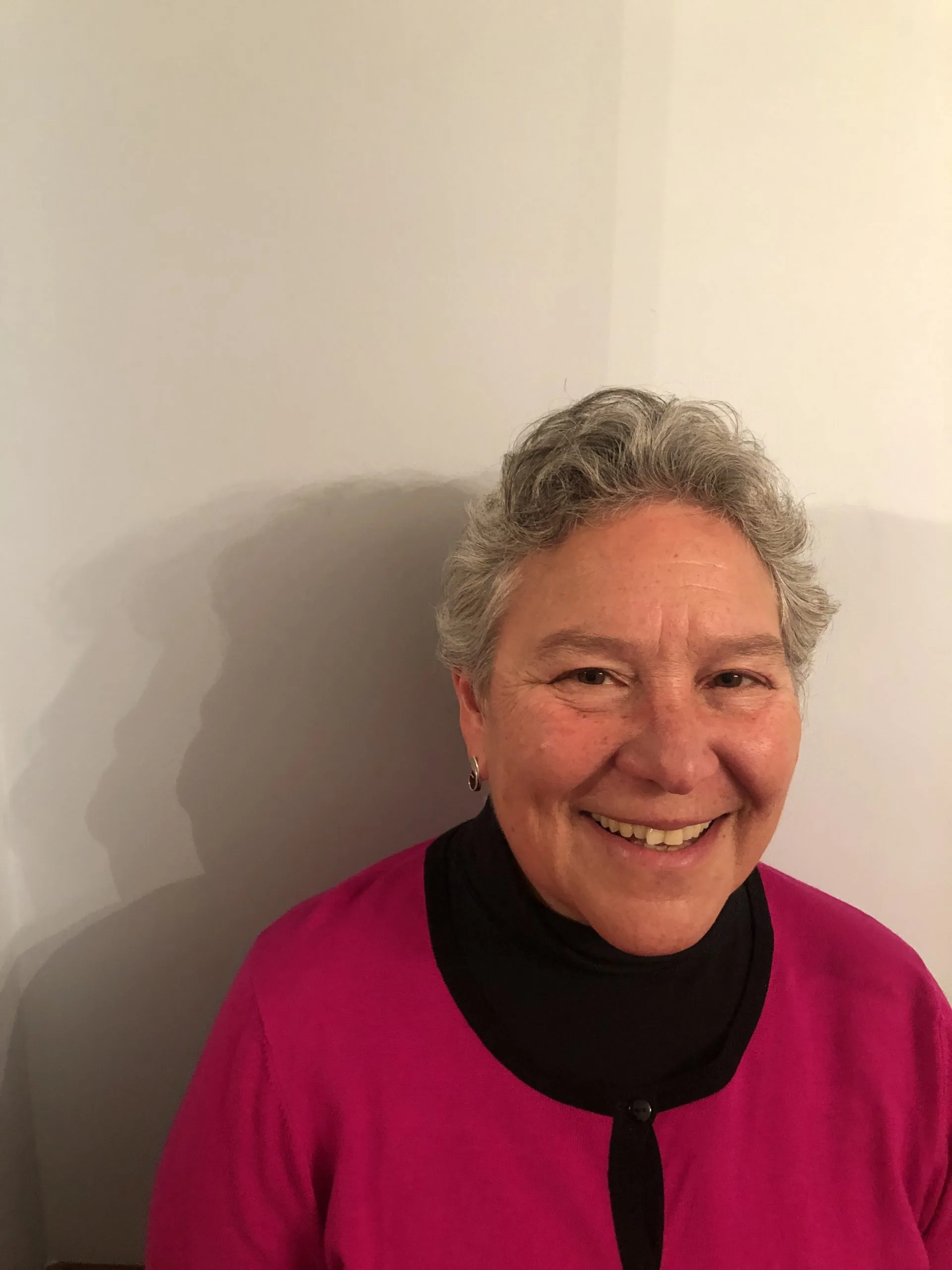
Brookline, United States
I’ve been learning since January 2020, and in June I started drawing a phrase from each daf. Sometimes it’s easy (e.g. plants), sometimes it’s very hard (e.g. korbanot), and sometimes it’s loads of fun (e.g. bird racing) to find something to draw. I upload my pictures from each masechet to #DafYomiArt. I am enjoying every step of the journey.
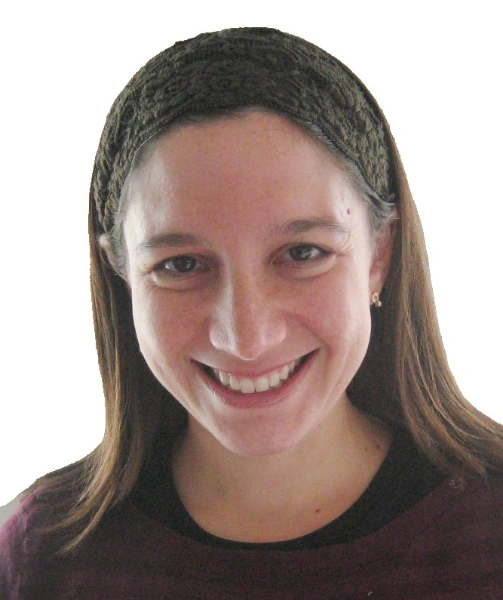
Ashdod, Israel

New York, United States
I was exposed to Talmud in high school, but I was truly inspired after my daughter and I decided to attend the Women’s Siyum Shas in 2020. We knew that this was a historic moment. We were blown away, overcome with emotion at the euphoria of the revolution. Right then, I knew I would continue. My commitment deepened with the every-morning Virtual Beit Midrash on Zoom with R. Michelle.
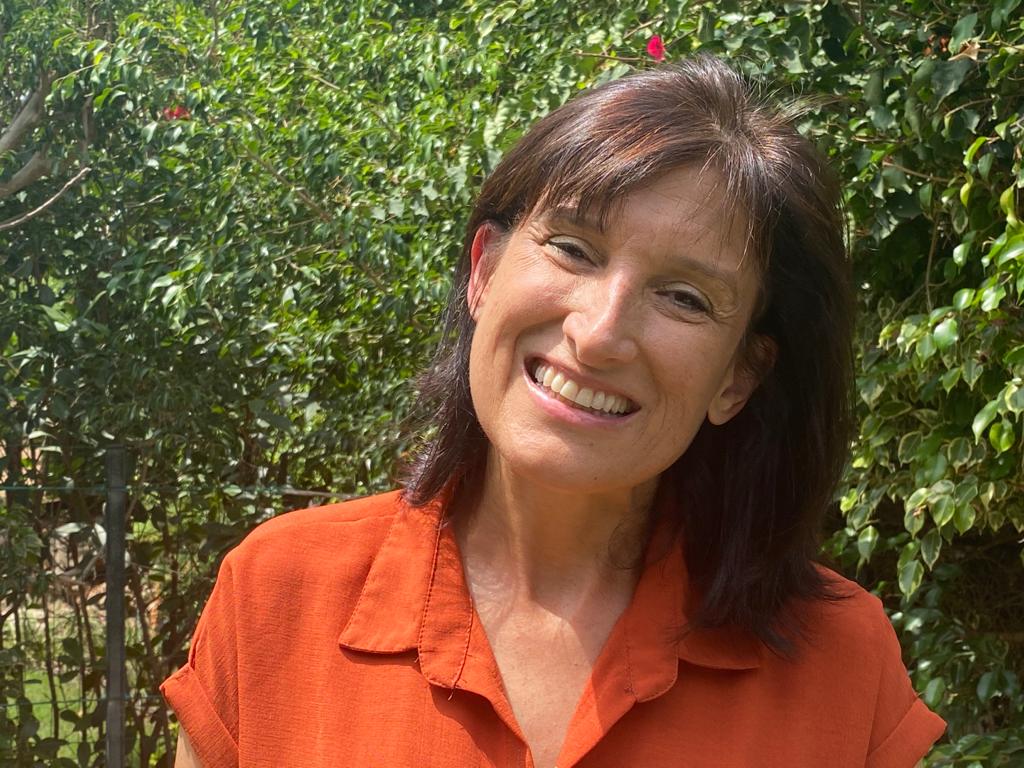
Zichron Yaakov, Israel
I started the daf at the beginning of this cycle in January 2020. My husband, my children, grandchildren and siblings have been very supportive. As someone who learned and taught Tanach and mefarshim for many years, it has been an amazing adventure to complete the six sedarim of Mishnah, and now to study Talmud on a daily basis along with Rabbanit Michelle and the wonderful women of Hadran.
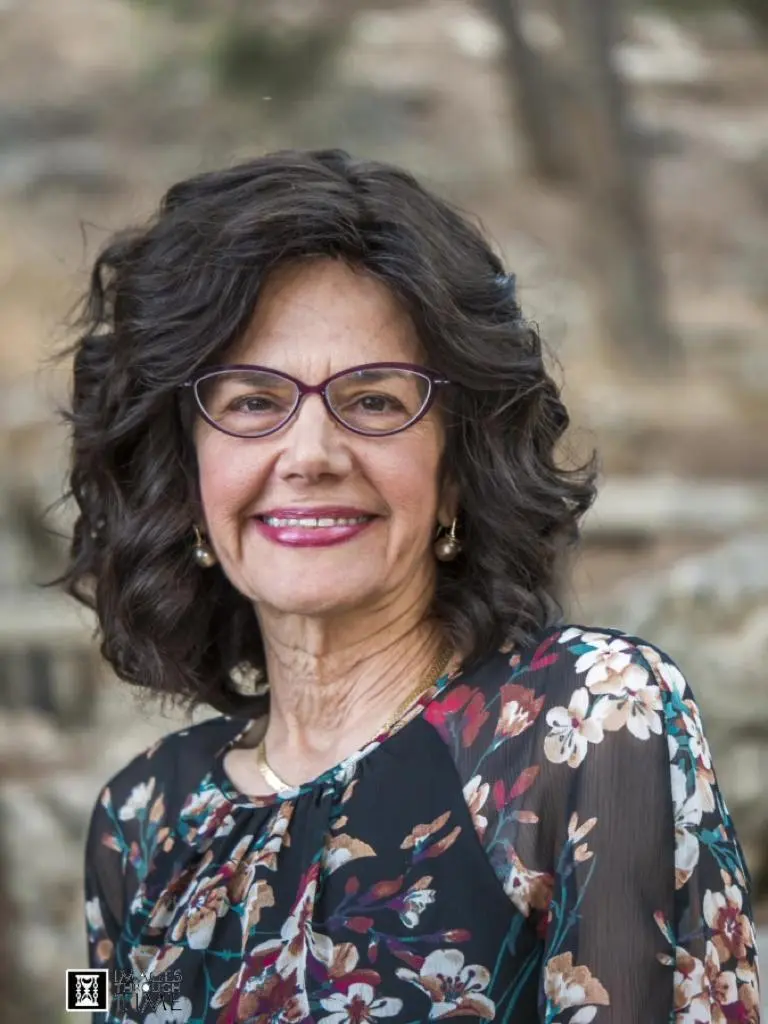
Jerusalem, Israel
After all the hype on the 2020 siyum I became inspired by a friend to begin learning as the new cycle began.with no background in studying Talmud it was a bit daunting in the beginning. my husband began at the same time so we decided to study on shabbat together. The reaction from my 3 daughters has been fantastic. They are very proud. It’s been a great challenge for my brain which is so healthy!
Modi’in, Israel
I had no formal learning in Talmud until I began my studies in the Joint Program where in 1976 I was one of the few, if not the only, woman talmud major. It was superior training for law school and enabled me to approach my legal studies with a foundation . In 2018, I began daf yomi listening to Rabbanit MIchelle’s pod cast and my daily talmud studies are one of the highlights of my life.
Minneapolis, United States
A Gemara shiur previous to the Hadran Siyum, was the impetus to attend it.It was highly inspirational and I was smitten. The message for me was התלמוד בידינו. I had decided along with my Chahsmonaim group to to do the daf and take it one daf at time- without any expectations at all. There has been a wealth of information, insights and halachik ideas. It is truly exercise of the mind, heart & Soul
Hashmonaim, Israel
Retirement and Covid converged to provide me with the opportunity to commit to daily Talmud study in October 2020. I dove into the middle of Eruvin and continued to navigate Seder Moed, with Rabannit Michelle as my guide. I have developed more confidence in my learning as I completed each masechet and look forward to completing the Daf Yomi cycle so that I can begin again!

San Diego, United States
Richmond, CA, United States
Bava Batra 54
דִּשְׁדָא לִיפְתָּא בֵּי פִילֵי דְּאַרְעָא דְגֵר – לָא הָוֵי חֲזָקָה. מַאי טַעְמָא? בְּעִידָּנָא דִּשְׁדָא – לָא הָוֵי שְׁבָחָא, הַשְׁתָּא דְּקָא שָׁבַח – מִמֵּילָא קָא שָׁבַח.
who threw turnip seeds in the crevices [filei] of the land of a convert who died without heirs, it is not sufficient to take possession. What is the reason for this? As at the time that he threw the seeds there was no enhancement to the value of the field. Now that the turnips have grown and the value of the field is enhanced, it is enhanced by itself.
אָמַר שְׁמוּאֵל: הַאי מַאן דְּפָשַׁח דִּיקְלָא; אַדַּעְתָּא דְּדִיקְלָא – קָנֵי, אַדַּעְתָּא דְחֵיוָתָא – לָא קָנֵי. הֵיכִי דָּמֵי? שְׁקַל מֵהַאי גִּיסָא וּמֵהַאי גִּיסָא – אַדַּעְתָּא דְּדִיקְלָא. כּוֹלָּא מֵחַד גִּיסָא – אַדַּעְתָּא דְחֵיוָתָא.
The Gemara records a series of rulings with regard to taking possession of land. Shmuel says: With regard to this one who cuts the branches of a palm tree, if he had in mind the acquisition of the palm tree, he has acquired it; but if he had in mind the benefit of the animals, to feed his animals the branches, he has not acquired it. The Gemara asks: What are the circumstances in which it can be known what he had in mind? The Gemara answers: If he took branches from this side and from that side, he had in mind the acquisition of the palm tree, as this assists the growth of the tree; but if the branches that he took were all from one side, he had in mind the benefit of the animals.
וְאָמַר שְׁמוּאֵל: הַאי מַאן דְּזָכֵי זִיכְיָא; אַדַּעְתָּא דְאַרְעָא – קָנֵי, אַדַּעְתָּא דְצִיבֵי – לָא קָנֵי. הֵיכִי דָּמֵי? שְׁקַל רַבְרְבֵי וְזוּטְרֵי – אַדַּעְתָּא דְאַרְעָא, שְׁקַל רַבְרְבֵי וּשְׁבַק זוּטְרֵי – אַדַּעְתָּא דְצִיבֵי.
And Shmuel says with regard to this one who clears [dezakkei zikheya] a field of trees, if he had in mind the improvement of the field, to prepare it for plowing, he has acquired it; but if he had in mind the collection of the wood, he has not acquired it. The Gemara asks: What are the circumstances in which it can be known what he had in mind? The Gemara answers: If he took large and small pieces of wood, he had in mind the improvement of the field; however, if he took the large pieces of wood but left the small ones, he had in mind the collection of the wood.
וְאָמַר שְׁמוּאֵל: הַאי מַאן דְּאתָקֵיל תִּיקְלָא; אַדַּעְתָּא דְאַרְעָא – קָנֵי, אַדַּעְתָּא דְבֵי דָרֵי – לָא קָנֵי. הֵיכִי דָּמֵי? שְׁקַל מוּלְיָא וּשְׁדָא בְּנַצָּא – אַדַּעְתָּא דְאַרְעָא. מוּלְיָא בְּמוּלְיָא וְנַצָּא בְּנַצָּא – אַדַּעְתָּא דְבֵי דָרֵי.
And Shmuel says with regard to this one who removes protuberances and levels the ground, if he had in mind the improvement of the field, to prepare it for plowing, he has acquired it; but if he had in mind the conversion of the field into a threshing floor, he has not acquired it. The Gemara asks: What are the circumstances in which it can be known what he had in mind? The Gemara answers: If he took a mound and threw it in a ditch, thereby leveling both areas, he had in mind the improvement of the field; but if he leveled the ground with a mound in the place of a mound and a ditch in the place of a ditch, expanding each area but leaving the field as a whole uneven, he had in mind the conversion of the field into a threshing floor.
וְאָמַר שְׁמוּאֵל: הַאי מַאן דְּפָתַח מַיָּא בְּאַרְעָא; אַדַּעְתָּא דְאַרְעָא – קָנֵי, אַדַּעְתָּא דְכַוְורֵי – לָא קָנֵי. הֵיכִי דָּמֵי? פָּתַח תְּרֵי בָבֵי, חַד מְעַיֵּיל וְחַד מַפֵּיק – אַדַּעְתָּא דְכַוְורֵי. חַד בָּבָא – אַדַּעְתָּא דְאַרְעָא.
And Shmuel says with regard to this one who opened a blockage and enabled water to enter into a section of land, if he had in mind the improvement of the field, to irrigate it, he has acquired it; but if he had in mind the catching of the fish, i.e., to enable the water to flow in so that he could catch the fish therein, he has not acquired it. The Gemara asks: What are the circumstances in which it can be known what he had in mind? The Gemara answers: If he opened two gates, one bringing in the water and one taking out the water, this indicates that he had in mind the catching of the fish, as the water will flow out of the field, giving him the means to catch the fish; but if he opened only one gate, this indicates that he had in mind the improvement of the field.
הָהִיא אִיתְּתָא דַּאֲכַלָה דִּיקְלָא בְּתַפְשִׁיחָא, תְּלֵיסַר שְׁנִין. אֲתָא הָהוּא [גַּבְרָא], רָפֵיק תּוּתֵיהּ פּוּרְתָּא. אֲתָא לְקַמֵּיהּ דְּלֵוִי, וְאָמְרִי לַהּ קַמֵּיהּ דְּמָר עוּקְבָא, אוֹקְמֵיהּ בִּידֵיהּ. אֲתַאי קָא צָוְוחָא קַמֵּיהּ, אֲמַר לַהּ: מַאי אֶעֱבֵיד לָךְ, דְּלָא אַחְזֵיקְתְּ כִּדְמַחְזְקִי אִינָשֵׁי.
The Gemara relates: There was a certain woman who profited from an ownerless palm tree by cutting its branches for thirteen years. Another then came and plowed beneath it a bit. The case came before Levi, and some say that it came before Mar Ukva, who established the property in the possession of the one who plowed. The woman came and shouted before him, protesting the perceived injustice of his ruling. Mar Ukva said to her: What can I do for you, as you did not take possession of the property in the manner that people take possession?
אָמַר רַב: הַצָּר צוּרָה בְּנִכְסֵי הַגֵּר – קָנָה; דְּרַב לָא קָנֵי לְגִנְּתָא דְּבֵי רַב, אֶלָּא בְּצוּרְתָּא.
Rav says: One who draws an image, e.g., he paints an image on the wall, on the property of a convert who died without heirs has acquired it, as Rav himself acquired the garden of the house of Rav, which had been ownerless property, only by drawing an image.
אִיתְּמַר: שָׂדֶה הַמְסוּיֶּימֶת בִּמְצָרֶיהָ – אָמַר רַב הוּנָא אָמַר רַב: כֵּיוָן שֶׁהִכִּישׁ בָּהּ מַכּוֹשׁ אֶחָד – קָנָה כּוּלָּהּ. וּשְׁמוּאֵל אָמַר: לֹא קָנָה אֶלָּא מְקוֹם מַכּוֹשׁוֹ בִּלְבַד.
§ It was stated: With regard to a field that is defined by its boundaries, i.e., it has clearly demarcated boundaries on all sides, Rav Huna says that Rav says: Once he struck the land with a hoe one time, he acquired the entire property. And Shmuel says that he has acquired only the place that he struck with the hoe.
וְשֶׁאֵינָהּ מְסוּיֶּימֶת בִּמְצָרֶיהָ, עַד כַּמָּה? אָמַר רַב פָּפָּא: כִּדְאָזֵיל תַּיָּירָא דְשׁוֹרֵי וְהָדַר.
And if it is not defined by its boundaries, up to how much of the field is acquired by one strike of the hoe? Rav Pappa said: He acquires as far as an ox driver goes and returns, i.e., the size of a standard furrow, beginning where the hoe entered the ground.
אָמַר רַב יְהוּדָה אָמַר שְׁמוּאֵל: נִכְסֵי גּוֹי הֲרֵי הֵן כְּמִדְבָּר, כׇּל הַמַּחְזִיק בָּהֶן זָכָה בָּהֶן. מַאי טַעְמָא? גּוֹי – מִכִּי מָטוּ זוּזֵי לִידֵיהּ אִסְתַּלַּק לֵיהּ, יִשְׂרָאֵל לָא קָנֵי עַד דְּמָטֵי שְׁטָרָא לִידֵיהּ. הִלְכָּךְ הֲרֵי הֵן כְּמִדְבָּר, וְכׇל הַמַּחְזִיק בָּהֶן זָכָה בָּהֶן.
§ Rav Yehuda says that Shmuel says: With regard to the property of a gentile that was sold to a Jew for money, it is ownerless like a desert until the purchaser performs an act of acquisition; anyone who takes possession of it in the interim has acquired it. What is the reason for this? The gentile relinquishes ownership of it from the moment when the money reaches his hand, while the Jew who purchased it does not acquire it until the deed reaches his hand. Therefore, in the period of time between the giving of the money and the receiving of the deed, the property is like a desert, and anyone who takes possession of it has acquired it.
אֲמַר לֵיהּ אַבָּיֵי לְרַב יוֹסֵף: מִי אָמַר שְׁמוּאֵל הָכִי?! וְהָאָמַר שְׁמוּאֵל: דִּינָא דְמַלְכוּתָא דִּינָא; וּמַלְכָּא אָמַר: לָא לִיקְנֵי אַרְעָא אֶלָּא בְּאִיגַּרְתָּא! אֲמַר לֵיהּ: אֲנָא לָא יָדַעְנָא; עוֹבָדָא הֲוָה בְּדוּרָא דְרָעֲוָתָא, בְּיִשְׂרָאֵל דִּזְבַן אַרְעָא מִגּוֹי, וַאֲתָא יִשְׂרָאֵל אַחֲרִינָא רָפֵיק בָּהּ פּוּרְתָּא; אֲתָא לְקַמֵּיהּ דְּרַב יְהוּדָה, אוֹקְמַהּ בִּידָא דְּשֵׁנִי.
Abaye said to Rav Yosef: Did Shmuel actually say this? But doesn’t Shmuel say that the law of the kingdom is the law, i.e., the halakha obligates Jews to observe the laws of the locale in which they reside, and the king said that land may not be acquired without a document? Therefore, taking possession should not be effective for acquisition. Rav Yosef said to him: I do not know how to reconcile this contradiction, but there was an incident in the village of Dura that was founded by shepherds, where there was a Jew who purchased land from a gentile by giving money, and in the interim another Jew came and plowed it a bit. The two Jews came before Rav Yehuda for a ruling, and he established the property in the possession of the second individual. This accords with the ruling of Shmuel that the property is ownerless until a Jew performs an act of acquisition.
אֲמַר לֵיהּ: דּוּרָא דְרָעֲוָתָא קָאָמְרַתְּ?! הָתָם בָּאגֵי מִטַּמְּרִי הֲווֹ – דְּאִינְהוּ גּוּפַיְיהוּ לָא הֲווֹ יָהֲבִי טַסְקָא לְמַלְכָּא, וּמַלְכָּא אֲמַר: מַאן דְּיָהֵיב טַסְקָא, לֵיכוֹל אַרְעָא.
Abaye said to him: Are you saying that the incident occurred in Dura that was founded by shepherds? Proof cannot be brought from that case, as there the fields were concealed, since the owners of fields would not pay the land tax [taska] to the king, and the king says that one who pays land tax may profit from the field. Therefore, in that case, the gentile who sold the property did not actually own it, and consequently by the laws of the kingdom could not sell it. The one who took possession of the property acquired it in accordance with the law of the kingdom, as he committed to pay the land tax. Elsewhere, one would not acquire the field until he received a deed of sale from the gentile.
רַב הוּנָא זְבֵן אַרְעָא מִגּוֹי, אֲתָא יִשְׂרָאֵל אַחֵר רָפֵיק בַּהּ פּוּרְתָּא. אֲתָא לְקַמֵּיהּ דְּרַב נַחְמָן, אוֹקְמַהּ בִּידֵיהּ. אֲמַר לֵיהּ: מַאי דַּעְתָּיךְ? דְּאָמַר שְׁמוּאֵל: נִכְסֵי גּוֹי הֲרֵי הֵן כְּמִדְבָּר, וְכׇל הַמַּחְזִיק בָּהֶם זָכָה?
The Gemara relates: Rav Huna purchased land from a gentile. Another Jew came and plowed it slightly. Rav Huna and that Jew came before Rav Naḥman, who established the property in the possession of the latter. Rav Huna said to Rav Naḥman: What are you thinking in issuing this ruling? Is it because Shmuel says that the property of a gentile is like a desert, and anyone who takes possession of it has acquired it?

