










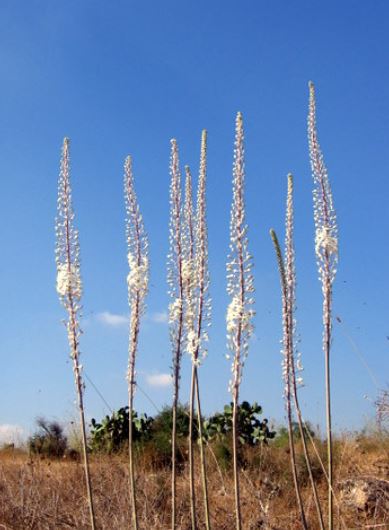
Rav Huna bought land from a gentile, but after he paid for the land and before a document was written, another Jew came and acquired the land through chazaka, by plowing a bit in the field. Rav Nachman ruled as per Shmuel’s ruling that the land belongs to the other Jew. Rav Huna challenged Rav Nachman by suggesting that if Rav Nachman were to hold by Shmuel, then he should also hold by Shmuel’s other ruling that if one plows in an ownerless field, one only acquires the area where one plowed. However, Rav Nachman responded that on that issue he holds like Rav Huna himself who held like Rav that the entire field belongs to the one who plowed, even if one plowed in a very small area. Rabba quoted three laws he heard from Ukvan bar Nechemia the exilarch in the name of Shmuel. The first is that dina d’mlachuta dina, that the law of the land is the law. The second and third are based on the first. In Persia, a chazaka can be created on land if one lives on a property for forty years. The commentaries disagree about the relevance of this halakha in Jewish law. If the king seizes the property of one who does not pay the land tax and sells it to another Jew, the sale is valid, as that is the law of the land. There is a debate about whether this applies only to land seized from those who did not pay the land tax or also to those who did not pay the head tax. If there is a border or a sea quill plant in the middle of a field, this is considered a separation for various laws. However, there is a debate whether the separation is only for the purposes of acquiring land that was ownerless, or also for pea’h and ritual impurity, and possibly also for laws of carrying on Shabbat. The Gemara explains the halakhic relevance of a separation between fields for pea’h, ritual impurity, and Shabbat.
Bava Batra
Masechet Bava Batra is sponsored by Lori Stark in loving memory of her mother in law, Sara Shapiro z”l and her father Nehemiah Sosewitz z”l.
This week’s learning is sponsored by Robert and Paula Cohen in loving memory of Joseph Cohen, Yosef ben Moshe HaCohen, z”l. “He was hard working, loved to sing, esp. as a chazan, and was very dedicated to his family and community.”
Want to dedicate learning? Get started here:

Today’s daily daf tools:
Bava Batra
Masechet Bava Batra is sponsored by Lori Stark in loving memory of her mother in law, Sara Shapiro z”l and her father Nehemiah Sosewitz z”l.
This week’s learning is sponsored by Robert and Paula Cohen in loving memory of Joseph Cohen, Yosef ben Moshe HaCohen, z”l. “He was hard working, loved to sing, esp. as a chazan, and was very dedicated to his family and community.”
Bava Batra 55
לֶיעְבַּד לִי מָר כְּאִידַּךְ דִּשְׁמוּאֵל, דְּאָמַר שְׁמוּאֵל: לֹא קָנָה אֶלָּא מְקוֹם מַכּוֹשׁוֹ בִּלְבַד! אֲמַר לֵיהּ: בְּהַאי, אֲנָא כִּשְׁמַעְתִּין סְבִירָא לִי – דְּאָמַר רַב הוּנָא אָמַר רַב: כֵּיוָן שֶׁנִּיכֵּשׁ בָּהּ מַכּוֹשׁ אֶחָד – קָנָה כּוּלָּהּ.
If so, the Master should do for me in accordance with another statement of Shmuel, as Shmuel says that one who hoes ownerless property has acquired only the place that he struck with the hoe. Rav Naḥman said to him: In this matter I hold in accordance with our halakha, as Rav Huna says that Rav says: Once he struck the land with a hoe one time, he acquired the entire property.
שְׁלַח רַב הוּנָא בַּר אָבִין: יִשְׂרָאֵל שֶׁלָּקַח שָׂדֶה מִגּוֹי, וּבָא יִשְׂרָאֵל אַחֵר וְהֶחֱזִיק בָּהּ – אֵין מוֹצִיאִים אוֹתָהּ מִיָּדוֹ. וְכֵן הָיָה רַבִּי אָבִין וְרַבִּי אִילְעָא וְכׇל רַבּוֹתֵינוּ שָׁוִין בַּדָּבָר.
The Gemara relates that Rav Huna bar Avin sent a ruling: In the case of a Jew who purchased a field from a gentile, and then another Jew came and took possession of it, it is not removed from the possession of the second Jew. And so too, Rabbi Avin, and Rabbi Ile’a, and all of our Rabbis agree with regard to this matter.
אָמַר רַבָּה: הָנֵי תְּלָת מִילֵּי, אִישְׁתַּעִי לִי עוּקְבָן בַּר נְחֶמְיָה רֵישׁ גָּלוּתָא, מִשְּׁמֵיהּ דִּשְׁמוּאֵל: דִּינָא דְמַלְכוּתָא דִּינָא, וַאֲרִיסוּתָא דְפָרְסָאֵי – עַד אַרְבְּעִין שְׁנִין, וְהָנֵי זַהֲרוּרֵי דְּזָבֵין אַרְעָא לְטַסְקָא – זְבִינַיְהוּ זְבִינֵי.
§ Rabba said: These three statements were told to me by Ukvan bar Neḥemya the Exilarch in the name of Shmuel: The law of the kingdom is the law; and the term of Persian sharecropping [arisuta] is for up to forty years, since according to Persian laws the presumption of ownership is established after forty years of use; and in the case of these tax officials [zaharurei] who sold land in order to pay the land tax, the sale is valid, as the tax officials were justified in seizing it, and one may purchase the land from them.
וְהָנֵי מִילֵּי לְטַסְקָא, אֲבָל לִכְרָגָא – לָא. מַאי טַעְמָא? כְּרָגָא – אַקַּרְקַף דְּגַבְרֵי מַנַּח. רַב הוּנָא בְּרֵיהּ דְּרַב יְהוֹשֻׁעַ אָמַר: אֲפִילּוּ שְׂעָרֵי דְכַדָּא מִשְׁתַּעְבְּדִי לִכְרָגָא.
The Gemara notes: And this statement applies to land seized to pay the land tax, but not to land seized to pay the head tax. What is the reason for this? The head tax is placed on a man’s head, i.e., the obligation of this tax is on the individual and is unrelated to his property. It is therefore theft for the tax officials to sell land for this purpose. Rav Huna, son of Rav Yehoshua, said: Everything, even the barley in the pitcher, is mortgaged for the payment of the head tax.
אָמַר רַב אָשֵׁי: אֲמַר לִי הוּנָא בַּר נָתָן, קָשֵׁי בַּהּ אַמֵּימָר: אִם כֵּן, בִּטַּלְתָּ יְרוּשַּׁת בְּנוֹ הַבְּכוֹר – דְּהָוֵה לֵיהּ רָאוּי, וְאֵין הַבְּכוֹר נוֹטֵל בָּרָאוּי כְּבַמּוּחְזָק.
Rav Ashi said: Huna bar Natan said to me that Ameimar raised a difficulty with regard to this statement of Rav Huna, son of Rav Yehoshua: If so, you have abolished the inheritance of the firstborn son of one who owes taxes to the kingdom. If everything can be seized by the tax collectors to pay the father’s debt, any property that he left behind is only a potential inheritance, not actually property of the heirs, and the halakha is that the firstborn does not take a double share in a potential inheritance as he does in property that the deceased possessed.
אָמְרִי לֵיהּ: אִי הָכִי, אֲפִילּוּ טַסְקָא נָמֵי! אֶלָּא מָה אִית לָךְ לְמֵימַר – דִּיהַיב טַסְקָא וּמִית; הָכָא נָמֵי – דִּיהַיב כְּרָגָא וּמִית.
The Gemara continues the statement of Huna bar Natan: And I said to Ameimar: If it is so that this presents a difficulty, then even if the property can be seized as payment for the land tax this difficulty would present itself as well, as the sons would not inherit their father’s estate in the event that it is seized to pay the land tax. Rather, what have you to say to deflect this question? That the firstborn son’s right is not negated in a case where the father gave the land tax and then died, so that he is no longer indebted to the government and the field is completely his. Here too, the firstborn son maintains his rights in a case where the father gave the head tax and then died.
אָמַר רַב אָשֵׁי, אָמַר לִי הוּנָא בַּר נָתָן: שְׁאֵילְתִּינְהוּ לְסָפְרֵי דְרָבָא, וַאֲמַרוּ לִי: הִלְכְתָא כְּרַב הוּנָא בְּרֵיהּ דְּרַב יְהוֹשֻׁעַ. וְלָא הִיא, הָתָם – לְאוֹקוֹמֵי מִילְּתֵיהּ הוּא דְּאָמַר.
Rav Ashi said: Huna bar Natan said to me: I asked the scribes who wrote documents and recorded halakhic rulings in the court of Rava, and they said to me that the halakha is in accordance with the opinion of Rav Huna, son of Rav Yehoshua, who states that one’s possessions are all mortgaged for the payment of the head tax. The Gemara notes: But that is not so, as there, Huna bar Natan said that in order to buttress his previous statement.
וְאָמַר רַב אָשֵׁי: פַּרְדָּכְתְּ – מְסַיַּיע מָתָא. וְהָנֵי מִילֵּי דְּאַצֵּילְתֵּיהּ מָתָא, אֲבָל אַנְדִּיסְקֵי – סִיַּעְתָּא דִשְׁמַיָּא הִיא.
And Rav Ashi said: An idler [pardakht] must assist the town by paying taxes even though he has no income in that town. And this matter applies in a case where the town saved him from his obligation by asking for a reduction on his behalf. But if the tax collectors [andisekei] do not seek to collect his debt this is regarded as heavenly assistance, and he is not obligated to volunteer to pay his share.
אָמַר רַב אַסִּי אָמַר רַבִּי יוֹחָנָן: הַמֶּצֶר וְהֶחָצָב מַפְסִיקִין בְּנִכְסֵי הַגֵּר, אֲבָל לְעִנְיַן פֵּאָה וְטוּמְאָה – לָא. כִּי אֲתָא רָבִין אָמַר רַבִּי יוֹחָנָן: אֲפִילּוּ לְפֵאָה וְטוּמְאָה.
§ Rav Asi says that Rabbi Yoḥanan says: The boundary between fields and the sea squill that was planted to demarcate the border between fields serve as a barrier between fields with regard to the property of a convert who died without heirs, so that one who takes possession of the property acquires land only until the boundary or the sea squill, but not other land the convert had possessed beyond that point. But they do not serve as a barrier between fields with regard to the matter of produce in the corner of the field, which is given to the poor [pe’a], and ritual impurity, and even the area beyond it is considered to be part of the same field. When Ravin came to Babylonia from Eretz Yisrael, he said in the name of Rabbi Yoḥanan: They serve as a barrier between the fields even with regard to the halakhot of pe’a and ritual impurity.
פֵּאָה – מַאי הִיא? דִּתְנַן: וְאֵלּוּ מַפְסִיקִין לַפֵּאָה – הַנַּחַל, וְהַשְּׁלוּלִית,
The Gemara explains: What is the halakha of pe’a that is affected by determining whether it is one or two fields? As we learned in a mishna (Pe’a 2:1): And these serve as a barrier for the purpose of pe’a, i.e., the presence of any of these divides a field so that each section constitutes a distinct field from which pe’a must be given independently: A stream that passes through the field; and a canal;
וְדֶרֶךְ הָרַבִּים, וְדֶרֶךְ הַיָּחִיד, וּשְׁבִיל הָרַבִּים, וּשְׁבִיל הַיָּחִיד הַקָּבוּעַ בֵּין בִּימוֹת הַחַמָּה וּבֵין בִּימוֹת הַגְּשָׁמִים.
and a public road that is at least sixteen cubits wide; and a private road that is four cubits wide; and a public trail; and a permanent private trail that is used whether in the summer or in the rainy season, i.e., winter. Rav Asi and Ravin disagree with regard to whether Rabbi Yoḥanan held that a boundary or sea squill also serves to subdivide a field for the purpose of pe’a.
טוּמְאָה – מַאי הִיא? דִּתְנַן: הַנִּכְנָס לְבִקְעָה בִּימוֹת הַגְּשָׁמִים, וְטוּמְאָה בְּשָׂדֶה פְּלוֹנִית, וְאָמַר: הָלַכְתִּי לַמָּקוֹם הַלָּז, וְאֵינִי יוֹדֵעַ אִם נִכְנַסְתִּי לְאוֹתוֹ מָקוֹם וְאִם לָאו – רַבִּי אֱלִיעֶזֶר מְטַהֵר, וַחֲכָמִים מְטַמְּאִין.
The Gemara further clarifies: What is the halakha of ritual impurity that is affected by determining whether an area is one or two fields? As we learned in a mishna (Teharot 6:5): With regard to one who enters into a valley during the rainy season, i.e., winter, when people generally do not enter this area, and therefore for the purpose of this halakha it is considered a private domain, and there is a principle that in a case of uncertainty concerning whether one contracted ritual impurity in a private domain he is ritually impure; and there was ritual impurity in such and such a field, and he said: I know I walked to that place, i.e., I walked in the valley, but I do not know whether I entered that place where the ritual impurity was or whether I did not enter, Rabbi Eliezer deems him pure and the Rabbis deem him impure.
שֶׁהָיָה רַבִּי אֱלִיעֶזֶר אוֹמֵר: סְפֵק בִּיאָה – טָהוֹר, סְפֵק מַגַּע טוּמְאָה – טָמֵא.
Rabbi Eliezer deems him pure, as Rabbi Eliezer would say: Concerning uncertainty with regard to entry, i.e., it is uncertain whether he entered the area where the ritual impurity is located, he is ritually pure. But if he certainly entered the area where the ritual impurity is located and the uncertainty is with regard to contact with ritual impurity, he is ritually impure. It is with regard to this halakha that Ravin said in the name of Rabbi Yoḥanan that a boundary or sea squill defines these fields as distinct areas.
אֲבָל לְשַׁבָּת לֹא.
The Gemara infers, though, that even Ravin holds that a boundary or sea squill serves as a barrier only with regard to pe’a and ritual impurity, but with regard to the halakhot of Shabbat, they do not serve as a barrier between fields.
רָבָא אָמַר: אֲפִילּוּ לְעִנְיַן שַׁבָּת, דְּתַנְיָא: הוֹצִיא חֲצִי גְרוֹגֶרֶת לִרְשׁוּת הָרַבִּים וְהִנִּיחָה, וְחָזַר וְהוֹצִיא חֲצִי גְרוֹגֶרֶת אַחֶרֶת; בְּהֶעְלֵם אֶחָד – חַיָּיב. בִּשְׁנֵי הֶעְלֵמוֹת – פָּטוּר.
Rava says: They serve as a barrier between fields even with regard to the matter of Shabbat, as it is taught in a baraita: With regard to one who carried out half of a dried fig from a private domain into the public domain and placed it there, and then returned and carried out another half of a dried fig, if it was done within one lapse of awareness, i.e., he did not remember in the interim that this act is prohibited or that it was Shabbat, the two acts are considered as one, and since the two items together equal the size of a dried fig, he is liable to bring a sin-offering. But if it was done within two lapses of awareness, i.e., after he carried out the first half of a dried fig he remembered that this act is prohibited or that it was Shabbat, but subsequently forgot again and carried out the second half of a dried fig, he is exempt.
רַבִּי יוֹסֵי אוֹמֵר: בְּהֶעְלֵם אֶחָד;
The baraita continues. Rabbi Yosei says: If it was done within one lapse of awareness,

Today’s daily daf tools:
Delve Deeper
Broaden your understanding of the topics on this daf with classes and podcasts from top women Talmud scholars.
New to Talmud?
Check out our resources designed to help you navigate a page of Talmud – and study at the pace, level and style that fits you.
The Hadran Women’s Tapestry
Meet the diverse women learning Gemara at Hadran and hear their stories.
In January 2020 on a Shabbaton to Baltimore I heard about the new cycle of Daf Yomi after the siyum celebration in NYC stadium. I started to read “ a daily dose of Talmud “ and really enjoyed it . It led me to google “ do Orthodox women study Talmud? “ and found HADRAN! Since then I listen to the podcast every morning, participate in classes and siyum. I love to learn, this is amazing! Thank you
Atlanta, United States
The first month I learned Daf Yomi by myself in secret, because I wasn’t sure how my husband would react, but after the siyyum on Masechet Brachot I discovered Hadran and now sometimes my husband listens to the daf with me. He and I also learn mishnayot together and are constantly finding connections between the different masechtot.
Silver Spring, Maryland, United States
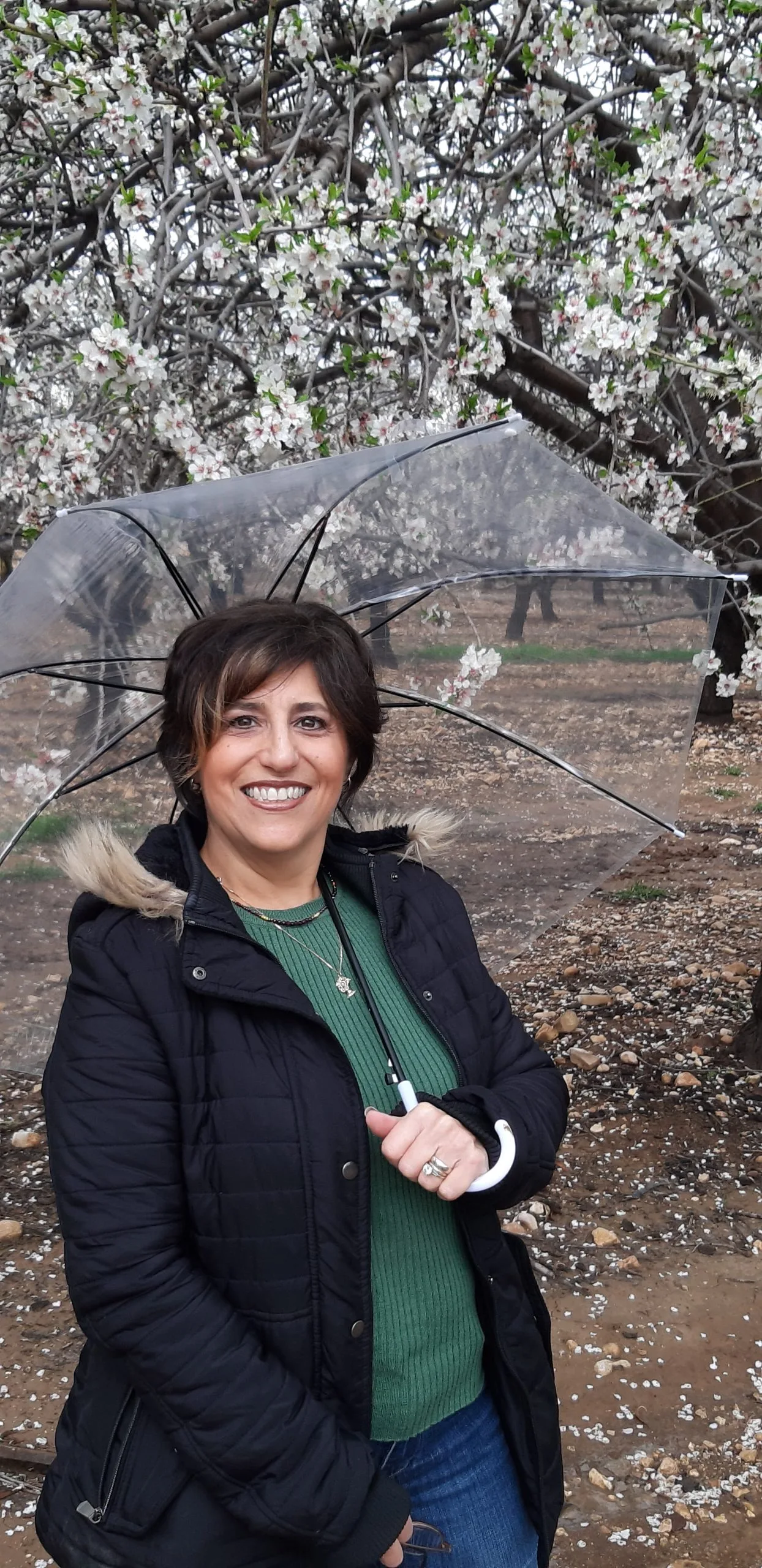
After all the hype on the 2020 siyum I became inspired by a friend to begin learning as the new cycle began.with no background in studying Talmud it was a bit daunting in the beginning. my husband began at the same time so we decided to study on shabbat together. The reaction from my 3 daughters has been fantastic. They are very proud. It’s been a great challenge for my brain which is so healthy!
Modi’in, Israel
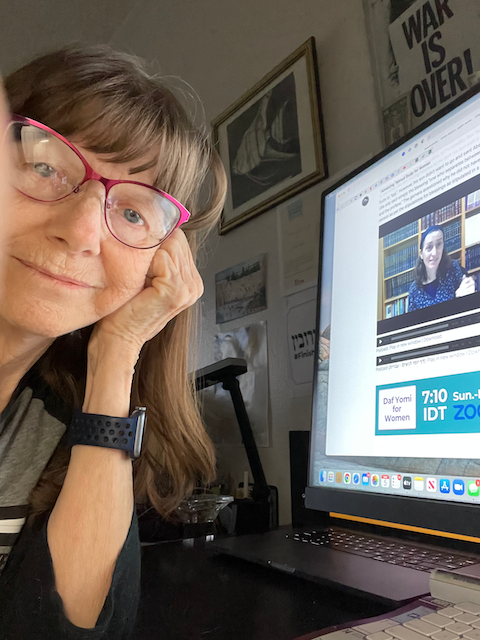
I started learning with rabbis. I needed to know more than the stories. My first teacher to show me “the way of the Talmud” as well as the stories was Samara Schwartz.
Michelle Farber started the new cycle 2 yrs ago and I jumped on for the ride.
I do not look back.
Houston, United States
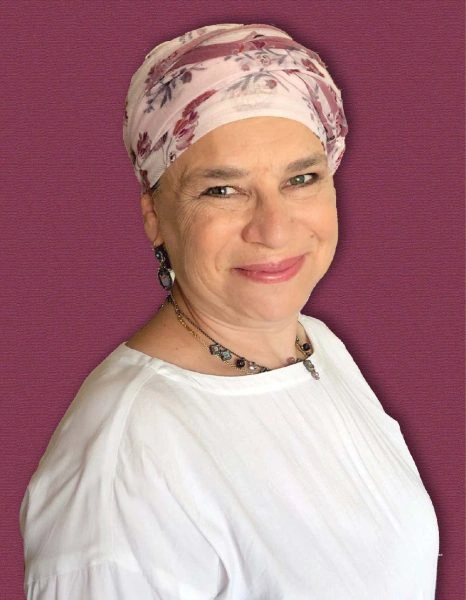
I began daf yomi in January 2020 with Brachot. I had made aliya 6 months before, and one of my post-aliya goals was to complete a full cycle. As a life-long Tanach teacher, I wanted to swim from one side of the Yam shel Torah to the other. Daf yomi was also my sanity through COVID. It was the way to marking the progression of time, and feel that I could grow and accomplish while time stopped.
Givat Zev, Israel
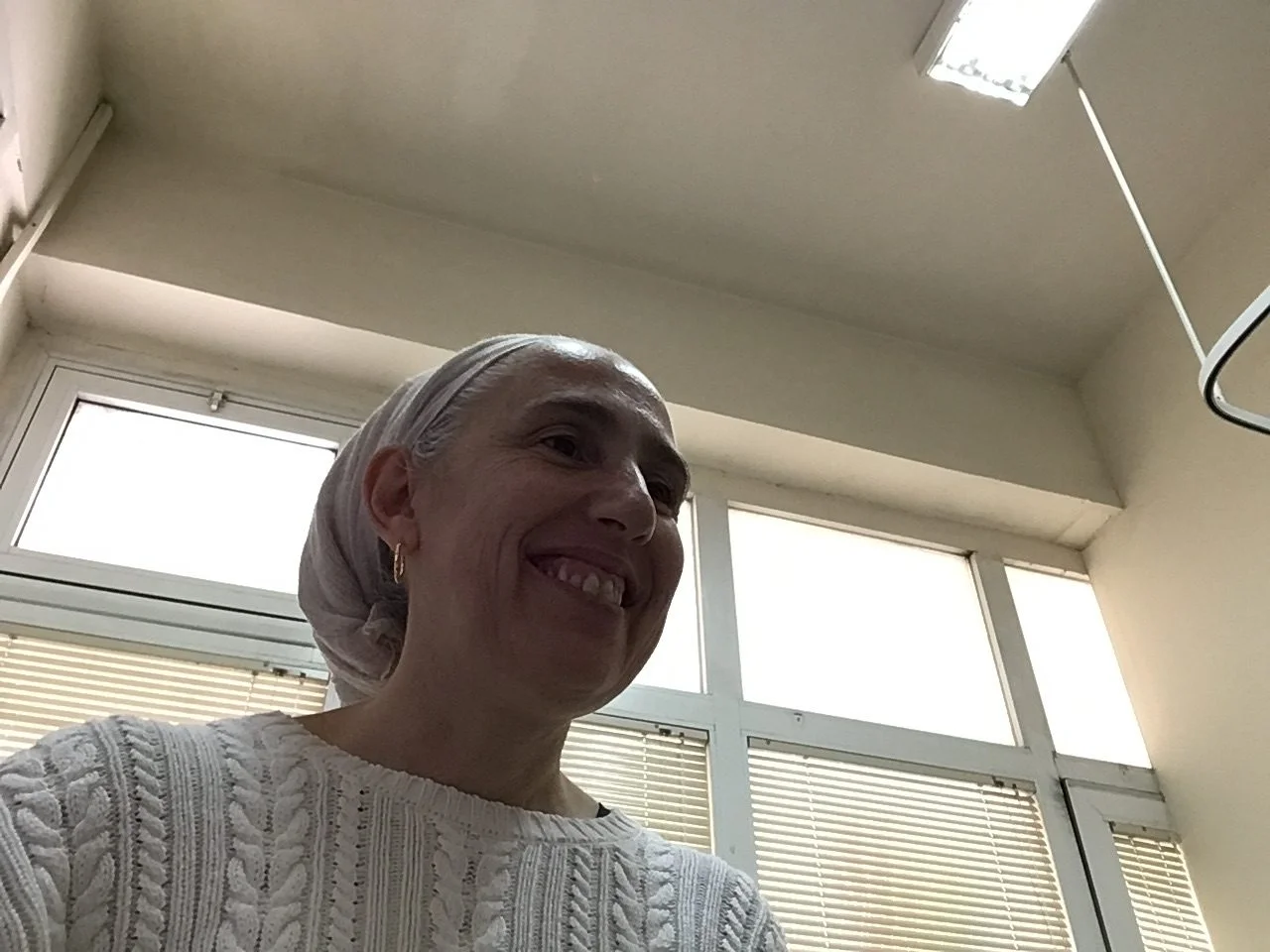
I am grateful for the structure of the Daf Yomi. When I am freer to learn to my heart’s content, I learn other passages in addition. But even in times of difficulty, I always know that I can rely on the structure and social support of Daf Yomi learners all over the world.
I am also grateful for this forum. It is very helpful to learn with a group of enthusiastic and committed women.
Beit Shemesh, Israel
I started my journey on the day I realized that the Siyum was happening in Yerushalayim and I was missing out. What? I told myself. How could I have not known about this? How can I have missed out on this opportunity? I decided that moment, I would start Daf Yomi and Nach Yomi the very next day. I am so grateful to Hadran. I am changed forever because I learn Gemara with women. Thank you.
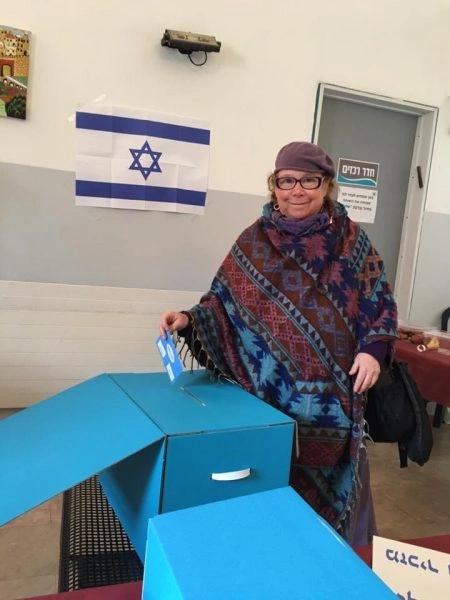
Mitspe, Israel
I started learning when my brother sent me the news clip of the celebration of the last Daf Yomi cycle. I was so floored to see so many women celebrating that I wanted to be a part of it. It has been an enriching experience studying a text in a language I don’t speak, using background knowledge that I don’t have. It is stretching my learning in unexpected ways, bringing me joy and satisfaction.
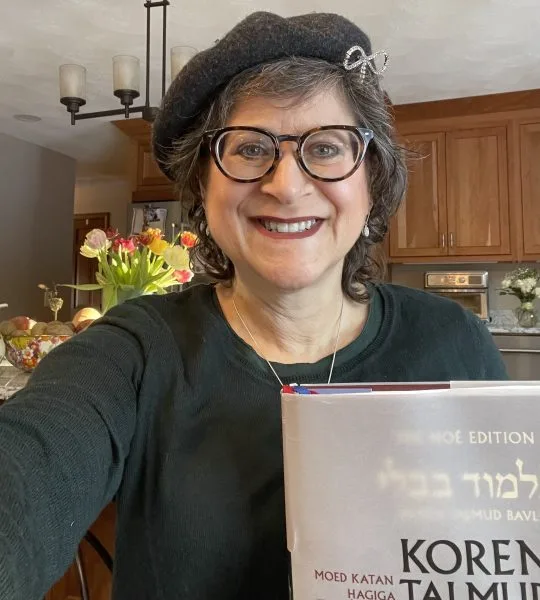
Warwick, Rhode Island, United States
What a great experience to learn with Rabbanit Michelle Farber. I began with this cycle in January 2020 and have been comforted by the consistency and energy of this process throughout the isolation period of Covid. Week by week, I feel like I am exploring a treasure chest with sparkling gems and puzzling antiquities. The hunt is exhilarating.
Pennsylvania, United States
I am a Reform rabbi and took Talmud courses in rabbinical school, but I knew there was so much more to learn. It felt inauthentic to serve as a rabbi without having read the entire Talmud, so when the opportunity arose to start Daf Yomi in 2020, I dove in! Thanks to Hadran, Daf Yomi has enriched my understanding of rabbinic Judaism and deepened my love of Jewish text & tradition. Todah rabbah!
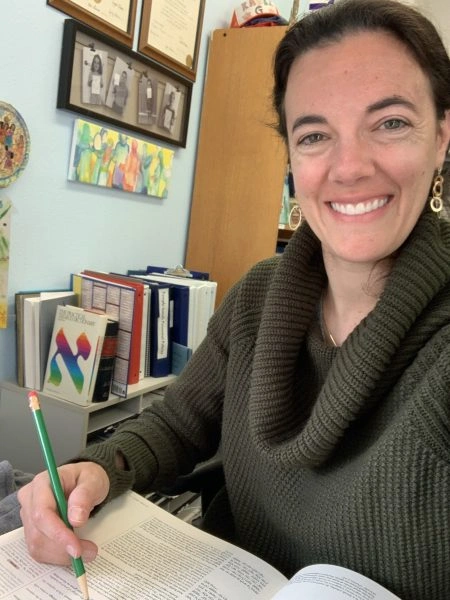
California, United States
I began my journey with Rabbanit Michelle more than five years ago. My friend came up with a great idea for about 15 of us to learn the daf and one of us would summarize weekly what we learned.
It was fun but after 2-3 months people began to leave. I have continued. Since the cycle began Again I have joined the Teaneck women.. I find it most rewarding in so many ways. Thank you
New Jersey, United States
When the new cycle began, I thought, If not now, when? I’d just turned 72. I feel like a tourist on a tour bus passing astonishing scenery each day. Rabbanit Michelle is my beloved tour guide. When the cycle ends, I’ll be 80. I pray that I’ll have strength and mind to continue the journey to glimpse a little more. My grandchildren think having a daf-learning savta is cool!
Jerusalem, Israel
In January 2020, my teaching partner at IDC suggested we do daf yomi. Thanks to her challenge, I started learning daily from Rabbanit Michelle. It’s a joy to be part of the Hadran community. (It’s also a tikkun: in 7th grade, my best friend and I tied for first place in a citywide gemara exam, but we weren’t invited to the celebration because girls weren’t supposed to be learning gemara).
Jerusalem, Israel
I had dreamed of doing daf yomi since I had my first serious Talmud class 18 years ago at Pardes with Rahel Berkovitz, and then a couple of summers with Leah Rosenthal. There is no way I would be able to do it without another wonderful teacher, Michelle, and the Hadran organization. I wake up and am excited to start each day with the next daf.
Irvine, United States
I read Ilana Kurshan’s “If All the Seas Were Ink” which inspired me. Then the Women’s Siyum in Jerusalem in 2020 convinced me, I knew I had to join! I have loved it- it’s been a constant in my life daily, many of the sugiyot connect to our lives. My family and friends all are so supportive. It’s incredible being part of this community and love how diverse it is! I am so excited to learn more!
Jerusalem, Israel
3 years ago, I joined Rabbanit Michelle to organize the unprecedented Siyum HaShas event in Jerusalem for thousands of women. The whole experience was so inspiring that I decided then to start learning the daf and see how I would go…. and I’m still at it. I often listen to the Daf on my bike in mornings, surrounded by both the external & the internal beauty of Eretz Yisrael & Am Yisrael!
Raanana, Israel
I have joined the community of daf yomi learners at the start of this cycle. I have studied in different ways – by reading the page, translating the page, attending a local shiur and listening to Rabbanit Farber’s podcasts, depending on circumstances and where I was at the time. The reactions have been positive throughout – with no exception!
Guildford, United Kingdom
I started at the beginning of this cycle. No 1 reason, but here’s 5.
In 2019 I read about the upcoming siyum hashas.
There was a sermon at shul about how anyone can learn Talmud.
Talmud references come up when I am studying. I wanted to know more.
Yentl was on telly. Not a great movie but it’s about studying Talmud.
I went to the Hadran website: A new cycle is starting. I’m gonna do this
Cambridge, United Kingdom
I had never heard of Daf Yomi and after reading the book, The Weight of Ink, I explored more about it. I discovered that it was only 6 months before a whole new cycle started and I was determined to give it a try. I tried to get a friend to join me on the journey but after the first few weeks they all dropped it. I haven’t missed a day of reading and of listening to the podcast.

Elkins Park, United States
תמיד רציתי. למדתי גמרא בבית ספר בטורונטו קנדה. עליתי ארצה ולמדתי שזה לא מקובל. הופתעתי.
יצאתי לגימלאות לפני שנתיים וזה מאפשר את המחוייבות לדף יומי.
עבורי ההתמדה בלימוד מעגן אותי בקשר שלי ליהדות. אני תמיד מחפשת ותמיד. מוצאת מקור לקשר. ללימוד חדש ומחדש. קשר עם נשים לומדות מעמיק את החוויה ומשמעותית מאוד.
מיתר, ישראל
Bava Batra 55
לֶיעְבַּד לִי מָר כְּאִידַּךְ דִּשְׁמוּאֵל, דְּאָמַר שְׁמוּאֵל: לֹא קָנָה אֶלָּא מְקוֹם מַכּוֹשׁוֹ בִּלְבַד! אֲמַר לֵיהּ: בְּהַאי, אֲנָא כִּשְׁמַעְתִּין סְבִירָא לִי – דְּאָמַר רַב הוּנָא אָמַר רַב: כֵּיוָן שֶׁנִּיכֵּשׁ בָּהּ מַכּוֹשׁ אֶחָד – קָנָה כּוּלָּהּ.
If so, the Master should do for me in accordance with another statement of Shmuel, as Shmuel says that one who hoes ownerless property has acquired only the place that he struck with the hoe. Rav Naḥman said to him: In this matter I hold in accordance with our halakha, as Rav Huna says that Rav says: Once he struck the land with a hoe one time, he acquired the entire property.
שְׁלַח רַב הוּנָא בַּר אָבִין: יִשְׂרָאֵל שֶׁלָּקַח שָׂדֶה מִגּוֹי, וּבָא יִשְׂרָאֵל אַחֵר וְהֶחֱזִיק בָּהּ – אֵין מוֹצִיאִים אוֹתָהּ מִיָּדוֹ. וְכֵן הָיָה רַבִּי אָבִין וְרַבִּי אִילְעָא וְכׇל רַבּוֹתֵינוּ שָׁוִין בַּדָּבָר.
The Gemara relates that Rav Huna bar Avin sent a ruling: In the case of a Jew who purchased a field from a gentile, and then another Jew came and took possession of it, it is not removed from the possession of the second Jew. And so too, Rabbi Avin, and Rabbi Ile’a, and all of our Rabbis agree with regard to this matter.
אָמַר רַבָּה: הָנֵי תְּלָת מִילֵּי, אִישְׁתַּעִי לִי עוּקְבָן בַּר נְחֶמְיָה רֵישׁ גָּלוּתָא, מִשְּׁמֵיהּ דִּשְׁמוּאֵל: דִּינָא דְמַלְכוּתָא דִּינָא, וַאֲרִיסוּתָא דְפָרְסָאֵי – עַד אַרְבְּעִין שְׁנִין, וְהָנֵי זַהֲרוּרֵי דְּזָבֵין אַרְעָא לְטַסְקָא – זְבִינַיְהוּ זְבִינֵי.
§ Rabba said: These three statements were told to me by Ukvan bar Neḥemya the Exilarch in the name of Shmuel: The law of the kingdom is the law; and the term of Persian sharecropping [arisuta] is for up to forty years, since according to Persian laws the presumption of ownership is established after forty years of use; and in the case of these tax officials [zaharurei] who sold land in order to pay the land tax, the sale is valid, as the tax officials were justified in seizing it, and one may purchase the land from them.
וְהָנֵי מִילֵּי לְטַסְקָא, אֲבָל לִכְרָגָא – לָא. מַאי טַעְמָא? כְּרָגָא – אַקַּרְקַף דְּגַבְרֵי מַנַּח. רַב הוּנָא בְּרֵיהּ דְּרַב יְהוֹשֻׁעַ אָמַר: אֲפִילּוּ שְׂעָרֵי דְכַדָּא מִשְׁתַּעְבְּדִי לִכְרָגָא.
The Gemara notes: And this statement applies to land seized to pay the land tax, but not to land seized to pay the head tax. What is the reason for this? The head tax is placed on a man’s head, i.e., the obligation of this tax is on the individual and is unrelated to his property. It is therefore theft for the tax officials to sell land for this purpose. Rav Huna, son of Rav Yehoshua, said: Everything, even the barley in the pitcher, is mortgaged for the payment of the head tax.
אָמַר רַב אָשֵׁי: אֲמַר לִי הוּנָא בַּר נָתָן, קָשֵׁי בַּהּ אַמֵּימָר: אִם כֵּן, בִּטַּלְתָּ יְרוּשַּׁת בְּנוֹ הַבְּכוֹר – דְּהָוֵה לֵיהּ רָאוּי, וְאֵין הַבְּכוֹר נוֹטֵל בָּרָאוּי כְּבַמּוּחְזָק.
Rav Ashi said: Huna bar Natan said to me that Ameimar raised a difficulty with regard to this statement of Rav Huna, son of Rav Yehoshua: If so, you have abolished the inheritance of the firstborn son of one who owes taxes to the kingdom. If everything can be seized by the tax collectors to pay the father’s debt, any property that he left behind is only a potential inheritance, not actually property of the heirs, and the halakha is that the firstborn does not take a double share in a potential inheritance as he does in property that the deceased possessed.
אָמְרִי לֵיהּ: אִי הָכִי, אֲפִילּוּ טַסְקָא נָמֵי! אֶלָּא מָה אִית לָךְ לְמֵימַר – דִּיהַיב טַסְקָא וּמִית; הָכָא נָמֵי – דִּיהַיב כְּרָגָא וּמִית.
The Gemara continues the statement of Huna bar Natan: And I said to Ameimar: If it is so that this presents a difficulty, then even if the property can be seized as payment for the land tax this difficulty would present itself as well, as the sons would not inherit their father’s estate in the event that it is seized to pay the land tax. Rather, what have you to say to deflect this question? That the firstborn son’s right is not negated in a case where the father gave the land tax and then died, so that he is no longer indebted to the government and the field is completely his. Here too, the firstborn son maintains his rights in a case where the father gave the head tax and then died.
אָמַר רַב אָשֵׁי, אָמַר לִי הוּנָא בַּר נָתָן: שְׁאֵילְתִּינְהוּ לְסָפְרֵי דְרָבָא, וַאֲמַרוּ לִי: הִלְכְתָא כְּרַב הוּנָא בְּרֵיהּ דְּרַב יְהוֹשֻׁעַ. וְלָא הִיא, הָתָם – לְאוֹקוֹמֵי מִילְּתֵיהּ הוּא דְּאָמַר.
Rav Ashi said: Huna bar Natan said to me: I asked the scribes who wrote documents and recorded halakhic rulings in the court of Rava, and they said to me that the halakha is in accordance with the opinion of Rav Huna, son of Rav Yehoshua, who states that one’s possessions are all mortgaged for the payment of the head tax. The Gemara notes: But that is not so, as there, Huna bar Natan said that in order to buttress his previous statement.
וְאָמַר רַב אָשֵׁי: פַּרְדָּכְתְּ – מְסַיַּיע מָתָא. וְהָנֵי מִילֵּי דְּאַצֵּילְתֵּיהּ מָתָא, אֲבָל אַנְדִּיסְקֵי – סִיַּעְתָּא דִשְׁמַיָּא הִיא.
And Rav Ashi said: An idler [pardakht] must assist the town by paying taxes even though he has no income in that town. And this matter applies in a case where the town saved him from his obligation by asking for a reduction on his behalf. But if the tax collectors [andisekei] do not seek to collect his debt this is regarded as heavenly assistance, and he is not obligated to volunteer to pay his share.
אָמַר רַב אַסִּי אָמַר רַבִּי יוֹחָנָן: הַמֶּצֶר וְהֶחָצָב מַפְסִיקִין בְּנִכְסֵי הַגֵּר, אֲבָל לְעִנְיַן פֵּאָה וְטוּמְאָה – לָא. כִּי אֲתָא רָבִין אָמַר רַבִּי יוֹחָנָן: אֲפִילּוּ לְפֵאָה וְטוּמְאָה.
§ Rav Asi says that Rabbi Yoḥanan says: The boundary between fields and the sea squill that was planted to demarcate the border between fields serve as a barrier between fields with regard to the property of a convert who died without heirs, so that one who takes possession of the property acquires land only until the boundary or the sea squill, but not other land the convert had possessed beyond that point. But they do not serve as a barrier between fields with regard to the matter of produce in the corner of the field, which is given to the poor [pe’a], and ritual impurity, and even the area beyond it is considered to be part of the same field. When Ravin came to Babylonia from Eretz Yisrael, he said in the name of Rabbi Yoḥanan: They serve as a barrier between the fields even with regard to the halakhot of pe’a and ritual impurity.
פֵּאָה – מַאי הִיא? דִּתְנַן: וְאֵלּוּ מַפְסִיקִין לַפֵּאָה – הַנַּחַל, וְהַשְּׁלוּלִית,
The Gemara explains: What is the halakha of pe’a that is affected by determining whether it is one or two fields? As we learned in a mishna (Pe’a 2:1): And these serve as a barrier for the purpose of pe’a, i.e., the presence of any of these divides a field so that each section constitutes a distinct field from which pe’a must be given independently: A stream that passes through the field; and a canal;
וְדֶרֶךְ הָרַבִּים, וְדֶרֶךְ הַיָּחִיד, וּשְׁבִיל הָרַבִּים, וּשְׁבִיל הַיָּחִיד הַקָּבוּעַ בֵּין בִּימוֹת הַחַמָּה וּבֵין בִּימוֹת הַגְּשָׁמִים.
and a public road that is at least sixteen cubits wide; and a private road that is four cubits wide; and a public trail; and a permanent private trail that is used whether in the summer or in the rainy season, i.e., winter. Rav Asi and Ravin disagree with regard to whether Rabbi Yoḥanan held that a boundary or sea squill also serves to subdivide a field for the purpose of pe’a.
טוּמְאָה – מַאי הִיא? דִּתְנַן: הַנִּכְנָס לְבִקְעָה בִּימוֹת הַגְּשָׁמִים, וְטוּמְאָה בְּשָׂדֶה פְּלוֹנִית, וְאָמַר: הָלַכְתִּי לַמָּקוֹם הַלָּז, וְאֵינִי יוֹדֵעַ אִם נִכְנַסְתִּי לְאוֹתוֹ מָקוֹם וְאִם לָאו – רַבִּי אֱלִיעֶזֶר מְטַהֵר, וַחֲכָמִים מְטַמְּאִין.
The Gemara further clarifies: What is the halakha of ritual impurity that is affected by determining whether an area is one or two fields? As we learned in a mishna (Teharot 6:5): With regard to one who enters into a valley during the rainy season, i.e., winter, when people generally do not enter this area, and therefore for the purpose of this halakha it is considered a private domain, and there is a principle that in a case of uncertainty concerning whether one contracted ritual impurity in a private domain he is ritually impure; and there was ritual impurity in such and such a field, and he said: I know I walked to that place, i.e., I walked in the valley, but I do not know whether I entered that place where the ritual impurity was or whether I did not enter, Rabbi Eliezer deems him pure and the Rabbis deem him impure.
שֶׁהָיָה רַבִּי אֱלִיעֶזֶר אוֹמֵר: סְפֵק בִּיאָה – טָהוֹר, סְפֵק מַגַּע טוּמְאָה – טָמֵא.
Rabbi Eliezer deems him pure, as Rabbi Eliezer would say: Concerning uncertainty with regard to entry, i.e., it is uncertain whether he entered the area where the ritual impurity is located, he is ritually pure. But if he certainly entered the area where the ritual impurity is located and the uncertainty is with regard to contact with ritual impurity, he is ritually impure. It is with regard to this halakha that Ravin said in the name of Rabbi Yoḥanan that a boundary or sea squill defines these fields as distinct areas.
אֲבָל לְשַׁבָּת לֹא.
The Gemara infers, though, that even Ravin holds that a boundary or sea squill serves as a barrier only with regard to pe’a and ritual impurity, but with regard to the halakhot of Shabbat, they do not serve as a barrier between fields.
רָבָא אָמַר: אֲפִילּוּ לְעִנְיַן שַׁבָּת, דְּתַנְיָא: הוֹצִיא חֲצִי גְרוֹגֶרֶת לִרְשׁוּת הָרַבִּים וְהִנִּיחָה, וְחָזַר וְהוֹצִיא חֲצִי גְרוֹגֶרֶת אַחֶרֶת; בְּהֶעְלֵם אֶחָד – חַיָּיב. בִּשְׁנֵי הֶעְלֵמוֹת – פָּטוּר.
Rava says: They serve as a barrier between fields even with regard to the matter of Shabbat, as it is taught in a baraita: With regard to one who carried out half of a dried fig from a private domain into the public domain and placed it there, and then returned and carried out another half of a dried fig, if it was done within one lapse of awareness, i.e., he did not remember in the interim that this act is prohibited or that it was Shabbat, the two acts are considered as one, and since the two items together equal the size of a dried fig, he is liable to bring a sin-offering. But if it was done within two lapses of awareness, i.e., after he carried out the first half of a dried fig he remembered that this act is prohibited or that it was Shabbat, but subsequently forgot again and carried out the second half of a dried fig, he is exempt.
רַבִּי יוֹסֵי אוֹמֵר: בְּהֶעְלֵם אֶחָד;
The baraita continues. Rabbi Yosei says: If it was done within one lapse of awareness,

