










Why can a resident of a courtyard insist on a gutter pipe being moved, but not a gutter itself? If a resident has an item that juts out into a neighbor’s airspace or a window that faces the neighbor’s property, can the resident create a chazaka if the neighbor has not complained? Creating a chazaka depends on whether or not it is something we would expect the neighbor to complain about. If they will unlikely complain, their lack of complaint doesn’t enable the other to create a chazaka. What types of things does a neighbor not even have the right to complain about?
Bava Batra
Masechet Bava Batra is sponsored by Lori Stark in loving memory of her mother in law, Sara Shapiro z”l and her father Nehemiah Sosewitz z”l.
This week’s learning is sponsored by Robert and Paula Cohen in loving memory of Joseph Cohen, Yosef ben Moshe HaCohen, z”l. “He was hard working, loved to sing, esp. as a chazan, and was very dedicated to his family and community.”
Want to dedicate learning? Get started here:

0:00
0:00
Today’s daily daf tools:
Bava Batra
Masechet Bava Batra is sponsored by Lori Stark in loving memory of her mother in law, Sara Shapiro z”l and her father Nehemiah Sosewitz z”l.
This week’s learning is sponsored by Robert and Paula Cohen in loving memory of Joseph Cohen, Yosef ben Moshe HaCohen, z”l. “He was hard working, loved to sing, esp. as a chazan, and was very dedicated to his family and community.”
Bava Batra 59
תְּנַן: ״הַמַּזְחֵילָה יֵשׁ לָהּ חֲזָקָה״. בִּשְׁלָמָא לְמַאן דְּאָמַר הָנָךְ תַּרְתֵּי – שַׁפִּיר.
We learned in the mishna: With regard to a gutter pipe, one does have the means to establish an acquired privilege for its use. Granted, according to the one who says those first two explanations, i.e., Shmuel and Rabbi Ḥanina, it is well. The distinction between the halakha with regard to a spout and that of a gutter pipe is clear: Since the gutter pipe is fixed in place, there is an acquired privilege, and it may not be moved or shortened.
אֶלָּא לְמַאן דְּאָמַר שֶׁאִם רָצָה לִבְנוֹת תַּחְתָּיו בּוֹנֶה, מַאי נָפְקָא לֵיהּ מִינַּהּ?
But according to Rav Yirmeya bar Abba, the one who says that the mishna means: If the owner of the field wishes to build beneath it he may build, what difference does it make to the owner of the gutter pipe if the owner of the field builds beneath it? Why would he have the right to prevent it?
הָכָא בְּמַזְחֵילָה שֶׁל בִּנְיָן עָסְקִינַן, דְּאָמַר לֵיהּ: לָא נִיחָא לִי דְּתִתְּרַע אֲשִׁיתַאי.
The Gemara answers: Here we are dealing with a gutter pipe that is made of stone and is built into the walls of the building, in a case where the owner of the gutter pipe said to the owner of the field: It is not amenable to me that you build beneath my gutter pipe, as my walls will weaken as a result.
אָמַר רַב יְהוּדָה אָמַר שְׁמוּאֵל: צִינּוֹר הַמְקַלֵּחַ מַיִם לַחֲצַר חֲבֵרוֹ, וּבָא בַּעַל הַגָּג לְסוֹתְמוֹ, בַּעַל הֶחָצֵר מְעַכֵּב עָלָיו, דַּאֲמַר לֵיהּ: כִּי הֵיכִי דְּאַתְּ קַנְיָא לָךְ חָצֵר דִּידִי לְמִשְׁדֵּא בֵּיהּ מַיָּא, לְדִידִי נָמֵי קְנֵי לִי מַיָּא דְּאִיגָּרָךְ.
Rav Yehuda says that Shmuel says: With regard to a pipe from which water is draining into another’s courtyard and the owner of the roof comes to seal his drainage pipe, the owner of the courtyard can prevent him from doing so. As the owner of the field can say to him: Just as you have acquired my courtyard for the purpose of throwing your water into it, I have also acquired the water of your roof, and since I wish to use it, you may not seal the pipe.
אִיתְּמַר, רַבִּי אוֹשַׁעְיָא אָמַר: מְעַכֵּב. רַבִּי חָמָא, אָמַר: אֵינוֹ מְעַכֵּב. אֲזַל שַׁיְילֵיהּ לְרַבִּי בֵּיסָא, אֲמַר לְהוּ: מְעַכֵּב. קָרֵי עֲלֵיהּ רָמֵי בַּר חָמָא: ״וְהַחוּט הַמְשֻׁלָּשׁ לֹא בִמְהֵרָה יִנָּתֵק״ – זֶה רַבִּי אוֹשַׁעְיָא בְּנוֹ שֶׁל רַבִּי חָמָא בְּנוֹ שֶׁל רַבִּי בֵּיסָא.
It was stated that there is a dispute with regard to this issue, as Rabbi Oshaya says: The owner of the courtyard can prevent the owner of the roof from sealing the pipe, while Rabbi Ḥama, Rabbi Oshaya’s father, says: He cannot prevent it. Rabbi Oshaya went and asked Rabbi Ḥama’s father, Rabbi Bisa. Rabbi Bisa said to them: He can prevent it. Rami bar Ḥama read the verse about him: “And if a man prevail against him that is alone, two shall withstand him; and a threefold cord is not quickly broken” (Ecclesiastes 4:12), saying that this applies to Rabbi Oshaya, son of Rabbi Ḥama, son of Rabbi Bisa, three generations of Torah scholars in one family who knew one another and conversed with each other with regard to matters of halakha.
סוּלָּם הַמִּצְרִי אֵין לוֹ חֲזָקָה. הֵיכִי דָּמֵי סוּלָּם הַמִּצְרִי? אָמְרִי דְּבֵי רַבִּי יַנַּאי: כֹּל שֶׁאֵין לוֹ אַרְבָּעָה חֲווֹקִין.
§ The mishna teaches that with regard to an Egyptian ladder, which is small and portable, one has no means to establish an acquired privilege for its use. The Gemara asks: What is an Egyptian ladder like? The members of the school of Rabbi Yannai say: It is any ladder that does not have four rungs.
חַלּוֹן הַמִּצְרִית אֵין לָהּ חֲזָקָה כּוּ׳. מַאי שְׁנָא גַּבֵּי סוּלָּם דְּלָא מְפָרֵשׁ, וּמַאי שְׁנָא גַּבֵּי חַלּוֹן דִּמְפָרֵשׁ? מִשּׁוּם דְּקָא בָּעֵי אִיפְּלוֹגֵי רַבִּי יְהוּדָה בְּסֵיפָא.
The mishna teaches that with regard to an Egyptian window, one has no means to establish an acquired privilege for its use. The Gemara asks: What is different with regard to an Egyptian ladder, that the mishna does not explain what it is, and what is different with regard to an Egyptian window, that the mishna does explain what it is? The Gemara answers: It was necessary for the mishna to state the definition of an Egyptian window according to the unattributed opinion of the mishna because it wants to cite the dissenting opinion of Rabbi Yehuda in the latter clause.
אָמַר רַבִּי זֵירָא: לְמַטָּה מֵאַרְבַּע אַמּוֹת – יֵשׁ לוֹ חֲזָקָה, וְיָכוֹל לְמַחוֹת; לְמַעְלָה מֵאַרְבַּע אַמּוֹת – אֵין לוֹ חֲזָקָה, וְאֵינוֹ יָכוֹל לְמַחוֹת. וְרַבִּי אִילְעָא אָמַר: אֲפִילּוּ לְמַעְלָה מֵאַרְבַּע אַמּוֹת – אֵין לוֹ חֲזָקָה, וְיָכוֹל לְמַחוֹת.
With regard to windows, Rabbi Zeira says: If one built a large window at a height that is lower than four cubits from the ground, he has the means to establish an acquired privilege for its use, and therefore, his neighbor can protest the initial construction of the window. If one built a large window at a height that is above four cubits from the ground, he has no means to establish an acquired privilege for its use, and therefore his neighbor cannot protest its construction. And Rabbi Ile’a says: Even if it is built at a height that is above four cubits from the ground, he has no means to establish an acquired privilege for its use, but nevertheless, his neighbor can protest its construction.
לֵימָא בְּכוֹפִין עַל מִדַּת סְדוֹם קָא מִיפַּלְגִי – דְּמָר סָבַר: כּוֹפִין, וּמַר סָבַר: אֵין כּוֹפִין?
The Gemara asks: Shall we say that they disagree with regard to whether there is coercion concerning conduct characteristic of Sodom? Perhaps their dispute is with regard to a circumstance where one will not suffer any loss while another gains some benefit, and the former desires to prevent the latter from gaining the benefit, if the former is coerced into not being evil without reason and consequently allows the latter to derive the benefit, counter to the behavior of the residents of Sodom. One Sage, Rabbi Zeira, holds that there is coercion, and therefore the neighbor who does not suffer any damage from a high window cannot protest, and one Sage, Rabbi Ile’a, holds that there is no coercion.
לָא; דְּכוּלֵּי עָלְמָא כּוֹפִין, וְשָׁאנֵי הָכָא – דַּאֲמַר לֵיהּ: זִימְנִין דְּמוֹתְבַתְּ שַׁרְשִׁיפָא תּוּתָךְ, וְקָיְימַתְּ וְקָא חָזֵית. הָהוּא דַּאֲתָא לְקַמֵּיהּ דְּרַבִּי אַמֵּי. שַׁדְּרֵיהּ לְקַמֵּיהּ דְּרַבִּי אַבָּא בַּר מֶמֶל, אֲמַר לֵיהּ: עֲבֵיד לֵיהּ כְּרַבִּי אִילְעָא.
The Gemara rejects this: No, everyone agrees that there is coercion concerning conduct characteristic of Sodom, and it is different here, as according to the opinion of Rabbi Ile’a this is not conduct characteristic of Sodom, as the neighbor can say to the one who constructed the window: There are times when you place a bench beneath yourself, and you stand and see into my home. Therefore, I can protest. The Gemara relates that there was a certain individual who came before Rabbi Ami and presented this precise scenario. Rabbi Ami sent him before Rabbi Abba bar Memel to ask for a ruling. Rabbi Abba bar Memel said to him: Act in accordance with the opinion of Rabbi Ile’a.
אָמַר שְׁמוּאֵל: וּלְאוֹרָה – אֲפִילּוּ כָּל שֶׁהוּא יֵשׁ לוֹ חֲזָקָה.
Since the mishna cited a dispute with regard to the conditions under which an owner has acquired the privilege to use a window, the Gemara teaches that Shmuel says: And if a window was built for the purpose of enabling light to enter a dark room, then the owner of the window has the means to establish an acquired privilege for its use, whatever size it is, not only if it is a large window. And if the neighbor did not protest its construction, he cannot subsequently force the owner of the window to seal it.
מַתְנִי׳ הַזִּיז; עַד טֶפַח – יֵשׁ לוֹ חֲזָקָה,
MISHNA: With regard to a projection emerging from the wall of one’s house, overhanging a courtyard, one has the means to establish an acquired privilege for its use if it protrudes at least as far as a handbreadth,
וְיָכוֹל לְמַחוֹת. פָּחוֹת מִטֶּפַח – אֵין לוֹ חֲזָקָה, וְאֵין יָכוֹל לְמַחוֹת.
and the owner of the courtyard can protest its construction. If it protrudes less than a handbreadth, the owner of the house has no means to establish an acquired privilege for its use, and the owner of the courtyard cannot protest its construction.
גְּמָ׳ אָמַר רַבִּי אַסִּי אָמַר רַבִּי מָנִי, וְאָמְרִי לָהּ אָמַר רַבִּי יַעֲקֹב אָמַר רַבִּי מָנִי: הֶחְזִיק בְּטֶפַח – הֶחְזִיק בְּאַרְבַּע. מַאי קָאָמַר? אָמַר אַבָּיֵי, הָכִי קָאָמַר: הֶחְזִיק רוֹחַב טֶפַח בְּמֶשֶׁךְ אַרְבַּע – הֶחְזִיק בְּרוֹחַב אַרְבַּע.
GEMARA: Rabbi Asi says that Rabbi Mani says, and some say that Rabbi Ya’akov says that Rabbi Mani says: If one established an acquired privilege with regard to a projection of a handbreadth, he has established an acquired privilege with regard to four handbreadths. The Gemara asks: What is he saying? Abaye said that this is what he is saying: If one established an acquired privilege with regard to a projection that measures one handbreadth wide by four handbreadths long, he has established an acquired privilege with regard to extending the projection to a width of four handbreadths.
פָּחוֹת מִטֶּפַח – אֵין לוֹ חֲזָקָה, וְאֵינוֹ יָכוֹל לְמַחוֹת. אָמַר רַב הוּנָא: לֹא שָׁנוּ אֶלָּא בַּעַל הַגָּג בְּבַעַל הֶחָצֵר, אֲבָל בַּעַל הֶחָצֵר בְּבַעַל הַגָּג – יָכוֹל לְמַחוֹת. וְרַב יְהוּדָה אָמַר: אֲפִילּוּ בַּעַל חָצֵר בְּבַעַל הַגָּג, אֵינוֹ יָכוֹל לְמַחוֹת.
The mishna teaches that if the projection protrudes less than a handbreadth the owner of the house has no means to establish an acquired privilege for its use, and the owner of the courtyard cannot protest. Rav Huna says: They taught only that the owner of the roof cannot protest the actions of the owner of the courtyard, i.e., he may not demand that the owner of the courtyard refrain from construction that interferes with the former’s use of the projection. But the owner of the courtyard can protest the actions of the owner of the roof, and demand that the latter not build a projection of any size, even less than a handbreadth. He can also demand that the owner of the roof not use an existing projection, since it leads to damage caused by sight. And Rav Yehuda says: Even the owner of the courtyard cannot protest the actions of the owner of the roof.
לֵימָא בְּהֶיזֵּק רְאִיָּה קָמִיפַּלְגִי – דְּמָר סָבַר: שְׁמֵיהּ הֶיזֵּק, וּמָר סָבַר: לָאו שְׁמֵיהּ הֶיזֵּק?
The Gemara suggests: Shall we say that they disagree with regard to damage caused by sight? As one Sage, Rav Huna, holds that it is considered to be damage, and therefore the owner of the courtyard can protest, since the owner of the roof has the means to see into the other’s courtyard when using this projection, and one Sage, Rav Yehuda, holds that it is not considered to be damage.
לָא; דְּכוּלֵּי עָלְמָא שְׁמֵיהּ הֶיזֵּק; וְשָׁאנֵי הָכָא, דְּאָמַר לֵיהּ: לְתַשְׁמִישְׁתָּא – לָא חֲזֵי; לְמַאי חֲזֵי – לְמִתְלֵא בֵּיהּ מִידֵּי; מַהְדַּרְנָא אַפַּאי וְתָלֵינָא בֵּיהּ.
The Gemara rejects this: No, everyone agrees that damage caused by sight is considered to be damage. And Rav Yehuda holds it is different here, as the owner of the roof can say to the owner of the courtyard: The projection is not suitable for use, since it is too small for me to stand upon and look into the courtyard. For what purpose is it suitable? To hang items on it, and nothing more. I will turn my face away and hang items on it without looking into your courtyard.
וְאִידַּךְ – אֲמַר לֵיהּ: זִימְנִין דִּבְעִיתַתְּ.
And the other amora, Rav Huna, holds that the owner of the courtyard can say to the owner of the roof: There may be times when you are frightened due to the height of the projection, and you will look into my courtyard while using it.
מַתְנִי׳ לֹא יִפְתַּח אָדָם חַלּוֹנוֹתָיו לַחֲצַר הַשּׁוּתָּפִין. לָקַח בַּיִת בְּחָצֵר אַחֶרֶת – לֹא יִפְתָּחֶנָּה בַּחֲצַר הַשּׁוּתָּפִין. בָּנָה עֲלִיָּיה עַל גַּבֵּי בֵּיתוֹ – לֹא יִפְתָּחֶנָּה לַחֲצַר הַשּׁוּתָּפִין; אֶלָּא אִם רָצָה – בּוֹנֶה אֶת הַחֶדֶר לְפָנִים מִבֵּיתוֹ, וּבוֹנֶה עֲלִיָּיה עַל גַּבֵּי בֵּיתוֹ, וּפוֹתְחָהּ לְתוֹךְ בֵּיתוֹ.
MISHNA: A person may not open his windows, i.e., build an opening in a wall to use as a window, into a courtyard belonging to partners, i.e., a courtyard in which he is a partner. If he purchased a house in another, adjacent courtyard, he may not open the house into a courtyard belonging to partners. If he built a loft on top of his house, he may not open it into a courtyard belonging to partners. Rather, if he desired to build a loft, he may build a room within his house, or he may build a loft on top of his house, and open it into his house, not directly into the courtyard.
גְּמָ׳ מַאי אִירְיָא לַחֲצַר הַשּׁוּתָּפִין? אֲפִילּוּ לַחֲצַר חֲבֵירוֹ נָמֵי לָא!
GEMARA: With regard to the mishna’s ruling that one may not open a window into a courtyard that he co-owns, the Gemara asks: Why did the mishna specifically render it prohibited for one to open a window into a courtyard belonging to partners? One may not open a window into another’s courtyard either, as it will lead to damage caused by sight.
לָא מִיבַּעְיָא קָאָמַר – לָא מִיבַּעְיָא לַחֲצַר חֲבֵרוֹ דְּלָא, אֲבָל לַחֲצַר הַשּׁוּתָּפִין, דְּאָמַר לֵיהּ: סוֹף סוֹף הָא קָא בָּעֵית אִצְטְנוֹעֵי מִינַּאי בֶּחָצֵר; קָא מַשְׁמַע לַן דַּאֲמַר לֵיהּ: עַד הָאִידָּנָא – בֶּחָצֵר הֲוָה בָּעֵינָא אִצְטְנוֹעֵי מִינָּךְ, הַשְׁתָּא – אֲפִילּוּ בַּבַּיִת נָמֵי בָּעֵינָא אִצְטְנוֹעֵי מִינָּךְ.
The Gemara replies that the mishna is speaking utilizing the style of: It is not necessary, as follows: It is not necessary to say that it is not permitted for one to open a window into another’s courtyard, where he is certainly not allowed to look; but where one wants to open a window into a courtyard belonging to partners, where the owner of the window can say to the other partner: Ultimately, since you need to conceal yourself from me and conduct yourself modestly in the courtyard where I too am a partner and have the right to be present, why does it bother you if I open a window into there? Therefore, the mishna teaches us that the partner may say to him: Until now I needed to conceal myself from you only when we were both in the courtyard. Now I will need to conceal myself from you even in the house, as you can see into my house from your window.
תָּנוּ רַבָּנַן: מַעֲשֶׂה בְּאָדָם אֶחָד שֶׁפָּתַח חַלּוֹנָיו לַחֲצַר הַשּׁוּתָּפִין; וּבָא לִפְנֵי רַבִּי יִשְׁמָעֵאל בַּר רַבִּי יוֹסֵי, אָמַר לוֹ: הֶחְזַקְתָּ בְּנִי, הֶחְזַקְתָּ; וּבָא לִפְנֵי רַבִּי חִיָּיא, אָמַר: יָגַעְתָּ וּפָתַחְתָּ, יְגַע וּסְתוֹם.
The Sages taught in a baraita: There was an incident involving a person who opened his windows into a courtyard belonging to partners and came before Rabbi Yishmael bar Rabbi Yosei, who said to him: You have established an acquired privilege, my son; you have established an acquired privilege, and you may not be prevented from using the windows. And he came before Rabbi Ḥiyya, who said to him: You toiled and opened the windows; you must toil and seal them, as the partners have the right to prevent you from using these windows.
אָמַר רַב נַחְמָן:
Rav Naḥman said:
Follow 
Today’s daily daf tools:
Delve Deeper
Broaden your understanding of the topics on this daf with classes and podcasts from top women Talmud scholars.

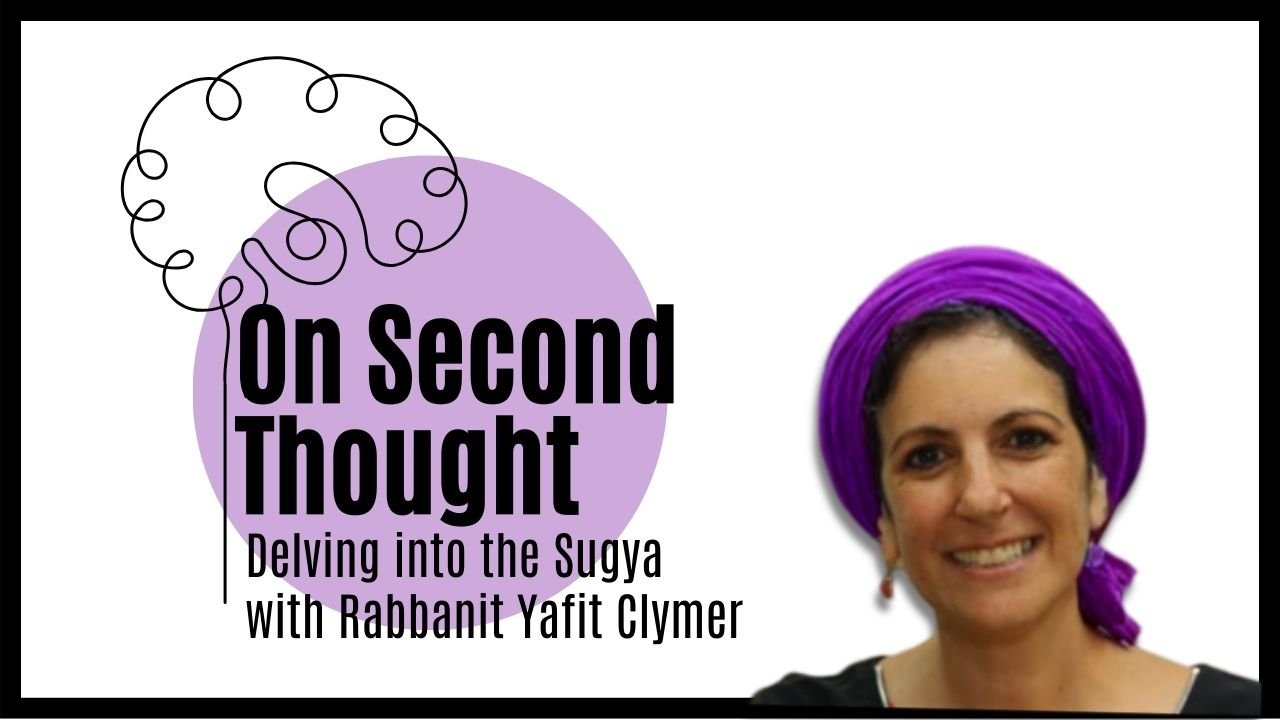
Damage by Sight, Privacy and a Prophet with a Closed Eye – On Second Thought
08.23.2024 | י״ט באב תשפ״ד

New to Talmud?
Check out our resources designed to help you navigate a page of Talmud – and study at the pace, level and style that fits you.
The Hadran Women’s Tapestry
Meet the diverse women learning Gemara at Hadran and hear their stories.

Robin Zeiger
Tel Aviv, Israel
I’ve been studying Talmud since the ’90s, and decided to take on Daf Yomi two years ago. I wanted to attempt the challenge of a day-to-day, very Jewish activity. Some days are so interesting and some days are so boring. But I’m still here.

Sarene Shanus
Mamaroneck, NY, United States
I started at the beginning of this cycle. No 1 reason, but here’s 5.
In 2019 I read about the upcoming siyum hashas.
There was a sermon at shul about how anyone can learn Talmud.
Talmud references come up when I am studying. I wanted to know more.
Yentl was on telly. Not a great movie but it’s about studying Talmud.
I went to the Hadran website: A new cycle is starting. I’m gonna do this

Denise Neapolitan
Cambridge, United Kingdom
I read Ilana Kurshan’s “If All the Seas Were Ink” which inspired me. Then the Women’s Siyum in Jerusalem in 2020 convinced me, I knew I had to join! I have loved it- it’s been a constant in my life daily, many of the sugiyot connect to our lives. My family and friends all are so supportive. It’s incredible being part of this community and love how diverse it is! I am so excited to learn more!

Shira Jacobowitz
Jerusalem, Israel
I started last year after completing the Pesach Sugiyot class. Masechet Yoma might seem like a difficult set of topics, but for me made Yom Kippur and the Beit HaMikdash come alive. Liturgy I’d always had trouble connecting with took on new meaning as I gained a sense of real people moving through specific spaces in particular ways. It was the perfect introduction; I am so grateful for Hadran!

Debbie Engelen-Eigles
Minnesota, United States
When I began learning Daf Yomi at the beginning of the current cycle, I was preparing for an upcoming surgery and thought that learning the Daf would be something positive I could do each day during my recovery, even if I accomplished nothing else. I had no idea what a lifeline learning the Daf would turn out to be in so many ways.

Laura Shechter
Lexington, MA, United States
I started learning daf yomi at the beginning of this cycle. As the pandemic evolved, it’s been so helpful to me to have this discipline every morning to listen to the daf podcast after I’ve read the daf; learning about the relationships between the rabbis and the ways they were constructing our Jewish religion after the destruction of the Temple. I’m grateful to be on this journey!

Mona Fishbane
Teaneck NJ, United States
Since I started in January of 2020, Daf Yomi has changed my life. It connects me to Jews all over the world, especially learned women. It makes cooking, gardening, and folding laundry into acts of Torah study. Daf Yomi enables me to participate in a conversation with and about our heritage that has been going on for more than 2000 years.
Shira Eliaser
Skokie, IL, United States
After enthusing to my friend Ruth Kahan about how much I had enjoyed remote Jewish learning during the earlier part of the pandemic, she challenged me to join her in learning the daf yomi cycle. I had always wanted to do daf yomi but now had no excuse. The beginning was particularly hard as I had never studied Talmud but has become easier, as I have gained some familiarity with it.

Susan Vishner
Brookline, United States
I began to learn this cycle of Daf Yomi after my husband passed away 2 1/2 years ago. It seemed a good way to connect to him. Even though I don’t know whether he would have encouraged women learning Gemara, it would have opened wonderful conversations. It also gives me more depth for understanding my frum children and grandchildren. Thank you Hadran and Rabbanit Michelle Farber!!

Harriet Hartman
Tzur Hadassah, Israel
My first Talmud class experience was a weekly group in 1971 studying Taanit. In 2007 I resumed Talmud study with a weekly group I continue learning with. January 2020, I was inspired to try learning Daf Yomi. A friend introduced me to Daf Yomi for Women and Rabbanit Michelle Farber, I have kept with this program and look forward, G- willing, to complete the entire Shas with Hadran.
Lorri Lewis
Palo Alto, CA, United States
In July, 2012 I wrote for Tablet about the first all women’s siyum at Matan in Jerusalem, with 100 women. At the time, I thought, I would like to start with the next cycle – listening to a podcast at different times of day makes it possible. It is incredible that after 10 years, so many women are so engaged!

Beth Kissileff
Pittsburgh, United States
When I started studying Hebrew at Brown University’s Hillel, I had no idea that almost 38 years later, I’m doing Daf Yomi. My Shabbat haburah is led by Rabbanit Leah Sarna. The women are a hoot. I’m tracking the completion of each tractate by reading Ilana Kurshan’s memoir, If All the Seas Were Ink.

Hannah Lee
Pennsylvania, United States
I started my journey on the day I realized that the Siyum was happening in Yerushalayim and I was missing out. What? I told myself. How could I have not known about this? How can I have missed out on this opportunity? I decided that moment, I would start Daf Yomi and Nach Yomi the very next day. I am so grateful to Hadran. I am changed forever because I learn Gemara with women. Thank you.

Linda Brownstein
Mitspe, Israel
I started learning Daf Yomi because my sister, Ruth Leah Kahan, attended Michelle’s class in person and suggested I listen remotely. She always sat near Michelle and spoke up during class so that I could hear her voice. Our mom had just died unexpectedly and it made me feel connected to hear Ruth Leah’s voice, and now to know we are both listening to the same thing daily, continents apart.

Jessica Shklar
Philadelphia, United States
What a great experience to learn with Rabbanit Michelle Farber. I began with this cycle in January 2020 and have been comforted by the consistency and energy of this process throughout the isolation period of Covid. Week by week, I feel like I am exploring a treasure chest with sparkling gems and puzzling antiquities. The hunt is exhilarating.

Marian Frankston
Pennsylvania, United States
Having never learned Talmud before, I started Daf Yomi in hopes of connecting to the Rabbinic tradition, sharing a daily idea on Instagram (@dafyomiadventures). With Hadran and Sefaria, I slowly gained confidence in my skills and understanding. Now, part of the Pardes Jewish Educators Program, I can’t wait to bring this love of learning with me as I continue to pass it on to my future students.

Hannah Greenberg
Pennsylvania, United States
3 years ago, I joined Rabbanit Michelle to organize the unprecedented Siyum HaShas event in Jerusalem for thousands of women. The whole experience was so inspiring that I decided then to start learning the daf and see how I would go…. and I’m still at it. I often listen to the Daf on my bike in mornings, surrounded by both the external & the internal beauty of Eretz Yisrael & Am Yisrael!

Lisa Kolodny
Raanana, Israel
I went to day school in Toronto but really began to learn when I attended Brovenders back in the early 1980’s. Last year after talking to my sister who was learning Daf Yomi, inspired, I looked on the computer and the Hadran site came up. I have been listening to each days shiur in the morning as I work. I emphasis listening since I am not sitting with a Gamara. I listen while I work in my studio.
Rachel Rotenberg
Tekoa, Israel
When I began learning Daf Yomi at the beginning of the current cycle, I was preparing for an upcoming surgery and thought that learning the Daf would be something positive I could do each day during my recovery, even if I accomplished nothing else. I had no idea what a lifeline learning the Daf would turn out to be in so many ways.
Laura Shechter
Lexington, MA, United States
Bava Batra 59
תְּנַן: ״הַמַּזְחֵילָה יֵשׁ לָהּ חֲזָקָה״. בִּשְׁלָמָא לְמַאן דְּאָמַר הָנָךְ תַּרְתֵּי – שַׁפִּיר.
We learned in the mishna: With regard to a gutter pipe, one does have the means to establish an acquired privilege for its use. Granted, according to the one who says those first two explanations, i.e., Shmuel and Rabbi Ḥanina, it is well. The distinction between the halakha with regard to a spout and that of a gutter pipe is clear: Since the gutter pipe is fixed in place, there is an acquired privilege, and it may not be moved or shortened.
אֶלָּא לְמַאן דְּאָמַר שֶׁאִם רָצָה לִבְנוֹת תַּחְתָּיו בּוֹנֶה, מַאי נָפְקָא לֵיהּ מִינַּהּ?
But according to Rav Yirmeya bar Abba, the one who says that the mishna means: If the owner of the field wishes to build beneath it he may build, what difference does it make to the owner of the gutter pipe if the owner of the field builds beneath it? Why would he have the right to prevent it?
הָכָא בְּמַזְחֵילָה שֶׁל בִּנְיָן עָסְקִינַן, דְּאָמַר לֵיהּ: לָא נִיחָא לִי דְּתִתְּרַע אֲשִׁיתַאי.
The Gemara answers: Here we are dealing with a gutter pipe that is made of stone and is built into the walls of the building, in a case where the owner of the gutter pipe said to the owner of the field: It is not amenable to me that you build beneath my gutter pipe, as my walls will weaken as a result.
אָמַר רַב יְהוּדָה אָמַר שְׁמוּאֵל: צִינּוֹר הַמְקַלֵּחַ מַיִם לַחֲצַר חֲבֵרוֹ, וּבָא בַּעַל הַגָּג לְסוֹתְמוֹ, בַּעַל הֶחָצֵר מְעַכֵּב עָלָיו, דַּאֲמַר לֵיהּ: כִּי הֵיכִי דְּאַתְּ קַנְיָא לָךְ חָצֵר דִּידִי לְמִשְׁדֵּא בֵּיהּ מַיָּא, לְדִידִי נָמֵי קְנֵי לִי מַיָּא דְּאִיגָּרָךְ.
Rav Yehuda says that Shmuel says: With regard to a pipe from which water is draining into another’s courtyard and the owner of the roof comes to seal his drainage pipe, the owner of the courtyard can prevent him from doing so. As the owner of the field can say to him: Just as you have acquired my courtyard for the purpose of throwing your water into it, I have also acquired the water of your roof, and since I wish to use it, you may not seal the pipe.
אִיתְּמַר, רַבִּי אוֹשַׁעְיָא אָמַר: מְעַכֵּב. רַבִּי חָמָא, אָמַר: אֵינוֹ מְעַכֵּב. אֲזַל שַׁיְילֵיהּ לְרַבִּי בֵּיסָא, אֲמַר לְהוּ: מְעַכֵּב. קָרֵי עֲלֵיהּ רָמֵי בַּר חָמָא: ״וְהַחוּט הַמְשֻׁלָּשׁ לֹא בִמְהֵרָה יִנָּתֵק״ – זֶה רַבִּי אוֹשַׁעְיָא בְּנוֹ שֶׁל רַבִּי חָמָא בְּנוֹ שֶׁל רַבִּי בֵּיסָא.
It was stated that there is a dispute with regard to this issue, as Rabbi Oshaya says: The owner of the courtyard can prevent the owner of the roof from sealing the pipe, while Rabbi Ḥama, Rabbi Oshaya’s father, says: He cannot prevent it. Rabbi Oshaya went and asked Rabbi Ḥama’s father, Rabbi Bisa. Rabbi Bisa said to them: He can prevent it. Rami bar Ḥama read the verse about him: “And if a man prevail against him that is alone, two shall withstand him; and a threefold cord is not quickly broken” (Ecclesiastes 4:12), saying that this applies to Rabbi Oshaya, son of Rabbi Ḥama, son of Rabbi Bisa, three generations of Torah scholars in one family who knew one another and conversed with each other with regard to matters of halakha.
סוּלָּם הַמִּצְרִי אֵין לוֹ חֲזָקָה. הֵיכִי דָּמֵי סוּלָּם הַמִּצְרִי? אָמְרִי דְּבֵי רַבִּי יַנַּאי: כֹּל שֶׁאֵין לוֹ אַרְבָּעָה חֲווֹקִין.
§ The mishna teaches that with regard to an Egyptian ladder, which is small and portable, one has no means to establish an acquired privilege for its use. The Gemara asks: What is an Egyptian ladder like? The members of the school of Rabbi Yannai say: It is any ladder that does not have four rungs.
חַלּוֹן הַמִּצְרִית אֵין לָהּ חֲזָקָה כּוּ׳. מַאי שְׁנָא גַּבֵּי סוּלָּם דְּלָא מְפָרֵשׁ, וּמַאי שְׁנָא גַּבֵּי חַלּוֹן דִּמְפָרֵשׁ? מִשּׁוּם דְּקָא בָּעֵי אִיפְּלוֹגֵי רַבִּי יְהוּדָה בְּסֵיפָא.
The mishna teaches that with regard to an Egyptian window, one has no means to establish an acquired privilege for its use. The Gemara asks: What is different with regard to an Egyptian ladder, that the mishna does not explain what it is, and what is different with regard to an Egyptian window, that the mishna does explain what it is? The Gemara answers: It was necessary for the mishna to state the definition of an Egyptian window according to the unattributed opinion of the mishna because it wants to cite the dissenting opinion of Rabbi Yehuda in the latter clause.
אָמַר רַבִּי זֵירָא: לְמַטָּה מֵאַרְבַּע אַמּוֹת – יֵשׁ לוֹ חֲזָקָה, וְיָכוֹל לְמַחוֹת; לְמַעְלָה מֵאַרְבַּע אַמּוֹת – אֵין לוֹ חֲזָקָה, וְאֵינוֹ יָכוֹל לְמַחוֹת. וְרַבִּי אִילְעָא אָמַר: אֲפִילּוּ לְמַעְלָה מֵאַרְבַּע אַמּוֹת – אֵין לוֹ חֲזָקָה, וְיָכוֹל לְמַחוֹת.
With regard to windows, Rabbi Zeira says: If one built a large window at a height that is lower than four cubits from the ground, he has the means to establish an acquired privilege for its use, and therefore, his neighbor can protest the initial construction of the window. If one built a large window at a height that is above four cubits from the ground, he has no means to establish an acquired privilege for its use, and therefore his neighbor cannot protest its construction. And Rabbi Ile’a says: Even if it is built at a height that is above four cubits from the ground, he has no means to establish an acquired privilege for its use, but nevertheless, his neighbor can protest its construction.
לֵימָא בְּכוֹפִין עַל מִדַּת סְדוֹם קָא מִיפַּלְגִי – דְּמָר סָבַר: כּוֹפִין, וּמַר סָבַר: אֵין כּוֹפִין?
The Gemara asks: Shall we say that they disagree with regard to whether there is coercion concerning conduct characteristic of Sodom? Perhaps their dispute is with regard to a circumstance where one will not suffer any loss while another gains some benefit, and the former desires to prevent the latter from gaining the benefit, if the former is coerced into not being evil without reason and consequently allows the latter to derive the benefit, counter to the behavior of the residents of Sodom. One Sage, Rabbi Zeira, holds that there is coercion, and therefore the neighbor who does not suffer any damage from a high window cannot protest, and one Sage, Rabbi Ile’a, holds that there is no coercion.
לָא; דְּכוּלֵּי עָלְמָא כּוֹפִין, וְשָׁאנֵי הָכָא – דַּאֲמַר לֵיהּ: זִימְנִין דְּמוֹתְבַתְּ שַׁרְשִׁיפָא תּוּתָךְ, וְקָיְימַתְּ וְקָא חָזֵית. הָהוּא דַּאֲתָא לְקַמֵּיהּ דְּרַבִּי אַמֵּי. שַׁדְּרֵיהּ לְקַמֵּיהּ דְּרַבִּי אַבָּא בַּר מֶמֶל, אֲמַר לֵיהּ: עֲבֵיד לֵיהּ כְּרַבִּי אִילְעָא.
The Gemara rejects this: No, everyone agrees that there is coercion concerning conduct characteristic of Sodom, and it is different here, as according to the opinion of Rabbi Ile’a this is not conduct characteristic of Sodom, as the neighbor can say to the one who constructed the window: There are times when you place a bench beneath yourself, and you stand and see into my home. Therefore, I can protest. The Gemara relates that there was a certain individual who came before Rabbi Ami and presented this precise scenario. Rabbi Ami sent him before Rabbi Abba bar Memel to ask for a ruling. Rabbi Abba bar Memel said to him: Act in accordance with the opinion of Rabbi Ile’a.
אָמַר שְׁמוּאֵל: וּלְאוֹרָה – אֲפִילּוּ כָּל שֶׁהוּא יֵשׁ לוֹ חֲזָקָה.
Since the mishna cited a dispute with regard to the conditions under which an owner has acquired the privilege to use a window, the Gemara teaches that Shmuel says: And if a window was built for the purpose of enabling light to enter a dark room, then the owner of the window has the means to establish an acquired privilege for its use, whatever size it is, not only if it is a large window. And if the neighbor did not protest its construction, he cannot subsequently force the owner of the window to seal it.
מַתְנִי׳ הַזִּיז; עַד טֶפַח – יֵשׁ לוֹ חֲזָקָה,
MISHNA: With regard to a projection emerging from the wall of one’s house, overhanging a courtyard, one has the means to establish an acquired privilege for its use if it protrudes at least as far as a handbreadth,
וְיָכוֹל לְמַחוֹת. פָּחוֹת מִטֶּפַח – אֵין לוֹ חֲזָקָה, וְאֵין יָכוֹל לְמַחוֹת.
and the owner of the courtyard can protest its construction. If it protrudes less than a handbreadth, the owner of the house has no means to establish an acquired privilege for its use, and the owner of the courtyard cannot protest its construction.
גְּמָ׳ אָמַר רַבִּי אַסִּי אָמַר רַבִּי מָנִי, וְאָמְרִי לָהּ אָמַר רַבִּי יַעֲקֹב אָמַר רַבִּי מָנִי: הֶחְזִיק בְּטֶפַח – הֶחְזִיק בְּאַרְבַּע. מַאי קָאָמַר? אָמַר אַבָּיֵי, הָכִי קָאָמַר: הֶחְזִיק רוֹחַב טֶפַח בְּמֶשֶׁךְ אַרְבַּע – הֶחְזִיק בְּרוֹחַב אַרְבַּע.
GEMARA: Rabbi Asi says that Rabbi Mani says, and some say that Rabbi Ya’akov says that Rabbi Mani says: If one established an acquired privilege with regard to a projection of a handbreadth, he has established an acquired privilege with regard to four handbreadths. The Gemara asks: What is he saying? Abaye said that this is what he is saying: If one established an acquired privilege with regard to a projection that measures one handbreadth wide by four handbreadths long, he has established an acquired privilege with regard to extending the projection to a width of four handbreadths.
פָּחוֹת מִטֶּפַח – אֵין לוֹ חֲזָקָה, וְאֵינוֹ יָכוֹל לְמַחוֹת. אָמַר רַב הוּנָא: לֹא שָׁנוּ אֶלָּא בַּעַל הַגָּג בְּבַעַל הֶחָצֵר, אֲבָל בַּעַל הֶחָצֵר בְּבַעַל הַגָּג – יָכוֹל לְמַחוֹת. וְרַב יְהוּדָה אָמַר: אֲפִילּוּ בַּעַל חָצֵר בְּבַעַל הַגָּג, אֵינוֹ יָכוֹל לְמַחוֹת.
The mishna teaches that if the projection protrudes less than a handbreadth the owner of the house has no means to establish an acquired privilege for its use, and the owner of the courtyard cannot protest. Rav Huna says: They taught only that the owner of the roof cannot protest the actions of the owner of the courtyard, i.e., he may not demand that the owner of the courtyard refrain from construction that interferes with the former’s use of the projection. But the owner of the courtyard can protest the actions of the owner of the roof, and demand that the latter not build a projection of any size, even less than a handbreadth. He can also demand that the owner of the roof not use an existing projection, since it leads to damage caused by sight. And Rav Yehuda says: Even the owner of the courtyard cannot protest the actions of the owner of the roof.
לֵימָא בְּהֶיזֵּק רְאִיָּה קָמִיפַּלְגִי – דְּמָר סָבַר: שְׁמֵיהּ הֶיזֵּק, וּמָר סָבַר: לָאו שְׁמֵיהּ הֶיזֵּק?
The Gemara suggests: Shall we say that they disagree with regard to damage caused by sight? As one Sage, Rav Huna, holds that it is considered to be damage, and therefore the owner of the courtyard can protest, since the owner of the roof has the means to see into the other’s courtyard when using this projection, and one Sage, Rav Yehuda, holds that it is not considered to be damage.
לָא; דְּכוּלֵּי עָלְמָא שְׁמֵיהּ הֶיזֵּק; וְשָׁאנֵי הָכָא, דְּאָמַר לֵיהּ: לְתַשְׁמִישְׁתָּא – לָא חֲזֵי; לְמַאי חֲזֵי – לְמִתְלֵא בֵּיהּ מִידֵּי; מַהְדַּרְנָא אַפַּאי וְתָלֵינָא בֵּיהּ.
The Gemara rejects this: No, everyone agrees that damage caused by sight is considered to be damage. And Rav Yehuda holds it is different here, as the owner of the roof can say to the owner of the courtyard: The projection is not suitable for use, since it is too small for me to stand upon and look into the courtyard. For what purpose is it suitable? To hang items on it, and nothing more. I will turn my face away and hang items on it without looking into your courtyard.
וְאִידַּךְ – אֲמַר לֵיהּ: זִימְנִין דִּבְעִיתַתְּ.
And the other amora, Rav Huna, holds that the owner of the courtyard can say to the owner of the roof: There may be times when you are frightened due to the height of the projection, and you will look into my courtyard while using it.
מַתְנִי׳ לֹא יִפְתַּח אָדָם חַלּוֹנוֹתָיו לַחֲצַר הַשּׁוּתָּפִין. לָקַח בַּיִת בְּחָצֵר אַחֶרֶת – לֹא יִפְתָּחֶנָּה בַּחֲצַר הַשּׁוּתָּפִין. בָּנָה עֲלִיָּיה עַל גַּבֵּי בֵּיתוֹ – לֹא יִפְתָּחֶנָּה לַחֲצַר הַשּׁוּתָּפִין; אֶלָּא אִם רָצָה – בּוֹנֶה אֶת הַחֶדֶר לְפָנִים מִבֵּיתוֹ, וּבוֹנֶה עֲלִיָּיה עַל גַּבֵּי בֵּיתוֹ, וּפוֹתְחָהּ לְתוֹךְ בֵּיתוֹ.
MISHNA: A person may not open his windows, i.e., build an opening in a wall to use as a window, into a courtyard belonging to partners, i.e., a courtyard in which he is a partner. If he purchased a house in another, adjacent courtyard, he may not open the house into a courtyard belonging to partners. If he built a loft on top of his house, he may not open it into a courtyard belonging to partners. Rather, if he desired to build a loft, he may build a room within his house, or he may build a loft on top of his house, and open it into his house, not directly into the courtyard.
גְּמָ׳ מַאי אִירְיָא לַחֲצַר הַשּׁוּתָּפִין? אֲפִילּוּ לַחֲצַר חֲבֵירוֹ נָמֵי לָא!
GEMARA: With regard to the mishna’s ruling that one may not open a window into a courtyard that he co-owns, the Gemara asks: Why did the mishna specifically render it prohibited for one to open a window into a courtyard belonging to partners? One may not open a window into another’s courtyard either, as it will lead to damage caused by sight.
לָא מִיבַּעְיָא קָאָמַר – לָא מִיבַּעְיָא לַחֲצַר חֲבֵרוֹ דְּלָא, אֲבָל לַחֲצַר הַשּׁוּתָּפִין, דְּאָמַר לֵיהּ: סוֹף סוֹף הָא קָא בָּעֵית אִצְטְנוֹעֵי מִינַּאי בֶּחָצֵר; קָא מַשְׁמַע לַן דַּאֲמַר לֵיהּ: עַד הָאִידָּנָא – בֶּחָצֵר הֲוָה בָּעֵינָא אִצְטְנוֹעֵי מִינָּךְ, הַשְׁתָּא – אֲפִילּוּ בַּבַּיִת נָמֵי בָּעֵינָא אִצְטְנוֹעֵי מִינָּךְ.
The Gemara replies that the mishna is speaking utilizing the style of: It is not necessary, as follows: It is not necessary to say that it is not permitted for one to open a window into another’s courtyard, where he is certainly not allowed to look; but where one wants to open a window into a courtyard belonging to partners, where the owner of the window can say to the other partner: Ultimately, since you need to conceal yourself from me and conduct yourself modestly in the courtyard where I too am a partner and have the right to be present, why does it bother you if I open a window into there? Therefore, the mishna teaches us that the partner may say to him: Until now I needed to conceal myself from you only when we were both in the courtyard. Now I will need to conceal myself from you even in the house, as you can see into my house from your window.
תָּנוּ רַבָּנַן: מַעֲשֶׂה בְּאָדָם אֶחָד שֶׁפָּתַח חַלּוֹנָיו לַחֲצַר הַשּׁוּתָּפִין; וּבָא לִפְנֵי רַבִּי יִשְׁמָעֵאל בַּר רַבִּי יוֹסֵי, אָמַר לוֹ: הֶחְזַקְתָּ בְּנִי, הֶחְזַקְתָּ; וּבָא לִפְנֵי רַבִּי חִיָּיא, אָמַר: יָגַעְתָּ וּפָתַחְתָּ, יְגַע וּסְתוֹם.
The Sages taught in a baraita: There was an incident involving a person who opened his windows into a courtyard belonging to partners and came before Rabbi Yishmael bar Rabbi Yosei, who said to him: You have established an acquired privilege, my son; you have established an acquired privilege, and you may not be prevented from using the windows. And he came before Rabbi Ḥiyya, who said to him: You toiled and opened the windows; you must toil and seal them, as the partners have the right to prevent you from using these windows.
אָמַר רַב נַחְמָן:
Rav Naḥman said:
Follow

