Search

Bava Batra 77

Want to dedicate learning? Get started here:

podcast placeholder

0:00
0:00


Summary

Ameimar rules on how one can transfer a promissory note to another. There are two different versions of the text – each reaching the opposite conclusion. Although Amerimar explains that his ruling was learned by tradition, Rav Ashi explains the logic behind the ruling. The Gemara raises a difficulty with Rav Ashi’s logical argument but then resolves the difficulty.

The Mishna continues with other purchases related to wagons and animals and rules on what items are included/not included in the sale. Rabbi Yehuda and the rabbis disagree about whether the amount of money spent on the item can be a determining factor about what is included/not included in a purchase. The Gemara limits their debate to a more specific case.

Today’s daily daf tools:

Today’s daily daf tools:

Delve Deeper

Broaden your understanding of the topics on this daf with classes and podcasts from top women Talmud scholars.

For the Beyond the Daf shiurim offered in Hebrew, see here.

New to Talmud?

Check out our resources designed to help you navigate a page of Talmud – and study at the pace, level and style that fits you. 

The Hadran Women’s Tapestry

Meet the diverse women learning Gemara at Hadran and hear their stories. 

I had never heard of Daf Yomi and after reading the book, The Weight of Ink, I explored more about it. I discovered that it was only 6 months before a whole new cycle started and I was determined to give it a try. I tried to get a friend to join me on the journey but after the first few weeks they all dropped it. I haven’t missed a day of reading and of listening to the podcast.

Anne Rubin
Anne Rubin

Elkins Park, United States

I am a Reform rabbi and took Talmud courses in rabbinical school, but I knew there was so much more to learn. It felt inauthentic to serve as a rabbi without having read the entire Talmud, so when the opportunity arose to start Daf Yomi in 2020, I dove in! Thanks to Hadran, Daf Yomi has enriched my understanding of rabbinic Judaism and deepened my love of Jewish text & tradition. Todah rabbah!

Rabbi Nicki Greninger

California, United States

I started learning with rabbis. I needed to know more than the stories. My first teacher to show me “the way of the Talmud” as well as the stories was Samara Schwartz.
Michelle Farber started the new cycle 2 yrs ago and I jumped on for the ride.
I do not look back.

Jenifer Nech
Jenifer Nech

Houston, United States

I started learning after the siyum hashas for women and my daily learning has been a constant over the last two years. It grounded me during the chaos of Corona while providing me with a community of fellow learners. The Daf can be challenging but it’s filled with life’s lessons, struggles and hope for a better world. It’s not about the destination but rather about the journey. Thank you Hadran!

Dena Lehrman
Dena Lehrman

אפרת, Israel

I started at the beginning of this cycle. No 1 reason, but here’s 5.
In 2019 I read about the upcoming siyum hashas.
There was a sermon at shul about how anyone can learn Talmud.
Talmud references come up when I am studying. I wanted to know more.
Yentl was on telly. Not a great movie but it’s about studying Talmud.
I went to the Hadran website: A new cycle is starting. I’m gonna do this

Denise Neapolitan
Denise Neapolitan

Cambridge, United Kingdom

I read Ilana Kurshan’s “If All the Seas Were Ink” which inspired me. Then the Women’s Siyum in Jerusalem in 2020 convinced me, I knew I had to join! I have loved it- it’s been a constant in my life daily, many of the sugiyot connect to our lives. My family and friends all are so supportive. It’s incredible being part of this community and love how diverse it is! I am so excited to learn more!

Shira Jacobowitz
Shira Jacobowitz

Jerusalem, Israel

I began learning the daf in January 2022. I initially “flew under the radar,” sharing my journey with my husband and a few close friends. I was apprehensive – who, me? Gemara? Now, 2 years in, I feel changed. The rigor of a daily commitment frames my days. The intellectual engagement enhances my knowledge. And the virtual community of learners has become a new family, weaving a glorious tapestry.

Gitta Jaroslawicz-Neufeld

Far Rockaway, United States

I began my Daf Yomi journey on January 5, 2020. I had never learned Talmud before. Initially it struck me as a bunch of inane and arcane details with mind bending logic. I am now smitten. Rabbanit Farber brings the page to life and I am eager to learn with her every day!

Lori Stark
Lori Stark

Highland Park, United States

A beautiful world of Talmudic sages now fill my daily life with discussion and debate.
bringing alive our traditions and texts that has brought new meaning to my life.
I am a מגילת אסתר reader for women . the words in the Mishna of מסכת megillah 17a
הקורא את המגילה למפרע לא יצא were powerful to me.
I hope to have the zchut to complete the cycle for my 70th birthday.

Sheila Hauser
Sheila Hauser

Jerusalem, Israel

I began to learn this cycle of Daf Yomi after my husband passed away 2 1/2 years ago. It seemed a good way to connect to him. Even though I don’t know whether he would have encouraged women learning Gemara, it would have opened wonderful conversations. It also gives me more depth for understanding my frum children and grandchildren. Thank you Hadran and Rabbanit Michelle Farber!!

Harriet Hartman
Harriet Hartman

Tzur Hadassah, Israel

I’ve been studying Talmud since the ’90s, and decided to take on Daf Yomi two years ago. I wanted to attempt the challenge of a day-to-day, very Jewish activity. Some days are so interesting and some days are so boring. But I’m still here.
Wendy Rozov
Wendy Rozov

Phoenix, AZ, United States

The first month I learned Daf Yomi by myself in secret, because I wasn’t sure how my husband would react, but after the siyyum on Masechet Brachot I discovered Hadran and now sometimes my husband listens to the daf with me. He and I also learn mishnayot together and are constantly finding connections between the different masechtot.

Laura Warshawsky
Laura Warshawsky

Silver Spring, Maryland, United States

I’ve been learning since January 2020, and in June I started drawing a phrase from each daf. Sometimes it’s easy (e.g. plants), sometimes it’s very hard (e.g. korbanot), and sometimes it’s loads of fun (e.g. bird racing) to find something to draw. I upload my pictures from each masechet to #DafYomiArt. I am enjoying every step of the journey.

Gila Loike
Gila Loike

Ashdod, Israel

I started to listen to Michelle’s podcasts four years ago. The minute I started I was hooked. I’m so excited to learn the entire Talmud, and think I will continue always. I chose the quote “while a woman is engaged in conversation she also holds the spindle”. (Megillah 14b). It reminds me of all of the amazing women I learn with every day who multi-task, think ahead and accomplish so much.

Julie Mendelsohn
Julie Mendelsohn

Zichron Yakov, Israel

I started learning at the start of this cycle, and quickly fell in love. It has become such an important part of my day, enriching every part of my life.

Naomi Niederhoffer
Naomi Niederhoffer

Toronto, Canada

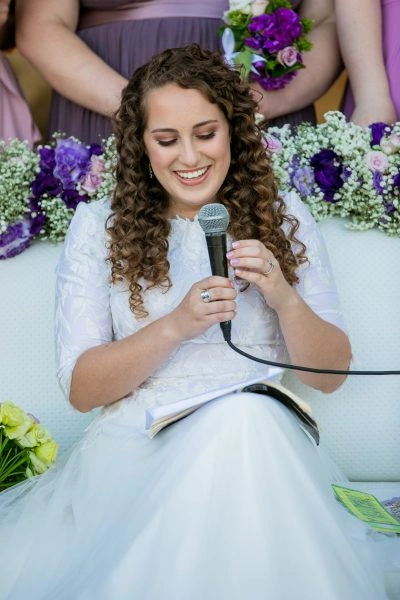
In my Shana bet at Migdal Oz I attended the Hadran siyum hash”as. Witnessing so many women so passionate about their Torah learning and connection to God, I knew I had to begin with the coming cycle. My wedding (June 24) was two weeks before the siyum of mesechet yoma so I went a little ahead and was able to make a speech and siyum at my kiseh kallah on my wedding day!

Sharona Guggenheim Plumb

Givat Shmuel, Israel

I have joined the community of daf yomi learners at the start of this cycle. I have studied in different ways – by reading the page, translating the page, attending a local shiur and listening to Rabbanit Farber’s podcasts, depending on circumstances and where I was at the time. The reactions have been positive throughout – with no exception!

Silke Goldberg
Silke Goldberg

Guildford, United Kingdom

With Rabbanit Dr. Naomi Cohen in the Women’s Talmud class, over 30 years ago. It was a “known” class and it was accepted, because of who taught. Since then I have also studied with Avigail Gross-Gelman and Dr. Gabriel Hazut for about a year). Years ago, in a shiur in my shul, I did know about Persians doing 3 things with their clothes on. They opened the shiur to woman after that!

Sharon Mink
Sharon Mink

Haifa, Israel

I never thought I’d be able to do Daf Yomi till I saw the video of Hadran’s Siyum HaShas. Now, 2 years later, I’m about to participate in Siyum Seder Mo’ed with my Hadran community. It has been an incredible privilege to learn with Rabbanit Michelle and to get to know so many caring, talented and knowledgeable women. I look forward with great anticipation and excitement to learning Seder Nashim.

Caroline-Ben-Ari-Tapestry
Caroline Ben-Ari

Karmiel, Israel

I learned Mishnayot more than twenty years ago and started with Gemara much later in life. Although I never managed to learn Daf Yomi consistently, I am learning since some years Gemara in depth and with much joy. Since last year I am studying at the International Halakha Scholars Program at the WIHL. I often listen to Rabbanit Farbers Gemara shiurim to understand better a specific sugyiah. I am grateful for the help and inspiration!

Shoshana Ruerup
Shoshana Ruerup

Berlin, Germany

Bava Batra 77

אָמַר אַמֵּימָר, הִלְכְתָא: אוֹתִיּוֹת נִקְנוֹת בִּמְסִירָה, כְּרַבִּי. אָמַר לֵיהּ רַב אָשֵׁי לְאַמֵּימָר: גְּמָרָא, אוֹ סְבָרָא? אָמַר לֵיהּ: גְּמָרָא. אָמַר רַב אָשֵׁי: סְבָרָא נָמֵי הוּא – דְּאוֹתִיּוֹת מִילֵּי נִינְהוּ, וּמִילֵּי בְּמִילֵּי לָא מִיקַּנְיָן.

Ameimar says: The halakha is that letters are acquired by merely transferring the document to the buyer, in accordance with the opinion of Rabbi Yehuda HaNasi. Rav Ashi said to Ameimar: Is your ruling based on a tradition or on your own logical reasoning? Ameimar said to him: It is based on a tradition. Rav Ashi said: It also stands to reason that the contents of a promissory note are acquired through transferring, as letters, i.e., the contents of a promissory note, are words, i.e., the buyer is acquiring the right to a monetary obligation, not a physical item, and words cannot be acquired through other words.

וְלָא?! וְהָאָמַר רַבָּה בַּר יִצְחָק אָמַר רַב: שְׁנֵי שְׁטָרוֹת הֵם – ״זְכוּ בְּשָׂדֶה לִפְלוֹנִי וְכִתְבוּ לוֹ אֶת הַשְּׁטָר״ – חוֹזֵר בַּשְּׁטָר, וְאֵינוֹ חוֹזֵר בַּשָּׂדֶה.

The Gemara asks: And is it true that documents cannot be acquired through words? But doesn’t Rabba bar Yitzḥak say that Rav says: There are two types of documents. The first type is where one says to others: Take possession of this field for so-and-so and write the document for him as proof of the sale of the field. In this case, he may renege with regard to the document, i.e., he may change his mind and tell them not to write it. But he may not renege with regard to the field, as the buyer has already acquired it.

״עַל מְנָת שֶׁתִּכְתְּבוּ לוֹ אֶת הַשְּׁטָר״ – חוֹזֵר בֵּין בַּשְּׁטָר בֵּין בַּשָּׂדֶה.

The second type of document is where he said: Take possession of this field for so-and-so on the condition that you write him a document. If the document has not yet been delivered he can retract his instruction both with regard to the document and with regard to the field, as the transfer of the field is dependent on the writing of the document.

וְרַב חִיָּיא בַּר אָבִין אָמַר רַב הוּנָא: שְׁלֹשָׁה שְׁטָרוֹת הֵן; תְּרֵי – הָא דַּאֲמַרַן, אִידַּךְ – אִם קָדַם מוֹכֵר וְכָתַב אֶת הַשְּׁטָר.

And Rav Ḥiyya bar Avin says that Rav Huna says: There are actually three types of documents. Two are those that we stated above, and the other is if the seller wrote the document in advance.

כְּאוֹתָהּ שֶׁשָּׁנִינוּ: כּוֹתְבִין שְׁטָר לַמּוֹכֵר אַף עַל פִּי שֶׁאֵין לוֹקֵחַ עִמּוֹ. כֵּיוָן שֶׁהֶחְזִיק זֶה בַּקַּרְקַע – נִקְנָה שְׁטָר בְּכׇל מָקוֹם שֶׁהוּא; וְזוֹ הִיא שֶׁשָּׁנִינוּ: נְכָסִים שֶׁאֵין לָהֶן אַחְרָיוּת נִקְנִין עִם נְכָסִים שֶׁיֵּשׁ לָהֶן אַחְרָיוּת, בְּכֶסֶף וּשְׁטָר וַחֲזָקָה!

This is like that which we learned in a mishna (167b): A scribe may write a bill of sale for the seller even if the buyer is not with him when the seller presents his request. In a case of this kind, once this buyer takes possession of the land the deed is acquired wherever it is. And this is that which we learned in another mishna (Kiddushin 26a): Property that does not serve as a guarantee, i.e., movable property, can be acquired together with property that serves as a guarantee, i.e., land, when the land is acquired by means of giving money, or by means of giving a document, or by means of taking possession. This shows that a bill of sale can be transferred without any act of acquisition performed for the document, and certainly through words, which presents a difficulty to Rav Ashi’s opinion.

אַגַּב שָׁאנֵי; דְּהָא מַטְבֵּעַ – דְּלָא נִיקְנֵי בַּחֲלִיפִין, וְאַגַּב אַרְעָא נִיקְנֵי.

The Gemara answers: Acquiring a bill of sale by means of acquisition of land is different, as it is similar to acquisition through an item, not by means of words. The reason is that money, which cannot be acquired through symbolic exchange, a pro forma act of acquisition effecting the transfer of ownership of an item, nevertheless can be acquired by means of land.

כִּי הָא דְּרַב פָּפָּא הֲווֹ לֵיהּ תְּרֵיסַר אַלְפֵי זוּזֵי בֵּי חוֹזָאֵי, אַקְנִינְהוּ נִיהֲלֵיהּ לְרַב שְׁמוּאֵל בַּר אַחָא אַגַּב אַסִּיפָּא דְבֵיתֵיהּ. כִּי אֲתָא, נְפַק לְאַפֵּיהּ עַד תְּווֹךְ.

This is like that incident where Rav Pappa had deposited twelve thousand dinars with bailees in Bei Ḥozai. He transferred ownership of the money in Bei Ḥozai to his agent Rav Shmuel bar Aḥa by means of the threshold of his house. The Gemara adds: When Rav Shmuel bar Aḥa came from Bei Ḥozai with the money, Rav Pappa was so happy that he was bringing him his money that he went out all the way until Tavakh to greet him.

אֲבָל לֹא מָכַר לֹא אֶת הָעֲבָדִים וְלֹא אֶת הַמַּרְצוּפִין וְלֹא אֶת הָאַנְתִיקֵי וְכוּ׳. מַאי ״אַנְתִיקֵי״? אָמַר רַב פָּפָּא: עִיסְקָא דִּבְגַוַּוהּ.

§ The mishna teaches that when one sells a ship he has sold various other items; but he has not sold the slaves, nor the packing bags, nor the antikei. But when one said to the buyer: You are purchasing the ship and all that it contains, all of these are sold as well. The Gemara asks: What is the meaning of antikei? Rav Pappa said: It means the merchandise that is on the ship. This merchandise is not sold together with the ship.

מַתְנִי׳ מָכַר אֶת הַקָּרוֹן – לֹא מָכַר אֶת הַפְּרָדוֹת, מָכַר אֶת הַפְּרָדוֹת – לֹא מָכַר אֶת הַקָּרוֹן. מָכַר אֶת הַצֶּמֶד – לֹא מָכַר אֶת הַבָּקָר, מָכַר אֶת הַבָּקָר – לֹא מָכַר אֶת הַצֶּמֶד. רַבִּי יְהוּדָה אוֹמֵר: הַדָּמִים מוֹדִיעִין. כֵּיצַד? אָמַר לוֹ: ״מְכוֹר לִי צִימְדָּךְ בְּמָאתַיִם זוּז״ – הַדָּבָר יָדוּעַ שֶׁאֵין הַצֶּמֶד בְּמָאתַיִם זוּז. וַחֲכָמִים אוֹמְרִים: אֵין הַדָּמִים רְאָיָה.

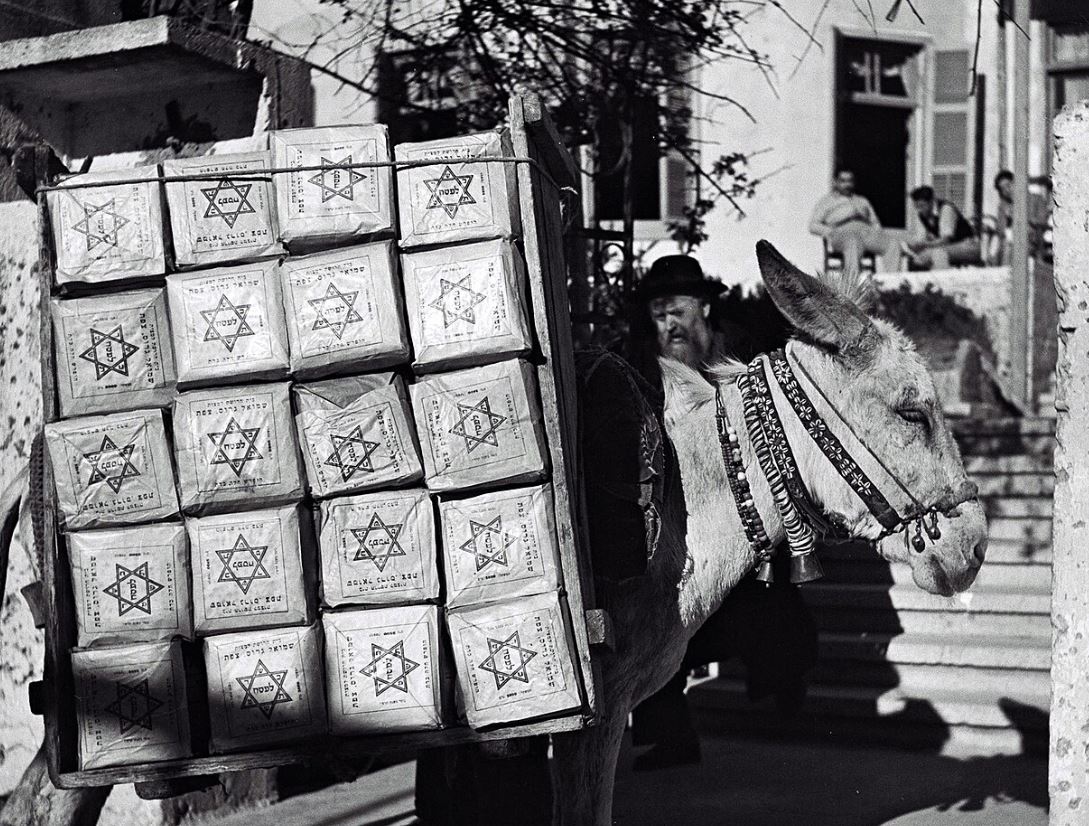
MISHNA: One who sold a wagon [hakkaron] has not sold the mules that pull the wagon. Similarly, if one sold the mules, he has not sold the wagon. One who sold a yoke [hatzemed] has not sold the oxen, and one who sold the oxen has not sold the yoke. Rabbi Yehuda says: The sum of money indicates what one has sold. How so? If the buyer said to the seller: Sell me your yoke for two hundred dinars, since it is a known matter that a yoke is not sold for two hundred dinars he clearly intended to purchase the oxen as well. And the Rabbis say: The sum of money is not proof.

גְּמָ׳ תָּנֵי רַב תַּחְלִיפָא בַּר מַעְרְבָא קַמֵּיהּ דְּרַבִּי אֲבָהוּ: מָכַר אֶת הַקָּרוֹן – מָכַר אֶת הַפְּרָדוֹת. וְהָא אֲנַן ״לֹא מָכַר״ תְּנַן! אֲמַר לֵיהּ: אִיסְמְיַיהּ? אֲמַר לֵיהּ: לָא, תִּיתַּרְגֵּם מַתְנִיתָיךְ בַּאֲדוּקִין בּוֹ.

GEMARA: Rav Taḥlifa, from the West, i.e., Eretz Yisrael, taught a baraita before Rabbi Abbahu. If one sold a wagon, he has sold the mules together with it. Rabbi Abbahu asked: But didn’t we learn in the mishna that he has not sold the mules? Rav Taḥlifa said to him: Should I erase this baraita, as it is incorrect? Rabbi Abbahu said to him: No, do not erase it; you should explain that your baraita is referring to a case where the mules are fastened to the wagon. In that situation, one who purchases the wagon receives the mules as well.

מָכַר אֶת הַצֶּמֶד – לֹא מָכַר אֶת הַבָּקָר וְכוּ׳. הֵיכִי דָמֵי? אִילֵּימָא דְּקָרוּ לְצִימְדָּא ״צִימְדָּא״ וּלְבָקָר ״בָּקָר״ – פְּשִׁיטָא; צִימְדָּא זַבֵּין לֵיהּ, בָּקָר לָא זַבֵּין לֵיהּ! וְאֶלָּא דְּקָרוּ לֵיהּ נָמֵי לְבָקָר ״צִימְדָּא״? כּוּלֵּיהּ זַבֵּין לֵיהּ!

The mishna teaches: One who sold a yoke has not sold the oxen; and the Rabbis and Rabbi Yehuda disagree over whether the sum of money proves exactly what was sold. The Gemara analyzes their disagreement: What are the circumstances? If we say that the mishna is referring to a place where they call a yoke: Tzimda, and they call oxen: Bakar, it is obvious that he sold him a yoke and did not sell him the oxen. But if the mishna is referring to a place where they also call oxen: Tzimda, then the seller sold him everything.

לָא צְרִיכָא, בְּאַתְרָא דְּקָרוּ לֵיהּ לְצִימְדָּא ״צִימְדָּא״ וּלְבָקָר ״בָּקָר״, וְאִיכָּא נָמֵי דְּקָרוּ לְבָקָר ״צִימְדָּא״; רַבִּי יְהוּדָה סָבַר: הַדָּמִים מוֹדִיעִין, וְרַבָּנַן סָבְרִי: אֵין הַדָּמִים רְאָיָה. וְאִי אֵין הַדָּמִים רְאָיָה, לֶיהֱוֵי בִּיטּוּל מִקָּח!

The Gemara explains: No, their dispute is necessary in a place where they call a yoke: Tzimda, and call oxen: Bakar, but there are also those who call oxen: Tzimda. Since it is unclear what is meant by the term: Tzimda, Rabbi Yehuda holds that the sum of money indicates whether he purchased a yoke or oxen, and the Rabbis hold that the amount of money does not serve as proof. The Gemara asks: But if the amount of money does not serve as proof, then in a case where the buyer paid two hundred dinars and received only a yoke, let the transaction be nullified.

Want to follow content and continue where you left off?

Create an account today to track your progress, mark what you’ve learned, and follow the shiurim that speak to you.

Clear all items from this list?

This will remove ALL the items in this section. You will lose any progress or history connected to them. This is irreversible.

Cancel
Yes, clear all

Are you sure you want to delete this item?

You will lose any progress or history connected to this item.

Cancel
Yes, delete