










If one purchases two trees, does the buyer acquire the land directly surrounding those trees? Rabbi Meir and the rabbis disagree. What are the ramifications of this debate? Does one bring the first fruits of a tree like this? According to the Mishna in Bikurim, Rabbi Meir and the rabbis also debate this point and according to the rabbis, one would bring the first fruits to the Temple but not say the recitation, as the obligation to bring bikurim is dependent on owning the land. Shmuel derives from the Mishna in Bikurim that Rabbi Meir would also obligate one to bring bikurim from fruit bought in the market. He derives this from the fact that there was no reason to mention Rabbi Meir’s disagreement in the Mishna in Bikurim as it could have been easily derived from his opinion on our Mishna and must therefore be coming to teach something additional. However, this suggestion is rejected. Rabbi Shimon ben Elyakim asks why in the case above (one tree according to Rabbi Meir and two according to the rabbis), one is obligated to bring the first fruits but not say the recitation – one should either be obligated and then should do both, or not obligated and do neither! Rabba answers that we do it because of a doubt – the rabbis are unclear whether or not one acquires the land. Four difficulties are brought against Rabba’s answer and are each resolved, but each resolution leads to a modification of how the bikurim are brought to the Temple in this situation.
Bava Batra
Masechet Bava Batra is sponsored by Lori Stark in loving memory of her mother in law, Sara Shapiro z”l and her father Nehemiah Sosewitz z”l.
This week’s learning is sponsored by Robert and Paula Cohen in loving memory of Joseph Cohen, Yosef ben Moshe HaCohen, z”l. “He was hard working, loved to sing, esp. as a chazan, and was very dedicated to his family and community.”
Want to dedicate learning? Get started here:

Today’s daily daf tools:
Bava Batra
Masechet Bava Batra is sponsored by Lori Stark in loving memory of her mother in law, Sara Shapiro z”l and her father Nehemiah Sosewitz z”l.
This week’s learning is sponsored by Robert and Paula Cohen in loving memory of Joseph Cohen, Yosef ben Moshe HaCohen, z”l. “He was hard working, loved to sing, esp. as a chazan, and was very dedicated to his family and community.”
Bava Batra 81
כְּסִיתָא. אִיכָּא דְּאָמְרִי: עֲרוֹנִים, עַרְמוֹנִים, אַלְמוּגִּים. עֲרוֹנִים – עָרֵי, עַרְמוֹנִים – דּוּלְבֵי, אַלְמוּגִּים – כְּסִיתָא.
refers to coral trees [kasita]. There are those who say that the other three are as follows: Aronim, armonim, and almugim. Aronim refers to laurel trees [arei], armonim to plane trees [dulevei], and almugim to coral trees [kasita].
מַתְנִי׳ הַקּוֹנֶה שְׁנֵי אִילָנוֹת בְּתוֹךְ שְׂדֵה חֲבֵירוֹ – הֲרֵי זֶה לֹא קָנָה קַרְקַע. רַבִּי מֵאִיר אוֹמֵר: קָנָה קַרְקַע. הִגְדִּילוּ – לֹא יְשַׁפֶּה. וְהָעוֹלֶה מִן הַגֶּזַע – שֶׁלּוֹ; וּמִן הַשׇּׁרָשִׁים – שֶׁל בַּעַל הַקַּרְקַע. וְאִם מֵתוּ – אֵין לוֹ קַרְקַע.
MISHNA: With regard to one who buys two trees in the field of another, this one has not acquired any ground, but only the trees. Rabbi Meir says: He has acquired the ground under them. The mishna states a halakha in accordance with the opinion of the first tanna: If the trees grew, the owner of the field may not cut down their branches, despite the fact that their shade damages his field. And that which grows out of the trunk is his, i.e., it belongs to the owner of the tree, but that which grows out of the roots belongs to the owner of the ground. And if the trees died, their owner has no rights to the ground where the trees had stood.
קָנָה שְׁלֹשָׁה – קָנָה קַרְקַע. הִגְדִּילוּ – יְשַׁפֶּה. וְהָעוֹלֶה מִן הַגֶּזַע וּמִן הַשׇּׁרָשִׁין – שֶׁלּוֹ. וְאִם מֵתוּ – יֵשׁ לוֹ קַרְקַע.
If one bought three trees, he has acquired the ground along with them. If they grew, the owner of the field may cut down their branches, as he sold a specific piece of land along with the trees, not his entire field. And that which grows out of the trunk and out of the roots is his, i.e., it belongs to the owner of the trees. And if the trees died, the owner of the trees still has possession of the ground, as it was sold along with the trees.
גְּמָ׳ תְּנַן הָתָם: הַקּוֹנֶה שְׁנֵי אִילָנוֹת בְּתוֹךְ שֶׁל חֲבֵירוֹ – מֵבִיא וְאֵינוֹ קוֹרֵא. רַבִּי מֵאִיר אוֹמֵר: מֵבִיא וְקוֹרֵא.
GEMARA: We learned in a mishna elsewhere (Bikkurim 1:6): With regard to one who buys two trees in the field of another, he brings the first fruits but does not recite the passages of thanks to God that appear in the Torah (Deuteronomy 26:1–11), as the land does not belong to him and therefore he cannot state: “I have brought the first of the fruit of the land, which You, Lord, have given me” (Deuteronomy 26:10). Rabbi Meir says: He brings the first fruits and also recites the passage.
אָמַר רַב יְהוּדָה אָמַר שְׁמוּאֵל: מְחַיֵּיב הָיָה רַבִּי מֵאִיר אַף בְּלוֹקֵחַ פֵּירוֹת מִן הַשּׁוּק. מִמַּאי? מִדְּקָתָנֵי מִשְׁנָה יַתִּירָא – מִכְּדֵי תְּנָא לֵיהּ דְּיֵשׁ לוֹ קַרְקַע, פְּשִׁיטָא דְּמֵבִיא וְקוֹרֵא.
Rav Yehuda says that Shmuel says: Rabbi Meir would obligate even one who buys fruit from the marketplace to bring first fruits, not only one who grew the fruits on his own tree. From where did he derive this halakha? From the fact that the tanna teaches an apparently superfluous mishna. Since Rabbi Meir already taught in the mishna here that the owner of two trees has possession of the ground, isn’t it obvious that he brings first fruits and recites the passage? What is added by his statement in the mishna in Bikkurim?
אֶלָּא שְׁמַע מִינַּהּ, מְחַיֵּיב הָיָה רַבִּי מֵאִיר אַף בְּלוֹקֵחַ פֵּירוֹת מִן הַשּׁוּק.
Rather, learn from the mishna in Bikkurim that Rabbi Meir would obligate even one who buys fruit from the marketplace to bring first fruits to the Temple. Rabbi Meir is saying that even if the halakha is in accordance with the opinion of the Rabbis that one who buys two trees does not own the ground between them, he still must bring the first fruits and recite the passage of thanks.
וְהָא כְּתִיב: ״אֲשֶׁר תָּבִיא מֵאַרְצְךָ״! הָהוּא לְמַעוֹטֵי חוּצָה לָאָרֶץ.
The Gemara asks: But isn’t it written: “Which you shall bring in from your land” (Deuteronomy 26:2)? This verse indicates that the fruit must be the produce of your land, not land that belongs to another. The Gemara answers: That verse serves to exclude land that is outside of Eretz Yisrael, which is not the land of the Jewish people. It does not exclude land that does not belong to that specific individual.
וְהָא כְּתִיב: אַדְמָתְךָ! לְמַעוֹטֵי אַדְמַת גּוֹי. וְהָכְתִיב: ״אֲשֶׁר נָתַתָּה לִי״! דִּיהַבְתְּ לִי זוּזֵי וּזְבַנִי בְּהוּ.
The Gemara asks: But isn’t it written: “The choicest first fruits of your land you shall bring” (Exodus 23:19)? The Gemara answers: This serves to exclude fruit bought by a Jew that was grown on the land of a gentile in Eretz Yisrael. The Gemara asks: But isn’t it written: “I have brought the first of the fruit of the land, which You, Lord, have given me” (Deuteronomy 26:10)? If he purchased the fruit, then the land on which it grew was not given to him by God. The Gemara answers that the phrase “which You have given me” can mean that You have given me money, and with that money I bought this fruit.
מֵתִיב רַבָּה: הַקּוֹנֶה אִילָן אֶחָד בְּתוֹךְ שֶׁל חֲבֵירוֹ – מֵבִיא וְאֵינוֹ קוֹרֵא, לְפִי שֶׁלֹּא קָנָה קַרְקַע; דִּבְרֵי רַבִּי מֵאִיר. תְּיוּבְתָּא.
Rabba raises an objection to the opinion of Shmuel from a baraita: One who buys one tree in the field of another brings first fruits but does not recite the passage, as he did not acquire any land; this is the statement of Rabbi Meir. This is a conclusive refutation of Shmuel’s opinion, as he said that according to Rabbi Meir even one who simply purchases fruit is obligated to bring first fruits to the Temple.
אָמַר לוֹ רַבִּי שִׁמְעוֹן בֶּן אֶלְיָקִים לְרַבִּי אֶלְעָזָר:
Apropos the discussion of the obligation to bring first fruits of one who buys a tree in the field of another, Rabbi Shimon ben Elyakim said to Rabbi Elazar:
מַאי טַעְמָא דְּרַבִּי מֵאִיר בְּאִילָן אֶחָד, וּמַאי טַעְמָא דְּרַבָּנַן בִּשְׁנֵי אִילָנוֹת? אָמַר לוֹ: דָּבָר שֶׁהָרִאשׁוֹנִים לֹא אָמְרוּ בּוֹ טַעַם, תִּשְׁאָלֵנִי בְּבֵית הַמִּדְרָשׁ כְּדֵי לְבַיְּישֵׁנִי?
What is the rationale of Rabbi Meir that in the case of one tree, an individual is obligated to bring first fruits but does not recite the passage, and what is the rationale of the Rabbis that in the case of two trees, an individual is obligated to bring the first fruits but does not recite the passage? If one owns the ground and is obligated to bring the first fruits to the Temple, he should also recite the passage of thanks. If he does not own the ground and therefore is not obligated to recite the passage, why does he bring the first fruits to the Temple? Rabbi Elazar said to Rabbi Shimon ben Elyakim: Do you ask me publicly, in the study hall, about a matter for which the early Sages did not give a reason, in order to embarrass me? In other words, I do not know the reason, as not even the early Sages explained this matter.
אָמַר רַבָּה: מַאי קוּשְׁיָא? דִּלְמָא רַבִּי מֵאִיר בְּאִילָן אֶחָד סַפּוֹקֵי מְסַפְּקָא לֵיהּ, וְרַבָּנַן בִּשְׁנֵי אִילָנוֹת סַפּוֹקֵי מְסַפְּקָא לְהוּ!
Rabba said: What is the difficulty? Perhaps Rabbi Meir is uncertain, in the case of an individual who purchases one tree, whether or not the buyer owns the ground, and the Rabbis are uncertain, in the case of an individual who purchases two trees, whether or not the buyer owns the ground. Due to this uncertainty, the owner of the tree must bring the first fruits to the Temple, as he might be obligated in this mitzva. He does not recite the passage of thanks because it is not definitely established that he is obligated to bring the fruits.
וּמִי מְסַפְּקָא לֵיהּ? וְהָא קָתָנֵי: לְפִי שֶׁלֹּא קָנָה קַרְקַע, דִּבְרֵי רַבִּי מֵאִיר! אֵימָא: שֶׁמָּא לֹא קָנָה קַרְקַע.
The Gemara asks: And is Rabbi Meir really uncertain whether the buyer owns the ground? But it teaches: Since he did not acquire any land; this is the statement of Rabbi Meir. Rabbi Meir states definitively that the owner of the tree does not own the ground. The Gemara answers: Say that the baraita should be emended as follows: Perhaps he did not acquire any land.
וְלֵיחוּשׁ דְּדִלְמָא לָאו בִּיכּוּרִים נִינְהוּ, וְקָא מְעַיֵּיל חוּלִּין לָעֲזָרָה! דְּמַקְדֵּישׁ לְהוּ. וְהָא בָּעֵי מֵיכְלִינְהוּ! דְּפָרֵיק לְהוּ. וְדִלְמָא לָאו בִּכּוּרִים נִינְהוּ, וְקָא מַפְקַע לְהוּ מִתְּרוּמָה וּמַעֲשֵׂר! דְּמַפְרֵישׁ לְהוּ.
The Gemara asks: But let us be concerned that perhaps these fruits are not first fruits, and he is bringing non-sacred fruit to the Temple courtyard, which is prohibited. The Gemara answers: The case is where he consecrates them. The Gemara asks: But the priest is required to eat first fruits, and he cannot do so if they are consecrated. The Gemara answers: The case is where the priest redeems them. The Gemara asks: But perhaps they are not first fruits, and thereby he removes them from the obligation of teruma and tithes, as one does not separate teruma and tithes from first fruits. The Gemara answers: The case is where he separates teruma and tithes from the fruits, due to the uncertainty over their status.
בִּשְׁלָמָא תְּרוּמָה גְּדוֹלָה – יָהֵיב לַהּ לְכֹהֵן, מַעֲשֵׂר שֵׁנִי נָמֵי – יָהֵיב לֵיהּ לְכֹהֵן, מַעְשַׂר עָנִי נָמֵי – יָהֵיב לֵיהּ לְכֹהֵן עָנִי, אֶלָּא מַעֲשֵׂר רִאשׁוֹן – דְּלֵוִי הוּא! לְמַאן יָהֵיב לֵיהּ?
The Gemara asks: Granted, the teruma gedola that he separates from these fruits he gives to a priest, and the priest may partake of it, as it has the halakhic status of either first fruits or teruma gedola, both of which are eaten by a priest. It is understood with regard to the second tithe as well; he gives it to a priest, who eats it in Jerusalem, either as first fruits or as second tithe. If it is the third or the sixth year of the Sabbatical cycle, when instead of second tithe one is obligated to give the poor man’s tithe, here too, he gives it to a poor priest, who eats it as either first fruits or poor man’s tithe. But with regard to first tithe, which is given to a Levite, to whom can he give it? A Levite may not eat first fruits.
דְּיָהֵיב לֵיהּ לְכֹהֵן, כְּרַבִּי אֶלְעָזָר בֶּן עֲזַרְיָה – דְּתַנְיָא: תְּרוּמָה גְּדוֹלָה לְכֹהֵן, מַעֲשֵׂר רִאשׁוֹן לְלֵוִי, דִּבְרֵי רַבִּי עֲקִיבָא. רַבִּי אֶלְעָזָר בֶּן עֲזַרְיָה אוֹמֵר: מַעֲשֵׂר רִאשׁוֹן אַף לְכֹהֵן. וְדִלְמָא בִּכּוּרִים נִינְהוּ, וּבָעוּ קְרִיָּיהּ! קְרִיָּיהּ לֹא מְעַכֶּבֶת.
The Gemara answers: The case is where he gives it to a priest, in accordance with the opinion of Rabbi Elazar ben Azarya. As it is taught in a baraita: Teruma gedola is given only to a priest, and first tithe is given only to a Levite; this is the statement of Rabbi Akiva. Rabbi Elazar ben Azarya says: First tithe may also be given to a priest. The Gemara asks: But perhaps they are in fact first fruits and require recitation of the passage of thanks, and yet the owner does not recite it due to the uncertainty. The Gemara answers: The recitation is not indispensable, i.e., one can perform the mitzva of bringing first fruits without the recitation.
וְלָא?! וְהָאָמַר רַבִּי זֵירָא: כׇּל הָרָאוּי לְבִילָּה, אֵין בִּילָּה מְעַכֶּבֶת בּוֹ; וְשֶׁאֵינוֹ רָאוּי לְבִילָּה, בִּילָּה מְעַכֶּבֶת בּוֹ!
The Gemara asks: And is the recitation not indispensable? But doesn’t Rabbi Zeira say in the context of offerings: For any measure of flour that is suitable for mixing with oil in a meal-offering, the lack of mixing does not invalidate the meal-offering. Even though there is a mitzva to mix the oil and the flour ab initio, the meal-offering is fit for sacrifice even if the oil and the flour are not mixed. And for any measure of flour that is not suitable for mixing with oil in a meal-offering, the lack of mixing invalidates the meal-offering. The principle is: Ab initio requirements prevent the fulfillment of a mitzva in situations where they are not merely absent but impossible. Accordingly, first fruits that are unfit for recitation should not be brought to the Temple.
דְּעָבֵיד לְהוּ כְּרַבִּי יוֹסֵי בַּר חֲנִינָא, דְּאָמַר: בְּצָרָן וְשִׁגְּרָן בְּיַד שָׁלִיחַ, וּמֵת שָׁלִיחַ בַּדֶּרֶךְ – מֵבִיא וְאֵינוֹ קוֹרֵא. מַאי טַעְמָא? דִּכְתִיב: ״וְלָקַחְתָּ וְהֵבֵאתָ״ –
The Gemara answers: The case is where he renders them exempt from the obligation of recitation, in accordance with the opinion of Rabbi Yosei bar Ḥanina, who says: If one harvested the fruits and sent them in the possession of an agent, and the agent died on the way, the owner or any other person brings the first fruits but does not recite the passage of thanks. What is the reason? As it is written: And you shall take, and you shall bring. The Gemara is citing from the following verse with a slight variation: “And you shall take of the first of all the fruit of the ground, which you shall bring in from your land that the Lord your God gives you” (Deuteronomy 26:2).

Today’s daily daf tools:
Delve Deeper
Broaden your understanding of the topics on this daf with classes and podcasts from top women Talmud scholars.


New to Talmud?
Check out our resources designed to help you navigate a page of Talmud – and study at the pace, level and style that fits you.
The Hadran Women’s Tapestry
Meet the diverse women learning Gemara at Hadran and hear their stories.
After all the hype on the 2020 siyum I became inspired by a friend to begin learning as the new cycle began.with no background in studying Talmud it was a bit daunting in the beginning. my husband began at the same time so we decided to study on shabbat together. The reaction from my 3 daughters has been fantastic. They are very proud. It’s been a great challenge for my brain which is so healthy!
Modi’in, Israel

Blacksburg, United States
Hadran entered my life after the last Siyum Hashaas, January 2020. I was inspired and challenged simultaneously, having never thought of learning Gemara. With my family’s encouragement, I googled “daf yomi for women”. A perfecr fit!
I especially enjoy when Rabbanit Michelle connects the daf to contemporary issues to share at the shabbat table e.g: looking at the Kohen during duchaning. Toda rabba
Jerusalem, Israel
Hearing and reading about the siyumim at the completion of the 13 th cycle Daf Yomi asked our shul rabbi about starting the Daf – he directed me to another shiur in town he thought would allow a woman to join, and so I did! Love seeing the sources for the Divrei Torah I’ve been hearing for the past decades of living an observant life and raising 5 children .

Pittsburgh, Pennsylvania, United States
I started learning Daf in Jan 2020 with Brachot b/c I had never seen the Jewish people united around something so positive, and I wanted to be a part of it. Also, I wanted to broaden my background in Torah Shebal Peh- Maayanot gave me a great gemara education, but I knew that I could hold a conversation in most parts of tanach but almost no TSB. I’m so thankful for Daf and have gained immensely.

NJ, United States
I started learning at the beginning of this Daf Yomi cycle because I heard a lot about the previous cycle coming to an end and thought it would be a good thing to start doing. My husband had already bought several of the Koren Talmud Bavli books and they were just sitting on the shelf, not being used, so here was an opportunity to start using them and find out exactly what was in them. Loving it!

Borehamwood, United Kingdom
I had never heard of Daf Yomi and after reading the book, The Weight of Ink, I explored more about it. I discovered that it was only 6 months before a whole new cycle started and I was determined to give it a try. I tried to get a friend to join me on the journey but after the first few weeks they all dropped it. I haven’t missed a day of reading and of listening to the podcast.

Elkins Park, United States
Tel Aviv, Israel
I started learning daf in January, 2020, being inspired by watching the Siyyum Hashas in Binyanei Haumah. I wasn’t sure I would be able to keep up with the task. When I went to school, Gemara was not an option. Fast forward to March, 2022, and each day starts with the daf. The challenge is now learning the intricacies of delving into the actual learning. Hadran community, thank you!
Riverdale, NY, United States
I started the daf at the beginning of this cycle in January 2020. My husband, my children, grandchildren and siblings have been very supportive. As someone who learned and taught Tanach and mefarshim for many years, it has been an amazing adventure to complete the six sedarim of Mishnah, and now to study Talmud on a daily basis along with Rabbanit Michelle and the wonderful women of Hadran.
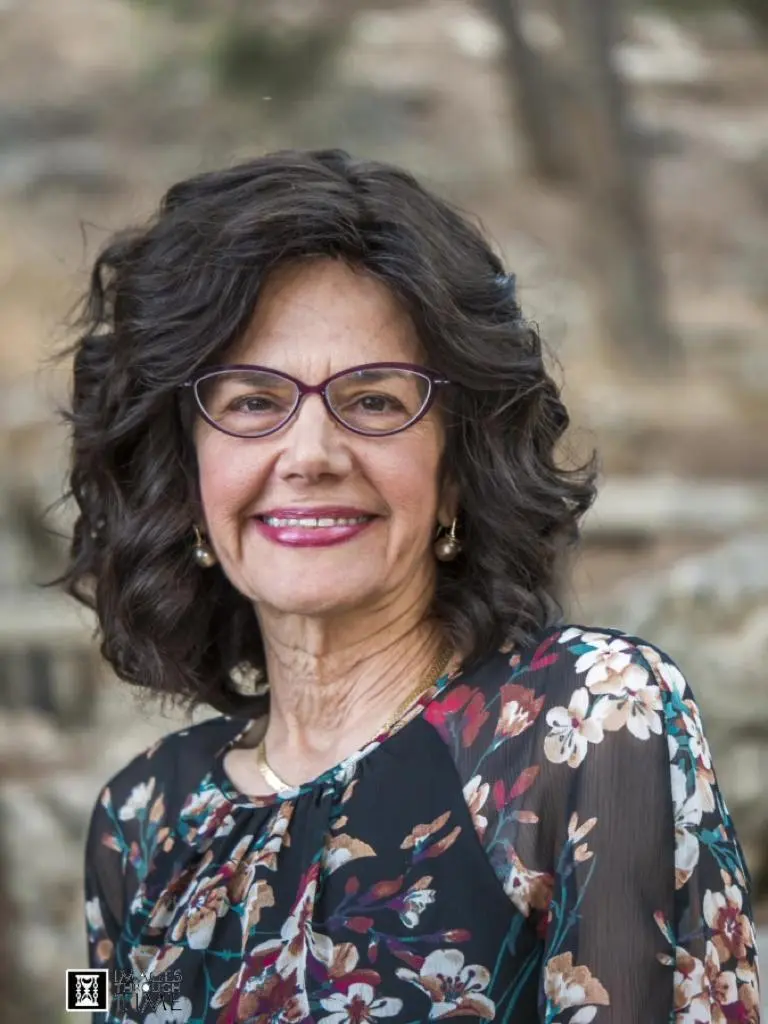
Jerusalem, Israel
A beautiful world of Talmudic sages now fill my daily life with discussion and debate.
bringing alive our traditions and texts that has brought new meaning to my life.
I am a מגילת אסתר reader for women . the words in the Mishna of מסכת megillah 17a
הקורא את המגילה למפרע לא יצא were powerful to me.
I hope to have the zchut to complete the cycle for my 70th birthday.

Jerusalem, Israel
In January 2020, my chevruta suggested that we “up our game. Let’s do Daf Yomi” – and she sent me the Hadran link. I lost my job (and went freelance), there was a pandemic, and I am still opening the podcast with my breakfast coffee, or after Shabbat with popcorn. My Aramaic is improving. I will need a new bookcase, though.
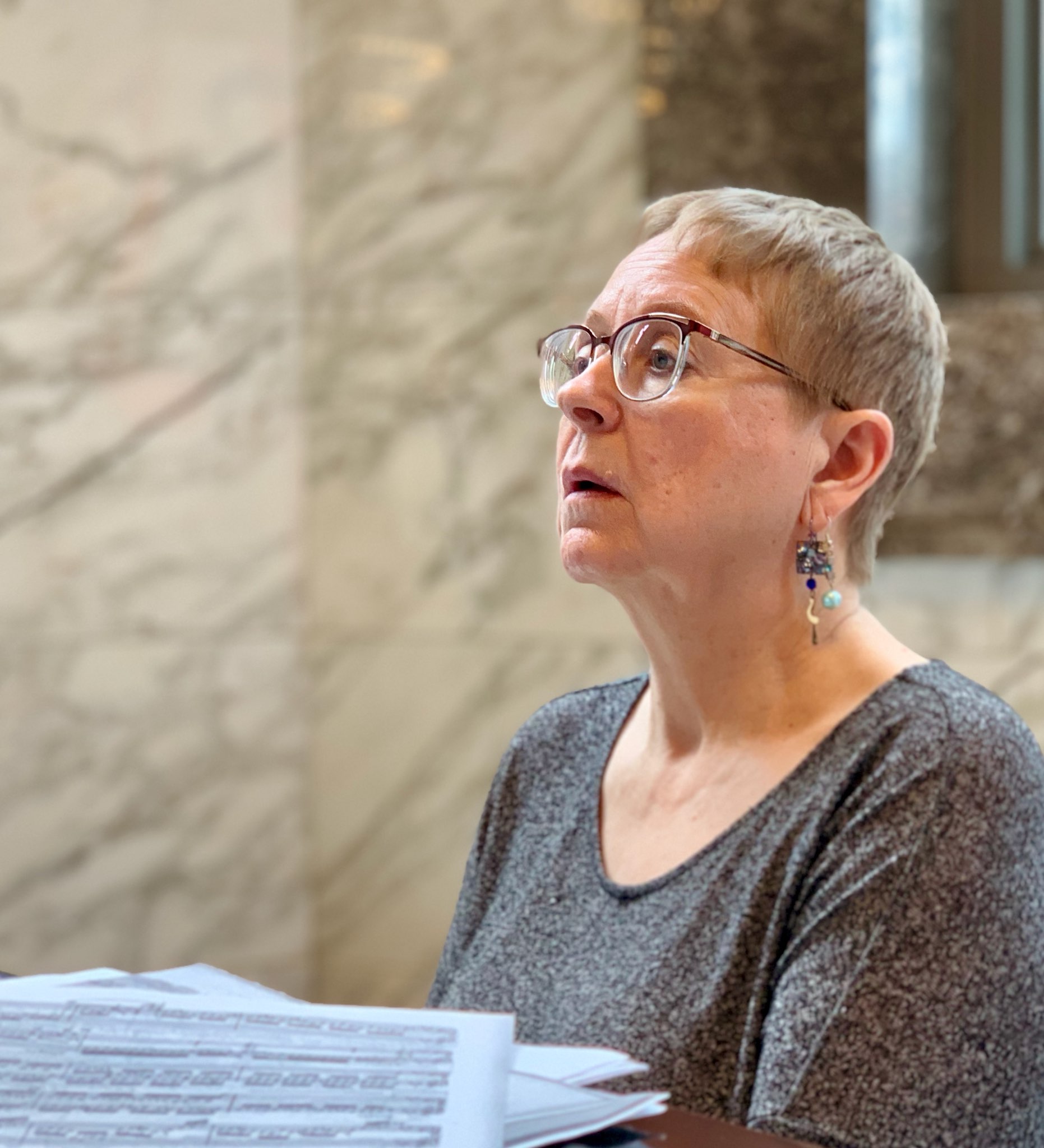
Atlanta, Georgia, United States
When I was working and taking care of my children, learning was never on the list. Now that I have more time I have two different Gemora classes and the nach yomi as well as the mishna yomi daily.
Jerusalem, Israel
I started learning Gemara at the Yeshivah of Flatbush. And I resumed ‘ברוך ה decades later with Rabbanit Michele at Hadran. I started from Brachot and have had an exciting, rewarding experience throughout seder Moed!
Maale Adumim, Israel
Inspired by Hadran’s first Siyum ha Shas L’Nashim two years ago, I began daf yomi right after for the next cycle. As to this extraordinary journey together with Hadran..as TS Eliot wrote “We must not cease from exploration and the end of all our exploring will be to arrive where we began and to know the place for the first time.
Jerusalem, Israel
It happened without intent (so am I yotzei?!) – I watched the women’s siyum live and was so moved by it that the next morning, I tuned in to Rabbanit Michelle’s shiur, and here I am, still learning every day, over 2 years later. Some days it all goes over my head, but others I grasp onto an idea or a story, and I ‘get it’ and that’s the best feeling in the world. So proud to be a Hadran learner.

Zichron Yaakov, Israel
I started learning Talmud with R’ Haramati in Yeshivah of Flatbush. But after a respite of 60 years, Rabbanit Michelle lit my fire – after attending the last three world siyumim in Miami Beach, Meadowlands and Boca Raton, and now that I’m retired, I decided – “I can do this!” It has been an incredible journey so far, and I look forward to learning Daf everyday – Mazal Tov to everyone!

Florida, United States
I started learning Daf Yomi inspired by תָּפַסְתָּ מְרוּבֶּה לֹא תָּפַסְתָּ, תָּפַסְתָּ מוּעָט תָּפַסְתָּ. I thought I’d start the first page, and then see. I was swept up into the enthusiasm of the Hadran Siyum, and from there the momentum kept building. Rabbanit Michelle’s shiur gives me an anchor, a connection to an incredible virtual community, and an energy to face whatever the day brings.

בית שמש, Israel
I started learning when my brother sent me the news clip of the celebration of the last Daf Yomi cycle. I was so floored to see so many women celebrating that I wanted to be a part of it. It has been an enriching experience studying a text in a language I don’t speak, using background knowledge that I don’t have. It is stretching my learning in unexpected ways, bringing me joy and satisfaction.
Warwick, Rhode Island, United States
With Rabbanit Dr. Naomi Cohen in the Women’s Talmud class, over 30 years ago. It was a “known” class and it was accepted, because of who taught. Since then I have also studied with Avigail Gross-Gelman and Dr. Gabriel Hazut for about a year). Years ago, in a shiur in my shul, I did know about Persians doing 3 things with their clothes on. They opened the shiur to woman after that!
Haifa, Israel
Bava Batra 81
כְּסִיתָא. אִיכָּא דְּאָמְרִי: עֲרוֹנִים, עַרְמוֹנִים, אַלְמוּגִּים. עֲרוֹנִים – עָרֵי, עַרְמוֹנִים – דּוּלְבֵי, אַלְמוּגִּים – כְּסִיתָא.
refers to coral trees [kasita]. There are those who say that the other three are as follows: Aronim, armonim, and almugim. Aronim refers to laurel trees [arei], armonim to plane trees [dulevei], and almugim to coral trees [kasita].
מַתְנִי׳ הַקּוֹנֶה שְׁנֵי אִילָנוֹת בְּתוֹךְ שְׂדֵה חֲבֵירוֹ – הֲרֵי זֶה לֹא קָנָה קַרְקַע. רַבִּי מֵאִיר אוֹמֵר: קָנָה קַרְקַע. הִגְדִּילוּ – לֹא יְשַׁפֶּה. וְהָעוֹלֶה מִן הַגֶּזַע – שֶׁלּוֹ; וּמִן הַשׇּׁרָשִׁים – שֶׁל בַּעַל הַקַּרְקַע. וְאִם מֵתוּ – אֵין לוֹ קַרְקַע.
MISHNA: With regard to one who buys two trees in the field of another, this one has not acquired any ground, but only the trees. Rabbi Meir says: He has acquired the ground under them. The mishna states a halakha in accordance with the opinion of the first tanna: If the trees grew, the owner of the field may not cut down their branches, despite the fact that their shade damages his field. And that which grows out of the trunk is his, i.e., it belongs to the owner of the tree, but that which grows out of the roots belongs to the owner of the ground. And if the trees died, their owner has no rights to the ground where the trees had stood.
קָנָה שְׁלֹשָׁה – קָנָה קַרְקַע. הִגְדִּילוּ – יְשַׁפֶּה. וְהָעוֹלֶה מִן הַגֶּזַע וּמִן הַשׇּׁרָשִׁין – שֶׁלּוֹ. וְאִם מֵתוּ – יֵשׁ לוֹ קַרְקַע.
If one bought three trees, he has acquired the ground along with them. If they grew, the owner of the field may cut down their branches, as he sold a specific piece of land along with the trees, not his entire field. And that which grows out of the trunk and out of the roots is his, i.e., it belongs to the owner of the trees. And if the trees died, the owner of the trees still has possession of the ground, as it was sold along with the trees.
גְּמָ׳ תְּנַן הָתָם: הַקּוֹנֶה שְׁנֵי אִילָנוֹת בְּתוֹךְ שֶׁל חֲבֵירוֹ – מֵבִיא וְאֵינוֹ קוֹרֵא. רַבִּי מֵאִיר אוֹמֵר: מֵבִיא וְקוֹרֵא.
GEMARA: We learned in a mishna elsewhere (Bikkurim 1:6): With regard to one who buys two trees in the field of another, he brings the first fruits but does not recite the passages of thanks to God that appear in the Torah (Deuteronomy 26:1–11), as the land does not belong to him and therefore he cannot state: “I have brought the first of the fruit of the land, which You, Lord, have given me” (Deuteronomy 26:10). Rabbi Meir says: He brings the first fruits and also recites the passage.
אָמַר רַב יְהוּדָה אָמַר שְׁמוּאֵל: מְחַיֵּיב הָיָה רַבִּי מֵאִיר אַף בְּלוֹקֵחַ פֵּירוֹת מִן הַשּׁוּק. מִמַּאי? מִדְּקָתָנֵי מִשְׁנָה יַתִּירָא – מִכְּדֵי תְּנָא לֵיהּ דְּיֵשׁ לוֹ קַרְקַע, פְּשִׁיטָא דְּמֵבִיא וְקוֹרֵא.
Rav Yehuda says that Shmuel says: Rabbi Meir would obligate even one who buys fruit from the marketplace to bring first fruits, not only one who grew the fruits on his own tree. From where did he derive this halakha? From the fact that the tanna teaches an apparently superfluous mishna. Since Rabbi Meir already taught in the mishna here that the owner of two trees has possession of the ground, isn’t it obvious that he brings first fruits and recites the passage? What is added by his statement in the mishna in Bikkurim?
אֶלָּא שְׁמַע מִינַּהּ, מְחַיֵּיב הָיָה רַבִּי מֵאִיר אַף בְּלוֹקֵחַ פֵּירוֹת מִן הַשּׁוּק.
Rather, learn from the mishna in Bikkurim that Rabbi Meir would obligate even one who buys fruit from the marketplace to bring first fruits to the Temple. Rabbi Meir is saying that even if the halakha is in accordance with the opinion of the Rabbis that one who buys two trees does not own the ground between them, he still must bring the first fruits and recite the passage of thanks.
וְהָא כְּתִיב: ״אֲשֶׁר תָּבִיא מֵאַרְצְךָ״! הָהוּא לְמַעוֹטֵי חוּצָה לָאָרֶץ.
The Gemara asks: But isn’t it written: “Which you shall bring in from your land” (Deuteronomy 26:2)? This verse indicates that the fruit must be the produce of your land, not land that belongs to another. The Gemara answers: That verse serves to exclude land that is outside of Eretz Yisrael, which is not the land of the Jewish people. It does not exclude land that does not belong to that specific individual.
וְהָא כְּתִיב: אַדְמָתְךָ! לְמַעוֹטֵי אַדְמַת גּוֹי. וְהָכְתִיב: ״אֲשֶׁר נָתַתָּה לִי״! דִּיהַבְתְּ לִי זוּזֵי וּזְבַנִי בְּהוּ.
The Gemara asks: But isn’t it written: “The choicest first fruits of your land you shall bring” (Exodus 23:19)? The Gemara answers: This serves to exclude fruit bought by a Jew that was grown on the land of a gentile in Eretz Yisrael. The Gemara asks: But isn’t it written: “I have brought the first of the fruit of the land, which You, Lord, have given me” (Deuteronomy 26:10)? If he purchased the fruit, then the land on which it grew was not given to him by God. The Gemara answers that the phrase “which You have given me” can mean that You have given me money, and with that money I bought this fruit.
מֵתִיב רַבָּה: הַקּוֹנֶה אִילָן אֶחָד בְּתוֹךְ שֶׁל חֲבֵירוֹ – מֵבִיא וְאֵינוֹ קוֹרֵא, לְפִי שֶׁלֹּא קָנָה קַרְקַע; דִּבְרֵי רַבִּי מֵאִיר. תְּיוּבְתָּא.
Rabba raises an objection to the opinion of Shmuel from a baraita: One who buys one tree in the field of another brings first fruits but does not recite the passage, as he did not acquire any land; this is the statement of Rabbi Meir. This is a conclusive refutation of Shmuel’s opinion, as he said that according to Rabbi Meir even one who simply purchases fruit is obligated to bring first fruits to the Temple.
אָמַר לוֹ רַבִּי שִׁמְעוֹן בֶּן אֶלְיָקִים לְרַבִּי אֶלְעָזָר:
Apropos the discussion of the obligation to bring first fruits of one who buys a tree in the field of another, Rabbi Shimon ben Elyakim said to Rabbi Elazar:
מַאי טַעְמָא דְּרַבִּי מֵאִיר בְּאִילָן אֶחָד, וּמַאי טַעְמָא דְּרַבָּנַן בִּשְׁנֵי אִילָנוֹת? אָמַר לוֹ: דָּבָר שֶׁהָרִאשׁוֹנִים לֹא אָמְרוּ בּוֹ טַעַם, תִּשְׁאָלֵנִי בְּבֵית הַמִּדְרָשׁ כְּדֵי לְבַיְּישֵׁנִי?
What is the rationale of Rabbi Meir that in the case of one tree, an individual is obligated to bring first fruits but does not recite the passage, and what is the rationale of the Rabbis that in the case of two trees, an individual is obligated to bring the first fruits but does not recite the passage? If one owns the ground and is obligated to bring the first fruits to the Temple, he should also recite the passage of thanks. If he does not own the ground and therefore is not obligated to recite the passage, why does he bring the first fruits to the Temple? Rabbi Elazar said to Rabbi Shimon ben Elyakim: Do you ask me publicly, in the study hall, about a matter for which the early Sages did not give a reason, in order to embarrass me? In other words, I do not know the reason, as not even the early Sages explained this matter.
אָמַר רַבָּה: מַאי קוּשְׁיָא? דִּלְמָא רַבִּי מֵאִיר בְּאִילָן אֶחָד סַפּוֹקֵי מְסַפְּקָא לֵיהּ, וְרַבָּנַן בִּשְׁנֵי אִילָנוֹת סַפּוֹקֵי מְסַפְּקָא לְהוּ!
Rabba said: What is the difficulty? Perhaps Rabbi Meir is uncertain, in the case of an individual who purchases one tree, whether or not the buyer owns the ground, and the Rabbis are uncertain, in the case of an individual who purchases two trees, whether or not the buyer owns the ground. Due to this uncertainty, the owner of the tree must bring the first fruits to the Temple, as he might be obligated in this mitzva. He does not recite the passage of thanks because it is not definitely established that he is obligated to bring the fruits.
וּמִי מְסַפְּקָא לֵיהּ? וְהָא קָתָנֵי: לְפִי שֶׁלֹּא קָנָה קַרְקַע, דִּבְרֵי רַבִּי מֵאִיר! אֵימָא: שֶׁמָּא לֹא קָנָה קַרְקַע.
The Gemara asks: And is Rabbi Meir really uncertain whether the buyer owns the ground? But it teaches: Since he did not acquire any land; this is the statement of Rabbi Meir. Rabbi Meir states definitively that the owner of the tree does not own the ground. The Gemara answers: Say that the baraita should be emended as follows: Perhaps he did not acquire any land.
וְלֵיחוּשׁ דְּדִלְמָא לָאו בִּיכּוּרִים נִינְהוּ, וְקָא מְעַיֵּיל חוּלִּין לָעֲזָרָה! דְּמַקְדֵּישׁ לְהוּ. וְהָא בָּעֵי מֵיכְלִינְהוּ! דְּפָרֵיק לְהוּ. וְדִלְמָא לָאו בִּכּוּרִים נִינְהוּ, וְקָא מַפְקַע לְהוּ מִתְּרוּמָה וּמַעֲשֵׂר! דְּמַפְרֵישׁ לְהוּ.
The Gemara asks: But let us be concerned that perhaps these fruits are not first fruits, and he is bringing non-sacred fruit to the Temple courtyard, which is prohibited. The Gemara answers: The case is where he consecrates them. The Gemara asks: But the priest is required to eat first fruits, and he cannot do so if they are consecrated. The Gemara answers: The case is where the priest redeems them. The Gemara asks: But perhaps they are not first fruits, and thereby he removes them from the obligation of teruma and tithes, as one does not separate teruma and tithes from first fruits. The Gemara answers: The case is where he separates teruma and tithes from the fruits, due to the uncertainty over their status.
בִּשְׁלָמָא תְּרוּמָה גְּדוֹלָה – יָהֵיב לַהּ לְכֹהֵן, מַעֲשֵׂר שֵׁנִי נָמֵי – יָהֵיב לֵיהּ לְכֹהֵן, מַעְשַׂר עָנִי נָמֵי – יָהֵיב לֵיהּ לְכֹהֵן עָנִי, אֶלָּא מַעֲשֵׂר רִאשׁוֹן – דְּלֵוִי הוּא! לְמַאן יָהֵיב לֵיהּ?
The Gemara asks: Granted, the teruma gedola that he separates from these fruits he gives to a priest, and the priest may partake of it, as it has the halakhic status of either first fruits or teruma gedola, both of which are eaten by a priest. It is understood with regard to the second tithe as well; he gives it to a priest, who eats it in Jerusalem, either as first fruits or as second tithe. If it is the third or the sixth year of the Sabbatical cycle, when instead of second tithe one is obligated to give the poor man’s tithe, here too, he gives it to a poor priest, who eats it as either first fruits or poor man’s tithe. But with regard to first tithe, which is given to a Levite, to whom can he give it? A Levite may not eat first fruits.
דְּיָהֵיב לֵיהּ לְכֹהֵן, כְּרַבִּי אֶלְעָזָר בֶּן עֲזַרְיָה – דְּתַנְיָא: תְּרוּמָה גְּדוֹלָה לְכֹהֵן, מַעֲשֵׂר רִאשׁוֹן לְלֵוִי, דִּבְרֵי רַבִּי עֲקִיבָא. רַבִּי אֶלְעָזָר בֶּן עֲזַרְיָה אוֹמֵר: מַעֲשֵׂר רִאשׁוֹן אַף לְכֹהֵן. וְדִלְמָא בִּכּוּרִים נִינְהוּ, וּבָעוּ קְרִיָּיהּ! קְרִיָּיהּ לֹא מְעַכֶּבֶת.
The Gemara answers: The case is where he gives it to a priest, in accordance with the opinion of Rabbi Elazar ben Azarya. As it is taught in a baraita: Teruma gedola is given only to a priest, and first tithe is given only to a Levite; this is the statement of Rabbi Akiva. Rabbi Elazar ben Azarya says: First tithe may also be given to a priest. The Gemara asks: But perhaps they are in fact first fruits and require recitation of the passage of thanks, and yet the owner does not recite it due to the uncertainty. The Gemara answers: The recitation is not indispensable, i.e., one can perform the mitzva of bringing first fruits without the recitation.
וְלָא?! וְהָאָמַר רַבִּי זֵירָא: כׇּל הָרָאוּי לְבִילָּה, אֵין בִּילָּה מְעַכֶּבֶת בּוֹ; וְשֶׁאֵינוֹ רָאוּי לְבִילָּה, בִּילָּה מְעַכֶּבֶת בּוֹ!
The Gemara asks: And is the recitation not indispensable? But doesn’t Rabbi Zeira say in the context of offerings: For any measure of flour that is suitable for mixing with oil in a meal-offering, the lack of mixing does not invalidate the meal-offering. Even though there is a mitzva to mix the oil and the flour ab initio, the meal-offering is fit for sacrifice even if the oil and the flour are not mixed. And for any measure of flour that is not suitable for mixing with oil in a meal-offering, the lack of mixing invalidates the meal-offering. The principle is: Ab initio requirements prevent the fulfillment of a mitzva in situations where they are not merely absent but impossible. Accordingly, first fruits that are unfit for recitation should not be brought to the Temple.
דְּעָבֵיד לְהוּ כְּרַבִּי יוֹסֵי בַּר חֲנִינָא, דְּאָמַר: בְּצָרָן וְשִׁגְּרָן בְּיַד שָׁלִיחַ, וּמֵת שָׁלִיחַ בַּדֶּרֶךְ – מֵבִיא וְאֵינוֹ קוֹרֵא. מַאי טַעְמָא? דִּכְתִיב: ״וְלָקַחְתָּ וְהֵבֵאתָ״ –
The Gemara answers: The case is where he renders them exempt from the obligation of recitation, in accordance with the opinion of Rabbi Yosei bar Ḥanina, who says: If one harvested the fruits and sent them in the possession of an agent, and the agent died on the way, the owner or any other person brings the first fruits but does not recite the passage of thanks. What is the reason? As it is written: And you shall take, and you shall bring. The Gemara is citing from the following verse with a slight variation: “And you shall take of the first of all the fruit of the ground, which you shall bring in from your land that the Lord your God gives you” (Deuteronomy 26:2).

