Search

Bava Kamma 98

Want to dedicate learning? Get started here:

English
עברית
podcast placeholder

0:00
0:00


podcast placeholder

0:00
0:00


Summary

Today’s daf is sponsored by Arthur Gould in loving memory of Carol’s mother Irma Robinson, Hudda Bat Moshe on her 7th yahrzeit.  “Irma built a rich life in the Chicago area including work she loved at a nearby high school library and active participation in her synagogue. She loved to have the entire family over for special events. Sadly, four years after she was widowed, Irma developed Alzheimer’s. Carol and her sister Debbie were blessed that though her illness progressed, she never forgot who they were.” 

If the currency changes on an outstanding loan that was set for a particular amount of the old currency, does one pay the same number of coins in the new currency or does that look like interest? Raba brings four rulings on cases of indirect damage and rules in all four cases that the one who caused the damage is exempt. Rava raises difficulties on the first three. Different important halachic principles are discussed such as garmei and davar hagorem l’mamon – an item that can have monetary significance even if the item is not worth anything at the time. Does everyone hold that if one steals items that become forbidden to benefit from, but there is no noticeable damage, the thief can return the item itself or does the thief need to return the value at the time of the theft? Rav Chisda and Raba disagree about whether or not this is a debate or do all agree that one can return the item itself, even though it no longer has any monetary value, as the damages are not noticeable in the object. If one hires another to fix something and they break it, they are responsible for paying the value of it. Rav Asi holds that if one gives wood to a carpenter to build a closet and builds it but breaks it before giving it back to the owner of the wood, the carpenter is not responsible for the broken item because the object created (the enhancement of the raw materials) is considered in their possession and the carpenter is like a seller who sells the enhancement back to the original owner.

Today’s daily daf tools:

Bava Kamma 98

וְאִי מֵחֲמַת תַּרְעָא זִיל – לָא מְנַכֵּינַן לֵיהּ.

And if the produce decreased in price due to the market value, the debt is not reduced for him.

וְהָא קָא שָׁבַח לְעִנְיַן נְסָכָא! אֶלָּא כִּי הָא דְּרַב פָּפָּא וְרַב הוּנָא בְּרֵיהּ דְּרַב יְהוֹשֻׁעַ עָבְדִי עוֹבָדָא בְּזוּזֵי דַּאֲגַרְדְּמִיס טַיָּיעָא, עַד עֲשָׂרָה בִּתְמָנְיָא.

The Gemara challenges: But the value of the coin has been enhanced for the purpose of melting it down into a bar of metal. Since this coin now contains a larger quantity of metal, if it were to be melted it would be worth more than an earlier coin of the same type, so it should be considered interest. Rather, in this case one must act in accordance with how Rav Pappa and Rav Huna, son of Rav Yehoshua, acted when they performed an action with the dinars of Agardamis the Arab merchant [tayya’a]: They considered up to ten old coins to be the equivalent of eight new coins. Since ten old coins were equivalent in value to eight new coins, they paid eight new coins in exchange for ten old ones.

אָמַר רַבָּה: הַזּוֹרֵק מַטְבֵּעַ שֶׁל חֲבֵירוֹ לַיָּם הַגָּדוֹל – פָּטוּר. מַאי טַעְמָא? אָמַר: הָא מַנַּח קַמָּךְ, אִי בָּעֵית שִׁקְלֵיהּ. וְהָנֵי מִילֵּי בִּצְלוּלִין – דְּקָא חָזֵי לֵיהּ, אֲבָל עֲכוּרִין – דְּלָא קָחָזֵי לֵיהּ, לָא. וְהָנֵי מִילֵּי דְּאַדְּיֵיהּ אַדּוֹיֵי, אֲבָל שַׁקְלֵיהּ בִּידֵיהּ – מִיגְזָל גַּזְלֵיהּ; הֲשָׁבָה בָּעֵי מֶיעְבַּד.

§ Rabba says: One who throws another’s coin into the Great Sea is exempt from liability. What is the reason for this? He can say: The coin is resting before you; if you wish, take it. The Gemara comments: And this statement applies only if the coin is in translucent water, where the owner of the coin can see the coin, but in turbid water, where he cannot see the coin, it does not apply, and the one that threw it will be liable to compensate the owner. And this statement applies only when he rolled the coin into the sea without picking it up, but if he took the coin with his hands and threw it into the sea, he has robbed the owner of it, and the robber is required to perform the mitzva of returning the coin to its owner.

מֵתִיב רָבָא: אֵין מְחַלְּלִין עַל מָעוֹת שֶׁאֵינָן בִּרְשׁוּתוֹ. כֵּיצַד? הָיוּ לוֹ מָעוֹת בְּקַסְטְרָא אוֹ בְּהַר הַמֶּלֶךְ, אוֹ שֶׁנָּפַל כִּיסוֹ לַיָּם הַגָּדוֹל – אֵין מְחַלְּלִין! אָמַר רַבָּה: שָׁאנֵי לְעִנְיַן מַעֲשֵׂר, דְּבָעֵינַן מָצוּי בְּיָדְךָ; דְּרַחֲמָנָא אָמַר: ״וְצַרְתָּ הַכֶּסֶף בְּיָדְךָ״, וְלֵיכָּא.

Rava raises an objection to the statement of Rabba from a baraita (Tosefta, Ma’aser Sheni 1:6): One cannot desacralize second tithe by transferring its sanctity onto money that is not in his possession. How so? If he had money in a fortress [kastera], or in the King’s Mountain [Har HaMelekh], or if his purse fell into the Great Sea, one may not desacralize second tithe by transferring its sanctity onto that money. This indicates that money that fell into the Great Sea is considered lost. Rabba said: This is not difficult; it is different with regard to second tithe, since it is necessary that the money be found in the hand of the one who wishes to desacralize the tithe, as the Merciful One states in the Torah: “Then you shall turn it into money, and bind up the money in your hand, and shall go to the place that the Lord your God shall choose” (Deuteronomy 14:25), and if it is in the Great Sea, it is not in his hand, but nevertheless it is not considered lost.

וְאָמַר רַבָּה: הַשָּׁף מַטְבֵּעַ שֶׁל חֲבֵירוֹ – פָּטוּר. מַאי טַעְמָא? דְּהָא לָא עֲבַד וְלָא מִידֵּי. וְהָנֵי מִילֵּי דְּמַחְיֵיהּ בְּקוּרְנָסָא וְטַרְשֵׁיהּ, אֲבָל שַׁיְיפֵהּ בְּשׁוֹפִינָא – חַסּוֹרֵי חַסְּרֵיהּ.

And Rabba also says: One who effaces the image of another’s coin is exempt from paying damages, even though he caused the coin to lose value. What is the reason for this? As he did not do anything, the coin remains the same size as before. The Gemara comments: And this statement applies only in a case where he struck it with a hammer [kurnesa] and flattened it; but if he filed it with a file [shofina] he must pay the amount of the reduction in value, since he caused it to diminish in size.

מֵתִיב רָבָא: הִכָּהוּ עַל עֵינוֹ וְסִמְּאָהּ, עַל אׇזְנוֹ (וְחֵרְשׁוֹ) [וְחֵרְשָׁהּ] – עֶבֶד יוֹצֵא בָּהֶן לְחֵירוּת. כְּנֶגֶד עֵינוֹ וְאֵינוֹ רוֹאֶה, כְּנֶגֶד אׇזְנוֹ וְאֵינוֹ שׁוֹמֵע –ַ אֵין עֶבֶד יוֹצֵא בָּהֶן לְחֵירוּת.

Rava raises an objection to the statement of Rabba from a baraita (Tosefta 9:26): If a master struck his slave on his eye and blinded it, or on his ear and deafened it, the slave is emancipated by means of these injuries. If he struck the slave near his eye and as a result he does not see, or near his ear and he does not hear, the slave is not emancipated by means of these injuries. The first clause indicates that one is liable for damage caused even if it is not visible damage.

רַבָּה לְטַעְמֵיהּ, דְּאָמַר רַבָּה: חֵרְשׁוֹ לְאָבִיו – נֶהֱרָג; שֶׁאִי אֶפְשָׁר לַחֲרִישָׁה בְּלֹא חַבּוּרָה, דְּטִפְּתָא דִּדְמָא נְפַלַת לֵיהּ בְּאוּנֵּיהּ.

The Gemara responds: Rabba conforms to his standard line of reasoning, as Rabba says: One who deafens his father is put to death, even though no bruise is visible, because it is impossible for deafening to occur without a bruise, as it is certain that a drop of blood fell into his ear from the blow, even if it is not visible from the outside. Striking someone in the ear in a manner that causes deafness results in a significant physical change, while striking a coin with a hammer does not detract from the actual size of the coin.

וְאָמַר רַבָּה: הַצּוֹרֵם אוֹזֶן פָּרָתוֹ שֶׁל חֲבֵירוֹ – פָּטוּר. מַאי טַעְמָא? פָּרָה כִּדְקָיְימָא קָיְימָא, דְּלָא עֲבַד וְלָא מִידֵּי; וְכוּלְּהוּ שְׁווֹרִים לָאו לְגַבֵּי מִזְבֵּחַ קָיְימִי.

And Rabba also says: One who slits the ear of another’s cow is exempt from paying damages, even though this cow is no longer fit to be sacrificed as an offering due to the injury. What is the reason for this? As the cow was available for many uses until now, so it is still available for those uses now, since the one who slit its ear did not do anything to damage the cow in a substantial way. And concerning the fact that it is rendered disqualified from being sacrificed as an offering, not all oxen stand near the altar, i.e., most animals are not sacrificed as offerings anyway, so it is not considered a loss.

מֵתִיב רָבָא: הָעוֹשֶׂה מְלָאכָה בְּמֵי חַטָּאת וּבְפָרַת חַטָּאת – פָּטוּר מִדִּינֵי אָדָם, וְחַיָּיב בְּדִינֵי שָׁמַיִם. מְלָאכָה הוּא דְּלָא מִינְּכַר הֶיזֵּיקַהּ; אֲבָל צוֹרֵם – דְּמִינְּכַר הֶיזֵּיקַהּ, הָכִי נָמֵי דִּמְחַיֵּיב בְּדִינֵי אָדָם!

Rava raises an objection from a baraita: One who performs a task with the water of purification, i.e., the water that is mixed with the ashes of the red heifer and sprinkled upon one who has become impure as part of the purification ritual, or with the red heifer of purification, whose ashes are mixed with springwater and sprinkled on those who have contracted impurity imparted by a corpse on the third and seventh days of their impurity, is exempt according to human laws, since he has not caused any discernible damage, but is liable according to the laws of Heaven. It may be inferred from here that one is exempt from liability according to human laws only if he performed a task with those items, since the damage that he caused is not evident, but in the case of one who slits the ear, where the damage is evident, he is indeed liable according to human laws.

אָמְרִי: הוּא הַדִּין דַּאֲפִילּוּ צוֹרֵם פָּטוּר, וְהָא קָא מַשְׁמַע לַן – דַּאֲפִילּוּ מְלָאכָה דְּלָא מִינְּכַר הֶיזֵּיקַהּ, חַיָּיב בְּדִינֵי שָׁמַיִם.

The Sages say in response: The same is true that even one who slits the ear is exempt according to human laws, and the baraita that specified cases where the damage is not evident teaches us this: That even one who performs a task with the water of purification or the red heifer, where the damage is not evident, is liable according to the laws of Heaven.

וְאָמַר רַבָּה: הַשּׂוֹרֵף שְׁטָרוֹ שֶׁל חֲבֵירוֹ – פָּטוּר. דַּאֲמַר לֵיהּ: נְיָירָא קְלַאי מִינָּךְ. מַתְקֵיף לַהּ רָמֵי בַּר חָמָא: הֵיכִי דָּמֵי?

And Rabba also says: One who burns another’s promissory note is exempt, as the one who burned it can say to him: I have burned only your paper, and he is not held liable for the fact that the creditor will no longer be able to prove that he had provided the loan. Rami bar Ḥama objects to this: What are the circumstances?

אִי דְּאִיכָּא סָהֲדִי דְּיָדְעִי מַאי הֲוָה בִּשְׁטָרָא, לִיכְתְּבוּ לֵיהּ שְׁטָרָא מְעַלְּיָא! וְאִי דְּלֵיכָּא סָהֲדִי, אֲנַן מְנָא יָדְעִינַן? אָמַר רָבָא: תְּהֵא בְּמַאֲמִינוֹ.

If there are witnesses who know what was written in the promissory note, they should write a new, proper, promissory note for him, and there will not be any loss. And if there are no witnesses, how do we know what was written in the promissory note in order to assess liability? Rava says: Let it refer to a case where the one who burned the promissory note trusts the creditor with regard to the details of the promissory note. Despite the concession of the one who burned the promissory note with regard to the amount of the debt, Rabba holds that he is exempt, since the value of the debt is not inherent in the actual paper.

אָמַר רַב דִּימִי בַּר חֲנִינָא: הָא דְּרַבָּה – מַחֲלוֹקֶת רַבִּי שִׁמְעוֹן וְרַבָּנַן הִיא. לְרַבִּי שִׁמְעוֹן דְּאָמַר דָּבָר הַגּוֹרֵם לְמָמוֹן כְּמָמוֹן דָּמֵי – מְחַיֵּיב; לְרַבָּנַן דְּאָמְרִי דָּבָר הַגּוֹרֵם לְמָמוֹן לָאו כְּמָמוֹן דָּמֵי – לָא מְחַיֵּיב.

Rav Dimi bar Ḥanina said: This statement of Rabba is the subject of a dispute between Rabbi Shimon and the Rabbis. According to the opinion of Rabbi Shimon, who says that an item that causes financial loss is considered to have monetary value, the one who burned the promissory note is liable. According to the opinion of the Rabbis, who say that an item that causes financial loss is not considered to have monetary value, he is not liable. Rabba holds in accordance with the Rabbis, and therefore rules that one who burns a promissory note is exempt from liability.

מַתְקֵיף לַהּ רַב הוּנָא בְּרֵיהּ דְּרַב יְהוֹשֻׁעַ: אֵימַר דְּשָׁמְעַתְּ לֵיהּ לְרַבִּי שִׁמְעוֹן דָּבָר הַגּוֹרֵם לְמָמוֹן כְּמָמוֹן דָּמֵי – בְּדָבָר שֶׁעִיקָּרוֹ מָמוֹן, כִּדְרַבָּה; דְּאָמַר רַבָּה: גָּזַל חָמֵץ לִפְנֵי הַפֶּסַח, וּבָא אַחֵר וּשְׂרָפוֹ בַּמּוֹעֵד – פָּטוּר, שֶׁהַכֹּל מְצֻוִּוים עָלָיו לְבַעֲרוֹ. לְאַחַר הַפֶּסַח – מַחְלוֹקֶת רַבִּי שִׁמְעוֹן וְרַבָּנַן;

Rav Huna, son of Rav Yehoshua, objects to this: Say that you heard the opinion of Rabbi Shimon, that an item that causes financial loss is considered to have monetary value, with regard to a case where he damaged an item that has intrinsic monetary value, in accordance with the statement of Rabba. As Rabba says: If one robbed another of leavened bread before Passover, and another came and burned it during the festival of Passover, when the leavened bread had already become forbidden, the one who burned it is exempt from paying the robber, as all are commanded to destroy the leavened bread, and he therefore performed a mitzva. If he burned it after Passover, that is the matter of dispute between Rabbi Shimon and the Rabbis.

לְרַבִּי שִׁמְעוֹן דְּאָמַר דָּבָר הַגּוֹרֵם לְמָמוֹן כְּמָמוֹן דָּמֵי – חַיָּיב, לְרַבָּנַן דְּאָמְרִי דָּבָר הַגּוֹרֵם לְמָמוֹן לָאו כְּמָמוֹן דָּמֵי – פָּטוּר. בְּדָבָר שֶׁאֵין עִיקָּרוֹ מָמוֹן מִי אָמְרִינַן?

Rav Huna, son of Rav Yehoshua, explains: According to the opinion of Rabbi Shimon, who says that an item that causes financial loss is considered to have monetary value, the one who burned it is liable, and he must pay the robber. Although it is prohibited to derive benefit from leavened bread, the robber could have returned it to the victim and been exempt from liability. Now that it has been burned, the robber will have to pay the monetary value of the leavened bread at the time of the theft. According to the opinion of the Rabbis, who say that an item that causes financial loss is not considered to have monetary value, he is exempt. But with regard to an item such as a promissory note, which has no intrinsic monetary value, do we say that in Rabbi Shimon’s opinion it too is considered to have monetary value?

אָמַר אַמֵּימָר: מַאן דְּדָאֵין דִּינָא דְּגַרְמֵי – מַגְבֵּי בֵּיהּ דְּמֵי שְׁטָרָא מְעַלְּיָא, וּמַאן דְּלָא דָּאֵין דִּינָא דְּגַרְמֵי – מַגְבֵּי בֵּיהּ דְּמֵי נְיָירָא בְּעָלְמָא. הֲוָה עוֹבָדָא וְכַפְיֵיהּ רַפְרָם לְרַב אָשֵׁי, וְאַגְבִּי בֵּיהּ כִּי כְּשׁוּרָא לְצַלְמָא.

The Gemara cites a ruling for the case where one burns the promissory note of another. Ameimar said: The one who rules that there is liability for damage caused by indirect action collects, in this case, the value of a proper promissory note, i.e., the amount of the debt, from the one who burned the promissory note. The one who rules that there is no liability for damage caused by indirect action collects, in this case, merely the value of the paper. The Gemara relates that there was an incident like this one, and Rafram forced Rav Ashi, who had burned a document in his youth, to pay damages, and he collected payment, in this case, as if he had damaged a beam used for crafting a sculpture, i.e., he paid him the value of the debt listed in the promissory note.

חָמֵץ וְעָבַר עָלָיו הַפֶּסַח – אוֹמֵר לוֹ: ״הֲרֵי שֶׁלְּךָ לְפָנֶיךָ״. מַאן תַּנָּא אוֹמְרִין בְּאִיסּוּרֵי הֲנָאָה ״הֲרֵי שֶׁלְּךָ לְפָנֶיךָ״? אָמַר רַב חִסְדָּא: רַבִּי יַעֲקֹב הִיא. דְּתַנְיָא: שׁוֹר שֶׁהֵמִית; עַד שֶׁלֹּא נִגְמַר דִּינוֹ – מְכָרוֹ מָכוּר, הִקְדִּישׁוֹ מוּקְדָּשׁ, שְׁחָטוֹ – בְּשָׂרוֹ מוּתָּר, הֶחְזִירוֹ שׁוֹמֵר לִבְעָלָיו – מוּחְזָר.

§ The mishna teaches that if one robbed another of leavened bread, and Passover elapsed over it, and it is therefore prohibited to derive benefit from it, the robber says to his victim: That which is yours is before you. The Gemara asks: Who is the tanna who taught that with regard to items from which benefit is forbidden one says: That which is yours is before you? Rav Ḥisda said: It is the opinion of Rabbi Ya’akov, as it is taught in a baraita (Tosefta 5:4): If there was an ox that killed a person and is consequently liable to be stoned, and before the court sentenced it the owner sold the ox, the sale is valid; if he consecrated it, the consecration is valid; if he slaughtered it, its flesh is permitted; if a bailee returned it to its owner, it is returned.

מִשֶּׁנִּגְמַר דִּינוֹ – מְכָרוֹ אֵינוֹ מָכוּר, הִקְדִּישׁוֹ אֵינוֹ מוּקְדָּשׁ, שְׁחָטוֹ – בְּשָׂרוֹ אָסוּר, הֶחְזִירוֹ שׁוֹמֵר לִבְעָלָיו – אֵינוֹ מוּחְזָר. רַבִּי יַעֲקֹב אוֹמֵר: אַף מִשֶּׁנִּגְמַר דִּינוֹ, הֶחְזִירוֹ שׁוֹמֵר לִבְעָלָיו – מוּחְזָר.

The baraita continues: By contrast, from when it was sentenced to be stoned it is prohibited to derive benefit from it, and if the owner sold it, the sale is not valid; if he consecrated it, the consecration is not valid; if he slaughtered it, its flesh is forbidden; if a bailee returned it to its owner, it is not returned, as once it is prohibited to derive benefit from it, the ox is worthless. Rabbi Ya’akov says: Even after it was sentenced, if a bailee returned it to its owner, it is returned.

מַאי, לָאו בְּהָא קָמִיפַּלְגִי – דְּרַבִּי יַעֲקֹב סָבַר: אוֹמְרִין בְּאִיסּוּרֵי הֲנָאָה ״הֲרֵי שֶׁלְּךָ לְפָנֶיךָ״, וְרַבָּנַן סָבְרִי: אֵין אוֹמְרִין בְּאִיסּוּרֵי הֲנָאָה ״הֲרֵי שֶׁלְּךָ לְפָנֶיךָ״?

Rav Ḥisda completes his analysis: What, is it not that they disagree about this issue, that Rabbi Ya’akov holds that with regard to items from which benefit is forbidden one can say: That which is yours is before you, and the Rabbis hold that with regard to items from which benefit is forbidden one cannot say: That which is yours is before you?

אֲמַר לֵיהּ רַבָּה: לָא, דְּכוּלֵּי עָלְמָא אָמְרִינַן בְּאִיסּוּרֵי הֲנָאָה ״הֲרֵי שֶׁלְּךָ לְפָנֶיךָ״; דְּאִם כֵּן, נִפְלְגוּ בְּחָמֵץ בַּפֶּסַח. אֶלָּא אָמַר רַבָּה: הָכָא בְּגוֹמְרִין דִּינוֹ שֶׁל שׁוֹר שֶׁלֹּא בְּפָנָיו קָא מִיפַּלְגִי –

Rabba said to him in response: No. It may be that everyone agrees that with regard to items from which benefit is forbidden one can say: That which is yours is before you, and the ruling of the mishna is also in accordance with the opinion of the Rabbis. As if so, i.e., if it were true that the dispute in the baraita between the Rabbis and Rabbi Ya’akov concerns the general question of returning an item from which benefit is forbidden, they should disagree with regard to the case of leavened bread on Passover and whether it can be returned as is, since this is a clear case of an item from which benefit is forbidden. Rather, Rabba said: Here, in the baraita, they disagree with regard to a different issue: Can an ox be sentenced in its absence?

רַבָּנַן סָבְרִי: אֵין גּוֹמְרִין דִּינוֹ שֶׁל שׁוֹר שֶׁלֹּא בְּפָנָיו, דַּאֲמַר לֵיהּ: אִי אַיְיתִיתֵיהּ נִיהֲלַיה – הֲוָה מַעְרֵיקְנָא לֵיהּ לְאַגְמָא, הַשְׁתָּא מְסַרְתֵּיהּ בְּיַד מַאן דְּלָא מָצֵינָא לְאִישְׁתַּעוֹיֵי דִּינָא בַּהֲדֵיהּ! וְרַבִּי יַעֲקֹב סָבַר: גּוֹמְרִין דִּינוֹ שֶׁל שׁוֹר שֶׁלֹּא בְּפָנָיו, דַּאֲמַר לֵיהּ: מַאי עֲבַדִי לֵיהּ? סוֹף סוֹף הֲוָה גָּמְרִי לֵיהּ (דִּינָא) [לְדִינֵיהּ] שֶׁלֹּא בְּפָנָיו.

Rabba explains the dispute: The Rabbis hold that an ox may not be sentenced in its absence, and therefore the bailee is liable to pay. The reason is that when the ox is returned after its sentencing, the owner may say to the bailee: Had you brought the ox to me before sentencing, I would have chased it away into the marsh, preventing the sentencing from taking place. Now, since you did not return it to me before it was given to the court, you have given it to one with whom I cannot litigate, as the court was sure to sentence it. Therefore you must pay me and not return the ox. And Rabbi Ya’akov holds that an ox may be sentenced even in its absence, and the claim of the owner of the ox is not accepted. The reason is that the bailee may say to the owner in response: What did I do to the ox? Ultimately it would have been sentenced in its absence and rendered forbidden.

אַשְׁכְּחֵיהּ רַב חִסְדָּא לְרַבָּה בַּר שְׁמוּאֵל, אֲמַר לֵיהּ: תְּנֵית מִידֵּי בְּאִיסּוּרֵי הֲנָאָה? אֲמַר לֵיהּ: אִין, תְּנֵינָא: ״וְהֵשִׁיב אֶת הַגְּזֵלָה״; מָה תַּלְמוּד לוֹמַר ״אֲשֶׁר גָּזַל״? יַחֲזִיר כְּעֵין שֶׁגָּזַל.

The Gemara relates an incident: Rav Ḥisda, who stated that the mishna is in accordance with the opinion of Rabbi Ya’akov and not the Rabbis, found Rabba bar Shmuel and said to him: Did you learn anything with regard to the halakhot of returning stolen items from which benefit is forbidden? Rabba bar Shmuel said to him: Yes, we learned a baraita: The verse states: “Then it shall be, if he has sinned, and is guilty, that he shall restore the item that he robbed” (Leviticus 5:23). What is the meaning when the verse states: “That he robbed”? It means that the robber must return the same item that he robbed.

מִכָּאן אָמְרוּ: גָּזַל מַטְבֵּעַ וְנִפְסַל, פֵּירוֹת וְהִרְקִיבוּ, יַיִן וְהֶחְמִיץ, תְּרוּמָה וְנִטְמֵאת, חָמֵץ וְעָבַר עָלָיו הַפֶּסַח, בְּהֵמָה וְנֶעֶבְדָה בָּהּ עֲבֵירָה, וְשׁוֹר עַד שֶׁלֹּא נִגְמַר דִּינוֹ – אוֹמֵר לוֹ: ״הֲרֵי שֶׁלְּךָ לְפָנֶיךָ״.

The baraita continues: From here the Sages stated that if one robbed another of a coin and it was invalidated, or of produce and it rotted, or of wine and it fermented, or of teruma and it became ritually impure, or of leavened bread and Passover elapsed over it, or of an animal and a sin was performed with it, or of an ox that had not been sentenced, he can say to the robbery victim: That which is yours is before you.

מַאן שָׁמְעַתְּ לֵיהּ דְּאָמַר: עַד שֶׁלֹּא נִגְמַר דִּינוֹ – אִין, מִשֶּׁנִּגְמַר דִּינוֹ – לָא? רַבָּנַן; וְקָתָנֵי: חָמֵץ וְעָבַר עָלָיו הַפֶּסַח – אוֹמֵר לוֹ ״הֲרֵי שֶׁלְּךָ לְפָנֶיךָ״! אֲמַר לֵיהּ: אִי מַשְׁכַּחַתְּ לְהוּ, לָא תֵּימָא לְהוּ וְלָא מִידֵּי.

The Gemara notes: Who did you hear say that before the ox was sentenced it can be returned, but after it was sentenced it cannot? It is the Rabbis, who disagree with Rabbi Ya’akov in the baraita; and this baraita teaches that if one robbed another of leavened bread and Passover elapsed over it, he can say to the robbery victim: That which is yours is before you. This disproves the analysis of Rav Ḥisda, as even the Rabbis agree that an item from which benefit is forbidden is returned as is. Rav Ḥisda said to Rabba bar Shmuel: If you find the Sages, do not say anything to them, i.e., do not publicize that I erred.

פֵּירוֹת וְהִרְקִיבוּ – אוֹמֵר לוֹ: ״הֲרֵי שֶׁלְּךָ לְפָנֶיךָ״. וְהָתְנַן: פֵּירוֹת וְהִרְקִיבוּ – מְשַׁלֵּם כִּשְׁעַת הַגְּזֵילָה! אָמַר רַב פָּפָּא: כָּאן שֶׁהִרְקִיבוּ כּוּלָּן, כָּאן שֶׁהִרְקִיבוּ מִקְצָתָן.

§ The Gemara discusses the baraita, which states that if one robbed another of produce and it rotted, he can say to the robbery victim: That which is yours is before you. The Gemara asks: But didn’t we learn in the mishna (96b): If one robbed another of produce and it rotted, he pays compensation according to the value of the stolen item at the time of the robbery? Rav Pappa said: Here, the mishna is referring to a case where the stolen produce all rotted, which constitutes a significant change. The robber acquires the produce and must pay what its value was at the time of the robbery. There, the baraita is referring to a case where part of the stolen produce rotted. In such a case the robber may return it and say: That which is yours is before you.

מַתְנִי׳ נָתַן לָאוּמָּנִין לְתַקֵּן, וְקִלְקְלוּ – חַיָּיבִין לְשַׁלֵּם. נָתַן לְחָרָשׁ שִׁידָּה תֵּיבָה וּמִגְדָּל לְתַקֵּן, וְקִלְקֵל – חַיָּיב לְשַׁלֵּם. וְהַבַּנַּאי שֶׁקִּיבֵּל עָלָיו לִסְתּוֹר אֶת הַכּוֹתֶל, וְשִׁיבֵּר הָאֲבָנִים אוֹ שֶׁהִזִּיקָן – חַיָּיב לְשַׁלֵּם. הָיָה סוֹתֵר מִצַּד זֶה וְנָפַל מִצַּד אַחֵר – פָּטוּר; וְאִם מֵחֲמַת הַמַּכָּה – חַיָּיב.

MISHNA: If one gave items to craftsmen to fix and they damaged them, the craftsmen are liable to pay for the damage. For example, if one gave a chest, a box, or a cabinet to a carpenter to fix, and he damaged it, he is liable to pay. And a builder who committed to demolish a wall and while demolishing it he broke the stones, or who damaged them, is liable to pay. If he was demolishing on this side of the wall, and the wall fell from another side and caused damage, he is exempt from liability. But if a stone fell and caused damage due to the force of the blow, he is liable.

גְּמָ׳ אָמַר רַב אַסִּי: לֹא שָׁנוּ אֶלָּא שֶׁנָּתַן לְחָרָשׁ שִׁידָּה תֵּיבָה וּמִגְדָּל – לִנְעֹץ בָּהֶן מַסְמֵר, וְנָעַץ בָּהֶן מַסְמֵר וְשִׁיבְּרָן; אֲבָל נָתַן לְחָרָשׁ עֵצִים לַעֲשׂוֹת שִׁידָּה תֵּיבָה וּמִגְדָּל, וְעָשָׂה מֵהֶן שִׁידָּה תֵּיבָה וּמִגְדָּל וְשִׁיבְּרָן – פָּטוּר.

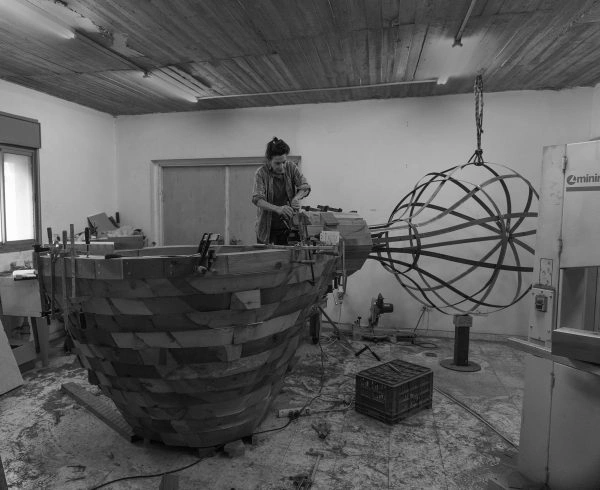
GEMARA: The mishna teaches that if one gave a carpenter a chest, a box, or a cabinet to fix, and he damaged it, the carpenter is liable to pay for the damage. Rav Asi says: The Sages taught that a carpenter is liable to pay damages only in a case where one gave the carpenter a chest, a box, or a cabinet to drive a nail into them, i.e., he gave the carpenter complete vessels to repair, and he drove the nail into them and broke them. But if one gave wood to a carpenter to build a chest, a box, or a cabinet, and he built a chest, a box, or a cabinet from the wood, and before giving it to the owner the carpenter broke them, he is exempt from paying for the damage caused to these vessels, and must pay only for the damage caused to the wood.

מַאי טַעְמָא? אוּמָּן קוֹנֶה בִּשְׁבַח כְּלִי.

What is the reason for this? It is because a craftsman acquires ownership rights through the enhancement of the vessel. The craftsman is considered to have acquired the vessel through his work, which enhances its value, and it remains in his possession until he returns it to the owners. Consequently, if he damages the vessel in any way, he is damaging his own item, and must return only the value of the raw materials to the owners.

תְּנַן: נָתַן לָאוּמָּנִין וְקִלְקְלוּ – חַיָּיבִין לְשַׁלֵּם. מַאי, לָאו דְּיָהֵיב לְהוּ עֵצִים? לָא, שִׁידָּה תֵּיבָה וּמִגְדָּל.

The Gemara attempts to contradict Rav Asi’s statement: We learned in the mishna that if one gave items to craftsmen to fix and they damaged them, they are liable to pay for the damage. What, is it not referring to a case where he gave them wood, and they nevertheless pay the owner the value of a vessel? The Gemara responds: No, it is referring to a case where he gave them a chest, a box, or a cabinet to repair.

הָא מִדְּקָתָנֵי סֵיפָא: שִׁידָּה תֵּיבָה וּמִגְדָּל, מִכְּלָל דְּרֵישָׁא – עֵצִים! אָמְרִי: פָּרוֹשֵׁי קָא מְפָרֵשׁ לַהּ – כֵּיצַד נָתַן לָאוּמָּנִין לְתַקֵּן וְקִלְקְלוּ חַיָּיבִין לְשַׁלֵּם? כְּגוֹן שֶׁנָּתַן לְחָרָשׁ שִׁידָּה תֵּיבָה וּמִגְדָּל.

The Gemara asks: But from the fact that the latter clause of the mishna teaches about a chest, a box, or a cabinet, it may be inferred that the first clause of the mishna is referring to wood. The Sages say in response: The latter clause is explaining the first clause. After stating that the craftsmen are liable to pay damages, the mishna explains: In what case is it so that if one gave items to craftsmen to fix, and they damaged them, they are liable to pay? It is with regard to a case where one gave a carpenter a chest, a box, or a cabinet.

וְהָכִי נָמֵי מִסְתַּבְּרָא – דְּ״כֵיצַד״ קָתָנֵי. דְּאִי סָלְקָא דַעְתָּךְ רֵישָׁא עֵצִים; הַשְׁתָּא אַשְׁמְעִינַן עֵצִים חַיָּיבִין לְשַׁלֵּם – וְלָא אָמְרִינַן אוּמָּן קוֹנֶה בִּשְׁבַח כֵּלִים; שִׁידָּה תֵּיבָה וּמִגְדָּל מִבַּעְיָא?

The Gemara notes: And so too, it is reasonable to say that the latter clause of the mishna teaches in what case the first clause deems them liable, as, if it enters your mind to think that the first clause is referring to a case where he gave wood, one could ask: Now that the mishna told us that if one gave wood, the craftsman is liable to pay the value of a vessel, and we do not say that a craftsman acquires ownership rights through the enhancement of vessels, is it necessary to tell us that if one gave a chest, a box, or a cabinet, the craftsman is liable to pay damages?

אִי מִשּׁוּם הָא – לָא אִירְיָא. תְּנָא סֵיפָא לְגַלּוֹיֵי רֵישָׁא, שֶׁלֹּא תֹּאמַר: רֵישָׁא שִׁידָּה תֵּיבָה וּמִגְדָּל – אֲבָל עֵצִים לָא; תְּנָא סֵיפָא: שִׁידָּה תֵּיבָה וּמִגְדָּל – מִכְּלָל דְּרֵישָׁא עֵצִים, וַאֲפִילּוּ הָכִי חַיָּיב לְשַׁלֵּם.

The Gemara dismisses this proof: If it is due to that reason, i.e., if that is the manner in which the explanation of the mishna is refuted, there is no conclusive argument, because that claim can be refuted by saying that the tanna taught the latter clause to shed light on the first clause, so that you would not say that the first clause is referring to a case where one gave the carpenter a chest, a box, or a cabinet, but had he given wood, the carpenter would not be liable. Therefore, the mishna teaches the case of one who gave a carpenter a chest, a box, or a cabinet in the latter clause, and it follows by inference that the first clause discusses one who gave the carpenter wood, and even so the carpenter is liable to pay damages. It is therefore impossible to prove Rav Asi’s statement from the mishna.

לֵימָא מְסַיַּיע לֵיהּ: הַנּוֹתֵן צֶמֶר לַצַבָּע,

The Gemara suggests: Let us say that a mishna (100b) supports the opinion of Rav Asi: With regard to one who gives wool to a dyer

Today’s daily daf tools:

Delve Deeper

Broaden your understanding of the topics on this daf with classes and podcasts from top women Talmud scholars.

For the Beyond the Daf shiurim offered in Hebrew, see here.

New to Talmud?

Check out our resources designed to help you navigate a page of Talmud – and study at the pace, level and style that fits you. 

The Hadran Women’s Tapestry

Meet the diverse women learning Gemara at Hadran and hear their stories. 

When the new cycle began, I thought, If not now, when? I’d just turned 72. I feel like a tourist on a tour bus passing astonishing scenery each day. Rabbanit Michelle is my beloved tour guide. When the cycle ends, I’ll be 80. I pray that I’ll have strength and mind to continue the journey to glimpse a little more. My grandchildren think having a daf-learning savta is cool!

Wendy Dickstein
Wendy Dickstein

Jerusalem, Israel

When I began learning Daf Yomi at the beginning of the current cycle, I was preparing for an upcoming surgery and thought that learning the Daf would be something positive I could do each day during my recovery, even if I accomplished nothing else. I had no idea what a lifeline learning the Daf would turn out to be in so many ways.

Laura Shechter
Laura Shechter

Lexington, MA, United States

I started learning Daf Yomi inspired by תָּפַסְתָּ מְרוּבֶּה לֹא תָּפַסְתָּ, תָּפַסְתָּ מוּעָט תָּפַסְתָּ. I thought I’d start the first page, and then see. I was swept up into the enthusiasm of the Hadran Siyum, and from there the momentum kept building. Rabbanit Michelle’s shiur gives me an anchor, a connection to an incredible virtual community, and an energy to face whatever the day brings.

Medinah Korn
Medinah Korn

בית שמש, Israel

I started at the beginning of this cycle. No 1 reason, but here’s 5.
In 2019 I read about the upcoming siyum hashas.
There was a sermon at shul about how anyone can learn Talmud.
Talmud references come up when I am studying. I wanted to know more.
Yentl was on telly. Not a great movie but it’s about studying Talmud.
I went to the Hadran website: A new cycle is starting. I’m gonna do this

Denise Neapolitan
Denise Neapolitan

Cambridge, United Kingdom

I was exposed to Talmud in high school, but I was truly inspired after my daughter and I decided to attend the Women’s Siyum Shas in 2020. We knew that this was a historic moment. We were blown away, overcome with emotion at the euphoria of the revolution. Right then, I knew I would continue. My commitment deepened with the every-morning Virtual Beit Midrash on Zoom with R. Michelle.

Adina Hagege
Adina Hagege

Zichron Yaakov, Israel

A friend mentioned that she was starting Daf Yomi in January 2020. I had heard of it and thought, why not? I decided to try it – go day by day and not think about the seven plus year commitment. Fast forward today, over two years in and I can’t imagine my life without Daf Yomi. It’s part of my morning ritual. If I have a busy day ahead of me I set my alarm to get up early to finish the day’s daf
Debbie Fitzerman
Debbie Fitzerman

Ontario, Canada

In early January of 2020, I learned about Siyyum HaShas and Daf Yomi via Tablet Magazine’s brief daily podcast about the Daf. I found it compelling and fascinating. Soon I discovered Hadran; since then I have learned the Daf daily with Rabbanit Michelle Cohen Farber. The Daf has permeated my every hour, and has transformed and magnified my place within the Jewish Universe.

Lisa Berkelhammer
Lisa Berkelhammer

San Francisco, CA , United States

My family recently made Aliyah, because we believe the next chapter in the story of the Jewish people is being written here, and we want to be a part of it. Daf Yomi, on the other hand, connects me BACK, to those who wrote earlier chapters thousands of years ago. So, I feel like I’m living in the middle of this epic story. I’m learning how it all began, and looking ahead to see where it goes!
Tina Lamm
Tina Lamm

Jerusalem, Israel

Robin Zeiger
Robin Zeiger

Tel Aviv, Israel

In my Shana bet at Migdal Oz I attended the Hadran siyum hash”as. Witnessing so many women so passionate about their Torah learning and connection to God, I knew I had to begin with the coming cycle. My wedding (June 24) was two weeks before the siyum of mesechet yoma so I went a little ahead and was able to make a speech and siyum at my kiseh kallah on my wedding day!

Sharona Guggenheim Plumb

Givat Shmuel, Israel

I learned Talmud as a student in Yeshivat Ramaz and felt at the time that Talmud wasn’t for me. After reading Ilana Kurshan’s book I was intrigued and after watching the great siyum in Yerushalayim it ignited the spark to begin this journey. It has been a transformative life experience for me as a wife, mother, Savta and member of Klal Yisrael.
Elana Storch
Elana Storch

Phoenix, Arizona, United States

At almost 70 I am just beginning my journey with Talmud and Hadran. I began not late, but right when I was called to learn. It is never too late to begin! The understanding patience of staff and participants with more experience and knowledge has been fabulous. The joy of learning never stops and for me. It is a new life, a new light, a new depth of love of The Holy One, Blessed be He.
Deborah Hoffman-Wade

Richmond, CA, United States

I started learning daf yomi at the beginning of this cycle. As the pandemic evolved, it’s been so helpful to me to have this discipline every morning to listen to the daf podcast after I’ve read the daf; learning about the relationships between the rabbis and the ways they were constructing our Jewish religion after the destruction of the Temple. I’m grateful to be on this journey!

Mona Fishbane
Mona Fishbane

Teaneck NJ, United States

After all the hype on the 2020 siyum I became inspired by a friend to begin learning as the new cycle began.with no background in studying Talmud it was a bit daunting in the beginning. my husband began at the same time so we decided to study on shabbat together. The reaction from my 3 daughters has been fantastic. They are very proud. It’s been a great challenge for my brain which is so healthy!

Stacey Goodstein Ashtamker

Modi’in, Israel

I went to day school in Toronto but really began to learn when I attended Brovenders back in the early 1980’s. Last year after talking to my sister who was learning Daf Yomi, inspired, I looked on the computer and the Hadran site came up. I have been listening to each days shiur in the morning as I work. I emphasis listening since I am not sitting with a Gamara. I listen while I work in my studio.

Rachel Rotenberg
Rachel Rotenberg

Tekoa, Israel

I started learning at the beginning of this Daf Yomi cycle because I heard a lot about the previous cycle coming to an end and thought it would be a good thing to start doing. My husband had already bought several of the Koren Talmud Bavli books and they were just sitting on the shelf, not being used, so here was an opportunity to start using them and find out exactly what was in them. Loving it!

Caroline Levison
Caroline Levison

Borehamwood, United Kingdom

I graduated college in December 2019 and received a set of shas as a present from my husband. With my long time dream of learning daf yomi, I had no idea that a new cycle was beginning just one month later, in January 2020. I have been learning the daf ever since with Michelle Farber… Through grad school, my first job, my first baby, and all the other incredible journeys over the past few years!
Sigal Spitzer Flamholz

Bronx, United States

I had tried to start after being inspired by the hadran siyum, but did not manage to stick to it. However, just before masechet taanit, our rav wrote a message to the shul WhatsApp encouraging people to start with masechet taanit, so I did! And this time, I’m hooked! I listen to the shiur every day , and am also trying to improve my skills.

Laura Major
Laura Major

Yad Binyamin, Israel

In January 2020, my chevruta suggested that we “up our game. Let’s do Daf Yomi” – and she sent me the Hadran link. I lost my job (and went freelance), there was a pandemic, and I am still opening the podcast with my breakfast coffee, or after Shabbat with popcorn. My Aramaic is improving. I will need a new bookcase, though.

Rhondda May
Rhondda May

Atlanta, Georgia, United States

Studying has changed my life view on הלכה and יהדות and time. It has taught me bonudaries of the human nature and honesty of our sages in their discourse to try and build a nation of caring people .

Goldie Gilad
Goldie Gilad

Kfar Saba, Israel

Bava Kamma 98

וְאִי מֵחֲמַת תַּרְעָא זִיל – לָא מְנַכֵּינַן לֵיהּ.

And if the produce decreased in price due to the market value, the debt is not reduced for him.

וְהָא קָא שָׁבַח לְעִנְיַן נְסָכָא! אֶלָּא כִּי הָא דְּרַב פָּפָּא וְרַב הוּנָא בְּרֵיהּ דְּרַב יְהוֹשֻׁעַ עָבְדִי עוֹבָדָא בְּזוּזֵי דַּאֲגַרְדְּמִיס טַיָּיעָא, עַד עֲשָׂרָה בִּתְמָנְיָא.

The Gemara challenges: But the value of the coin has been enhanced for the purpose of melting it down into a bar of metal. Since this coin now contains a larger quantity of metal, if it were to be melted it would be worth more than an earlier coin of the same type, so it should be considered interest. Rather, in this case one must act in accordance with how Rav Pappa and Rav Huna, son of Rav Yehoshua, acted when they performed an action with the dinars of Agardamis the Arab merchant [tayya’a]: They considered up to ten old coins to be the equivalent of eight new coins. Since ten old coins were equivalent in value to eight new coins, they paid eight new coins in exchange for ten old ones.

אָמַר רַבָּה: הַזּוֹרֵק מַטְבֵּעַ שֶׁל חֲבֵירוֹ לַיָּם הַגָּדוֹל – פָּטוּר. מַאי טַעְמָא? אָמַר: הָא מַנַּח קַמָּךְ, אִי בָּעֵית שִׁקְלֵיהּ. וְהָנֵי מִילֵּי בִּצְלוּלִין – דְּקָא חָזֵי לֵיהּ, אֲבָל עֲכוּרִין – דְּלָא קָחָזֵי לֵיהּ, לָא. וְהָנֵי מִילֵּי דְּאַדְּיֵיהּ אַדּוֹיֵי, אֲבָל שַׁקְלֵיהּ בִּידֵיהּ – מִיגְזָל גַּזְלֵיהּ; הֲשָׁבָה בָּעֵי מֶיעְבַּד.

§ Rabba says: One who throws another’s coin into the Great Sea is exempt from liability. What is the reason for this? He can say: The coin is resting before you; if you wish, take it. The Gemara comments: And this statement applies only if the coin is in translucent water, where the owner of the coin can see the coin, but in turbid water, where he cannot see the coin, it does not apply, and the one that threw it will be liable to compensate the owner. And this statement applies only when he rolled the coin into the sea without picking it up, but if he took the coin with his hands and threw it into the sea, he has robbed the owner of it, and the robber is required to perform the mitzva of returning the coin to its owner.

מֵתִיב רָבָא: אֵין מְחַלְּלִין עַל מָעוֹת שֶׁאֵינָן בִּרְשׁוּתוֹ. כֵּיצַד? הָיוּ לוֹ מָעוֹת בְּקַסְטְרָא אוֹ בְּהַר הַמֶּלֶךְ, אוֹ שֶׁנָּפַל כִּיסוֹ לַיָּם הַגָּדוֹל – אֵין מְחַלְּלִין! אָמַר רַבָּה: שָׁאנֵי לְעִנְיַן מַעֲשֵׂר, דְּבָעֵינַן מָצוּי בְּיָדְךָ; דְּרַחֲמָנָא אָמַר: ״וְצַרְתָּ הַכֶּסֶף בְּיָדְךָ״, וְלֵיכָּא.

Rava raises an objection to the statement of Rabba from a baraita (Tosefta, Ma’aser Sheni 1:6): One cannot desacralize second tithe by transferring its sanctity onto money that is not in his possession. How so? If he had money in a fortress [kastera], or in the King’s Mountain [Har HaMelekh], or if his purse fell into the Great Sea, one may not desacralize second tithe by transferring its sanctity onto that money. This indicates that money that fell into the Great Sea is considered lost. Rabba said: This is not difficult; it is different with regard to second tithe, since it is necessary that the money be found in the hand of the one who wishes to desacralize the tithe, as the Merciful One states in the Torah: “Then you shall turn it into money, and bind up the money in your hand, and shall go to the place that the Lord your God shall choose” (Deuteronomy 14:25), and if it is in the Great Sea, it is not in his hand, but nevertheless it is not considered lost.

וְאָמַר רַבָּה: הַשָּׁף מַטְבֵּעַ שֶׁל חֲבֵירוֹ – פָּטוּר. מַאי טַעְמָא? דְּהָא לָא עֲבַד וְלָא מִידֵּי. וְהָנֵי מִילֵּי דְּמַחְיֵיהּ בְּקוּרְנָסָא וְטַרְשֵׁיהּ, אֲבָל שַׁיְיפֵהּ בְּשׁוֹפִינָא – חַסּוֹרֵי חַסְּרֵיהּ.

And Rabba also says: One who effaces the image of another’s coin is exempt from paying damages, even though he caused the coin to lose value. What is the reason for this? As he did not do anything, the coin remains the same size as before. The Gemara comments: And this statement applies only in a case where he struck it with a hammer [kurnesa] and flattened it; but if he filed it with a file [shofina] he must pay the amount of the reduction in value, since he caused it to diminish in size.

מֵתִיב רָבָא: הִכָּהוּ עַל עֵינוֹ וְסִמְּאָהּ, עַל אׇזְנוֹ (וְחֵרְשׁוֹ) [וְחֵרְשָׁהּ] – עֶבֶד יוֹצֵא בָּהֶן לְחֵירוּת. כְּנֶגֶד עֵינוֹ וְאֵינוֹ רוֹאֶה, כְּנֶגֶד אׇזְנוֹ וְאֵינוֹ שׁוֹמֵע –ַ אֵין עֶבֶד יוֹצֵא בָּהֶן לְחֵירוּת.

Rava raises an objection to the statement of Rabba from a baraita (Tosefta 9:26): If a master struck his slave on his eye and blinded it, or on his ear and deafened it, the slave is emancipated by means of these injuries. If he struck the slave near his eye and as a result he does not see, or near his ear and he does not hear, the slave is not emancipated by means of these injuries. The first clause indicates that one is liable for damage caused even if it is not visible damage.

רַבָּה לְטַעְמֵיהּ, דְּאָמַר רַבָּה: חֵרְשׁוֹ לְאָבִיו – נֶהֱרָג; שֶׁאִי אֶפְשָׁר לַחֲרִישָׁה בְּלֹא חַבּוּרָה, דְּטִפְּתָא דִּדְמָא נְפַלַת לֵיהּ בְּאוּנֵּיהּ.

The Gemara responds: Rabba conforms to his standard line of reasoning, as Rabba says: One who deafens his father is put to death, even though no bruise is visible, because it is impossible for deafening to occur without a bruise, as it is certain that a drop of blood fell into his ear from the blow, even if it is not visible from the outside. Striking someone in the ear in a manner that causes deafness results in a significant physical change, while striking a coin with a hammer does not detract from the actual size of the coin.

וְאָמַר רַבָּה: הַצּוֹרֵם אוֹזֶן פָּרָתוֹ שֶׁל חֲבֵירוֹ – פָּטוּר. מַאי טַעְמָא? פָּרָה כִּדְקָיְימָא קָיְימָא, דְּלָא עֲבַד וְלָא מִידֵּי; וְכוּלְּהוּ שְׁווֹרִים לָאו לְגַבֵּי מִזְבֵּחַ קָיְימִי.

And Rabba also says: One who slits the ear of another’s cow is exempt from paying damages, even though this cow is no longer fit to be sacrificed as an offering due to the injury. What is the reason for this? As the cow was available for many uses until now, so it is still available for those uses now, since the one who slit its ear did not do anything to damage the cow in a substantial way. And concerning the fact that it is rendered disqualified from being sacrificed as an offering, not all oxen stand near the altar, i.e., most animals are not sacrificed as offerings anyway, so it is not considered a loss.

מֵתִיב רָבָא: הָעוֹשֶׂה מְלָאכָה בְּמֵי חַטָּאת וּבְפָרַת חַטָּאת – פָּטוּר מִדִּינֵי אָדָם, וְחַיָּיב בְּדִינֵי שָׁמַיִם. מְלָאכָה הוּא דְּלָא מִינְּכַר הֶיזֵּיקַהּ; אֲבָל צוֹרֵם – דְּמִינְּכַר הֶיזֵּיקַהּ, הָכִי נָמֵי דִּמְחַיֵּיב בְּדִינֵי אָדָם!

Rava raises an objection from a baraita: One who performs a task with the water of purification, i.e., the water that is mixed with the ashes of the red heifer and sprinkled upon one who has become impure as part of the purification ritual, or with the red heifer of purification, whose ashes are mixed with springwater and sprinkled on those who have contracted impurity imparted by a corpse on the third and seventh days of their impurity, is exempt according to human laws, since he has not caused any discernible damage, but is liable according to the laws of Heaven. It may be inferred from here that one is exempt from liability according to human laws only if he performed a task with those items, since the damage that he caused is not evident, but in the case of one who slits the ear, where the damage is evident, he is indeed liable according to human laws.

אָמְרִי: הוּא הַדִּין דַּאֲפִילּוּ צוֹרֵם פָּטוּר, וְהָא קָא מַשְׁמַע לַן – דַּאֲפִילּוּ מְלָאכָה דְּלָא מִינְּכַר הֶיזֵּיקַהּ, חַיָּיב בְּדִינֵי שָׁמַיִם.

The Sages say in response: The same is true that even one who slits the ear is exempt according to human laws, and the baraita that specified cases where the damage is not evident teaches us this: That even one who performs a task with the water of purification or the red heifer, where the damage is not evident, is liable according to the laws of Heaven.

וְאָמַר רַבָּה: הַשּׂוֹרֵף שְׁטָרוֹ שֶׁל חֲבֵירוֹ – פָּטוּר. דַּאֲמַר לֵיהּ: נְיָירָא קְלַאי מִינָּךְ. מַתְקֵיף לַהּ רָמֵי בַּר חָמָא: הֵיכִי דָּמֵי?

And Rabba also says: One who burns another’s promissory note is exempt, as the one who burned it can say to him: I have burned only your paper, and he is not held liable for the fact that the creditor will no longer be able to prove that he had provided the loan. Rami bar Ḥama objects to this: What are the circumstances?

אִי דְּאִיכָּא סָהֲדִי דְּיָדְעִי מַאי הֲוָה בִּשְׁטָרָא, לִיכְתְּבוּ לֵיהּ שְׁטָרָא מְעַלְּיָא! וְאִי דְּלֵיכָּא סָהֲדִי, אֲנַן מְנָא יָדְעִינַן? אָמַר רָבָא: תְּהֵא בְּמַאֲמִינוֹ.

If there are witnesses who know what was written in the promissory note, they should write a new, proper, promissory note for him, and there will not be any loss. And if there are no witnesses, how do we know what was written in the promissory note in order to assess liability? Rava says: Let it refer to a case where the one who burned the promissory note trusts the creditor with regard to the details of the promissory note. Despite the concession of the one who burned the promissory note with regard to the amount of the debt, Rabba holds that he is exempt, since the value of the debt is not inherent in the actual paper.

אָמַר רַב דִּימִי בַּר חֲנִינָא: הָא דְּרַבָּה – מַחֲלוֹקֶת רַבִּי שִׁמְעוֹן וְרַבָּנַן הִיא. לְרַבִּי שִׁמְעוֹן דְּאָמַר דָּבָר הַגּוֹרֵם לְמָמוֹן כְּמָמוֹן דָּמֵי – מְחַיֵּיב; לְרַבָּנַן דְּאָמְרִי דָּבָר הַגּוֹרֵם לְמָמוֹן לָאו כְּמָמוֹן דָּמֵי – לָא מְחַיֵּיב.

Rav Dimi bar Ḥanina said: This statement of Rabba is the subject of a dispute between Rabbi Shimon and the Rabbis. According to the opinion of Rabbi Shimon, who says that an item that causes financial loss is considered to have monetary value, the one who burned the promissory note is liable. According to the opinion of the Rabbis, who say that an item that causes financial loss is not considered to have monetary value, he is not liable. Rabba holds in accordance with the Rabbis, and therefore rules that one who burns a promissory note is exempt from liability.

מַתְקֵיף לַהּ רַב הוּנָא בְּרֵיהּ דְּרַב יְהוֹשֻׁעַ: אֵימַר דְּשָׁמְעַתְּ לֵיהּ לְרַבִּי שִׁמְעוֹן דָּבָר הַגּוֹרֵם לְמָמוֹן כְּמָמוֹן דָּמֵי – בְּדָבָר שֶׁעִיקָּרוֹ מָמוֹן, כִּדְרַבָּה; דְּאָמַר רַבָּה: גָּזַל חָמֵץ לִפְנֵי הַפֶּסַח, וּבָא אַחֵר וּשְׂרָפוֹ בַּמּוֹעֵד – פָּטוּר, שֶׁהַכֹּל מְצֻוִּוים עָלָיו לְבַעֲרוֹ. לְאַחַר הַפֶּסַח – מַחְלוֹקֶת רַבִּי שִׁמְעוֹן וְרַבָּנַן;

Rav Huna, son of Rav Yehoshua, objects to this: Say that you heard the opinion of Rabbi Shimon, that an item that causes financial loss is considered to have monetary value, with regard to a case where he damaged an item that has intrinsic monetary value, in accordance with the statement of Rabba. As Rabba says: If one robbed another of leavened bread before Passover, and another came and burned it during the festival of Passover, when the leavened bread had already become forbidden, the one who burned it is exempt from paying the robber, as all are commanded to destroy the leavened bread, and he therefore performed a mitzva. If he burned it after Passover, that is the matter of dispute between Rabbi Shimon and the Rabbis.

לְרַבִּי שִׁמְעוֹן דְּאָמַר דָּבָר הַגּוֹרֵם לְמָמוֹן כְּמָמוֹן דָּמֵי – חַיָּיב, לְרַבָּנַן דְּאָמְרִי דָּבָר הַגּוֹרֵם לְמָמוֹן לָאו כְּמָמוֹן דָּמֵי – פָּטוּר. בְּדָבָר שֶׁאֵין עִיקָּרוֹ מָמוֹן מִי אָמְרִינַן?

Rav Huna, son of Rav Yehoshua, explains: According to the opinion of Rabbi Shimon, who says that an item that causes financial loss is considered to have monetary value, the one who burned it is liable, and he must pay the robber. Although it is prohibited to derive benefit from leavened bread, the robber could have returned it to the victim and been exempt from liability. Now that it has been burned, the robber will have to pay the monetary value of the leavened bread at the time of the theft. According to the opinion of the Rabbis, who say that an item that causes financial loss is not considered to have monetary value, he is exempt. But with regard to an item such as a promissory note, which has no intrinsic monetary value, do we say that in Rabbi Shimon’s opinion it too is considered to have monetary value?

אָמַר אַמֵּימָר: מַאן דְּדָאֵין דִּינָא דְּגַרְמֵי – מַגְבֵּי בֵּיהּ דְּמֵי שְׁטָרָא מְעַלְּיָא, וּמַאן דְּלָא דָּאֵין דִּינָא דְּגַרְמֵי – מַגְבֵּי בֵּיהּ דְּמֵי נְיָירָא בְּעָלְמָא. הֲוָה עוֹבָדָא וְכַפְיֵיהּ רַפְרָם לְרַב אָשֵׁי, וְאַגְבִּי בֵּיהּ כִּי כְּשׁוּרָא לְצַלְמָא.

The Gemara cites a ruling for the case where one burns the promissory note of another. Ameimar said: The one who rules that there is liability for damage caused by indirect action collects, in this case, the value of a proper promissory note, i.e., the amount of the debt, from the one who burned the promissory note. The one who rules that there is no liability for damage caused by indirect action collects, in this case, merely the value of the paper. The Gemara relates that there was an incident like this one, and Rafram forced Rav Ashi, who had burned a document in his youth, to pay damages, and he collected payment, in this case, as if he had damaged a beam used for crafting a sculpture, i.e., he paid him the value of the debt listed in the promissory note.

חָמֵץ וְעָבַר עָלָיו הַפֶּסַח – אוֹמֵר לוֹ: ״הֲרֵי שֶׁלְּךָ לְפָנֶיךָ״. מַאן תַּנָּא אוֹמְרִין בְּאִיסּוּרֵי הֲנָאָה ״הֲרֵי שֶׁלְּךָ לְפָנֶיךָ״? אָמַר רַב חִסְדָּא: רַבִּי יַעֲקֹב הִיא. דְּתַנְיָא: שׁוֹר שֶׁהֵמִית; עַד שֶׁלֹּא נִגְמַר דִּינוֹ – מְכָרוֹ מָכוּר, הִקְדִּישׁוֹ מוּקְדָּשׁ, שְׁחָטוֹ – בְּשָׂרוֹ מוּתָּר, הֶחְזִירוֹ שׁוֹמֵר לִבְעָלָיו – מוּחְזָר.

§ The mishna teaches that if one robbed another of leavened bread, and Passover elapsed over it, and it is therefore prohibited to derive benefit from it, the robber says to his victim: That which is yours is before you. The Gemara asks: Who is the tanna who taught that with regard to items from which benefit is forbidden one says: That which is yours is before you? Rav Ḥisda said: It is the opinion of Rabbi Ya’akov, as it is taught in a baraita (Tosefta 5:4): If there was an ox that killed a person and is consequently liable to be stoned, and before the court sentenced it the owner sold the ox, the sale is valid; if he consecrated it, the consecration is valid; if he slaughtered it, its flesh is permitted; if a bailee returned it to its owner, it is returned.

מִשֶּׁנִּגְמַר דִּינוֹ – מְכָרוֹ אֵינוֹ מָכוּר, הִקְדִּישׁוֹ אֵינוֹ מוּקְדָּשׁ, שְׁחָטוֹ – בְּשָׂרוֹ אָסוּר, הֶחְזִירוֹ שׁוֹמֵר לִבְעָלָיו – אֵינוֹ מוּחְזָר. רַבִּי יַעֲקֹב אוֹמֵר: אַף מִשֶּׁנִּגְמַר דִּינוֹ, הֶחְזִירוֹ שׁוֹמֵר לִבְעָלָיו – מוּחְזָר.

The baraita continues: By contrast, from when it was sentenced to be stoned it is prohibited to derive benefit from it, and if the owner sold it, the sale is not valid; if he consecrated it, the consecration is not valid; if he slaughtered it, its flesh is forbidden; if a bailee returned it to its owner, it is not returned, as once it is prohibited to derive benefit from it, the ox is worthless. Rabbi Ya’akov says: Even after it was sentenced, if a bailee returned it to its owner, it is returned.

מַאי, לָאו בְּהָא קָמִיפַּלְגִי – דְּרַבִּי יַעֲקֹב סָבַר: אוֹמְרִין בְּאִיסּוּרֵי הֲנָאָה ״הֲרֵי שֶׁלְּךָ לְפָנֶיךָ״, וְרַבָּנַן סָבְרִי: אֵין אוֹמְרִין בְּאִיסּוּרֵי הֲנָאָה ״הֲרֵי שֶׁלְּךָ לְפָנֶיךָ״?

Rav Ḥisda completes his analysis: What, is it not that they disagree about this issue, that Rabbi Ya’akov holds that with regard to items from which benefit is forbidden one can say: That which is yours is before you, and the Rabbis hold that with regard to items from which benefit is forbidden one cannot say: That which is yours is before you?

אֲמַר לֵיהּ רַבָּה: לָא, דְּכוּלֵּי עָלְמָא אָמְרִינַן בְּאִיסּוּרֵי הֲנָאָה ״הֲרֵי שֶׁלְּךָ לְפָנֶיךָ״; דְּאִם כֵּן, נִפְלְגוּ בְּחָמֵץ בַּפֶּסַח. אֶלָּא אָמַר רַבָּה: הָכָא בְּגוֹמְרִין דִּינוֹ שֶׁל שׁוֹר שֶׁלֹּא בְּפָנָיו קָא מִיפַּלְגִי –

Rabba said to him in response: No. It may be that everyone agrees that with regard to items from which benefit is forbidden one can say: That which is yours is before you, and the ruling of the mishna is also in accordance with the opinion of the Rabbis. As if so, i.e., if it were true that the dispute in the baraita between the Rabbis and Rabbi Ya’akov concerns the general question of returning an item from which benefit is forbidden, they should disagree with regard to the case of leavened bread on Passover and whether it can be returned as is, since this is a clear case of an item from which benefit is forbidden. Rather, Rabba said: Here, in the baraita, they disagree with regard to a different issue: Can an ox be sentenced in its absence?

רַבָּנַן סָבְרִי: אֵין גּוֹמְרִין דִּינוֹ שֶׁל שׁוֹר שֶׁלֹּא בְּפָנָיו, דַּאֲמַר לֵיהּ: אִי אַיְיתִיתֵיהּ נִיהֲלַיה – הֲוָה מַעְרֵיקְנָא לֵיהּ לְאַגְמָא, הַשְׁתָּא מְסַרְתֵּיהּ בְּיַד מַאן דְּלָא מָצֵינָא לְאִישְׁתַּעוֹיֵי דִּינָא בַּהֲדֵיהּ! וְרַבִּי יַעֲקֹב סָבַר: גּוֹמְרִין דִּינוֹ שֶׁל שׁוֹר שֶׁלֹּא בְּפָנָיו, דַּאֲמַר לֵיהּ: מַאי עֲבַדִי לֵיהּ? סוֹף סוֹף הֲוָה גָּמְרִי לֵיהּ (דִּינָא) [לְדִינֵיהּ] שֶׁלֹּא בְּפָנָיו.

Rabba explains the dispute: The Rabbis hold that an ox may not be sentenced in its absence, and therefore the bailee is liable to pay. The reason is that when the ox is returned after its sentencing, the owner may say to the bailee: Had you brought the ox to me before sentencing, I would have chased it away into the marsh, preventing the sentencing from taking place. Now, since you did not return it to me before it was given to the court, you have given it to one with whom I cannot litigate, as the court was sure to sentence it. Therefore you must pay me and not return the ox. And Rabbi Ya’akov holds that an ox may be sentenced even in its absence, and the claim of the owner of the ox is not accepted. The reason is that the bailee may say to the owner in response: What did I do to the ox? Ultimately it would have been sentenced in its absence and rendered forbidden.

אַשְׁכְּחֵיהּ רַב חִסְדָּא לְרַבָּה בַּר שְׁמוּאֵל, אֲמַר לֵיהּ: תְּנֵית מִידֵּי בְּאִיסּוּרֵי הֲנָאָה? אֲמַר לֵיהּ: אִין, תְּנֵינָא: ״וְהֵשִׁיב אֶת הַגְּזֵלָה״; מָה תַּלְמוּד לוֹמַר ״אֲשֶׁר גָּזַל״? יַחֲזִיר כְּעֵין שֶׁגָּזַל.

The Gemara relates an incident: Rav Ḥisda, who stated that the mishna is in accordance with the opinion of Rabbi Ya’akov and not the Rabbis, found Rabba bar Shmuel and said to him: Did you learn anything with regard to the halakhot of returning stolen items from which benefit is forbidden? Rabba bar Shmuel said to him: Yes, we learned a baraita: The verse states: “Then it shall be, if he has sinned, and is guilty, that he shall restore the item that he robbed” (Leviticus 5:23). What is the meaning when the verse states: “That he robbed”? It means that the robber must return the same item that he robbed.

מִכָּאן אָמְרוּ: גָּזַל מַטְבֵּעַ וְנִפְסַל, פֵּירוֹת וְהִרְקִיבוּ, יַיִן וְהֶחְמִיץ, תְּרוּמָה וְנִטְמֵאת, חָמֵץ וְעָבַר עָלָיו הַפֶּסַח, בְּהֵמָה וְנֶעֶבְדָה בָּהּ עֲבֵירָה, וְשׁוֹר עַד שֶׁלֹּא נִגְמַר דִּינוֹ – אוֹמֵר לוֹ: ״הֲרֵי שֶׁלְּךָ לְפָנֶיךָ״.

The baraita continues: From here the Sages stated that if one robbed another of a coin and it was invalidated, or of produce and it rotted, or of wine and it fermented, or of teruma and it became ritually impure, or of leavened bread and Passover elapsed over it, or of an animal and a sin was performed with it, or of an ox that had not been sentenced, he can say to the robbery victim: That which is yours is before you.

מַאן שָׁמְעַתְּ לֵיהּ דְּאָמַר: עַד שֶׁלֹּא נִגְמַר דִּינוֹ – אִין, מִשֶּׁנִּגְמַר דִּינוֹ – לָא? רַבָּנַן; וְקָתָנֵי: חָמֵץ וְעָבַר עָלָיו הַפֶּסַח – אוֹמֵר לוֹ ״הֲרֵי שֶׁלְּךָ לְפָנֶיךָ״! אֲמַר לֵיהּ: אִי מַשְׁכַּחַתְּ לְהוּ, לָא תֵּימָא לְהוּ וְלָא מִידֵּי.

The Gemara notes: Who did you hear say that before the ox was sentenced it can be returned, but after it was sentenced it cannot? It is the Rabbis, who disagree with Rabbi Ya’akov in the baraita; and this baraita teaches that if one robbed another of leavened bread and Passover elapsed over it, he can say to the robbery victim: That which is yours is before you. This disproves the analysis of Rav Ḥisda, as even the Rabbis agree that an item from which benefit is forbidden is returned as is. Rav Ḥisda said to Rabba bar Shmuel: If you find the Sages, do not say anything to them, i.e., do not publicize that I erred.

פֵּירוֹת וְהִרְקִיבוּ – אוֹמֵר לוֹ: ״הֲרֵי שֶׁלְּךָ לְפָנֶיךָ״. וְהָתְנַן: פֵּירוֹת וְהִרְקִיבוּ – מְשַׁלֵּם כִּשְׁעַת הַגְּזֵילָה! אָמַר רַב פָּפָּא: כָּאן שֶׁהִרְקִיבוּ כּוּלָּן, כָּאן שֶׁהִרְקִיבוּ מִקְצָתָן.

§ The Gemara discusses the baraita, which states that if one robbed another of produce and it rotted, he can say to the robbery victim: That which is yours is before you. The Gemara asks: But didn’t we learn in the mishna (96b): If one robbed another of produce and it rotted, he pays compensation according to the value of the stolen item at the time of the robbery? Rav Pappa said: Here, the mishna is referring to a case where the stolen produce all rotted, which constitutes a significant change. The robber acquires the produce and must pay what its value was at the time of the robbery. There, the baraita is referring to a case where part of the stolen produce rotted. In such a case the robber may return it and say: That which is yours is before you.

מַתְנִי׳ נָתַן לָאוּמָּנִין לְתַקֵּן, וְקִלְקְלוּ – חַיָּיבִין לְשַׁלֵּם. נָתַן לְחָרָשׁ שִׁידָּה תֵּיבָה וּמִגְדָּל לְתַקֵּן, וְקִלְקֵל – חַיָּיב לְשַׁלֵּם. וְהַבַּנַּאי שֶׁקִּיבֵּל עָלָיו לִסְתּוֹר אֶת הַכּוֹתֶל, וְשִׁיבֵּר הָאֲבָנִים אוֹ שֶׁהִזִּיקָן – חַיָּיב לְשַׁלֵּם. הָיָה סוֹתֵר מִצַּד זֶה וְנָפַל מִצַּד אַחֵר – פָּטוּר; וְאִם מֵחֲמַת הַמַּכָּה – חַיָּיב.

MISHNA: If one gave items to craftsmen to fix and they damaged them, the craftsmen are liable to pay for the damage. For example, if one gave a chest, a box, or a cabinet to a carpenter to fix, and he damaged it, he is liable to pay. And a builder who committed to demolish a wall and while demolishing it he broke the stones, or who damaged them, is liable to pay. If he was demolishing on this side of the wall, and the wall fell from another side and caused damage, he is exempt from liability. But if a stone fell and caused damage due to the force of the blow, he is liable.

גְּמָ׳ אָמַר רַב אַסִּי: לֹא שָׁנוּ אֶלָּא שֶׁנָּתַן לְחָרָשׁ שִׁידָּה תֵּיבָה וּמִגְדָּל – לִנְעֹץ בָּהֶן מַסְמֵר, וְנָעַץ בָּהֶן מַסְמֵר וְשִׁיבְּרָן; אֲבָל נָתַן לְחָרָשׁ עֵצִים לַעֲשׂוֹת שִׁידָּה תֵּיבָה וּמִגְדָּל, וְעָשָׂה מֵהֶן שִׁידָּה תֵּיבָה וּמִגְדָּל וְשִׁיבְּרָן – פָּטוּר.

GEMARA: The mishna teaches that if one gave a carpenter a chest, a box, or a cabinet to fix, and he damaged it, the carpenter is liable to pay for the damage. Rav Asi says: The Sages taught that a carpenter is liable to pay damages only in a case where one gave the carpenter a chest, a box, or a cabinet to drive a nail into them, i.e., he gave the carpenter complete vessels to repair, and he drove the nail into them and broke them. But if one gave wood to a carpenter to build a chest, a box, or a cabinet, and he built a chest, a box, or a cabinet from the wood, and before giving it to the owner the carpenter broke them, he is exempt from paying for the damage caused to these vessels, and must pay only for the damage caused to the wood.

מַאי טַעְמָא? אוּמָּן קוֹנֶה בִּשְׁבַח כְּלִי.

What is the reason for this? It is because a craftsman acquires ownership rights through the enhancement of the vessel. The craftsman is considered to have acquired the vessel through his work, which enhances its value, and it remains in his possession until he returns it to the owners. Consequently, if he damages the vessel in any way, he is damaging his own item, and must return only the value of the raw materials to the owners.

תְּנַן: נָתַן לָאוּמָּנִין וְקִלְקְלוּ – חַיָּיבִין לְשַׁלֵּם. מַאי, לָאו דְּיָהֵיב לְהוּ עֵצִים? לָא, שִׁידָּה תֵּיבָה וּמִגְדָּל.

The Gemara attempts to contradict Rav Asi’s statement: We learned in the mishna that if one gave items to craftsmen to fix and they damaged them, they are liable to pay for the damage. What, is it not referring to a case where he gave them wood, and they nevertheless pay the owner the value of a vessel? The Gemara responds: No, it is referring to a case where he gave them a chest, a box, or a cabinet to repair.

הָא מִדְּקָתָנֵי סֵיפָא: שִׁידָּה תֵּיבָה וּמִגְדָּל, מִכְּלָל דְּרֵישָׁא – עֵצִים! אָמְרִי: פָּרוֹשֵׁי קָא מְפָרֵשׁ לַהּ – כֵּיצַד נָתַן לָאוּמָּנִין לְתַקֵּן וְקִלְקְלוּ חַיָּיבִין לְשַׁלֵּם? כְּגוֹן שֶׁנָּתַן לְחָרָשׁ שִׁידָּה תֵּיבָה וּמִגְדָּל.

The Gemara asks: But from the fact that the latter clause of the mishna teaches about a chest, a box, or a cabinet, it may be inferred that the first clause of the mishna is referring to wood. The Sages say in response: The latter clause is explaining the first clause. After stating that the craftsmen are liable to pay damages, the mishna explains: In what case is it so that if one gave items to craftsmen to fix, and they damaged them, they are liable to pay? It is with regard to a case where one gave a carpenter a chest, a box, or a cabinet.

וְהָכִי נָמֵי מִסְתַּבְּרָא – דְּ״כֵיצַד״ קָתָנֵי. דְּאִי סָלְקָא דַעְתָּךְ רֵישָׁא עֵצִים; הַשְׁתָּא אַשְׁמְעִינַן עֵצִים חַיָּיבִין לְשַׁלֵּם – וְלָא אָמְרִינַן אוּמָּן קוֹנֶה בִּשְׁבַח כֵּלִים; שִׁידָּה תֵּיבָה וּמִגְדָּל מִבַּעְיָא?

The Gemara notes: And so too, it is reasonable to say that the latter clause of the mishna teaches in what case the first clause deems them liable, as, if it enters your mind to think that the first clause is referring to a case where he gave wood, one could ask: Now that the mishna told us that if one gave wood, the craftsman is liable to pay the value of a vessel, and we do not say that a craftsman acquires ownership rights through the enhancement of vessels, is it necessary to tell us that if one gave a chest, a box, or a cabinet, the craftsman is liable to pay damages?

אִי מִשּׁוּם הָא – לָא אִירְיָא. תְּנָא סֵיפָא לְגַלּוֹיֵי רֵישָׁא, שֶׁלֹּא תֹּאמַר: רֵישָׁא שִׁידָּה תֵּיבָה וּמִגְדָּל – אֲבָל עֵצִים לָא; תְּנָא סֵיפָא: שִׁידָּה תֵּיבָה וּמִגְדָּל – מִכְּלָל דְּרֵישָׁא עֵצִים, וַאֲפִילּוּ הָכִי חַיָּיב לְשַׁלֵּם.

The Gemara dismisses this proof: If it is due to that reason, i.e., if that is the manner in which the explanation of the mishna is refuted, there is no conclusive argument, because that claim can be refuted by saying that the tanna taught the latter clause to shed light on the first clause, so that you would not say that the first clause is referring to a case where one gave the carpenter a chest, a box, or a cabinet, but had he given wood, the carpenter would not be liable. Therefore, the mishna teaches the case of one who gave a carpenter a chest, a box, or a cabinet in the latter clause, and it follows by inference that the first clause discusses one who gave the carpenter wood, and even so the carpenter is liable to pay damages. It is therefore impossible to prove Rav Asi’s statement from the mishna.

לֵימָא מְסַיַּיע לֵיהּ: הַנּוֹתֵן צֶמֶר לַצַבָּע,

The Gemara suggests: Let us say that a mishna (100b) supports the opinion of Rav Asi: With regard to one who gives wool to a dyer

Want to follow content and continue where you left off?

Create an account today to track your progress, mark what you’ve learned, and follow the shiurim that speak to you.

Clear all items from this list?

This will remove ALL the items in this section. You will lose any progress or history connected to them. This is irreversible.

Cancel
Yes, clear all

Are you sure you want to delete this item?

You will lose any progress or history connected to this item.

Cancel
Yes, delete