










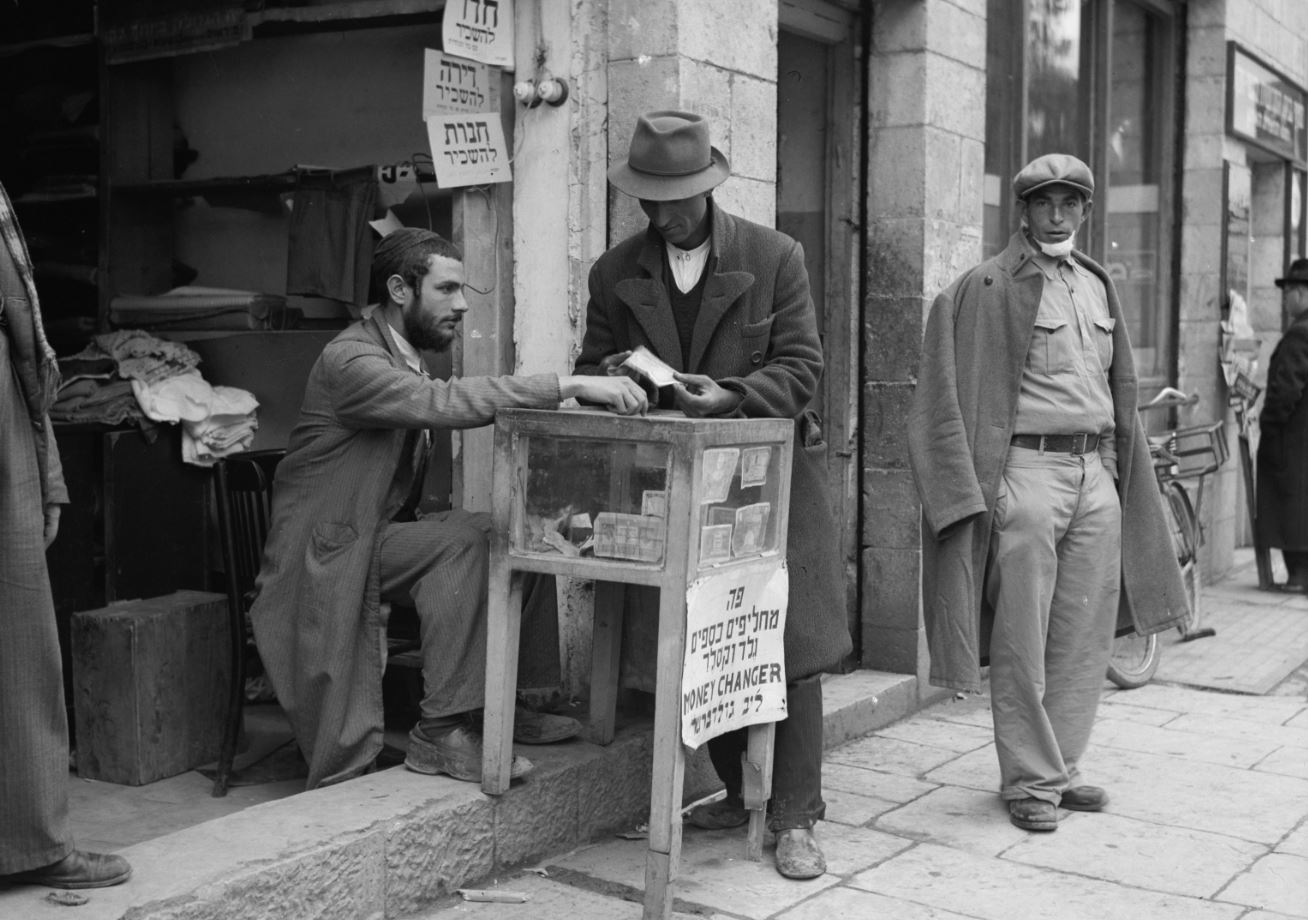
If one gives money to a money changer, if it is not bound and sealed, the money changer is permitted to use it and is thereby responsible if the money gets lost. There is a debate whether the money changer is also responsible for oness (accidental damage). Regarding shlichut yad, if one decides to use an item they are watching and it then breaks, if the item changes in value from the time the shomer decides to use it until the time it breaks, what value is the shomer obligated to pay? Beit Shammai, Beit Hillel, and Rabbi Akiva have a debate regarding this issue. The Gemara brings five attempts, four of which are rejected, to understand the disagreement between Beit Shamai and Beit Hillel. According to the conclusion, the debate is not regarding a fluctuation in the market price, but the value of the animal itself increases or decreases by having offspring/wool to be sheared. According to who do we pasken?
Bava Metzia
Masechet Bava Metzia is sponsored by Rabbi Art Gould in memory of his beloved bride of 50 years, Carol Joy Robinson, Karina Gola bat Huddah v’Yehuda Tzvi.
רבות בנות עשו חיל ואת עלית על־כלנה
This week’s learning is sponsored by Robert and Paula Cohen in loving memory of Joseph Cohen, Yosef ben Moshe HaCohen, z”l. “He was hard working, loved to sing, esp. as a chazan, and was very dedicated to his family and community.”
Want to dedicate learning? Get started here:

Today’s daily daf tools:
Bava Metzia
Masechet Bava Metzia is sponsored by Rabbi Art Gould in memory of his beloved bride of 50 years, Carol Joy Robinson, Karina Gola bat Huddah v’Yehuda Tzvi.
רבות בנות עשו חיל ואת עלית על־כלנה
This week’s learning is sponsored by Robert and Paula Cohen in loving memory of Joseph Cohen, Yosef ben Moshe HaCohen, z”l. “He was hard working, loved to sing, esp. as a chazan, and was very dedicated to his family and community.”
Bava Metzia 43
וּמְשַׁלֵּם לֵיהּ דְּמֵי כִּיסֵי.
And he pays him the value of the hops mixed with thorns according to his profit.
מַתְנִי׳ הַמַּפְקִיד מָעוֹת אֵצֶל שׁוּלְחָנִי, אִם צְרוּרִין – לֹא יִשְׁתַּמֵּשׁ בָּהֶן, לְפִיכָךְ אִם אָבְדוּ אֵינוֹ חַיָּיב בְּאַחְרָיוּתָן. מוּתָּרִין – יִשְׁתַּמֵּשׁ בָּהֶן, לְפִיכָךְ אִם אָבְדוּ חַיָּיב בְּאַחְרָיוּתָן. אֵצֶל בַּעַל הַבַּיִת, בֵּין צְרוּרִין וּבֵין מוּתָּרִין – לֹא יִשְׁתַּמֵּשׁ בָּהֶן, לְפִיכָךְ אִם אָבְדוּ אֵינוֹ חַיָּיב בְּאַחְרָיוּתָן. חֶנְוָנִי כְּבַעַל הַבַּיִת, דִּבְרֵי רַבִּי מֵאִיר. רַבִּי יְהוּדָה אוֹמֵר: חֶנְוָנִי כַּשּׁוּלְחָנִי.
MISHNA: In the case of one who deposits money with a money changer, if the money is bound, the money changer may not use it. Therefore, if it is lost he does not bear responsibility for it. If the money was unbound, the money changer may use it. Therefore, if it is lost he bears responsibility for it. If he deposited money with a homeowner, whether it is bound or whether it is unbound, the homeowner may not use it, as it never entered the mind of the depositor that the homeowner might use the money. Therefore, if the homeowner lost the money, he does not bear responsibility for it. If the bailee is a storekeeper, his status is like that of a homeowner; this is the statement of Rabbi Meir. Rabbi Yehuda says: If the bailee is a storekeeper, his status is like that of a money changer.
גְּמָ׳ מִשּׁוּם דִּצְרוּרִין לֹא יִשְׁתַּמֵּשׁ בָּהֶן? אָמַר רַב אַסִּי אָמַר רַב יְהוּדָה: בִּצְרוּרִין וַחֲתוּמִין שָׁנוּ. רַב מָרִי אָמַר: בְּקֶשֶׁר מְשׁוּנֶּה. אִיכָּא דְאָמְרִי, בָּעֵי רַב מָרִי: קֶשֶׁר מְשׁוּנֶּה מַאי? תֵּיקוּ.
GEMARA: The Gemara asks: Why is it that due to the fact that the money is bound the money changer may not use it? Don’t people typically bind their money? Binding is no indication that the intent of the one who deposited the money is that it not be used. Rav Asi said that Rav Yehuda said: It is in a case where the money is bound and sealed, a clear indication that he does not want the bundle to be opened, that the mishna is taught. Rav Mari says: It is in a case where the money is bound with an atypical knot, also indicating that he does not want the bundle to be opened. There are those who say that there is a variant reading: Rav Mari raises a dilemma: What is the legal status of money bound with an atypical knot? Is it like that of money that is sealed or not? The Gemara concludes: The dilemma shall stand unresolved.
מוּתָּרִין יִשְׁתַּמֵּשׁ בָּהֶן כּוּ׳. אָמַר רַב הוּנָא: וַאֲפִילּוּ נֶאֶנְסוּ. וְהָא ״אָבְדוּ״ קָתָנֵי! כִּדְרַבָּה דְּאָמַר רַבָּה: ״נִגְנְבוּ״ – בְּלִסְטֵיס מְזוּיָּין, ״אָבְדוּ״ – שֶׁטָּבְעָה סְפִינָתוֹ בַּיָּם.
§ The mishna teaches that if the money is unbound the money changer may use it, and therefore he bears responsibility if it is lost. Rav Huna says: And even if it was taken from him under circumstances beyond his control he is liable to pay. The Gemara asks: But isn’t it taught in the mishna: It is lost, from which it may be inferred that only if the money was lost does he bear responsibility, but not if it was taken by force? The Gemara answers: This must be understood in accordance with that which Rabba stated in a different context, as Rabba says: They were stolen; this is referring to a case where the items were stolen by force by armed bandits. They were lost; this is referring to a case where his ship sunk at sea.
וְרַב נַחְמָן אָמַר: נֶאֶנְסוּ לָא. אֲמַר לֵיהּ רָבָא לְרַב נַחְמָן: לְדִידָךְ דְּאָמְרַתְּ נֶאֶנְסוּ לָא, אַלְמָא לָא הָוֵי שׁוֹאֵל עֲלַיְיהוּ, אִי שׁוֹאֵל לָא הָוֵי שׁוֹמֵר שָׂכָר נָמֵי לָא הָוֵי! אֲמַר לֵיהּ: בְּהָא מוֹדֵינָא לָךְ, דְּהוֹאִיל וְנֶהֱנָה מַהֲנֶה, בְּהָהוּא הֲנָאָה דְּאִי מִיתְרְמֵי לֵיהּ זְבִינָא דְּאִית בֵּהּ רַוְוחָא זָבֵן בְּהוּ, הָוֵי עֲלַיְיהוּ שׁוֹמֵר שָׂכָר.
And Rav Naḥman says: If it was taken from him under circumstances beyond his control, he is not liable to pay. Rava said to Rav Naḥman: According to your opinion, that you said if it was taken from him due to circumstances beyond his control, he is not liable to pay; apparently, the money changer is not considered a borrower with regard to the money. If he is not a borrower, he is not a paid bailee either. Why, then, does he bear responsibility for the money if it is lost? His status should be that of an unpaid bailee, and he should be exempt. Rav Naḥman said to him: In this case, I concede that he is a paid bailee, since he benefits from the money. It is with the benefit the money changer derives, based on the fact that if a profitable purchase would happen to present itself to him he can purchase it with the deposited money, that he is considered a paid bailee with regard to the money.
אֵיתִיבֵיהּ רַב נַחְמָן לְרַב הוּנָא: הַמַּפְקִיד מָעוֹת אֵצֶל שׁוּלְחָנִי, אִם צְרוּרִין – לֹא יִשְׁתַּמֵּשׁ בָּהֶן, לְפִיכָךְ אִם הוֹצִיא – לֹא מָעַל הַגִּזְבָּר. וְאִם מוּתָּרִין – יִשְׁתַּמֵּשׁ בָּהֶן, לְפִיכָךְ אִם הוֹצִיא – מָעַל הַגִּזְבָּר.
Rav Naḥman raised an objection to the opinion of Rav Huna from a mishna (Me’ila 21b): With regard to the Temple treasurer who deposits money with a money changer, if the money is bound, the money changer may not use it. Therefore, if he spent the money, the Temple treasurer is not liable for misuse of Temple property because the money changer is liable. If the money was unbound, the money changer may use it. Therefore, if the money changer spent the money, the Temple treasurer is liable for misuse of Temple property, as the money changer serves as an agent for the treasurer.
וְאִי אָמְרַתְּ אֲפִילּוּ נֶאֶנְסוּ, מַאי אִירְיָא הוֹצִיא? אֲפִילּוּ לֹא הוֹצִיא נָמֵי!
Rav Naḥman explains his objection: And if you say that even if the money was taken from the money changer under circumstances beyond his control, he bears responsibility for the money, why did the tanna specifically teach that the Temple treasurer bears responsibility if the money changer spent the money? Even if he did not spend the money the treasurer should bear responsibility. Since the Temple treasurer gave him unbound money, it is tantamount to a loan. The treasurer should be liable for misappropriation at the moment that he gave unbound money to the money changer.
אֲמַר לֵיהּ: הוּא הַדִּין אַף עַל גַּב דְּלֹא הוֹצִיא, וְאַיְּידֵי דִּתְנָא רֵישָׁא ״הוֹצִיא״, תְּנָא סֵיפָא נָמֵי ״הוֹצִיא״.
Rav Huna said to him: The same is true even if he did not spend the money, and the treasurer is liable the moment he gives the money to the money changer. And since the tanna taught in the first clause of the mishna that the money changer is liable if he spent the money, the tanna taught in the latter clause of the mishna as well that the treasurer is liable if he spent the money, although he is liable even if he did not spend the money.
מַתְנִי׳ הַשּׁוֹלֵחַ יָד בְּפִקָּדוֹן, בֵּית שַׁמַּאי אוֹמְרִים: יִלְקֶה בְּחָסֵר וּבְיָתֵר. וּבֵית הִלֵּל אוֹמְרִים: כִּשְׁעַת הוֹצָאָה. רַבִּי עֲקִיבָא אוֹמֵר: כִּשְׁעַת הַתְּבִיעָה.
MISHNA: With regard to one who misappropriates a deposit, Beit Shammai say: He is penalized for its decrease and its increase. If the value of the deposit decreases, the bailee is liable to pay in accordance with its value at the time of the misappropriation. If it increases in value, he is liable to pay in accordance with its value at the time of repayment. And Beit Hillel say: He pays in accordance with its value at the time of removal. Rabbi Akiva says: He pays in accordance with its value at the time of the claim.
גְּמָ׳ אָמַר רַבָּה: הַאי מַאן דִּגְזַל חָבִיתָא דְחַמְרָא מֵחַבְרֵיהּ, מֵעִיקָּרָא שָׁוְיָא זוּזָא, הַשְׁתָּא שָׁוְיָא אַרְבְּעָה. תַּבְרַהּ אוֹ שַׁתְיַיהּ – מְשַׁלֵּם אַרְבְּעָה, אִיתְּבַר מִמֵּילָא – מְשַׁלֵּם זוּזָא.
GEMARA: Rabba says: In a case of this one who robbed another of a barrel of wine, where initially it was worth one dinar and now it is worth four dinars; if the robber broke the barrel or drank the wine, he pays four dinars. If it broke by itself, he pays one dinar.
מַאי טַעְמָא? כֵּיוָן דְּאִי אִיתַהּ הָדְרָא לְמָרַהּ בְּעֵינָא, הָהִיא שַׁעְתָּא דְּקָא שָׁתֵי לַיהּ אוֹ דְּקָא תָּבַר לַהּ, קָא גָזֵל מִינֵּיהּ, וּתְנַן: כׇּל הַגַּזְלָנִין מְשַׁלְּמִין כִּשְׁעַת הַגְּזֵילָה. אִיתְּבַר מִמֵּילָא מְשַׁלֵּם זוּזָא. מַאי טַעְמָא? הַשְׁתָּא לָא עָבֵיד לַהּ וְלָא מִידֵּי, אַמַּאי קָא מְחַיְּיבַתְּ לֵיהּ? אַהָהִיא שַׁעְתָּא דְּגַזְלַהּ, הָהִיא שַׁעְתָּא זוּזָא הוּא דְּשָׁוְיָא.
The Gemara elaborates: What is the reason for the difference? Since if the barrel were intact, it would return to its owner in its original state and there would be no need to calculate its price, that moment that he drank it or that he broke it is the moment that he stole from the owner of the wine. And we learned in a mishna (Bava Kamma 93b): All robbers pay in accordance with the value of the stolen item at the moment of the robbery. Here, that is four dinars. If the barrel broke by itself, the robber pays one dinar. What is the reason for this? He did not do anything to the barrel now. Why do you deem him liable to pay? Because of that moment that he robbed the other of it. At that moment, it was worth only one dinar.
תְּנַן: בֵּית הִלֵּל אוֹמְרִים כִּשְׁעַת הוֹצָאָה. מַאי כִּשְׁעַת הוֹצָאָה? אִילֵימָא כִּשְׁעַת הוֹצָאָה מִן הָעוֹלָם.
We learned in the mishna that Beit Hillel say: One who misappropriates a deposit pays in accordance with its value at the time of removal. The Gemara asks: What is the meaning of: In accordance with its value at the time of removal? If we say it means in accordance with its value at the time of its removal from the world, when he drank the wine or broke the barrel, that is difficult.
וּבְמַאי? אִי בְּחָסֵר, מִי אִיכָּא לְמַאן דְּאָמַר? וְהָא תְּנַן: כׇּל הַגַּזְלָנִין מְשַׁלְּמִין כִּשְׁעַת הַגְּזֵילָה! וְאִי בְּיָתֵר – הַיְינוּ בֵּית שַׁמַּאי!
The Gemara clarifies the difficulty: And with regard to what case is this referring? If it is with regard to a case where there was a decrease in value before its removal, is there anyone who says that the bailee pays the lower price? But didn’t we learn in a mishna: All robbers pay in accordance with the value of the stolen item at the moment of the robbery, and no less than that? And if it is with regard to a case where there was an increase in value before its removal, that is the opinion of Beit Shammai, as the one who misappropriates a deposit always pays the higher value, not the opinion of Beit Hillel.
אֶלָּא פְּשִׁיטָא כִּשְׁעַת הוֹצָאָה מִבֵּית בְּעָלִים. לֵימָא רַבָּה דְּאָמַר כְּבֵית שַׁמַּאי?! אָמַר לָךְ רַבָּה: בְּיָתֵר כּוּלֵּי עָלְמָא לָא פְלִיגִי, כִּי פְּלִיגִי בְּחָסֵר.
Rather, it is obvious that Beit Hillel hold that the bailee pays in accordance with its value at the time of its removal from the owner’s house, i.e., at the time of the misappropriation. The Gemara asks: If so, shall we say that Rabba stated his opinion in accordance with the opinion of Beit Shammai and not the opinion of Beit Hillel? The Gemara rejects this: Rabba could have said to you: With regard to a subsequent increase in the value of the misappropriated deposit, everyone, Beit Shammai and Beit Hillel, agrees that the bailee pays in accordance with its value when the deposit was destroyed. When they disagree, it is in the case of a subsequent decrease in the value of the misappropriated deposit.
בֵּית שַׁמַּאי סָבְרִי: שְׁלִיחוּת יָד אֵינָהּ צְרִיכָה חֶסְרוֹן – וְכִי חָסַר בִּרְשׁוּתָא דִידֵיהּ חָסַר. וּבֵית הִלֵּל סָבְרִי: שְׁלִיחוּת יָד צְרִיכָה חֶסְרוֹן – וְכִי חָסַר בִּרְשׁוּתָא דְּמָרֵיהּ חָסַר.
Rabba clarifies: Beit Shammai hold that misappropriation does not require loss, and even if the deposit remains intact, his legal status is that of a robber from the moment of misappropriation. And therefore, when the value of the misappropriated deposit decreases, it decreases in his possession. Therefore, he pays in accordance with its value at the time of misappropriation. And Beit Hillel hold that misappropriation requires loss, and only when the deposit decreases in value after the misappropriation is the bailee liable to pay. And therefore, when the value of the misappropriated deposit decreases, it decreases in the possession of its owner. Therefore, he pays in accordance with its value at the time that it was damaged.
אֶלָּא הָא דְּאָמַר רָבָא שְׁלִיחוּת יָד אֵינָהּ צְרִיכָה חֶסְרוֹן, לֵימָא רָבָא דְּאָמַר כְּבֵית שַׁמַּאי?! אֶלָּא, הָכָא בְּמַאי עָסְקִינַן? כְּגוֹן שֶׁטִּלְטְלָהּ לְהָבִיא עָלֶיהָ גּוֹזָלוֹת, וּבְשׁוֹאֵל שֶׁלֹּא מִדַּעַת קָא מִיפַּלְגִי;
The Gemara asks: But according to that explanation, concerning this halakha that Rava says: Misappropriation does not require loss, shall we say that the opinion that Rava stated is in accordance with the opinion of Beit Shammai? Rather, with what are we dealing here? It is with a case where the bailee moved the barrel to stand upon it and bring fledglings from a nest in a tree. And they disagree with regard to one who borrows an item without the knowledge of the owner.
בֵּית שַׁמַּאי סָבְרִי: שׁוֹאֵל שֶׁלֹּא מִדַּעַת – גַּזְלָן הָוֵי, וְכִי חָסַר – בִּרְשׁוּתָא דִּידֵיהּ חָסַר. וּבֵית הִלֵּל סָבְרִי: שׁוֹאֵל שֶׁלֹּא מִדַּעַת – שׁוֹאֵל הָוֵי, וְכִי חָסַר – בִּרְשׁוּתָא דְּמָרֵהּ חָסַר.
Beit Shammai hold: The legal status of one who borrows an item without the knowledge of the owner is that of a robber in terms of responsibility. He is accorded that legal status the moment he moves the barrel. And therefore, when the value of the misappropriated deposit decreases, it decreases in his possession. Consequently, he pays in accordance with its value at the time that he borrowed the barrel. And Beit Hillel hold: The legal status of one who borrows without the knowledge of the owners is that of a borrower, and only when the barrel is broken is the bailee rendered liable to pay. And therefore, when the value of the barrel decreases, it decreases in the possession of its owner. Consequently, he pays in accordance with the barrel’s value at the time that it was damaged.
אֶלָּא הָא דְּאָמַר רָבָא: שׁוֹאֵל שֶׁלֹּא מִדַּעַת – לְרַבָּנַן גַּזְלָן הָוֵי, לֵימָא רָבָא דְּאָמַר כְּבֵית שַׁמַּאי?! אֶלָּא הָכָא בְּשֶׁבַח (שֶׁל) גְּזֵילָה קָמִיפַּלְגִי. בֵּית שַׁמַּאי סָבְרִי: שֶׁבַח גְּזֵילָה דְּנִגְזָל הָוֵי, וּבֵית הִלֵּל סָבְרִי: שֶׁבַח גְּזֵילָה דְּגַזְלָן הָוֵי.
The Gemara asks: But according to that explanation, concerning this halakha that Rava says: The legal status of one who borrows an item without the knowledge of the owner, according to the opinion of the Rabbis, is that of a robber in terms of responsibility, shall we say that the opinion that Rava stated is in accordance with the opinion of Beit Shammai? Rather, contrary to the previous explanations, the terms decrease and increase are not referring to changes in market value. They are referring to the decrease in the value of the animal when its wool is sheared and the increase in its value due to the birth of offspring. And here, it is with regard to the enhancement of stolen property that they disagree. Beit Shammai hold: The enhancement of stolen property belongs to the one who was robbed. And Beit Hillel hold: The enhancement of stolen property belongs to the robber.
וּבִפְלוּגְתָּא דְּהָנֵי תַּנָּאֵי, דְּתַנְיָא: הַגּוֹזֵל אֶת הָרָחֵל, גְּזָזָהּ וְיָלְדָה מְשַׁלֵּם אוֹתָהּ וְאֶת גִּיזּוֹתֶיהָ וְאֶת וַלְדוֹתֶיהָ, דִּבְרֵי רַבִּי מֵאִיר. רַבִּי יְהוּדָה אוֹמֵר: גְּזֵילָה חוֹזֶרֶת בְּעֵינֶיהָ.
And it is with regard to the issue that is the subject of the dispute between these tanna’im that they disagree, as it is taught in a baraita: With regard to one who robs another of a ewe, if he sheared it or if it gave birth, the robber pays the owner for it and for its fleece or for its offspring; this is the statement of Rabbi Meir. Rabbi Yehuda says: The stolen property returns to the owner in its current state.
דַּיְקָא נָמֵי, דְּקָתָנֵי: בֵּית שַׁמַּאי אוֹמְרִים יִלְקֶה בְּחָסֵר וּבְיָתֵר, וּבֵית הִלֵּל אוֹמְרִים: כִּשְׁעַת הוֹצָאָה. שְׁמַע מִינַּהּ.
The Gemara comments: The language of the mishna is also precise, as it is taught that Beit Shammai say: He is penalized for its decrease and its increase. And Beit Hillel say: He pays in accordance with the time of removal. When recording the opinion of Beit Shammai, the mishna does not state: He is penalized for its rise and fall in value. The Gemara affirms: Learn from the wording of the mishna that they disagree with regard to fleece and offspring.
רַבִּי עֲקִיבָא אוֹמֵר כִּשְׁעַת הַתְּבִיעָה. אָמַר רַב יְהוּדָה אָמַר שְׁמוּאֵל: הֲלָכָה כְּרַבִּי עֲקִיבָא. וּמוֹדֶה רַבִּי עֲקִיבָא בִּמְקוֹם שֶׁיֵּשׁ עֵדִים. מַאי טַעְמָא – דְּאָמַר קְרָא ״לַאֲשֶׁר הוּא לוֹ יִתְּנֶנּוּ בְּיוֹם אַשְׁמָתוֹ״, וְכֵיוָן דְּאִיכָּא עֵדִים, מֵהָהוּא שַׁעְתָּא – הוּא דְּאִיחַיַּיב לֵיהּ אַשְׁמָה.
§ The mishna teaches that Rabbi Akiva says: He pays in accordance with its value at the time of the claim. Rav Yehuda says that Shmuel says: The halakha is in accordance with the opinion of Rabbi Akiva. And Rabbi Akiva concedes in a case where there are witnesses to the misappropriation, as in that case the payment is calculated in accordance with the value of the deposit at the time of the misappropriation. What is the reason for that halakha? It is as the verse states concerning, among others, one who misappropriated a deposit: “To whom it appertains shall he give it on the day of his being guilty” (Leviticus 5:24). And in this case, since there are witnesses to the robbery, from that moment he is liable to pay him for his guilt. He is rendered guilty at the moment the witnesses saw him misappropriate the deposit.
אֲמַר לֵיהּ רַב אוֹשַׁעְיָא לְרַב יְהוּדָה: רַבִּי, אַתָּה אוֹמֵר כֵּן? הָכִי אָמַר רַבִּי אַסִּי אָמַר רַבִּי יוֹחָנָן: חָלוּק הָיָה רַבִּי עֲקִיבָא אֲפִילּוּ בִּמְקוֹם שֶׁיֵּשׁ עֵדִים, מַאי טַעְמָא? דְּאָמַר קְרָא ״לַאֲשֶׁר הוּא לוֹ יִתְּנֶנּוּ בְּיוֹם אַשְׁמָתוֹ״, וּבֵי דִינָא הוּא דְּקָא מְחַיְּיבִי לֵיהּ אַשְׁמָה.
Rav Oshaya said to Rav Yehuda: My teacher, is that what you say? This is what Rabbi Asi says that Rabbi Yoḥanan says: Rabbi Akiva was in disagreement even in a case where there are witnesses to the misappropriation. What is the reason for that halakha? It is as the verse states: “To whom it appertains shall he give it on the day of his being guilty,” and it is the court, not the witnesses, that renders him liable to pay him for his guilt.
אֲמַר לֵיהּ רַבִּי זֵירָא לְרַבִּי אַבָּא בַּר פָּפָּא: כִּי אָזְלַתְּ לְהָתָם, אַקֵּיף אַסּוּלָּמָא דְצוֹר, וְעוּל לְגַבֵּיהּ דְּרַבִּי יַעֲקֹב בַּר אִידִי, וּבְעִי מִינֵּיהּ אִי שְׁמִיעָא לֵיהּ לְרַבִּי יוֹחָנָן: הֲלָכָה כְּרַבִּי עֲקִיבָא אוֹ אֵין הֲלָכָה כְּרַבִּי עֲקִיבָא? אֲמַר לֵיהּ: הָכִי אָמַר רַבִּי יוֹחָנָן: הֲלָכָה כְּרַבִּי עֲקִיבָא לְעוֹלָם.
Rabbi Zeira said to Rabbi Abba bar Pappa: When you go there, to Eretz Yisrael, take a circuitous route to the Ladder of Tyre, and enter before Rabbi Ya’akov bar Idi, and ask of him if he heard whether according to Rabbi Yoḥanan the halakha is in accordance with the opinion of Rabbi Akiva or whether the halakha is not in accordance with the opinion of Rabbi Akiva. He went and asked. Rabbi Ya’akov bar Idi said to him: This is what Rabbi Yoḥanan says: The halakha is always in accordance with the opinion of Rabbi Akiva.
מַאי לְעוֹלָם? אָמַר רַב אָשֵׁי: שֶׁלֹּא תֹּאמַר הָנֵי מִילֵּי הֵיכָא דְּלֵיכָּא עֵדִים, אֲבָל הֵיכָא דְּאִיכָּא עֵדִים לָא.
The Gemara asks: What is the meaning of always? Rav Ashi said: Rabbi Yoḥanan used this term so that you will not say the following: This statement, that the halakha is in accordance with the opinion of Rabbi Akiva, applies specifically in a case where there are no witnesses, but in a case where there are witnesses, no, payment is calculated in accordance with the value of the deposit when they witnessed the misappropriation.
וְאִי נָמֵי דְּאַהְדְּרַהּ לְדוּכְתַּהּ וְאִיתְּבַרָא לְאַפּוֹקֵי מִדְּרַבִּי יִשְׁמָעֵאל, דְּאָמַר: לָא בָּעֵינַן דַּעַת בְּעָלִים, קָא מַשְׁמַע לַן דְּבָעֵינַן דַּעַת בְּעָלִים. וְרָבָא אָמַר: הֲלָכָה כְּבֵית הִלֵּל.
Or alternatively, the halakha will not be in accordance with the opinion of Rabbi Akiva in a case where he returns the barrel to its place and it broke. Rabbi Yoḥanan stated that the halakha is always in accordance with the opinion of Rabbi Akiva, to exclude the opinion of Rabbi Yishmael, who says that if one stole from another and returned it we do not require the knowledge of the owners for the item to be considered returned. Rabbi Yoḥanan teaches us that the halakha is that we require the knowledge of the owners, in accordance with the opinion of Rabbi Akiva (see 40b). And Rava says: Contrary to the opinion of Rabbi Yoḥanan, the halakha is in accordance with the opinion of Beit Hillel.
מַתְנִי׳ הַחוֹשֵׁב לִשְׁלוֹחַ יָד בְּפִקָּדוֹן, בֵּית שַׁמַּאי אוֹמְרִים: חַיָּיב, וּבֵית הִלֵּל אוֹמְרִים: אֵינוֹ חַיָּיב עַד שֶׁיִּשְׁלַח בּוֹ יָד, שֶׁנֶּאֱמַר: ״אִם לֹא שָׁלַח יָדוֹ בִּמְלֶאכֶת רֵעֵהוּ״. הִטָּה אֶת הֶחָבִית וְנָטַל הֵימֶנָּה רְבִיעִית וְנִשְׁבְּרָה – אֵינוֹ מְשַׁלֵּם אֶלָּא רְבִיעִית. הִגְבִּיהָהּ וְנָטַל הֵימֶנָּה רְבִיעִית וְנִשְׁבְּרָה – מְשַׁלֵּם דְּמֵי כוּלָּהּ.
MISHNA: With regard to one who intends to misappropriate a deposit and voices that intent in the presence of witnesses, Beit Shammai say: He is liable to pay for any damage to the deposit from that point forward, and Beit Hillel say: He is liable to pay only if he actually misappropriates the deposit, as it is stated concerning a bailee: “Whether he has misappropriated his neighbor’s goods” (Exodus 22:7). If he tilted the deposited barrel and took from it a quarter–log of wine for his own use, and the barrel broke, then he pays only for that quarter–log. If he lifted the barrel and took from it a quarter–log of wine, and the barrel broke, since he acquired the barrel by lifting it, he pays the value of the entire barrel.

Today’s daily daf tools:
Delve Deeper
Broaden your understanding of the topics on this daf with classes and podcasts from top women Talmud scholars.


New to Talmud?
Check out our resources designed to help you navigate a page of Talmud – and study at the pace, level and style that fits you.
The Hadran Women’s Tapestry
Meet the diverse women learning Gemara at Hadran and hear their stories.
I started to listen to Michelle’s podcasts four years ago. The minute I started I was hooked. I’m so excited to learn the entire Talmud, and think I will continue always. I chose the quote “while a woman is engaged in conversation she also holds the spindle”. (Megillah 14b). It reminds me of all of the amazing women I learn with every day who multi-task, think ahead and accomplish so much.

Zichron Yakov, Israel
What a great experience to learn with Rabbanit Michelle Farber. I began with this cycle in January 2020 and have been comforted by the consistency and energy of this process throughout the isolation period of Covid. Week by week, I feel like I am exploring a treasure chest with sparkling gems and puzzling antiquities. The hunt is exhilarating.
Pennsylvania, United States
In early 2020, I began the process of a stem cell transplant. The required extreme isolation forced me to leave work and normal life but gave me time to delve into Jewish text study. I did not feel isolated. I began Daf Yomi at the start of this cycle, with family members joining me online from my hospital room. I’ve used my newly granted time to to engage, grow and connect through this learning.

Worcester, United States

Minneapolis, MN, United States
In my Shana bet at Migdal Oz I attended the Hadran siyum hash”as. Witnessing so many women so passionate about their Torah learning and connection to God, I knew I had to begin with the coming cycle. My wedding (June 24) was two weeks before the siyum of mesechet yoma so I went a little ahead and was able to make a speech and siyum at my kiseh kallah on my wedding day!

Givat Shmuel, Israel
Margo
I started my Talmud journey in 7th grade at Akiba Jewish Day School in Chicago. I started my Daf Yomi journey after hearing Erica Brown speak at the Hadran Siyum about marking the passage of time through Daf Yomi.
Carolyn
I started my Talmud journey post-college in NY with a few classes. I started my Daf Yomi journey after the Hadran Siyum, which inspired both my son and myself.

Merion Station, USA
Beit Shemesh, Israel
Hadran entered my life after the last Siyum Hashaas, January 2020. I was inspired and challenged simultaneously, having never thought of learning Gemara. With my family’s encouragement, I googled “daf yomi for women”. A perfecr fit!
I especially enjoy when Rabbanit Michelle connects the daf to contemporary issues to share at the shabbat table e.g: looking at the Kohen during duchaning. Toda rabba

Jerusalem, Israel
Geri Goldstein got me started learning daf yomi when I was in Israel 2 years ago. It’s been a challenge and I’ve learned a lot though I’m sure I miss a lot. I quilt as I listen and I want to share what I’ve been working on.

Ottawa, Canada
A Gemara shiur previous to the Hadran Siyum, was the impetus to attend it.It was highly inspirational and I was smitten. The message for me was התלמוד בידינו. I had decided along with my Chahsmonaim group to to do the daf and take it one daf at time- without any expectations at all. There has been a wealth of information, insights and halachik ideas. It is truly exercise of the mind, heart & Soul

Hashmonaim, Israel
I started last year after completing the Pesach Sugiyot class. Masechet Yoma might seem like a difficult set of topics, but for me made Yom Kippur and the Beit HaMikdash come alive. Liturgy I’d always had trouble connecting with took on new meaning as I gained a sense of real people moving through specific spaces in particular ways. It was the perfect introduction; I am so grateful for Hadran!

Minnesota, United States
When we heard that R. Michelle was starting daf yomi, my 11-year-old suggested that I go. Little did she know that she would lose me every morning from then on. I remember standing at the Farbers’ door, almost too shy to enter. After that first class, I said that I would come the next day but couldn’t commit to more. A decade later, I still look forward to learning from R. Michelle every morning.

Ra’anana, Israel

Jerusalem, Israel
In my Shana bet at Migdal Oz I attended the Hadran siyum hash”as. Witnessing so many women so passionate about their Torah learning and connection to God, I knew I had to begin with the coming cycle. My wedding (June 24) was two weeks before the siyum of mesechet yoma so I went a little ahead and was able to make a speech and siyum at my kiseh kallah on my wedding day!
Givat Shmuel, Israel
Shortly after the death of my father, David Malik z”l, I made the commitment to Daf Yomi. While riding to Ben Gurion airport in January, Siyum HaShas was playing on the radio; that was the nudge I needed to get started. The “everyday-ness” of the Daf has been a meaningful spiritual practice, especial after COVID began & I was temporarily unable to say Kaddish at daily in-person minyanim.

Wynnewood, United States
I am grateful for the structure of the Daf Yomi. When I am freer to learn to my heart’s content, I learn other passages in addition. But even in times of difficulty, I always know that I can rely on the structure and social support of Daf Yomi learners all over the world.
I am also grateful for this forum. It is very helpful to learn with a group of enthusiastic and committed women.

Beit Shemesh, Israel
I started learning at the beginning of this Daf Yomi cycle because I heard a lot about the previous cycle coming to an end and thought it would be a good thing to start doing. My husband had already bought several of the Koren Talmud Bavli books and they were just sitting on the shelf, not being used, so here was an opportunity to start using them and find out exactly what was in them. Loving it!

Borehamwood, United Kingdom
After reading the book, “ If All The Seas Were Ink “ by Ileana Kurshan I started studying Talmud. I searched and studied with several teachers until I found Michelle Farber. I have been studying with her for two years. I look forward every day to learn from her.

Virginia, United States

Bronx, United States
I started learning Daf Yomi in January 2020 after watching my grandfather, Mayer Penstein z”l, finish shas with the previous cycle. My grandfather made learning so much fun was so proud that his grandchildren wanted to join him. I was also inspired by Ilana Kurshan’s book, If All the Seas Were Ink. Two years in, I can say that it has enriched my life in so many ways.

New York, United States
I started last year after completing the Pesach Sugiyot class. Masechet Yoma might seem like a difficult set of topics, but for me made Yom Kippur and the Beit HaMikdash come alive. Liturgy I’d always had trouble connecting with took on new meaning as I gained a sense of real people moving through specific spaces in particular ways. It was the perfect introduction; I am so grateful for Hadran!
Minnesota, United States
Bava Metzia 43
וּמְשַׁלֵּם לֵיהּ דְּמֵי כִּיסֵי.
And he pays him the value of the hops mixed with thorns according to his profit.
מַתְנִי׳ הַמַּפְקִיד מָעוֹת אֵצֶל שׁוּלְחָנִי, אִם צְרוּרִין – לֹא יִשְׁתַּמֵּשׁ בָּהֶן, לְפִיכָךְ אִם אָבְדוּ אֵינוֹ חַיָּיב בְּאַחְרָיוּתָן. מוּתָּרִין – יִשְׁתַּמֵּשׁ בָּהֶן, לְפִיכָךְ אִם אָבְדוּ חַיָּיב בְּאַחְרָיוּתָן. אֵצֶל בַּעַל הַבַּיִת, בֵּין צְרוּרִין וּבֵין מוּתָּרִין – לֹא יִשְׁתַּמֵּשׁ בָּהֶן, לְפִיכָךְ אִם אָבְדוּ אֵינוֹ חַיָּיב בְּאַחְרָיוּתָן. חֶנְוָנִי כְּבַעַל הַבַּיִת, דִּבְרֵי רַבִּי מֵאִיר. רַבִּי יְהוּדָה אוֹמֵר: חֶנְוָנִי כַּשּׁוּלְחָנִי.
MISHNA: In the case of one who deposits money with a money changer, if the money is bound, the money changer may not use it. Therefore, if it is lost he does not bear responsibility for it. If the money was unbound, the money changer may use it. Therefore, if it is lost he bears responsibility for it. If he deposited money with a homeowner, whether it is bound or whether it is unbound, the homeowner may not use it, as it never entered the mind of the depositor that the homeowner might use the money. Therefore, if the homeowner lost the money, he does not bear responsibility for it. If the bailee is a storekeeper, his status is like that of a homeowner; this is the statement of Rabbi Meir. Rabbi Yehuda says: If the bailee is a storekeeper, his status is like that of a money changer.
גְּמָ׳ מִשּׁוּם דִּצְרוּרִין לֹא יִשְׁתַּמֵּשׁ בָּהֶן? אָמַר רַב אַסִּי אָמַר רַב יְהוּדָה: בִּצְרוּרִין וַחֲתוּמִין שָׁנוּ. רַב מָרִי אָמַר: בְּקֶשֶׁר מְשׁוּנֶּה. אִיכָּא דְאָמְרִי, בָּעֵי רַב מָרִי: קֶשֶׁר מְשׁוּנֶּה מַאי? תֵּיקוּ.
GEMARA: The Gemara asks: Why is it that due to the fact that the money is bound the money changer may not use it? Don’t people typically bind their money? Binding is no indication that the intent of the one who deposited the money is that it not be used. Rav Asi said that Rav Yehuda said: It is in a case where the money is bound and sealed, a clear indication that he does not want the bundle to be opened, that the mishna is taught. Rav Mari says: It is in a case where the money is bound with an atypical knot, also indicating that he does not want the bundle to be opened. There are those who say that there is a variant reading: Rav Mari raises a dilemma: What is the legal status of money bound with an atypical knot? Is it like that of money that is sealed or not? The Gemara concludes: The dilemma shall stand unresolved.
מוּתָּרִין יִשְׁתַּמֵּשׁ בָּהֶן כּוּ׳. אָמַר רַב הוּנָא: וַאֲפִילּוּ נֶאֶנְסוּ. וְהָא ״אָבְדוּ״ קָתָנֵי! כִּדְרַבָּה דְּאָמַר רַבָּה: ״נִגְנְבוּ״ – בְּלִסְטֵיס מְזוּיָּין, ״אָבְדוּ״ – שֶׁטָּבְעָה סְפִינָתוֹ בַּיָּם.
§ The mishna teaches that if the money is unbound the money changer may use it, and therefore he bears responsibility if it is lost. Rav Huna says: And even if it was taken from him under circumstances beyond his control he is liable to pay. The Gemara asks: But isn’t it taught in the mishna: It is lost, from which it may be inferred that only if the money was lost does he bear responsibility, but not if it was taken by force? The Gemara answers: This must be understood in accordance with that which Rabba stated in a different context, as Rabba says: They were stolen; this is referring to a case where the items were stolen by force by armed bandits. They were lost; this is referring to a case where his ship sunk at sea.
וְרַב נַחְמָן אָמַר: נֶאֶנְסוּ לָא. אֲמַר לֵיהּ רָבָא לְרַב נַחְמָן: לְדִידָךְ דְּאָמְרַתְּ נֶאֶנְסוּ לָא, אַלְמָא לָא הָוֵי שׁוֹאֵל עֲלַיְיהוּ, אִי שׁוֹאֵל לָא הָוֵי שׁוֹמֵר שָׂכָר נָמֵי לָא הָוֵי! אֲמַר לֵיהּ: בְּהָא מוֹדֵינָא לָךְ, דְּהוֹאִיל וְנֶהֱנָה מַהֲנֶה, בְּהָהוּא הֲנָאָה דְּאִי מִיתְרְמֵי לֵיהּ זְבִינָא דְּאִית בֵּהּ רַוְוחָא זָבֵן בְּהוּ, הָוֵי עֲלַיְיהוּ שׁוֹמֵר שָׂכָר.
And Rav Naḥman says: If it was taken from him under circumstances beyond his control, he is not liable to pay. Rava said to Rav Naḥman: According to your opinion, that you said if it was taken from him due to circumstances beyond his control, he is not liable to pay; apparently, the money changer is not considered a borrower with regard to the money. If he is not a borrower, he is not a paid bailee either. Why, then, does he bear responsibility for the money if it is lost? His status should be that of an unpaid bailee, and he should be exempt. Rav Naḥman said to him: In this case, I concede that he is a paid bailee, since he benefits from the money. It is with the benefit the money changer derives, based on the fact that if a profitable purchase would happen to present itself to him he can purchase it with the deposited money, that he is considered a paid bailee with regard to the money.
אֵיתִיבֵיהּ רַב נַחְמָן לְרַב הוּנָא: הַמַּפְקִיד מָעוֹת אֵצֶל שׁוּלְחָנִי, אִם צְרוּרִין – לֹא יִשְׁתַּמֵּשׁ בָּהֶן, לְפִיכָךְ אִם הוֹצִיא – לֹא מָעַל הַגִּזְבָּר. וְאִם מוּתָּרִין – יִשְׁתַּמֵּשׁ בָּהֶן, לְפִיכָךְ אִם הוֹצִיא – מָעַל הַגִּזְבָּר.
Rav Naḥman raised an objection to the opinion of Rav Huna from a mishna (Me’ila 21b): With regard to the Temple treasurer who deposits money with a money changer, if the money is bound, the money changer may not use it. Therefore, if he spent the money, the Temple treasurer is not liable for misuse of Temple property because the money changer is liable. If the money was unbound, the money changer may use it. Therefore, if the money changer spent the money, the Temple treasurer is liable for misuse of Temple property, as the money changer serves as an agent for the treasurer.
וְאִי אָמְרַתְּ אֲפִילּוּ נֶאֶנְסוּ, מַאי אִירְיָא הוֹצִיא? אֲפִילּוּ לֹא הוֹצִיא נָמֵי!
Rav Naḥman explains his objection: And if you say that even if the money was taken from the money changer under circumstances beyond his control, he bears responsibility for the money, why did the tanna specifically teach that the Temple treasurer bears responsibility if the money changer spent the money? Even if he did not spend the money the treasurer should bear responsibility. Since the Temple treasurer gave him unbound money, it is tantamount to a loan. The treasurer should be liable for misappropriation at the moment that he gave unbound money to the money changer.
אֲמַר לֵיהּ: הוּא הַדִּין אַף עַל גַּב דְּלֹא הוֹצִיא, וְאַיְּידֵי דִּתְנָא רֵישָׁא ״הוֹצִיא״, תְּנָא סֵיפָא נָמֵי ״הוֹצִיא״.
Rav Huna said to him: The same is true even if he did not spend the money, and the treasurer is liable the moment he gives the money to the money changer. And since the tanna taught in the first clause of the mishna that the money changer is liable if he spent the money, the tanna taught in the latter clause of the mishna as well that the treasurer is liable if he spent the money, although he is liable even if he did not spend the money.
מַתְנִי׳ הַשּׁוֹלֵחַ יָד בְּפִקָּדוֹן, בֵּית שַׁמַּאי אוֹמְרִים: יִלְקֶה בְּחָסֵר וּבְיָתֵר. וּבֵית הִלֵּל אוֹמְרִים: כִּשְׁעַת הוֹצָאָה. רַבִּי עֲקִיבָא אוֹמֵר: כִּשְׁעַת הַתְּבִיעָה.
MISHNA: With regard to one who misappropriates a deposit, Beit Shammai say: He is penalized for its decrease and its increase. If the value of the deposit decreases, the bailee is liable to pay in accordance with its value at the time of the misappropriation. If it increases in value, he is liable to pay in accordance with its value at the time of repayment. And Beit Hillel say: He pays in accordance with its value at the time of removal. Rabbi Akiva says: He pays in accordance with its value at the time of the claim.
גְּמָ׳ אָמַר רַבָּה: הַאי מַאן דִּגְזַל חָבִיתָא דְחַמְרָא מֵחַבְרֵיהּ, מֵעִיקָּרָא שָׁוְיָא זוּזָא, הַשְׁתָּא שָׁוְיָא אַרְבְּעָה. תַּבְרַהּ אוֹ שַׁתְיַיהּ – מְשַׁלֵּם אַרְבְּעָה, אִיתְּבַר מִמֵּילָא – מְשַׁלֵּם זוּזָא.
GEMARA: Rabba says: In a case of this one who robbed another of a barrel of wine, where initially it was worth one dinar and now it is worth four dinars; if the robber broke the barrel or drank the wine, he pays four dinars. If it broke by itself, he pays one dinar.
מַאי טַעְמָא? כֵּיוָן דְּאִי אִיתַהּ הָדְרָא לְמָרַהּ בְּעֵינָא, הָהִיא שַׁעְתָּא דְּקָא שָׁתֵי לַיהּ אוֹ דְּקָא תָּבַר לַהּ, קָא גָזֵל מִינֵּיהּ, וּתְנַן: כׇּל הַגַּזְלָנִין מְשַׁלְּמִין כִּשְׁעַת הַגְּזֵילָה. אִיתְּבַר מִמֵּילָא מְשַׁלֵּם זוּזָא. מַאי טַעְמָא? הַשְׁתָּא לָא עָבֵיד לַהּ וְלָא מִידֵּי, אַמַּאי קָא מְחַיְּיבַתְּ לֵיהּ? אַהָהִיא שַׁעְתָּא דְּגַזְלַהּ, הָהִיא שַׁעְתָּא זוּזָא הוּא דְּשָׁוְיָא.
The Gemara elaborates: What is the reason for the difference? Since if the barrel were intact, it would return to its owner in its original state and there would be no need to calculate its price, that moment that he drank it or that he broke it is the moment that he stole from the owner of the wine. And we learned in a mishna (Bava Kamma 93b): All robbers pay in accordance with the value of the stolen item at the moment of the robbery. Here, that is four dinars. If the barrel broke by itself, the robber pays one dinar. What is the reason for this? He did not do anything to the barrel now. Why do you deem him liable to pay? Because of that moment that he robbed the other of it. At that moment, it was worth only one dinar.
תְּנַן: בֵּית הִלֵּל אוֹמְרִים כִּשְׁעַת הוֹצָאָה. מַאי כִּשְׁעַת הוֹצָאָה? אִילֵימָא כִּשְׁעַת הוֹצָאָה מִן הָעוֹלָם.
We learned in the mishna that Beit Hillel say: One who misappropriates a deposit pays in accordance with its value at the time of removal. The Gemara asks: What is the meaning of: In accordance with its value at the time of removal? If we say it means in accordance with its value at the time of its removal from the world, when he drank the wine or broke the barrel, that is difficult.
וּבְמַאי? אִי בְּחָסֵר, מִי אִיכָּא לְמַאן דְּאָמַר? וְהָא תְּנַן: כׇּל הַגַּזְלָנִין מְשַׁלְּמִין כִּשְׁעַת הַגְּזֵילָה! וְאִי בְּיָתֵר – הַיְינוּ בֵּית שַׁמַּאי!
The Gemara clarifies the difficulty: And with regard to what case is this referring? If it is with regard to a case where there was a decrease in value before its removal, is there anyone who says that the bailee pays the lower price? But didn’t we learn in a mishna: All robbers pay in accordance with the value of the stolen item at the moment of the robbery, and no less than that? And if it is with regard to a case where there was an increase in value before its removal, that is the opinion of Beit Shammai, as the one who misappropriates a deposit always pays the higher value, not the opinion of Beit Hillel.
אֶלָּא פְּשִׁיטָא כִּשְׁעַת הוֹצָאָה מִבֵּית בְּעָלִים. לֵימָא רַבָּה דְּאָמַר כְּבֵית שַׁמַּאי?! אָמַר לָךְ רַבָּה: בְּיָתֵר כּוּלֵּי עָלְמָא לָא פְלִיגִי, כִּי פְּלִיגִי בְּחָסֵר.
Rather, it is obvious that Beit Hillel hold that the bailee pays in accordance with its value at the time of its removal from the owner’s house, i.e., at the time of the misappropriation. The Gemara asks: If so, shall we say that Rabba stated his opinion in accordance with the opinion of Beit Shammai and not the opinion of Beit Hillel? The Gemara rejects this: Rabba could have said to you: With regard to a subsequent increase in the value of the misappropriated deposit, everyone, Beit Shammai and Beit Hillel, agrees that the bailee pays in accordance with its value when the deposit was destroyed. When they disagree, it is in the case of a subsequent decrease in the value of the misappropriated deposit.
בֵּית שַׁמַּאי סָבְרִי: שְׁלִיחוּת יָד אֵינָהּ צְרִיכָה חֶסְרוֹן – וְכִי חָסַר בִּרְשׁוּתָא דִידֵיהּ חָסַר. וּבֵית הִלֵּל סָבְרִי: שְׁלִיחוּת יָד צְרִיכָה חֶסְרוֹן – וְכִי חָסַר בִּרְשׁוּתָא דְּמָרֵיהּ חָסַר.
Rabba clarifies: Beit Shammai hold that misappropriation does not require loss, and even if the deposit remains intact, his legal status is that of a robber from the moment of misappropriation. And therefore, when the value of the misappropriated deposit decreases, it decreases in his possession. Therefore, he pays in accordance with its value at the time of misappropriation. And Beit Hillel hold that misappropriation requires loss, and only when the deposit decreases in value after the misappropriation is the bailee liable to pay. And therefore, when the value of the misappropriated deposit decreases, it decreases in the possession of its owner. Therefore, he pays in accordance with its value at the time that it was damaged.
אֶלָּא הָא דְּאָמַר רָבָא שְׁלִיחוּת יָד אֵינָהּ צְרִיכָה חֶסְרוֹן, לֵימָא רָבָא דְּאָמַר כְּבֵית שַׁמַּאי?! אֶלָּא, הָכָא בְּמַאי עָסְקִינַן? כְּגוֹן שֶׁטִּלְטְלָהּ לְהָבִיא עָלֶיהָ גּוֹזָלוֹת, וּבְשׁוֹאֵל שֶׁלֹּא מִדַּעַת קָא מִיפַּלְגִי;
The Gemara asks: But according to that explanation, concerning this halakha that Rava says: Misappropriation does not require loss, shall we say that the opinion that Rava stated is in accordance with the opinion of Beit Shammai? Rather, with what are we dealing here? It is with a case where the bailee moved the barrel to stand upon it and bring fledglings from a nest in a tree. And they disagree with regard to one who borrows an item without the knowledge of the owner.
בֵּית שַׁמַּאי סָבְרִי: שׁוֹאֵל שֶׁלֹּא מִדַּעַת – גַּזְלָן הָוֵי, וְכִי חָסַר – בִּרְשׁוּתָא דִּידֵיהּ חָסַר. וּבֵית הִלֵּל סָבְרִי: שׁוֹאֵל שֶׁלֹּא מִדַּעַת – שׁוֹאֵל הָוֵי, וְכִי חָסַר – בִּרְשׁוּתָא דְּמָרֵהּ חָסַר.
Beit Shammai hold: The legal status of one who borrows an item without the knowledge of the owner is that of a robber in terms of responsibility. He is accorded that legal status the moment he moves the barrel. And therefore, when the value of the misappropriated deposit decreases, it decreases in his possession. Consequently, he pays in accordance with its value at the time that he borrowed the barrel. And Beit Hillel hold: The legal status of one who borrows without the knowledge of the owners is that of a borrower, and only when the barrel is broken is the bailee rendered liable to pay. And therefore, when the value of the barrel decreases, it decreases in the possession of its owner. Consequently, he pays in accordance with the barrel’s value at the time that it was damaged.
אֶלָּא הָא דְּאָמַר רָבָא: שׁוֹאֵל שֶׁלֹּא מִדַּעַת – לְרַבָּנַן גַּזְלָן הָוֵי, לֵימָא רָבָא דְּאָמַר כְּבֵית שַׁמַּאי?! אֶלָּא הָכָא בְּשֶׁבַח (שֶׁל) גְּזֵילָה קָמִיפַּלְגִי. בֵּית שַׁמַּאי סָבְרִי: שֶׁבַח גְּזֵילָה דְּנִגְזָל הָוֵי, וּבֵית הִלֵּל סָבְרִי: שֶׁבַח גְּזֵילָה דְּגַזְלָן הָוֵי.
The Gemara asks: But according to that explanation, concerning this halakha that Rava says: The legal status of one who borrows an item without the knowledge of the owner, according to the opinion of the Rabbis, is that of a robber in terms of responsibility, shall we say that the opinion that Rava stated is in accordance with the opinion of Beit Shammai? Rather, contrary to the previous explanations, the terms decrease and increase are not referring to changes in market value. They are referring to the decrease in the value of the animal when its wool is sheared and the increase in its value due to the birth of offspring. And here, it is with regard to the enhancement of stolen property that they disagree. Beit Shammai hold: The enhancement of stolen property belongs to the one who was robbed. And Beit Hillel hold: The enhancement of stolen property belongs to the robber.
וּבִפְלוּגְתָּא דְּהָנֵי תַּנָּאֵי, דְּתַנְיָא: הַגּוֹזֵל אֶת הָרָחֵל, גְּזָזָהּ וְיָלְדָה מְשַׁלֵּם אוֹתָהּ וְאֶת גִּיזּוֹתֶיהָ וְאֶת וַלְדוֹתֶיהָ, דִּבְרֵי רַבִּי מֵאִיר. רַבִּי יְהוּדָה אוֹמֵר: גְּזֵילָה חוֹזֶרֶת בְּעֵינֶיהָ.
And it is with regard to the issue that is the subject of the dispute between these tanna’im that they disagree, as it is taught in a baraita: With regard to one who robs another of a ewe, if he sheared it or if it gave birth, the robber pays the owner for it and for its fleece or for its offspring; this is the statement of Rabbi Meir. Rabbi Yehuda says: The stolen property returns to the owner in its current state.
דַּיְקָא נָמֵי, דְּקָתָנֵי: בֵּית שַׁמַּאי אוֹמְרִים יִלְקֶה בְּחָסֵר וּבְיָתֵר, וּבֵית הִלֵּל אוֹמְרִים: כִּשְׁעַת הוֹצָאָה. שְׁמַע מִינַּהּ.
The Gemara comments: The language of the mishna is also precise, as it is taught that Beit Shammai say: He is penalized for its decrease and its increase. And Beit Hillel say: He pays in accordance with the time of removal. When recording the opinion of Beit Shammai, the mishna does not state: He is penalized for its rise and fall in value. The Gemara affirms: Learn from the wording of the mishna that they disagree with regard to fleece and offspring.
רַבִּי עֲקִיבָא אוֹמֵר כִּשְׁעַת הַתְּבִיעָה. אָמַר רַב יְהוּדָה אָמַר שְׁמוּאֵל: הֲלָכָה כְּרַבִּי עֲקִיבָא. וּמוֹדֶה רַבִּי עֲקִיבָא בִּמְקוֹם שֶׁיֵּשׁ עֵדִים. מַאי טַעְמָא – דְּאָמַר קְרָא ״לַאֲשֶׁר הוּא לוֹ יִתְּנֶנּוּ בְּיוֹם אַשְׁמָתוֹ״, וְכֵיוָן דְּאִיכָּא עֵדִים, מֵהָהוּא שַׁעְתָּא – הוּא דְּאִיחַיַּיב לֵיהּ אַשְׁמָה.
§ The mishna teaches that Rabbi Akiva says: He pays in accordance with its value at the time of the claim. Rav Yehuda says that Shmuel says: The halakha is in accordance with the opinion of Rabbi Akiva. And Rabbi Akiva concedes in a case where there are witnesses to the misappropriation, as in that case the payment is calculated in accordance with the value of the deposit at the time of the misappropriation. What is the reason for that halakha? It is as the verse states concerning, among others, one who misappropriated a deposit: “To whom it appertains shall he give it on the day of his being guilty” (Leviticus 5:24). And in this case, since there are witnesses to the robbery, from that moment he is liable to pay him for his guilt. He is rendered guilty at the moment the witnesses saw him misappropriate the deposit.
אֲמַר לֵיהּ רַב אוֹשַׁעְיָא לְרַב יְהוּדָה: רַבִּי, אַתָּה אוֹמֵר כֵּן? הָכִי אָמַר רַבִּי אַסִּי אָמַר רַבִּי יוֹחָנָן: חָלוּק הָיָה רַבִּי עֲקִיבָא אֲפִילּוּ בִּמְקוֹם שֶׁיֵּשׁ עֵדִים, מַאי טַעְמָא? דְּאָמַר קְרָא ״לַאֲשֶׁר הוּא לוֹ יִתְּנֶנּוּ בְּיוֹם אַשְׁמָתוֹ״, וּבֵי דִינָא הוּא דְּקָא מְחַיְּיבִי לֵיהּ אַשְׁמָה.
Rav Oshaya said to Rav Yehuda: My teacher, is that what you say? This is what Rabbi Asi says that Rabbi Yoḥanan says: Rabbi Akiva was in disagreement even in a case where there are witnesses to the misappropriation. What is the reason for that halakha? It is as the verse states: “To whom it appertains shall he give it on the day of his being guilty,” and it is the court, not the witnesses, that renders him liable to pay him for his guilt.
אֲמַר לֵיהּ רַבִּי זֵירָא לְרַבִּי אַבָּא בַּר פָּפָּא: כִּי אָזְלַתְּ לְהָתָם, אַקֵּיף אַסּוּלָּמָא דְצוֹר, וְעוּל לְגַבֵּיהּ דְּרַבִּי יַעֲקֹב בַּר אִידִי, וּבְעִי מִינֵּיהּ אִי שְׁמִיעָא לֵיהּ לְרַבִּי יוֹחָנָן: הֲלָכָה כְּרַבִּי עֲקִיבָא אוֹ אֵין הֲלָכָה כְּרַבִּי עֲקִיבָא? אֲמַר לֵיהּ: הָכִי אָמַר רַבִּי יוֹחָנָן: הֲלָכָה כְּרַבִּי עֲקִיבָא לְעוֹלָם.
Rabbi Zeira said to Rabbi Abba bar Pappa: When you go there, to Eretz Yisrael, take a circuitous route to the Ladder of Tyre, and enter before Rabbi Ya’akov bar Idi, and ask of him if he heard whether according to Rabbi Yoḥanan the halakha is in accordance with the opinion of Rabbi Akiva or whether the halakha is not in accordance with the opinion of Rabbi Akiva. He went and asked. Rabbi Ya’akov bar Idi said to him: This is what Rabbi Yoḥanan says: The halakha is always in accordance with the opinion of Rabbi Akiva.
מַאי לְעוֹלָם? אָמַר רַב אָשֵׁי: שֶׁלֹּא תֹּאמַר הָנֵי מִילֵּי הֵיכָא דְּלֵיכָּא עֵדִים, אֲבָל הֵיכָא דְּאִיכָּא עֵדִים לָא.
The Gemara asks: What is the meaning of always? Rav Ashi said: Rabbi Yoḥanan used this term so that you will not say the following: This statement, that the halakha is in accordance with the opinion of Rabbi Akiva, applies specifically in a case where there are no witnesses, but in a case where there are witnesses, no, payment is calculated in accordance with the value of the deposit when they witnessed the misappropriation.
וְאִי נָמֵי דְּאַהְדְּרַהּ לְדוּכְתַּהּ וְאִיתְּבַרָא לְאַפּוֹקֵי מִדְּרַבִּי יִשְׁמָעֵאל, דְּאָמַר: לָא בָּעֵינַן דַּעַת בְּעָלִים, קָא מַשְׁמַע לַן דְּבָעֵינַן דַּעַת בְּעָלִים. וְרָבָא אָמַר: הֲלָכָה כְּבֵית הִלֵּל.
Or alternatively, the halakha will not be in accordance with the opinion of Rabbi Akiva in a case where he returns the barrel to its place and it broke. Rabbi Yoḥanan stated that the halakha is always in accordance with the opinion of Rabbi Akiva, to exclude the opinion of Rabbi Yishmael, who says that if one stole from another and returned it we do not require the knowledge of the owners for the item to be considered returned. Rabbi Yoḥanan teaches us that the halakha is that we require the knowledge of the owners, in accordance with the opinion of Rabbi Akiva (see 40b). And Rava says: Contrary to the opinion of Rabbi Yoḥanan, the halakha is in accordance with the opinion of Beit Hillel.
מַתְנִי׳ הַחוֹשֵׁב לִשְׁלוֹחַ יָד בְּפִקָּדוֹן, בֵּית שַׁמַּאי אוֹמְרִים: חַיָּיב, וּבֵית הִלֵּל אוֹמְרִים: אֵינוֹ חַיָּיב עַד שֶׁיִּשְׁלַח בּוֹ יָד, שֶׁנֶּאֱמַר: ״אִם לֹא שָׁלַח יָדוֹ בִּמְלֶאכֶת רֵעֵהוּ״. הִטָּה אֶת הֶחָבִית וְנָטַל הֵימֶנָּה רְבִיעִית וְנִשְׁבְּרָה – אֵינוֹ מְשַׁלֵּם אֶלָּא רְבִיעִית. הִגְבִּיהָהּ וְנָטַל הֵימֶנָּה רְבִיעִית וְנִשְׁבְּרָה – מְשַׁלֵּם דְּמֵי כוּלָּהּ.
MISHNA: With regard to one who intends to misappropriate a deposit and voices that intent in the presence of witnesses, Beit Shammai say: He is liable to pay for any damage to the deposit from that point forward, and Beit Hillel say: He is liable to pay only if he actually misappropriates the deposit, as it is stated concerning a bailee: “Whether he has misappropriated his neighbor’s goods” (Exodus 22:7). If he tilted the deposited barrel and took from it a quarter–log of wine for his own use, and the barrel broke, then he pays only for that quarter–log. If he lifted the barrel and took from it a quarter–log of wine, and the barrel broke, since he acquired the barrel by lifting it, he pays the value of the entire barrel.

