










A borrower is not liable for accidental damage that occurs from using the item in the manner it is meant to be used, however, if it was used in an atypical manner, the borrower is responsible. Various cases are presented to explain further what is and is not considered damage or death from typical use. Rava discusses additional scenarios in which the exemption of shmira b’baalim would apply, such as if the borrower asks the lender to bring them a cup of water while borrowing the item, or if the lender holds a public position. The rabbis told Rava that if he lent them items, they would not be responsible as he “works for them.” Rava retorted that they are subjugated to him, as he can choose what material to teach and they have no choice but to learn it. The Mishna describes cases where an animal is rented for some time and borrowed for some time, or where there are two animals—one rented and one borrowed. If the animal dies and there is doubt as to whether it was during the time it was rented or borrowed, or which animal was rented or borrowed, the halakha changes depending on what each side claims (whether they are sure in their claim or unsure). This is based on the principle that if one has a sure claim and the other side is unsure, we hold by the one who has the sure claim. The Mishna poses a difficulty to the opinion of Rav Nachman and Rabbi Yochanan, who hold that one is exempt even if one has an unsure claim, as the status quo remains and the burden of proof is on the one trying to get money from the other. They resolve the difficulty by claiming that the Mishna refers to a case where there is an obligation on the borrower to swear, and since one who is unsure of one’s claim cannot take an oath, the borrower must pay. However, the borrower would be exempt if the case does not require an oath.
Bava Metzia
Masechet Bava Metzia is sponsored by Rabbi Art Gould in memory of his beloved bride of 50 years, Carol Joy Robinson, Karina Gola bat Huddah v’Yehuda Tzvi.
רבות בנות עשו חיל ואת עלית על־כלנה
This week’s learning is sponsored by Robert and Paula Cohen in loving memory of Joseph Cohen, Yosef ben Moshe HaCohen, z”l. “He was hard working, loved to sing, esp. as a chazan, and was very dedicated to his family and community.”
Want to dedicate learning? Get started here:

Today’s daily daf tools:
Bava Metzia
Masechet Bava Metzia is sponsored by Rabbi Art Gould in memory of his beloved bride of 50 years, Carol Joy Robinson, Karina Gola bat Huddah v’Yehuda Tzvi.
רבות בנות עשו חיל ואת עלית על־כלנה
This week’s learning is sponsored by Robert and Paula Cohen in loving memory of Joseph Cohen, Yosef ben Moshe HaCohen, z”l. “He was hard working, loved to sing, esp. as a chazan, and was very dedicated to his family and community.”
Bava Metzia 97
דִּינָא הָכִי וּשְׁתֵיק רַב.
Is this the halakha? Is it not sufficient to pay him the difference between the broken ax’s previous and current value? And Rav was silent; he did not answer.
וְהִלְכְתָא כְּרַב כָּהֲנָא וְרַב אַסִּי, דְּמַהְדַּר לֵיהּ תַּבְרֵיהּ וּמְמַלֵּי לֵיהּ דְּמֵי מָנָא.
The Gemara concludes: And the halakha is in accordance with the opinion of Rav Kahana and Rav Asi, that he returns to him the broken tool and makes up the remainder of the tool’s previous value with a monetary payment.
הָהוּא גַּבְרָא דִּשְׁאֵיל דַּוְולָא מֵחַבְרֵיהּ, אִיתְּבַר. אֲתָא לְקַמֵּיהּ דְּרַב פָּפָּא. אֲמַר לֵיהּ: אַיְיתִי סָהֲדִי דְּלָא שַׁנֵּית בֵּיהּ, וְאִיפְּטַר.
The Gemara relates: A certain man borrowed a pail from another and it broke. He came before Rav Pappa for judgment. Rav Pappa said to him: Bring witnesses that you did not deviate from its regular use, and you will be exempt from liability, as this is comparable to a case of a borrowed animal that died due to ordinary labor.
הָהוּא גַּבְרָא דִּשְׁאֵיל שׁוּנָרָא מֵחַבְרֵיהּ, חֲבוּר עֲלֵיהּ עַכְבְּרֵי וְקַטְלוּהּ. יָתֵיב רַב אָשֵׁי וְקָמִיבַּעְיָא לֵיהּ: כִּי הַאי גַוְונָא מַאי? כִּי מֵתָה מֵחֲמַת מְלָאכָה דָּמֵי, אוֹ לָא? אֲמַר לֵיהּ רַב מָרְדֳּכַי לְרַב אָשֵׁי הָכִי אָמַר אֲבִימִי מֵהַגְרוֹנְיָא מִשְּׁמֵיהּ דְּרָבָא: גַּבְרָא דִּנְשֵׁי קַטְלוּהּ – לָא דִּינָא וְלָא דַּיָּינָא.
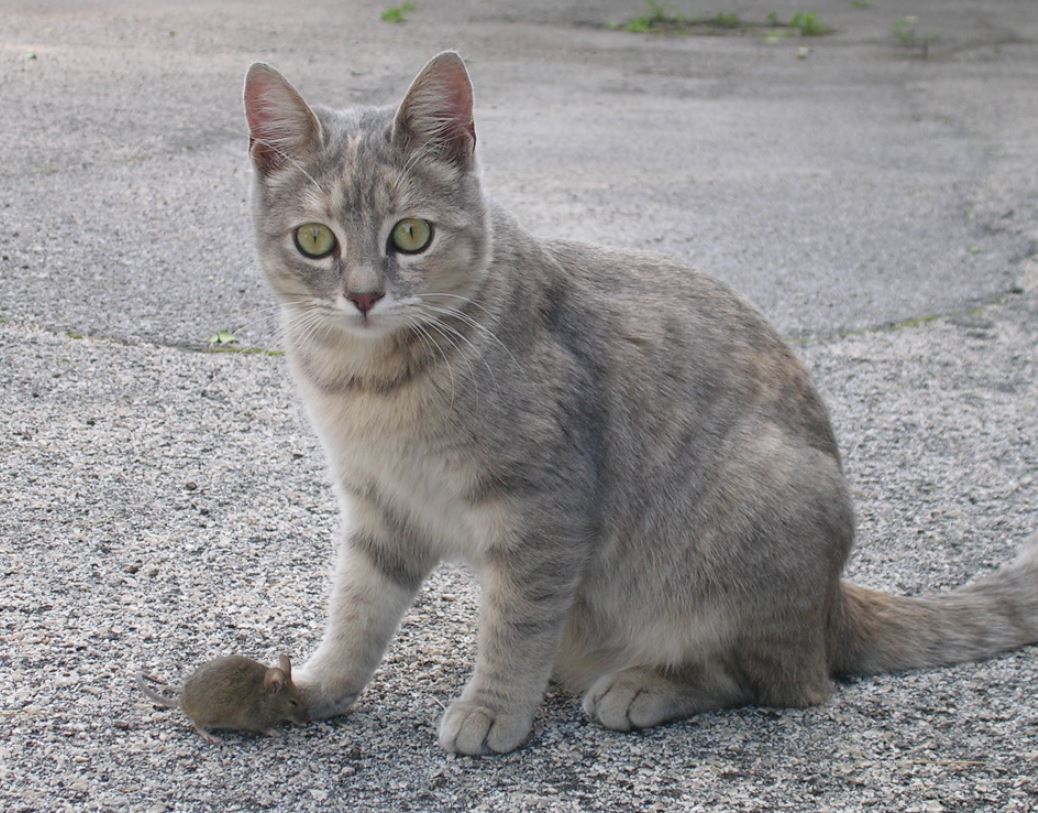
The Gemara relates: A certain man borrowed a cat from another to hunt and kill mice for him. The mice banded together against it and killed it. Rav Ashi sat and raised a dilemma: In a case like this, what is the halakha? Is this case comparable to a case where a borrowed animal died due to ordinary labor, or not? Rav Mordekhai said to Rav Ashi: Avimi of Hagronya said this in the name of Rava: With regard to a man who women killed, there is a need for neither judgment nor a judge, i.e., it is obvious that they are liable. In this case as well, it is obvious that the borrower may bring the cat to hunt mice, and he is therefore exempt from liability.
אִיכָּא דְּאָמְרִי: אֲכַל עַכְבְּרֵי טוּבָא וַחֲבִיל וּמִית. יָתֵיב רַב אָשֵׁי וְקָא מְעַיֵּין בַּהּ: כְּהַאי גַּוְונָא מַאי? אֲמַר לֵיהּ רַב מָרְדֳּכַי לְרַב אָשֵׁי: הָכִי אָמַר אֲבִימִי מֵהַגְרוֹנְיָא: גַּבְרָא דִּנְשֵׁי קַטְלוּהּ – לָא דִּינָא וְלָא דַּיָּינָא.
There are those who say that the incident actually occurred as follows: The cat ate many mice, and was harmed by doing so and died. Rav Ashi sat and deliberated: In a case like this, what is the halakha? Rav Mordekhai said to Rav Ashi: Avimi of Hagronya said this: With regard to a man who overindulged in sexual intercourse to the extent that women killed him by exhausting him, there is neither judgment nor judge, i.e., there is no redress since it is his own fault.
אָמַר רָבָא: הַאי מַאן דְּבָעֵי לְמִישְׁאַל מִידֵּי מֵחַבְרֵיהּ וְלִיפְּטַר, נֵימָא לֵיהּ: אַשְׁקְיַין מַיָּא, דְּהָוֵי שְׁאֵילָה בִּבְעָלִים.
Rava says: With regard to one who wants to borrow something from another and be exempt from liability, let him say to the lender at the time of borrowing: Pour me water. He will thereby be exempt, as it is then a case of borrowing an item and borrowing or hiring the services of its owner with it.
וְאִי פִּקֵּחַ הוּא, נֵימָא לֵיהּ: שְׁאֵיל בְּרֵישָׁא וַהֲדַר אַשְׁקְיָיךְ.
And if the lender is perspicacious and wishes to prevent the borrower from being exempt from liability, let him say to him: Borrow the item first and then I will pour the water for you. Since the owner will not yet be working for the borrower at the time of the borrowing, the exemption does not apply.
אָמַר רָבָא: מַקְרֵי דַרְדְּקֵי, שַׁתָּלָא, טַבָּחָא, וְאוּמָּנָא, סַפַּר מָתָא – כּוּלְּהוֹן בְּעִידָּן עֲבִידְתַּיְיהוּ כִּשְׁאֵילָה בִּבְעָלִים דָּמוּ.
Rava says: A teacher of children, the local gardener, the local butcher, and the local bloodletter, and a scribe of the city, with regard to all of them, if someone borrows an item from them at the time of their work, he is exempt from liability, as the case is comparable to borrowing an item and borrowing or hiring its owner with it. These people are always considered in the employ of the residents of the place where they work.
אֲמַרוּ לֵיהּ רַבָּנַן לְרָבָא: שְׁאִיל לַן מָר. אִקְּפִיד. אֲמַר לְהוּ: לְאַפְקוֹעֵי מָמוֹנַאי קָא בָעֵיתוּ?! אַדְּרַבָּה, אַתּוּן שְׁאִילְתּוּן לִי. דְּאִילּוּ אֲנָא מָצֵי אִישְׁתְּמוֹטֵי לְכוּ מִמַּסֶּכְתָּא לְמַסֶּכְתָּא, אַתּוּן לָא מָצֵיתוּ לְאִישְׁתְּמוֹטֵי.
The Gemara relates: The Rabbis said to Rava: Master, you are lent to us to teach us Torah, and so if we borrow an item from you, we should be exempt from liability. These Rabbis stated this based on Rava’s own ruling. Rava was angered by this and said to them: Do you want to take my money away from me? On the contrary, I am not lent to you; rather, you are lent to me, since you assist me in consolidating my Torah knowledge. And this is the proof that it is you who are assisting me: Whereas I am able to deflect you from one tractate to another tractate because I am not obligated to teach specifically that which you want to learn, you are not able to deflect me from what I wish to teach.
וְלָא הִיא, אִיהוּ שְׁאִיל לְהוּ בְּיוֹמָא דְכַלָּה. אִינְהוּ שְׁאִילוּ לֵיהּ בִּשְׁאָר יוֹמֵי.
The Gemara comments: But it is not so that a teacher is never lent to his students. During the days of the kalla, the gatherings for Torah study during Elul and Adar, the teacher is required to teach a specific subject, and therefore he is lent to them. During the rest of the days of the year, they are lent to him, as he can teach whatever subject matter he wishes.
מָרִימָר בַּר חֲנִינָא אוֹגַר כּוּדַנְיָיתָא בֵּי חוֹזָאֵי, נְפַק לְדַלּוֹיֵי טְעוּנַהּ בַּהֲדַיְיהוּ, פְּשַׁעוּ בַּהּ וּמִית. אֲתוֹ לְקַמֵּיהּ דְּרָבָא, חַיְּיבִינְהוּ. אֲמַרוּ לֵיהּ רַבָּנַן לְרָבָא: פְּשִׁיעָה בִּבְעָלִים הִיא! אִיכְּסִיף. לְסוֹף אִיגַּלַּאי מִילְּתָא דִּלְמֵיסַר טְעוּנַהּ הוּא דִּנְפַק.
The Gemara relates: Mareimar bar Ḥanina rented out a mule to the residents of Bei Ḥozai. He went out to raise up a load onto the mule together with those who rented it. Later they were negligent with the animal, and it died. They came before Rava for judgment, and he deemed them liable to pay. The Sages said to Rava: This is a case of a mishap that occurred due to a renter’s negligence in safeguarding a deposit that was rented together with its owner, and the halakha in such a case is that the renter is exempt. Rava was embarrassed that he had ruled incorrectly. Ultimately it was revealed that Mareimar bar Ḥanina had gone out only to supervise the loading but did not actually participate in loading the animal. Accordingly, Rava’s ruling that the renters were liable proved to be correct.
הָנִיחָא לְמַאן דְּאָמַר פְּשִׁיעָה בִּבְעָלִים פָּטוּר, מִשּׁוּם הָכִי אִיכְּסִיף. אֶלָּא לְמַאן דְּאָמַר חַיָּיב, אַמַּאי אִיכְּסִיף?
The Gemara comments: This works out well according to the one who says that in a case of a mishap that occurred because of a borrower’s negligence in safeguarding a deposit that was borrowed together with its owner, the borrower is exempt; for that reason Rava was embarrassed for ruling incorrectly. But according to the one who says that in such a case the borrower is liable, why was he embarrassed; wouldn’t it appear that he ruled correctly?
לָא מִיפְשָׁע פְּשַׁעוּ בָּהּ, אֶלָּא אִיגְּנוֹבֵי אִיגְּנוּב, וּמֵתָה כְּדַרְכָּהּ בֵּי גַנָּב הָוֵי. וַאֲתוֹ לְקַמֵּיהּ דְּרָבָא וְחַיְּיבִינְהוּ. אֲמַרוּ לֵיהּ רַבָּנַן לְרָבָא: גְּנֵיבָה בִּבְעָלִים הִיא. אִכְּסִיף. לְסוֹף אִיגַּלַּאי מִילְּתָא דִּלְמֵיסַר טְעוּנַהּ הוּא דִּנְפַק.
The Gemara emends the details of the incident: Those that rented the mule were not negligent with it. Rather, it was stolen from them and then it died naturally in the house of the thief. And those who rented the mule came before Rava for judgment, and he deemed them liable. The Sages said to Rava: This is a case of theft of a deposit that was borrowed together with borrowing the services of the owner, and so the borrower should be exempt. Rava was embarrassed that he had ruled incorrectly. Ultimately it was revealed that Mareimar bar Ḥanina had gone out only to supervise the loading but did not actually participate in loading the animal. Accordingly, Rava’s ruling proved to be correct.
מַתְנִי׳ הַשּׁוֹאֵל אֶת הַפָּרָה, שְׁאָלָהּ חֲצִי יוֹם וּשְׂכָרָהּ חֲצִי יוֹם. שְׁאָלָהּ הַיּוֹם וּשְׂכָרָהּ לְמָחָר. שָׂכַר אַחַת וְשָׁאַל אַחַת, וּמֵתָה. הַמַּשְׁאִיל אוֹמֵר: שְׁאוּלָה מֵתָה, בְּיוֹם שֶׁהָיְתָה שְׁאוּלָה מֵתָה,
MISHNA: There is one who borrowed a cow. He borrowed it for half of the day and rented it for the other half of the day; or he borrowed it for today and rented it for tomorrow; or he rented one cow and borrowed another one from the same person. And in one of the first two cases, the cow died and it is not clear during which period the cow died. Or in the last case, one of the cows died and it is not clear whether it had been the borrowed cow or the rented cow. If the lender then says: The borrowed cow is the one that died; or: It died on the day that it was being borrowed;
בְּשָׁעָה שֶׁהָיְתָה שְׁאוּלָה מֵתָה. וְהַלָּה אוֹמֵר: אֵינִי יוֹדֵעַ – חַיָּיב.
or: It died during the period in which it was being borrowed, so that, according to his claim, the borrower is liable to pay for the cow, and the other one, the borrower, says: I do not know what happened, the borrower is liable to pay.
הַשּׂוֹכֵר אוֹמֵר: שְׂכוּרָה מֵתָה, בְּיוֹם שֶׁהָיְתָה שְׂכוּרָה מֵתָה, בְּשָׁעָה שֶׁהָיְתָה שְׂכוּרָה מֵתָה. וְהַלָּה אוֹמֵר: אֵינִי יוֹדֵעַ – פָּטוּר.
If the renter says: The rented cow is the one that died; or: It died on the day that it was being rented; or: It died during the period in which it was being rented, and the other one, the owner of the cow, says: I do not know what happened, the renter is exempt.
זֶה אוֹמֵר: שְׁאוּלָה, וְזֶה אוֹמֵר: שְׂכוּרָה – יִשָּׁבַע הַשּׂוֹכֵר שֶׁשְּׂכוּרָה מֵתָה.
If this owner says with certitude: The borrowed cow is the one that died, and that renter says with certitude: The rented cow is the one that died, then the renter takes an oath that the rented cow is the one that died, and he is then exempt from liability.
זֶה אוֹמֵר: אֵינִי יוֹדֵעַ, וְזֶה אוֹמֵר: אֵינִי יוֹדֵעַ – יַחְלוֹקוּ.
If this one says: I do not know what happened, and that one says: I do not know what happened, then they divide the disputed amount. The bailee is liable to pay for only half the value of the cow.
גְּמָ׳ שָׁמְעַתְּ מִינַּהּ: מָנֶה לִי בְּיָדְךָ, וְהַלָּה אוֹמֵר: אֵינִי יוֹדֵעַ – חַיָּיב.
GEMARA: Conclude from the mishna that in a comparable situation, where one says to another: I have one hundred dinars in your possession, and the other one says: I do not know whether or not I have your money, that the defendant is liable to pay.
לֵימָא תִּהְוֵי תְּיוּבְתָּא דְּרַב נַחְמָן, דְּאִיתְּמַר: ״מָנֶה לִי בְּיָדְךָ״, וְהַלָּה אוֹמֵר: אֵינִי יוֹדֵעַ. רַב הוּנָא וְרַב יְהוּדָה אָמְרִי: חַיָּיב. רַב נַחְמָן וְרַבִּי יוֹחָנָן אָמְרִי: פָּטוּר!
The Gemara suggests: Let us say that it is a conclusive refutation of the opinion of Rav Naḥman. As it was stated that the amora’im disagreed about the following case: With regard to one who approaches another and says: I have one hundred dinars in your possession, and the other says: I do not know, Rav Huna and Rav Yehuda say: The respondent is liable to pay, because he did not deny the claim. Rav Naḥman and Rabbi Yoḥanan say: He is exempt from payment.
כִּדְאָמַר רַב נַחְמָן: כְּגוֹן שֶׁיֵּשׁ עֵסֶק שְׁבוּעָה בֵּינֵיהֶן. הָכָא נָמֵי – כְּגוֹן שֶׁיֵּשׁ עֵסֶק שְׁבוּעָה בֵּינֵיהֶן.
The Gemara refutes this contention: Just as Rav Naḥman says in that context: He is liable to pay only in a case where there is a matter of an oath between them, here too, it is a case where there is a matter of an oath between them. In that case, Rav Naḥman rules that he is liable to pay only if he is already liable to take an oath concerning his denial of part of the claim. Since he does not know if he owes this sum, and he is therefore unable to take the oath he is liable to take, he must pay. In this case as well, since the bailee does not know what occurred, he cannot take an oath, and must pay.
הֵיכִי דָּמֵי עֵסֶק שְׁבוּעָה? כִּדְרָבָא,
The Gemara asks: What are the circumstances of a matter of an oath? The Gemara explains: This in accordance with the statement of Rava,

Today’s daily daf tools:
Delve Deeper
Broaden your understanding of the topics on this daf with classes and podcasts from top women Talmud scholars.

New to Talmud?
Check out our resources designed to help you navigate a page of Talmud – and study at the pace, level and style that fits you.
The Hadran Women’s Tapestry
Meet the diverse women learning Gemara at Hadran and hear their stories.
תמיד רציתי. למדתי גמרא בבית ספר בטורונטו קנדה. עליתי ארצה ולמדתי שזה לא מקובל. הופתעתי.
יצאתי לגימלאות לפני שנתיים וזה מאפשר את המחוייבות לדף יומי.
עבורי ההתמדה בלימוד מעגן אותי בקשר שלי ליהדות. אני תמיד מחפשת ותמיד. מוצאת מקור לקשר. ללימוד חדש ומחדש. קשר עם נשים לומדות מעמיק את החוויה ומשמעותית מאוד.
מיתר, ישראל

Phoenix, AZ, United States
I started my journey on the day I realized that the Siyum was happening in Yerushalayim and I was missing out. What? I told myself. How could I have not known about this? How can I have missed out on this opportunity? I decided that moment, I would start Daf Yomi and Nach Yomi the very next day. I am so grateful to Hadran. I am changed forever because I learn Gemara with women. Thank you.
Mitspe, Israel
Geri Goldstein got me started learning daf yomi when I was in Israel 2 years ago. It’s been a challenge and I’ve learned a lot though I’m sure I miss a lot. I quilt as I listen and I want to share what I’ve been working on.

Ottawa, Canada
I started learning at the start of this cycle, and quickly fell in love. It has become such an important part of my day, enriching every part of my life.
Toronto, Canada
Last cycle, I listened to parts of various מסכתות. When the הדרן סיום was advertised, I listened to Michelle on נידה. I knew that בע”ה with the next cycle I was in (ב”נ). As I entered the סיום (early), I saw the signs and was overcome with emotion. I was randomly seated in the front row, and I cried many times that night. My choice to learn דף יומי was affirmed. It is one of the best I have made!
אפרת, Israel
I started learning at the beginning of this Daf Yomi cycle because I heard a lot about the previous cycle coming to an end and thought it would be a good thing to start doing. My husband had already bought several of the Koren Talmud Bavli books and they were just sitting on the shelf, not being used, so here was an opportunity to start using them and find out exactly what was in them. Loving it!
Borehamwood, United Kingdom
I am a Reform rabbi and took Talmud courses in rabbinical school, but I knew there was so much more to learn. It felt inauthentic to serve as a rabbi without having read the entire Talmud, so when the opportunity arose to start Daf Yomi in 2020, I dove in! Thanks to Hadran, Daf Yomi has enriched my understanding of rabbinic Judaism and deepened my love of Jewish text & tradition. Todah rabbah!
California, United States
Bronx, United States
In early 2020, I began the process of a stem cell transplant. The required extreme isolation forced me to leave work and normal life but gave me time to delve into Jewish text study. I did not feel isolated. I began Daf Yomi at the start of this cycle, with family members joining me online from my hospital room. I’ve used my newly granted time to to engage, grow and connect through this learning.
Worcester, United States

New York, United States
I started at the beginning of this cycle. No 1 reason, but here’s 5.
In 2019 I read about the upcoming siyum hashas.
There was a sermon at shul about how anyone can learn Talmud.
Talmud references come up when I am studying. I wanted to know more.
Yentl was on telly. Not a great movie but it’s about studying Talmud.
I went to the Hadran website: A new cycle is starting. I’m gonna do this

Cambridge, United Kingdom
Michelle has been an inspiration for years, but I only really started this cycle after the moving and uplifting siyum in Jerusalem. It’s been an wonderful to learn and relearn the tenets of our religion and to understand how the extraordinary efforts of a band of people to preserve Judaism after the fall of the beit hamikdash is still bearing fruits today. I’m proud to be part of the chain!
Raanana, Israel
I began learning the daf in January 2022. I initially “flew under the radar,” sharing my journey with my husband and a few close friends. I was apprehensive – who, me? Gemara? Now, 2 years in, I feel changed. The rigor of a daily commitment frames my days. The intellectual engagement enhances my knowledge. And the virtual community of learners has become a new family, weaving a glorious tapestry.
Far Rockaway, United States
I decided to give daf yomi a try when I heard about the siyum hashas in 2020. Once the pandemic hit, the daily commitment gave my days some much-needed structure. There have been times when I’ve felt like quitting- especially when encountering very technical details in the text. But then I tell myself, “Look how much you’ve done. You can’t stop now!” So I keep going & my Koren bookshelf grows…

Huntington, United States
I had never heard of Daf Yomi and after reading the book, The Weight of Ink, I explored more about it. I discovered that it was only 6 months before a whole new cycle started and I was determined to give it a try. I tried to get a friend to join me on the journey but after the first few weeks they all dropped it. I haven’t missed a day of reading and of listening to the podcast.

Elkins Park, United States
Palo Alto, CA, United States
I heard the new Daf Yomi cycle was starting and I was curious, so I searched online for a women’s class and was pleasently surprised to find Rabanit Michelle’s great class reviews in many online articles. It has been a splendid journey. It is a way to fill my days with Torah, learning so many amazing things I have never heard before during my Tanach learning at High School. Thanks so much .

Panama, Panama
In early January of 2020, I learned about Siyyum HaShas and Daf Yomi via Tablet Magazine’s brief daily podcast about the Daf. I found it compelling and fascinating. Soon I discovered Hadran; since then I have learned the Daf daily with Rabbanit Michelle Cohen Farber. The Daf has permeated my every hour, and has transformed and magnified my place within the Jewish Universe.
San Francisco, CA , United States
Los Angeles, United States
Bava Metzia 97
דִּינָא הָכִי וּשְׁתֵיק רַב.
Is this the halakha? Is it not sufficient to pay him the difference between the broken ax’s previous and current value? And Rav was silent; he did not answer.
וְהִלְכְתָא כְּרַב כָּהֲנָא וְרַב אַסִּי, דְּמַהְדַּר לֵיהּ תַּבְרֵיהּ וּמְמַלֵּי לֵיהּ דְּמֵי מָנָא.
The Gemara concludes: And the halakha is in accordance with the opinion of Rav Kahana and Rav Asi, that he returns to him the broken tool and makes up the remainder of the tool’s previous value with a monetary payment.
הָהוּא גַּבְרָא דִּשְׁאֵיל דַּוְולָא מֵחַבְרֵיהּ, אִיתְּבַר. אֲתָא לְקַמֵּיהּ דְּרַב פָּפָּא. אֲמַר לֵיהּ: אַיְיתִי סָהֲדִי דְּלָא שַׁנֵּית בֵּיהּ, וְאִיפְּטַר.
The Gemara relates: A certain man borrowed a pail from another and it broke. He came before Rav Pappa for judgment. Rav Pappa said to him: Bring witnesses that you did not deviate from its regular use, and you will be exempt from liability, as this is comparable to a case of a borrowed animal that died due to ordinary labor.
הָהוּא גַּבְרָא דִּשְׁאֵיל שׁוּנָרָא מֵחַבְרֵיהּ, חֲבוּר עֲלֵיהּ עַכְבְּרֵי וְקַטְלוּהּ. יָתֵיב רַב אָשֵׁי וְקָמִיבַּעְיָא לֵיהּ: כִּי הַאי גַוְונָא מַאי? כִּי מֵתָה מֵחֲמַת מְלָאכָה דָּמֵי, אוֹ לָא? אֲמַר לֵיהּ רַב מָרְדֳּכַי לְרַב אָשֵׁי הָכִי אָמַר אֲבִימִי מֵהַגְרוֹנְיָא מִשְּׁמֵיהּ דְּרָבָא: גַּבְרָא דִּנְשֵׁי קַטְלוּהּ – לָא דִּינָא וְלָא דַּיָּינָא.
The Gemara relates: A certain man borrowed a cat from another to hunt and kill mice for him. The mice banded together against it and killed it. Rav Ashi sat and raised a dilemma: In a case like this, what is the halakha? Is this case comparable to a case where a borrowed animal died due to ordinary labor, or not? Rav Mordekhai said to Rav Ashi: Avimi of Hagronya said this in the name of Rava: With regard to a man who women killed, there is a need for neither judgment nor a judge, i.e., it is obvious that they are liable. In this case as well, it is obvious that the borrower may bring the cat to hunt mice, and he is therefore exempt from liability.
אִיכָּא דְּאָמְרִי: אֲכַל עַכְבְּרֵי טוּבָא וַחֲבִיל וּמִית. יָתֵיב רַב אָשֵׁי וְקָא מְעַיֵּין בַּהּ: כְּהַאי גַּוְונָא מַאי? אֲמַר לֵיהּ רַב מָרְדֳּכַי לְרַב אָשֵׁי: הָכִי אָמַר אֲבִימִי מֵהַגְרוֹנְיָא: גַּבְרָא דִּנְשֵׁי קַטְלוּהּ – לָא דִּינָא וְלָא דַּיָּינָא.
There are those who say that the incident actually occurred as follows: The cat ate many mice, and was harmed by doing so and died. Rav Ashi sat and deliberated: In a case like this, what is the halakha? Rav Mordekhai said to Rav Ashi: Avimi of Hagronya said this: With regard to a man who overindulged in sexual intercourse to the extent that women killed him by exhausting him, there is neither judgment nor judge, i.e., there is no redress since it is his own fault.
אָמַר רָבָא: הַאי מַאן דְּבָעֵי לְמִישְׁאַל מִידֵּי מֵחַבְרֵיהּ וְלִיפְּטַר, נֵימָא לֵיהּ: אַשְׁקְיַין מַיָּא, דְּהָוֵי שְׁאֵילָה בִּבְעָלִים.
Rava says: With regard to one who wants to borrow something from another and be exempt from liability, let him say to the lender at the time of borrowing: Pour me water. He will thereby be exempt, as it is then a case of borrowing an item and borrowing or hiring the services of its owner with it.
וְאִי פִּקֵּחַ הוּא, נֵימָא לֵיהּ: שְׁאֵיל בְּרֵישָׁא וַהֲדַר אַשְׁקְיָיךְ.
And if the lender is perspicacious and wishes to prevent the borrower from being exempt from liability, let him say to him: Borrow the item first and then I will pour the water for you. Since the owner will not yet be working for the borrower at the time of the borrowing, the exemption does not apply.
אָמַר רָבָא: מַקְרֵי דַרְדְּקֵי, שַׁתָּלָא, טַבָּחָא, וְאוּמָּנָא, סַפַּר מָתָא – כּוּלְּהוֹן בְּעִידָּן עֲבִידְתַּיְיהוּ כִּשְׁאֵילָה בִּבְעָלִים דָּמוּ.
Rava says: A teacher of children, the local gardener, the local butcher, and the local bloodletter, and a scribe of the city, with regard to all of them, if someone borrows an item from them at the time of their work, he is exempt from liability, as the case is comparable to borrowing an item and borrowing or hiring its owner with it. These people are always considered in the employ of the residents of the place where they work.
אֲמַרוּ לֵיהּ רַבָּנַן לְרָבָא: שְׁאִיל לַן מָר. אִקְּפִיד. אֲמַר לְהוּ: לְאַפְקוֹעֵי מָמוֹנַאי קָא בָעֵיתוּ?! אַדְּרַבָּה, אַתּוּן שְׁאִילְתּוּן לִי. דְּאִילּוּ אֲנָא מָצֵי אִישְׁתְּמוֹטֵי לְכוּ מִמַּסֶּכְתָּא לְמַסֶּכְתָּא, אַתּוּן לָא מָצֵיתוּ לְאִישְׁתְּמוֹטֵי.
The Gemara relates: The Rabbis said to Rava: Master, you are lent to us to teach us Torah, and so if we borrow an item from you, we should be exempt from liability. These Rabbis stated this based on Rava’s own ruling. Rava was angered by this and said to them: Do you want to take my money away from me? On the contrary, I am not lent to you; rather, you are lent to me, since you assist me in consolidating my Torah knowledge. And this is the proof that it is you who are assisting me: Whereas I am able to deflect you from one tractate to another tractate because I am not obligated to teach specifically that which you want to learn, you are not able to deflect me from what I wish to teach.
וְלָא הִיא, אִיהוּ שְׁאִיל לְהוּ בְּיוֹמָא דְכַלָּה. אִינְהוּ שְׁאִילוּ לֵיהּ בִּשְׁאָר יוֹמֵי.
The Gemara comments: But it is not so that a teacher is never lent to his students. During the days of the kalla, the gatherings for Torah study during Elul and Adar, the teacher is required to teach a specific subject, and therefore he is lent to them. During the rest of the days of the year, they are lent to him, as he can teach whatever subject matter he wishes.
מָרִימָר בַּר חֲנִינָא אוֹגַר כּוּדַנְיָיתָא בֵּי חוֹזָאֵי, נְפַק לְדַלּוֹיֵי טְעוּנַהּ בַּהֲדַיְיהוּ, פְּשַׁעוּ בַּהּ וּמִית. אֲתוֹ לְקַמֵּיהּ דְּרָבָא, חַיְּיבִינְהוּ. אֲמַרוּ לֵיהּ רַבָּנַן לְרָבָא: פְּשִׁיעָה בִּבְעָלִים הִיא! אִיכְּסִיף. לְסוֹף אִיגַּלַּאי מִילְּתָא דִּלְמֵיסַר טְעוּנַהּ הוּא דִּנְפַק.
The Gemara relates: Mareimar bar Ḥanina rented out a mule to the residents of Bei Ḥozai. He went out to raise up a load onto the mule together with those who rented it. Later they were negligent with the animal, and it died. They came before Rava for judgment, and he deemed them liable to pay. The Sages said to Rava: This is a case of a mishap that occurred due to a renter’s negligence in safeguarding a deposit that was rented together with its owner, and the halakha in such a case is that the renter is exempt. Rava was embarrassed that he had ruled incorrectly. Ultimately it was revealed that Mareimar bar Ḥanina had gone out only to supervise the loading but did not actually participate in loading the animal. Accordingly, Rava’s ruling that the renters were liable proved to be correct.
הָנִיחָא לְמַאן דְּאָמַר פְּשִׁיעָה בִּבְעָלִים פָּטוּר, מִשּׁוּם הָכִי אִיכְּסִיף. אֶלָּא לְמַאן דְּאָמַר חַיָּיב, אַמַּאי אִיכְּסִיף?
The Gemara comments: This works out well according to the one who says that in a case of a mishap that occurred because of a borrower’s negligence in safeguarding a deposit that was borrowed together with its owner, the borrower is exempt; for that reason Rava was embarrassed for ruling incorrectly. But according to the one who says that in such a case the borrower is liable, why was he embarrassed; wouldn’t it appear that he ruled correctly?
לָא מִיפְשָׁע פְּשַׁעוּ בָּהּ, אֶלָּא אִיגְּנוֹבֵי אִיגְּנוּב, וּמֵתָה כְּדַרְכָּהּ בֵּי גַנָּב הָוֵי. וַאֲתוֹ לְקַמֵּיהּ דְּרָבָא וְחַיְּיבִינְהוּ. אֲמַרוּ לֵיהּ רַבָּנַן לְרָבָא: גְּנֵיבָה בִּבְעָלִים הִיא. אִכְּסִיף. לְסוֹף אִיגַּלַּאי מִילְּתָא דִּלְמֵיסַר טְעוּנַהּ הוּא דִּנְפַק.
The Gemara emends the details of the incident: Those that rented the mule were not negligent with it. Rather, it was stolen from them and then it died naturally in the house of the thief. And those who rented the mule came before Rava for judgment, and he deemed them liable. The Sages said to Rava: This is a case of theft of a deposit that was borrowed together with borrowing the services of the owner, and so the borrower should be exempt. Rava was embarrassed that he had ruled incorrectly. Ultimately it was revealed that Mareimar bar Ḥanina had gone out only to supervise the loading but did not actually participate in loading the animal. Accordingly, Rava’s ruling proved to be correct.
מַתְנִי׳ הַשּׁוֹאֵל אֶת הַפָּרָה, שְׁאָלָהּ חֲצִי יוֹם וּשְׂכָרָהּ חֲצִי יוֹם. שְׁאָלָהּ הַיּוֹם וּשְׂכָרָהּ לְמָחָר. שָׂכַר אַחַת וְשָׁאַל אַחַת, וּמֵתָה. הַמַּשְׁאִיל אוֹמֵר: שְׁאוּלָה מֵתָה, בְּיוֹם שֶׁהָיְתָה שְׁאוּלָה מֵתָה,
MISHNA: There is one who borrowed a cow. He borrowed it for half of the day and rented it for the other half of the day; or he borrowed it for today and rented it for tomorrow; or he rented one cow and borrowed another one from the same person. And in one of the first two cases, the cow died and it is not clear during which period the cow died. Or in the last case, one of the cows died and it is not clear whether it had been the borrowed cow or the rented cow. If the lender then says: The borrowed cow is the one that died; or: It died on the day that it was being borrowed;
בְּשָׁעָה שֶׁהָיְתָה שְׁאוּלָה מֵתָה. וְהַלָּה אוֹמֵר: אֵינִי יוֹדֵעַ – חַיָּיב.
or: It died during the period in which it was being borrowed, so that, according to his claim, the borrower is liable to pay for the cow, and the other one, the borrower, says: I do not know what happened, the borrower is liable to pay.
הַשּׂוֹכֵר אוֹמֵר: שְׂכוּרָה מֵתָה, בְּיוֹם שֶׁהָיְתָה שְׂכוּרָה מֵתָה, בְּשָׁעָה שֶׁהָיְתָה שְׂכוּרָה מֵתָה. וְהַלָּה אוֹמֵר: אֵינִי יוֹדֵעַ – פָּטוּר.
If the renter says: The rented cow is the one that died; or: It died on the day that it was being rented; or: It died during the period in which it was being rented, and the other one, the owner of the cow, says: I do not know what happened, the renter is exempt.
זֶה אוֹמֵר: שְׁאוּלָה, וְזֶה אוֹמֵר: שְׂכוּרָה – יִשָּׁבַע הַשּׂוֹכֵר שֶׁשְּׂכוּרָה מֵתָה.
If this owner says with certitude: The borrowed cow is the one that died, and that renter says with certitude: The rented cow is the one that died, then the renter takes an oath that the rented cow is the one that died, and he is then exempt from liability.
זֶה אוֹמֵר: אֵינִי יוֹדֵעַ, וְזֶה אוֹמֵר: אֵינִי יוֹדֵעַ – יַחְלוֹקוּ.
If this one says: I do not know what happened, and that one says: I do not know what happened, then they divide the disputed amount. The bailee is liable to pay for only half the value of the cow.
גְּמָ׳ שָׁמְעַתְּ מִינַּהּ: מָנֶה לִי בְּיָדְךָ, וְהַלָּה אוֹמֵר: אֵינִי יוֹדֵעַ – חַיָּיב.
GEMARA: Conclude from the mishna that in a comparable situation, where one says to another: I have one hundred dinars in your possession, and the other one says: I do not know whether or not I have your money, that the defendant is liable to pay.
לֵימָא תִּהְוֵי תְּיוּבְתָּא דְּרַב נַחְמָן, דְּאִיתְּמַר: ״מָנֶה לִי בְּיָדְךָ״, וְהַלָּה אוֹמֵר: אֵינִי יוֹדֵעַ. רַב הוּנָא וְרַב יְהוּדָה אָמְרִי: חַיָּיב. רַב נַחְמָן וְרַבִּי יוֹחָנָן אָמְרִי: פָּטוּר!
The Gemara suggests: Let us say that it is a conclusive refutation of the opinion of Rav Naḥman. As it was stated that the amora’im disagreed about the following case: With regard to one who approaches another and says: I have one hundred dinars in your possession, and the other says: I do not know, Rav Huna and Rav Yehuda say: The respondent is liable to pay, because he did not deny the claim. Rav Naḥman and Rabbi Yoḥanan say: He is exempt from payment.
כִּדְאָמַר רַב נַחְמָן: כְּגוֹן שֶׁיֵּשׁ עֵסֶק שְׁבוּעָה בֵּינֵיהֶן. הָכָא נָמֵי – כְּגוֹן שֶׁיֵּשׁ עֵסֶק שְׁבוּעָה בֵּינֵיהֶן.
The Gemara refutes this contention: Just as Rav Naḥman says in that context: He is liable to pay only in a case where there is a matter of an oath between them, here too, it is a case where there is a matter of an oath between them. In that case, Rav Naḥman rules that he is liable to pay only if he is already liable to take an oath concerning his denial of part of the claim. Since he does not know if he owes this sum, and he is therefore unable to take the oath he is liable to take, he must pay. In this case as well, since the bailee does not know what occurred, he cannot take an oath, and must pay.
הֵיכִי דָּמֵי עֵסֶק שְׁבוּעָה? כִּדְרָבָא,
The Gemara asks: What are the circumstances of a matter of an oath? The Gemara explains: This in accordance with the statement of Rava,

