Search

Bava Metzia 99

Want to dedicate learning? Get started here:

podcast placeholder

0:00
0:00


Summary

Today’s learning is sponsored by Lori Schuldiner Schor, on the occasion of her 65th birthday. “With gratitude for access to meaningful learning, and with appreciation for the love and support of my family and friends, throughout the years, to this very day (ad haYom haZeh).”

Today’s daf is sponsored by Dianne Kuchar in loving memory of Dennis. “Today was Dennis’ birthday. He was 6 months older than me, both being born in 56. He died at 65, two years ago. On June 6, in two years time, we will complete the daf yomi learning cycle of 7 1/2 years. I thank Hadran, Rabbanit Michelle, and all the daffers for their support.”

At what point does a borrower assume responsibility for unanticipated damage? The Mishna rules that if the borrower agrees that the lender can send the object to them with someone else, the borrower is already responsible, even if the lender sends it with their slave. Rav and Shmuel disagree about whether this law relates to a Jewish slave or a Canaanite slave. The Gemara questions Rav’s position that it refers to a Canaanite slave, as a Canaanite slave is considered an extension of the owner. However, the issue is resolved by employing an ukimta, establishing the Mishna in a particular situation. There are different opinions about when an owner can change their mind and decide not to loan out a borrowed item. Shmuel rules on a different issue: if one steals an item that can be sold in bulk at a lower price or sold by unit at a higher price, what price does the thief need to reimburse the owner? He holds that a robber would pay the higher amount if it is hekdesh (consecrated item) and the lower amount if it is to an individual. However, a difficulty is raised as Shmuel in a different context equates hekdesh and non-hekdesh. To resolve the difficulty, they say that Shmuel changed his mind about the latter source.

Today’s daily daf tools:

Bava Metzia 99

גְּמָ׳ בְּיַד עַבְדּוֹ – חַיָּיב, יַד עֶבֶד כְּיַד רַבּוֹ!

GEMARA: The mishna states that if the borrower agrees to have the lender send the cow by the hand of the lender’s slave, and it died on the way, then the borrower is liable. The Gemara asks: But isn’t the hand of a slave legally like the hand of his master; as long as the cow is in the possession of the lender’s slave, it is not considered to have left the lender’s possession. Why, then, is the borrower liable?

אָמַר שְׁמוּאֵל: בְּעֶבֶד עִבְרִי, דְּלָא קְנֵי לֵיהּ גּוּפֵיהּ. רַב אָמַר: אֲפִילּוּ תֵּימָא בְּעֶבֶד כְּנַעֲנִי, נַעֲשֶׂה כְּאוֹמֵר לֵיהּ: הַכִּישָׁהּ בְּמַקֵּל וְהִיא תָּבֹא.

The Gemara presents two resolutions: Shmuel said: The mishna is referring to a Hebrew slave, whose master does not acquire his person. Therefore, property in the slave’s possession is not considered to be in his master’s possession. Rav said: You may even say that the mishna is referring to a Canaanite slave, as this case may be considered like one in which the borrower said to the lender: Hit the cow with a stick and then it will come on its own to me. Just as in that case the borrower is liable once the cow leaves the lender’s domain, so too in this case he is liable once the cow leaves the lender’s domain, irrespective of the fact it was brought by the lender’s slave.

מֵיתִיבִי: הַשּׁוֹאֵל הַפָּרָה וְשִׁלְּחָהּ לוֹ בְּיַד בְּנוֹ, בְּיַד שְׁלוּחוֹ – חַיָּיב. בְּיַד עַבְדּוֹ – פָּטוּר.

The Gemara raises an objection from a baraita: If one borrows a cow; and, with the agreement of the borrower, the lender sends it to him by the hand of his son or by the hand of his agent; and it dies on the way, then the borrower is liable. If the lender sent it by the hand of his slave, then the borrower is exempt. The final clause appears to contradict the mishna’s ruling.

בִּשְׁלָמָא לִשְׁמוּאֵל: מַתְנִיתִין בְּעֶבֶד עִבְרִי, בָּרַיְיתָא בְּעֶבֶד כְּנַעֲנִי. אֶלָּא לְרַב קַשְׁיָא!

The Gemara elaborates: Granted, according to the resolution of Shmuel, one can explain that the mishna is referring to a Hebrew slave, whereas the baraita is referring to a Canaanite slave. But according to the resolution of Rav, who maintained that the mishna is referring to a Canaanite slave, the contradiction is difficult.

אָמַר לְךָ רַב: לָא תֵּימָא נַעֲשָׂה כְּאָמַר לוֹ, אֶלָּא אֵימָא: בְּאָמַר לוֹ הַכִּישָׁהּ בְּמַקֵּל וְהִיא תָּבֹא.

The Gemara presents a modified version of Rav’s resolution: Rav could say to you: Do not say in explanation of the mishna that the case may be considered like one in which the borrower said to the lender: Hit the cow with a stick and then it will come on its own. Rather, say that it is referring to a case where the borrower actually said to the lender: Hit the cow with a stick and then it will come to me on its own. Accordingly, one can explain that the baraita is referring to a case where he did not say this, and therefore, as long as the cow is still in the possession of the slave, the borrower is not liable.

דְּאִיתְּמַר: הַשְׁאִילֵנִי פָּרָתְךָ, וְאָמַר לוֹ: בְּיַד מִי? וְאָמַר לוֹ: הַכִּישָׁהּ בְּמַקֵּל וְתָבֹא. אָמַר רַב נַחְמָן אָמַר רַבָּה בַּר אֲבוּהּ אָמַר רַב: כֵּיוָן שֶׁיָּצָאת מֵרְשׁוּת מַשְׁאִיל וּמֵתָה – חַיָּיב.

As it was stated: One said to another: Lend me your cow. And the lender said to the borrower: By whose hand shall I send it? And the borrower said to him: Hit the cow with a stick and then it will come on its own to me. Rav Naḥman says that Rabba bar Avuh says that Rav says: In this case, the halakha is that once the cow left the domain of the lender and then it died, the borrower is liable.

נֵימָא מְסַיַּיע לֵיהּ: הַשְׁאִילֵנִי פָּרָתְךָ, וְאָמַר לוֹ: בְּיַד מִי? וְאָמַר לוֹ: הַכִּישָׁהּ בְּמַקֵּל וְהִיא תָּבֹא. כֵּיוָן שֶׁיָּצָאת מֵרְשׁוּת מַשְׁאִיל וּמֵתָה – חַיָּיב.

The Gemara suggests: Let us say that the following baraita supports this opinion of Rav: One said to another: Lend me your cow. And the lender said to the borrower: By whose hand shall I send it? And the borrower said to him: Hit the cow with a stick and then it will come on its own to me. The halakha is that once the cow left the domain of the lender and then it died, the borrower is liable.

אָמַר רַב אָשֵׁי: הָכָא בְּמַאי עָסְקִינַן – כְּגוֹן שֶׁהָיְתָה חֲצֵרוֹ שֶׁל שׁוֹאֵל לִפְנִים מֵחֲצֵרוֹ שֶׁל מַשְׁאִיל, דְּכִי מְשַׁלְּחָהּ לַהּ – וַדַּאי לְהָתָם אָזְלָא.

Rav Ashi said that the baraita is not a conclusive proof of Rav’s opinion. It is possible to say: With what are we dealing here; with a case where the courtyard of the borrower is situated further in from the public domain than the courtyard of the lender, such that when the lender sends the cow to him, it will certainly go to there. Consequently, the borrower is willing to accept liability from the moment the lender sends it.

אִי הָכִי, מַאי לְמֵימְרָא?! לָא צְרִיכָא דְּאִיכָּא גַּזְיָיתָא. מַהוּ דְּתֵימָא: לָא סָמְכָא דַּעְתֵּיהּ דִּלְמָא קָיְימָא הָתָם וְלָא אָתְיָא אָזְלָא לְהֶדְיָא, קָא מַשְׁמַע לַן דְּסָמְכָא דַּעְתֵּיהּ.

The Gemara asks: If so, if that is the case addressed in the baraita, what is the purpose of stating this halakha? It is obvious. The Gemara explains: No, it is necessary for the case of a courtyard in which there are corners. Lest you say: The borrower does not rely on the possibility that the animal will come to him, as perhaps the animal will go and stand there in one of the corners and not come straight to the borrower’s courtyard, the baraita therefore teaches us that even in such a case he relies on the assumption that the cow will nevertheless come to him, and so he accepts liability.

אָמַר רַב הוּנָא: הַשּׁוֹאֵל קַרְדּוֹם מֵחֲבֵירוֹ, בִּקַּע בּוֹ – קְנָאוֹ, לֹא בִּקַּע בּוֹ – לֹא קְנָאוֹ.

§ Rav Huna says: In the case of one who borrows an ax from another, once he has chopped wood with it, he has acquired it, but as long as he has not chopped wood with it, he has not acquired it.

לְמַאי? אִילֵימָא לׇאוֹנָסִין – מַאי שְׁנָא פָּרָה דְּמִשְּׁעַת שְׁאֵילָה? אֶלָּא לַחֲזָרָה, בִּקַּע בּוֹ – לָא מָצֵי הָדַר בֵּיהּ מַשְׁאִיל, לֹא בִּקַּע בּוֹ – מָצֵי מַשְׁאִיל הָדַר בֵּיהּ.

The Gemara clarifies: With regard to what matter does one acquire the ax? If we say he has acquired it for the purpose of being liable for unavoidable mishaps, i.e., his liability as a borrower begins once he uses the ax, then one could ask: What is different when one borrows a cow, that one is liable as a borrower from the moment of borrowing, even before one makes use of it? Rather, Rav Huna refers to one’s right of retraction, as follows: Once the borrower has chopped wood with it, the lender cannot renege on his commitment to lend the item, but as long as the borrower has not chopped wood with it, the lender can renege on his commitment to lend the item and prevent the borrower from borrowing the item.

וּפְלִיגָא דְּרַבִּי אַמֵּי, דְּאָמַר רַבִּי אַמֵּי: הַמַּשְׁאִיל קַרְדּוֹם שֶׁל הֶקְדֵּשׁ – מָעַל לְפִי טוֹבַת הֲנָאָה שֶׁבּוֹ, וַחֲבֵירוֹ מוּתָּר לְבַקֵּעַ בּוֹ לְכַתְּחִילָּה.

And with this opinion, Rav Huna disagrees with the opinion of Rabbi Ami, as Rabbi Ami says: One who lends another an ax that is of property consecrated to the Temple treasury has there by misused consecrated property. He is liable to pay the Temple treasury according to the financial advantage he received from lending the ax. And despite this, that other person, i.e., the borrower, is permitted to chop wood with it ab initio.

וְאִי לֹא קְנָאוֹ – אַמַּאי מָעַל? וְאַמַּאי חֲבֵירוֹ מוּתָּר לְבַקֵּעַ בּוֹ לְכַתְּחִילָּה? נַיהְדְּרֵיהּ וְלֹא לִיקְנְיֵיהּ וְלָא לִימְעוֹל.

The Gemara explains how it is apparent that Rabbi Ami disagrees with Rav Huna: And if one holds that the borrower does not acquire the ax from the moment of borrowing, why has the lender misused consecrated property? To be liable for misuse of consecrated property, one must acquire the item, thereby removing it from the Temple treasury. And furthermore, why is that other person permitted to chop wood with it ab initio? If the borrower does not acquire the ax from the moment of borrowing, let the borrower return the ax and not acquire it, and consequently the lender will not have misused consecrated property, as it will have turned out that nothing significant occurred. Rather, it is evident that Rabbi Ami holds that the act of lending is fully completed as soon as the borrower takes the ax, even before he has used it.

וּפְלִיגָא דְּרַבִּי אֶלְעָזָר, דְּאָמַר רַבִּי אֶלְעָזָר: כְּדֶרֶךְ שֶׁתִּקְּנוּ מְשִׁיכָה בַּלָּקוֹחוֹת, כָּךְ תִּקְנוּ מְשִׁיכָה בַּשּׁוֹמְרִים.

And furthermore, with this opinion, Rav Huna disagrees with the opinion of Rabbi Elazar, as Rabbi Elazar says: In the same way in which the Sages instituted for buyers that they can acquire an item by pulling it, and from that point the transaction is completed, so too they instituted for bailees that their rights and responsibilities are initiated by their pulling the item they agreed to safeguard, and from that point the transfer of the item to the bailee is completed.

תַּנְיָא נָמֵי הָכִי: כְּשֵׁם שֶׁתִּקְּנוּ מְשִׁיכָה בַּלָּקוֹחוֹת – כָּךְ תִּקְנוּ מְשִׁיכָה בַּשּׁוֹמְרִים, וּכְשֵׁם

This opinion of Rabbi Elazar is also taught in a baraita: Just as the Sages instituted for buyers that they can acquire an item by pulling it, so too they instituted for bailees that their rights and responsibilities are initiated by them pulling the item they agreed to safeguard. And just as

שֶׁקַּרְקַע נִקְנֵית בְּכֶסֶף וּבִשְׁטָר וּבַחֲזָקָה – כָּךְ שְׂכִירוּת נִקְנֵית בְּכֶסֶף וּבִשְׁטָר וּבַחֲזָקָה. שְׂכִירוּת מַאי עֲבִידְתַּיהּ? אָמַר רַב חִסְדָּא: שְׂכִירוּת קַרְקַע.

land is acquired either through the buyer giving money to the seller, or by the seller giving the buyer a bill of sale, or by the buyer performing an act of taking possession, so too, a rental is acquired either through the renter giving money to the owner, or by the owner giving the renter a rental document, or by the renter performing an act of taking possession. Based on the assumption that the baraita is referring to rental of movable property, the Gemara asks: With regard to the case of renting in the baraita, what is its purpose, i.e., why is it mentioned in connection with acts of acquisition that are effective with regard to land? Rav Ḥisda said: The baraita is referring to the rental of land.

אָמַר שְׁמוּאֵל: הַאי מַאן דְּגָזֵיל חֲבִיצָא דְתַמְרֵי מֵחַבְרֵיהּ וְאִית בַּהּ חַמְשִׁין תַּמְרֵי, אַגַּב הֲדָדֵי מִזְדַּבְּנָן בְּחַמְשִׁין נְכֵי חֲדָא, חֲדָא חֲדָא מִזְדַּבְּנָן בְּחַמְשִׁין.

§ Apropos the mention in the previous discussion of one who misuses consecrated property, the Gemara cites a related matter. Shmuel says: In the case of one who robs another of a cake [ḥavitza] of pressed dates, and in the cake there are fifty dates, which, when sold together, sell for fifty-less-one perutot and when they are sold one by one, they sell for fifty perutot, the sum that the robber is liable to pay as compensation to the robbery victim depends on who the robbery victim is.

לְהֶדְיוֹט – מְשַׁלֵּם חַמְשִׁין נְכֵי חֲדָא, לְהֶקְדֵּשׁ – מְשַׁלֵּם חַמְשִׁין וְחוּמְשַׁיְיהוּ, מַה שֶּׁאֵין כֵּן בְּמַזִּיק – דְּלָא מְשַׁלֵּם חוּמְשָׁא. דְּאָמַר מָר: ״וְאִישׁ כִּי יֹאכַל קֹדֶשׁ״ – פְּרָט לְמַזִּיק.

If one robbed, and is paying compensation to, a common person [hedyot], he pays fifty-less-one perutot. If one robbed another of a cake that was consecrated to the Temple treasury and he is paying compensation to the Temple treasury, he pays fifty perutot and an additional one-fifth of the value as a fine for having misused consecrated property for each one of the cakes. This is not so with regard to one liable for causing damage to consecrated property, who does not pay the additional one-fifth payment, as the Master says: The verse states: “And a man, if he eats sacrificial food in error, he should add its fifth on it” (Leviticus 22:14). By specifying that one who eats consecrated property is liable to pay the one-fifth payment, the verse excludes one who is liable for causing damage from that requirement.

מַתְקֵיף לַהּ רַב בִּיבִי בַּר אַבָּיֵי: לְהֶדְיוֹט אַמַּאי מְשַׁלֵּם חַמְשִׁין נְכֵי חֲדָא? נֵימָא לֵיהּ: אֲנָא חֲדָא חֲדָא הֲוָה מְזַבְּנִינָא לְהוּ?

Rav Beivai bar Abaye objects to this: Why, when he pays compensation to a common person, does he pay fifty-less-one? Let the victim say to the robber: I would have sold them one by one and received fifty perutot for them; you should therefore compensate me for that entire amount.

אָמַר רַב הוּנָא בְּרֵיהּ דְּרַב יְהוֹשֻׁעַ: ״שָׁמִין בֵּית סְאָה בְּאוֹתָהּ שָׂדֶה״ תְּנַן.

Rav Huna, son of Rav Yehoshua, said: We learned in a mishna (Bava Kamma 55b): If an animal causes damage to another’s field, the court appraises a large piece of land with an area required for sowing one se’a of seed [beit se’a] in that field, including the garden bed in which the damage took place. The court appraises how much it was worth before the animal damaged it and how much is it worth now, and the owner must pay the difference. The court appraises not only the garden bed that was eaten or trampled, but rather the depreciation in value of the bed as part of the surrounding area. This results in a smaller payment, as the damage appears less significant in the context of a larger area. In this case as well, the value of the entire cake is evaluated, not what it would be worth were one to divide it into smaller units.

לְמֵימְרָא דְּסָבַר שְׁמוּאֵל דִּין הֶדְיוֹט לָאו כְּדִין גָּבוֹהַּ דָּמֵי? וְהָתְנַן: נָטַל אֶבֶן אוֹ קוֹרָה מֵהֶקְדֵּשׁ – לֹא מָעַל, נְתָנָהּ לַחֲבֵירוֹ – הוּא מָעַל, וַחֲבֵירוֹ לֹא מָעַל. בְּנָאָהּ בְּתוֹךְ בֵּיתוֹ – לֹא מָעַל עַד שֶׁיָּדוּר תַּחְתֶּיהָ בְּשָׁוֶה פְּרוּטָה.

The Gemara asks: Is this to say that Shmuel holds that the halakha of compensation paid to a common person is not like the halakha of compensation paid to the Most High, i.e., to the Temple treasury? But didn’t we learn in a mishna (Me’ila 19b): One who physically took a stone or a cross beam from among items consecrated to the Temple treasury is not considered to have misused consecrated property. If he gave it to another, he is considered to have misused consecrated property, but that other person is not considered to have misused consecrated property. If, after taking a stone or cross beam that was consecrated property one built it into the structure of his house, he is not considered to have misused consecrated property until he resides underneath it, thereby deriving benefit of the value of one peruta.

וִיתֵיב רַבִּי אֲבָהוּ קַמֵּיהּ דְּרַבִּי יוֹחָנָן, וְיָתֵיב וְקָאָמַר מִשְּׁמֵיהּ דִּשְׁמוּאֵל: זֹאת אוֹמֶרֶת, הַדָּר בַּחֲצַר חֲבֵירוֹ שֶׁלֹּא מִדַּעְתּוֹ צָרִיךְ לְהַעֲלוֹת לוֹ שָׂכָר. אֲמַר לֵיהּ רַבִּי יוֹחָנָן, הֲדַר בֵּיהּ שְׁמוּאֵל מֵהַהִיא.

And Rabbi Abbahu was sitting before Rabbi Yoḥanan, and he was sitting and saying in the name of Shmuel, in reference to that mishna: That is to say: One who resides in another’s courtyard without his knowledge must pay him rent. Just as one is considered to derive benefit from a cross beam by residing underneath it and must pay for that benefit, so too, one is considered to derive benefit from the courtyard by residing in it, and he must pay for that benefit. It is apparent from this statement of Shmuel that the halakhot of compensating a common person are similar to and can be derived from those of the Temple treasury. This contradicts Shmuel’s previous statement in the Gemara. Rabbi Yoḥanan said to him in resolution of this difficulty: Shmuel retracted that statement of his.

וּמִמַּאי דְּמֵהַהִיא הֲדַר בֵּיהּ, דִּלְמָא מֵהָא הֲדַר? לָא, מֵהַהִיא הֲדַר בֵּיהּ כִּדְרָבָא. דְּאָמַר רָבָא: הֶקְדֵּשׁ שֶׁלֹּא מִדַּעַת – כְּהֶדְיוֹט מִדַּעַת דָּמֵי.

The Gemara asks: But from where is it apparent that he retracted that statement concerning residing in another’s courtyard; perhaps he retracted this ruling, concerning one who stole a cake of pressed dates? The Gemara answers: No, it must be that statement, concerning residing in another’s courtyard, that he retracted, in accordance with the statement of Rava. As Rava says: Using consecrated property without the Temple treasurer’s knowledge is like using property belonging to a common person with his knowledge. Since, ultimately, the true owner of consecrated property is God, benefit from it is always considered to be have been derived with the owner’s knowledge. Consequently, one cannot derive an inference from the halakha of deriving benefit from consecrated property to a case of deriving benefit from a common person’s property without his knowledge. Accordingly, it is more reasonable that Shmuel retracted his ruling about residing in another’s courtyard.

אָמַר רָבָא: הָנֵי שָׁקוֹלָאֵי דִּתְבַרוּ חָבִיתָא דְּחַמְרָא לְחַנְווֹאָה, בְּיוֹמָא דְשׁוּקָא מִיזְדַּבְּנָא בְּחָמֵשׁ, בִּשְׁאָר יוֹמֵי מִיזְדַּבְּנָא בְּאַרְבַּע. אַהְדַּרוּ לֵיהּ בְּיוֹמָא דְשׁוּקָא – מַהְדְּרוּ לֵיהּ חָבִיתָא דְחַמְרָא, בִּשְׁאָר יוֹמֵי – מַהְדְּרוּ לֵיהּ חָמֵשׁ.

The Gemara cites another ruling concerning differing rates of compensation: Rava says: With regard to these porters who broke a shopkeeper’s barrel of wine, which on market day sells for five dinars and on other days sells for four dinars, if they restore its value to him on market day, then it is sufficient if they compensate him with a barrel of wine, which he could then sell for five dinars. If they wish to repay him on other days, i.e., on a non-market day, they must compensate him with five dinars. They cannot discharge their debt by giving him a barrel of wine, as on those days it is worth only four dinars.

וְלָא אֲמַרַן אֶלָּא דְּלָא הֲוָה לֵיהּ חַמְרָא לְזַבּוֹנֵי, אֲבָל הֲוָה לֵיהּ חַמְרָא לְזַבּוֹנֵי – הָא אִיבְּעִי לֵיהּ לְזַבּוֹנֵי.

The Gemara qualifies Rava’s ruling: And we said that the porters must pay five dinars on a non-market day only in a case in which the shopkeeper did not have other barrels of wine to sell on that market day and consequently lost out on a potential sale worth five dinars. But if he had another barrel of wine to sell, then he should have sold it. The fact he did not sell the wine he had demonstrates that the porters did not cause him to lose out on a sale worth five dinars.

וּמְנַכֵּי לֵיהּ אֲגַר טִירְחֵיהּ וּדְמֵי בַּרְזַנְיָיתָא.

The Gemara further qualifies Rava’s ruling: And when the porters pay the five dinars, they deduct from it the usual value of the shopkeeper’s effort in selling a barrel and the usual cost of tapping a barrel, as the shopkeeper was spared these costs.

Today’s daily daf tools:

Delve Deeper

Broaden your understanding of the topics on this daf with classes and podcasts from top women Talmud scholars.

For the Beyond the Daf shiurim offered in Hebrew, see here.

New to Talmud?

Check out our resources designed to help you navigate a page of Talmud – and study at the pace, level and style that fits you. 

The Hadran Women’s Tapestry

Meet the diverse women learning Gemara at Hadran and hear their stories. 

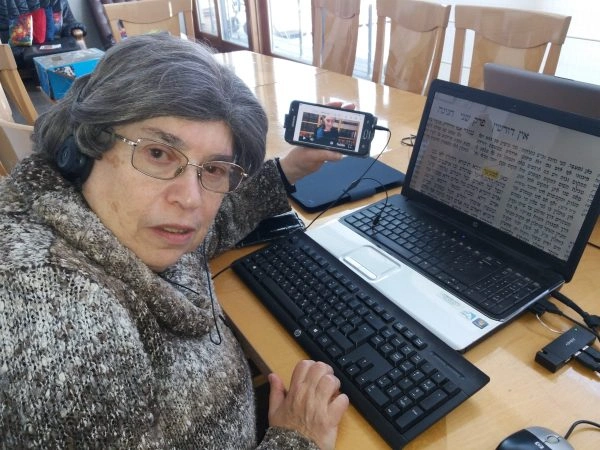
When I began the previous cycle, I promised myself that if I stuck with it, I would reward myself with a trip to Israel. Little did I know that the trip would involve attending the first ever women’s siyum and being inspired by so many learners. I am now over 2 years into my second cycle and being part of this large, diverse, fascinating learning family has enhanced my learning exponentially.

Shira Krebs
Shira Krebs

Minnesota, United States

When I began learning Daf Yomi at the beginning of the current cycle, I was preparing for an upcoming surgery and thought that learning the Daf would be something positive I could do each day during my recovery, even if I accomplished nothing else. I had no idea what a lifeline learning the Daf would turn out to be in so many ways.

Laura Shechter
Laura Shechter

Lexington, MA, United States

It’s hard to believe it has been over two years. Daf yomi has changed my life in so many ways and has been sustaining during this global sea change. Each day means learning something new, digging a little deeper, adding another lens, seeing worlds with new eyes. Daf has also fostered new friendships and deepened childhood connections, as long time friends have unexpectedly become havruta.

Joanna Rom
Joanna Rom

Northwest Washington, United States

A few years back, after reading Ilana Kurshan’s book, “If All The Seas Were Ink,” I began pondering the crazy, outlandish idea of beginning the Daf Yomi cycle. Beginning in December, 2019, a month before the previous cycle ended, I “auditioned” 30 different podcasts in 30 days, and ultimately chose to take the plunge with Hadran and Rabbanit Michelle. Such joy!

Cindy Dolgin
Cindy Dolgin

HUNTINGTON, United States

I started the daf at the beginning of this cycle in January 2020. My husband, my children, grandchildren and siblings have been very supportive. As someone who learned and taught Tanach and mefarshim for many years, it has been an amazing adventure to complete the six sedarim of Mishnah, and now to study Talmud on a daily basis along with Rabbanit Michelle and the wonderful women of Hadran.

Rookie Billet
Rookie Billet

Jerusalem, Israel

I started learning Jan 2020 when I heard the new cycle was starting. I had tried during the last cycle and didn’t make it past a few weeks. Learning online from old men didn’t speak to my soul and I knew Talmud had to be a soul journey for me. Enter Hadran! Talmud from Rabbanit Michelle Farber from a woman’s perspective, a mother’s perspective and a modern perspective. Motivated to continue!

Keren Carter
Keren Carter

Brentwood, California, United States

I’ve been wanting to do Daf Yomi for years, but always wanted to start at the beginning and not in the middle of things. When the opportunity came in 2020, I decided: “this is now the time!” I’ve been posting my journey daily on social media, tracking my progress (#DafYomi); now it’s fully integrated into my daily routines. I’ve also inspired my partner to join, too!

Joséphine Altzman
Joséphine Altzman

Teaneck, United States

After experiences over the years of asking to join gemara shiurim for men and either being refused by the maggid shiur or being the only women there, sometimes behind a mechitza, I found out about Hadran sometime during the tail end of Masechet Shabbat, I think. Life has been much better since then.

Madeline Cohen
Madeline Cohen

London, United Kingdom

The start of my journey is not so exceptional. I was between jobs and wanted to be sure to get out every day (this was before corona). Well, I was hooked after about a month and from then on only looked for work-from-home jobs so I could continue learning the Daf. Daf has been a constant in my life, though hurricanes, death, illness/injury, weddings. My new friends are Rav, Shmuel, Ruth, Joanna.
Judi Felber
Judi Felber

Raanana, Israel

Robin Zeiger
Robin Zeiger

Tel Aviv, Israel

Hadran entered my life after the last Siyum Hashaas, January 2020. I was inspired and challenged simultaneously, having never thought of learning Gemara. With my family’s encouragement, I googled “daf yomi for women”. A perfecr fit!
I especially enjoy when Rabbanit Michelle connects the daf to contemporary issues to share at the shabbat table e.g: looking at the Kohen during duchaning. Toda rabba

Marsha Wasserman
Marsha Wasserman

Jerusalem, Israel

Years ago, I attended the local Siyum HaShas with my high school class. It was inspiring! Through that cycle and the next one, I studied masekhtot on my own and then did “daf yomi practice.” The amazing Hadran Siyum HaShas event firmed my resolve to “really do” Daf Yomi this time. It has become a family goal. We’ve supported each other through challenges, and now we’re at the Siyum of Seder Moed!

Elisheva Brauner
Elisheva Brauner

Jerusalem, Israel

When I began learning Daf Yomi at the beginning of the current cycle, I was preparing for an upcoming surgery and thought that learning the Daf would be something positive I could do each day during my recovery, even if I accomplished nothing else. I had no idea what a lifeline learning the Daf would turn out to be in so many ways.

Laura Shechter
Laura Shechter

Lexington, MA, United States

I began my Daf Yomi journey on January 5, 2020. I had never learned Talmud before. Initially it struck me as a bunch of inane and arcane details with mind bending logic. I am now smitten. Rabbanit Farber brings the page to life and I am eager to learn with her every day!

Lori Stark
Lori Stark

Highland Park, United States

I’ve been learning since January 2020, and in June I started drawing a phrase from each daf. Sometimes it’s easy (e.g. plants), sometimes it’s very hard (e.g. korbanot), and sometimes it’s loads of fun (e.g. bird racing) to find something to draw. I upload my pictures from each masechet to #DafYomiArt. I am enjoying every step of the journey.

Gila Loike
Gila Loike

Ashdod, Israel

With Rabbanit Dr. Naomi Cohen in the Women’s Talmud class, over 30 years ago. It was a “known” class and it was accepted, because of who taught. Since then I have also studied with Avigail Gross-Gelman and Dr. Gabriel Hazut for about a year). Years ago, in a shiur in my shul, I did know about Persians doing 3 things with their clothes on. They opened the shiur to woman after that!

Sharon Mink
Sharon Mink

Haifa, Israel

In January 2020, my chevruta suggested that we “up our game. Let’s do Daf Yomi” – and she sent me the Hadran link. I lost my job (and went freelance), there was a pandemic, and I am still opening the podcast with my breakfast coffee, or after Shabbat with popcorn. My Aramaic is improving. I will need a new bookcase, though.

Rhondda May
Rhondda May

Atlanta, Georgia, United States

I graduated college in December 2019 and received a set of shas as a present from my husband. With my long time dream of learning daf yomi, I had no idea that a new cycle was beginning just one month later, in January 2020. I have been learning the daf ever since with Michelle Farber… Through grad school, my first job, my first baby, and all the other incredible journeys over the past few years!
Sigal Spitzer Flamholz

Bronx, United States

I attended the Siyum so that I could tell my granddaughter that I had been there. Then I decided to listen on Spotify and after the siyum of Brachot, Covid and zoom began. It gave structure to my day. I learn with people from all over the world who are now my friends – yet most of us have never met. I can’t imagine life without it. Thank you Rabbanit Michelle.

Emma Rinberg
Emma Rinberg

Raanana, Israel

I LOVE learning the Daf. I started with Shabbat. I join the morning Zoom with Reb Michelle and it totally grounds my day. When Corona hit us in Israel, I decided that I would use the Daf to keep myself sane, especially during the days when we could not venture out more than 300 m from our home. Now my husband and I have so much new material to talk about! It really is the best part of my day!

Batsheva Pava
Batsheva Pava

Hashmonaim, Israel

Bava Metzia 99

גְּמָ׳ בְּיַד עַבְדּוֹ – חַיָּיב, יַד עֶבֶד כְּיַד רַבּוֹ!

GEMARA: The mishna states that if the borrower agrees to have the lender send the cow by the hand of the lender’s slave, and it died on the way, then the borrower is liable. The Gemara asks: But isn’t the hand of a slave legally like the hand of his master; as long as the cow is in the possession of the lender’s slave, it is not considered to have left the lender’s possession. Why, then, is the borrower liable?

אָמַר שְׁמוּאֵל: בְּעֶבֶד עִבְרִי, דְּלָא קְנֵי לֵיהּ גּוּפֵיהּ. רַב אָמַר: אֲפִילּוּ תֵּימָא בְּעֶבֶד כְּנַעֲנִי, נַעֲשֶׂה כְּאוֹמֵר לֵיהּ: הַכִּישָׁהּ בְּמַקֵּל וְהִיא תָּבֹא.

The Gemara presents two resolutions: Shmuel said: The mishna is referring to a Hebrew slave, whose master does not acquire his person. Therefore, property in the slave’s possession is not considered to be in his master’s possession. Rav said: You may even say that the mishna is referring to a Canaanite slave, as this case may be considered like one in which the borrower said to the lender: Hit the cow with a stick and then it will come on its own to me. Just as in that case the borrower is liable once the cow leaves the lender’s domain, so too in this case he is liable once the cow leaves the lender’s domain, irrespective of the fact it was brought by the lender’s slave.

מֵיתִיבִי: הַשּׁוֹאֵל הַפָּרָה וְשִׁלְּחָהּ לוֹ בְּיַד בְּנוֹ, בְּיַד שְׁלוּחוֹ – חַיָּיב. בְּיַד עַבְדּוֹ – פָּטוּר.

The Gemara raises an objection from a baraita: If one borrows a cow; and, with the agreement of the borrower, the lender sends it to him by the hand of his son or by the hand of his agent; and it dies on the way, then the borrower is liable. If the lender sent it by the hand of his slave, then the borrower is exempt. The final clause appears to contradict the mishna’s ruling.

בִּשְׁלָמָא לִשְׁמוּאֵל: מַתְנִיתִין בְּעֶבֶד עִבְרִי, בָּרַיְיתָא בְּעֶבֶד כְּנַעֲנִי. אֶלָּא לְרַב קַשְׁיָא!

The Gemara elaborates: Granted, according to the resolution of Shmuel, one can explain that the mishna is referring to a Hebrew slave, whereas the baraita is referring to a Canaanite slave. But according to the resolution of Rav, who maintained that the mishna is referring to a Canaanite slave, the contradiction is difficult.

אָמַר לְךָ רַב: לָא תֵּימָא נַעֲשָׂה כְּאָמַר לוֹ, אֶלָּא אֵימָא: בְּאָמַר לוֹ הַכִּישָׁהּ בְּמַקֵּל וְהִיא תָּבֹא.

The Gemara presents a modified version of Rav’s resolution: Rav could say to you: Do not say in explanation of the mishna that the case may be considered like one in which the borrower said to the lender: Hit the cow with a stick and then it will come on its own. Rather, say that it is referring to a case where the borrower actually said to the lender: Hit the cow with a stick and then it will come to me on its own. Accordingly, one can explain that the baraita is referring to a case where he did not say this, and therefore, as long as the cow is still in the possession of the slave, the borrower is not liable.

דְּאִיתְּמַר: הַשְׁאִילֵנִי פָּרָתְךָ, וְאָמַר לוֹ: בְּיַד מִי? וְאָמַר לוֹ: הַכִּישָׁהּ בְּמַקֵּל וְתָבֹא. אָמַר רַב נַחְמָן אָמַר רַבָּה בַּר אֲבוּהּ אָמַר רַב: כֵּיוָן שֶׁיָּצָאת מֵרְשׁוּת מַשְׁאִיל וּמֵתָה – חַיָּיב.

As it was stated: One said to another: Lend me your cow. And the lender said to the borrower: By whose hand shall I send it? And the borrower said to him: Hit the cow with a stick and then it will come on its own to me. Rav Naḥman says that Rabba bar Avuh says that Rav says: In this case, the halakha is that once the cow left the domain of the lender and then it died, the borrower is liable.

נֵימָא מְסַיַּיע לֵיהּ: הַשְׁאִילֵנִי פָּרָתְךָ, וְאָמַר לוֹ: בְּיַד מִי? וְאָמַר לוֹ: הַכִּישָׁהּ בְּמַקֵּל וְהִיא תָּבֹא. כֵּיוָן שֶׁיָּצָאת מֵרְשׁוּת מַשְׁאִיל וּמֵתָה – חַיָּיב.

The Gemara suggests: Let us say that the following baraita supports this opinion of Rav: One said to another: Lend me your cow. And the lender said to the borrower: By whose hand shall I send it? And the borrower said to him: Hit the cow with a stick and then it will come on its own to me. The halakha is that once the cow left the domain of the lender and then it died, the borrower is liable.

אָמַר רַב אָשֵׁי: הָכָא בְּמַאי עָסְקִינַן – כְּגוֹן שֶׁהָיְתָה חֲצֵרוֹ שֶׁל שׁוֹאֵל לִפְנִים מֵחֲצֵרוֹ שֶׁל מַשְׁאִיל, דְּכִי מְשַׁלְּחָהּ לַהּ – וַדַּאי לְהָתָם אָזְלָא.

Rav Ashi said that the baraita is not a conclusive proof of Rav’s opinion. It is possible to say: With what are we dealing here; with a case where the courtyard of the borrower is situated further in from the public domain than the courtyard of the lender, such that when the lender sends the cow to him, it will certainly go to there. Consequently, the borrower is willing to accept liability from the moment the lender sends it.

אִי הָכִי, מַאי לְמֵימְרָא?! לָא צְרִיכָא דְּאִיכָּא גַּזְיָיתָא. מַהוּ דְּתֵימָא: לָא סָמְכָא דַּעְתֵּיהּ דִּלְמָא קָיְימָא הָתָם וְלָא אָתְיָא אָזְלָא לְהֶדְיָא, קָא מַשְׁמַע לַן דְּסָמְכָא דַּעְתֵּיהּ.

The Gemara asks: If so, if that is the case addressed in the baraita, what is the purpose of stating this halakha? It is obvious. The Gemara explains: No, it is necessary for the case of a courtyard in which there are corners. Lest you say: The borrower does not rely on the possibility that the animal will come to him, as perhaps the animal will go and stand there in one of the corners and not come straight to the borrower’s courtyard, the baraita therefore teaches us that even in such a case he relies on the assumption that the cow will nevertheless come to him, and so he accepts liability.

אָמַר רַב הוּנָא: הַשּׁוֹאֵל קַרְדּוֹם מֵחֲבֵירוֹ, בִּקַּע בּוֹ – קְנָאוֹ, לֹא בִּקַּע בּוֹ – לֹא קְנָאוֹ.

§ Rav Huna says: In the case of one who borrows an ax from another, once he has chopped wood with it, he has acquired it, but as long as he has not chopped wood with it, he has not acquired it.

לְמַאי? אִילֵימָא לׇאוֹנָסִין – מַאי שְׁנָא פָּרָה דְּמִשְּׁעַת שְׁאֵילָה? אֶלָּא לַחֲזָרָה, בִּקַּע בּוֹ – לָא מָצֵי הָדַר בֵּיהּ מַשְׁאִיל, לֹא בִּקַּע בּוֹ – מָצֵי מַשְׁאִיל הָדַר בֵּיהּ.

The Gemara clarifies: With regard to what matter does one acquire the ax? If we say he has acquired it for the purpose of being liable for unavoidable mishaps, i.e., his liability as a borrower begins once he uses the ax, then one could ask: What is different when one borrows a cow, that one is liable as a borrower from the moment of borrowing, even before one makes use of it? Rather, Rav Huna refers to one’s right of retraction, as follows: Once the borrower has chopped wood with it, the lender cannot renege on his commitment to lend the item, but as long as the borrower has not chopped wood with it, the lender can renege on his commitment to lend the item and prevent the borrower from borrowing the item.

וּפְלִיגָא דְּרַבִּי אַמֵּי, דְּאָמַר רַבִּי אַמֵּי: הַמַּשְׁאִיל קַרְדּוֹם שֶׁל הֶקְדֵּשׁ – מָעַל לְפִי טוֹבַת הֲנָאָה שֶׁבּוֹ, וַחֲבֵירוֹ מוּתָּר לְבַקֵּעַ בּוֹ לְכַתְּחִילָּה.

And with this opinion, Rav Huna disagrees with the opinion of Rabbi Ami, as Rabbi Ami says: One who lends another an ax that is of property consecrated to the Temple treasury has there by misused consecrated property. He is liable to pay the Temple treasury according to the financial advantage he received from lending the ax. And despite this, that other person, i.e., the borrower, is permitted to chop wood with it ab initio.

וְאִי לֹא קְנָאוֹ – אַמַּאי מָעַל? וְאַמַּאי חֲבֵירוֹ מוּתָּר לְבַקֵּעַ בּוֹ לְכַתְּחִילָּה? נַיהְדְּרֵיהּ וְלֹא לִיקְנְיֵיהּ וְלָא לִימְעוֹל.

The Gemara explains how it is apparent that Rabbi Ami disagrees with Rav Huna: And if one holds that the borrower does not acquire the ax from the moment of borrowing, why has the lender misused consecrated property? To be liable for misuse of consecrated property, one must acquire the item, thereby removing it from the Temple treasury. And furthermore, why is that other person permitted to chop wood with it ab initio? If the borrower does not acquire the ax from the moment of borrowing, let the borrower return the ax and not acquire it, and consequently the lender will not have misused consecrated property, as it will have turned out that nothing significant occurred. Rather, it is evident that Rabbi Ami holds that the act of lending is fully completed as soon as the borrower takes the ax, even before he has used it.

וּפְלִיגָא דְּרַבִּי אֶלְעָזָר, דְּאָמַר רַבִּי אֶלְעָזָר: כְּדֶרֶךְ שֶׁתִּקְּנוּ מְשִׁיכָה בַּלָּקוֹחוֹת, כָּךְ תִּקְנוּ מְשִׁיכָה בַּשּׁוֹמְרִים.

And furthermore, with this opinion, Rav Huna disagrees with the opinion of Rabbi Elazar, as Rabbi Elazar says: In the same way in which the Sages instituted for buyers that they can acquire an item by pulling it, and from that point the transaction is completed, so too they instituted for bailees that their rights and responsibilities are initiated by their pulling the item they agreed to safeguard, and from that point the transfer of the item to the bailee is completed.

תַּנְיָא נָמֵי הָכִי: כְּשֵׁם שֶׁתִּקְּנוּ מְשִׁיכָה בַּלָּקוֹחוֹת – כָּךְ תִּקְנוּ מְשִׁיכָה בַּשּׁוֹמְרִים, וּכְשֵׁם

This opinion of Rabbi Elazar is also taught in a baraita: Just as the Sages instituted for buyers that they can acquire an item by pulling it, so too they instituted for bailees that their rights and responsibilities are initiated by them pulling the item they agreed to safeguard. And just as

שֶׁקַּרְקַע נִקְנֵית בְּכֶסֶף וּבִשְׁטָר וּבַחֲזָקָה – כָּךְ שְׂכִירוּת נִקְנֵית בְּכֶסֶף וּבִשְׁטָר וּבַחֲזָקָה. שְׂכִירוּת מַאי עֲבִידְתַּיהּ? אָמַר רַב חִסְדָּא: שְׂכִירוּת קַרְקַע.

land is acquired either through the buyer giving money to the seller, or by the seller giving the buyer a bill of sale, or by the buyer performing an act of taking possession, so too, a rental is acquired either through the renter giving money to the owner, or by the owner giving the renter a rental document, or by the renter performing an act of taking possession. Based on the assumption that the baraita is referring to rental of movable property, the Gemara asks: With regard to the case of renting in the baraita, what is its purpose, i.e., why is it mentioned in connection with acts of acquisition that are effective with regard to land? Rav Ḥisda said: The baraita is referring to the rental of land.

אָמַר שְׁמוּאֵל: הַאי מַאן דְּגָזֵיל חֲבִיצָא דְתַמְרֵי מֵחַבְרֵיהּ וְאִית בַּהּ חַמְשִׁין תַּמְרֵי, אַגַּב הֲדָדֵי מִזְדַּבְּנָן בְּחַמְשִׁין נְכֵי חֲדָא, חֲדָא חֲדָא מִזְדַּבְּנָן בְּחַמְשִׁין.

§ Apropos the mention in the previous discussion of one who misuses consecrated property, the Gemara cites a related matter. Shmuel says: In the case of one who robs another of a cake [ḥavitza] of pressed dates, and in the cake there are fifty dates, which, when sold together, sell for fifty-less-one perutot and when they are sold one by one, they sell for fifty perutot, the sum that the robber is liable to pay as compensation to the robbery victim depends on who the robbery victim is.

לְהֶדְיוֹט – מְשַׁלֵּם חַמְשִׁין נְכֵי חֲדָא, לְהֶקְדֵּשׁ – מְשַׁלֵּם חַמְשִׁין וְחוּמְשַׁיְיהוּ, מַה שֶּׁאֵין כֵּן בְּמַזִּיק – דְּלָא מְשַׁלֵּם חוּמְשָׁא. דְּאָמַר מָר: ״וְאִישׁ כִּי יֹאכַל קֹדֶשׁ״ – פְּרָט לְמַזִּיק.

If one robbed, and is paying compensation to, a common person [hedyot], he pays fifty-less-one perutot. If one robbed another of a cake that was consecrated to the Temple treasury and he is paying compensation to the Temple treasury, he pays fifty perutot and an additional one-fifth of the value as a fine for having misused consecrated property for each one of the cakes. This is not so with regard to one liable for causing damage to consecrated property, who does not pay the additional one-fifth payment, as the Master says: The verse states: “And a man, if he eats sacrificial food in error, he should add its fifth on it” (Leviticus 22:14). By specifying that one who eats consecrated property is liable to pay the one-fifth payment, the verse excludes one who is liable for causing damage from that requirement.

מַתְקֵיף לַהּ רַב בִּיבִי בַּר אַבָּיֵי: לְהֶדְיוֹט אַמַּאי מְשַׁלֵּם חַמְשִׁין נְכֵי חֲדָא? נֵימָא לֵיהּ: אֲנָא חֲדָא חֲדָא הֲוָה מְזַבְּנִינָא לְהוּ?

Rav Beivai bar Abaye objects to this: Why, when he pays compensation to a common person, does he pay fifty-less-one? Let the victim say to the robber: I would have sold them one by one and received fifty perutot for them; you should therefore compensate me for that entire amount.

אָמַר רַב הוּנָא בְּרֵיהּ דְּרַב יְהוֹשֻׁעַ: ״שָׁמִין בֵּית סְאָה בְּאוֹתָהּ שָׂדֶה״ תְּנַן.

Rav Huna, son of Rav Yehoshua, said: We learned in a mishna (Bava Kamma 55b): If an animal causes damage to another’s field, the court appraises a large piece of land with an area required for sowing one se’a of seed [beit se’a] in that field, including the garden bed in which the damage took place. The court appraises how much it was worth before the animal damaged it and how much is it worth now, and the owner must pay the difference. The court appraises not only the garden bed that was eaten or trampled, but rather the depreciation in value of the bed as part of the surrounding area. This results in a smaller payment, as the damage appears less significant in the context of a larger area. In this case as well, the value of the entire cake is evaluated, not what it would be worth were one to divide it into smaller units.

לְמֵימְרָא דְּסָבַר שְׁמוּאֵל דִּין הֶדְיוֹט לָאו כְּדִין גָּבוֹהַּ דָּמֵי? וְהָתְנַן: נָטַל אֶבֶן אוֹ קוֹרָה מֵהֶקְדֵּשׁ – לֹא מָעַל, נְתָנָהּ לַחֲבֵירוֹ – הוּא מָעַל, וַחֲבֵירוֹ לֹא מָעַל. בְּנָאָהּ בְּתוֹךְ בֵּיתוֹ – לֹא מָעַל עַד שֶׁיָּדוּר תַּחְתֶּיהָ בְּשָׁוֶה פְּרוּטָה.

The Gemara asks: Is this to say that Shmuel holds that the halakha of compensation paid to a common person is not like the halakha of compensation paid to the Most High, i.e., to the Temple treasury? But didn’t we learn in a mishna (Me’ila 19b): One who physically took a stone or a cross beam from among items consecrated to the Temple treasury is not considered to have misused consecrated property. If he gave it to another, he is considered to have misused consecrated property, but that other person is not considered to have misused consecrated property. If, after taking a stone or cross beam that was consecrated property one built it into the structure of his house, he is not considered to have misused consecrated property until he resides underneath it, thereby deriving benefit of the value of one peruta.

וִיתֵיב רַבִּי אֲבָהוּ קַמֵּיהּ דְּרַבִּי יוֹחָנָן, וְיָתֵיב וְקָאָמַר מִשְּׁמֵיהּ דִּשְׁמוּאֵל: זֹאת אוֹמֶרֶת, הַדָּר בַּחֲצַר חֲבֵירוֹ שֶׁלֹּא מִדַּעְתּוֹ צָרִיךְ לְהַעֲלוֹת לוֹ שָׂכָר. אֲמַר לֵיהּ רַבִּי יוֹחָנָן, הֲדַר בֵּיהּ שְׁמוּאֵל מֵהַהִיא.

And Rabbi Abbahu was sitting before Rabbi Yoḥanan, and he was sitting and saying in the name of Shmuel, in reference to that mishna: That is to say: One who resides in another’s courtyard without his knowledge must pay him rent. Just as one is considered to derive benefit from a cross beam by residing underneath it and must pay for that benefit, so too, one is considered to derive benefit from the courtyard by residing in it, and he must pay for that benefit. It is apparent from this statement of Shmuel that the halakhot of compensating a common person are similar to and can be derived from those of the Temple treasury. This contradicts Shmuel’s previous statement in the Gemara. Rabbi Yoḥanan said to him in resolution of this difficulty: Shmuel retracted that statement of his.

וּמִמַּאי דְּמֵהַהִיא הֲדַר בֵּיהּ, דִּלְמָא מֵהָא הֲדַר? לָא, מֵהַהִיא הֲדַר בֵּיהּ כִּדְרָבָא. דְּאָמַר רָבָא: הֶקְדֵּשׁ שֶׁלֹּא מִדַּעַת – כְּהֶדְיוֹט מִדַּעַת דָּמֵי.

The Gemara asks: But from where is it apparent that he retracted that statement concerning residing in another’s courtyard; perhaps he retracted this ruling, concerning one who stole a cake of pressed dates? The Gemara answers: No, it must be that statement, concerning residing in another’s courtyard, that he retracted, in accordance with the statement of Rava. As Rava says: Using consecrated property without the Temple treasurer’s knowledge is like using property belonging to a common person with his knowledge. Since, ultimately, the true owner of consecrated property is God, benefit from it is always considered to be have been derived with the owner’s knowledge. Consequently, one cannot derive an inference from the halakha of deriving benefit from consecrated property to a case of deriving benefit from a common person’s property without his knowledge. Accordingly, it is more reasonable that Shmuel retracted his ruling about residing in another’s courtyard.

אָמַר רָבָא: הָנֵי שָׁקוֹלָאֵי דִּתְבַרוּ חָבִיתָא דְּחַמְרָא לְחַנְווֹאָה, בְּיוֹמָא דְשׁוּקָא מִיזְדַּבְּנָא בְּחָמֵשׁ, בִּשְׁאָר יוֹמֵי מִיזְדַּבְּנָא בְּאַרְבַּע. אַהְדַּרוּ לֵיהּ בְּיוֹמָא דְשׁוּקָא – מַהְדְּרוּ לֵיהּ חָבִיתָא דְחַמְרָא, בִּשְׁאָר יוֹמֵי – מַהְדְּרוּ לֵיהּ חָמֵשׁ.

The Gemara cites another ruling concerning differing rates of compensation: Rava says: With regard to these porters who broke a shopkeeper’s barrel of wine, which on market day sells for five dinars and on other days sells for four dinars, if they restore its value to him on market day, then it is sufficient if they compensate him with a barrel of wine, which he could then sell for five dinars. If they wish to repay him on other days, i.e., on a non-market day, they must compensate him with five dinars. They cannot discharge their debt by giving him a barrel of wine, as on those days it is worth only four dinars.

וְלָא אֲמַרַן אֶלָּא דְּלָא הֲוָה לֵיהּ חַמְרָא לְזַבּוֹנֵי, אֲבָל הֲוָה לֵיהּ חַמְרָא לְזַבּוֹנֵי – הָא אִיבְּעִי לֵיהּ לְזַבּוֹנֵי.

The Gemara qualifies Rava’s ruling: And we said that the porters must pay five dinars on a non-market day only in a case in which the shopkeeper did not have other barrels of wine to sell on that market day and consequently lost out on a potential sale worth five dinars. But if he had another barrel of wine to sell, then he should have sold it. The fact he did not sell the wine he had demonstrates that the porters did not cause him to lose out on a sale worth five dinars.

וּמְנַכֵּי לֵיהּ אֲגַר טִירְחֵיהּ וּדְמֵי בַּרְזַנְיָיתָא.

The Gemara further qualifies Rava’s ruling: And when the porters pay the five dinars, they deduct from it the usual value of the shopkeeper’s effort in selling a barrel and the usual cost of tapping a barrel, as the shopkeeper was spared these costs.

Want to follow content and continue where you left off?

Create an account today to track your progress, mark what you’ve learned, and follow the shiurim that speak to you.

Clear all items from this list?

This will remove ALL the items in this section. You will lose any progress or history connected to them. This is irreversible.

Cancel
Yes, clear all

Are you sure you want to delete this item?

You will lose any progress or history connected to this item.

Cancel
Yes, delete