Search

Gittin 2

Want to dedicate learning? Get started here:

English
עברית
podcast placeholder

0:00
0:00


podcast placeholder

0:00
0:00


Summary

Gittin bookmark and checklist

Masechet Gittin in sponsored by Elaine and Saul Schreiber in honor of their daughter-in-law, Daniela Schreiber. “Kol Hakavod on receiving your Masters of Science in Marriage and Family Therapy! We are so proud of you!” 

This week’s learning is dedicated in honor of Daniela Bellows Schreiber. “In honor of your completion of your Masters of Science in Marriage and Family Therapy. Daniela, you inspire us every day, with your focus and determination. We know firsthand how lucky your clients will be to have you in their lives. Love, Your Mah Jong Friends” 

Today’s daf is sponsored by Judi Felber in honor of Rabbanit Michelle. “Thank you for guiding me on the path of Daf Yomi (and life) for the past 2711 pages!” 

Today’s daf is sponsored by Lynn Kaye, Joe Nadis and Maya Zanger-Nadis in honor of the shloshim of their grandma Marylin Kurtz Zanger. “Grandma always kept us in line, making sure we understood our intellectual and cultural heritage and quietly sneaking us sugar cereal when we came to visit. She passed away at 97 after being the head of the family for decades. Grandma, we love you and miss you.” 

In what cases does a messenger delivering a divorce document from the husband to the wife need to say a declaration that it was written and signed before him? In general, this is needed if they are coming from abroad to Israel. Does this apply to cities on the border of Israel? What exactly are the borders? Is it necessary when bringing a get (divorce document) from Israel to abroad? Raba and Rava each offer different explanations for the reason that the messenger needs to make this declaration. Raba says the concern is that people abroad are not careful about making sure the get is written li’shma, specifically for this particular man and this particular woman. Rava says the concern is that we won’t be able to verify the signatures later since the witnesses are from abroad. What is the practical difference between the two opinions? According to Raba that the messenger needs to testify that the get was written li’shma, why it is enough to have only his testimony, don’t we generally need two witnesses to prove something in court? The answer given is that in prohibitions, one witness is enough.

Today’s daily daf tools:

Gittin 2

הַמֵּבִיא גֵּט מִמְּדִינַת הַיָּם, צָרִיךְ שֶׁיֹּאמַר בְּפָנַי נִכְתַּב וּבְפָנַי נֶחְתַּם.

MISHNA: An agent who brings a bill of divorce [get] from a husband to his wife from a country overseas, i.e., from outside of Eretz Yisrael to Eretz Yisrael, is required to state the following formula when he hands over the bill of divorce: This bill of divorce was written in my presence and it was signed in my presence.

רַבָּן גַּמְלִיאֵל אוֹמֵר: אַף הַמֵּבִיא מִן הָרְקָם וּמִן הַחֶגֶר. רַבִּי אֱלִיעֶזֶר אוֹמֵר: אֲפִילּוּ מִכְּפַר לוּדִּים לְלוֹד.

Rabban Gamliel says: Even one who brings a bill of divorce from Rekem or from Ḥeger, which are on the periphery of Eretz Yisrael, must make this declaration. Rabbi Eliezer says: Even one who brings a bill of divorce from the village of Ludim to Lod must also make this declaration, despite the fact that these places are only a short distance apart. The reason is that the village of Ludim was not part of the main area settled by Jews in Eretz Yisrael.

וַחֲכָמִים אוֹמְרִים: אֵינוֹ צָרִיךְ שֶׁיֹּאמַר ״בְּפָנַי נִכְתַּב וּבְפָנַי נֶחְתַּם״, אֶלָּא הַמֵּבִיא מִמְּדִינַת הַיָּם וְהַמּוֹלִיךְ. וְהַמֵּבִיא מִמְּדִינָה לִמְדִינָה בִּמְדִינַת הַיָּם, צָרִיךְ שֶׁיֹּאמַר ״בְּפָנַי נִכְתַּב וּבְפָנַי נֶחְתַּם״. רַבָּן שִׁמְעוֹן בֶּן גַּמְלִיאֵל אוֹמֵר: אֲפִילּוּ מֵהֶגְמוֹנְיָא לְהֶגְמוֹנְיָא.

And the Rabbis say that one is required to say: It was written in my presence and it was signed in my presence, only if he brings a bill of divorce from a country overseas to Eretz Yisrael, and the same applies to one who delivers a bill of divorce from Eretz Yisrael to a country overseas. And likewise an agent who brings a bill of divorce from one region to another region within the overseas countries is also required to say: It was written in my presence and it was signed in my presence. Rabban Shimon ben Gamliel says: This halakha applies not only to an agent who brings a bill of divorce from one country to another, but even to one who takes it from one district [hegmonya] to another district in the same country.

רַבִּי יְהוּדָה אוֹמֵר: מֵרְקָם לַמִּזְרָח, וּרְקָם – כַּמִּזְרָח; מֵאַשְׁקְלוֹן לַדָּרוֹם וְאַשְׁקְלוֹן – כַּדָּרוֹם; מֵעַכּוֹ לַצָּפוֹן, וְעַכּוֹ – כַּצָּפוֹן. רַבִּי מֵאִיר אוֹמֵר: עַכּוֹ – כְּאֶרֶץ יִשְׂרָאֵל לְגִיטִּין.

Rabbi Yehuda says: With regard to the borders of Eretz Yisrael, from Rekem eastward is considered to be part of the overseas country, and Rekem itself is like east of Eretz Yisrael, i.e., it is outside of Eretz Yisrael. From Ashkelon southward is outside of Eretz Yisrael, and Ashkelon itself is like south of Eretz Yisrael. Likewise, from Akko northward is outside of Eretz Yisrael, and Akko itself is like north of Eretz Yisrael. Rabbi Meir says: Akko is like Eretz Yisrael with regard to the halakhot of bills of divorce.

הַמֵּבִיא גֵּט בְּאֶרֶץ יִשְׂרָאֵל, אֵינוֹ צָרִיךְ שֶׁיֹּאמַר ״בְּפָנַי נִכְתַּב וּבְפָנַי נֶחְתַּם״. וְאִם יֵשׁ עָלָיו עוֹרְרִים, יִתְקַיֵּים בְּחוֹתְמָיו.

One who brings a bill of divorce from one place to another within Eretz Yisrael is not required to say: It was written in my presence and it was signed in my presence. And if there are those who contest it, i.e., if the husband objects by saying that the bill of divorce is a forgery, it should be ratified through its signatories. The court must authenticate the signatures of the witnesses in order to ratify the document.

גְּמָ׳ מַאי טַעְמָא? רַבָּה אָמַר:

GEMARA: The mishna teaches that one who brings a bill of divorce from a country overseas to Eretz Yisrael must say: It was written in my presence and it was signed in my presence. The Gemara asks: What is the reason for this declaration? Rabba says:

לְפִי שֶׁאֵין בְּקִיאִין לִשְׁמָהּ.

It is because the people who live overseas are not experts in writing a bill of divorce for her sake. It is not sufficient for a bill of divorce to be written in a technically correct manner. It must also be written for the sake of the man and the woman who are divorcing. Therefore, when the witness comes before the court and says that it was written and signed in his presence, he is testifying that the writing and the signing of the bill of divorce were performed for the sake of the man and woman in question.

רָבָא אָמַר: לְפִי שֶׁאֵין עֵדִים מְצוּיִין לְקַיְּימוֹ.

Rava says a different reason: It is because there are no witnesses available to ratify it. Since the bill of divorce was written in a distant place, it is possible that the husband, or someone else, might later claim that the bill of divorce is a forgery. For this reason the agent must say that the bill of divorce was written and signed in his presence, a declaration that bars any subsequent objection on the part of the husband.

מַאי בֵּינַיְיהוּ? אִיכָּא בֵּינַיְיהוּ דְּאַתְיוּהוּ בֵּי תְרֵי. אִי נָמֵי, מִמְּדִינָה לִמְדִינָה בְּאֶרֶץ יִשְׂרָאֵל.

The Gemara asks: What is the difference between these two explanations? The Gemara answers: There is a difference between them with regard to a case where two people brought the bill of divorce. In this case, two witnesses are available to ratify the bill of divorce if someone objects to its validity. Alternatively, the difference concerns a case where the agent brings the bill of divorce from one region to another region within Eretz Yisrael. Here there is no concern that the bill of divorce might not have been written for her sake, as the residents of Eretz Yisrael are aware of this requirement. However, witnesses are not necessarily available to confirm the document.

אִי נָמֵי, בְּאוֹתָהּ מְדִינָה בִּמְדִינַת הַיָּם.

Alternatively, there is a difference between the two explanations in a case where the agent brings the bill of divorce within that same region in a country overseas. According to the opinion of Rabba, who says the concern is that the people there might not know that the document must be written for her sake, this problem is equally relevant in this case. However, according to the opinion of Rava, who says that the reason is because witnesses are not available, if the bill of divorce is brought in the same region then the witnesses will be available to ratify it.

וּלְרַבָּה דְּאָמַר לְפִי שֶׁאֵין בְּקִיאִין לִשְׁמָהּ – לִיבְעֵי תְּרֵי, מִידֵּי דְּהָוֵה אַכֹּל עֵדֻיוֹת שֶׁבַּתּוֹרָה! עֵד אֶחָד נֶאֱמָן בְּאִיסּוּרִין.

The Gemara asks: And according to the opinion of Rabba, who said that the reason is because they are not experts in writing a bill of divorce for her sake, let us require two witnesses to testify about this, just as is the case with regard to all testimonies in the Torah. The Gemara answers: One witness is deemed credible with regard to prohibitions. In other words, if there is uncertainty as to whether a matter is prohibited or permitted, in the case of the heretofore married woman, the testimony of one witness is sufficient.

אֵימוֹר דְּאָמְרִינַן עֵד אֶחָד נֶאֱמָן בְּאִיסּוּרִין, כְּגוֹן חֲתִיכָה סָפֵק שֶׁל חֵלֶב סָפֵק שֶׁל שׁוּמָּן, דְּלָא אִיתַּחְזַק אִיסּוּרָא;

The Gemara asks: One can say that we say one witness is deemed credible with regard to prohibitions in a case such as where there is a piece of fat, and it is uncertain if it is forbidden fat [ḥelev] and uncertain if it is permitted fat. In this situation the piece can be rendered permitted by a single witness, as there is no presumption that it is forbidden. Therefore, as there is an uncertainty, and one witness said it is permitted fat, he is deemed credible.

אֲבָל הָכָא, דְּאִיתַּחְזַק אִיסּוּרָא דְּאֵשֶׁת אִישׁ, הָוֵי דָּבָר שֶׁבָּעֶרְוָה; וְאֵין דָּבָר שֶׁבְּעֶרְוָה פָּחוֹת מִשְּׁנַיִם!

However, here, where there is a presumption that this woman is forbidden, as she is a married woman, a status she retains until it is established that she has received a bill of divorce, if so, this is a matter of forbidden sexual relations, and the general principle is that there is no matter of testimony for forbidden sexual relations that can be attested to by fewer than two witnesses.

רוֹב בְּקִיאִין הֵן. וַאֲפִילּוּ לְרַבִּי מֵאִיר דְּחָיֵישׁ לְמִיעוּטָא – סְתָם סָפְרֵי דְּדַיָּינֵי מִיגְמָר גְּמִירִי, וְרַבָּנַן הוּא דְּאַצְרוּךְ; וְהָכָא

The Gemara answers: Rabba’s concern is not equivalent to a case of uncertainty, as most Jewish people are experts in the requirement that a bill of divorce must be written for the woman’s sake. And this is so even according to the opinion of Rabbi Meir, who is generally concerned about a minority in a matter of forbidden sexual relations. In this case Rabbi Meir concedes that one need not be concerned for the minority, as ordinary judicial scribes, who write bills of divorce, are learned in this halakha, and know that a bill of divorce must be written for the woman’s sake. And it is the Sages who required testimony about this matter, as an extra precaution. And here, with regard to this testimony,

Today’s daily daf tools:

Delve Deeper

Broaden your understanding of the topics on this daf with classes and podcasts from top women Talmud scholars.

For the Beyond the Daf shiurim offered in Hebrew, see here.

New to Talmud?

Check out our resources designed to help you navigate a page of Talmud – and study at the pace, level and style that fits you. 

The Hadran Women’s Tapestry

Meet the diverse women learning Gemara at Hadran and hear their stories. 

I learned daf more off than on 40 years ago. At the beginning of the current cycle, I decided to commit to learning daf regularly. Having Rabanit Michelle available as a learning partner has been amazing. Sometimes I learn with Hadran, sometimes with my husband, and sometimes on my own. It’s been fun to be part of an extended learning community.

Miriam Pollack
Miriam Pollack

Honolulu, Hawaii, United States

Years ago, I attended the local Siyum HaShas with my high school class. It was inspiring! Through that cycle and the next one, I studied masekhtot on my own and then did “daf yomi practice.” The amazing Hadran Siyum HaShas event firmed my resolve to “really do” Daf Yomi this time. It has become a family goal. We’ve supported each other through challenges, and now we’re at the Siyum of Seder Moed!

Elisheva Brauner
Elisheva Brauner

Jerusalem, Israel

I started learning at the start of this cycle, and quickly fell in love. It has become such an important part of my day, enriching every part of my life.

Naomi Niederhoffer
Naomi Niederhoffer

Toronto, Canada

Hearing and reading about the siyumim at the completion of the 13 th cycle Daf Yomi asked our shul rabbi about starting the Daf – he directed me to another shiur in town he thought would allow a woman to join, and so I did! Love seeing the sources for the Divrei Torah I’ve been hearing for the past decades of living an observant life and raising 5 children .

Jill Felder
Jill Felder

Pittsburgh, Pennsylvania, United States

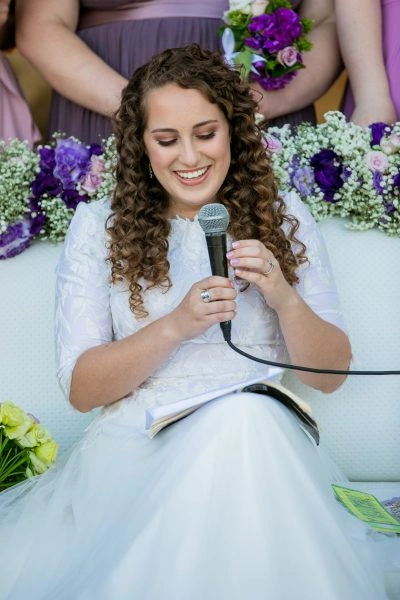
In my Shana bet at Migdal Oz I attended the Hadran siyum hash”as. Witnessing so many women so passionate about their Torah learning and connection to God, I knew I had to begin with the coming cycle. My wedding (June 24) was two weeks before the siyum of mesechet yoma so I went a little ahead and was able to make a speech and siyum at my kiseh kallah on my wedding day!

Sharona Guggenheim Plumb

Givat Shmuel, Israel

“I got my job through the NY Times” was an ad campaign when I was growing up. I can headline “I got my daily Daf shiur and Hadran through the NY Times”. I read the January 4, 2020 feature on Reb. Michelle Farber and Hadran and I have been participating ever since. Thanks NY Times & Hadran!
Deborah Aschheim
Deborah Aschheim

New York, United States

A beautiful world of Talmudic sages now fill my daily life with discussion and debate.
bringing alive our traditions and texts that has brought new meaning to my life.
I am a מגילת אסתר reader for women . the words in the Mishna of מסכת megillah 17a
הקורא את המגילה למפרע לא יצא were powerful to me.
I hope to have the zchut to complete the cycle for my 70th birthday.

Sheila Hauser
Sheila Hauser

Jerusalem, Israel

It happened without intent (so am I yotzei?!) – I watched the women’s siyum live and was so moved by it that the next morning, I tuned in to Rabbanit Michelle’s shiur, and here I am, still learning every day, over 2 years later. Some days it all goes over my head, but others I grasp onto an idea or a story, and I ‘get it’ and that’s the best feeling in the world. So proud to be a Hadran learner.

Jeanne Yael Klempner

Zichron Yaakov, Israel

At almost 70 I am just beginning my journey with Talmud and Hadran. I began not late, but right when I was called to learn. It is never too late to begin! The understanding patience of staff and participants with more experience and knowledge has been fabulous. The joy of learning never stops and for me. It is a new life, a new light, a new depth of love of The Holy One, Blessed be He.
Deborah Hoffman-Wade

Richmond, CA, United States

I am a Reform rabbi and took Talmud courses in rabbinical school, but I knew there was so much more to learn. It felt inauthentic to serve as a rabbi without having read the entire Talmud, so when the opportunity arose to start Daf Yomi in 2020, I dove in! Thanks to Hadran, Daf Yomi has enriched my understanding of rabbinic Judaism and deepened my love of Jewish text & tradition. Todah rabbah!

Rabbi Nicki Greninger

California, United States

I began to learn this cycle of Daf Yomi after my husband passed away 2 1/2 years ago. It seemed a good way to connect to him. Even though I don’t know whether he would have encouraged women learning Gemara, it would have opened wonderful conversations. It also gives me more depth for understanding my frum children and grandchildren. Thank you Hadran and Rabbanit Michelle Farber!!

Harriet Hartman
Harriet Hartman

Tzur Hadassah, Israel

“I got my job through the NY Times” was an ad campaign when I was growing up. I can headline “I got my daily Daf shiur and Hadran through the NY Times”. I read the January 4, 2020 feature on Reb. Michelle Farber and Hadran and I have been participating ever since. Thanks NY Times & Hadran!
Deborah Aschheim
Deborah Aschheim

New York, United States

I had tried to start after being inspired by the hadran siyum, but did not manage to stick to it. However, just before masechet taanit, our rav wrote a message to the shul WhatsApp encouraging people to start with masechet taanit, so I did! And this time, I’m hooked! I listen to the shiur every day , and am also trying to improve my skills.

Laura Major
Laura Major

Yad Binyamin, Israel

I started Daf during the pandemic. I listened to a number of podcasts by various Rebbeim until one day, I discovered Rabbanit Farbers podcast. Subsequently I joined the Hadran family in Eruvin. Not the easiest place to begin, Rabbanit Farber made it all understandable and fun. The online live group has bonded together and have really become a supportive, encouraging family.

Leah Goldford
Leah Goldford

Edmonton, Alberta, Canada

תמיד רציתי. למדתי גמרא בבית ספר בטורונטו קנדה. עליתי ארצה ולמדתי שזה לא מקובל. הופתעתי.
יצאתי לגימלאות לפני שנתיים וזה מאפשר את המחוייבות לדף יומי.
עבורי ההתמדה בלימוד מעגן אותי בקשר שלי ליהדות. אני תמיד מחפשת ותמיד. מוצאת מקור לקשר. ללימוד חדש ומחדש. קשר עם נשים לומדות מעמיק את החוויה ומשמעותית מאוד.

Vitti Kones
Vitti Kones

מיתר, ישראל

I began my journey with Rabbanit Michelle more than five years ago. My friend came up with a great idea for about 15 of us to learn the daf and one of us would summarize weekly what we learned.
It was fun but after 2-3 months people began to leave. I have continued. Since the cycle began Again I have joined the Teaneck women.. I find it most rewarding in so many ways. Thank you

Dena Heller
Dena Heller

New Jersey, United States

In early January of 2020, I learned about Siyyum HaShas and Daf Yomi via Tablet Magazine’s brief daily podcast about the Daf. I found it compelling and fascinating. Soon I discovered Hadran; since then I have learned the Daf daily with Rabbanit Michelle Cohen Farber. The Daf has permeated my every hour, and has transformed and magnified my place within the Jewish Universe.

Lisa Berkelhammer
Lisa Berkelhammer

San Francisco, CA , United States

Inspired by Hadran’s first Siyum ha Shas L’Nashim two years ago, I began daf yomi right after for the next cycle. As to this extraordinary journey together with Hadran..as TS Eliot wrote “We must not cease from exploration and the end of all our exploring will be to arrive where we began and to know the place for the first time.

Susan Handelman
Susan Handelman

Jerusalem, Israel

I tried Daf Yomi in the middle of the last cycle after realizing I could listen to Michelle’s shiurim online. It lasted all of 2 days! Then the new cycle started just days before my father’s first yahrzeit and my youngest daughter’s bat mitzvah. It seemed the right time for a new beginning. My family, friends, colleagues are immensely supportive!

Catriella-Freedman-jpeg
Catriella Freedman

Zichron Yaakov, Israel

I started to listen to Michelle’s podcasts four years ago. The minute I started I was hooked. I’m so excited to learn the entire Talmud, and think I will continue always. I chose the quote “while a woman is engaged in conversation she also holds the spindle”. (Megillah 14b). It reminds me of all of the amazing women I learn with every day who multi-task, think ahead and accomplish so much.

Julie Mendelsohn
Julie Mendelsohn

Zichron Yakov, Israel

Gittin 2

הַמֵּבִיא גֵּט מִמְּדִינַת הַיָּם, צָרִיךְ שֶׁיֹּאמַר בְּפָנַי נִכְתַּב וּבְפָנַי נֶחְתַּם.

MISHNA: An agent who brings a bill of divorce [get] from a husband to his wife from a country overseas, i.e., from outside of Eretz Yisrael to Eretz Yisrael, is required to state the following formula when he hands over the bill of divorce: This bill of divorce was written in my presence and it was signed in my presence.

רַבָּן גַּמְלִיאֵל אוֹמֵר: אַף הַמֵּבִיא מִן הָרְקָם וּמִן הַחֶגֶר. רַבִּי אֱלִיעֶזֶר אוֹמֵר: אֲפִילּוּ מִכְּפַר לוּדִּים לְלוֹד.

Rabban Gamliel says: Even one who brings a bill of divorce from Rekem or from Ḥeger, which are on the periphery of Eretz Yisrael, must make this declaration. Rabbi Eliezer says: Even one who brings a bill of divorce from the village of Ludim to Lod must also make this declaration, despite the fact that these places are only a short distance apart. The reason is that the village of Ludim was not part of the main area settled by Jews in Eretz Yisrael.

וַחֲכָמִים אוֹמְרִים: אֵינוֹ צָרִיךְ שֶׁיֹּאמַר ״בְּפָנַי נִכְתַּב וּבְפָנַי נֶחְתַּם״, אֶלָּא הַמֵּבִיא מִמְּדִינַת הַיָּם וְהַמּוֹלִיךְ. וְהַמֵּבִיא מִמְּדִינָה לִמְדִינָה בִּמְדִינַת הַיָּם, צָרִיךְ שֶׁיֹּאמַר ״בְּפָנַי נִכְתַּב וּבְפָנַי נֶחְתַּם״. רַבָּן שִׁמְעוֹן בֶּן גַּמְלִיאֵל אוֹמֵר: אֲפִילּוּ מֵהֶגְמוֹנְיָא לְהֶגְמוֹנְיָא.

And the Rabbis say that one is required to say: It was written in my presence and it was signed in my presence, only if he brings a bill of divorce from a country overseas to Eretz Yisrael, and the same applies to one who delivers a bill of divorce from Eretz Yisrael to a country overseas. And likewise an agent who brings a bill of divorce from one region to another region within the overseas countries is also required to say: It was written in my presence and it was signed in my presence. Rabban Shimon ben Gamliel says: This halakha applies not only to an agent who brings a bill of divorce from one country to another, but even to one who takes it from one district [hegmonya] to another district in the same country.

רַבִּי יְהוּדָה אוֹמֵר: מֵרְקָם לַמִּזְרָח, וּרְקָם – כַּמִּזְרָח; מֵאַשְׁקְלוֹן לַדָּרוֹם וְאַשְׁקְלוֹן – כַּדָּרוֹם; מֵעַכּוֹ לַצָּפוֹן, וְעַכּוֹ – כַּצָּפוֹן. רַבִּי מֵאִיר אוֹמֵר: עַכּוֹ – כְּאֶרֶץ יִשְׂרָאֵל לְגִיטִּין.

Rabbi Yehuda says: With regard to the borders of Eretz Yisrael, from Rekem eastward is considered to be part of the overseas country, and Rekem itself is like east of Eretz Yisrael, i.e., it is outside of Eretz Yisrael. From Ashkelon southward is outside of Eretz Yisrael, and Ashkelon itself is like south of Eretz Yisrael. Likewise, from Akko northward is outside of Eretz Yisrael, and Akko itself is like north of Eretz Yisrael. Rabbi Meir says: Akko is like Eretz Yisrael with regard to the halakhot of bills of divorce.

הַמֵּבִיא גֵּט בְּאֶרֶץ יִשְׂרָאֵל, אֵינוֹ צָרִיךְ שֶׁיֹּאמַר ״בְּפָנַי נִכְתַּב וּבְפָנַי נֶחְתַּם״. וְאִם יֵשׁ עָלָיו עוֹרְרִים, יִתְקַיֵּים בְּחוֹתְמָיו.

One who brings a bill of divorce from one place to another within Eretz Yisrael is not required to say: It was written in my presence and it was signed in my presence. And if there are those who contest it, i.e., if the husband objects by saying that the bill of divorce is a forgery, it should be ratified through its signatories. The court must authenticate the signatures of the witnesses in order to ratify the document.

גְּמָ׳ מַאי טַעְמָא? רַבָּה אָמַר:

GEMARA: The mishna teaches that one who brings a bill of divorce from a country overseas to Eretz Yisrael must say: It was written in my presence and it was signed in my presence. The Gemara asks: What is the reason for this declaration? Rabba says:

לְפִי שֶׁאֵין בְּקִיאִין לִשְׁמָהּ.

It is because the people who live overseas are not experts in writing a bill of divorce for her sake. It is not sufficient for a bill of divorce to be written in a technically correct manner. It must also be written for the sake of the man and the woman who are divorcing. Therefore, when the witness comes before the court and says that it was written and signed in his presence, he is testifying that the writing and the signing of the bill of divorce were performed for the sake of the man and woman in question.

רָבָא אָמַר: לְפִי שֶׁאֵין עֵדִים מְצוּיִין לְקַיְּימוֹ.

Rava says a different reason: It is because there are no witnesses available to ratify it. Since the bill of divorce was written in a distant place, it is possible that the husband, or someone else, might later claim that the bill of divorce is a forgery. For this reason the agent must say that the bill of divorce was written and signed in his presence, a declaration that bars any subsequent objection on the part of the husband.

מַאי בֵּינַיְיהוּ? אִיכָּא בֵּינַיְיהוּ דְּאַתְיוּהוּ בֵּי תְרֵי. אִי נָמֵי, מִמְּדִינָה לִמְדִינָה בְּאֶרֶץ יִשְׂרָאֵל.

The Gemara asks: What is the difference between these two explanations? The Gemara answers: There is a difference between them with regard to a case where two people brought the bill of divorce. In this case, two witnesses are available to ratify the bill of divorce if someone objects to its validity. Alternatively, the difference concerns a case where the agent brings the bill of divorce from one region to another region within Eretz Yisrael. Here there is no concern that the bill of divorce might not have been written for her sake, as the residents of Eretz Yisrael are aware of this requirement. However, witnesses are not necessarily available to confirm the document.

אִי נָמֵי, בְּאוֹתָהּ מְדִינָה בִּמְדִינַת הַיָּם.

Alternatively, there is a difference between the two explanations in a case where the agent brings the bill of divorce within that same region in a country overseas. According to the opinion of Rabba, who says the concern is that the people there might not know that the document must be written for her sake, this problem is equally relevant in this case. However, according to the opinion of Rava, who says that the reason is because witnesses are not available, if the bill of divorce is brought in the same region then the witnesses will be available to ratify it.

וּלְרַבָּה דְּאָמַר לְפִי שֶׁאֵין בְּקִיאִין לִשְׁמָהּ – לִיבְעֵי תְּרֵי, מִידֵּי דְּהָוֵה אַכֹּל עֵדֻיוֹת שֶׁבַּתּוֹרָה! עֵד אֶחָד נֶאֱמָן בְּאִיסּוּרִין.

The Gemara asks: And according to the opinion of Rabba, who said that the reason is because they are not experts in writing a bill of divorce for her sake, let us require two witnesses to testify about this, just as is the case with regard to all testimonies in the Torah. The Gemara answers: One witness is deemed credible with regard to prohibitions. In other words, if there is uncertainty as to whether a matter is prohibited or permitted, in the case of the heretofore married woman, the testimony of one witness is sufficient.

אֵימוֹר דְּאָמְרִינַן עֵד אֶחָד נֶאֱמָן בְּאִיסּוּרִין, כְּגוֹן חֲתִיכָה סָפֵק שֶׁל חֵלֶב סָפֵק שֶׁל שׁוּמָּן, דְּלָא אִיתַּחְזַק אִיסּוּרָא;

The Gemara asks: One can say that we say one witness is deemed credible with regard to prohibitions in a case such as where there is a piece of fat, and it is uncertain if it is forbidden fat [ḥelev] and uncertain if it is permitted fat. In this situation the piece can be rendered permitted by a single witness, as there is no presumption that it is forbidden. Therefore, as there is an uncertainty, and one witness said it is permitted fat, he is deemed credible.

אֲבָל הָכָא, דְּאִיתַּחְזַק אִיסּוּרָא דְּאֵשֶׁת אִישׁ, הָוֵי דָּבָר שֶׁבָּעֶרְוָה; וְאֵין דָּבָר שֶׁבְּעֶרְוָה פָּחוֹת מִשְּׁנַיִם!

However, here, where there is a presumption that this woman is forbidden, as she is a married woman, a status she retains until it is established that she has received a bill of divorce, if so, this is a matter of forbidden sexual relations, and the general principle is that there is no matter of testimony for forbidden sexual relations that can be attested to by fewer than two witnesses.

רוֹב בְּקִיאִין הֵן. וַאֲפִילּוּ לְרַבִּי מֵאִיר דְּחָיֵישׁ לְמִיעוּטָא – סְתָם סָפְרֵי דְּדַיָּינֵי מִיגְמָר גְּמִירִי, וְרַבָּנַן הוּא דְּאַצְרוּךְ; וְהָכָא

The Gemara answers: Rabba’s concern is not equivalent to a case of uncertainty, as most Jewish people are experts in the requirement that a bill of divorce must be written for the woman’s sake. And this is so even according to the opinion of Rabbi Meir, who is generally concerned about a minority in a matter of forbidden sexual relations. In this case Rabbi Meir concedes that one need not be concerned for the minority, as ordinary judicial scribes, who write bills of divorce, are learned in this halakha, and know that a bill of divorce must be written for the woman’s sake. And it is the Sages who required testimony about this matter, as an extra precaution. And here, with regard to this testimony,

Want to follow content and continue where you left off?

Create an account today to track your progress, mark what you’ve learned, and follow the shiurim that speak to you.

Clear all items from this list?

This will remove ALL the items in this section. You will lose any progress or history connected to them. This is irreversible.

Cancel
Yes, clear all

Are you sure you want to delete this item?

You will lose any progress or history connected to this item.

Cancel
Yes, delete