










When one pays damages from land, is the type of land determined by the land of the one who was damaged or the one who has to pay damages. This is argued by Rabbi Yishmael and Rabbi Akiva. The Mishna is explained in two different manners – according to each opinion.
This week’s learning is sponsored by Robert and Paula Cohen in loving memory of Joseph Cohen, Yosef ben Moshe HaCohen, z”l. “He was hard working, loved to sing, esp. as a chazan, and was very dedicated to his family and community.”
Want to dedicate learning? Get started here:
English
עברית

0:00
0:00
0:00
0:00
Today’s daily daf tools:
This week’s learning is sponsored by Robert and Paula Cohen in loving memory of Joseph Cohen, Yosef ben Moshe HaCohen, z”l. “He was hard working, loved to sing, esp. as a chazan, and was very dedicated to his family and community.”
Gittin 49
הָכָא בְּמַאי עָסְקִינַן – כְּגוֹן שֶׁהָיְתָה עִידִּית דְּנִיזָּק כְּזִיבּוּרִית דְּמַזִּיק; רַבִּי יִשְׁמָעֵאל סָבַר: בִּדְנִיזָּק שָׁיְימִינַן, וְרַבִּי עֲקִיבָא סָבַר: בִּדְמַזִּיק שָׁיְימִינַן.
With what are we dealing here? We are dealing with a case where, after appraising the damage, the court comes to collect from the one who caused the damage, but he does not have money available to pay for the damage he caused. And the tanna’im disagree in a case where the superior-quality land of the injured party was equal in quality to the inferior-quality land of the one who caused the damage, and the one who caused the damage also has land of superior quality. With regard to such a case, Rabbi Yishmael holds: We appraise the value of the land of the injured party, and therefore the one who caused the damage can pay with his inferior-quality fields, which are equal in quality to the best fields owned by the injured party. And Rabbi Akiva holds: We appraise the value of the land of the one who caused the damage and have him pay with his fields of superior quality.
מַאי טַעְמָא דְּרַבִּי יִשְׁמָעֵאל? נֶאֶמְרָה ״שָׂדֶה״ לְמַטָּה, וְנֶאֶמְרָה ״שָׂדֶה״ לְמַעְלָה; מָה שָׂדֶה הָאֲמוּרָה לְמַעְלָה – דְּנִיזָּק, אַף שָׂדֶה הָאֲמוּרָה לְמַטָּה – דְּנִיזָּק.
What is the reason of Rabbi Yishmael? The word “field” is stated below, toward the end of the verse: “Of the best of his own field, and of the best of his own vineyard, shall he pay” (Exodus 22:4). And the word “field” is also stated above, at the beginning of that same verse: “If a man shall cause a field or vineyard to be eaten, and shall put in his beast, and shall feed in another man’s field.” Just as the field which is stated above belongs to the injured party, so too, the field stated below belongs to the injured party.
וְרַבִּי עֲקִיבָא סָבַר: ״מֵיטַב שָׂדֵהוּ יְשַׁלֵּם״ – דְּהַאיְךְ דְּקָא מְשַׁלֵּם.
And Rabbi Akiva holds: When the verse says: “Of the best of his own field and of the best of his own vineyard shall he pay,” it means from the best of the one who is paying, i.e., from the best fields belonging to the one who caused the damage.
וְרַבִּי יִשְׁמָעֵאל: אַהֲנַי גְּזֵרָה שָׁוָה וְאַהֲנִי קְרָא; אַהֲנַי גְּזֵרָה שָׁוָה – לִכְדַאֲמַרַן. אַהֲנִי קְרָא – דְּאִי אִית לֵיהּ לְמַזִּיק עִידִּית וְזִיבּוּרִית, וְזִיבּוּרִית דִּידֵיהּ לָא שָׁוְיָא כְּעִידִּית דְּנִיזָּק – דִּמְשַׁלֵּם לֵיהּ מִמֵּיטַב.
And how would Rabbi Yishmael respond to this? The verbal analogy between the two instances of the word “field” is effective, and the straightforward meaning of the verse itself is effective. The verbal analogy is effective, as we said. It serves to teach that when it says that he pays from the best of his field, it means from land equal in quality to the best field owned by the injured party. And the straightforward meaning of the verse itself is effective, as it serves to teach a different halakha, namely, that if the one who caused the damage has superior-quality land and inferior-quality land, and his inferior-quality land is not as good as the superior-quality land belonging to the injured party, the one who caused the damage pays the injured party from his best land, i.e., from the superior-quality land that he owns.
רַבִּי עֲקִיבָא אוֹמֵר: לֹא בָּא הַכָּתוּב אֶלָּא לַגְבּוֹת לַנִּיזָּקִין מִן הָעִידִּית, וְקַל וָחוֹמֶר לַהֶקְדֵּשׁ.
§ The baraita teaches that Rabbi Akiva says: The verse comes only to allow injured parties to collect compensation from superior-quality land belonging to the one who caused the damage, in the event that he has no money or movable property. And by means of an a fortiori inference one can derive that the Temple treasury collects from superior-quality land.
מַאי קַל וָחוֹמֶר לַהֶקְדֵּשׁ? אִילֵימָא דְּנַגְחֵיהּ תּוֹרָא דִידַן לְתוֹרָא דְהֶקְדֵּשׁ, ״שׁוֹר רֵעֵהוּ״ אָמַר רַחֲמָנָא – וְלֹא שׁוֹר שֶׁל הֶקְדֵּשׁ!
The Gemara asks: What is the a fortiori inference from ordinary damage to damage involving the consecrated property? To which case does this refer? If we say that our ox, i.e., an ox belonging to a Jew, gored an ox that is consecrated property, there is a difficulty, as the Merciful One states: “And if one man’s ox hurts another’s ox” (Exodus 21:35). This teaches that the halakha applies only if the ox hurt an ox belonging to another Jew, but not if it hurt an ox that is consecrated property. In the latter case no damages are collected.
אֶלָּא לָאוֹמֵר ״הֲרֵי עָלַי מָנֶה לְבֶדֶק הַבַּיִת״, דְּאָתֵי גִּזְבָּר וְשָׁקֵיל מֵעִידִּית.
Rather, we say that the a fortiori inference is not referring to a case of damage, but rather to one who says: It is incumbent upon me to donate one hundred dinars for Temple maintenance, and the inference teaches that if the one who took the vow has no money, then the Temple treasurer comes and collects the hundred dinars from his superior-quality land.
לֹא יְהֵא אֶלָּא בַּעַל חוֹב, וּבַעַל חוֹב דִּינוֹ בְּבֵינוֹנִית! וְכִי תֵּימָא: קָסָבַר רַבִּי עֲקִיבָא בַּעַל חוֹב שָׁקֵיל בְּעִידִּית כְּנִיזָּקִין, אִיכָּא לְמִיפְרַךְ: מָה לְבַעַל חוֹב שֶׁכֵּן יִפָּה כֹּחוֹ בְּנִיזָּקִין, תֹּאמַר בְּהֶקְדֵּשׁ שֶׁכֵּן הוֹרַע כֹּחוֹ בְּנִיזָּקִין!
The Gemara challenges this understanding: The Temple treasurer should not be treated any better than an ordinary creditor, and, as stated in the mishna, the halakha of a creditor is that he collects only from intermediate-quality land. And if you would say that Rabbi Akiva holds that even a creditor can collect the money owed him from superior-quality land like payment for damages, there is still a difficulty; the a fortiori inference can still be refuted in the following manner: If an ordinary creditor can collect the money owed him from superior-quality land, this is because the Torah enhanced his power with regard to payment for damages, as a common person can collect payment for damages caused him by another’s ox. But can you say the same about the Temple treasury, with regard to which the Torah weakened its power with regard to payment for damages, not allowing it to collect such compensation?
לְעוֹלָם דְּנַגְחֵיהּ תּוֹרָא דִידַן לְתוֹרָא דְהֶקְדֵּשׁ, וְרַבִּי עֲקִיבָא סָבַר לַהּ כְּרַבִּי שִׁמְעוֹן בֶּן מְנַסְיָא – דְּתַנְיָא, רַבִּי שִׁמְעוֹן בֶּן מְנַסְיָא אוֹמֵר: שׁוֹר שֶׁל הֶקְדֵּשׁ שֶׁנָּגַח לְשׁוֹר שֶׁל הֶדְיוֹט – פָּטוּר, וְשֶׁל הֶדְיוֹט שֶׁנָּגַח לְשׁוֹר שֶׁל הֶקְדֵּשׁ – בֵּין תָּם וּבֵין מוּעָד, מְשַׁלֵּם נֶזֶק שָׁלֵם.
The Gemara rejects this: Actually, we can explain that we are dealing here with a case where our ox gored an ox that is consecrated property, and Rabbi Akiva holds in accordance with the opinion of Rabbi Shimon ben Menasya with regard to this issue, as it is taught in a baraita that Rabbi Shimon ben Menasya says: If an ox that is consecrated property gored an ox belonging to a common person, the Temple treasury is exempt from liability. By contrast, if an ox belonging to a common person gored an ox that is consecrated property, whether the ox that gored the other ox was an innocuous ox [shor tam], i.e., an ox with no consistent history of causing damage with the intent to injure, or it was a forewarned ox [shor muad], i.e., an ox whose owner was forewarned because his ox had already gored another ox three times, the ox’s owner pays the full cost of the damage.
אִי הָכִי, מִמַּאי דִּבְעִידִּית דְּנִיזָּק כְּזִיבּוּרִית דְּמַזִּיק פְּלִיגִי? דִּלְמָא דְּכוּלֵּי עָלְמָא בִּדְנִיזָּק שָׁיְימִינַן, וְהָכָא בִּפְלוּגְתָּא דְּרַבִּי שִׁמְעוֹן בֶּן מְנַסְיָא וְרַבָּנַן קָמִיפַּלְגִי –
The Gemara asks: If so, from where do you know to say that Rabbi Akiva and Rabbi Yishmael disagree about a case where the superior-quality land belonging to the injured party is equal in quality to the inferior-quality land belonging to the one who caused the damage, and the one who caused the damage also has land of superior quality, as the dispute was previously interpreted by Rav Aḥa bar Ya’akov? Perhaps everyone, including Rabbi Akiva, agrees that we appraise the value of the land of the injured party, and here they disagree with regard to the dispute between Rabbi Shimon ben Menasya and the Rabbis.
דְּרַבִּי עֲקִיבָא סָבַר לַהּ כְּרַבִּי שִׁמְעוֹן בֶּן מְנַסְיָא, וְרַבִּי יִשְׁמָעֵאל סָבַר לַהּ כְּרַבָּנַן!
The Gemara explains this suggestion: As Rabbi Akiva holds in accordance with the opinion of Rabbi Shimon ben Menasya, that in the case of damage caused by the ox of a common person to the property of the Temple treasury, compensation is collected from superior-quality land belonging to the one who caused the damage. And Rabbi Yishmael holds in accordance with the opinion of the Rabbis, that the owner of the ox bears no liability.
אִם כֵּן, מַאי ״לֹא בָּא הַכָּתוּב״? וְעוֹד, מַאי ״קַל וָחוֹמֶר לַהֶקְדֵּשׁ״? וְעוֹד, הָא אָמַר רַב אָשֵׁי,
The Gemara rejects this suggestion: If it is so that this is the disagreement, then what is the meaning of Rabbi Akiva’s statement: The verse comes only to allow injured parties to collect compensation from superior-quality land? This indicates that Rabbi Akiva disagrees about how to understand this verse. And furthermore, if the subject is the Temple treasury, what is the meaning of: And by means of an a fortiori inference one can derive that the Temple treasury of consecrated property collects from superior-quality land. And furthermore, didn’t Rav Ashi say:
תַּנְיָא בְּהֶדְיָא: ״מֵיטַב שָׂדֵהוּ וּמֵיטַב כַּרְמוֹ יְשַׁלֵּם״ – מֵיטַב שָׂדֵהוּ שֶׁל נִיזָּק, וּמֵיטַב כַּרְמוֹ שֶׁל נִיזָּק, דִּבְרֵי רַבִּי יִשְׁמָעֵאל. רַבִּי עֲקִיבָא אוֹמֵר: מֵיטַב שָׂדֵהוּ שֶׁל מַזִּיק, וּמֵיטַב כַּרְמוֹ שֶׁל מַזִּיק.
It is taught explicitly in a baraita: The verse: “Of the best of his own field, and of the best of his own vineyard, shall he pay” (Exodus 22:4), teaches that the appraisal is of the best of the fields of the injured party, and of the best of the vineyards of the injured party. This is the statement of Rabbi Yishmael. Rabbi Akiva says: The appraisal is of the best of the fields of the one who caused the damage, and of the best of the vineyards of the one who caused the damage. This clearly indicates that according to Rabbi Akiva compensation is collected from the superior-quality land belonging to the one who caused the damage.
רָבִינָא אָמַר: לְעוֹלָם מַתְנִיתִין רַבִּי עֲקִיבָא הִיא, דְּאָמַר מִדְּאוֹרָיְיתָא בִּדְמַזִּיק שָׁיְימִינַן; וְרַבִּי שִׁמְעוֹן הִיא – דְּדָרֵישׁ טַעְמָא דִּקְרָא, וּמָה טַעַם קָאָמַר – מָה טַעַם הַנִּיזָּקִין שָׁמִין לָהֶן בְּעִידִּית? מִפְּנֵי תִּיקּוּן הָעוֹלָם.
Ravina said: Actually, the mishna is in accordance with the opinion of Rabbi Akiva, who said: By Torah law, we appraise the property of the one who caused the damage. And it is also in accordance with the principle of Rabbi Shimon, who expounds the reason underlying the verse as a basis for drawing halakhic conclusions. And the mishna is saying: What is the reason for the halakha taught in the mishna? The mishna should be understood as follows: What is the reason that the court appraises land of superior quality for payment to injured parties? This is for the betterment of the world. That is to say, the words: For the betterment of the world, do not indicate a rabbinic enactment. Rather, they provide a reason for the Torah law.
דְּתַנְיָא, אָמַר רַבִּי שִׁמְעוֹן: מִפְּנֵי מָה אָמְרוּ הַנִּיזָּקִין שָׁמִין לָהֶן בְּעִידִּית? מִפְּנֵי הַגַּזְלָנִים וּמִפְּנֵי הַחַמְסָנִין, כְּדֵי שֶׁיֹּאמַר אָדָם: לָמָה אֲנִי גּוֹזֵל וְלָמָה אֲנִי חוֹמֵס? לְמָחָר בֵּית דִּין יוֹרְדִין לִנְכָסַי וְנוֹטְלִין שָׂדֶה נָאָה שֶׁלִּי, וְסוֹמְכִים עַל מַה שֶּׁכָּתוּב בַּתּוֹרָה: ״מֵיטַב שָׂדֵהוּ וּמֵיטַב כַּרְמוֹ יְשַׁלֵּם״; לְפִיכָךְ אָמְרוּ: הַנִּיזָּקִין – שָׁמִין לָהֶן בְּעִידִּית.
This is as it is taught in a baraita (Tosefta, Ketubot 12:2) that Rabbi Shimon said: For what reason did the Sages say that the court appraises land of superior quality for payment to injured parties? It is due to the robbers and due to those who take that which is not theirs by force [ḥamsanin]. How so? So that a person will say: Why should I rob and why should I take by force? Tomorrow the court will come down to my property and take my finest field in order to compensate the victim for what I have robbed or taken by force. And the Sages rely on what is written in the Torah: “Of the best of his own field, and of the best of his own vineyard, shall he pay” (Exodus 22:4). Consequently, they said that the court appraises land of superior quality for payment to injured parties.
מִפְּנֵי מָה אָמְרוּ בַּעַל חוֹב בְּבֵינוֹנִית? כְּדֵי שֶׁלֹּא יִרְאֶה אָדָם לַחֲבֵירוֹ שָׂדֶה נָאָה וְדִירָה נָאָה, וְיֹאמַר: אֶקְפּוֹץ וְאַלְוֶנּוּ, כְּדֵי שֶׁאֶגְבֶּנּוּ בְּחוֹבִי; לְפִיכָךְ אָמְרוּ: בַּעַל חוֹב בְּבֵינוֹנִית.
The baraita continues: For what reason did the Sages say that a creditor collects his debt from intermediate-quality land? It is so that a person should not see another’s fine field or fine house and say: I will jump in and lend him money so that later I will collect the field or house for my debt, if the borrower does not have enough money to repay the loan. Therefore, the Sages said that a creditor collects his debt only from intermediate-quality land, and he would not receive that fine field that would have prompted him to extend the loan in the first place.
אֶלָּא מֵעַתָּה, יְהֵא בְּזִיבּוּרִית! אִם כֵּן – אַתָּה נוֹעֵל דֶּלֶת בִּפְנֵי לוֹוִין.
The Gemara asks: If it is so that the objective is that people not be tempted to lend money for the purpose of acquiring the borrower’s property should he default on the loan, then the halakha governing a creditor should be to collect his debt from inferior-quality land. The Gemara answers: If so, then you would be locking the door before potential borrowers, as no one would be willing to lend them money.
כְּתוּבַּת אִשָּׁה – בְּזִיבּוּרִית, דִּבְרֵי רַבִּי יְהוּדָה. רַבִּי מֵאִיר אוֹמֵר: בְּבֵינוֹנִית. אָמַר רַבִּי שִׁמְעוֹן: מִפְּנֵי מָה אָמְרוּ כְּתוּבַּת אִשָּׁה בְּזִיבּוּרִית? שֶׁיּוֹתֵר מִמַּה שֶּׁהָאִישׁ רוֹצֶה לִישָּׂא, הָאִשָּׁה רוֹצָה לִינָּשֵׂא.
The baraita continues: Payment of a woman’s marriage contract is collected from inferior-quality land; this is the statement of Rabbi Yehuda. Rabbi Meir says: It can be collected from intermediate-quality land. Rabbi Shimon said: For what reason did the Sages say that a woman’s marriage contract is collected from inferior-quality land? It is because more than a man wants to marry a woman, a woman wants to become married to a man. Consequently, she will agree to marry even if she knows that she will not be able to collect payment of the marriage contract from superior-quality land.
דָּבָר אַחֵר: אִשָּׁה יוֹצְאָה לִרְצוֹנָהּ וְשֶׁלֹּא לִרְצוֹנָהּ, וְהָאִישׁ אֵינוֹ מוֹצִיאָהּ אֶלָּא לִרְצוֹנוֹ.
Alternatively, it is because a woman is sent out from her husband with her consent or without her consent, but a man sends his wife out from his house only with his consent.
מַאי דָּבָר אַחֵר? וְכִי תֵּימָא, כִּי הֵיכִי דְּכִי מַפֵּיק לַהּ אִיהוּ – תַּקִּינוּ לַהּ רַבָּנַן כְּתוּבָּה מִינֵּיהּ; כִּי נָפְקָא אִיהִי נָמֵי – לִיתַקְּנִי לֵיהּ רַבָּנַן כְּתוּבָּה מִינַּהּ? תָּא שְׁמַע: אִשָּׁה יוֹצְאָה לִרְצוֹנָהּ וְשֶׁלֹּא לִרְצוֹנָהּ, וְהָאִישׁ אֵינוֹ מוֹצִיא אֶלָּא לִרְצוֹנוֹ – אֶפְשָׁר דִּמְשַׁהֵי לַהּ בְּגִיטָּא.
The Gemara asks: What is the reason that he mentions an alternative explanation? What problem is there with the first explanation? The Gemara answers: The alternative explanation does not explain why she collects from inferior-quality land, but serves to explain a different matter. Since the Sages instituted a marriage contract in order to strengthen the institution of marriage, it is possible to ask: And if you would say that just as when a man divorces his wife the Sages instituted a marriage contract for her from him, so too, when she leaves him they should similarly institute a marriage contract for him from her; then come and hear: A woman is sent out from her husband with her consent or without her consent, but a man sends his wife out from his house only with his consent. Even if she instigates a quarrel with him to bait him into divorcing her, it is nevertheless possible for the husband to keep her waiting for a bill of divorce. A man gives his wife a bill of divorce only when he wishes to do so, and so in essence the divorce depends solely on him.
כְּתוּבַּת אִשָּׁה בְּזִיבּוּרִית. אָמַר מָר זוּטְרָא בְּרֵיהּ דְּרַב נַחְמָן: לָא אֲמַרַן אֶלָּא מִיַּתְמֵי, אֲבָל מִינֵּיהּ דִּידֵיהּ – בְּבֵינוֹנִית.
§ The mishna teaches that payment of a woman’s marriage contract is collected from inferior-quality land. Mar Zutra, son of Rav Naḥman, said: We said that a woman collects her marriage contract from inferior-quality land only when her husband died and she collects payment from the orphans who inherit his estate. But if she was divorced and she collects payment from the husband himself, then she collects it from intermediate-quality land.
מִיַּתְמֵי?! מַאי אִירְיָא כְּתוּבַּת אִשָּׁה? אֲפִילּוּ כֹּל מִילֵּי נָמֵי, דְּהָא תְּנַן: אֵין נִפְרָעִים מִנִּכְסֵי יְתוֹמִים אֶלָּא מִן הַזִּיבּוּרִית! אֶלָּא לָאו מִינֵּיהּ?
The Gemara asks: If the mishna is referring to collecting from orphans, then why discuss specifically a woman’s marriage contract? Even all matters, such as payment for damage, should also be collected from inferior-quality land when it is collected from orphans, as didn’t we learn in the mishna: If one who owed money died and his children inherited his property, the father’s debt can be collected from the property of the orphans only from inferior-quality land. Rather, is it not that the mishna is referring to a case where the woman collects her marriage contract from the husband himself?
לְעוֹלָם מִיַּתְמֵי, וּכְתוּבַּת אִשָּׁה אִיצְטְרִיכָא לֵיהּ – סָלְקָא דַּעְתָּךְ אָמֵינָא: מִשּׁוּם חִינָּא, אַקִּילוּ רַבָּנַן גַּבַּהּ; קָא מַשְׁמַע לַן.
The Gemara rejects this argument: Actually, the mishna is referring to a case where the woman collects her marriage contract from the orphans who inherit their father’s estate. And it was necessary for the mishna to teach the halakha specifically with regard to a woman’s marriage contract. As it could enter your mind to say that the Sages were more lenient with her for the sake of desirability, so that she would be a more desirable partner should she want to remarry, and consequently they allowed her to collect payment of her marriage contract from intermediate-quality land even from orphans, the mishna teaches us that even payment for a woman’s marriage contract is not collected from the intermediate-quality land of orphans, but only from their inferior-quality land.
אָמַר רָבָא: תָּא שְׁמַע, רַבִּי מֵאִיר אוֹמֵר: כְּתוּבַּת אִשָּׁה – בְּבֵינוֹנִית. מִמַּאן? אִילֵימָא מִיַּתְמֵי, לֵית לֵיהּ לְרַבִּי מֵאִיר הָא דִּתְנַן: אֵין נִפְרָעִים מִנִּכְסֵי יְתוֹמִים אֶלָּא מִן הַזִּיבּוּרִית?! אֶלָּא לָאו מִינֵּיהּ? מִכְּלָל דְּרַבָּנַן סָבְרִי בְּזִיבּוּרִית!
Rava said: Come and hear a proof from a baraita: Rabbi Meir says: Payment for a woman’s marriage contract is collected from intermediate-quality land. The Gemara attempts to clarify the case: From whom does she collect payment of her marriage contract in this case? If we say that she is collecting from the orphans, it is possible to ask: Does Rabbi Meir not agree with that which we learned in the mishna: The father’s debt can be collected from the property of the orphans only from inferior-quality land? Rather, is it not that the woman collects payment of her marriage contract from her husband himself? And since Rabbi Meir maintains that she collects from intermediate-quality land, one can learn by inference that the Rabbis hold that she collects from inferior-quality land, contrary to the opinion of Mar Zutra.
לָא; לְעוֹלָם מִיַּתְמֵי, וְשָׁאנֵי כְּתוּבַּת אִשָּׁה – מִשּׁוּם חִינָּא.
The Gemara rejects this argument: No, actually it is possible to explain that the baraita is referring to a case where the woman collects her marriage contract from the orphans who inherit their father’s estate. And payment of a woman’s marriage contract is different from other debts collected from orphans, which can be collected only from inferior-quality land. The Sages were more lenient with her for the sake of desirability; consequently, Rabbi Meir ruled that she may collect her marriage contract from intermediate-quality land even if she is collecting it from orphans.
אָמַר אַבָּיֵי, תָּא שְׁמַע: הַנִּיזָּקִין שָׁמִין לָהֶן בְּעִידִּית, וּבַעַל חוֹב – בְּבֵינוֹנִית, וּכְתוּבַּת אִשָּׁה – בְּזִיבּוּרִית. מִמַּאן? אִילֵימָא מִיַּתְמֵי, מַאי אִירְיָא כְּתוּבַּת אִשָּׁה? אֲפִילּוּ כֹּל הָנֵי נָמֵי! אֶלָּא לָאו מִינֵּיהּ?
Abaye said: Come and hear a proof from what is taught in the mishna: The court appraises land of superior quality for payment to injured parties. And a creditor collects his debt from the debtor’s intermediate-quality land. And payment of a woman’s marriage contract is collected from her husband’s inferior-quality land. The Gemara attempts to clarify the case: From whom is the collection being made? If we say that in all of these cases collection is being made from the orphans, why mention specifically a woman’s marriage contract? Even all of these, i.e., even injured parties and creditors, should also collect only from inferior-quality land when collecting from orphans. Rather, is it not that the mishna is referring to a case where the woman collects her marriage contract from the husband himself, and it rules that she collects from inferior-quality land, contrary to the opinion of Mar Zutra?
אָמַר רַב אַחָא בַּר יַעֲקֹב: הָכָא בְּמַאי עָסְקִינַן – כְּגוֹן שֶׁנַּעֲשָׂה עָרֵב לְנִזְקֵי בְנוֹ, לְבַעַל חוֹב בְּנוֹ וְלִכְתוּבַּת כַּלָּתוֹ;
Rav Aḥa bar Ya’akov said: No proof can be brought from the mishna against the opinion of Mar Zutra, as the mishna can be understood as follows: With what are we dealing here? We are dealing with a case where one became a guarantor for compensation for his son’s damages, and similarly for repayment to his son’s creditor, and similarly for payment of his daughter-in-law’s marriage contract, and his son died. Since the guarantor stands in place of his son, collection is made from him as if it were being made from his son.
וְהַאי כִּי דִינֵיהּ, וְהַאי כִּי דִינֵיהּ; נִיזָּקִין וּבַעַל חוֹב, דְּמֵחַיִּים גָּבוּ, אִיהוּ נָמֵי כִּי מַגְבֵּי – כְּמֵחַיִּים מַגְבֵּי. כְּתוּבַּת אִשָּׁה, דִּלְאַחַר מִיתָה גָּבְיָא, וּלְאַחַר מִיתָה מִמַּאן גָּבְיָא – מִיַּתְמֵי; אִיהוּ נָמֵי כִּי מַגְבֵּי – כִּלְאַחַר מִיתָה מַגְבֵּי.
And payment is made in this case in accordance with its halakha and payment is made in this case in accordance with its halakha. Since an injured party and a creditor ordinarily collect from those who owe them money while they are alive, when the guarantor pays the debt, he too pays the debt as though the one who caused the damage or borrowed the money were still alive. Therefore, in these cases collection is made from superior-quality or intermediate-quality land. But in this case, where the father serves as a guarantor for his son, payment of a woman’s marriage contract is only after her husband’s death, and after his death from whom does she collect? From the orphans. Consequently, when the guarantor pays the debt, he too pays the debt as though it were being paid by the orphans after the husband’s death. Accordingly, payment for her marriage contract is made from inferior-quality land.
וְתִיפּוֹק לֵיהּ דְּעָרֵב דִּכְתוּבָּה לֹא מִשְׁתַּעְבֵּד! בְּקַבְּלָן.
The Gemara asks: But let him derive this halakha from another halakha that states that the guarantor of a marriage contract does not become responsible for the payment of the marriage contract from his own property. The signature that he adds to the marriage contract serves merely as additional support but does not turn him into a true guarantor. Therefore, even if a collection is made, it is only from inferior-quality land. The Gemara answers: We are dealing here with an unconditional guarantor, i.e., one who accepted unconditional responsibility for the obligation, allowing his daughter-in-law to collect payment of her marriage contract either from his son or from him, as she so desires.
הָנִיחָא לְמַאן דְּאָמַר: קַבְּלָן, אַף עַל גַּב דְּלֵית לֵיהּ נִכְסֵי לְלֹוֶה – מִשְׁתַּעְבַּד, שַׁפִּיר; אֶלָּא לְמַאן דְּאָמַר: אִי אִית לֵיהּ – מִשְׁתַּעְבַּד, אִי לֵית לֵיהּ – לָא מִשְׁתַּעְבַּד, מַאי אִיכָּא לְמֵימַר?
The Gemara asks: This works out well according to the one who says that an unconditional guarantor becomes responsible for repayment of the loan even if the borrower does not have property of his own. Therefore, it works out well to explain the case in this manner. But according to the one who says that if the borrower has property of his own at the time of the loan, then the unconditional guarantor becomes responsible, but if the borrower does not have property of his own at the time of the loan, then the unconditional guarantor does not become responsible, what is there to say in a case where the son did not have any property at the time of the marriage? In such a case, the father never became responsible for his son’s obligations.
אִיבָּעֵית אֵימָא: בְּדַהֲווֹ לֵיהּ וְאִישְׁתְּדוּף.
The Gemara answers: If you wish, say that it is a case where the son had property of his own at the outset, but afterward it was blighted. Since the son had his own property, the father accepted responsibility for the obligation, and now that the property has no value, the daughter-in-law can collect payment for her marriage contract from the father.
וְאִיבָּעֵית אֵימָא: כֹּל לְגַבֵּי בְּרֵיהּ, שַׁעְבּוֹדֵי מְשַׁעְבַּד נַפְשֵׁיהּ.
And if you wish say: With respect to anything relating to his son, it is common for a father to pledge himself absolutely, even when the son has no property of his own.
אִיתְּמַר: עָרֵב דִּכְתוּבָּה – דִּבְרֵי הַכֹּל לָא מִשְׁתַּעְבַּד;
§ Apropos a guarantor for a marriage contract, the Gemara notes: It was stated that everyone agrees that a guarantor who signs a marriage contract does not thereby become responsible for the payment of the marriage contract from his own property.
Follow 
Today’s daily daf tools:
Delve Deeper
Broaden your understanding of the topics on this daf with classes and podcasts from top women Talmud scholars.

New to Talmud?
Check out our resources designed to help you navigate a page of Talmud – and study at the pace, level and style that fits you.
The Hadran Women’s Tapestry
Meet the diverse women learning Gemara at Hadran and hear their stories.
A few years back, after reading Ilana Kurshan’s book, “If All The Seas Were Ink,” I began pondering the crazy, outlandish idea of beginning the Daf Yomi cycle. Beginning in December, 2019, a month before the previous cycle ended, I “auditioned” 30 different podcasts in 30 days, and ultimately chose to take the plunge with Hadran and Rabbanit Michelle. Such joy!

Cindy Dolgin
HUNTINGTON, United States
I tried Daf Yomi in the middle of the last cycle after realizing I could listen to Michelle’s shiurim online. It lasted all of 2 days! Then the new cycle started just days before my father’s first yahrzeit and my youngest daughter’s bat mitzvah. It seemed the right time for a new beginning. My family, friends, colleagues are immensely supportive!

Catriella Freedman
Zichron Yaakov, Israel
I am grateful for the structure of the Daf Yomi. When I am freer to learn to my heart’s content, I learn other passages in addition. But even in times of difficulty, I always know that I can rely on the structure and social support of Daf Yomi learners all over the world.
I am also grateful for this forum. It is very helpful to learn with a group of enthusiastic and committed women.

Janice Block
Beit Shemesh, Israel
Margo
I started my Talmud journey in 7th grade at Akiba Jewish Day School in Chicago. I started my Daf Yomi journey after hearing Erica Brown speak at the Hadran Siyum about marking the passage of time through Daf Yomi.
Carolyn
I started my Talmud journey post-college in NY with a few classes. I started my Daf Yomi journey after the Hadran Siyum, which inspired both my son and myself.
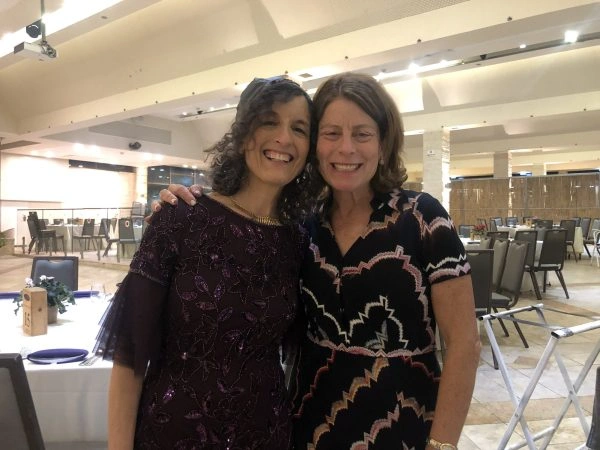
Carolyn Hochstadter and Margo Kossoff Shizgal
Merion Station, USA
Beit Shemesh, Israel
3 years ago, I joined Rabbanit Michelle to organize the unprecedented Siyum HaShas event in Jerusalem for thousands of women. The whole experience was so inspiring that I decided then to start learning the daf and see how I would go…. and I’m still at it. I often listen to the Daf on my bike in mornings, surrounded by both the external & the internal beauty of Eretz Yisrael & Am Yisrael!

Lisa Kolodny
Raanana, Israel
I started learning when my brother sent me the news clip of the celebration of the last Daf Yomi cycle. I was so floored to see so many women celebrating that I wanted to be a part of it. It has been an enriching experience studying a text in a language I don’t speak, using background knowledge that I don’t have. It is stretching my learning in unexpected ways, bringing me joy and satisfaction.

Jodi Gladstone
Warwick, Rhode Island, United States
A beautiful world of Talmudic sages now fill my daily life with discussion and debate.
bringing alive our traditions and texts that has brought new meaning to my life.
I am a מגילת אסתר reader for women . the words in the Mishna of מסכת megillah 17a
הקורא את המגילה למפרע לא יצא were powerful to me.
I hope to have the zchut to complete the cycle for my 70th birthday.

Sheila Hauser
Jerusalem, Israel
I’ve been studying Talmud since the ’90s, and decided to take on Daf Yomi two years ago. I wanted to attempt the challenge of a day-to-day, very Jewish activity. Some days are so interesting and some days are so boring. But I’m still here.

Wendy Rozov
Phoenix, AZ, United States
I started to listen to Michelle’s podcasts four years ago. The minute I started I was hooked. I’m so excited to learn the entire Talmud, and think I will continue always. I chose the quote “while a woman is engaged in conversation she also holds the spindle”. (Megillah 14b). It reminds me of all of the amazing women I learn with every day who multi-task, think ahead and accomplish so much.

Julie Mendelsohn
Zichron Yakov, Israel
I have joined the community of daf yomi learners at the start of this cycle. I have studied in different ways – by reading the page, translating the page, attending a local shiur and listening to Rabbanit Farber’s podcasts, depending on circumstances and where I was at the time. The reactions have been positive throughout – with no exception!

Silke Goldberg
Guildford, United Kingdom
I began learning the daf in January 2022. I initially “flew under the radar,” sharing my journey with my husband and a few close friends. I was apprehensive – who, me? Gemara? Now, 2 years in, I feel changed. The rigor of a daily commitment frames my days. The intellectual engagement enhances my knowledge. And the virtual community of learners has become a new family, weaving a glorious tapestry.

Gitta Jaroslawicz-Neufeld
Far Rockaway, United States
I started learning at the start of this cycle, and quickly fell in love. It has become such an important part of my day, enriching every part of my life.

Naomi Niederhoffer
Toronto, Canada
The first month I learned Daf Yomi by myself in secret, because I wasn’t sure how my husband would react, but after the siyyum on Masechet Brachot I discovered Hadran and now sometimes my husband listens to the daf with me. He and I also learn mishnayot together and are constantly finding connections between the different masechtot.

Laura Warshawsky
Silver Spring, Maryland, United States
I started learning at the beginning of this cycle more than 2 years ago, and I have not missed a day or a daf. It’s been challenging and enlightening and even mind-numbing at times, but the learning and the shared experience have all been worth it. If you are open to it, there’s no telling what might come into your life.
Patti Evans
Phoenix, Arizona, United States
It’s hard to believe it has been over two years. Daf yomi has changed my life in so many ways and has been sustaining during this global sea change. Each day means learning something new, digging a little deeper, adding another lens, seeing worlds with new eyes. Daf has also fostered new friendships and deepened childhood connections, as long time friends have unexpectedly become havruta.

Joanna Rom
Northwest Washington, United States

Robin Zeiger
Tel Aviv, Israel
A friend mentioned that she was starting Daf Yomi in January 2020. I had heard of it and thought, why not? I decided to try it – go day by day and not think about the seven plus year commitment. Fast forward today, over two years in and I can’t imagine my life without Daf Yomi. It’s part of my morning ritual. If I have a busy day ahead of me I set my alarm to get up early to finish the day’s daf

Debbie Fitzerman
Ontario, Canada
Geri Goldstein got me started learning daf yomi when I was in Israel 2 years ago. It’s been a challenge and I’ve learned a lot though I’m sure I miss a lot. I quilt as I listen and I want to share what I’ve been working on.

Rebecca Stulberg
Ottawa, Canada
I was exposed to Talmud in high school, but I was truly inspired after my daughter and I decided to attend the Women’s Siyum Shas in 2020. We knew that this was a historic moment. We were blown away, overcome with emotion at the euphoria of the revolution. Right then, I knew I would continue. My commitment deepened with the every-morning Virtual Beit Midrash on Zoom with R. Michelle.

Adina Hagege
Zichron Yaakov, Israel
After reading the book, “ If All The Seas Were Ink “ by Ileana Kurshan I started studying Talmud. I searched and studied with several teachers until I found Michelle Farber. I have been studying with her for two years. I look forward every day to learn from her.

Janine Rubens
Virginia, United States
Gittin 49
הָכָא בְּמַאי עָסְקִינַן – כְּגוֹן שֶׁהָיְתָה עִידִּית דְּנִיזָּק כְּזִיבּוּרִית דְּמַזִּיק; רַבִּי יִשְׁמָעֵאל סָבַר: בִּדְנִיזָּק שָׁיְימִינַן, וְרַבִּי עֲקִיבָא סָבַר: בִּדְמַזִּיק שָׁיְימִינַן.
With what are we dealing here? We are dealing with a case where, after appraising the damage, the court comes to collect from the one who caused the damage, but he does not have money available to pay for the damage he caused. And the tanna’im disagree in a case where the superior-quality land of the injured party was equal in quality to the inferior-quality land of the one who caused the damage, and the one who caused the damage also has land of superior quality. With regard to such a case, Rabbi Yishmael holds: We appraise the value of the land of the injured party, and therefore the one who caused the damage can pay with his inferior-quality fields, which are equal in quality to the best fields owned by the injured party. And Rabbi Akiva holds: We appraise the value of the land of the one who caused the damage and have him pay with his fields of superior quality.
מַאי טַעְמָא דְּרַבִּי יִשְׁמָעֵאל? נֶאֶמְרָה ״שָׂדֶה״ לְמַטָּה, וְנֶאֶמְרָה ״שָׂדֶה״ לְמַעְלָה; מָה שָׂדֶה הָאֲמוּרָה לְמַעְלָה – דְּנִיזָּק, אַף שָׂדֶה הָאֲמוּרָה לְמַטָּה – דְּנִיזָּק.
What is the reason of Rabbi Yishmael? The word “field” is stated below, toward the end of the verse: “Of the best of his own field, and of the best of his own vineyard, shall he pay” (Exodus 22:4). And the word “field” is also stated above, at the beginning of that same verse: “If a man shall cause a field or vineyard to be eaten, and shall put in his beast, and shall feed in another man’s field.” Just as the field which is stated above belongs to the injured party, so too, the field stated below belongs to the injured party.
וְרַבִּי עֲקִיבָא סָבַר: ״מֵיטַב שָׂדֵהוּ יְשַׁלֵּם״ – דְּהַאיְךְ דְּקָא מְשַׁלֵּם.
And Rabbi Akiva holds: When the verse says: “Of the best of his own field and of the best of his own vineyard shall he pay,” it means from the best of the one who is paying, i.e., from the best fields belonging to the one who caused the damage.
וְרַבִּי יִשְׁמָעֵאל: אַהֲנַי גְּזֵרָה שָׁוָה וְאַהֲנִי קְרָא; אַהֲנַי גְּזֵרָה שָׁוָה – לִכְדַאֲמַרַן. אַהֲנִי קְרָא – דְּאִי אִית לֵיהּ לְמַזִּיק עִידִּית וְזִיבּוּרִית, וְזִיבּוּרִית דִּידֵיהּ לָא שָׁוְיָא כְּעִידִּית דְּנִיזָּק – דִּמְשַׁלֵּם לֵיהּ מִמֵּיטַב.
And how would Rabbi Yishmael respond to this? The verbal analogy between the two instances of the word “field” is effective, and the straightforward meaning of the verse itself is effective. The verbal analogy is effective, as we said. It serves to teach that when it says that he pays from the best of his field, it means from land equal in quality to the best field owned by the injured party. And the straightforward meaning of the verse itself is effective, as it serves to teach a different halakha, namely, that if the one who caused the damage has superior-quality land and inferior-quality land, and his inferior-quality land is not as good as the superior-quality land belonging to the injured party, the one who caused the damage pays the injured party from his best land, i.e., from the superior-quality land that he owns.
רַבִּי עֲקִיבָא אוֹמֵר: לֹא בָּא הַכָּתוּב אֶלָּא לַגְבּוֹת לַנִּיזָּקִין מִן הָעִידִּית, וְקַל וָחוֹמֶר לַהֶקְדֵּשׁ.
§ The baraita teaches that Rabbi Akiva says: The verse comes only to allow injured parties to collect compensation from superior-quality land belonging to the one who caused the damage, in the event that he has no money or movable property. And by means of an a fortiori inference one can derive that the Temple treasury collects from superior-quality land.
מַאי קַל וָחוֹמֶר לַהֶקְדֵּשׁ? אִילֵימָא דְּנַגְחֵיהּ תּוֹרָא דִידַן לְתוֹרָא דְהֶקְדֵּשׁ, ״שׁוֹר רֵעֵהוּ״ אָמַר רַחֲמָנָא – וְלֹא שׁוֹר שֶׁל הֶקְדֵּשׁ!
The Gemara asks: What is the a fortiori inference from ordinary damage to damage involving the consecrated property? To which case does this refer? If we say that our ox, i.e., an ox belonging to a Jew, gored an ox that is consecrated property, there is a difficulty, as the Merciful One states: “And if one man’s ox hurts another’s ox” (Exodus 21:35). This teaches that the halakha applies only if the ox hurt an ox belonging to another Jew, but not if it hurt an ox that is consecrated property. In the latter case no damages are collected.
אֶלָּא לָאוֹמֵר ״הֲרֵי עָלַי מָנֶה לְבֶדֶק הַבַּיִת״, דְּאָתֵי גִּזְבָּר וְשָׁקֵיל מֵעִידִּית.
Rather, we say that the a fortiori inference is not referring to a case of damage, but rather to one who says: It is incumbent upon me to donate one hundred dinars for Temple maintenance, and the inference teaches that if the one who took the vow has no money, then the Temple treasurer comes and collects the hundred dinars from his superior-quality land.
לֹא יְהֵא אֶלָּא בַּעַל חוֹב, וּבַעַל חוֹב דִּינוֹ בְּבֵינוֹנִית! וְכִי תֵּימָא: קָסָבַר רַבִּי עֲקִיבָא בַּעַל חוֹב שָׁקֵיל בְּעִידִּית כְּנִיזָּקִין, אִיכָּא לְמִיפְרַךְ: מָה לְבַעַל חוֹב שֶׁכֵּן יִפָּה כֹּחוֹ בְּנִיזָּקִין, תֹּאמַר בְּהֶקְדֵּשׁ שֶׁכֵּן הוֹרַע כֹּחוֹ בְּנִיזָּקִין!
The Gemara challenges this understanding: The Temple treasurer should not be treated any better than an ordinary creditor, and, as stated in the mishna, the halakha of a creditor is that he collects only from intermediate-quality land. And if you would say that Rabbi Akiva holds that even a creditor can collect the money owed him from superior-quality land like payment for damages, there is still a difficulty; the a fortiori inference can still be refuted in the following manner: If an ordinary creditor can collect the money owed him from superior-quality land, this is because the Torah enhanced his power with regard to payment for damages, as a common person can collect payment for damages caused him by another’s ox. But can you say the same about the Temple treasury, with regard to which the Torah weakened its power with regard to payment for damages, not allowing it to collect such compensation?
לְעוֹלָם דְּנַגְחֵיהּ תּוֹרָא דִידַן לְתוֹרָא דְהֶקְדֵּשׁ, וְרַבִּי עֲקִיבָא סָבַר לַהּ כְּרַבִּי שִׁמְעוֹן בֶּן מְנַסְיָא – דְּתַנְיָא, רַבִּי שִׁמְעוֹן בֶּן מְנַסְיָא אוֹמֵר: שׁוֹר שֶׁל הֶקְדֵּשׁ שֶׁנָּגַח לְשׁוֹר שֶׁל הֶדְיוֹט – פָּטוּר, וְשֶׁל הֶדְיוֹט שֶׁנָּגַח לְשׁוֹר שֶׁל הֶקְדֵּשׁ – בֵּין תָּם וּבֵין מוּעָד, מְשַׁלֵּם נֶזֶק שָׁלֵם.
The Gemara rejects this: Actually, we can explain that we are dealing here with a case where our ox gored an ox that is consecrated property, and Rabbi Akiva holds in accordance with the opinion of Rabbi Shimon ben Menasya with regard to this issue, as it is taught in a baraita that Rabbi Shimon ben Menasya says: If an ox that is consecrated property gored an ox belonging to a common person, the Temple treasury is exempt from liability. By contrast, if an ox belonging to a common person gored an ox that is consecrated property, whether the ox that gored the other ox was an innocuous ox [shor tam], i.e., an ox with no consistent history of causing damage with the intent to injure, or it was a forewarned ox [shor muad], i.e., an ox whose owner was forewarned because his ox had already gored another ox three times, the ox’s owner pays the full cost of the damage.
אִי הָכִי, מִמַּאי דִּבְעִידִּית דְּנִיזָּק כְּזִיבּוּרִית דְּמַזִּיק פְּלִיגִי? דִּלְמָא דְּכוּלֵּי עָלְמָא בִּדְנִיזָּק שָׁיְימִינַן, וְהָכָא בִּפְלוּגְתָּא דְּרַבִּי שִׁמְעוֹן בֶּן מְנַסְיָא וְרַבָּנַן קָמִיפַּלְגִי –
The Gemara asks: If so, from where do you know to say that Rabbi Akiva and Rabbi Yishmael disagree about a case where the superior-quality land belonging to the injured party is equal in quality to the inferior-quality land belonging to the one who caused the damage, and the one who caused the damage also has land of superior quality, as the dispute was previously interpreted by Rav Aḥa bar Ya’akov? Perhaps everyone, including Rabbi Akiva, agrees that we appraise the value of the land of the injured party, and here they disagree with regard to the dispute between Rabbi Shimon ben Menasya and the Rabbis.
דְּרַבִּי עֲקִיבָא סָבַר לַהּ כְּרַבִּי שִׁמְעוֹן בֶּן מְנַסְיָא, וְרַבִּי יִשְׁמָעֵאל סָבַר לַהּ כְּרַבָּנַן!
The Gemara explains this suggestion: As Rabbi Akiva holds in accordance with the opinion of Rabbi Shimon ben Menasya, that in the case of damage caused by the ox of a common person to the property of the Temple treasury, compensation is collected from superior-quality land belonging to the one who caused the damage. And Rabbi Yishmael holds in accordance with the opinion of the Rabbis, that the owner of the ox bears no liability.
אִם כֵּן, מַאי ״לֹא בָּא הַכָּתוּב״? וְעוֹד, מַאי ״קַל וָחוֹמֶר לַהֶקְדֵּשׁ״? וְעוֹד, הָא אָמַר רַב אָשֵׁי,
The Gemara rejects this suggestion: If it is so that this is the disagreement, then what is the meaning of Rabbi Akiva’s statement: The verse comes only to allow injured parties to collect compensation from superior-quality land? This indicates that Rabbi Akiva disagrees about how to understand this verse. And furthermore, if the subject is the Temple treasury, what is the meaning of: And by means of an a fortiori inference one can derive that the Temple treasury of consecrated property collects from superior-quality land. And furthermore, didn’t Rav Ashi say:
תַּנְיָא בְּהֶדְיָא: ״מֵיטַב שָׂדֵהוּ וּמֵיטַב כַּרְמוֹ יְשַׁלֵּם״ – מֵיטַב שָׂדֵהוּ שֶׁל נִיזָּק, וּמֵיטַב כַּרְמוֹ שֶׁל נִיזָּק, דִּבְרֵי רַבִּי יִשְׁמָעֵאל. רַבִּי עֲקִיבָא אוֹמֵר: מֵיטַב שָׂדֵהוּ שֶׁל מַזִּיק, וּמֵיטַב כַּרְמוֹ שֶׁל מַזִּיק.
It is taught explicitly in a baraita: The verse: “Of the best of his own field, and of the best of his own vineyard, shall he pay” (Exodus 22:4), teaches that the appraisal is of the best of the fields of the injured party, and of the best of the vineyards of the injured party. This is the statement of Rabbi Yishmael. Rabbi Akiva says: The appraisal is of the best of the fields of the one who caused the damage, and of the best of the vineyards of the one who caused the damage. This clearly indicates that according to Rabbi Akiva compensation is collected from the superior-quality land belonging to the one who caused the damage.
רָבִינָא אָמַר: לְעוֹלָם מַתְנִיתִין רַבִּי עֲקִיבָא הִיא, דְּאָמַר מִדְּאוֹרָיְיתָא בִּדְמַזִּיק שָׁיְימִינַן; וְרַבִּי שִׁמְעוֹן הִיא – דְּדָרֵישׁ טַעְמָא דִּקְרָא, וּמָה טַעַם קָאָמַר – מָה טַעַם הַנִּיזָּקִין שָׁמִין לָהֶן בְּעִידִּית? מִפְּנֵי תִּיקּוּן הָעוֹלָם.
Ravina said: Actually, the mishna is in accordance with the opinion of Rabbi Akiva, who said: By Torah law, we appraise the property of the one who caused the damage. And it is also in accordance with the principle of Rabbi Shimon, who expounds the reason underlying the verse as a basis for drawing halakhic conclusions. And the mishna is saying: What is the reason for the halakha taught in the mishna? The mishna should be understood as follows: What is the reason that the court appraises land of superior quality for payment to injured parties? This is for the betterment of the world. That is to say, the words: For the betterment of the world, do not indicate a rabbinic enactment. Rather, they provide a reason for the Torah law.
דְּתַנְיָא, אָמַר רַבִּי שִׁמְעוֹן: מִפְּנֵי מָה אָמְרוּ הַנִּיזָּקִין שָׁמִין לָהֶן בְּעִידִּית? מִפְּנֵי הַגַּזְלָנִים וּמִפְּנֵי הַחַמְסָנִין, כְּדֵי שֶׁיֹּאמַר אָדָם: לָמָה אֲנִי גּוֹזֵל וְלָמָה אֲנִי חוֹמֵס? לְמָחָר בֵּית דִּין יוֹרְדִין לִנְכָסַי וְנוֹטְלִין שָׂדֶה נָאָה שֶׁלִּי, וְסוֹמְכִים עַל מַה שֶּׁכָּתוּב בַּתּוֹרָה: ״מֵיטַב שָׂדֵהוּ וּמֵיטַב כַּרְמוֹ יְשַׁלֵּם״; לְפִיכָךְ אָמְרוּ: הַנִּיזָּקִין – שָׁמִין לָהֶן בְּעִידִּית.
This is as it is taught in a baraita (Tosefta, Ketubot 12:2) that Rabbi Shimon said: For what reason did the Sages say that the court appraises land of superior quality for payment to injured parties? It is due to the robbers and due to those who take that which is not theirs by force [ḥamsanin]. How so? So that a person will say: Why should I rob and why should I take by force? Tomorrow the court will come down to my property and take my finest field in order to compensate the victim for what I have robbed or taken by force. And the Sages rely on what is written in the Torah: “Of the best of his own field, and of the best of his own vineyard, shall he pay” (Exodus 22:4). Consequently, they said that the court appraises land of superior quality for payment to injured parties.
מִפְּנֵי מָה אָמְרוּ בַּעַל חוֹב בְּבֵינוֹנִית? כְּדֵי שֶׁלֹּא יִרְאֶה אָדָם לַחֲבֵירוֹ שָׂדֶה נָאָה וְדִירָה נָאָה, וְיֹאמַר: אֶקְפּוֹץ וְאַלְוֶנּוּ, כְּדֵי שֶׁאֶגְבֶּנּוּ בְּחוֹבִי; לְפִיכָךְ אָמְרוּ: בַּעַל חוֹב בְּבֵינוֹנִית.
The baraita continues: For what reason did the Sages say that a creditor collects his debt from intermediate-quality land? It is so that a person should not see another’s fine field or fine house and say: I will jump in and lend him money so that later I will collect the field or house for my debt, if the borrower does not have enough money to repay the loan. Therefore, the Sages said that a creditor collects his debt only from intermediate-quality land, and he would not receive that fine field that would have prompted him to extend the loan in the first place.
אֶלָּא מֵעַתָּה, יְהֵא בְּזִיבּוּרִית! אִם כֵּן – אַתָּה נוֹעֵל דֶּלֶת בִּפְנֵי לוֹוִין.
The Gemara asks: If it is so that the objective is that people not be tempted to lend money for the purpose of acquiring the borrower’s property should he default on the loan, then the halakha governing a creditor should be to collect his debt from inferior-quality land. The Gemara answers: If so, then you would be locking the door before potential borrowers, as no one would be willing to lend them money.
כְּתוּבַּת אִשָּׁה – בְּזִיבּוּרִית, דִּבְרֵי רַבִּי יְהוּדָה. רַבִּי מֵאִיר אוֹמֵר: בְּבֵינוֹנִית. אָמַר רַבִּי שִׁמְעוֹן: מִפְּנֵי מָה אָמְרוּ כְּתוּבַּת אִשָּׁה בְּזִיבּוּרִית? שֶׁיּוֹתֵר מִמַּה שֶּׁהָאִישׁ רוֹצֶה לִישָּׂא, הָאִשָּׁה רוֹצָה לִינָּשֵׂא.
The baraita continues: Payment of a woman’s marriage contract is collected from inferior-quality land; this is the statement of Rabbi Yehuda. Rabbi Meir says: It can be collected from intermediate-quality land. Rabbi Shimon said: For what reason did the Sages say that a woman’s marriage contract is collected from inferior-quality land? It is because more than a man wants to marry a woman, a woman wants to become married to a man. Consequently, she will agree to marry even if she knows that she will not be able to collect payment of the marriage contract from superior-quality land.
דָּבָר אַחֵר: אִשָּׁה יוֹצְאָה לִרְצוֹנָהּ וְשֶׁלֹּא לִרְצוֹנָהּ, וְהָאִישׁ אֵינוֹ מוֹצִיאָהּ אֶלָּא לִרְצוֹנוֹ.
Alternatively, it is because a woman is sent out from her husband with her consent or without her consent, but a man sends his wife out from his house only with his consent.
מַאי דָּבָר אַחֵר? וְכִי תֵּימָא, כִּי הֵיכִי דְּכִי מַפֵּיק לַהּ אִיהוּ – תַּקִּינוּ לַהּ רַבָּנַן כְּתוּבָּה מִינֵּיהּ; כִּי נָפְקָא אִיהִי נָמֵי – לִיתַקְּנִי לֵיהּ רַבָּנַן כְּתוּבָּה מִינַּהּ? תָּא שְׁמַע: אִשָּׁה יוֹצְאָה לִרְצוֹנָהּ וְשֶׁלֹּא לִרְצוֹנָהּ, וְהָאִישׁ אֵינוֹ מוֹצִיא אֶלָּא לִרְצוֹנוֹ – אֶפְשָׁר דִּמְשַׁהֵי לַהּ בְּגִיטָּא.
The Gemara asks: What is the reason that he mentions an alternative explanation? What problem is there with the first explanation? The Gemara answers: The alternative explanation does not explain why she collects from inferior-quality land, but serves to explain a different matter. Since the Sages instituted a marriage contract in order to strengthen the institution of marriage, it is possible to ask: And if you would say that just as when a man divorces his wife the Sages instituted a marriage contract for her from him, so too, when she leaves him they should similarly institute a marriage contract for him from her; then come and hear: A woman is sent out from her husband with her consent or without her consent, but a man sends his wife out from his house only with his consent. Even if she instigates a quarrel with him to bait him into divorcing her, it is nevertheless possible for the husband to keep her waiting for a bill of divorce. A man gives his wife a bill of divorce only when he wishes to do so, and so in essence the divorce depends solely on him.
כְּתוּבַּת אִשָּׁה בְּזִיבּוּרִית. אָמַר מָר זוּטְרָא בְּרֵיהּ דְּרַב נַחְמָן: לָא אֲמַרַן אֶלָּא מִיַּתְמֵי, אֲבָל מִינֵּיהּ דִּידֵיהּ – בְּבֵינוֹנִית.
§ The mishna teaches that payment of a woman’s marriage contract is collected from inferior-quality land. Mar Zutra, son of Rav Naḥman, said: We said that a woman collects her marriage contract from inferior-quality land only when her husband died and she collects payment from the orphans who inherit his estate. But if she was divorced and she collects payment from the husband himself, then she collects it from intermediate-quality land.
מִיַּתְמֵי?! מַאי אִירְיָא כְּתוּבַּת אִשָּׁה? אֲפִילּוּ כֹּל מִילֵּי נָמֵי, דְּהָא תְּנַן: אֵין נִפְרָעִים מִנִּכְסֵי יְתוֹמִים אֶלָּא מִן הַזִּיבּוּרִית! אֶלָּא לָאו מִינֵּיהּ?
The Gemara asks: If the mishna is referring to collecting from orphans, then why discuss specifically a woman’s marriage contract? Even all matters, such as payment for damage, should also be collected from inferior-quality land when it is collected from orphans, as didn’t we learn in the mishna: If one who owed money died and his children inherited his property, the father’s debt can be collected from the property of the orphans only from inferior-quality land. Rather, is it not that the mishna is referring to a case where the woman collects her marriage contract from the husband himself?
לְעוֹלָם מִיַּתְמֵי, וּכְתוּבַּת אִשָּׁה אִיצְטְרִיכָא לֵיהּ – סָלְקָא דַּעְתָּךְ אָמֵינָא: מִשּׁוּם חִינָּא, אַקִּילוּ רַבָּנַן גַּבַּהּ; קָא מַשְׁמַע לַן.
The Gemara rejects this argument: Actually, the mishna is referring to a case where the woman collects her marriage contract from the orphans who inherit their father’s estate. And it was necessary for the mishna to teach the halakha specifically with regard to a woman’s marriage contract. As it could enter your mind to say that the Sages were more lenient with her for the sake of desirability, so that she would be a more desirable partner should she want to remarry, and consequently they allowed her to collect payment of her marriage contract from intermediate-quality land even from orphans, the mishna teaches us that even payment for a woman’s marriage contract is not collected from the intermediate-quality land of orphans, but only from their inferior-quality land.
אָמַר רָבָא: תָּא שְׁמַע, רַבִּי מֵאִיר אוֹמֵר: כְּתוּבַּת אִשָּׁה – בְּבֵינוֹנִית. מִמַּאן? אִילֵימָא מִיַּתְמֵי, לֵית לֵיהּ לְרַבִּי מֵאִיר הָא דִּתְנַן: אֵין נִפְרָעִים מִנִּכְסֵי יְתוֹמִים אֶלָּא מִן הַזִּיבּוּרִית?! אֶלָּא לָאו מִינֵּיהּ? מִכְּלָל דְּרַבָּנַן סָבְרִי בְּזִיבּוּרִית!
Rava said: Come and hear a proof from a baraita: Rabbi Meir says: Payment for a woman’s marriage contract is collected from intermediate-quality land. The Gemara attempts to clarify the case: From whom does she collect payment of her marriage contract in this case? If we say that she is collecting from the orphans, it is possible to ask: Does Rabbi Meir not agree with that which we learned in the mishna: The father’s debt can be collected from the property of the orphans only from inferior-quality land? Rather, is it not that the woman collects payment of her marriage contract from her husband himself? And since Rabbi Meir maintains that she collects from intermediate-quality land, one can learn by inference that the Rabbis hold that she collects from inferior-quality land, contrary to the opinion of Mar Zutra.
לָא; לְעוֹלָם מִיַּתְמֵי, וְשָׁאנֵי כְּתוּבַּת אִשָּׁה – מִשּׁוּם חִינָּא.
The Gemara rejects this argument: No, actually it is possible to explain that the baraita is referring to a case where the woman collects her marriage contract from the orphans who inherit their father’s estate. And payment of a woman’s marriage contract is different from other debts collected from orphans, which can be collected only from inferior-quality land. The Sages were more lenient with her for the sake of desirability; consequently, Rabbi Meir ruled that she may collect her marriage contract from intermediate-quality land even if she is collecting it from orphans.
אָמַר אַבָּיֵי, תָּא שְׁמַע: הַנִּיזָּקִין שָׁמִין לָהֶן בְּעִידִּית, וּבַעַל חוֹב – בְּבֵינוֹנִית, וּכְתוּבַּת אִשָּׁה – בְּזִיבּוּרִית. מִמַּאן? אִילֵימָא מִיַּתְמֵי, מַאי אִירְיָא כְּתוּבַּת אִשָּׁה? אֲפִילּוּ כֹּל הָנֵי נָמֵי! אֶלָּא לָאו מִינֵּיהּ?
Abaye said: Come and hear a proof from what is taught in the mishna: The court appraises land of superior quality for payment to injured parties. And a creditor collects his debt from the debtor’s intermediate-quality land. And payment of a woman’s marriage contract is collected from her husband’s inferior-quality land. The Gemara attempts to clarify the case: From whom is the collection being made? If we say that in all of these cases collection is being made from the orphans, why mention specifically a woman’s marriage contract? Even all of these, i.e., even injured parties and creditors, should also collect only from inferior-quality land when collecting from orphans. Rather, is it not that the mishna is referring to a case where the woman collects her marriage contract from the husband himself, and it rules that she collects from inferior-quality land, contrary to the opinion of Mar Zutra?
אָמַר רַב אַחָא בַּר יַעֲקֹב: הָכָא בְּמַאי עָסְקִינַן – כְּגוֹן שֶׁנַּעֲשָׂה עָרֵב לְנִזְקֵי בְנוֹ, לְבַעַל חוֹב בְּנוֹ וְלִכְתוּבַּת כַּלָּתוֹ;
Rav Aḥa bar Ya’akov said: No proof can be brought from the mishna against the opinion of Mar Zutra, as the mishna can be understood as follows: With what are we dealing here? We are dealing with a case where one became a guarantor for compensation for his son’s damages, and similarly for repayment to his son’s creditor, and similarly for payment of his daughter-in-law’s marriage contract, and his son died. Since the guarantor stands in place of his son, collection is made from him as if it were being made from his son.
וְהַאי כִּי דִינֵיהּ, וְהַאי כִּי דִינֵיהּ; נִיזָּקִין וּבַעַל חוֹב, דְּמֵחַיִּים גָּבוּ, אִיהוּ נָמֵי כִּי מַגְבֵּי – כְּמֵחַיִּים מַגְבֵּי. כְּתוּבַּת אִשָּׁה, דִּלְאַחַר מִיתָה גָּבְיָא, וּלְאַחַר מִיתָה מִמַּאן גָּבְיָא – מִיַּתְמֵי; אִיהוּ נָמֵי כִּי מַגְבֵּי – כִּלְאַחַר מִיתָה מַגְבֵּי.
And payment is made in this case in accordance with its halakha and payment is made in this case in accordance with its halakha. Since an injured party and a creditor ordinarily collect from those who owe them money while they are alive, when the guarantor pays the debt, he too pays the debt as though the one who caused the damage or borrowed the money were still alive. Therefore, in these cases collection is made from superior-quality or intermediate-quality land. But in this case, where the father serves as a guarantor for his son, payment of a woman’s marriage contract is only after her husband’s death, and after his death from whom does she collect? From the orphans. Consequently, when the guarantor pays the debt, he too pays the debt as though it were being paid by the orphans after the husband’s death. Accordingly, payment for her marriage contract is made from inferior-quality land.
וְתִיפּוֹק לֵיהּ דְּעָרֵב דִּכְתוּבָּה לֹא מִשְׁתַּעְבֵּד! בְּקַבְּלָן.
The Gemara asks: But let him derive this halakha from another halakha that states that the guarantor of a marriage contract does not become responsible for the payment of the marriage contract from his own property. The signature that he adds to the marriage contract serves merely as additional support but does not turn him into a true guarantor. Therefore, even if a collection is made, it is only from inferior-quality land. The Gemara answers: We are dealing here with an unconditional guarantor, i.e., one who accepted unconditional responsibility for the obligation, allowing his daughter-in-law to collect payment of her marriage contract either from his son or from him, as she so desires.
הָנִיחָא לְמַאן דְּאָמַר: קַבְּלָן, אַף עַל גַּב דְּלֵית לֵיהּ נִכְסֵי לְלֹוֶה – מִשְׁתַּעְבַּד, שַׁפִּיר; אֶלָּא לְמַאן דְּאָמַר: אִי אִית לֵיהּ – מִשְׁתַּעְבַּד, אִי לֵית לֵיהּ – לָא מִשְׁתַּעְבַּד, מַאי אִיכָּא לְמֵימַר?
The Gemara asks: This works out well according to the one who says that an unconditional guarantor becomes responsible for repayment of the loan even if the borrower does not have property of his own. Therefore, it works out well to explain the case in this manner. But according to the one who says that if the borrower has property of his own at the time of the loan, then the unconditional guarantor becomes responsible, but if the borrower does not have property of his own at the time of the loan, then the unconditional guarantor does not become responsible, what is there to say in a case where the son did not have any property at the time of the marriage? In such a case, the father never became responsible for his son’s obligations.
אִיבָּעֵית אֵימָא: בְּדַהֲווֹ לֵיהּ וְאִישְׁתְּדוּף.
The Gemara answers: If you wish, say that it is a case where the son had property of his own at the outset, but afterward it was blighted. Since the son had his own property, the father accepted responsibility for the obligation, and now that the property has no value, the daughter-in-law can collect payment for her marriage contract from the father.
וְאִיבָּעֵית אֵימָא: כֹּל לְגַבֵּי בְּרֵיהּ, שַׁעְבּוֹדֵי מְשַׁעְבַּד נַפְשֵׁיהּ.
And if you wish say: With respect to anything relating to his son, it is common for a father to pledge himself absolutely, even when the son has no property of his own.
אִיתְּמַר: עָרֵב דִּכְתוּבָּה – דִּבְרֵי הַכֹּל לָא מִשְׁתַּעְבַּד;
§ Apropos a guarantor for a marriage contract, the Gemara notes: It was stated that everyone agrees that a guarantor who signs a marriage contract does not thereby become responsible for the payment of the marriage contract from his own property.
Follow

