Search

Gittin 64

Want to dedicate learning? Get started here:

English
עברית
podcast placeholder

0:00
0:00


podcast placeholder

0:00
0:00


Summary

Today’s daf is sponsored by Marcia Baum in loving memory of Sam Baum, Chaim Simcha haLevi ben Aharon haLevi v’Liba on his 20th yahrzeit. “My dad was a larger-than-life individual who was steadfast in his love for family, Israel and yahadut. Stories of his escapades resound even twenty years after his petirah. He is sorely missed by those of us who knew and loved him!”

Can a messenger sent by the husband to deliver to a get to his wife also function as a messenger to accept the get for his wife? If the husband gave a get to a middleman and the middleman claims he was given the get to accept on behalf of the wife and the husband claims he gave it to him to hold for him but not to accept it, who is believed? Would the same laws regarding monetary issues and middlemen apply or is this case different? Can the father or the daughter accept the get in the case of a betrothed na’ara (in between stage between child and adult)?

Today’s daily daf tools:

Gittin 64

אוֹ אֶחָד מִן הָרִאשׁוֹנִים, וְאֶחָד מִן הָאַחֲרוֹנִים, וְאֶחָד מִצְטָרֵף עִמָּהֶן.

or if there is one witness from the first pair of witnesses and one witness from the latter pair, and one additional witness joins with them as the second witness in both testimonies.

גְּמָ׳ אִיתְּמַר: בַּעַל אוֹמֵר לְפִקָּדוֹן, וְשָׁלִישׁ אוֹמֵר לְגֵירוּשִׁין – מִי נֶאֱמָן? רַב הוּנָא אָמַר: בַּעַל נֶאֱמָן, וְרַב חִסְדָּא אָמַר: שָׁלִישׁ נֶאֱמָן.

GEMARA: It was stated that there is an amoraic dispute in a case where a husband says that he handed the bill of divorce to another as a deposit for safekeeping and not to deliver it to his wife, and that consequently she is not divorced, and the third party [shalish], to whom the husband gave the document, says that he was serving as an agent for receipt and the husband gave him the document for the purpose of divorce. In such a case, who is deemed credible? Rav Huna says: The husband is deemed credible, and Rav Ḥisda says: The third party is deemed credible.

רַב הוּנָא אָמַר: בַּעַל נֶאֱמָן – דְּאִם אִיתָא דִּלְגֵירוּשִׁין יַהֲבֵיהּ נִיהֲלֵיהּ, לְדִידַהּ הֲוָה יָהֵיב לַהּ נִיהֲלַהּ. וְרַב חִסְדָּא אָמַר: שָׁלִישׁ נֶאֱמָן – דְּהָא הֵימְנֵיהּ.

The Gemara elaborates: Rav Huna said that the husband is deemed credible, as, if it is so that he gave it to the third party for the purpose of divorce, he would have given the bill of divorce directly to her. Both husband and wife are in the same city. Why did he give it to a third party? Apparently, he merely entrusted him with the bill of divorce for safekeeping. And Rav Ḥisda said: The third party is deemed credible, as the husband himself deemed him credible by entrusting him with the bill of divorce.

מֵתִיב רַבִּי אַבָּא: הוֹדָאַת בַּעַל דִּין כְּמֵאָה עֵדִים דָּמֵי, וְשָׁלִישׁ נֶאֱמָן מִשְּׁנֵיהֶם. כֵּיצַד? זֶה אוֹמֵר כָּךְ, וְזֶה אוֹמֵר כָּךְ, שָׁלִישׁ נֶאֱמָן!

Rabbi Abba raises an objection to the opinion of Rav Huna from a baraita in the Tosefta (Bava Metzia 1:10): The legal status of the admission of a litigant is similar to that of the testimony of one hundred witnesses, and the statement of a third party is deemed more credible than the statements of both of the litigants. How so? If this litigant, the creditor, says that the debtor owes him this sum, and that litigant, the debtor, says that he owes that lower sum, the third party to whom the debtor gave the money to pay the creditor is deemed credible to establish the sum of the debt. This contradicts the opinion of Rav Huna, who said that the husband, not the third party, is deemed credible.

שָׁאנֵי מָמוֹן, דְּאִיתְיְהִיב לִמְחִילָּה.

The Gemara rejects that objection: A monetary debt is different, as it can be forgiven. Since one can forgive a monetary debt outright, he can also accept upon himself to abide by the statement of a third party as to the sum of the debt. Therefore, even if the third party deviates from the truth, because it is a case involving money, they accept his determination. However, no proof may be cited from that case to the matter of the bill of divorce, as there is no possibility of forgiveness with regard to ritual matters, e.g., divorce.

וְהָא תַּנְיָא: וְכֵן לְגִיטִּין! גִּיטֵּי מָמוֹן. וְהָתַנְיָא: וְכֵן לִשְׁטָרוֹת!

The Gemara asks: But isn’t it taught in another baraita: And likewise that is the halakha with regard to bills of divorce [gittin], i.e., the halakha is that the third party is deemed credible? The Gemara answers: The reference in the baraita is not to bills of divorce. Rather, the reference is to monetary documents [gittei mamon]. The Gemara asks: But isn’t it taught in another baraita: And likewise that is the halakha with regard to monetary documents [shetarot]? The fact that monetary documents are labeled as shetarot indicates that the term gittin refers to bill of divorce.

מִידֵּי גַּבֵּי הֲדָדֵי תַּנְיָא?!

The Gemara rejects that proof: Are they, the two expressions, taught together? If there were a passage in one baraita that said: And likewise, that is the halakha with regard to gittin and documents, one could infer that the term gittin is referring to bills of divorce, as the term documents is referring to all other documents. However, since these are two discrete baraitot, perhaps one is referring to monetary documents as gittin and the other is referring to them as shetarot.

תְּנַן, הָאִשָּׁה שֶׁאָמְרָה: ״הִתְקַבֵּל לִי גִּיטִּי״, צְרִיכָה שְׁתֵּי כִּיתֵּי עֵדִים – שְׁנַיִם שֶׁיֹּאמְרוּ: ״בְּפָנֵינוּ אָמְרָה״, וּשְׁנַיִם שֶׁיֹּאמְרוּ: ״בְּפָנֵינוּ קִבֵּל, וְקָרַע״. וְאַמַּאי? לִיהֵמְנֵיהּ לְשָׁלִישׁ!

The Gemara cites proof with regard to the credibility of the third party. We learned in the mishna that a woman who said to an agent: Receive my bill of divorce for me, requires two sets of witnesses to confirm that she was divorced when the agent received the bill of divorce. She requires two witnesses who say: In our presence she said to the agent: Receive my bill of divorce on my behalf, and two others who say: In our presence the agent received the bill of divorce and tore it. The Gemara asks: And why are the witnesses necessary? Let us deem the third party, to whom the husband handed the bill of divorce, credible and not require witnesses.

מִי קָא נָפֵיק גִּיטָּא מִתּוּתֵי יְדֵיהּ – דְּלִיהֵמְנֵיהּ?!

The Gemara rejects this: Does the bill of divorce emerge from his possession, i.e., does he have the bill of divorce, such that it would lead one to deem him credible? The third party is believed only in a case where the item in question is under his control, as then he can do with it as he wishes. However, in this case the bill of divorce is no longer in his possession, as it has been torn, and the credibility attributed to the third party is no longer relevant.

תִּינַח אָמְרָה; קִיבֵּל לְמָה לִי? אָמַר רַבָּה: הָא מַנִּי – רַבִּי אֶלְעָזָר הִיא, דְּאָמַר: עֵדֵי מְסִירָה כָּרְתִי.

The Gemara asks: That works out well in explaining why witnesses are required to testify that she said to the agent in their presence: Receive my bill of divorce on my behalf. However, why do I need witnesses to testify: In our presence the agent received the bill of divorce and tore it? From the point that the bill of divorce was in his possession no testimony should be necessary. Rabba said: In accordance with whose opinion is this mishna? It is in accordance with the opinion of Rabbi Elazar, who says: Witnesses of transmission of the bill of divorce effect the divorce. The divorce takes effect primarily by means of its transmission to the woman in the presence of witnesses. Therefore, witnesses are necessary to testify that the transmission took place in their presence.

קָרַע לְמָה לִי? אָמַר רַב יְהוּדָה אָמַר רַב: בִּשְׁעַת הַשְּׁמָד שָׁנוּ.

The Gemara seeks to clarify a different matter mentioned in the mishna. Why do I need the witnesses to testify that the third party tore the bill of divorce? Rav Yehuda says that Rav says: The Sages taught the mishna during a period of religious persecution, when the government decreed that it is prohibited to write bills of divorce. Therefore, immediately after the divorce took effect they would destroy any evidence that a bill of divorce had been written by tearing it.

אָמַר רַבָּה: וּמוֹדֶה רַב הוּנָא, דְּאִי אֲמַרָה אִיהִי: לְדִידִי אֲמַר לִי שָׁלִישׁ דִּלְגֵירוּשִׁין יַהֲבֵיהּ נִיהֲלֵיהּ – מְהֵימְנָא. מִי אִיכָּא מִידֵּי דְּשָׁלִישׁ גּוּפֵיהּ לָא מְהֵימַן, וְאִיהִי מְהֵימְנָא?!

Rabba said: And although he said that the husband is deemed credible, Rav Huna concedes that if the wife said: The third party said to me that my husband gave the bill of divorce to him for the purpose of divorce, she is deemed credible. The Gemara asks: Is there anything with regard to which, according to Rav Huna, the third party himself is not deemed credible, but the wife is deemed credible when quoting him?

אֶלָּא אִי אֲמַרָה: קַמַּאי דִּידִי לְגֵרוּשִׁין יַהֲבֵיהּ נִיהֲלֵיהּ – מְהֵימְנָא; מִיגּוֹ דְּאִי בָּעֲיָא אָמְרָה לְדִידַהּ יַהֲבֵיהּ נִיהֲלַהּ בַּעַל.

Rather, Rabba said that Rav Huna concedes that if she said: In my presence my husband gave the bill of divorce to the third party for the purpose of divorce, she is deemed credible. Her credibility is based on the principle of miggo, that the ability to make a more advantageous claim grants credibility to the claim one actually makes. Since, if she wished, she could have said that the husband gave it to her and she was divorced, therefore, when she says that the husband gave it to an agent for the purpose of divorce she is deemed credible.

בַּעַל אֹמֵר לְגֵירוּשִׁין, וְשָׁלִישׁ אוֹמֵר לְגֵירוּשִׁין, וְהִיא אוֹמֶרֶת: נָתַן לִי, וְאָבַד – אָמַר רַבִּי יוֹחָנָן: הָוֵה דָּבָר שֶׁבָּעֶרְוָה, וְאֵין דָּבָר שֶׁבְּעֶרְוָה פָּחוֹת מִשְּׁנַיִם.

§ The Gemara proceeds to a related matter. If the husband said that he gave the bill of divorce to the third party as an agent of delivery for the purpose of divorce, and the third party says that the husband gave it to him as an agent of delivery for the purpose of divorce, and the wife says: The third party gave me the bill of divorce and it was lost, Rabbi Yoḥanan said: This is uncertainty with regard to a matter of forbidden relations. And there is no resolution of a matter of forbidden relations with fewer than two witnesses.

וְאַמַּאי? וְלִיהֵימְנֵיהּ לְשָׁלִישׁ! מִי קָא נָפֵיק גִּיטָּא מִתּוּתֵי יְדֵיהּ דְּלִהֵימְנֵיהּ?!

The Gemara asks: But why is this case one of uncertainty? But let us deem the third party credible, i.e., let us believe his statement that the husband gave him the bill of divorce for the purpose of divorce. The Gemara rejects this: Does the bill of divorce emerge from his possession, such that it would lead one to deem him credible?

וְלִהֵימְנֵיהּ לְבַעַל – דְּאָמַר רַב חִיָּיא בַּר אָבִין אָמַר רַבִּי יוֹחָנָן: בַּעַל שֶׁאָמַר ״גֵּירַשְׁתִּי אֶת אִשְׁתִּי״ – נֶאֱמָן! מִי קָאָמַר ״גֵּירַשְׁתִּי״?!

The Gemara asks: But let one deem the husband credible, as Rav Ḥiyya bar Avin says that Rabbi Yoḥanan says: A husband who says: I divorced my wife, is deemed credible. The Gemara rejects this: In the case under discussion does the husband say: I divorced her? He merely stated that he handed the bill of divorce to the third party.

וְלֵימָא: חֲזָקָה שָׁלִיחַ עוֹשֶׂה שְׁלִיחוּתוֹ – דְּאָמַר רַבִּי יִצְחָק, הָאוֹמֵר לִשְׁלוּחוֹ: ״צֵא וְקַדֵּשׁ לִי אִשָּׁה״ – סְתָם, וּמֵת שְׁלוּחוֹ – אָסוּר בְּכׇל הַנָּשִׁים שֶׁבָּעוֹלָם; חֲזָקָה שָׁלִיחַ עוֹשֶׂה שְׁלִיחוּתוֹ!

The Gemara asks: But let us say that there is a presumption that an agent performs his assigned agency, as Rabbi Yitzḥak says that in the case of one who says to his agent: Go out and betroth a woman for me, and he did not specify which woman, and his agent died without informing him whether he betrothed a woman or the identity of the woman he betrothed, it is prohibited for him to marry all the women in the world, as there is a presumption that an agent performs his assigned agency. Apparently, one relies on this presumption even with regard to matters of forbidden relations. Because the identity of the woman is unknown, one must be concerned with regard to all women; perhaps they are relatives of the woman whom the agent betrothed on his behalf.

הָנֵי מִילֵּי לְחוּמְרָא, אֲבָל לְקוּלָּא לָא.

The Gemara answers: This matter, the presumption that an agent performs his agency, applies only when its application leads to stringency, as there is a concern that the agent performed his agency. However, when its application leads to leniency, no, the presumption does not apply.

וְלִיהֵמְנַהּ לְדִידַהּ, מִדְּרַב הַמְנוּנָא – דְּאָמַר רַב הַמְנוּנָא, הָאִשָּׁה שֶׁאָמְרָה לְבַעְלָהּ: ״גֵּירַשְׁתַּנִי״ – נֶאֱמֶנֶת, חֲזָקָה אֵין הָאִשָּׁה מְעִיזָּה פָּנֶיהָ בִּפְנֵי בַּעְלָהּ!

The Gemara asks: But let one deem the wife herself credible, based on the statement of Rav Hamnuna, as Rav Hamnuna says: A woman who said to her husband: You divorced me, is deemed credible, as there is a presumption that a woman would not be insolent in the presence of her husband and lie.

הָנֵי מִילֵּי הֵיכָא דְּלֵיכָּא דְּקָא מְסַיַּיע לַהּ, אֲבָל הֵיכָא דִּמְסַיַּיע לַהּ – מְעִיזָּה וּמְעִיזָּה.

The Gemara answers: This matter applies only in a case where there is no factor that supports her claim, as the presumption is that she would not be so insolent as to tell a lie that has no basis. However, in a case where there is a factor that supports her claim, as in this case both the husband and the third party claim that the husband sent a bill of divorce, she would indeed be insolent. Therefore, her claim that she was divorced is accepted only if she can produce the bill of divorce.

מַתְנִי׳ נַעֲרָה הַמְאוֹרָסָה, הִיא וְאָבִיהָ מְקַבְּלִין אֶת גִּיטָּהּ. אָמַר רַבִּי יְהוּדָה: אֵין שְׁתֵּי יָדַיִם זוֹכוֹת כְּאַחַת, אֶלָּא אָבִיהָ מְקַבֵּל אֶת גִּיטָּהּ בִּלְבַד. וְכֹל שֶׁאֵינָהּ יְכוֹלָה לִשְׁמוֹר אֶת גִּיטָּהּ, אֵינָהּ יְכוֹלָה לְהִתְגָּרֵשׁ.

MISHNA: With regard to a betrothed young woman, she and her father are each eligible to receive her bill of divorce, and the divorce takes effect at the moment that either of them receives the bill of divorce. Rabbi Yehuda said: Two hands do not have the right to acquire an item on behalf of one person as one. Rather, her father alone receives her bill of divorce on her behalf. And there is another principle: Any female who is unable to safeguard her bill of divorce is unable to be divorced.

גְּמָ׳ בְּמַאי קָמִיפַּלְגִי? רַבָּנַן סָבְרִי: יְדָא יַתִּירְתָּא זַכִּי לַהּ רַחֲמָנָא, וְרַבִּי יְהוּדָה סָבַר: בִּמְקוֹם אָבִיהָ – יָד דִּילַהּ לָאו כְּלוּם הִיא.

GEMARA: The Gemara asks: With regard to what do the Rabbis, who stated the unattributed first opinion in the mishna, and Rabbi Yehuda disagree? The Rabbis hold: The Merciful One grants the betrothed young woman an additional hand, beyond the hand of her father, who can receive the bill of divorce on her behalf. And Rabbi Yehuda holds: In a place, i.e., situation, where her father is alive, her hand is nothing and she is ineligible to receive her bill of divorce.

וְכֹל שֶׁאֵינָהּ יְכוֹלָה לִשְׁמוֹר אֶת גִּיטָּהּ. תָּנוּ רַבָּנַן: קְטַנָּה הַיּוֹדַעַת לִשְׁמוֹר אֶת גִּיטָּהּ – מִתְגָּרֶשֶׁת, וְשֶׁאֵינָהּ יוֹדַעַת לִשְׁמוֹר אֶת גִּיטָּהּ – אֵינָהּ מִתְגָּרֶשֶׁת. וְאֵיזוֹ הִיא קְטַנָּה יוֹדַעַת לִשְׁמוֹר אֶת גִּיטָּהּ? כֹּל שֶׁמְּשַׁמֶּרֶת גִּיטָּהּ וְדָבָר אַחֵר.

The mishna teaches: And any woman who is unable to safeguard her bill of divorce is unable to be divorced. The Sages taught: A minor girl who knows how to safeguard her bill of divorce can be divorced, and one who does not know how to safeguard her bill of divorce cannot be divorced. And which is the minor girl who knows how to safeguard her bill of divorce? It is any minor girl who safeguards her bill of divorce and something else.

מַאי קָאָמַר? אָמַר רַבִּי יוֹחָנָן, הָכִי קָאָמַר: כֹּל שֶׁמְּשַׁמֶּרֶת דָּבָר אַחֵר מֵחֲמַת גִּיטָּהּ.

The Gemara asks: What is the tanna saying in the statement: Who safeguards her bill of divorce and something else? Rabbi Yoḥanan says that this is what he is saying: Any minor who safeguards something else due to her bill of divorce, i.e., she lost her bill of divorce itself but she guards something else that she mistook for her bill of divorce.

מַתְקֵיף לַהּ רַב הוּנָא בַּר מָנוֹחַ: הָא שׁוֹטָה בְּעָלְמָא הִיא! אֶלָּא אָמַר רַב הוּנָא בַּר מָנוֹחַ מִשְּׁמֵיהּ דְּרַב אַחָא בְּרֵיהּ דְּרַב אִיקָא: כֹּל שֶׁמַּבְחֶנֶת בֵּין גִּיטָּהּ לְדָבָר אַחֵר.

Rav Huna bar Manoaḥ objects to this: That minor girl is merely an imbecile, as she keeps something else in lieu of her bill of divorce. Rather, Rav Huna bar Manoaḥ says in the name of Rav Aḥa, son of Rav Ika: The reference is to any girl who distinguishes between her bill of divorce and something else, and safeguards her bill of divorce and does not safeguard less significant items.

אָמַר רַב יְהוּדָה אָמַר רַבִּי אַסִּי: צְרוֹר וְזוֹרְקוֹ, אֱגוֹז וְנוֹטְלוֹ – זוֹכֶה לְעַצְמוֹ, וְאֵין זוֹכֶה לַאֲחֵרִים. חֵפֶץ – וּמַחְזִירוֹ לְאַחַר שָׁעָה, זוֹכֶה בֵּין לְעַצְמוֹ וּבֵין לַאֲחֵרִים.

Apropos minors, Rav Yehuda says that Rabbi Asi says: If one gives a child a pebble and he throws it away and one gives him a nut and he takes it, he is capable of distinguishing between items of value and worthless items, and he acquires property for himself but does not acquire property on behalf of others. If the child develops to the extent that he is given an item and he returns it to its owners later, because he understands the concept of ownership, he acquires property both for himself and on behalf of others.

כִּי אַמְרִיתַהּ קַמֵּיהּ דִּשְׁמוּאֵל, אָמַר לִי: דָּא וְדָא אַחַת הִיא. מַאי ״דָּא וְדָא אַחַת הִיא״? אָמַר רַב חִסְדָּא: אֶחָד זֶה וְאֶחָד זֶה – זוֹכֶה לְעַצְמוֹ, וְאֵין זוֹכֶה לַאֲחֵרִים.

Rav Yehuda continued. When I stated Rabbi Asi’s ruling before Shmuel he said to me: This and that are one. The Gemara asks: What is the meaning of: This and that are one? Rav Ḥisda says: With regard to both this child and that child, each acquires property for himself but does not acquire property on behalf of others, and there is no distinction in this regard between the developmental stages of a minor.

מֵתִיב רַב חִינָּנָא וַורְדָּאן: כֵּיצַד מִשְׁתַּתְּפִין בְּמָבוֹי? מַנִּיחַ אֶת הֶחָבִית, וְאוֹמֵר: ״הֲרֵי זוֹ לְכׇל בְּנֵי הַמָּבוֹי״, וּמְזַכֶּה לָהֶם עַל יְדֵי בְּנוֹ וּבִתּוֹ הַגְּדוֹלִים, וְעַל יְדֵי עַבְדּוֹ וְשִׁפְחָתוֹ הָעִבְרִים.

Rav Ḥinnana of Vardania raises an objection based on what was taught in a mishna (Eiruvin 79b): How does one merge the courtyards that open into the alleyway on behalf of all the residents of the alleyway? He places a barrel filled with his wine and says: This is for all the residents of the alleyway. And he may confer possession of the wine to the other residents of the alleyway by means of his adult son or daughter, or by means of his Hebrew slave or maidservant.

הַאי שִׁפְחָה – הֵיכִי דָמֵי? אִי דְּאַתְיָא שְׁתֵּי שְׂעָרוֹת, מַאי בָּעֲיָא גַּבֵּיהּ? אֶלָּא לָאו דְּלָא אַתְיָא שְׁתֵּי שְׂעָרוֹת, וְקָתָנֵי זוֹכָה לַאֲחֵרִים?

The Gemara asks: What are the circumstances of this maidservant? If she developed two pubic hairs, indicating that she reached majority, what is she doing with the owner of the barrel? A Hebrew maidservant is emancipated when she reaches puberty. Rather, is the reference here not to a case where she did not yet develop two pubic hairs, and she is a minor, and it is taught that she can acquire on behalf of others? Apparently, a minor can acquire property on behalf of other people.

שָׁאנֵי שִׁיתּוּפֵי מְבוֹאוֹת – דְּרַבָּנַן.

The Gemara rejects this proof: The merging of alleyways is different, as it is an ordinance by rabbinic law. The Sages ruled leniently with regard to this rabbinic ordinance and allowed a minor to acquire property on behalf of others.

אָמַר רַב חִסְדָּא: אִישְׁתִּיק וַורְדָּאן. מַאי הֲוָה לֵיהּ לְמֵימַר? כֹּל דְּתַקּוּן רַבָּנַן –

Rav Ḥisda said: Rav Ḥinnana of Vardonia was silent and had no response. The Gemara asks: What could he have said in response? The Gemara answers that he could have responded: All ordinances that the Sages instituted,

Today’s daily daf tools:

Delve Deeper

Broaden your understanding of the topics on this daf with classes and podcasts from top women Talmud scholars.

For the Beyond the Daf shiurim offered in Hebrew, see here.

New to Talmud?

Check out our resources designed to help you navigate a page of Talmud – and study at the pace, level and style that fits you. 

The Hadran Women’s Tapestry

Meet the diverse women learning Gemara at Hadran and hear their stories. 

Studying has changed my life view on הלכה and יהדות and time. It has taught me bonudaries of the human nature and honesty of our sages in their discourse to try and build a nation of caring people .

Goldie Gilad
Goldie Gilad

Kfar Saba, Israel

I started learning at the beginning of the cycle after a friend persuaded me that it would be right up my alley. I was lucky enough to learn at Rabbanit Michelle’s house before it started on zoom and it was quickly part of my daily routine. I find it so important to see for myself where halachot were derived, where stories were told and to get more insight into how the Rabbis interacted.

Deborah Dickson
Deborah Dickson

Ra’anana, Israel

I have joined the community of daf yomi learners at the start of this cycle. I have studied in different ways – by reading the page, translating the page, attending a local shiur and listening to Rabbanit Farber’s podcasts, depending on circumstances and where I was at the time. The reactions have been positive throughout – with no exception!

Silke Goldberg
Silke Goldberg

Guildford, United Kingdom

I started Daf during the pandemic. I listened to a number of podcasts by various Rebbeim until one day, I discovered Rabbanit Farbers podcast. Subsequently I joined the Hadran family in Eruvin. Not the easiest place to begin, Rabbanit Farber made it all understandable and fun. The online live group has bonded together and have really become a supportive, encouraging family.

Leah Goldford
Leah Goldford

Edmonton, Alberta, Canada

Last cycle, I listened to parts of various מסכתות. When the הדרן סיום was advertised, I listened to Michelle on נידה. I knew that בע”ה with the next cycle I was in (ב”נ). As I entered the סיום (early), I saw the signs and was overcome with emotion. I was randomly seated in the front row, and I cried many times that night. My choice to learn דף יומי was affirmed. It is one of the best I have made!

Miriam Tannenbaum
Miriam Tannenbaum

אפרת, Israel

When I began the previous cycle, I promised myself that if I stuck with it, I would reward myself with a trip to Israel. Little did I know that the trip would involve attending the first ever women’s siyum and being inspired by so many learners. I am now over 2 years into my second cycle and being part of this large, diverse, fascinating learning family has enhanced my learning exponentially.

Shira Krebs
Shira Krebs

Minnesota, United States

I started learning Daf Yomi because my sister, Ruth Leah Kahan, attended Michelle’s class in person and suggested I listen remotely. She always sat near Michelle and spoke up during class so that I could hear her voice. Our mom had just died unexpectedly and it made me feel connected to hear Ruth Leah’s voice, and now to know we are both listening to the same thing daily, continents apart.
Jessica Shklar
Jessica Shklar

Philadelphia, United States

It’s hard to believe it has been over two years. Daf yomi has changed my life in so many ways and has been sustaining during this global sea change. Each day means learning something new, digging a little deeper, adding another lens, seeing worlds with new eyes. Daf has also fostered new friendships and deepened childhood connections, as long time friends have unexpectedly become havruta.

Joanna Rom
Joanna Rom

Northwest Washington, United States

A friend mentioned that she was starting Daf Yomi in January 2020. I had heard of it and thought, why not? I decided to try it – go day by day and not think about the seven plus year commitment. Fast forward today, over two years in and I can’t imagine my life without Daf Yomi. It’s part of my morning ritual. If I have a busy day ahead of me I set my alarm to get up early to finish the day’s daf
Debbie Fitzerman
Debbie Fitzerman

Ontario, Canada

I started learning Daf in Jan 2020 with Brachot b/c I had never seen the Jewish people united around something so positive, and I wanted to be a part of it. Also, I wanted to broaden my background in Torah Shebal Peh- Maayanot gave me a great gemara education, but I knew that I could hold a conversation in most parts of tanach but almost no TSB. I’m so thankful for Daf and have gained immensely.

Meira Shapiro
Meira Shapiro

NJ, United States

“I got my job through the NY Times” was an ad campaign when I was growing up. I can headline “I got my daily Daf shiur and Hadran through the NY Times”. I read the January 4, 2020 feature on Reb. Michelle Farber and Hadran and I have been participating ever since. Thanks NY Times & Hadran!
Deborah Aschheim
Deborah Aschheim

New York, United States

Since I started in January of 2020, Daf Yomi has changed my life. It connects me to Jews all over the world, especially learned women. It makes cooking, gardening, and folding laundry into acts of Torah study. Daf Yomi enables me to participate in a conversation with and about our heritage that has been going on for more than 2000 years.

Shira Eliaser
Shira Eliaser

Skokie, IL, United States

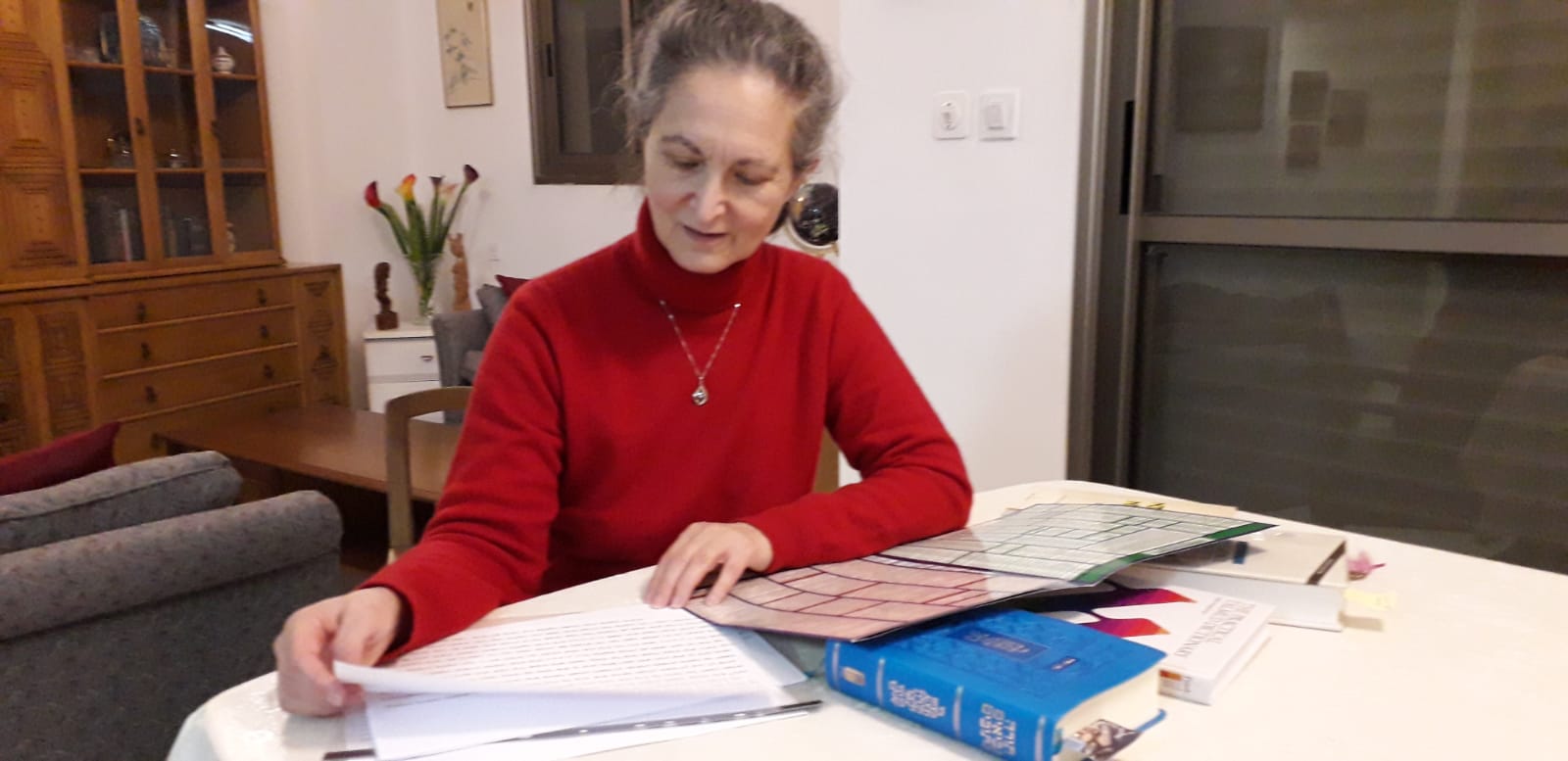
Geri Goldstein got me started learning daf yomi when I was in Israel 2 years ago. It’s been a challenge and I’ve learned a lot though I’m sure I miss a lot. I quilt as I listen and I want to share what I’ve been working on.

Rebecca Stulberg
Rebecca Stulberg

Ottawa, Canada

I tried Daf Yomi in the middle of the last cycle after realizing I could listen to Michelle’s shiurim online. It lasted all of 2 days! Then the new cycle started just days before my father’s first yahrzeit and my youngest daughter’s bat mitzvah. It seemed the right time for a new beginning. My family, friends, colleagues are immensely supportive!

Catriella-Freedman-jpeg
Catriella Freedman

Zichron Yaakov, Israel

I learned Mishnayot more than twenty years ago and started with Gemara much later in life. Although I never managed to learn Daf Yomi consistently, I am learning since some years Gemara in depth and with much joy. Since last year I am studying at the International Halakha Scholars Program at the WIHL. I often listen to Rabbanit Farbers Gemara shiurim to understand better a specific sugyiah. I am grateful for the help and inspiration!

Shoshana Ruerup
Shoshana Ruerup

Berlin, Germany

I started learning Jan 2020 when I heard the new cycle was starting. I had tried during the last cycle and didn’t make it past a few weeks. Learning online from old men didn’t speak to my soul and I knew Talmud had to be a soul journey for me. Enter Hadran! Talmud from Rabbanit Michelle Farber from a woman’s perspective, a mother’s perspective and a modern perspective. Motivated to continue!

Keren Carter
Keren Carter

Brentwood, California, United States

As Jewish educator and as a woman, I’m mindful that Talmud has been kept from women for many centuries. Now that we are privileged to learn, and learning is so accessible, it’s my intent to complete Daf Yomi. I am so excited to keep learning with my Hadran community.

Sue Parker Gerson
Sue Parker Gerson

Denver, United States

I never thought I’d be able to do Daf Yomi till I saw the video of Hadran’s Siyum HaShas. Now, 2 years later, I’m about to participate in Siyum Seder Mo’ed with my Hadran community. It has been an incredible privilege to learn with Rabbanit Michelle and to get to know so many caring, talented and knowledgeable women. I look forward with great anticipation and excitement to learning Seder Nashim.

Caroline-Ben-Ari-Tapestry
Caroline Ben-Ari

Karmiel, Israel

With Rabbanit Dr. Naomi Cohen in the Women’s Talmud class, over 30 years ago. It was a “known” class and it was accepted, because of who taught. Since then I have also studied with Avigail Gross-Gelman and Dr. Gabriel Hazut for about a year). Years ago, in a shiur in my shul, I did know about Persians doing 3 things with their clothes on. They opened the shiur to woman after that!

Sharon Mink
Sharon Mink

Haifa, Israel

My Daf journey began in August 2012 after participating in the Siyum Hashas where I was blessed as an “enabler” of others.  Galvanized into my own learning I recited the Hadran on Shas in January 2020 with Rabbanit Michelle. That Siyum was a highlight in my life.  Now, on round two, Daf has become my spiritual anchor to which I attribute manifold blessings.

Rina Goldberg
Rina Goldberg

Englewood NJ, United States

Gittin 64

אוֹ אֶחָד מִן הָרִאשׁוֹנִים, וְאֶחָד מִן הָאַחֲרוֹנִים, וְאֶחָד מִצְטָרֵף עִמָּהֶן.

or if there is one witness from the first pair of witnesses and one witness from the latter pair, and one additional witness joins with them as the second witness in both testimonies.

גְּמָ׳ אִיתְּמַר: בַּעַל אוֹמֵר לְפִקָּדוֹן, וְשָׁלִישׁ אוֹמֵר לְגֵירוּשִׁין – מִי נֶאֱמָן? רַב הוּנָא אָמַר: בַּעַל נֶאֱמָן, וְרַב חִסְדָּא אָמַר: שָׁלִישׁ נֶאֱמָן.

GEMARA: It was stated that there is an amoraic dispute in a case where a husband says that he handed the bill of divorce to another as a deposit for safekeeping and not to deliver it to his wife, and that consequently she is not divorced, and the third party [shalish], to whom the husband gave the document, says that he was serving as an agent for receipt and the husband gave him the document for the purpose of divorce. In such a case, who is deemed credible? Rav Huna says: The husband is deemed credible, and Rav Ḥisda says: The third party is deemed credible.

רַב הוּנָא אָמַר: בַּעַל נֶאֱמָן – דְּאִם אִיתָא דִּלְגֵירוּשִׁין יַהֲבֵיהּ נִיהֲלֵיהּ, לְדִידַהּ הֲוָה יָהֵיב לַהּ נִיהֲלַהּ. וְרַב חִסְדָּא אָמַר: שָׁלִישׁ נֶאֱמָן – דְּהָא הֵימְנֵיהּ.

The Gemara elaborates: Rav Huna said that the husband is deemed credible, as, if it is so that he gave it to the third party for the purpose of divorce, he would have given the bill of divorce directly to her. Both husband and wife are in the same city. Why did he give it to a third party? Apparently, he merely entrusted him with the bill of divorce for safekeeping. And Rav Ḥisda said: The third party is deemed credible, as the husband himself deemed him credible by entrusting him with the bill of divorce.

מֵתִיב רַבִּי אַבָּא: הוֹדָאַת בַּעַל דִּין כְּמֵאָה עֵדִים דָּמֵי, וְשָׁלִישׁ נֶאֱמָן מִשְּׁנֵיהֶם. כֵּיצַד? זֶה אוֹמֵר כָּךְ, וְזֶה אוֹמֵר כָּךְ, שָׁלִישׁ נֶאֱמָן!

Rabbi Abba raises an objection to the opinion of Rav Huna from a baraita in the Tosefta (Bava Metzia 1:10): The legal status of the admission of a litigant is similar to that of the testimony of one hundred witnesses, and the statement of a third party is deemed more credible than the statements of both of the litigants. How so? If this litigant, the creditor, says that the debtor owes him this sum, and that litigant, the debtor, says that he owes that lower sum, the third party to whom the debtor gave the money to pay the creditor is deemed credible to establish the sum of the debt. This contradicts the opinion of Rav Huna, who said that the husband, not the third party, is deemed credible.

שָׁאנֵי מָמוֹן, דְּאִיתְיְהִיב לִמְחִילָּה.

The Gemara rejects that objection: A monetary debt is different, as it can be forgiven. Since one can forgive a monetary debt outright, he can also accept upon himself to abide by the statement of a third party as to the sum of the debt. Therefore, even if the third party deviates from the truth, because it is a case involving money, they accept his determination. However, no proof may be cited from that case to the matter of the bill of divorce, as there is no possibility of forgiveness with regard to ritual matters, e.g., divorce.

וְהָא תַּנְיָא: וְכֵן לְגִיטִּין! גִּיטֵּי מָמוֹן. וְהָתַנְיָא: וְכֵן לִשְׁטָרוֹת!

The Gemara asks: But isn’t it taught in another baraita: And likewise that is the halakha with regard to bills of divorce [gittin], i.e., the halakha is that the third party is deemed credible? The Gemara answers: The reference in the baraita is not to bills of divorce. Rather, the reference is to monetary documents [gittei mamon]. The Gemara asks: But isn’t it taught in another baraita: And likewise that is the halakha with regard to monetary documents [shetarot]? The fact that monetary documents are labeled as shetarot indicates that the term gittin refers to bill of divorce.

מִידֵּי גַּבֵּי הֲדָדֵי תַּנְיָא?!

The Gemara rejects that proof: Are they, the two expressions, taught together? If there were a passage in one baraita that said: And likewise, that is the halakha with regard to gittin and documents, one could infer that the term gittin is referring to bills of divorce, as the term documents is referring to all other documents. However, since these are two discrete baraitot, perhaps one is referring to monetary documents as gittin and the other is referring to them as shetarot.

תְּנַן, הָאִשָּׁה שֶׁאָמְרָה: ״הִתְקַבֵּל לִי גִּיטִּי״, צְרִיכָה שְׁתֵּי כִּיתֵּי עֵדִים – שְׁנַיִם שֶׁיֹּאמְרוּ: ״בְּפָנֵינוּ אָמְרָה״, וּשְׁנַיִם שֶׁיֹּאמְרוּ: ״בְּפָנֵינוּ קִבֵּל, וְקָרַע״. וְאַמַּאי? לִיהֵמְנֵיהּ לְשָׁלִישׁ!

The Gemara cites proof with regard to the credibility of the third party. We learned in the mishna that a woman who said to an agent: Receive my bill of divorce for me, requires two sets of witnesses to confirm that she was divorced when the agent received the bill of divorce. She requires two witnesses who say: In our presence she said to the agent: Receive my bill of divorce on my behalf, and two others who say: In our presence the agent received the bill of divorce and tore it. The Gemara asks: And why are the witnesses necessary? Let us deem the third party, to whom the husband handed the bill of divorce, credible and not require witnesses.

מִי קָא נָפֵיק גִּיטָּא מִתּוּתֵי יְדֵיהּ – דְּלִיהֵמְנֵיהּ?!

The Gemara rejects this: Does the bill of divorce emerge from his possession, i.e., does he have the bill of divorce, such that it would lead one to deem him credible? The third party is believed only in a case where the item in question is under his control, as then he can do with it as he wishes. However, in this case the bill of divorce is no longer in his possession, as it has been torn, and the credibility attributed to the third party is no longer relevant.

תִּינַח אָמְרָה; קִיבֵּל לְמָה לִי? אָמַר רַבָּה: הָא מַנִּי – רַבִּי אֶלְעָזָר הִיא, דְּאָמַר: עֵדֵי מְסִירָה כָּרְתִי.

The Gemara asks: That works out well in explaining why witnesses are required to testify that she said to the agent in their presence: Receive my bill of divorce on my behalf. However, why do I need witnesses to testify: In our presence the agent received the bill of divorce and tore it? From the point that the bill of divorce was in his possession no testimony should be necessary. Rabba said: In accordance with whose opinion is this mishna? It is in accordance with the opinion of Rabbi Elazar, who says: Witnesses of transmission of the bill of divorce effect the divorce. The divorce takes effect primarily by means of its transmission to the woman in the presence of witnesses. Therefore, witnesses are necessary to testify that the transmission took place in their presence.

קָרַע לְמָה לִי? אָמַר רַב יְהוּדָה אָמַר רַב: בִּשְׁעַת הַשְּׁמָד שָׁנוּ.

The Gemara seeks to clarify a different matter mentioned in the mishna. Why do I need the witnesses to testify that the third party tore the bill of divorce? Rav Yehuda says that Rav says: The Sages taught the mishna during a period of religious persecution, when the government decreed that it is prohibited to write bills of divorce. Therefore, immediately after the divorce took effect they would destroy any evidence that a bill of divorce had been written by tearing it.

אָמַר רַבָּה: וּמוֹדֶה רַב הוּנָא, דְּאִי אֲמַרָה אִיהִי: לְדִידִי אֲמַר לִי שָׁלִישׁ דִּלְגֵירוּשִׁין יַהֲבֵיהּ נִיהֲלֵיהּ – מְהֵימְנָא. מִי אִיכָּא מִידֵּי דְּשָׁלִישׁ גּוּפֵיהּ לָא מְהֵימַן, וְאִיהִי מְהֵימְנָא?!

Rabba said: And although he said that the husband is deemed credible, Rav Huna concedes that if the wife said: The third party said to me that my husband gave the bill of divorce to him for the purpose of divorce, she is deemed credible. The Gemara asks: Is there anything with regard to which, according to Rav Huna, the third party himself is not deemed credible, but the wife is deemed credible when quoting him?

אֶלָּא אִי אֲמַרָה: קַמַּאי דִּידִי לְגֵרוּשִׁין יַהֲבֵיהּ נִיהֲלֵיהּ – מְהֵימְנָא; מִיגּוֹ דְּאִי בָּעֲיָא אָמְרָה לְדִידַהּ יַהֲבֵיהּ נִיהֲלַהּ בַּעַל.

Rather, Rabba said that Rav Huna concedes that if she said: In my presence my husband gave the bill of divorce to the third party for the purpose of divorce, she is deemed credible. Her credibility is based on the principle of miggo, that the ability to make a more advantageous claim grants credibility to the claim one actually makes. Since, if she wished, she could have said that the husband gave it to her and she was divorced, therefore, when she says that the husband gave it to an agent for the purpose of divorce she is deemed credible.

בַּעַל אֹמֵר לְגֵירוּשִׁין, וְשָׁלִישׁ אוֹמֵר לְגֵירוּשִׁין, וְהִיא אוֹמֶרֶת: נָתַן לִי, וְאָבַד – אָמַר רַבִּי יוֹחָנָן: הָוֵה דָּבָר שֶׁבָּעֶרְוָה, וְאֵין דָּבָר שֶׁבְּעֶרְוָה פָּחוֹת מִשְּׁנַיִם.

§ The Gemara proceeds to a related matter. If the husband said that he gave the bill of divorce to the third party as an agent of delivery for the purpose of divorce, and the third party says that the husband gave it to him as an agent of delivery for the purpose of divorce, and the wife says: The third party gave me the bill of divorce and it was lost, Rabbi Yoḥanan said: This is uncertainty with regard to a matter of forbidden relations. And there is no resolution of a matter of forbidden relations with fewer than two witnesses.

וְאַמַּאי? וְלִיהֵימְנֵיהּ לְשָׁלִישׁ! מִי קָא נָפֵיק גִּיטָּא מִתּוּתֵי יְדֵיהּ דְּלִהֵימְנֵיהּ?!

The Gemara asks: But why is this case one of uncertainty? But let us deem the third party credible, i.e., let us believe his statement that the husband gave him the bill of divorce for the purpose of divorce. The Gemara rejects this: Does the bill of divorce emerge from his possession, such that it would lead one to deem him credible?

וְלִהֵימְנֵיהּ לְבַעַל – דְּאָמַר רַב חִיָּיא בַּר אָבִין אָמַר רַבִּי יוֹחָנָן: בַּעַל שֶׁאָמַר ״גֵּירַשְׁתִּי אֶת אִשְׁתִּי״ – נֶאֱמָן! מִי קָאָמַר ״גֵּירַשְׁתִּי״?!

The Gemara asks: But let one deem the husband credible, as Rav Ḥiyya bar Avin says that Rabbi Yoḥanan says: A husband who says: I divorced my wife, is deemed credible. The Gemara rejects this: In the case under discussion does the husband say: I divorced her? He merely stated that he handed the bill of divorce to the third party.

וְלֵימָא: חֲזָקָה שָׁלִיחַ עוֹשֶׂה שְׁלִיחוּתוֹ – דְּאָמַר רַבִּי יִצְחָק, הָאוֹמֵר לִשְׁלוּחוֹ: ״צֵא וְקַדֵּשׁ לִי אִשָּׁה״ – סְתָם, וּמֵת שְׁלוּחוֹ – אָסוּר בְּכׇל הַנָּשִׁים שֶׁבָּעוֹלָם; חֲזָקָה שָׁלִיחַ עוֹשֶׂה שְׁלִיחוּתוֹ!

The Gemara asks: But let us say that there is a presumption that an agent performs his assigned agency, as Rabbi Yitzḥak says that in the case of one who says to his agent: Go out and betroth a woman for me, and he did not specify which woman, and his agent died without informing him whether he betrothed a woman or the identity of the woman he betrothed, it is prohibited for him to marry all the women in the world, as there is a presumption that an agent performs his assigned agency. Apparently, one relies on this presumption even with regard to matters of forbidden relations. Because the identity of the woman is unknown, one must be concerned with regard to all women; perhaps they are relatives of the woman whom the agent betrothed on his behalf.

הָנֵי מִילֵּי לְחוּמְרָא, אֲבָל לְקוּלָּא לָא.

The Gemara answers: This matter, the presumption that an agent performs his agency, applies only when its application leads to stringency, as there is a concern that the agent performed his agency. However, when its application leads to leniency, no, the presumption does not apply.

וְלִיהֵמְנַהּ לְדִידַהּ, מִדְּרַב הַמְנוּנָא – דְּאָמַר רַב הַמְנוּנָא, הָאִשָּׁה שֶׁאָמְרָה לְבַעְלָהּ: ״גֵּירַשְׁתַּנִי״ – נֶאֱמֶנֶת, חֲזָקָה אֵין הָאִשָּׁה מְעִיזָּה פָּנֶיהָ בִּפְנֵי בַּעְלָהּ!

The Gemara asks: But let one deem the wife herself credible, based on the statement of Rav Hamnuna, as Rav Hamnuna says: A woman who said to her husband: You divorced me, is deemed credible, as there is a presumption that a woman would not be insolent in the presence of her husband and lie.

הָנֵי מִילֵּי הֵיכָא דְּלֵיכָּא דְּקָא מְסַיַּיע לַהּ, אֲבָל הֵיכָא דִּמְסַיַּיע לַהּ – מְעִיזָּה וּמְעִיזָּה.

The Gemara answers: This matter applies only in a case where there is no factor that supports her claim, as the presumption is that she would not be so insolent as to tell a lie that has no basis. However, in a case where there is a factor that supports her claim, as in this case both the husband and the third party claim that the husband sent a bill of divorce, she would indeed be insolent. Therefore, her claim that she was divorced is accepted only if she can produce the bill of divorce.

מַתְנִי׳ נַעֲרָה הַמְאוֹרָסָה, הִיא וְאָבִיהָ מְקַבְּלִין אֶת גִּיטָּהּ. אָמַר רַבִּי יְהוּדָה: אֵין שְׁתֵּי יָדַיִם זוֹכוֹת כְּאַחַת, אֶלָּא אָבִיהָ מְקַבֵּל אֶת גִּיטָּהּ בִּלְבַד. וְכֹל שֶׁאֵינָהּ יְכוֹלָה לִשְׁמוֹר אֶת גִּיטָּהּ, אֵינָהּ יְכוֹלָה לְהִתְגָּרֵשׁ.

MISHNA: With regard to a betrothed young woman, she and her father are each eligible to receive her bill of divorce, and the divorce takes effect at the moment that either of them receives the bill of divorce. Rabbi Yehuda said: Two hands do not have the right to acquire an item on behalf of one person as one. Rather, her father alone receives her bill of divorce on her behalf. And there is another principle: Any female who is unable to safeguard her bill of divorce is unable to be divorced.

גְּמָ׳ בְּמַאי קָמִיפַּלְגִי? רַבָּנַן סָבְרִי: יְדָא יַתִּירְתָּא זַכִּי לַהּ רַחֲמָנָא, וְרַבִּי יְהוּדָה סָבַר: בִּמְקוֹם אָבִיהָ – יָד דִּילַהּ לָאו כְּלוּם הִיא.

GEMARA: The Gemara asks: With regard to what do the Rabbis, who stated the unattributed first opinion in the mishna, and Rabbi Yehuda disagree? The Rabbis hold: The Merciful One grants the betrothed young woman an additional hand, beyond the hand of her father, who can receive the bill of divorce on her behalf. And Rabbi Yehuda holds: In a place, i.e., situation, where her father is alive, her hand is nothing and she is ineligible to receive her bill of divorce.

וְכֹל שֶׁאֵינָהּ יְכוֹלָה לִשְׁמוֹר אֶת גִּיטָּהּ. תָּנוּ רַבָּנַן: קְטַנָּה הַיּוֹדַעַת לִשְׁמוֹר אֶת גִּיטָּהּ – מִתְגָּרֶשֶׁת, וְשֶׁאֵינָהּ יוֹדַעַת לִשְׁמוֹר אֶת גִּיטָּהּ – אֵינָהּ מִתְגָּרֶשֶׁת. וְאֵיזוֹ הִיא קְטַנָּה יוֹדַעַת לִשְׁמוֹר אֶת גִּיטָּהּ? כֹּל שֶׁמְּשַׁמֶּרֶת גִּיטָּהּ וְדָבָר אַחֵר.

The mishna teaches: And any woman who is unable to safeguard her bill of divorce is unable to be divorced. The Sages taught: A minor girl who knows how to safeguard her bill of divorce can be divorced, and one who does not know how to safeguard her bill of divorce cannot be divorced. And which is the minor girl who knows how to safeguard her bill of divorce? It is any minor girl who safeguards her bill of divorce and something else.

מַאי קָאָמַר? אָמַר רַבִּי יוֹחָנָן, הָכִי קָאָמַר: כֹּל שֶׁמְּשַׁמֶּרֶת דָּבָר אַחֵר מֵחֲמַת גִּיטָּהּ.

The Gemara asks: What is the tanna saying in the statement: Who safeguards her bill of divorce and something else? Rabbi Yoḥanan says that this is what he is saying: Any minor who safeguards something else due to her bill of divorce, i.e., she lost her bill of divorce itself but she guards something else that she mistook for her bill of divorce.

מַתְקֵיף לַהּ רַב הוּנָא בַּר מָנוֹחַ: הָא שׁוֹטָה בְּעָלְמָא הִיא! אֶלָּא אָמַר רַב הוּנָא בַּר מָנוֹחַ מִשְּׁמֵיהּ דְּרַב אַחָא בְּרֵיהּ דְּרַב אִיקָא: כֹּל שֶׁמַּבְחֶנֶת בֵּין גִּיטָּהּ לְדָבָר אַחֵר.

Rav Huna bar Manoaḥ objects to this: That minor girl is merely an imbecile, as she keeps something else in lieu of her bill of divorce. Rather, Rav Huna bar Manoaḥ says in the name of Rav Aḥa, son of Rav Ika: The reference is to any girl who distinguishes between her bill of divorce and something else, and safeguards her bill of divorce and does not safeguard less significant items.

אָמַר רַב יְהוּדָה אָמַר רַבִּי אַסִּי: צְרוֹר וְזוֹרְקוֹ, אֱגוֹז וְנוֹטְלוֹ – זוֹכֶה לְעַצְמוֹ, וְאֵין זוֹכֶה לַאֲחֵרִים. חֵפֶץ – וּמַחְזִירוֹ לְאַחַר שָׁעָה, זוֹכֶה בֵּין לְעַצְמוֹ וּבֵין לַאֲחֵרִים.

Apropos minors, Rav Yehuda says that Rabbi Asi says: If one gives a child a pebble and he throws it away and one gives him a nut and he takes it, he is capable of distinguishing between items of value and worthless items, and he acquires property for himself but does not acquire property on behalf of others. If the child develops to the extent that he is given an item and he returns it to its owners later, because he understands the concept of ownership, he acquires property both for himself and on behalf of others.

כִּי אַמְרִיתַהּ קַמֵּיהּ דִּשְׁמוּאֵל, אָמַר לִי: דָּא וְדָא אַחַת הִיא. מַאי ״דָּא וְדָא אַחַת הִיא״? אָמַר רַב חִסְדָּא: אֶחָד זֶה וְאֶחָד זֶה – זוֹכֶה לְעַצְמוֹ, וְאֵין זוֹכֶה לַאֲחֵרִים.

Rav Yehuda continued. When I stated Rabbi Asi’s ruling before Shmuel he said to me: This and that are one. The Gemara asks: What is the meaning of: This and that are one? Rav Ḥisda says: With regard to both this child and that child, each acquires property for himself but does not acquire property on behalf of others, and there is no distinction in this regard between the developmental stages of a minor.

מֵתִיב רַב חִינָּנָא וַורְדָּאן: כֵּיצַד מִשְׁתַּתְּפִין בְּמָבוֹי? מַנִּיחַ אֶת הֶחָבִית, וְאוֹמֵר: ״הֲרֵי זוֹ לְכׇל בְּנֵי הַמָּבוֹי״, וּמְזַכֶּה לָהֶם עַל יְדֵי בְּנוֹ וּבִתּוֹ הַגְּדוֹלִים, וְעַל יְדֵי עַבְדּוֹ וְשִׁפְחָתוֹ הָעִבְרִים.

Rav Ḥinnana of Vardania raises an objection based on what was taught in a mishna (Eiruvin 79b): How does one merge the courtyards that open into the alleyway on behalf of all the residents of the alleyway? He places a barrel filled with his wine and says: This is for all the residents of the alleyway. And he may confer possession of the wine to the other residents of the alleyway by means of his adult son or daughter, or by means of his Hebrew slave or maidservant.

הַאי שִׁפְחָה – הֵיכִי דָמֵי? אִי דְּאַתְיָא שְׁתֵּי שְׂעָרוֹת, מַאי בָּעֲיָא גַּבֵּיהּ? אֶלָּא לָאו דְּלָא אַתְיָא שְׁתֵּי שְׂעָרוֹת, וְקָתָנֵי זוֹכָה לַאֲחֵרִים?

The Gemara asks: What are the circumstances of this maidservant? If she developed two pubic hairs, indicating that she reached majority, what is she doing with the owner of the barrel? A Hebrew maidservant is emancipated when she reaches puberty. Rather, is the reference here not to a case where she did not yet develop two pubic hairs, and she is a minor, and it is taught that she can acquire on behalf of others? Apparently, a minor can acquire property on behalf of other people.

שָׁאנֵי שִׁיתּוּפֵי מְבוֹאוֹת – דְּרַבָּנַן.

The Gemara rejects this proof: The merging of alleyways is different, as it is an ordinance by rabbinic law. The Sages ruled leniently with regard to this rabbinic ordinance and allowed a minor to acquire property on behalf of others.

אָמַר רַב חִסְדָּא: אִישְׁתִּיק וַורְדָּאן. מַאי הֲוָה לֵיהּ לְמֵימַר? כֹּל דְּתַקּוּן רַבָּנַן –

Rav Ḥisda said: Rav Ḥinnana of Vardonia was silent and had no response. The Gemara asks: What could he have said in response? The Gemara answers that he could have responded: All ordinances that the Sages instituted,

Want to follow content and continue where you left off?

Create an account today to track your progress, mark what you’ve learned, and follow the shiurim that speak to you.

Clear all items from this list?

This will remove ALL the items in this section. You will lose any progress or history connected to them. This is irreversible.

Cancel
Yes, clear all

Are you sure you want to delete this item?

You will lose any progress or history connected to this item.

Cancel
Yes, delete