









This week’s learning is sponsored by Robert and Paula Cohen in loving memory of Joseph Cohen, Yosef ben Moshe HaCohen, z”l. “He was hard working, loved to sing, esp. as a chazan, and was very dedicated to his family and community.”
Want to dedicate learning? Get started here:


Today’s daily daf tools:
This week’s learning is sponsored by Robert and Paula Cohen in loving memory of Joseph Cohen, Yosef ben Moshe HaCohen, z”l. “He was hard working, loved to sing, esp. as a chazan, and was very dedicated to his family and community.”
Gittin 81
זְכוּת הָרְאוּיָה לַשֵּׁנִי.
The Gemara answers: It is not referring to the right of a second man that she already married, but rather to the right that is due to a suitor who wishes to become her second husband, meaning that the first husband cannot eliminate the right of a second man who wishes to marry her.
מַתְנִי׳ כָּתַב לְגָרֵשׁ אֶת אִשְׁתּוֹ, וְנִמְלַךְ; בֵּית שַׁמַּאי אוֹמְרִים: פְּסָלָהּ מִן הַכְּהוּנָּה. וּבֵית הִלֵּל אוֹמְרִים: אַף עַל פִּי שֶׁנְּתָנוֹ לָהּ עַל תְּנַאי, וְלֹא נַעֲשָׂה הַתְּנַאי – לֹא פְּסָלָהּ מִן הַכְּהוּנָּה.
MISHNA: If one wrote a bill of divorce to divorce his wife, and reconsidered and did not give it to her, Beit Shammai say: Although merely writing the bill of divorce does not dissolve the marriage, by doing so he disqualified her from marrying into the priesthood. And Beit Hillel say: Even if he gave the bill of divorce to her conditionally and the condition was not fulfilled, and therefore the bill of divorce did not take effect, he did not disqualify her from marrying into the priesthood. A woman is disqualified from marrying into the priesthood only if the divorce takes effect.
גְּמָ׳ שְׁלַח לֵיהּ רַב יוֹסֵף בְּרֵיהּ דְּרַב מְנַשֶּׁה מִדְּוִיל, לִשְׁמוּאֵל: יְלַמְּדֵנוּ רַבֵּינוּ, יָצָא עָלָיו קוֹל – ״אִישׁ פְּלוֹנִי כֹּהֵן כָּתַב גֵּט לְאִשְׁתּוֹ, וְיוֹשֶׁבֶת תַּחְתָּיו וּמְשַׁמַּשְׁתּוֹ״, מַהוּ?
GEMARA: Rav Yosef, son of Rav Menashe from Devil, sent a query to Shmuel: Our teacher, instruct us. In the case of a priest about whom the following rumor circulated: So-and-so the priest wrote a bill of divorce to his wife, but she is still residing under his roof and attending to him; what is the halakha? Need one lend credence to this rumor?
שְׁלַח לֵיהּ: תֵּצֵא, וְהַדָּבָר צָרִיךְ בְּדִיקָה. מַאי הִיא? אִילֵימָא דְּאִי מְבַטְּלִינַן קָלָא אוֹ לָא מְבַטְּלִינַן; וְהָא נְהַרְדְּעָא אַתְרֵיהּ דִּשְׁמוּאֵל הִיא, וּבִנְהַרְדְּעָא לָא מְבַטְּלִי קָלָא! אֶלָּא דְּאִי קָרוּ לִנְתִינָה ״כְּתִיבָה״.
Shmuel sent the following response to him: She must leave her husband; but the matter requires investigation before he is forced to divorce her. The Gemara asks: What is the investigation that is required? If we say that the investigation is whether we can abolish the rumor that circulated, or we cannot abolish it; that cannot be the question: But isn’t Neharde’a the place where Shmuel is the halakhic authority and the rulings there are in accordance with his opinion, and in Neharde’a they do not abolish a rumor? Rather, the required investigation is to determine whether people in that place refer to giving a bill of divorce as writing. If that is the case, the rumor would be that he gave her a bill of divorce.
וְכִי קָרוּ לִנְתִינָה ״כְּתִיבָה״ – לִכְתִיבָה גּוּפַהּ מִי לָא קָרוּ לַהּ ״כְּתִיבָה״?!
The Gemara asks: And if they refer to giving as writing, it proves nothing, as don’t they refer to writing itself as writing? Therefore, the fact that they refer to giving as writing does not mean that he gave the woman the bill of divorce. The same term would be employed even if he only wrote the bill of divorce.
אִין; דְּאִי מִיגַּלְּיָא מִילְּתָא דְּקָרוּ לִנְתִינָה כְּתִיבָה, דִּלְמָא ״נָתַן״ קָאָמְרִי.
The Gemara answers: Yes, as if it is discovered that they refer to giving as writing, then there is reason to suspect that perhaps they are saying in the rumor that he gave her the bill of divorce, and there is concern that she is actually divorced.
תֵּצֵא?! וְהָאָמַר רַב אָשֵׁי: כֹּל קָלָא דְּבָתַר נִישּׂוּאִין – לָא חָיְישִׁינַן לֵיהּ!
Apropos Shmuel’s statement that she must leave his home, the Gemara asks: She must leave? But doesn’t Rav Ashi say: We are not concerned for any rumor that circulates after marriage. According to Rav Ashi, if a rumor circulates that a woman was betrothed to a man, there is concern about the rumor, and she is not allowed to marry someone else until she receives a bill of divorce from her rumored betrothed. But if such a rumor circulates after she has married someone else, there is no concern about such a rumor, and she is not obligated to leave her husband. Here too, in the case of this woman who is suspected of being divorced, she is currently living with her husband. Therefore, perhaps we should not be concerned about such a rumor.
מַאי ״תֵּצֵא״ נָמֵי – תֵּצֵא מִשֵּׁנִי.
The Gemara answers: What is the meaning of Shmuel’s directive: She must leave? This also means that she must leave the second husband. If her first husband dies, and she marries another priest, she must leave him due to the rumor that circulated that her first husband gave her a bill of divorce.
אִם כֵּן, אַתָּה מוֹצִיא לַעַז עַל בָּנָיו שֶׁל רִאשׁוֹן! כֵּיוָן דְּמִשֵּׁנִי הוּא דְּמַפְּקִינַן לַהּ וּמֵרִאשׁוֹן לָא מַפְּקִינַן לַהּ, אָתֵי לְמֵימַר: סָמוּךְ לְמִיתָה גֵּרְשָׁהּ.
The Gemara challenges: If so, you cast aspersions on the children of the first husband. If the reason that she must leave the second husband is because she is assumed to be a divorcée, this means that she remained with her first husband while she was already divorced, and the children they had after the rumor circulated would be disqualified from the priesthood. The Gemara answers: Since we remove her only from the second husband, and we do not remove her from the first husband, they will come to explain the incident by saying as follows: The first husband divorced her proximate to his death, and the children from him are of unflawed lineage. Since he divorced her, she may not marry another priest. Because the assumption here is that the divorce took place proximate to the first husband’s death, there is no concern of aspersions being cast on the children from the first husband.
אָמַר רַבָּה בַּר בַּר חָנָה אָמַר רַבִּי יוֹחָנָן, מִשּׁוּם רַבִּי יְהוּדָה בַּר אִילְעַי: בֹּא וּרְאֵה שֶׁלֹּא כְּדוֹרוֹת הָרִאשׁוֹנִים דּוֹרוֹת הָאַחֲרוֹנִים.
§ Rabba bar bar Ḥana says that Rabbi Yoḥanan says in the name of Rabbi Yehuda bar Elai: Come and see that the later generations are unlike the earlier generations, as the earlier generations were more conscientious about maintaining an unflawed lineage.
דּוֹרוֹת הָרִאשׁוֹנִים – בֵּית שַׁמַּאי. דּוֹרוֹת הָאַחֲרוֹנִים – רַבִּי דּוֹסָא. דְּתַנְיָא: שְׁבוּיָיה – אוֹכֶלֶת בִּתְרוּמָה, דִּבְרֵי רַבִּי דּוֹסָא.
The Gemara explains: The earlier generations is referring to Beit Shammai. Beit Shammai were so careful about the sanctity of the priesthood that they said, as stated in the mishna, that the writing of a bill of divorce alone renders a priest’s wife forbidden to him. The later generations is referring to Rabbi Dosa, as it is taught in a mishna (Eduyyot 3:6): A priest’s wife who was taken captive may partake of teruma, and there is no concern that perhaps she was raped while in captivity and thereby became forbidden to her husband and disqualified from partaking of teruma. This is the statement of Rabbi Dosa.
אָמַר רַבִּי דּוֹסָא: וְכִי מָה עָשָׂה לָהּ עַרְבִי זֶה? מִפְּנֵי שֶׁמִּיעֵךְ לָהּ בֵּין דַּדֶּיהָ, פְּסָלָהּ מִן הַכְּהוּנָּה?!
In explanation of this statement, Rabbi Dosa says: And what did this Arab do to her when he took her captive? Because he fondled her breasts he disqualified her from the priesthood? As long as it is not determined that her captors actually raped her, she is not prohibited from partaking of teruma. It is apparent from here that the later generations are more lenient than the early generations with regard to the sanctity of the priesthood.
וְאָמַר רַבָּה בַּר בַּר חָנָה אָמַר רַבִּי יוֹחָנָן, מִשּׁוּם רַבִּי יְהוּדָה בַּר אִילְעַי: בֹּא וּרְאֵה שֶׁלֹּא כְּדוֹרוֹת הָרִאשׁוֹנִים דּוֹרוֹת הָאַחֲרוֹנִים. דּוֹרוֹת הָרִאשׁוֹנִים, מַכְנִיסִין פֵּירוֹתֵיהֶן דֶּרֶךְ טְרַקְסְמוֹן, כְּדֵי לְחַיְּיבָן בְּמַעֲשֵׂר. דּוֹרוֹת הָאַחֲרוֹנִים, מַכְנִיסִין פֵּירוֹתֵיהֶן דֶּרֶךְ גַּגּוֹת וְדֶרֶךְ קַרְפֵּיפוֹת, כְּדֵי לְפוֹטְרָן מִן הַמַּעֲשֵׂר.
And Rabba bar bar Ḥana says that Rabbi Yoḥanan says in the name of Rabbi Yehuda bar Elai: Come and see that the later generations are unlike the earlier generations. The earlier generations would bring in their produce from the field by way of the main entranceway [teraksemon], in order to obligate the produce in tithes. By contrast, the later generations would bring in their produce by way of roofs and by way of enclosures, in order to exempt the produce from tithes.
דְּאָמַר רַבִּי יַנַּאי: אֵין הַטֶּבֶל מִתְחַיֵּיב בְּמַעֲשֵׂר, עַד שֶׁיִּרְאֶה פְּנֵי הַבַּיִת – שֶׁנֶּאֱמַר: ״בִּעַרְתִּי הַקֹּדֶשׁ מִן הַבַּיִת״.
The Gemara explains: As Rabbi Yannai says: Untithed produce does not become obligated in tithes until it sees the entrance of the house, through which people enter and exit, as it is stated in the declaration of the tithes: “I have put away the hallowed things out of my house” (Deuteronomy 26:13). As long as untithed produce is not taken into the house through the primary entrance of the house, it is permitted to eat it casually without tithing it. Consequently, they would take the produce in through another entrance in order to exempt it from tithes.
וְרַבִּי יוֹחָנָן אָמַר: אֲפִילּוּ חָצֵר קוֹבַעַת, שֶׁנֶּאֱמַר: ״וְאָכְלוּ בִשְׁעָרֶיךָ וְשָׂבֵעוּ״.
And Rabbi Yoḥanan says with regard to this issue: Even entry into the courtyard establishes an obligation to tithe, as it is stated: “That they may eat within your gates, and be satisfied” (Deuteronomy 26:12). This indicates that once the produce is brought into the courtyard, it is obligated in tithes.
מַתְנִי׳ הַמְגָרֵשׁ אֶת אִשְׁתּוֹ וְלָנָה עִמּוֹ בְּפוּנְדְּקִי, בֵּית שַׁמַּאי אוֹמְרִים: אֵינָהּ צְרִיכָה הֵימֶנּוּ גֵּט שֵׁנִי; וּבֵית הִלֵּל אוֹמְרִים: צְרִיכָה הֵימֶנּוּ גֵּט שֵׁנִי.
MISHNA: With regard to one who divorces his wife, and afterward she spent the night with him at an inn [befundaki], Beit Shammai say: She does not require a second bill of divorce from him, and Beit Hillel say: She requires a second bill of divorce from him, since they may have engaged in sexual intercourse at the inn and thereby betrothed her once again.
אֵימָתַי – בִּזְמַן שֶׁנִּתְגָּרְשָׁה מִן הַנִּשּׂוּאִין; וּמוֹדִים בְּנִתְגָּרְשָׁה מִן הָאֵירוּסִין – שֶׁאֵינָהּ צְרִיכָה הֵימֶנּוּ גֵּט שֵׁנִי, מִפְּנֵי שֶׁאֵין לִבּוֹ גַּס בָּהּ.
When did they say this halakha? When she was divorced following the state of marriage. Beit Hillel concede that when she was divorced following the state of betrothal, she does not require a second bill of divorce from him, due to the fact that he is not accustomed to her. Therefore, there is no concern that they engaged in sexual intercourse, even though they spent the night together at the inn.
גְּמָ׳ אָמַר רַבָּה בַּר בַּר חָנָה אָמַר רַבִּי יוֹחָנָן: מַחְלוֹקֶת בְּשֶׁרָאוּהָ שֶׁנִּבְעֲלָה,
GEMARA: Rabba bar bar Ḥana says that Rabbi Yoḥanan says: The dispute between Beit Shammai and Beit Hillel is specifically in a case where they saw that she engaged in sexual intercourse,
דְּבֵית שַׁמַּאי סָבְרִי: אָדָם עוֹשֶׂה בְּעִילָתוֹ בְּעִילַת זְנוּת;
as Beit Shammai hold: A person does engage in licentious sexual intercourse. Although they were seen engaging in sexual intercourse, one cannot assume that he intended to betroth her, since they were recently divorced. The assumption is that they were simply engaging in licentious sexual intercourse. Consequently, he is not required to give her a second bill of divorce.
וּבֵית הִלֵּל סָבְרִי: אֵין אָדָם עוֹשֶׂה בְּעִילָתוֹ בְּעִילַת זְנוּת. אֲבָל לֹא רָאוּהָ שֶׁנִּבְעֲלָה – דִּבְרֵי הַכֹּל אֵינָהּ צְרִיכָה הֵימֶנּוּ גֵּט שֵׁנִי.
And Beit Hillel hold: A person does not engage in licentious sexual intercourse. Therefore, he had the intention to betroth her, and he must give her another bill of divorce. But if they did not see that she engaged in sexual intercourse, even though they spent the night together at an inn, everyone agrees that she does not require a second bill of divorce from him, as there is no concern that perhaps they engaged in sexual intercourse.
תְּנַן: וּמוֹדִים בְּנִתְגָּרְשָׁה מִן הָאֵירוּסִין – שֶׁאֵינָהּ צְרִיכָה הֵימֶנּוּ גֵּט שֵׁנִי, שֶׁאֵין לִבּוֹ גַּס בָּהּ. וְאִי בְּשֶׁרָאוּהָ שֶׁנִּבְעֲלָה, מָה לִי מִן הָאֵירוּסִין וּמָה לִי מִן הַנִּשּׂוּאִין?
The Gemara challenges this understanding of the mishna: We learned in the mishna that Beit Hillel concede that when she was divorced following the state of betrothal, she does not require a second bill of divorce from him because he is not accustomed to her. And if the mishna is referring to a case in which they saw that she engaged in sexual intercourse, what is the difference to me if it was following the state of betrothal and what is the difference to me if it was following the state of marriage? In either case, they saw that she engaged in sexual intercourse.
אֶלָּא מַתְנִיתִין – בְּשֶׁלֹּא רָאוּהָ שֶׁנִּבְעֲלָה; וְרַבִּי יוֹחָנָן דְּאָמַר – כִּי הַאי תַּנָּא, דְּתַנְיָא: אָמַר רַבִּי שִׁמְעוֹן בֶּן אֶלְעָזָר: לֹא נֶחְלְקוּ בֵּית שַׁמַּאי וּבֵית הִלֵּל עַל שֶׁלֹּא רָאוּהָ שֶׁנִּבְעֲלָה, שֶׁאֵינָהּ צְרִיכָה הֵימֶנּוּ גֵּט שֵׁנִי,
Rather it can be explained that the mishna is actually speaking about a case in which they did not see that she engaged in sexual intercourse. Rabbi Yoḥanan stated his opinion in accordance with the statement of that tanna. As it is taught in a baraita that Rabbi Shimon ben Elazar said: Beit Hillel and Beit Shammai did not disagree about a case where they did not see that she engaged in sexual intercourse. Everyone agrees that in such a scenario, she does not require a second bill of divorce from him.
עַל מָה נֶחְלְקוּ – עַל שֶׁרָאוּהָ שֶׁנִּבְעֲלָה; שֶׁבֵּית שַׁמַּאי אוֹמְרִים: אָדָם עוֹשֶׂה בְּעִילָתוֹ בְּעִילַת זְנוּת; וּבֵית הִלֵּל אוֹמְרִים: אֵין אָדָם עוֹשֶׂה בְּעִילָתוֹ בְּעִילַת זְנוּת.
With regard to what case did they disagree? They disagreed about a case where they saw that she engaged in sexual intercourse. As Beit Shammai say: A person does engage in licentious sexual intercourse. And Beit Hillel say: A person does not engage in licentious sexual intercourse. Rabbi Shimon ben Elazar disagrees with the mishna.
וּמַתְנִיתִין – דְּאוֹקֵימְנָא בְּלֹא רָאוּהָ שֶׁנִּבְעֲלָה, בְּמַאי פְּלִיגִי? דְּאִיכָּא עֵדֵי יִחוּד, וְלֵיכָּא עֵדֵי בִיאָה.
The Gemara asks: And as for the mishna, which we established as discussing a case in which they did not see that she engaged in sexual intercourse, with regard to what do they disagree? The Gemara answers: They disagree about a case in which there are witnesses to their seclusion, but there are no witnesses to an act of sexual intercourse.
בֵּית שַׁמַּאי סָבְרִי: לָא אָמְרִינַן הֵן הֵן עֵדֵי יִחוּד וְהֵן הֵן עֵדֵי בִיאָה. וּבֵית הִלֵּל סָבְרִי: אָמְרִינַן הֵן הֵן עֵדֵי יִחוּד וְהֵן הֵן עֵדֵי בִיאָה.
With regard to such a case, Beit Shammai hold: We do not say that these are the witnesses of seclusion, these are the witnesses of sexual intercourse. According to Beit Shammai, although there are witnesses that they were secluded, this is not considered to be tantamount to testimony that they engaged in sexual intercourse. And Beit Hillel hold: We do say that these are the witnesses of seclusion, these are the witnesses of sexual intercourse. Since it is assumed that they engaged in sexual intercourse, she is required to obtain a second bill of divorce from him.
וּמוֹדִים בְּנִתְגָּרְשָׁה מִן הָאֵירוּסִין – שֶׁאֵינָהּ צְרִיכָה הֵימֶנּוּ גֵּט שֵׁנִי, דְּכֵיוָן דְּאֵין לִבּוֹ גַּס בָּהּ. לָא אָמְרִינַן הֵן הֵן עֵדֵי בִיאָה.
And Beit Hillel concede that when she was divorced following the state of betrothal, she does not require a second bill of divorce from him, even if they were alone together. For since he is not accustomed to her, we do not say that these are the witnesses of seclusion; these are the witnesses of intercourse.
וּמִי אָמַר רַבִּי יוֹחָנָן הָכִי?! וְהָאָמַר רַבִּי יוֹחָנָן: הֲלָכָה כִּסְתַם מִשְׁנָה; וְאוֹקִימְנָא לְמַתְנִיתִין בְּשֶׁלֹּא רָאוּהָ שֶׁנִּבְעֲלָה! אָמוֹרָאֵי נִינְהוּ וְאַלִּיבָּא דְּרַבִּי יוֹחָנָן.
The Gemara asks: But did Rabbi Yoḥanan actually say this, that Beit Hillel require a second bill of divorce only when witnesses saw that they engaged in sexual intercourse? But didn’t Rabbi Yoḥanan say: The halakha in all cases is like an unattributed mishna. And we established the mishna to be discussing a case in which they did not see that she engaged in sexual intercourse. How then does Rabbi Yoḥanan rule contrary to the mishna? The Gemara answers: They are amora’im, and they disagree with regard to the opinion of Rabbi Yoḥanan. Some of them hold that Rabbi Yoḥanan does not always rule in accordance with an unattributed mishna.
מַתְנִי׳ כְּנָסָהּ בְּגֵט קֵרֵחַ – תֵּצֵא מִזֶּה וּמִזֶּה, וְכׇל הַדְּרָכִים הָאֵלּוּ בָּהּ.
MISHNA: If a woman was married by her second husband on the basis of receiving a bare bill of divorce, i.e., a folded and tied bill of divorce that is missing signatures, she must leave both this, the first husband, and that, the second husband. And all of those previously mentioned ways of penalizing a woman who remarried based on the bills of divorce detailed in the earlier mishna (79b) apply to her in this case as well.
גֵּט קֵרֵחַ – הַכֹּל מַשְׁלִימִין עָלָיו, דִּבְרֵי בֶּן נַנָּס. רַבִּי עֲקִיבָא אוֹמֵר: אֵין מַשְׁלִימִין עָלָיו אֶלָּא קְרוֹבִים, הָרְאוּיִין לְהָעִיד בְּמָקוֹם אַחֵר.
With regard to a bare bill of divorce; anyone, even those who are disqualified from bearing witness, can complete it, i.e., sign it in addition to the primary witnesses, so that it will not remain bare. This is the statement of ben Nannas. Rabbi Akiva says: Not all who are disqualified from bearing witness can complete it. Rather, only relatives who are fit to testify in another case. Rabbi Akiva permits only the inclusion of witnesses who would ordinarily be valid witnesses, but who are invalid here because they are relatives of either the husband and wife or the other witnesses.
וְאֵיזֶהוּ גֵּט קֵרֵחַ? כׇּל שֶׁקְּשָׁרָיו מְרוּבִּין מֵעֵדָיו.
And what is a bare bill of divorce? It is any bill of divorce where the number of its folds is more than the number of its witnesses. In a folded and tied bill of divorce, the bill of divorce is folded and the folds are then tied. Instead of having two witnesses sign at the bottom of the document, witnesses would sign on each tied fold. A bare bill of divorce has more folds than signatures, i.e., some folds lack signatures.
גְּמָ׳ מַאי טַעְמָא דְּגֵט קֵרֵחַ? גְּזֵירָה מִשּׁוּם ״כּוּלְּכֶם״.
GEMARA: The Gemara asks: What is the reason that a bare bill of divorce is not valid, considering that there are more than two witnesses signed on it? The Gemara answers: It is a rabbinic decree that was issued due to one who says: All of you should sign. Since it can be assumed that one who writes a folded and tied bill of divorce wants to have each tied fold signed, there is concern that he may have instructed that all of them sign. If they do not sign, the condition is not fulfilled, and the bill of divorce is not valid.
גֵּט קֵרֵחַ – הַכֹּל מַשְׁלִימִין עָלָיו.
§ It was stated in the mishna that ben Nannas holds, with regard to a bare bill of divorce, that anyone can complete it. Rabbi Akiva, however, permits disqualified witnesses to sign only if they are invalid because they are relatives of either the husband and wife or the other witnesses.
וְרַבִּי עֲקִיבָא, עֶבֶד מַאי טַעְמָא לָא? דְּאָתוּ לְמֵימַר כָּשֵׁר לְעֵדוּת. קָרוֹב נָמֵי, אָתוּ לְמֵימַר כָּשֵׁר לְעֵדוּת!
The Gemara asks: And according to Rabbi Akiva, what is the reason that a slave cannot sign? The Gemara answers: The Sages were concerned that people will mistakenly come to say that since the slave served as a witness in this case, the slave is fit to bear witness in all cases. They will use a slave as a witness in situations that demand testimony accepted only from qualified witnesses. The Gemara challenges this: If so, with regard to a relative, too, they will come to say that a relative is fit to bear witness in all cases.
אֶלָּא עֶבֶד הַיְינוּ טַעְמָא – דְּדִלְמָא אָתוּ לְאַסּוֹקֵיהּ לְיוּחֲסִין.
Rather, one could explain that with regard to a slave, this is the reason why he is disqualified: There is concern that perhaps they will come to elevate his status with regard to lineage. If a slave signs the bill of divorce, they might say that if he signed a bill of divorce, he must be an Israelite.
גַּזְלָן – דְּבַר יוּחֲסִין הוּא, לִיתַּכְשַׁר! אַלְּמָה תְּנַן, רַבִּי עֲקִיבָא אוֹמֵר: אֵין מַשְׁלִימִין עָלָיו אֶלָּא קְרוֹבִים, הָרְאוּיִין לְהָעִיד בְּמָקוֹם אַחֵר; קָרוֹב – אִין, גַּזְלָן – לָא!
The Gemara asks: If this is the reason why a slave cannot sign, then a robber, who is of unflawed lineage, should be fit to complete the signatures of a folded and tied bill of divorce, according to Rabbi Akiva. Why, then, did we learn in the mishna that Rabbi Akiva says: Not all can complete it. Rather, only relatives who are fit to testify in another case. The Gemara deduces from this: A relative, yes; but a robber, no.
אֶלָּא עֶבֶד הַיְינוּ טַעְמָא – דְּאָתוּ לְמֵימַר: שַׁחְרוֹרֵי שַׁחְרְרֵיהּ; גַּזְלָן נָמֵי – אָתוּ לְמֵימַר: תְּשׁוּבָה עֲבַד; קָרוֹב – מַאי אִיכָּא לְמֵימַר? קָרוֹב כּוּלֵּי עָלְמָא יָדְעִי דְּקָרוֹב הוּא.
The Gemara answers: Rather, this is the reason why a slave is disqualified: They will come to say that his master emancipated him and he signed because he is now like any other Israelite. Similarly, with regard to a robber, they will also come to say that he repented and will allow him to testify in other cases, as well. Therefore, Rabbi Akiva declared him to be unfit as well. With regard to a relative, what can be said to disallow him to sign this bill of divorce? With regard to a relative, everyone knows that he is a relative, and there is no concern that they will allow him to testify in other cases involving his relatives.
אָמַר רַבִּי זֵירָא אָמַר רַבָּה בַּר שְׁאֵילְתָא אָמַר רַב הַמְנוּנָא סָבָא אָמַר רַב אַדָּא בַּר אַהֲבָה: גֵּט קֵרֵחַ – קְשָׁרָיו שִׁבְעָה וְעֵדָיו שִׁשָּׁה; שִׁשָּׁה וְעֵדָיו חֲמִשָּׁה; חֲמִשָּׁה וְעֵדָיו אַרְבָּעָה; אַרְבָּעָה וְעֵדָיו שְׁלֹשָׁה – עַד כָּאן מַחְלוֹקֶת בֶּן נַנָּס וְרַבִּי עֲקִיבָא. אֲבָל קְשָׁרָיו שְׁלֹשָׁה וְעֵדָיו שְׁנַיִם – דִּבְרֵי הַכֹּל אֵין מַשְׁלִימִין עָלָיו אֶלָּא קָרוֹב.
§ Rabbi Zeira says that Rabba bar She’eilta says that Rav Hamnuna the Elder says that Rav Adda bar Ahava says: The dispute between ben Nannas and Rabbi Akiva with regard to a bare bill of divorce that has more tied folds than witnesses is only in a case where its ties total seven and its witnesses total six, or its ties total six and its witnesses total five, or its ties total five and its witnesses total four, or its ties total four and its witnesses total three. But if its ties total three and its witnesses total two, everyone, even ben Nannas, agrees that not all disqualified witnesses can complete it. Rather, only a relative can complete it.
אֲמַר לֵיהּ רַבִּי זֵירָא לְרַבָּה בַּר שְׁאֵילְתָא: מִכְּדֵי כׇּל שְׁלֹשָׁה בִּמְקוּשָּׁר – כִּשְׁנַיִם בְּפָשׁוּט דָּמֵי; מָה הָתָם – קָרוֹב לָא, אַף הָכָא נָמֵי – קָרוֹב לָא!
Rabbi Zeira said to Rabba bar She’eilta: After all, all three witnesses in a folded and tied bill of divorce are like the two witnesses in an ordinary bill of divorce, since the Sages said that a folded and tied bill of divorce requires at least three witnesses. Therefore, just as there, in the case of an ordinary bill of divorce, a relative cannot serve as one of the two witnesses, so too here, a relative should not serve as one of the primary witnesses.
אֲמַר לֵיהּ: אַף לְדִידִי קַשְׁיָא לִי, וּשְׁאֵילְתֵּיהּ לְרַב הַמְנוּנָא, וְרַב הַמְנוּנָא לְרַב אַדָּא בַּר אַהֲבָה, וַאֲמַר לֵיהּ: הַנַּח לִשְׁלֹשָׁה בִּמְקוּשָּׁר, דְּלָאו דְּאוֹרָיְיתָא.
Rabba bar She’eilta said to him: To me as well this was difficult, and I asked that question to Rav Hamnuna, and Rav Hamnuna asked it to Rav Adda bar Ahava, who had transmitted this statement, and he said to him: Leave the case of three witnesses in a folded and tied bill of divorce, as the requirement is not by Torah law. While the requirement to have a minimum of two witnesses in an ordinary bill of divorce is by Torah law, the requirement to have a minimum of three witnesses for a folded and tied bill of divorce is by rabbinic law. Consequently, it is of no concern if the third witness is not fit to bear witness.
תַּנְיָא נָמֵי הָכִי: גֵּט קֵרֵחַ – קְשָׁרָיו שִׁבְעָה וְעֵדָיו שִׁשָּׁה; שִׁשָּׁה וְעֵדָיו חֲמִשָּׁה; חֲמִשָּׁה וְעֵדָיו אַרְבָּעָה; אַרְבָּעָה וְעֵדָיו שְׁלֹשָׁה – עַד כָּאן מַחְלוֹקֶת בֶּן נַנָּס וְרַבִּי עֲקִיבָא.
The Gemara notes that this is also taught in a baraita (Tosefta 6:9): The dispute between ben Nannas and Rabbi Akiva with regard to a bare bill of divorce that has more tied folds than witnesses is only in a case where its ties total seven and its witnesses total six, or its ties total six and its witnesses total five, or its ties total five and its witnesses total four, or its ties total four and its witnesses total three.
הִשְׁלִים עָלָיו עֶבֶד, בֶּן נַנָּס אוֹמֵר: הַוָּלָד כָּשֵׁר; וְרַבִּי עֲקִיבָא אוֹמֵר: הַוָּלָד מַמְזֵר. אֲבָל קְשָׁרָיו שְׁלֹשָׁה וְעֵדָיו שְׁנַיִם – דִּבְרֵי הַכֹּל אֵין מַשְׁלִימִין עָלָיו אֶלָּא קָרוֹב.
The baraita continues: If a slave completed it with his signature, and the woman remarried on the basis of this bill of divorce, ben Nannas says: The offspring of a subsequent marriage is unflawed. And Rabbi Akiva says: The offspring is a mamzer. But if its ties total three, and its witnesses total two, everyone agrees that not all disqualified witnesses can complete it. Rather, it can be completed only by a relative of either the husband and wife or the other witnesses.
רַב יוֹסֵף מַתְנִי: ״כָּשֵׁר״. וְהָתַנְיָא: קָרוֹב! אָמַר רַב פָּפָּא, תְּנִי: כָּשֵׁר.
Rav Yosef taught: Only a valid witness can complete it. The Gemara challenges: But isn’t it taught explicitly in a baraita: A relative? Rav Pappa said: Correct the language of the baraita, and teach: Valid.
אָמַר רַבִּי יוֹחָנָן: לֹא הוּכְשְׁרוּ בּוֹ אֶלָּא עֵד אֶחָד קָרוֹב בִּלְבַד, אֲבָל תְּרֵי לָא – דִּלְמָא אָתֵי לְקַיּוֹמֵי בִּתְרֵי קְרוֹבִים וְחַד כָּשֵׁר.
Rabbi Yoḥanan says: In a folded and tied bill of divorce, the Sages validated only the use of one witness who is a relative, to complete the number of signatures as per the number of knotted folds. But two such witnesses, no, they did not validate them. The reason for this is that perhaps they will come to ratify a bill of divorce with two witnesses who are relatives and one witness who is valid. If the bill of divorce will be challenged, it will be necessary to ratify the document. While this bill of divorce has more than three witnesses signed to it, the court needs to authenticate the signatures of only three of the witnesses to ratify the bill of divorce, provided that two of them are not relatives. If there are more than two relatives signed on the bill of divorce, a court may unintentionally authenticate the signatures of two relatives and only one valid witness.
אָמַר רַב אָשֵׁי: מַתְנִיתָא נָמֵי דַּיְקָא –
Rav Ashi said: The language of the baraita is also precise, in accordance with this opinion,

Today’s daily daf tools:
Delve Deeper
Broaden your understanding of the topics on this daf with classes and podcasts from top women Talmud scholars.
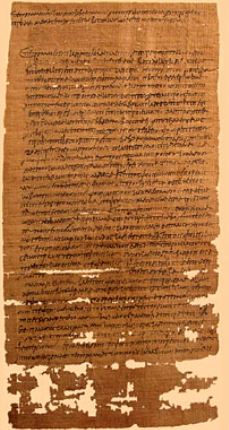

New to Talmud?
Check out our resources designed to help you navigate a page of Talmud – and study at the pace, level and style that fits you.
The Hadran Women’s Tapestry
Meet the diverse women learning Gemara at Hadran and hear their stories.
When I began learning Daf Yomi at the beginning of the current cycle, I was preparing for an upcoming surgery and thought that learning the Daf would be something positive I could do each day during my recovery, even if I accomplished nothing else. I had no idea what a lifeline learning the Daf would turn out to be in so many ways.

Lexington, MA, United States
I had no formal learning in Talmud until I began my studies in the Joint Program where in 1976 I was one of the few, if not the only, woman talmud major. It was superior training for law school and enabled me to approach my legal studies with a foundation . In 2018, I began daf yomi listening to Rabbanit MIchelle’s pod cast and my daily talmud studies are one of the highlights of my life.

Minneapolis, United States
Studying has changed my life view on הלכה and יהדות and time. It has taught me bonudaries of the human nature and honesty of our sages in their discourse to try and build a nation of caring people .

Kfar Saba, Israel
A Gemara shiur previous to the Hadran Siyum, was the impetus to attend it.It was highly inspirational and I was smitten. The message for me was התלמוד בידינו. I had decided along with my Chahsmonaim group to to do the daf and take it one daf at time- without any expectations at all. There has been a wealth of information, insights and halachik ideas. It is truly exercise of the mind, heart & Soul

Hashmonaim, Israel
I started learning Talmud with R’ Haramati in Yeshivah of Flatbush. But after a respite of 60 years, Rabbanit Michelle lit my fire – after attending the last three world siyumim in Miami Beach, Meadowlands and Boca Raton, and now that I’m retired, I decided – “I can do this!” It has been an incredible journey so far, and I look forward to learning Daf everyday – Mazal Tov to everyone!

Florida, United States
In January 2020, my teaching partner at IDC suggested we do daf yomi. Thanks to her challenge, I started learning daily from Rabbanit Michelle. It’s a joy to be part of the Hadran community. (It’s also a tikkun: in 7th grade, my best friend and I tied for first place in a citywide gemara exam, but we weren’t invited to the celebration because girls weren’t supposed to be learning gemara).

Jerusalem, Israel

Oceanside NY, United States
My husband learns Daf, my son learns Daf, my son-in-law learns Daf.
When I read about Hadran’s Siyyum HaShas 2 years ago, I thought- I can learn Daf too!
I had learned Gemara in Hillel HS in NJ, & I remembered loving it.
Rabbanit Michelle & Hadran have opened my eyes & expanding my learning so much in the past few years. We can now discuss Gemara as a family.
This was a life saver during Covid

Brooklyn, NY, United States

Richmond, CA, United States
Palo Alto, CA, United States

Raanana, Israel
In early January of 2020, I learned about Siyyum HaShas and Daf Yomi via Tablet Magazine’s brief daily podcast about the Daf. I found it compelling and fascinating. Soon I discovered Hadran; since then I have learned the Daf daily with Rabbanit Michelle Cohen Farber. The Daf has permeated my every hour, and has transformed and magnified my place within the Jewish Universe.

San Francisco, CA , United States
When I began the previous cycle, I promised myself that if I stuck with it, I would reward myself with a trip to Israel. Little did I know that the trip would involve attending the first ever women’s siyum and being inspired by so many learners. I am now over 2 years into my second cycle and being part of this large, diverse, fascinating learning family has enhanced my learning exponentially.

Minnesota, United States
When I started studying Hebrew at Brown University’s Hillel, I had no idea that almost 38 years later, I’m doing Daf Yomi. My Shabbat haburah is led by Rabbanit Leah Sarna. The women are a hoot. I’m tracking the completion of each tractate by reading Ilana Kurshan’s memoir, If All the Seas Were Ink.

Pennsylvania, United States

Phoenix, Arizona, United States
I was exposed to Talmud in high school, but I was truly inspired after my daughter and I decided to attend the Women’s Siyum Shas in 2020. We knew that this was a historic moment. We were blown away, overcome with emotion at the euphoria of the revolution. Right then, I knew I would continue. My commitment deepened with the every-morning Virtual Beit Midrash on Zoom with R. Michelle.

Zichron Yaakov, Israel
I started to listen to Michelle’s podcasts four years ago. The minute I started I was hooked. I’m so excited to learn the entire Talmud, and think I will continue always. I chose the quote “while a woman is engaged in conversation she also holds the spindle”. (Megillah 14b). It reminds me of all of the amazing women I learn with every day who multi-task, think ahead and accomplish so much.

Zichron Yakov, Israel
After all the hype on the 2020 siyum I became inspired by a friend to begin learning as the new cycle began.with no background in studying Talmud it was a bit daunting in the beginning. my husband began at the same time so we decided to study on shabbat together. The reaction from my 3 daughters has been fantastic. They are very proud. It’s been a great challenge for my brain which is so healthy!

Modi’in, Israel
Margo
I started my Talmud journey in 7th grade at Akiba Jewish Day School in Chicago. I started my Daf Yomi journey after hearing Erica Brown speak at the Hadran Siyum about marking the passage of time through Daf Yomi.
Carolyn
I started my Talmud journey post-college in NY with a few classes. I started my Daf Yomi journey after the Hadran Siyum, which inspired both my son and myself.
Merion Station, USA
Beit Shemesh, Israel
I had no formal learning in Talmud until I began my studies in the Joint Program where in 1976 I was one of the few, if not the only, woman talmud major. It was superior training for law school and enabled me to approach my legal studies with a foundation . In 2018, I began daf yomi listening to Rabbanit MIchelle’s pod cast and my daily talmud studies are one of the highlights of my life.
Minneapolis, United States
Gittin 81
זְכוּת הָרְאוּיָה לַשֵּׁנִי.
The Gemara answers: It is not referring to the right of a second man that she already married, but rather to the right that is due to a suitor who wishes to become her second husband, meaning that the first husband cannot eliminate the right of a second man who wishes to marry her.
מַתְנִי׳ כָּתַב לְגָרֵשׁ אֶת אִשְׁתּוֹ, וְנִמְלַךְ; בֵּית שַׁמַּאי אוֹמְרִים: פְּסָלָהּ מִן הַכְּהוּנָּה. וּבֵית הִלֵּל אוֹמְרִים: אַף עַל פִּי שֶׁנְּתָנוֹ לָהּ עַל תְּנַאי, וְלֹא נַעֲשָׂה הַתְּנַאי – לֹא פְּסָלָהּ מִן הַכְּהוּנָּה.
MISHNA: If one wrote a bill of divorce to divorce his wife, and reconsidered and did not give it to her, Beit Shammai say: Although merely writing the bill of divorce does not dissolve the marriage, by doing so he disqualified her from marrying into the priesthood. And Beit Hillel say: Even if he gave the bill of divorce to her conditionally and the condition was not fulfilled, and therefore the bill of divorce did not take effect, he did not disqualify her from marrying into the priesthood. A woman is disqualified from marrying into the priesthood only if the divorce takes effect.
גְּמָ׳ שְׁלַח לֵיהּ רַב יוֹסֵף בְּרֵיהּ דְּרַב מְנַשֶּׁה מִדְּוִיל, לִשְׁמוּאֵל: יְלַמְּדֵנוּ רַבֵּינוּ, יָצָא עָלָיו קוֹל – ״אִישׁ פְּלוֹנִי כֹּהֵן כָּתַב גֵּט לְאִשְׁתּוֹ, וְיוֹשֶׁבֶת תַּחְתָּיו וּמְשַׁמַּשְׁתּוֹ״, מַהוּ?
GEMARA: Rav Yosef, son of Rav Menashe from Devil, sent a query to Shmuel: Our teacher, instruct us. In the case of a priest about whom the following rumor circulated: So-and-so the priest wrote a bill of divorce to his wife, but she is still residing under his roof and attending to him; what is the halakha? Need one lend credence to this rumor?
שְׁלַח לֵיהּ: תֵּצֵא, וְהַדָּבָר צָרִיךְ בְּדִיקָה. מַאי הִיא? אִילֵימָא דְּאִי מְבַטְּלִינַן קָלָא אוֹ לָא מְבַטְּלִינַן; וְהָא נְהַרְדְּעָא אַתְרֵיהּ דִּשְׁמוּאֵל הִיא, וּבִנְהַרְדְּעָא לָא מְבַטְּלִי קָלָא! אֶלָּא דְּאִי קָרוּ לִנְתִינָה ״כְּתִיבָה״.
Shmuel sent the following response to him: She must leave her husband; but the matter requires investigation before he is forced to divorce her. The Gemara asks: What is the investigation that is required? If we say that the investigation is whether we can abolish the rumor that circulated, or we cannot abolish it; that cannot be the question: But isn’t Neharde’a the place where Shmuel is the halakhic authority and the rulings there are in accordance with his opinion, and in Neharde’a they do not abolish a rumor? Rather, the required investigation is to determine whether people in that place refer to giving a bill of divorce as writing. If that is the case, the rumor would be that he gave her a bill of divorce.
וְכִי קָרוּ לִנְתִינָה ״כְּתִיבָה״ – לִכְתִיבָה גּוּפַהּ מִי לָא קָרוּ לַהּ ״כְּתִיבָה״?!
The Gemara asks: And if they refer to giving as writing, it proves nothing, as don’t they refer to writing itself as writing? Therefore, the fact that they refer to giving as writing does not mean that he gave the woman the bill of divorce. The same term would be employed even if he only wrote the bill of divorce.
אִין; דְּאִי מִיגַּלְּיָא מִילְּתָא דְּקָרוּ לִנְתִינָה כְּתִיבָה, דִּלְמָא ״נָתַן״ קָאָמְרִי.
The Gemara answers: Yes, as if it is discovered that they refer to giving as writing, then there is reason to suspect that perhaps they are saying in the rumor that he gave her the bill of divorce, and there is concern that she is actually divorced.
תֵּצֵא?! וְהָאָמַר רַב אָשֵׁי: כֹּל קָלָא דְּבָתַר נִישּׂוּאִין – לָא חָיְישִׁינַן לֵיהּ!
Apropos Shmuel’s statement that she must leave his home, the Gemara asks: She must leave? But doesn’t Rav Ashi say: We are not concerned for any rumor that circulates after marriage. According to Rav Ashi, if a rumor circulates that a woman was betrothed to a man, there is concern about the rumor, and she is not allowed to marry someone else until she receives a bill of divorce from her rumored betrothed. But if such a rumor circulates after she has married someone else, there is no concern about such a rumor, and she is not obligated to leave her husband. Here too, in the case of this woman who is suspected of being divorced, she is currently living with her husband. Therefore, perhaps we should not be concerned about such a rumor.
מַאי ״תֵּצֵא״ נָמֵי – תֵּצֵא מִשֵּׁנִי.
The Gemara answers: What is the meaning of Shmuel’s directive: She must leave? This also means that she must leave the second husband. If her first husband dies, and she marries another priest, she must leave him due to the rumor that circulated that her first husband gave her a bill of divorce.
אִם כֵּן, אַתָּה מוֹצִיא לַעַז עַל בָּנָיו שֶׁל רִאשׁוֹן! כֵּיוָן דְּמִשֵּׁנִי הוּא דְּמַפְּקִינַן לַהּ וּמֵרִאשׁוֹן לָא מַפְּקִינַן לַהּ, אָתֵי לְמֵימַר: סָמוּךְ לְמִיתָה גֵּרְשָׁהּ.
The Gemara challenges: If so, you cast aspersions on the children of the first husband. If the reason that she must leave the second husband is because she is assumed to be a divorcée, this means that she remained with her first husband while she was already divorced, and the children they had after the rumor circulated would be disqualified from the priesthood. The Gemara answers: Since we remove her only from the second husband, and we do not remove her from the first husband, they will come to explain the incident by saying as follows: The first husband divorced her proximate to his death, and the children from him are of unflawed lineage. Since he divorced her, she may not marry another priest. Because the assumption here is that the divorce took place proximate to the first husband’s death, there is no concern of aspersions being cast on the children from the first husband.
אָמַר רַבָּה בַּר בַּר חָנָה אָמַר רַבִּי יוֹחָנָן, מִשּׁוּם רַבִּי יְהוּדָה בַּר אִילְעַי: בֹּא וּרְאֵה שֶׁלֹּא כְּדוֹרוֹת הָרִאשׁוֹנִים דּוֹרוֹת הָאַחֲרוֹנִים.
§ Rabba bar bar Ḥana says that Rabbi Yoḥanan says in the name of Rabbi Yehuda bar Elai: Come and see that the later generations are unlike the earlier generations, as the earlier generations were more conscientious about maintaining an unflawed lineage.
דּוֹרוֹת הָרִאשׁוֹנִים – בֵּית שַׁמַּאי. דּוֹרוֹת הָאַחֲרוֹנִים – רַבִּי דּוֹסָא. דְּתַנְיָא: שְׁבוּיָיה – אוֹכֶלֶת בִּתְרוּמָה, דִּבְרֵי רַבִּי דּוֹסָא.
The Gemara explains: The earlier generations is referring to Beit Shammai. Beit Shammai were so careful about the sanctity of the priesthood that they said, as stated in the mishna, that the writing of a bill of divorce alone renders a priest’s wife forbidden to him. The later generations is referring to Rabbi Dosa, as it is taught in a mishna (Eduyyot 3:6): A priest’s wife who was taken captive may partake of teruma, and there is no concern that perhaps she was raped while in captivity and thereby became forbidden to her husband and disqualified from partaking of teruma. This is the statement of Rabbi Dosa.
אָמַר רַבִּי דּוֹסָא: וְכִי מָה עָשָׂה לָהּ עַרְבִי זֶה? מִפְּנֵי שֶׁמִּיעֵךְ לָהּ בֵּין דַּדֶּיהָ, פְּסָלָהּ מִן הַכְּהוּנָּה?!
In explanation of this statement, Rabbi Dosa says: And what did this Arab do to her when he took her captive? Because he fondled her breasts he disqualified her from the priesthood? As long as it is not determined that her captors actually raped her, she is not prohibited from partaking of teruma. It is apparent from here that the later generations are more lenient than the early generations with regard to the sanctity of the priesthood.
וְאָמַר רַבָּה בַּר בַּר חָנָה אָמַר רַבִּי יוֹחָנָן, מִשּׁוּם רַבִּי יְהוּדָה בַּר אִילְעַי: בֹּא וּרְאֵה שֶׁלֹּא כְּדוֹרוֹת הָרִאשׁוֹנִים דּוֹרוֹת הָאַחֲרוֹנִים. דּוֹרוֹת הָרִאשׁוֹנִים, מַכְנִיסִין פֵּירוֹתֵיהֶן דֶּרֶךְ טְרַקְסְמוֹן, כְּדֵי לְחַיְּיבָן בְּמַעֲשֵׂר. דּוֹרוֹת הָאַחֲרוֹנִים, מַכְנִיסִין פֵּירוֹתֵיהֶן דֶּרֶךְ גַּגּוֹת וְדֶרֶךְ קַרְפֵּיפוֹת, כְּדֵי לְפוֹטְרָן מִן הַמַּעֲשֵׂר.
And Rabba bar bar Ḥana says that Rabbi Yoḥanan says in the name of Rabbi Yehuda bar Elai: Come and see that the later generations are unlike the earlier generations. The earlier generations would bring in their produce from the field by way of the main entranceway [teraksemon], in order to obligate the produce in tithes. By contrast, the later generations would bring in their produce by way of roofs and by way of enclosures, in order to exempt the produce from tithes.
דְּאָמַר רַבִּי יַנַּאי: אֵין הַטֶּבֶל מִתְחַיֵּיב בְּמַעֲשֵׂר, עַד שֶׁיִּרְאֶה פְּנֵי הַבַּיִת – שֶׁנֶּאֱמַר: ״בִּעַרְתִּי הַקֹּדֶשׁ מִן הַבַּיִת״.
The Gemara explains: As Rabbi Yannai says: Untithed produce does not become obligated in tithes until it sees the entrance of the house, through which people enter and exit, as it is stated in the declaration of the tithes: “I have put away the hallowed things out of my house” (Deuteronomy 26:13). As long as untithed produce is not taken into the house through the primary entrance of the house, it is permitted to eat it casually without tithing it. Consequently, they would take the produce in through another entrance in order to exempt it from tithes.
וְרַבִּי יוֹחָנָן אָמַר: אֲפִילּוּ חָצֵר קוֹבַעַת, שֶׁנֶּאֱמַר: ״וְאָכְלוּ בִשְׁעָרֶיךָ וְשָׂבֵעוּ״.
And Rabbi Yoḥanan says with regard to this issue: Even entry into the courtyard establishes an obligation to tithe, as it is stated: “That they may eat within your gates, and be satisfied” (Deuteronomy 26:12). This indicates that once the produce is brought into the courtyard, it is obligated in tithes.
מַתְנִי׳ הַמְגָרֵשׁ אֶת אִשְׁתּוֹ וְלָנָה עִמּוֹ בְּפוּנְדְּקִי, בֵּית שַׁמַּאי אוֹמְרִים: אֵינָהּ צְרִיכָה הֵימֶנּוּ גֵּט שֵׁנִי; וּבֵית הִלֵּל אוֹמְרִים: צְרִיכָה הֵימֶנּוּ גֵּט שֵׁנִי.
MISHNA: With regard to one who divorces his wife, and afterward she spent the night with him at an inn [befundaki], Beit Shammai say: She does not require a second bill of divorce from him, and Beit Hillel say: She requires a second bill of divorce from him, since they may have engaged in sexual intercourse at the inn and thereby betrothed her once again.
אֵימָתַי – בִּזְמַן שֶׁנִּתְגָּרְשָׁה מִן הַנִּשּׂוּאִין; וּמוֹדִים בְּנִתְגָּרְשָׁה מִן הָאֵירוּסִין – שֶׁאֵינָהּ צְרִיכָה הֵימֶנּוּ גֵּט שֵׁנִי, מִפְּנֵי שֶׁאֵין לִבּוֹ גַּס בָּהּ.
When did they say this halakha? When she was divorced following the state of marriage. Beit Hillel concede that when she was divorced following the state of betrothal, she does not require a second bill of divorce from him, due to the fact that he is not accustomed to her. Therefore, there is no concern that they engaged in sexual intercourse, even though they spent the night together at the inn.
גְּמָ׳ אָמַר רַבָּה בַּר בַּר חָנָה אָמַר רַבִּי יוֹחָנָן: מַחְלוֹקֶת בְּשֶׁרָאוּהָ שֶׁנִּבְעֲלָה,
GEMARA: Rabba bar bar Ḥana says that Rabbi Yoḥanan says: The dispute between Beit Shammai and Beit Hillel is specifically in a case where they saw that she engaged in sexual intercourse,
דְּבֵית שַׁמַּאי סָבְרִי: אָדָם עוֹשֶׂה בְּעִילָתוֹ בְּעִילַת זְנוּת;
as Beit Shammai hold: A person does engage in licentious sexual intercourse. Although they were seen engaging in sexual intercourse, one cannot assume that he intended to betroth her, since they were recently divorced. The assumption is that they were simply engaging in licentious sexual intercourse. Consequently, he is not required to give her a second bill of divorce.
וּבֵית הִלֵּל סָבְרִי: אֵין אָדָם עוֹשֶׂה בְּעִילָתוֹ בְּעִילַת זְנוּת. אֲבָל לֹא רָאוּהָ שֶׁנִּבְעֲלָה – דִּבְרֵי הַכֹּל אֵינָהּ צְרִיכָה הֵימֶנּוּ גֵּט שֵׁנִי.
And Beit Hillel hold: A person does not engage in licentious sexual intercourse. Therefore, he had the intention to betroth her, and he must give her another bill of divorce. But if they did not see that she engaged in sexual intercourse, even though they spent the night together at an inn, everyone agrees that she does not require a second bill of divorce from him, as there is no concern that perhaps they engaged in sexual intercourse.
תְּנַן: וּמוֹדִים בְּנִתְגָּרְשָׁה מִן הָאֵירוּסִין – שֶׁאֵינָהּ צְרִיכָה הֵימֶנּוּ גֵּט שֵׁנִי, שֶׁאֵין לִבּוֹ גַּס בָּהּ. וְאִי בְּשֶׁרָאוּהָ שֶׁנִּבְעֲלָה, מָה לִי מִן הָאֵירוּסִין וּמָה לִי מִן הַנִּשּׂוּאִין?
The Gemara challenges this understanding of the mishna: We learned in the mishna that Beit Hillel concede that when she was divorced following the state of betrothal, she does not require a second bill of divorce from him because he is not accustomed to her. And if the mishna is referring to a case in which they saw that she engaged in sexual intercourse, what is the difference to me if it was following the state of betrothal and what is the difference to me if it was following the state of marriage? In either case, they saw that she engaged in sexual intercourse.
אֶלָּא מַתְנִיתִין – בְּשֶׁלֹּא רָאוּהָ שֶׁנִּבְעֲלָה; וְרַבִּי יוֹחָנָן דְּאָמַר – כִּי הַאי תַּנָּא, דְּתַנְיָא: אָמַר רַבִּי שִׁמְעוֹן בֶּן אֶלְעָזָר: לֹא נֶחְלְקוּ בֵּית שַׁמַּאי וּבֵית הִלֵּל עַל שֶׁלֹּא רָאוּהָ שֶׁנִּבְעֲלָה, שֶׁאֵינָהּ צְרִיכָה הֵימֶנּוּ גֵּט שֵׁנִי,
Rather it can be explained that the mishna is actually speaking about a case in which they did not see that she engaged in sexual intercourse. Rabbi Yoḥanan stated his opinion in accordance with the statement of that tanna. As it is taught in a baraita that Rabbi Shimon ben Elazar said: Beit Hillel and Beit Shammai did not disagree about a case where they did not see that she engaged in sexual intercourse. Everyone agrees that in such a scenario, she does not require a second bill of divorce from him.
עַל מָה נֶחְלְקוּ – עַל שֶׁרָאוּהָ שֶׁנִּבְעֲלָה; שֶׁבֵּית שַׁמַּאי אוֹמְרִים: אָדָם עוֹשֶׂה בְּעִילָתוֹ בְּעִילַת זְנוּת; וּבֵית הִלֵּל אוֹמְרִים: אֵין אָדָם עוֹשֶׂה בְּעִילָתוֹ בְּעִילַת זְנוּת.
With regard to what case did they disagree? They disagreed about a case where they saw that she engaged in sexual intercourse. As Beit Shammai say: A person does engage in licentious sexual intercourse. And Beit Hillel say: A person does not engage in licentious sexual intercourse. Rabbi Shimon ben Elazar disagrees with the mishna.
וּמַתְנִיתִין – דְּאוֹקֵימְנָא בְּלֹא רָאוּהָ שֶׁנִּבְעֲלָה, בְּמַאי פְּלִיגִי? דְּאִיכָּא עֵדֵי יִחוּד, וְלֵיכָּא עֵדֵי בִיאָה.
The Gemara asks: And as for the mishna, which we established as discussing a case in which they did not see that she engaged in sexual intercourse, with regard to what do they disagree? The Gemara answers: They disagree about a case in which there are witnesses to their seclusion, but there are no witnesses to an act of sexual intercourse.
בֵּית שַׁמַּאי סָבְרִי: לָא אָמְרִינַן הֵן הֵן עֵדֵי יִחוּד וְהֵן הֵן עֵדֵי בִיאָה. וּבֵית הִלֵּל סָבְרִי: אָמְרִינַן הֵן הֵן עֵדֵי יִחוּד וְהֵן הֵן עֵדֵי בִיאָה.
With regard to such a case, Beit Shammai hold: We do not say that these are the witnesses of seclusion, these are the witnesses of sexual intercourse. According to Beit Shammai, although there are witnesses that they were secluded, this is not considered to be tantamount to testimony that they engaged in sexual intercourse. And Beit Hillel hold: We do say that these are the witnesses of seclusion, these are the witnesses of sexual intercourse. Since it is assumed that they engaged in sexual intercourse, she is required to obtain a second bill of divorce from him.
וּמוֹדִים בְּנִתְגָּרְשָׁה מִן הָאֵירוּסִין – שֶׁאֵינָהּ צְרִיכָה הֵימֶנּוּ גֵּט שֵׁנִי, דְּכֵיוָן דְּאֵין לִבּוֹ גַּס בָּהּ. לָא אָמְרִינַן הֵן הֵן עֵדֵי בִיאָה.
And Beit Hillel concede that when she was divorced following the state of betrothal, she does not require a second bill of divorce from him, even if they were alone together. For since he is not accustomed to her, we do not say that these are the witnesses of seclusion; these are the witnesses of intercourse.
וּמִי אָמַר רַבִּי יוֹחָנָן הָכִי?! וְהָאָמַר רַבִּי יוֹחָנָן: הֲלָכָה כִּסְתַם מִשְׁנָה; וְאוֹקִימְנָא לְמַתְנִיתִין בְּשֶׁלֹּא רָאוּהָ שֶׁנִּבְעֲלָה! אָמוֹרָאֵי נִינְהוּ וְאַלִּיבָּא דְּרַבִּי יוֹחָנָן.
The Gemara asks: But did Rabbi Yoḥanan actually say this, that Beit Hillel require a second bill of divorce only when witnesses saw that they engaged in sexual intercourse? But didn’t Rabbi Yoḥanan say: The halakha in all cases is like an unattributed mishna. And we established the mishna to be discussing a case in which they did not see that she engaged in sexual intercourse. How then does Rabbi Yoḥanan rule contrary to the mishna? The Gemara answers: They are amora’im, and they disagree with regard to the opinion of Rabbi Yoḥanan. Some of them hold that Rabbi Yoḥanan does not always rule in accordance with an unattributed mishna.
מַתְנִי׳ כְּנָסָהּ בְּגֵט קֵרֵחַ – תֵּצֵא מִזֶּה וּמִזֶּה, וְכׇל הַדְּרָכִים הָאֵלּוּ בָּהּ.
MISHNA: If a woman was married by her second husband on the basis of receiving a bare bill of divorce, i.e., a folded and tied bill of divorce that is missing signatures, she must leave both this, the first husband, and that, the second husband. And all of those previously mentioned ways of penalizing a woman who remarried based on the bills of divorce detailed in the earlier mishna (79b) apply to her in this case as well.
גֵּט קֵרֵחַ – הַכֹּל מַשְׁלִימִין עָלָיו, דִּבְרֵי בֶּן נַנָּס. רַבִּי עֲקִיבָא אוֹמֵר: אֵין מַשְׁלִימִין עָלָיו אֶלָּא קְרוֹבִים, הָרְאוּיִין לְהָעִיד בְּמָקוֹם אַחֵר.
With regard to a bare bill of divorce; anyone, even those who are disqualified from bearing witness, can complete it, i.e., sign it in addition to the primary witnesses, so that it will not remain bare. This is the statement of ben Nannas. Rabbi Akiva says: Not all who are disqualified from bearing witness can complete it. Rather, only relatives who are fit to testify in another case. Rabbi Akiva permits only the inclusion of witnesses who would ordinarily be valid witnesses, but who are invalid here because they are relatives of either the husband and wife or the other witnesses.
וְאֵיזֶהוּ גֵּט קֵרֵחַ? כׇּל שֶׁקְּשָׁרָיו מְרוּבִּין מֵעֵדָיו.
And what is a bare bill of divorce? It is any bill of divorce where the number of its folds is more than the number of its witnesses. In a folded and tied bill of divorce, the bill of divorce is folded and the folds are then tied. Instead of having two witnesses sign at the bottom of the document, witnesses would sign on each tied fold. A bare bill of divorce has more folds than signatures, i.e., some folds lack signatures.
גְּמָ׳ מַאי טַעְמָא דְּגֵט קֵרֵחַ? גְּזֵירָה מִשּׁוּם ״כּוּלְּכֶם״.
GEMARA: The Gemara asks: What is the reason that a bare bill of divorce is not valid, considering that there are more than two witnesses signed on it? The Gemara answers: It is a rabbinic decree that was issued due to one who says: All of you should sign. Since it can be assumed that one who writes a folded and tied bill of divorce wants to have each tied fold signed, there is concern that he may have instructed that all of them sign. If they do not sign, the condition is not fulfilled, and the bill of divorce is not valid.
גֵּט קֵרֵחַ – הַכֹּל מַשְׁלִימִין עָלָיו.
§ It was stated in the mishna that ben Nannas holds, with regard to a bare bill of divorce, that anyone can complete it. Rabbi Akiva, however, permits disqualified witnesses to sign only if they are invalid because they are relatives of either the husband and wife or the other witnesses.
וְרַבִּי עֲקִיבָא, עֶבֶד מַאי טַעְמָא לָא? דְּאָתוּ לְמֵימַר כָּשֵׁר לְעֵדוּת. קָרוֹב נָמֵי, אָתוּ לְמֵימַר כָּשֵׁר לְעֵדוּת!
The Gemara asks: And according to Rabbi Akiva, what is the reason that a slave cannot sign? The Gemara answers: The Sages were concerned that people will mistakenly come to say that since the slave served as a witness in this case, the slave is fit to bear witness in all cases. They will use a slave as a witness in situations that demand testimony accepted only from qualified witnesses. The Gemara challenges this: If so, with regard to a relative, too, they will come to say that a relative is fit to bear witness in all cases.
אֶלָּא עֶבֶד הַיְינוּ טַעְמָא – דְּדִלְמָא אָתוּ לְאַסּוֹקֵיהּ לְיוּחֲסִין.
Rather, one could explain that with regard to a slave, this is the reason why he is disqualified: There is concern that perhaps they will come to elevate his status with regard to lineage. If a slave signs the bill of divorce, they might say that if he signed a bill of divorce, he must be an Israelite.
גַּזְלָן – דְּבַר יוּחֲסִין הוּא, לִיתַּכְשַׁר! אַלְּמָה תְּנַן, רַבִּי עֲקִיבָא אוֹמֵר: אֵין מַשְׁלִימִין עָלָיו אֶלָּא קְרוֹבִים, הָרְאוּיִין לְהָעִיד בְּמָקוֹם אַחֵר; קָרוֹב – אִין, גַּזְלָן – לָא!
The Gemara asks: If this is the reason why a slave cannot sign, then a robber, who is of unflawed lineage, should be fit to complete the signatures of a folded and tied bill of divorce, according to Rabbi Akiva. Why, then, did we learn in the mishna that Rabbi Akiva says: Not all can complete it. Rather, only relatives who are fit to testify in another case. The Gemara deduces from this: A relative, yes; but a robber, no.
אֶלָּא עֶבֶד הַיְינוּ טַעְמָא – דְּאָתוּ לְמֵימַר: שַׁחְרוֹרֵי שַׁחְרְרֵיהּ; גַּזְלָן נָמֵי – אָתוּ לְמֵימַר: תְּשׁוּבָה עֲבַד; קָרוֹב – מַאי אִיכָּא לְמֵימַר? קָרוֹב כּוּלֵּי עָלְמָא יָדְעִי דְּקָרוֹב הוּא.
The Gemara answers: Rather, this is the reason why a slave is disqualified: They will come to say that his master emancipated him and he signed because he is now like any other Israelite. Similarly, with regard to a robber, they will also come to say that he repented and will allow him to testify in other cases, as well. Therefore, Rabbi Akiva declared him to be unfit as well. With regard to a relative, what can be said to disallow him to sign this bill of divorce? With regard to a relative, everyone knows that he is a relative, and there is no concern that they will allow him to testify in other cases involving his relatives.
אָמַר רַבִּי זֵירָא אָמַר רַבָּה בַּר שְׁאֵילְתָא אָמַר רַב הַמְנוּנָא סָבָא אָמַר רַב אַדָּא בַּר אַהֲבָה: גֵּט קֵרֵחַ – קְשָׁרָיו שִׁבְעָה וְעֵדָיו שִׁשָּׁה; שִׁשָּׁה וְעֵדָיו חֲמִשָּׁה; חֲמִשָּׁה וְעֵדָיו אַרְבָּעָה; אַרְבָּעָה וְעֵדָיו שְׁלֹשָׁה – עַד כָּאן מַחְלוֹקֶת בֶּן נַנָּס וְרַבִּי עֲקִיבָא. אֲבָל קְשָׁרָיו שְׁלֹשָׁה וְעֵדָיו שְׁנַיִם – דִּבְרֵי הַכֹּל אֵין מַשְׁלִימִין עָלָיו אֶלָּא קָרוֹב.
§ Rabbi Zeira says that Rabba bar She’eilta says that Rav Hamnuna the Elder says that Rav Adda bar Ahava says: The dispute between ben Nannas and Rabbi Akiva with regard to a bare bill of divorce that has more tied folds than witnesses is only in a case where its ties total seven and its witnesses total six, or its ties total six and its witnesses total five, or its ties total five and its witnesses total four, or its ties total four and its witnesses total three. But if its ties total three and its witnesses total two, everyone, even ben Nannas, agrees that not all disqualified witnesses can complete it. Rather, only a relative can complete it.
אֲמַר לֵיהּ רַבִּי זֵירָא לְרַבָּה בַּר שְׁאֵילְתָא: מִכְּדֵי כׇּל שְׁלֹשָׁה בִּמְקוּשָּׁר – כִּשְׁנַיִם בְּפָשׁוּט דָּמֵי; מָה הָתָם – קָרוֹב לָא, אַף הָכָא נָמֵי – קָרוֹב לָא!
Rabbi Zeira said to Rabba bar She’eilta: After all, all three witnesses in a folded and tied bill of divorce are like the two witnesses in an ordinary bill of divorce, since the Sages said that a folded and tied bill of divorce requires at least three witnesses. Therefore, just as there, in the case of an ordinary bill of divorce, a relative cannot serve as one of the two witnesses, so too here, a relative should not serve as one of the primary witnesses.
אֲמַר לֵיהּ: אַף לְדִידִי קַשְׁיָא לִי, וּשְׁאֵילְתֵּיהּ לְרַב הַמְנוּנָא, וְרַב הַמְנוּנָא לְרַב אַדָּא בַּר אַהֲבָה, וַאֲמַר לֵיהּ: הַנַּח לִשְׁלֹשָׁה בִּמְקוּשָּׁר, דְּלָאו דְּאוֹרָיְיתָא.
Rabba bar She’eilta said to him: To me as well this was difficult, and I asked that question to Rav Hamnuna, and Rav Hamnuna asked it to Rav Adda bar Ahava, who had transmitted this statement, and he said to him: Leave the case of three witnesses in a folded and tied bill of divorce, as the requirement is not by Torah law. While the requirement to have a minimum of two witnesses in an ordinary bill of divorce is by Torah law, the requirement to have a minimum of three witnesses for a folded and tied bill of divorce is by rabbinic law. Consequently, it is of no concern if the third witness is not fit to bear witness.
תַּנְיָא נָמֵי הָכִי: גֵּט קֵרֵחַ – קְשָׁרָיו שִׁבְעָה וְעֵדָיו שִׁשָּׁה; שִׁשָּׁה וְעֵדָיו חֲמִשָּׁה; חֲמִשָּׁה וְעֵדָיו אַרְבָּעָה; אַרְבָּעָה וְעֵדָיו שְׁלֹשָׁה – עַד כָּאן מַחְלוֹקֶת בֶּן נַנָּס וְרַבִּי עֲקִיבָא.
The Gemara notes that this is also taught in a baraita (Tosefta 6:9): The dispute between ben Nannas and Rabbi Akiva with regard to a bare bill of divorce that has more tied folds than witnesses is only in a case where its ties total seven and its witnesses total six, or its ties total six and its witnesses total five, or its ties total five and its witnesses total four, or its ties total four and its witnesses total three.
הִשְׁלִים עָלָיו עֶבֶד, בֶּן נַנָּס אוֹמֵר: הַוָּלָד כָּשֵׁר; וְרַבִּי עֲקִיבָא אוֹמֵר: הַוָּלָד מַמְזֵר. אֲבָל קְשָׁרָיו שְׁלֹשָׁה וְעֵדָיו שְׁנַיִם – דִּבְרֵי הַכֹּל אֵין מַשְׁלִימִין עָלָיו אֶלָּא קָרוֹב.
The baraita continues: If a slave completed it with his signature, and the woman remarried on the basis of this bill of divorce, ben Nannas says: The offspring of a subsequent marriage is unflawed. And Rabbi Akiva says: The offspring is a mamzer. But if its ties total three, and its witnesses total two, everyone agrees that not all disqualified witnesses can complete it. Rather, it can be completed only by a relative of either the husband and wife or the other witnesses.
רַב יוֹסֵף מַתְנִי: ״כָּשֵׁר״. וְהָתַנְיָא: קָרוֹב! אָמַר רַב פָּפָּא, תְּנִי: כָּשֵׁר.
Rav Yosef taught: Only a valid witness can complete it. The Gemara challenges: But isn’t it taught explicitly in a baraita: A relative? Rav Pappa said: Correct the language of the baraita, and teach: Valid.
אָמַר רַבִּי יוֹחָנָן: לֹא הוּכְשְׁרוּ בּוֹ אֶלָּא עֵד אֶחָד קָרוֹב בִּלְבַד, אֲבָל תְּרֵי לָא – דִּלְמָא אָתֵי לְקַיּוֹמֵי בִּתְרֵי קְרוֹבִים וְחַד כָּשֵׁר.
Rabbi Yoḥanan says: In a folded and tied bill of divorce, the Sages validated only the use of one witness who is a relative, to complete the number of signatures as per the number of knotted folds. But two such witnesses, no, they did not validate them. The reason for this is that perhaps they will come to ratify a bill of divorce with two witnesses who are relatives and one witness who is valid. If the bill of divorce will be challenged, it will be necessary to ratify the document. While this bill of divorce has more than three witnesses signed to it, the court needs to authenticate the signatures of only three of the witnesses to ratify the bill of divorce, provided that two of them are not relatives. If there are more than two relatives signed on the bill of divorce, a court may unintentionally authenticate the signatures of two relatives and only one valid witness.
אָמַר רַב אָשֵׁי: מַתְנִיתָא נָמֵי דַּיְקָא –
Rav Ashi said: The language of the baraita is also precise, in accordance with this opinion,

