Search

Kiddushin 75

Want to dedicate learning? Get started here:

English
עברית
podcast placeholder

0:00
0:00


podcast placeholder

0:00
0:00


Summary

Today’s daf is dedicated to the safety of our soldiers and our country. 

There are different opinions on whether having had any forbidden relationship forbids one from marrying a kohen or is it dependent on which type of forbidden relationship. In the last part of the Mishna, Rabbi Eliezer ruled that only a definite mamzer can marry a definite mamzer but if the status is one of doubt, they cannot marry a mamzer or another person whose lineage is in doubt. Rav holds by this opinion but Shmuel does not. This seems to contradict a different debate between Rav and Shmuel regarding an engaged woman whose child’s father is unknown. Various explanations are brought to resolve the contradiction. Rabbi Eleazar ruled that a cuti can’t marry a cutit. Several explanations are brought to understand this ruling.

Today’s daily daf tools:

Kiddushin 75

כֹּל שֶׁאַתָּה נוֹשֵׂא בִּתּוֹ – אַתָּה נוֹשֵׂא אַלְמְנָתוֹ. וְכֹל שֶׁאִי אַתָּה נוֹשֵׂא בִּתּוֹ – אִי אַתָּה נוֹשֵׂא אַלְמְנָתוֹ.

Anyone whose daughter you may marry, you may marry his widow. If a priest is permitted to marry someone’s daughter, he is likewise permitted to marry that person’s widow; she has not become disqualified to marry a priest by having engaged in sexual intercourse with her husband. And anyone whose daughter you may not marry, you may not marry his widow either.

מַאי אִיכָּא בֵּין תַּנָּא קַמָּא וּבֵין רַבִּי יוֹסֵי? אָמַר רַבִּי יוֹחָנָן: מִצְרִי שֵׁנִי אִיכָּא בֵּינַיְיהוּ. וּשְׁנֵיהֶם לֹא לְמָדוּהָ אֶלָּא מִכֹּהֵן גָּדוֹל בְּאַלְמָנָה,

The Gemara asks: What difference is there between the first tanna of the mishna and Rabbi Yosei, as they appear to be saying the same thing? Rabbi Yoḥanan says: The practical difference between them concerns a Jewish woman who engaged in intercourse with a second-generation Egyptian. The Torah prohibits Egyptian converts and their children from entering into the congregation by marriage, but the grandchildren of the Egyptian convert, i.e., the third generation, are permitted to marry Jews with unflawed lineage. And both of them learned their respective opinions only from the halakha of a High Priest who engaged in intercourse with a widow, although they derived the halakha in different ways.

דְּתַנָּא קַמָּא סָבַר: כִּי כֹּהֵן גָּדוֹל בְּאַלְמָנָה. מָה כֹּהֵן גָּדוֹל בְּאַלְמָנָה שֶׁבִּיאָתוֹ בַּעֲבֵירָה וּפוֹסֵל בָּהּ, אַף כֹּל שֶׁבִּיאָתוֹ בַּעֲבֵירָה – פּוֹסֵל.

How so? As the first tanna holds that this case is like that of a High Priest who engages in sexual intercourse with a widow: Just as with regard to a High Priest who engages in intercourse with a widow, his act of intercourse with her is performed by means of a transgression and he disqualifies her from marrying into the priesthood, so too anyone whose act of intercourse is by means of a transgression, such as a second-generation Egyptian who engages in intercourse with a Jewish woman, likewise disqualifies her from marrying into the priesthood.

וְרַבִּי יוֹסֵי סָבַר: כִּי כֹהֵן גָּדוֹל בְּאַלְמָנָה. מָה כֹּהֵן גָּדוֹל בְּאַלְמָנָה שֶׁזַּרְעוֹ פָּסוּל וּפוֹסֵל, אַף כֹּל שֶׁזַּרְעוֹ פָּסוּל – פּוֹסֵל. לְאַפּוֹקֵי מִצְרִי שֵׁנִי שֶׁאֵין זַרְעוֹ פָּסוּל, דְּאָמַר קְרָא: ״בָּנִים אֲשֶׁר יִוָּלְדוּ לָהֶם דּוֹר שְׁלִישִׁי יָבֹא לָהֶם בִּקְהַל ה׳״.

And Rabbi Yosei holds that the derivation is as follows: It is like a High Priest who engages in sexual intercourse with a widow: Just as with regard to a High Priest who engages in intercourse with a widow, whose offspring is unfit for the priesthood, as they have the status of a ḥalal, and he similarly disqualifies her from marrying a priest by engaging in intercourse with her, so too, anyone whose offspring is unfit for the priesthood also disqualifies her from marrying a priest by engaging in intercourse with her. This comparison serves to exclude a second-generation Egyptian, whose offspring is not unfit, as the verse states: “The children of the third generation that are born to them may enter into the congregation of the Lord” (Deuteronomy 23:9). Therefore, a second-generation Egyptian does not disqualify a woman with whom he engages in intercourse from marrying a priest.

רַבָּן שִׁמְעוֹן בֶּן גַּמְלִיאֵל אוֹמֵר: כֹּל שֶׁאַתָּה נוֹשֵׂא בִּתּוֹ – אַתָּה נוֹשֵׂא אַלְמְנָתוֹ, וְכֹל שֶׁאִי אַתָּה נוֹשֵׂא אֶת בִּתּוֹ – אִי אַתָּה נוֹשֵׂא אַלְמְנָתוֹ. מַאי אִיכָּא בֵּין רַבִּי יוֹסֵי לְרַבָּן שִׁמְעוֹן בֶּן גַּמְלִיאֵל? אָמַר עוּלָּא: גֵּר עַמּוֹנִי וּמוֹאָבִי אִיכָּא בֵּינַיְיהוּ. וּשְׁנֵיהֶם לֹא לְמָדוּהָ אֶלָּא מִכֹּהֵן גָּדוֹל בְּאַלְמָנָה.

The baraita also taught that Rabban Shimon ben Gamliel says: Anyone whose daughter you may marry, you may marry his widow. And anyone whose daughter you may not marry, you may not marry his widow either. The Gemara asks: What difference is there between the opinions of Rabbi Yosei and Rabban Shimon ben Gamliel? They seem to be stating the same halakha. Ulla said: The difference between them involves a male Ammonite convert and a male Moabite convert. According to the opinion of Rabbi Yosei, male Ammonite and Moabite converts disqualify a woman with whom they engage in sexual intercourse from marrying a priest, whereas Rabban Shimon ben Gamliel says they do not disqualify her. And both of them learned their respective opinions only from the halakha of a High Priest who engaged in intercourse with a widow, although they derived the halakha in different ways.

דְּרַבִּי יוֹסֵי סָבַר: כִּי כֹּהֵן גָּדוֹל בְּאַלְמָנָה. מָה כֹּהֵן גָּדוֹל בְּאַלְמָנָה שֶׁזַּרְעוֹ פָּסוּל – וּפוֹסֵל, אַף כֹּל שֶׁזַּרְעוֹ פָּסוּל – פּוֹסֵל.

How so? As Rabbi Yosei holds that this case is like that of a High Priest who engages in intercourse with a widow: Just as with regard to a High Priest who engages in sexual intercourse with a widow, the halakha is that his offspring are unfit for the priesthood, as they have the status of a ḥalal, and he similarly disqualifies her from marrying a priest by engaging in intercourse with her, so too, anyone whose offspring is unfit for the priesthood, including a male Ammonite or Moabite convert, also disqualifies her from marrying a priest by engaging in intercourse with her.

וְרַבָּן שִׁמְעוֹן בֶּן גַּמְלִיאֵל: כְּכֹהֵן גָּדוֹל בְּאַלְמָנָה. מָה כֹּהֵן גָּדוֹל בְּאַלְמָנָה שֶׁכׇּל זַרְעוֹ פָּסוּל, אַף כֹּל שֶׁכׇּל זַרְעוֹ פָּסוּל, אֲפִילּוּ נְקֵבוֹת, לְאַפּוֹקֵי גֵּר עַמּוֹנִי וּמוֹאָבִי דִּנְקֵבוֹת הָווּ כְּשֵׁרוֹת לָבֹא בַּקָּהָל. דְּאָמַר מָר: עַמּוֹנִי וְלֹא עַמּוֹנִית, מוֹאָבִי וְלֹא מוֹאָבִית.

And Rabban Shimon ben Gamliel holds that the derivation is as follows: It is like a High Priest who engages in sexual intercourse with a widow. Just as with regard to a High Priest who engages in intercourse with a widow, as all his offspring are unfit, the females as well as the males, and he disqualifies her by engaging in intercourse with her, so too, everyone about whom the halakha is that all his offspring are unfit, even the females, disqualifies a woman with whom he engages in intercourse from marrying a priest. This comparison serves to exclude a male Ammonite or Moabite convert, as the females born to them are fit to enter into the congregation. As the Master said: An Ammonite man is prohibited from entering into the congregation, but not an Ammonite woman; similarly a Moabite man is prohibited from doing so, but not a Moabite woman.

אָמַר רַב חִסְדָּא: הַכֹּל מוֹדִים בְּאַלְמְנַת עִיסָּה שֶׁפְּסוּלָה לַכְּהוּנָּה. מַאן מֵיקֵל בְּהָנֵי תַּנָּאֵי – רַבָּן שִׁמְעוֹן בֶּן גַּמְלִיאֵל, וְקָאָמַר: כֹּל שֶׁאַתָּה נוֹשֵׂא בִּתּוֹ – אַתָּה נוֹשֵׂא אַלְמְנָתוֹ, וְכֹל שֶׁאִי אַתָּה נוֹשֵׂא בִּתּוֹ – אִי אַתָּה נוֹשֵׂא אַלְמְנָתוֹ. לְמַעוֹטֵי מַאי? לְמַעוֹטֵי אַלְמְנַת עִיסָּה שֶׁפְּסוּלָה לַכְּהוּנָּה.

Rav Ḥisda says: All concede with regard to a widow of questionable lineage, i.e., a widow whose husband was possibly a ḥalal, that she is unfit to marry into the priesthood. The Gemara explains: Who is the most lenient of these tanna’im? It is Rabban Shimon ben Gamliel, and he says: Anyone whose daughter you may marry, you may marry his widow; and anyone whose daughter you may not marry, you may not marry his widow either. He said the latter clause to exclude what? It is to exclude a widow of questionable lineage; and it teaches that she is unfit to marry into the priesthood, since the daughter of one who was possibly a ḥalal is prohibited from marrying a priest.

לְאַפּוֹקֵי מִדְּהָנֵי תַּנָּאֵי דִּתְנַן: הֵעִיד רַבִּי יְהוֹשֻׁעַ וְרַבִּי יְהוּדָה בֶּן בְּתֵירָא עַל אַלְמְנַת עִיסָּה שֶׁכְּשֵׁירָה לַכְּהוּנָּה. מַאי טַעְמָא – הָוֵי סְפֵק סְפֵיקָא, וּסְפֵק סְפֵיקָא לְקוּלָּא.

The Gemara comments: This statement of Rav Ḥisda serves to exclude the opinion of these following tanna’im. As we learned in a mishna (Eduyyot 8:3): Rabbi Yehoshua and Rabbi Yehuda ben Beteira testified with regard to a widow of questionable lineage, that she is fit to marry into the priesthood. What is the reason for this lenient ruling? It is a case of a compound uncertainty, and the principle is that in a case of a compound uncertainty the ruling is to be lenient.

וַדָּאָן בְּוַדָּאָן מוּתָּר. אָמַר רַב יְהוּדָה אָמַר רַב: הֲלָכָה כְּרַבִּי אֱלִיעֶזֶר. כִּי אַמְרִיתַהּ קַמֵּיהּ דִּשְׁמוּאֵל אֲמַר לִי: הִלֵּל שׁוֹנֶה: עֲשָׂרָה יוּחֲסִים עָלוּ מִבָּבֶל וְכוּלָּם מוּתָּרִים לָבֹא זֶה בָּזֶה, וְאַתְּ אָמְרַתְּ הֲלָכָה כְּרַבִּי אֱלִיעֶזֶר?!

§ The mishna teaches that according to Rabbi Eliezer, it is permitted for those with definite flaws to marry with those with definite flaws. For example, it is permitted for mamzerim and Gibeonites to marry each other. By contrast, it is prohibited for those with definite flaws to marry with those whose flaws result from an uncertainty, and it is also prohibited for those whose flaws result from an uncertainty to marry those whose flaws result from an uncertainty. Rav Yehuda says that Rav says: The halakha is in accordance with the opinion of Rabbi Eliezer. Rav Yehuda added: When I said that halakha in front of Shmuel, he said to me: Hillel the Elder teaches the mishna as stating: Jews with ten types of lineage ascended from Babylonia, and all of them, i.e., all of those who may not enter into the congregation, even those whose flaws result from an uncertainty, are permitted to marry into each other’s families; and you said the halakha is in accordance with the opinion of Rabbi Eliezer?

וּרְמִי דְּרַב אַדְּרַב וּרְמִי דִּשְׁמוּאֵל אַדִּשְׁמוּאֵל, דְּאִיתְּמַר: אֲרוּסָה שֶׁעִיבְּרָה, רַב אָמַר: הַוָּלָד מַמְזֵר. וּשְׁמוּאֵל אָמַר: הַוָּלָד שְׁתוּקִי.

The Gemara comments: And a contradiction can be raised from this statement of Rav against another statement of Rav, and similarly a contradiction can be raised from this statement of Shmuel against another statement of Shmuel. As it was stated that they had the following dispute: With regard to a betrothed woman who became pregnant during her period of betrothal, and it is unknown whether it was her betrothed or someone else who impregnated her, Rav says that the offspring is a mamzer. The assumption is that she was impregnated by a different man and that the child is the offspring of a betrothed woman and a man other than her betrothed. And Shmuel says that the offspring is a shetuki, since there is no proof that it is a mamzer; she might have been impregnated by her betrothed.

רַב אָמַר: הַוָּלָד מַמְזֵר וּמוּתָּר בְּמַמְזֶרֶת, וּשְׁמוּאֵל אָמַר: הַוָּלָד שְׁתוּקִי וְאָסוּר בְּמַמְזֶרֶת. אֵיפוֹךְ, רַב אָמַר: הַוָּלָד שְׁתוּקִי, וּשְׁמוּאֵל אָמַר: הַוָּלָד מַמְזֵר.

The Gemara explains their respective opinions: Rav says the offspring is a mamzer and is therefore permitted to marry a mamzeret; and Shmuel says the offspring is a shetuki and is prohibited to marry a mamzeret. It is seen here that Shmuel prohibits one whose flaw results from an uncertainty from marrying one with definite mamzer status, whereas Rav permits such a person to marry one with definite mamzer status. This contradicts their earlier statements, in which Rav prohibited one whose flaw results from an uncertainty from marrying one with definite mamzer status and Shmuel permitted it. The Gemara answers: Reverse the opinions in this dispute, so that Rav is the one who says: The offspring is a shetuki and is prohibited to marry a mamzeret; and Shmuel says: The offspring is a mamzer and may marry a mamzeret.

תַּרְתֵּי לְמָה לִי? צְרִיכָא, דְּאִי אִיתְּמַר בְּהָא, בְּהָא קָאָמַר רַב מִשּׁוּם דְּרוֹב כְּשֵׁרִים אֶצְלָהּ. אֲבָל הָתָם, דְּרוֹב פְּסוּלִים אֶצְלָהּ, אֵימָא מוֹדֵי לִשְׁמוּאֵל.

The Gemara asks: If so, why do I need two instances of the same dispute? The Gemara answers: It is necessary to state the dispute twice, because if it were stated only with regard to that mishna, which discusses an unmarried woman whose offspring is a shetuki, one could have said: It was with regard to that case that Rav states his opinion, because the majority are fit with regard to her and only a minority of men are those who are forbidden to her as relatives or are those who are disqualified from entering into the congregation. But there, in the case of a betrothed woman who became pregnant, where the majority are unfit with regard to her and she is forbidden to everyone other than her betrothed, one might say that Rav concedes to Shmuel that her child is a definite mamzer.

וְאִי אִיתְּמַר בְּהָךְ, בְּהָא קָאָמַר רַב – מִשּׁוּם דְּאִיכָּא לְמִיתְלְ[יַ]הּ בְּאָרוּס, אֲבָל בְּהָא אֵימָא מוֹדֵי לִשְׁמוּאֵל, צְרִיכָא.

And conversely, if it was stated only in this case of a betrothed woman, one could have said it was with regard to this case that Rav states the offspring is a shetuki, because it is most reasonable to ascribe the pregnancy to the betrothed man, which would mean that the offspring is not a mamzer, but in that case of an unmarried woman, one might say that he agrees with Shmuel that the child is considered to be a definite mamzer. It is therefore necessary to state both cases.

וְאִי בָּעֵית אֵימָא: לְעוֹלָם לָא תֵּיפוֹךְ, וּמַאי מַמְזֵר דְּקָאָמַר רַב – לָאו מוּתָּר בְּמַמְזֶרֶת, אֶלָּא דְּאָסוּר בְּבַת יִשְׂרָאֵל. וּשְׁמוּאֵל אָמַר: הַוָּלָד שְׁתוּקִי, דְּאָסוּר בְּבַת יִשְׂרָאֵל. אִי הָכִי הַיְינוּ דְּרַב! אֶלָּא: מַאי שְׁתוּקִי – שֶׁמְּשַׁתְּקִין אוֹתוֹ מִדִּין כְּהוּנָּה.

And if you wish, say: Actually, do not reverse the opinions, and what is the meaning of the term mamzer that Rav is saying? It does not signify that this offspring is permitted to marry a mamzeret, but merely that he is prohibited from marrying a Jewish woman. And when Shmuel says the offspring is a shetuki, he meant that he is prohibited from marrying a Jewish woman. The Gemara asks: If so, that is the same as Rav. Rather, what is the meaning of the term shetuki in Shmuel’s statement? It is that one silences [meshattekin] him, i.e., disqualifies him, from the halakha of the priesthood. In other words, even if the betrothed man was a priest, the child is not considered a priest.

פְּשִׁיטָא, הַשְׁתָּא מִדִּין יִשְׂרָאֵל מְשַׁתְּקִינַן לֵיהּ, מִדִּין כְּהוּנָּה מִיבְּעֵי?! אֶלָּא: מַאי שְׁתוּקִי – שֶׁמְּשַׁתְּקִין אוֹתוֹ מִנִּכְסֵי אָבִיו. פְּשִׁיטָא, מִי יָדְעִינַן אֲבוּהּ מַנּוּ? לָא צְרִיכָא, דִּתְפַס.

The Gemara questions this: Isn’t this obvious? Now, if one silences him from the halakha of a Jew with unflawed lineage, and he is not allowed to enter into the congregation, is it necessary to say that he is silenced from the halakha of the priesthood? Rather, what is the meaning of shetuki in Shmuel’s statement? It is that one silences him from his presumed father’s property, i.e., he does not inherit from him. The Gemara again questions: This too is obvious; do we know who his father is? The Gemara answers: No, it is necessary in a case where this son seized possession of the property of the betrothed man, claiming that the betrothed man is his father. It is with regard to such a scenario that Shmuel said that the property is taken away from him, and one does not say that the burden of proof rests upon the other inheritors to demonstrate conclusively that the betrothed man is not his father.

וְאִי בָּעֵית אֵימָא: מַאי שְׁתוּקִי – בְּדוּקִי, שֶׁבּוֹדְקִים אֶת אִמּוֹ וְאוֹמֶרֶת: ״לְכָשֵׁר נִבְעַלְתִּי״ – נֶאֱמֶנֶת. כְּמַאן – כְּרַבָּן גַּמְלִיאֵל? הָאָמַר שְׁמוּאֵל חֲדָא זִימְנָא, דִּתְנַן: הָיְתָה מְעוּבֶּרֶת, וְאָמְרוּ לָהּ: מָה טִיבוֹ שֶׁל עוּבָּר זֶה? מֵאִישׁ פְּלוֹנִי וְכֹהֵן הוּא – רַבָּן גַּמְלִיאֵל וְרַבִּי אֱלִיעֶזֶר אוֹמְרִים: נֶאֱמֶנֶת. רַבִּי יְהוֹשֻׁעַ אוֹמֵר: אֵינָהּ נֶאֱמֶנֶת. וְאָמַר רַב יְהוּדָה אָמַר שְׁמוּאֵל: הֲלָכָה כְּרַבָּן גַּמְלִיאֵל!

And if you wish, say: What is the meaning of shetuki in Shmuel’s statement? It means beduki, meaning that they examine his mother, and if she says: I engaged in sexual intercourse with a man with unflawed lineage, she is deemed credible. The Gemara asks: In accordance with whose opinion is this halakha? Is it in accordance with the opinion of Rabban Gamliel? But didn’t Shmuel already say it once? As we learned in a mishna (Ketubot 13a): If an unmarried woman was pregnant, and people said to her: What is the status of this fetus? And she said to them: It is from soandso, and he is a priest; Rabban Gamliel and Rabbi Eliezer say: She is deemed credible; and Rabbi Yehoshua says: She is not deemed credible. And Rav Yehuda says that Shmuel says: The halakha is in accordance with the opinion of Rabban Gamliel. This shows that Shmuel had already issued an explicit ruling in Rabban Gamliel’s favor; why did he repeat himself?

צְרִיכָא, דְּאִי מֵהָתָם הֲוָה אָמֵינָא: הָתָם רוֹב כְּשֵׁירִים אֶצְלָהּ, אֲבָל הָכָא דְּרוֹב פְּסוּלִים אֶצְלָהּ, אֵימָא לָא, צְרִיכָא.

The Gemara answers: It is necessary for Shmuel to rule twice. As, if he had learned it only from there, from the mishna discussing an unmarried pregnant woman, I would say he rules that way there, when the majority are fit with regard to her, as her unmarried status means that the offspring resulting from sexual intercourse with most men would be of unflawed lineage. But here, in the case of a betrothed woman, when the majority of men are unfit with regard to her, as she is forbidden to everyone other than her betrothed, you might say that she should not be deemed credible to say she engaged in intercourse with the betrothed man. It is therefore necessary for Shmuel to state his ruling twice.

תַּנְיָא: וְכֵן רַבִּי אֶלְעָזָר אוֹמֵר: כּוּתִי לֹא יִשָּׂא כּוּתִית. מַאי טַעְמָא? אָמַר רַב יוֹסֵף: עֲשָׂאוּהוּ כְּגֵר לְאַחַר עֲשָׂרָה דּוֹרוֹת, דְּתַנְיָא: גֵּר, עַד עֲשָׂרָה דּוֹרוֹת – מוּתָּר בְּמַמְזֶרֶת, מִכָּאן וְאֵילָךְ – אָסוּר בְּמַמְזֶרֶת.

§ It is taught in a baraita (Tosefta 5:2): And similarly Rabbi Elazar says: A Samaritan man may not marry a Samaritan woman. The Gemara asks: What is the reason for this? Rav Yosef said: The Sages established him to be like the descendant of a convert, after ten generations. As it is taught in a baraita: With regard to the descendant of a convert, he is permitted to marry a mamzeret if he is within ten generations of both parents being descendants of converts; from this point forward the descendant of a convert is prohibited from marrying a mamzeret, as people no longer remember that he has the lineage of a convert.

וְיֵשׁ אוֹמְרִים עַד שֶׁיִּשְׁתַּקֵּעַ שֵׁם עֲבוֹדָה זָרָה מִמֶּנּוּ.

The baraita continues: And some say that the descendant of a convert is permitted to marry a mamzeret until the name of idol worship is forgotten from him, i.e., as long as people remember that his roots are from gentiles he remains permitted to marry a mamzeret, regardless of the passage of time. Rav Yosef understands that Rabbi Elazar regards a Samaritan as being like a convert after ten generations, who may not marry a mamzeret. Since Samaritans assimilated among the Jewish people and are no longer recognized by the public as having Samaritan lineage, they may not marry those of flawed lineage, including, presumably, other Samaritans.

אֲמַר לֵיהּ אַבָּיֵי: מִי דָּמֵי? הָתָם גֵּר יָשָׁן וּמַמְזֶרֶת חֲדָשָׁה, אָמְרִי: בַּר יִשְׂרָאֵל הוּא דְּקָא נָסֵיב מַמְזֶרֶת. הָכָא אִידֵּי וְאִידֵּי כִּי הֲדָדֵי נִינְהוּ. אֶלָּא: כִּי אֲתָא רַב דִּימִי, אָמַר: רַבִּי אֶלְעָזָר סָבַר לַהּ כְּרַבִּי יִשְׁמָעֵאל,

Abaye said to Rav Yosef: Is it comparable to the case of a convert? There, he is an old convert, i.e., the conversion occurred a long time ago, and she is a new mamzeret, i.e., her status as a mamzeret is known. Consequently, people who see him marrying a mamzeret will say: A Jewish man is marrying a mamzeret. Here, this and that, the two Samaritans, are the same as each other. If people consider the Samaritan man as being assimilated among the Jewish people, and consequently he may not marry a woman of flawed lineage, the Samaritan woman should likewise be considered a Jew of unflawed lineage. Rather, the Gemara rejects the previous explanation in favor of the following: When Rav Dimi came from Eretz Yisrael he said: Rabbi Elazar holds in accordance with the opinion of Rabbi Yishmael,

וְרַבִּי יִשְׁמָעֵאל סָבַר לַהּ כְּרַבִּי עֲקִיבָא. רַבִּי אֶלְעָזָר סָבַר לַהּ כְּרַבִּי יִשְׁמָעֵאל, דְּאָמַר: כּוּתִים גֵּירֵי אֲרָיוֹת הֵם. וְרַבִּי יִשְׁמָעֵאל סָבַר לַהּ כְּרַבִּי עֲקִיבָא, דְּאָמַר: נׇכְרִי וְעֶבֶד הַבָּא עַל בַּת יִשְׂרָאֵל – הַוָּלָד מַמְזֵר.

and Rabbi Yishmael holds in accordance with the opinion of Rabbi Akiva concerning a different halakha. The Gemara clarifies: Rabbi Elazar holds in accordance with the opinion of Rabbi Yishmael, who says: Samaritans are lion converts, i.e., they converted out of fear of being attacked by lions for worshipping idols in Eretz Yisrael. They were never converts for the sake of Heaven, but remained gentiles according to halakha. And Rabbi Yishmael holds in accordance with the opinion of Rabbi Akiva, who says: In the case of a gentile or a Canaanite slave who engaged in sexual intercourse with a Jewish woman, the offspring is a mamzer. Since over the generations Jews assimilated with Samaritans, who have the status of gentiles, the descendants of those Jews who married Samaritans have the status of uncertain mamzerim.

וּמִי סָבַר לָהּ רַבִּי יִשְׁמָעֵאל כְּרַבִּי עֲקִיבָא? וְהָאָמַר רַבִּי יוֹחָנָן מִשּׁוּם רַבִּי יִשְׁמָעֵאל: מִנַּיִן לְנׇכְרִי וְעֶבֶד שֶׁבָּאוּ עַל הַכֹּהֶנֶת וְעַל הַלְוִיָּה וְעַל בַּת יִשְׂרָאֵל שֶׁפְּסָלוּהָ? שֶׁנֶּאֱמַר: ״וּבַת כֹּהֵן כִּי תִהְיֶה אַלְמָנָה וּגְרוּשָׁה וְזֶרַע אֵין לָהּ״

The Gemara asks: But does Rabbi Yishmael hold in accordance with the opinion of Rabbi Akiva in this matter? But doesn’t Rabbi Yoḥanan say in the name of Rabbi Yishmael: From where is it derived with regard to a gentile or a Canaanite slave who engaged in sexual intercourse with the daughter of a priest, or with the daughter of a Levite, or with the daughter of an Israelite, that they have disqualified her from marrying a priest? It is as it is stated: “But if a priest’s daughter is a widow, or divorced, and has no child, and is returned to her father’s house, as in her youth, she may eat of her father’s bread” (Leviticus 22:13).

– מִי שֶׁיֵּשׁ לוֹ אַלְמְנוּת וְגֵרוּשִׁין, יָצָא נׇכְרִי וְעֶבֶד שֶׁאֵין לוֹ אַלְמְנוּת וְגֵרוּשִׁין.

He explains: It is only if she was married to one who has the halakhot of widowhood and divorce, meaning a Jew, that she can return to her father’s house and partake of teruma. This serves to exclude a gentile or a Canaanite slave, who do not have the halakhot of widowhood and divorce; if the daughter of a priest engages in intercourse with such a man, she may no longer partake of teruma.

וְאִי סָלְקָא דַּעְתָּךְ סָבַר לַהּ כְּרַבִּי עֲקִיבָא, הַשְׁתָּא מַמְזֵר הָוֵי, מִיפְסַל בְּבִיאָתוֹ מִיבַּעְיָא?!

And if it enters your mind that Rabbi Yishmael holds in accordance with the opinion of Rabbi Akiva that the offspring of a Jewish woman and a gentile or a slave is a mamzer, what need is there for this proof? Now that he holds that the offspring from a gentile is a mamzer, is it necessary to state that the gentile or slave disqualifies her from marrying a priest by engaging in intercourse with her?

אֶלָּא, רַבִּי אֶלְעָזָר סָבַר לַהּ כְּרַבִּי יִשְׁמָעֵאל, דְּאָמַר: כּוּתִים גֵּירֵי אֲרָיוֹת. וְסָבַר לַהּ כְּרַבִּי עֲקִיבָא דְּאָמַר: נׇכְרִי וְעֶבֶד הַבָּא עַל בַּת יִשְׂרָאֵל הַוָּלָד מַמְזֵר.

Rather, the Gemara explains as follows: Rabbi Elazar holds in accordance with the opinion of Rabbi Yishmael, who says: Samaritans are lion converts, and Rabbi Elazar himself also holds in accordance with the opinion of Rabbi Akiva, who says: If a gentile or a Canaanite slave engaged in sexual intercourse with a Jewish woman, the offspring is a mamzer.

וּמִי סָבַר לַהּ רַבִּי אֶלְעָזָר כְּרַבִּי עֲקִיבָא? וְהָאָמַר רַבִּי אֶלְעָזָר: אַף עַל פִּי שֶׁנֶּחְלְקוּ בֵּית שַׁמַּאי וּבֵית הִילֵּל בְּצָרוֹת מוֹדִים שֶׁאֵין מַמְזֵר אֶלָּא מִמִּי שֶׁאִיסּוּרוֹ אִיסּוּר עֶרְוָה וְעָנוּשׁ כָּרֵת!

The Gemara asks: But does Rabbi Elazar hold in accordance with the opinion of Rabbi Akiva? But doesn’t Rabbi Elazar say: Although Beit Shammai and Beit Hillel disagreed with regard to the halakha of rival wives, as to whether the rival wife of a yevama who is a forbidden relative of the yavam is obligated in or exempt from levirate marriage, they concede that a mamzer is only the offspring born from one whose prohibition is a prohibition of forbidden relatives and punishable by karet. Since engaging in intercourse with a gentile or a Canaanite slave is not punishable by karet, Rabbi Elazar would agree that the child of such a union is not a mamzer.

אֶלָּא, כִּי אֲתָא רָבִין אָמַר רַבִּי חִיָּיא בַּר אַבָּא אָמַר רַבִּי יוֹחָנָן, וְאָמְרִי לַהּ אָמַר רַבִּי אַבָּא בַּר זַבְדָּא אָמַר רַבִּי חֲנִינָא, וְאָמְרִי לָהּ אָמַר רַבִּי יַעֲקֹב בַּר אִידֵּי אָמַר רַבִּי יְהוֹשֻׁעַ בֶּן לֵוִי: שָׁלֹשׁ מַחְלוֹקוֹת בַּדָּבָר.

Rather, when Rabin came from Eretz Yisrael to Babylonia, he reported that Rabbi Ḥiyya bar Abba says that Rabbi Yoḥanan says, and some say that it was Rabbi Abba bar Zavda who says that Rabbi Ḥanina says and some say it was Rabbi Ya’akov bar Idi who says that Rabbi Yehoshua ben Levi says: There are three divisions of opinions with regard to the matter.

רַבִּי יִשְׁמָעֵאל סָבַר: כּוּתִים גֵּירֵי אֲרָיוֹת הֵן, וְכֹהֲנִים שֶׁנִּטְמְעוּ בָּהֶם – כֹּהֲנִים פְּסוּלִים הָיוּ, שֶׁנֶּאֱמַר: ״וְיַעֲשׂוּ לָהֶם מִקְצוֹתָם כֹּהֲנֵי בָמוֹת״, וְאָמַר רַבָּה בַּר בַּר חָנָה אָמַר רַבִּי יוֹחָנָן: מִן הַקּוֹצִים שֶׁבָּעָם. וּמִשּׁוּם הָכִי פַּסְלִינְהוּ.

Rabbi Yishmael holds that Samaritans are lion converts, and the priests who assimilated among them were unfit priests, as it is stated: “And made unto them from among themselves priests of the high places” (II Kings 17:32). And Rabba bar bar Ḥana says that Rabbi Yoḥanan says: What is the meaning of “from among themselves”? From the thorns that are among the Jewish people, meaning those of flawed lineage. And it was due to that reason that the Sages disqualified them, not due to the Samaritans themselves, who are gentiles, but due to the Jews of flawed lineage who are assimilated among them. When a Samaritan seeks to marry another Samaritan, it is possible that one of them is a Jew of flawed lineage.

וְרַבִּי עֲקִיבָא סָבַר: כּוּתִים גֵּירֵי אֱמֶת הֵן, וְכֹהֲנִים שֶׁנִּטְמְעוּ בָּהֶן – כֹּהֲנִים כְּשֵׁרִים הָיוּ, שֶׁנֶּאֱמַר: ״וְיַעֲשׂוּ לָהֶם מִקְצוֹתָם כֹּהֲנֵי בָמוֹת״, וְאָמַר רַבָּה בַּר בַּר חָנָה אָמַר רַבִּי יוֹחָנָן: מִן הַבְּחִירִים שֶׁבָּעָם. וְאֶלָּא מִפְּנֵי מָה אֲסָרוּם – מִפְּנֵי שֶׁהָיוּ מְיַיבְּמִים אֶת הָאֲרוּסוֹת

And Rabbi Akiva holds: Samaritans are true converts, and the priests who assimilated among them were fit priests, as it is stated: “And made unto them from among themselves priests of the high places” (II Kings 17:32). And Rabba bar bar Ḥana says that Rabbi Yoḥanan says: “From among themselves” means from the chosen ones, the upper echelon of the Jewish people. And for what reason did the Sages prohibit them from entering into the congregation if there is no problem with regard to their conversion or with regard to the Jews who assimilated among them? It is because they did not act in accordance with the halakha, as they would perform levirate marriage with betrothed women. They would perform the mitzva of levirate marriage only with one who was widowed from a betrothal,

Today’s daily daf tools:

Delve Deeper

Broaden your understanding of the topics on this daf with classes and podcasts from top women Talmud scholars.

For the Beyond the Daf shiurim offered in Hebrew, see here.

New to Talmud?

Check out our resources designed to help you navigate a page of Talmud – and study at the pace, level and style that fits you. 

The Hadran Women’s Tapestry

Meet the diverse women learning Gemara at Hadran and hear their stories. 

I learned daf more off than on 40 years ago. At the beginning of the current cycle, I decided to commit to learning daf regularly. Having Rabanit Michelle available as a learning partner has been amazing. Sometimes I learn with Hadran, sometimes with my husband, and sometimes on my own. It’s been fun to be part of an extended learning community.

Miriam Pollack
Miriam Pollack

Honolulu, Hawaii, United States

Having never learned Talmud before, I started Daf Yomi in hopes of connecting to the Rabbinic tradition, sharing a daily idea on Instagram (@dafyomiadventures). With Hadran and Sefaria, I slowly gained confidence in my skills and understanding. Now, part of the Pardes Jewish Educators Program, I can’t wait to bring this love of learning with me as I continue to pass it on to my future students.

Hannah-G-pic
Hannah Greenberg

Pennsylvania, United States

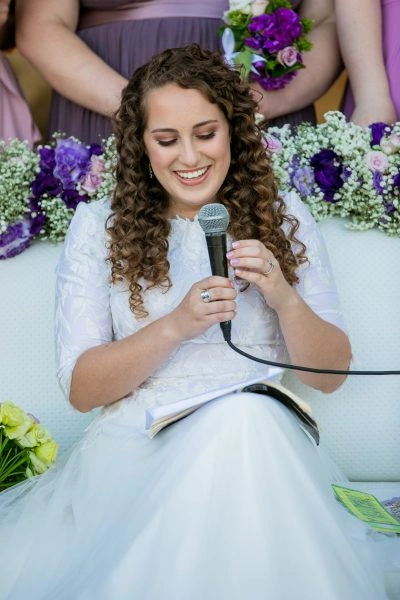
In my Shana bet at Migdal Oz I attended the Hadran siyum hash”as. Witnessing so many women so passionate about their Torah learning and connection to God, I knew I had to begin with the coming cycle. My wedding (June 24) was two weeks before the siyum of mesechet yoma so I went a little ahead and was able to make a speech and siyum at my kiseh kallah on my wedding day!

Sharona Guggenheim Plumb

Givat Shmuel, Israel

I started last year after completing the Pesach Sugiyot class. Masechet Yoma might seem like a difficult set of topics, but for me made Yom Kippur and the Beit HaMikdash come alive. Liturgy I’d always had trouble connecting with took on new meaning as I gained a sense of real people moving through specific spaces in particular ways. It was the perfect introduction; I am so grateful for Hadran!

Debbie Engelen-Eigles

Minnesota, United States

I start learning Daf Yomi in January 2020. The daily learning with Rabbanit Michelle has kept me grounded in this very uncertain time. Despite everything going on – the Pandemic, my personal life, climate change, war, etc… I know I can count on Hadran’s podcast to bring a smile to my face.
Deb Engel
Deb Engel

Los Angeles, United States

I began my journey two years ago at the beginning of this cycle of the daf yomi. It has been an incredible, challenging experience and has given me a new perspective of Torah Sh’baal Peh and the role it plays in our lives

linda kalish-marcus
linda kalish-marcus

Efrat, Israel

I started with Ze Kollel in Berlin, directed by Jeremy Borowitz for Hillel Deutschland. We read Masechet Megillah chapter 4 and each participant wrote his commentary on a Sugia that particularly impressed him. I wrote six poems about different Sugiot! Fascinated by the discussions on Talmud I continued to learn with Rabanit Michelle Farber and am currently taking part in the Tikun Olam course.
Yael Merlini
Yael Merlini

Berlin, Germany

Inspired by Hadran’s first Siyum ha Shas L’Nashim two years ago, I began daf yomi right after for the next cycle. As to this extraordinary journey together with Hadran..as TS Eliot wrote “We must not cease from exploration and the end of all our exploring will be to arrive where we began and to know the place for the first time.

Susan Handelman
Susan Handelman

Jerusalem, Israel

I started Daf during the pandemic. I listened to a number of podcasts by various Rebbeim until one day, I discovered Rabbanit Farbers podcast. Subsequently I joined the Hadran family in Eruvin. Not the easiest place to begin, Rabbanit Farber made it all understandable and fun. The online live group has bonded together and have really become a supportive, encouraging family.

Leah Goldford
Leah Goldford

Edmonton, Alberta, Canada

The first month I learned Daf Yomi by myself in secret, because I wasn’t sure how my husband would react, but after the siyyum on Masechet Brachot I discovered Hadran and now sometimes my husband listens to the daf with me. He and I also learn mishnayot together and are constantly finding connections between the different masechtot.

Laura Warshawsky
Laura Warshawsky

Silver Spring, Maryland, United States

Jill Shames
Jill Shames

Jerusalem, Israel

It happened without intent (so am I yotzei?!) – I watched the women’s siyum live and was so moved by it that the next morning, I tuned in to Rabbanit Michelle’s shiur, and here I am, still learning every day, over 2 years later. Some days it all goes over my head, but others I grasp onto an idea or a story, and I ‘get it’ and that’s the best feeling in the world. So proud to be a Hadran learner.

Jeanne Yael Klempner

Zichron Yaakov, Israel

I started learning Gemara at the Yeshivah of Flatbush. And I resumed ‘ברוך ה decades later with Rabbanit Michele at Hadran. I started from Brachot and have had an exciting, rewarding experience throughout seder Moed!

Anne Mirsky (1)
Anne Mirsky

Maale Adumim, Israel

I’ve been wanting to do Daf Yomi for years, but always wanted to start at the beginning and not in the middle of things. When the opportunity came in 2020, I decided: “this is now the time!” I’ve been posting my journey daily on social media, tracking my progress (#DafYomi); now it’s fully integrated into my daily routines. I’ve also inspired my partner to join, too!

Joséphine Altzman
Joséphine Altzman

Teaneck, United States

I am a Reform rabbi and took Talmud courses in rabbinical school, but I knew there was so much more to learn. It felt inauthentic to serve as a rabbi without having read the entire Talmud, so when the opportunity arose to start Daf Yomi in 2020, I dove in! Thanks to Hadran, Daf Yomi has enriched my understanding of rabbinic Judaism and deepened my love of Jewish text & tradition. Todah rabbah!

Rabbi Nicki Greninger

California, United States

I began my journey with Rabbanit Michelle more than five years ago. My friend came up with a great idea for about 15 of us to learn the daf and one of us would summarize weekly what we learned.
It was fun but after 2-3 months people began to leave. I have continued. Since the cycle began Again I have joined the Teaneck women.. I find it most rewarding in so many ways. Thank you

Dena Heller
Dena Heller

New Jersey, United States

I was moved to tears by the Hadran Siyyum HaShas. I have learned Torah all my life, but never connected to learning Gemara on a regular basis until then. Seeing the sheer joy Talmud Torah at the siyyum, I felt compelled to be part of it, and I haven’t missed a day!
It’s not always easy, but it is so worthwhile, and it has strengthened my love of learning. It is part of my life now.

Michelle Lewis
Michelle Lewis

Beit Shemesh, Israel

After experiences over the years of asking to join gemara shiurim for men and either being refused by the maggid shiur or being the only women there, sometimes behind a mechitza, I found out about Hadran sometime during the tail end of Masechet Shabbat, I think. Life has been much better since then.

Madeline Cohen
Madeline Cohen

London, United Kingdom

At almost 70 I am just beginning my journey with Talmud and Hadran. I began not late, but right when I was called to learn. It is never too late to begin! The understanding patience of staff and participants with more experience and knowledge has been fabulous. The joy of learning never stops and for me. It is a new life, a new light, a new depth of love of The Holy One, Blessed be He.
Deborah Hoffman-Wade

Richmond, CA, United States

Margo
I started my Talmud journey in 7th grade at Akiba Jewish Day School in Chicago. I started my Daf Yomi journey after hearing Erica Brown speak at the Hadran Siyum about marking the passage of time through Daf Yomi.

Carolyn
I started my Talmud journey post-college in NY with a few classes. I started my Daf Yomi journey after the Hadran Siyum, which inspired both my son and myself.

Carolyn Hochstadter and Margo Kossoff Shizgal

Merion Station,  USA

Beit Shemesh, Israel

Kiddushin 75

כֹּל שֶׁאַתָּה נוֹשֵׂא בִּתּוֹ – אַתָּה נוֹשֵׂא אַלְמְנָתוֹ. וְכֹל שֶׁאִי אַתָּה נוֹשֵׂא בִּתּוֹ – אִי אַתָּה נוֹשֵׂא אַלְמְנָתוֹ.

Anyone whose daughter you may marry, you may marry his widow. If a priest is permitted to marry someone’s daughter, he is likewise permitted to marry that person’s widow; she has not become disqualified to marry a priest by having engaged in sexual intercourse with her husband. And anyone whose daughter you may not marry, you may not marry his widow either.

מַאי אִיכָּא בֵּין תַּנָּא קַמָּא וּבֵין רַבִּי יוֹסֵי? אָמַר רַבִּי יוֹחָנָן: מִצְרִי שֵׁנִי אִיכָּא בֵּינַיְיהוּ. וּשְׁנֵיהֶם לֹא לְמָדוּהָ אֶלָּא מִכֹּהֵן גָּדוֹל בְּאַלְמָנָה,

The Gemara asks: What difference is there between the first tanna of the mishna and Rabbi Yosei, as they appear to be saying the same thing? Rabbi Yoḥanan says: The practical difference between them concerns a Jewish woman who engaged in intercourse with a second-generation Egyptian. The Torah prohibits Egyptian converts and their children from entering into the congregation by marriage, but the grandchildren of the Egyptian convert, i.e., the third generation, are permitted to marry Jews with unflawed lineage. And both of them learned their respective opinions only from the halakha of a High Priest who engaged in intercourse with a widow, although they derived the halakha in different ways.

דְּתַנָּא קַמָּא סָבַר: כִּי כֹּהֵן גָּדוֹל בְּאַלְמָנָה. מָה כֹּהֵן גָּדוֹל בְּאַלְמָנָה שֶׁבִּיאָתוֹ בַּעֲבֵירָה וּפוֹסֵל בָּהּ, אַף כֹּל שֶׁבִּיאָתוֹ בַּעֲבֵירָה – פּוֹסֵל.

How so? As the first tanna holds that this case is like that of a High Priest who engages in sexual intercourse with a widow: Just as with regard to a High Priest who engages in intercourse with a widow, his act of intercourse with her is performed by means of a transgression and he disqualifies her from marrying into the priesthood, so too anyone whose act of intercourse is by means of a transgression, such as a second-generation Egyptian who engages in intercourse with a Jewish woman, likewise disqualifies her from marrying into the priesthood.

וְרַבִּי יוֹסֵי סָבַר: כִּי כֹהֵן גָּדוֹל בְּאַלְמָנָה. מָה כֹּהֵן גָּדוֹל בְּאַלְמָנָה שֶׁזַּרְעוֹ פָּסוּל וּפוֹסֵל, אַף כֹּל שֶׁזַּרְעוֹ פָּסוּל – פּוֹסֵל. לְאַפּוֹקֵי מִצְרִי שֵׁנִי שֶׁאֵין זַרְעוֹ פָּסוּל, דְּאָמַר קְרָא: ״בָּנִים אֲשֶׁר יִוָּלְדוּ לָהֶם דּוֹר שְׁלִישִׁי יָבֹא לָהֶם בִּקְהַל ה׳״.

And Rabbi Yosei holds that the derivation is as follows: It is like a High Priest who engages in sexual intercourse with a widow: Just as with regard to a High Priest who engages in intercourse with a widow, whose offspring is unfit for the priesthood, as they have the status of a ḥalal, and he similarly disqualifies her from marrying a priest by engaging in intercourse with her, so too, anyone whose offspring is unfit for the priesthood also disqualifies her from marrying a priest by engaging in intercourse with her. This comparison serves to exclude a second-generation Egyptian, whose offspring is not unfit, as the verse states: “The children of the third generation that are born to them may enter into the congregation of the Lord” (Deuteronomy 23:9). Therefore, a second-generation Egyptian does not disqualify a woman with whom he engages in intercourse from marrying a priest.

רַבָּן שִׁמְעוֹן בֶּן גַּמְלִיאֵל אוֹמֵר: כֹּל שֶׁאַתָּה נוֹשֵׂא בִּתּוֹ – אַתָּה נוֹשֵׂא אַלְמְנָתוֹ, וְכֹל שֶׁאִי אַתָּה נוֹשֵׂא אֶת בִּתּוֹ – אִי אַתָּה נוֹשֵׂא אַלְמְנָתוֹ. מַאי אִיכָּא בֵּין רַבִּי יוֹסֵי לְרַבָּן שִׁמְעוֹן בֶּן גַּמְלִיאֵל? אָמַר עוּלָּא: גֵּר עַמּוֹנִי וּמוֹאָבִי אִיכָּא בֵּינַיְיהוּ. וּשְׁנֵיהֶם לֹא לְמָדוּהָ אֶלָּא מִכֹּהֵן גָּדוֹל בְּאַלְמָנָה.

The baraita also taught that Rabban Shimon ben Gamliel says: Anyone whose daughter you may marry, you may marry his widow. And anyone whose daughter you may not marry, you may not marry his widow either. The Gemara asks: What difference is there between the opinions of Rabbi Yosei and Rabban Shimon ben Gamliel? They seem to be stating the same halakha. Ulla said: The difference between them involves a male Ammonite convert and a male Moabite convert. According to the opinion of Rabbi Yosei, male Ammonite and Moabite converts disqualify a woman with whom they engage in sexual intercourse from marrying a priest, whereas Rabban Shimon ben Gamliel says they do not disqualify her. And both of them learned their respective opinions only from the halakha of a High Priest who engaged in intercourse with a widow, although they derived the halakha in different ways.

דְּרַבִּי יוֹסֵי סָבַר: כִּי כֹּהֵן גָּדוֹל בְּאַלְמָנָה. מָה כֹּהֵן גָּדוֹל בְּאַלְמָנָה שֶׁזַּרְעוֹ פָּסוּל – וּפוֹסֵל, אַף כֹּל שֶׁזַּרְעוֹ פָּסוּל – פּוֹסֵל.

How so? As Rabbi Yosei holds that this case is like that of a High Priest who engages in intercourse with a widow: Just as with regard to a High Priest who engages in sexual intercourse with a widow, the halakha is that his offspring are unfit for the priesthood, as they have the status of a ḥalal, and he similarly disqualifies her from marrying a priest by engaging in intercourse with her, so too, anyone whose offspring is unfit for the priesthood, including a male Ammonite or Moabite convert, also disqualifies her from marrying a priest by engaging in intercourse with her.

וְרַבָּן שִׁמְעוֹן בֶּן גַּמְלִיאֵל: כְּכֹהֵן גָּדוֹל בְּאַלְמָנָה. מָה כֹּהֵן גָּדוֹל בְּאַלְמָנָה שֶׁכׇּל זַרְעוֹ פָּסוּל, אַף כֹּל שֶׁכׇּל זַרְעוֹ פָּסוּל, אֲפִילּוּ נְקֵבוֹת, לְאַפּוֹקֵי גֵּר עַמּוֹנִי וּמוֹאָבִי דִּנְקֵבוֹת הָווּ כְּשֵׁרוֹת לָבֹא בַּקָּהָל. דְּאָמַר מָר: עַמּוֹנִי וְלֹא עַמּוֹנִית, מוֹאָבִי וְלֹא מוֹאָבִית.

And Rabban Shimon ben Gamliel holds that the derivation is as follows: It is like a High Priest who engages in sexual intercourse with a widow. Just as with regard to a High Priest who engages in intercourse with a widow, as all his offspring are unfit, the females as well as the males, and he disqualifies her by engaging in intercourse with her, so too, everyone about whom the halakha is that all his offspring are unfit, even the females, disqualifies a woman with whom he engages in intercourse from marrying a priest. This comparison serves to exclude a male Ammonite or Moabite convert, as the females born to them are fit to enter into the congregation. As the Master said: An Ammonite man is prohibited from entering into the congregation, but not an Ammonite woman; similarly a Moabite man is prohibited from doing so, but not a Moabite woman.

אָמַר רַב חִסְדָּא: הַכֹּל מוֹדִים בְּאַלְמְנַת עִיסָּה שֶׁפְּסוּלָה לַכְּהוּנָּה. מַאן מֵיקֵל בְּהָנֵי תַּנָּאֵי – רַבָּן שִׁמְעוֹן בֶּן גַּמְלִיאֵל, וְקָאָמַר: כֹּל שֶׁאַתָּה נוֹשֵׂא בִּתּוֹ – אַתָּה נוֹשֵׂא אַלְמְנָתוֹ, וְכֹל שֶׁאִי אַתָּה נוֹשֵׂא בִּתּוֹ – אִי אַתָּה נוֹשֵׂא אַלְמְנָתוֹ. לְמַעוֹטֵי מַאי? לְמַעוֹטֵי אַלְמְנַת עִיסָּה שֶׁפְּסוּלָה לַכְּהוּנָּה.

Rav Ḥisda says: All concede with regard to a widow of questionable lineage, i.e., a widow whose husband was possibly a ḥalal, that she is unfit to marry into the priesthood. The Gemara explains: Who is the most lenient of these tanna’im? It is Rabban Shimon ben Gamliel, and he says: Anyone whose daughter you may marry, you may marry his widow; and anyone whose daughter you may not marry, you may not marry his widow either. He said the latter clause to exclude what? It is to exclude a widow of questionable lineage; and it teaches that she is unfit to marry into the priesthood, since the daughter of one who was possibly a ḥalal is prohibited from marrying a priest.

לְאַפּוֹקֵי מִדְּהָנֵי תַּנָּאֵי דִּתְנַן: הֵעִיד רַבִּי יְהוֹשֻׁעַ וְרַבִּי יְהוּדָה בֶּן בְּתֵירָא עַל אַלְמְנַת עִיסָּה שֶׁכְּשֵׁירָה לַכְּהוּנָּה. מַאי טַעְמָא – הָוֵי סְפֵק סְפֵיקָא, וּסְפֵק סְפֵיקָא לְקוּלָּא.

The Gemara comments: This statement of Rav Ḥisda serves to exclude the opinion of these following tanna’im. As we learned in a mishna (Eduyyot 8:3): Rabbi Yehoshua and Rabbi Yehuda ben Beteira testified with regard to a widow of questionable lineage, that she is fit to marry into the priesthood. What is the reason for this lenient ruling? It is a case of a compound uncertainty, and the principle is that in a case of a compound uncertainty the ruling is to be lenient.

וַדָּאָן בְּוַדָּאָן מוּתָּר. אָמַר רַב יְהוּדָה אָמַר רַב: הֲלָכָה כְּרַבִּי אֱלִיעֶזֶר. כִּי אַמְרִיתַהּ קַמֵּיהּ דִּשְׁמוּאֵל אֲמַר לִי: הִלֵּל שׁוֹנֶה: עֲשָׂרָה יוּחֲסִים עָלוּ מִבָּבֶל וְכוּלָּם מוּתָּרִים לָבֹא זֶה בָּזֶה, וְאַתְּ אָמְרַתְּ הֲלָכָה כְּרַבִּי אֱלִיעֶזֶר?!

§ The mishna teaches that according to Rabbi Eliezer, it is permitted for those with definite flaws to marry with those with definite flaws. For example, it is permitted for mamzerim and Gibeonites to marry each other. By contrast, it is prohibited for those with definite flaws to marry with those whose flaws result from an uncertainty, and it is also prohibited for those whose flaws result from an uncertainty to marry those whose flaws result from an uncertainty. Rav Yehuda says that Rav says: The halakha is in accordance with the opinion of Rabbi Eliezer. Rav Yehuda added: When I said that halakha in front of Shmuel, he said to me: Hillel the Elder teaches the mishna as stating: Jews with ten types of lineage ascended from Babylonia, and all of them, i.e., all of those who may not enter into the congregation, even those whose flaws result from an uncertainty, are permitted to marry into each other’s families; and you said the halakha is in accordance with the opinion of Rabbi Eliezer?

וּרְמִי דְּרַב אַדְּרַב וּרְמִי דִּשְׁמוּאֵל אַדִּשְׁמוּאֵל, דְּאִיתְּמַר: אֲרוּסָה שֶׁעִיבְּרָה, רַב אָמַר: הַוָּלָד מַמְזֵר. וּשְׁמוּאֵל אָמַר: הַוָּלָד שְׁתוּקִי.

The Gemara comments: And a contradiction can be raised from this statement of Rav against another statement of Rav, and similarly a contradiction can be raised from this statement of Shmuel against another statement of Shmuel. As it was stated that they had the following dispute: With regard to a betrothed woman who became pregnant during her period of betrothal, and it is unknown whether it was her betrothed or someone else who impregnated her, Rav says that the offspring is a mamzer. The assumption is that she was impregnated by a different man and that the child is the offspring of a betrothed woman and a man other than her betrothed. And Shmuel says that the offspring is a shetuki, since there is no proof that it is a mamzer; she might have been impregnated by her betrothed.

רַב אָמַר: הַוָּלָד מַמְזֵר וּמוּתָּר בְּמַמְזֶרֶת, וּשְׁמוּאֵל אָמַר: הַוָּלָד שְׁתוּקִי וְאָסוּר בְּמַמְזֶרֶת. אֵיפוֹךְ, רַב אָמַר: הַוָּלָד שְׁתוּקִי, וּשְׁמוּאֵל אָמַר: הַוָּלָד מַמְזֵר.

The Gemara explains their respective opinions: Rav says the offspring is a mamzer and is therefore permitted to marry a mamzeret; and Shmuel says the offspring is a shetuki and is prohibited to marry a mamzeret. It is seen here that Shmuel prohibits one whose flaw results from an uncertainty from marrying one with definite mamzer status, whereas Rav permits such a person to marry one with definite mamzer status. This contradicts their earlier statements, in which Rav prohibited one whose flaw results from an uncertainty from marrying one with definite mamzer status and Shmuel permitted it. The Gemara answers: Reverse the opinions in this dispute, so that Rav is the one who says: The offspring is a shetuki and is prohibited to marry a mamzeret; and Shmuel says: The offspring is a mamzer and may marry a mamzeret.

תַּרְתֵּי לְמָה לִי? צְרִיכָא, דְּאִי אִיתְּמַר בְּהָא, בְּהָא קָאָמַר רַב מִשּׁוּם דְּרוֹב כְּשֵׁרִים אֶצְלָהּ. אֲבָל הָתָם, דְּרוֹב פְּסוּלִים אֶצְלָהּ, אֵימָא מוֹדֵי לִשְׁמוּאֵל.

The Gemara asks: If so, why do I need two instances of the same dispute? The Gemara answers: It is necessary to state the dispute twice, because if it were stated only with regard to that mishna, which discusses an unmarried woman whose offspring is a shetuki, one could have said: It was with regard to that case that Rav states his opinion, because the majority are fit with regard to her and only a minority of men are those who are forbidden to her as relatives or are those who are disqualified from entering into the congregation. But there, in the case of a betrothed woman who became pregnant, where the majority are unfit with regard to her and she is forbidden to everyone other than her betrothed, one might say that Rav concedes to Shmuel that her child is a definite mamzer.

וְאִי אִיתְּמַר בְּהָךְ, בְּהָא קָאָמַר רַב – מִשּׁוּם דְּאִיכָּא לְמִיתְלְ[יַ]הּ בְּאָרוּס, אֲבָל בְּהָא אֵימָא מוֹדֵי לִשְׁמוּאֵל, צְרִיכָא.

And conversely, if it was stated only in this case of a betrothed woman, one could have said it was with regard to this case that Rav states the offspring is a shetuki, because it is most reasonable to ascribe the pregnancy to the betrothed man, which would mean that the offspring is not a mamzer, but in that case of an unmarried woman, one might say that he agrees with Shmuel that the child is considered to be a definite mamzer. It is therefore necessary to state both cases.

וְאִי בָּעֵית אֵימָא: לְעוֹלָם לָא תֵּיפוֹךְ, וּמַאי מַמְזֵר דְּקָאָמַר רַב – לָאו מוּתָּר בְּמַמְזֶרֶת, אֶלָּא דְּאָסוּר בְּבַת יִשְׂרָאֵל. וּשְׁמוּאֵל אָמַר: הַוָּלָד שְׁתוּקִי, דְּאָסוּר בְּבַת יִשְׂרָאֵל. אִי הָכִי הַיְינוּ דְּרַב! אֶלָּא: מַאי שְׁתוּקִי – שֶׁמְּשַׁתְּקִין אוֹתוֹ מִדִּין כְּהוּנָּה.

And if you wish, say: Actually, do not reverse the opinions, and what is the meaning of the term mamzer that Rav is saying? It does not signify that this offspring is permitted to marry a mamzeret, but merely that he is prohibited from marrying a Jewish woman. And when Shmuel says the offspring is a shetuki, he meant that he is prohibited from marrying a Jewish woman. The Gemara asks: If so, that is the same as Rav. Rather, what is the meaning of the term shetuki in Shmuel’s statement? It is that one silences [meshattekin] him, i.e., disqualifies him, from the halakha of the priesthood. In other words, even if the betrothed man was a priest, the child is not considered a priest.

פְּשִׁיטָא, הַשְׁתָּא מִדִּין יִשְׂרָאֵל מְשַׁתְּקִינַן לֵיהּ, מִדִּין כְּהוּנָּה מִיבְּעֵי?! אֶלָּא: מַאי שְׁתוּקִי – שֶׁמְּשַׁתְּקִין אוֹתוֹ מִנִּכְסֵי אָבִיו. פְּשִׁיטָא, מִי יָדְעִינַן אֲבוּהּ מַנּוּ? לָא צְרִיכָא, דִּתְפַס.

The Gemara questions this: Isn’t this obvious? Now, if one silences him from the halakha of a Jew with unflawed lineage, and he is not allowed to enter into the congregation, is it necessary to say that he is silenced from the halakha of the priesthood? Rather, what is the meaning of shetuki in Shmuel’s statement? It is that one silences him from his presumed father’s property, i.e., he does not inherit from him. The Gemara again questions: This too is obvious; do we know who his father is? The Gemara answers: No, it is necessary in a case where this son seized possession of the property of the betrothed man, claiming that the betrothed man is his father. It is with regard to such a scenario that Shmuel said that the property is taken away from him, and one does not say that the burden of proof rests upon the other inheritors to demonstrate conclusively that the betrothed man is not his father.

וְאִי בָּעֵית אֵימָא: מַאי שְׁתוּקִי – בְּדוּקִי, שֶׁבּוֹדְקִים אֶת אִמּוֹ וְאוֹמֶרֶת: ״לְכָשֵׁר נִבְעַלְתִּי״ – נֶאֱמֶנֶת. כְּמַאן – כְּרַבָּן גַּמְלִיאֵל? הָאָמַר שְׁמוּאֵל חֲדָא זִימְנָא, דִּתְנַן: הָיְתָה מְעוּבֶּרֶת, וְאָמְרוּ לָהּ: מָה טִיבוֹ שֶׁל עוּבָּר זֶה? מֵאִישׁ פְּלוֹנִי וְכֹהֵן הוּא – רַבָּן גַּמְלִיאֵל וְרַבִּי אֱלִיעֶזֶר אוֹמְרִים: נֶאֱמֶנֶת. רַבִּי יְהוֹשֻׁעַ אוֹמֵר: אֵינָהּ נֶאֱמֶנֶת. וְאָמַר רַב יְהוּדָה אָמַר שְׁמוּאֵל: הֲלָכָה כְּרַבָּן גַּמְלִיאֵל!

And if you wish, say: What is the meaning of shetuki in Shmuel’s statement? It means beduki, meaning that they examine his mother, and if she says: I engaged in sexual intercourse with a man with unflawed lineage, she is deemed credible. The Gemara asks: In accordance with whose opinion is this halakha? Is it in accordance with the opinion of Rabban Gamliel? But didn’t Shmuel already say it once? As we learned in a mishna (Ketubot 13a): If an unmarried woman was pregnant, and people said to her: What is the status of this fetus? And she said to them: It is from soandso, and he is a priest; Rabban Gamliel and Rabbi Eliezer say: She is deemed credible; and Rabbi Yehoshua says: She is not deemed credible. And Rav Yehuda says that Shmuel says: The halakha is in accordance with the opinion of Rabban Gamliel. This shows that Shmuel had already issued an explicit ruling in Rabban Gamliel’s favor; why did he repeat himself?

צְרִיכָא, דְּאִי מֵהָתָם הֲוָה אָמֵינָא: הָתָם רוֹב כְּשֵׁירִים אֶצְלָהּ, אֲבָל הָכָא דְּרוֹב פְּסוּלִים אֶצְלָהּ, אֵימָא לָא, צְרִיכָא.

The Gemara answers: It is necessary for Shmuel to rule twice. As, if he had learned it only from there, from the mishna discussing an unmarried pregnant woman, I would say he rules that way there, when the majority are fit with regard to her, as her unmarried status means that the offspring resulting from sexual intercourse with most men would be of unflawed lineage. But here, in the case of a betrothed woman, when the majority of men are unfit with regard to her, as she is forbidden to everyone other than her betrothed, you might say that she should not be deemed credible to say she engaged in intercourse with the betrothed man. It is therefore necessary for Shmuel to state his ruling twice.

תַּנְיָא: וְכֵן רַבִּי אֶלְעָזָר אוֹמֵר: כּוּתִי לֹא יִשָּׂא כּוּתִית. מַאי טַעְמָא? אָמַר רַב יוֹסֵף: עֲשָׂאוּהוּ כְּגֵר לְאַחַר עֲשָׂרָה דּוֹרוֹת, דְּתַנְיָא: גֵּר, עַד עֲשָׂרָה דּוֹרוֹת – מוּתָּר בְּמַמְזֶרֶת, מִכָּאן וְאֵילָךְ – אָסוּר בְּמַמְזֶרֶת.

§ It is taught in a baraita (Tosefta 5:2): And similarly Rabbi Elazar says: A Samaritan man may not marry a Samaritan woman. The Gemara asks: What is the reason for this? Rav Yosef said: The Sages established him to be like the descendant of a convert, after ten generations. As it is taught in a baraita: With regard to the descendant of a convert, he is permitted to marry a mamzeret if he is within ten generations of both parents being descendants of converts; from this point forward the descendant of a convert is prohibited from marrying a mamzeret, as people no longer remember that he has the lineage of a convert.

וְיֵשׁ אוֹמְרִים עַד שֶׁיִּשְׁתַּקֵּעַ שֵׁם עֲבוֹדָה זָרָה מִמֶּנּוּ.

The baraita continues: And some say that the descendant of a convert is permitted to marry a mamzeret until the name of idol worship is forgotten from him, i.e., as long as people remember that his roots are from gentiles he remains permitted to marry a mamzeret, regardless of the passage of time. Rav Yosef understands that Rabbi Elazar regards a Samaritan as being like a convert after ten generations, who may not marry a mamzeret. Since Samaritans assimilated among the Jewish people and are no longer recognized by the public as having Samaritan lineage, they may not marry those of flawed lineage, including, presumably, other Samaritans.

אֲמַר לֵיהּ אַבָּיֵי: מִי דָּמֵי? הָתָם גֵּר יָשָׁן וּמַמְזֶרֶת חֲדָשָׁה, אָמְרִי: בַּר יִשְׂרָאֵל הוּא דְּקָא נָסֵיב מַמְזֶרֶת. הָכָא אִידֵּי וְאִידֵּי כִּי הֲדָדֵי נִינְהוּ. אֶלָּא: כִּי אֲתָא רַב דִּימִי, אָמַר: רַבִּי אֶלְעָזָר סָבַר לַהּ כְּרַבִּי יִשְׁמָעֵאל,

Abaye said to Rav Yosef: Is it comparable to the case of a convert? There, he is an old convert, i.e., the conversion occurred a long time ago, and she is a new mamzeret, i.e., her status as a mamzeret is known. Consequently, people who see him marrying a mamzeret will say: A Jewish man is marrying a mamzeret. Here, this and that, the two Samaritans, are the same as each other. If people consider the Samaritan man as being assimilated among the Jewish people, and consequently he may not marry a woman of flawed lineage, the Samaritan woman should likewise be considered a Jew of unflawed lineage. Rather, the Gemara rejects the previous explanation in favor of the following: When Rav Dimi came from Eretz Yisrael he said: Rabbi Elazar holds in accordance with the opinion of Rabbi Yishmael,

וְרַבִּי יִשְׁמָעֵאל סָבַר לַהּ כְּרַבִּי עֲקִיבָא. רַבִּי אֶלְעָזָר סָבַר לַהּ כְּרַבִּי יִשְׁמָעֵאל, דְּאָמַר: כּוּתִים גֵּירֵי אֲרָיוֹת הֵם. וְרַבִּי יִשְׁמָעֵאל סָבַר לַהּ כְּרַבִּי עֲקִיבָא, דְּאָמַר: נׇכְרִי וְעֶבֶד הַבָּא עַל בַּת יִשְׂרָאֵל – הַוָּלָד מַמְזֵר.

and Rabbi Yishmael holds in accordance with the opinion of Rabbi Akiva concerning a different halakha. The Gemara clarifies: Rabbi Elazar holds in accordance with the opinion of Rabbi Yishmael, who says: Samaritans are lion converts, i.e., they converted out of fear of being attacked by lions for worshipping idols in Eretz Yisrael. They were never converts for the sake of Heaven, but remained gentiles according to halakha. And Rabbi Yishmael holds in accordance with the opinion of Rabbi Akiva, who says: In the case of a gentile or a Canaanite slave who engaged in sexual intercourse with a Jewish woman, the offspring is a mamzer. Since over the generations Jews assimilated with Samaritans, who have the status of gentiles, the descendants of those Jews who married Samaritans have the status of uncertain mamzerim.

וּמִי סָבַר לָהּ רַבִּי יִשְׁמָעֵאל כְּרַבִּי עֲקִיבָא? וְהָאָמַר רַבִּי יוֹחָנָן מִשּׁוּם רַבִּי יִשְׁמָעֵאל: מִנַּיִן לְנׇכְרִי וְעֶבֶד שֶׁבָּאוּ עַל הַכֹּהֶנֶת וְעַל הַלְוִיָּה וְעַל בַּת יִשְׂרָאֵל שֶׁפְּסָלוּהָ? שֶׁנֶּאֱמַר: ״וּבַת כֹּהֵן כִּי תִהְיֶה אַלְמָנָה וּגְרוּשָׁה וְזֶרַע אֵין לָהּ״

The Gemara asks: But does Rabbi Yishmael hold in accordance with the opinion of Rabbi Akiva in this matter? But doesn’t Rabbi Yoḥanan say in the name of Rabbi Yishmael: From where is it derived with regard to a gentile or a Canaanite slave who engaged in sexual intercourse with the daughter of a priest, or with the daughter of a Levite, or with the daughter of an Israelite, that they have disqualified her from marrying a priest? It is as it is stated: “But if a priest’s daughter is a widow, or divorced, and has no child, and is returned to her father’s house, as in her youth, she may eat of her father’s bread” (Leviticus 22:13).

– מִי שֶׁיֵּשׁ לוֹ אַלְמְנוּת וְגֵרוּשִׁין, יָצָא נׇכְרִי וְעֶבֶד שֶׁאֵין לוֹ אַלְמְנוּת וְגֵרוּשִׁין.

He explains: It is only if she was married to one who has the halakhot of widowhood and divorce, meaning a Jew, that she can return to her father’s house and partake of teruma. This serves to exclude a gentile or a Canaanite slave, who do not have the halakhot of widowhood and divorce; if the daughter of a priest engages in intercourse with such a man, she may no longer partake of teruma.

וְאִי סָלְקָא דַּעְתָּךְ סָבַר לַהּ כְּרַבִּי עֲקִיבָא, הַשְׁתָּא מַמְזֵר הָוֵי, מִיפְסַל בְּבִיאָתוֹ מִיבַּעְיָא?!

And if it enters your mind that Rabbi Yishmael holds in accordance with the opinion of Rabbi Akiva that the offspring of a Jewish woman and a gentile or a slave is a mamzer, what need is there for this proof? Now that he holds that the offspring from a gentile is a mamzer, is it necessary to state that the gentile or slave disqualifies her from marrying a priest by engaging in intercourse with her?

אֶלָּא, רַבִּי אֶלְעָזָר סָבַר לַהּ כְּרַבִּי יִשְׁמָעֵאל, דְּאָמַר: כּוּתִים גֵּירֵי אֲרָיוֹת. וְסָבַר לַהּ כְּרַבִּי עֲקִיבָא דְּאָמַר: נׇכְרִי וְעֶבֶד הַבָּא עַל בַּת יִשְׂרָאֵל הַוָּלָד מַמְזֵר.

Rather, the Gemara explains as follows: Rabbi Elazar holds in accordance with the opinion of Rabbi Yishmael, who says: Samaritans are lion converts, and Rabbi Elazar himself also holds in accordance with the opinion of Rabbi Akiva, who says: If a gentile or a Canaanite slave engaged in sexual intercourse with a Jewish woman, the offspring is a mamzer.

וּמִי סָבַר לַהּ רַבִּי אֶלְעָזָר כְּרַבִּי עֲקִיבָא? וְהָאָמַר רַבִּי אֶלְעָזָר: אַף עַל פִּי שֶׁנֶּחְלְקוּ בֵּית שַׁמַּאי וּבֵית הִילֵּל בְּצָרוֹת מוֹדִים שֶׁאֵין מַמְזֵר אֶלָּא מִמִּי שֶׁאִיסּוּרוֹ אִיסּוּר עֶרְוָה וְעָנוּשׁ כָּרֵת!

The Gemara asks: But does Rabbi Elazar hold in accordance with the opinion of Rabbi Akiva? But doesn’t Rabbi Elazar say: Although Beit Shammai and Beit Hillel disagreed with regard to the halakha of rival wives, as to whether the rival wife of a yevama who is a forbidden relative of the yavam is obligated in or exempt from levirate marriage, they concede that a mamzer is only the offspring born from one whose prohibition is a prohibition of forbidden relatives and punishable by karet. Since engaging in intercourse with a gentile or a Canaanite slave is not punishable by karet, Rabbi Elazar would agree that the child of such a union is not a mamzer.

אֶלָּא, כִּי אֲתָא רָבִין אָמַר רַבִּי חִיָּיא בַּר אַבָּא אָמַר רַבִּי יוֹחָנָן, וְאָמְרִי לַהּ אָמַר רַבִּי אַבָּא בַּר זַבְדָּא אָמַר רַבִּי חֲנִינָא, וְאָמְרִי לָהּ אָמַר רַבִּי יַעֲקֹב בַּר אִידֵּי אָמַר רַבִּי יְהוֹשֻׁעַ בֶּן לֵוִי: שָׁלֹשׁ מַחְלוֹקוֹת בַּדָּבָר.

Rather, when Rabin came from Eretz Yisrael to Babylonia, he reported that Rabbi Ḥiyya bar Abba says that Rabbi Yoḥanan says, and some say that it was Rabbi Abba bar Zavda who says that Rabbi Ḥanina says and some say it was Rabbi Ya’akov bar Idi who says that Rabbi Yehoshua ben Levi says: There are three divisions of opinions with regard to the matter.

רַבִּי יִשְׁמָעֵאל סָבַר: כּוּתִים גֵּירֵי אֲרָיוֹת הֵן, וְכֹהֲנִים שֶׁנִּטְמְעוּ בָּהֶם – כֹּהֲנִים פְּסוּלִים הָיוּ, שֶׁנֶּאֱמַר: ״וְיַעֲשׂוּ לָהֶם מִקְצוֹתָם כֹּהֲנֵי בָמוֹת״, וְאָמַר רַבָּה בַּר בַּר חָנָה אָמַר רַבִּי יוֹחָנָן: מִן הַקּוֹצִים שֶׁבָּעָם. וּמִשּׁוּם הָכִי פַּסְלִינְהוּ.

Rabbi Yishmael holds that Samaritans are lion converts, and the priests who assimilated among them were unfit priests, as it is stated: “And made unto them from among themselves priests of the high places” (II Kings 17:32). And Rabba bar bar Ḥana says that Rabbi Yoḥanan says: What is the meaning of “from among themselves”? From the thorns that are among the Jewish people, meaning those of flawed lineage. And it was due to that reason that the Sages disqualified them, not due to the Samaritans themselves, who are gentiles, but due to the Jews of flawed lineage who are assimilated among them. When a Samaritan seeks to marry another Samaritan, it is possible that one of them is a Jew of flawed lineage.

וְרַבִּי עֲקִיבָא סָבַר: כּוּתִים גֵּירֵי אֱמֶת הֵן, וְכֹהֲנִים שֶׁנִּטְמְעוּ בָּהֶן – כֹּהֲנִים כְּשֵׁרִים הָיוּ, שֶׁנֶּאֱמַר: ״וְיַעֲשׂוּ לָהֶם מִקְצוֹתָם כֹּהֲנֵי בָמוֹת״, וְאָמַר רַבָּה בַּר בַּר חָנָה אָמַר רַבִּי יוֹחָנָן: מִן הַבְּחִירִים שֶׁבָּעָם. וְאֶלָּא מִפְּנֵי מָה אֲסָרוּם – מִפְּנֵי שֶׁהָיוּ מְיַיבְּמִים אֶת הָאֲרוּסוֹת

And Rabbi Akiva holds: Samaritans are true converts, and the priests who assimilated among them were fit priests, as it is stated: “And made unto them from among themselves priests of the high places” (II Kings 17:32). And Rabba bar bar Ḥana says that Rabbi Yoḥanan says: “From among themselves” means from the chosen ones, the upper echelon of the Jewish people. And for what reason did the Sages prohibit them from entering into the congregation if there is no problem with regard to their conversion or with regard to the Jews who assimilated among them? It is because they did not act in accordance with the halakha, as they would perform levirate marriage with betrothed women. They would perform the mitzva of levirate marriage only with one who was widowed from a betrothal,

Want to follow content and continue where you left off?

Create an account today to track your progress, mark what you’ve learned, and follow the shiurim that speak to you.

Clear all items from this list?

This will remove ALL the items in this section. You will lose any progress or history connected to them. This is irreversible.

Cancel
Yes, clear all

Are you sure you want to delete this item?

You will lose any progress or history connected to this item.

Cancel
Yes, delete