Search

Sanhedrin 18

Want to dedicate learning? Get started here:

podcast placeholder

0:00
0:00


Summary

The High Priest (kohen gadol) and the king are subject to special legal considerations. The Mishna examines their unique status within the judicial system by addressing several key questions: Are they subject to judgment by courts? Can they serve as judges themselves? Are they qualified to serve as witnesses, and can others testify against them? While outlining these judicial matters, the Mishna also compares and contrasts other unique laws that apply to the king and the High Priest.

The Gemara then proceeds with a detailed analysis of these distinctions and regulations as presented in the Mishna.

Today’s daily daf tools:

Sanhedrin 18

מָאתַיִם וְשִׁבְעִים וְשִׁבְעָה.

The number of people needed in a city for it to be eligible for a lesser Sanhedrin is 277. This number is based on the opinion of Rabbi Neḥemya, who requires 230 men, but requires an additional 47 men in case it happens that the Sages of the court reach a situation where they are not able to arrive at a verdict, and pairs of judges need to be added, potentially increasing the number of judges on the court from 23 to 70, a maximum of 47 additional judges.

וְהָתַנְיָא, רַבִּי אוֹמֵר: מָאתַיִם שִׁבְעִים וּשְׁמֹנָה! לָא קַשְׁיָא: הָא – רַבִּי יְהוּדָה, הָא – רַבָּנַן.

The Gemara asks: But isn’t it taught in a baraita that Rabbi Yehuda HaNasi says: The number of men needed in a city for it to be eligible for a lesser Sanhedrin is 278? The Gemara answers: This is not difficult. This baraita that said Rabbi Yehuda HaNasi requires 277 residents is stated in accordance with the opinion of Rabbi Yehuda, who holds that there are 70 judges on the Great Sanhedrin, and this baraita that quoted the number as 278 is stated in accordance with the opinion of the Rabbis, who hold that there are 71.

תָּנוּ רַבָּנַן: ״וְשַׂמְתָּ עֲלֵיהֶם שָׂרֵי אֲלָפִים שָׂרֵי מֵאוֹת שָׂרֵי חֲמִשִּׁים וְשָׂרֵי עֲשָׂרֹת״. ״שָׂרֵי אֲלָפִים״ – שֵׁשׁ מֵאוֹת, ״שָׂרֵי מֵאוֹת״ – שֵׁשֶׁת אֲלָפִים, ״שָׂרֵי חֲמִשִּׁים״ – שְׁנֵים עָשָׂר אֶלֶף, ״שָׂרֵי עֲשָׂרוֹת״ – שֵׁשֶׁת רִיבּוֹא. נִמְצְאוּ דַּיָּינֵי יִשְׂרָאֵל שִׁבְעַת רִיבּוֹא וּשְׁמוֹנַת אֲלָפִים וְשֵׁשׁ מֵאוֹת.

Apropos the opinion of Rabbi Neḥemya, which links the issue of the lesser Sanhedrin with the appointment of the ministers in the wilderness, the Gemara relates: The Sages taught: The verse states: “And place over them ministers of thousands, ministers of hundreds, ministers of fifties, and ministers of tens” (Exodus 18:21). The number of ministers of thousands was 600, as there were 600,000 men in total; the number of ministers of hundreds was 6,000; of ministers of fifties, 12,000, and of ministers of tens, 60,000. Therefore, it is found that the total number of judges of the Jewish people was 78,600, and suitable people were found to fill all of these positions.

הֲדַרַן עֲלָךְ דִּינֵי מָמוֹנוֹת.

מַתְנִי׳ כֹּהֵן גָּדוֹל דָּן וְדָנִין אוֹתוֹ, מֵעִיד וּמְעִידִין אוֹתוֹ, חוֹלֵץ וְחוֹלְצִין לְאִשְׁתּוֹ, וּמְיַיבְּמִין אֶת אִשְׁתּוֹ. אֲבָל הוּא אֵינוֹ מְיַיבֵּם, מִפְּנֵי שֶׁהוּא אָסוּר בָּאַלְמָנָה.

MISHNA: The High Priest judges others if he is sufficiently wise, and others judge him when he transgresses. He testifies before the court and others testify concerning him. He performs ḥalitza with his brother’s widow and his brother performs ḥalitza with his wife; and his brother consummates levirate marriage with his wife. But he does not consummate levirate marriage with his brother’s widow, because it is prohibited for him to marry a widow (see Leviticus 21:14), and can therefore never fulfill the mitzva of levirate marriage, as a yevama is by definition a widow.

מֵת לוֹ מֵת, אֵינוֹ יוֹצֵא אַחַר הַמִּטָּה, אֶלָּא הֵן נִכְסִין וְהוּא נִגְלֶה, הֵן נִגְלִין וְהוּא נִכְסֶה, וְיוֹצֵא עִמָּהֶן עַד פֶּתַח שַׁעַר הָעִיר, דִּבְרֵי רַבִּי מֵאִיר.

If a relative of the High Priest dies, he does not follow the bier carrying the corpse, since it is prohibited for the High Priest to become ritually impure even for immediate relatives (see Leviticus 21:11). Rather, once the members of the funeral procession are concealed from sight by turning onto another street, he is revealed on the street they departed, and when they are revealed, then he is concealed, and in this way, he goes out with them until the entrance of the gate of the city, from where they would take out the corpse, since the dead were not buried in Jerusalem. This is the statement of Rabbi Meir.

רַבִּי יְהוּדָה אוֹמֵר: אֵינוֹ יוֹצֵא מִן הַמִּקְדָּשׁ, מִשּׁוּם שֶׁנֶּאֱמַר: ״וּמִן הַמִּקְדָּשׁ לֹא יֵצֵא״.

Rabbi Yehuda says: He does not emerge from the Temple at all for the burial of his relatives, as it is stated: “And from the Temple he shall not emerge and will not desecrate the Temple of his God; for the separateness of the oil of the anointment of his God is on him” (Leviticus 21:12).

וּכְשֶׁהוּא מְנַחֵם אֲחֵרִים, דֶּרֶךְ כׇּל הָעָם עוֹבְרִין בְּזֶה אַחַר זֶה, וְהַמְמוּנֶּה מְמַצְּעוֹ בֵּינוֹ לְבֵין הָעָם. וּכְשֶׁהוּא מִתְנַחֵם מֵאֲחֵרִים, כׇּל הָעָם אוֹמְרִים לוֹ: אֲנַחְנוּ כַּפָּרָתְךָ, וְהוּא אוֹמֵר לָהֶן: תִּתְבָּרְכוּ מִן הַשָּׁמַיִם. וּכְשֶׁמַּבְרִין אוֹתוֹ, כׇּל הָעָם מְסוּבִּין עַל הָאָרֶץ, וְהוּא מֵיסֵב עַל הַסַּפְסָל.

The mishna continues: And when he consoles others in their mourning when they return from burial, the way of all the people is that they pass by one after another and the mourners stand in a line and are consoled, and the appointed person stands in the middle, between the High Priest and the people. And when he is consoled by others in his mourning, all the people say to him: We are your atonement. And he says to them: May you be blessed from Heaven. And when they comfort him with the first meal after the burial of one of his relatives, all the people recline on the ground as if they are taking his mourning on themselves, and he reclines on the bench out of respect for his status as High Priest.

הַמֶּלֶךְ לֹא דָּן, וְלֹא דָּנִין אוֹתוֹ, לֹא מֵעִיד וְלֹא מְעִידִין אוֹתוֹ, לֹא חוֹלֵץ וְלֹא חוֹלְצִין לְאִשְׁתּוֹ, לֹא מְיַיבֵּם וְלֹא מְיַיבְּמִין לְאִשְׁתּוֹ. רַבִּי יְהוּדָה אוֹמֵר: אִם רָצָה לַחֲלוֹץ אוֹ לְיַיבֵּם – זָכוּר לַטּוֹב. אָמְרוּ לוֹ: אֵין שׁוֹמְעִין לוֹ.

The mishna continues, enumerating the halakhot pertaining to the king in similar matters: The king does not judge others as a member of a court and others do not judge him, he does not testify and others do not testify concerning him, he does not perform ḥalitza with his brother’s widow and his brother does not perform ḥalitza with his wife, and he does not consummate levirate marriage with his brother’s widow and his brother does not consummate levirate marriage with his wife, as all these actions are not fitting to the honor of his office. Rabbi Yehuda says: These are not restrictions, but his prerogative: If he desired to perform ḥalitza or to consummate levirate marriage, he is remembered for good, as this is to the benefit of his brother’s widow. The Sages said to him: They do not listen to him if he desires to do so, as this affects not only his own honor but that of the kingdom.

וְאֵין נוֹשְׂאִין אַלְמְנָתוֹ, רַבִּי יְהוּדָה אוֹמֵר: נוֹשֵׂא הַמֶּלֶךְ אַלְמְנָתוֹ שֶׁל מֶלֶךְ, שֶׁכֵּן מָצִינוּ בְּדָוִד שֶׁנָּשָׂא אַלְמְנָתוֹ שֶׁל שָׁאוּל, שֶׁנֶּאֱמַר: ״וָאֶתְּנָה לְךָ אֶת בֵּית אֲדֹנֶיךָ וְאֶת נְשֵׁי אֲדֹנֶיךָ בְּחֵיקֶךָ״.

And no one may marry a king’s widow, due to his honor. Rabbi Yehuda says: Another king may marry the widow of a king, as we found that King David married the widow of King Saul, as it is stated: “And I have given you the house of your master and the wives of your master in your bosom” (II Samuel 12:8).

גְּמָ׳ כֹּהֵן גָּדוֹל דָּן. פְּשִׁיטָא! דָּנִין אוֹתוֹ אִיצְטְרִיכָא לֵיהּ. הָא נָמֵי פְּשִׁיטָא: אִי לָא דָּיְינִינַן לֵיהּ, אִיהוּ הֵיכִי דָּיֵין? וְהָכְתִיב ״הִתְקוֹשְׁשׁוּ וָקוֹשּׁוּ״, וְאָמַר רֵישׁ לָקִישׁ: קְשֹׁט עַצְמְךָ וְאַחַר כָּךְ קְשֹׁט אֲחֵרִים.

GEMARA: The mishna teaches that the High Priest judges others as a member of a court. The Gemara asks: Isn’t that obvious? Why would one think that he would be unfit to serve as a judge? The Gemara answers: It was necessary for the mishna to mention the latter clause: And others judge him, and therefore, it taught the related halakha with it. The Gemara objects: This is also obvious; if others do not judge him, how can he judge others? But isn’t it written: “Gather yourselves together, yea, gather together [hitkosheshu vakoshu]” (Zephaniah 2:1); and Reish Lakish says: This verse teaches a moral principle: Adorn [kashet] yourself first, and then adorn others, i.e., one who is not subject to judgment may not judge others.

אֶלָּא, אַיְּידֵי דְּקָא בָּעֵי לְמִיתְנֵי מֶלֶךְ לֹא דָּן וְלֹא דָּנִין אוֹתוֹ, תְּנָא נָמֵי כֹּהֵן גָּדוֹל דָּן וְדָנִין. וְאִי בָּעֵית אֵימָא, הָא קָא מַשְׁמַע לַן כִּדְתַנְיָא: כֹּהֵן גָּדוֹל שֶׁהָרַג אֶת הַנֶּפֶשׁ בְּמֵזִיד – נֶהֱרָג, בְּשׁוֹגֵג – גּוֹלֶה, וְעוֹבֵר עַל עֲשֵׂה וְעַל לֹא תַעֲשֶׂה, וַהֲרֵי הוּא כְּהֶדְיוֹט לְכׇל דְּבָרָיו.

Rather, neither halakha concerning the High Priest is a novelty. But since the tanna wants to teach that the king does not judge others and others do not judge him, he also taught that the High Priest judges others and others judge him. And if you wish, say instead that this teaches us the halakha as it is taught in a baraita (Tosefta 4:1): A High Priest who killed a person intentionally is killed; if he killed unintentionally, he is exiled to a city of refuge, and he transgresses a positive mitzva and a prohibition, and he is like an ordinary person concerning all of his halakhot.

בְּמֵזִיד נֶהֱרָג – פְּשִׁיטָא! בְּשׁוֹגֵג גּוֹלֶה אִיצְטְרִיכָא לֵיהּ.

The Gemara analyzes the baraita: A High Priest who killed another intentionally is killed. Isn’t that obvious? Why would he be punished differently than other murderers? It was necessary for it to mention the latter clause: If he killed unintentionally, he is exiled, so it taught the related case with it.

הָא נָמֵי פְּשִׁיטָא! אִיצְטְרִיךְ, סָלְקָא דַּעְתָּךְ אָמֵינָא: הוֹאִיל וּכְתִיב ״וְיָשַׁב בָּהּ עַד מוֹת הַכֹּהֵן הַגָּדֹל״, אֵימָא: כֹּל דְּאִית לֵיהּ תַּקַּנְתָּא בַּחֲזָרָה – לִיגְלֵי, דְּלֵית לֵיהּ תַּקַּנְתָּא בַּחֲזָרָה – לָא לִיגְלֵי, דִּתְנַן:

The Gemara objects: This is also obvious. The Gemara responds: It was necessary for the baraita to state the latter clause, lest it enter your mind to say: Since it is written about one who kills unintentionally and is exiled to a city of refuge: “And he should dwell in it until the death of the High Priest” (Numbers 35:25), say: Anyone for whom there is a rectification by returning from the city of refuge is exiled, but one for whom there is no rectification by returning is not exiled. The High Priest has no such rectification, as we learned in a mishna (Makkot 11b):

הַהוֹרֵג כֹּהֵן גָּדוֹל, אוֹ כֹּהֵן גָּדוֹל שֶׁהָרַג אֶת הַנֶּפֶשׁ – אֵינוֹ יוֹצֵא מִשָּׁם לְעוֹלָם; אֵימָא לָא לִיגְלֵי – קָא מַשְׁמַע לַן. וְאֵימָא הָכִי נָמֵי? אָמַר קְרָא ״לָנוּס שָׁמָּה כׇּל רֹצֵחַ״ – אֲפִילּוּ כֹּהֵן גָּדוֹל בַּמַּשְׁמָע.

With regard to one who kills a High Priest or a High Priest who killed a person, he never departs from the city of refuge. Therefore, I will say that a High Priest is not exiled at all. For that reason, the baraita above teaches us that he is exiled. The Gemara suggests: Why not say that the halakha is indeed that the High Priest would not be exiled, since he would not be able to return home? The Gemara responds: The verse states concerning the city of refuge: “That every manslayer may flee there” (Deuteronomy 19:3), and even a High Priest is indicated by the inclusive term “every.”

עוֹבֵר עַל עֲשֵׂה וְעַל לֹא תַעֲשֶׂה. לָא סַגִּי דְּלָא עָבַר? הָכִי קָאָמַר: אִם עָבַר עַל עֲשֵׂה וְעַל לֹא תַעֲשֶׂה, הֲרֵי הוּא כְּהֶדְיוֹט לְכׇל דְּבָרָיו.

The baraita teaches that a High Priest transgresses a positive mitzva and a prohibition. The Gemara understands the baraita as an independent statement asserting that the High Priest must transgress a positive mitzva and a prohibition, and asks: Is it not possible that he doesn’t transgress a positive mitzva and prohibition; i.e., must the High Priest transgress a positive mitzva and a prohibition? The Gemara responds: This is what the baraita is saying: This is not an independent statement asserting that the High Priest must transgress a positive mitzva and a prohibition; rather, the baraita teaches that if he transgressed a positive mitzva and a prohibition, then he is considered to be like an ordinary person concerning all of his halakhot, judged just as anyone else for common transgressions.

פְּשִׁיטָא! סָלְקָא דַּעְתָּךְ אָמֵינָא, הוֹאִיל וּתְנַן: אֵין דָּנִין לֹא אֶת הַשֵּׁבֶט וְלֹא אֶת נְבִיא הַשֶּׁקֶר וְלֹא אֶת כֹּהֵן גָּדוֹל אֶלָּא עַל פִּי בֵּית דִּין שֶׁל שִׁבְעִים וְאֶחָד, וְאָמַר רַב אַדָּא בַּר אַהֲבָה: ״כׇּל הַדָּבָר הַגָּדֹל יָבִיאוּ אֵלֶיךָ״ – דְּבָרָיו שֶׁל גָּדוֹל, אֵימָא כׇּל דְּבָרָיו שֶׁל גָּדוֹל, קָא מַשְׁמַע לַן.

The Gemara asks: Isn’t that obvious? The Gemara responds: No, as it could enter your mind to say that since we learned in the mishna (2a): The court judges cases involving an entire tribe that sinned, or a false prophet, or a High Priest, only on the basis of a court of seventy-one judges, i.e., the Great Sanhedrin, and since Rav Adda bar Ahava says that the phrase “every great matter they shall bring unto you” (Exodus 18:22), refers to the matters of a great person, the High Priest, who is judged in a court of seventy-one, therefore, one might say that this means all the matters of a great person, including non-capital transgressions, are judged in a court of seventy-one. Therefore, the baraita teaches us that for non-capital transgressions, he is treated like an ordinary person, and judged even by a court of three.

וְאֵימָא הָכִי נָמֵי: מִי כְּתִיב דִּבְרֵי גָדוֹל? ״הַדָּבָר הַגָּדֹל״ כְּתִיב, דָּבָר גָּדוֹל מַמָּשׁ.

The Gemara suggests: But why not say that indeed, the halakha is that all cases involving the High Priest must be adjudicated in a court of seventy-one? The Gemara rejects this. Is it written: The matters of a great person? “Every great matter” is written, meaning actually a great matter, one involving a capital transgression, not only one related to a great person.

מֵעִיד וּמְעִידִין אוֹתוֹ. מֵעִיד? וְהָתַנְיָא: ״וְהִתְעַלַּמְתָּ״ – פְּעָמִים שֶׁאַתָּה מִתְעַלֵּם, וּפְעָמִים שֶׁאִי אַתָּה מִתְעַלֵּם. הָא כֵּיצַד?

§ The mishna teaches that the High Priest testifies before the court and others testify concerning him. The Gemara expresses surprise: He testifies? But isn’t it taught in a baraita that in the verse: “You shall not see your brother’s ox or his sheep wandering and ignore them; you shall return them to your brother” (Deuteronomy 22:1), the use of the unusual term “and ignore them,” as opposed to the more direct: Do not ignore them, indicates that there are times when you ignore lost items and there are times when you do not ignore them. How so?

כֹּהֵן וְהוּא בְּבֵית הַקְּבָרוֹת, זָקֵן וְאֵינָהּ לְפִי כְּבוֹדוֹ, אוֹ שֶׁהָיְתָה מְלָאכָה שֶׁלּוֹ מְרוּבָּה מִשֶּׁל חֲבֵירוֹ – לְכָךְ נֶאֱמַר ״וְהִתְעַלַּמְתָּ״.

The baraita answers: If the one who found the item was a priest, and the lost item is in the cemetery, where priests are prohibited from entering; or if he was an elderly person and it is not in keeping with his dignity to tend to a lost item of that kind; or if his work, which he would need to suspend in order to tend to and return the item, is of greater value than the lost item of the other, one might think that he must nonetheless return it. Therefore, with regard to those cases, it is stated: “And ignore them.” Since a distinguished individual may ignore a mitzva that is incumbent on others if it is not in keeping with his dignity, perhaps the High Priest would be allowed to ignore the obligation to testify, due to his honor.

אָמַר רַב יוֹסֵף: מֵעִיד לַמֶּלֶךְ. וְהָתְנַן: לֹא דָּן וְלֹא דָּנִין אוֹתוֹ, לֹא מֵעִיד וְלֹא מְעִידִין אוֹתוֹ? אֶלָּא אָמַר רַבִּי זֵירָא: מֵעִיד לְבֶן מֶלֶךְ. בֶּן מֶלֶךְ הֶדְיוֹט הוּא!

Rav Yosef said: A High Priest testifies only about a king, since such testimony would not compromise his dignity. The Gemara objects: But didn’t we learn in the mishna above that the king does not judge and is not judged, and he does not testify and others do not testify concerning him? Rather, Rabbi Zeira said: The meaning of Rav Yosef’s statement is that a High Priest testifies about a son of a king. The Gemara objects: The son of a king is an ordinary person, without special status in halakha, so it is not in keeping with the High Priest’s dignity to testify concerning him.

אֶלָּא, מֵעִיד בִּפְנֵי הַמֶּלֶךְ. וְהָא אֵין מוֹשִׁיבִין מֶלֶךְ בְּסַנְהֶדְרִין! מִשּׁוּם יְקָרָא דְּכֹהֵן גָּדוֹל אֲתָא וְיָתֵיב. מְקַבְּלִי נִיהֲלֵיהּ לְסָהֲדוּתֵיהּ, קָאֵי הוּא וְאָזֵיל, וּמְעַיְּינִינָא לֵיהּ אֲנַן בְּדִינֵיהּ.

Rather, the meaning of Rav Yosef’s statement is that he testifies before the king, and it is not in keeping with the dignity of the High Priest to testify if the king is a presiding judge. The Gemara objects: But didn’t we learn in a baraita (Tosefta 2:8) that a king is not seated on the Sanhedrin? The Gemara explains: Rav Yosef is referring to a special arrangement: Due to the honor of the High Priest, the king comes and sits as one of the judges, they receive his testimony, he rises and goes, and we deliberate about the case.

גּוּפָא: אֵין מוֹשִׁיבִין מֶלֶךְ בַּסַּנְהֶדְרִין, וְלֹא מֶלֶךְ וְכֹהֵן גָּדוֹל בְּעִיבּוּר שָׁנָה. מֶלֶךְ בַּסַּנְהֶדְרִין – דִּכְתִיב: ״לֹא תַעֲנֶה עַל רִב״ – לֹא תַעֲנֶה עַל רַב.

§ Having mentioned this baraita, the Gemara turns its attention to the matter itself: A king is not seated on the Sanhedrin, nor is a king or a High Priest seated on a court for intercalating the year. The Gemara explains: With regard to a king on the Sanhedrin, the source is as it is written: “Do not answer in a cause [riv]” (Exodus 23:2), which is explained to mean: Do not answer to a great person [rav]. Therefore, one whose stature will make the other judges afraid to contradict him may not be appointed to the Sanhedrin.

לֹא מֶלֶךְ וְכֹהֵן גָּדוֹל בְּעִיבּוּר שָׁנָה. מֶלֶךְ – מִשּׁוּם אַפְסַנְיָא, כֹּהֵן גָּדוֹל – מִשּׁוּם צִינָּה.

The Gemara continues its explanation of the baraita: Nor is a king or a High Priest seated on a court for intercalating the year. A king does not serve as a judge concerning this matter due to the sustenance of soldiers. A High Priest does not serve as a judge concerning this matter due to the cold. If a month is added to the calendar and the High Priest must perform his Yom Kippur immersions and walk barefoot on the floor of the Temple deeper into the cold autumn, he too will have a vested interest in not adding a month.

אָמַר רַב פָּפָּא: שְׁמַע מִינַּהּ, שַׁתָּא בָּתַר יַרְחָא אָזֵיל. אִינִי? וְהָא הָנָךְ שְׁלֹשָׁה רוֹעֵי בָקָר דַּהֲווֹ קָיְימִי, וְשַׁמְעִינְהוּ רַבָּנַן דְּקָאָמְרִי:

Rav Pappa says: Learn from the ruling concerning the High Priest that the weather of the year follows the months, meaning that changes in the seasons are in accordance with the sequence of the months in the standard, non-intercalated calendar. The High Priest would not want the year to be intercalated, because then the colder weather of Marḥeshvan would occur during Tishrei. The Gemara asks: Is that so? But isn’t that contradicted by the incident of those three cattle herders that were standing around, and the Sages heard them saying various statements about annual weather signs?

חַד אָמַר: אִם בַּכִּיר וְלַקִּישׁ כַּחֲדָא יֵינֵץ – דֵּין הוּא אֲדָר, וְאִם לָאו – לֵית דֵּין אֲדָר. וְחַד אָמַר: אִם תּוֹר בִּצְפַר בִּתְלַג יְמוּת, וּבְטִיהֲרָא בְּטוּל תְּאֵינָה יִדְמוֹךְ יַשְׁלַח מַשְׁכֵּיהּ – דֵּין הוּא אֲדָר, וְאִם לָאו – לֵית דֵּין אֲדָר. וְחַד אָמַר: אִם קִידּוּם תַּקִּיף לַחֲדָא יְהֵא, יִפַּח בְּלוֹעָךְ נָפֵיק לְקִיבְלֵיהּ – דֵּין הוּא אֲדָר, וְאִם לָאו – לֵית דֵּין אֲדָר. וְעַבְּרוּהָ רַבָּנַן לְהַהִיא שַׁתָּא.

One of them said: If the first grains and the late-ripening grains sprout at the same time, that is Adar, but if not, that is not Adar but still Shevat. And one of them said: If an ox dies in the morning in the snow, indicating that it is still very cold, and at noon in the shade of a fig tree it sleeps, rubbing against it to strip off its skin because of the heat, that is Adar, but if not, that is not Adar. And one of them said: If there is a very strong east wind, which is cold, yet the warm air that you blow with your jaw goes out and toward it and overcomes its effect, that is Adar, but if not, that is not Adar. And since those signs had not yet come to pass, the Sages intercalated the calendar that year.

וְתִסְבְּרָא רַבָּנַן אַרָעֲווֹתָא סְמוּךְ? אֶלָּא, רַבָּנַן אַחוּשְׁבָּנַיְיהוּ סְמוּךְ, וְרוֹעֵי בָקָר אִיסְתַּיּוֹעֵי הוּא דְּאִיסְתַּיַּיעָא מִילְּתַיְיהוּ.

The Gemara rejects this: And can you understand that the Sages relied on cattle herders to determine halakha? Rather, the Sages relied on their own calculations, and those cattle herders were supported inasmuch as their statements were supported by the Sages’ independent conclusion.

חוֹלֵץ וְחוֹלְצִין כּוּ׳. קָא פָּסֵיק וְתָנֵי, לָא שְׁנָא מִן הָאֵירוּסִין וְלָא שְׁנָא מִן הַנִּישּׂוּאִין. בִּשְׁלָמָא מִן הַנִּישּׂוּאִין, הָוֵי עֲשֵׂה וְלֹא תַעֲשֶׂה –

§ The mishna teaches that the High Priest performs ḥalitza with his brother’s widow and his brother performs ḥalitza with his wife, but in any case he does not consummate levirate marriage with his brother’s wife. The Gemara comments: The mishna categorically teaches that the High Priest does not consummate levirate marriage, and there is no difference whether his brother’s wife was a widow from betrothal alone and no difference whether she was a widow from a marriage that had been consummated. Granted, it is understood that he does not consummate levirate marriage with a widow from marriage, since there is both a positive mitzva: “And he shall take a wife in her virginity” (Leviticus 21:13), and also a prohibition: “A widow, or one divorced, or a ḥalala, or a zona, these shall he not take” (Leviticus 21:14),

Today’s daily daf tools:

Delve Deeper

Broaden your understanding of the topics on this daf with classes and podcasts from top women Talmud scholars.

For the Beyond the Daf shiurim offered in Hebrew, see here.

New to Talmud?

Check out our resources designed to help you navigate a page of Talmud – and study at the pace, level and style that fits you. 

The Hadran Women’s Tapestry

Meet the diverse women learning Gemara at Hadran and hear their stories. 

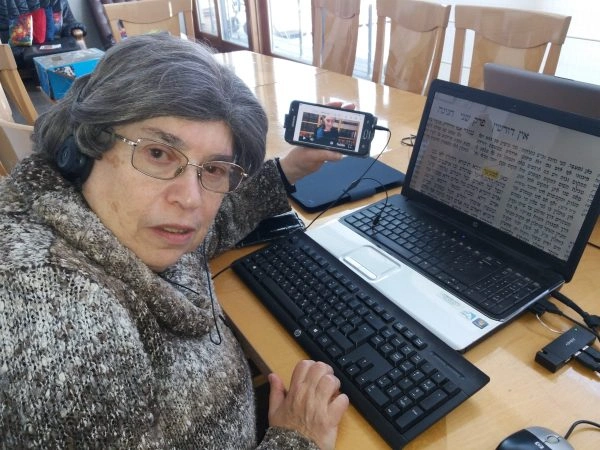
The first month I learned Daf Yomi by myself in secret, because I wasn’t sure how my husband would react, but after the siyyum on Masechet Brachot I discovered Hadran and now sometimes my husband listens to the daf with me. He and I also learn mishnayot together and are constantly finding connections between the different masechtot.

Laura Warshawsky
Laura Warshawsky

Silver Spring, Maryland, United States

I started learning with rabbis. I needed to know more than the stories. My first teacher to show me “the way of the Talmud” as well as the stories was Samara Schwartz.
Michelle Farber started the new cycle 2 yrs ago and I jumped on for the ride.
I do not look back.

Jenifer Nech
Jenifer Nech

Houston, United States

In January 2020, my teaching partner at IDC suggested we do daf yomi. Thanks to her challenge, I started learning daily from Rabbanit Michelle. It’s a joy to be part of the Hadran community. (It’s also a tikkun: in 7th grade, my best friend and I tied for first place in a citywide gemara exam, but we weren’t invited to the celebration because girls weren’t supposed to be learning gemara).

Sara-Averick-photo-scaled
Sara Averick

Jerusalem, Israel

Studying has changed my life view on הלכה and יהדות and time. It has taught me bonudaries of the human nature and honesty of our sages in their discourse to try and build a nation of caring people .

Goldie Gilad
Goldie Gilad

Kfar Saba, Israel

My husband learns Daf, my son learns Daf, my son-in-law learns Daf.
When I read about Hadran’s Siyyum HaShas 2 years ago, I thought- I can learn Daf too!
I had learned Gemara in Hillel HS in NJ, & I remembered loving it.
Rabbanit Michelle & Hadran have opened my eyes & expanding my learning so much in the past few years. We can now discuss Gemara as a family.
This was a life saver during Covid

Renee Braha
Renee Braha

Brooklyn, NY, United States

I started learning after the siyum hashas for women and my daily learning has been a constant over the last two years. It grounded me during the chaos of Corona while providing me with a community of fellow learners. The Daf can be challenging but it’s filled with life’s lessons, struggles and hope for a better world. It’s not about the destination but rather about the journey. Thank you Hadran!

Dena Lehrman
Dena Lehrman

אפרת, Israel

When I started studying Hebrew at Brown University’s Hillel, I had no idea that almost 38 years later, I’m doing Daf Yomi. My Shabbat haburah is led by Rabbanit Leah Sarna. The women are a hoot. I’m tracking the completion of each tractate by reading Ilana Kurshan’s memoir, If All the Seas Were Ink.

Hannah Lee
Hannah Lee

Pennsylvania, United States

While vacationing in San Diego, Rabbi Leah Herz asked if I’d be interested in being in hevruta with her to learn Daf Yomi through Hadran. Why not? I had loved learning Gemara in college in 1971 but hadn’t returned. With the onset of covid, Daf Yomi and Rabbanit Michelle centered me each day. Thank-you for helping me grow and enter this amazing world of learning.
Meryll Page
Meryll Page

Minneapolis, MN, United States

I started learning at the start of this cycle, and quickly fell in love. It has become such an important part of my day, enriching every part of my life.

Naomi Niederhoffer
Naomi Niederhoffer

Toronto, Canada

I am a Reform rabbi and took Talmud courses in rabbinical school, but I knew there was so much more to learn. It felt inauthentic to serve as a rabbi without having read the entire Talmud, so when the opportunity arose to start Daf Yomi in 2020, I dove in! Thanks to Hadran, Daf Yomi has enriched my understanding of rabbinic Judaism and deepened my love of Jewish text & tradition. Todah rabbah!

Rabbi Nicki Greninger

California, United States

I was inspired to start learning after attending the 2020 siyum in Binyanei Hauma. It has been a great experience for me. It’s amazing to see the origins of stories I’ve heard and rituals I’ve participated in my whole life. Even when I don’t understand the daf itself, I believe that the commitment to learning every day is valuable and has multiple benefits. And there will be another daf tomorrow!

Khaya Eisenberg
Khaya Eisenberg

Jerusalem, Israel

תמיד רציתי. למדתי גמרא בבית ספר בטורונטו קנדה. עליתי ארצה ולמדתי שזה לא מקובל. הופתעתי.
יצאתי לגימלאות לפני שנתיים וזה מאפשר את המחוייבות לדף יומי.
עבורי ההתמדה בלימוד מעגן אותי בקשר שלי ליהדות. אני תמיד מחפשת ותמיד. מוצאת מקור לקשר. ללימוד חדש ומחדש. קשר עם נשים לומדות מעמיק את החוויה ומשמעותית מאוד.

Vitti Kones
Vitti Kones

מיתר, ישראל

Retirement and Covid converged to provide me with the opportunity to commit to daily Talmud study in October 2020. I dove into the middle of Eruvin and continued to navigate Seder Moed, with Rabannit Michelle as my guide. I have developed more confidence in my learning as I completed each masechet and look forward to completing the Daf Yomi cycle so that I can begin again!

Rhona Fink
Rhona Fink

San Diego, United States

Hearing and reading about the siyumim at the completion of the 13 th cycle Daf Yomi asked our shul rabbi about starting the Daf – he directed me to another shiur in town he thought would allow a woman to join, and so I did! Love seeing the sources for the Divrei Torah I’ve been hearing for the past decades of living an observant life and raising 5 children .

Jill Felder
Jill Felder

Pittsburgh, Pennsylvania, United States

I LOVE learning the Daf. I started with Shabbat. I join the morning Zoom with Reb Michelle and it totally grounds my day. When Corona hit us in Israel, I decided that I would use the Daf to keep myself sane, especially during the days when we could not venture out more than 300 m from our home. Now my husband and I have so much new material to talk about! It really is the best part of my day!

Batsheva Pava
Batsheva Pava

Hashmonaim, Israel

After experiences over the years of asking to join gemara shiurim for men and either being refused by the maggid shiur or being the only women there, sometimes behind a mechitza, I found out about Hadran sometime during the tail end of Masechet Shabbat, I think. Life has been much better since then.

Madeline Cohen
Madeline Cohen

London, United Kingdom

I heard about the syium in January 2020 & I was excited to start learning then the pandemic started. Learning Daf became something to focus on but also something stressful. As the world changed around me & my family I had to adjust my expectations for myself & the world. Daf Yomi & the Hadran podcast has been something I look forward to every day. It gives me a moment of centering & Judaism daily.

Talia Haykin
Talia Haykin

Denver, United States

I started learning Dec 2019 after reading “If all the Seas Were Ink”. I found
Daily daf sessions of Rabbanit Michelle in her house teaching, I then heard about the siyum and a new cycle starting wow I am in! Afternoon here in Sydney, my family and friends know this is my sacred time to hide away to live zoom and learn. Often it’s hard to absorb and relate then a gem shines touching my heart.

Dianne Kuchar
Dianne Kuchar

Dover Heights, Australia

I am a Reform rabbi and took Talmud courses in rabbinical school, but I knew there was so much more to learn. It felt inauthentic to serve as a rabbi without having read the entire Talmud, so when the opportunity arose to start Daf Yomi in 2020, I dove in! Thanks to Hadran, Daf Yomi has enriched my understanding of rabbinic Judaism and deepened my love of Jewish text & tradition. Todah rabbah!

Rabbi Nicki Greninger

California, United States

Having never learned Talmud before, I started Daf Yomi in hopes of connecting to the Rabbinic tradition, sharing a daily idea on Instagram (@dafyomiadventures). With Hadran and Sefaria, I slowly gained confidence in my skills and understanding. Now, part of the Pardes Jewish Educators Program, I can’t wait to bring this love of learning with me as I continue to pass it on to my future students.

Hannah-G-pic
Hannah Greenberg

Pennsylvania, United States

Sanhedrin 18

מָאתַיִם וְשִׁבְעִים וְשִׁבְעָה.

The number of people needed in a city for it to be eligible for a lesser Sanhedrin is 277. This number is based on the opinion of Rabbi Neḥemya, who requires 230 men, but requires an additional 47 men in case it happens that the Sages of the court reach a situation where they are not able to arrive at a verdict, and pairs of judges need to be added, potentially increasing the number of judges on the court from 23 to 70, a maximum of 47 additional judges.

וְהָתַנְיָא, רַבִּי אוֹמֵר: מָאתַיִם שִׁבְעִים וּשְׁמֹנָה! לָא קַשְׁיָא: הָא – רַבִּי יְהוּדָה, הָא – רַבָּנַן.

The Gemara asks: But isn’t it taught in a baraita that Rabbi Yehuda HaNasi says: The number of men needed in a city for it to be eligible for a lesser Sanhedrin is 278? The Gemara answers: This is not difficult. This baraita that said Rabbi Yehuda HaNasi requires 277 residents is stated in accordance with the opinion of Rabbi Yehuda, who holds that there are 70 judges on the Great Sanhedrin, and this baraita that quoted the number as 278 is stated in accordance with the opinion of the Rabbis, who hold that there are 71.

תָּנוּ רַבָּנַן: ״וְשַׂמְתָּ עֲלֵיהֶם שָׂרֵי אֲלָפִים שָׂרֵי מֵאוֹת שָׂרֵי חֲמִשִּׁים וְשָׂרֵי עֲשָׂרֹת״. ״שָׂרֵי אֲלָפִים״ – שֵׁשׁ מֵאוֹת, ״שָׂרֵי מֵאוֹת״ – שֵׁשֶׁת אֲלָפִים, ״שָׂרֵי חֲמִשִּׁים״ – שְׁנֵים עָשָׂר אֶלֶף, ״שָׂרֵי עֲשָׂרוֹת״ – שֵׁשֶׁת רִיבּוֹא. נִמְצְאוּ דַּיָּינֵי יִשְׂרָאֵל שִׁבְעַת רִיבּוֹא וּשְׁמוֹנַת אֲלָפִים וְשֵׁשׁ מֵאוֹת.

Apropos the opinion of Rabbi Neḥemya, which links the issue of the lesser Sanhedrin with the appointment of the ministers in the wilderness, the Gemara relates: The Sages taught: The verse states: “And place over them ministers of thousands, ministers of hundreds, ministers of fifties, and ministers of tens” (Exodus 18:21). The number of ministers of thousands was 600, as there were 600,000 men in total; the number of ministers of hundreds was 6,000; of ministers of fifties, 12,000, and of ministers of tens, 60,000. Therefore, it is found that the total number of judges of the Jewish people was 78,600, and suitable people were found to fill all of these positions.

הֲדַרַן עֲלָךְ דִּינֵי מָמוֹנוֹת.

מַתְנִי׳ כֹּהֵן גָּדוֹל דָּן וְדָנִין אוֹתוֹ, מֵעִיד וּמְעִידִין אוֹתוֹ, חוֹלֵץ וְחוֹלְצִין לְאִשְׁתּוֹ, וּמְיַיבְּמִין אֶת אִשְׁתּוֹ. אֲבָל הוּא אֵינוֹ מְיַיבֵּם, מִפְּנֵי שֶׁהוּא אָסוּר בָּאַלְמָנָה.

MISHNA: The High Priest judges others if he is sufficiently wise, and others judge him when he transgresses. He testifies before the court and others testify concerning him. He performs ḥalitza with his brother’s widow and his brother performs ḥalitza with his wife; and his brother consummates levirate marriage with his wife. But he does not consummate levirate marriage with his brother’s widow, because it is prohibited for him to marry a widow (see Leviticus 21:14), and can therefore never fulfill the mitzva of levirate marriage, as a yevama is by definition a widow.

מֵת לוֹ מֵת, אֵינוֹ יוֹצֵא אַחַר הַמִּטָּה, אֶלָּא הֵן נִכְסִין וְהוּא נִגְלֶה, הֵן נִגְלִין וְהוּא נִכְסֶה, וְיוֹצֵא עִמָּהֶן עַד פֶּתַח שַׁעַר הָעִיר, דִּבְרֵי רַבִּי מֵאִיר.

If a relative of the High Priest dies, he does not follow the bier carrying the corpse, since it is prohibited for the High Priest to become ritually impure even for immediate relatives (see Leviticus 21:11). Rather, once the members of the funeral procession are concealed from sight by turning onto another street, he is revealed on the street they departed, and when they are revealed, then he is concealed, and in this way, he goes out with them until the entrance of the gate of the city, from where they would take out the corpse, since the dead were not buried in Jerusalem. This is the statement of Rabbi Meir.

רַבִּי יְהוּדָה אוֹמֵר: אֵינוֹ יוֹצֵא מִן הַמִּקְדָּשׁ, מִשּׁוּם שֶׁנֶּאֱמַר: ״וּמִן הַמִּקְדָּשׁ לֹא יֵצֵא״.

Rabbi Yehuda says: He does not emerge from the Temple at all for the burial of his relatives, as it is stated: “And from the Temple he shall not emerge and will not desecrate the Temple of his God; for the separateness of the oil of the anointment of his God is on him” (Leviticus 21:12).

וּכְשֶׁהוּא מְנַחֵם אֲחֵרִים, דֶּרֶךְ כׇּל הָעָם עוֹבְרִין בְּזֶה אַחַר זֶה, וְהַמְמוּנֶּה מְמַצְּעוֹ בֵּינוֹ לְבֵין הָעָם. וּכְשֶׁהוּא מִתְנַחֵם מֵאֲחֵרִים, כׇּל הָעָם אוֹמְרִים לוֹ: אֲנַחְנוּ כַּפָּרָתְךָ, וְהוּא אוֹמֵר לָהֶן: תִּתְבָּרְכוּ מִן הַשָּׁמַיִם. וּכְשֶׁמַּבְרִין אוֹתוֹ, כׇּל הָעָם מְסוּבִּין עַל הָאָרֶץ, וְהוּא מֵיסֵב עַל הַסַּפְסָל.

The mishna continues: And when he consoles others in their mourning when they return from burial, the way of all the people is that they pass by one after another and the mourners stand in a line and are consoled, and the appointed person stands in the middle, between the High Priest and the people. And when he is consoled by others in his mourning, all the people say to him: We are your atonement. And he says to them: May you be blessed from Heaven. And when they comfort him with the first meal after the burial of one of his relatives, all the people recline on the ground as if they are taking his mourning on themselves, and he reclines on the bench out of respect for his status as High Priest.

הַמֶּלֶךְ לֹא דָּן, וְלֹא דָּנִין אוֹתוֹ, לֹא מֵעִיד וְלֹא מְעִידִין אוֹתוֹ, לֹא חוֹלֵץ וְלֹא חוֹלְצִין לְאִשְׁתּוֹ, לֹא מְיַיבֵּם וְלֹא מְיַיבְּמִין לְאִשְׁתּוֹ. רַבִּי יְהוּדָה אוֹמֵר: אִם רָצָה לַחֲלוֹץ אוֹ לְיַיבֵּם – זָכוּר לַטּוֹב. אָמְרוּ לוֹ: אֵין שׁוֹמְעִין לוֹ.

The mishna continues, enumerating the halakhot pertaining to the king in similar matters: The king does not judge others as a member of a court and others do not judge him, he does not testify and others do not testify concerning him, he does not perform ḥalitza with his brother’s widow and his brother does not perform ḥalitza with his wife, and he does not consummate levirate marriage with his brother’s widow and his brother does not consummate levirate marriage with his wife, as all these actions are not fitting to the honor of his office. Rabbi Yehuda says: These are not restrictions, but his prerogative: If he desired to perform ḥalitza or to consummate levirate marriage, he is remembered for good, as this is to the benefit of his brother’s widow. The Sages said to him: They do not listen to him if he desires to do so, as this affects not only his own honor but that of the kingdom.

וְאֵין נוֹשְׂאִין אַלְמְנָתוֹ, רַבִּי יְהוּדָה אוֹמֵר: נוֹשֵׂא הַמֶּלֶךְ אַלְמְנָתוֹ שֶׁל מֶלֶךְ, שֶׁכֵּן מָצִינוּ בְּדָוִד שֶׁנָּשָׂא אַלְמְנָתוֹ שֶׁל שָׁאוּל, שֶׁנֶּאֱמַר: ״וָאֶתְּנָה לְךָ אֶת בֵּית אֲדֹנֶיךָ וְאֶת נְשֵׁי אֲדֹנֶיךָ בְּחֵיקֶךָ״.

And no one may marry a king’s widow, due to his honor. Rabbi Yehuda says: Another king may marry the widow of a king, as we found that King David married the widow of King Saul, as it is stated: “And I have given you the house of your master and the wives of your master in your bosom” (II Samuel 12:8).

גְּמָ׳ כֹּהֵן גָּדוֹל דָּן. פְּשִׁיטָא! דָּנִין אוֹתוֹ אִיצְטְרִיכָא לֵיהּ. הָא נָמֵי פְּשִׁיטָא: אִי לָא דָּיְינִינַן לֵיהּ, אִיהוּ הֵיכִי דָּיֵין? וְהָכְתִיב ״הִתְקוֹשְׁשׁוּ וָקוֹשּׁוּ״, וְאָמַר רֵישׁ לָקִישׁ: קְשֹׁט עַצְמְךָ וְאַחַר כָּךְ קְשֹׁט אֲחֵרִים.

GEMARA: The mishna teaches that the High Priest judges others as a member of a court. The Gemara asks: Isn’t that obvious? Why would one think that he would be unfit to serve as a judge? The Gemara answers: It was necessary for the mishna to mention the latter clause: And others judge him, and therefore, it taught the related halakha with it. The Gemara objects: This is also obvious; if others do not judge him, how can he judge others? But isn’t it written: “Gather yourselves together, yea, gather together [hitkosheshu vakoshu]” (Zephaniah 2:1); and Reish Lakish says: This verse teaches a moral principle: Adorn [kashet] yourself first, and then adorn others, i.e., one who is not subject to judgment may not judge others.

אֶלָּא, אַיְּידֵי דְּקָא בָּעֵי לְמִיתְנֵי מֶלֶךְ לֹא דָּן וְלֹא דָּנִין אוֹתוֹ, תְּנָא נָמֵי כֹּהֵן גָּדוֹל דָּן וְדָנִין. וְאִי בָּעֵית אֵימָא, הָא קָא מַשְׁמַע לַן כִּדְתַנְיָא: כֹּהֵן גָּדוֹל שֶׁהָרַג אֶת הַנֶּפֶשׁ בְּמֵזִיד – נֶהֱרָג, בְּשׁוֹגֵג – גּוֹלֶה, וְעוֹבֵר עַל עֲשֵׂה וְעַל לֹא תַעֲשֶׂה, וַהֲרֵי הוּא כְּהֶדְיוֹט לְכׇל דְּבָרָיו.

Rather, neither halakha concerning the High Priest is a novelty. But since the tanna wants to teach that the king does not judge others and others do not judge him, he also taught that the High Priest judges others and others judge him. And if you wish, say instead that this teaches us the halakha as it is taught in a baraita (Tosefta 4:1): A High Priest who killed a person intentionally is killed; if he killed unintentionally, he is exiled to a city of refuge, and he transgresses a positive mitzva and a prohibition, and he is like an ordinary person concerning all of his halakhot.

בְּמֵזִיד נֶהֱרָג – פְּשִׁיטָא! בְּשׁוֹגֵג גּוֹלֶה אִיצְטְרִיכָא לֵיהּ.

The Gemara analyzes the baraita: A High Priest who killed another intentionally is killed. Isn’t that obvious? Why would he be punished differently than other murderers? It was necessary for it to mention the latter clause: If he killed unintentionally, he is exiled, so it taught the related case with it.

הָא נָמֵי פְּשִׁיטָא! אִיצְטְרִיךְ, סָלְקָא דַּעְתָּךְ אָמֵינָא: הוֹאִיל וּכְתִיב ״וְיָשַׁב בָּהּ עַד מוֹת הַכֹּהֵן הַגָּדֹל״, אֵימָא: כֹּל דְּאִית לֵיהּ תַּקַּנְתָּא בַּחֲזָרָה – לִיגְלֵי, דְּלֵית לֵיהּ תַּקַּנְתָּא בַּחֲזָרָה – לָא לִיגְלֵי, דִּתְנַן:

The Gemara objects: This is also obvious. The Gemara responds: It was necessary for the baraita to state the latter clause, lest it enter your mind to say: Since it is written about one who kills unintentionally and is exiled to a city of refuge: “And he should dwell in it until the death of the High Priest” (Numbers 35:25), say: Anyone for whom there is a rectification by returning from the city of refuge is exiled, but one for whom there is no rectification by returning is not exiled. The High Priest has no such rectification, as we learned in a mishna (Makkot 11b):

הַהוֹרֵג כֹּהֵן גָּדוֹל, אוֹ כֹּהֵן גָּדוֹל שֶׁהָרַג אֶת הַנֶּפֶשׁ – אֵינוֹ יוֹצֵא מִשָּׁם לְעוֹלָם; אֵימָא לָא לִיגְלֵי – קָא מַשְׁמַע לַן. וְאֵימָא הָכִי נָמֵי? אָמַר קְרָא ״לָנוּס שָׁמָּה כׇּל רֹצֵחַ״ – אֲפִילּוּ כֹּהֵן גָּדוֹל בַּמַּשְׁמָע.

With regard to one who kills a High Priest or a High Priest who killed a person, he never departs from the city of refuge. Therefore, I will say that a High Priest is not exiled at all. For that reason, the baraita above teaches us that he is exiled. The Gemara suggests: Why not say that the halakha is indeed that the High Priest would not be exiled, since he would not be able to return home? The Gemara responds: The verse states concerning the city of refuge: “That every manslayer may flee there” (Deuteronomy 19:3), and even a High Priest is indicated by the inclusive term “every.”

עוֹבֵר עַל עֲשֵׂה וְעַל לֹא תַעֲשֶׂה. לָא סַגִּי דְּלָא עָבַר? הָכִי קָאָמַר: אִם עָבַר עַל עֲשֵׂה וְעַל לֹא תַעֲשֶׂה, הֲרֵי הוּא כְּהֶדְיוֹט לְכׇל דְּבָרָיו.

The baraita teaches that a High Priest transgresses a positive mitzva and a prohibition. The Gemara understands the baraita as an independent statement asserting that the High Priest must transgress a positive mitzva and a prohibition, and asks: Is it not possible that he doesn’t transgress a positive mitzva and prohibition; i.e., must the High Priest transgress a positive mitzva and a prohibition? The Gemara responds: This is what the baraita is saying: This is not an independent statement asserting that the High Priest must transgress a positive mitzva and a prohibition; rather, the baraita teaches that if he transgressed a positive mitzva and a prohibition, then he is considered to be like an ordinary person concerning all of his halakhot, judged just as anyone else for common transgressions.

פְּשִׁיטָא! סָלְקָא דַּעְתָּךְ אָמֵינָא, הוֹאִיל וּתְנַן: אֵין דָּנִין לֹא אֶת הַשֵּׁבֶט וְלֹא אֶת נְבִיא הַשֶּׁקֶר וְלֹא אֶת כֹּהֵן גָּדוֹל אֶלָּא עַל פִּי בֵּית דִּין שֶׁל שִׁבְעִים וְאֶחָד, וְאָמַר רַב אַדָּא בַּר אַהֲבָה: ״כׇּל הַדָּבָר הַגָּדֹל יָבִיאוּ אֵלֶיךָ״ – דְּבָרָיו שֶׁל גָּדוֹל, אֵימָא כׇּל דְּבָרָיו שֶׁל גָּדוֹל, קָא מַשְׁמַע לַן.

The Gemara asks: Isn’t that obvious? The Gemara responds: No, as it could enter your mind to say that since we learned in the mishna (2a): The court judges cases involving an entire tribe that sinned, or a false prophet, or a High Priest, only on the basis of a court of seventy-one judges, i.e., the Great Sanhedrin, and since Rav Adda bar Ahava says that the phrase “every great matter they shall bring unto you” (Exodus 18:22), refers to the matters of a great person, the High Priest, who is judged in a court of seventy-one, therefore, one might say that this means all the matters of a great person, including non-capital transgressions, are judged in a court of seventy-one. Therefore, the baraita teaches us that for non-capital transgressions, he is treated like an ordinary person, and judged even by a court of three.

וְאֵימָא הָכִי נָמֵי: מִי כְּתִיב דִּבְרֵי גָדוֹל? ״הַדָּבָר הַגָּדֹל״ כְּתִיב, דָּבָר גָּדוֹל מַמָּשׁ.

The Gemara suggests: But why not say that indeed, the halakha is that all cases involving the High Priest must be adjudicated in a court of seventy-one? The Gemara rejects this. Is it written: The matters of a great person? “Every great matter” is written, meaning actually a great matter, one involving a capital transgression, not only one related to a great person.

מֵעִיד וּמְעִידִין אוֹתוֹ. מֵעִיד? וְהָתַנְיָא: ״וְהִתְעַלַּמְתָּ״ – פְּעָמִים שֶׁאַתָּה מִתְעַלֵּם, וּפְעָמִים שֶׁאִי אַתָּה מִתְעַלֵּם. הָא כֵּיצַד?

§ The mishna teaches that the High Priest testifies before the court and others testify concerning him. The Gemara expresses surprise: He testifies? But isn’t it taught in a baraita that in the verse: “You shall not see your brother’s ox or his sheep wandering and ignore them; you shall return them to your brother” (Deuteronomy 22:1), the use of the unusual term “and ignore them,” as opposed to the more direct: Do not ignore them, indicates that there are times when you ignore lost items and there are times when you do not ignore them. How so?

כֹּהֵן וְהוּא בְּבֵית הַקְּבָרוֹת, זָקֵן וְאֵינָהּ לְפִי כְּבוֹדוֹ, אוֹ שֶׁהָיְתָה מְלָאכָה שֶׁלּוֹ מְרוּבָּה מִשֶּׁל חֲבֵירוֹ – לְכָךְ נֶאֱמַר ״וְהִתְעַלַּמְתָּ״.

The baraita answers: If the one who found the item was a priest, and the lost item is in the cemetery, where priests are prohibited from entering; or if he was an elderly person and it is not in keeping with his dignity to tend to a lost item of that kind; or if his work, which he would need to suspend in order to tend to and return the item, is of greater value than the lost item of the other, one might think that he must nonetheless return it. Therefore, with regard to those cases, it is stated: “And ignore them.” Since a distinguished individual may ignore a mitzva that is incumbent on others if it is not in keeping with his dignity, perhaps the High Priest would be allowed to ignore the obligation to testify, due to his honor.

אָמַר רַב יוֹסֵף: מֵעִיד לַמֶּלֶךְ. וְהָתְנַן: לֹא דָּן וְלֹא דָּנִין אוֹתוֹ, לֹא מֵעִיד וְלֹא מְעִידִין אוֹתוֹ? אֶלָּא אָמַר רַבִּי זֵירָא: מֵעִיד לְבֶן מֶלֶךְ. בֶּן מֶלֶךְ הֶדְיוֹט הוּא!

Rav Yosef said: A High Priest testifies only about a king, since such testimony would not compromise his dignity. The Gemara objects: But didn’t we learn in the mishna above that the king does not judge and is not judged, and he does not testify and others do not testify concerning him? Rather, Rabbi Zeira said: The meaning of Rav Yosef’s statement is that a High Priest testifies about a son of a king. The Gemara objects: The son of a king is an ordinary person, without special status in halakha, so it is not in keeping with the High Priest’s dignity to testify concerning him.

אֶלָּא, מֵעִיד בִּפְנֵי הַמֶּלֶךְ. וְהָא אֵין מוֹשִׁיבִין מֶלֶךְ בְּסַנְהֶדְרִין! מִשּׁוּם יְקָרָא דְּכֹהֵן גָּדוֹל אֲתָא וְיָתֵיב. מְקַבְּלִי נִיהֲלֵיהּ לְסָהֲדוּתֵיהּ, קָאֵי הוּא וְאָזֵיל, וּמְעַיְּינִינָא לֵיהּ אֲנַן בְּדִינֵיהּ.

Rather, the meaning of Rav Yosef’s statement is that he testifies before the king, and it is not in keeping with the dignity of the High Priest to testify if the king is a presiding judge. The Gemara objects: But didn’t we learn in a baraita (Tosefta 2:8) that a king is not seated on the Sanhedrin? The Gemara explains: Rav Yosef is referring to a special arrangement: Due to the honor of the High Priest, the king comes and sits as one of the judges, they receive his testimony, he rises and goes, and we deliberate about the case.

גּוּפָא: אֵין מוֹשִׁיבִין מֶלֶךְ בַּסַּנְהֶדְרִין, וְלֹא מֶלֶךְ וְכֹהֵן גָּדוֹל בְּעִיבּוּר שָׁנָה. מֶלֶךְ בַּסַּנְהֶדְרִין – דִּכְתִיב: ״לֹא תַעֲנֶה עַל רִב״ – לֹא תַעֲנֶה עַל רַב.

§ Having mentioned this baraita, the Gemara turns its attention to the matter itself: A king is not seated on the Sanhedrin, nor is a king or a High Priest seated on a court for intercalating the year. The Gemara explains: With regard to a king on the Sanhedrin, the source is as it is written: “Do not answer in a cause [riv]” (Exodus 23:2), which is explained to mean: Do not answer to a great person [rav]. Therefore, one whose stature will make the other judges afraid to contradict him may not be appointed to the Sanhedrin.

לֹא מֶלֶךְ וְכֹהֵן גָּדוֹל בְּעִיבּוּר שָׁנָה. מֶלֶךְ – מִשּׁוּם אַפְסַנְיָא, כֹּהֵן גָּדוֹל – מִשּׁוּם צִינָּה.

The Gemara continues its explanation of the baraita: Nor is a king or a High Priest seated on a court for intercalating the year. A king does not serve as a judge concerning this matter due to the sustenance of soldiers. A High Priest does not serve as a judge concerning this matter due to the cold. If a month is added to the calendar and the High Priest must perform his Yom Kippur immersions and walk barefoot on the floor of the Temple deeper into the cold autumn, he too will have a vested interest in not adding a month.

אָמַר רַב פָּפָּא: שְׁמַע מִינַּהּ, שַׁתָּא בָּתַר יַרְחָא אָזֵיל. אִינִי? וְהָא הָנָךְ שְׁלֹשָׁה רוֹעֵי בָקָר דַּהֲווֹ קָיְימִי, וְשַׁמְעִינְהוּ רַבָּנַן דְּקָאָמְרִי:

Rav Pappa says: Learn from the ruling concerning the High Priest that the weather of the year follows the months, meaning that changes in the seasons are in accordance with the sequence of the months in the standard, non-intercalated calendar. The High Priest would not want the year to be intercalated, because then the colder weather of Marḥeshvan would occur during Tishrei. The Gemara asks: Is that so? But isn’t that contradicted by the incident of those three cattle herders that were standing around, and the Sages heard them saying various statements about annual weather signs?

חַד אָמַר: אִם בַּכִּיר וְלַקִּישׁ כַּחֲדָא יֵינֵץ – דֵּין הוּא אֲדָר, וְאִם לָאו – לֵית דֵּין אֲדָר. וְחַד אָמַר: אִם תּוֹר בִּצְפַר בִּתְלַג יְמוּת, וּבְטִיהֲרָא בְּטוּל תְּאֵינָה יִדְמוֹךְ יַשְׁלַח מַשְׁכֵּיהּ – דֵּין הוּא אֲדָר, וְאִם לָאו – לֵית דֵּין אֲדָר. וְחַד אָמַר: אִם קִידּוּם תַּקִּיף לַחֲדָא יְהֵא, יִפַּח בְּלוֹעָךְ נָפֵיק לְקִיבְלֵיהּ – דֵּין הוּא אֲדָר, וְאִם לָאו – לֵית דֵּין אֲדָר. וְעַבְּרוּהָ רַבָּנַן לְהַהִיא שַׁתָּא.

One of them said: If the first grains and the late-ripening grains sprout at the same time, that is Adar, but if not, that is not Adar but still Shevat. And one of them said: If an ox dies in the morning in the snow, indicating that it is still very cold, and at noon in the shade of a fig tree it sleeps, rubbing against it to strip off its skin because of the heat, that is Adar, but if not, that is not Adar. And one of them said: If there is a very strong east wind, which is cold, yet the warm air that you blow with your jaw goes out and toward it and overcomes its effect, that is Adar, but if not, that is not Adar. And since those signs had not yet come to pass, the Sages intercalated the calendar that year.

וְתִסְבְּרָא רַבָּנַן אַרָעֲווֹתָא סְמוּךְ? אֶלָּא, רַבָּנַן אַחוּשְׁבָּנַיְיהוּ סְמוּךְ, וְרוֹעֵי בָקָר אִיסְתַּיּוֹעֵי הוּא דְּאִיסְתַּיַּיעָא מִילְּתַיְיהוּ.

The Gemara rejects this: And can you understand that the Sages relied on cattle herders to determine halakha? Rather, the Sages relied on their own calculations, and those cattle herders were supported inasmuch as their statements were supported by the Sages’ independent conclusion.

חוֹלֵץ וְחוֹלְצִין כּוּ׳. קָא פָּסֵיק וְתָנֵי, לָא שְׁנָא מִן הָאֵירוּסִין וְלָא שְׁנָא מִן הַנִּישּׂוּאִין. בִּשְׁלָמָא מִן הַנִּישּׂוּאִין, הָוֵי עֲשֵׂה וְלֹא תַעֲשֶׂה –

§ The mishna teaches that the High Priest performs ḥalitza with his brother’s widow and his brother performs ḥalitza with his wife, but in any case he does not consummate levirate marriage with his brother’s wife. The Gemara comments: The mishna categorically teaches that the High Priest does not consummate levirate marriage, and there is no difference whether his brother’s wife was a widow from betrothal alone and no difference whether she was a widow from a marriage that had been consummated. Granted, it is understood that he does not consummate levirate marriage with a widow from marriage, since there is both a positive mitzva: “And he shall take a wife in her virginity” (Leviticus 21:13), and also a prohibition: “A widow, or one divorced, or a ḥalala, or a zona, these shall he not take” (Leviticus 21:14),

Want to follow content and continue where you left off?

Create an account today to track your progress, mark what you’ve learned, and follow the shiurim that speak to you.

Clear all items from this list?

This will remove ALL the items in this section. You will lose any progress or history connected to them. This is irreversible.

Cancel
Yes, clear all

Are you sure you want to delete this item?

You will lose any progress or history connected to this item.

Cancel
Yes, delete