Search

Sanhedrin 21

Want to dedicate learning? Get started here:

podcast placeholder

0:00
0:00


Summary

Today’s daf is sponsored by the Greenstone family in honor of Adina Haggege and Amy Fredj’s birthdays! 

The Gemara discusses the rights and obligations of kings:

A king has the right to take half of all war spoils, which is derived from the kohen gadol’s portion of the showbread.

Regarding the number of wives permitted to a king, Tanna Kama rules a maximum of 18 wives. Rabbi Yehuda says there is no numerical limit, only restricted if the wives turn his heart from God. Rabbi Shimon holds that even one wife is forbidden if she turns his heart from God, and even if they are righteous, the king is still limited to 18. This creates an apparent contradiction in their approaches to deriving laws from reasoning, as here Rabbi Yehuda follows reasoning behind the commandment while Rabbi Shimon doesn’t, while in other places, Rabbi Shimon typically follows reasoning while Rabbi Yehuda doesn’t.

The number 18 comes from verses about King David (Samuel II 3:2-5), though some sources derive 24 or 48. The Gemara identifies Egla as Michal, creating a difficulty since Michal is known to have been childless while Egla is mentioned with a child.

King David had 400 children from captive women who served as warriors in his army.

His daughter Tamar, who was from a captive woman, was tragically assaulted by Amnon, which led to the institution of new protective laws. The Gemara discusses Amnon’s tactics and his subsequent hatred of Tamar, followed by the laws that were established to protect women from such assaults.

The king may only keep horses, gold, and silver needed for royal and military duties.

The Torah generally avoids giving reasons for commandments because when reasons were given for royal laws, King Solomon misinterpreted them, thinking he could circumvent the commandments while adhering to their reasoning.

The king requires specially written Torah scrolls for his use, which must be prepared specifically for him. How many? for what purpose?

Today’s daily daf tools:

Sanhedrin 21

״וַיִּמְשְׁחוּ לַה׳ לְנָגִיד וּלְצָדוֹק״, מַקִּישׁ נָגִיד לְצָדוֹק: מָה צָדוֹק – מֶחֱצָה לוֹ וּמֶחֱצָה לְאֶחָיו, אַף נָגִיד – מֶחֱצָה לוֹ וּמֶחֱצָה לְאֶחָיו.

“And they made Solomon, son of David, king the second time, and anointed him unto the Lord to be leader, and Tzadok to be priest” (I Chronicles 29:22). This verse compares a leader, referring to King Solomon, to Tzadok, the High Priest: Just as for Tzadok, half of the shewbread given to the priests is for him, the High Priest, and half is for all his brothers, the other priests, so too for the leader, half is for him and half is for his brothers, the rest of the army.

וְצָדוֹק גּוּפֵיהּ מְנָלַן? דְּתַנְיָא: רַבִּי אוֹמֵר: ״וְהָיְתָה לְאַהֲרֹן וּלְבָנָיו״ – מֶחֱצָה לְאַהֲרֹן וּמֶחֱצָה לְבָנָיו.

The Gemara asks: And with regard to Tzadok himself, from where do we derive that the High Priest takes half? The Gemara responds: As it is taught in a baraita: Rabbi Yehuda HaNasi says: The Torah states with regard to the apportionment of the shewbread: “And it shall be for Aaron and his sons, and they shall eat it in a holy place” (Leviticus 24:9), from which it is inferred: Half for Aaron and half for his sons.

מַתְנִי׳ ״לֹא יַרְבֶּה לוֹ נָשִׁים״, אֶלָּא שְׁמֹנֶה עֶשְׂרֵה. רַבִּי יְהוּדָה אוֹמֵר: מַרְבֶּה הוּא לוֹ, וּבִלְבַד שֶׁלֹּא יְהוּ מְסִירוֹת אֶת לִבּוֹ. רַבִּי שִׁמְעוֹן אוֹמֵר: אֲפִילּוּ אַחַת וּמְסִירָה אֶת לִבּוֹ – הֲרֵי זֶה לֹא יִשָּׂאֶנָּה. אִם כֵּן, לָמָּה נֶאֱמַר ״לֹא יַרְבֶּה לוֹ נָשִׁים״? דַּאֲפִילּוּ כַּאֲבִיגַיִל.

MISHNA: The king “shall not add many wives for himself” (Deuteronomy 17:17), but only eighteen. Rabbi Yehuda says: He may add many wives for himself, provided that they are not like those who turn his heart away from reverence for God. Rabbi Shimon says: Even if he wants to marry only one wife, if she turns his heart away, he should not marry her. If so, why is it stated: “He shall not add many wives for himself”? This teaches that even if his wives are like Abigail, who was righteous and prevented David from sin (see I Samuel, chapter 25), it is prohibited for him to have many wives.

גְּמָ׳ לְמֵימְרָא דְּרַבִּי יְהוּדָה דָּרֵישׁ טַעְמָא דִּקְרָא, וְרַבִּי שִׁמְעוֹן לָא דָּרֵישׁ טַעְמָא דִּקְרָא? וְהָא אִיפְּכָא שָׁמְעִינַן לְהוּ!

GEMARA: The Gemara asks: Is this to say that Rabbi Yehuda interprets the rationale behind the mitzva in the verse and draws halakhic conclusions based on that interpretation, and Rabbi Shimon does not interpret the rationale in the verse? But didn’t we hear them hold the opposite opinions with regard to interpreting the rationale behind a mitzva in a verse?

דְּתַנְיָא: אַלְמָנָה, בֵּין שֶׁהִיא עֲנִיָּה בֵּין שֶׁהִיא עֲשִׁירָה, אֵין מְמַשְׁכְּנִין אוֹתָהּ, שֶׁנֶּאֱמַר: ״לֹא תַחֲבֹל בֶּגֶד אַלְמָנָה״ – דִּבְרֵי רַבִּי יְהוּדָה. רַבִּי שִׁמְעוֹן אוֹמֵר: עֲשִׁירָה – מְמַשְׁכְּנִין אוֹתָהּ, עֲנִיָּיה – אֵין מְמַשְׁכְּנִין אוֹתָהּ, וְאַתָּה חַיָּיב לְהַחְזִיר לָהּ, וְאַתָּה מַשִּׂיאָהּ שֵׁם רַע בִּשְׁכֵנוֹתֶיהָ.

As it is taught in a baraita (Tosefta, Bava Metzia 10:3): In the case of a widow, whether she is poor or whether she is wealthy, one may not take collateral from her for a loan, as it is stated: “You may not take the garment of a widow for a pledge” (Deuteronomy 24:17); this is the statement of Rabbi Yehuda. Rabbi Shimon says: In the case of a wealthy widow, one may take collateral from her. But in the case of a poor widow, one may not take collateral from her, because you are obligated to return it to her, and you will give her a bad name among her neighbors.

וְאָמְרִינַן: מַאי קָאָמַר? הָכִי קָאָמַר: מִתּוֹךְ שֶׁאַתָּה מְמַשְׁכְּנָהּ, אַתָּה חַיָּיב לְהַחֲזִיר לָהּ, וְאַתָּה מַשִּׂיאָהּ שֵׁם רַע בִּשְׁכֵנוֹתֶיהָ. אַלְמָא, רַבִּי יְהוּדָה לָא דָּרֵישׁ טַעְמָא דִּקְרָא, וְרַבִּי שִׁמְעוֹן דָּרֵישׁ טַעְמָא דִּקְרָא.

And we say about this dispute: What is Rabbi Shimon saying? This is what he is saying: Because you take collateral from her, you are required to return it to her, as the verse states: “And if he is a poor person, you shall not sleep with his pledge; you shall restore the pledge to him when the sun goes down” (Deuteronomy 24:12–13), and you thereby give her a bad name among her neighbors, who will suspect licentious behavior when they see a man come to her house every morning and evening. Evidently, according to this dispute Rabbi Yehuda does not interpret the rationale in the verse and Rabbi Shimon does interpret the rationale in the verse.

בְּעָלְמָא, רַבִּי יְהוּדָה לָא דָּרֵישׁ טַעְמָא דִּקְרָא, וְשָׁאנֵי הָכָא דִּמְפָרֵשׁ טַעְמָא דִקְרָא: מַה טַּעַם ״לֹא יַרְבֶּה לוֹ נָשִׁים״? מִשּׁוּם ״דְּלֹא יָסוּר לְבָבוֹ״.

The Gemara explains: Generally, Rabbi Yehuda does not interpret the rationale in the verse, but it is different here, as the verse itself explains the rationale in the verse: What is the reason that “he shall not add many wives for himself”? He should not add many wives because of what is articulated in the continuation of the verse: “His heart should not turn.”

וְרַבִּי שִׁמְעוֹן אָמַר לָךְ: מִכְּדִי בְּעָלְמָא דָּרְשִׁינַן טַעְמָא דִּקְרָא, אִם כֵּן לִכְתּוֹב קְרָא ״לֹא יַרְבֶּה לוֹ נָשִׁים״ וְלִישְׁתּוֹק, וַאֲנָא אָמֵינָא: מָה טַעַם ״לֹא יַרְבֶּה״? מִשּׁוּם דְּ״לֹא יָסוּר״. ״לֹא יָסוּר״ לְמָה לִי? אֲפִילּוּ אַחַת וּמְסִירָה אֶת לִבּוֹ – הֲרֵי זוֹ לֹא יִשָּׂאֶנָּה. אֶלָּא מָה אֲנִי מְקַיֵּים ״לֹא יַרְבֶּה״? דַּאֲפִילּוּ כַּאֲבִיגַיִל.

And Rabbi Shimon could have said to you: Since generally we interpret the rationale in the verse, then if it is so that the prohibition against marrying many wives applies only to wives that are likely to lead his heart astray, the verse should write only: “He shall not add many wives for himself” and then be silent. In that case, I would say, on my own, what is the reason that he shall not add many wives? It is so that his heart should not turn away. Accordingly, why do I need the additional phrase “his heart should not turn away”? It serves to teach another halakha, that even if he wants to marry only one wife, if she turns his heart away, he should not marry her. But then how do I realize the meaning of the verse: “He shall not add many wives for himself”? It means that he should not have many wives even if they are like Abigail.

הָנֵי שְׁמוֹנֶה עֶשְׂרֵה מְנָלַן? דִּכְתִיב: ״וַיִּוָּלְדוּ לְדָוִד בָּנִים בְּחֶבְרוֹן וַיְהִי בְכוֹרוֹ אַמְנוֹן לַאֲחִינֹעַם הַיִּזְרְעֵאלִית. וּמִשְׁנֵהוּ כִלְאָב לַאֲבִיגַיִל אֵשֶׁת נָבָל הַכַּרְמְלִי וְהַשְּׁלִישִׁי אַבְשָׁלוֹם בֶּן מַעֲכָה … וְהָרְבִיעִי אֲדֹנִיָּה בֶן חַגִּית וְהַחֲמִישִׁי שְׁפַטְיָה בֶן אֲבִיטָל. וְהַשִּׁשִּׁי יִתְרְעָם לְעֶגְלָה אֵשֶׁת דָּוִד אֵלֶּה יֻלְּדוּ לְדָוִד בְּחֶבְרוֹן״.

§ As for those eighteen women that the king may marry, from where do we derive that number? The Gemara responds: As it is written: “And to David sons were born in Hebron; and his firstborn was Amnon, from Ahinoam the Jezreelitess; and his second, Chileab, from Abigail the wife of Nabal the Carmelite; and the third, Absalom, son of Maacah, the daughter of Talmai, king of Geshur; and the fourth, Adonijah, son of Haggith; and the fifth, Shephatiah, son of Abital; and the sixth, Ithream, of Eglah, David’s wife. These were born to David in Hebron (II Samuel 3:2–5). In these verses, a total of six wives are mentioned.

וְקָאָמַר לֵיהּ נָבִיא: ״אִם מְעַט, וְאֹסִיפָה לְּךָ כָּהֵנָּה וְכָהֵנָּה״. ״כָּהֵנָּה״ – שֵׁית, ״וְכָהֵנָּה״ – שֵׁית, דְּהָווּ לְהוּ תַּמְנֵי סְרֵי.

And the prophet Nathan said to King David in his rebuke: “And I gave you your master’s house and your master’s wives into your bosom and I gave you the house of Israel and Judah; and if that were too little, then I would add to you like these and like those” (II Samuel 12:8). “Like these”; this is referring to the wives enumerated above, meaning another six. “And like those”; this is referring to another six, so that all together there are eighteen he would be permitted to marry.

מַתְקֵיף לַהּ רָבִינָא: אֵימַר, ״כָּהֵנָּה״ – תַּרְתֵּי סְרֵי, ״וְכָהֵנָּה״ – עֶשְׂרִין וְאַרְבַּע.

Ravina objects to this explanation: Say instead: “Like these”; this is referring to an additional six, like the wives enumerated above, totaling twelve. “And like those”; this is referring to all of those enumerated previously, totaling twenty-four.

תַּנְיָא נָמֵי הָכִי: ״לֹא יַרְבֶּה לוֹ נָשִׁים״ – יוֹתֵר מֵעֶשְׂרִים וְאַרְבַּע. לְמַאן דְּדָרֵישׁ וָיו, אַרְבָּעִים וּשְׁמֹנֶה הָווּ. תַּנְיָא נָמֵי הָכִי: ״לֹא יַרְבֶּה לוֹ נָשִׁים״ – יוֹתֵר מֵאַרְבָּעִים וּשְׁמֹנֶה.

The Gemara adds: Support for Ravina’s interpretation is also taught in a baraita: “He shall not add many wives to himself”; this means he may not marry more than twenty-four women. The Gemara comments: According to the one who interprets the letter vav, translated as the conjunction “and” in the term “and like those,” to add and expand upon what came before, the vav is written in order to add more, and therefore, there are forty-eight women. The Gemara comments: Support for this interpretation is also taught in a baraita: “He shall not add many wives to himself”; this means he may not marry more than forty-eight women.

וְתַנָּא דִּידַן, מַאי טַעְמֵיהּ? אָמַר רַב כָּהֲנָא: מַקִּישׁ ״כָּהֵנָּה״ בָּתְרָא לְ״כָּהֵנָּה״ קַמָּא: מָה ״כָּהֵנָּה״ קַמָּא – שֵׁית, אַף ״כָּהֵנָּה״ בָּתְרָא – שֵׁית.

The Gemara asks: And as for the tanna of our mishna, what is his reason for limiting the number to eighteen? Rav Kahana says: The verse compares the latter term: “Like those [kahenna],” to the former term: “Like these [kahenna],” teaching that just as the former term: “Like these,” means six, so too, the latter term: “Like those,” means six and no more.

וְהָא הֲוַאי מִיכַל! אָמַר רַב: עֶגְלָה זוֹ מִיכַל, וְלָמָּה נִקְרָא שְׁמָהּ עֶגְלָה? שֶׁחֲבִיבָה עָלָיו כְּעֶגְלָה. וְכֵן הוּא אוֹמֵר: ״לוּלֵי חֲרַשְׁתֶּם בְּעֶגְלָתִי וְגוֹ׳״.

The Gemara challenges the notion that David had only six wives. But there was also Michal, and so he had at least seven wives. Rav said: One of those six wives, Eglah, is Michal, and why was she called Eglah in the verse? It was because she was dear to him like a calf [egla], and so the verse states that Samson referred to his wife with the same term: “If you had not plowed with my calf you would not have found my secret” (Judges 14:18).

וּמִי הֲווֹ לְמִיכַל בְּנֵי? וְהָכְתִיב: ״וּלְמִיכַל בַּת שָׁאוּל לֹא הָיָה לָהּ וָלָד עַד יוֹם מוֹתָהּ״! אָמַר רַב חִסְדָּא: עַד יוֹם מוֹתָהּ לֹא הָיָה לָהּ, בְּיוֹם מוֹתָהּ הָיָה לָהּ.

The Gemara challenges the identification of Eglah with Michal: And did Michal have children? But isn’t it written: “And Michal the daughter of Saul had no child until the day of her death” (II Samuel 6:23)? Rav Ḥisda said: Until the day of her death she had no child, but on the day of her death she had a child.

מִכְּדֵי, בָּנִים הֵיכָא קָא חָשֵׁיב לְהוּ? בְּחֶבְרוֹן. וְאִילּוּ מַעֲשֶׂה דְּמִיכַל בִּירוּשָׁלַיִם הֲוָה, דִּכְתִיב: ״וּמִיכַל בַּת שָׁאוּל נִשְׁקְפָה בְּעַד הַחַלּוֹן וַתֵּרֶא אֶת הַמֶּלֶךְ דָּוִד מְפַזֵּז וּמְכַרְכֵּר לִפְנֵי ה׳ וַתִּבֶז״. וְאָמַר רַב יְהוּדָה, וְאִיתֵּימָא רַב יוֹסֵף: שְׁקַלְתֵּהּ מִיכַל לְמִיטְרַפְסַהּ! אֶלָּא אֵימָא: עַד אוֹתוֹ מַעֲשֶׂה – הָיָה לָהּ, מִכָּאן וְאֵילָךְ – לֹא הָיָה לָהּ.

The Gemara challenges this: Now, these children of David’s, where does it count them? In Hebron, as Eglon was listed above with David’s wives in Hebron. But the incident with Michal, in the context of which the verse says she had no children, was in Jerusalem, as it is written: “And it was so, as the Ark of the Lord came into the city of David, that Michal the daughter of Saul looked out the window and saw King David leaping and dancing before the Lord, and she despised him in her heart” (II Samuel 6:16). And Rav Yehuda says, and some say it is Rav Yosef who says: Michal received her punishment [lemitarpesah] immediately, and therefore could not have had children afterward. Rather, say a different explanation: Until that incident, she had a child; from that point forward, she did not have a child.

וְהָכְתִיב: ״וַיִּקַּח דָּוִד עוֹד פִּלַגְשִׁים וְנָשִׁים בִּירוּשָׁלַיִם״? לְמַלּוֹיֵי שְׁמוֹנָה עֶשְׂרֵה. מַאי ״נָשִׁים״ וּמַאי ״פִּלַגְשִׁים״? אָמַר רַב יְהוּדָה אָמַר רַב: נָשִׁים – בִּכְתוּבָּה וּבְקִידּוּשִׁין, פִּלַגְשִׁים – בְּלֹא כְּתוּבָּה וּבְלֹא קִידּוּשִׁין.

The Gemara challenges the notion that David had only this limited number of wives. But isn’t it written: “And David took more concubines and wives in Jerusalem after he came from Hebron” (II Samuel 5:13). The Gemara responds: All of these were to complete the tally of eighteen and no more. The Gemara asks about this verse: What is the meaning of “wives” and what is the meaning of “concubines” in that verse? Rav Yehuda says that Rav says: Wives receive a marriage contract and betrothal; concubines are taken without a marriage contract and without betrothal.

אָמַר רַב יְהוּדָה אָמַר רַב: אַרְבַּע מֵאוֹת יְלָדִים הָיוּ לוֹ לְדָוִד, וְכוּלָּן בְּנֵי יְפַת תּוֹאַר הָיוּ, וּמְגַדְּלֵי בְלוֹרִיּוֹת הָיוּ, וְכוּלָּן יוֹשְׁבִין בִּקְרוֹנוֹת שֶׁל זָהָב, וּמְהַלְּכִין בְּרָאשֵׁי גְיָיסוֹת הָיוּ, וְהֵם הָיוּ בַּעֲלֵי אֶגְרוֹפִין שֶׁל בֵּית דָּוִד.

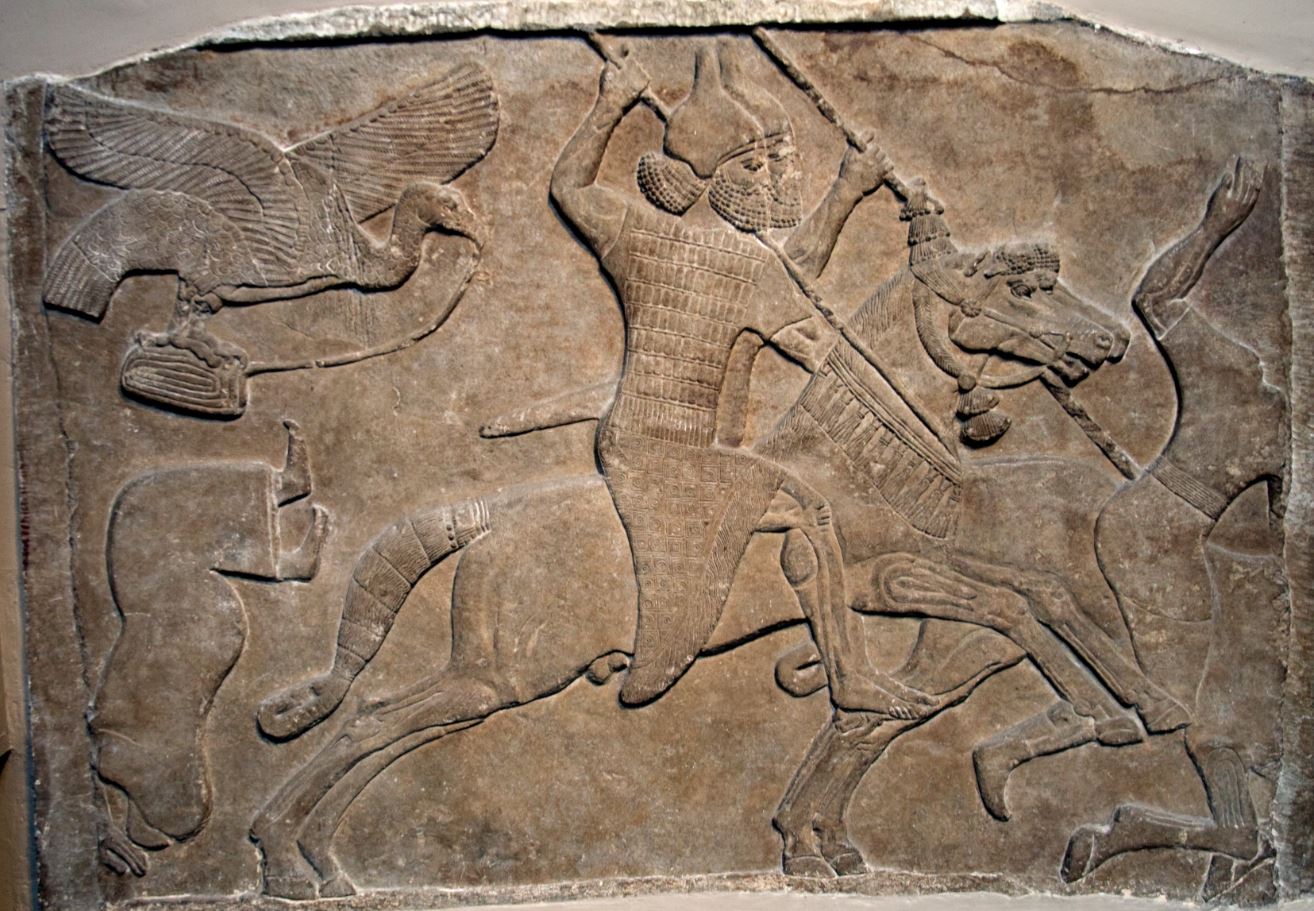
Rav Yehuda says that Rav says: David had four hundred children in his army, and all of them were sons of beautiful women taken captive from their gentile homes during war (see Deuteronomy 21:10–14). And they grew their hair in a gentile hairstyle, and they all sat in carriages [bikronot] of gold. And they walked at the head of the troops, and they were the strong-arm enforcers of the house of David, on whose loyalty David’s monarchy relied.

וְאָמַר רַב יְהוּדָה אָמַר רַב: תָּמָר בַּת יְפַת תּוֹאַר הָיְתָה, שֶׁנֶּאֱמַר: ״וְעַתָּה דַּבֶּר נָא אֶל הַמֶּלֶךְ כִּי לֹא יִמְנָעֵנִי מִמֶּךָּ״. וְאִי סָלְקָא דַעְתָּךְ בַּת נִישּׂוּאִין הֲוַאי, אֲחָתֵיהּ מִי הֲוָה שַׁרְיָא לֵיהּ? אֶלָּא שְׁמַע מִינַּהּ: בַּת יְפַת תּוֹאַר הָיְתָה.

And Rav Yehuda says that Rav says: David’s daughter Tamar was the daughter of a beautiful woman taken captive in war and was born before her mother converted. Therefore, Tamar was not considered the daughter of David according to halakha. The proof of this is in what she said to Amnon, son of David, as it is stated: “Now, therefore, speak, please, to the king, for he will not withhold me from you” (II Samuel 13:13). And if it enters your mind to say that she was the daughter of a woman David married, would David have permitted Amnon’s sister to him as a wife? Rather, learn from this verse that she was the daughter of a beautiful woman who converted after Tamar was born, so halakhically Tamar was not a daughter of David.

״וּלְאַמְנוֹן רֵעַ וּשְׁמוֹ יוֹנָדָב בֶּן שִׁמְעָה אֲחִי דָוִד וְיוֹנָדָב אִישׁ חָכָם וְגוֹ׳״. אָמַר רַב יְהוּדָה אָמַר רַב: אִישׁ חָכָם לְרִשְׁעָה.

The Gemara continues to interpret the story of Amnon and Tamar. The verse states: “And Amnon had a friend whose name was Jonadab, son of Shimeah, David’s brother, and Jonadab was a very wise man” (II Samuel 13:3). Rav Yehuda says that Rav says: A wise man for wickedness.

״וַיֹּאמֶר … מַדּוּעַ אַתָּה כָּכָה דַּל בֶּן הַמֶּלֶךְ … וַיֹּאמֶר לוֹ יוֹנָדָב שְׁכַב עַל מִשְׁכָּבְךָ וְהִתְחָל וְגוֹ׳״, עַד ״וְעָשְׂתָה לְעֵינַי אֶת הַבִּרְיָה״. ״וַתִּקַּח הַמַּשְׂרֵת וַתִּצֹק לְפָנָיו״. אָמַר רַב יְהוּדָה אָמַר רַב: שֶׁעָשְׂתָה לוֹ מִינֵי טִיגּוּן.

The verse recounts Jonadab’s words to Amnon: “And he said to him: Why, son of the king, are you so, becoming leaner from day to day… and Jonadab said to him: Lie on your bed and feign illness, and when your father comes to see you, say to him: Let my sister Tamar come, please, and give me bread, and she should dress the food in my sight…And she took the pan and poured them out before him” (II Samuel 13:4–5, 9). Rav Yehuda says that Rav says: This means that Tamar prepared various kinds of fried [tiggun] food for Amnon.

״וַיִּשְׂנָאֶהָ אַמְנוֹן שִׂנְאָה גְּדוֹלָה מְאֹד״. מַאי טַעְמָא? אָמַר רַבִּי יִצְחָק: נִימָא נִקְשְׁרָה לוֹ וַעֲשָׂאַתּוּ כְּרוּת שׇׁפְכָה. וְכִי נִקְשְׁרָה לוֹ, אִיהִי מַאי עֲבַדָה? אֶלָּא אֵימָא: קָשְׁרָה לוֹ נִימָא וַעֲשָׂאַתּוּ כְּרוּת שׇׁפְכָה.

At the end of the story, the verse states: “Then Amnon hated her with exceeding, great hatred, for greater was the hatred with which he hated her than the love with which he had loved her” (II Samuel 13:15). The Gemara asks: What is the reason for Amnon’s intense hatred? Rabbi Yitzḥak says: While he raped her, a hair [nima] of hers became tied around his penis and caused him to be one whose penis has been severed. The Gemara asks: But if the hair became tied around his penis, what did she do? Why would Amnon hold this against her? Rather, say that she intentionally tied a hair around his penis during intercourse, and she made him one whose penis has been severed in order to take revenge on him, and for this he hated her.

אִינִי? וְהָא דָּרֵשׁ רָבָא: מַאי דִּכְתִיב ״וַיֵּצֵא לָךְ שֵׁם בַּגּוֹיִם בְּיׇפְיֵךְ״? שֶׁאֵין לָהֶן לִבְנוֹת יִשְׂרָאֵל לֹא שְׂעַר בֵּית הַשֶּׁחִי וְלָא בֵּית הָעֶרְוָה! שָׁאנֵי תָּמָר, דְּבַת יְפַת תּוֹאַר הֲוַאי.

The Gemara challenges this: Is that so? But didn’t Rava interpret a verse homiletically: What is the meaning of that which is written: “And your renown went forth among the nations about your beauty” (Ezekiel 16:14)? This teaches that Jewish women do not have armpit hair or pubic hair. Therefore, Tamar would have had no hair to injure Amnon in that way. The Gemara responds: Tamar is different, as she was the daughter of a beautiful woman, who was a gentile.

״וַתִּקַּח תָּמָר אֵפֶר עַל רֹאשָׁהּ וְאֶת כְּתֹנֶת הַפַּסִּים אֲשֶׁר עָלֶיהָ קָרָעָה״. תָּנָא מִשְּׁמֵיהּ דְּרַבִּי יְהוֹשֻׁעַ בֶּן קׇרְחָה: גָּדֵר גָּדוֹל גָּדְרָה תָּמָר בְּאוֹתָהּ שָׁעָה. אָמְרוּ: לִבְנוֹת מְלָכִים כָּךְ, לִבְנוֹת הֶדְיוֹטוֹת עַל אַחַת כַּמָּה וְכַמָּה. אִם לַצְּנוּעוֹת כָּךְ, לַפְּרוּצוֹת עַל אַחַת כַּמָּה וְכַמָּה. אָמַר רַב יְהוּדָה אָמַר רַב: בְּאוֹתָהּ שָׁעָה גָּזְרוּ

The verse relates that after Amnon raped her: “And Tamar put ashes on her head and rent her garment of many colors that was on her” (II Samuel 13:19). The Sages taught in the name of Rabbi Yehoshua ben Korḥa: Tamar established a great fence at that time by way of her public outcry, as people said: If such an occurrence could happen to the daughters of kings, all the more so could it happen to the daughters of ordinary people. If such an occurrence could happen to modest women like Tamar, who resisted, all the more so could it happen to licentious women. Rav Yehuda says that Rav says: At that time they decreed

עַל הַיִּיחוּד, וְעַל הַפְּנוּיָה.

about seclusion, that a man should not be secluded with women who are forbidden to him, and about a single woman.

יִחוּד? דְּאוֹרָיְיתָא הוּא! דְּאָמַר רַבִּי יוֹחָנָן מִשּׁוּם רַבִּי שִׁמְעוֹן בֶּן יְהוֹצָדָק: רֶמֶז לְיִיחוּד מִן הַתּוֹרָה מִנַּיִין? שֶׁנֶּאֱמַר: ״כִּי יְסִיתְךָ אָחִיךָ בֶן אִמֶּךָ״. וְכִי בֶּן אֵם מֵסִית, בֶּן אָב אֵינוֹ מֵסִית? אֶלָּא לוֹמַר לָךְ: בֵּן מִתְיַיחֵד עִם אִמּוֹ, וְאֵין אַחֵר מִתְיַיחֵד עִם כׇּל עֲרָיוֹת שֶׁבַּתּוֹרָה.

The Gemara objects: Seclusion with a woman forbidden by familial ties is prohibited by Torah law, and was not a rabbinic decree issued in the time of David. As Rabbi Yoḥanan says in the name of Rabbi Shimon ben Yehotzadak: From where is there an allusion to the halakha that seclusion is forbidden by Torah law? As it is stated: “If your brother, the son of your mother, entices you” (Deuteronomy 13:7). One can ask: But does the son of a mother entice, and does the son of a father not entice? Why mention only the son of a mother? Rather, this verse serves to tell you that only a son may be secluded with his mother. Sons are frequently with their mother, and two half-brothers of one mother consequently have the opportunity to grow close to one another. But another individual may not be secluded with those with whom relations are forbidden by the Torah, including a stepmother. Therefore, half-brothers of one father spend less time together.

אֶלָּא אֵימָא: גָּזְרוּ עַל יִיחוּד דִּפְנוּיָה.

Since seclusion, then, is prohibited by Torah law, how did Rav say that it was prohibited by a decree issued in King David’s time? Rather, say that they decreed against seclusion of a man with a single woman, to prevent occurrences like that of Amnon and Tamar.

״וַאֲדֹנִיָּה בֶן חַגִּית מִתְנַשֵּׂא לֵאמֹר אֲנִי אֶמְלֹךְ״. אָמַר רַב יְהוּדָה אָמַר רַב: מְלַמֵּד שֶׁבִּיקֵּשׁ לְהוֹלְמוֹ, וְלֹא הוֹלַמְתּוֹ.

Apropos Amnon, the Gemara cites traditions about another son of David: “Now Adonijah, son of Haggith, exalted himself, saying: I will be king” (I Kings 1:5). Rav Yehuda says that Rav says: The term “exalted himself” teaches that he sought for the monarchy to fit him, but it did not fit him.

״וַיַּעַשׂ לוֹ רֶכֶב וּפָרָשִׁים וַחֲמִשִּׁים אִישׁ רָצִים לְפָנָיו״. מַאי רְבוּתָא? אָמַר רַב יְהוּדָה אָמַר רַב: כּוּלָּן נְטוּלֵי טְחוֹל וַחֲקוּקֵי כַּפּוֹת רַגְלַיִם הָיוּ.

The verse continues: “And he prepared for himself chariots and riders and fifty people to run before him” (I Kings 1:5). The Gemara asks: What is the novelty of these actions, since other wealthy people do the same, even if they are not the sons of kings, with designs on the throne? Rav Yehuda says that Rav says: What was unique was that the runners all had their spleens removed and had the soles of their feet hollowed, removing the flesh of their feet, and these two procedures enhanced their speed.

מַתְנִי׳ ״לֹא יַרְבֶּה לּוֹ סוּסִים״, אֶלָּא כְּדֵי מֶרְכַּבְתּוֹ. ״וְכֶסֶף וְזָהָב לֹא יַרְבֶּה לּוֹ מְאֹד״, אֶלָּא כְּדֵי לִיתֵּן אַפְסַנְיָא. וְכוֹתֵב לוֹ סֵפֶר תּוֹרָה לִשְׁמוֹ. יוֹצֵא לַמִּלְחָמָה – מוֹצִיאָהּ עִמּוֹ, נִכְנָס – הוּא מַכְנִיסָהּ עִמּוֹ, יוֹשֵׁב בַּדִּין – הִיא עִמּוֹ, מֵיסֵב – הִיא כְּנֶגְדּוֹ, שֶׁנֶּאֱמַר: ״וְהָיְתָה עִמּוֹ וְקָרָא בוֹ כׇּל יְמֵי חַיָּיו״.

MISHNA: The king “shall not accumulate many horses for himself” (Deuteronomy 17:16), but only enough for his chariot in war and in peace. “Neither shall he greatly accumulate silver and gold for himself” (Deuteronomy 17:17), but only enough to provide his soldiers’ sustenance [aspanya]. And the king writes himself a Torah scroll for his sake, as stipulated in Deuteronomy 17:18. When he goes out to war, he brings it out with him. When he comes in from war, he brings it in with him. When he sits in judgment, it is with him. When he reclines to eat, it is opposite him, as it is stated: “And it shall be with him and he shall read it all the days of his life” (Deuteronomy 17:19).

גְּמָ׳ תָּנוּ רַבָּנַן: ״לֹא יַרְבֶּה לוֹ סוּסִים״ – יָכוֹל אֲפִילּוּ כְּדֵי מֶרְכַּבְתּוֹ וּפָרָשָׁיו? תַּלְמוּד לוֹמַר ״לוֹ״ – לוֹ אֵינוֹ מַרְבֶּה, אֲבָל מַרְבֶּה הוּא כְּדֵי רִכְבּוֹ וּפָרָשָׁיו. הָא מָה אֲנִי מְקַיֵּים ״סוּסִים״? סוּסִים הַבַּטְלָנִין. מִנַּיִין שֶׁאֲפִילּוּ סוּס אֶחָד וְהוּא בָּטֵל שֶׁהוּא בְּ״לֹא יַרְבֶּה״? תַּלְמוּד לוֹמַר ״לְמַעַן הַרְבּוֹת סוּס״.

GEMARA: The Sages taught in a baraita with regard to the verse: “He shall not accumulate many horses [susim] for himself nor return the people to Egypt for the sake of accumulating horses [sus]” (Deuteronomy 17:16): One might have thought that he shall not have even enough horses for his chariot and riders. Therefore, the verse states: “For himself,” teaching that only if the horses are for himself, for personal pleasure, he shall not accumulate them, but he may accumulate horses for his chariot and riders. How, then, do I realize the meaning of “horses [susim]” in the verse? It is referring to idle horses, which serve no purpose other than glorifying the king. From where is it derived that even if the king has one horse that is idle, that he transgresses “he shall not accumulate”? The verse states: “For the sake of accumulating horses [sus],” with the term for horses written in the singular.

וְכִי מֵאַחַר דַּאֲפִילּוּ סוּס אֶחָד וְהוּא בָּטֵל קָאֵי בְּ״לֹא יַרְבֶּה״, ״סוּסִים״ לְמָה לִי? לַעֲבוֹר בְּלֹא תַעֲשֶׂה עַל כׇּל סוּס וְסוּס.

The Gemara asks: But once the verse taught that even one horse that is idle stands to be included in the prohibition of “he shall not accumulate,” why do I need the plural form “horses” in the first clause of the verse? The Gemara responds: Its purpose is to teach that a king would transgress the prohibition an additional time for each and every idle horse.

טַעְמָא דִּכְתַב רַחֲמָנָא ״לוֹ״, הָא לָאו הָכִי הֲוָה אָמֵינָא אֲפִילּוּ כְּדֵי רִכְבּוֹ וּפָרָשָׁיו נָמֵי לָא? לָא צְרִיכָא, לְאַפּוֹשֵׁי.

The Gemara questions this ruling: The specific reason for limiting the prohibition to idle horses is that the Merciful One writes: “He shall not accumulate for himself,” which indicates, consequently, that if the Torah had not written this, I would say that even enough horses for his chariot and riders are not permitted; and this is unreasonable, since the king needs an army. The Gemara responds: No, the term “for himself” is necessary to teach that it is permitted for the king to add a reasonable number of horses beyond the necessary minimum, and it is only strictly personal use that is prohibited.

״וְכֶסֶף וְזָהָב לֹא יַרְבֶּה לוֹ״, אֶלָּא כְּדֵי לִיתֵּן אַפְסַנְיָא. תָּנוּ רַבָּנַן: ״וְכֶסֶף וְזָהָב לֹא יַרְבֶּה לוֹ״ – יָכוֹל אֲפִילּוּ כְּדֵי לִיתֵּן אַפְסַנְיָא? תַּלְמוּד לוֹמַר ״לוֹ״ – לוֹ אֵינוֹ מַרְבֶּה, אֲבָל מַרְבֶּה הוּא כְּדֵי לִיתֵּן אַפְסַנְיָא.

The mishna teaches: “Neither shall he greatly accumulate silver and gold for himself” (Deuteronomy 17:17), but only enough to provide his soldiers’ sustenance. The Sages taught in a baraita: From the command “neither shall he greatly accumulate silver and gold for himself,” one might have thought that he should not have even enough to provide his soldiers’ sustenance. To counter this, the verse states: “For himself,” teaching that only if the silver and gold is for himself, for personal pleasure, he shall not accumulate it, but he may accumulate enough silver and gold to provide his soldiers’ sustenance.

טַעְמָא דִּכְתַב רַחֲמָנָא ״לוֹ״? הָא לָאו הָכִי, הֲוָה אָמֵינָא: אֲפִילּוּ כְּדֵי לִיתֵּן אַפְסַנְיָא נָמֵי לָא? לָא צְרִיכָא, לְהַרְוָוחָה.

The Gemara questions this ruling: The specific reason for limiting the accumulation of personal wealth is that the Merciful One writes: “Neither shall he greatly accumulate silver and gold for himself,” which indicates, consequently, that if the Torah had not written this, I would say that it is not permitted for the king to accumulate even enough silver and gold to provide his soldiers’ sustenance; this is unreasonable, since the king needs an army. The Gemara responds: No, the term “for himself” is necessary to teach that the king is permitted to allow for a liberal appropriation to the military budget, so that the army has a comfortable financial cushion.

הַשְׁתָּא דְּאָמְרַתְּ ״לוֹ״ לִדְרָשָׁה, ״לֹא יַרְבֶּה לוֹ נָשִׁים״ מַאי דָּרְשַׁתְּ בֵּיהּ? לְמַעוֹטֵי הֶדְיוֹטוֹת.

The Gemara asks: Now that you have said that the term “for himself” in the verse is stated for the purpose of a derivation for practical halakha, which limits and narrows the verse’s scope, what do you derive from the next phrase in the verse: “He shall not add many wives for himself”? The Gemara answers: That usage of “for himself” serves to exclude ordinary people, to specify that only the king is restricted from having many wives, but a civilian may marry as many women as he wants, provided he can support them financially.

רַב יְהוּדָה רָמֵי: כְּתִיב ״וַיְהִי לִשְׁלֹמֹה אַרְבָּעִים אֶלֶף אֻרְוֹת סוּסִים לְמֶרְכַּבְתּוֹ״, וּכְתִיב ״וַיְהִי לִשְׁלֹמֹה אַרְבַּעַת אֲלָפִים אֻרְווֹת סוּסִים״. הָא כֵּיצַד? אִם אַרְבָּעִים אֶלֶף אִיצְטַבְלָאוֹת הָיוּ, כׇּל אֶחָד וְאֶחָד הָיוּ בּוֹ אַרְבַּעַת אֲלָפִים אֻרְווֹת סוּסִים. וְאִם אַרְבַּעַת אֲלָפִים אִיצְטַבְלָאוֹת הָיוּ, כׇּל אֶחָד וְאֶחָד הָיוּ בּוֹ אַרְבָּעִים אֶלֶף אֻרְווֹת סוּסִים.

§ Rav Yehuda raises a contradiction: It is written in one verse: “And Solomon had forty thousand stalls of horses for his chariots” (I Kings 5:6), and it is written in another verse: “And Solomon had four thousand stalls for horses and chariots” (II Chronicles 9:25). How can these texts be reconciled? If there were forty thousand large stables [itztablaot], each and every one of them had in it four thousand stalls, or rows, for horses. And alternatively, if there were four thousand large stables, each and every one had in it forty thousand stalls for horses. Therefore the two verses are reconciled.

רַבִּי יִצְחָק רָמֵי: כְּתִיב ״אֵין כֶּסֶף נֶחְשָׁב בִּימֵי שְׁלֹמֹה לִמְאוּמָה״, וּכְתִיב ״וַיִּתֵּן שְׁלֹמֹה אֶת הַכֶּסֶף בִּירוּשָׁלִַים כָּאֲבָנִים״? לָא קַשְׁיָא: כָּאן – קוֹדֶם שֶׁנָּשָׂא שְׁלֹמֹה אֶת בַּת פַּרְעֹה, כָּאן – לְאַחַר שֶׁנָּשָׂא שְׁלֹמֹה אֶת בַּת פַּרְעֹה.

Rabbi Yitzḥak raises a contradiction: It is written in one verse: “Silver was not worth anything in the days of Solomon (II Chronicles 9:20), and it is written in another verse: “And the king made silver in Jerusalem as stones” (I Kings 10:27), i.e., gems. The Gemara responds: It is not difficult: Here, where silver was worthless, this was before Solomon sinfully married Pharaoh’s daughter. There, where the silver was valuable, this was after Solomon married Pharaoh’s daughter.

אָמַר רַבִּי יִצְחָק: בְּשָׁעָה שֶׁנָּשָׂא שְׁלֹמֹה אֶת בַּת פַּרְעֹה, יָרַד גַּבְרִיאֵל וְנָעַץ קָנֶה בַּיָּם, וְהֶעֱלָה שִׂירְטוֹן, וְעָלָיו נִבְנָה כְּרַךְ גָּדוֹל שֶׁבְּרוֹמִי.

Rabbi Yitzḥak says: When Solomon married Pharaoh’s daughter, the angel Gabriel descended from Heaven and implanted a pole in the sea. And it gradually raised up a sandbar [sirton] around it, creating new, dry land, and on it the great city of Rome was built. This shows that the beginning of the Jewish people’s downfall to Rome came with Solomon’s marriage to Pharaoh’s daughter.

וְאָמַר רַבִּי יִצְחָק: מִפְּנֵי מָה לֹא נִתְגַּלּוּ טַעֲמֵי תּוֹרָה? שֶׁהֲרֵי שְׁתֵּי מִקְרָאוֹת נִתְגַּלּוּ טַעְמָן, וְנִכְשַׁל בָּהֶן גְּדוֹל הָעוֹלָם. כְּתִיב: ״לֹא יַרְבֶּה לוֹ נָשִׁים״. אָמַר שְׁלֹמֹה: ״אֲנִי אַרְבֶּה וְלֹא אָסוּר״. וּכְתִיב: ״וַיְהִי לְעֵת זִקְנַת שְׁלֹמֹה נָשָׁיו הִטּוּ אֶת לְבָבוֹ״.

And Rabbi Yitzḥak says: For what reason were the rationales of Torah commandments not revealed? It was because the rationales of two verses were revealed, and the greatest in the world, King Solomon, failed in those matters. It is written with regard to a king: “He shall not add many wives for himself, that his heart should not turn away” (Deuteronomy 17:17). Solomon said: I will add many, but I will not turn away, as he thought that it is permitted to have many wives if one is otherwise meticulous not to stray. And later, it is written: “For it came to pass, when Solomon was old, that his wives turned away his heart after other gods” (I Kings 11:4).

וּכְתִיב: ״לֹא יַרְבֶּה לּוֹ סוּסִים״, וְאָמַר שְׁלֹמֹה: ״אֲנִי אַרְבֶּה וְלֹא אָשִׁיב״. וּכְתִיב: ״וַתֵּצֵא מֶרְכָּבָה מִמִּצְרַיִם בְּשֵׁשׁ וְגוֹ׳״.

And it is also written: “Only he shall not accumulate many horses for himself nor return the people to Egypt for the sake of accumulating horses” (Deuteronomy 17:16), and Solomon said: I will accumulate many, but I will not return. And it is written: “And a chariot came up and went out of Egypt for six hundred shekels of silver” (I Kings 10:29), teaching that not only did Solomon violate the Torah, but he also failed in applying the rationale given for its commandments. This demonstrates the wisdom in the Torah’s usual silence as to the rationale for its mitzvot, as individuals will not mistakenly rely on their own wisdom to reason that the mitzvot are inapplicable in some circumstances.

וְכוֹתֵב סֵפֶר תּוֹרָה לִשְׁמוֹ. תְּנָא: וּבִלְבַד שֶׁלֹּא יִתְנָאֶה בְּשֶׁל אֲבוֹתָיו.

§ The mishna teaches that the king writes a Torah scroll for his sake. The Sages taught in a baraita (Tosefta 4:4): The king fulfills the mitzva provided that he does not beautify himself with the Torah scroll of his ancestors for this purpose, i.e., he must write his own scroll.

אָמַר רָבָא: אַף עַל פִּי שֶׁהִנִּיחוּ לוֹ אֲבוֹתָיו לְאָדָם סֵפֶר תּוֹרָה, מִצְוָה לִכְתּוֹב מִשֶּׁלּוֹ, שֶׁנֶּאֱמַר: ״וְעַתָּה כִּתְבוּ לָכֶם אֶת הַשִּׁירָה״. אֵיתִיבֵיהּ אַבָּיֵי: וְכוֹתֵב לוֹ סֵפֶר תּוֹרָה לִשְׁמוֹ, שֶׁלֹּא יִתְנָאֶה בְּשֶׁל אֲחֵרִים. מֶלֶךְ – אִין, הֶדְיוֹט – לֹא!

Rava says: With regard to the mitzva for every Jew to write himself a Torah scroll, even if a person’s ancestors left him a Torah scroll, it is a mitzva to write a scroll of one’s own, as it is stated: “Now, therefore, write for yourselves this song and teach it to the children of Israel” (Deuteronomy 31:19). Abaye raised an objection to him from a baraita concerning the king’s Torah scroll: And he writes himself a Torah scroll for his sake, so that he does not beautify himself with the Torah scroll of others. Read precisely, this indicates that a king, yes, he is included in the halakha not to have a scroll inherited from his ancestors suffice, but an ordinary person is not.

לָא, צְרִיכָא לִשְׁתֵּי תּוֹרוֹת, וְכִדְתַנְיָא: ״וְכָתַב לוֹ אֶת מִשְׁנֵה וְגוֹ׳״ – כּוֹתֵב לִשְׁמוֹ שְׁתֵּי תּוֹרוֹת: אַחַת שֶׁהִיא יוֹצְאָה וְנִכְנֶסֶת עִמּוֹ, וְאַחַת שֶׁמּוּנַּחַת לוֹ בְּבֵית גְּנָזָיו.

The Gemara dismisses Abaye’s objection: No, the ruling of that baraita is necessary to teach that the king is commanded to write two Torah scrolls; he writes one scroll as does any Jew, and he writes an additional scroll because he is king. And this is as it is taught in a baraita: The verse states: “That he shall write for himself a second Torah in a scroll, out of that which is before the priests the Levites” (Deuteronomy 17:18). This teaches that he writes for his sake two Torah scrolls, one that goes out and comes in with him at all times, and one that is placed in his treasury.

אוֹתָהּ שֶׁיּוֹצְאָה וְנִכְנֶסֶת עִמּוֹ, עוֹשֶׂה אוֹתָהּ כְּמִין קָמֵיעַ וְתוֹלָהּ בִּזְרוֹעוֹ, שֶׁנֶּאֱמַר: ״שִׁוִּיתִי ה׳ לְנֶגְדִּי תָמִיד כִּי מִימִינִי בַּל אֶמּוֹט״. אֵינוֹ נִכְנָס בָּהּ לֹא לְבֵית הַמֶּרְחָץ וְלֹא לְבֵית הַכִּסֵּא, שֶׁנֶּאֱמַר: ״וְהָיְתָה עִמּוֹ וְקָרָא בוֹ״ – מָקוֹם הָרָאוּי לִקְרוֹת בּוֹ.

The baraita continues: With regard to the one that goes out and comes in with him, he makes it very small, like an amulet, and he hangs it on his arm, as it is stated: “I have set the Lord always before me; He is at my right hand, that I shall not be moved” (Psalms 16:8). This alludes to the small Torah scroll that is always on his right hand. He does not go into the bathhouse with it, nor into the bathroom, as it is stated: “And it shall be with him and he shall read from it” (Deuteronomy 17:19), meaning, it shall remain in a place that is appropriate for reading from it.

אָמַר מָר זוּטְרָא, וְאִיתֵּימָא מָר עוּקְבָא: בַּתְּחִלָּה נִיתְּנָה תּוֹרָה לְיִשְׂרָאֵל בִּכְתָב עִבְרִי וּלְשׁוֹן הַקּוֹדֶשׁ. חָזְרָה וְנִיתְּנָה לָהֶם בִּימֵי עֶזְרָא בִּכְתָב אַשּׁוּרִי וּלְשׁוֹן אֲרַמִּי. בֵּירְרוּ לָהֶן יִשְׂרָאֵל כְּתָב אַשּׁוּרִי וּלְשׁוֹן הַקּוֹדֶשׁ, וְהִנִּיחוּ לַהֶדְיוֹטוֹת כְּתָב עִבְרִית וּלְשׁוֹן אֲרַמִּי.

§ Mar Zutra says, and some say that it is Mar Ukva who says: Initially, the Torah was given to the Jewish people in Ivrit script, the original form of the written language, and the sacred tongue, Hebrew. It was given to them again in the days of Ezra in Ashurit script and the Aramaic tongue. The Jewish people selected Ashurit script and the sacred tongue for the Torah scroll and left Ivrit script and the Aramaic tongue for the commoners.

מַאן הֶדְיוֹטוֹת? אָמַר רַב חִסְדָּא: כּוּתָאֵי. מַאי כְּתָב עִבְרִית? אָמַר רַב חִסְדָּא: כְּתָב לִיבּוֹנָאָה.

The Gemara asks: Who are these commoners? Rav Ḥisda said: The Samaritans [Kutim]. The Gemara asks: What is Ivrit script? Rav Ḥisda says: Libona’a script.

תַּנְיָא, רַבִּי יוֹסֵי אוֹמֵר: רָאוּי הָיָה עֶזְרָא שֶׁתִּינָּתֵן תּוֹרָה עַל יָדוֹ לְיִשְׂרָאֵל, אִילְמָלֵא לֹא קְדָמוֹ מֹשֶׁה. בְּמֹשֶׁה הוּא אוֹמֵר: ״וּמֹשֶׁה עָלָה אֶל הָאֱלֹהִים״, בְּעֶזְרָא הוּא אוֹמֵר: ״הוּא עֶזְרָא עָלָה מִבָּבֶל״. מָה עֲלִיָּיה הָאֲמוּרָה כָּאן – תּוֹרָה, אַף עֲלִיָּיה הָאֲמוּרָה לְהַלָּן – תּוֹרָה.

It is taught in a baraita (Tosefta 4:5): Rabbi Yosei says: Ezra was suitable, given his greatness, for the Torah to be given by him to the Jewish people, had Moses not come first and received the Torah already. With regard to Moses the verse states: “And Moses went up to God” (Exodus 19:3), and with regard to Ezra the verse states: “This Ezra went up from Babylon and he was a ready scribe in the Torah of Moses, which the Lord, the God of Israel, had given” (Ezra 7:6). Just as the going up stated here, with regard to Moses, is for the Torah, which he received from God and transmitted to the Jewish people, so too, the going up stated there, with regard to Ezra, is for the Torah, as he taught Torah to the Jewish people and was suitable to have originally merited to give it.

בְּמֹשֶׁה הוּא אוֹמֵר: ״וְאֹתִי צִוָּה ה׳ בָּעֵת הַהִיא לְלַמֵּד אֶתְכֶם חֻקִּים וּמִשְׁפָּטִים״. בְּעֶזְרָא הוּא אוֹמֵר: ״כִּי עֶזְרָא הֵכִין לְבָבוֹ לִדְרֹשׁ אֶת תּוֹרַת ה׳ אֱלֹהָיו וְלַעֲשֹׂת וּלְלַמֵּד בְּיִשְׂרָאֵל חֹק וּמִשְׁפָּט״. וְאַף עַל פִּי שֶׁלֹּא נִיתְּנָה תּוֹרָה עַל יָדוֹ, נִשְׁתַּנָּה עַל יָדוֹ הַכְּתָב, שֶׁנֶּאֱמַר:

The baraita continues: With regard to Moses the verse states: “And the Lord commanded me at that time to teach you statutes and ordinances” (Deuteronomy 4:14), and with regard to Ezra the verse states: “For Ezra had set his heart to seek the Torah of the Lord his God and to do it and to teach in Israel statutes and ordinances” (Ezra 7:10). And even though the Torah was not given literally by him, the script of the Torah was changed by him, as it is stated:

Today’s daily daf tools:

Delve Deeper

Broaden your understanding of the topics on this daf with classes and podcasts from top women Talmud scholars.

For the Beyond the Daf shiurim offered in Hebrew, see here.

New to Talmud?

Check out our resources designed to help you navigate a page of Talmud – and study at the pace, level and style that fits you. 

The Hadran Women’s Tapestry

Meet the diverse women learning Gemara at Hadran and hear their stories. 

My Daf journey began in August 2012 after participating in the Siyum Hashas where I was blessed as an “enabler” of others.  Galvanized into my own learning I recited the Hadran on Shas in January 2020 with Rabbanit Michelle. That Siyum was a highlight in my life.  Now, on round two, Daf has become my spiritual anchor to which I attribute manifold blessings.

Rina Goldberg
Rina Goldberg

Englewood NJ, United States

“I got my job through the NY Times” was an ad campaign when I was growing up. I can headline “I got my daily Daf shiur and Hadran through the NY Times”. I read the January 4, 2020 feature on Reb. Michelle Farber and Hadran and I have been participating ever since. Thanks NY Times & Hadran!
Deborah Aschheim
Deborah Aschheim

New York, United States

I started learning after the siyum hashas for women and my daily learning has been a constant over the last two years. It grounded me during the chaos of Corona while providing me with a community of fellow learners. The Daf can be challenging but it’s filled with life’s lessons, struggles and hope for a better world. It’s not about the destination but rather about the journey. Thank you Hadran!

Dena Lehrman
Dena Lehrman

אפרת, Israel

I decided to give daf yomi a try when I heard about the siyum hashas in 2020. Once the pandemic hit, the daily commitment gave my days some much-needed structure. There have been times when I’ve felt like quitting- especially when encountering very technical details in the text. But then I tell myself, “Look how much you’ve done. You can’t stop now!” So I keep going & my Koren bookshelf grows…

Miriam Eckstein-Koas

Huntington, United States

I started learning Dec 2019 after reading “If all the Seas Were Ink”. I found
Daily daf sessions of Rabbanit Michelle in her house teaching, I then heard about the siyum and a new cycle starting wow I am in! Afternoon here in Sydney, my family and friends know this is my sacred time to hide away to live zoom and learn. Often it’s hard to absorb and relate then a gem shines touching my heart.

Dianne Kuchar
Dianne Kuchar

Dover Heights, Australia

I read Ilana Kurshan’s “If All the Seas Were Ink” which inspired me. Then the Women’s Siyum in Jerusalem in 2020 convinced me, I knew I had to join! I have loved it- it’s been a constant in my life daily, many of the sugiyot connect to our lives. My family and friends all are so supportive. It’s incredible being part of this community and love how diverse it is! I am so excited to learn more!

Shira Jacobowitz
Shira Jacobowitz

Jerusalem, Israel

I began my journey with Rabbanit Michelle more than five years ago. My friend came up with a great idea for about 15 of us to learn the daf and one of us would summarize weekly what we learned.
It was fun but after 2-3 months people began to leave. I have continued. Since the cycle began Again I have joined the Teaneck women.. I find it most rewarding in so many ways. Thank you

Dena Heller
Dena Heller

New Jersey, United States

Years ago, I attended the local Siyum HaShas with my high school class. It was inspiring! Through that cycle and the next one, I studied masekhtot on my own and then did “daf yomi practice.” The amazing Hadran Siyum HaShas event firmed my resolve to “really do” Daf Yomi this time. It has become a family goal. We’ve supported each other through challenges, and now we’re at the Siyum of Seder Moed!

Elisheva Brauner
Elisheva Brauner

Jerusalem, Israel

I started learning daf yomi at the beginning of this cycle. As the pandemic evolved, it’s been so helpful to me to have this discipline every morning to listen to the daf podcast after I’ve read the daf; learning about the relationships between the rabbis and the ways they were constructing our Jewish religion after the destruction of the Temple. I’m grateful to be on this journey!

Mona Fishbane
Mona Fishbane

Teaneck NJ, United States

I never thought I’d be able to do Daf Yomi till I saw the video of Hadran’s Siyum HaShas. Now, 2 years later, I’m about to participate in Siyum Seder Mo’ed with my Hadran community. It has been an incredible privilege to learn with Rabbanit Michelle and to get to know so many caring, talented and knowledgeable women. I look forward with great anticipation and excitement to learning Seder Nashim.

Caroline-Ben-Ari-Tapestry
Caroline Ben-Ari

Karmiel, Israel

Studying has changed my life view on הלכה and יהדות and time. It has taught me bonudaries of the human nature and honesty of our sages in their discourse to try and build a nation of caring people .

Goldie Gilad
Goldie Gilad

Kfar Saba, Israel

After reading the book, “ If All The Seas Were Ink “ by Ileana Kurshan I started studying Talmud. I searched and studied with several teachers until I found Michelle Farber. I have been studying with her for two years. I look forward every day to learn from her.

Janine Rubens
Janine Rubens

Virginia, United States

I started learning Dec 2019 after reading “If all the Seas Were Ink”. I found
Daily daf sessions of Rabbanit Michelle in her house teaching, I then heard about the siyum and a new cycle starting wow I am in! Afternoon here in Sydney, my family and friends know this is my sacred time to hide away to live zoom and learn. Often it’s hard to absorb and relate then a gem shines touching my heart.

Dianne Kuchar
Dianne Kuchar

Dover Heights, Australia

After enthusing to my friend Ruth Kahan about how much I had enjoyed remote Jewish learning during the earlier part of the pandemic, she challenged me to join her in learning the daf yomi cycle. I had always wanted to do daf yomi but now had no excuse. The beginning was particularly hard as I had never studied Talmud but has become easier, as I have gained some familiarity with it.

Susan-Vishner-Hadran-photo-scaled
Susan Vishner

Brookline, United States

I saw an elderly man at the shul kiddush in early March 2020, celebrating the siyyum of masechet brachot which he had been learning with a young yeshiva student. I thought, if he can do it, I can do it! I began to learn masechet Shabbat the next day, Making up masechet brachot myself, which I had missed. I haven’t missed a day since, thanks to the ease of listening to Hadran’s podcast!
Judith Shapiro
Judith Shapiro

Minnesota, United States

My family recently made Aliyah, because we believe the next chapter in the story of the Jewish people is being written here, and we want to be a part of it. Daf Yomi, on the other hand, connects me BACK, to those who wrote earlier chapters thousands of years ago. So, I feel like I’m living in the middle of this epic story. I’m learning how it all began, and looking ahead to see where it goes!
Tina Lamm
Tina Lamm

Jerusalem, Israel

Shortly after the death of my father, David Malik z”l, I made the commitment to Daf Yomi. While riding to Ben Gurion airport in January, Siyum HaShas was playing on the radio; that was the nudge I needed to get started. The “everyday-ness” of the Daf has been a meaningful spiritual practice, especial after COVID began & I was temporarily unable to say Kaddish at daily in-person minyanim.

Lisa S. Malik
Lisa S. Malik

Wynnewood, United States

I started at the beginning of this cycle. No 1 reason, but here’s 5.
In 2019 I read about the upcoming siyum hashas.
There was a sermon at shul about how anyone can learn Talmud.
Talmud references come up when I am studying. I wanted to know more.
Yentl was on telly. Not a great movie but it’s about studying Talmud.
I went to the Hadran website: A new cycle is starting. I’m gonna do this

Denise Neapolitan
Denise Neapolitan

Cambridge, United Kingdom

I began my journey two years ago at the beginning of this cycle of the daf yomi. It has been an incredible, challenging experience and has given me a new perspective of Torah Sh’baal Peh and the role it plays in our lives

linda kalish-marcus
linda kalish-marcus

Efrat, Israel

I began learning the daf in January 2022. I initially “flew under the radar,” sharing my journey with my husband and a few close friends. I was apprehensive – who, me? Gemara? Now, 2 years in, I feel changed. The rigor of a daily commitment frames my days. The intellectual engagement enhances my knowledge. And the virtual community of learners has become a new family, weaving a glorious tapestry.

Gitta Jaroslawicz-Neufeld

Far Rockaway, United States

Sanhedrin 21

״וַיִּמְשְׁחוּ לַה׳ לְנָגִיד וּלְצָדוֹק״, מַקִּישׁ נָגִיד לְצָדוֹק: מָה צָדוֹק – מֶחֱצָה לוֹ וּמֶחֱצָה לְאֶחָיו, אַף נָגִיד – מֶחֱצָה לוֹ וּמֶחֱצָה לְאֶחָיו.

“And they made Solomon, son of David, king the second time, and anointed him unto the Lord to be leader, and Tzadok to be priest” (I Chronicles 29:22). This verse compares a leader, referring to King Solomon, to Tzadok, the High Priest: Just as for Tzadok, half of the shewbread given to the priests is for him, the High Priest, and half is for all his brothers, the other priests, so too for the leader, half is for him and half is for his brothers, the rest of the army.

וְצָדוֹק גּוּפֵיהּ מְנָלַן? דְּתַנְיָא: רַבִּי אוֹמֵר: ״וְהָיְתָה לְאַהֲרֹן וּלְבָנָיו״ – מֶחֱצָה לְאַהֲרֹן וּמֶחֱצָה לְבָנָיו.

The Gemara asks: And with regard to Tzadok himself, from where do we derive that the High Priest takes half? The Gemara responds: As it is taught in a baraita: Rabbi Yehuda HaNasi says: The Torah states with regard to the apportionment of the shewbread: “And it shall be for Aaron and his sons, and they shall eat it in a holy place” (Leviticus 24:9), from which it is inferred: Half for Aaron and half for his sons.

מַתְנִי׳ ״לֹא יַרְבֶּה לוֹ נָשִׁים״, אֶלָּא שְׁמֹנֶה עֶשְׂרֵה. רַבִּי יְהוּדָה אוֹמֵר: מַרְבֶּה הוּא לוֹ, וּבִלְבַד שֶׁלֹּא יְהוּ מְסִירוֹת אֶת לִבּוֹ. רַבִּי שִׁמְעוֹן אוֹמֵר: אֲפִילּוּ אַחַת וּמְסִירָה אֶת לִבּוֹ – הֲרֵי זֶה לֹא יִשָּׂאֶנָּה. אִם כֵּן, לָמָּה נֶאֱמַר ״לֹא יַרְבֶּה לוֹ נָשִׁים״? דַּאֲפִילּוּ כַּאֲבִיגַיִל.

MISHNA: The king “shall not add many wives for himself” (Deuteronomy 17:17), but only eighteen. Rabbi Yehuda says: He may add many wives for himself, provided that they are not like those who turn his heart away from reverence for God. Rabbi Shimon says: Even if he wants to marry only one wife, if she turns his heart away, he should not marry her. If so, why is it stated: “He shall not add many wives for himself”? This teaches that even if his wives are like Abigail, who was righteous and prevented David from sin (see I Samuel, chapter 25), it is prohibited for him to have many wives.

גְּמָ׳ לְמֵימְרָא דְּרַבִּי יְהוּדָה דָּרֵישׁ טַעְמָא דִּקְרָא, וְרַבִּי שִׁמְעוֹן לָא דָּרֵישׁ טַעְמָא דִּקְרָא? וְהָא אִיפְּכָא שָׁמְעִינַן לְהוּ!

GEMARA: The Gemara asks: Is this to say that Rabbi Yehuda interprets the rationale behind the mitzva in the verse and draws halakhic conclusions based on that interpretation, and Rabbi Shimon does not interpret the rationale in the verse? But didn’t we hear them hold the opposite opinions with regard to interpreting the rationale behind a mitzva in a verse?

דְּתַנְיָא: אַלְמָנָה, בֵּין שֶׁהִיא עֲנִיָּה בֵּין שֶׁהִיא עֲשִׁירָה, אֵין מְמַשְׁכְּנִין אוֹתָהּ, שֶׁנֶּאֱמַר: ״לֹא תַחֲבֹל בֶּגֶד אַלְמָנָה״ – דִּבְרֵי רַבִּי יְהוּדָה. רַבִּי שִׁמְעוֹן אוֹמֵר: עֲשִׁירָה – מְמַשְׁכְּנִין אוֹתָהּ, עֲנִיָּיה – אֵין מְמַשְׁכְּנִין אוֹתָהּ, וְאַתָּה חַיָּיב לְהַחְזִיר לָהּ, וְאַתָּה מַשִּׂיאָהּ שֵׁם רַע בִּשְׁכֵנוֹתֶיהָ.

As it is taught in a baraita (Tosefta, Bava Metzia 10:3): In the case of a widow, whether she is poor or whether she is wealthy, one may not take collateral from her for a loan, as it is stated: “You may not take the garment of a widow for a pledge” (Deuteronomy 24:17); this is the statement of Rabbi Yehuda. Rabbi Shimon says: In the case of a wealthy widow, one may take collateral from her. But in the case of a poor widow, one may not take collateral from her, because you are obligated to return it to her, and you will give her a bad name among her neighbors.

וְאָמְרִינַן: מַאי קָאָמַר? הָכִי קָאָמַר: מִתּוֹךְ שֶׁאַתָּה מְמַשְׁכְּנָהּ, אַתָּה חַיָּיב לְהַחֲזִיר לָהּ, וְאַתָּה מַשִּׂיאָהּ שֵׁם רַע בִּשְׁכֵנוֹתֶיהָ. אַלְמָא, רַבִּי יְהוּדָה לָא דָּרֵישׁ טַעְמָא דִּקְרָא, וְרַבִּי שִׁמְעוֹן דָּרֵישׁ טַעְמָא דִּקְרָא.

And we say about this dispute: What is Rabbi Shimon saying? This is what he is saying: Because you take collateral from her, you are required to return it to her, as the verse states: “And if he is a poor person, you shall not sleep with his pledge; you shall restore the pledge to him when the sun goes down” (Deuteronomy 24:12–13), and you thereby give her a bad name among her neighbors, who will suspect licentious behavior when they see a man come to her house every morning and evening. Evidently, according to this dispute Rabbi Yehuda does not interpret the rationale in the verse and Rabbi Shimon does interpret the rationale in the verse.

בְּעָלְמָא, רַבִּי יְהוּדָה לָא דָּרֵישׁ טַעְמָא דִּקְרָא, וְשָׁאנֵי הָכָא דִּמְפָרֵשׁ טַעְמָא דִקְרָא: מַה טַּעַם ״לֹא יַרְבֶּה לוֹ נָשִׁים״? מִשּׁוּם ״דְּלֹא יָסוּר לְבָבוֹ״.

The Gemara explains: Generally, Rabbi Yehuda does not interpret the rationale in the verse, but it is different here, as the verse itself explains the rationale in the verse: What is the reason that “he shall not add many wives for himself”? He should not add many wives because of what is articulated in the continuation of the verse: “His heart should not turn.”

וְרַבִּי שִׁמְעוֹן אָמַר לָךְ: מִכְּדִי בְּעָלְמָא דָּרְשִׁינַן טַעְמָא דִּקְרָא, אִם כֵּן לִכְתּוֹב קְרָא ״לֹא יַרְבֶּה לוֹ נָשִׁים״ וְלִישְׁתּוֹק, וַאֲנָא אָמֵינָא: מָה טַעַם ״לֹא יַרְבֶּה״? מִשּׁוּם דְּ״לֹא יָסוּר״. ״לֹא יָסוּר״ לְמָה לִי? אֲפִילּוּ אַחַת וּמְסִירָה אֶת לִבּוֹ – הֲרֵי זוֹ לֹא יִשָּׂאֶנָּה. אֶלָּא מָה אֲנִי מְקַיֵּים ״לֹא יַרְבֶּה״? דַּאֲפִילּוּ כַּאֲבִיגַיִל.

And Rabbi Shimon could have said to you: Since generally we interpret the rationale in the verse, then if it is so that the prohibition against marrying many wives applies only to wives that are likely to lead his heart astray, the verse should write only: “He shall not add many wives for himself” and then be silent. In that case, I would say, on my own, what is the reason that he shall not add many wives? It is so that his heart should not turn away. Accordingly, why do I need the additional phrase “his heart should not turn away”? It serves to teach another halakha, that even if he wants to marry only one wife, if she turns his heart away, he should not marry her. But then how do I realize the meaning of the verse: “He shall not add many wives for himself”? It means that he should not have many wives even if they are like Abigail.

הָנֵי שְׁמוֹנֶה עֶשְׂרֵה מְנָלַן? דִּכְתִיב: ״וַיִּוָּלְדוּ לְדָוִד בָּנִים בְּחֶבְרוֹן וַיְהִי בְכוֹרוֹ אַמְנוֹן לַאֲחִינֹעַם הַיִּזְרְעֵאלִית. וּמִשְׁנֵהוּ כִלְאָב לַאֲבִיגַיִל אֵשֶׁת נָבָל הַכַּרְמְלִי וְהַשְּׁלִישִׁי אַבְשָׁלוֹם בֶּן מַעֲכָה … וְהָרְבִיעִי אֲדֹנִיָּה בֶן חַגִּית וְהַחֲמִישִׁי שְׁפַטְיָה בֶן אֲבִיטָל. וְהַשִּׁשִּׁי יִתְרְעָם לְעֶגְלָה אֵשֶׁת דָּוִד אֵלֶּה יֻלְּדוּ לְדָוִד בְּחֶבְרוֹן״.

§ As for those eighteen women that the king may marry, from where do we derive that number? The Gemara responds: As it is written: “And to David sons were born in Hebron; and his firstborn was Amnon, from Ahinoam the Jezreelitess; and his second, Chileab, from Abigail the wife of Nabal the Carmelite; and the third, Absalom, son of Maacah, the daughter of Talmai, king of Geshur; and the fourth, Adonijah, son of Haggith; and the fifth, Shephatiah, son of Abital; and the sixth, Ithream, of Eglah, David’s wife. These were born to David in Hebron (II Samuel 3:2–5). In these verses, a total of six wives are mentioned.

וְקָאָמַר לֵיהּ נָבִיא: ״אִם מְעַט, וְאֹסִיפָה לְּךָ כָּהֵנָּה וְכָהֵנָּה״. ״כָּהֵנָּה״ – שֵׁית, ״וְכָהֵנָּה״ – שֵׁית, דְּהָווּ לְהוּ תַּמְנֵי סְרֵי.

And the prophet Nathan said to King David in his rebuke: “And I gave you your master’s house and your master’s wives into your bosom and I gave you the house of Israel and Judah; and if that were too little, then I would add to you like these and like those” (II Samuel 12:8). “Like these”; this is referring to the wives enumerated above, meaning another six. “And like those”; this is referring to another six, so that all together there are eighteen he would be permitted to marry.

מַתְקֵיף לַהּ רָבִינָא: אֵימַר, ״כָּהֵנָּה״ – תַּרְתֵּי סְרֵי, ״וְכָהֵנָּה״ – עֶשְׂרִין וְאַרְבַּע.

Ravina objects to this explanation: Say instead: “Like these”; this is referring to an additional six, like the wives enumerated above, totaling twelve. “And like those”; this is referring to all of those enumerated previously, totaling twenty-four.

תַּנְיָא נָמֵי הָכִי: ״לֹא יַרְבֶּה לוֹ נָשִׁים״ – יוֹתֵר מֵעֶשְׂרִים וְאַרְבַּע. לְמַאן דְּדָרֵישׁ וָיו, אַרְבָּעִים וּשְׁמֹנֶה הָווּ. תַּנְיָא נָמֵי הָכִי: ״לֹא יַרְבֶּה לוֹ נָשִׁים״ – יוֹתֵר מֵאַרְבָּעִים וּשְׁמֹנֶה.

The Gemara adds: Support for Ravina’s interpretation is also taught in a baraita: “He shall not add many wives to himself”; this means he may not marry more than twenty-four women. The Gemara comments: According to the one who interprets the letter vav, translated as the conjunction “and” in the term “and like those,” to add and expand upon what came before, the vav is written in order to add more, and therefore, there are forty-eight women. The Gemara comments: Support for this interpretation is also taught in a baraita: “He shall not add many wives to himself”; this means he may not marry more than forty-eight women.

וְתַנָּא דִּידַן, מַאי טַעְמֵיהּ? אָמַר רַב כָּהֲנָא: מַקִּישׁ ״כָּהֵנָּה״ בָּתְרָא לְ״כָּהֵנָּה״ קַמָּא: מָה ״כָּהֵנָּה״ קַמָּא – שֵׁית, אַף ״כָּהֵנָּה״ בָּתְרָא – שֵׁית.

The Gemara asks: And as for the tanna of our mishna, what is his reason for limiting the number to eighteen? Rav Kahana says: The verse compares the latter term: “Like those [kahenna],” to the former term: “Like these [kahenna],” teaching that just as the former term: “Like these,” means six, so too, the latter term: “Like those,” means six and no more.

וְהָא הֲוַאי מִיכַל! אָמַר רַב: עֶגְלָה זוֹ מִיכַל, וְלָמָּה נִקְרָא שְׁמָהּ עֶגְלָה? שֶׁחֲבִיבָה עָלָיו כְּעֶגְלָה. וְכֵן הוּא אוֹמֵר: ״לוּלֵי חֲרַשְׁתֶּם בְּעֶגְלָתִי וְגוֹ׳״.

The Gemara challenges the notion that David had only six wives. But there was also Michal, and so he had at least seven wives. Rav said: One of those six wives, Eglah, is Michal, and why was she called Eglah in the verse? It was because she was dear to him like a calf [egla], and so the verse states that Samson referred to his wife with the same term: “If you had not plowed with my calf you would not have found my secret” (Judges 14:18).

וּמִי הֲווֹ לְמִיכַל בְּנֵי? וְהָכְתִיב: ״וּלְמִיכַל בַּת שָׁאוּל לֹא הָיָה לָהּ וָלָד עַד יוֹם מוֹתָהּ״! אָמַר רַב חִסְדָּא: עַד יוֹם מוֹתָהּ לֹא הָיָה לָהּ, בְּיוֹם מוֹתָהּ הָיָה לָהּ.

The Gemara challenges the identification of Eglah with Michal: And did Michal have children? But isn’t it written: “And Michal the daughter of Saul had no child until the day of her death” (II Samuel 6:23)? Rav Ḥisda said: Until the day of her death she had no child, but on the day of her death she had a child.

מִכְּדֵי, בָּנִים הֵיכָא קָא חָשֵׁיב לְהוּ? בְּחֶבְרוֹן. וְאִילּוּ מַעֲשֶׂה דְּמִיכַל בִּירוּשָׁלַיִם הֲוָה, דִּכְתִיב: ״וּמִיכַל בַּת שָׁאוּל נִשְׁקְפָה בְּעַד הַחַלּוֹן וַתֵּרֶא אֶת הַמֶּלֶךְ דָּוִד מְפַזֵּז וּמְכַרְכֵּר לִפְנֵי ה׳ וַתִּבֶז״. וְאָמַר רַב יְהוּדָה, וְאִיתֵּימָא רַב יוֹסֵף: שְׁקַלְתֵּהּ מִיכַל לְמִיטְרַפְסַהּ! אֶלָּא אֵימָא: עַד אוֹתוֹ מַעֲשֶׂה – הָיָה לָהּ, מִכָּאן וְאֵילָךְ – לֹא הָיָה לָהּ.

The Gemara challenges this: Now, these children of David’s, where does it count them? In Hebron, as Eglon was listed above with David’s wives in Hebron. But the incident with Michal, in the context of which the verse says she had no children, was in Jerusalem, as it is written: “And it was so, as the Ark of the Lord came into the city of David, that Michal the daughter of Saul looked out the window and saw King David leaping and dancing before the Lord, and she despised him in her heart” (II Samuel 6:16). And Rav Yehuda says, and some say it is Rav Yosef who says: Michal received her punishment [lemitarpesah] immediately, and therefore could not have had children afterward. Rather, say a different explanation: Until that incident, she had a child; from that point forward, she did not have a child.

וְהָכְתִיב: ״וַיִּקַּח דָּוִד עוֹד פִּלַגְשִׁים וְנָשִׁים בִּירוּשָׁלַיִם״? לְמַלּוֹיֵי שְׁמוֹנָה עֶשְׂרֵה. מַאי ״נָשִׁים״ וּמַאי ״פִּלַגְשִׁים״? אָמַר רַב יְהוּדָה אָמַר רַב: נָשִׁים – בִּכְתוּבָּה וּבְקִידּוּשִׁין, פִּלַגְשִׁים – בְּלֹא כְּתוּבָּה וּבְלֹא קִידּוּשִׁין.

The Gemara challenges the notion that David had only this limited number of wives. But isn’t it written: “And David took more concubines and wives in Jerusalem after he came from Hebron” (II Samuel 5:13). The Gemara responds: All of these were to complete the tally of eighteen and no more. The Gemara asks about this verse: What is the meaning of “wives” and what is the meaning of “concubines” in that verse? Rav Yehuda says that Rav says: Wives receive a marriage contract and betrothal; concubines are taken without a marriage contract and without betrothal.

אָמַר רַב יְהוּדָה אָמַר רַב: אַרְבַּע מֵאוֹת יְלָדִים הָיוּ לוֹ לְדָוִד, וְכוּלָּן בְּנֵי יְפַת תּוֹאַר הָיוּ, וּמְגַדְּלֵי בְלוֹרִיּוֹת הָיוּ, וְכוּלָּן יוֹשְׁבִין בִּקְרוֹנוֹת שֶׁל זָהָב, וּמְהַלְּכִין בְּרָאשֵׁי גְיָיסוֹת הָיוּ, וְהֵם הָיוּ בַּעֲלֵי אֶגְרוֹפִין שֶׁל בֵּית דָּוִד.

Rav Yehuda says that Rav says: David had four hundred children in his army, and all of them were sons of beautiful women taken captive from their gentile homes during war (see Deuteronomy 21:10–14). And they grew their hair in a gentile hairstyle, and they all sat in carriages [bikronot] of gold. And they walked at the head of the troops, and they were the strong-arm enforcers of the house of David, on whose loyalty David’s monarchy relied.

וְאָמַר רַב יְהוּדָה אָמַר רַב: תָּמָר בַּת יְפַת תּוֹאַר הָיְתָה, שֶׁנֶּאֱמַר: ״וְעַתָּה דַּבֶּר נָא אֶל הַמֶּלֶךְ כִּי לֹא יִמְנָעֵנִי מִמֶּךָּ״. וְאִי סָלְקָא דַעְתָּךְ בַּת נִישּׂוּאִין הֲוַאי, אֲחָתֵיהּ מִי הֲוָה שַׁרְיָא לֵיהּ? אֶלָּא שְׁמַע מִינַּהּ: בַּת יְפַת תּוֹאַר הָיְתָה.

And Rav Yehuda says that Rav says: David’s daughter Tamar was the daughter of a beautiful woman taken captive in war and was born before her mother converted. Therefore, Tamar was not considered the daughter of David according to halakha. The proof of this is in what she said to Amnon, son of David, as it is stated: “Now, therefore, speak, please, to the king, for he will not withhold me from you” (II Samuel 13:13). And if it enters your mind to say that she was the daughter of a woman David married, would David have permitted Amnon’s sister to him as a wife? Rather, learn from this verse that she was the daughter of a beautiful woman who converted after Tamar was born, so halakhically Tamar was not a daughter of David.

״וּלְאַמְנוֹן רֵעַ וּשְׁמוֹ יוֹנָדָב בֶּן שִׁמְעָה אֲחִי דָוִד וְיוֹנָדָב אִישׁ חָכָם וְגוֹ׳״. אָמַר רַב יְהוּדָה אָמַר רַב: אִישׁ חָכָם לְרִשְׁעָה.

The Gemara continues to interpret the story of Amnon and Tamar. The verse states: “And Amnon had a friend whose name was Jonadab, son of Shimeah, David’s brother, and Jonadab was a very wise man” (II Samuel 13:3). Rav Yehuda says that Rav says: A wise man for wickedness.

״וַיֹּאמֶר … מַדּוּעַ אַתָּה כָּכָה דַּל בֶּן הַמֶּלֶךְ … וַיֹּאמֶר לוֹ יוֹנָדָב שְׁכַב עַל מִשְׁכָּבְךָ וְהִתְחָל וְגוֹ׳״, עַד ״וְעָשְׂתָה לְעֵינַי אֶת הַבִּרְיָה״. ״וַתִּקַּח הַמַּשְׂרֵת וַתִּצֹק לְפָנָיו״. אָמַר רַב יְהוּדָה אָמַר רַב: שֶׁעָשְׂתָה לוֹ מִינֵי טִיגּוּן.

The verse recounts Jonadab’s words to Amnon: “And he said to him: Why, son of the king, are you so, becoming leaner from day to day… and Jonadab said to him: Lie on your bed and feign illness, and when your father comes to see you, say to him: Let my sister Tamar come, please, and give me bread, and she should dress the food in my sight…And she took the pan and poured them out before him” (II Samuel 13:4–5, 9). Rav Yehuda says that Rav says: This means that Tamar prepared various kinds of fried [tiggun] food for Amnon.

״וַיִּשְׂנָאֶהָ אַמְנוֹן שִׂנְאָה גְּדוֹלָה מְאֹד״. מַאי טַעְמָא? אָמַר רַבִּי יִצְחָק: נִימָא נִקְשְׁרָה לוֹ וַעֲשָׂאַתּוּ כְּרוּת שׇׁפְכָה. וְכִי נִקְשְׁרָה לוֹ, אִיהִי מַאי עֲבַדָה? אֶלָּא אֵימָא: קָשְׁרָה לוֹ נִימָא וַעֲשָׂאַתּוּ כְּרוּת שׇׁפְכָה.

At the end of the story, the verse states: “Then Amnon hated her with exceeding, great hatred, for greater was the hatred with which he hated her than the love with which he had loved her” (II Samuel 13:15). The Gemara asks: What is the reason for Amnon’s intense hatred? Rabbi Yitzḥak says: While he raped her, a hair [nima] of hers became tied around his penis and caused him to be one whose penis has been severed. The Gemara asks: But if the hair became tied around his penis, what did she do? Why would Amnon hold this against her? Rather, say that she intentionally tied a hair around his penis during intercourse, and she made him one whose penis has been severed in order to take revenge on him, and for this he hated her.

אִינִי? וְהָא דָּרֵשׁ רָבָא: מַאי דִּכְתִיב ״וַיֵּצֵא לָךְ שֵׁם בַּגּוֹיִם בְּיׇפְיֵךְ״? שֶׁאֵין לָהֶן לִבְנוֹת יִשְׂרָאֵל לֹא שְׂעַר בֵּית הַשֶּׁחִי וְלָא בֵּית הָעֶרְוָה! שָׁאנֵי תָּמָר, דְּבַת יְפַת תּוֹאַר הֲוַאי.

The Gemara challenges this: Is that so? But didn’t Rava interpret a verse homiletically: What is the meaning of that which is written: “And your renown went forth among the nations about your beauty” (Ezekiel 16:14)? This teaches that Jewish women do not have armpit hair or pubic hair. Therefore, Tamar would have had no hair to injure Amnon in that way. The Gemara responds: Tamar is different, as she was the daughter of a beautiful woman, who was a gentile.

״וַתִּקַּח תָּמָר אֵפֶר עַל רֹאשָׁהּ וְאֶת כְּתֹנֶת הַפַּסִּים אֲשֶׁר עָלֶיהָ קָרָעָה״. תָּנָא מִשְּׁמֵיהּ דְּרַבִּי יְהוֹשֻׁעַ בֶּן קׇרְחָה: גָּדֵר גָּדוֹל גָּדְרָה תָּמָר בְּאוֹתָהּ שָׁעָה. אָמְרוּ: לִבְנוֹת מְלָכִים כָּךְ, לִבְנוֹת הֶדְיוֹטוֹת עַל אַחַת כַּמָּה וְכַמָּה. אִם לַצְּנוּעוֹת כָּךְ, לַפְּרוּצוֹת עַל אַחַת כַּמָּה וְכַמָּה. אָמַר רַב יְהוּדָה אָמַר רַב: בְּאוֹתָהּ שָׁעָה גָּזְרוּ

The verse relates that after Amnon raped her: “And Tamar put ashes on her head and rent her garment of many colors that was on her” (II Samuel 13:19). The Sages taught in the name of Rabbi Yehoshua ben Korḥa: Tamar established a great fence at that time by way of her public outcry, as people said: If such an occurrence could happen to the daughters of kings, all the more so could it happen to the daughters of ordinary people. If such an occurrence could happen to modest women like Tamar, who resisted, all the more so could it happen to licentious women. Rav Yehuda says that Rav says: At that time they decreed

עַל הַיִּיחוּד, וְעַל הַפְּנוּיָה.

about seclusion, that a man should not be secluded with women who are forbidden to him, and about a single woman.

יִחוּד? דְּאוֹרָיְיתָא הוּא! דְּאָמַר רַבִּי יוֹחָנָן מִשּׁוּם רַבִּי שִׁמְעוֹן בֶּן יְהוֹצָדָק: רֶמֶז לְיִיחוּד מִן הַתּוֹרָה מִנַּיִין? שֶׁנֶּאֱמַר: ״כִּי יְסִיתְךָ אָחִיךָ בֶן אִמֶּךָ״. וְכִי בֶּן אֵם מֵסִית, בֶּן אָב אֵינוֹ מֵסִית? אֶלָּא לוֹמַר לָךְ: בֵּן מִתְיַיחֵד עִם אִמּוֹ, וְאֵין אַחֵר מִתְיַיחֵד עִם כׇּל עֲרָיוֹת שֶׁבַּתּוֹרָה.

The Gemara objects: Seclusion with a woman forbidden by familial ties is prohibited by Torah law, and was not a rabbinic decree issued in the time of David. As Rabbi Yoḥanan says in the name of Rabbi Shimon ben Yehotzadak: From where is there an allusion to the halakha that seclusion is forbidden by Torah law? As it is stated: “If your brother, the son of your mother, entices you” (Deuteronomy 13:7). One can ask: But does the son of a mother entice, and does the son of a father not entice? Why mention only the son of a mother? Rather, this verse serves to tell you that only a son may be secluded with his mother. Sons are frequently with their mother, and two half-brothers of one mother consequently have the opportunity to grow close to one another. But another individual may not be secluded with those with whom relations are forbidden by the Torah, including a stepmother. Therefore, half-brothers of one father spend less time together.

אֶלָּא אֵימָא: גָּזְרוּ עַל יִיחוּד דִּפְנוּיָה.

Since seclusion, then, is prohibited by Torah law, how did Rav say that it was prohibited by a decree issued in King David’s time? Rather, say that they decreed against seclusion of a man with a single woman, to prevent occurrences like that of Amnon and Tamar.

״וַאֲדֹנִיָּה בֶן חַגִּית מִתְנַשֵּׂא לֵאמֹר אֲנִי אֶמְלֹךְ״. אָמַר רַב יְהוּדָה אָמַר רַב: מְלַמֵּד שֶׁבִּיקֵּשׁ לְהוֹלְמוֹ, וְלֹא הוֹלַמְתּוֹ.

Apropos Amnon, the Gemara cites traditions about another son of David: “Now Adonijah, son of Haggith, exalted himself, saying: I will be king” (I Kings 1:5). Rav Yehuda says that Rav says: The term “exalted himself” teaches that he sought for the monarchy to fit him, but it did not fit him.

״וַיַּעַשׂ לוֹ רֶכֶב וּפָרָשִׁים וַחֲמִשִּׁים אִישׁ רָצִים לְפָנָיו״. מַאי רְבוּתָא? אָמַר רַב יְהוּדָה אָמַר רַב: כּוּלָּן נְטוּלֵי טְחוֹל וַחֲקוּקֵי כַּפּוֹת רַגְלַיִם הָיוּ.

The verse continues: “And he prepared for himself chariots and riders and fifty people to run before him” (I Kings 1:5). The Gemara asks: What is the novelty of these actions, since other wealthy people do the same, even if they are not the sons of kings, with designs on the throne? Rav Yehuda says that Rav says: What was unique was that the runners all had their spleens removed and had the soles of their feet hollowed, removing the flesh of their feet, and these two procedures enhanced their speed.

מַתְנִי׳ ״לֹא יַרְבֶּה לּוֹ סוּסִים״, אֶלָּא כְּדֵי מֶרְכַּבְתּוֹ. ״וְכֶסֶף וְזָהָב לֹא יַרְבֶּה לּוֹ מְאֹד״, אֶלָּא כְּדֵי לִיתֵּן אַפְסַנְיָא. וְכוֹתֵב לוֹ סֵפֶר תּוֹרָה לִשְׁמוֹ. יוֹצֵא לַמִּלְחָמָה – מוֹצִיאָהּ עִמּוֹ, נִכְנָס – הוּא מַכְנִיסָהּ עִמּוֹ, יוֹשֵׁב בַּדִּין – הִיא עִמּוֹ, מֵיסֵב – הִיא כְּנֶגְדּוֹ, שֶׁנֶּאֱמַר: ״וְהָיְתָה עִמּוֹ וְקָרָא בוֹ כׇּל יְמֵי חַיָּיו״.

MISHNA: The king “shall not accumulate many horses for himself” (Deuteronomy 17:16), but only enough for his chariot in war and in peace. “Neither shall he greatly accumulate silver and gold for himself” (Deuteronomy 17:17), but only enough to provide his soldiers’ sustenance [aspanya]. And the king writes himself a Torah scroll for his sake, as stipulated in Deuteronomy 17:18. When he goes out to war, he brings it out with him. When he comes in from war, he brings it in with him. When he sits in judgment, it is with him. When he reclines to eat, it is opposite him, as it is stated: “And it shall be with him and he shall read it all the days of his life” (Deuteronomy 17:19).

גְּמָ׳ תָּנוּ רַבָּנַן: ״לֹא יַרְבֶּה לוֹ סוּסִים״ – יָכוֹל אֲפִילּוּ כְּדֵי מֶרְכַּבְתּוֹ וּפָרָשָׁיו? תַּלְמוּד לוֹמַר ״לוֹ״ – לוֹ אֵינוֹ מַרְבֶּה, אֲבָל מַרְבֶּה הוּא כְּדֵי רִכְבּוֹ וּפָרָשָׁיו. הָא מָה אֲנִי מְקַיֵּים ״סוּסִים״? סוּסִים הַבַּטְלָנִין. מִנַּיִין שֶׁאֲפִילּוּ סוּס אֶחָד וְהוּא בָּטֵל שֶׁהוּא בְּ״לֹא יַרְבֶּה״? תַּלְמוּד לוֹמַר ״לְמַעַן הַרְבּוֹת סוּס״.

GEMARA: The Sages taught in a baraita with regard to the verse: “He shall not accumulate many horses [susim] for himself nor return the people to Egypt for the sake of accumulating horses [sus]” (Deuteronomy 17:16): One might have thought that he shall not have even enough horses for his chariot and riders. Therefore, the verse states: “For himself,” teaching that only if the horses are for himself, for personal pleasure, he shall not accumulate them, but he may accumulate horses for his chariot and riders. How, then, do I realize the meaning of “horses [susim]” in the verse? It is referring to idle horses, which serve no purpose other than glorifying the king. From where is it derived that even if the king has one horse that is idle, that he transgresses “he shall not accumulate”? The verse states: “For the sake of accumulating horses [sus],” with the term for horses written in the singular.

וְכִי מֵאַחַר דַּאֲפִילּוּ סוּס אֶחָד וְהוּא בָּטֵל קָאֵי בְּ״לֹא יַרְבֶּה״, ״סוּסִים״ לְמָה לִי? לַעֲבוֹר בְּלֹא תַעֲשֶׂה עַל כׇּל סוּס וְסוּס.

The Gemara asks: But once the verse taught that even one horse that is idle stands to be included in the prohibition of “he shall not accumulate,” why do I need the plural form “horses” in the first clause of the verse? The Gemara responds: Its purpose is to teach that a king would transgress the prohibition an additional time for each and every idle horse.

טַעְמָא דִּכְתַב רַחֲמָנָא ״לוֹ״, הָא לָאו הָכִי הֲוָה אָמֵינָא אֲפִילּוּ כְּדֵי רִכְבּוֹ וּפָרָשָׁיו נָמֵי לָא? לָא צְרִיכָא, לְאַפּוֹשֵׁי.

The Gemara questions this ruling: The specific reason for limiting the prohibition to idle horses is that the Merciful One writes: “He shall not accumulate for himself,” which indicates, consequently, that if the Torah had not written this, I would say that even enough horses for his chariot and riders are not permitted; and this is unreasonable, since the king needs an army. The Gemara responds: No, the term “for himself” is necessary to teach that it is permitted for the king to add a reasonable number of horses beyond the necessary minimum, and it is only strictly personal use that is prohibited.

״וְכֶסֶף וְזָהָב לֹא יַרְבֶּה לוֹ״, אֶלָּא כְּדֵי לִיתֵּן אַפְסַנְיָא. תָּנוּ רַבָּנַן: ״וְכֶסֶף וְזָהָב לֹא יַרְבֶּה לוֹ״ – יָכוֹל אֲפִילּוּ כְּדֵי לִיתֵּן אַפְסַנְיָא? תַּלְמוּד לוֹמַר ״לוֹ״ – לוֹ אֵינוֹ מַרְבֶּה, אֲבָל מַרְבֶּה הוּא כְּדֵי לִיתֵּן אַפְסַנְיָא.

The mishna teaches: “Neither shall he greatly accumulate silver and gold for himself” (Deuteronomy 17:17), but only enough to provide his soldiers’ sustenance. The Sages taught in a baraita: From the command “neither shall he greatly accumulate silver and gold for himself,” one might have thought that he should not have even enough to provide his soldiers’ sustenance. To counter this, the verse states: “For himself,” teaching that only if the silver and gold is for himself, for personal pleasure, he shall not accumulate it, but he may accumulate enough silver and gold to provide his soldiers’ sustenance.

טַעְמָא דִּכְתַב רַחֲמָנָא ״לוֹ״? הָא לָאו הָכִי, הֲוָה אָמֵינָא: אֲפִילּוּ כְּדֵי לִיתֵּן אַפְסַנְיָא נָמֵי לָא? לָא צְרִיכָא, לְהַרְוָוחָה.

The Gemara questions this ruling: The specific reason for limiting the accumulation of personal wealth is that the Merciful One writes: “Neither shall he greatly accumulate silver and gold for himself,” which indicates, consequently, that if the Torah had not written this, I would say that it is not permitted for the king to accumulate even enough silver and gold to provide his soldiers’ sustenance; this is unreasonable, since the king needs an army. The Gemara responds: No, the term “for himself” is necessary to teach that the king is permitted to allow for a liberal appropriation to the military budget, so that the army has a comfortable financial cushion.

הַשְׁתָּא דְּאָמְרַתְּ ״לוֹ״ לִדְרָשָׁה, ״לֹא יַרְבֶּה לוֹ נָשִׁים״ מַאי דָּרְשַׁתְּ בֵּיהּ? לְמַעוֹטֵי הֶדְיוֹטוֹת.

The Gemara asks: Now that you have said that the term “for himself” in the verse is stated for the purpose of a derivation for practical halakha, which limits and narrows the verse’s scope, what do you derive from the next phrase in the verse: “He shall not add many wives for himself”? The Gemara answers: That usage of “for himself” serves to exclude ordinary people, to specify that only the king is restricted from having many wives, but a civilian may marry as many women as he wants, provided he can support them financially.

רַב יְהוּדָה רָמֵי: כְּתִיב ״וַיְהִי לִשְׁלֹמֹה אַרְבָּעִים אֶלֶף אֻרְוֹת סוּסִים לְמֶרְכַּבְתּוֹ״, וּכְתִיב ״וַיְהִי לִשְׁלֹמֹה אַרְבַּעַת אֲלָפִים אֻרְווֹת סוּסִים״. הָא כֵּיצַד? אִם אַרְבָּעִים אֶלֶף אִיצְטַבְלָאוֹת הָיוּ, כׇּל אֶחָד וְאֶחָד הָיוּ בּוֹ אַרְבַּעַת אֲלָפִים אֻרְווֹת סוּסִים. וְאִם אַרְבַּעַת אֲלָפִים אִיצְטַבְלָאוֹת הָיוּ, כׇּל אֶחָד וְאֶחָד הָיוּ בּוֹ אַרְבָּעִים אֶלֶף אֻרְווֹת סוּסִים.

§ Rav Yehuda raises a contradiction: It is written in one verse: “And Solomon had forty thousand stalls of horses for his chariots” (I Kings 5:6), and it is written in another verse: “And Solomon had four thousand stalls for horses and chariots” (II Chronicles 9:25). How can these texts be reconciled? If there were forty thousand large stables [itztablaot], each and every one of them had in it four thousand stalls, or rows, for horses. And alternatively, if there were four thousand large stables, each and every one had in it forty thousand stalls for horses. Therefore the two verses are reconciled.

רַבִּי יִצְחָק רָמֵי: כְּתִיב ״אֵין כֶּסֶף נֶחְשָׁב בִּימֵי שְׁלֹמֹה לִמְאוּמָה״, וּכְתִיב ״וַיִּתֵּן שְׁלֹמֹה אֶת הַכֶּסֶף בִּירוּשָׁלִַים כָּאֲבָנִים״? לָא קַשְׁיָא: כָּאן – קוֹדֶם שֶׁנָּשָׂא שְׁלֹמֹה אֶת בַּת פַּרְעֹה, כָּאן – לְאַחַר שֶׁנָּשָׂא שְׁלֹמֹה אֶת בַּת פַּרְעֹה.

Rabbi Yitzḥak raises a contradiction: It is written in one verse: “Silver was not worth anything in the days of Solomon (II Chronicles 9:20), and it is written in another verse: “And the king made silver in Jerusalem as stones” (I Kings 10:27), i.e., gems. The Gemara responds: It is not difficult: Here, where silver was worthless, this was before Solomon sinfully married Pharaoh’s daughter. There, where the silver was valuable, this was after Solomon married Pharaoh’s daughter.

אָמַר רַבִּי יִצְחָק: בְּשָׁעָה שֶׁנָּשָׂא שְׁלֹמֹה אֶת בַּת פַּרְעֹה, יָרַד גַּבְרִיאֵל וְנָעַץ קָנֶה בַּיָּם, וְהֶעֱלָה שִׂירְטוֹן, וְעָלָיו נִבְנָה כְּרַךְ גָּדוֹל שֶׁבְּרוֹמִי.

Rabbi Yitzḥak says: When Solomon married Pharaoh’s daughter, the angel Gabriel descended from Heaven and implanted a pole in the sea. And it gradually raised up a sandbar [sirton] around it, creating new, dry land, and on it the great city of Rome was built. This shows that the beginning of the Jewish people’s downfall to Rome came with Solomon’s marriage to Pharaoh’s daughter.

וְאָמַר רַבִּי יִצְחָק: מִפְּנֵי מָה לֹא נִתְגַּלּוּ טַעֲמֵי תּוֹרָה? שֶׁהֲרֵי שְׁתֵּי מִקְרָאוֹת נִתְגַּלּוּ טַעְמָן, וְנִכְשַׁל בָּהֶן גְּדוֹל הָעוֹלָם. כְּתִיב: ״לֹא יַרְבֶּה לוֹ נָשִׁים״. אָמַר שְׁלֹמֹה: ״אֲנִי אַרְבֶּה וְלֹא אָסוּר״. וּכְתִיב: ״וַיְהִי לְעֵת זִקְנַת שְׁלֹמֹה נָשָׁיו הִטּוּ אֶת לְבָבוֹ״.

And Rabbi Yitzḥak says: For what reason were the rationales of Torah commandments not revealed? It was because the rationales of two verses were revealed, and the greatest in the world, King Solomon, failed in those matters. It is written with regard to a king: “He shall not add many wives for himself, that his heart should not turn away” (Deuteronomy 17:17). Solomon said: I will add many, but I will not turn away, as he thought that it is permitted to have many wives if one is otherwise meticulous not to stray. And later, it is written: “For it came to pass, when Solomon was old, that his wives turned away his heart after other gods” (I Kings 11:4).

וּכְתִיב: ״לֹא יַרְבֶּה לּוֹ סוּסִים״, וְאָמַר שְׁלֹמֹה: ״אֲנִי אַרְבֶּה וְלֹא אָשִׁיב״. וּכְתִיב: ״וַתֵּצֵא מֶרְכָּבָה מִמִּצְרַיִם בְּשֵׁשׁ וְגוֹ׳״.

And it is also written: “Only he shall not accumulate many horses for himself nor return the people to Egypt for the sake of accumulating horses” (Deuteronomy 17:16), and Solomon said: I will accumulate many, but I will not return. And it is written: “And a chariot came up and went out of Egypt for six hundred shekels of silver” (I Kings 10:29), teaching that not only did Solomon violate the Torah, but he also failed in applying the rationale given for its commandments. This demonstrates the wisdom in the Torah’s usual silence as to the rationale for its mitzvot, as individuals will not mistakenly rely on their own wisdom to reason that the mitzvot are inapplicable in some circumstances.

וְכוֹתֵב סֵפֶר תּוֹרָה לִשְׁמוֹ. תְּנָא: וּבִלְבַד שֶׁלֹּא יִתְנָאֶה בְּשֶׁל אֲבוֹתָיו.

§ The mishna teaches that the king writes a Torah scroll for his sake. The Sages taught in a baraita (Tosefta 4:4): The king fulfills the mitzva provided that he does not beautify himself with the Torah scroll of his ancestors for this purpose, i.e., he must write his own scroll.

אָמַר רָבָא: אַף עַל פִּי שֶׁהִנִּיחוּ לוֹ אֲבוֹתָיו לְאָדָם סֵפֶר תּוֹרָה, מִצְוָה לִכְתּוֹב מִשֶּׁלּוֹ, שֶׁנֶּאֱמַר: ״וְעַתָּה כִּתְבוּ לָכֶם אֶת הַשִּׁירָה״. אֵיתִיבֵיהּ אַבָּיֵי: וְכוֹתֵב לוֹ סֵפֶר תּוֹרָה לִשְׁמוֹ, שֶׁלֹּא יִתְנָאֶה בְּשֶׁל אֲחֵרִים. מֶלֶךְ – אִין, הֶדְיוֹט – לֹא!

Rava says: With regard to the mitzva for every Jew to write himself a Torah scroll, even if a person’s ancestors left him a Torah scroll, it is a mitzva to write a scroll of one’s own, as it is stated: “Now, therefore, write for yourselves this song and teach it to the children of Israel” (Deuteronomy 31:19). Abaye raised an objection to him from a baraita concerning the king’s Torah scroll: And he writes himself a Torah scroll for his sake, so that he does not beautify himself with the Torah scroll of others. Read precisely, this indicates that a king, yes, he is included in the halakha not to have a scroll inherited from his ancestors suffice, but an ordinary person is not.

לָא, צְרִיכָא לִשְׁתֵּי תּוֹרוֹת, וְכִדְתַנְיָא: ״וְכָתַב לוֹ אֶת מִשְׁנֵה וְגוֹ׳״ – כּוֹתֵב לִשְׁמוֹ שְׁתֵּי תּוֹרוֹת: אַחַת שֶׁהִיא יוֹצְאָה וְנִכְנֶסֶת עִמּוֹ, וְאַחַת שֶׁמּוּנַּחַת לוֹ בְּבֵית גְּנָזָיו.

The Gemara dismisses Abaye’s objection: No, the ruling of that baraita is necessary to teach that the king is commanded to write two Torah scrolls; he writes one scroll as does any Jew, and he writes an additional scroll because he is king. And this is as it is taught in a baraita: The verse states: “That he shall write for himself a second Torah in a scroll, out of that which is before the priests the Levites” (Deuteronomy 17:18). This teaches that he writes for his sake two Torah scrolls, one that goes out and comes in with him at all times, and one that is placed in his treasury.

אוֹתָהּ שֶׁיּוֹצְאָה וְנִכְנֶסֶת עִמּוֹ, עוֹשֶׂה אוֹתָהּ כְּמִין קָמֵיעַ וְתוֹלָהּ בִּזְרוֹעוֹ, שֶׁנֶּאֱמַר: ״שִׁוִּיתִי ה׳ לְנֶגְדִּי תָמִיד כִּי מִימִינִי בַּל אֶמּוֹט״. אֵינוֹ נִכְנָס בָּהּ לֹא לְבֵית הַמֶּרְחָץ וְלֹא לְבֵית הַכִּסֵּא, שֶׁנֶּאֱמַר: ״וְהָיְתָה עִמּוֹ וְקָרָא בוֹ״ – מָקוֹם הָרָאוּי לִקְרוֹת בּוֹ.

The baraita continues: With regard to the one that goes out and comes in with him, he makes it very small, like an amulet, and he hangs it on his arm, as it is stated: “I have set the Lord always before me; He is at my right hand, that I shall not be moved” (Psalms 16:8). This alludes to the small Torah scroll that is always on his right hand. He does not go into the bathhouse with it, nor into the bathroom, as it is stated: “And it shall be with him and he shall read from it” (Deuteronomy 17:19), meaning, it shall remain in a place that is appropriate for reading from it.

אָמַר מָר זוּטְרָא, וְאִיתֵּימָא מָר עוּקְבָא: בַּתְּחִלָּה נִיתְּנָה תּוֹרָה לְיִשְׂרָאֵל בִּכְתָב עִבְרִי וּלְשׁוֹן הַקּוֹדֶשׁ. חָזְרָה וְנִיתְּנָה לָהֶם בִּימֵי עֶזְרָא בִּכְתָב אַשּׁוּרִי וּלְשׁוֹן אֲרַמִּי. בֵּירְרוּ לָהֶן יִשְׂרָאֵל כְּתָב אַשּׁוּרִי וּלְשׁוֹן הַקּוֹדֶשׁ, וְהִנִּיחוּ לַהֶדְיוֹטוֹת כְּתָב עִבְרִית וּלְשׁוֹן אֲרַמִּי.

§ Mar Zutra says, and some say that it is Mar Ukva who says: Initially, the Torah was given to the Jewish people in Ivrit script, the original form of the written language, and the sacred tongue, Hebrew. It was given to them again in the days of Ezra in Ashurit script and the Aramaic tongue. The Jewish people selected Ashurit script and the sacred tongue for the Torah scroll and left Ivrit script and the Aramaic tongue for the commoners.

מַאן הֶדְיוֹטוֹת? אָמַר רַב חִסְדָּא: כּוּתָאֵי. מַאי כְּתָב עִבְרִית? אָמַר רַב חִסְדָּא: כְּתָב לִיבּוֹנָאָה.

The Gemara asks: Who are these commoners? Rav Ḥisda said: The Samaritans [Kutim]. The Gemara asks: What is Ivrit script? Rav Ḥisda says: Libona’a script.

תַּנְיָא, רַבִּי יוֹסֵי אוֹמֵר: רָאוּי הָיָה עֶזְרָא שֶׁתִּינָּתֵן תּוֹרָה עַל יָדוֹ לְיִשְׂרָאֵל, אִילְמָלֵא לֹא קְדָמוֹ מֹשֶׁה. בְּמֹשֶׁה הוּא אוֹמֵר: ״וּמֹשֶׁה עָלָה אֶל הָאֱלֹהִים״, בְּעֶזְרָא הוּא אוֹמֵר: ״הוּא עֶזְרָא עָלָה מִבָּבֶל״. מָה עֲלִיָּיה הָאֲמוּרָה כָּאן – תּוֹרָה, אַף עֲלִיָּיה הָאֲמוּרָה לְהַלָּן – תּוֹרָה.

It is taught in a baraita (Tosefta 4:5): Rabbi Yosei says: Ezra was suitable, given his greatness, for the Torah to be given by him to the Jewish people, had Moses not come first and received the Torah already. With regard to Moses the verse states: “And Moses went up to God” (Exodus 19:3), and with regard to Ezra the verse states: “This Ezra went up from Babylon and he was a ready scribe in the Torah of Moses, which the Lord, the God of Israel, had given” (Ezra 7:6). Just as the going up stated here, with regard to Moses, is for the Torah, which he received from God and transmitted to the Jewish people, so too, the going up stated there, with regard to Ezra, is for the Torah, as he taught Torah to the Jewish people and was suitable to have originally merited to give it.

בְּמֹשֶׁה הוּא אוֹמֵר: ״וְאֹתִי צִוָּה ה׳ בָּעֵת הַהִיא לְלַמֵּד אֶתְכֶם חֻקִּים וּמִשְׁפָּטִים״. בְּעֶזְרָא הוּא אוֹמֵר: ״כִּי עֶזְרָא הֵכִין לְבָבוֹ לִדְרֹשׁ אֶת תּוֹרַת ה׳ אֱלֹהָיו וְלַעֲשֹׂת וּלְלַמֵּד בְּיִשְׂרָאֵל חֹק וּמִשְׁפָּט״. וְאַף עַל פִּי שֶׁלֹּא נִיתְּנָה תּוֹרָה עַל יָדוֹ, נִשְׁתַּנָּה עַל יָדוֹ הַכְּתָב, שֶׁנֶּאֱמַר:

The baraita continues: With regard to Moses the verse states: “And the Lord commanded me at that time to teach you statutes and ordinances” (Deuteronomy 4:14), and with regard to Ezra the verse states: “For Ezra had set his heart to seek the Torah of the Lord his God and to do it and to teach in Israel statutes and ordinances” (Ezra 7:10). And even though the Torah was not given literally by him, the script of the Torah was changed by him, as it is stated:

Want to follow content and continue where you left off?

Create an account today to track your progress, mark what you’ve learned, and follow the shiurim that speak to you.

Clear all items from this list?

This will remove ALL the items in this section. You will lose any progress or history connected to them. This is irreversible.

Cancel
Yes, clear all

Are you sure you want to delete this item?

You will lose any progress or history connected to this item.

Cancel
Yes, delete