









Sanhedrin
Masechet Sanhedrin is sponsored by Jina Davidovich in loving memory of her father and greatest chevruta, Vladimir Davidovich, Zev ben Yitzchak v’Chana, on his first yahrzeit.
This week’s learning is sponsored by Robert and Paula Cohen in loving memory of Joseph Cohen, Yosef ben Moshe HaCohen, z”l. “He was hard working, loved to sing, esp. as a chazan, and was very dedicated to his family and community.”
Want to dedicate learning? Get started here:

Today’s daily daf tools:
Sanhedrin
Masechet Sanhedrin is sponsored by Jina Davidovich in loving memory of her father and greatest chevruta, Vladimir Davidovich, Zev ben Yitzchak v’Chana, on his first yahrzeit.
This week’s learning is sponsored by Robert and Paula Cohen in loving memory of Joseph Cohen, Yosef ben Moshe HaCohen, z”l. “He was hard working, loved to sing, esp. as a chazan, and was very dedicated to his family and community.”
Today’s daily daf tools:
Delve Deeper
Broaden your understanding of the topics on this daf with classes and podcasts from top women Talmud scholars.

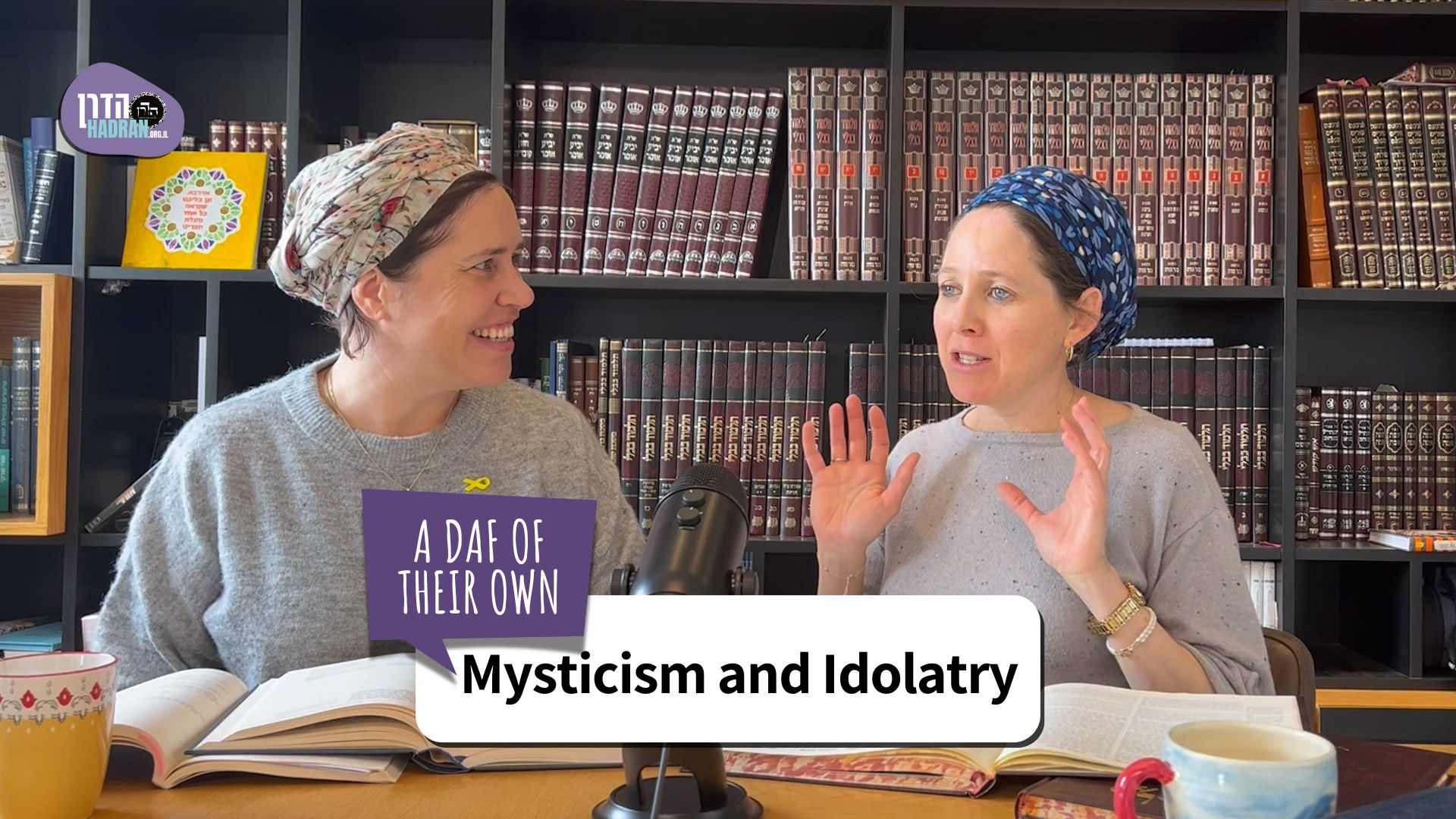
A Daf Of Their Own – Black Cats and Astrology: What’s Permitted and What’s Not?
New to Talmud?
Check out our resources designed to help you navigate a page of Talmud – and study at the pace, level and style that fits you.
The Hadran Women’s Tapestry
Meet the diverse women learning Gemara at Hadran and hear their stories.
Since I started in January of 2020, Daf Yomi has changed my life. It connects me to Jews all over the world, especially learned women. It makes cooking, gardening, and folding laundry into acts of Torah study. Daf Yomi enables me to participate in a conversation with and about our heritage that has been going on for more than 2000 years.

Skokie, IL, United States
I had never heard of Daf Yomi and after reading the book, The Weight of Ink, I explored more about it. I discovered that it was only 6 months before a whole new cycle started and I was determined to give it a try. I tried to get a friend to join me on the journey but after the first few weeks they all dropped it. I haven’t missed a day of reading and of listening to the podcast.

Elkins Park, United States
Michelle has been an inspiration for years, but I only really started this cycle after the moving and uplifting siyum in Jerusalem. It’s been an wonderful to learn and relearn the tenets of our religion and to understand how the extraordinary efforts of a band of people to preserve Judaism after the fall of the beit hamikdash is still bearing fruits today. I’m proud to be part of the chain!

Raanana, Israel
See video

Raanana, Israel

Los Angeles, United States

Tel Aviv, Israel

Minneapolis, MN, United States
When we heard that R. Michelle was starting daf yomi, my 11-year-old suggested that I go. Little did she know that she would lose me every morning from then on. I remember standing at the Farbers’ door, almost too shy to enter. After that first class, I said that I would come the next day but couldn’t commit to more. A decade later, I still look forward to learning from R. Michelle every morning.

Ra’anana, Israel
I began learning with Rabbanit Michelle’s wonderful Talmud Skills class on Pesachim, which really enriched my Pesach seder, and I have been learning Daf Yomi off and on over the past year. Because I’m relatively new at this, there is a “chiddush” for me every time I learn, and the knowledge and insights of the group members add so much to my experience. I feel very lucky to be a part of this.

Karmiel, Israel
What a great experience to learn with Rabbanit Michelle Farber. I began with this cycle in January 2020 and have been comforted by the consistency and energy of this process throughout the isolation period of Covid. Week by week, I feel like I am exploring a treasure chest with sparkling gems and puzzling antiquities. The hunt is exhilarating.

Pennsylvania, United States
I began my journey two years ago at the beginning of this cycle of the daf yomi. It has been an incredible, challenging experience and has given me a new perspective of Torah Sh’baal Peh and the role it plays in our lives

Efrat, Israel

New York, United States
Studying has changed my life view on הלכה and יהדות and time. It has taught me bonudaries of the human nature and honesty of our sages in their discourse to try and build a nation of caring people .

Kfar Saba, Israel
What a great experience to learn with Rabbanit Michelle Farber. I began with this cycle in January 2020 and have been comforted by the consistency and energy of this process throughout the isolation period of Covid. Week by week, I feel like I am exploring a treasure chest with sparkling gems and puzzling antiquities. The hunt is exhilarating.
Pennsylvania, United States
I started the daf at the beginning of this cycle in January 2020. My husband, my children, grandchildren and siblings have been very supportive. As someone who learned and taught Tanach and mefarshim for many years, it has been an amazing adventure to complete the six sedarim of Mishnah, and now to study Talmud on a daily basis along with Rabbanit Michelle and the wonderful women of Hadran.

Jerusalem, Israel
I started learning daf in January, 2020, being inspired by watching the Siyyum Hashas in Binyanei Haumah. I wasn’t sure I would be able to keep up with the task. When I went to school, Gemara was not an option. Fast forward to March, 2022, and each day starts with the daf. The challenge is now learning the intricacies of delving into the actual learning. Hadran community, thank you!

Riverdale, NY, United States
As Jewish educator and as a woman, I’m mindful that Talmud has been kept from women for many centuries. Now that we are privileged to learn, and learning is so accessible, it’s my intent to complete Daf Yomi. I am so excited to keep learning with my Hadran community.
Denver, United States
When I started studying Hebrew at Brown University’s Hillel, I had no idea that almost 38 years later, I’m doing Daf Yomi. My Shabbat haburah is led by Rabbanit Leah Sarna. The women are a hoot. I’m tracking the completion of each tractate by reading Ilana Kurshan’s memoir, If All the Seas Were Ink.

Pennsylvania, United States
I started learning when my brother sent me the news clip of the celebration of the last Daf Yomi cycle. I was so floored to see so many women celebrating that I wanted to be a part of it. It has been an enriching experience studying a text in a language I don’t speak, using background knowledge that I don’t have. It is stretching my learning in unexpected ways, bringing me joy and satisfaction.

Warwick, Rhode Island, United States
I tried Daf Yomi in the middle of the last cycle after realizing I could listen to Michelle’s shiurim online. It lasted all of 2 days! Then the new cycle started just days before my father’s first yahrzeit and my youngest daughter’s bat mitzvah. It seemed the right time for a new beginning. My family, friends, colleagues are immensely supportive!

Zichron Yaakov, Israel
Sanhedrin 61
אֲסוּרָה, וְרֵישׁ לָקִישׁ אָמַר: מוּתֶּרֶת.
Deriving benefit from the animal is prohibited, as it is considered an offering of idol worship, even if its blood was not ultimately sprinkled for idol worship or its forbidden fat burned for that purpose. And Reish Lakish says: Deriving benefit from the animal is permitted.
הָנִיחָא לְרַבִּי יוֹחָנָן, אֶלָּא לְרֵישׁ לָקִישׁ בָּעֵי קְרָא.
Rava bar Rav Ḥanan concludes his analysis: According to Rabbi Yoḥanan, who derives this halakha from another source, this statement in the baraita works out well. The verse that mentions the slaughter of an animal in idol worship apparently teaches a principle, as it is superfluous with regard to the halakha of slaughter itself, as stated in the baraita. But according to Reish Lakish, who does not derive from any verse that one can have intention from one rite to another rite, one needs this verse to derive precisely this halakha, that one can have intention from one rite to another rite. Consequently, the verse is not superfluous, and it cannot be assumed that it teaches a principle with regard to the forms of idol worship that are punishable by death.
מַתְקֵיף לַהּ רַב פָּפָּא: וּלְרַבִּי יוֹחָנָן לָא בָּעֵי קְרָא? עַד כָּאן לָא קָא אָסַר רַבִּי יוֹחָנָן אֶלָּא בְּהֵמָה, אֲבָל גַּבְרָא לָא בַּר קְטָלָא הוּא! וַאֲתָא קְרָא לְחַיּוֹבֵי גַּבְרָא לִקְטָלָא.
Rav Pappa objects to this: And according to Rabbi Yoḥanan, does one not need a verse to teach the halakha in a case of intention from one rite to another rite? Rabbi Yoḥanan initially only prohibits deriving benefit from the animal; but if not for this verse, the man who slaughtered the animal would not be liable to receive the death penalty. And therefore the verse comes to render the man liable to receive the death penalty. Therefore this verse is not superfluous according to Rabbi Yoḥanan either.
מַתְקֵיף לַהּ רַב אַחָא בְּרֵיהּ דְּרַב אִיקָא: וּלְרֵישׁ לָקִישׁ, מִי בָּעֵי קְרָא? עַד כָּאן לָא קָא שָׁרֵי רֵישׁ לָקִישׁ אֶלָּא בְּהֵמָה, אֲבָל גַּבְרָא בַּר קְטָלָא הוּא! מִידֵּי דְּהָוֵה אַמִּשְׁתַּחֲוֶה לְהַר, דְּהַר מוּתָּר וְעוֹבְדוֹ בְּסַיִיף.
Rav Aḥa, son of Rav Ika, objects to Rava bar Rav Ḥanan’s challenge to the derivation in the baraita: And even according to Reish Lakish, does one need a verse to teach that the one who slaughtered the animal is liable? Reish Lakish only permits one to derive benefit from the animal; but the man is certainly liable to receive the death penalty. This is just as the halakha is in the case of one who bows to a mountain, as deriving benefit from the mountain is permitted, but nevertheless the one who worshipped it is liable to be executed by the sword. Therefore, the verse that states that one who slaughters an offering in idol worship is liable to be executed is superfluous with regard to the issue of intention from one rite to another.
אֲמַר לֵיהּ רַב אַחָא מִדִּפְתִּי לְרָבִינָא: לְמַאי דְּקָאָמַר לֵיהּ רָבָא בַּר רַב חָנָן לְאַבָּיֵי, אֵימָא יָצְאָה הִשְׁתַּחֲוָאָה לְלַמֵּד עַל הַכְּלָל כּוּלּוֹ, ״אֵיכָה יַעַבְדוּ״ לְמַעוֹטֵי מַאי?
Rav Aḥa of Difti said to Ravina: According to what Rava bar Rav Ḥanan said to Abaye, that there is room to say that bowing was singled out in the verse to teach, with regard to the entire category, that any honorable form of worship carries the death penalty, there is a difficulty. With regard to the verse: “Take heed to yourself that you not be ensnared to follow them…saying, how do these nations serve their gods, so I will do likewise” (Deuteronomy 12:30), which indicates that one is liable for worshipping an idol in the manner that the gentiles worship it, this is stated to exclude what?
וְכִי תֵּימָא: לְמַעוֹטֵי הַפּוֹעֵר עַצְמוֹ לְזוֹבְחִים? מֵהִשְׁתַּחֲוָאָה נָפְקָא! מָה הִשְׁתַּחֲוָאָה דֶּרֶךְ כִּיבּוּד, אַף כֹּל דֶּרֶךְ כִּיבּוּד.
And if you would say that this verse is stated to exclude one who defecates before an idol that is worshipped by sacrificing offerings, it is not necessary to derive this halakha from this verse, as it is derived from the halakha of bowing to an idol, as follows: Just as bowing is an honorable form of worship and is punishable by death, so too, any honorable form of worship is punishable by death when performed as idol worship, which excludes an offensive act such as defecating. Therefore, the halakha that one is not liable for defecating before an idol can be derived from bowing.
אֶלָּא, לְמַעוֹטֵי הַפּוֹעֵר עַצְמוֹ לְמַרְקוּלִיס. סָלְקָא דַּעְתָּךְ אָמֵינָא: הוֹאִיל וַעֲבוֹדָתוֹ בִּזָּיוֹן הוּא, אַף כֹּל בִּזָּיוֹן? קָא מַשְׁמַע לַן.
Rather, this verse is stated to exclude one who defecates before the idol called Mercury, which is not its typical manner of worship. It might enter your mind to say that since the standard manner of worship of Mercury, namely, throwing stones at it, is in any event an act of degradation, so too, one who performs any act of degradation as worship of Mercury should be liable. Therefore, the verse teaches us that one is liable only for worshiping Mercury in its standard manner of worship.
אֶלָּא הָא דְּאָמַר רַבִּי אֱלִיעֶזֶר: מִנַּיִן לַזּוֹבֵחַ בְּהֵמָה לְמַרְקוּלִיס שֶׁהוּא חַיָּיב? שֶׁנֶּאֱמַר: ״וְלֹא יִזְבְּחוּ עוֹד אֶת זִבְחֵיהֶם לַשְּׂעִירִם״.
The Gemara raises an objection: But Rava bar Rav Ḥanan’s interpretation of the verses appears to contradict that which Rabbi Eliezer says: From where is it derived that one who sacrifices an animal to Mercury is liable? As it is stated: “And they shall no longer sacrifice their sacrifices to the satyrs” (Leviticus 17:7).
אִם אֵינוֹ עִנְיָן לִכְדַרְכָּהּ, דִּכְתִיב ״אֵיכָה יַעַבְדוּ״, תְּנֵיהוּ עִנְיָן לְשֶׁלֹּא כְּדַרְכָּהּ.
Rabbi Eliezer explains: If the verse is not needed for the matter of one who worships an idol in its typical manner, i.e., one who sacrifices an animal as an offering to an idol that is worshipped by sacrificing offerings, as the halakha in this case is already written in the aforementioned verse: “How do these nations serve their gods, so I will do likewise,” apply it to the matter of one who worships an idol not in its typical manner, by sacrificing an offering to an idol that is not typically worshipped by sacrificing offerings. Therefore, one who sacrifices an offering to Mercury is liable, even though that is not its typical form of worship.
שֶׁלֹּא כְּדַרְכָּהּ, מֵהִשְׁתַּחֲוָאָה נָפְקָא.
According to Rava bar Rav Ḥanan, by contrast, it is derived that one is liable for worshipping an idol in any honorable manner, even not in its typical manner of worship, from the halakha of bowing.
הָתָם, בְּזוֹבֵחַ לְהַכְעִיס.
The Gemara answers: There, in the verse mentioned by Rabbi Eliezer, the reference is to one who sacrifices an offering to Mercury not as a form of worship, but rather in order to express insolence toward the Torah prohibition against sacrificing an offering to an idol. It is derived from the verse that this too is a transgression of the prohibition and renders one liable for the death penalty.
רַב הַמְנוּנָא אִירְכַסוּ לֵיהּ תּוֹרֵי. פְּגַע בֵּיהּ רַבָּה, רְמָא לֵיהּ מַתְנְיָתִין אַהֲדָדֵי: תְּנַן ״הָעוֹבֵד עֲבוֹדָה זָרָה״ – עוֹבֵד אִין, אוֹמֵר לָא. וְהָאֲנַן תְּנַן: ״הָאוֹמֵר ׳אֶעֱבוֹד׳, ׳אֵלֵךְ וְאֶעֱבוֹד׳, ׳נֵלֵךְ וְנַעֲבוֹד׳״?
§ The Gemara relates: Rav Hamnuna lost his oxen and went to search for them. Rabba met him and raised a contradiction between two mishnayot. We learned in the mishna that one who worships idols is liable. By inference, one who worships idols, yes, he is liable, but one who merely says that he will worship idols is not liable. But didn’t we learn in another mishna (67a): One who says: I will worship an idol, or: I will go and worship an idol, or: Let us go and worship an idol, is liable, just as one who actually worships an idol is liable. Evidently, one is liable for merely stating his intention to engage in idol worship.
אֲמַר לֵיהּ: בְּאוֹמֵר ״אֵינִי מְקַבְּלוֹ עָלַי אֶלָּא בַּעֲבוֹדָה״.
Rav Hamnuna said to him: The mishna here is referring to one who states: I intend to accept this idol upon myself as a god only through worship. Consequently, he is liable only when he actually worships it. One who intends to accept the idol as a god immediately is liable even before he actually worships it.
רַב יוֹסֵף אָמַר: תַּנָּאֵי שָׁקְלַתְּ מֵעָלְמָא? תַּנָּאֵי הִיא, דְּתַנְיָא: הָאוֹמֵר ״בּוֹאוּ וְעִבְדוּנִי״ – רַבִּי מֵאִיר מְחַיֵּיב, וְרַבִּי יְהוּדָה פּוֹטֵר.
Rav Yosef said: This answer is unnecessary; have you removed the tanna’im from the world? It is a dispute between tanna’im, as it is taught in a baraita: In the case of one who says: I am a god; come and worship me, Rabbi Meir deems him liable for incitement to idol worship, and Rabbi Yehuda deems him exempt.
הֵיכָא דִּפְלַחוּ כּוּלֵּי עָלְמָא – לָא פְּלִיגִי, דִּכְתִיב: ״לֹא תַעֲשֶׂה לְךָ פֶסֶל״. כִּי פְּלִיגִי – בְּדִיבּוּרָא בְּעָלְמָא. רַבִּי מֵאִיר סָבַר: דִּיבּוּרָא מִילְּתָא הִיא, וְרַבִּי יְהוּדָה סָבַר: דִּיבּוּרָא לָאו מִילְּתָא הִיא.
The Gemara explains: In a case where those to whom the inciter spoke subsequently worshiped him, everyone agrees that the inciter is liable, as it is written: “You shall not make yourself a graven image” (Exodus 20:4), which is interpreted to include a case where one establishes himself as a god. When they disagree is in a case where the incident ended in mere speech. Rabbi Meir holds that speech is a significant matter, and therefore the inciter is liable for incitement, and Rabbi Yehuda holds that speech is nothing. Therefore, the contradiction between the mishnayot can be resolved by attributing each mishna to a different tanna.
הֲדַר אָמַר רַב יוֹסֵף: לָאו מִילְּתָא הִיא דַּאֲמַרִי, דַּאֲפִילּוּ לְרַבִּי יְהוּדָה בְּדִיבּוּרָא נָמֵי חַיּוֹבֵי מְחַיֵּיב. דִּתְנַן, רַבִּי יְהוּדָה אוֹמֵר: לְעוֹלָם אֵינוֹ חַיָּיב עַד שֶׁיֹּאמַר ״אֶעֱבוֹד״, ״אֵלֵךְ וְאֶעֱבוֹד״, ״נֵלֵךְ וְנַעֲבוֹד״.
Rav Yosef then said after reconsidering the matter: What I said is not correct, as even according to Rabbi Yehuda, one is deemed liable for speech as well. As we learned in a baraita that Rabbi Yehuda says: Actually, one is not liable unless he says: I will worship, or: I will go and worship, or: Let us go and worship. Evidently, Rabbi Yehuda holds that one is liable even for speech alone, not only for actual worship.
בְּמַאי קָמִיפַּלְגִי? בְּמֵסִית לְעַצְמוֹ וְאָמְרִי לֵיהּ ״אִין״ קָמִיפַּלְגִי. מָר סָבַר, מֵסִית לְעַצְמוֹ – שָׁמְעִי לֵיהּ, וְ״אִין״ דְּקָאָמְרִי לֵיהּ קוּשְׁטָא הוּא; וּמָר סָבַר, מֵסִית לְעַצְמוֹ – לָא שָׁמְעִי לֵיהּ, מֵימָר אָמְרִי:
Accordingly, with regard to what principle do Rabbi Meir and Rabbi Yehuda disagree? They disagree with regard to the case of one who incites others to worship him, and the others say to him: Yes, we will worship you. One Sage, Rabbi Meir, holds that when one incites others to worship him, they are apt to listen to him, and the response: Yes, that they say to him, is sincere. And one Sage, Rabbi Yehuda, holds when one incites others to worship him, they are not apt to listen to him, as they say to themselves:
מַאי שְׁנָא אִיהוּ מִינַּן דִּידַן? וְ״אִין״ דְּקָאָמְרִי, אַחוֹכֵי עֲלֵיהּ.
In what way is he different from us? The suggestion to worship him is nonsense. And the fact that they say to him: Yes, is because they ridicule him.
וּמַתְנְיָתִין: כָּאן בְּיָחִיד הַנִּיסָּת, כָּאן בְּרַבִּים הַנִּיסָּתִים. יָחִיד – לָא מִימְּלַךְ, וְטָעֵי בָּתְרֵיהּ; רַבִּים – מִימַּלְכִי, וְלָא טָעוּ בָּתְרֵיהּ.
And the contradiction between the mishnayot can be resolved as follows: There, where the mishna states that one is liable for speech alone, the reference is to an individual who was incited; here, where the mishna indicates that one is not liable for speech alone, it is referring to a case of an incited multitude of people. The Gemara explains: An individual who was incited does not typically change his mind, and he goes astray after idol worship. Therefore, once he agrees to the suggestion to worship an idol, he has fully accepted the idol upon himself as a god and is liable. By contrast, a multitude of people are apt to change their minds, and consequently they do not go astray after idol worship.
אָמַר רַב יוֹסֵף: מְנָא אָמֵינָא לַהּ? דִּכְתִיב ״לֹא תֹאבֶה לוֹ וְלֹא תִשְׁמַע אֵלָיו״. הָא אָבָה וְשָׁמַע – חַיָּיב.
Rav Yosef said: From where do I say that the halakha that one is liable for merely stating that he will worship an idol is referring to an individual who was incited? As it is written with regard to one who incites people to engage in idol worship: “You shall not approve of him, nor listen to him” (Deuteronomy 13:9), which indicates that if one approved of and listened to the inciter, stating his intention to engage in idol worship, he is liable even if he does not actually worship an idol.
אֵיתִיבֵיהּ אַבָּיֵי: מִי שָׁאנֵי בֵּין נִיסָּת דְּרַבִּים לְנִיסָּת יָחִיד? וְהָתַנְיָא: ״כִּי יְסִיתְךָ אָחִיךָ בֶן אִמֶּךָ״ – אֶחָד יָחִיד הַנִּיסָּת וְאֶחָד רַבִּים הַנִּיסָּתִים, וְהוֹצִיא הַכָּתוּב יָחִיד מִכְּלַל רַבִּים וְרַבִּים מִכְּלַל יָחִיד.
Abaye raised an objection to Rav Yosef’s opinion: Is there a difference in halakha between the cases of an incited multitude of people and an individual who was incited? But isn’t it taught in a baraita with regard to the verse: “If your brother, the son of your mother, or your son, or your daughter, or the wife of your bosom, or your neighbor who is like your own soul, incites you secretly, saying: Let us go and serve other gods” (Deuteronomy 13:7), that both an individual who was incited and an incited multitude of people are included in this halakha, but the verse singles out the individual from the category of the multitude, and another verse singles out the multitude from the category of the individual.
יָחִיד מִכְּלַל רַבִּים, לְהַחְמִיר עַל גּוּפוֹ וּלְהָקֵל עַל מָמוֹנוֹ.
The Torah states separately the halakhot of an individual who is incited to engage in idol worship and of an entire city that is subverted to engage in idol worship in order to distinguish between the two cases, as follows: An individual who was incited is singled out from the category of a subverted multitude of people in order to render the punishment to an individual’s body more stringent. The individual is executed by stoning, whereas the residents of an idolatrous city are executed by decapitation. And an individual was singled out to render the treatment of the property of an individual who was incited more lenient, as it is not destroyed like that of the residents of an idolatrous city.
רַבִּים מִכְּלַל יָחִיד, לְהָקֵל עַל גּוּפָם וּלְהַחְמִיר עַל מָמוֹנָם.
Additionally, the Torah singles out the subverted multitude of people from the category of an individual who was incited in order to render the punishment given to the bodies of the residents of an idolatrous city, decapitation, more lenient than that given to an individual who was incited, and to render the treatment of their property more stringent, as the city and the property of its residents are burned.
בְּהָא מִילְּתָא הוּא דְּשָׁאנֵי, אֲבָל בְּכֹל מִילֵּי כִּי הֲדָדֵי נִינְהוּ.
Abaye concluded his objection to Rav Yosef’s opinion: It can be inferred from the baraita that only with regard to this matter, i.e., the halakhot mentioned in the baraita, is the halakha of an individual who was incited different than that of an incited multitude of people, but with regard to all other halakhic matters they are the same. Therefore, a distinction cannot be made between them with regard to the halakha in the case of a verbal commitment to idol worship.
אֶלָּא אָמַר אַבָּיֵי: כָּאן – בְּנִיסָּת מִפִּי עַצְמוֹ, כָּאן – בְּנִיסָּת מִפִּי אֲחֵרִים. מִפִּי עַצְמוֹ – מִימְּלֵךְ, מִפִּי אֲחֵרִים – גְּרִיר בָּתְרַיְיהוּ.
Rather, Abaye said that the contradiction between the mishnayot is to be resolved as follows: Here, where the mishna indicates that one is liable only for actual worship, the reference is to one who is incited by himself, i.e., no one incited him to idol worship and he made the decision on his own. Whereas there, in the mishna that deems one liable for stating that he will worship an idol, the reference is to one who is incited by others. The reason for the difference is that one who makes the decision on his own is apt to change his mind, whereas one who is incited by others is drawn after them and is unlikely to change his mind.
אָמַר אַבָּיֵי: מְנָא אָמֵינָא לַהּ? דִּכְתִיב: ״לֹא תֹאבֶה לוֹ וְלֹא תִשְׁמַע אֵלָיו״. הָא אָבָה וְשָׁמַע – חַיָּיב.
Abaye said: From where do I say that this distinction is correct? As it is written: “You shall not approve of him, nor listen to him” (Deuteronomy 13:9), referring to another individual who tried to incite him, and the verse indicates that if one approved of and listened to the inciter, he is liable even for the approval alone.
רָבָא אָמַר: אִידֵּי וְאִידֵּי בְּנִיסָּת מִפִּי אֲחֵרִים, הָא דַּאֲמַר לֵיהּ ״כָּךְ אוֹכֶלֶת״, ״כָּךְ שׁוֹתָה״, ״כָּךְ מְטִיבָה״, ״כָּךְ מְרֵיעָה״, הָא דְּלָא אֲמַר לֵיהּ ״כָּךְ אוֹכֶלֶת״, ״כָּךְ שׁוֹתָה״ כּוּ׳.
Rava says: Both this mishna and that mishna are referring to one incited by others, and they should be differentiated as follows: That mishna, which deems one liable for merely expressing approval, is referring to a case where the inciter described the qualities of the idol and said to him: It eats like this; it drinks like this; it does good for its worshippers like this; and it harms those who do not worship it like this. In this case, expressing approval verbally suffices to render one liable, as he was evidently convinced by the description. This mishna, which indicates that one is not liable for speech alone, is referring to a case where the inciter did not say to him: It eats like this; it, drinks like this, it does good for its worshippers like this; and it harms those who do not worship it like this.
אָמַר רָבָא: מְנָא אָמֵינָא לַהּ? דִּכְתִיב: ״מֵאֱלֹהֵי הָעַמִּים אֲשֶׁר סְבִיבֹתֵיכֶם הַקְּרֹבִים אֵלֶיךָ וְגוֹ׳״. מָה לִי קְרוֹבִים וּמָה לִי רְחוֹקִים? הֲכִי קָאָמַר לָךְ: מִטִּיבוּתָן שֶׁל קְרוֹבִים אַתָּה לָמֵד מָה טִיבוּתָן שֶׁל רְחוֹקִים.
Rava said: From where do I say that this distinction is correct? As it is written: “Let us go and worship other gods…from the gods of the peoples that surround you, the ones near to you or the ones far from you” (Deuteronomy 13:7–8). What difference is there to me whether they are near, and what difference is there to me whether they are far? Why would the distance affect the prohibition? Rather, this is what the Torah is saying to you: Do not be tempted to listen to the inciter, as from the nature of the objects of idol worship that are near you, which you recognize to be false, you can derive what the nature is of the ones that are far from you. Therefore, if you are told that there is an idol in a distant land that is real, realize that it is a lie.
מַאי לָאו דַּאֲמַר לֵיהּ: כָּךְ אוֹכֶלֶת, כָּךְ שׁוֹתֶה, כָּךְ מִטִּיבָהּ, כָּךְ מְרֵיעָה? שְׁמַע מִינַּהּ.
It is from this interpretation that Rava derives his halakhic distinction: What, is it not referring to a case where the inciter described to another the qualities of the idol and said to him: It eats like this; it drinks like this; it does good for its worshippers like this; and it harms those who do not worship it like this? Conclude from it that only in such a case is the incited person liable for stating his approval.
רַב אָשֵׁי אָמַר: סֵיפָא בְּיִשְׂרָאֵל מְשׁוּמָּד.
Rav Ashi says that there is a different resolution to the contradiction between the mishnayot: The latter clause of the mishna (67a), which deems one liable for speech alone, is referring to an apostate Jew; since he is already an apostate, his stated commitment to idol worship is certainly final. Consequently, he is liable. By contrast, a regular Jew is not liable for speech alone.
רָבִינָא אָמַר: לָא זוֹ אַף זוֹ קָתָנֵי.
Ravina says that there is no contradiction; rather, the tanna teaches the mishna employing the style: Not only this but also that. In other words, the tanna first teaches the elementary halakha that one who worships an idol is liable, and afterward it teaches the more novel halakha that even one who merely says that he will engage in idol worship is immediately liable.
אִיתְּמַר: הָעוֹבֵד עֲבוֹדָה זָרָה מֵאַהֲבָה וּמִיִּרְאָה, אַבָּיֵי אָמַר: חַיָּיב, רָבָא אָמַר: פָּטוּר.
§ It was stated that amora’im engaged in a dispute concerning the following matter: In the case of one who worships idols due to his love of another who requested that he bow before the statue, or due to fear of someone coercing him to do so, but not due to faith in that idol, what is the halakha? Abaye says: He is liable. Rava says: He is exempt.
אַבָּיֵי אֲמַר: חַיָּיב, דְּהָא פַּלְחַהּ. רָבָא אָמַר: פָּטוּר, אִי קַבְּלַיהּ עֲלֵיהּ בֶּאֱלוֹהַּ – אִין, אִי לָא – לָא.
The Gemara explains: Abaye says he is liable because he worshipped it. Rava says he is exempt, as the criterion for becoming liable for idol worship is as follows: If one sincerely accepted the idol upon himself as a god, yes, he is liable; but if he did not accept it sincerely, he is not liable.
סִימָן: עֶבֶד יִשְׁתַּחֲוֶה לְמָשִׁיחַ.
Abaye attempts to cite several proofs, whose mnemonic is: A slave will bow to the anointed.
וְאָמַר אַבָּיֵי: מְנָא אָמֵינָא לַהּ? דִּתְנַן: הָעוֹבֵד עֲבוֹדָה זָרָה, אֶחָד הָעוֹבֵד כּוּ׳. מַאי לָאו אֶחָד הָעוֹבֵד מֵאַהֲבָה וּמִיִּרְאָה?
And Abaye said: From where do I say that one who worships idols due to love or fear is liable? As we learned in the mishna: One who worships idols is executed by stoning. This includes one who worships an idol, and one who slaughters an animal as an idolatrous offering, and one who burns incense as an idolatrous offering. What is added by the mishna by stating twice: One who worships? Is it not to include the case of one who worships idols due to love or due to fear, in addition to the case of one who worships idols out of faith? Evidently, in this case as well, the worshipper is liable.
וְרָבָא אָמַר לָךְ: לָא, כְּדִמְתָרֵץ רַבִּי יִרְמְיָה.
And Rava could have said to you in response that the term: One who worships, should not be understood as Abaye suggests but rather as Rabbi Yirmeya explains it, namely, that one who worships an idol in its standard manner of worship is liable, and one who sacrifices an idolatrous offering is liable even if that is not the standard manner of worship of that particular idol.
אָמַר אַבָּיֵי: מְנָא אָמֵינָא לַהּ? דְּתַנְיָא: ״לֹא תִשְׁתַּחֲוֶה לָהֶם״ – לָהֶם אִי אַתָּה מִשְׁתַּחֲוֶה, אֲבָל אַתָּה מִשְׁתַּחֲוֶה לְאָדָם כְּמוֹתְךָ. יָכוֹל אֲפִילּוּ נֶעֱבָד כְּהָמָן? תַּלְמוּד לוֹמַר: ״וְלֹא תָעׇבְדֵם״. וְהָא הָמָן מִיִּרְאָה הֲוָה נֶעֱבָד!
Abaye attempts to cite another proof for his opinion. He said: From where do I say that one who worships idols due to love or fear is liable? As it is taught in a baraita with regard to the verse: “You shall not bow to them nor worship them” (Exodus 20:5): “To them,” to idols, you may not bow, but you may bow to a person like yourself; bowing to a person is merely the acceptance of authority. One might have thought that it is permitted to bow even to a person who is worshipped like a god, like Haman; therefore, the verse states: “Nor worship them,” i.e., any form of pagan worship is prohibited. Abaye concludes: And wasn’t Haman worshipped due to fear, and not because the people considered him a god? Evidently, one who engages in idol worship due to fear is liable.
וְרָבָא: כְּהָמָן וְלֹא כְּהָמָן. כְּהָמָן – דְּאִיהוּ גּוּפֵיהּ עֲבוֹדָה זָרָה, וְלֹא כְּהָמָן – דְּאִילּוּ הָמָן מִיִּרְאָה, וְהָכָא לָאו מִיִּרְאָה.
And Rava explains this baraita as follows: One might have thought that it is permitted to bow even to a person like Haman in one regard, but not like Haman in all aspects. It is referring to one like Haman in that Haman himself was an object of idol worship, as he claimed he was a god, and one who worships a person out of belief in his divinity is liable. But the reference is to one who is not like Haman in all aspects, as while Haman was worshipped due to fear, and one who engages in idol worship due to fear is not liable, here the reference is to one who worships a person not due to fear, but because he believes in that person’s divinity.
וְאָמַר אַבָּיֵי: מְנָא אָמֵינָא לַהּ? דְּתַנְיָא: כֹּהֵן מָשִׁיחַ בַּעֲבוֹדָה זָרָה, רַבִּי אוֹמֵר: בְּשִׁגְגַת מַעֲשֶׂה, וַחֲכָמִים אוֹמְרִים: בְּהֶעְלֵם דָּבָר.
And Abaye furthermore said: From where do I say my opinion? As it is taught in a baraita: If an anointed priest, i.e., the High Priest, unwittingly engaged in idol worship, Rabbi Yehuda HaNasi says: He brings an offering for the unwitting act. And the Rabbis say: A High Priest does not bring an offering for an unwitting act of idol worship unless it was due to a lapse of awareness concerning the fundamental halakhot of idol worship, i.e., he thought that this action was halakhically permitted.
וְשָׁוִין, שֶׁבִּשְׂעִירָה כְּיָחִיד. וְשָׁוִין, שֶׁאֵין מֵבִיא אָשָׁם תָּלוּי.
And they agree that a High Priest brings a female goat as his offering to atone for his act of idol worship, as does an ordinary individual, and not a bull, as a High Priest brings as a sin-offering for other sins. And they agree that a High Priest does not bring a provisional guilt-offering, which is ordinarily brought by one who is uncertain as to whether he committed a sin that requires him to bring a sin-offering. In such a case, he is exempt.
הַאי שִׁגְגַת מַעֲשֶׂה דַּעֲבוֹדָה זָרָה, הֵיכִי דָּמֵי? אִי קָסָבַר בֵּית הַכְּנֶסֶת הוּא וְהִשְׁתַּחֲוָה לוֹ, הֲרֵי לִבּוֹ לַשָּׁמַיִם! אֶלָּא דַּחֲזָא אִנְדְּרָטָא וְהִשְׁתַּחֲוָה לוֹ.
Abaye infers: What are the circumstances of the High Priest’s unwitting act of idol worship that is not due to a lack of awareness of the fundamental halakhot of idol worship? If the High Priest thought that a certain building was a synagogue and bowed to it, and he then realized that it is a house of idol worship, why should he be obligated to bring an offering, even according to the opinion of Rabbi Yehuda HaNasi? Since his heart was directed toward Heaven, it is not even an unwitting transgression. Rather, it is a case where the High Priest saw the statue of a person and bowed to it.
אִי קַבְּלֵיהּ עֲלֵיהּ בֶּאֱלוֹהַּ – מֵזִיד הוּא.
This case must also be clarified: If he accepted that person upon himself as a god, he is an intentional transgressor, and he is liable to receive the death penalty and not to bring an offering.


