חיפוש

שבועות מג

רוצה להקדיש שיעור?

תקציר

הדף היום מוקדש על ידי בנימין כהן לכבוד קרוליין מוזין ברקוביץ על סיום הש”ס! "אנחנו מקבלים השראה מההישג המדהים שלך ומהמסירות שלך ללימוד.”

אילו קטגוריות של פריטים פטורות משבועות השומרים? כיצד זה נלמד מהתורה?

מה המחלוקת בין רבי מאיר לחכמים במשנה לגבי פריטים הנחשבים או לא נחשבים כקרקע?

קריטריון נוסף לשבועות הוא שהתביעה חייבת להיות על דבר הנמדד. רבא ואביי חלוקים כיצד להבין זאת.

המשנה מונה מספר מקרים לגבי מחלוקת בין המלווה והלווה על ערך משכון שהמלווה טוען שאבד. באילו מקרים יצטרך צד אחד, או אולי שניהם, להישבע?

אם מלווה כסף עם משכון והפריט אבד, שמואל סבור שהלווה כבר לא צריך להחזיר את החוב גם אם הפריט שווה הרבה פחות מההלוואה. כיצד דעתו מתיישבת עם המשנה?

כלים

שבועות מג

״כִּי יִתֵּן אִישׁ אֶל רֵעֵהוּ״ – כְּלָל, ״כֶּסֶף אוֹ כֵּלִים״ – פְּרָט, ״לִשְׁמֹר״ – חָזַר וְכָלַל. כְּלָל וּפְרָט וּכְלָל – אִי אַתָּה דָן אֶלָּא כְּעֵין הַפְּרָט; מָה הַפְּרָט מְפוֹרָשׁ – דָּבָר הַמִּטַּלְטֵל וְגוּפוֹ מָמוֹן, אַף כׇּל דָּבָר הַמִּטַּלְטֵל וְגוּפוֹ מָמוֹן.

The verse introduces the halakhot with regard to an unpaid bailee with the phrase: “If a man delivers to his neighbor silver or vessels to safeguard” (Exodus 22:6). The phrase “if a man delivers to his neighbor” is a generalization, “silver or vessels” is a detail, and when the verse states: “To safeguard,” it then generalized again. Consequently, this verse contains a generalization and a detail and a generalization, in which case you may deduce that the verse is referring only to items similar to the detail. Applying this principle here, one concludes that just as each of the items mentioned in the detail is clearly defined as an item that is movable property and has intrinsic monetary value, so too, an unpaid bailee takes an oath concerning anything that is movable property and has intrinsic monetary value.

יָצְאוּ קַרְקָעוֹת – שֶׁאֵין מְטַלְטְלִין; יָצְאוּ עֲבָדִים – שֶׁהוּקְּשׁוּ לְקַרְקָעוֹת; יָצְאוּ שְׁטָרוֹת – שֶׁאַף עַל פִּי שֶׁמִּטַּלְטְלִין, אֵין גּוּפָן מָמוֹן; הֶקְדֵּשׁ – ״רֵעֵהוּ״ כְּתִיב.

Land is therefore excluded, as it is not movable property. Canaanite slaves are excluded, as they are compared to land in many areas of halakha. Financial documents are excluded, since although they are movable property, they do not have intrinsic monetary value. Consecrated property is excluded because it is written in the verse: “If a man delivers to his neighbor.” This term indicates that both the one depositing the item and the bailee must be people, and not the Temple treasury.

נוֹשֵׂא שָׂכָר אֵינוֹ מְשַׁלֵּם. מְנָלַן? דְּתָנוּ רַבָּנַן: ״כִּי יִתֵּן אִישׁ אֶל רֵעֵהוּ״ – כְּלָל, ״חֲמוֹר אוֹ שׁוֹר אוֹ שֶׂה״ – פְּרָט, ״וְכׇל בְּהֵמָה לִשְׁמֹר״ – חָזַר וְכָלַל. כְּלָל וּפְרָט וּכְלָל כּוּ׳, עַד הֶקְדֵּשׁ – ״רֵעֵהוּ״ כְּתִיב.

§ The mishna teaches that a paid bailee does not pay for the loss or theft of one of these items. The Gemara asks: From where do we derive this halakha? The Gemara answers: It is as the Sages taught in a baraita: The verse introduces the halakhot with regard to a paid bailee with the phrase: “If a man delivers to his neighbor a donkey, or an ox, or a sheep, or any animal to guard” (Exodus 22:9). The phrase “if a man delivers to his neighbor” is a generalization, the phrase “a donkey, or an ox, or a sheep” is a detail, and when the verse states: “Or any animal to safeguard,” it then generalized again. Consequently, this verse contains a generalization, and a detail, and a generalization, which excludes any item that is not similar to the detail, as delineated in the previous baraita with regard to an unpaid bailee, up to and including the last clause of that baraita: Consecrated property is excluded because it is written in the verse: “If a man delivers to his neighbor.”

רַבִּי מֵאִיר אוֹמֵר: יֵשׁ דְּבָרִים שֶׁהֵן כְּקַרְקַע וְאֵינָן כְּקַרְקַע כּוּ׳. מִכְּלָל דְּרַבִּי מֵאִיר סָבַר: כׇּל הַמְחוּבָּר לַקַּרְקַע אֵינוֹ כְּקַרְקַע?! אַדְּמִיפַּלְגִי בִּטְעוּנוֹת, לִיפַּלְגִי בִּסְרוּקוֹת!

§ The mishna teaches: Rabbi Meir says: There are certain items that are like land with regard to their form, but are not treated like land from a halakhic perspective; and the Rabbis do not concede that this is so, as they hold that the halakhic status of anything that is attached to the land is like the land itself. The Gemara challenges: By inference, does Rabbi Meir hold that the halakhic status of anything that is attached to the land is not like land? If so, rather than disagreeing with regard to grapevines laden with fruit, let them disagree with regard to fruitless vines, as Rabbi Meir holds that the halakhic status of the vines themselves is not like that of the land.

(אֶלָּא) אָמַר רַבִּי יוֹסֵי בְּרַבִּי חֲנִינָא: הָכָא בַּעֲנָבִים עוֹמְדוֹת לְהִבָּצֵר קָמִיפַּלְגִי; דְּרַבִּי מֵאִיר סָבַר: כִּבְצוּרוֹת דָּמְיָין, וְרַבָּנַן סָבְרִי: לָא כִּבְצוּרוֹת דָּמְיָין.

Rabbi Yosei, son of Rabbi Ḥanina, said that they disagree here not with regard to any item that is attached to the land, as Rabbi Meir concedes that such items usually have the halakhic status of the land itself. The dispute is specifically with regard to grapes that are ready to be harvested, as Rabbi Meir holds that their halakhic status is similar to that of grapes that are already harvested, and the Rabbis hold that their halakhic status is not similar to that of grapes that are already harvested, and that they still have the status of land.

אֵין נִשְׁבָּעִין אֶלָּא עַל דָּבָר שֶׁבְּמִדָּה וְשֶׁבְּמִשְׁקָל כּוּ׳. אָמַר אַבָּיֵי: לֹא שָׁנוּ אֶלָּא דַּאֲמַר לֵיהּ ״בַּיִת״ סְתָם, אֲבָל אֲמַר לֵיהּ ״בַּיִת זֶה מָלֵא״ – יְדִיעָא טַעַנְתֵּיהּ.

§ The mishna teaches that one takes an oath only concerning an item that is defined by size, by weight, or by number. How so? If the claimant says: I delivered to you a house full of produce, and the other person says: I do not know how much you gave me, but what you left in my possession you may take, and the amount in the house is less that that claimed by the claimant, the defendant is exempt from taking an oath. Abaye said: They taught this halakha only in a case where the claimant said to him: I gave you a house full of produce, without specification. But if he said to him: I gave you this specific house full of produce, his claim is known and defined, and the defendant is therefore required to take an oath concerning it.

אֲמַר לֵיהּ רָבָא: אִי הָכִי, אַדְּתָנֵי סֵיפָא: זֶה אוֹמֵר ״עַד הַזִּיז״ וְזֶה אוֹמֵר ״עַד הַחַלּוֹן״ – חַיָּיב; לִיפְלוֹג וְלִיתְנֵי בְּדִידַהּ: בַּמֶּה דְּבָרִים אֲמוּרִים – בְּ״בַיִת מָלֵא״, אֲבָל ״בַּיִת זֶה מָלֵא״ – חַיָּיב!

Rava said to him: If so, rather than teaching in the last clause of the mishna: If this party says that the house was full up to the ledge, and that party says that it was full up to the window, the defendant is liable to take an oath, let the tanna distinguish and teach the distinction within the case itself, where the claim was for a house full of produce, and say: In what case is this statement, that the defendant is exempt, said? It is said in a case where the claim was for an unspecified house full of produce; but if the claim was for this particular house full of produce, the defendant is liable to take an oath. Since the mishna did not make this distinction, evidently the defendant is exempt even if the claim is referring to a specific house.

אֶלָּא אָמַר רָבָא: לְעוֹלָם אֵינוֹ חַיָּיב עַד שֶׁיִּטְעָנֶנּוּ בְּדָבָר שֶׁבְּמִדָּה שֶׁבְּמִשְׁקָל וְשֶׁבְּמִנְיָן, וְיוֹדֶה לוֹ בְּדָבָר שֶׁבְּמִדָּה וְשֶׁבְּמִשְׁקָל וְשֶׁבְּמִנְיָן.

Rather, Rava said: The defendant is never liable to take an oath unless the claimant claims from him an item that is defined by size, by weight, or by number, and the defendant admits to him with regard to a part of the claim that is an item that is defined by size, by weight, or by number.

תַּנְיָא כְּוָותֵיהּ דְּרָבָא: ״כּוֹר תְּבוּאָה לִי בְּיָדְךָ״, וְהַלָּה אוֹמֵר ״אֵין לְךָ בְּיָדִי״ – פָּטוּר. ״מְנוֹרָה גְּדוֹלָה יֵשׁ לִי בְּיָדְךָ״, ״אֵין לְךָ בְּיָדִי אֶלָּא מְנוֹרָה קְטַנָּה״ – פָּטוּר. ״אֲזוֹרָה גְּדוֹלָה יֵשׁ לִי בְּיָדְךָ״, ״אֵין לְךָ בְּיָדִי אֶלָּא אֲזוֹרָה קְטַנָּה״ – פָּטוּר.

The Gemara comments: It is taught in a baraita in accordance with the opinion of Rava: If the claimant says: I have a kor of produce in your possession, and the other one says: Nothing of yours is in my possession, the defendant is exempt from taking an oath, as he denies the entire debt. If he says: I have a large candelabrum in your possession, and the defendant responds: You have only a small candelabrum in my possession, he is exempt from taking an oath, as he admits not to part of the claim, but to possessing a different item. Similarly, if the claimant says: I have a large belt in your possession, and the defendant responds: You have only a small belt in my possession, he is exempt from taking an oath.

אֲבָל אָמַר לוֹ: ״כּוֹר תְּבוּאָה יֵשׁ לִי בְּיָדְךָ״, וְהַלָּה אוֹמֵר: ״אֵין לְךָ בְּיָדִי אֶלָּא לֶתֶךְ״ – חַיָּיב. ״מְנוֹרָה בַּת עֶשֶׂר לִיטְרִין יֵשׁ לִי בְּיָדְךָ״, ״אֵין לְךָ בְּיָדִי אֶלָּא בַּת חָמֵשׁ לִיטְרִין״ – חַיָּיב.

The baraita continues: But if the claimant said to him: I have a kor of produce in your possession, and the other one says: You have only a half-kor in my possession, he is liable to take an oath. Similarly, if the claimant says: I have a candelabrum weighing ten litra in your possession, and the defendant responds: You have only a five-litra candelabrum in my possession, he is liable to take an oath.

כְּלָלוֹ שֶׁל דָּבָר: לְעוֹלָם אֵינוֹ חַיָּיב עַד שֶׁיִּטְעָנֶנּוּ בְּדָבָר שֶׁבְּמִדָּה וְשֶׁבְּמִשְׁקָל וְשֶׁבְּמִנְיָן, וְיוֹדֶה לוֹ בְּדָבָר שֶׁבְּמִדָּה וְשֶׁבְּמִשְׁקָל וְשֶׁבְּמִנְיָן.

The baraita concludes: The principle of the matter is that the defendant is never liable to take an oath unless the claimant claims from him an item that is defined by size, or by weight, or by number, and the defendant admits to him with regard to a part of the claim that is an item that is defined by size, by weight, or by number.

״כְּלָלוֹ שֶׁל דָּבָר״ לְאֵתוֹיֵי מַאי? לָאו לְאֵתוֹיֵי ״בַּיִת זֶה מָלֵא״?

The Gemara asks: What does the baraita add that was not already taught, by mentioning the principle of the matter? Doesn’t the baraita mention this principle to add that even if the claim is for this specific house full of produce, the defendant is exempt, as this is not considered an item defined by size? Accordingly, the baraita is in accordance with the opinion of Rava.

וּמַאי שְׁנָא מְנוֹרָה גְּדוֹלָה וּמְנוֹרָה קְטַנָּה? מַה שֶּׁטְּעָנוֹ לֹא הוֹדָה לוֹ, וּמַה שֶּׁהוֹדָה לוֹ לֹא טְעָנוֹ! אִי הָכִי, בַּת עֶשֶׂר בַּת חָמֵשׁ נָמֵי – מַה שֶּׁטְּעָנוֹ לֹא הוֹדָה לוֹ, וּמַה שֶּׁהוֹדָה לוֹ לֹא טְעָנוֹ!

Having cited the baraita, the Gemara now analyzes it: What is different about a case where the claimant claimed a large candelabrum and the defendant admitted to owing a small candelabrum that renders the defendant exempt from taking an oath? It is because that which he claimed from him, he did not admit to at all, and that which he admitted to, he had not claimed from him. If so, in a case where the claimant claimed a tenlitra candelabrum and the defendant admitted to owing a fivelitra candelabrum, the defendant should also be exempt, as that which he claimed from him, a heavier candelabrum, he did not admit to at all, and that which he admitted to, a lighter candelabrum, he had not claimed from him.

אָמַר רַבִּי שְׁמוּאֵל בַּר רַב יִצְחָק: הָכָא בִּמְנוֹרָה שֶׁל חֻלְיוֹת עָסְקִינַן, דְּקָא מוֹדֶה לֵיהּ מִינַּהּ.

Rabbi Shmuel bar Rav Yitzḥak said: Here in the latter case we are dealing with a candelabrum composed of segments that detach; the defendant is liable to take an oath because he admits to owing him part of the candelabrum claimed by the claimant.

אִי הָכִי, אֲזוֹרָה נָמֵי נִיתְנֵי – וְלוֹקְמֵי בִּדְלַיְיפִי! אֶלָּא דְּלַיְיפִי לָא קָתָנֵי; הָכָא נָמֵי – בְּשֶׁל חֻלְיוֹת לָא קָתָנֵי!

The Gemara asks: If so, let the baraita teach the case in which the defendant is liable to take an oath involving a belt as well, and interpret the case as referring to a belt made of pieces that are connected to each other; the claimant claims a belt with a larger number of pieces, and the defendant claims that he owes him a belt with fewer pieces. Rather, clearly the baraita is not teaching cases involving items made of pieces connected to each other. Here too, in the case of the candelabrum, the baraita is not teaching a case of a candelabrum composed of segments that detach.

אֶלָּא אָמַר רַבִּי אַבָּא בַּר מֶמֶל: שָׁאנֵי מְנוֹרָה, הוֹאִיל וְיָכוֹל לְגוֹרְרָהּ וּלְהַעֲמִידָהּ עַל חָמֵשׁ לִיטְרִין.

Rather, Rabbi Abba bar Memel said that the case of a candelabrum is different because one can scrape a ten-litra candelabrum and reduce it to a five-litra one. Therefore, he admitted to a part of the claim.

מַתְנִי׳ הַמַּלְוֶה אֶת חֲבֵירוֹ עַל הַמַּשְׁכּוֹן וְאָבַד הַמַּשְׁכּוֹן, אָמַר לוֹ: ״סֶלַע הִלְוִיתִיךָ עָלָיו וְשֶׁקֶל הָיָה שָׁוֶה״, וְהַלָּה אוֹמֵר: ״לֹא כִּי, אֶלָּא סֶלַע הִלְוִיתַנִי עָלָיו וְסֶלַע הָיָה שָׁוֶה״ – פָּטוּר.

MISHNA: There is a case of one who lends money to another on the basis of collateral, and the collateral was lost while in the possession of the creditor, and the creditor says to the debtor: I lent you a sela on the basis of that collateral and that collateral was worth a shekel, i.e., a half-sela. Therefore, you owe me a shekel. And the other individual, the debtor, says in response to that claim: That is not the case. Rather, you lent me a sela on the basis of that collateral, and the collateral was worth a sela; I owe you nothing. In this case, the debtor is exempt from payment.

״סֶלַע הִלְוִיתִיךָ עָלָיו, וְשֶׁקֶל הָיָה שָׁוֶה״, וְהַלָּה אוֹמֵר: ״לֹא כִי, אֶלָּא סֶלַע הִלְוִיתַנִי עָלָיו, וּשְׁלֹשָׁה דִּינָרִים הָיָה שָׁוֶה״ – חַיָּיב.

There is a case of a creditor who claims: I lent you a sela on the basis of that collateral and it was worth a shekel. And the other individual, the debtor, says: That is not the case; rather, you lent me a sela on the basis of that collateral, and the collateral was worth three dinars, i.e., three-quarters of a sela. In this case, the debtor is liable to take an oath, due to the fact that he responded to the claim of the creditor with a partial admission.

״סֶלַע הִלְוִיתַנִי עָלָיו וּשְׁתַּיִם הָיָה שָׁוֶה״, וְהַלָּה אוֹמֵר: ״לֹא כִי, אֶלָּא סֶלַע הִלְוִיתִיךָ עָלָיו וְסֶלַע הָיָה שָׁוֶה״ – פָּטוּר. ״סֶלַע הִלְוִיתַנִי עָלָיו וּשְׁתַּיִם הָיָה שָׁוֶה״, וְהַלָּה אוֹמֵר: ״לֹא כִי, אֶלָּא סֶלַע הִלְוִיתִיךָ עָלָיו וַחֲמִשָּׁה דִּינָרִים הָיָה שָׁוֶה״ – חַיָּיב.

If in that case the debtor said: You lent me a sela on the basis of that collateral and the collateral was worth two sela, so now you owe me a sela. And the other party, i.e., the creditor, said: That is not the case; rather, I lent you a sela on the basis of that collateral and the collateral was worth a sela. Here, the creditor is exempt. If in that case the debtor said: You lent me a sela on the basis of that collateral and the collateral was worth two sela. And the other party, i.e., the creditor, said: That is not the case; rather, I lent you a sela on the basis of that collateral and the collateral was worth five dinars. Here, the creditor is liable to take an oath due to the fact that he responded to the claim of the debtor with a partial admission.

וּמִי נִשְׁבָּע? מִי שֶׁהַפִּקָּדוֹן אֶצְלוֹ. שֶׁמָּא יִשָּׁבַע זֶה, וְיוֹצִיא הַלָּה אֶת הַפִּקָּדוֹן.

And who takes the oath? The one in whose possession the deposit had been located, i.e., the creditor, who took collateral from the debtor. The Sages instituted this provision lest this party, i.e., the debtor, take an oath and the other party, i.e., the creditor, produce the deposit and prove the oath false.

גְּמָ׳ אַהֵיָיא? אִילֵּימָא אַסֵּיפָא – וְתִיפּוֹק לֵיהּ דִּשְׁבוּעָה גַּבֵּי מַלְוֶה!

GEMARA: To which case is the final statement in the mishna, which says the creditor is the one who takes the oath, referring? If we say it is referring to the case in the latter clause of the mishna, where the debtor claims that the collateral was worth more than the loan, derive this halakha from the fact that the oath is anyway taken by the creditor, as he is the defendant in this case. The additional statement is superfluous.

אָמַר שְׁמוּאֵל: אַרֵישָׁא. וְכֵן אָמַר רַבִּי חִיָּיא בַּר רַב: אַרֵישָׁא. וְכֵן אָמַר רַבִּי יוֹחָנָן: אַרֵישָׁא.

In response, Shmuel says: This statement relates to the case in the first clause of the mishna, where the debtor is the defendant. And Rabbi Ḥiyya bar Rav similarly says that it relates to the first clause. And Rabbi Yoḥanan similarly says that it relates to the first clause.

מַאי רֵישָׁא? סֵיפָא דְּרֵישָׁא: ״סֶלַע הִלְוִיתִיךָ עָלָיו וְשֶׁקֶל הָיָה שָׁוֶה״, וְהַלָּה אוֹמֵר: ״לֹא כִּי, אֶלָּא סֶלַע הִלְוִיתַנִי עָלָיו וּשְׁלֹשָׁה דִּינָרִין הָיָה שָׁוֶה״ – חַיָּיב. דִּשְׁבוּעָה גַּבֵּי לֹוֶה הִיא, וְשַׁקְלוּהָ רַבָּנַן מִלֹּוֶה וְשַׁדְיוּהָ אַמַּלְוֶה.

The Gemara asks: What did the amora’im mean by: The first clause? The Gemara answers: They were not referring to the very first halakha in the mishna, but rather to the latter part of the first clause: There is a case of a creditor who claims: I lent you a sela on the basis of that collateral and it was worth a shekel. And the other individual, the debtor, says: That is not the case; rather, you lent me a sela on the basis of that collateral and the collateral was worth three dinars, i.e., three-quarters of a sela. In this case, he is liable to take an oath. As in this case, the oath should in principle be taken by the debtor, since he is the one who admitted to a part of the creditor’s claim, but the Sages removed the obligation to take an oath from the debtor and imposed it on the creditor, deeming him liable to take an oath that the collateral was not worth more than a shekel.

וְהַשְׁתָּא דְּאָמַר רַב אָשֵׁי דְּקַיְימָא לַן זֶה נִשְׁבָּע שֶׁאֵינָהּ בִּרְשׁוּתוֹ וְזֶה נִשְׁבָּע כַּמָּה שָׁוֶה – הָכִי קָאָמַר: מִי נִשְׁבָּע תְּחִלָּה? מִי שֶׁהַפִּקָּדוֹן אֶצְלוֹ. שֶׁמָּא יִשָּׁבַע זֶה, וְיוֹצִיא הַלָּה אֶת הַפִּקָּדוֹן.

The Gemara notes: And now that Rav Ashi says that we maintain that two oaths are taken in this case, as this party, the creditor, takes an oath that the collateral is not in his possession, and that party, the debtor, takes an oath concerning how much the collateral was worth, this is what the mishna is saying: Who takes an oath first? The one in whose possession the deposit had been located, i.e., the creditor, first takes an oath that the collateral is not in his possession, lest this party, the debtor, take an oath and then the other party, the creditor, produce the deposit and prove the oath false.

אָמַר שְׁמוּאֵל: הַאי מַאן דְּאוֹזְפֵיהּ אַלְפָּא זוּזֵי לְחַבְרֵיהּ, וּמַשְׁכֵּן לֵיהּ קַתָּא דְּמַגָּלָא; אֲבַד קַתָּא דְּמַגָּלָא – אֲבַד אַלְפָּא זוּזֵי. אֲבָל תַּרְתֵּי קַתָּאתֵי – לָא.

§ Shmuel says: With regard to one who lent one thousand dinars to another and took from him the handle of a sickle as collateral, if the handle of the sickle is lost, the creditor has lost the entire sum of one thousand dinars, even though the lost collateral was worth less. But if he took two handles as collateral and only one of them was lost, the creditor does not lose the entire debt; he loses only the value of the handle that he lost.

וְרַב נַחְמָן אָמַר: אֲפִילּוּ תַּרְתֵּי קַתָּאתֵי: אֲבַד חֲדָא – אֲבַד חֲמֵשׁ מְאָה, אֲבַד אִידַּךְ – אֲבַד כּוּלֵּיהּ. אֲבָל קַתָּא וּנְסָכָא – לָא. נְהַרְדָּעֵי אָמְרִי: אֲפִילּוּ קַתָּא וּנְסָכָא: אֲבַד נְסָכָא – אֲבַד פַּלְגָא, אֲבַד קַתָּא – אֲבַד כּוּלֵּיהּ.

And Rav Naḥman says: Even if he took two handles and only one of them was lost, he has lost five hundred dinars, i.e., half the debt. If the other one was then also lost, he has lost the entire debt. But if he took a handle and a piece of silver as collateral and then lost the handle, he has not lost half the debt, as he presumably relied on the silver, not the handle, for payment. The Sages of Neharde’a say: Even if he took a handle and a piece of silver, and the piece of silver was lost, he has lost half the debt. If the handle was then lost, he has lost the entire debt.

תְּנַן: ״סֶלַע הִלְוִיתִיךָ עָלָיו וְשֶׁקֶל הָיָה שָׁוֶה״, וְהַלָּה אוֹמֵר: ״לֹא כִי, אֶלָּא סֶלַע הִלְוִיתַנִי עָלָיו וּשְׁלֹשָׁה דִּינָרִין הָיָה שָׁוֶה״ – חַיָּיב. לֵימָא לֵיהּ: ״הָא קַבֵּילְתֵּיהּ״!

The Gemara challenges Shmuel’s opinion based on the mishna. We learned in the mishna: There is a case of a creditor who claims: I lent you a sela on the basis of that collateral and it was worth a shekel. And the other individual, the debtor, says: That is not the case; rather, you lent me a sela on the basis of that collateral and the collateral was worth three dinars, i.e., three-quarters of a sela. In this case, the debtor is liable to take an oath. According to Shmuel’s opinion that if the collateral is lost, the debt is canceled, let the debtor say to him: You have already received repayment of the debt by means of the collateral.

מַתְנִיתִין בִּדְפָרֵישׁ, שְׁמוּאֵל בִּדְלָא פָּרֵישׁ.

The Gemara answers: The halakha in the mishna is with regard to a case where the creditor stated explicitly that he is taking the collateral only to assure payment of the value of the item, and not as full repayment. Therefore, since there is a dispute with regard to the collateral’s monetary value, the two parties must litigate this matter. Shmuel, by contrast, was referring to a case where the creditor did not state explicitly whether he was taking the collateral to cover only its monetary value or the entire debt. In that case, it is presumed that he took it to cover the entire debt.

לֵימָא כְּתַנָּאֵי: הַמַּלְוֶה אֶת חֲבֵירוֹ עַל הַמַּשְׁכּוֹן וְאָבַד הַמַּשְׁכּוֹן – יִשָּׁבַע וְיִטּוֹל אֶת מְעוֹתָיו. דִּבְרֵי רַבִּי אֱלִיעֶזֶר. רַבִּי עֲקִיבָא אוֹמֵר, יָכוֹל הוּא שֶׁיֹּאמַר לוֹ: כְּלוּם הִלְוִיתַנִי – אֶלָּא עַל הַמַּשְׁכּוֹן; אָבַד הַמַּשְׁכּוֹן, אָבְדוּ מְעוֹתֶיךָ.

The Gemara suggests: Let us say that Shmuel’s ruling is the subject of a dispute between tanna’im, as it is stated in a baraita: With regard to one who lends money to another on the basis of collateral, and the collateral was lost, he must take an oath that it was in fact lost and may then take his money; this is the statement of Rabbi Eliezer. Rabbi Akiva says that the debtor can say to the creditor: Didn’t you lend me the money only on the basis of the collateral? Since the collateral was lost, your money is lost as well.

אֲבָל הַמַּלְוֶה אֶלֶף זוּז בִּשְׁטָר, וְהִנִּיחַ מַשְׁכּוֹן בְּיָדוֹ – דִּבְרֵי הַכֹּל: אָבַד הַמַּשְׁכּוֹן אָבְדוּ מְעוֹתָיו.

But with regard to one who lends another person one thousand dinars with a promissory note, and in addition to the note, the debtor left collateral in the creditor’s possession, all agree that since the collateral was lost, his money is lost as well. Since he had a promissory note as proof of the loan, the collateral was clearly taken as potential repayment.

הֵיכִי דָמֵי? אִי דְּשָׁוֵי שִׁיעוּר זוּזֵי –

The Gemara asks: What are the circumstances under which Rabbi Eliezer and Rabbi Akiva disagree? If it is a case where the collateral was worth the amount of money that he lent to him,

כלים

העמקה

רוצה להבין מה באמת קורה מתחת לפני השטח של הסוגיה?
שיעורים, פודקאסטים והרחבות של מיטב המורות שלנו יפתחו לך עוד זוויות וכיווני חשיבה.

לשיעורי עוד על הדף באנגלית, לחצי כאן

חדשה בלימוד הגמרא?

זה הדף הראשון שלך? איזו התרגשות עצומה! יש לנו בדיוק את התכנים והכלים שיעזרו לך לעשות את הצעדים הראשונים ללמידה בקצב וברמה שלך, כך תוכלי להרגיש בנוח גם בתוך הסוגיות המורכבות ומאתגרות.

פסיפס הלומדות שלנו

גלי את קהילת הלומדות שלנו, מגוון נשים, רקעים וסיפורים. כולן חלק מתנועה ומסע מרגש ועוצמתי.

אני לומדת גמרא כעשור במסגרות שונות, ואת הדף היומי התחלתי כשחברה הציעה שאצטרף אליה לסיום בבנייני האומה. מאז אני לומדת עם פודקסט הדרן, משתדלת באופן יומי אך אם לא מספיקה, מדביקה פערים עד ערב שבת. בסבב הזה הלימוד הוא "ממעוף הציפור”, מקשיבה במהירות מוגברת תוך כדי פעילויות כמו בישול או נהיגה, וכך רוכשת היכרות עם הסוגיות ואופן ניתוחם על ידי חז”ל. בע”ה בסבב הבא, ואולי לפני, אצלול לתוכו באופן מעמיק יותר.

Yael Bir
יעל ביר

רמת גן, ישראל

התחלתי ללמוד בעידוד שתי חברות אתן למדתי בעבר את הפרק היומי במסגרת 929.
בבית מתלהבים מאוד ובשבת אני לומדת את הדף עם בעלי שזה מפתיע ומשמח מאוד! לימוד הדף הוא חלק בלתי נפרד מהיום שלי. לומדת בצהריים ומחכה לזמן הזה מידי יום…

Miriam Wengerover
מרים ונגרובר

אפרת, ישראל

התחלתי ללמוד בשנת המדרשה במגדל עוז, בינתיים נהנית מאוד מהלימוד ומהגמרא, מעניין ומשמח מאוד!
משתדלת להצליח לעקוב כל יום, לפעמים משלימה קצת בהמשך השבוע.. מרגישה שיש עוגן מקובע ביום שלי והוא משמח מאוד!

Uriah Kesner
אוריה קסנר

חיפה , ישראל

התחלתי מחוג במסכת קידושין שהעבירה הרבנית רייסנר במסגרת בית המדרש כלנה בגבעת שמואל; לאחר מכן התחיל סבב הדף היומי אז הצטרפתי. לסביבה לקח זמן לעכל אבל היום כולם תומכים ומשתתפים איתי. הלימוד לעתים מעניין ומעשיר ולעתים קשה ואף הזוי… אך אני ממשיכה קדימה. הוא משפיע על היומיום שלי קודם כל במרדף אחרי הדף, וגם במושגים הרבים שלמדתי ובידע שהועשרתי בו, חלקו ממש מעשי

Abigail Chrissy
אביגיל כריסי

ראש העין, ישראל

בתחילת הסבב הנוכחי הצטברו אצלי תחושות שאני לא מבינה מספיק מהי ההלכה אותה אני מקיימת בכל יום. כמו כן, כאמא לבנות רציתי לתת להן מודל נשי של לימוד תורה
שתי הסיבות האלו הובילו אותי להתחיל ללמוד. נתקלתי בתגובות מפרגנות וסקרניות איך אישה לומדת גמרא..
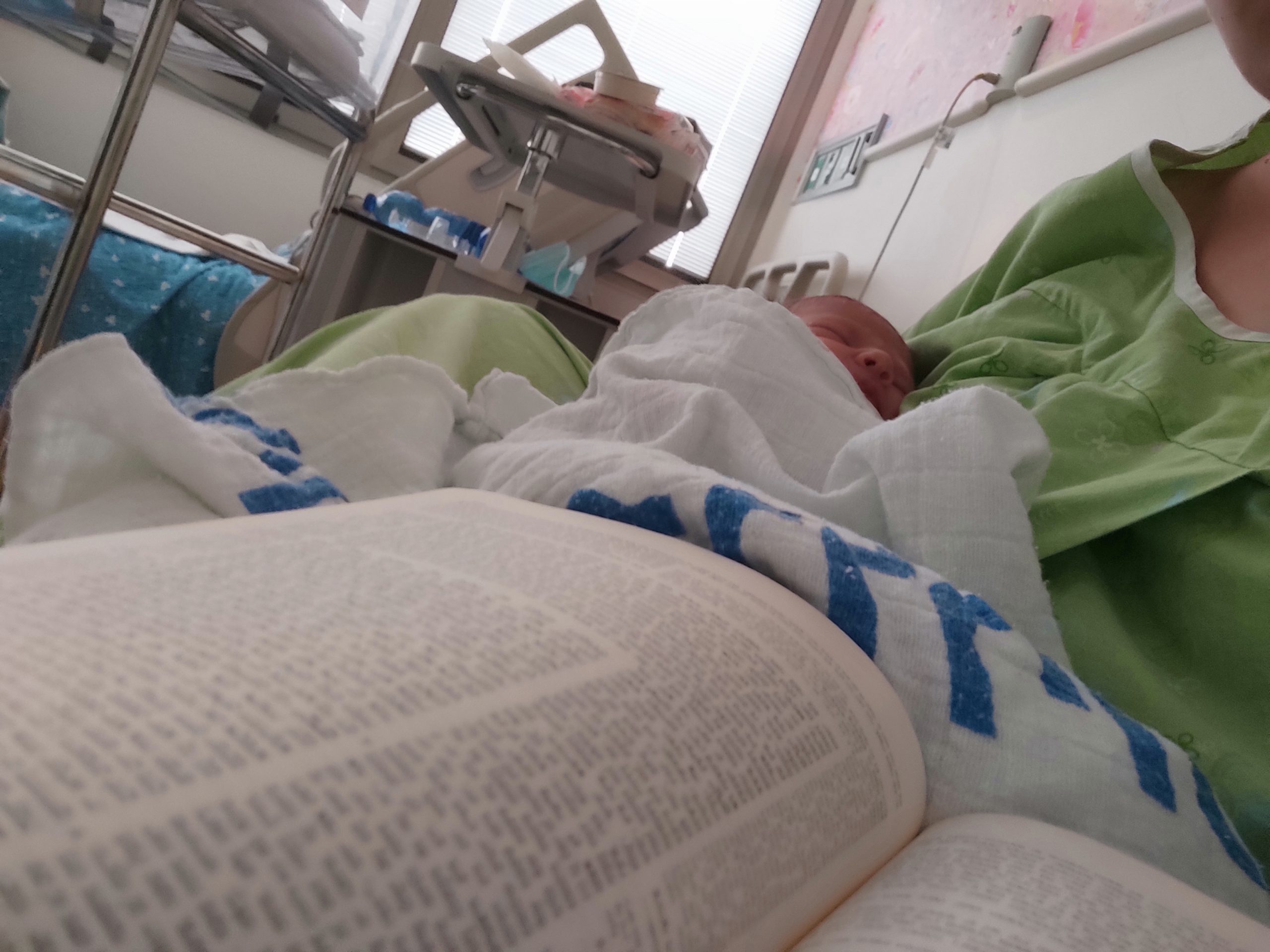
כמו שרואים בתמונה אני ממשיכה ללמוד גם היום ואפילו במחלקת יולדות אחרי לידת ביתי השלישית.

Noa Shiloh
נועה שילה

רבבה, ישראל

אמא שלי למדה איתי ש”ס משנה, והתחילה ללמוד דף יומי. אני החלטתי שאני רוצה ללמוד גם. בהתחלה למדתי איתה, אח”כ הצטרפתי ללימוד דף יומי שהרב דני וינט מעביר לנוער בנים בעתניאל. במסכת עירובין עוד חברה הצטרפה אלי וכשהתחלנו פסחים הרב דני פתח לנו שעור דף יומי לבנות. מאז אנחנו לומדות איתו קבוע כל יום את הדף היומי (ובשבת אבא שלי מחליף אותו). אני נהנית מהלימוד, הוא מאתגר ומעניין

Renana Hellman
רננה הלמן

עתניאל, ישראל

התחלתי ללמוד את הדף היומי מעט אחרי שבני הקטן נולד. בהתחלה בשמיעה ולימוד באמצעות השיעור של הרבנית שפרבר. ובהמשך העזתי וקניתי לעצמי גמרא. מאז ממשיכה יום יום ללמוד עצמאית, ולפעמים בעזרת השיעור של הרבנית, כל יום. כל סיום של מסכת מביא לאושר גדול וסיפוק. הילדים בבית נהיו חלק מהלימוד, אני משתפת בסוגיות מעניינות ונהנית לשמוע את דעתם.

Eliraz Blau
אלירז בלאו

מעלה מכמש, ישראל

כבר סיפרתי בסיום של מועד קטן.
הלימוד מאוד משפיעה על היום שלי כי אני לומדת עם רבנית מישל על הבוקר בזום. זה נותן טון לכל היום – בסיס למחשבות שלי .זה זכות גדול להתחיל את היום בלימוד ובתפילה. תודה רבה !

שרה-ברלוביץ
שרה ברלוביץ

ירושלים, ישראל

למדתי גמרא מכיתה ז- ט ב Maimonides School ואחרי העליה שלי בגיל 14 לימוד הגמרא, שלא היה כל כך מקובל בימים אלה, היה די ספוראדי. אחרי "ההתגלות” בבנייני האומה התחלתי ללמוד בעיקר בדרך הביתה למדתי מפוקקטסים שונים. לאט לאט ראיתי שאני תמיד חוזרת לרבנית מישל פרבר. באיזה שהוא שלב התחלתי ללמוד בזום בשעה 7:10 .
היום "אין מצב” שאני אתחיל את היום שלי ללא לימוד עם הרבנית מישל עם כוס הקפה שלי!!

selfie-scaled
דבי גביר

חשמונאים, ישראל

הייתי לפני שנתיים בסיום הדרן נשים בבנייני האומה והחלטתי להתחיל. אפילו רק כמה דפים, אולי רק פרק, אולי רק מסכת… בינתיים סיימתי רבע שס ותכף את כל סדר מועד בה.
הסביבה תומכת ומפרגנת. אני בת יחידה עם ארבעה אחים שכולם לומדים דף יומי. מדי פעם אנחנו עושים סיומים יחד באירועים משפחתיים. ממש מרגש. מסכת שבת סיימנו כולנו יחד עם אבא שלנו!
אני שומעת כל יום פודקאסט בהליכה או בנסיעה ואחכ לומדת את הגמרא.

Edna Gross
עדנה גרוס

מרכז שפירא, ישראל

My explorations into Gemara started a few days into the present cycle. I binged learnt and become addicted. I’m fascinated by the rich "tapestry” of intertwined themes, connections between Masechtot, conversations between generations of Rabbanim and learners past and present all over the world. My life has acquired a golden thread, linking generations with our amazing heritage.
Thank you.

Susan Kasdan
סוזן כשדן

חשמונאים, Israel

התחלתי ללמוד דף יומי כאשר קיבלתי במייל ממכון שטיינזלץ את הדפים הראשונים של מסכת ברכות במייל. קודם לא ידעתי איך לקרוא אותם עד שנתתי להם להדריך אותי. הסביבה שלי לא מודעת לעניין כי אני לא מדברת על כך בפומבי. למדתי מהדפים דברים חדשים, כמו הקשר בין המבנה של בית המקדש והמשכן לגופו של האדם (יומא מה, ע”א) והקשר שלו למשפט מפורסם שמופיע בספר ההינדי "בהגוד-גיתא”. מתברר שזה רעיון כלל עולמי ולא רק יהודי

Elena Arenburg
אלנה ארנבורג

נשר, ישראל

בתחילת הסבב הנוכחי של לימוד הדף היומי, נחשפתי לחגיגות המרגשות באירועי הסיום ברחבי העולם. והבטחתי לעצמי שבקרוב אצטרף גם למעגל הלומדות. הסבב התחיל כאשר הייתי בתחילת דרכי בתוכנית קרן אריאל להכשרת יועצות הלכה של נשמ”ת. לא הצלחתי להוסיף את ההתחייבות לדף היומי על הלימוד האינטנסיבי של תוכנית היועצות. בבוקר למחרת המבחן הסופי בנשמ”ת, התחלתי את לימוד הדף במסכת סוכה ומאז לא הפסקתי.

Hana Shaham-Rozby (Dr.)
חנה שחם-רוזבי (ד”ר)

קרית גת, ישראל

התחלתי ללמוד גמרא בבית הספר בגיל צעיר והתאהבתי. המשכתי בכך כל חיי ואף היייתי מורה לגמרא בבית הספר שקד בשדה אליהו (בית הספר בו למדתי בילדותי)בתחילת מחזור דף יומי הנוכחי החלטתי להצטרף ובע”ה מקווה להתמיד ולהמשיך. אני אוהבת את המפגש עם הדף את "דרישות השלום ” שמקבלת מקשרים עם דפים אחרים שלמדתי את הסנכרון שמתחולל בין התכנים.

Ariela Bigman
אריאלה ביגמן

מעלה גלבוע, ישראל

הצטרפתי ללומדות בתחילת מסכת תענית. ההתרגשות שלי ושל המשפחה היתה גדולה מאוד, והיא הולכת וגוברת עם כל סיום שאני זוכה לו. במשך שנים רבות רציתי להצטרף ומשום מה זה לא קרה… ב”ה מצאתי לפני מספר חודשים פרסום של הדרן, ומיד הצטרפתי והתאהבתי. הדף היומי שינה את חיי ממש והפך כל יום- ליום של תורה. מודה לכן מקרב ליבי ומאחלת לכולנו לימוד פורה מתוך אהבת התורה ולומדיה.

Noa Rosen
נעה רוזן

חיספין רמת הגולן, ישראל

בסוף הסבב הקודם ראיתי את השמחה הגדולה שבסיום הלימוד, בעלי סיים כבר בפעם השלישית וכמובן הסיום הנשי בבנייני האומה וחשבתי שאולי זו הזדמנות עבורי למשהו חדש.
למרות שאני שונה בסביבה שלי, מי ששומע על הלימוד שלי מפרגן מאוד.
אני מנסה ללמוד קצת בכל יום, גם אם לא את כל הדף ובסך הכל אני בדרך כלל עומדת בקצב.
הלימוד מעניק המון משמעות ליום יום ועושה סדר בלמוד תורה, שתמיד היה (ועדיין) שאיפה. אבל אין כמו קביעות

Racheli-Mendelson
רחלי מנדלסון

טל מנשה, ישראל

. לא תמיד נהניתי מלימוד גמרא כילדה.,בל כהתבגרתי התחלתי לאהוב את זה שוב. התחלתי ללמוד מסכת סוטה בדף היומי לפני כחמש עשרה שנה ואז הפסקתי.הגעתי לסיום הגדול של הדרן לפני שנתיים וזה נתן לי השראה. והתחלתי ללמוד למשך כמה ימים ואז היתה לי פריצת דיסק והפסקתי…עד אלול השנה. אז התחלתי עם מסכת ביצה וב”ה אני מצליחה לעמוד בקצב. המשפחה מאוד תומכת בי ויש כמה שגם לומדים את זה במקביל. אני אוהבת שיש עוגן כל יום.

Rebecca Darshan
רבקה דרשן

בית שמש, ישראל

A life-changing journey started with a Chanukah family tiyul to Zippori, home of the Sanhedrin 2 years ago and continued with the Syum in Binanei Hauma where I was awed by the energy of 3000 women dedicated to learning daf Yomi. Opening my morning daily with a fresh daf, I am excited with the new insights I find enriching my life and opening new and deeper horizons for me.

Becky Goldstein
בקי גולדשטיין

Elazar gush etzion, Israel

התחלתי ללמוד דף יומי בסבב הקודם. זכיתי לסיים אותו במעמד המרגש של הדרן. בסבב הראשון ליווה אותי הספק, שאולי לא אצליח לעמוד בקצב ולהתמיד. בסבב השני אני לומדת ברוגע, מתוך אמונה ביכולתי ללמוד ולסיים. בסבב הלימוד הראשון ליוותה אותי חוויה מסויימת של בדידות. הדרן העניקה לי קהילת לימוד ואחוות נשים. החוויה של סיום הש”ס במעמד כה גדול כשנשים שאינן מכירות אותי, שמחות ומתרגשות עבורי , היתה חוויה מרוממת נפש

Ilanit Weil
אילנית ווייל

קיבוץ מגדל עוז, ישראל

התחלתי ללמוד דף יומי לפני שנתיים, עם מסכת שבת. בהתחלה ההתמדה היתה קשה אבל בזכות הקורונה והסגרים הצלחתי להדביק את הפערים בשבתות הארוכות, לסיים את מסכת שבת ולהמשיך עם המסכתות הבאות. עכשיו אני מסיימת בהתרגשות רבה את מסכת חגיגה וסדר מועד ומחכה לסדר הבא!

Ilana-Shachnowitz
אילנה שכנוביץ

מודיעין, ישראל

שבועות מג

״כִּי יִתֵּן אִישׁ אֶל רֵעֵהוּ״ – כְּלָל, ״כֶּסֶף אוֹ כֵּלִים״ – פְּרָט, ״לִשְׁמֹר״ – חָזַר וְכָלַל. כְּלָל וּפְרָט וּכְלָל – אִי אַתָּה דָן אֶלָּא כְּעֵין הַפְּרָט; מָה הַפְּרָט מְפוֹרָשׁ – דָּבָר הַמִּטַּלְטֵל וְגוּפוֹ מָמוֹן, אַף כׇּל דָּבָר הַמִּטַּלְטֵל וְגוּפוֹ מָמוֹן.

The verse introduces the halakhot with regard to an unpaid bailee with the phrase: “If a man delivers to his neighbor silver or vessels to safeguard” (Exodus 22:6). The phrase “if a man delivers to his neighbor” is a generalization, “silver or vessels” is a detail, and when the verse states: “To safeguard,” it then generalized again. Consequently, this verse contains a generalization and a detail and a generalization, in which case you may deduce that the verse is referring only to items similar to the detail. Applying this principle here, one concludes that just as each of the items mentioned in the detail is clearly defined as an item that is movable property and has intrinsic monetary value, so too, an unpaid bailee takes an oath concerning anything that is movable property and has intrinsic monetary value.

יָצְאוּ קַרְקָעוֹת – שֶׁאֵין מְטַלְטְלִין; יָצְאוּ עֲבָדִים – שֶׁהוּקְּשׁוּ לְקַרְקָעוֹת; יָצְאוּ שְׁטָרוֹת – שֶׁאַף עַל פִּי שֶׁמִּטַּלְטְלִין, אֵין גּוּפָן מָמוֹן; הֶקְדֵּשׁ – ״רֵעֵהוּ״ כְּתִיב.

Land is therefore excluded, as it is not movable property. Canaanite slaves are excluded, as they are compared to land in many areas of halakha. Financial documents are excluded, since although they are movable property, they do not have intrinsic monetary value. Consecrated property is excluded because it is written in the verse: “If a man delivers to his neighbor.” This term indicates that both the one depositing the item and the bailee must be people, and not the Temple treasury.

נוֹשֵׂא שָׂכָר אֵינוֹ מְשַׁלֵּם. מְנָלַן? דְּתָנוּ רַבָּנַן: ״כִּי יִתֵּן אִישׁ אֶל רֵעֵהוּ״ – כְּלָל, ״חֲמוֹר אוֹ שׁוֹר אוֹ שֶׂה״ – פְּרָט, ״וְכׇל בְּהֵמָה לִשְׁמֹר״ – חָזַר וְכָלַל. כְּלָל וּפְרָט וּכְלָל כּוּ׳, עַד הֶקְדֵּשׁ – ״רֵעֵהוּ״ כְּתִיב.

§ The mishna teaches that a paid bailee does not pay for the loss or theft of one of these items. The Gemara asks: From where do we derive this halakha? The Gemara answers: It is as the Sages taught in a baraita: The verse introduces the halakhot with regard to a paid bailee with the phrase: “If a man delivers to his neighbor a donkey, or an ox, or a sheep, or any animal to guard” (Exodus 22:9). The phrase “if a man delivers to his neighbor” is a generalization, the phrase “a donkey, or an ox, or a sheep” is a detail, and when the verse states: “Or any animal to safeguard,” it then generalized again. Consequently, this verse contains a generalization, and a detail, and a generalization, which excludes any item that is not similar to the detail, as delineated in the previous baraita with regard to an unpaid bailee, up to and including the last clause of that baraita: Consecrated property is excluded because it is written in the verse: “If a man delivers to his neighbor.”

רַבִּי מֵאִיר אוֹמֵר: יֵשׁ דְּבָרִים שֶׁהֵן כְּקַרְקַע וְאֵינָן כְּקַרְקַע כּוּ׳. מִכְּלָל דְּרַבִּי מֵאִיר סָבַר: כׇּל הַמְחוּבָּר לַקַּרְקַע אֵינוֹ כְּקַרְקַע?! אַדְּמִיפַּלְגִי בִּטְעוּנוֹת, לִיפַּלְגִי בִּסְרוּקוֹת!

§ The mishna teaches: Rabbi Meir says: There are certain items that are like land with regard to their form, but are not treated like land from a halakhic perspective; and the Rabbis do not concede that this is so, as they hold that the halakhic status of anything that is attached to the land is like the land itself. The Gemara challenges: By inference, does Rabbi Meir hold that the halakhic status of anything that is attached to the land is not like land? If so, rather than disagreeing with regard to grapevines laden with fruit, let them disagree with regard to fruitless vines, as Rabbi Meir holds that the halakhic status of the vines themselves is not like that of the land.

(אֶלָּא) אָמַר רַבִּי יוֹסֵי בְּרַבִּי חֲנִינָא: הָכָא בַּעֲנָבִים עוֹמְדוֹת לְהִבָּצֵר קָמִיפַּלְגִי; דְּרַבִּי מֵאִיר סָבַר: כִּבְצוּרוֹת דָּמְיָין, וְרַבָּנַן סָבְרִי: לָא כִּבְצוּרוֹת דָּמְיָין.

Rabbi Yosei, son of Rabbi Ḥanina, said that they disagree here not with regard to any item that is attached to the land, as Rabbi Meir concedes that such items usually have the halakhic status of the land itself. The dispute is specifically with regard to grapes that are ready to be harvested, as Rabbi Meir holds that their halakhic status is similar to that of grapes that are already harvested, and the Rabbis hold that their halakhic status is not similar to that of grapes that are already harvested, and that they still have the status of land.

אֵין נִשְׁבָּעִין אֶלָּא עַל דָּבָר שֶׁבְּמִדָּה וְשֶׁבְּמִשְׁקָל כּוּ׳. אָמַר אַבָּיֵי: לֹא שָׁנוּ אֶלָּא דַּאֲמַר לֵיהּ ״בַּיִת״ סְתָם, אֲבָל אֲמַר לֵיהּ ״בַּיִת זֶה מָלֵא״ – יְדִיעָא טַעַנְתֵּיהּ.

§ The mishna teaches that one takes an oath only concerning an item that is defined by size, by weight, or by number. How so? If the claimant says: I delivered to you a house full of produce, and the other person says: I do not know how much you gave me, but what you left in my possession you may take, and the amount in the house is less that that claimed by the claimant, the defendant is exempt from taking an oath. Abaye said: They taught this halakha only in a case where the claimant said to him: I gave you a house full of produce, without specification. But if he said to him: I gave you this specific house full of produce, his claim is known and defined, and the defendant is therefore required to take an oath concerning it.

אֲמַר לֵיהּ רָבָא: אִי הָכִי, אַדְּתָנֵי סֵיפָא: זֶה אוֹמֵר ״עַד הַזִּיז״ וְזֶה אוֹמֵר ״עַד הַחַלּוֹן״ – חַיָּיב; לִיפְלוֹג וְלִיתְנֵי בְּדִידַהּ: בַּמֶּה דְּבָרִים אֲמוּרִים – בְּ״בַיִת מָלֵא״, אֲבָל ״בַּיִת זֶה מָלֵא״ – חַיָּיב!

Rava said to him: If so, rather than teaching in the last clause of the mishna: If this party says that the house was full up to the ledge, and that party says that it was full up to the window, the defendant is liable to take an oath, let the tanna distinguish and teach the distinction within the case itself, where the claim was for a house full of produce, and say: In what case is this statement, that the defendant is exempt, said? It is said in a case where the claim was for an unspecified house full of produce; but if the claim was for this particular house full of produce, the defendant is liable to take an oath. Since the mishna did not make this distinction, evidently the defendant is exempt even if the claim is referring to a specific house.

אֶלָּא אָמַר רָבָא: לְעוֹלָם אֵינוֹ חַיָּיב עַד שֶׁיִּטְעָנֶנּוּ בְּדָבָר שֶׁבְּמִדָּה שֶׁבְּמִשְׁקָל וְשֶׁבְּמִנְיָן, וְיוֹדֶה לוֹ בְּדָבָר שֶׁבְּמִדָּה וְשֶׁבְּמִשְׁקָל וְשֶׁבְּמִנְיָן.

Rather, Rava said: The defendant is never liable to take an oath unless the claimant claims from him an item that is defined by size, by weight, or by number, and the defendant admits to him with regard to a part of the claim that is an item that is defined by size, by weight, or by number.

תַּנְיָא כְּוָותֵיהּ דְּרָבָא: ״כּוֹר תְּבוּאָה לִי בְּיָדְךָ״, וְהַלָּה אוֹמֵר ״אֵין לְךָ בְּיָדִי״ – פָּטוּר. ״מְנוֹרָה גְּדוֹלָה יֵשׁ לִי בְּיָדְךָ״, ״אֵין לְךָ בְּיָדִי אֶלָּא מְנוֹרָה קְטַנָּה״ – פָּטוּר. ״אֲזוֹרָה גְּדוֹלָה יֵשׁ לִי בְּיָדְךָ״, ״אֵין לְךָ בְּיָדִי אֶלָּא אֲזוֹרָה קְטַנָּה״ – פָּטוּר.

The Gemara comments: It is taught in a baraita in accordance with the opinion of Rava: If the claimant says: I have a kor of produce in your possession, and the other one says: Nothing of yours is in my possession, the defendant is exempt from taking an oath, as he denies the entire debt. If he says: I have a large candelabrum in your possession, and the defendant responds: You have only a small candelabrum in my possession, he is exempt from taking an oath, as he admits not to part of the claim, but to possessing a different item. Similarly, if the claimant says: I have a large belt in your possession, and the defendant responds: You have only a small belt in my possession, he is exempt from taking an oath.

אֲבָל אָמַר לוֹ: ״כּוֹר תְּבוּאָה יֵשׁ לִי בְּיָדְךָ״, וְהַלָּה אוֹמֵר: ״אֵין לְךָ בְּיָדִי אֶלָּא לֶתֶךְ״ – חַיָּיב. ״מְנוֹרָה בַּת עֶשֶׂר לִיטְרִין יֵשׁ לִי בְּיָדְךָ״, ״אֵין לְךָ בְּיָדִי אֶלָּא בַּת חָמֵשׁ לִיטְרִין״ – חַיָּיב.

The baraita continues: But if the claimant said to him: I have a kor of produce in your possession, and the other one says: You have only a half-kor in my possession, he is liable to take an oath. Similarly, if the claimant says: I have a candelabrum weighing ten litra in your possession, and the defendant responds: You have only a five-litra candelabrum in my possession, he is liable to take an oath.

כְּלָלוֹ שֶׁל דָּבָר: לְעוֹלָם אֵינוֹ חַיָּיב עַד שֶׁיִּטְעָנֶנּוּ בְּדָבָר שֶׁבְּמִדָּה וְשֶׁבְּמִשְׁקָל וְשֶׁבְּמִנְיָן, וְיוֹדֶה לוֹ בְּדָבָר שֶׁבְּמִדָּה וְשֶׁבְּמִשְׁקָל וְשֶׁבְּמִנְיָן.

The baraita concludes: The principle of the matter is that the defendant is never liable to take an oath unless the claimant claims from him an item that is defined by size, or by weight, or by number, and the defendant admits to him with regard to a part of the claim that is an item that is defined by size, by weight, or by number.

״כְּלָלוֹ שֶׁל דָּבָר״ לְאֵתוֹיֵי מַאי? לָאו לְאֵתוֹיֵי ״בַּיִת זֶה מָלֵא״?

The Gemara asks: What does the baraita add that was not already taught, by mentioning the principle of the matter? Doesn’t the baraita mention this principle to add that even if the claim is for this specific house full of produce, the defendant is exempt, as this is not considered an item defined by size? Accordingly, the baraita is in accordance with the opinion of Rava.

וּמַאי שְׁנָא מְנוֹרָה גְּדוֹלָה וּמְנוֹרָה קְטַנָּה? מַה שֶּׁטְּעָנוֹ לֹא הוֹדָה לוֹ, וּמַה שֶּׁהוֹדָה לוֹ לֹא טְעָנוֹ! אִי הָכִי, בַּת עֶשֶׂר בַּת חָמֵשׁ נָמֵי – מַה שֶּׁטְּעָנוֹ לֹא הוֹדָה לוֹ, וּמַה שֶּׁהוֹדָה לוֹ לֹא טְעָנוֹ!

Having cited the baraita, the Gemara now analyzes it: What is different about a case where the claimant claimed a large candelabrum and the defendant admitted to owing a small candelabrum that renders the defendant exempt from taking an oath? It is because that which he claimed from him, he did not admit to at all, and that which he admitted to, he had not claimed from him. If so, in a case where the claimant claimed a tenlitra candelabrum and the defendant admitted to owing a fivelitra candelabrum, the defendant should also be exempt, as that which he claimed from him, a heavier candelabrum, he did not admit to at all, and that which he admitted to, a lighter candelabrum, he had not claimed from him.

אָמַר רַבִּי שְׁמוּאֵל בַּר רַב יִצְחָק: הָכָא בִּמְנוֹרָה שֶׁל חֻלְיוֹת עָסְקִינַן, דְּקָא מוֹדֶה לֵיהּ מִינַּהּ.

Rabbi Shmuel bar Rav Yitzḥak said: Here in the latter case we are dealing with a candelabrum composed of segments that detach; the defendant is liable to take an oath because he admits to owing him part of the candelabrum claimed by the claimant.

אִי הָכִי, אֲזוֹרָה נָמֵי נִיתְנֵי – וְלוֹקְמֵי בִּדְלַיְיפִי! אֶלָּא דְּלַיְיפִי לָא קָתָנֵי; הָכָא נָמֵי – בְּשֶׁל חֻלְיוֹת לָא קָתָנֵי!

The Gemara asks: If so, let the baraita teach the case in which the defendant is liable to take an oath involving a belt as well, and interpret the case as referring to a belt made of pieces that are connected to each other; the claimant claims a belt with a larger number of pieces, and the defendant claims that he owes him a belt with fewer pieces. Rather, clearly the baraita is not teaching cases involving items made of pieces connected to each other. Here too, in the case of the candelabrum, the baraita is not teaching a case of a candelabrum composed of segments that detach.

אֶלָּא אָמַר רַבִּי אַבָּא בַּר מֶמֶל: שָׁאנֵי מְנוֹרָה, הוֹאִיל וְיָכוֹל לְגוֹרְרָהּ וּלְהַעֲמִידָהּ עַל חָמֵשׁ לִיטְרִין.

Rather, Rabbi Abba bar Memel said that the case of a candelabrum is different because one can scrape a ten-litra candelabrum and reduce it to a five-litra one. Therefore, he admitted to a part of the claim.

מַתְנִי׳ הַמַּלְוֶה אֶת חֲבֵירוֹ עַל הַמַּשְׁכּוֹן וְאָבַד הַמַּשְׁכּוֹן, אָמַר לוֹ: ״סֶלַע הִלְוִיתִיךָ עָלָיו וְשֶׁקֶל הָיָה שָׁוֶה״, וְהַלָּה אוֹמֵר: ״לֹא כִּי, אֶלָּא סֶלַע הִלְוִיתַנִי עָלָיו וְסֶלַע הָיָה שָׁוֶה״ – פָּטוּר.

MISHNA: There is a case of one who lends money to another on the basis of collateral, and the collateral was lost while in the possession of the creditor, and the creditor says to the debtor: I lent you a sela on the basis of that collateral and that collateral was worth a shekel, i.e., a half-sela. Therefore, you owe me a shekel. And the other individual, the debtor, says in response to that claim: That is not the case. Rather, you lent me a sela on the basis of that collateral, and the collateral was worth a sela; I owe you nothing. In this case, the debtor is exempt from payment.

״סֶלַע הִלְוִיתִיךָ עָלָיו, וְשֶׁקֶל הָיָה שָׁוֶה״, וְהַלָּה אוֹמֵר: ״לֹא כִי, אֶלָּא סֶלַע הִלְוִיתַנִי עָלָיו, וּשְׁלֹשָׁה דִּינָרִים הָיָה שָׁוֶה״ – חַיָּיב.

There is a case of a creditor who claims: I lent you a sela on the basis of that collateral and it was worth a shekel. And the other individual, the debtor, says: That is not the case; rather, you lent me a sela on the basis of that collateral, and the collateral was worth three dinars, i.e., three-quarters of a sela. In this case, the debtor is liable to take an oath, due to the fact that he responded to the claim of the creditor with a partial admission.

״סֶלַע הִלְוִיתַנִי עָלָיו וּשְׁתַּיִם הָיָה שָׁוֶה״, וְהַלָּה אוֹמֵר: ״לֹא כִי, אֶלָּא סֶלַע הִלְוִיתִיךָ עָלָיו וְסֶלַע הָיָה שָׁוֶה״ – פָּטוּר. ״סֶלַע הִלְוִיתַנִי עָלָיו וּשְׁתַּיִם הָיָה שָׁוֶה״, וְהַלָּה אוֹמֵר: ״לֹא כִי, אֶלָּא סֶלַע הִלְוִיתִיךָ עָלָיו וַחֲמִשָּׁה דִּינָרִים הָיָה שָׁוֶה״ – חַיָּיב.

If in that case the debtor said: You lent me a sela on the basis of that collateral and the collateral was worth two sela, so now you owe me a sela. And the other party, i.e., the creditor, said: That is not the case; rather, I lent you a sela on the basis of that collateral and the collateral was worth a sela. Here, the creditor is exempt. If in that case the debtor said: You lent me a sela on the basis of that collateral and the collateral was worth two sela. And the other party, i.e., the creditor, said: That is not the case; rather, I lent you a sela on the basis of that collateral and the collateral was worth five dinars. Here, the creditor is liable to take an oath due to the fact that he responded to the claim of the debtor with a partial admission.

וּמִי נִשְׁבָּע? מִי שֶׁהַפִּקָּדוֹן אֶצְלוֹ. שֶׁמָּא יִשָּׁבַע זֶה, וְיוֹצִיא הַלָּה אֶת הַפִּקָּדוֹן.

And who takes the oath? The one in whose possession the deposit had been located, i.e., the creditor, who took collateral from the debtor. The Sages instituted this provision lest this party, i.e., the debtor, take an oath and the other party, i.e., the creditor, produce the deposit and prove the oath false.

גְּמָ׳ אַהֵיָיא? אִילֵּימָא אַסֵּיפָא – וְתִיפּוֹק לֵיהּ דִּשְׁבוּעָה גַּבֵּי מַלְוֶה!

GEMARA: To which case is the final statement in the mishna, which says the creditor is the one who takes the oath, referring? If we say it is referring to the case in the latter clause of the mishna, where the debtor claims that the collateral was worth more than the loan, derive this halakha from the fact that the oath is anyway taken by the creditor, as he is the defendant in this case. The additional statement is superfluous.

אָמַר שְׁמוּאֵל: אַרֵישָׁא. וְכֵן אָמַר רַבִּי חִיָּיא בַּר רַב: אַרֵישָׁא. וְכֵן אָמַר רַבִּי יוֹחָנָן: אַרֵישָׁא.

In response, Shmuel says: This statement relates to the case in the first clause of the mishna, where the debtor is the defendant. And Rabbi Ḥiyya bar Rav similarly says that it relates to the first clause. And Rabbi Yoḥanan similarly says that it relates to the first clause.

מַאי רֵישָׁא? סֵיפָא דְּרֵישָׁא: ״סֶלַע הִלְוִיתִיךָ עָלָיו וְשֶׁקֶל הָיָה שָׁוֶה״, וְהַלָּה אוֹמֵר: ״לֹא כִּי, אֶלָּא סֶלַע הִלְוִיתַנִי עָלָיו וּשְׁלֹשָׁה דִּינָרִין הָיָה שָׁוֶה״ – חַיָּיב. דִּשְׁבוּעָה גַּבֵּי לֹוֶה הִיא, וְשַׁקְלוּהָ רַבָּנַן מִלֹּוֶה וְשַׁדְיוּהָ אַמַּלְוֶה.

The Gemara asks: What did the amora’im mean by: The first clause? The Gemara answers: They were not referring to the very first halakha in the mishna, but rather to the latter part of the first clause: There is a case of a creditor who claims: I lent you a sela on the basis of that collateral and it was worth a shekel. And the other individual, the debtor, says: That is not the case; rather, you lent me a sela on the basis of that collateral and the collateral was worth three dinars, i.e., three-quarters of a sela. In this case, he is liable to take an oath. As in this case, the oath should in principle be taken by the debtor, since he is the one who admitted to a part of the creditor’s claim, but the Sages removed the obligation to take an oath from the debtor and imposed it on the creditor, deeming him liable to take an oath that the collateral was not worth more than a shekel.

וְהַשְׁתָּא דְּאָמַר רַב אָשֵׁי דְּקַיְימָא לַן זֶה נִשְׁבָּע שֶׁאֵינָהּ בִּרְשׁוּתוֹ וְזֶה נִשְׁבָּע כַּמָּה שָׁוֶה – הָכִי קָאָמַר: מִי נִשְׁבָּע תְּחִלָּה? מִי שֶׁהַפִּקָּדוֹן אֶצְלוֹ. שֶׁמָּא יִשָּׁבַע זֶה, וְיוֹצִיא הַלָּה אֶת הַפִּקָּדוֹן.

The Gemara notes: And now that Rav Ashi says that we maintain that two oaths are taken in this case, as this party, the creditor, takes an oath that the collateral is not in his possession, and that party, the debtor, takes an oath concerning how much the collateral was worth, this is what the mishna is saying: Who takes an oath first? The one in whose possession the deposit had been located, i.e., the creditor, first takes an oath that the collateral is not in his possession, lest this party, the debtor, take an oath and then the other party, the creditor, produce the deposit and prove the oath false.

אָמַר שְׁמוּאֵל: הַאי מַאן דְּאוֹזְפֵיהּ אַלְפָּא זוּזֵי לְחַבְרֵיהּ, וּמַשְׁכֵּן לֵיהּ קַתָּא דְּמַגָּלָא; אֲבַד קַתָּא דְּמַגָּלָא – אֲבַד אַלְפָּא זוּזֵי. אֲבָל תַּרְתֵּי קַתָּאתֵי – לָא.

§ Shmuel says: With regard to one who lent one thousand dinars to another and took from him the handle of a sickle as collateral, if the handle of the sickle is lost, the creditor has lost the entire sum of one thousand dinars, even though the lost collateral was worth less. But if he took two handles as collateral and only one of them was lost, the creditor does not lose the entire debt; he loses only the value of the handle that he lost.

וְרַב נַחְמָן אָמַר: אֲפִילּוּ תַּרְתֵּי קַתָּאתֵי: אֲבַד חֲדָא – אֲבַד חֲמֵשׁ מְאָה, אֲבַד אִידַּךְ – אֲבַד כּוּלֵּיהּ. אֲבָל קַתָּא וּנְסָכָא – לָא. נְהַרְדָּעֵי אָמְרִי: אֲפִילּוּ קַתָּא וּנְסָכָא: אֲבַד נְסָכָא – אֲבַד פַּלְגָא, אֲבַד קַתָּא – אֲבַד כּוּלֵּיהּ.

And Rav Naḥman says: Even if he took two handles and only one of them was lost, he has lost five hundred dinars, i.e., half the debt. If the other one was then also lost, he has lost the entire debt. But if he took a handle and a piece of silver as collateral and then lost the handle, he has not lost half the debt, as he presumably relied on the silver, not the handle, for payment. The Sages of Neharde’a say: Even if he took a handle and a piece of silver, and the piece of silver was lost, he has lost half the debt. If the handle was then lost, he has lost the entire debt.

תְּנַן: ״סֶלַע הִלְוִיתִיךָ עָלָיו וְשֶׁקֶל הָיָה שָׁוֶה״, וְהַלָּה אוֹמֵר: ״לֹא כִי, אֶלָּא סֶלַע הִלְוִיתַנִי עָלָיו וּשְׁלֹשָׁה דִּינָרִין הָיָה שָׁוֶה״ – חַיָּיב. לֵימָא לֵיהּ: ״הָא קַבֵּילְתֵּיהּ״!

The Gemara challenges Shmuel’s opinion based on the mishna. We learned in the mishna: There is a case of a creditor who claims: I lent you a sela on the basis of that collateral and it was worth a shekel. And the other individual, the debtor, says: That is not the case; rather, you lent me a sela on the basis of that collateral and the collateral was worth three dinars, i.e., three-quarters of a sela. In this case, the debtor is liable to take an oath. According to Shmuel’s opinion that if the collateral is lost, the debt is canceled, let the debtor say to him: You have already received repayment of the debt by means of the collateral.

מַתְנִיתִין בִּדְפָרֵישׁ, שְׁמוּאֵל בִּדְלָא פָּרֵישׁ.

The Gemara answers: The halakha in the mishna is with regard to a case where the creditor stated explicitly that he is taking the collateral only to assure payment of the value of the item, and not as full repayment. Therefore, since there is a dispute with regard to the collateral’s monetary value, the two parties must litigate this matter. Shmuel, by contrast, was referring to a case where the creditor did not state explicitly whether he was taking the collateral to cover only its monetary value or the entire debt. In that case, it is presumed that he took it to cover the entire debt.

לֵימָא כְּתַנָּאֵי: הַמַּלְוֶה אֶת חֲבֵירוֹ עַל הַמַּשְׁכּוֹן וְאָבַד הַמַּשְׁכּוֹן – יִשָּׁבַע וְיִטּוֹל אֶת מְעוֹתָיו. דִּבְרֵי רַבִּי אֱלִיעֶזֶר. רַבִּי עֲקִיבָא אוֹמֵר, יָכוֹל הוּא שֶׁיֹּאמַר לוֹ: כְּלוּם הִלְוִיתַנִי – אֶלָּא עַל הַמַּשְׁכּוֹן; אָבַד הַמַּשְׁכּוֹן, אָבְדוּ מְעוֹתֶיךָ.

The Gemara suggests: Let us say that Shmuel’s ruling is the subject of a dispute between tanna’im, as it is stated in a baraita: With regard to one who lends money to another on the basis of collateral, and the collateral was lost, he must take an oath that it was in fact lost and may then take his money; this is the statement of Rabbi Eliezer. Rabbi Akiva says that the debtor can say to the creditor: Didn’t you lend me the money only on the basis of the collateral? Since the collateral was lost, your money is lost as well.

אֲבָל הַמַּלְוֶה אֶלֶף זוּז בִּשְׁטָר, וְהִנִּיחַ מַשְׁכּוֹן בְּיָדוֹ – דִּבְרֵי הַכֹּל: אָבַד הַמַּשְׁכּוֹן אָבְדוּ מְעוֹתָיו.

But with regard to one who lends another person one thousand dinars with a promissory note, and in addition to the note, the debtor left collateral in the creditor’s possession, all agree that since the collateral was lost, his money is lost as well. Since he had a promissory note as proof of the loan, the collateral was clearly taken as potential repayment.

הֵיכִי דָמֵי? אִי דְּשָׁוֵי שִׁיעוּר זוּזֵי –

The Gemara asks: What are the circumstances under which Rabbi Eliezer and Rabbi Akiva disagree? If it is a case where the collateral was worth the amount of money that he lent to him,

רוצה לעקוב אחרי התכנים ולהמשיך ללמוד?

ביצירת חשבון עוד היום ניתן לעקוב אחרי ההתקדמות שלך, לסמן מה למדת, ולעקוב אחרי השיעורים שמעניינים אותך.

לנקות את כל הפריטים מהרשימה?

פעולה זו תסיר את כל הפריטים בחלק זה כולל ההתקדמות וההיסטוריה. שימי לב: לא ניתן לשחזר פעולה זו.

ביטול
מחיקה

האם את/ה בטוח/ה שברצונך למחוק פריט זה?

תאבד/י את כל ההתקדמות או ההיסטוריה הקשורות לפריט זה.

ביטול
מחיקה