Search

Sotah 38

Want to dedicate learning? Get started here:

English
עברית
podcast placeholder

0:00
0:00


podcast placeholder

0:00
0:00


Summary


What are differences between birkhat kohanim that was performed in the Temple and the one that is performed outside the Temple? Seven braitot are brought which each derive laws of the birkhat kohanim from the words “this is how you should bless.” Each braita deals with a different issue, raises questions about it and makes derivations from other verses in order to explain the rule. The rules are – the blessing is done in Hebrew only, while standing, with hands lifted, using the special name of God (in the Temple only), women, converts and freed slaves are included in the blessing, the kohanim and the people face each other and it is said out loud. How are the kohanim called up and on what does it depend? Eight statements of Rabbi Yehoshua ben Levi are brought – four about birkhat kohanim and four showing the importance of not being stingy. What is done in a case where all the congregants are kohanim? There are two contradictory statements about this, but they are resolved. Those who stand behind the kohanim are not included in the blessing. What about those who stand facing the kohanim but there is some sort of barrier in between them? What about those on the side?

Today’s daily daf tools:

Sotah 38

כִּכְתָבוֹ, וּבַמְּדִינָה בְּכִינּוּיוֹ. בַּמְּדִינָה כֹּהֲנִים נוֹשְׂאִים אֶת יְדֵיהֶן כְּנֶגֶד כִּתְפֵיהֶן, וּבַמִּקְדָּשׁ עַל גַּבֵּי רָאשֵׁיהֶן. חוּץ מִכֹּהֵן גָּדוֹל, שֶׁאֵינוֹ מַגְבִּיהַּ אֶת יָדָיו לְמַעְלָה מִן הַצִּיץ. רַבִּי יְהוּדָה אוֹמֵר: אַף כֹּהֵן גָּדוֹל מַגְבִּיהַּ יָדָיו לְמַעְלָה מִן הַצִּיץ, שֶׁנֶּאֱמַר: ״וַיִּשָּׂא אַהֲרֹן אֶת יָדָיו אֶל הָעָם וַיְבָרְכֵם״.

as it is written in the Torah, i.e., the Tetragrammaton, and in the country they use its substitute name of Lordship. In the country, the priests lift their hands so they are aligned with their shoulders during the benediction. And in the Temple they lift them above their heads, except for the High Priest, who does not lift his hands above the frontplate. Since the Tetragrammaton is inscribed on it, it is inappropriate for him to lift his hands above it. Rabbi Yehuda says: Even the High Priest lifts his hands above the frontplate, as it is stated: “And Aaron lifted up his hands toward the people and blessed them” (Leviticus 9:22).

גְּמָ׳ תָּנוּ רַבָּנַן: ״כֹּה תְבָרְכוּ״ — בִּלְשׁוֹן הַקּוֹדֶשׁ. אַתָּה אוֹמֵר בִּלְשׁוֹן הַקּוֹדֶשׁ, אוֹ אֵינוֹ אֶלָּא בְּכׇל לָשׁוֹן? נֶאֱמַר כָּאן ״כֹּה תְבָרְכוּ״, וְנֶאֱמַר לְהַלָּן ״אֵלֶּה יַעַמְדוּ לְבָרֵךְ אֶת הָעָם״. מָה לְהַלָּן בִּלְשׁוֹן הַקּוֹדֶשׁ, אַף כָּאן בִּלְשׁוֹן הַקּוֹדֶשׁ.

GEMARA: The Sages taught: The mitzva given to the priests: “So you shall bless the children of Israel” (Numbers 6:23), is that they bless them in the sacred tongue, Hebrew. Do you say that the benediction must be recited in the sacred tongue, or perhaps it may be recited in any language? The baraita answers: It is stated here, with regard to the Priestly Benediction: “So you shall bless,” and it is stated there, with regard to the blessings and curses: “These shall stand on Mount Gerizim to bless the people” (Deuteronomy 27:12). There is a verbal analogy between these two usages of the word “bless”: Just as there, the blessings and curses were recited in the sacred tongue, as stated above (33a), so too here, the Priestly Benediction is recited in the sacred tongue.

רַבִּי יְהוּדָה אוֹמֵר: אֵינוֹ צָרִיךְ, הֲרֵי הוּא אוֹמֵר ״כֹּה״ — עַד שֶׁיֹּאמְרוּ בַּלָּשׁוֹן הַזֶּה.

Rabbi Yehuda says: It is not necessary to derive this from a verbal analogy, as it says with regard to the Priestly Benediction: “Thus,” which means that it is not recited correctly unless they recite it in this exact language, as it is written in the Torah.

תַּנְיָא אִידַּךְ: ״כֹּה תְבָרְכוּ״ — בַּעֲמִידָה. אַתָּה אוֹמֵר בַּעֲמִידָה, אוֹ אֵינוֹ אֶלָּא אֲפִילּוּ בִּישִׁיבָה? נֶאֱמַר כָּאן ״כֹּה תְבָרְכוּ״, וְנֶאֱמַר לְהַלָּן ״אֵלֶּה יַעַמְדוּ לְבָרֵךְ״. מָה לְהַלָּן בַּעֲמִידָה — אַף כָּאן בַּעֲמִידָה.

It is taught in another baraita: “So you shall bless,” means while standing. Do you say that the benediction must be recited while standing, or perhaps it may even be recited while sitting? It is stated here: “So you shall bless,” and it is stated there, with regard to the blessings and curses: “These shall stand on Mount Gerizim to bless.” Just as there, the blessing was recited while standing, so too here, the priests must recite the Priestly Benediction while standing.

רַב אוֹמֵר: אֵינוֹ צָרִיךְ, הֲרֵי הוּא אוֹמֵר ״לְשָׁרְתוֹ וּלְבָרֵךְ בִּשְׁמוֹ״. מָה מְשָׁרֵת בַּעֲמִידָה, אַף מְבָרֵךְ בַּעֲמִידָה. וּמְשָׁרֵת גּוּפֵיהּ מְנָלַן — דִּכְתִיב: ״לַעֲמֹד לְשָׁרֵת״.

Rabbi Natan says: It is not necessary to derive this from a verbal analogy, as it says in the verse: “At that time the Lord separated the tribe of Levi to bear the Ark of the Covenant of the Lord, to stand before the Lord to minister to Him and to bless in His name” (Deuteronomy 10:8). Just as a priest performs the Temple service while standing, so too, he blesses while standing. The Gemara asks: And from where do we derive that he performs the service itself while standing? As it is written: “To stand to minister in the name of the Lord” (Deuteronomy 18:5).

תַּנְיָא אִידַּךְ: ״כֹּה תְבָרְכוּ״ — בִּנְשִׂיאוּת כַּפַּיִם. אַתָּה אוֹמֵר בִּנְשִׂיאוּת כַּפַּיִם, אוֹ אֵינוֹ אֶלָּא שֶׁלֹּא בִּנְשִׂיאוּת כַּפַּיִם? נֶאֱמַר כָּאן ״כֹּה תְבָרְכוּ״, וְנֶאֱמַר לְהַלָּן ״וַיִּשָּׂא אַהֲרֹן אֶת יָדָיו אֶל הָעָם וַיְבָרְכֵם״. מָה לְהַלָּן בִּנְשִׂיאוּת כַּפַּיִם — אַף כָּאן בִּנְשִׂיאוּת כַּפַּיִם.

It is taught in another baraita: “So you shall bless” means with lifted hands. Do you say that the priests must recite the benediction with lifted hands, or perhaps they may recite it without lifted hands? It is stated here: “So you shall bless,” and it is stated there, with regard to the dedication of the Tabernacle: “And Aaron lifted up his hands toward the people and blessed them” (Leviticus 9:22). Just as there, Aaron blessed the nation with lifted hands, so too here, the Priestly Benediction is recited with lifted hands.

קַשְׁיָא לֵיהּ לְרַבִּי יוֹנָתָן: אִי מָה לְהַלָּן כֹּהֵן גָּדוֹל וְרֹאשׁ חוֹדֶשׁ וַעֲבוֹדַת צִבּוּר, אַף כָּאן כֹּהֵן גָּדוֹל וְרֹאשׁ חוֹדֶשׁ וַעֲבוֹדַת צִיבּוּר?

This halakha was difficult for Rabbi Yonatan to understand: If this halakha is derived from the dedication of the Tabernacle, then why not also say: Just as there, the High Priest was the one who recited the blessing, and it was the New Moon, and the offerings that were brought were a communal service, so too here, the Priestly Benediction must be recited only by the High Priest, and on the New Moon, and when performing a communal service?

רַבִּי נָתָן אוֹמֵר: אֵינוֹ צָרִיךְ, הֲרֵי הוּא אוֹמֵר ״הוּא וּבָנָיו כׇּל הַיָּמִים״, מַקִּישׁ בָּנָיו לוֹ: מָה הוּא בִּנְשִׂיאוּת כַּפַּיִם — אַף בָּנָיו בִּנְשִׂיאוּת כַּפַּיִם. וּכְתִיב: ״כׇּל הַיָּמִים״. וְאִיתַּקַּשׁ בְּרָכָה לְשֵׁירוּת.

Rabbi Natan says: It is not necessary to derive from a verbal analogy that the Priestly Benediction is recited with lifted hands, as it says with regard to Aaron: “To stand to minister in the name of the Lord, him and his sons forever” (Deuteronomy 18:5). In this verse, his sons are juxtaposed with him. Just as Aaron recited the Priestly Benediction with lifted hands, so too, his sons recite the benediction with lifted hands. And furthermore, it is written “forever,” which indicates that it is referring not only to special occasions. And although the verse is not referring to the Priestly Benediction, the benediction is juxtaposed to the Temple service in another verse: “To minister to Him and to bless in His name” (Deuteronomy 10:8).

וְתַנְיָא אִידַּךְ: ״כֹּה תְבָרְכוּ אֶת בְּנֵי יִשְׂרָאֵל״ — בַּשֵּׁם הַמְפוֹרָשׁ. אַתָּה אוֹמֵר בַּשֵּׁם הַמְפוֹרָשׁ, אוֹ אֵינוֹ אֶלָּא בְּכִינּוּי? תַּלְמוּד לוֹמַר: ״וְשָׂמוּ אֶת שְׁמִי״ — שְׁמִי הַמְיוּחָד לִי.

And it is taught in another baraita: “So you shall bless the children of Israel means the blessing should be recited with the ineffable name. Do you say that the Priestly Benediction must be recited with the ineffable name, or perhaps it is recited with only the substitute name, Adonai? The verse states: “So shall they put My name” (Numbers 6:27), which means My name that is unique to Me.

יָכוֹל אַף בַּגְּבוּלִין כֵּן — נֶאֱמַר כָּאן ״וְשָׂמוּ אֶת שְׁמִי״, וְנֶאֱמַר לְהַלָּן ״לָשׂוּם אֶת שְׁמוֹ שָׁם״. מָה לְהַלָּן — בֵּית הַבְּחִירָה, אַף כָּאן בְּבֵית הַבְּחִירָה.

One might have thought that even in the outlying areas, outside the Temple, this ineffable name is used. It is stated here, with regard to the Priestly Benediction: “So shall they put My name,” and it is stated there, with regard to the place one must sacrifice offerings: “The place that the Lord your God has chosen out of all your tribes to put His name there” (Deuteronomy 12:5). The verbal analogy teaches that just as there, the expression “to put His name there” is referring to the Temple, so too here, the mitzva of “so shall they put My name” applies in the Temple and not anywhere else.

רַבִּי יֹאשִׁיָּה אוֹמֵר: אֵינוֹ צָרִיךְ, הֲרֵי הוּא אוֹמֵר ״בְּכׇל הַמָּקוֹם אֲשֶׁר אַזְכִּיר אֶת שְׁמִי אָבוֹא אֵלֶיךָ״. בְּכׇל מָקוֹם סָלְקָא דַּעְתָּךְ? אֶלָּא מִקְרָא זֶה מְסוֹרָס הוּא: בְּכׇל מָקוֹם אֲשֶׁר אָבוֹא אֵלֶיךָ וּבֵרַכְתִּיךָ — שָׁם אַזְכִּיר אֶת שְׁמִי. וְהֵיכָן אָבוֹא אֵלֶיךָ וּבֵרַכְתִּיךָ — בְּבֵית הַבְּחִירָה, שָׁם אַזְכִּיר אֶת שְׁמִי — בְּבֵית הַבְּחִירָה.

Rabbi Yoshiya says: It is not necessary to derive this halakha from the verbal analogy, as it can be derived from a verse. It says in the verse: “In every place where I cause My name to be mentioned I will come to you and bless you” (Exodus 20:20). Does it enter your mind that this verse literally means that the Divine Presence will be revealed everywhere? Rather, this verse must be interpreted by transposition. It must be reordered and read as follows: In every place where I will come to you and bless you, there I will cause My name to be mentioned. Rabbi Yoshiya explains that God is stating: And where will I come to you and bless you? In the Temple. Therefore, he derives: There, in the Temple, I will cause My name to be mentioned, but the ineffable name is not mentioned elsewhere.

תַּנְיָא אִידַּךְ: ״כֹּה תְבָרְכוּ אֶת בְּנֵי יִשְׂרָאֵל״, אֵין לִי אֶלָּא בְּנֵי יִשְׂרָאֵל. גֵּרִים, נָשִׁים, וַעֲבָדִים מְשׁוּחְרָרִים, מִנַּיִן? תַּלְמוּד לוֹמַר: ״אָמוֹר לָהֶם״, לְכוּלְּהוּ.

It is taught in another baraita: “So you shall bless the sons of Israel (Numbers 6:23). I have derived only the halakha to bless the sons of Israel. From where do I derive the halakha of blessing converts, women, and emancipated slaves? The verse states immediately afterward: “You shall say to them,” meaning to all of the Jewish people.

תַּנְיָא אִידַּךְ: ״כֹּה תְבָרְכוּ״ — פָּנִים כְּנֶגֶד פָּנִים. אַתָּה אוֹמֵר פָּנִים כְּנֶגֶד פָּנִים, אוֹ אֵינוֹ אֶלָּא פָּנִים כְּנֶגֶד עוֹרֶף? תַּלְמוּד לוֹמַר: ״אָמוֹר לָהֶם״, כְּאָדָם הָאוֹמֵר לַחֲבֵירוֹ.

It is taught in another baraita: “So you shall bless,” means that the priests must recite the Priestly Benediction face-to-face with the congregation. Do you say that the Benediction must be recited face-to-face, or perhaps it is only recited with the faces of the priests facing the back of the necks of the congregation? The verse states: “You shall say to them,” face-to-face, like a person who is talking to another.

תַּנְיָא אִידַּךְ: ״כֹּה תְבָרְכוּ״ — בְּקוֹל רָם. אוֹ אֵינוֹ אֶלָּא בְּלַחַשׁ? תַּלְמוּד לוֹמַר: ״אָמוֹר לָהֶם״ — כְּאָדָם שֶׁאוֹמֵר לַחֲבֵירוֹ.

It is taught in another baraita: “So you shall bless” means that the benediction must be recited out loud. Or, perhaps, is it recited only in a whisper? The verse states: “You shall say to them,” like a person who is talking to another.

אָמַר אַבָּיֵי: נָקְטִינַן, לִשְׁנַיִם קוֹרֵא ״כֹּהֲנִים״, וּלְאֶחָד אֵינוֹ קוֹרֵא ״כֹּהֵן״, שֶׁנֶּאֱמַר: ״אָמוֹר לָהֶם״ — לִשְׁנַיִם. וְאָמַר רַב חִסְדָּא: נָקְטִינַן, כֹּהֵן קוֹרֵא ״כֹּהֲנִים״, וְאֵין יִשְׂרָאֵל קוֹרֵא ״כֹּהֲנִים״, שֶׁנֶּאֱמַר: ״אָמוֹר לָהֶם״, אֲמִירָה

Abaye said: We have a tradition with regard to the prayer leader calling the priests to recite the Priestly Benediction: When there are two priests, he calls: Priests, but when there is one priest he does not call: Priest, as it is stated: “You shall say to them,” in plural, meaning to a minimum of two priests. And Rav Ḥisda said: We have a tradition that a priest calls: Priests, but an Israelite does not call: Priests, as it is stated: “You shall say to them,” which means that the saying

מִשֶּׁלָּהֶם תְּהֵא. וְהִילְכְתָא כְּווֹתֵיהּ דְּאַבָּיֵי, וְלֵית הִילְכְתָא כְּווֹתֵיהּ דְּרַב חִסְדָּא.

should be from them; one of the priests themselves should call: Priests. The Gemara concludes: And the halakha is in accordance with the opinion of Abaye, that when only one priest is present, the prayer leader does not call: Priest. And the halakha is not in accordance with the opinion of Rav Ḥisda, as an Israelite may also call: Priests.

(סִימַן: מִתְאַוֶּה לִבְרָכָה דּוּכָן בַּעֲבוֹדָה כּוֹס מַכִּיר נֶהֱנֶה בְּעֶגְלָה).

§ The Gemara cites a mnemonic device for the statements of Rabbi Yehoshua ben Levi: Desires the benediction, platform, during the service, cup, recognize, derives benefit, from a heifer.

אָמַר רַבִּי יְהוֹשֻׁעַ בֶּן לֵוִי: מִנַּיִן שֶׁהַקָּדוֹשׁ בָּרוּךְ הוּא מִתְאַוֶּה לְבִרְכַּת כֹּהֲנִים — שֶׁנֶּאֱמַר: ״וְשָׂמוּ אֶת שְׁמִי עַל בְּנֵי יִשְׂרָאֵל וַאֲנִי אֲבָרְכֵם״. וְאָמַר רַבִּי יְהוֹשֻׁעַ בֶּן לֵוִי: כׇּל כֹּהֵן שֶׁמְּבָרֵךְ — מִתְבָּרֵךְ, וְשֶׁאֵינוֹ מְבָרֵךְ — אֵין מִתְבָּרֵךְ, שֶׁנֶּאֱמַר: ״וַאֲבָרְכָה מְבָרְכֶיךָ״.

Rabbi Yehoshua ben Levi says: From where is it derived that the Holy One, Blessed be He, desires the Priestly Benediction? As it is stated: “So shall they put My name upon the children of Israel, and I will bless them” (Numbers 6:27). This shows that God waits for the priests to bless the people, and only then He Himself blesses them. And Rabbi Yehoshua ben Levi says: Any priest who blesses the people is blessed from Heaven, and one who does not bless the people is not blessed, as it is stated: “And I will bless those who bless you” (Genesis 12:3).

וְאָמַר רַבִּי יְהוֹשֻׁעַ בֶּן לֵוִי: כׇּל כֹּהֵן שֶׁאֵינוֹ עוֹלֶה לַדּוּכָן — עוֹבֵר בִּשְׁלֹשָׁה עֲשֵׂה: ״כֹּה תְבָרְכוּ״, ״אָמוֹר לָהֶם״, ״וְשָׂמוּ אֶת שְׁמִי״.

And Rabbi Yehoshua ben Levi says: Any priest who does not ascend the platform to recite the Priestly Benediction violates three positive mitzvot: “So you shall bless,” “And you shall say to them” (Numbers 6:23), and “So shall they put My name” (Numbers 6:27).

רַב אָמַר: חוֹשְׁשִׁין שֶׁמָּא בֶּן גְּרוּשָׁה אוֹ בֶּן חֲלוּצָה הוּא.

Rav says: One need be concerned that a priest who does not ascend to recite the Priestly Benediction is perhaps the son of a priest and a divorced woman, or the son of a priest and a yevama who has performed ḥalitza [ḥalutza]. Perhaps he does not ascend to recite the Priestly Benediction because he is disqualified from the priesthood.

וְלָא פְּלִיגִי, הָא — דְּסָלֵיק לִפְרָקִים, הָא — דְּלָא סָלֵיק לִפְרָקִים.

The Gemara comments: And they do not disagree. This statement of Rabbi Yehoshua ben Levi is referring to a case where he ascends periodically. Therefore, there is no reason to believe that he is disqualified from the priesthood, and the assumption is that he violates three positive mitzvot. Whereas that statement of Rav is referring to a case where one does not ascend to recite the Priestly Benediction even periodically, and therefore there is reason to suspect that he is disqualified from the priesthood.

וְאָמַר רַבִּי יְהוֹשֻׁעַ בֶּן לֵוִי: כׇּל כֹּהֵן שֶׁאֵינוֹ עוֹלֶה בָּעֲבוֹדָה, שׁוּב אֵינוֹ עוֹלֶה, שֶׁנֶּאֱמַר: ״וַיִּשָּׂא אַהֲרֹן אֶת יָדָיו אֶל הָעָם וַיְבָרְכֵם וַיֵּרֶד מֵעֲשֹׂת הַחַטָּאת וְהָעוֹלָה וְהַשְּׁלָמִים״, מָה לְהַלָּן — בַּעֲבוֹדָה, אַף כָּאן — בַּעֲבוֹדָה.

And Rabbi Yehoshua ben Levi says: Any priest who does not ascend the platform during the blessing of the Temple service recited in the Amida prayer may no longer ascend to recite the benediction, as it is stated: “And Aaron lifted up his hands toward the people and blessed them; and he came down from offering the sin-offering, and the burnt-offering, and the peace-offerings” (Leviticus 9:22). Just as there, in the Tabernacle, Aaron lifted up his hands during the service, as evident from the fact that only after he blessed them does it say that he came down from sacrificing the offerings, so too here, in the Amida prayer, the Priestly Benediction is recited during the blessing of Temple service.

אִינִי? וְהָא רַבִּי אַמֵּי וְרַבִּי אַסִּי סָלְקִי! רַבִּי אַמֵּי וְרַבִּי אַסִּי מֵעִיקָּרָא הֲווֹ עָקְרִי כַּרְעַיְיהוּ, מִמְטָא לָא הֲוָה מָטוּ הָתָם. וְכִדְתָנֵי רַבִּי אוֹשַׁעְיָא: לֹא שָׁנוּ, אֶלָּא שֶׁלֹּא עָקַר אֶת רַגְלָיו, אֲבָל עָקַר אֶת רַגְלָיו — עוֹלֶה.

The Gemara asks: Is that so? But didn’t the priests Rabbi Ami and Rabbi Asi ascend after the blessing of the service? The Gemara answers: Rabbi Ami and Rabbi Asi would begin walking to the platform during the blessing of the service, but they would not arrive there until after the conclusion of this blessing. And this is sufficient in accordance with what Rabbi Oshaya taught: They taught that a priest may not recite the benediction if he did not ascend the platform during the blessing of Temple service only in a case where he did not begin walking. But if he began walking before the prayer leader finished the blessing, he may ascend the platform even after he has finished the blessing.

וּתְנַן נָמֵי — אִם הַבְטָחָתוֹ שֶׁנּוֹשֵׂא אֶת כַּפָּיו וְחוֹזֵר לִתְפִלָּתוֹ — רַשַּׁאי. וְהָוֵינַן בַּהּ: הָא לָא עֲקַר? אֶלָּא דְּנָד פּוּרְתָּא, הָכָא נָמֵי דְּעָקַר פּוּרְתָּא.

And concerning this issue, we also learned in a mishna (Berakhot 34a): A priest who serves as prayer leader does not recite the Priestly Benediction, but if he is certain that he can lift his hands and recite the benediction, and then resume his prayer without becoming confused, he is permitted to do so. And we discussed it and raised the following difficulty: If he did not begin walking to ascend the platform during the blessing of the service, how is it permitted for him to recite the benediction? Rather, it must be explained that he moved slightly to show that he also wanted to ascend the platform. Here too, the statement of Rabbi Oshaya is referring even to a case where the priest uprooted himself slightly from his place during the blessing of the service.

וְאָמַר רַבִּי יְהוֹשֻׁעַ בֶּן לֵוִי: אֵין נוֹתְנִין כּוֹס שֶׁל בְּרָכָה לְבָרֵךְ אֶלָּא לְטוֹב עַיִן, שֶׁנֶּאֱמַר: ״טוֹב עַיִן הוּא יְבֹרָךְ כִּי נָתַן מִלַּחְמוֹ לַדָּל״, אַל תִּיקְרֵי ״יְבֹרָךְ״ אֶלָּא ״יְבָרֵךְ״.

And Rabbi Yehoshua ben Levi says: One may give a cup of blessing to recite the blessing of Grace after Meals only to someone with a good eye, i.e., a generous person, as it is stated: “One who has a good eye will be blessed [yevorakh], for he gives of his bread to the poor” (Proverbs 22:9). Do not read it: “Will be blessed.” Rather, read it: Will bless [yevarekh].

וְאָמַר רַבִּי יְהוֹשֻׁעַ בֶּן לֵוִי: מִנַּיִן שֶׁאֲפִילּוּ עוֹפוֹת מַכִּירִין בְּצָרֵי הָעַיִן — שֶׁנֶּאֱמַר: ״כִּי חִנָּם מְזֹרָה הָרָשֶׁת בְּעֵינֵי כׇּל בַּעַל כָּנָף״.

And Rabbi Yehoshua ben Levi says: From where is it derived that even birds recognize miserly people and do not eat the food they have set in bird traps? As it is stated: “For in vain the net is spread in the eyes of any bird” (Proverbs 1:17).

וְאָמַר רַבִּי יְהוֹשֻׁעַ בֶּן לֵוִי: כׇּל הַנֶּהֱנֶה מִצָּרֵי הָעַיִן עוֹבֵר בְּלָאו — שֶׁנֶּאֱמַר: ״אַל תִּלְחַם אֶת לֶחֶם רַע עָיִן וְגוֹ׳ כִּי כְּמוֹ שָׁעַר בְּנַפְשׁוֹ כֶּן הוּא אֱכוֹל וּשְׁתֵה יֹאמַר לָךְ וְגוֹ׳״. רַב נַחְמָן בַּר יִצְחָק אָמַר: עוֹבֵר בִּשְׁנֵי לָאוִין, ״אַל תִּלְחַם״, ״וְאַל תִּתְאָו״.

And Rabbi Yehoshua ben Levi says: Anyone who derives benefit from miserly people transgresses a prohibition, as it is stated: “Do not eat the bread of one who has an evil eye, and do not desire his delicacies, for as one that has reckoned within himself, so he is. He says to you: Eat and drink, but his heart is not with you” (Proverbs 23:6–7). Rav Naḥman bar Yitzḥak says: He transgresses two prohibitions, as it says “do not eat” and also “do not desire.”

וְאָמַר רַבִּי יְהוֹשֻׁעַ בֶּן לֵוִי: אֵין עֶגְלָה עֲרוּפָה בָּאָה אֶלָּא בִּשְׁבִיל צָרֵי הָעַיִן,

And Rabbi Yehoshua ben Levi says: When a person is found slain between two cities and it is not known who killed him, a heifer whose neck is broken is brought. This occurs only because of miserly people.

שֶׁנֶּאֱמַר: ״וְעָנוּ וְאָמְרוּ יָדֵינוּ לֹא שָׁפְכוּ אֶת הַדָּם הַזֶּה״. וְכִי עַל לִבֵּנוּ עָלְתָה שֶׁזִּקְנֵי בֵּית דִּין שׁוֹפְכֵי דָמִים הֵם? אֶלָּא, לֹא בָּא לְיָדֵינוּ וּפְטַרְנוּהוּ, וְלֹא רְאִינוּהוּ וְהִנַּחְנוּהוּ. לֹא בָּא לְיָדֵינוּ וּפְטַרְנוּהוּ בְּלֹא מְזוֹנוֹת, לֹא רְאִינוּהוּ וְהִנַּחְנוּהוּ בְּלֹא לְוָיָיה.

As it is stated: “And they shall speak and say: Our hands have not shed this blood” (Deuteronomy 21:7). But did it enter our hearts to think that the Elders of the court are murderers? Why it is necessary for them to publicize that they did not kill him? Rather, they must declare: It is not so that this victim came to us and we dismissed him, and it is not so that we saw him and left him. In other words, he did not come to us and we in turn dismissed him without food, and we did not see him and then leave him without an escort. It is miserly people who do not provide others with food and cause them to travel to places where they might be murdered.

אָמַר אַדָּא אָמַר רַבִּי שִׂמְלַאי: בֵּית הַכְּנֶסֶת שֶׁכּוּלָּהּ כֹּהֲנִים — כּוּלָּן עוֹלִין לַדּוּכָן. לְמִי מְבָרְכִין? אָמַר רַבִּי זֵירָא: לַאֲחֵיהֶם שֶׁבַּשָּׂדוֹת.

§ Adda said that Rabbi Samlai says: In a synagogue that is made up entirely of priests, everyone ascends the platform to recite the Priestly Benediction. The Gemara asks: If the entire congregation is composed of priests, for whom do they utter the blessing? Rabbi Zeira says: They say the blessing for their brethren who are in the fields.

אִינִי? וְהָתָנֵי אַבָּא בְּרֵיהּ דְּרַב מִנְיָמִין בַּר חִיָּיא: עַם שֶׁאֲחוֹרֵי כֹּהֲנִים אֵינָן בִּכְלַל בְּרָכָה! לָא קַשְׁיָא, הָא — דַּאֲנִיסִי, הָא — דְּלָא אֲנִיסִי.

The Gemara asks: Is that so? But didn’t Abba, son of Rav Minyamin bar Ḥiyya, teach that the people who are standing behind the backs of the priests are not included in the Priestly Benediction? The Gemara answers: That is not difficult. This is a case where the people are compelled to be in the fields because of their work, and they are therefore included in the benediction. Whereas that statement is referring to people who are not compelled to be away but still do not stand face-to-face with the priests. Consequently, they are not included in the benediction.

וְהָתָנֵי רַב שִׁימִי מִבִּירְתָא דְשִׁיחוֹרִי: בֵּית הַכְּנֶסֶת שֶׁכּוּלָּהּ כֹּהֲנִים — מִקְצָתָן עוֹלִין, וּמִקְצָתָן עוֹנִין ״אָמֵן״!

The Gemara asks: But didn’t Rav Shimi of Birte deShiḥorei teach the following baraita: In a synagogue that is made up entirely of priests, some of them ascend to recite the benediction and some of them answer amen?

לָא קַשְׁיָא: הָא — דְּאִישְׁתְּיֻיר בֵּי עֲשָׂרָה, הָא — דְּלָא אִישְׁתְּיֻיר בֵּי עַשְׂרָה.

The Gemara answers: That is not difficult. That is a case where, if some of the priests recite the benediction, a quorum of ten priests still remains to receive the benediction and answer amen. Therefore, only some of the priests ascend to recite the benediction. By contrast, this case, which Rabbi Simlai was referring to, is a case where a quorum of ten does not remain to answer amen, so it is better for all of the priests to ascend and bless the people working in the fields.

גּוּפָא, תָּנָא אַבָּא בְּרֵיהּ דְּרַב מִנְיָמִין בַּר חִיָּיא: עַם שֶׁאֲחוֹרֵי כֹּהֲנִים אֵינָן בִּכְלַל בְּרָכָה.

The Gemara returns to the matter itself cited above: Abba, son of Rav Minyamin bar Ḥiyya, taught: The people who are standing behind the priests are not included in the benediction.

פְּשִׁיטָא, אֲרִיכֵי בְּאַפֵּי גוּצֵי לָא מַפְסְקִי. תֵּיבָה — לָא מַפְסְקָא. מְחִיצָה מַאי? תָּא שְׁמַע, דְּאָמַר רַבִּי יְהוֹשֻׁעַ בֶּן לֵוִי: אֲפִילּוּ מְחִיצָה שֶׁל בַּרְזֶל אֵינָהּ מַפְסֶקֶת בֵּין יִשְׂרָאֵל לַאֲבִיהֶם שֶׁבַּשָּׁמַיִם.

The Gemara raises several questions with regard to this statement: It is obvious that tall people standing in front of short people do not interpose between the priests and the shorter people with regard to the Priestly Benediction. Similarly, a chest or ark containing a Torah scroll does not interpose between the priests and the people. However, what is the halakha with regard to a partition? Come and hear an answer from what Rabbi Yehoshua ben Levi said: Even an iron partition does not interpose between the Jewish people and their Father in Heaven; the people are included in the benediction.

אִיבַּעְיָא לְהוּ: צְדָדִין מַהוּ? אָמַר אַבָּא מָר בַּר רַב אָשֵׁי: תָּא שְׁמַע, דִּתְנַן: נִתְכַּוֵּון לְהַזּוֹת לְפָנָיו

A dilemma was raised before the Sages: What is the halakha in the case of people who are standing to the sides of the priests? Are they included in the blessing? Abba Mar bar Rav Ashi said: Come and hear an answer, as we learned in a mishna (Para 12:2) with regard to the halakha of sprinkling the waters of purification on vessels that contracted ritual impurity imparted by a corpse: If one intended to sprinkle the water forward

Today’s daily daf tools:

Delve Deeper

Broaden your understanding of the topics on this daf with classes and podcasts from top women Talmud scholars.

For the Beyond the Daf shiurim offered in Hebrew, see here.

New to Talmud?

Check out our resources designed to help you navigate a page of Talmud – and study at the pace, level and style that fits you. 

The Hadran Women’s Tapestry

Meet the diverse women learning Gemara at Hadran and hear their stories. 

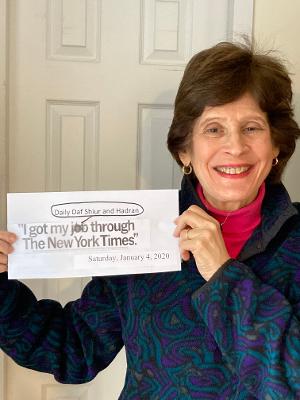
“I got my job through the NY Times” was an ad campaign when I was growing up. I can headline “I got my daily Daf shiur and Hadran through the NY Times”. I read the January 4, 2020 feature on Reb. Michelle Farber and Hadran and I have been participating ever since. Thanks NY Times & Hadran!
Deborah Aschheim
Deborah Aschheim

New York, United States

3 years ago, I joined Rabbanit Michelle to organize the unprecedented Siyum HaShas event in Jerusalem for thousands of women. The whole experience was so inspiring that I decided then to start learning the daf and see how I would go…. and I’m still at it. I often listen to the Daf on my bike in mornings, surrounded by both the external & the internal beauty of Eretz Yisrael & Am Yisrael!

Lisa Kolodny
Lisa Kolodny

Raanana, Israel

I had dreamed of doing daf yomi since I had my first serious Talmud class 18 years ago at Pardes with Rahel Berkovitz, and then a couple of summers with Leah Rosenthal. There is no way I would be able to do it without another wonderful teacher, Michelle, and the Hadran organization. I wake up and am excited to start each day with the next daf.

Beth Elster
Beth Elster

Irvine, United States

Margo
I started my Talmud journey in 7th grade at Akiba Jewish Day School in Chicago. I started my Daf Yomi journey after hearing Erica Brown speak at the Hadran Siyum about marking the passage of time through Daf Yomi.

Carolyn
I started my Talmud journey post-college in NY with a few classes. I started my Daf Yomi journey after the Hadran Siyum, which inspired both my son and myself.

Carolyn Hochstadter and Margo Kossoff Shizgal

Merion Station,  USA

Beit Shemesh, Israel

I started learning Daf Yomi because my sister, Ruth Leah Kahan, attended Michelle’s class in person and suggested I listen remotely. She always sat near Michelle and spoke up during class so that I could hear her voice. Our mom had just died unexpectedly and it made me feel connected to hear Ruth Leah’s voice, and now to know we are both listening to the same thing daily, continents apart.
Jessica Shklar
Jessica Shklar

Philadelphia, United States

I began my journey with Rabbanit Michelle more than five years ago. My friend came up with a great idea for about 15 of us to learn the daf and one of us would summarize weekly what we learned.
It was fun but after 2-3 months people began to leave. I have continued. Since the cycle began Again I have joined the Teaneck women.. I find it most rewarding in so many ways. Thank you

Dena Heller
Dena Heller

New Jersey, United States

After enthusing to my friend Ruth Kahan about how much I had enjoyed remote Jewish learning during the earlier part of the pandemic, she challenged me to join her in learning the daf yomi cycle. I had always wanted to do daf yomi but now had no excuse. The beginning was particularly hard as I had never studied Talmud but has become easier, as I have gained some familiarity with it.

Susan-Vishner-Hadran-photo-scaled
Susan Vishner

Brookline, United States

I started learning daf in January, 2020, being inspired by watching the Siyyum Hashas in Binyanei Haumah. I wasn’t sure I would be able to keep up with the task. When I went to school, Gemara was not an option. Fast forward to March, 2022, and each day starts with the daf. The challenge is now learning the intricacies of delving into the actual learning. Hadran community, thank you!

Rochel Cheifetz
Rochel Cheifetz

Riverdale, NY, United States

I began learning the daf in January 2022. I initially “flew under the radar,” sharing my journey with my husband and a few close friends. I was apprehensive – who, me? Gemara? Now, 2 years in, I feel changed. The rigor of a daily commitment frames my days. The intellectual engagement enhances my knowledge. And the virtual community of learners has become a new family, weaving a glorious tapestry.

Gitta Jaroslawicz-Neufeld

Far Rockaway, United States

I’ve been wanting to do Daf Yomi for years, but always wanted to start at the beginning and not in the middle of things. When the opportunity came in 2020, I decided: “this is now the time!” I’ve been posting my journey daily on social media, tracking my progress (#DafYomi); now it’s fully integrated into my daily routines. I’ve also inspired my partner to join, too!

Joséphine Altzman
Joséphine Altzman

Teaneck, United States

In January 2020, my chevruta suggested that we “up our game. Let’s do Daf Yomi” – and she sent me the Hadran link. I lost my job (and went freelance), there was a pandemic, and I am still opening the podcast with my breakfast coffee, or after Shabbat with popcorn. My Aramaic is improving. I will need a new bookcase, though.

Rhondda May
Rhondda May

Atlanta, Georgia, United States

I started last year after completing the Pesach Sugiyot class. Masechet Yoma might seem like a difficult set of topics, but for me made Yom Kippur and the Beit HaMikdash come alive. Liturgy I’d always had trouble connecting with took on new meaning as I gained a sense of real people moving through specific spaces in particular ways. It was the perfect introduction; I am so grateful for Hadran!

Debbie Engelen-Eigles

Minnesota, United States

I started Daf during the pandemic. I listened to a number of podcasts by various Rebbeim until one day, I discovered Rabbanit Farbers podcast. Subsequently I joined the Hadran family in Eruvin. Not the easiest place to begin, Rabbanit Farber made it all understandable and fun. The online live group has bonded together and have really become a supportive, encouraging family.

Leah Goldford
Leah Goldford

Edmonton, Alberta, Canada

I started learning at the beginning of this Daf Yomi cycle because I heard a lot about the previous cycle coming to an end and thought it would be a good thing to start doing. My husband had already bought several of the Koren Talmud Bavli books and they were just sitting on the shelf, not being used, so here was an opportunity to start using them and find out exactly what was in them. Loving it!

Caroline Levison
Caroline Levison

Borehamwood, United Kingdom

I began learning with Rabbanit Michelle’s wonderful Talmud Skills class on Pesachim, which really enriched my Pesach seder, and I have been learning Daf Yomi off and on over the past year. Because I’m relatively new at this, there is a “chiddush” for me every time I learn, and the knowledge and insights of the group members add so much to my experience. I feel very lucky to be a part of this.

Julie-Landau-Photo
Julie Landau

Karmiel, Israel

When the new cycle began, I thought, If not now, when? I’d just turned 72. I feel like a tourist on a tour bus passing astonishing scenery each day. Rabbanit Michelle is my beloved tour guide. When the cycle ends, I’ll be 80. I pray that I’ll have strength and mind to continue the journey to glimpse a little more. My grandchildren think having a daf-learning savta is cool!

Wendy Dickstein
Wendy Dickstein

Jerusalem, Israel

I started learning Daf Yomi to fill what I saw as a large gap in my Jewish education. I also hope to inspire my three daughters to ensure that they do not allow the same Talmud-sized gap to form in their own educations. I am so proud to be a part of the Hadran community, and I have loved learning so many of the stories and halachot that we have seen so far. I look forward to continuing!
Dora Chana Haar
Dora Chana Haar

Oceanside NY, United States

I’ve been wanting to do Daf Yomi for years, but always wanted to start at the beginning and not in the middle of things. When the opportunity came in 2020, I decided: “this is now the time!” I’ve been posting my journey daily on social media, tracking my progress (#DafYomi); now it’s fully integrated into my daily routines. I’ve also inspired my partner to join, too!

Joséphine Altzman
Joséphine Altzman

Teaneck, United States

I am a Reform rabbi and took Talmud courses in rabbinical school, but I knew there was so much more to learn. It felt inauthentic to serve as a rabbi without having read the entire Talmud, so when the opportunity arose to start Daf Yomi in 2020, I dove in! Thanks to Hadran, Daf Yomi has enriched my understanding of rabbinic Judaism and deepened my love of Jewish text & tradition. Todah rabbah!

Rabbi Nicki Greninger

California, United States

When I started studying Hebrew at Brown University’s Hillel, I had no idea that almost 38 years later, I’m doing Daf Yomi. My Shabbat haburah is led by Rabbanit Leah Sarna. The women are a hoot. I’m tracking the completion of each tractate by reading Ilana Kurshan’s memoir, If All the Seas Were Ink.

Hannah Lee
Hannah Lee

Pennsylvania, United States

Sotah 38

כִּכְתָבוֹ, וּבַמְּדִינָה בְּכִינּוּיוֹ. בַּמְּדִינָה כֹּהֲנִים נוֹשְׂאִים אֶת יְדֵיהֶן כְּנֶגֶד כִּתְפֵיהֶן, וּבַמִּקְדָּשׁ עַל גַּבֵּי רָאשֵׁיהֶן. חוּץ מִכֹּהֵן גָּדוֹל, שֶׁאֵינוֹ מַגְבִּיהַּ אֶת יָדָיו לְמַעְלָה מִן הַצִּיץ. רַבִּי יְהוּדָה אוֹמֵר: אַף כֹּהֵן גָּדוֹל מַגְבִּיהַּ יָדָיו לְמַעְלָה מִן הַצִּיץ, שֶׁנֶּאֱמַר: ״וַיִּשָּׂא אַהֲרֹן אֶת יָדָיו אֶל הָעָם וַיְבָרְכֵם״.

as it is written in the Torah, i.e., the Tetragrammaton, and in the country they use its substitute name of Lordship. In the country, the priests lift their hands so they are aligned with their shoulders during the benediction. And in the Temple they lift them above their heads, except for the High Priest, who does not lift his hands above the frontplate. Since the Tetragrammaton is inscribed on it, it is inappropriate for him to lift his hands above it. Rabbi Yehuda says: Even the High Priest lifts his hands above the frontplate, as it is stated: “And Aaron lifted up his hands toward the people and blessed them” (Leviticus 9:22).

גְּמָ׳ תָּנוּ רַבָּנַן: ״כֹּה תְבָרְכוּ״ — בִּלְשׁוֹן הַקּוֹדֶשׁ. אַתָּה אוֹמֵר בִּלְשׁוֹן הַקּוֹדֶשׁ, אוֹ אֵינוֹ אֶלָּא בְּכׇל לָשׁוֹן? נֶאֱמַר כָּאן ״כֹּה תְבָרְכוּ״, וְנֶאֱמַר לְהַלָּן ״אֵלֶּה יַעַמְדוּ לְבָרֵךְ אֶת הָעָם״. מָה לְהַלָּן בִּלְשׁוֹן הַקּוֹדֶשׁ, אַף כָּאן בִּלְשׁוֹן הַקּוֹדֶשׁ.

GEMARA: The Sages taught: The mitzva given to the priests: “So you shall bless the children of Israel” (Numbers 6:23), is that they bless them in the sacred tongue, Hebrew. Do you say that the benediction must be recited in the sacred tongue, or perhaps it may be recited in any language? The baraita answers: It is stated here, with regard to the Priestly Benediction: “So you shall bless,” and it is stated there, with regard to the blessings and curses: “These shall stand on Mount Gerizim to bless the people” (Deuteronomy 27:12). There is a verbal analogy between these two usages of the word “bless”: Just as there, the blessings and curses were recited in the sacred tongue, as stated above (33a), so too here, the Priestly Benediction is recited in the sacred tongue.

רַבִּי יְהוּדָה אוֹמֵר: אֵינוֹ צָרִיךְ, הֲרֵי הוּא אוֹמֵר ״כֹּה״ — עַד שֶׁיֹּאמְרוּ בַּלָּשׁוֹן הַזֶּה.

Rabbi Yehuda says: It is not necessary to derive this from a verbal analogy, as it says with regard to the Priestly Benediction: “Thus,” which means that it is not recited correctly unless they recite it in this exact language, as it is written in the Torah.

תַּנְיָא אִידַּךְ: ״כֹּה תְבָרְכוּ״ — בַּעֲמִידָה. אַתָּה אוֹמֵר בַּעֲמִידָה, אוֹ אֵינוֹ אֶלָּא אֲפִילּוּ בִּישִׁיבָה? נֶאֱמַר כָּאן ״כֹּה תְבָרְכוּ״, וְנֶאֱמַר לְהַלָּן ״אֵלֶּה יַעַמְדוּ לְבָרֵךְ״. מָה לְהַלָּן בַּעֲמִידָה — אַף כָּאן בַּעֲמִידָה.

It is taught in another baraita: “So you shall bless,” means while standing. Do you say that the benediction must be recited while standing, or perhaps it may even be recited while sitting? It is stated here: “So you shall bless,” and it is stated there, with regard to the blessings and curses: “These shall stand on Mount Gerizim to bless.” Just as there, the blessing was recited while standing, so too here, the priests must recite the Priestly Benediction while standing.

רַב אוֹמֵר: אֵינוֹ צָרִיךְ, הֲרֵי הוּא אוֹמֵר ״לְשָׁרְתוֹ וּלְבָרֵךְ בִּשְׁמוֹ״. מָה מְשָׁרֵת בַּעֲמִידָה, אַף מְבָרֵךְ בַּעֲמִידָה. וּמְשָׁרֵת גּוּפֵיהּ מְנָלַן — דִּכְתִיב: ״לַעֲמֹד לְשָׁרֵת״.

Rabbi Natan says: It is not necessary to derive this from a verbal analogy, as it says in the verse: “At that time the Lord separated the tribe of Levi to bear the Ark of the Covenant of the Lord, to stand before the Lord to minister to Him and to bless in His name” (Deuteronomy 10:8). Just as a priest performs the Temple service while standing, so too, he blesses while standing. The Gemara asks: And from where do we derive that he performs the service itself while standing? As it is written: “To stand to minister in the name of the Lord” (Deuteronomy 18:5).

תַּנְיָא אִידַּךְ: ״כֹּה תְבָרְכוּ״ — בִּנְשִׂיאוּת כַּפַּיִם. אַתָּה אוֹמֵר בִּנְשִׂיאוּת כַּפַּיִם, אוֹ אֵינוֹ אֶלָּא שֶׁלֹּא בִּנְשִׂיאוּת כַּפַּיִם? נֶאֱמַר כָּאן ״כֹּה תְבָרְכוּ״, וְנֶאֱמַר לְהַלָּן ״וַיִּשָּׂא אַהֲרֹן אֶת יָדָיו אֶל הָעָם וַיְבָרְכֵם״. מָה לְהַלָּן בִּנְשִׂיאוּת כַּפַּיִם — אַף כָּאן בִּנְשִׂיאוּת כַּפַּיִם.

It is taught in another baraita: “So you shall bless” means with lifted hands. Do you say that the priests must recite the benediction with lifted hands, or perhaps they may recite it without lifted hands? It is stated here: “So you shall bless,” and it is stated there, with regard to the dedication of the Tabernacle: “And Aaron lifted up his hands toward the people and blessed them” (Leviticus 9:22). Just as there, Aaron blessed the nation with lifted hands, so too here, the Priestly Benediction is recited with lifted hands.

קַשְׁיָא לֵיהּ לְרַבִּי יוֹנָתָן: אִי מָה לְהַלָּן כֹּהֵן גָּדוֹל וְרֹאשׁ חוֹדֶשׁ וַעֲבוֹדַת צִבּוּר, אַף כָּאן כֹּהֵן גָּדוֹל וְרֹאשׁ חוֹדֶשׁ וַעֲבוֹדַת צִיבּוּר?

This halakha was difficult for Rabbi Yonatan to understand: If this halakha is derived from the dedication of the Tabernacle, then why not also say: Just as there, the High Priest was the one who recited the blessing, and it was the New Moon, and the offerings that were brought were a communal service, so too here, the Priestly Benediction must be recited only by the High Priest, and on the New Moon, and when performing a communal service?

רַבִּי נָתָן אוֹמֵר: אֵינוֹ צָרִיךְ, הֲרֵי הוּא אוֹמֵר ״הוּא וּבָנָיו כׇּל הַיָּמִים״, מַקִּישׁ בָּנָיו לוֹ: מָה הוּא בִּנְשִׂיאוּת כַּפַּיִם — אַף בָּנָיו בִּנְשִׂיאוּת כַּפַּיִם. וּכְתִיב: ״כׇּל הַיָּמִים״. וְאִיתַּקַּשׁ בְּרָכָה לְשֵׁירוּת.

Rabbi Natan says: It is not necessary to derive from a verbal analogy that the Priestly Benediction is recited with lifted hands, as it says with regard to Aaron: “To stand to minister in the name of the Lord, him and his sons forever” (Deuteronomy 18:5). In this verse, his sons are juxtaposed with him. Just as Aaron recited the Priestly Benediction with lifted hands, so too, his sons recite the benediction with lifted hands. And furthermore, it is written “forever,” which indicates that it is referring not only to special occasions. And although the verse is not referring to the Priestly Benediction, the benediction is juxtaposed to the Temple service in another verse: “To minister to Him and to bless in His name” (Deuteronomy 10:8).

וְתַנְיָא אִידַּךְ: ״כֹּה תְבָרְכוּ אֶת בְּנֵי יִשְׂרָאֵל״ — בַּשֵּׁם הַמְפוֹרָשׁ. אַתָּה אוֹמֵר בַּשֵּׁם הַמְפוֹרָשׁ, אוֹ אֵינוֹ אֶלָּא בְּכִינּוּי? תַּלְמוּד לוֹמַר: ״וְשָׂמוּ אֶת שְׁמִי״ — שְׁמִי הַמְיוּחָד לִי.

And it is taught in another baraita: “So you shall bless the children of Israel means the blessing should be recited with the ineffable name. Do you say that the Priestly Benediction must be recited with the ineffable name, or perhaps it is recited with only the substitute name, Adonai? The verse states: “So shall they put My name” (Numbers 6:27), which means My name that is unique to Me.

יָכוֹל אַף בַּגְּבוּלִין כֵּן — נֶאֱמַר כָּאן ״וְשָׂמוּ אֶת שְׁמִי״, וְנֶאֱמַר לְהַלָּן ״לָשׂוּם אֶת שְׁמוֹ שָׁם״. מָה לְהַלָּן — בֵּית הַבְּחִירָה, אַף כָּאן בְּבֵית הַבְּחִירָה.

One might have thought that even in the outlying areas, outside the Temple, this ineffable name is used. It is stated here, with regard to the Priestly Benediction: “So shall they put My name,” and it is stated there, with regard to the place one must sacrifice offerings: “The place that the Lord your God has chosen out of all your tribes to put His name there” (Deuteronomy 12:5). The verbal analogy teaches that just as there, the expression “to put His name there” is referring to the Temple, so too here, the mitzva of “so shall they put My name” applies in the Temple and not anywhere else.

רַבִּי יֹאשִׁיָּה אוֹמֵר: אֵינוֹ צָרִיךְ, הֲרֵי הוּא אוֹמֵר ״בְּכׇל הַמָּקוֹם אֲשֶׁר אַזְכִּיר אֶת שְׁמִי אָבוֹא אֵלֶיךָ״. בְּכׇל מָקוֹם סָלְקָא דַּעְתָּךְ? אֶלָּא מִקְרָא זֶה מְסוֹרָס הוּא: בְּכׇל מָקוֹם אֲשֶׁר אָבוֹא אֵלֶיךָ וּבֵרַכְתִּיךָ — שָׁם אַזְכִּיר אֶת שְׁמִי. וְהֵיכָן אָבוֹא אֵלֶיךָ וּבֵרַכְתִּיךָ — בְּבֵית הַבְּחִירָה, שָׁם אַזְכִּיר אֶת שְׁמִי — בְּבֵית הַבְּחִירָה.

Rabbi Yoshiya says: It is not necessary to derive this halakha from the verbal analogy, as it can be derived from a verse. It says in the verse: “In every place where I cause My name to be mentioned I will come to you and bless you” (Exodus 20:20). Does it enter your mind that this verse literally means that the Divine Presence will be revealed everywhere? Rather, this verse must be interpreted by transposition. It must be reordered and read as follows: In every place where I will come to you and bless you, there I will cause My name to be mentioned. Rabbi Yoshiya explains that God is stating: And where will I come to you and bless you? In the Temple. Therefore, he derives: There, in the Temple, I will cause My name to be mentioned, but the ineffable name is not mentioned elsewhere.

תַּנְיָא אִידַּךְ: ״כֹּה תְבָרְכוּ אֶת בְּנֵי יִשְׂרָאֵל״, אֵין לִי אֶלָּא בְּנֵי יִשְׂרָאֵל. גֵּרִים, נָשִׁים, וַעֲבָדִים מְשׁוּחְרָרִים, מִנַּיִן? תַּלְמוּד לוֹמַר: ״אָמוֹר לָהֶם״, לְכוּלְּהוּ.

It is taught in another baraita: “So you shall bless the sons of Israel (Numbers 6:23). I have derived only the halakha to bless the sons of Israel. From where do I derive the halakha of blessing converts, women, and emancipated slaves? The verse states immediately afterward: “You shall say to them,” meaning to all of the Jewish people.

תַּנְיָא אִידַּךְ: ״כֹּה תְבָרְכוּ״ — פָּנִים כְּנֶגֶד פָּנִים. אַתָּה אוֹמֵר פָּנִים כְּנֶגֶד פָּנִים, אוֹ אֵינוֹ אֶלָּא פָּנִים כְּנֶגֶד עוֹרֶף? תַּלְמוּד לוֹמַר: ״אָמוֹר לָהֶם״, כְּאָדָם הָאוֹמֵר לַחֲבֵירוֹ.

It is taught in another baraita: “So you shall bless,” means that the priests must recite the Priestly Benediction face-to-face with the congregation. Do you say that the Benediction must be recited face-to-face, or perhaps it is only recited with the faces of the priests facing the back of the necks of the congregation? The verse states: “You shall say to them,” face-to-face, like a person who is talking to another.

תַּנְיָא אִידַּךְ: ״כֹּה תְבָרְכוּ״ — בְּקוֹל רָם. אוֹ אֵינוֹ אֶלָּא בְּלַחַשׁ? תַּלְמוּד לוֹמַר: ״אָמוֹר לָהֶם״ — כְּאָדָם שֶׁאוֹמֵר לַחֲבֵירוֹ.

It is taught in another baraita: “So you shall bless” means that the benediction must be recited out loud. Or, perhaps, is it recited only in a whisper? The verse states: “You shall say to them,” like a person who is talking to another.

אָמַר אַבָּיֵי: נָקְטִינַן, לִשְׁנַיִם קוֹרֵא ״כֹּהֲנִים״, וּלְאֶחָד אֵינוֹ קוֹרֵא ״כֹּהֵן״, שֶׁנֶּאֱמַר: ״אָמוֹר לָהֶם״ — לִשְׁנַיִם. וְאָמַר רַב חִסְדָּא: נָקְטִינַן, כֹּהֵן קוֹרֵא ״כֹּהֲנִים״, וְאֵין יִשְׂרָאֵל קוֹרֵא ״כֹּהֲנִים״, שֶׁנֶּאֱמַר: ״אָמוֹר לָהֶם״, אֲמִירָה

Abaye said: We have a tradition with regard to the prayer leader calling the priests to recite the Priestly Benediction: When there are two priests, he calls: Priests, but when there is one priest he does not call: Priest, as it is stated: “You shall say to them,” in plural, meaning to a minimum of two priests. And Rav Ḥisda said: We have a tradition that a priest calls: Priests, but an Israelite does not call: Priests, as it is stated: “You shall say to them,” which means that the saying

מִשֶּׁלָּהֶם תְּהֵא. וְהִילְכְתָא כְּווֹתֵיהּ דְּאַבָּיֵי, וְלֵית הִילְכְתָא כְּווֹתֵיהּ דְּרַב חִסְדָּא.

should be from them; one of the priests themselves should call: Priests. The Gemara concludes: And the halakha is in accordance with the opinion of Abaye, that when only one priest is present, the prayer leader does not call: Priest. And the halakha is not in accordance with the opinion of Rav Ḥisda, as an Israelite may also call: Priests.

(סִימַן: מִתְאַוֶּה לִבְרָכָה דּוּכָן בַּעֲבוֹדָה כּוֹס מַכִּיר נֶהֱנֶה בְּעֶגְלָה).

§ The Gemara cites a mnemonic device for the statements of Rabbi Yehoshua ben Levi: Desires the benediction, platform, during the service, cup, recognize, derives benefit, from a heifer.

אָמַר רַבִּי יְהוֹשֻׁעַ בֶּן לֵוִי: מִנַּיִן שֶׁהַקָּדוֹשׁ בָּרוּךְ הוּא מִתְאַוֶּה לְבִרְכַּת כֹּהֲנִים — שֶׁנֶּאֱמַר: ״וְשָׂמוּ אֶת שְׁמִי עַל בְּנֵי יִשְׂרָאֵל וַאֲנִי אֲבָרְכֵם״. וְאָמַר רַבִּי יְהוֹשֻׁעַ בֶּן לֵוִי: כׇּל כֹּהֵן שֶׁמְּבָרֵךְ — מִתְבָּרֵךְ, וְשֶׁאֵינוֹ מְבָרֵךְ — אֵין מִתְבָּרֵךְ, שֶׁנֶּאֱמַר: ״וַאֲבָרְכָה מְבָרְכֶיךָ״.

Rabbi Yehoshua ben Levi says: From where is it derived that the Holy One, Blessed be He, desires the Priestly Benediction? As it is stated: “So shall they put My name upon the children of Israel, and I will bless them” (Numbers 6:27). This shows that God waits for the priests to bless the people, and only then He Himself blesses them. And Rabbi Yehoshua ben Levi says: Any priest who blesses the people is blessed from Heaven, and one who does not bless the people is not blessed, as it is stated: “And I will bless those who bless you” (Genesis 12:3).

וְאָמַר רַבִּי יְהוֹשֻׁעַ בֶּן לֵוִי: כׇּל כֹּהֵן שֶׁאֵינוֹ עוֹלֶה לַדּוּכָן — עוֹבֵר בִּשְׁלֹשָׁה עֲשֵׂה: ״כֹּה תְבָרְכוּ״, ״אָמוֹר לָהֶם״, ״וְשָׂמוּ אֶת שְׁמִי״.

And Rabbi Yehoshua ben Levi says: Any priest who does not ascend the platform to recite the Priestly Benediction violates three positive mitzvot: “So you shall bless,” “And you shall say to them” (Numbers 6:23), and “So shall they put My name” (Numbers 6:27).

רַב אָמַר: חוֹשְׁשִׁין שֶׁמָּא בֶּן גְּרוּשָׁה אוֹ בֶּן חֲלוּצָה הוּא.

Rav says: One need be concerned that a priest who does not ascend to recite the Priestly Benediction is perhaps the son of a priest and a divorced woman, or the son of a priest and a yevama who has performed ḥalitza [ḥalutza]. Perhaps he does not ascend to recite the Priestly Benediction because he is disqualified from the priesthood.

וְלָא פְּלִיגִי, הָא — דְּסָלֵיק לִפְרָקִים, הָא — דְּלָא סָלֵיק לִפְרָקִים.

The Gemara comments: And they do not disagree. This statement of Rabbi Yehoshua ben Levi is referring to a case where he ascends periodically. Therefore, there is no reason to believe that he is disqualified from the priesthood, and the assumption is that he violates three positive mitzvot. Whereas that statement of Rav is referring to a case where one does not ascend to recite the Priestly Benediction even periodically, and therefore there is reason to suspect that he is disqualified from the priesthood.

וְאָמַר רַבִּי יְהוֹשֻׁעַ בֶּן לֵוִי: כׇּל כֹּהֵן שֶׁאֵינוֹ עוֹלֶה בָּעֲבוֹדָה, שׁוּב אֵינוֹ עוֹלֶה, שֶׁנֶּאֱמַר: ״וַיִּשָּׂא אַהֲרֹן אֶת יָדָיו אֶל הָעָם וַיְבָרְכֵם וַיֵּרֶד מֵעֲשֹׂת הַחַטָּאת וְהָעוֹלָה וְהַשְּׁלָמִים״, מָה לְהַלָּן — בַּעֲבוֹדָה, אַף כָּאן — בַּעֲבוֹדָה.

And Rabbi Yehoshua ben Levi says: Any priest who does not ascend the platform during the blessing of the Temple service recited in the Amida prayer may no longer ascend to recite the benediction, as it is stated: “And Aaron lifted up his hands toward the people and blessed them; and he came down from offering the sin-offering, and the burnt-offering, and the peace-offerings” (Leviticus 9:22). Just as there, in the Tabernacle, Aaron lifted up his hands during the service, as evident from the fact that only after he blessed them does it say that he came down from sacrificing the offerings, so too here, in the Amida prayer, the Priestly Benediction is recited during the blessing of Temple service.

אִינִי? וְהָא רַבִּי אַמֵּי וְרַבִּי אַסִּי סָלְקִי! רַבִּי אַמֵּי וְרַבִּי אַסִּי מֵעִיקָּרָא הֲווֹ עָקְרִי כַּרְעַיְיהוּ, מִמְטָא לָא הֲוָה מָטוּ הָתָם. וְכִדְתָנֵי רַבִּי אוֹשַׁעְיָא: לֹא שָׁנוּ, אֶלָּא שֶׁלֹּא עָקַר אֶת רַגְלָיו, אֲבָל עָקַר אֶת רַגְלָיו — עוֹלֶה.

The Gemara asks: Is that so? But didn’t the priests Rabbi Ami and Rabbi Asi ascend after the blessing of the service? The Gemara answers: Rabbi Ami and Rabbi Asi would begin walking to the platform during the blessing of the service, but they would not arrive there until after the conclusion of this blessing. And this is sufficient in accordance with what Rabbi Oshaya taught: They taught that a priest may not recite the benediction if he did not ascend the platform during the blessing of Temple service only in a case where he did not begin walking. But if he began walking before the prayer leader finished the blessing, he may ascend the platform even after he has finished the blessing.

וּתְנַן נָמֵי — אִם הַבְטָחָתוֹ שֶׁנּוֹשֵׂא אֶת כַּפָּיו וְחוֹזֵר לִתְפִלָּתוֹ — רַשַּׁאי. וְהָוֵינַן בַּהּ: הָא לָא עֲקַר? אֶלָּא דְּנָד פּוּרְתָּא, הָכָא נָמֵי דְּעָקַר פּוּרְתָּא.

And concerning this issue, we also learned in a mishna (Berakhot 34a): A priest who serves as prayer leader does not recite the Priestly Benediction, but if he is certain that he can lift his hands and recite the benediction, and then resume his prayer without becoming confused, he is permitted to do so. And we discussed it and raised the following difficulty: If he did not begin walking to ascend the platform during the blessing of the service, how is it permitted for him to recite the benediction? Rather, it must be explained that he moved slightly to show that he also wanted to ascend the platform. Here too, the statement of Rabbi Oshaya is referring even to a case where the priest uprooted himself slightly from his place during the blessing of the service.

וְאָמַר רַבִּי יְהוֹשֻׁעַ בֶּן לֵוִי: אֵין נוֹתְנִין כּוֹס שֶׁל בְּרָכָה לְבָרֵךְ אֶלָּא לְטוֹב עַיִן, שֶׁנֶּאֱמַר: ״טוֹב עַיִן הוּא יְבֹרָךְ כִּי נָתַן מִלַּחְמוֹ לַדָּל״, אַל תִּיקְרֵי ״יְבֹרָךְ״ אֶלָּא ״יְבָרֵךְ״.

And Rabbi Yehoshua ben Levi says: One may give a cup of blessing to recite the blessing of Grace after Meals only to someone with a good eye, i.e., a generous person, as it is stated: “One who has a good eye will be blessed [yevorakh], for he gives of his bread to the poor” (Proverbs 22:9). Do not read it: “Will be blessed.” Rather, read it: Will bless [yevarekh].

וְאָמַר רַבִּי יְהוֹשֻׁעַ בֶּן לֵוִי: מִנַּיִן שֶׁאֲפִילּוּ עוֹפוֹת מַכִּירִין בְּצָרֵי הָעַיִן — שֶׁנֶּאֱמַר: ״כִּי חִנָּם מְזֹרָה הָרָשֶׁת בְּעֵינֵי כׇּל בַּעַל כָּנָף״.

And Rabbi Yehoshua ben Levi says: From where is it derived that even birds recognize miserly people and do not eat the food they have set in bird traps? As it is stated: “For in vain the net is spread in the eyes of any bird” (Proverbs 1:17).

וְאָמַר רַבִּי יְהוֹשֻׁעַ בֶּן לֵוִי: כׇּל הַנֶּהֱנֶה מִצָּרֵי הָעַיִן עוֹבֵר בְּלָאו — שֶׁנֶּאֱמַר: ״אַל תִּלְחַם אֶת לֶחֶם רַע עָיִן וְגוֹ׳ כִּי כְּמוֹ שָׁעַר בְּנַפְשׁוֹ כֶּן הוּא אֱכוֹל וּשְׁתֵה יֹאמַר לָךְ וְגוֹ׳״. רַב נַחְמָן בַּר יִצְחָק אָמַר: עוֹבֵר בִּשְׁנֵי לָאוִין, ״אַל תִּלְחַם״, ״וְאַל תִּתְאָו״.

And Rabbi Yehoshua ben Levi says: Anyone who derives benefit from miserly people transgresses a prohibition, as it is stated: “Do not eat the bread of one who has an evil eye, and do not desire his delicacies, for as one that has reckoned within himself, so he is. He says to you: Eat and drink, but his heart is not with you” (Proverbs 23:6–7). Rav Naḥman bar Yitzḥak says: He transgresses two prohibitions, as it says “do not eat” and also “do not desire.”

וְאָמַר רַבִּי יְהוֹשֻׁעַ בֶּן לֵוִי: אֵין עֶגְלָה עֲרוּפָה בָּאָה אֶלָּא בִּשְׁבִיל צָרֵי הָעַיִן,

And Rabbi Yehoshua ben Levi says: When a person is found slain between two cities and it is not known who killed him, a heifer whose neck is broken is brought. This occurs only because of miserly people.

שֶׁנֶּאֱמַר: ״וְעָנוּ וְאָמְרוּ יָדֵינוּ לֹא שָׁפְכוּ אֶת הַדָּם הַזֶּה״. וְכִי עַל לִבֵּנוּ עָלְתָה שֶׁזִּקְנֵי בֵּית דִּין שׁוֹפְכֵי דָמִים הֵם? אֶלָּא, לֹא בָּא לְיָדֵינוּ וּפְטַרְנוּהוּ, וְלֹא רְאִינוּהוּ וְהִנַּחְנוּהוּ. לֹא בָּא לְיָדֵינוּ וּפְטַרְנוּהוּ בְּלֹא מְזוֹנוֹת, לֹא רְאִינוּהוּ וְהִנַּחְנוּהוּ בְּלֹא לְוָיָיה.

As it is stated: “And they shall speak and say: Our hands have not shed this blood” (Deuteronomy 21:7). But did it enter our hearts to think that the Elders of the court are murderers? Why it is necessary for them to publicize that they did not kill him? Rather, they must declare: It is not so that this victim came to us and we dismissed him, and it is not so that we saw him and left him. In other words, he did not come to us and we in turn dismissed him without food, and we did not see him and then leave him without an escort. It is miserly people who do not provide others with food and cause them to travel to places where they might be murdered.

אָמַר אַדָּא אָמַר רַבִּי שִׂמְלַאי: בֵּית הַכְּנֶסֶת שֶׁכּוּלָּהּ כֹּהֲנִים — כּוּלָּן עוֹלִין לַדּוּכָן. לְמִי מְבָרְכִין? אָמַר רַבִּי זֵירָא: לַאֲחֵיהֶם שֶׁבַּשָּׂדוֹת.

§ Adda said that Rabbi Samlai says: In a synagogue that is made up entirely of priests, everyone ascends the platform to recite the Priestly Benediction. The Gemara asks: If the entire congregation is composed of priests, for whom do they utter the blessing? Rabbi Zeira says: They say the blessing for their brethren who are in the fields.

אִינִי? וְהָתָנֵי אַבָּא בְּרֵיהּ דְּרַב מִנְיָמִין בַּר חִיָּיא: עַם שֶׁאֲחוֹרֵי כֹּהֲנִים אֵינָן בִּכְלַל בְּרָכָה! לָא קַשְׁיָא, הָא — דַּאֲנִיסִי, הָא — דְּלָא אֲנִיסִי.

The Gemara asks: Is that so? But didn’t Abba, son of Rav Minyamin bar Ḥiyya, teach that the people who are standing behind the backs of the priests are not included in the Priestly Benediction? The Gemara answers: That is not difficult. This is a case where the people are compelled to be in the fields because of their work, and they are therefore included in the benediction. Whereas that statement is referring to people who are not compelled to be away but still do not stand face-to-face with the priests. Consequently, they are not included in the benediction.

וְהָתָנֵי רַב שִׁימִי מִבִּירְתָא דְשִׁיחוֹרִי: בֵּית הַכְּנֶסֶת שֶׁכּוּלָּהּ כֹּהֲנִים — מִקְצָתָן עוֹלִין, וּמִקְצָתָן עוֹנִין ״אָמֵן״!

The Gemara asks: But didn’t Rav Shimi of Birte deShiḥorei teach the following baraita: In a synagogue that is made up entirely of priests, some of them ascend to recite the benediction and some of them answer amen?

לָא קַשְׁיָא: הָא — דְּאִישְׁתְּיֻיר בֵּי עֲשָׂרָה, הָא — דְּלָא אִישְׁתְּיֻיר בֵּי עַשְׂרָה.

The Gemara answers: That is not difficult. That is a case where, if some of the priests recite the benediction, a quorum of ten priests still remains to receive the benediction and answer amen. Therefore, only some of the priests ascend to recite the benediction. By contrast, this case, which Rabbi Simlai was referring to, is a case where a quorum of ten does not remain to answer amen, so it is better for all of the priests to ascend and bless the people working in the fields.

גּוּפָא, תָּנָא אַבָּא בְּרֵיהּ דְּרַב מִנְיָמִין בַּר חִיָּיא: עַם שֶׁאֲחוֹרֵי כֹּהֲנִים אֵינָן בִּכְלַל בְּרָכָה.

The Gemara returns to the matter itself cited above: Abba, son of Rav Minyamin bar Ḥiyya, taught: The people who are standing behind the priests are not included in the benediction.

פְּשִׁיטָא, אֲרִיכֵי בְּאַפֵּי גוּצֵי לָא מַפְסְקִי. תֵּיבָה — לָא מַפְסְקָא. מְחִיצָה מַאי? תָּא שְׁמַע, דְּאָמַר רַבִּי יְהוֹשֻׁעַ בֶּן לֵוִי: אֲפִילּוּ מְחִיצָה שֶׁל בַּרְזֶל אֵינָהּ מַפְסֶקֶת בֵּין יִשְׂרָאֵל לַאֲבִיהֶם שֶׁבַּשָּׁמַיִם.

The Gemara raises several questions with regard to this statement: It is obvious that tall people standing in front of short people do not interpose between the priests and the shorter people with regard to the Priestly Benediction. Similarly, a chest or ark containing a Torah scroll does not interpose between the priests and the people. However, what is the halakha with regard to a partition? Come and hear an answer from what Rabbi Yehoshua ben Levi said: Even an iron partition does not interpose between the Jewish people and their Father in Heaven; the people are included in the benediction.

אִיבַּעְיָא לְהוּ: צְדָדִין מַהוּ? אָמַר אַבָּא מָר בַּר רַב אָשֵׁי: תָּא שְׁמַע, דִּתְנַן: נִתְכַּוֵּון לְהַזּוֹת לְפָנָיו

A dilemma was raised before the Sages: What is the halakha in the case of people who are standing to the sides of the priests? Are they included in the blessing? Abba Mar bar Rav Ashi said: Come and hear an answer, as we learned in a mishna (Para 12:2) with regard to the halakha of sprinkling the waters of purification on vessels that contracted ritual impurity imparted by a corpse: If one intended to sprinkle the water forward

Want to follow content and continue where you left off?

Create an account today to track your progress, mark what you’ve learned, and follow the shiurim that speak to you.

Clear all items from this list?

This will remove ALL the items in this section. You will lose any progress or history connected to them. This is irreversible.

Cancel
Yes, clear all

Are you sure you want to delete this item?

You will lose any progress or history connected to this item.

Cancel
Yes, delete