Search

Sotah 41

Want to dedicate learning? Get started here:

English
עברית
podcast placeholder

0:00
0:00


podcast placeholder

0:00
0:00


Summary

Today’s daf is sponsored in honor of Noa ben Shoshan and Ariel Katuf’s marriage.

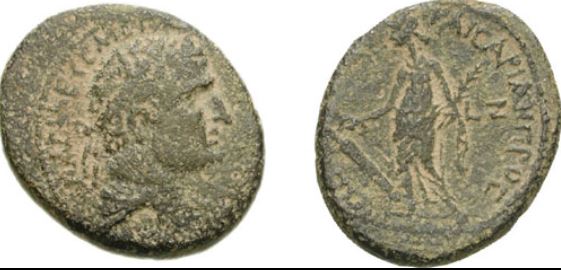
The kohen gadol reads from the Torah on Yom Kippur. However, he skips from one section to another – how can this be done as one can only skip sections when reading from the Prophets, not from the Torah! Abaye resolves this as one can skip even Torah sections within the same topic as long as one can get to the other section within the time the translator reads the verse in Aramaic. The kohen reads the other section by heart as it is too far to get to and also it is not appropriate to roll a safer Torah in public. Why not use more than one sefer Torah? That is only permitted when it is different readers, but when just one person reads and he moves to another book, people will think the first one was missing section and thus, disqualified. What blessings does the kohen gadol say after he reads from the Torah? After he would read, people would bring their own personal sefer Torah and read from it. The king reads from the Torah at the hakhel ceremony once every seven years after the shmita year on the first day of Chol Hamoed Sukkot. One year King Agripas was reading and began crying when he got to the section saying that gentile kings cannot be king as he was presumed to have been descended from slaves as he was descended from Herod who was descended from a slave, according to the rabbis. The people told him not to be concerned and cried out, “You are our brother! You are our brother.” The king reads a number of sections in the book of Devarim. A number of questions, some similar to what was asked about the kohen gadol’s reading, are raised and resolved. Why did King Agripas stand while reading if the king is supposed to sit? It is known that a king who wants to relinquish the honor due to him cannot! Since this was for a mitzva, it is permitted. On account of the story of the Jews flattering Agripas, the Gemara launches into a series of statements regarding flattery.

Today’s daily daf tools:

Sotah 41

״וַיִּקְרָא בוֹ לִפְנֵי הָרְחוֹב אֲשֶׁר לִפְנֵי שַׁעַר הַמַּיִם״! אָמַר רַב חִסְדָּא: בְּעֶזְרַת נָשִׁים.

“And he read there before the broad place that was before the Gate of the Water” (Nehemiah 8:3). According to this opinion, the High Priest would read from the Torah in the Temple courtyard. Rav Ḥisda says in response: The baraita also means that the reading takes place in the women’s courtyard.

וְקוֹרֵא ״אַחֲרֵי מוֹת״ וְ״אַךְ בֶּעָשׂוֹר״. ורְמִינְהִי: מְדַלְּגִין בְּנָבִיא וְאֵין מְדַלְּגִין בַּתּוֹרָה!

§ It is taught in the mishna that the High Priest receives the Torah scroll and reads the Torah portion beginning with the verse: “After the death” (Leviticus 16:1), and the portion beginning with the verse: “But on the tenth” (Leviticus 23:26). Since these two portions are not adjacent to each other, the High Priest skips the section between the two portions. The Gemara raises a contradiction from a mishna (Megilla 24a): One may skip sections when reading the haftara in the Prophets, but one may not skip sections when reading in the Torah.

אָמַר אַבָּיֵי, לָא קַשְׁיָא: כָּאן — בִּכְדֵי שֶׁיִּפְסוֹק הַתּוּרְגְּמָן, כָּאן — בִּכְדֵי שֶׁלֹּא יִפְסוֹק הַתּוּרְגְּמָן.

Abaye said: This is not difficult. There, in the mishna in tractate Megilla that teaches that one may not skip, the intention is that one should not skip if the sections are so far apart from one another that the delay caused by doing so will be of such length that the translator who recites the Aramaic translation will conclude his translation before the next section is reached. However, in the case of the mishna here, it is permitted to skip verses because the two passages are in close proximity to one another. The delay caused is of such short length that the translator will still not conclude his translation.

וְהָא עֲלַהּ קָתָנֵי: מְדַלְּגִין בְּנָבִיא וְאֵין מְדַלְּגִין בַּתּוֹרָה. וְעַד כַּמָּה מְדַלְּגִין — עַד כְּדֵי שֶׁלֹּא יִפְסוֹק הַתּוּרְגְּמָן. מִכְלָל דְּבַתּוֹרָה כְּלָל כְּלָל לָא!

The Gemara challenges this resolution: But isn’t it taught about this mishna in a baraita: One may skip sections when reading in the Prophets, but one may not skip sections when reading in the Torah. And how much may one skip from one passage to another in the Prophets? One may skip when the section skipped is of such short length that when the furling of the scroll is completed the translator will still not have concluded his translation. By inference, when reading in the Torah one may not skip at all.

אֶלָּא אָמַר אַבָּיֵי, לָא קַשְׁיָא: כָּאן בְּעִנְיָן אֶחָד, כָּאן בִּשְׁנֵי עִנְיָינִין.

Rather, Abaye said another explanation: This is not difficult. In the mishna here, it is permitted to skip because both passages pertain to a single topic. There, in the mishna in tractate Megilla that teaches that one may not skip, the halakha is referring to a case where the passages pertain to two different topics.

וְהָתַנְיָא: מְדַלְּגִין בַּתּוֹרָה בְּעִנְיָן אֶחָד, וּבְנָבִיא בִּשְׁנֵי עִנְיָינִין. וְכָאן וְכָאן בִּכְדֵי שֶׁלֹּא יִפְסוֹק הַתּוּרְגְּמָן.

And this is as it is taught in a baraita: One may skip sections when reading in the Torah when both sections pertain to a single topic, and in the Prophets one may skip from one section to another even if they pertain to two different topics. And both here and there, one may skip only when the section skipped is of such short length that when the furling of the scroll is completed the translator will still not have concluded his translation.

וְאֵין מְדַלְּגִין מִנָּבִיא לְנָבִיא. וּבְנָבִיא שֶׁל שְׁנֵים עָשָׂר מְדַלְּגִין, וּבִלְבַד שֶׁלֹּא יְדַלֵּג מִסּוֹף הַסֵּפֶר לִתְחִילָּתוֹ.

And one may not skip from one book of the Prophets to another book of the Prophets, even if both pertain to the same topic. But among the books of the Twelve Prophets one may skip, provided that one does not skip from the end of the book to its beginning. Rather, if one wishes to read from several of the Twelve Prophets, he must read the passages in the order that they are written.

וְגוֹלֵל אֶת הַתּוֹרָה וּמַנִּיחָהּ בְּחֵיקוֹ כּוּ׳. וְכׇל כָּךְ לָמָּה — שֶׁלֹּא לְהוֹצִיא לַעַז עַל סֵפֶר תּוֹרָה.

§ It is taught in the mishna: And he furls the Torah scroll, and places it on his bosom, and says: More than what I have read before you is written here. The Gemara comments: And why must he say all of this? It is so as to not cast aspersions on the Torah scroll, because people might think the portion that he read by heart is not written there.

״וּבֶעָשׂוֹר שֶׁבְּחוֹמֶשׁ הַפְּקוּדִים קוֹרֵא עַל פֶּה״. וְלִיכְרְכֵיהּ לְסֵפֶר וְלִיקְרֵי! אָמַר רַב הוּנָא בַּר יְהוּדָה אָמַר רַב שֵׁשֶׁת: לְפִי שֶׁאֵין גּוֹלְלִין סֵפֶר תּוֹרָה בַּצִּבּוּר.

It is stated in the mishna that he reads by heart the portion beginning with: “And on the tenth,” from the book of Numbers (29:7–11). The Gemara asks: But let him furl the Torah scroll to that portion and read it from the text. Rav Huna bar Yehuda says that Rav Sheshet says: This is not done because one may not furl a Torah scroll in public, out of respect for the congregation.

וְלַיְתֵי סֵפֶר תּוֹרָה אַחֲרִינָא וְלִיקְרֵי! רַב הוּנָא בַּר יְהוּדָה אָמַר: מִשּׁוּם פְּגָמוֹ שֶׁל רִאשׁוֹן. רַבִּי שִׁמְעוֹן בֶּן לָקִישׁ אָמַר: לְפִי שֶׁאֵין מְבָרְכִין בְּרָכָה שֶׁאֵינָהּ צְרִיכָה.

The Gemara asks: But why not let them bring another Torah scroll that has previously been furled to that portion and read from it? Rav Huna bar Yehuda says: People might then mistakenly think that the second scroll was brought due to a flaw that was found in the first scroll. Rabbi Shimon ben Lakish says: Another scroll is not brought because then the High Priest will need to recite an additional blessing over it, and one may not recite a blessing that is unnecessary.

וּמִי חָיְישִׁינַן לִפְגָמָא? וְהָאָמַר רַבִּי יִצְחָק נַפָּחָא: רֹאשׁ חֹדֶשׁ טֵבֵת שֶׁחָל לִהְיוֹת בְּשַׁבָּת מֵבִיא שָׁלֹשׁ תּוֹרוֹת וְקוֹרֵא: אַחַת מֵעִנְיָינוֹ שֶׁל יוֹם, וְאַחַת שֶׁל רֹאשׁ חֹדֶשׁ, וְאַחַת בְּשֶׁל חֲנוּכָּה!

The Gemara questions Rav Huna bar Yehuda’s answer: But are we really concerned that people will think that there is a flaw in the first scroll? But didn’t Rabbi Yitzḥak Nappaḥa say: When the New Moon of Tevet, which always occurs during Hanukkah, occurs on Shabbat, one brings three Torah scrolls. And he reads from one scroll the topic of the day, i.e., the weekly portion; and from one scroll the portion of the New Moon; and from one scroll the portion of Hanukkah. It is apparent from the statement of Rabbi Yitzḥak Nappaḥa that many Torah scrolls may be used, and there is no concern that people will mistakenly think that one or more has a flaw.

תְּלָתָא גַּבְרֵי בִּתְלָתָא סִיפְרֵי — לֵיכָּא פְּגָמָא, חַד גַּבְרָא בִּתְרֵי סִיפְרֵי — אִיכָּא פְּגָמָא.

The Gemara answers: When three men read from three scrolls, there is no concern that people will think that one of the scrolls has a flaw, since people assume that it is befitting for each individual to read from his own scroll. However, when one man reads from two different Torah scrolls, there is a concern that people will think that the first scroll has a flaw, and they will not realize that this was done only to avoid forcing the community to wait while the scroll is furled.

וּמְבָרֵךְ עָלֶיהָ שְׁמֹנֶה בְּרָכוֹת כּוּ׳. תָּנוּ רַבָּנַן: [מְבָרְכִין] עַל הַתּוֹרָה כְּדֶרֶךְ שֶׁמְּבָרְכִין בְּבֵית הַכְּנֶסֶת, וְעַל הָעֲבוֹדָה, וְעַל הַהוֹדָאָה, וְעַל מְחִילַת עָוֹן — כְּתִיקְנָן. עַל הַמִּקְדָּשׁ בִּפְנֵי עַצְמוֹ, וְעַל הַכֹּהֲנִים בִּפְנֵי עַצְמָן, עַל יִשְׂרָאֵל בִּפְנֵי עַצְמָן, וְעַל יְרוּשָׁלַיִם בִּפְנֵי עַצְמָהּ.

§ It is taught in the mishna: And after the reading the High Priest recites eight blessings. The Sages taught that these are the eight blessings: He recites a blessing concerning the Torah in the usual way one recites a blessing in the synagogue, and he recites the three blessings concerning the Temple service, and concerning thanksgiving, and concerning forgiveness for iniquity, and all are recited in accordance with their established forms in the Amida prayer. He recites the blessing concerning the Temple in and of itself, the blessing concerning the priests in and of itself, the blessing concerning the Jewish people in and of itself, and the blessing concerning Jerusalem in and of itself.

וְהַשְּׁאָר תְּפִלָּה. תָּנוּ רַבָּנַן: הַשְּׁאָר תְּפִלָּה תְּחִנָּה רִנָּה וּבַקָּשָׁה שֶׁעַמְּךָ יִשְׂרָאֵל צְרִיכִין לִיוּוֹשֵׁעַ. וְחוֹתֵם בְּשׁוֹמֵעַ תְּפִלָּה. מִכָּאן וְאֵילָךְ — כׇּל אֶחָד וְאֶחָד מֵבִיא סֵפֶר תּוֹרָה מִתּוֹךְ בֵּיתוֹ וְקוֹרֵא בּוֹ. וְכׇל כָּךְ לָמָּה — כְּדֵי לְהַרְאוֹת חָזוּתוֹ לְרַבִּים.

With regard to the end of the mishna, which states: And the rest of the prayer, the Sages taught: The text of the rest of the prayer is as follows: A supplication, a song, and a request that Your people, Israel, are in need of redemption. And he concludes the blessing with: Blessed are You, Lord, the One Who hears prayer. From this point forward, each and every person present brings a Torah scroll from his home and reads from it. And why do all these people bring their personal Torah scrolls? Everyone brings his own in order to show its beautiful appearance to the public, as a way of showing fondness for the mitzva.

מַתְנִי׳ פָּרָשַׁת הַמֶּלֶךְ כֵּיצַד? מוֹצָאֵי יוֹם טוֹב הָרִאשׁוֹן שֶׁל חַג, בַּשְּׁמִינִי בְּמוֹצָאֵי שְׁבִיעִית, עוֹשִׂין לוֹ בִּימָה שֶׁל עֵץ בָּעֲזָרָה וְהוּא יוֹשֵׁב עָלֶיהָ, שֶׁנֶּאֱמַר: ״מִקֵּץ שֶׁבַע שָׁנִים בְּמֹעֵד וְגוֹ׳״.

MISHNA: How is the portion of the Torah that is read by the king recited at the assembly, when all the Jewish people would assemble? At the conclusion of the first day of the festival of Sukkot, on the eighth, after the conclusion of the Sabbatical Year, they make a wooden platform for the king in the Temple courtyard, and he sits on it, as it is stated: “At the end of every seven years, in the Festival of the Sabbatical Year” (Deuteronomy 31:10).

חַזַּן הַכְּנֶסֶת נוֹטֵל סֵפֶר תּוֹרָה וְנוֹתְנָהּ לְרֹאשׁ הַכְּנֶסֶת, וְרֹאשׁ הַכְּנֶסֶת נוֹתְנָהּ לַסְּגָן, וְהַסְּגָן נוֹתְנָהּ לְכֹהֵן גָּדוֹל, וְכֹהֵן גָּדוֹל נוֹתְנָהּ לַמֶּלֶךְ. וְהַמֶּלֶךְ עוֹמֵד וּמְקַבֵּל, וְקוֹרֵא יוֹשֵׁב.

The synagogue attendant takes a Torah scroll and gives it to the head of the synagogue that stands on the Temple Mount. And the head of the synagogue gives it to the deputy High Priest, and the deputy High Priest gives it to the High Priest, and the High priest gives it to the king. And the king stands, and receives the Torah scroll, and reads from it while sitting.

אַגְרִיפַּס הַמֶּלֶךְ עָמַד וְקִבֵּל וְקָרָא עוֹמֵד, וְשִׁבְּחוּהוּ חֲכָמִים. וּכְשֶׁהִגִּיעַ לְ״לֹא תוּכַל לָתֵת עָלֶיךָ אִישׁ נׇכְרִי״, זָלְגוּ עֵינָיו דְּמָעוֹת. אָמְרוּ לוֹ: אַל תִּתְיָרֵא אַגְרִיפַּס, אָחִינוּ אָתָּה, אָחִינוּ אָתָּה!

King Agrippa arose, and received the Torah scroll, and read from it while standing, and the Sages praised him for this. And when Agrippa arrived at the verse in the portion read by the king that states: “You may not appoint a foreigner over you” (Deuteronomy 17:15), tears flowed from his eyes, because he was a descendant of the house of Herod and was not of Jewish origin. The entire nation said to him: Fear not, Agrippa. You are our brother, you are our brother.

וְקוֹרֵא מִתְּחִילַּת ״אֵלֶּה הַדְּבָרִים״, עַד ״שְׁמַע״, וּ״שְׁמַע״, ״וְהָיָה אִם שָׁמֹעַ״, ״עַשֵּׂר תְּעַשֵּׂר״, ״כִּי תְכַלֶּה לַעְשֵׂר״, וּפָרָשַׁת הַמֶּלֶךְ, וּבְרָכוֹת וּקְלָלוֹת, עַד שֶׁגּוֹמֵר כׇּל הַפָּרָשָׁה.

And the king reads from the beginning of Deuteronomy, from the verse that states: “And these are the words” (Deuteronomy 1:1), until the words: “Hear, O Israel” (Deuteronomy 6:4). And he then reads the sections beginning with: “Hear, O Israel” (Deuteronomy 6:4–9), “And it shall come to pass, if you shall hearken” (Deuteronomy 11:13–21), “You shall tithe” (Deuteronomy 14:22–29), “When you have made an end of the tithing” (Deuteronomy 26:12–15), and the passage concerning the appointment of a king (Deuteronomy 17:14–20), and the blessings and curses (Deuteronomy 28), until he finishes the entire portion.

בְּרָכוֹת שֶׁכֹּהֵן גָּדוֹל מְבָרֵךְ אוֹתָן — הַמֶּלֶךְ מְבָרֵךְ אוֹתָן, אֶלָּא שֶׁנּוֹתֵן שֶׁל רְגָלִים תַּחַת מְחִילַת הֶעָוֹן.

The same blessings that the High Priest recites on Yom Kippur, the king recites at this ceremony, but he delivers a blessing concerning the Festivals in place of the blessing concerning forgiveness for iniquity.

גְּמָ׳ בַּשְּׁמִינִי סָלְקָא דַּעְתָּךְ? אֵימָא: בַּשְּׁמִינִית.

GEMARA: The mishna states that the assembly takes place on the eighth. The Gemara asks: Does it enter your mind that the assembly takes place on the eighth day of the festival of Sukkot? The mishna clearly states that the ceremony takes place at the conclusion of the first day of the Festival. Rather, say that it takes place during the eighth year of the Sabbatical cycle.

וְכׇל הָנֵי לְמָה לִי?

The verse describes in detail when the assembly takes place: “At the end of every seven years, in the Festival of the Sabbatical Year, in the festival of Sukkot, when all Israel comes to appear before the Lord your God” (Deuteronomy 31:10–11). The Gemara asks: And why do I need all these details?

צְרִיכִי, דְּאִי כְּתַב רַחֲמָנָא ״מִקֵּץ״ — הֲוָה אָמֵינָא נִימְנוֹ מֵהַשְׁתָּא, וְאַף עַל גַּב דְּלָא מִתְרְמֵי בִּשְׁמִיטָּה, כְּתַב רַחֲמָנָא ״שְׁמִטָּה״.

The Gemara answers: All of these details are necessary, as, if the Merciful One had written only “at the end of every seven years” (Deuteronomy 31:10), I would have said that we count from now, i.e., from when this was said, and that the tally of years begins from the fortieth year in the wilderness, even though by this calculation the assembly would not occur in the Sabbatical Year. Therefore, the Merciful One writes: “The Sabbatical Year.”

וְאִי כְּתַב רַחֲמָנָא ״שְׁמִטָּה״ — הֲוָה אָמֵינָא בְּסוֹף שְׁמִיטָּה, כְּתַב רַחֲמָנָא ״בְּמֹעֵד״.

And if the Merciful One had written only the phrase: At the end of every seven years of the “Sabbatical Year,” I would have said that it takes place at the end of the Sabbatical Year. Therefore, the Merciful One writes: “In the Festival,” and the first Festival following the Sabbatical Year is in the month of Tishrei.

וְאִי כְּתַב ״בְּמֹעֵד״ — הֲוָה אָמֵינָא מֵרֵישׁ שַׁתָּא, כְּתַב רַחֲמָנָא ״בְּחַג הַסֻּכּוֹת״.

And if the Torah had written only: “At the end of every seven years in the Festival of the Sabbatical Year,” I would have said that it takes place on the festival of Rosh Hashanah, which is on the first day of Tishrei. Therefore, the Merciful One also writes: “In the festival of Sukkot.”

וְאִי כְּתַב רַחֲמָנָא ״בְּחַג הַסֻּכּוֹת״ — הֲוָה אָמֵינָא אֲפִילּוּ יוֹם טוֹב אַחֲרוֹן, כְּתַב רַחֲמָנָא ״בְּבוֹא כׇל יִשְׂרָאֵל״.

And if the Merciful One had written only: “In the festival of Sukkot,” I would have said that it could refer even to the last day of the Festival. Therefore, the Merciful One also writes: “When all Israel comes” (Deuteronomy 31:11),

מֵאַתְחַלְתָּא דְּמוֹעֵד.

implying that the assembly takes place at the beginning of the Festival, when the entire Jewish people comes to Jerusalem.

וְחַזַּן הַכְּנֶסֶת נוֹטֵל סֵפֶר תּוֹרָה וְנוֹתְנוֹ לְרֹאשׁ הַכְּנֶסֶת. שָׁמְעַתְּ מִינַּהּ חוֹלְקִין כָּבוֹד לְתַלְמִיד בִּמְקוֹם הָרַב! אָמַר אַבָּיֵי: כּוּלָּהּ מִשּׁוּם כְּבוֹדוֹ דְּמֶלֶךְ.

§ It is taught in the mishna: And the synagogue attendant takes a Torah scroll and gives it to the head of the synagogue, until it is eventually passed to the king. The Gemara suggests: You can learn from the fact that all of these dignitaries receive the Torah scroll before the king that honor may be given to a student in the presence of the teacher. Abaye said: A proof may not be adduced from here, as the entire process is for the honor of the king, to show that he is removed from ordinary people by many ranks.

וְהַמֶּלֶךְ עוֹמֵד וּמְקַבֵּל וְקוֹרֵא יוֹשֵׁב. אַגְרִיפַּס הַמֶּלֶךְ עָמַד וְקִיבֵּל וְקָרָא עוֹמֵד. עוֹמֵד מִכְּלָל דְּיוֹשֵׁב? וְהָאָמַר מָר: אֵין יְשִׁיבָה בַּעֲזָרָה אֶלָּא לְמַלְכֵי בֵּית דָּוִד בִּלְבַד, שֶׁנֶּאֱמַר: ״וַיָּבֹא הַמֶּלֶךְ דָּוִד וַיֵּשֶׁב לִפְנֵי ה׳ וַיֹּאמֶר וְגוֹ׳״! כִּדְאָמַר רַב חִסְדָּא: בְּעֶזְרַת נָשִׁים, הָכָא נָמֵי בְּעֶזְרַת נָשִׁים.

It is taught in the mishna: And the king stands, and receives the Torah scroll, and reads from it while sitting. King Agrippa arose, and received the Torah scroll, and read from it while standing. The Gemara asks: By inference, until that point he had been sitting. But didn’t the Master say (Tosefta, Sanhedrin 4:4) that sitting in the Temple courtyard is permitted only for kings from the house of David, as it is stated: “Then King David went in, and sat before the Lord; and he said: Who am I?” (II Samuel 7:18). The Gemara answers: As Rav Ḥisda said in a similar context: This took place not in the Israelite courtyard, where the prohibition against sitting applies, but in the women’s courtyard. Here too, the assembly was in the women’s courtyard.

וְשִׁבְּחוּהוּ חֲכָמִים. שִׁבְּחוּהוּ, מִכְּלָל דְּשַׁפִּיר עֲבַד? הָאָמַר רַב אָשֵׁי: אֲפִילּוּ לְמַאן דְּאָמַר נָשִׂיא שֶׁמָּחַל עַל כְּבוֹדוֹ כְּבוֹדוֹ מָחוּל, מֶלֶךְ שֶׁמָּחַל עַל כְּבוֹדוֹ — אֵין כְּבוֹדוֹ מָחוּל, שֶׁנֶּאֱמַר: ״שׂוֹם תָּשִׂים עָלֶיךָ מֶלֶךְ״, שֶׁתְּהֵא אֵימָתוֹ עָלֶיךָ!

It is stated in the mishna that King Agrippa read from the Torah while standing, and the Sages praised him for this. The Gemara asks: From the fact that they praised him, can it be concluded that he acted appropriately? Didn’t Rav Ashi say: Even according to the one who says with regard to a Nasi who relinquished the honor due him, his honor is relinquished, i.e., he may do so, with regard to a king who relinquished the honor due him, his honor is not relinquished, as it is stated: “You shall place a king over you” (Deuteronomy 17:15). This is interpreted to mean that his awe shall be upon you. The Torah establishes that awe is an essential component of kingship, and it is not the prerogative of the king to relinquish it.

מִצְוָה שָׁאנֵי.

The Gemara answers: Since he relinquished his honor for the sake of a mitzva, this situation is different and does not dishonor him.

וּכְשֶׁהִגִּיעַ לְ״לֹא תוּכַל לָתֵת״. תָּנָא מִשְּׁמֵיהּ דְּרַבִּי נָתָן: בְּאוֹתָהּ שָׁעָה נִתְחַיְּיבוּ שׂוֹנְאֵי יִשְׂרָאֵל כְּלָיָיה — שֶׁהֶחֱנִיפוּ לוֹ לְאַגְרִיפַּס.

The mishna continues: And when Agrippa arrived at the verse: “You may not appoint a foreigner over you” (Deuteronomy 17:15), tears flowed from his eyes because he was a descendant of the house of Herod and was not of Jewish origin. The entire nation said to him: You are our brother. It is taught in the name of Rabbi Natan: At that moment the enemies of the Jewish people, a euphemism for the Jewish people, were sentenced to destruction for flattering Agrippa.

אָמַר רַבִּי שִׁמְעוֹן בֶּן חֲלַפְתָּא: מִיּוֹם שֶׁגָּבַר אֶגְרוֹפָהּ שֶׁל חֲנוּפָּה — נִתְעַוְּותוּ הַדִּינִין, וְנִתְקַלְקְלוּ הַמַּעֲשִׂים, וְאֵין אָדָם יָכוֹל לוֹמַר לַחֲבֵירוֹ ״מַעֲשַׂי גְּדוֹלִים מִמַּעֲשֶׂיךָ״.

Rabbi Shimon ben Ḥalafta says: From the day that the power of flattery prevailed, the judgment has become corrupted, and people’s deeds have become corrupted, and a person cannot say to another: My deeds are greater than your deeds, as everyone flatters one another and people no longer know the truth.

דָּרֵשׁ רַבִּי יְהוּדָה בַּר מַעְרְבָא, וְאִיתֵּימָא רַבִּי שִׁמְעוֹן בֶּן פַּזִּי: מוּתָּר לְהַחְנִיף לִרְשָׁעִים בָּעוֹלָם הַזֶּה, שֶׁנֶּאֱמַר: ״לֹא יִקָּרֵא עוֹד לְנָבָל נָדִיב וּלְכִילַי לֹא יֵאָמֵר שׁוֹעַ״, מִכְּלָל דְּבָעוֹלָם הַזֶּה שְׁרֵי.

Rabbi Yehuda of the West, Eretz Yisrael, and some say Rabbi Shimon ben Pazi, taught: It is permitted to flatter wicked people in this world, as it is stated concerning the future: “The vile person shall no longer be called generous, nor shall the churl be said to be noble” (Isaiah 32:5). By inference, this indicates that in this world it is permitted to flatter them.

רַבִּי שִׁמְעוֹן בֶּן לָקִישׁ אָמַר, מֵהָכָא: ״כִּרְאֹת פְּנֵי אֱלֹהִים וַתִּרְצֵנִי״.

Rabbi Shimon ben Lakish said that this can be proven from here. Jacob said to Esau: “I have seen your face, as one sees the face of angels, and you were pleased with me” (Genesis 33:10). Jacob flattered him by comparing seeing him to seeing a divine vision.

וּפְלִיגָא דְּרַבִּי לֵוִי. דְּאָמַר רַבִּי לֵוִי: מָשָׁל שֶׁל יַעֲקֹב וְעֵשָׂו לְמָה הַדָּבָר דּוֹמֶה? לְאָדָם שֶׁזִּימֵּן אֶת חֲבֵירוֹ וְהִכִּיר בּוֹ שֶׁמְבַקֵּשׁ לְהוֹרְגוֹ, אָמַר לוֹ: טְעַם תַּבְשִׁיל זֶה שֶׁאֲנִי טוֹעֵם כְּתַבְשִׁיל שֶׁטָּעַמְתִּי בְּבֵית הַמֶּלֶךְ. אָמַר: יָדַע לֵיהּ מַלְכָּא, מִיסְתְּפֵי וְלָא קָטֵיל לֵיהּ.

The Gemara notes: And Rabbi Shimon ben Lakish, in interpreting Jacob’s statement, disagrees with Rabbi Levi, as Rabbi Levi says: With regard to the interaction between Jacob and Esau, to what is this matter comparable? To a person who invited another to his home and the guest realized that he wants to kill him. The guest said to him: The flavor of this dish that I taste is like a dish that I tasted in the king’s house. The host then said to himself: The king must know him. Therefore, he was afraid and did not kill him. Similarly, when Jacob told Esau that his face is like the face of an angel, he intended to let him know that he had seen angels, in order to instill fear in him so that Esau would not seek to harm him.

אָמַר רַבִּי אֶלְעָזָר: כׇּל אָדָם שֶׁיֵּשׁ בּוֹ חֲנוּפָּה מֵבִיא אַף לָעוֹלָם, שֶׁנֶּאֱמַר: ״וְחַנְפֵי לֵב יָשִׂימוּ אָף״, וְלֹא עוֹד אֶלָּא שֶׁאֵין תְּפִלָּתוֹ נִשְׁמַעַת, שֶׁנֶּאֱמַר: ״לֹא יְשַׁוְּעוּ כִּי אֲסָרָם״.

Rabbi Elazar says: Any person who has flattery in him brings wrath to the world, as it is stated: “But those with flattery in their hearts bring about wrath” (Job 36:13). And moreover, his prayer is not heard, as it is stated in that same verse: “They do not cry for help when He binds them.”

(סִימַן: אַף עוּבָּר גֵּיהִנָּם בְּיָדוֹ נִידָּה גּוֹלָה).

The Gemara cites a mnemonic device for the statements of Rabbi Elazar: Wrath, fetus, Gehenna, in his hands, menstruating woman, exiled.

וְאָמַר רַבִּי אֶלְעָזָר: כׇּל אָדָם שֶׁיֵּשׁ בּוֹ חֲנוּפָּה — אֲפִילּוּ עוּבָּרִין שֶׁבִּמְעֵי אִמָּן מְקַלְּלִין אוֹתוֹ, שֶׁנֶּאֱמַר: ״אֹמֵר לְרָשָׁע צַדִּיק אָתָּה יִקְּבֻהוּ עַמִּים יִזְעָמוּהוּ לְאֻמִּים״, וְאֵין ״קוֹב״ אֶלָּא קְלָלָה, שֶׁנֶּאֱמַר: ״לֹא קַבֹּה אֵל״, וְאֵין ״לְאוֹם״ אֶלָּא עוּבָּרִין, שֶׁנֶּאֱמַר: ״וּלְאֹם מִלְּאֹם יֶאֱמָץ״.

And Rabbi Elazar says: Any person who has flattery in him, even fetuses in their mothers’ wombs curse him, as it is stated: “He who says to the wicked: You are righteous, peoples shall curse him [yikkevuhu], nations [leummim] shall execrate him” (Proverbs 24:24); and kov, the linguistic root of the word yikkevuhu, means only a curse, as it is stated: Balaam explained that he did not curse the Jewish people, as he said: “How can I curse [ekkov] whom God has not cursed [kabbo]?” (Numbers 23:8). And le’om is homiletically interpreted to mean only fetuses, as it is stated with regard to Jacob and Esau, when they were still in Rebecca’s womb: “And one people [le’om] shall be stronger than the other people [le’om]” (Genesis 25:23).

וְאָמַר רַבִּי אֶלְעָזָר: כׇּל אָדָם שֶׁיֵּשׁ בּוֹ חֲנוּפָּה נוֹפֵל בְּגֵיהִנָּם, שֶׁנֶּאֱמַר: ״הוֹי הָאוֹמְרִים לָרַע טוֹב וְלַטּוֹב רָע וְגוֹ׳״, מָה כְּתִיב אַחֲרָיו: ״לָכֵן כֶּאֱכֹל קַשׁ לְשׁוֹן אֵשׁ וַחֲשַׁשׁ לֶהָבָה יִרְפֶּה וְגוֹ׳״.

And Rabbi Elazar says: Any person who has flattery in him falls into Gehenna, as it is stated: “Woe to those who call evil good, and good evil” (Isaiah 5:20). What is written afterward? “Therefore, as the tongue of fire devours straw, and as the chaff is consumed by the flame” (Isaiah 5:24), meaning that the people described in the earlier verse will end up burning like straw in the fires of Gehenna.

וְאָמַר רַבִּי אֶלְעָזָר: כׇּל הַמַּחְנִיף לַחֲבֵירוֹ — סוֹף נוֹפֵל בְּיָדוֹ, וְאִם אֵינוֹ נוֹפֵל בְּיָדוֹ — נוֹפֵל בְּיַד בָּנָיו, וְאִם אֵינוֹ נוֹפֵל בְּיַד בָּנָיו — נוֹפֵל בְּיַד בֶּן בְּנוֹ, שֶׁנֶּאֱמַר: ״וַיֹּאמֶר יִרְמְיָה הַנָּבִיא [לַחֲנַנְיָה] אָמֵן כֵּן יַעֲשֶׂה ה׳ יָקֵם ה׳ אֶת דְּבָרֶיךָ״, וּכְתִיב:

And Rabbi Elazar says: Anyone who flatters another ultimately falls into his hands. And if he does not fall into his hands, he falls into his children’s hands. And if he does not fall into his children’s hands, he falls into his grandchild’s hands, as it is stated: “Then the prophet Jeremiah said to Hananiah…Amen, the Lord should do so, the Lord should perform your words” (Jeremiah 28:5–6). This was a form of flattery, as Jeremiah did not explicitly say that Hananiah was a false prophet. And it is written:

Today’s daily daf tools:

Delve Deeper

Broaden your understanding of the topics on this daf with classes and podcasts from top women Talmud scholars.

For the Beyond the Daf shiurim offered in Hebrew, see here.

New to Talmud?

Check out our resources designed to help you navigate a page of Talmud – and study at the pace, level and style that fits you. 

The Hadran Women’s Tapestry

Meet the diverse women learning Gemara at Hadran and hear their stories. 

Ive been learning Gmara since 5th grade and always loved it. Have always wanted to do Daf Yomi and now with Michelle Farber’s online classes it made it much easier to do! Really enjoying the experience thank you!!

Lisa Lawrence
Lisa Lawrence

Neve Daniel, Israel

I never thought I’d be able to do Daf Yomi till I saw the video of Hadran’s Siyum HaShas. Now, 2 years later, I’m about to participate in Siyum Seder Mo’ed with my Hadran community. It has been an incredible privilege to learn with Rabbanit Michelle and to get to know so many caring, talented and knowledgeable women. I look forward with great anticipation and excitement to learning Seder Nashim.

Caroline-Ben-Ari-Tapestry
Caroline Ben-Ari

Karmiel, Israel

Hadran entered my life after the last Siyum Hashaas, January 2020. I was inspired and challenged simultaneously, having never thought of learning Gemara. With my family’s encouragement, I googled “daf yomi for women”. A perfecr fit!
I especially enjoy when Rabbanit Michelle connects the daf to contemporary issues to share at the shabbat table e.g: looking at the Kohen during duchaning. Toda rabba

Marsha Wasserman
Marsha Wasserman

Jerusalem, Israel

I started learning with rabbis. I needed to know more than the stories. My first teacher to show me “the way of the Talmud” as well as the stories was Samara Schwartz.
Michelle Farber started the new cycle 2 yrs ago and I jumped on for the ride.
I do not look back.

Jenifer Nech
Jenifer Nech

Houston, United States

In January 2020 on a Shabbaton to Baltimore I heard about the new cycle of Daf Yomi after the siyum celebration in NYC stadium. I started to read “ a daily dose of Talmud “ and really enjoyed it . It led me to google “ do Orthodox women study Talmud? “ and found HADRAN! Since then I listen to the podcast every morning, participate in classes and siyum. I love to learn, this is amazing! Thank you

Sandrine Simons
Sandrine Simons

Atlanta, United States

After experiences over the years of asking to join gemara shiurim for men and either being refused by the maggid shiur or being the only women there, sometimes behind a mechitza, I found out about Hadran sometime during the tail end of Masechet Shabbat, I think. Life has been much better since then.

Madeline Cohen
Madeline Cohen

London, United Kingdom

After enthusing to my friend Ruth Kahan about how much I had enjoyed remote Jewish learning during the earlier part of the pandemic, she challenged me to join her in learning the daf yomi cycle. I had always wanted to do daf yomi but now had no excuse. The beginning was particularly hard as I had never studied Talmud but has become easier, as I have gained some familiarity with it.

Susan-Vishner-Hadran-photo-scaled
Susan Vishner

Brookline, United States

I was exposed to Talmud in high school, but I was truly inspired after my daughter and I decided to attend the Women’s Siyum Shas in 2020. We knew that this was a historic moment. We were blown away, overcome with emotion at the euphoria of the revolution. Right then, I knew I would continue. My commitment deepened with the every-morning Virtual Beit Midrash on Zoom with R. Michelle.

Adina Hagege
Adina Hagege

Zichron Yaakov, Israel

I started to listen to Michelle’s podcasts four years ago. The minute I started I was hooked. I’m so excited to learn the entire Talmud, and think I will continue always. I chose the quote “while a woman is engaged in conversation she also holds the spindle”. (Megillah 14b). It reminds me of all of the amazing women I learn with every day who multi-task, think ahead and accomplish so much.

Julie Mendelsohn
Julie Mendelsohn

Zichron Yakov, Israel

Jill Shames
Jill Shames

Jerusalem, Israel

After all the hype on the 2020 siyum I became inspired by a friend to begin learning as the new cycle began.with no background in studying Talmud it was a bit daunting in the beginning. my husband began at the same time so we decided to study on shabbat together. The reaction from my 3 daughters has been fantastic. They are very proud. It’s been a great challenge for my brain which is so healthy!

Stacey Goodstein Ashtamker

Modi’in, Israel

In my Shana bet at Migdal Oz I attended the Hadran siyum hash”as. Witnessing so many women so passionate about their Torah learning and connection to God, I knew I had to begin with the coming cycle. My wedding (June 24) was two weeks before the siyum of mesechet yoma so I went a little ahead and was able to make a speech and siyum at my kiseh kallah on my wedding day!

Sharona Guggenheim Plumb

Givat Shmuel, Israel

I am grateful for the structure of the Daf Yomi. When I am freer to learn to my heart’s content, I learn other passages in addition. But even in times of difficulty, I always know that I can rely on the structure and social support of Daf Yomi learners all over the world.

I am also grateful for this forum. It is very helpful to learn with a group of enthusiastic and committed women.

Janice Block-2
Janice Block

Beit Shemesh, Israel

“I got my job through the NY Times” was an ad campaign when I was growing up. I can headline “I got my daily Daf shiur and Hadran through the NY Times”. I read the January 4, 2020 feature on Reb. Michelle Farber and Hadran and I have been participating ever since. Thanks NY Times & Hadran!
Deborah Aschheim
Deborah Aschheim

New York, United States

I’ve been learning since January 2020, and in June I started drawing a phrase from each daf. Sometimes it’s easy (e.g. plants), sometimes it’s very hard (e.g. korbanot), and sometimes it’s loads of fun (e.g. bird racing) to find something to draw. I upload my pictures from each masechet to #DafYomiArt. I am enjoying every step of the journey.

Gila Loike
Gila Loike

Ashdod, Israel

I LOVE learning the Daf. I started with Shabbat. I join the morning Zoom with Reb Michelle and it totally grounds my day. When Corona hit us in Israel, I decided that I would use the Daf to keep myself sane, especially during the days when we could not venture out more than 300 m from our home. Now my husband and I have so much new material to talk about! It really is the best part of my day!

Batsheva Pava
Batsheva Pava

Hashmonaim, Israel

I began my journey with Rabbanit Michelle more than five years ago. My friend came up with a great idea for about 15 of us to learn the daf and one of us would summarize weekly what we learned.
It was fun but after 2-3 months people began to leave. I have continued. Since the cycle began Again I have joined the Teaneck women.. I find it most rewarding in so many ways. Thank you

Dena Heller
Dena Heller

New Jersey, United States

In early 2020, I began the process of a stem cell transplant. The required extreme isolation forced me to leave work and normal life but gave me time to delve into Jewish text study. I did not feel isolated. I began Daf Yomi at the start of this cycle, with family members joining me online from my hospital room. I’ve used my newly granted time to to engage, grow and connect through this learning.

Reena Slovin
Reena Slovin

Worcester, United States

I started my journey on the day I realized that the Siyum was happening in Yerushalayim and I was missing out. What? I told myself. How could I have not known about this? How can I have missed out on this opportunity? I decided that moment, I would start Daf Yomi and Nach Yomi the very next day. I am so grateful to Hadran. I am changed forever because I learn Gemara with women. Thank you.

Linda Brownstein
Linda Brownstein

Mitspe, Israel

My Daf journey began in August 2012 after participating in the Siyum Hashas where I was blessed as an “enabler” of others.  Galvanized into my own learning I recited the Hadran on Shas in January 2020 with Rabbanit Michelle. That Siyum was a highlight in my life.  Now, on round two, Daf has become my spiritual anchor to which I attribute manifold blessings.

Rina Goldberg
Rina Goldberg

Englewood NJ, United States

Sotah 41

״וַיִּקְרָא בוֹ לִפְנֵי הָרְחוֹב אֲשֶׁר לִפְנֵי שַׁעַר הַמַּיִם״! אָמַר רַב חִסְדָּא: בְּעֶזְרַת נָשִׁים.

“And he read there before the broad place that was before the Gate of the Water” (Nehemiah 8:3). According to this opinion, the High Priest would read from the Torah in the Temple courtyard. Rav Ḥisda says in response: The baraita also means that the reading takes place in the women’s courtyard.

וְקוֹרֵא ״אַחֲרֵי מוֹת״ וְ״אַךְ בֶּעָשׂוֹר״. ורְמִינְהִי: מְדַלְּגִין בְּנָבִיא וְאֵין מְדַלְּגִין בַּתּוֹרָה!

§ It is taught in the mishna that the High Priest receives the Torah scroll and reads the Torah portion beginning with the verse: “After the death” (Leviticus 16:1), and the portion beginning with the verse: “But on the tenth” (Leviticus 23:26). Since these two portions are not adjacent to each other, the High Priest skips the section between the two portions. The Gemara raises a contradiction from a mishna (Megilla 24a): One may skip sections when reading the haftara in the Prophets, but one may not skip sections when reading in the Torah.

אָמַר אַבָּיֵי, לָא קַשְׁיָא: כָּאן — בִּכְדֵי שֶׁיִּפְסוֹק הַתּוּרְגְּמָן, כָּאן — בִּכְדֵי שֶׁלֹּא יִפְסוֹק הַתּוּרְגְּמָן.

Abaye said: This is not difficult. There, in the mishna in tractate Megilla that teaches that one may not skip, the intention is that one should not skip if the sections are so far apart from one another that the delay caused by doing so will be of such length that the translator who recites the Aramaic translation will conclude his translation before the next section is reached. However, in the case of the mishna here, it is permitted to skip verses because the two passages are in close proximity to one another. The delay caused is of such short length that the translator will still not conclude his translation.

וְהָא עֲלַהּ קָתָנֵי: מְדַלְּגִין בְּנָבִיא וְאֵין מְדַלְּגִין בַּתּוֹרָה. וְעַד כַּמָּה מְדַלְּגִין — עַד כְּדֵי שֶׁלֹּא יִפְסוֹק הַתּוּרְגְּמָן. מִכְלָל דְּבַתּוֹרָה כְּלָל כְּלָל לָא!

The Gemara challenges this resolution: But isn’t it taught about this mishna in a baraita: One may skip sections when reading in the Prophets, but one may not skip sections when reading in the Torah. And how much may one skip from one passage to another in the Prophets? One may skip when the section skipped is of such short length that when the furling of the scroll is completed the translator will still not have concluded his translation. By inference, when reading in the Torah one may not skip at all.

אֶלָּא אָמַר אַבָּיֵי, לָא קַשְׁיָא: כָּאן בְּעִנְיָן אֶחָד, כָּאן בִּשְׁנֵי עִנְיָינִין.

Rather, Abaye said another explanation: This is not difficult. In the mishna here, it is permitted to skip because both passages pertain to a single topic. There, in the mishna in tractate Megilla that teaches that one may not skip, the halakha is referring to a case where the passages pertain to two different topics.

וְהָתַנְיָא: מְדַלְּגִין בַּתּוֹרָה בְּעִנְיָן אֶחָד, וּבְנָבִיא בִּשְׁנֵי עִנְיָינִין. וְכָאן וְכָאן בִּכְדֵי שֶׁלֹּא יִפְסוֹק הַתּוּרְגְּמָן.

And this is as it is taught in a baraita: One may skip sections when reading in the Torah when both sections pertain to a single topic, and in the Prophets one may skip from one section to another even if they pertain to two different topics. And both here and there, one may skip only when the section skipped is of such short length that when the furling of the scroll is completed the translator will still not have concluded his translation.

וְאֵין מְדַלְּגִין מִנָּבִיא לְנָבִיא. וּבְנָבִיא שֶׁל שְׁנֵים עָשָׂר מְדַלְּגִין, וּבִלְבַד שֶׁלֹּא יְדַלֵּג מִסּוֹף הַסֵּפֶר לִתְחִילָּתוֹ.

And one may not skip from one book of the Prophets to another book of the Prophets, even if both pertain to the same topic. But among the books of the Twelve Prophets one may skip, provided that one does not skip from the end of the book to its beginning. Rather, if one wishes to read from several of the Twelve Prophets, he must read the passages in the order that they are written.

וְגוֹלֵל אֶת הַתּוֹרָה וּמַנִּיחָהּ בְּחֵיקוֹ כּוּ׳. וְכׇל כָּךְ לָמָּה — שֶׁלֹּא לְהוֹצִיא לַעַז עַל סֵפֶר תּוֹרָה.

§ It is taught in the mishna: And he furls the Torah scroll, and places it on his bosom, and says: More than what I have read before you is written here. The Gemara comments: And why must he say all of this? It is so as to not cast aspersions on the Torah scroll, because people might think the portion that he read by heart is not written there.

״וּבֶעָשׂוֹר שֶׁבְּחוֹמֶשׁ הַפְּקוּדִים קוֹרֵא עַל פֶּה״. וְלִיכְרְכֵיהּ לְסֵפֶר וְלִיקְרֵי! אָמַר רַב הוּנָא בַּר יְהוּדָה אָמַר רַב שֵׁשֶׁת: לְפִי שֶׁאֵין גּוֹלְלִין סֵפֶר תּוֹרָה בַּצִּבּוּר.

It is stated in the mishna that he reads by heart the portion beginning with: “And on the tenth,” from the book of Numbers (29:7–11). The Gemara asks: But let him furl the Torah scroll to that portion and read it from the text. Rav Huna bar Yehuda says that Rav Sheshet says: This is not done because one may not furl a Torah scroll in public, out of respect for the congregation.

וְלַיְתֵי סֵפֶר תּוֹרָה אַחֲרִינָא וְלִיקְרֵי! רַב הוּנָא בַּר יְהוּדָה אָמַר: מִשּׁוּם פְּגָמוֹ שֶׁל רִאשׁוֹן. רַבִּי שִׁמְעוֹן בֶּן לָקִישׁ אָמַר: לְפִי שֶׁאֵין מְבָרְכִין בְּרָכָה שֶׁאֵינָהּ צְרִיכָה.

The Gemara asks: But why not let them bring another Torah scroll that has previously been furled to that portion and read from it? Rav Huna bar Yehuda says: People might then mistakenly think that the second scroll was brought due to a flaw that was found in the first scroll. Rabbi Shimon ben Lakish says: Another scroll is not brought because then the High Priest will need to recite an additional blessing over it, and one may not recite a blessing that is unnecessary.

וּמִי חָיְישִׁינַן לִפְגָמָא? וְהָאָמַר רַבִּי יִצְחָק נַפָּחָא: רֹאשׁ חֹדֶשׁ טֵבֵת שֶׁחָל לִהְיוֹת בְּשַׁבָּת מֵבִיא שָׁלֹשׁ תּוֹרוֹת וְקוֹרֵא: אַחַת מֵעִנְיָינוֹ שֶׁל יוֹם, וְאַחַת שֶׁל רֹאשׁ חֹדֶשׁ, וְאַחַת בְּשֶׁל חֲנוּכָּה!

The Gemara questions Rav Huna bar Yehuda’s answer: But are we really concerned that people will think that there is a flaw in the first scroll? But didn’t Rabbi Yitzḥak Nappaḥa say: When the New Moon of Tevet, which always occurs during Hanukkah, occurs on Shabbat, one brings three Torah scrolls. And he reads from one scroll the topic of the day, i.e., the weekly portion; and from one scroll the portion of the New Moon; and from one scroll the portion of Hanukkah. It is apparent from the statement of Rabbi Yitzḥak Nappaḥa that many Torah scrolls may be used, and there is no concern that people will mistakenly think that one or more has a flaw.

תְּלָתָא גַּבְרֵי בִּתְלָתָא סִיפְרֵי — לֵיכָּא פְּגָמָא, חַד גַּבְרָא בִּתְרֵי סִיפְרֵי — אִיכָּא פְּגָמָא.

The Gemara answers: When three men read from three scrolls, there is no concern that people will think that one of the scrolls has a flaw, since people assume that it is befitting for each individual to read from his own scroll. However, when one man reads from two different Torah scrolls, there is a concern that people will think that the first scroll has a flaw, and they will not realize that this was done only to avoid forcing the community to wait while the scroll is furled.

וּמְבָרֵךְ עָלֶיהָ שְׁמֹנֶה בְּרָכוֹת כּוּ׳. תָּנוּ רַבָּנַן: [מְבָרְכִין] עַל הַתּוֹרָה כְּדֶרֶךְ שֶׁמְּבָרְכִין בְּבֵית הַכְּנֶסֶת, וְעַל הָעֲבוֹדָה, וְעַל הַהוֹדָאָה, וְעַל מְחִילַת עָוֹן — כְּתִיקְנָן. עַל הַמִּקְדָּשׁ בִּפְנֵי עַצְמוֹ, וְעַל הַכֹּהֲנִים בִּפְנֵי עַצְמָן, עַל יִשְׂרָאֵל בִּפְנֵי עַצְמָן, וְעַל יְרוּשָׁלַיִם בִּפְנֵי עַצְמָהּ.

§ It is taught in the mishna: And after the reading the High Priest recites eight blessings. The Sages taught that these are the eight blessings: He recites a blessing concerning the Torah in the usual way one recites a blessing in the synagogue, and he recites the three blessings concerning the Temple service, and concerning thanksgiving, and concerning forgiveness for iniquity, and all are recited in accordance with their established forms in the Amida prayer. He recites the blessing concerning the Temple in and of itself, the blessing concerning the priests in and of itself, the blessing concerning the Jewish people in and of itself, and the blessing concerning Jerusalem in and of itself.

וְהַשְּׁאָר תְּפִלָּה. תָּנוּ רַבָּנַן: הַשְּׁאָר תְּפִלָּה תְּחִנָּה רִנָּה וּבַקָּשָׁה שֶׁעַמְּךָ יִשְׂרָאֵל צְרִיכִין לִיוּוֹשֵׁעַ. וְחוֹתֵם בְּשׁוֹמֵעַ תְּפִלָּה. מִכָּאן וְאֵילָךְ — כׇּל אֶחָד וְאֶחָד מֵבִיא סֵפֶר תּוֹרָה מִתּוֹךְ בֵּיתוֹ וְקוֹרֵא בּוֹ. וְכׇל כָּךְ לָמָּה — כְּדֵי לְהַרְאוֹת חָזוּתוֹ לְרַבִּים.

With regard to the end of the mishna, which states: And the rest of the prayer, the Sages taught: The text of the rest of the prayer is as follows: A supplication, a song, and a request that Your people, Israel, are in need of redemption. And he concludes the blessing with: Blessed are You, Lord, the One Who hears prayer. From this point forward, each and every person present brings a Torah scroll from his home and reads from it. And why do all these people bring their personal Torah scrolls? Everyone brings his own in order to show its beautiful appearance to the public, as a way of showing fondness for the mitzva.

מַתְנִי׳ פָּרָשַׁת הַמֶּלֶךְ כֵּיצַד? מוֹצָאֵי יוֹם טוֹב הָרִאשׁוֹן שֶׁל חַג, בַּשְּׁמִינִי בְּמוֹצָאֵי שְׁבִיעִית, עוֹשִׂין לוֹ בִּימָה שֶׁל עֵץ בָּעֲזָרָה וְהוּא יוֹשֵׁב עָלֶיהָ, שֶׁנֶּאֱמַר: ״מִקֵּץ שֶׁבַע שָׁנִים בְּמֹעֵד וְגוֹ׳״.

MISHNA: How is the portion of the Torah that is read by the king recited at the assembly, when all the Jewish people would assemble? At the conclusion of the first day of the festival of Sukkot, on the eighth, after the conclusion of the Sabbatical Year, they make a wooden platform for the king in the Temple courtyard, and he sits on it, as it is stated: “At the end of every seven years, in the Festival of the Sabbatical Year” (Deuteronomy 31:10).

חַזַּן הַכְּנֶסֶת נוֹטֵל סֵפֶר תּוֹרָה וְנוֹתְנָהּ לְרֹאשׁ הַכְּנֶסֶת, וְרֹאשׁ הַכְּנֶסֶת נוֹתְנָהּ לַסְּגָן, וְהַסְּגָן נוֹתְנָהּ לְכֹהֵן גָּדוֹל, וְכֹהֵן גָּדוֹל נוֹתְנָהּ לַמֶּלֶךְ. וְהַמֶּלֶךְ עוֹמֵד וּמְקַבֵּל, וְקוֹרֵא יוֹשֵׁב.

The synagogue attendant takes a Torah scroll and gives it to the head of the synagogue that stands on the Temple Mount. And the head of the synagogue gives it to the deputy High Priest, and the deputy High Priest gives it to the High Priest, and the High priest gives it to the king. And the king stands, and receives the Torah scroll, and reads from it while sitting.

אַגְרִיפַּס הַמֶּלֶךְ עָמַד וְקִבֵּל וְקָרָא עוֹמֵד, וְשִׁבְּחוּהוּ חֲכָמִים. וּכְשֶׁהִגִּיעַ לְ״לֹא תוּכַל לָתֵת עָלֶיךָ אִישׁ נׇכְרִי״, זָלְגוּ עֵינָיו דְּמָעוֹת. אָמְרוּ לוֹ: אַל תִּתְיָרֵא אַגְרִיפַּס, אָחִינוּ אָתָּה, אָחִינוּ אָתָּה!

King Agrippa arose, and received the Torah scroll, and read from it while standing, and the Sages praised him for this. And when Agrippa arrived at the verse in the portion read by the king that states: “You may not appoint a foreigner over you” (Deuteronomy 17:15), tears flowed from his eyes, because he was a descendant of the house of Herod and was not of Jewish origin. The entire nation said to him: Fear not, Agrippa. You are our brother, you are our brother.

וְקוֹרֵא מִתְּחִילַּת ״אֵלֶּה הַדְּבָרִים״, עַד ״שְׁמַע״, וּ״שְׁמַע״, ״וְהָיָה אִם שָׁמֹעַ״, ״עַשֵּׂר תְּעַשֵּׂר״, ״כִּי תְכַלֶּה לַעְשֵׂר״, וּפָרָשַׁת הַמֶּלֶךְ, וּבְרָכוֹת וּקְלָלוֹת, עַד שֶׁגּוֹמֵר כׇּל הַפָּרָשָׁה.

And the king reads from the beginning of Deuteronomy, from the verse that states: “And these are the words” (Deuteronomy 1:1), until the words: “Hear, O Israel” (Deuteronomy 6:4). And he then reads the sections beginning with: “Hear, O Israel” (Deuteronomy 6:4–9), “And it shall come to pass, if you shall hearken” (Deuteronomy 11:13–21), “You shall tithe” (Deuteronomy 14:22–29), “When you have made an end of the tithing” (Deuteronomy 26:12–15), and the passage concerning the appointment of a king (Deuteronomy 17:14–20), and the blessings and curses (Deuteronomy 28), until he finishes the entire portion.

בְּרָכוֹת שֶׁכֹּהֵן גָּדוֹל מְבָרֵךְ אוֹתָן — הַמֶּלֶךְ מְבָרֵךְ אוֹתָן, אֶלָּא שֶׁנּוֹתֵן שֶׁל רְגָלִים תַּחַת מְחִילַת הֶעָוֹן.

The same blessings that the High Priest recites on Yom Kippur, the king recites at this ceremony, but he delivers a blessing concerning the Festivals in place of the blessing concerning forgiveness for iniquity.

גְּמָ׳ בַּשְּׁמִינִי סָלְקָא דַּעְתָּךְ? אֵימָא: בַּשְּׁמִינִית.

GEMARA: The mishna states that the assembly takes place on the eighth. The Gemara asks: Does it enter your mind that the assembly takes place on the eighth day of the festival of Sukkot? The mishna clearly states that the ceremony takes place at the conclusion of the first day of the Festival. Rather, say that it takes place during the eighth year of the Sabbatical cycle.

וְכׇל הָנֵי לְמָה לִי?

The verse describes in detail when the assembly takes place: “At the end of every seven years, in the Festival of the Sabbatical Year, in the festival of Sukkot, when all Israel comes to appear before the Lord your God” (Deuteronomy 31:10–11). The Gemara asks: And why do I need all these details?

צְרִיכִי, דְּאִי כְּתַב רַחֲמָנָא ״מִקֵּץ״ — הֲוָה אָמֵינָא נִימְנוֹ מֵהַשְׁתָּא, וְאַף עַל גַּב דְּלָא מִתְרְמֵי בִּשְׁמִיטָּה, כְּתַב רַחֲמָנָא ״שְׁמִטָּה״.

The Gemara answers: All of these details are necessary, as, if the Merciful One had written only “at the end of every seven years” (Deuteronomy 31:10), I would have said that we count from now, i.e., from when this was said, and that the tally of years begins from the fortieth year in the wilderness, even though by this calculation the assembly would not occur in the Sabbatical Year. Therefore, the Merciful One writes: “The Sabbatical Year.”

וְאִי כְּתַב רַחֲמָנָא ״שְׁמִטָּה״ — הֲוָה אָמֵינָא בְּסוֹף שְׁמִיטָּה, כְּתַב רַחֲמָנָא ״בְּמֹעֵד״.

And if the Merciful One had written only the phrase: At the end of every seven years of the “Sabbatical Year,” I would have said that it takes place at the end of the Sabbatical Year. Therefore, the Merciful One writes: “In the Festival,” and the first Festival following the Sabbatical Year is in the month of Tishrei.

וְאִי כְּתַב ״בְּמֹעֵד״ — הֲוָה אָמֵינָא מֵרֵישׁ שַׁתָּא, כְּתַב רַחֲמָנָא ״בְּחַג הַסֻּכּוֹת״.

And if the Torah had written only: “At the end of every seven years in the Festival of the Sabbatical Year,” I would have said that it takes place on the festival of Rosh Hashanah, which is on the first day of Tishrei. Therefore, the Merciful One also writes: “In the festival of Sukkot.”

וְאִי כְּתַב רַחֲמָנָא ״בְּחַג הַסֻּכּוֹת״ — הֲוָה אָמֵינָא אֲפִילּוּ יוֹם טוֹב אַחֲרוֹן, כְּתַב רַחֲמָנָא ״בְּבוֹא כׇל יִשְׂרָאֵל״.

And if the Merciful One had written only: “In the festival of Sukkot,” I would have said that it could refer even to the last day of the Festival. Therefore, the Merciful One also writes: “When all Israel comes” (Deuteronomy 31:11),

מֵאַתְחַלְתָּא דְּמוֹעֵד.

implying that the assembly takes place at the beginning of the Festival, when the entire Jewish people comes to Jerusalem.

וְחַזַּן הַכְּנֶסֶת נוֹטֵל סֵפֶר תּוֹרָה וְנוֹתְנוֹ לְרֹאשׁ הַכְּנֶסֶת. שָׁמְעַתְּ מִינַּהּ חוֹלְקִין כָּבוֹד לְתַלְמִיד בִּמְקוֹם הָרַב! אָמַר אַבָּיֵי: כּוּלָּהּ מִשּׁוּם כְּבוֹדוֹ דְּמֶלֶךְ.

§ It is taught in the mishna: And the synagogue attendant takes a Torah scroll and gives it to the head of the synagogue, until it is eventually passed to the king. The Gemara suggests: You can learn from the fact that all of these dignitaries receive the Torah scroll before the king that honor may be given to a student in the presence of the teacher. Abaye said: A proof may not be adduced from here, as the entire process is for the honor of the king, to show that he is removed from ordinary people by many ranks.

וְהַמֶּלֶךְ עוֹמֵד וּמְקַבֵּל וְקוֹרֵא יוֹשֵׁב. אַגְרִיפַּס הַמֶּלֶךְ עָמַד וְקִיבֵּל וְקָרָא עוֹמֵד. עוֹמֵד מִכְּלָל דְּיוֹשֵׁב? וְהָאָמַר מָר: אֵין יְשִׁיבָה בַּעֲזָרָה אֶלָּא לְמַלְכֵי בֵּית דָּוִד בִּלְבַד, שֶׁנֶּאֱמַר: ״וַיָּבֹא הַמֶּלֶךְ דָּוִד וַיֵּשֶׁב לִפְנֵי ה׳ וַיֹּאמֶר וְגוֹ׳״! כִּדְאָמַר רַב חִסְדָּא: בְּעֶזְרַת נָשִׁים, הָכָא נָמֵי בְּעֶזְרַת נָשִׁים.

It is taught in the mishna: And the king stands, and receives the Torah scroll, and reads from it while sitting. King Agrippa arose, and received the Torah scroll, and read from it while standing. The Gemara asks: By inference, until that point he had been sitting. But didn’t the Master say (Tosefta, Sanhedrin 4:4) that sitting in the Temple courtyard is permitted only for kings from the house of David, as it is stated: “Then King David went in, and sat before the Lord; and he said: Who am I?” (II Samuel 7:18). The Gemara answers: As Rav Ḥisda said in a similar context: This took place not in the Israelite courtyard, where the prohibition against sitting applies, but in the women’s courtyard. Here too, the assembly was in the women’s courtyard.

וְשִׁבְּחוּהוּ חֲכָמִים. שִׁבְּחוּהוּ, מִכְּלָל דְּשַׁפִּיר עֲבַד? הָאָמַר רַב אָשֵׁי: אֲפִילּוּ לְמַאן דְּאָמַר נָשִׂיא שֶׁמָּחַל עַל כְּבוֹדוֹ כְּבוֹדוֹ מָחוּל, מֶלֶךְ שֶׁמָּחַל עַל כְּבוֹדוֹ — אֵין כְּבוֹדוֹ מָחוּל, שֶׁנֶּאֱמַר: ״שׂוֹם תָּשִׂים עָלֶיךָ מֶלֶךְ״, שֶׁתְּהֵא אֵימָתוֹ עָלֶיךָ!

It is stated in the mishna that King Agrippa read from the Torah while standing, and the Sages praised him for this. The Gemara asks: From the fact that they praised him, can it be concluded that he acted appropriately? Didn’t Rav Ashi say: Even according to the one who says with regard to a Nasi who relinquished the honor due him, his honor is relinquished, i.e., he may do so, with regard to a king who relinquished the honor due him, his honor is not relinquished, as it is stated: “You shall place a king over you” (Deuteronomy 17:15). This is interpreted to mean that his awe shall be upon you. The Torah establishes that awe is an essential component of kingship, and it is not the prerogative of the king to relinquish it.

מִצְוָה שָׁאנֵי.

The Gemara answers: Since he relinquished his honor for the sake of a mitzva, this situation is different and does not dishonor him.

וּכְשֶׁהִגִּיעַ לְ״לֹא תוּכַל לָתֵת״. תָּנָא מִשְּׁמֵיהּ דְּרַבִּי נָתָן: בְּאוֹתָהּ שָׁעָה נִתְחַיְּיבוּ שׂוֹנְאֵי יִשְׂרָאֵל כְּלָיָיה — שֶׁהֶחֱנִיפוּ לוֹ לְאַגְרִיפַּס.

The mishna continues: And when Agrippa arrived at the verse: “You may not appoint a foreigner over you” (Deuteronomy 17:15), tears flowed from his eyes because he was a descendant of the house of Herod and was not of Jewish origin. The entire nation said to him: You are our brother. It is taught in the name of Rabbi Natan: At that moment the enemies of the Jewish people, a euphemism for the Jewish people, were sentenced to destruction for flattering Agrippa.

אָמַר רַבִּי שִׁמְעוֹן בֶּן חֲלַפְתָּא: מִיּוֹם שֶׁגָּבַר אֶגְרוֹפָהּ שֶׁל חֲנוּפָּה — נִתְעַוְּותוּ הַדִּינִין, וְנִתְקַלְקְלוּ הַמַּעֲשִׂים, וְאֵין אָדָם יָכוֹל לוֹמַר לַחֲבֵירוֹ ״מַעֲשַׂי גְּדוֹלִים מִמַּעֲשֶׂיךָ״.

Rabbi Shimon ben Ḥalafta says: From the day that the power of flattery prevailed, the judgment has become corrupted, and people’s deeds have become corrupted, and a person cannot say to another: My deeds are greater than your deeds, as everyone flatters one another and people no longer know the truth.

דָּרֵשׁ רַבִּי יְהוּדָה בַּר מַעְרְבָא, וְאִיתֵּימָא רַבִּי שִׁמְעוֹן בֶּן פַּזִּי: מוּתָּר לְהַחְנִיף לִרְשָׁעִים בָּעוֹלָם הַזֶּה, שֶׁנֶּאֱמַר: ״לֹא יִקָּרֵא עוֹד לְנָבָל נָדִיב וּלְכִילַי לֹא יֵאָמֵר שׁוֹעַ״, מִכְּלָל דְּבָעוֹלָם הַזֶּה שְׁרֵי.

Rabbi Yehuda of the West, Eretz Yisrael, and some say Rabbi Shimon ben Pazi, taught: It is permitted to flatter wicked people in this world, as it is stated concerning the future: “The vile person shall no longer be called generous, nor shall the churl be said to be noble” (Isaiah 32:5). By inference, this indicates that in this world it is permitted to flatter them.

רַבִּי שִׁמְעוֹן בֶּן לָקִישׁ אָמַר, מֵהָכָא: ״כִּרְאֹת פְּנֵי אֱלֹהִים וַתִּרְצֵנִי״.

Rabbi Shimon ben Lakish said that this can be proven from here. Jacob said to Esau: “I have seen your face, as one sees the face of angels, and you were pleased with me” (Genesis 33:10). Jacob flattered him by comparing seeing him to seeing a divine vision.

וּפְלִיגָא דְּרַבִּי לֵוִי. דְּאָמַר רַבִּי לֵוִי: מָשָׁל שֶׁל יַעֲקֹב וְעֵשָׂו לְמָה הַדָּבָר דּוֹמֶה? לְאָדָם שֶׁזִּימֵּן אֶת חֲבֵירוֹ וְהִכִּיר בּוֹ שֶׁמְבַקֵּשׁ לְהוֹרְגוֹ, אָמַר לוֹ: טְעַם תַּבְשִׁיל זֶה שֶׁאֲנִי טוֹעֵם כְּתַבְשִׁיל שֶׁטָּעַמְתִּי בְּבֵית הַמֶּלֶךְ. אָמַר: יָדַע לֵיהּ מַלְכָּא, מִיסְתְּפֵי וְלָא קָטֵיל לֵיהּ.

The Gemara notes: And Rabbi Shimon ben Lakish, in interpreting Jacob’s statement, disagrees with Rabbi Levi, as Rabbi Levi says: With regard to the interaction between Jacob and Esau, to what is this matter comparable? To a person who invited another to his home and the guest realized that he wants to kill him. The guest said to him: The flavor of this dish that I taste is like a dish that I tasted in the king’s house. The host then said to himself: The king must know him. Therefore, he was afraid and did not kill him. Similarly, when Jacob told Esau that his face is like the face of an angel, he intended to let him know that he had seen angels, in order to instill fear in him so that Esau would not seek to harm him.

אָמַר רַבִּי אֶלְעָזָר: כׇּל אָדָם שֶׁיֵּשׁ בּוֹ חֲנוּפָּה מֵבִיא אַף לָעוֹלָם, שֶׁנֶּאֱמַר: ״וְחַנְפֵי לֵב יָשִׂימוּ אָף״, וְלֹא עוֹד אֶלָּא שֶׁאֵין תְּפִלָּתוֹ נִשְׁמַעַת, שֶׁנֶּאֱמַר: ״לֹא יְשַׁוְּעוּ כִּי אֲסָרָם״.

Rabbi Elazar says: Any person who has flattery in him brings wrath to the world, as it is stated: “But those with flattery in their hearts bring about wrath” (Job 36:13). And moreover, his prayer is not heard, as it is stated in that same verse: “They do not cry for help when He binds them.”

(סִימַן: אַף עוּבָּר גֵּיהִנָּם בְּיָדוֹ נִידָּה גּוֹלָה).

The Gemara cites a mnemonic device for the statements of Rabbi Elazar: Wrath, fetus, Gehenna, in his hands, menstruating woman, exiled.

וְאָמַר רַבִּי אֶלְעָזָר: כׇּל אָדָם שֶׁיֵּשׁ בּוֹ חֲנוּפָּה — אֲפִילּוּ עוּבָּרִין שֶׁבִּמְעֵי אִמָּן מְקַלְּלִין אוֹתוֹ, שֶׁנֶּאֱמַר: ״אֹמֵר לְרָשָׁע צַדִּיק אָתָּה יִקְּבֻהוּ עַמִּים יִזְעָמוּהוּ לְאֻמִּים״, וְאֵין ״קוֹב״ אֶלָּא קְלָלָה, שֶׁנֶּאֱמַר: ״לֹא קַבֹּה אֵל״, וְאֵין ״לְאוֹם״ אֶלָּא עוּבָּרִין, שֶׁנֶּאֱמַר: ״וּלְאֹם מִלְּאֹם יֶאֱמָץ״.

And Rabbi Elazar says: Any person who has flattery in him, even fetuses in their mothers’ wombs curse him, as it is stated: “He who says to the wicked: You are righteous, peoples shall curse him [yikkevuhu], nations [leummim] shall execrate him” (Proverbs 24:24); and kov, the linguistic root of the word yikkevuhu, means only a curse, as it is stated: Balaam explained that he did not curse the Jewish people, as he said: “How can I curse [ekkov] whom God has not cursed [kabbo]?” (Numbers 23:8). And le’om is homiletically interpreted to mean only fetuses, as it is stated with regard to Jacob and Esau, when they were still in Rebecca’s womb: “And one people [le’om] shall be stronger than the other people [le’om]” (Genesis 25:23).

וְאָמַר רַבִּי אֶלְעָזָר: כׇּל אָדָם שֶׁיֵּשׁ בּוֹ חֲנוּפָּה נוֹפֵל בְּגֵיהִנָּם, שֶׁנֶּאֱמַר: ״הוֹי הָאוֹמְרִים לָרַע טוֹב וְלַטּוֹב רָע וְגוֹ׳״, מָה כְּתִיב אַחֲרָיו: ״לָכֵן כֶּאֱכֹל קַשׁ לְשׁוֹן אֵשׁ וַחֲשַׁשׁ לֶהָבָה יִרְפֶּה וְגוֹ׳״.

And Rabbi Elazar says: Any person who has flattery in him falls into Gehenna, as it is stated: “Woe to those who call evil good, and good evil” (Isaiah 5:20). What is written afterward? “Therefore, as the tongue of fire devours straw, and as the chaff is consumed by the flame” (Isaiah 5:24), meaning that the people described in the earlier verse will end up burning like straw in the fires of Gehenna.

וְאָמַר רַבִּי אֶלְעָזָר: כׇּל הַמַּחְנִיף לַחֲבֵירוֹ — סוֹף נוֹפֵל בְּיָדוֹ, וְאִם אֵינוֹ נוֹפֵל בְּיָדוֹ — נוֹפֵל בְּיַד בָּנָיו, וְאִם אֵינוֹ נוֹפֵל בְּיַד בָּנָיו — נוֹפֵל בְּיַד בֶּן בְּנוֹ, שֶׁנֶּאֱמַר: ״וַיֹּאמֶר יִרְמְיָה הַנָּבִיא [לַחֲנַנְיָה] אָמֵן כֵּן יַעֲשֶׂה ה׳ יָקֵם ה׳ אֶת דְּבָרֶיךָ״, וּכְתִיב:

And Rabbi Elazar says: Anyone who flatters another ultimately falls into his hands. And if he does not fall into his hands, he falls into his children’s hands. And if he does not fall into his children’s hands, he falls into his grandchild’s hands, as it is stated: “Then the prophet Jeremiah said to Hananiah…Amen, the Lord should do so, the Lord should perform your words” (Jeremiah 28:5–6). This was a form of flattery, as Jeremiah did not explicitly say that Hananiah was a false prophet. And it is written:

Want to follow content and continue where you left off?

Create an account today to track your progress, mark what you’ve learned, and follow the shiurim that speak to you.

Clear all items from this list?

This will remove ALL the items in this section. You will lose any progress or history connected to them. This is irreversible.

Cancel
Yes, clear all

Are you sure you want to delete this item?

You will lose any progress or history connected to this item.

Cancel
Yes, delete