Search

Nazir 66

Want to dedicate learning? Get started here:

English
עברית
podcast placeholder

0:00
0:00


podcast placeholder

0:00
0:00


Summary
  • For the text of the Hadran ceremony, click here.
  • For more information about What is a Siyum, click here.

Siyum Nazir is sponsored by Semé Dewees-Cooper “Special thanks to Rabbanit Michelle and all the Hadran staff who make our daily learning and this Siyum possible. Also mazel tov to each person who is completing this masechet!”

Siyum Nazir is sponsored by Randi (Sharona) Shuster in honor of her husband who believed in her and encouraged her to learn Gemara and in memory of her husband’s principal at Maimonides, Rabbi Moses Cohen. “I would also like to thank Rabbanit Michelle for her help and guidance through learning all the masechtot I have learned. This is number 4!”

I would like to personally dedicate this Siyum to three dedicated Hadran learners who passed away during the course of our learning of Masechet Nazir: Carol Robinson, Miriam Kersner and Faye Darack. You will all be missed by the Hadran community. 

The Gemara finishes explaining the way detailed in the previous Mishna in which we are more strict with a zav who already saw two zav discharges, than with one who only saw one. Was Shmuel a nazir? When his mother Chana promised that “mora will not go on his head,” did she mean that he would be a nazir or did she mean that the fear of humans would not be upon him? Which is greater: the one who makes a blessing or the one who answers amen to a blessing? There is a tannaitic debate on this topic. Torah scholars bring peace to the world as is learned from a verse from Isaiah 54:13.

Nazir 66

אָמַר רָבָא: לָא תֵּימָא סָפֵק חֲזָא סָפֵק לָא חֲזָא. אֶלָּא וַדַּאי חֲזָא, סָפֵק מֵחֲמַת שִׁכְבַת זֶרַע, סָפֵק מֵחֲמַת רְאִיָּיה. כֵּיוָן שֶׁנִּזְקַק לְטוּמְאָה — סְפֵיקוֹ טָמֵא.

Rava said: Do not say that it is uncertain whether he saw a discharge and uncertain whether he did not see one. The uncertainty is not with regard to whether he experienced a discharge at all. Rather, he certainly saw a discharge, but it is uncertain whether the discharge was due to, i.e., defined as, an emission of semen, and it is uncertain whether the discharge was due to the sighting of ziva. In this case, once he has been confirmed as being ritually impure as a zav, his uncertain case is also impure.

שִׁכְבַת זַרְעוֹ טְמֵאָה. לְמַאי? אִילֵימָא לְמַגָּע — מִי גָּרַע מִשִּׁכְבַת זֶרַע דְּטָהוֹר? אֶלָּא זַרְעוֹ שֶׁל זָב מְטַמֵּא בְּמַשָּׂא.

§ The mishna taught that his semen is impure. The Gemara asks: With regard to what halakha is the mishna stating that the semen of a zav is impure? If we say that this is referring to the impurity of contact, i.e., this semen renders one who touches it impure, there is no need to teach this halakha. Is it any worse than the semen of a pure man, which also imparts impurity through contact? Rather, the mishna is teaching that the semen of a zav renders people impure even by carrying, like the impurity of ziva.

מַאן שָׁמְעַתְּ לְהָא דְּאָמַר שִׁכְבַת זֶרַע שֶׁל זָב מְטַמֵּא בְּמַשָּׂא? אִילֵּימָא הַאי תַּנָּא, דְּתַנְיָא, רַבִּי אֱלִיעֶזֶר אוֹמֵר: שִׁכְבַת זַרְעוֹ שֶׁל זָב אֵינוֹ מְטַמֵּא בְּמַשָּׂא, וְרַבִּי יְהוֹשֻׁעַ אוֹמֵר: מְטַמֵּא בְּמַשָּׂא, לְפִי שֶׁאִי אֶפְשָׁר לָהּ בְּלֹא צִיחְצוּחֵי זִיבָה. אֲפִילּוּ רַבִּי יְהוֹשֻׁעַ לָא אָמַר אֶלָּא מִשּׁוּם צִיחְצוּחֵי זִיבָה, אֲבָל בְּעֵינֵיהּ, לָא אָמַר!

The Gemara asks: Who did you hear that said that the semen of a zav renders one impure by carrying? If we say it is this tanna, as it is taught in a baraita that Rabbi Eliezer says: The semen of a zav does not render one impure by carrying, and Rabbi Yehoshua says: It does render one impure by carrying, because it is impossible for his semen to be without droplets of ziva; yet this source is no proof, as even Rabbi Yehoshua said that this semen imparts impurity by carrying only due to the droplets of ziva it contains. However, he did not say that semen in its unadulterated form renders people impure.

אֶלָּא אָמַר רַב אַדָּא בַּר אַהֲבָה: לוֹמַר שֶׁאֵין תּוֹלִין בָּהּ.

Rather, Rav Adda bar Ahava said: The mishna does not mean that the semen of a zav itself renders one impure by carrying. Rather, it comes to say that one does not attribute the ziva to it. Even if the man experienced a discharge within twenty-four hours of his ejaculation of semen, one does not say his discharge was triggered by a general weakening as a result of his seminal emission. Once the man has experienced two discharges of a zav he is an impure zav, and this third discharge is also considered ziva.

סְבַר רַב פָּפָּא קַמֵּיהּ דְּרָבָא לְמֵימַר אַיְּידֵי חוּלְשָׁא הוּא דְּחָזֵי. אָמַר לֵיהּ רָבָא, וְהָתְנַן: גֵּר שֶׁנִּתְגַּיֵּיר מְטַמֵּא מִיָּד בְּזִיבָה! אֲמַר לֵיהּ: אֵין לְךָ חוֹלִי גָּדוֹל מִזֶּה.

When he was before Rava, Rav Pappa thought to say the following explanation for this halakha: Since he sees his discharges out of the weakness brought about from his previous ziva, it can be assumed that any later discharge, even one that follows a seminal emission, is ziva. Rava said to him: But didn’t we learn in a mishna (Zavim 2:3): A convert who has just converted can immediately become impure as a zav. Even if he had a seminal emission as a gentile, subsequently converted, and then experienced the discharge of a zav, one does not associate the discharge of a zav with the earlier emission of semen. Rather, it is treated as the first discharge of a zav. In this case there is no prior weakness of a zav to speak of, and nevertheless the convert is impure as a zav. Rav Pappa said to Rava: There is no greater illness than this. The very acceptance of mitzvot can be considered an illness, as the burden of mitzvot is a weighty matter. For this reason, one does not ascribe a discharge of a zav to the earlier emission of semen.

אֶלָּא, תַּנָּאֵי הִיא. דְּתַנְיָא: שִׁכְבַת זֶרַע שֶׁל זָב מְטַמֵּא בְּמַשָּׂא כׇּל מֵעֵת לְעֵת. וְרַבִּי יוֹסֵי אוֹמֵר: יוֹמוֹ.

The Gemara comments: Rather, the possibility rejected earlier, that the mishna means that semen of a zav imparts impurity by carrying, is a dispute between tanna’im, as it is taught in a baraita: The semen of a zav renders one impure by carrying like the regular discharge of a zav for a twenty-four hour period. In other words, if a zav experienced a seminal emission within twenty-four hours of a ziva, the seminal emission does not impart impurity only through contact in the manner of the semen of a pure individual, but by carrying as well. And Rabbi Yosei says that it imparts impurity by carrying only on its day, i.e., if the seminal emission was before the evening of the day of the ziva. As opposed to Rabbi Eliezer and Rabbi Yehoshua cited earlier, these tanna’im both maintain that the semen of a zav imparts impurity by carrying like ziva does.

בְּמַאי קָמִיפַּלְגִי? בְּדִשְׁמוּאֵל. דִּשְׁמוּאֵל רָמֵי: כְּתִיב: ״כִּי יִהְיֶה בְךָ אִישׁ אֲשֶׁר לֹא יִהְיֶה טָהוֹר מִקְּרֵה לָיְלָה״. וּכְתִיב: ״לִפְנוֹת עֶרֶב יִרְחַץ בַּמָּיִם״.

The Gemara asks: With regard to what do the first tanna and Rabbi Yosei disagree? What is the basis of their dispute? The Gemara answers: They disagree with regard to the following issue discussed by Shmuel, as Shmuel raises a contradiction: It is written: “If there be among you any man who is not pure, by reason of that which chances him by night, then shall he go abroad out of the camp, he shall not come within the camp” (Deuteronomy 23:11). This verse is applied to a zav who experienced a seminal emission. And it is written: “When evening comes on, he shall bathe himself in water, and when the sun is down, he may come within the camp” (Deuteronomy 23:12).

מַאן דְּאָמַר מֵעֵת לְעֵת דָּיֵיק מִ״לִּפְנוֹת עֶרֶב״, וְאִידַּךְ דָּיֵיק ״מִקְּרֵה לָיְלָה״.

The Gemara explains the dispute. The one who says that the semen of a zav imparts impurity by carrying for a twenty-four hour period after experiencing a ziva infers from the phrase “when evening comes on” that the period can involve two evenings, as “comes on” indicates another evening. If so, the semen imparts impurity by carrying for a full twenty-four hour period. And the other Sage, Rabbi Yosei, infers from the expression “by reason of that which chances him by night” that the seminal emission imparts impurity by carrying only until that night, i.e., until the end of the day on which the man experienced the ziva.

וּמַאן דְּאָמַר מִ״לִּפְנוֹת עֶרֶב״, הָכְתִיב ״מִקְּרֵה לָיְלָה״! אָמַר לָךְ, אוֹרְחָא דְקֶרִי לֵמֵתֵיא בְּלֵילְיָא.

The Gemara asks: But according to the one who says that this halakha is derived from “when evening comes on,” isn’t it written: “By reason of that which chances him by night”? The Gemara answers: He could have said to you that this verse affords no proof, as it is referring to the usual case and it is the manner of a seminal emission to occur at night. Consequently, one cannot derive a halakha from this expression.

מַתְנִי׳ נָזִיר הָיָה שְׁמוּאֵל, כְּדִבְרֵי רַבִּי נְהוֹרַאי, שֶׁנֶּאֱמַר ״וּמוֹרָה לֹא יַעֲלֶה עַל רֹאשׁוֹ״. נֶאֱמַר בְּשִׁמְשׁוֹן ״וּמוֹרָה״, וְנֶאֱמַר בִּשְׁמוּאֵל ״וּמוֹרָה״. מָה ״מוֹרָה״ הָאֲמוּרָה בְּשִׁמְשׁוֹן — נָזִיר, אַף ״מוֹרָה״ הָאֲמוּרָה בִּשְׁמוּאֵל — נָזִיר.

MISHNA: The tractate concludes with an aggadic statement about nazirites. Samuel the prophet was a nazirite, in accordance with the statement of Rabbi Nehorai, as it was stated that when Hannah, his mother, prayed for a son, she vowed: “And no mora shall come upon his head” (I Samuel 1:11). How is it derived that mora is an expression of naziriteship? It is stated with regard to Samson: “And no razor [mora] shall come upon his head, for the child shall be a nazirite to God” (Judges 13:5), and it is stated: “And no mora,” with regard to Samuel. Just as the term mora” that is stated with regard to Samson means that he was a nazirite, so too the term mora” that is stated with regard to Samuel indicates that he was a nazirite.

אָמַר רַבִּי יוֹסֵי: וַהֲלֹא אֵין מוֹרָה אֶלָּא שֶׁל בָּשָׂר וָדָם! אֲמַר לֵיהּ רַבִּי נְהוֹרַאי: וַהֲלֹא כְּבָר נֶאֱמַר ״וַיֹּאמֶר שְׁמוּאֵל אֵיךְ אֵלֵךְ וְשָׁמַע שָׁאוּל וַהֲרָגָנִי״, שֶׁכְּבָר הָיָה עָלָיו מוֹרָא שֶׁל בָּשָׂר וָדָם.

Rabbi Yosei said: But doesn’t the word mora mean nothing other than the fear of flesh and blood? The word should be read as though it were written with an alef, and not a heh, so that it means fear. Rabbi Nehorai said to him: But isn’t it already stated: “And Samuel said: How can I go; if Saul hears it he will kill me” (I Samuel 16:2). This verse indicates that there was fear of flesh and blood upon Samuel. Consequently, the term mora must be understood in accordance with its plain meaning of a razor. If so, Samuel was indeed a nazirite.

גְּמָ׳ אֲמַר לֵיהּ רַב לְחִיָּיא בְּרֵיהּ:

GEMARA: Rav said to his son Ḥiyya:

חֲטוֹף וּבָרֵיךְ. וְכֵן אֲמַר לֵיהּ רַב הוּנָא לְרַבָּה בְּרֵיהּ: חֲטוֹף וּבָרֵיךְ.

Seize the opportunity and quickly recite a blessing over the cup of blessing for the Grace after Meals. And similarly, Rav Huna said to his son, Rabba: Seize the opportunity and recite a blessing.

לְמֵימְרָא דִּמְבָרֵךְ עֲדִיף? וְהָתַנְיָא, רַבִּי יוֹסֵי אוֹמֵר: גָּדוֹל הָעוֹנֶה ״אָמֵן״ יוֹתֵר מִן הַמְבָרֵךְ. וְאָמַר לוֹ רַבִּי נְהוֹרַאי: הַשָּׁמַיִם! כָּךְ הוּא: תֵּדַע שֶׁהֲרֵי גּוּלְיָירִים מִתְגָּרִין בַּמִּלְחָמָה, וְגִבּוֹרִים נוֹצְחִין.

The Gemara asks: Is this to say that one who recites a blessing is preferable to one who answers amen? But isn’t it taught in a baraita that Rabbi Yosei says: The one who answers amen is greater than the one who recites the blessing? And Rabbi Nehorai said to him: By Heavens, it is so. Know that this is true, as the military assistants [gulyarim] descend to the battlefield and initiate the war and the mighty follow them and prevail. The amen that follows a blessing is compared to the mighty who join the war after the assistants, illustrating that answering amen is more significant than reciting the initial blessing.

תַּנָּאֵי הִיא, דְּתַנְיָא: אֶחָד הַמְבָרֵךְ וְאֶחָד הָעוֹנֶה ״אָמֵן״ בַּמַּשְׁמָע, אֶלָּא שֶׁמְּמַהֲרִין לַמְבָרֵךְ תְּחִילָּה.

The Gemara responds: This is a dispute between tanna’im, as it is taught in a baraita: Both the one who recites a blessing and the one who answers amen are included among those who “stand up and bless” (Nehemiah 9:5), but one hurries to first reward the one who recites the blessing. This baraita apparently holds that reciting the blessing is greater than answering amen.

אָמַר רַבִּי אֶלְעָזָר אָמַר רַבִּי חֲנִינָא: תַּלְמִידֵי חֲכָמִים מַרְבִּים שָׁלוֹם בָּעוֹלָם, שֶׁנֶּאֱמַר: ״וְכׇל בָּנַיִךְ לִמּוּדֵי ה׳ וְרַב שְׁלוֹם בָּנָיִךְ״.

Rabbi Elazar said that Rabbi Ḥanina said: Torah scholars increase peace in the world, as it is stated: “And all your children [banayikh] shall be taught of the Lord, and great shall be the peace of your children” (Isaiah 54:13). The Sages interpreted this verse homiletically: Do not read it as: “Your children [banayikh],” but as: Your builders [bonayikh]. Torah scholars are those who build peace for their generation.


הַדְרָן עֲלָךְ הַגּוֹיִם אֵין לָהֶם נְזִירוּת וּסְלִיקָא לַהּ מַסֶּכֶת נָזִיר

Delve Deeper

Broaden your understanding of the topics on this daf with classes and podcasts from top women Talmud scholars.

For the Beyond the Daf shiurim offered in Hebrew, see here.

New to Talmud?

Check out our resources designed to help you navigate a page of Talmud – and study at the pace, level and style that fits you. 

The Hadran Women’s Tapestry

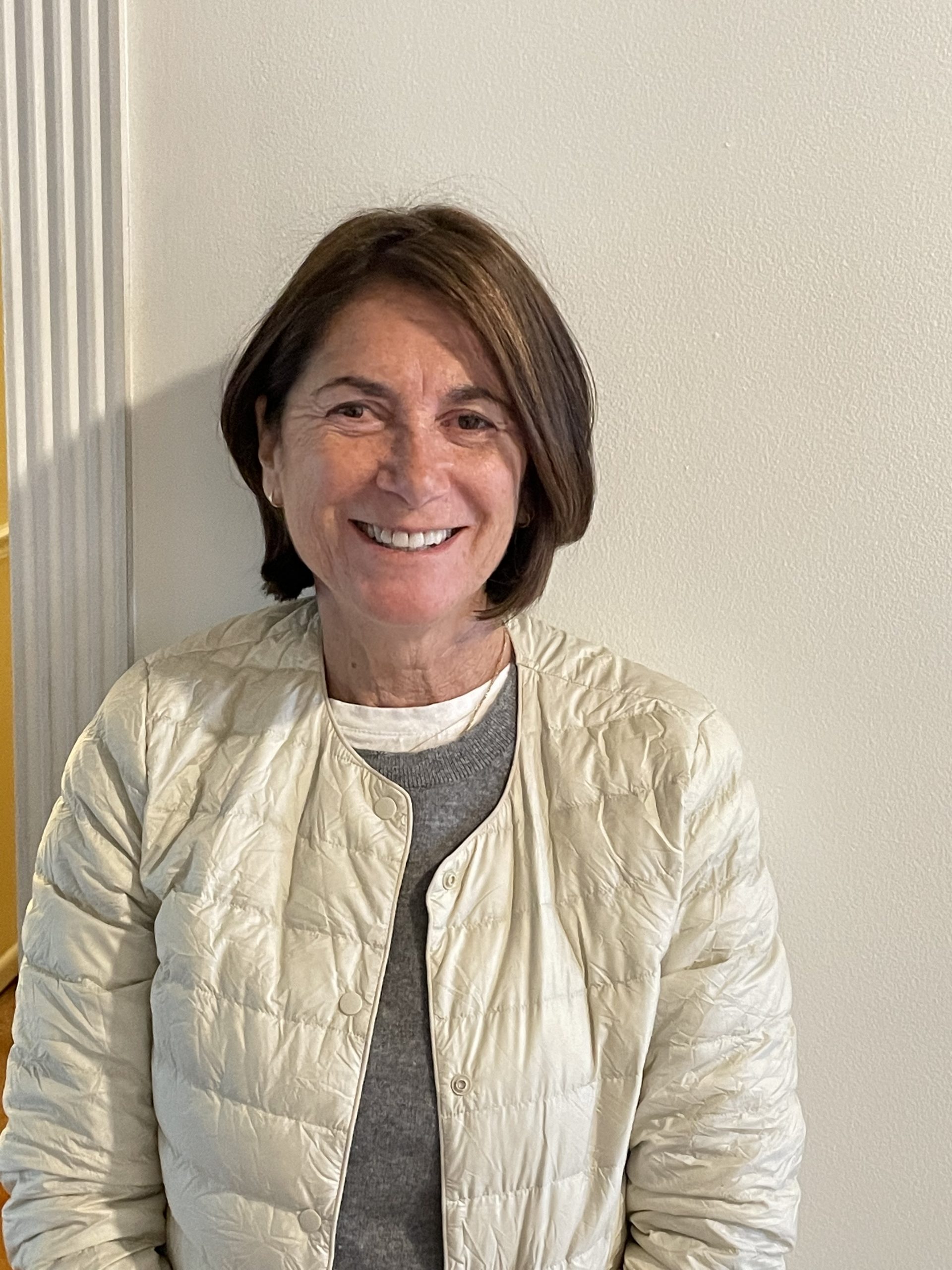
Meet the diverse women learning Gemara at Hadran and hear their stories. 

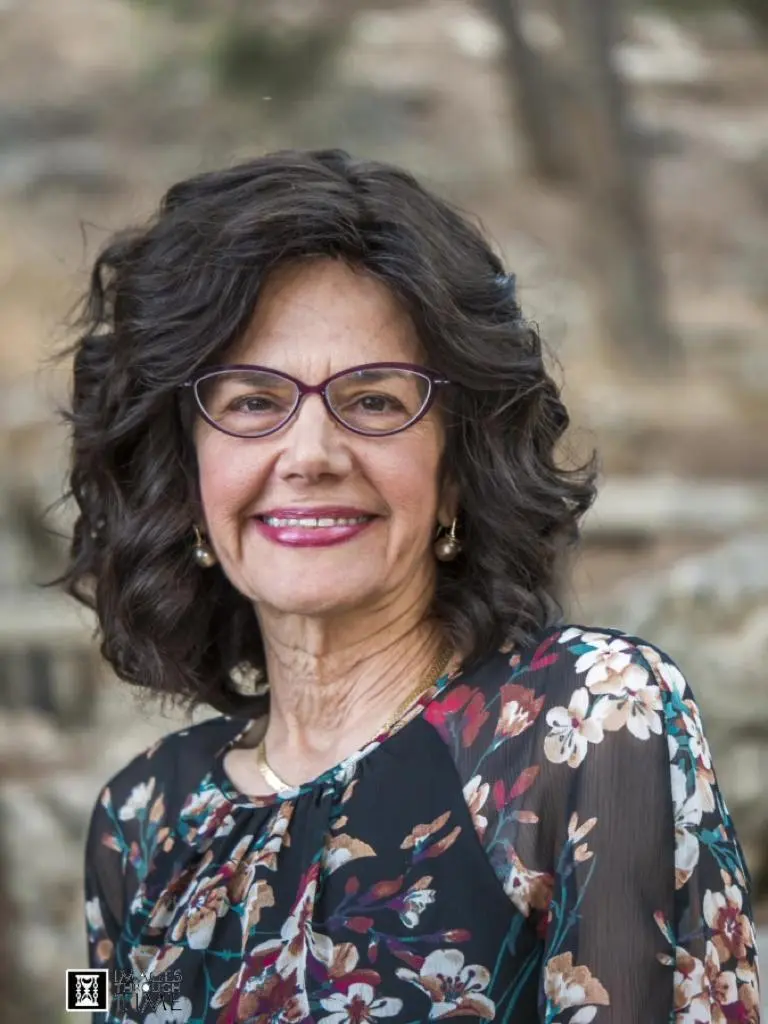
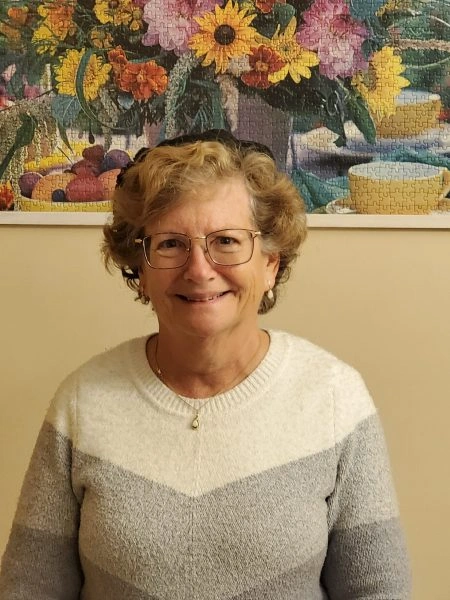
I’ve been studying Talmud since the ’90s, and decided to take on Daf Yomi two years ago. I wanted to attempt the challenge of a day-to-day, very Jewish activity. Some days are so interesting and some days are so boring. But I’m still here.
Wendy Rozov
Wendy Rozov

Phoenix, AZ, United States

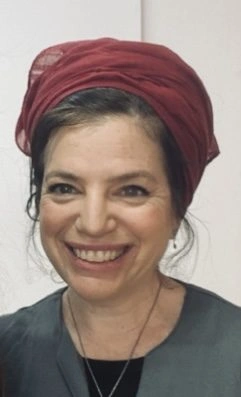
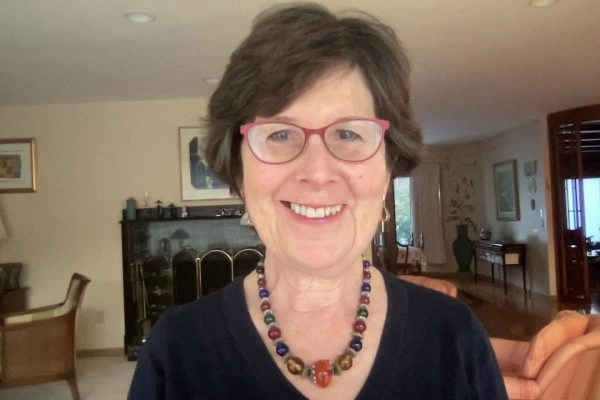
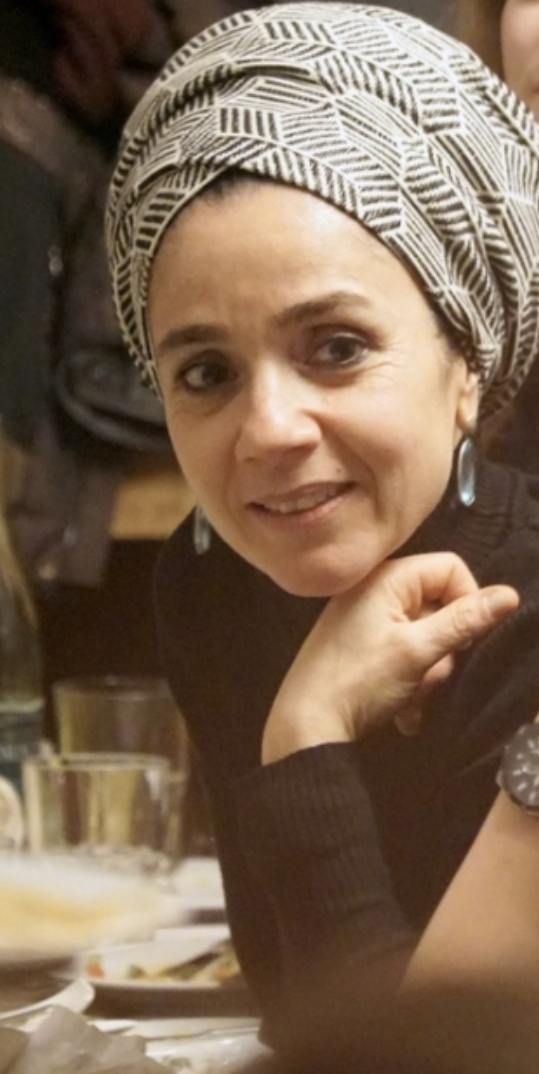
I’ve been wanting to do Daf Yomi for years, but always wanted to start at the beginning and not in the middle of things. When the opportunity came in 2020, I decided: “this is now the time!” I’ve been posting my journey daily on social media, tracking my progress (#DafYomi); now it’s fully integrated into my daily routines. I’ve also inspired my partner to join, too!

Joséphine Altzman
Joséphine Altzman

Teaneck, United States

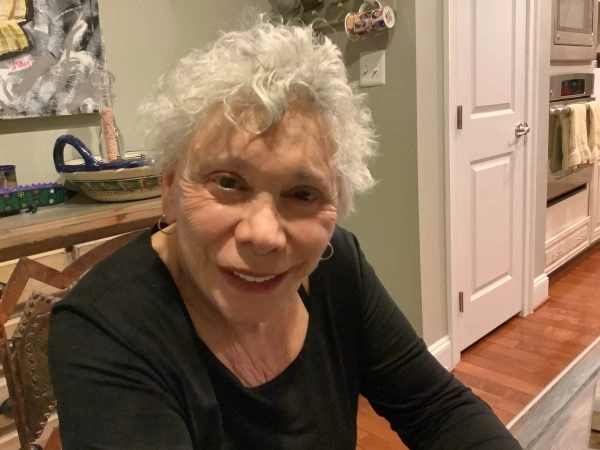
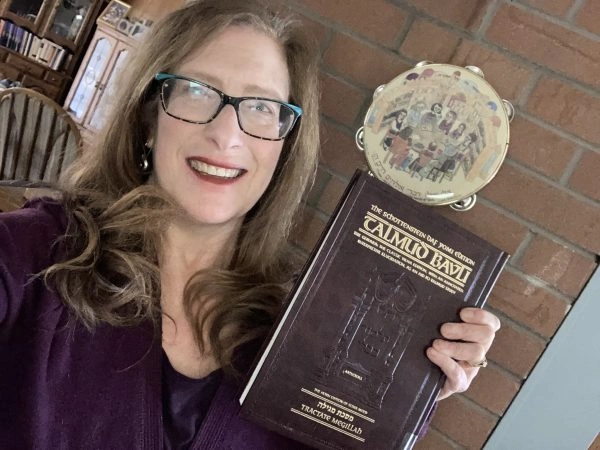
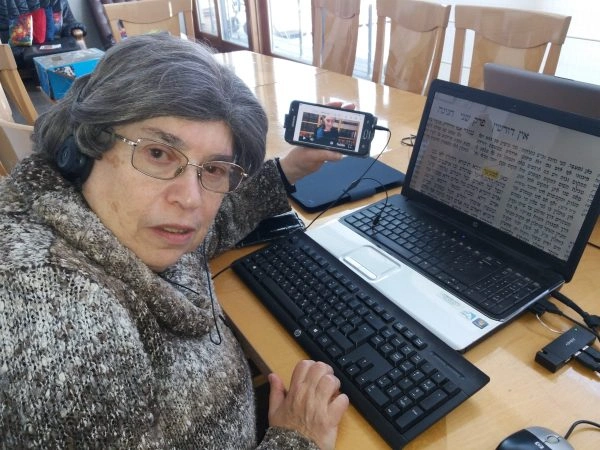
When I started studying Hebrew at Brown University’s Hillel, I had no idea that almost 38 years later, I’m doing Daf Yomi. My Shabbat haburah is led by Rabbanit Leah Sarna. The women are a hoot. I’m tracking the completion of each tractate by reading Ilana Kurshan’s memoir, If All the Seas Were Ink.

Hannah Lee
Hannah Lee

Pennsylvania, United States

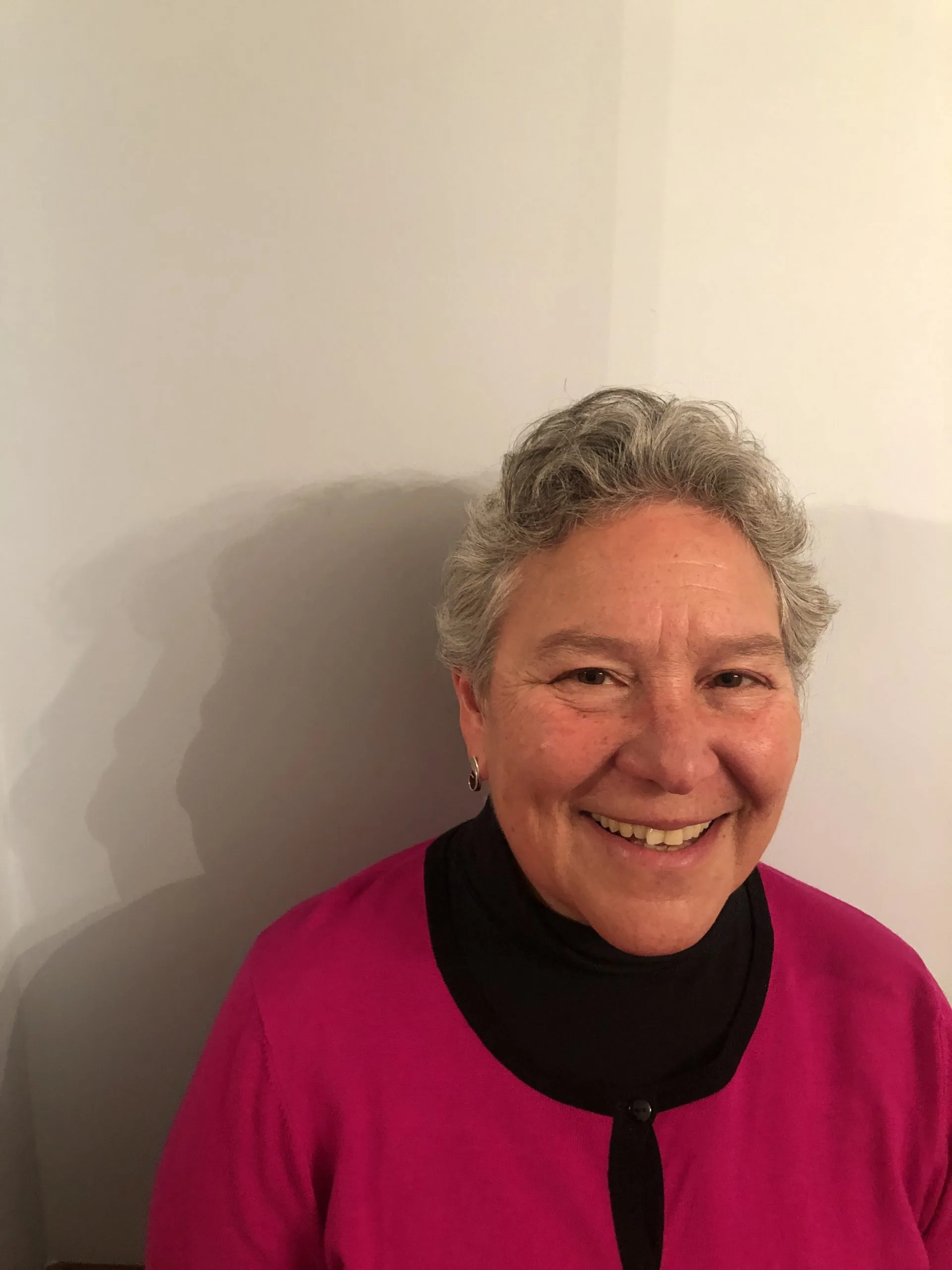
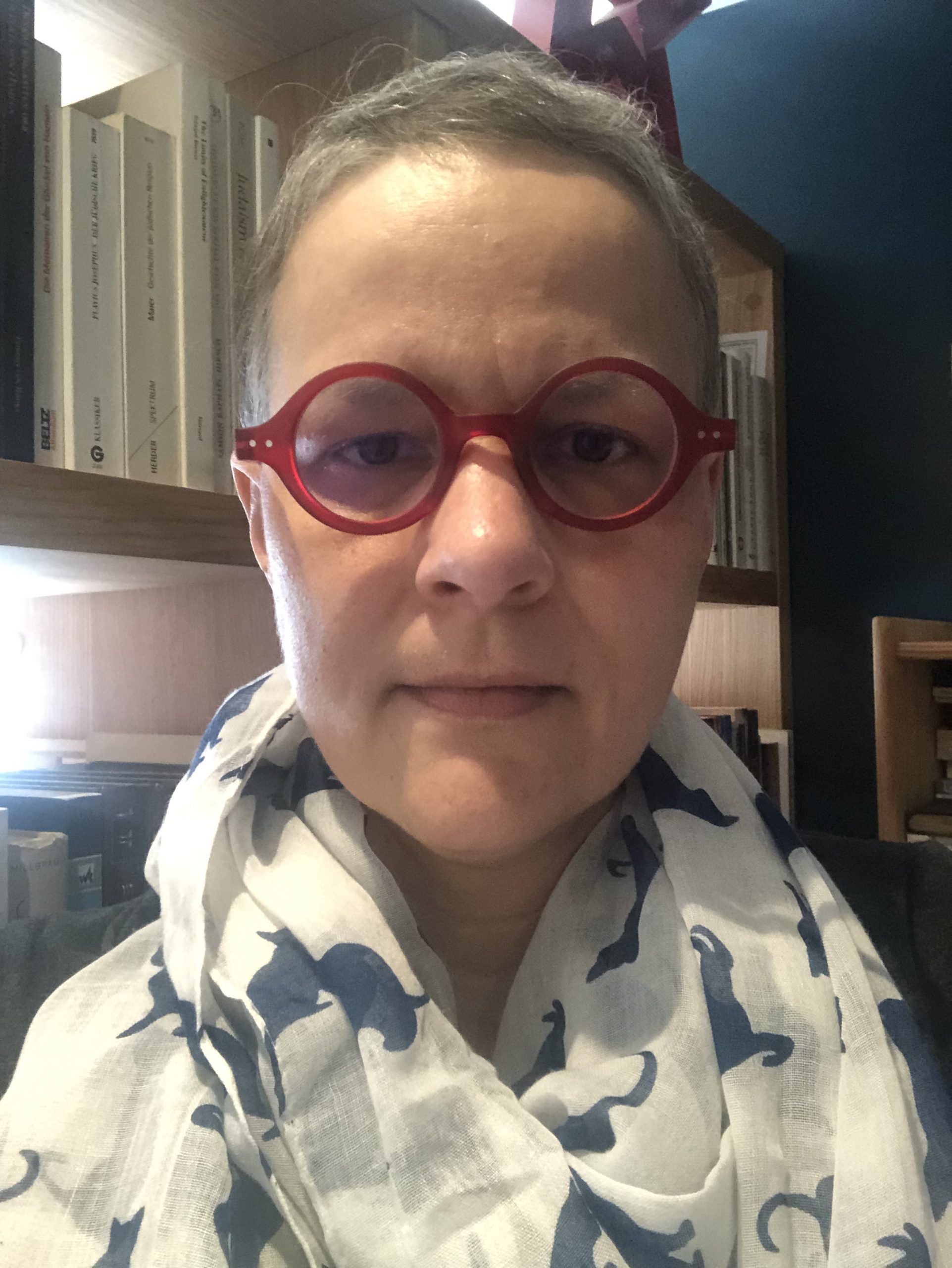
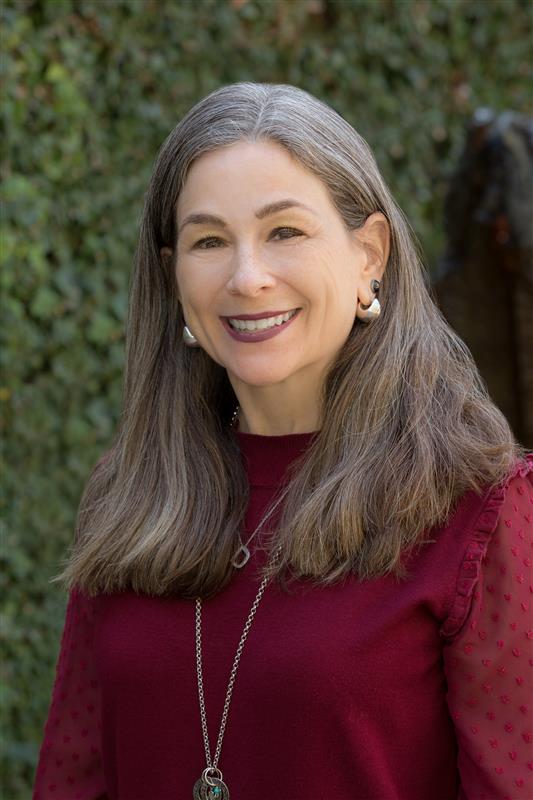
In January 2020, my chevruta suggested that we “up our game. Let’s do Daf Yomi” – and she sent me the Hadran link. I lost my job (and went freelance), there was a pandemic, and I am still opening the podcast with my breakfast coffee, or after Shabbat with popcorn. My Aramaic is improving. I will need a new bookcase, though.

Rhondda May
Rhondda May

Atlanta, Georgia, United States

I learned Talmud as a student in Yeshivat Ramaz and felt at the time that Talmud wasn’t for me. After reading Ilana Kurshan’s book I was intrigued and after watching the great siyum in Yerushalayim it ignited the spark to begin this journey. It has been a transformative life experience for me as a wife, mother, Savta and member of Klal Yisrael.
Elana Storch
Elana Storch

Phoenix, Arizona, United States

I started learning after the siyum hashas for women and my daily learning has been a constant over the last two years. It grounded me during the chaos of Corona while providing me with a community of fellow learners. The Daf can be challenging but it’s filled with life’s lessons, struggles and hope for a better world. It’s not about the destination but rather about the journey. Thank you Hadran!

Dena Lehrman
Dena Lehrman

אפרת, Israel

After reading the book, “ If All The Seas Were Ink “ by Ileana Kurshan I started studying Talmud. I searched and studied with several teachers until I found Michelle Farber. I have been studying with her for two years. I look forward every day to learn from her.

Janine Rubens
Janine Rubens

Virginia, United States

After enthusing to my friend Ruth Kahan about how much I had enjoyed remote Jewish learning during the earlier part of the pandemic, she challenged me to join her in learning the daf yomi cycle. I had always wanted to do daf yomi but now had no excuse. The beginning was particularly hard as I had never studied Talmud but has become easier, as I have gained some familiarity with it.

Susan-Vishner-Hadran-photo-scaled
Susan Vishner

Brookline, United States

A friend mentioned that she was starting Daf Yomi in January 2020. I had heard of it and thought, why not? I decided to try it – go day by day and not think about the seven plus year commitment. Fast forward today, over two years in and I can’t imagine my life without Daf Yomi. It’s part of my morning ritual. If I have a busy day ahead of me I set my alarm to get up early to finish the day’s daf
Debbie Fitzerman
Debbie Fitzerman

Ontario, Canada

I started the daf at the beginning of this cycle in January 2020. My husband, my children, grandchildren and siblings have been very supportive. As someone who learned and taught Tanach and mefarshim for many years, it has been an amazing adventure to complete the six sedarim of Mishnah, and now to study Talmud on a daily basis along with Rabbanit Michelle and the wonderful women of Hadran.

Rookie Billet
Rookie Billet

Jerusalem, Israel

In early 2020, I began the process of a stem cell transplant. The required extreme isolation forced me to leave work and normal life but gave me time to delve into Jewish text study. I did not feel isolated. I began Daf Yomi at the start of this cycle, with family members joining me online from my hospital room. I’ve used my newly granted time to to engage, grow and connect through this learning.

Reena Slovin
Reena Slovin

Worcester, United States

As Jewish educator and as a woman, I’m mindful that Talmud has been kept from women for many centuries. Now that we are privileged to learn, and learning is so accessible, it’s my intent to complete Daf Yomi. I am so excited to keep learning with my Hadran community.

Sue Parker Gerson
Sue Parker Gerson

Denver, United States

I started the daf at the beginning of this cycle in January 2020. My husband, my children, grandchildren and siblings have been very supportive. As someone who learned and taught Tanach and mefarshim for many years, it has been an amazing adventure to complete the six sedarim of Mishnah, and now to study Talmud on a daily basis along with Rabbanit Michelle and the wonderful women of Hadran.

Rookie Billet
Rookie Billet

Jerusalem, Israel

I have joined the community of daf yomi learners at the start of this cycle. I have studied in different ways – by reading the page, translating the page, attending a local shiur and listening to Rabbanit Farber’s podcasts, depending on circumstances and where I was at the time. The reactions have been positive throughout – with no exception!

Silke Goldberg
Silke Goldberg

Guildford, United Kingdom

I had dreamed of doing daf yomi since I had my first serious Talmud class 18 years ago at Pardes with Rahel Berkovitz, and then a couple of summers with Leah Rosenthal. There is no way I would be able to do it without another wonderful teacher, Michelle, and the Hadran organization. I wake up and am excited to start each day with the next daf.

Beth Elster
Beth Elster

Irvine, United States

I began my journey two years ago at the beginning of this cycle of the daf yomi. It has been an incredible, challenging experience and has given me a new perspective of Torah Sh’baal Peh and the role it plays in our lives

linda kalish-marcus
linda kalish-marcus

Efrat, Israel

I started with Ze Kollel in Berlin, directed by Jeremy Borowitz for Hillel Deutschland. We read Masechet Megillah chapter 4 and each participant wrote his commentary on a Sugia that particularly impressed him. I wrote six poems about different Sugiot! Fascinated by the discussions on Talmud I continued to learn with Rabanit Michelle Farber and am currently taking part in the Tikun Olam course.
Yael Merlini
Yael Merlini

Berlin, Germany

After experiences over the years of asking to join gemara shiurim for men and either being refused by the maggid shiur or being the only women there, sometimes behind a mechitza, I found out about Hadran sometime during the tail end of Masechet Shabbat, I think. Life has been much better since then.

Madeline Cohen
Madeline Cohen

London, United Kingdom

I start learning Daf Yomi in January 2020. The daily learning with Rabbanit Michelle has kept me grounded in this very uncertain time. Despite everything going on – the Pandemic, my personal life, climate change, war, etc… I know I can count on Hadran’s podcast to bring a smile to my face.
Deb Engel
Deb Engel

Los Angeles, United States

Inspired by Hadran’s first Siyum ha Shas L’Nashim two years ago, I began daf yomi right after for the next cycle. As to this extraordinary journey together with Hadran..as TS Eliot wrote “We must not cease from exploration and the end of all our exploring will be to arrive where we began and to know the place for the first time.

Susan Handelman
Susan Handelman

Jerusalem, Israel

Nazir 66

אָמַר רָבָא: לָא תֵּימָא סָפֵק חֲזָא סָפֵק לָא חֲזָא. אֶלָּא וַדַּאי חֲזָא, סָפֵק מֵחֲמַת שִׁכְבַת זֶרַע, סָפֵק מֵחֲמַת רְאִיָּיה. כֵּיוָן שֶׁנִּזְקַק לְטוּמְאָה — סְפֵיקוֹ טָמֵא.

Rava said: Do not say that it is uncertain whether he saw a discharge and uncertain whether he did not see one. The uncertainty is not with regard to whether he experienced a discharge at all. Rather, he certainly saw a discharge, but it is uncertain whether the discharge was due to, i.e., defined as, an emission of semen, and it is uncertain whether the discharge was due to the sighting of ziva. In this case, once he has been confirmed as being ritually impure as a zav, his uncertain case is also impure.

שִׁכְבַת זַרְעוֹ טְמֵאָה. לְמַאי? אִילֵימָא לְמַגָּע — מִי גָּרַע מִשִּׁכְבַת זֶרַע דְּטָהוֹר? אֶלָּא זַרְעוֹ שֶׁל זָב מְטַמֵּא בְּמַשָּׂא.

§ The mishna taught that his semen is impure. The Gemara asks: With regard to what halakha is the mishna stating that the semen of a zav is impure? If we say that this is referring to the impurity of contact, i.e., this semen renders one who touches it impure, there is no need to teach this halakha. Is it any worse than the semen of a pure man, which also imparts impurity through contact? Rather, the mishna is teaching that the semen of a zav renders people impure even by carrying, like the impurity of ziva.

מַאן שָׁמְעַתְּ לְהָא דְּאָמַר שִׁכְבַת זֶרַע שֶׁל זָב מְטַמֵּא בְּמַשָּׂא? אִילֵּימָא הַאי תַּנָּא, דְּתַנְיָא, רַבִּי אֱלִיעֶזֶר אוֹמֵר: שִׁכְבַת זַרְעוֹ שֶׁל זָב אֵינוֹ מְטַמֵּא בְּמַשָּׂא, וְרַבִּי יְהוֹשֻׁעַ אוֹמֵר: מְטַמֵּא בְּמַשָּׂא, לְפִי שֶׁאִי אֶפְשָׁר לָהּ בְּלֹא צִיחְצוּחֵי זִיבָה. אֲפִילּוּ רַבִּי יְהוֹשֻׁעַ לָא אָמַר אֶלָּא מִשּׁוּם צִיחְצוּחֵי זִיבָה, אֲבָל בְּעֵינֵיהּ, לָא אָמַר!

The Gemara asks: Who did you hear that said that the semen of a zav renders one impure by carrying? If we say it is this tanna, as it is taught in a baraita that Rabbi Eliezer says: The semen of a zav does not render one impure by carrying, and Rabbi Yehoshua says: It does render one impure by carrying, because it is impossible for his semen to be without droplets of ziva; yet this source is no proof, as even Rabbi Yehoshua said that this semen imparts impurity by carrying only due to the droplets of ziva it contains. However, he did not say that semen in its unadulterated form renders people impure.

אֶלָּא אָמַר רַב אַדָּא בַּר אַהֲבָה: לוֹמַר שֶׁאֵין תּוֹלִין בָּהּ.

Rather, Rav Adda bar Ahava said: The mishna does not mean that the semen of a zav itself renders one impure by carrying. Rather, it comes to say that one does not attribute the ziva to it. Even if the man experienced a discharge within twenty-four hours of his ejaculation of semen, one does not say his discharge was triggered by a general weakening as a result of his seminal emission. Once the man has experienced two discharges of a zav he is an impure zav, and this third discharge is also considered ziva.

סְבַר רַב פָּפָּא קַמֵּיהּ דְּרָבָא לְמֵימַר אַיְּידֵי חוּלְשָׁא הוּא דְּחָזֵי. אָמַר לֵיהּ רָבָא, וְהָתְנַן: גֵּר שֶׁנִּתְגַּיֵּיר מְטַמֵּא מִיָּד בְּזִיבָה! אֲמַר לֵיהּ: אֵין לְךָ חוֹלִי גָּדוֹל מִזֶּה.

When he was before Rava, Rav Pappa thought to say the following explanation for this halakha: Since he sees his discharges out of the weakness brought about from his previous ziva, it can be assumed that any later discharge, even one that follows a seminal emission, is ziva. Rava said to him: But didn’t we learn in a mishna (Zavim 2:3): A convert who has just converted can immediately become impure as a zav. Even if he had a seminal emission as a gentile, subsequently converted, and then experienced the discharge of a zav, one does not associate the discharge of a zav with the earlier emission of semen. Rather, it is treated as the first discharge of a zav. In this case there is no prior weakness of a zav to speak of, and nevertheless the convert is impure as a zav. Rav Pappa said to Rava: There is no greater illness than this. The very acceptance of mitzvot can be considered an illness, as the burden of mitzvot is a weighty matter. For this reason, one does not ascribe a discharge of a zav to the earlier emission of semen.

אֶלָּא, תַּנָּאֵי הִיא. דְּתַנְיָא: שִׁכְבַת זֶרַע שֶׁל זָב מְטַמֵּא בְּמַשָּׂא כׇּל מֵעֵת לְעֵת. וְרַבִּי יוֹסֵי אוֹמֵר: יוֹמוֹ.

The Gemara comments: Rather, the possibility rejected earlier, that the mishna means that semen of a zav imparts impurity by carrying, is a dispute between tanna’im, as it is taught in a baraita: The semen of a zav renders one impure by carrying like the regular discharge of a zav for a twenty-four hour period. In other words, if a zav experienced a seminal emission within twenty-four hours of a ziva, the seminal emission does not impart impurity only through contact in the manner of the semen of a pure individual, but by carrying as well. And Rabbi Yosei says that it imparts impurity by carrying only on its day, i.e., if the seminal emission was before the evening of the day of the ziva. As opposed to Rabbi Eliezer and Rabbi Yehoshua cited earlier, these tanna’im both maintain that the semen of a zav imparts impurity by carrying like ziva does.

בְּמַאי קָמִיפַּלְגִי? בְּדִשְׁמוּאֵל. דִּשְׁמוּאֵל רָמֵי: כְּתִיב: ״כִּי יִהְיֶה בְךָ אִישׁ אֲשֶׁר לֹא יִהְיֶה טָהוֹר מִקְּרֵה לָיְלָה״. וּכְתִיב: ״לִפְנוֹת עֶרֶב יִרְחַץ בַּמָּיִם״.

The Gemara asks: With regard to what do the first tanna and Rabbi Yosei disagree? What is the basis of their dispute? The Gemara answers: They disagree with regard to the following issue discussed by Shmuel, as Shmuel raises a contradiction: It is written: “If there be among you any man who is not pure, by reason of that which chances him by night, then shall he go abroad out of the camp, he shall not come within the camp” (Deuteronomy 23:11). This verse is applied to a zav who experienced a seminal emission. And it is written: “When evening comes on, he shall bathe himself in water, and when the sun is down, he may come within the camp” (Deuteronomy 23:12).

מַאן דְּאָמַר מֵעֵת לְעֵת דָּיֵיק מִ״לִּפְנוֹת עֶרֶב״, וְאִידַּךְ דָּיֵיק ״מִקְּרֵה לָיְלָה״.

The Gemara explains the dispute. The one who says that the semen of a zav imparts impurity by carrying for a twenty-four hour period after experiencing a ziva infers from the phrase “when evening comes on” that the period can involve two evenings, as “comes on” indicates another evening. If so, the semen imparts impurity by carrying for a full twenty-four hour period. And the other Sage, Rabbi Yosei, infers from the expression “by reason of that which chances him by night” that the seminal emission imparts impurity by carrying only until that night, i.e., until the end of the day on which the man experienced the ziva.

וּמַאן דְּאָמַר מִ״לִּפְנוֹת עֶרֶב״, הָכְתִיב ״מִקְּרֵה לָיְלָה״! אָמַר לָךְ, אוֹרְחָא דְקֶרִי לֵמֵתֵיא בְּלֵילְיָא.

The Gemara asks: But according to the one who says that this halakha is derived from “when evening comes on,” isn’t it written: “By reason of that which chances him by night”? The Gemara answers: He could have said to you that this verse affords no proof, as it is referring to the usual case and it is the manner of a seminal emission to occur at night. Consequently, one cannot derive a halakha from this expression.

מַתְנִי׳ נָזִיר הָיָה שְׁמוּאֵל, כְּדִבְרֵי רַבִּי נְהוֹרַאי, שֶׁנֶּאֱמַר ״וּמוֹרָה לֹא יַעֲלֶה עַל רֹאשׁוֹ״. נֶאֱמַר בְּשִׁמְשׁוֹן ״וּמוֹרָה״, וְנֶאֱמַר בִּשְׁמוּאֵל ״וּמוֹרָה״. מָה ״מוֹרָה״ הָאֲמוּרָה בְּשִׁמְשׁוֹן — נָזִיר, אַף ״מוֹרָה״ הָאֲמוּרָה בִּשְׁמוּאֵל — נָזִיר.

MISHNA: The tractate concludes with an aggadic statement about nazirites. Samuel the prophet was a nazirite, in accordance with the statement of Rabbi Nehorai, as it was stated that when Hannah, his mother, prayed for a son, she vowed: “And no mora shall come upon his head” (I Samuel 1:11). How is it derived that mora is an expression of naziriteship? It is stated with regard to Samson: “And no razor [mora] shall come upon his head, for the child shall be a nazirite to God” (Judges 13:5), and it is stated: “And no mora,” with regard to Samuel. Just as the term mora” that is stated with regard to Samson means that he was a nazirite, so too the term mora” that is stated with regard to Samuel indicates that he was a nazirite.

אָמַר רַבִּי יוֹסֵי: וַהֲלֹא אֵין מוֹרָה אֶלָּא שֶׁל בָּשָׂר וָדָם! אֲמַר לֵיהּ רַבִּי נְהוֹרַאי: וַהֲלֹא כְּבָר נֶאֱמַר ״וַיֹּאמֶר שְׁמוּאֵל אֵיךְ אֵלֵךְ וְשָׁמַע שָׁאוּל וַהֲרָגָנִי״, שֶׁכְּבָר הָיָה עָלָיו מוֹרָא שֶׁל בָּשָׂר וָדָם.

Rabbi Yosei said: But doesn’t the word mora mean nothing other than the fear of flesh and blood? The word should be read as though it were written with an alef, and not a heh, so that it means fear. Rabbi Nehorai said to him: But isn’t it already stated: “And Samuel said: How can I go; if Saul hears it he will kill me” (I Samuel 16:2). This verse indicates that there was fear of flesh and blood upon Samuel. Consequently, the term mora must be understood in accordance with its plain meaning of a razor. If so, Samuel was indeed a nazirite.

גְּמָ׳ אֲמַר לֵיהּ רַב לְחִיָּיא בְּרֵיהּ:

GEMARA: Rav said to his son Ḥiyya:

חֲטוֹף וּבָרֵיךְ. וְכֵן אֲמַר לֵיהּ רַב הוּנָא לְרַבָּה בְּרֵיהּ: חֲטוֹף וּבָרֵיךְ.

Seize the opportunity and quickly recite a blessing over the cup of blessing for the Grace after Meals. And similarly, Rav Huna said to his son, Rabba: Seize the opportunity and recite a blessing.

לְמֵימְרָא דִּמְבָרֵךְ עֲדִיף? וְהָתַנְיָא, רַבִּי יוֹסֵי אוֹמֵר: גָּדוֹל הָעוֹנֶה ״אָמֵן״ יוֹתֵר מִן הַמְבָרֵךְ. וְאָמַר לוֹ רַבִּי נְהוֹרַאי: הַשָּׁמַיִם! כָּךְ הוּא: תֵּדַע שֶׁהֲרֵי גּוּלְיָירִים מִתְגָּרִין בַּמִּלְחָמָה, וְגִבּוֹרִים נוֹצְחִין.

The Gemara asks: Is this to say that one who recites a blessing is preferable to one who answers amen? But isn’t it taught in a baraita that Rabbi Yosei says: The one who answers amen is greater than the one who recites the blessing? And Rabbi Nehorai said to him: By Heavens, it is so. Know that this is true, as the military assistants [gulyarim] descend to the battlefield and initiate the war and the mighty follow them and prevail. The amen that follows a blessing is compared to the mighty who join the war after the assistants, illustrating that answering amen is more significant than reciting the initial blessing.

תַּנָּאֵי הִיא, דְּתַנְיָא: אֶחָד הַמְבָרֵךְ וְאֶחָד הָעוֹנֶה ״אָמֵן״ בַּמַּשְׁמָע, אֶלָּא שֶׁמְּמַהֲרִין לַמְבָרֵךְ תְּחִילָּה.

The Gemara responds: This is a dispute between tanna’im, as it is taught in a baraita: Both the one who recites a blessing and the one who answers amen are included among those who “stand up and bless” (Nehemiah 9:5), but one hurries to first reward the one who recites the blessing. This baraita apparently holds that reciting the blessing is greater than answering amen.

אָמַר רַבִּי אֶלְעָזָר אָמַר רַבִּי חֲנִינָא: תַּלְמִידֵי חֲכָמִים מַרְבִּים שָׁלוֹם בָּעוֹלָם, שֶׁנֶּאֱמַר: ״וְכׇל בָּנַיִךְ לִמּוּדֵי ה׳ וְרַב שְׁלוֹם בָּנָיִךְ״.

Rabbi Elazar said that Rabbi Ḥanina said: Torah scholars increase peace in the world, as it is stated: “And all your children [banayikh] shall be taught of the Lord, and great shall be the peace of your children” (Isaiah 54:13). The Sages interpreted this verse homiletically: Do not read it as: “Your children [banayikh],” but as: Your builders [bonayikh]. Torah scholars are those who build peace for their generation.

הַדְרָן עֲלָךְ הַגּוֹיִם אֵין לָהֶם נְזִירוּת וּסְלִיקָא לַהּ מַסֶּכֶת נָזִיר

Want to follow content and continue where you left off?

Create an account today to track your progress, mark what you’ve learned, and follow the shiurim that speak to you.

Clear all items from this list?

This will remove ALL the items in this section. You will lose any progress or history connected to them. This is irreversible.

Cancel
Yes, clear all

Are you sure you want to delete this item?

You will lose any progress or history connected to this item.

Cancel
Yes, delete