Search

Shabbat 23

Want to dedicate learning? Get started here:

English
עברית
podcast placeholder

0:00
0:00


podcast placeholder

0:00
0:00


Summary

Today’s shiur is dedicated by Heather Stone in memory of Debbie bat Shirley z”l, the best friend of her Aunt, Debbie Stone, who passed away before Shabbat from COVID19. 

The gemara concludes that the mitzva is the lighting of the Chanika candles and not placing them down. Women are obligated in the mitzva of the Chanuka candles as they too were part of the miracle. In what way? Best to use olive oil for lighting Chanuka candles, even though all other oils can also be used. Same with preparing ink. How many blessings does one make on Chanuka candles? Which ones? What about a person who sees Chanuka candles? Do they make blessings? Which ones? How can be say the blessing “who commanded us” if Chanuka is not a Torah obligation? What is the determining factor for which rabbinic commandments we make blessings and on which do we not? If one has two different entraceways for one’s courtyard, does one need to light in both entrances? On what does it depend? Why are we concerned about what others will think – where is there precendent for that? It is learned from pe’ah – the mitzva of leaving the corner of one’s field for the poor. How? What has precedence (if one can’t afford all) Shabbat candles, Chanuka candles and woine for kiddush? The gemara relates good things that will happen to people who light Shabbat and Chanuka candles (and some other mitzvot). The gemara explains what is “sereifa” oil mentioned in the mishna gives two different explanations as to why it is forbidden.

Today’s daily daf tools:

Shabbat 23

עֲשָׁשִׁית שֶׁהָיְתָה דּוֹלֶקֶת וְהוֹלֶכֶת כׇּל הַיּוֹם כּוּלּוֹ, לְמוֹצָאֵי שַׁבָּת מְכַבָּהּ וּמַדְלִיקָהּ. אִי אָמְרַתְּ בִּשְׁלָמָא הַדְלָקָה עוֹשָׂה מִצְוָה — שַׁפִּיר. אֶלָּא אִי אָמְרַתְּ הַנָּחָה עוֹשָׂה מִצְוָה, הַאי מְכַבָּהּ וּמַדְלִיקָהּ, מְכַבָּהּ וּמַגְבִּיהָהּ וּמַנִּיחָהּ וּמַדְלִיקָהּ מִיבְּעֵי לֵיהּ! וְעוֹד: מִדְּקָא מְבָרְכִינַן ״אֲשֶׁר קִדְּשָׁנוּ בְּמִצְוֹתָיו וְצִוָּנוּ לְהַדְלִיק נֵר שֶׁל חֲנוּכָּה״ — שְׁמַע מִינָּה הַדְלָקָה עוֹשָׂה מִצְוָה. שְׁמַע מִינָּה.

A lantern that continued to burn the entire day of Shabbat, at the conclusion of Shabbat one extinguishes it and lights it again as a Hanukkah light. Granted, if you say that lighting accomplishes the mitzva, the requirement to extinguish the lantern and relight it in order to fulfill the mitzva of kindling the Hanukkah light works out well. However, if you say that placing accomplishes the mitzva, this statement, which stated that one extinguishes it and lights it, is imprecise. According to this opinion, it needed to say: One extinguishes it and lifts it from its place and sets it down and lights it, as only by placing the lamp in an appropriate place could one fulfill the mitzva of the Hanukkah light. Furthermore, there is additional proof that lighting accomplishes the mitzva. From the fact that we recite the following blessing over the mitzva of kindling the Hanukkah light: Who has made us holy through His commandments and has commanded us to light the Hanukkah light, the Gemara suggests: Conclude from this that lighting accomplishes the mitzva, as it is over lighting that one recites the blessing. The Gemara concludes: Indeed, conclude from this.

וְהַשְׁתָּא דְּאָמְרִינַן הַדְלָקָה עוֹשָׂה מִצְוָה, הִדְלִיקָהּ חֵרֵשׁ שׁוֹטֶה וְקָטָן לֹא עָשָׂה וְלֹא כְלוּם. אִשָּׁה וַדַּאי מַדְלִיקָה, דְּאָמַר רַבִּי יְהוֹשֻׁעַ בֶּן לֵוִי: נָשִׁים חַיָּיבוֹת בְּנֵר חֲנוּכָּה שֶׁאַף הֵן הָיוּ בְּאוֹתוֹ הַנֵּס.

And, the Gemara remarks, now that we say that lighting accomplishes the mitzva, there are practical ramifications. If a deafmute, an imbecile, or a minor, all of whom are of limited intellectual capacity and not obligated in mitzvot, kindled the Hanukkah light, he did nothing in terms of fulfilling the mitzva, even if an adult obligated in mitzvot subsequently set it down in its appropriate place. That is because placing a lit lamp does not constitute fulfillment of the mitzva. The lighting must be performed by a person with full intellectual capacity, obligated in mitzvot. However, a woman certainly may light, as Rabbi Yehoshua ben Levi said: Women are obligated in lighting the Hanukkah light, as they too were included in that miracle of being saved from the decree of persecution.

אָמַר רַב שֵׁשֶׁת: אַכְסְנַאי חַיָּיב בְּנֵר חֲנוּכָּה. אָמַר רַבִּי זֵירָא: מֵרֵישׁ כִּי הֲוֵינָא בֵּי רַב, מִשְׁתַּתַּפְנָא בִּפְרִיטֵי בַּהֲדֵי אוּשְׁפִּיזָא. בָּתַר דִּנְסֵיבִי אִיתְּתָא, אָמֵינָא: הַשְׁתָּא וַדַּאי לָא צְרִיכְנָא, דְּקָא מַדְלְקִי עֲלַי בְּגוֹ בֵּיתַאי.

Rav Sheshet said: A guest is obligated in lighting the Hanukkah light in the place where he is being hosted. The Gemara relates that Rabbi Zeira said: At first, when I was studying in the yeshiva, I would participate with perutot, copper coins, together with the host [ushpiza], so that I would be a partner in the light that he kindled. After I married my wife, I said: Now I certainly need not do so because they light on my behalf in my house.

אָמַר רַבִּי יְהוֹשֻׁעַ בֶּן לֵוִי: כׇּל הַשְּׁמָנִים כּוּלָּן יָפִין לַנֵּר, וְשֶׁמֶן זַיִת מִן הַמּוּבְחָר. אָמַר אַבָּיֵי: מֵרֵישׁ הֲוָה מְהַדַּר מָר אַמִּשְׁחָא דְשׁוּמְשְׁמֵי. אָמַר: הַאי מְשִׁיךְ נְהוֹרֵיהּ טְפֵי. כֵּיוָן דִּשְׁמַע לַהּ לְהָא דְּרַבִּי יְהוֹשֻׁעַ בֶּן לֵוִי, מְהַדַּר אַמִּשְׁחָא דְזֵיתָא. אָמַר: הַאי צְלִיל נְהוֹרֵיהּ טְפֵי.

Rabbi Yehoshua ben Levi said: All the oils are suitable for the Hanukkah lamp, and olive oil is the most select of the oils. Abaye said: At first, my Master, Rabba, would seek sesame oil, as he said: The light of sesame oil lasts longer and does not burn as quickly as olive oil. Once he heard that statement of Rabbi Yehoshua ben Levi, he sought olive oil because he said: Its light is clearer.

וְאָמַר רַבִּי יְהוֹשֻׁעַ בֶּן לֵוִי: כׇּל הַשְּׁמָנִים יָפִין לַדְּיוֹ, וְשֶׁמֶן זַיִת מִן הַמּוּבְחָר. אִיבַּעְיָא לְהוּ: לְגַבֵּל, אוֹ לְעַשֵּׁן? תָּא שְׁמַע, דְּתָנֵי רַב שְׁמוּאֵל בַּר זוּטְרָא: כׇּל הַשְּׁמָנִים יָפִין לַדְּיוֹ, וְשֶׁמֶן זַיִת מִן הַמּוּבְחָר — בֵּין לְגַבֵּל בֵּין לְעַשֵּׁן. רַב שְׁמוּאֵל בַּר זוּטְרָא מַתְנֵי הָכִי: כׇּל הָעֲשָׁנִים יָפִין לַדְּיוֹ, וְשֶׁמֶן זַיִת מִן הַמּוּבְחָר. אָמַר רַב הוּנָא: כׇּל הַשְּׂרָפִין יָפִין לַדְּיוֹ, וּשְׂרַף קְטָף יָפֶה מִכּוּלָּם.

On a similar note, Rabbi Yehoshua ben Levi said: All the oils are suitable for making ink, and olive oil is the most select. A dilemma was raised before the Sages: What was Rabbi Yehoshua ben Levi’s intention: Did he mean that olive oil is the most select in terms of being the best for use to mix and knead with the soot produced from a fire in manufacturing ink; or did he mean for use to smoke, i.e., burning olive oil to produce smoke is the most select method of producing the soot used in manufacturing ink? Come and hear a resolution to this from that which Rav Shmuel bar Zutrei taught: All oils are suitable for ink, and olive oil is the most select, both to knead and to smoke. Rav Shmuel bar Zutra taught it this way: All types of smoke are good for ink, and olive oil is the most select. Similarly, Rav Huna said: All saps are good for strengthening the ink compound, and balsam sap is the best of all.

אָמַר רַב חִיָּיא בַּר אָשֵׁי אָמַר רַב: הַמַּדְלִיק נֵר שֶׁל חֲנוּכָּה צָרִיךְ לְבָרֵךְ. וְרַב יִרְמְיָה אָמַר: הָרוֹאֶה נֵר שֶׁל חֲנוּכָּה צָרִיךְ לְבָרֵךְ. אָמַר רַב יְהוּדָה: יוֹם רִאשׁוֹן, הָרוֹאֶה מְבָרֵךְ שְׁתַּיִם, וּמַדְלִיק מְבָרֵךְ שָׁלֹשׁ. מִכָּאן וְאֵילָךְ, מַדְלִיק מְבָרֵךְ שְׁתַּיִם, וְרוֹאֶה מְבָרֵךְ אַחַת. מַאי מְמַעֵט? מְמַעֵט זְמַן: וְנִימְעוֹט נֵס! — נֵס כׇּל יוֹמֵי אִיתֵיהּ.

Rav Ḥiyya bar Ashi said that Rav said: One who lights a Hanukkah light must recite a blessing. And Rabbi Yirmeya said: One who sees a burning Hanukkah light must recite a blessing because the mitzva is not only to kindle the light but to see the light as well. Therefore, there is room to recite a blessing even when seeing them. Rav Yehuda said: On the first day of Hanukkah, the one who sees burning lights recites two blessings, and the one who lights recites three blessings. From there on, from the second day of Hanukkah, the one who lights recites two blessings, and the one who sees recites one blessing. The Gemara asks: What blessing does he omit on the other days? The Gemara answers: He omits the blessing of time: Who has given us life, sustained us, and brought us to this time. The Gemara asks: And let us omit the blessing of the miracle: Who has performed miracles. The Gemara answers: The miracle is relevant on all of the days, whereas the blessing: Who has given us life, is only pertinent to the first time he performs the mitzva each year.

מַאי מְבָרֵךְ? — מְבָרֵךְ: ״אֲשֶׁר קִדְּשָׁנוּ בְּמִצְוֹתָיו וְצִוָּנוּ לְהַדְלִיק נֵר שֶׁל חֲנוּכָּה״. וְהֵיכָן צִוָּנוּ? רַב אַוְיָא אָמַר: מִ״לֹּא תָסוּר״. רַב נְחֶמְיָה אָמַר: ״שְׁאַל אָבִיךָ וְיַגֵּדְךָ זְקֵנֶיךָ וְיֹאמְרוּ לָךְ״.

And what blessing does one recite? He recites: Who has made us holy through His commandments and has commanded us to light the Hanukkah light. The Gemara asks: And where did He command us? The mitzva of Hanukkah is not mentioned in the Torah, so how is it possible to say that it was commanded to us by God? The Gemara answers that Rav Avya said: The obligation to recite this blessing is derived from the verse: “You shall not turn aside from the sentence which they shall declare unto you, to the right, nor to the left” (Deuteronomy 17:11). From this verse, the mitzva incumbent upon all of Israel to heed the statements and decrees of the Sages is derived. Therefore, one who fulfills their directives fulfills a divine commandment. Rav Neḥemya said that the mitzva to heed the voice of the Elders of Israel is derived from the verse: “Ask your father, and he will declare unto you, your Elders, and they will tell you” (Deuteronomy 32:7).

מֵתִיב רַב עַמְרָם: הַדְּמַאי, מְעָרְבִין בּוֹ וּמִשְׁתַּתְּפִין בּוֹ וּמְבָרְכִין עָלָיו וּמְזַמְּנִין עָלָיו וּמַפְרִישִׁין אוֹתוֹ עָרוֹם וּבֵין הַשְּׁמָשׁוֹת. וְאִי אָמְרַתְּ כׇּל מִדְּרַבָּנַן בָּעֵי בְּרָכָה, הָכָא כִּי קָאֵי עָרוֹם הֵיכִי מְבָרֵךְ? וְהָא בָּעֵינַן וְהָיָה מַחֲנֶיךָ קָדוֹשׁ — וְלֵיכָּא! אָמַר אַבָּיֵי: וַדַּאי דְּדִבְרֵיהֶם בָּעֵי בְּרָכָה, סָפֵק דְּדִבְרֵיהֶם לָא בָּעֵי בְּרָכָה.

Rav Amram raised an objection from that which we learned in a mishna: With regard to doubtfully tithed produce [demai], i.e., grain that was acquired from an am haaretz about which there is uncertainty whether or not he tithed it; one may use it to establish an eiruv, i.e., joining of courtyards and joining of borders, and to establish the merging of alleys, and one recites a blessing before and after eating it, and one invites a quorum for recitation of Grace after Meals after eating it. Although the Sages said that one is required to separate tithes from demai, they allowed it to be used for specific purposes and in exigent circumstances. And they said that one may separate the tithe from demai when he is naked and at dusk Shabbat eve, a time when separating tithes from actual untithed produce [tevel] is prohibited. And if you say that every action instituted by rabbinic ordinance requires a blessing, as fulfillment of rabbinic ordinances is based on the mitzva: You shall not turn aside, here, when he stands naked, how can he recite a blessing? Don’t we require fulfillment of the mitzva: “Therefore shall your camp be holy; that He see no unseemly thing in you, and turn away from you” (Deuteronomy 23:15)? And the camp is not holy when one recites a blessing in a state of nakedness. Abaye said: There is room to distinguish between the cases: In a case where there is a definite mitzva by rabbinic law, a blessing is required. In a case where there is a rabbinic ordinance instituted due to uncertainty with regard to the circumstances, as in the case of demai, which may or may not have been tithed already, a blessing is not required.

וְהָא יוֹם טוֹב שֵׁנִי דִּסְפֵק דִּבְרֵיהֶם הוּא, וּבָעֵי בְּרָכָה? הָתָם כִּי הֵיכִי דְּלָא לִיזַלְזְלוּ בֵּהּ. רָבָא אָמַר: רוֹב עַמֵּי הָאָרֶץ מְעַשְּׂרִין הֵן.

The Gemara asks: Isn’t the second day of a Festival in the Diaspora a rabbinic ordinance instituted due to uncertainty whether the first day or the second is the actual Festival, and nevertheless a blessing is required? On the second day of the Festival one recites the same blessings as he does on the first. The Gemara answers: There, in the case of the second day of the Festival, the reason that blessings are required is so that people will not treat it with contempt. If Festival blessings were not required on the second day of the Festival, people would take its sanctity lightly. Rava said another reason: Demai is not considered to be an ordinance instituted by the Sages due to uncertainty. In fact, in most cases, an am haaretz tithes. The concern lest they do not tithe is not a full-fledged case of uncertainty. It is merely a case of suspicion for which the Sages did not institute a blessing. That is not the case with regard to the second day of a Festival. Even though it was instituted due to uncertainty, one must recite the Festival blessings. Since it was instituted by the Sages, one is obligated to recite a blessing just as he recites blessings for other rabbinic ordinances.

אָמַר רַב הוּנָא: חָצֵר שֶׁיֵּשׁ לָהּ שְׁנֵי פְּתָחִים צְרִיכָה שְׁתֵּי נֵרוֹת. (וְאָמַר) [אָמַר] רָבָא: לָא אֲמַרַן אֶלָּא מִשְׁתֵּי רוּחוֹת, אֲבָל מֵרוּחַ אַחַת — לָא צְרִיךְ. מַאי טַעְמָא? אִילֵּימָא מִשּׁוּם חֲשָׁדָא — חֲשָׁדָא דְמַאן? אִילֵּימָא חֲשָׁדָא דְעָלְמָא — אֲפִילּוּ בְּרוּחַ אַחַת נָמֵי לִיבְעֵי! אִי חֲשָׁדָא דִּבְנֵי מָתָא — אֲפִילּוּ מִשְׁתֵּי רוּחוֹת נָמֵי לָא לִיבְעֵי. לְעוֹלָם מִשּׁוּם חֲשָׁדָא דִּבְנֵי מָתָא, וְזִימְנִין דְּחָלְפִי בְּהַאי וְלָא חָלְפִי בְּהַאי, וְאָמְרִי: כִּי הֵיכִי דִּבְהַאי פִּיתְחָא לָא אַדְלִיק — בְּהָךְ פִּיתְחָא נָמֵי לָא אַדְלִיק.

Rav Huna said: A courtyard that has two entrances requires two lamps, one lamp at each entrance, so that it will be obvious that the residents of this courtyard light properly. And Rava said: We only said this in a case where the two entrances face two different directions. However, if they both face in the same direction one need not light at more than one entrance. The Gemara clarifies Rava’s statement: What is the reason for this? If you say that it is because those who see the entrance without a lamp burning will harbor suspicion lest he does not kindle the Hanukkah light, whose suspicion concerns us? If you say that the concern is with regard to the suspicion of people who do not live in the city and are unfamiliar with the courtyard’s tenants, even when both entrances face the same direction let them be required to light at both entrances because visitors are unaware that there are two entrances to that courtyard. And if the concern is with regard to the suspicion of the residents of that city, even when the two entrances face two different directions let them not be required to light at both entrances. The local residents know that only one person lives in the courtyard and will assume that if he did not light at one entrance he surely lit at the other. The Gemara answers: Actually, say that it is because of the suspicion of the residents of that city, and sometimes they pass this entrance and do not pass that one, and they say: Just as he did not light in this entrance, in that second entrance he also did not light. In order to avoid suspicion, it is preferable to light at both entrances.

וּמְנָא תֵּימְרָא דְּחָיְישִׁינַן לַחֲשָׁד? — דְּתַנְיָא אָמַר רַבִּי שִׁמְעוֹן: בִּשְׁבִיל אַרְבָּעָה דְּבָרִים אָמְרָה תּוֹרָה לְהַנִּיחַ פֵּיאָה בְּסוֹף שָׂדֵהוּ: מִפְּנֵי גֶּזֶל עֲנִיִּים, וּמִפְּנֵי בִּיטּוּל עֲנִיִּים, וּמִפְּנֵי הַחֲשָׁד, וּמִשּׁוּם ״בַּל תְּכַלֶּה״. מִפְּנֵי גֶּזֶל עֲנִיִּים — שֶׁלֹּא יִרְאֶה בַּעַל הַבַּיִת שָׁעָה פְּנוּיָיה וְיֹאמַר לִקְרוֹבוֹ עָנִי: ״הֲרֵי זוֹ פֵּאָה״.

And from where do you say that we are concerned about suspicion? As it was taught in a Tosefta that Rabbi Shimon said: On account of four things the Torah said that one should leave pea, crops for the poor in the corner of his field, specifically at the end of his field. Only after one has cut virtually the entire field should he leave an uncut corner for the poor. He should not designate an area for pea in the middle of the field in the course of cutting the field. The reasons for this ruling are: Due to robbing the poor, and due to causing the poor to be idle, and due to suspicion, and due to the verse: “You shall not wholly reap the corner of your field” (Leviticus 23:22). The Gemara explains: Due to robbing the poor; so that the owner of the house will not see a time when the field is unoccupied and there are no poor people in the area. If he could designate pea as he wished, there is room to suspect that he might say to his poor relative: This is pea, in the place and at the time that he chooses. He would thereby conceal the fact that there is pea in his field from other poor people. The result would be that, for all intents and purposes, he robbed pea from those with whom he did not share the information.

וּמִפְּנֵי בִּיטּוּל עֲנִיִּים — שֶׁלֹּא יְהוּ עֲנִיִּים יוֹשְׁבִין וּמְשַׁמְּרִין ״עַכְשָׁיו מַנִּיחַ בַּעַל הַבַּיִת פֵּאָה״. וּמִפְּנֵי חֲשָׁד — שֶׁלֹּא יִהְיוּ עוֹבְרִין וְשָׁבִין אוֹמְרִים: תָּבֹא מְאֵרָה לְאָדָם שֶׁלֹּא הִנִּיחַ פֵּאָה בְּשָׂדֵהוּ. וּמִשּׁוּם ״בַּל תְּכַלֶּה״. אַטּוּ כּוּלְּהוּ לָאו מִשּׁוּם ״בַּל תְּכַלֶּה״ נִינְהוּ? אָמַר רָבָא: מִפְּנֵי הָרַמָּאִין.

And due to causing the poor to be idle; so that the poor, who have no way of knowing when he is going to cut the grain and where in the field he is going to leave the pea, will not be sitting and observing until he designates the pea and constantly saying to themselves: Now the owner of the field is placing pea. Now that he leaves the pea in a defined area at the end of his field, and the poor people know exactly where they can receive their portion, they need not waste their time in anticipation. And due to suspicion; if one leaves the pea in the middle of the field, the poor will come and take their portion immediately when he designates the area of pea. When the owner then continues to cut and harvest the rest of the grain in the field, the pea will not be noticeable. Insisting that he leave pea at the end of the field ensures that passersby will not say: A person who did not leave pea in his field should be cursed. We learned that the fourth reason is due to the verse: You shall not wholly reap. The Gemara wonders: Aren’t all of these reasons due to: You shall not wholly reap? All of the reasons explain that one may not reap his entire field and must leave pea at the end of his field. Rava said: The meaning of the last reason is that pe’a is separated that way due to cheaters. There is concern that a person would not leave pea at all. He would claim that he already separated it in the middle of his field and that the poor already came and took it. In order to bolster the mitzva of pea, the Sages instituted that it must be separated specifically at the end of one’s field. In terms of the discussion in the Gemara, apparently, the desire to avoid arousing suspicion is a factor taken into consideration in determining halakha.

אָמַר רַב יִצְחָק בַּר רְדִיפָה אָמַר רַב הוּנָא: נֵר שֶׁיֵּשׁ לָהּ שְׁנֵי פִיּוֹת — עוֹלָה לִשְׁנֵי בְּנֵי אָדָם. אָמַר רָבָא: מִילֵּא קְעָרָה שֶׁמֶן וְהִקִּיפָהּ פְּתִילוֹת. כָּפָה עָלֶיהָ כְּלִי — עוֹלָה לְכַמָּה בְּנֵי אָדָם. לֹא כָּפָה עָלֶיהָ כְּלִי — עֲשָׂאָהּ כְּמִין מְדוּרָה, וַאֲפִילּוּ לְאֶחָד נָמֵי אֵינָהּ עוֹלָה.

Rav Yitzḥak bar Redifa said that Rav Huna said: Lighting an oil lamp that has two spouts, with one wick placed in each of the spouts, is considered to have fulfilled the obligation of kindling the Hanukkah light for two people. Similarly, Rava said: One who filled a bowl with oil and placed wicks all around it, if he overturned a vessel on top of it, it is considered to have fulfilled the obligation of lighting the Hanukkah light for several people, corresponding to the number of wicks. By overturning a vessel atop the bowl, each wick appears to be burning independently. If one did not overturn a vessel on top of it, he thereby made it appear like a type of bonfire. From afar, the light from all of the flames appear to be a single flame. And it is not even considered to have fulfilled the obligation of lighting the Hanukkah light for one person because the mitzva is specifically to light a flame and not a bonfire.

אָמַר רָבָא: פְּשִׁיטָא לִי, נֵר בֵּיתוֹ וְנֵר חֲנוּכָּה — נֵר בֵּיתוֹ עָדִיף, מִשּׁוּם שְׁלוֹם בֵּיתוֹ. נֵר בֵּיתוֹ וְקִידּוּשׁ הַיּוֹם — נֵר בֵּיתוֹ עָדִיף, מִשּׁוּם שְׁלוֹם בֵּיתוֹ. בָּעֵי רָבָא: נֵר חֲנוּכָּה וְקִידּוּשׁ הַיּוֹם מַהוּ? קִידּוּשׁ הַיּוֹם עֲדִיף — דִּתְדִיר, אוֹ דִילְמָא נֵר חֲנוּכָּה עֲדִיף — מִשּׁוּם פַּרְסוֹמֵי נִיסָּא? בָּתַר דְּבַעְיַהּ, הֲדַר פַּשְׁטַהּ: נֵר חֲנוּכָּה עֲדִיף, מִשּׁוּם פַּרְסוֹמֵי נִיסָּא.

Rava said: It is obvious to me that there is a fixed list of priorities. When a person is poor and must choose between purchasing oil to light a Shabbat lamp for his home or purchasing oil to light a Hanukkah lamp, the Shabbat lamp for his home takes precedence. That is due to peace in his home; without the light of that lamp, his family would be sitting and eating their meal in the dark. Similarly, if there is a conflict between acquiring oil to light a lamp for his home and wine for the sanctification [kiddush] of Shabbat day, the lamp for his home takes precedence due to peace in his home. However, Rava raised a dilemma: When the conflict is between oil for a Hanukkah lamp or wine for kiddush of Shabbat day, what is the ruling in that case? Does kiddush of Shabbat day take priority because it is frequent, i.e., it is performed every week, and there is a principle: When there is a conflict between a frequent practice and an infrequent practice, the frequent practice takes precedence? Or, perhaps the Hanukkah lamp takes precedence due to publicity of the miracle? After he raised the dilemma, he then resolved it on his own and he ruled that, in that case, the Hanukkah lamp takes precedence due to publicity of the miracle.

אָמַר רַב הוּנָא: הָרָגִיל בְּנֵר הָוְיִין לֵיהּ בָּנִים תַּלְמִידֵי חֲכָמִים. הַזָּהִיר בִּמְזוּזָה — זוֹכֶה לְדִירָה נָאָה. הַזָּהִיר בְּצִיצִית — זוֹכֶה לְטַלִּית נָאָה. הַזָּהִיר בְּקִידּוּשׁ הַיּוֹם — זוֹכֶה וּמְמַלֵּא גַּרְבֵי יַיִן. רַב הוּנָא הֲוָה רְגִיל דַּהֲוָה חָלֵיף וְתָנֵי אַפִּתְחָא דְרַבִּי אָבִין נַגָּרָא. חֲזָא דַּהֲוָה רְגִיל בִּשְׁרָגֵי טוּבָא, אֲמַר: תְּרֵי גַּבְרֵי רַבְרְבֵי נָפְקִי מֵהָכָא. נָפְקִי מִינַּיְיהוּ רַב אִידִי בַּר אָבִין וְרַב חִיָּיא בַּר אָבִין. רַב חִסְדָּא הֲוָה רְגִיל דַּהֲוָה חָלֵיף וְתָנֵי אַפִּיתְחָא דְּבֵי נָשָׁא דְּרַב שֵׁיזְבִי. חֲזָא דַּהֲוָה רְגִיל בִּשְׁרָגֵי טוּבָא, אֲמַר: גַּבְרָא רַבָּא נָפֵק מֵהָכָא. נְפַק מִינַּיְיהוּ רַב שֵׁיזְבִי.

Rav Huna said: One who is accustomed to kindle lights on Shabbat and Hanukkah will be rewarded and have children who are Torah scholars, who will disseminate the light of Torah. One who is meticulous in performing the mitzva of mezuza merits a beautiful house on which to affix his mezuza. One who is meticulous in performing the mitzva of ritual fringes merits a beautiful garment. One who is meticulous in performing the mitzva of kiddush of the day merits and fills jugs of wine. The Gemara relates: Rav Huna was accustomed to pass by and teach at the entrance of the house of Rabbi Avin the carpenter. He saw that Rabbi Avin was accustomed to kindle many lights in honor of Shabbat. Rav Huna said: Two great men will emerge from here. Indeed, Rav Idi bar Avin and Rav Ḥiyya bar Avin, his two oldest sons, emerged from their family. On a similar note, the Gemara relates: Rav Ḥisda was accustomed to pass by and teach at the entrance of Rav Sheizvi’s father’s family home. He saw that Rav Sheizvi’s father was accustomed to kindle many lights in honor of Shabbat. Rav Ḥisda said: A great person will emerge from here. Indeed, Rav Sheizvi emerged from them.

דְּבֵיתְהוּ דְּרַב יוֹסֵף הֲוָת מְאַחֲרָה וּמַדְלְקָה. אֲמַר לַהּ רַב יוֹסֵף: תָּנֵינָא ״לֹא יָמִישׁ עַמּוּד הֶעָנָן יוֹמָם וְעַמּוּד הָאֵשׁ לָיְלָה״ — מְלַמֵּד שֶׁעַמּוּד עָנָן מַשְׁלִים לְעַמּוּד הָאֵשׁ וְעַמּוּד הָאֵשׁ מַשְׁלִים לְעַמּוּד הֶעָנָן. סְבַרָה לְאַקְדּוֹמֵי. אֲמַר לַהּ הָהוּא סָבָא: תָּנֵינָא, וּבִלְבַד שֶׁלֹּא יַקְדִּים וְשֶׁלֹּא יְאַחֵר.

The Gemara relates that Rav Yosef’s wife would kindle the Shabbat lights late. Rav Yosef said to her: Wasn’t it taught in a baraita with regard to the verse: “The pillar of cloud by day, and the pillar of fire by night, departed not from before the people” (Exodus 13:22), this teaches that the pillar of cloud would overlap with the pillar of fire? The pillar of fire would appear slightly before nightfall. And the pillar of fire would overlap with the pillar of cloud, as well. The pillar of cloud would appear slightly before daybreak. Therefore, in lighting the Shabbat lights it is also appropriate to light earlier, beginning Shabbat slightly before dark on Shabbat eve. She thought to kindle the lights much earlier, on Shabbat eve, long before nightfall. An Elder said to her, we learned: As long as he neither lights too early nor too late.

אָמַר רָבָא: דְּרָחֵים רַבָּנַן, הָווּ לֵיהּ בְּנִין רַבָּנַן. דְּמוֹקִיר רַבָּנַן, הָווּ לֵיהּ חַתְנָווֹתָא רַבָּנַן. דְּדָחֵיל מֵרַבָּנָן, הוּא גּוּפֵיהּ הָוֵי צוּרְבָּא מֵרַבָּנַן. וְאִי לָאו בַּר הָכֵי הוּא, מִשְׁתַּמְעָן מִילֵּיהּ כְּצוּרְבָּא מֵרַבָּנַן.

Similar to the reward due one who kindles the Shabbat lights, Rava said: One who loves Sages will have children who are Sages. One who honors Sages will have sons-in-law who are Sages. One who stands in awe of the Sages will himself become a Torah scholar. And if he is not capable and lacks the talent to become a Torah scholar, his statements will be received like the statements of a Torah scholar.

וְלֹא בְּשֶׁמֶן שְׂרֵיפָה וְכוּ׳: מַאי שֶׁמֶן שְׂרֵיפָה? אָמַר רַבָּה: שֶׁמֶן שֶׁל תְּרוּמָה שֶׁנִּטְמְאָה. וְאַמַּאי קָרוּ לֵהּ ״שֶׁמֶן שְׂרֵיפָה״? — הוֹאִיל וְלִשְׂרֵיפָה עוֹמֵד. וּבְשַׁבָּת מַאי טַעְמָא לָא? מִתּוֹךְ שֶׁמִּצְוָה עָלָיו לְבַעֲרוֹ, גְּזֵרָה שֶׁמָּא יַטֶּה. אָמַר לֵיהּ אַבָּיֵי: אֶלָּא מֵעַתָּה, בְּיוֹם טוֹב לִישְׁתְּרֵי! אַלְּמָה תְּנַן: אֵין מַדְלִיקִין בְּשֶׁמֶן שְׂרֵיפָה בְּיוֹם טוֹב? — גְּזֵרָה יוֹם טוֹב אַטּוּ שַׁבָּת.

We learned in the mishna that one may not light with burnt oil on Shabbat. The Gemara asks: What is burnt oil? Rabba said: It is oil of teruma that became ritually impure. And why did they call it burnt oil? Because its burning is imminent, as it is prohibited to eat this oil and one is obligated to burn it. The Gemara asks: And what is the reason that one may not light with it on Shabbat? The Gemara explains: Because it is a mitzva to burn it, the Sages issued a decree lest, in doing so, he come to adjust the wick in order to hasten its burning. Abaye said to him: But if what you say is so, that the reason for the prohibition is a concern lest he adjust it, then, on a Festival, when adjusting a wick is permitted, it should be permitted to light with burnt oil. Why then did we learn in the mishna: One may not light with burnt oil even on a Festival? The Gemara answers: It is a decree issued by the Sages prohibiting burning it even on a Festival, due to the prohibition to burn it on Shabbat.

רַב חִסְדָּא אָמַר: לְשֶׁמָּא יַטֶּה לָא חָיְישִׁינַן, אֶלָּא הָכָא בְּיוֹם טוֹב שֶׁחָל לִהְיוֹת עֶרֶב שַׁבָּת עָסְקִינַן — לְפִי שֶׁאֵין שׂוֹרְפִין קׇדָשִׁים בְּיוֹם טוֹב. וְהָא מִדְּקָתָנֵי סֵיפָא אֵין מַדְלִיקִין בְּשֶׁמֶן שְׂרֵיפָה בְּיוֹם טוֹב, מִכְּלָל דְּרֵישָׁא לָאו בְּיוֹם טוֹב עָסְקִינַן! אָמַר רַב חֲנִינָא מִסּוּרָא: ״מַה טַּעַם״ קָאָמַר: מַה טַּעַם אֵין מַדְלִיקִין בְּשֶׁמֶן שְׂרֵיפָה בְּיוֹם טוֹב — לְפִי שֶׁאֵין שׂוֹרְפִין קׇדָשִׁים בְּיוֹם טוֹב.

Rav Ḥisda said: The reason for the prohibition against lighting a Shabbat lamp with burnt oil is different, as we are not concerned lest one come to adjust the wick. Rather, here, in our mishna, we are dealing with a Festival that fell on Shabbat eve, in which case he must kindle Shabbat lights on the Festival. One may not light a Shabbat lamp with burnt oil on a Festival because one may not burn consecrated items on a Festival, a prohibition that applies to teruma as well. The Gemara asks: But from the fact that we learned in the latter clause, i.e., the next mishna, that one may not light with burnt oil on a Festival, by inference, in the first clause of the mishna we are not dealing with a Festival but rather with a standard Shabbat. Rabbi Ḥanina from Sura said: This mishna must be understood in the following manner: These are not two distinct halakhot; rather, this mishna was stated employing the didactic style of what is the reason. What is the reason that one may not light with burnt oil on a Festival or on a Festival that falls on Shabbat eve? It is because one may not burn consecrated items on a Festival at all.

Today’s daily daf tools:

Delve Deeper

Broaden your understanding of the topics on this daf with classes and podcasts from top women Talmud scholars.

For the Beyond the Daf shiurim offered in Hebrew, see here.

New to Talmud?

Check out our resources designed to help you navigate a page of Talmud – and study at the pace, level and style that fits you. 

The Hadran Women’s Tapestry

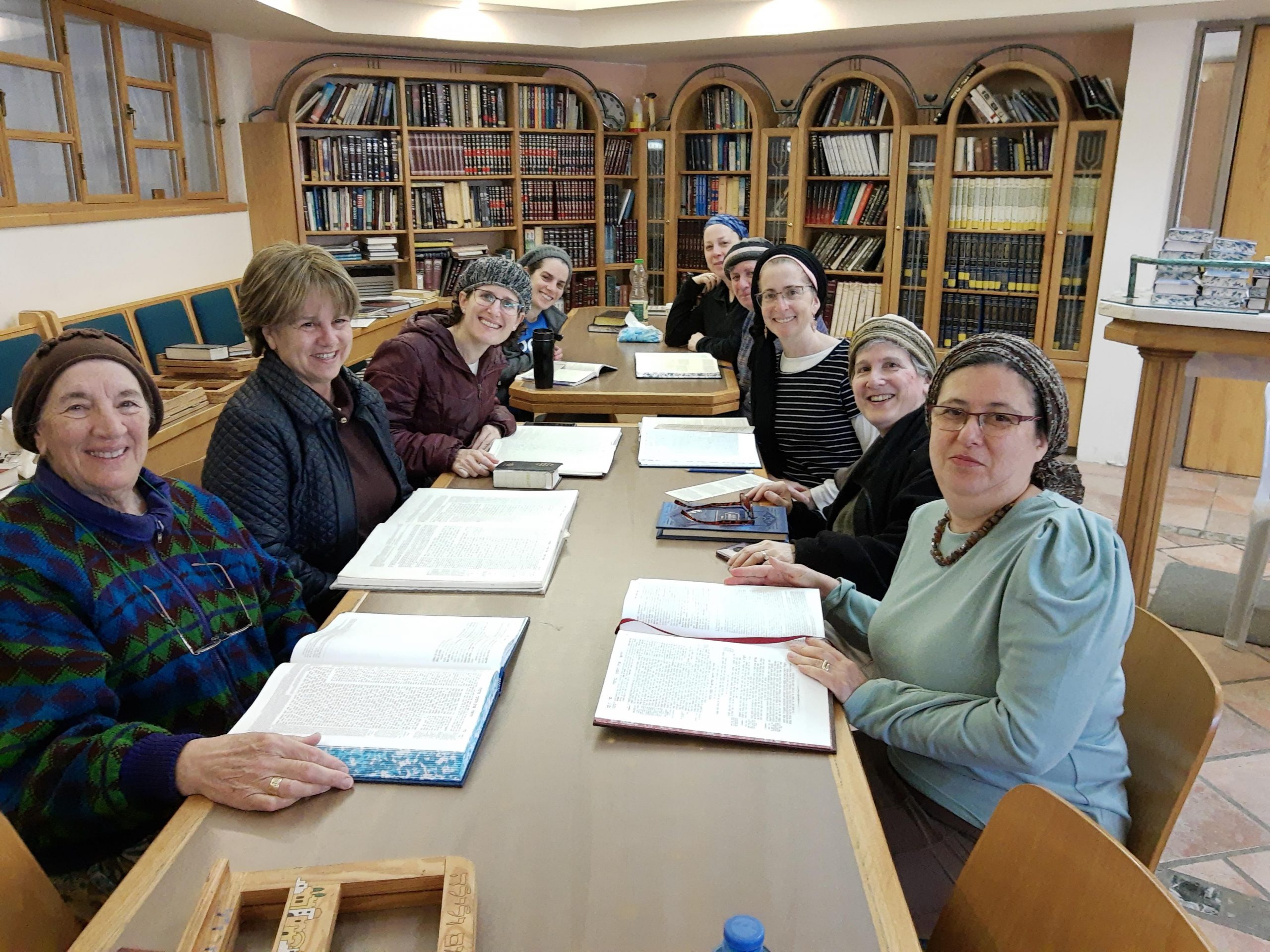
Meet the diverse women learning Gemara at Hadran and hear their stories. 

I started learning Daf Yomi to fill what I saw as a large gap in my Jewish education. I also hope to inspire my three daughters to ensure that they do not allow the same Talmud-sized gap to form in their own educations. I am so proud to be a part of the Hadran community, and I have loved learning so many of the stories and halachot that we have seen so far. I look forward to continuing!
Dora Chana Haar
Dora Chana Haar

Oceanside NY, United States

My family recently made Aliyah, because we believe the next chapter in the story of the Jewish people is being written here, and we want to be a part of it. Daf Yomi, on the other hand, connects me BACK, to those who wrote earlier chapters thousands of years ago. So, I feel like I’m living in the middle of this epic story. I’m learning how it all began, and looking ahead to see where it goes!
Tina Lamm
Tina Lamm

Jerusalem, Israel

In July, 2012 I wrote for Tablet about the first all women’s siyum at Matan in Jerusalem, with 100 women. At the time, I thought, I would like to start with the next cycle – listening to a podcast at different times of day makes it possible. It is incredible that after 10 years, so many women are so engaged!

Beth Kissileff
Beth Kissileff

Pittsburgh, United States

I am a Reform rabbi and took Talmud courses in rabbinical school, but I knew there was so much more to learn. It felt inauthentic to serve as a rabbi without having read the entire Talmud, so when the opportunity arose to start Daf Yomi in 2020, I dove in! Thanks to Hadran, Daf Yomi has enriched my understanding of rabbinic Judaism and deepened my love of Jewish text & tradition. Todah rabbah!

Rabbi Nicki Greninger

California, United States

I’ve been learning since January 2020, and in June I started drawing a phrase from each daf. Sometimes it’s easy (e.g. plants), sometimes it’s very hard (e.g. korbanot), and sometimes it’s loads of fun (e.g. bird racing) to find something to draw. I upload my pictures from each masechet to #DafYomiArt. I am enjoying every step of the journey.

Gila Loike
Gila Loike

Ashdod, Israel

After reading the book, “ If All The Seas Were Ink “ by Ileana Kurshan I started studying Talmud. I searched and studied with several teachers until I found Michelle Farber. I have been studying with her for two years. I look forward every day to learn from her.

Janine Rubens
Janine Rubens

Virginia, United States

As Jewish educator and as a woman, I’m mindful that Talmud has been kept from women for many centuries. Now that we are privileged to learn, and learning is so accessible, it’s my intent to complete Daf Yomi. I am so excited to keep learning with my Hadran community.

Sue Parker Gerson
Sue Parker Gerson

Denver, United States

I had never heard of Daf Yomi and after reading the book, The Weight of Ink, I explored more about it. I discovered that it was only 6 months before a whole new cycle started and I was determined to give it a try. I tried to get a friend to join me on the journey but after the first few weeks they all dropped it. I haven’t missed a day of reading and of listening to the podcast.

Anne Rubin
Anne Rubin

Elkins Park, United States

3 years ago, I joined Rabbanit Michelle to organize the unprecedented Siyum HaShas event in Jerusalem for thousands of women. The whole experience was so inspiring that I decided then to start learning the daf and see how I would go…. and I’m still at it. I often listen to the Daf on my bike in mornings, surrounded by both the external & the internal beauty of Eretz Yisrael & Am Yisrael!

Lisa Kolodny
Lisa Kolodny

Raanana, Israel

I started my journey on the day I realized that the Siyum was happening in Yerushalayim and I was missing out. What? I told myself. How could I have not known about this? How can I have missed out on this opportunity? I decided that moment, I would start Daf Yomi and Nach Yomi the very next day. I am so grateful to Hadran. I am changed forever because I learn Gemara with women. Thank you.

Linda Brownstein
Linda Brownstein

Mitspe, Israel

When I started studying Hebrew at Brown University’s Hillel, I had no idea that almost 38 years later, I’m doing Daf Yomi. My Shabbat haburah is led by Rabbanit Leah Sarna. The women are a hoot. I’m tracking the completion of each tractate by reading Ilana Kurshan’s memoir, If All the Seas Were Ink.

Hannah Lee
Hannah Lee

Pennsylvania, United States

I had dreamed of doing daf yomi since I had my first serious Talmud class 18 years ago at Pardes with Rahel Berkovitz, and then a couple of summers with Leah Rosenthal. There is no way I would be able to do it without another wonderful teacher, Michelle, and the Hadran organization. I wake up and am excited to start each day with the next daf.

Beth Elster
Beth Elster

Irvine, United States

I began my journey with Rabbanit Michelle more than five years ago. My friend came up with a great idea for about 15 of us to learn the daf and one of us would summarize weekly what we learned.
It was fun but after 2-3 months people began to leave. I have continued. Since the cycle began Again I have joined the Teaneck women.. I find it most rewarding in so many ways. Thank you

Dena Heller
Dena Heller

New Jersey, United States

I was exposed to Talmud in high school, but I was truly inspired after my daughter and I decided to attend the Women’s Siyum Shas in 2020. We knew that this was a historic moment. We were blown away, overcome with emotion at the euphoria of the revolution. Right then, I knew I would continue. My commitment deepened with the every-morning Virtual Beit Midrash on Zoom with R. Michelle.

Adina Hagege
Adina Hagege

Zichron Yaakov, Israel

I started learning Daf Yomi inspired by תָּפַסְתָּ מְרוּבֶּה לֹא תָּפַסְתָּ, תָּפַסְתָּ מוּעָט תָּפַסְתָּ. I thought I’d start the first page, and then see. I was swept up into the enthusiasm of the Hadran Siyum, and from there the momentum kept building. Rabbanit Michelle’s shiur gives me an anchor, a connection to an incredible virtual community, and an energy to face whatever the day brings.

Medinah Korn
Medinah Korn

בית שמש, Israel

I learned daf more off than on 40 years ago. At the beginning of the current cycle, I decided to commit to learning daf regularly. Having Rabanit Michelle available as a learning partner has been amazing. Sometimes I learn with Hadran, sometimes with my husband, and sometimes on my own. It’s been fun to be part of an extended learning community.

Miriam Pollack
Miriam Pollack

Honolulu, Hawaii, United States

When I began learning Daf Yomi at the beginning of the current cycle, I was preparing for an upcoming surgery and thought that learning the Daf would be something positive I could do each day during my recovery, even if I accomplished nothing else. I had no idea what a lifeline learning the Daf would turn out to be in so many ways.

Laura Shechter
Laura Shechter

Lexington, MA, United States

I started Daf during the pandemic. I listened to a number of podcasts by various Rebbeim until one day, I discovered Rabbanit Farbers podcast. Subsequently I joined the Hadran family in Eruvin. Not the easiest place to begin, Rabbanit Farber made it all understandable and fun. The online live group has bonded together and have really become a supportive, encouraging family.

Leah Goldford
Leah Goldford

Edmonton, Alberta, Canada

Since I started in January of 2020, Daf Yomi has changed my life. It connects me to Jews all over the world, especially learned women. It makes cooking, gardening, and folding laundry into acts of Torah study. Daf Yomi enables me to participate in a conversation with and about our heritage that has been going on for more than 2000 years.

Shira Eliaser
Shira Eliaser

Skokie, IL, United States

I started learning after the siyum hashas for women and my daily learning has been a constant over the last two years. It grounded me during the chaos of Corona while providing me with a community of fellow learners. The Daf can be challenging but it’s filled with life’s lessons, struggles and hope for a better world. It’s not about the destination but rather about the journey. Thank you Hadran!

Dena Lehrman
Dena Lehrman

אפרת, Israel

Shabbat 23

עֲשָׁשִׁית שֶׁהָיְתָה דּוֹלֶקֶת וְהוֹלֶכֶת כׇּל הַיּוֹם כּוּלּוֹ, לְמוֹצָאֵי שַׁבָּת מְכַבָּהּ וּמַדְלִיקָהּ. אִי אָמְרַתְּ בִּשְׁלָמָא הַדְלָקָה עוֹשָׂה מִצְוָה — שַׁפִּיר. אֶלָּא אִי אָמְרַתְּ הַנָּחָה עוֹשָׂה מִצְוָה, הַאי מְכַבָּהּ וּמַדְלִיקָהּ, מְכַבָּהּ וּמַגְבִּיהָהּ וּמַנִּיחָהּ וּמַדְלִיקָהּ מִיבְּעֵי לֵיהּ! וְעוֹד: מִדְּקָא מְבָרְכִינַן ״אֲשֶׁר קִדְּשָׁנוּ בְּמִצְוֹתָיו וְצִוָּנוּ לְהַדְלִיק נֵר שֶׁל חֲנוּכָּה״ — שְׁמַע מִינָּה הַדְלָקָה עוֹשָׂה מִצְוָה. שְׁמַע מִינָּה.

A lantern that continued to burn the entire day of Shabbat, at the conclusion of Shabbat one extinguishes it and lights it again as a Hanukkah light. Granted, if you say that lighting accomplishes the mitzva, the requirement to extinguish the lantern and relight it in order to fulfill the mitzva of kindling the Hanukkah light works out well. However, if you say that placing accomplishes the mitzva, this statement, which stated that one extinguishes it and lights it, is imprecise. According to this opinion, it needed to say: One extinguishes it and lifts it from its place and sets it down and lights it, as only by placing the lamp in an appropriate place could one fulfill the mitzva of the Hanukkah light. Furthermore, there is additional proof that lighting accomplishes the mitzva. From the fact that we recite the following blessing over the mitzva of kindling the Hanukkah light: Who has made us holy through His commandments and has commanded us to light the Hanukkah light, the Gemara suggests: Conclude from this that lighting accomplishes the mitzva, as it is over lighting that one recites the blessing. The Gemara concludes: Indeed, conclude from this.

וְהַשְׁתָּא דְּאָמְרִינַן הַדְלָקָה עוֹשָׂה מִצְוָה, הִדְלִיקָהּ חֵרֵשׁ שׁוֹטֶה וְקָטָן לֹא עָשָׂה וְלֹא כְלוּם. אִשָּׁה וַדַּאי מַדְלִיקָה, דְּאָמַר רַבִּי יְהוֹשֻׁעַ בֶּן לֵוִי: נָשִׁים חַיָּיבוֹת בְּנֵר חֲנוּכָּה שֶׁאַף הֵן הָיוּ בְּאוֹתוֹ הַנֵּס.

And, the Gemara remarks, now that we say that lighting accomplishes the mitzva, there are practical ramifications. If a deafmute, an imbecile, or a minor, all of whom are of limited intellectual capacity and not obligated in mitzvot, kindled the Hanukkah light, he did nothing in terms of fulfilling the mitzva, even if an adult obligated in mitzvot subsequently set it down in its appropriate place. That is because placing a lit lamp does not constitute fulfillment of the mitzva. The lighting must be performed by a person with full intellectual capacity, obligated in mitzvot. However, a woman certainly may light, as Rabbi Yehoshua ben Levi said: Women are obligated in lighting the Hanukkah light, as they too were included in that miracle of being saved from the decree of persecution.

אָמַר רַב שֵׁשֶׁת: אַכְסְנַאי חַיָּיב בְּנֵר חֲנוּכָּה. אָמַר רַבִּי זֵירָא: מֵרֵישׁ כִּי הֲוֵינָא בֵּי רַב, מִשְׁתַּתַּפְנָא בִּפְרִיטֵי בַּהֲדֵי אוּשְׁפִּיזָא. בָּתַר דִּנְסֵיבִי אִיתְּתָא, אָמֵינָא: הַשְׁתָּא וַדַּאי לָא צְרִיכְנָא, דְּקָא מַדְלְקִי עֲלַי בְּגוֹ בֵּיתַאי.

Rav Sheshet said: A guest is obligated in lighting the Hanukkah light in the place where he is being hosted. The Gemara relates that Rabbi Zeira said: At first, when I was studying in the yeshiva, I would participate with perutot, copper coins, together with the host [ushpiza], so that I would be a partner in the light that he kindled. After I married my wife, I said: Now I certainly need not do so because they light on my behalf in my house.

אָמַר רַבִּי יְהוֹשֻׁעַ בֶּן לֵוִי: כׇּל הַשְּׁמָנִים כּוּלָּן יָפִין לַנֵּר, וְשֶׁמֶן זַיִת מִן הַמּוּבְחָר. אָמַר אַבָּיֵי: מֵרֵישׁ הֲוָה מְהַדַּר מָר אַמִּשְׁחָא דְשׁוּמְשְׁמֵי. אָמַר: הַאי מְשִׁיךְ נְהוֹרֵיהּ טְפֵי. כֵּיוָן דִּשְׁמַע לַהּ לְהָא דְּרַבִּי יְהוֹשֻׁעַ בֶּן לֵוִי, מְהַדַּר אַמִּשְׁחָא דְזֵיתָא. אָמַר: הַאי צְלִיל נְהוֹרֵיהּ טְפֵי.

Rabbi Yehoshua ben Levi said: All the oils are suitable for the Hanukkah lamp, and olive oil is the most select of the oils. Abaye said: At first, my Master, Rabba, would seek sesame oil, as he said: The light of sesame oil lasts longer and does not burn as quickly as olive oil. Once he heard that statement of Rabbi Yehoshua ben Levi, he sought olive oil because he said: Its light is clearer.

וְאָמַר רַבִּי יְהוֹשֻׁעַ בֶּן לֵוִי: כׇּל הַשְּׁמָנִים יָפִין לַדְּיוֹ, וְשֶׁמֶן זַיִת מִן הַמּוּבְחָר. אִיבַּעְיָא לְהוּ: לְגַבֵּל, אוֹ לְעַשֵּׁן? תָּא שְׁמַע, דְּתָנֵי רַב שְׁמוּאֵל בַּר זוּטְרָא: כׇּל הַשְּׁמָנִים יָפִין לַדְּיוֹ, וְשֶׁמֶן זַיִת מִן הַמּוּבְחָר — בֵּין לְגַבֵּל בֵּין לְעַשֵּׁן. רַב שְׁמוּאֵל בַּר זוּטְרָא מַתְנֵי הָכִי: כׇּל הָעֲשָׁנִים יָפִין לַדְּיוֹ, וְשֶׁמֶן זַיִת מִן הַמּוּבְחָר. אָמַר רַב הוּנָא: כׇּל הַשְּׂרָפִין יָפִין לַדְּיוֹ, וּשְׂרַף קְטָף יָפֶה מִכּוּלָּם.

On a similar note, Rabbi Yehoshua ben Levi said: All the oils are suitable for making ink, and olive oil is the most select. A dilemma was raised before the Sages: What was Rabbi Yehoshua ben Levi’s intention: Did he mean that olive oil is the most select in terms of being the best for use to mix and knead with the soot produced from a fire in manufacturing ink; or did he mean for use to smoke, i.e., burning olive oil to produce smoke is the most select method of producing the soot used in manufacturing ink? Come and hear a resolution to this from that which Rav Shmuel bar Zutrei taught: All oils are suitable for ink, and olive oil is the most select, both to knead and to smoke. Rav Shmuel bar Zutra taught it this way: All types of smoke are good for ink, and olive oil is the most select. Similarly, Rav Huna said: All saps are good for strengthening the ink compound, and balsam sap is the best of all.

אָמַר רַב חִיָּיא בַּר אָשֵׁי אָמַר רַב: הַמַּדְלִיק נֵר שֶׁל חֲנוּכָּה צָרִיךְ לְבָרֵךְ. וְרַב יִרְמְיָה אָמַר: הָרוֹאֶה נֵר שֶׁל חֲנוּכָּה צָרִיךְ לְבָרֵךְ. אָמַר רַב יְהוּדָה: יוֹם רִאשׁוֹן, הָרוֹאֶה מְבָרֵךְ שְׁתַּיִם, וּמַדְלִיק מְבָרֵךְ שָׁלֹשׁ. מִכָּאן וְאֵילָךְ, מַדְלִיק מְבָרֵךְ שְׁתַּיִם, וְרוֹאֶה מְבָרֵךְ אַחַת. מַאי מְמַעֵט? מְמַעֵט זְמַן: וְנִימְעוֹט נֵס! — נֵס כׇּל יוֹמֵי אִיתֵיהּ.

Rav Ḥiyya bar Ashi said that Rav said: One who lights a Hanukkah light must recite a blessing. And Rabbi Yirmeya said: One who sees a burning Hanukkah light must recite a blessing because the mitzva is not only to kindle the light but to see the light as well. Therefore, there is room to recite a blessing even when seeing them. Rav Yehuda said: On the first day of Hanukkah, the one who sees burning lights recites two blessings, and the one who lights recites three blessings. From there on, from the second day of Hanukkah, the one who lights recites two blessings, and the one who sees recites one blessing. The Gemara asks: What blessing does he omit on the other days? The Gemara answers: He omits the blessing of time: Who has given us life, sustained us, and brought us to this time. The Gemara asks: And let us omit the blessing of the miracle: Who has performed miracles. The Gemara answers: The miracle is relevant on all of the days, whereas the blessing: Who has given us life, is only pertinent to the first time he performs the mitzva each year.

מַאי מְבָרֵךְ? — מְבָרֵךְ: ״אֲשֶׁר קִדְּשָׁנוּ בְּמִצְוֹתָיו וְצִוָּנוּ לְהַדְלִיק נֵר שֶׁל חֲנוּכָּה״. וְהֵיכָן צִוָּנוּ? רַב אַוְיָא אָמַר: מִ״לֹּא תָסוּר״. רַב נְחֶמְיָה אָמַר: ״שְׁאַל אָבִיךָ וְיַגֵּדְךָ זְקֵנֶיךָ וְיֹאמְרוּ לָךְ״.

And what blessing does one recite? He recites: Who has made us holy through His commandments and has commanded us to light the Hanukkah light. The Gemara asks: And where did He command us? The mitzva of Hanukkah is not mentioned in the Torah, so how is it possible to say that it was commanded to us by God? The Gemara answers that Rav Avya said: The obligation to recite this blessing is derived from the verse: “You shall not turn aside from the sentence which they shall declare unto you, to the right, nor to the left” (Deuteronomy 17:11). From this verse, the mitzva incumbent upon all of Israel to heed the statements and decrees of the Sages is derived. Therefore, one who fulfills their directives fulfills a divine commandment. Rav Neḥemya said that the mitzva to heed the voice of the Elders of Israel is derived from the verse: “Ask your father, and he will declare unto you, your Elders, and they will tell you” (Deuteronomy 32:7).

מֵתִיב רַב עַמְרָם: הַדְּמַאי, מְעָרְבִין בּוֹ וּמִשְׁתַּתְּפִין בּוֹ וּמְבָרְכִין עָלָיו וּמְזַמְּנִין עָלָיו וּמַפְרִישִׁין אוֹתוֹ עָרוֹם וּבֵין הַשְּׁמָשׁוֹת. וְאִי אָמְרַתְּ כׇּל מִדְּרַבָּנַן בָּעֵי בְּרָכָה, הָכָא כִּי קָאֵי עָרוֹם הֵיכִי מְבָרֵךְ? וְהָא בָּעֵינַן וְהָיָה מַחֲנֶיךָ קָדוֹשׁ — וְלֵיכָּא! אָמַר אַבָּיֵי: וַדַּאי דְּדִבְרֵיהֶם בָּעֵי בְּרָכָה, סָפֵק דְּדִבְרֵיהֶם לָא בָּעֵי בְּרָכָה.

Rav Amram raised an objection from that which we learned in a mishna: With regard to doubtfully tithed produce [demai], i.e., grain that was acquired from an am haaretz about which there is uncertainty whether or not he tithed it; one may use it to establish an eiruv, i.e., joining of courtyards and joining of borders, and to establish the merging of alleys, and one recites a blessing before and after eating it, and one invites a quorum for recitation of Grace after Meals after eating it. Although the Sages said that one is required to separate tithes from demai, they allowed it to be used for specific purposes and in exigent circumstances. And they said that one may separate the tithe from demai when he is naked and at dusk Shabbat eve, a time when separating tithes from actual untithed produce [tevel] is prohibited. And if you say that every action instituted by rabbinic ordinance requires a blessing, as fulfillment of rabbinic ordinances is based on the mitzva: You shall not turn aside, here, when he stands naked, how can he recite a blessing? Don’t we require fulfillment of the mitzva: “Therefore shall your camp be holy; that He see no unseemly thing in you, and turn away from you” (Deuteronomy 23:15)? And the camp is not holy when one recites a blessing in a state of nakedness. Abaye said: There is room to distinguish between the cases: In a case where there is a definite mitzva by rabbinic law, a blessing is required. In a case where there is a rabbinic ordinance instituted due to uncertainty with regard to the circumstances, as in the case of demai, which may or may not have been tithed already, a blessing is not required.

וְהָא יוֹם טוֹב שֵׁנִי דִּסְפֵק דִּבְרֵיהֶם הוּא, וּבָעֵי בְּרָכָה? הָתָם כִּי הֵיכִי דְּלָא לִיזַלְזְלוּ בֵּהּ. רָבָא אָמַר: רוֹב עַמֵּי הָאָרֶץ מְעַשְּׂרִין הֵן.

The Gemara asks: Isn’t the second day of a Festival in the Diaspora a rabbinic ordinance instituted due to uncertainty whether the first day or the second is the actual Festival, and nevertheless a blessing is required? On the second day of the Festival one recites the same blessings as he does on the first. The Gemara answers: There, in the case of the second day of the Festival, the reason that blessings are required is so that people will not treat it with contempt. If Festival blessings were not required on the second day of the Festival, people would take its sanctity lightly. Rava said another reason: Demai is not considered to be an ordinance instituted by the Sages due to uncertainty. In fact, in most cases, an am haaretz tithes. The concern lest they do not tithe is not a full-fledged case of uncertainty. It is merely a case of suspicion for which the Sages did not institute a blessing. That is not the case with regard to the second day of a Festival. Even though it was instituted due to uncertainty, one must recite the Festival blessings. Since it was instituted by the Sages, one is obligated to recite a blessing just as he recites blessings for other rabbinic ordinances.

אָמַר רַב הוּנָא: חָצֵר שֶׁיֵּשׁ לָהּ שְׁנֵי פְּתָחִים צְרִיכָה שְׁתֵּי נֵרוֹת. (וְאָמַר) [אָמַר] רָבָא: לָא אֲמַרַן אֶלָּא מִשְׁתֵּי רוּחוֹת, אֲבָל מֵרוּחַ אַחַת — לָא צְרִיךְ. מַאי טַעְמָא? אִילֵּימָא מִשּׁוּם חֲשָׁדָא — חֲשָׁדָא דְמַאן? אִילֵּימָא חֲשָׁדָא דְעָלְמָא — אֲפִילּוּ בְּרוּחַ אַחַת נָמֵי לִיבְעֵי! אִי חֲשָׁדָא דִּבְנֵי מָתָא — אֲפִילּוּ מִשְׁתֵּי רוּחוֹת נָמֵי לָא לִיבְעֵי. לְעוֹלָם מִשּׁוּם חֲשָׁדָא דִּבְנֵי מָתָא, וְזִימְנִין דְּחָלְפִי בְּהַאי וְלָא חָלְפִי בְּהַאי, וְאָמְרִי: כִּי הֵיכִי דִּבְהַאי פִּיתְחָא לָא אַדְלִיק — בְּהָךְ פִּיתְחָא נָמֵי לָא אַדְלִיק.

Rav Huna said: A courtyard that has two entrances requires two lamps, one lamp at each entrance, so that it will be obvious that the residents of this courtyard light properly. And Rava said: We only said this in a case where the two entrances face two different directions. However, if they both face in the same direction one need not light at more than one entrance. The Gemara clarifies Rava’s statement: What is the reason for this? If you say that it is because those who see the entrance without a lamp burning will harbor suspicion lest he does not kindle the Hanukkah light, whose suspicion concerns us? If you say that the concern is with regard to the suspicion of people who do not live in the city and are unfamiliar with the courtyard’s tenants, even when both entrances face the same direction let them be required to light at both entrances because visitors are unaware that there are two entrances to that courtyard. And if the concern is with regard to the suspicion of the residents of that city, even when the two entrances face two different directions let them not be required to light at both entrances. The local residents know that only one person lives in the courtyard and will assume that if he did not light at one entrance he surely lit at the other. The Gemara answers: Actually, say that it is because of the suspicion of the residents of that city, and sometimes they pass this entrance and do not pass that one, and they say: Just as he did not light in this entrance, in that second entrance he also did not light. In order to avoid suspicion, it is preferable to light at both entrances.

וּמְנָא תֵּימְרָא דְּחָיְישִׁינַן לַחֲשָׁד? — דְּתַנְיָא אָמַר רַבִּי שִׁמְעוֹן: בִּשְׁבִיל אַרְבָּעָה דְּבָרִים אָמְרָה תּוֹרָה לְהַנִּיחַ פֵּיאָה בְּסוֹף שָׂדֵהוּ: מִפְּנֵי גֶּזֶל עֲנִיִּים, וּמִפְּנֵי בִּיטּוּל עֲנִיִּים, וּמִפְּנֵי הַחֲשָׁד, וּמִשּׁוּם ״בַּל תְּכַלֶּה״. מִפְּנֵי גֶּזֶל עֲנִיִּים — שֶׁלֹּא יִרְאֶה בַּעַל הַבַּיִת שָׁעָה פְּנוּיָיה וְיֹאמַר לִקְרוֹבוֹ עָנִי: ״הֲרֵי זוֹ פֵּאָה״.

And from where do you say that we are concerned about suspicion? As it was taught in a Tosefta that Rabbi Shimon said: On account of four things the Torah said that one should leave pea, crops for the poor in the corner of his field, specifically at the end of his field. Only after one has cut virtually the entire field should he leave an uncut corner for the poor. He should not designate an area for pea in the middle of the field in the course of cutting the field. The reasons for this ruling are: Due to robbing the poor, and due to causing the poor to be idle, and due to suspicion, and due to the verse: “You shall not wholly reap the corner of your field” (Leviticus 23:22). The Gemara explains: Due to robbing the poor; so that the owner of the house will not see a time when the field is unoccupied and there are no poor people in the area. If he could designate pea as he wished, there is room to suspect that he might say to his poor relative: This is pea, in the place and at the time that he chooses. He would thereby conceal the fact that there is pea in his field from other poor people. The result would be that, for all intents and purposes, he robbed pea from those with whom he did not share the information.

וּמִפְּנֵי בִּיטּוּל עֲנִיִּים — שֶׁלֹּא יְהוּ עֲנִיִּים יוֹשְׁבִין וּמְשַׁמְּרִין ״עַכְשָׁיו מַנִּיחַ בַּעַל הַבַּיִת פֵּאָה״. וּמִפְּנֵי חֲשָׁד — שֶׁלֹּא יִהְיוּ עוֹבְרִין וְשָׁבִין אוֹמְרִים: תָּבֹא מְאֵרָה לְאָדָם שֶׁלֹּא הִנִּיחַ פֵּאָה בְּשָׂדֵהוּ. וּמִשּׁוּם ״בַּל תְּכַלֶּה״. אַטּוּ כּוּלְּהוּ לָאו מִשּׁוּם ״בַּל תְּכַלֶּה״ נִינְהוּ? אָמַר רָבָא: מִפְּנֵי הָרַמָּאִין.

And due to causing the poor to be idle; so that the poor, who have no way of knowing when he is going to cut the grain and where in the field he is going to leave the pea, will not be sitting and observing until he designates the pea and constantly saying to themselves: Now the owner of the field is placing pea. Now that he leaves the pea in a defined area at the end of his field, and the poor people know exactly where they can receive their portion, they need not waste their time in anticipation. And due to suspicion; if one leaves the pea in the middle of the field, the poor will come and take their portion immediately when he designates the area of pea. When the owner then continues to cut and harvest the rest of the grain in the field, the pea will not be noticeable. Insisting that he leave pea at the end of the field ensures that passersby will not say: A person who did not leave pea in his field should be cursed. We learned that the fourth reason is due to the verse: You shall not wholly reap. The Gemara wonders: Aren’t all of these reasons due to: You shall not wholly reap? All of the reasons explain that one may not reap his entire field and must leave pea at the end of his field. Rava said: The meaning of the last reason is that pe’a is separated that way due to cheaters. There is concern that a person would not leave pea at all. He would claim that he already separated it in the middle of his field and that the poor already came and took it. In order to bolster the mitzva of pea, the Sages instituted that it must be separated specifically at the end of one’s field. In terms of the discussion in the Gemara, apparently, the desire to avoid arousing suspicion is a factor taken into consideration in determining halakha.

אָמַר רַב יִצְחָק בַּר רְדִיפָה אָמַר רַב הוּנָא: נֵר שֶׁיֵּשׁ לָהּ שְׁנֵי פִיּוֹת — עוֹלָה לִשְׁנֵי בְּנֵי אָדָם. אָמַר רָבָא: מִילֵּא קְעָרָה שֶׁמֶן וְהִקִּיפָהּ פְּתִילוֹת. כָּפָה עָלֶיהָ כְּלִי — עוֹלָה לְכַמָּה בְּנֵי אָדָם. לֹא כָּפָה עָלֶיהָ כְּלִי — עֲשָׂאָהּ כְּמִין מְדוּרָה, וַאֲפִילּוּ לְאֶחָד נָמֵי אֵינָהּ עוֹלָה.

Rav Yitzḥak bar Redifa said that Rav Huna said: Lighting an oil lamp that has two spouts, with one wick placed in each of the spouts, is considered to have fulfilled the obligation of kindling the Hanukkah light for two people. Similarly, Rava said: One who filled a bowl with oil and placed wicks all around it, if he overturned a vessel on top of it, it is considered to have fulfilled the obligation of lighting the Hanukkah light for several people, corresponding to the number of wicks. By overturning a vessel atop the bowl, each wick appears to be burning independently. If one did not overturn a vessel on top of it, he thereby made it appear like a type of bonfire. From afar, the light from all of the flames appear to be a single flame. And it is not even considered to have fulfilled the obligation of lighting the Hanukkah light for one person because the mitzva is specifically to light a flame and not a bonfire.

אָמַר רָבָא: פְּשִׁיטָא לִי, נֵר בֵּיתוֹ וְנֵר חֲנוּכָּה — נֵר בֵּיתוֹ עָדִיף, מִשּׁוּם שְׁלוֹם בֵּיתוֹ. נֵר בֵּיתוֹ וְקִידּוּשׁ הַיּוֹם — נֵר בֵּיתוֹ עָדִיף, מִשּׁוּם שְׁלוֹם בֵּיתוֹ. בָּעֵי רָבָא: נֵר חֲנוּכָּה וְקִידּוּשׁ הַיּוֹם מַהוּ? קִידּוּשׁ הַיּוֹם עֲדִיף — דִּתְדִיר, אוֹ דִילְמָא נֵר חֲנוּכָּה עֲדִיף — מִשּׁוּם פַּרְסוֹמֵי נִיסָּא? בָּתַר דְּבַעְיַהּ, הֲדַר פַּשְׁטַהּ: נֵר חֲנוּכָּה עֲדִיף, מִשּׁוּם פַּרְסוֹמֵי נִיסָּא.

Rava said: It is obvious to me that there is a fixed list of priorities. When a person is poor and must choose between purchasing oil to light a Shabbat lamp for his home or purchasing oil to light a Hanukkah lamp, the Shabbat lamp for his home takes precedence. That is due to peace in his home; without the light of that lamp, his family would be sitting and eating their meal in the dark. Similarly, if there is a conflict between acquiring oil to light a lamp for his home and wine for the sanctification [kiddush] of Shabbat day, the lamp for his home takes precedence due to peace in his home. However, Rava raised a dilemma: When the conflict is between oil for a Hanukkah lamp or wine for kiddush of Shabbat day, what is the ruling in that case? Does kiddush of Shabbat day take priority because it is frequent, i.e., it is performed every week, and there is a principle: When there is a conflict between a frequent practice and an infrequent practice, the frequent practice takes precedence? Or, perhaps the Hanukkah lamp takes precedence due to publicity of the miracle? After he raised the dilemma, he then resolved it on his own and he ruled that, in that case, the Hanukkah lamp takes precedence due to publicity of the miracle.

אָמַר רַב הוּנָא: הָרָגִיל בְּנֵר הָוְיִין לֵיהּ בָּנִים תַּלְמִידֵי חֲכָמִים. הַזָּהִיר בִּמְזוּזָה — זוֹכֶה לְדִירָה נָאָה. הַזָּהִיר בְּצִיצִית — זוֹכֶה לְטַלִּית נָאָה. הַזָּהִיר בְּקִידּוּשׁ הַיּוֹם — זוֹכֶה וּמְמַלֵּא גַּרְבֵי יַיִן. רַב הוּנָא הֲוָה רְגִיל דַּהֲוָה חָלֵיף וְתָנֵי אַפִּתְחָא דְרַבִּי אָבִין נַגָּרָא. חֲזָא דַּהֲוָה רְגִיל בִּשְׁרָגֵי טוּבָא, אֲמַר: תְּרֵי גַּבְרֵי רַבְרְבֵי נָפְקִי מֵהָכָא. נָפְקִי מִינַּיְיהוּ רַב אִידִי בַּר אָבִין וְרַב חִיָּיא בַּר אָבִין. רַב חִסְדָּא הֲוָה רְגִיל דַּהֲוָה חָלֵיף וְתָנֵי אַפִּיתְחָא דְּבֵי נָשָׁא דְּרַב שֵׁיזְבִי. חֲזָא דַּהֲוָה רְגִיל בִּשְׁרָגֵי טוּבָא, אֲמַר: גַּבְרָא רַבָּא נָפֵק מֵהָכָא. נְפַק מִינַּיְיהוּ רַב שֵׁיזְבִי.

Rav Huna said: One who is accustomed to kindle lights on Shabbat and Hanukkah will be rewarded and have children who are Torah scholars, who will disseminate the light of Torah. One who is meticulous in performing the mitzva of mezuza merits a beautiful house on which to affix his mezuza. One who is meticulous in performing the mitzva of ritual fringes merits a beautiful garment. One who is meticulous in performing the mitzva of kiddush of the day merits and fills jugs of wine. The Gemara relates: Rav Huna was accustomed to pass by and teach at the entrance of the house of Rabbi Avin the carpenter. He saw that Rabbi Avin was accustomed to kindle many lights in honor of Shabbat. Rav Huna said: Two great men will emerge from here. Indeed, Rav Idi bar Avin and Rav Ḥiyya bar Avin, his two oldest sons, emerged from their family. On a similar note, the Gemara relates: Rav Ḥisda was accustomed to pass by and teach at the entrance of Rav Sheizvi’s father’s family home. He saw that Rav Sheizvi’s father was accustomed to kindle many lights in honor of Shabbat. Rav Ḥisda said: A great person will emerge from here. Indeed, Rav Sheizvi emerged from them.

דְּבֵיתְהוּ דְּרַב יוֹסֵף הֲוָת מְאַחֲרָה וּמַדְלְקָה. אֲמַר לַהּ רַב יוֹסֵף: תָּנֵינָא ״לֹא יָמִישׁ עַמּוּד הֶעָנָן יוֹמָם וְעַמּוּד הָאֵשׁ לָיְלָה״ — מְלַמֵּד שֶׁעַמּוּד עָנָן מַשְׁלִים לְעַמּוּד הָאֵשׁ וְעַמּוּד הָאֵשׁ מַשְׁלִים לְעַמּוּד הֶעָנָן. סְבַרָה לְאַקְדּוֹמֵי. אֲמַר לַהּ הָהוּא סָבָא: תָּנֵינָא, וּבִלְבַד שֶׁלֹּא יַקְדִּים וְשֶׁלֹּא יְאַחֵר.

The Gemara relates that Rav Yosef’s wife would kindle the Shabbat lights late. Rav Yosef said to her: Wasn’t it taught in a baraita with regard to the verse: “The pillar of cloud by day, and the pillar of fire by night, departed not from before the people” (Exodus 13:22), this teaches that the pillar of cloud would overlap with the pillar of fire? The pillar of fire would appear slightly before nightfall. And the pillar of fire would overlap with the pillar of cloud, as well. The pillar of cloud would appear slightly before daybreak. Therefore, in lighting the Shabbat lights it is also appropriate to light earlier, beginning Shabbat slightly before dark on Shabbat eve. She thought to kindle the lights much earlier, on Shabbat eve, long before nightfall. An Elder said to her, we learned: As long as he neither lights too early nor too late.

אָמַר רָבָא: דְּרָחֵים רַבָּנַן, הָווּ לֵיהּ בְּנִין רַבָּנַן. דְּמוֹקִיר רַבָּנַן, הָווּ לֵיהּ חַתְנָווֹתָא רַבָּנַן. דְּדָחֵיל מֵרַבָּנָן, הוּא גּוּפֵיהּ הָוֵי צוּרְבָּא מֵרַבָּנַן. וְאִי לָאו בַּר הָכֵי הוּא, מִשְׁתַּמְעָן מִילֵּיהּ כְּצוּרְבָּא מֵרַבָּנַן.

Similar to the reward due one who kindles the Shabbat lights, Rava said: One who loves Sages will have children who are Sages. One who honors Sages will have sons-in-law who are Sages. One who stands in awe of the Sages will himself become a Torah scholar. And if he is not capable and lacks the talent to become a Torah scholar, his statements will be received like the statements of a Torah scholar.

וְלֹא בְּשֶׁמֶן שְׂרֵיפָה וְכוּ׳: מַאי שֶׁמֶן שְׂרֵיפָה? אָמַר רַבָּה: שֶׁמֶן שֶׁל תְּרוּמָה שֶׁנִּטְמְאָה. וְאַמַּאי קָרוּ לֵהּ ״שֶׁמֶן שְׂרֵיפָה״? — הוֹאִיל וְלִשְׂרֵיפָה עוֹמֵד. וּבְשַׁבָּת מַאי טַעְמָא לָא? מִתּוֹךְ שֶׁמִּצְוָה עָלָיו לְבַעֲרוֹ, גְּזֵרָה שֶׁמָּא יַטֶּה. אָמַר לֵיהּ אַבָּיֵי: אֶלָּא מֵעַתָּה, בְּיוֹם טוֹב לִישְׁתְּרֵי! אַלְּמָה תְּנַן: אֵין מַדְלִיקִין בְּשֶׁמֶן שְׂרֵיפָה בְּיוֹם טוֹב? — גְּזֵרָה יוֹם טוֹב אַטּוּ שַׁבָּת.

We learned in the mishna that one may not light with burnt oil on Shabbat. The Gemara asks: What is burnt oil? Rabba said: It is oil of teruma that became ritually impure. And why did they call it burnt oil? Because its burning is imminent, as it is prohibited to eat this oil and one is obligated to burn it. The Gemara asks: And what is the reason that one may not light with it on Shabbat? The Gemara explains: Because it is a mitzva to burn it, the Sages issued a decree lest, in doing so, he come to adjust the wick in order to hasten its burning. Abaye said to him: But if what you say is so, that the reason for the prohibition is a concern lest he adjust it, then, on a Festival, when adjusting a wick is permitted, it should be permitted to light with burnt oil. Why then did we learn in the mishna: One may not light with burnt oil even on a Festival? The Gemara answers: It is a decree issued by the Sages prohibiting burning it even on a Festival, due to the prohibition to burn it on Shabbat.

רַב חִסְדָּא אָמַר: לְשֶׁמָּא יַטֶּה לָא חָיְישִׁינַן, אֶלָּא הָכָא בְּיוֹם טוֹב שֶׁחָל לִהְיוֹת עֶרֶב שַׁבָּת עָסְקִינַן — לְפִי שֶׁאֵין שׂוֹרְפִין קׇדָשִׁים בְּיוֹם טוֹב. וְהָא מִדְּקָתָנֵי סֵיפָא אֵין מַדְלִיקִין בְּשֶׁמֶן שְׂרֵיפָה בְּיוֹם טוֹב, מִכְּלָל דְּרֵישָׁא לָאו בְּיוֹם טוֹב עָסְקִינַן! אָמַר רַב חֲנִינָא מִסּוּרָא: ״מַה טַּעַם״ קָאָמַר: מַה טַּעַם אֵין מַדְלִיקִין בְּשֶׁמֶן שְׂרֵיפָה בְּיוֹם טוֹב — לְפִי שֶׁאֵין שׂוֹרְפִין קׇדָשִׁים בְּיוֹם טוֹב.

Rav Ḥisda said: The reason for the prohibition against lighting a Shabbat lamp with burnt oil is different, as we are not concerned lest one come to adjust the wick. Rather, here, in our mishna, we are dealing with a Festival that fell on Shabbat eve, in which case he must kindle Shabbat lights on the Festival. One may not light a Shabbat lamp with burnt oil on a Festival because one may not burn consecrated items on a Festival, a prohibition that applies to teruma as well. The Gemara asks: But from the fact that we learned in the latter clause, i.e., the next mishna, that one may not light with burnt oil on a Festival, by inference, in the first clause of the mishna we are not dealing with a Festival but rather with a standard Shabbat. Rabbi Ḥanina from Sura said: This mishna must be understood in the following manner: These are not two distinct halakhot; rather, this mishna was stated employing the didactic style of what is the reason. What is the reason that one may not light with burnt oil on a Festival or on a Festival that falls on Shabbat eve? It is because one may not burn consecrated items on a Festival at all.

Want to follow content and continue where you left off?

Create an account today to track your progress, mark what you’ve learned, and follow the shiurim that speak to you.

Clear all items from this list?

This will remove ALL the items in this section. You will lose any progress or history connected to them. This is irreversible.

Cancel
Yes, clear all

Are you sure you want to delete this item?

You will lose any progress or history connected to this item.

Cancel
Yes, delete