






לימוד החודש מוקדש ע”י מרכי גלזר לע”נ רחל אביבה בת דבורה חנה
רוצה להקדיש שיעור?

תקציר

אם אחד מלחמי שתי הלחם של שבועות או אחת ממערכות לחם הפנים נטמאו, האם גם האחרים טעונים שריפה? רבי יהודה סובר שקרבנות ציבור נחשבים כיחידה אחת, ולכן כולם נפסלים ונשרפים. חכמים חולקים ומתירים אותם באכילה.
רבי אלעזר מגביל את מחלוקתם למקרה שבו הלחמים נטמאו לפני זריקת הדם. לפי רב פפא, המחלוקת מתמקדת בשאלה האם הציץ מרצה על דברים המיועדים לאכילה. אם הוא מרצה על הלחם, אזי ניתן לזרוק את הדם והזריקה מועילה להתיר את הלחם השני (הטהור) באכילה. אך אם אינו מרצה על מאכלים, ניתן אמנם לזרוק את הדם, אך כיוון שהלחם לא היה שלם באותה עת, הוא אסור באכילה, כפי דעת רבי יוחנן במנחות ט’ ע”ב.
אולם, הסברו של רב פפא נדחה משלוש סיבות. ראשית, רבי יהודה וחכמים חולקים גם במקרה שבו נטמא הדבר שעומד להקרבה על המזבח. שנית, עמדתו של רבי יהודה בקרבן פסח, כפי שמופיעה בברייתא, מוכיחה שלביטוי "שאין קרבן ציבור חלוק” אין שום קשר לריצוי הציץ. שלישית, המשנה מציינת במפורש שהטעם לשיטת רבי יהודה הוא שאין קרבן ציבור חלוק, ולא מחמת הציץ.
בקרבן תודה, אם יש מחשבת פיגול לגבי הבשר, הלחמים נפסלים, אך מחשבת פיגול לגבי הלחם פוסלת רק את הלחם ולא את הבשר. הדין זהה גם לגבי שני הכבשים ביחס ללחמים הנלווים אליהם. לאחר ניסיון הסבר אחד שנדחה, הגמרא מסבירה את ההיגיון שמאחורי ההלכה – הלחם בא מחמת הזבח, אך הזבח אינו בא מחמת הלחם.
שני המקרים נצרכו, שכן היה ניתן לחשוב שהכבשים והלחמים המונפים יחד ייחשבו כיחידה אחת לגמרי, אך אינם כך.
ישנן שלוש גרסאות לשאלה ששאל רבי אלעזר את רב. הגרסה הראשונה: אם שוחט את הבהמה לקרבן תודה במחשבה לאכול חצי כזית מהבשר וחצי כזית מהלחם, האם הם מצטרפים להפוך את הלחם לפיגול? רב עונה שכן. הגמרא שואלת מדוע לא נשתמש בסברה של קל וחומר שתוביל למסקנה שהלחם לא יהיה פיגול, שהרי הוא אפילו לא יכול להפוך את הבשר לפיגול. קושי מועלה נגד הצעה זו ממקרה דומה של כלאי הכרם, שבו לא משתמשים בסוג כזה של קל וחומר. אך הגמרא מבחינה בין שני המקרים ומיישבת את הקושי. הגרסה השנייה עוסקת באותה שאלה אך לגבי קרבן שני הכבשים והלחמים הנלווים. הגרסה השלישית עוסקת בכוונת לשון האדם אם שחט את הכבש כדי "לאכול כזית מחברו מחר”. האם "חברו” מתייחס לכבש השני (ואז לא יהיה פיגול, שכן הכבש הוא "מתיר” ואין מתיר מפגל את המתיר) או ללחם (ואז יהיה פיגול שכן הלחם אינו "מתיר”)? רב מביא מקור תנאי המבהיר שהכוונה הייתה לכבש השני. הגמרא דוחה את ההוכחה של רב.
מהו הקשר בין הזבח לנסכיו לעניין פיגול? רבי מאיר סובר שאם הנסכים כבר הונחו בכלי שרת והזבח הובא במחשבת פיגול, גם הנסכים נפסלים. אך מחשבת פיגול לגבי הנסכים פוסלת רק את הנסכים ולא את הזבח. בתוספתא זבחים ה:א, חכמים מביאים טענות נגד רבי מאיר. ראשית, הם רואים בנסכים דבר נפרד לגמרי ואינם מסכימים עם רבי מאיר שהם נפסלים אם הזבח מתפגל, שכן ניתן להביאם עד עשרה ימים לאחר מכן. כאשר רבי מאיר מגביל את פסיקתו למקרה שבו הנסכים מובאים יחד עם הקרבן, חכמים ממשיכים בטענה אחרת: כיוון שניתן לשנות את הנסכים לזבח אחר, זה מוכיח שאינם קשורים אליו מהותית. רבא מסביר שרבי מאיר ודאי סבר שאין לשנות את הנסכים לזבח אחר.
בתוספתא, רבי מאיר וחכמים חולקים גם לגבי שמן המצורע – אם אשם המצורע מתפגל, האם גם השמן מתפגל, ואותו דיון מתפתח שם.
כלים
לימוד החודש מוקדש ע”י מרכי גלזר לע”נ רחל אביבה בת דבורה חנה
הדף היום מוקדש ע”י חיה שרה ניסן, זאב סגל ונעמי נוי לע״נ אביהם ר׳ שמואל הלוי סגל. "היא נפטר בשיבה טובה ובשם טוב. תלמיד חכם, ישר דרך צנוע. אהוב על משפחתו, על הבריות ועל המקום.”
מנחות טו
רַבָּנַן סָבְרִי: הַצִּיץ מְרַצֶּה עַל אֲכִילוֹת, וְרַבִּי יְהוּדָה סָבַר: אֵין הַצִּיץ מְרַצֶּה עַל אֲכִילוֹת.
The Rabbis hold that the frontplate effects acceptance for items that are normally consumed by the priests but have become ritually impure. Consequently, the sprinkling of the blood in this case is an entirely valid act that is capable of rendering the remaining pure loaf permitted for consumption. And Rabbi Yehuda holds that the frontplate does not effect acceptance for items that are consumed by the priests and have become impure. Accordingly, the sprinkling of the blood is ineffective in rendering the remaining pure loaf permitted for consumption.
אֲמַר לֵיהּ רַב הוּנָא בְּרֵיהּ דְּרַב נָתָן לְרַב פָּפָּא: וְהָא עוֹלִין, דְּהַצִּיץ מְרַצֶּה עַל הָעוֹלִין, וּפְלִיגִי!
Rav Huna, son of Rav Natan, said to Rav Pappa: Can this be the dispute between Rabbi Yehuda and the Rabbis? But what about items that normally ascend upon the altar? Even Rabbi Yehuda concedes that the frontplate effects acceptance for impure items that normally ascend the altar, and Rabbi Yehuda and the Rabbis nevertheless disagree with regard to the remaining item in a case of this kind.
דְּתַנְיָא: נִטְמָא אֶחָד מִן הַבָּזִיכִין, רַבִּי יְהוּדָה אוֹמֵר: שְׁנֵיהֶם יֵעָשׂוּ בְּטוּמְאָה, לְפִי שֶׁאֵין קׇרְבַּן צִיבּוּר חָלוּק, וַחֲכָמִים אוֹמְרִים: הַטָּמֵא בְּטוּמְאָתוֹ וְהַטָּהוֹר בְּטׇהֳרָתוֹ.
The Gemara provides the source for this claim. As it is taught in a baraita: If one of the bowls of frankincense accompanying the shewbread, which are meant to be burned upon the altar, became impure, Rabbi Yehuda says that the rites of both of them may be performed in impurity, i.e., the priest may even render the second bowl impure and burn both of them together, as no communal offering is divided, and the mitzva to sacrifice communal offerings overrides the prohibition against rendering them impure. And the Rabbis say: The impure one remains in its state of impurity and the pure one remains in its state of purity. Evidently, their dispute does not depend on whether the frontplate effects acceptance.
וְעוֹד, אָמַר רַב אָשֵׁי: תָּא שְׁמַע, רַבִּי יְהוּדָה אוֹמֵר: אֲפִילּוּ שֵׁבֶט אֶחָד טָמֵא וְכׇל הַשְּׁבָטִים טְהוֹרִין – יַעֲשׂוּ בְּטוּמְאָה, לְפִי שֶׁאֵין (קׇרְבְּנוֹת) [קׇרְבַּן] צִיבּוּר חָלוּק, וְהָכָא מַאי הַצִּיץ מְרַצֶּה אִיכָּא?
And furthermore, Rav Ashi said: Come and hear an additional proof that the dispute between Rabbi Yehuda and the Rabbis does not concern the frontplate, as we learn in a mishna (Pesaḥim 80a) with regard to the consumption of the Paschal offering in a state of impurity, that Rabbi Yehuda says: Even if one tribe is ritually impure and all the rest of the tribes are pure, all the tribes may perform the rite of the Paschal offering in a state of impurity, as no communal offerings are divided. Rav Ashi explains: But here, what relevance is there to the question of whether the frontplate effects acceptance? The frontplate effects acceptance for offerings that have become impure; but it does not render it permitted for one who is ritually impure to sacrifice an offering.
וְעוֹד, הָאָמַר רָבִינָא: תָּא שְׁמַע, נִטְמֵאת אַחַת מִן הַחַלּוֹת אוֹ (אַחַת) [אֶחָד] מִן הַסְּדָרִין, רַבִּי יְהוּדָה אוֹמֵר: שְׁנֵיהֶם יֵצְאוּ לְבֵית הַשְּׂרֵיפָה, לְפִי שֶׁאֵין קׇרְבַּן צִיבּוּר חָלוּק, וַחֲכָמִים אוֹמְרִים: הַטָּמֵא בְּטוּמְאָתוֹ וְהַטָּהוֹר יֵאָכֵל.
And furthermore, doesn’t Ravina say: Come and hear a proof that the matter of the frontplate cannot be the subject of the dispute between Rabbi Yehuda and the Rabbis, as the mishna teaches: If one of the two loaves brought on Shavuot or one of the two arrangements of shewbread became ritually impure, Rabbi Yehuda says: Both must be taken to the place of burning, as no communal offering is divided. And the Rabbis say: The impure one remains in its impurity and the pure one may be eaten.
וְאִם אִיתָא, לְפִי שֶׁאֵין הַצִּיץ מְרַצֶּה עַל אֲכִילוֹת מִיבְּעֵי לֵיהּ! אֶלָּא אָמַר רַבִּי יוֹחָנָן: תַּלְמוּד עָרוּךְ הוּא בְּפִיו שֶׁל רַבִּי יְהוּדָה, שֶׁאֵין קׇרְבַּן צִיבּוּר חָלוּק.
The Gemara explains the difficulty: And if it is so, i.e., that the dispute between them concerns the frontplate, then Rabbi Yehuda should have said: They are both burned, because the frontplate does not effect acceptance for impure items that are consumed by the priests. Rather, Rabbi Yoḥanan says: It is a settled tradition in the mouth of Rabbi Yehuda that no communal offering is divided, and if one part of an offering becomes impure, the entire offering is disqualified.
מַתְנִי׳ הַתּוֹדָה מְפַגֶּלֶת אֶת הַלֶּחֶם, וְהַלֶּחֶם אֵינוֹ מְפַגֵּל אֶת הַתּוֹדָה. כֵּיצַד? שָׁחַט אֶת הַתּוֹדָה לֶאֱכוֹל מִמֶּנָּה לְמָחָר – הִיא וְהַלֶּחֶם מְפוּגָּלִין, לֶאֱכוֹל מִן הַלֶּחֶם לְמָחָר – הַלֶּחֶם מְפוּגָּל וְהַתּוֹדָה אֵינָהּ מְפוּגֶּלֶת.
MISHNA: The thanks offering renders the accompanying loaves piggul but the loaves do not render the thanks offering piggul. How so? If one slaughtered the thanks offering, which may be consumed only during the day it is slaughtered and the night thereafter, with the intent to partake of it the next day, the offering and the accompanying loaves are rendered piggul. If he slaughtered it with the intent to partake of the loaves the next day, the loaves are rendered piggul and the thanks offering is not piggul.
הַכְּבָשִׂים מְפַגְּלִין אֶת הַלֶּחֶם, וְהַלֶּחֶם אֵינוֹ מְפַגֵּל אֶת הַכְּבָשִׂים. כֵּיצַד? הַשּׁוֹחֵט אֶת הַכְּבָשִׂים לֶאֱכוֹל מֵהֶן לְמָחָר – הֵם וְהַלֶּחֶם מְפוּגָּלִין, לֶאֱכוֹל אֶת הַלֶּחֶם לְמָחָר – הַלֶּחֶם מְפוּגָּל וְהַכְּבָשִׂים אֵינָן מְפוּגָּלִין.
Likewise, the lambs sacrificed with the two loaves meal offering on Shavuot render the accompanying loaves piggul, but the loaves do not render the lambs piggul. How so? If one slaughtered the lambs, which may be consumed only during the day they are slaughtered and the night thereafter, with the intent to partake of them the next day, the lambs and the accompanying loaves are rendered piggul. If he did so with the intent to partake of the loaves the next day, the loaves are rendered piggul and the lambs are not piggul.
גְּמָ׳ מַאי טַעְמָא? אִילֵּימָא מִשּׁוּם דְּרַב כָּהֲנָא, דְּאָמַר רַב כָּהֲנָא: מִנַּיִן לְלַחְמֵי תוֹדָה שֶׁנִּקְרְאוּ תּוֹדָה? שֶׁנֶּאֱמַר: ״וְהִקְרִיב עַל זֶבַח הַתּוֹדָה חַלּוֹת״.
GEMARA: The Gemara asks: What is the reason that a thanks offering renders its accompanying loaves piggul? If we say that it is due to that which Rav Kahana says, this is problematic. As Rav Kahana says: From where is it derived that the loaves of a thanks offering are themselves called a thanks offering? It is derived from that which is stated in the verse: “Then he shall offer with the sacrifice of thanks offering loaves” (Leviticus 7:12). The juxtaposition of the words “thanks offering” and “loaves” indicates that the loaves are themselves called a thanks offering.
אִי הָכִי אִיפְּכָא נָמֵי, הָא לָא קַשְׁיָא: לֶחֶם אִיקְּרִי תּוֹדָה, תּוֹדָה לָא אִיקְּרִי לֶחֶם.
The Gemara explains why the halakha of the mishna cannot be derived from Rav Kahana’s exposition. If so, then the opposite should be the halakha as well, that intent of piggul with regard to the loaves should likewise render the thanks offering piggul. The Gemara rejects this suggestion: This is not difficult, as the loaves are called a thanks offering, but a thanks offering is not called loaves.
אֶלָּא הָא דְּקָתָנֵי: הַכְּבָשִׂים מְפַגְּלִין אֶת הַלֶּחֶם וְהַלֶּחֶם אֵינוֹ מְפַגֵּל אֶת הַכְּבָשִׂים, לֶחֶם הֵיכָא אַשְׁכְּחַן דְּאִיקְּרִי כְּבָשִׂים? אֶלָּא לָאו הַיְינוּ טַעְמָא: לֶחֶם גְּלַל תּוֹדָה, וְאֵין תּוֹדָה גְּלַל (דלחם) [לֶחֶם], לֶחֶם גְּלַל (דכבשים) [כְבָשִׂים], וְאֵין כְּבָשִׂים גְּלַל (דלחם) [לֶחֶם].
The Gemara asks: But with regard to that which the mishna teaches: The lambs sacrificed with the two loaves meal offering on Shavuot render the accompanying loaves piggul but the loaves do not render the lambs piggul, where do we find that the two loaves are called lambs? Rather, is it not correct that this is the reason why the thanks offering renders the loaves piggul but not vice versa: The bread is brought on account of [gelal] the thanks offering, but the thanks offering is not brought on account of the bread, i.e., the thanks offering is the primary element of the sacrifice. Similarly, the two loaves of bread are brought on account of the lambs, and the lambs are not brought on account of the bread.
וּצְרִיכִי, דְּאִי אַשְׁמְעִינַן תּוֹדָה – הָתָם הוּא דְּכִי מְפַגֵּל בְּלֶחֶם לָא מִפַּגְּלָא תּוֹדָה, מִשּׁוּם דְּלָא הוּזְקְקוּ זֶה לָזֶה בִּתְנוּפָה, אֲבָל כְּבָשִׂים דְּהוּזְקְקוּ זֶה לָזֶה בִּתְנוּפָה – אֵימָא כִּי מְפַגֵּל בְּלֶחֶם לִיפַּגְּלִי נָמֵי כְּבָשִׂים, צְרִיכָא.
The Gemara notes: And both of these halakhot are necessary, as, had the mishna taught us the halakha only in the case of a thanks offering, then one might say: It is only there, with regard to a thanks offering, that when one renders the loaves piggul the thanks offering is not rendered piggul, because they were not bound to one another by waving, i.e., the mitzva of waving the thanks offering may be fulfilled without the bread. But with regard to the lambs, in which the two items were bound to one another by waving, as the two loaves are waved together with the lambs, one might say that when he renders the bread piggul, the lambs should be rendered piggul as well. Therefore, it was necessary for the mishna to teach this halakha also with regard to the case of the lambs.
בְּעָא מִינֵּיהּ רַבִּי אֶלְעָזָר מֵרַב: הַשּׁוֹחֵט אֶת הַתּוֹדָה לֶאֱכוֹל כְּזַיִת מִמֶּנָּה וּמִלַּחְמָהּ לְמָחָר, מַהוּ לְאִיפַּגּוֹלֵי? תּוֹדָה לָא מִיבַּעְיָא לִי, הַשְׁתָּא כּוּלּוֹ מִלַּחְמָהּ לָא מִיפַּגְּלָא, מִמֶּנָּה וּמִלַּחְמָהּ מִיבַּעְיָא?
§ Rabbi Elazar raised a dilemma before Rav: If one slaughters the thanks offering with the intent to consume an olive-bulk from it and from its loaves the next day, what is the halakha? Rabbi Elazar elaborates: I do not raise the dilemma with regard to rendering the thanks offering piggul, for the following reason: Now that in a case where his intent was to consume the entire olive-bulk from its loaves alone, the thanks offering is not rendered piggul, in accordance with the mishna’s ruling that piggul intent with regard to the loaves does not render the thanks offering piggul, then in a case where his intent is to consume half an olive-bulk from the thanks offering and half an olive-bulk from its loaves, in which case the offering is rendered piggul only if the two intentions of less than a full measure are combined, is it necessary to teach that the thanks offering is not piggul?
כִּי קָא מִיבַּעְיָא לִי לְאִיפַּגּוֹלֵי לֶחֶם, מִי מִצְטָרְפָה תּוֹדָה לְאִיפַּגּוֹלֵי לְלֶחֶם אוֹ לָא?
Rather, when I raise the dilemma, it is with regard to rendering the loaves piggul, which can be rendered piggul via intent concerning the loaves alone. In this case, does the intention of the priest with regard to the thanks offering combine with his intention concerning the loaves to render the loaves piggul, or not?
אֲמַר לֵיהּ: אַף בְּזוֹ, הַלֶּחֶם מְפוּגָּל וְהַתּוֹדָה אֵינָהּ מְפוּגֶּלֶת. וְאַמַּאי? לֵימָא קַל וָחוֹמֶר: וּמָה תּוֹדָה הַמְפַגֵּל אֵין מִתְפַּגֵּל, הַבָּא לְפַגֵּל וְלֹא פִּיגֵּל – אֵינוֹ דִּין שֶׁלֹּא יִתְפַּגֵּל?
Rav said to Rabbi Elazar: Even in this case, the loaves are rendered piggul and the thanks offering is not rendered piggul. The Gemara asks: But why should the loaves be rendered piggul? Let us say the following a fortiori inference: And if the thanks offering, which in this case serves to render the loaves piggul, is itself not rendered piggul, then the loaves, which come to render the thanks offering piggul, but do not render it piggul, as the intent to consume half an olive-bulk from the loaves does not combine with the intent to consume half an olive-bulk from the thanks offering to render the thanks offering piggul, is it not logical that the loaves themselves should not be rendered piggul?
וּמִי אָמְרִינַן קַל וָחוֹמֶר כִּי הַאי גַוְונָא? וְהָתַנְיָא: מַעֲשֶׂה בְּאֶחָד
The Gemara asks: And do we say an a fortiori inference in this way? But isn’t it taught in a baraita: There was an incident involving one
שֶׁזָּרַע כַּרְמוֹ שֶׁל חֲבֵירוֹ סְמָדַר, וּבָא מַעֲשֶׂה לִפְנֵי חֲכָמִים, וְאָסְרוּ אֶת הַזְּרָעִים וְהִתִּירוּ אֶת הַגְּפָנִים. וְאַמַּאי? לֵימָא קַל וָחוֹמֶר הוּא: וּמָה הָאוֹסֵר אֵינוֹ נֶאֱסָר, הַבָּא לֶאֱסוֹר וְלֹא אָסַר – אֵינוֹ דִּין שֶׁלֹּא יִתְאַסֵּר?
who planted seeds in the vineyard of an another when the grapes on the vines were budding, and the incident came before the Sages and they deemed the seeds prohibited due to the prohibition against planting diverse kinds in a vineyard, but they deemed the vines permitted. The Gemara continues: But why did they deem the seeds prohibited? Let the Sages say through an analogous a fortiori inference that the seeds should be permitted: And if that which renders an item prohibited, i.e., the vine, which causes the seeds to be prohibited, is itself not prohibited, then with regard to the seeds, which come to render the vines prohibited but did not render the vines prohibited, is it not logical that they should not be rendered prohibited?
הָכִי הַשְׁתָּא? הָתָם קַנְבּוֹס וְלוּף אָסְרָה תּוֹרָה, דִּתְנַן: הָיְתָה שָׂדֵהוּ זְרוּעָה קַנְבּוֹס וְלוֹף לֹא יְהֵא זוֹרֵעַ עַל גַּבֵּיהֶם, שֶׁהֵן עוֹשׂוֹת לְשָׁלֹשׁ שָׁנִים – שְׁאָר זְרָעִים מִדְּרַבָּנַן הוּא דַּאֲסִירִי. הַאי דְּעָבֵיד אִיסּוּרָא – קַנְסוּהּ רַבָּנַן, הַאי דְּלָא עָבֵיד אִיסּוּרָא – לָא קַנְסוּהּ רַבָּנַן. אֲבָל הָכָא, לֵימָא קַל וָחוֹמֶר!
The Gemara rejects the comparison: How can these cases be compared? There, in the baraita, only hemp and arum are prohibited by Torah law to be sown in a vineyard, as we learned in a mishna (Kilayim 2:5): If one’s field was sown with hemp and arum, he should not sow above them, as they produce a yield only once every three years. Other seeds are prohibited by rabbinic law. Therefore, with regard to this person who committed a transgression by planting the seeds in the vineyard of another, the Sages penalized him and deemed his seeds prohibited, but as for that person who did not commit a transgression, i.e., the owner of the vineyard, the Sages did not penalize him. But here, in the case of piggul, which is a biblical prohibition, let us say such an a fortiori inference.
וְאִיכָּא דְּמַתְנֵי לַהּ אַכְּבָשִׂים, בְּעָא מִינֵּיהּ רַבִּי אֶלְעָזָר מֵרַב: הַשּׁוֹחֵט אֶת הַכְּבָשִׂים לֶאֱכוֹל כְּזַיִת מֵהֶן וּמִלַּחְמָן, מַהוּ?
And there are those who teach the dilemma of Rabbi Elazar with regard to the lambs brought with the two loaves, and not with regard to a thanks offering. Rabbi Elazar raised a dilemma before Rav: In a case where one slaughters the lambs with the intent to consume an olive-bulk from them and from their loaves the next day, what is the halakha?
לְאִיפַּגּוֹלֵי כְּבָשִׂים לָא קָא מִיבַּעְיָא לִי, הַשְׁתָּא כּוּלּוֹ מִלֶּחֶם לָא מִפַּגְּלִי, מֵהֶן וּמִלַּחְמָן מִיבַּעְיָא? כִּי קָא מִיבַּעְיָא לִי לְאִיפַּגּוֹלֵי לֶחֶם, מִי מִצְטָרְפִי כְּבָשִׂים לְאִיפַּגּוֹלֵי לְלֶחֶם אוֹ לָא?
Rabbi Elazar elaborated: I do not raise the dilemma with regard to rendering the lambs piggul for the following reason: Now that in a case where his intent was to consume an entire olive-bulk from the loaves alone, the lambs are not rendered piggul, as the mishna teaches that piggul intent with regard to the loaves does not render the lambs piggul, then in a case where his intent is to consume half an olive-bulk from them and half an olive-bulk from their loaves, is it necessary to teach that the lambs are not piggul? Rather, when I raised the dilemma, it was with regard to rendering the loaves piggul. Does his intention with regard to the lambs combine with his intention with regard to the loaves to render the loaves piggul or not?
אֲמַר לֵיהּ: אַף בְּזוֹ, הַלֶּחֶם מְפוּגָּל וְהַכְּבָשִׂים אֵינָן מְפוּגָּלִין. וְאַמַּאי? לֵימָא קַל וָחוֹמֶר: וּמָה הַמְפַגֵּל אֵינוֹ מִתְפַּגֵּל, הַבָּא לְפַגֵּל וְלֹא פִּיגֵּל – אֵינוֹ דִּין שֶׁלֹּא יִתְפַּגֵּל?
Rav said to Rabbi Elazar: Even in this case, the loaves are rendered piggul and the lambs are not rendered piggul. The Gemara asks: But why should the loaves be rendered piggul? Let us say the following a fortiori inference: And if that which renders an item piggul, i.e., the lambs, since it is maintained that intent to consume half an olive-bulk from the lambs assists to render the loaves piggul, is itself not rendered piggul, then with regard to the loaves, which come to render the lambs piggul, but do not render them piggul, as the intent to consume half an olive-bulk from the loaves does not combine with the intent to consume half an olive-bulk from the lambs to render them piggul, is it not logical that the loaves themselves should not be rendered piggul?
וּמִי אָמְרִינַן קַל וָחוֹמֶר כִּי הַאי גַּוְנָא? וְהָתַנְיָא: מַעֲשֶׂה בְּאֶחָד שֶׁזָּרַע כַּרְמוֹ שֶׁל חֲבֵירוֹ סְמָדַר וְכוּ׳. וְאַמַּאי? לֵימָא קַל וָחוֹמֶר: מָה הָאוֹסֵר אֵינוֹ נֶאֱסָר, הַבָּא לֶאֱסוֹר וְלָא אָסַר – אֵינוֹ דִּין שֶׁלֹּא יִתְאַסֵּר?
The Gemara asks: And do we say an a fortiori inference of this kind? But isn’t it taught in a baraita that there was an incident involving one who planted seeds in the vineyard of his friend when the grapes on the vines were budding, and the incident came before the Sages and they deemed the seeds prohibited due to the prohibition against planting diverse kinds in a vineyard, but they deemed the vines permitted. The Gemara continues: But why did they deem the seeds prohibited? Let the Sages say through an analogous a fortiori inference that the seeds should be permitted: And if that which renders an item prohibited, i.e., the vine, which causes the seeds to be prohibited, is itself not prohibited, then with regard to the seeds, which come to render the vines prohibited but did not render the vines prohibited, is it not logical that they should not be rendered prohibited?
הָכִי הַשְׁתָּא? הָתָם קַנְבּוֹס וָלוּף אָסְרָה תּוֹרָה, שְׁאָר זְרָעִים מִדְּרַבָּנַן הוּא דַּאֲסִירִי, הַאי דְּעָבֵד אִיסּוּרָא – קַנְסוּהּ רַבָּנַן, דְּלָא עָבֵד אִיסּוּרָא – לָא קַנְסוּהּ רַבָּנַן, אֲבָל הָכָא לֵימָא קַל וָחוֹמֶר!
The Gemara rejects the comparison: How can these cases be compared? There, in the baraita, only hemp and arum are prohibited by Torah law to be sown in a vineyard. Other seeds are prohibited by rabbinic law. Therefore, with regard to this person who committed a transgression by planting the seeds in the vineyard of another, the Sages penalized him and deemed his seeds prohibited, but as for this person who did not commit a transgression, i.e., the owner of the vineyard, the Sages did not penalize him. But here, in the case of piggul, which is a biblical prohibition, let us say such an a fortiori inference.
מַאן דְּמַתְנֵי לַהּ אַתּוֹדָה – כׇּל שֶׁכֵּן אַכְּבָשִׂים, וּמַאן דְּמַתְנֵי לַהּ אַכְּבָשִׂים – כְּבָשִׂים הוּא דְּהוּזְקְקוּ זֶה לָזֶה לִתְנוּפָה, אֲבָל תּוֹדָה דְּלֹא הוּזְקְקָה זֶה לָזֶה בִּתְנוּפָה – לָא.
The Gemara notes: The one who teaches that the dilemma of Rabbi Elazar was raised with regard to the thanks offering and the accompanying loaves, all the more so will hold that the dilemma may be raised with regard to the case of the lambs brought with the two loaves on Shavuot. But the one who teaches that Rabbi Elazar’s dilemma was raised with regard to the lambs and the two loaves, it is possible that he holds that the dilemma was raised only with regard to the lambs and the two loaves, as they were bound to one another by waving, since the priest waves the lambs and loaves together (see Leviticus 23:20). But with regard to a thanks offering and its loaves, as they were not bound to one another by waving, the dilemma was not raised, since it is obvious in this case that his intentions do not combine.
רַבִּי אַבָּא זוּטֵי בָּעֵי לַהּ הָכִי, בְּעָא מִינֵּיהּ רַבִּי אֶלְעָזָר מֵרַב: הַשּׁוֹחֵט אֶת הַכֶּבֶשׂ לֶאֱכוֹל כְּזַיִת מֵחֲבֵירוֹ לְמָחָר, מַהוּ? ״חֲבֵירוֹ״ כֶּבֶשׂ מַשְׁמַע, וְלָא מְפַגֵּל, אוֹ דִלְמָא ״לֶחֶם״ מַשְׁמַע, וּמְפַגֵּל לֵיהּ.
Rabbi Abba the small taught that Rabbi Elazar raises the dilemma in this manner: Rabbi Elazar raised a dilemma before Rav: If one slaughters one of the lambs brought on Shavuot with the two loaves intending to consume an olive-bulk from the other the next day, what is the halakha? When this individual thinks of the other, does he mean the other lamb, and if so, the lamb is not rendered piggul, as one permitting factor does not render another permitting factor piggul? Or perhaps when this individual thinks of the other he means the other part of the offering, i.e., the two loaves, and if so his intention renders it piggul, as taught in the mishna.
אֲמַר לֵיהּ: תְּנֵיתוּהָ, שָׁחַט אֶחָד מִן הַכְּבָשִׂים לֶאֱכוֹל מִמֶּנּוּ לְמָחָר – הוּא פִּיגּוּל וַחֲבֵירוֹ כָּשֵׁר, לֶאֱכוֹל מֵחֲבֵירוֹ לְמָחָר – שְׁנֵיהֶם כְּשֵׁרִים, אַלְמָא ״חֲבֵירוֹ״ כֶּבֶשׂ מַשְׁמַע! דִּלְמָא דְּפָרֵישׁ וְאָמַר ״חֲבֵירוֹ כֶּבֶשׂ״.
Rav said to Rabbi Elazar: You learned in a mishna (16a): If one slaughtered one of the lambs with the intent to partake of it the next day, that lamb is piggul and the other is fit. If he slaughtered one lamb with the intent to partake of the other the next day, both lambs are fit, as one permitting factor does not render another permitting factor piggul. Rav concludes: Evidently, in this context the term: The other, means the other lamb. The Gemara rejects this proof: Perhaps the mishna is discussing a case where he clarifies and says: The other lamb, but the mishna is not referring to a case where he merely thought: The other.
מַתְנִי׳ הַזֶּבַח מְפַגֵּל אֶת הַנְּסָכִים, מִשֶּׁקָּדְשׁוּ בִּכְלִי, דִּבְרֵי רַבִּי מֵאִיר. הַנְּסָכִים אֵינָן מְפַגְּלִים אֶת הַזֶּבַח. כֵּיצַד? הַשּׁוֹחֵט אֶת הַזֶּבַח לֶאֱכוֹל מִמֶּנּוּ לְמָחָר – הוּא וּנְסָכָיו מְפוּגָּלִין, לְהַקְרִיב נְסָכָיו לְמָחָר – הַנְּסָכִים מְפוּגָּלִין, הַזֶּבַח אֵינוֹ מְפוּגָּל.
MISHNA: The animal offering renders the accompanying libations and meal offerings piggul from the moment that they were consecrated in the vessel, but not before; this is the statement of Rabbi Meir. The libations do not render the animal offering piggul. How so? In the case of one who slaughters the offering with the intent to partake of it the next day, the offering and its libations are rendered piggul. But if one slaughters the offering with the intent to sacrifice its libations the next day, the libations are rendered piggul, while the offering is not piggul.
גְּמָ׳ תָּנוּ רַבָּנַן: נִסְכֵי בְּהֵמָה חַיָּיבִין עֲלֵיהֶן מִשּׁוּם פִּיגּוּל, מִפְּנֵי שֶׁדַּם הַזֶּבַח מַתִּירָן לִקְרַב, דִּבְרֵי רַבִּי מֵאִיר.
GEMARA: The Sages taught in a baraita: With regard to the libations of an animal offering, one is liable for eating them due to violation of the prohibition of piggul, as the blood of the offering permits them to be offered on the altar, and any item that becomes permitted for consumption or for sacrifice through a permitting factor can be rendered piggul, and one who partakes of such an item after its permitting factors were sacrificed is liable to receive karet. This is the statement of Rabbi Meir.
אָמְרוּ לוֹ לְרַבִּי מֵאִיר: וַהֲלֹא אָדָם מֵבִיא זִבְחוֹ הַיּוֹם וּנְסָכָיו עַד עֲשָׂרָה יָמִים! אָמַר לָהֶן: אַף אֲנִי לֹא אָמַרְתִּי אֶלָּא בְּבָאִין עִם הַזֶּבַח. אָמְרוּ לוֹ: אֶפְשָׁר לְשַׁנּוֹתוֹ לְזֶבַח אַחֵר!
The Rabbis said to Rabbi Meir: But a person may bring his offering today and the accompanying libations from now until even ten days later. Evidently, then, the blood of the offering does render the libations permitted. Rabbi Meir said to them: I, too, spoke only about libations that come to be sacrificed together with the offering and were already sanctified in a service vessel for that purpose. The Rabbis said to him: But it is possible to switch the libations for use with another offering. Clearly, then, they are not considered an indispensable part of that offering.
אָמַר רָבָא: קָסָבַר רַבִּי מֵאִיר, הוּקְבְּעוּ בִּשְׁחִיטָה, כְּלַחְמֵי תוֹדָה.
Rava said: Rabbi Meir holds that the libations are fixed to this particular offering at the time of its slaughter, and one may not use them with another offering. Accordingly, these libations are rendered piggul on account of intent during the slaughter of the offering, just like the loaves of a thanks offering, which are fixed to a particular thanks offering upon its slaughter and become piggul on account of intent during the slaughter of that particular thanks offering.
תָּנוּ רַבָּנַן: לוֹג שֶׁמֶן שֶׁל מְצוֹרָע חַיָּיבִין עָלָיו מִשּׁוּם פִּיגּוּל, מִפְּנֵי שֶׁדַּם אָשָׁם מַתִּירוֹ לַבְּהוֹנוֹת, דִּבְרֵי רַבִּי מֵאִיר. אָמְרוּ לוֹ לְרַבִּי מֵאִיר: וַהֲלֹא אָדָם מֵבִיא אֲשָׁמוֹ הַיּוֹם, וְלוּגּוֹ מִיכָּן וְעַד עֲשָׂרָה יָמִים.
In a similar vein, the Sages taught: With regard to the log of oil of the leper (see Leviticus 14:10–20), one is liable for eating it due to violation of the prohibition of piggul if the guilt offering that this oil accompanied became piggul, as the blood of the offering permits it to be placed on the right thumb and big toe of the leper. This is the statement of Rabbi Meir. The Rabbis said to Rabbi Meir: But a person may bring his guilt offering today and the accompanying log of oil from now until even ten days later. Evidently, the log of oil is not considered part of the guilt offering, and therefore it should not be rendered piggul on account of it.
אָמַר לָהֶן: אַף אֲנִי לֹא אָמַרְתִּי אֶלָּא בְּבָא עִם הָאָשָׁם, אֶפְשָׁר לְשַׁנּוֹתוֹ לְאָשָׁם אַחֵר. אָמַר רָבָא: קָסָבַר רַבִּי מֵאִיר הוּקְבְּעוּ בִּשְׁחִיטָה, כְּלַחְמֵי תוֹדָה.
Rabbi Meir said to them: I, too, spoke only about a log of oil that comes with the guilt offering. The Rabbis said to him: But even in this case, the oil should not be considered part of the offering, as it is possible to switch the oil for use with another guilt offering. Rava said: Rabbi Meir holds that the log of oil is fixed to this particular guilt offering at the time of its slaughter and is therefore rendered piggul on account of it, just like the loaves of a thanks offering, as the slaughter of the thanks offering fixes the accompanying loaves to that particular offering.

כלים
העמקה
רוצה להבין מה באמת קורה מתחת לפני השטח של הסוגיה?
שיעורים, פודקאסטים והרחבות של מיטב המורות שלנו יפתחו לך עוד זוויות וכיווני חשיבה.

חדשה בלימוד הגמרא?
זה הדף הראשון שלך? איזו התרגשות עצומה! יש לנו בדיוק את התכנים והכלים שיעזרו לך לעשות את הצעדים הראשונים ללמידה בקצב וברמה שלך, כך תוכלי להרגיש בנוח גם בתוך הסוגיות המורכבות ומאתגרות.
פסיפס הלומדות שלנו
גלי את קהילת הלומדות שלנו, מגוון נשים, רקעים וסיפורים. כולן חלק מתנועה ומסע מרגש ועוצמתי.
התחלתי מחוג במסכת קידושין שהעבירה הרבנית רייסנר במסגרת בית המדרש כלנה בגבעת שמואל; לאחר מכן התחיל סבב הדף היומי אז הצטרפתי. לסביבה לקח זמן לעכל אבל היום כולם תומכים ומשתתפים איתי. הלימוד לעתים מעניין ומעשיר ולעתים קשה ואף הזוי… אך אני ממשיכה קדימה. הוא משפיע על היומיום שלי קודם כל במרדף אחרי הדף, וגם במושגים הרבים שלמדתי ובידע שהועשרתי בו, חלקו ממש מעשי

ראש העין, ישראל
התחלתי ללמוד בסבב הנוכחי לפני כשנתיים .הסביבה מתפעלת ותומכת מאוד. אני משתדלת ללמוד מכל ההסכתים הנוספים שיש באתר הדרן. אני עורכת כל סיום מסכת שיעור בביתי לכ20 נשים שמחכות בקוצר רוח למפגשים האלו.

יהוד, ישראל
לצערי גדלתי בדור שבו לימוד גמרא לנשים לא היה דבר שבשגרה ושנים שאני חולמת להשלים את הפער הזה.. עד שלפני מספר שבועות, כמעט במקרה, נתקלתי במודעת פרסומת הקוראת להצטרף ללימוד מסכת תענית. כשקראתי את המודעה הרגשתי שהיא כאילו נכתבה עבורי – "תמיד חלמת ללמוד גמרא ולא ידעת איך להתחיל”, "בואי להתנסות במסכת קצרה וקלה” (רק היה חסר שהמודעה תיפתח במילים "מיכי שלום”..). קפצתי למים ו- ב”ה אני בדרך להגשמת החלום:)

מורשת, ישראל
התחלתי ללמוד דף לפני קצת יותר מ-5 שנים, כשלמדתי רבנות בישיבת מהר”ת בניו יורק. בדיעבד, עד אז, הייתי בלימוד הגמרא שלי כמו מישהו שאוסף חרוזים משרשרת שהתפזרה, פה משהו ושם משהו, ומאז נפתח עולם ומלואו…. הדף נותן לי לימוד בצורה מאורגנת, שיטתית, יום-יומית, ומלמד אותי לא רק ידע אלא את השפה ודרך החשיבה שלנו. לשמחתי, יש לי סביבה תומכת וההרגשה שלי היא כמו בציטוט שבחרתי: הדף משפיע לטובה על כל היום שלי.

חיפה, ישראל
התחלתי ללמוד את הדף היומי מעט אחרי שבני הקטן נולד. בהתחלה בשמיעה ולימוד באמצעות השיעור של הרבנית שפרבר. ובהמשך העזתי וקניתי לעצמי גמרא. מאז ממשיכה יום יום ללמוד עצמאית, ולפעמים בעזרת השיעור של הרבנית, כל יום. כל סיום של מסכת מביא לאושר גדול וסיפוק. הילדים בבית נהיו חלק מהלימוד, אני משתפת בסוגיות מעניינות ונהנית לשמוע את דעתם.

מעלה מכמש, ישראל
התחלתי ללמוד בשנת המדרשה במגדל עוז, בינתיים נהנית מאוד מהלימוד ומהגמרא, מעניין ומשמח מאוד!
משתדלת להצליח לעקוב כל יום, לפעמים משלימה קצת בהמשך השבוע.. מרגישה שיש עוגן מקובע ביום שלי והוא משמח מאוד!

חיפה , ישראל
. לא תמיד נהניתי מלימוד גמרא כילדה.,בל כהתבגרתי התחלתי לאהוב את זה שוב. התחלתי ללמוד מסכת סוטה בדף היומי לפני כחמש עשרה שנה ואז הפסקתי.הגעתי לסיום הגדול של הדרן לפני שנתיים וזה נתן לי השראה. והתחלתי ללמוד למשך כמה ימים ואז היתה לי פריצת דיסק והפסקתי…עד אלול השנה. אז התחלתי עם מסכת ביצה וב”ה אני מצליחה לעמוד בקצב. המשפחה מאוד תומכת בי ויש כמה שגם לומדים את זה במקביל. אני אוהבת שיש עוגן כל יום.

בית שמש, ישראל
בתחילת הסבב הנוכחי הצטברו אצלי תחושות שאני לא מבינה מספיק מהי ההלכה אותה אני מקיימת בכל יום. כמו כן, כאמא לבנות רציתי לתת להן מודל נשי של לימוד תורה
שתי הסיבות האלו הובילו אותי להתחיל ללמוד. נתקלתי בתגובות מפרגנות וסקרניות איך אישה לומדת גמרא..
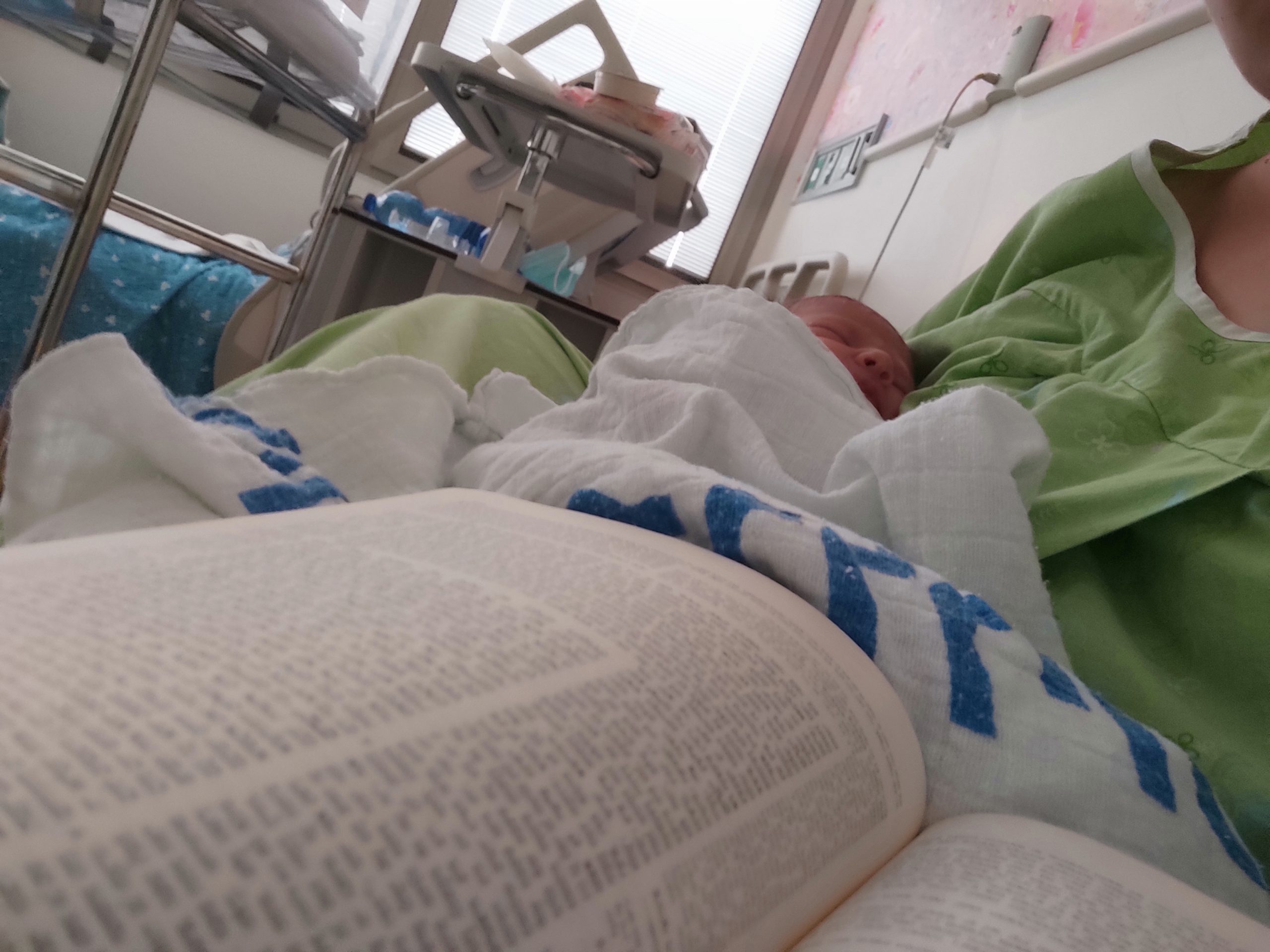
כמו שרואים בתמונה אני ממשיכה ללמוד גם היום ואפילו במחלקת יולדות אחרי לידת ביתי השלישית.
רבבה, ישראל
בסוף הסבב הקודם ראיתי את השמחה הגדולה שבסיום הלימוד, בעלי סיים כבר בפעם השלישית וכמובן הסיום הנשי בבנייני האומה וחשבתי שאולי זו הזדמנות עבורי למשהו חדש.
למרות שאני שונה בסביבה שלי, מי ששומע על הלימוד שלי מפרגן מאוד.
אני מנסה ללמוד קצת בכל יום, גם אם לא את כל הדף ובסך הכל אני בדרך כלל עומדת בקצב.
הלימוד מעניק המון משמעות ליום יום ועושה סדר בלמוד תורה, שתמיד היה (ועדיין) שאיפה. אבל אין כמו קביעות

טל מנשה, ישראל
התחלתי ללמוד דף יומי כאשר קיבלתי במייל ממכון שטיינזלץ את הדפים הראשונים של מסכת ברכות במייל. קודם לא ידעתי איך לקרוא אותם עד שנתתי להם להדריך אותי. הסביבה שלי לא מודעת לעניין כי אני לא מדברת על כך בפומבי. למדתי מהדפים דברים חדשים, כמו הקשר בין המבנה של בית המקדש והמשכן לגופו של האדם (יומא מה, ע”א) והקשר שלו למשפט מפורסם שמופיע בספר ההינדי "בהגוד-גיתא”. מתברר שזה רעיון כלל עולמי ולא רק יהודי

נשר, ישראל
התחלתי ללמוד דף יומי ממסכת נידה כי זה היה חומר הלימוד שלי אז. לאחר הסיום הגדול בבנייני האומה החלטתי להמשיך. וב”ה מאז עם הפסקות קטנות של קורונה ולידה אני משתדלת להמשיך ולהיות חלק.
זה משפיע מאוד על היום יום שלי ועל אף שאני עסוקה בלימודי הלכה ותורה כל יום, זאת המסגרת הקבועה והמחייבת ביותר שיש לי.

גבעת הראל, ישראל
לצערי גדלתי בדור שבו לימוד גמרא לנשים לא היה דבר שבשגרה ושנים שאני חולמת להשלים את הפער הזה.. עד שלפני מספר שבועות, כמעט במקרה, נתקלתי במודעת פרסומת הקוראת להצטרף ללימוד מסכת תענית. כשקראתי את המודעה הרגשתי שהיא כאילו נכתבה עבורי – "תמיד חלמת ללמוד גמרא ולא ידעת איך להתחיל”, "בואי להתנסות במסכת קצרה וקלה” (רק היה חסר שהמודעה תיפתח במילים "מיכי שלום”..). קפצתי למים ו- ב”ה אני בדרך להגשמת החלום:)
מורשת, ישראל
A life-changing journey started with a Chanukah family tiyul to Zippori, home of the Sanhedrin 2 years ago and continued with the Syum in Binanei Hauma where I was awed by the energy of 3000 women dedicated to learning daf Yomi. Opening my morning daily with a fresh daf, I am excited with the new insights I find enriching my life and opening new and deeper horizons for me.

Elazar gush etzion, Israel
למדתי גמרא מכיתה ז- ט ב Maimonides School ואחרי העליה שלי בגיל 14 לימוד הגמרא, שלא היה כל כך מקובל בימים אלה, היה די ספוראדי. אחרי "ההתגלות” בבנייני האומה התחלתי ללמוד בעיקר בדרך הביתה למדתי מפוקקטסים שונים. לאט לאט ראיתי שאני תמיד חוזרת לרבנית מישל פרבר. באיזה שהוא שלב התחלתי ללמוד בזום בשעה 7:10 .
היום "אין מצב” שאני אתחיל את היום שלי ללא לימוד עם הרבנית מישל עם כוס הקפה שלי!!

חשמונאים, ישראל
A friend in the SF Bay Area said in Dec 2019 that she might start listening on her morning drive to work. I mentioned to my husband and we decided to try the Daf when it began in Jan 2020 as part of our preparing to make Aliyah in the summer.

ירושלים, Israel
"
גם אני התחלתי בסבב הנוכחי וב””ה הצלחתי לסיים את רוב המסכתות . בזכות הרבנית מישל משתדלת לפתוח את היום בשיעור הזום בשעה 6:20 .הלימוד הפך להיות חלק משמעותי בחיי ויש ימים בהם אני מצליחה לחזור על הדף עם מלמדים נוספים ששיעוריהם נמצאים במרשתת. שמחה להיות חלק מקהילת לומדות ברחבי העולם. ובמיוחד לשמש דוגמה לנכדותיי שאי””ה יגדלו לדור שלימוד תורה לנשים יהיה משהו שבשגרה. "

נתניה, ישראל
"התחלתי ללמוד דף יומי במחזור הזה, בח’ בטבת תש””ף. לקחתי על עצמי את הלימוד כדי ליצור תחום של התמדה יומיומית בחיים, והצטרפתי לקבוצת הלומדים בבית הכנסת בכפר אדומים. המשפחה והסביבה מתפעלים ותומכים.
בלימוד שלי אני מתפעלת בעיקר מכך שכדי ללמוד גמרא יש לדעת ולהכיר את כל הגמרא. זו מעין צבת בצבת עשויה שהיא עצומה בהיקפה.”

כפר אדומים, ישראל
התחלתי להשתתף בשיעור נשים פעם בשבוע, תכננתי ללמוד רק דפים בודדים, לא האמנתי שאצליח יותר מכך.
לאט לאט נשאבתי פנימה לעולם הלימוד .משתדלת ללמוד כל בוקר ומתחילה את היום בתחושה של מלאות ומתוך התכווננות נכונה יותר.
הלימוד של הדף היומי ממלא אותי בתחושה של חיבור עמוק לעם היהודי ולכל הלומדים בעבר ובהווה.

אפרת, ישראל
התחלתי ללמוד דף יומי אחרי שחזרתי בתשובה ולמדתי במדרשה במגדל עוז. הלימוד טוב ומספק חומר למחשבה על נושאים הלכתיים ”קטנים” ועד לערכים גדולים ביהדות. חשוב לי להכיר את הגמרא לעומק. והצעד הקטן היום הוא ללמוד אותה בבקיאות, בעזרת השם, ומי יודע אולי גם אגיע לעיון בנושאים מעניינים. נושאים בגמרא מתחברים לחגים, לתפילה, ליחסים שבין אדם לחברו ולמקום ולשאר הדברים שמלווים באורח חיים דתי 🙂

מצפה יריחו, ישראל
My explorations into Gemara started a few days into the present cycle. I binged learnt and become addicted. I’m fascinated by the rich "tapestry” of intertwined themes, connections between Masechtot, conversations between generations of Rabbanim and learners past and present all over the world. My life has acquired a golden thread, linking generations with our amazing heritage.
Thank you.

חשמונאים, Israel
מנחות טו
רַבָּנַן סָבְרִי: הַצִּיץ מְרַצֶּה עַל אֲכִילוֹת, וְרַבִּי יְהוּדָה סָבַר: אֵין הַצִּיץ מְרַצֶּה עַל אֲכִילוֹת.
The Rabbis hold that the frontplate effects acceptance for items that are normally consumed by the priests but have become ritually impure. Consequently, the sprinkling of the blood in this case is an entirely valid act that is capable of rendering the remaining pure loaf permitted for consumption. And Rabbi Yehuda holds that the frontplate does not effect acceptance for items that are consumed by the priests and have become impure. Accordingly, the sprinkling of the blood is ineffective in rendering the remaining pure loaf permitted for consumption.
אֲמַר לֵיהּ רַב הוּנָא בְּרֵיהּ דְּרַב נָתָן לְרַב פָּפָּא: וְהָא עוֹלִין, דְּהַצִּיץ מְרַצֶּה עַל הָעוֹלִין, וּפְלִיגִי!
Rav Huna, son of Rav Natan, said to Rav Pappa: Can this be the dispute between Rabbi Yehuda and the Rabbis? But what about items that normally ascend upon the altar? Even Rabbi Yehuda concedes that the frontplate effects acceptance for impure items that normally ascend the altar, and Rabbi Yehuda and the Rabbis nevertheless disagree with regard to the remaining item in a case of this kind.
דְּתַנְיָא: נִטְמָא אֶחָד מִן הַבָּזִיכִין, רַבִּי יְהוּדָה אוֹמֵר: שְׁנֵיהֶם יֵעָשׂוּ בְּטוּמְאָה, לְפִי שֶׁאֵין קׇרְבַּן צִיבּוּר חָלוּק, וַחֲכָמִים אוֹמְרִים: הַטָּמֵא בְּטוּמְאָתוֹ וְהַטָּהוֹר בְּטׇהֳרָתוֹ.
The Gemara provides the source for this claim. As it is taught in a baraita: If one of the bowls of frankincense accompanying the shewbread, which are meant to be burned upon the altar, became impure, Rabbi Yehuda says that the rites of both of them may be performed in impurity, i.e., the priest may even render the second bowl impure and burn both of them together, as no communal offering is divided, and the mitzva to sacrifice communal offerings overrides the prohibition against rendering them impure. And the Rabbis say: The impure one remains in its state of impurity and the pure one remains in its state of purity. Evidently, their dispute does not depend on whether the frontplate effects acceptance.
וְעוֹד, אָמַר רַב אָשֵׁי: תָּא שְׁמַע, רַבִּי יְהוּדָה אוֹמֵר: אֲפִילּוּ שֵׁבֶט אֶחָד טָמֵא וְכׇל הַשְּׁבָטִים טְהוֹרִין – יַעֲשׂוּ בְּטוּמְאָה, לְפִי שֶׁאֵין (קׇרְבְּנוֹת) [קׇרְבַּן] צִיבּוּר חָלוּק, וְהָכָא מַאי הַצִּיץ מְרַצֶּה אִיכָּא?
And furthermore, Rav Ashi said: Come and hear an additional proof that the dispute between Rabbi Yehuda and the Rabbis does not concern the frontplate, as we learn in a mishna (Pesaḥim 80a) with regard to the consumption of the Paschal offering in a state of impurity, that Rabbi Yehuda says: Even if one tribe is ritually impure and all the rest of the tribes are pure, all the tribes may perform the rite of the Paschal offering in a state of impurity, as no communal offerings are divided. Rav Ashi explains: But here, what relevance is there to the question of whether the frontplate effects acceptance? The frontplate effects acceptance for offerings that have become impure; but it does not render it permitted for one who is ritually impure to sacrifice an offering.
וְעוֹד, הָאָמַר רָבִינָא: תָּא שְׁמַע, נִטְמֵאת אַחַת מִן הַחַלּוֹת אוֹ (אַחַת) [אֶחָד] מִן הַסְּדָרִין, רַבִּי יְהוּדָה אוֹמֵר: שְׁנֵיהֶם יֵצְאוּ לְבֵית הַשְּׂרֵיפָה, לְפִי שֶׁאֵין קׇרְבַּן צִיבּוּר חָלוּק, וַחֲכָמִים אוֹמְרִים: הַטָּמֵא בְּטוּמְאָתוֹ וְהַטָּהוֹר יֵאָכֵל.
And furthermore, doesn’t Ravina say: Come and hear a proof that the matter of the frontplate cannot be the subject of the dispute between Rabbi Yehuda and the Rabbis, as the mishna teaches: If one of the two loaves brought on Shavuot or one of the two arrangements of shewbread became ritually impure, Rabbi Yehuda says: Both must be taken to the place of burning, as no communal offering is divided. And the Rabbis say: The impure one remains in its impurity and the pure one may be eaten.
וְאִם אִיתָא, לְפִי שֶׁאֵין הַצִּיץ מְרַצֶּה עַל אֲכִילוֹת מִיבְּעֵי לֵיהּ! אֶלָּא אָמַר רַבִּי יוֹחָנָן: תַּלְמוּד עָרוּךְ הוּא בְּפִיו שֶׁל רַבִּי יְהוּדָה, שֶׁאֵין קׇרְבַּן צִיבּוּר חָלוּק.
The Gemara explains the difficulty: And if it is so, i.e., that the dispute between them concerns the frontplate, then Rabbi Yehuda should have said: They are both burned, because the frontplate does not effect acceptance for impure items that are consumed by the priests. Rather, Rabbi Yoḥanan says: It is a settled tradition in the mouth of Rabbi Yehuda that no communal offering is divided, and if one part of an offering becomes impure, the entire offering is disqualified.
מַתְנִי׳ הַתּוֹדָה מְפַגֶּלֶת אֶת הַלֶּחֶם, וְהַלֶּחֶם אֵינוֹ מְפַגֵּל אֶת הַתּוֹדָה. כֵּיצַד? שָׁחַט אֶת הַתּוֹדָה לֶאֱכוֹל מִמֶּנָּה לְמָחָר – הִיא וְהַלֶּחֶם מְפוּגָּלִין, לֶאֱכוֹל מִן הַלֶּחֶם לְמָחָר – הַלֶּחֶם מְפוּגָּל וְהַתּוֹדָה אֵינָהּ מְפוּגֶּלֶת.
MISHNA: The thanks offering renders the accompanying loaves piggul but the loaves do not render the thanks offering piggul. How so? If one slaughtered the thanks offering, which may be consumed only during the day it is slaughtered and the night thereafter, with the intent to partake of it the next day, the offering and the accompanying loaves are rendered piggul. If he slaughtered it with the intent to partake of the loaves the next day, the loaves are rendered piggul and the thanks offering is not piggul.
הַכְּבָשִׂים מְפַגְּלִין אֶת הַלֶּחֶם, וְהַלֶּחֶם אֵינוֹ מְפַגֵּל אֶת הַכְּבָשִׂים. כֵּיצַד? הַשּׁוֹחֵט אֶת הַכְּבָשִׂים לֶאֱכוֹל מֵהֶן לְמָחָר – הֵם וְהַלֶּחֶם מְפוּגָּלִין, לֶאֱכוֹל אֶת הַלֶּחֶם לְמָחָר – הַלֶּחֶם מְפוּגָּל וְהַכְּבָשִׂים אֵינָן מְפוּגָּלִין.
Likewise, the lambs sacrificed with the two loaves meal offering on Shavuot render the accompanying loaves piggul, but the loaves do not render the lambs piggul. How so? If one slaughtered the lambs, which may be consumed only during the day they are slaughtered and the night thereafter, with the intent to partake of them the next day, the lambs and the accompanying loaves are rendered piggul. If he did so with the intent to partake of the loaves the next day, the loaves are rendered piggul and the lambs are not piggul.
גְּמָ׳ מַאי טַעְמָא? אִילֵּימָא מִשּׁוּם דְּרַב כָּהֲנָא, דְּאָמַר רַב כָּהֲנָא: מִנַּיִן לְלַחְמֵי תוֹדָה שֶׁנִּקְרְאוּ תּוֹדָה? שֶׁנֶּאֱמַר: ״וְהִקְרִיב עַל זֶבַח הַתּוֹדָה חַלּוֹת״.
GEMARA: The Gemara asks: What is the reason that a thanks offering renders its accompanying loaves piggul? If we say that it is due to that which Rav Kahana says, this is problematic. As Rav Kahana says: From where is it derived that the loaves of a thanks offering are themselves called a thanks offering? It is derived from that which is stated in the verse: “Then he shall offer with the sacrifice of thanks offering loaves” (Leviticus 7:12). The juxtaposition of the words “thanks offering” and “loaves” indicates that the loaves are themselves called a thanks offering.
אִי הָכִי אִיפְּכָא נָמֵי, הָא לָא קַשְׁיָא: לֶחֶם אִיקְּרִי תּוֹדָה, תּוֹדָה לָא אִיקְּרִי לֶחֶם.
The Gemara explains why the halakha of the mishna cannot be derived from Rav Kahana’s exposition. If so, then the opposite should be the halakha as well, that intent of piggul with regard to the loaves should likewise render the thanks offering piggul. The Gemara rejects this suggestion: This is not difficult, as the loaves are called a thanks offering, but a thanks offering is not called loaves.
אֶלָּא הָא דְּקָתָנֵי: הַכְּבָשִׂים מְפַגְּלִין אֶת הַלֶּחֶם וְהַלֶּחֶם אֵינוֹ מְפַגֵּל אֶת הַכְּבָשִׂים, לֶחֶם הֵיכָא אַשְׁכְּחַן דְּאִיקְּרִי כְּבָשִׂים? אֶלָּא לָאו הַיְינוּ טַעְמָא: לֶחֶם גְּלַל תּוֹדָה, וְאֵין תּוֹדָה גְּלַל (דלחם) [לֶחֶם], לֶחֶם גְּלַל (דכבשים) [כְבָשִׂים], וְאֵין כְּבָשִׂים גְּלַל (דלחם) [לֶחֶם].
The Gemara asks: But with regard to that which the mishna teaches: The lambs sacrificed with the two loaves meal offering on Shavuot render the accompanying loaves piggul but the loaves do not render the lambs piggul, where do we find that the two loaves are called lambs? Rather, is it not correct that this is the reason why the thanks offering renders the loaves piggul but not vice versa: The bread is brought on account of [gelal] the thanks offering, but the thanks offering is not brought on account of the bread, i.e., the thanks offering is the primary element of the sacrifice. Similarly, the two loaves of bread are brought on account of the lambs, and the lambs are not brought on account of the bread.
וּצְרִיכִי, דְּאִי אַשְׁמְעִינַן תּוֹדָה – הָתָם הוּא דְּכִי מְפַגֵּל בְּלֶחֶם לָא מִפַּגְּלָא תּוֹדָה, מִשּׁוּם דְּלָא הוּזְקְקוּ זֶה לָזֶה בִּתְנוּפָה, אֲבָל כְּבָשִׂים דְּהוּזְקְקוּ זֶה לָזֶה בִּתְנוּפָה – אֵימָא כִּי מְפַגֵּל בְּלֶחֶם לִיפַּגְּלִי נָמֵי כְּבָשִׂים, צְרִיכָא.
The Gemara notes: And both of these halakhot are necessary, as, had the mishna taught us the halakha only in the case of a thanks offering, then one might say: It is only there, with regard to a thanks offering, that when one renders the loaves piggul the thanks offering is not rendered piggul, because they were not bound to one another by waving, i.e., the mitzva of waving the thanks offering may be fulfilled without the bread. But with regard to the lambs, in which the two items were bound to one another by waving, as the two loaves are waved together with the lambs, one might say that when he renders the bread piggul, the lambs should be rendered piggul as well. Therefore, it was necessary for the mishna to teach this halakha also with regard to the case of the lambs.
בְּעָא מִינֵּיהּ רַבִּי אֶלְעָזָר מֵרַב: הַשּׁוֹחֵט אֶת הַתּוֹדָה לֶאֱכוֹל כְּזַיִת מִמֶּנָּה וּמִלַּחְמָהּ לְמָחָר, מַהוּ לְאִיפַּגּוֹלֵי? תּוֹדָה לָא מִיבַּעְיָא לִי, הַשְׁתָּא כּוּלּוֹ מִלַּחְמָהּ לָא מִיפַּגְּלָא, מִמֶּנָּה וּמִלַּחְמָהּ מִיבַּעְיָא?
§ Rabbi Elazar raised a dilemma before Rav: If one slaughters the thanks offering with the intent to consume an olive-bulk from it and from its loaves the next day, what is the halakha? Rabbi Elazar elaborates: I do not raise the dilemma with regard to rendering the thanks offering piggul, for the following reason: Now that in a case where his intent was to consume the entire olive-bulk from its loaves alone, the thanks offering is not rendered piggul, in accordance with the mishna’s ruling that piggul intent with regard to the loaves does not render the thanks offering piggul, then in a case where his intent is to consume half an olive-bulk from the thanks offering and half an olive-bulk from its loaves, in which case the offering is rendered piggul only if the two intentions of less than a full measure are combined, is it necessary to teach that the thanks offering is not piggul?
כִּי קָא מִיבַּעְיָא לִי לְאִיפַּגּוֹלֵי לֶחֶם, מִי מִצְטָרְפָה תּוֹדָה לְאִיפַּגּוֹלֵי לְלֶחֶם אוֹ לָא?
Rather, when I raise the dilemma, it is with regard to rendering the loaves piggul, which can be rendered piggul via intent concerning the loaves alone. In this case, does the intention of the priest with regard to the thanks offering combine with his intention concerning the loaves to render the loaves piggul, or not?
אֲמַר לֵיהּ: אַף בְּזוֹ, הַלֶּחֶם מְפוּגָּל וְהַתּוֹדָה אֵינָהּ מְפוּגֶּלֶת. וְאַמַּאי? לֵימָא קַל וָחוֹמֶר: וּמָה תּוֹדָה הַמְפַגֵּל אֵין מִתְפַּגֵּל, הַבָּא לְפַגֵּל וְלֹא פִּיגֵּל – אֵינוֹ דִּין שֶׁלֹּא יִתְפַּגֵּל?
Rav said to Rabbi Elazar: Even in this case, the loaves are rendered piggul and the thanks offering is not rendered piggul. The Gemara asks: But why should the loaves be rendered piggul? Let us say the following a fortiori inference: And if the thanks offering, which in this case serves to render the loaves piggul, is itself not rendered piggul, then the loaves, which come to render the thanks offering piggul, but do not render it piggul, as the intent to consume half an olive-bulk from the loaves does not combine with the intent to consume half an olive-bulk from the thanks offering to render the thanks offering piggul, is it not logical that the loaves themselves should not be rendered piggul?
וּמִי אָמְרִינַן קַל וָחוֹמֶר כִּי הַאי גַוְונָא? וְהָתַנְיָא: מַעֲשֶׂה בְּאֶחָד
The Gemara asks: And do we say an a fortiori inference in this way? But isn’t it taught in a baraita: There was an incident involving one
שֶׁזָּרַע כַּרְמוֹ שֶׁל חֲבֵירוֹ סְמָדַר, וּבָא מַעֲשֶׂה לִפְנֵי חֲכָמִים, וְאָסְרוּ אֶת הַזְּרָעִים וְהִתִּירוּ אֶת הַגְּפָנִים. וְאַמַּאי? לֵימָא קַל וָחוֹמֶר הוּא: וּמָה הָאוֹסֵר אֵינוֹ נֶאֱסָר, הַבָּא לֶאֱסוֹר וְלֹא אָסַר – אֵינוֹ דִּין שֶׁלֹּא יִתְאַסֵּר?
who planted seeds in the vineyard of an another when the grapes on the vines were budding, and the incident came before the Sages and they deemed the seeds prohibited due to the prohibition against planting diverse kinds in a vineyard, but they deemed the vines permitted. The Gemara continues: But why did they deem the seeds prohibited? Let the Sages say through an analogous a fortiori inference that the seeds should be permitted: And if that which renders an item prohibited, i.e., the vine, which causes the seeds to be prohibited, is itself not prohibited, then with regard to the seeds, which come to render the vines prohibited but did not render the vines prohibited, is it not logical that they should not be rendered prohibited?
הָכִי הַשְׁתָּא? הָתָם קַנְבּוֹס וְלוּף אָסְרָה תּוֹרָה, דִּתְנַן: הָיְתָה שָׂדֵהוּ זְרוּעָה קַנְבּוֹס וְלוֹף לֹא יְהֵא זוֹרֵעַ עַל גַּבֵּיהֶם, שֶׁהֵן עוֹשׂוֹת לְשָׁלֹשׁ שָׁנִים – שְׁאָר זְרָעִים מִדְּרַבָּנַן הוּא דַּאֲסִירִי. הַאי דְּעָבֵיד אִיסּוּרָא – קַנְסוּהּ רַבָּנַן, הַאי דְּלָא עָבֵיד אִיסּוּרָא – לָא קַנְסוּהּ רַבָּנַן. אֲבָל הָכָא, לֵימָא קַל וָחוֹמֶר!
The Gemara rejects the comparison: How can these cases be compared? There, in the baraita, only hemp and arum are prohibited by Torah law to be sown in a vineyard, as we learned in a mishna (Kilayim 2:5): If one’s field was sown with hemp and arum, he should not sow above them, as they produce a yield only once every three years. Other seeds are prohibited by rabbinic law. Therefore, with regard to this person who committed a transgression by planting the seeds in the vineyard of another, the Sages penalized him and deemed his seeds prohibited, but as for that person who did not commit a transgression, i.e., the owner of the vineyard, the Sages did not penalize him. But here, in the case of piggul, which is a biblical prohibition, let us say such an a fortiori inference.
וְאִיכָּא דְּמַתְנֵי לַהּ אַכְּבָשִׂים, בְּעָא מִינֵּיהּ רַבִּי אֶלְעָזָר מֵרַב: הַשּׁוֹחֵט אֶת הַכְּבָשִׂים לֶאֱכוֹל כְּזַיִת מֵהֶן וּמִלַּחְמָן, מַהוּ?
And there are those who teach the dilemma of Rabbi Elazar with regard to the lambs brought with the two loaves, and not with regard to a thanks offering. Rabbi Elazar raised a dilemma before Rav: In a case where one slaughters the lambs with the intent to consume an olive-bulk from them and from their loaves the next day, what is the halakha?
לְאִיפַּגּוֹלֵי כְּבָשִׂים לָא קָא מִיבַּעְיָא לִי, הַשְׁתָּא כּוּלּוֹ מִלֶּחֶם לָא מִפַּגְּלִי, מֵהֶן וּמִלַּחְמָן מִיבַּעְיָא? כִּי קָא מִיבַּעְיָא לִי לְאִיפַּגּוֹלֵי לֶחֶם, מִי מִצְטָרְפִי כְּבָשִׂים לְאִיפַּגּוֹלֵי לְלֶחֶם אוֹ לָא?
Rabbi Elazar elaborated: I do not raise the dilemma with regard to rendering the lambs piggul for the following reason: Now that in a case where his intent was to consume an entire olive-bulk from the loaves alone, the lambs are not rendered piggul, as the mishna teaches that piggul intent with regard to the loaves does not render the lambs piggul, then in a case where his intent is to consume half an olive-bulk from them and half an olive-bulk from their loaves, is it necessary to teach that the lambs are not piggul? Rather, when I raised the dilemma, it was with regard to rendering the loaves piggul. Does his intention with regard to the lambs combine with his intention with regard to the loaves to render the loaves piggul or not?
אֲמַר לֵיהּ: אַף בְּזוֹ, הַלֶּחֶם מְפוּגָּל וְהַכְּבָשִׂים אֵינָן מְפוּגָּלִין. וְאַמַּאי? לֵימָא קַל וָחוֹמֶר: וּמָה הַמְפַגֵּל אֵינוֹ מִתְפַּגֵּל, הַבָּא לְפַגֵּל וְלֹא פִּיגֵּל – אֵינוֹ דִּין שֶׁלֹּא יִתְפַּגֵּל?
Rav said to Rabbi Elazar: Even in this case, the loaves are rendered piggul and the lambs are not rendered piggul. The Gemara asks: But why should the loaves be rendered piggul? Let us say the following a fortiori inference: And if that which renders an item piggul, i.e., the lambs, since it is maintained that intent to consume half an olive-bulk from the lambs assists to render the loaves piggul, is itself not rendered piggul, then with regard to the loaves, which come to render the lambs piggul, but do not render them piggul, as the intent to consume half an olive-bulk from the loaves does not combine with the intent to consume half an olive-bulk from the lambs to render them piggul, is it not logical that the loaves themselves should not be rendered piggul?
וּמִי אָמְרִינַן קַל וָחוֹמֶר כִּי הַאי גַּוְנָא? וְהָתַנְיָא: מַעֲשֶׂה בְּאֶחָד שֶׁזָּרַע כַּרְמוֹ שֶׁל חֲבֵירוֹ סְמָדַר וְכוּ׳. וְאַמַּאי? לֵימָא קַל וָחוֹמֶר: מָה הָאוֹסֵר אֵינוֹ נֶאֱסָר, הַבָּא לֶאֱסוֹר וְלָא אָסַר – אֵינוֹ דִּין שֶׁלֹּא יִתְאַסֵּר?
The Gemara asks: And do we say an a fortiori inference of this kind? But isn’t it taught in a baraita that there was an incident involving one who planted seeds in the vineyard of his friend when the grapes on the vines were budding, and the incident came before the Sages and they deemed the seeds prohibited due to the prohibition against planting diverse kinds in a vineyard, but they deemed the vines permitted. The Gemara continues: But why did they deem the seeds prohibited? Let the Sages say through an analogous a fortiori inference that the seeds should be permitted: And if that which renders an item prohibited, i.e., the vine, which causes the seeds to be prohibited, is itself not prohibited, then with regard to the seeds, which come to render the vines prohibited but did not render the vines prohibited, is it not logical that they should not be rendered prohibited?
הָכִי הַשְׁתָּא? הָתָם קַנְבּוֹס וָלוּף אָסְרָה תּוֹרָה, שְׁאָר זְרָעִים מִדְּרַבָּנַן הוּא דַּאֲסִירִי, הַאי דְּעָבֵד אִיסּוּרָא – קַנְסוּהּ רַבָּנַן, דְּלָא עָבֵד אִיסּוּרָא – לָא קַנְסוּהּ רַבָּנַן, אֲבָל הָכָא לֵימָא קַל וָחוֹמֶר!
The Gemara rejects the comparison: How can these cases be compared? There, in the baraita, only hemp and arum are prohibited by Torah law to be sown in a vineyard. Other seeds are prohibited by rabbinic law. Therefore, with regard to this person who committed a transgression by planting the seeds in the vineyard of another, the Sages penalized him and deemed his seeds prohibited, but as for this person who did not commit a transgression, i.e., the owner of the vineyard, the Sages did not penalize him. But here, in the case of piggul, which is a biblical prohibition, let us say such an a fortiori inference.
מַאן דְּמַתְנֵי לַהּ אַתּוֹדָה – כׇּל שֶׁכֵּן אַכְּבָשִׂים, וּמַאן דְּמַתְנֵי לַהּ אַכְּבָשִׂים – כְּבָשִׂים הוּא דְּהוּזְקְקוּ זֶה לָזֶה לִתְנוּפָה, אֲבָל תּוֹדָה דְּלֹא הוּזְקְקָה זֶה לָזֶה בִּתְנוּפָה – לָא.
The Gemara notes: The one who teaches that the dilemma of Rabbi Elazar was raised with regard to the thanks offering and the accompanying loaves, all the more so will hold that the dilemma may be raised with regard to the case of the lambs brought with the two loaves on Shavuot. But the one who teaches that Rabbi Elazar’s dilemma was raised with regard to the lambs and the two loaves, it is possible that he holds that the dilemma was raised only with regard to the lambs and the two loaves, as they were bound to one another by waving, since the priest waves the lambs and loaves together (see Leviticus 23:20). But with regard to a thanks offering and its loaves, as they were not bound to one another by waving, the dilemma was not raised, since it is obvious in this case that his intentions do not combine.
רַבִּי אַבָּא זוּטֵי בָּעֵי לַהּ הָכִי, בְּעָא מִינֵּיהּ רַבִּי אֶלְעָזָר מֵרַב: הַשּׁוֹחֵט אֶת הַכֶּבֶשׂ לֶאֱכוֹל כְּזַיִת מֵחֲבֵירוֹ לְמָחָר, מַהוּ? ״חֲבֵירוֹ״ כֶּבֶשׂ מַשְׁמַע, וְלָא מְפַגֵּל, אוֹ דִלְמָא ״לֶחֶם״ מַשְׁמַע, וּמְפַגֵּל לֵיהּ.
Rabbi Abba the small taught that Rabbi Elazar raises the dilemma in this manner: Rabbi Elazar raised a dilemma before Rav: If one slaughters one of the lambs brought on Shavuot with the two loaves intending to consume an olive-bulk from the other the next day, what is the halakha? When this individual thinks of the other, does he mean the other lamb, and if so, the lamb is not rendered piggul, as one permitting factor does not render another permitting factor piggul? Or perhaps when this individual thinks of the other he means the other part of the offering, i.e., the two loaves, and if so his intention renders it piggul, as taught in the mishna.
אֲמַר לֵיהּ: תְּנֵיתוּהָ, שָׁחַט אֶחָד מִן הַכְּבָשִׂים לֶאֱכוֹל מִמֶּנּוּ לְמָחָר – הוּא פִּיגּוּל וַחֲבֵירוֹ כָּשֵׁר, לֶאֱכוֹל מֵחֲבֵירוֹ לְמָחָר – שְׁנֵיהֶם כְּשֵׁרִים, אַלְמָא ״חֲבֵירוֹ״ כֶּבֶשׂ מַשְׁמַע! דִּלְמָא דְּפָרֵישׁ וְאָמַר ״חֲבֵירוֹ כֶּבֶשׂ״.
Rav said to Rabbi Elazar: You learned in a mishna (16a): If one slaughtered one of the lambs with the intent to partake of it the next day, that lamb is piggul and the other is fit. If he slaughtered one lamb with the intent to partake of the other the next day, both lambs are fit, as one permitting factor does not render another permitting factor piggul. Rav concludes: Evidently, in this context the term: The other, means the other lamb. The Gemara rejects this proof: Perhaps the mishna is discussing a case where he clarifies and says: The other lamb, but the mishna is not referring to a case where he merely thought: The other.
מַתְנִי׳ הַזֶּבַח מְפַגֵּל אֶת הַנְּסָכִים, מִשֶּׁקָּדְשׁוּ בִּכְלִי, דִּבְרֵי רַבִּי מֵאִיר. הַנְּסָכִים אֵינָן מְפַגְּלִים אֶת הַזֶּבַח. כֵּיצַד? הַשּׁוֹחֵט אֶת הַזֶּבַח לֶאֱכוֹל מִמֶּנּוּ לְמָחָר – הוּא וּנְסָכָיו מְפוּגָּלִין, לְהַקְרִיב נְסָכָיו לְמָחָר – הַנְּסָכִים מְפוּגָּלִין, הַזֶּבַח אֵינוֹ מְפוּגָּל.
MISHNA: The animal offering renders the accompanying libations and meal offerings piggul from the moment that they were consecrated in the vessel, but not before; this is the statement of Rabbi Meir. The libations do not render the animal offering piggul. How so? In the case of one who slaughters the offering with the intent to partake of it the next day, the offering and its libations are rendered piggul. But if one slaughters the offering with the intent to sacrifice its libations the next day, the libations are rendered piggul, while the offering is not piggul.
גְּמָ׳ תָּנוּ רַבָּנַן: נִסְכֵי בְּהֵמָה חַיָּיבִין עֲלֵיהֶן מִשּׁוּם פִּיגּוּל, מִפְּנֵי שֶׁדַּם הַזֶּבַח מַתִּירָן לִקְרַב, דִּבְרֵי רַבִּי מֵאִיר.
GEMARA: The Sages taught in a baraita: With regard to the libations of an animal offering, one is liable for eating them due to violation of the prohibition of piggul, as the blood of the offering permits them to be offered on the altar, and any item that becomes permitted for consumption or for sacrifice through a permitting factor can be rendered piggul, and one who partakes of such an item after its permitting factors were sacrificed is liable to receive karet. This is the statement of Rabbi Meir.
אָמְרוּ לוֹ לְרַבִּי מֵאִיר: וַהֲלֹא אָדָם מֵבִיא זִבְחוֹ הַיּוֹם וּנְסָכָיו עַד עֲשָׂרָה יָמִים! אָמַר לָהֶן: אַף אֲנִי לֹא אָמַרְתִּי אֶלָּא בְּבָאִין עִם הַזֶּבַח. אָמְרוּ לוֹ: אֶפְשָׁר לְשַׁנּוֹתוֹ לְזֶבַח אַחֵר!
The Rabbis said to Rabbi Meir: But a person may bring his offering today and the accompanying libations from now until even ten days later. Evidently, then, the blood of the offering does render the libations permitted. Rabbi Meir said to them: I, too, spoke only about libations that come to be sacrificed together with the offering and were already sanctified in a service vessel for that purpose. The Rabbis said to him: But it is possible to switch the libations for use with another offering. Clearly, then, they are not considered an indispensable part of that offering.
אָמַר רָבָא: קָסָבַר רַבִּי מֵאִיר, הוּקְבְּעוּ בִּשְׁחִיטָה, כְּלַחְמֵי תוֹדָה.
Rava said: Rabbi Meir holds that the libations are fixed to this particular offering at the time of its slaughter, and one may not use them with another offering. Accordingly, these libations are rendered piggul on account of intent during the slaughter of the offering, just like the loaves of a thanks offering, which are fixed to a particular thanks offering upon its slaughter and become piggul on account of intent during the slaughter of that particular thanks offering.
תָּנוּ רַבָּנַן: לוֹג שֶׁמֶן שֶׁל מְצוֹרָע חַיָּיבִין עָלָיו מִשּׁוּם פִּיגּוּל, מִפְּנֵי שֶׁדַּם אָשָׁם מַתִּירוֹ לַבְּהוֹנוֹת, דִּבְרֵי רַבִּי מֵאִיר. אָמְרוּ לוֹ לְרַבִּי מֵאִיר: וַהֲלֹא אָדָם מֵבִיא אֲשָׁמוֹ הַיּוֹם, וְלוּגּוֹ מִיכָּן וְעַד עֲשָׂרָה יָמִים.
In a similar vein, the Sages taught: With regard to the log of oil of the leper (see Leviticus 14:10–20), one is liable for eating it due to violation of the prohibition of piggul if the guilt offering that this oil accompanied became piggul, as the blood of the offering permits it to be placed on the right thumb and big toe of the leper. This is the statement of Rabbi Meir. The Rabbis said to Rabbi Meir: But a person may bring his guilt offering today and the accompanying log of oil from now until even ten days later. Evidently, the log of oil is not considered part of the guilt offering, and therefore it should not be rendered piggul on account of it.
אָמַר לָהֶן: אַף אֲנִי לֹא אָמַרְתִּי אֶלָּא בְּבָא עִם הָאָשָׁם, אֶפְשָׁר לְשַׁנּוֹתוֹ לְאָשָׁם אַחֵר. אָמַר רָבָא: קָסָבַר רַבִּי מֵאִיר הוּקְבְּעוּ בִּשְׁחִיטָה, כְּלַחְמֵי תוֹדָה.
Rabbi Meir said to them: I, too, spoke only about a log of oil that comes with the guilt offering. The Rabbis said to him: But even in this case, the oil should not be considered part of the offering, as it is possible to switch the oil for use with another guilt offering. Rava said: Rabbi Meir holds that the log of oil is fixed to this particular guilt offering at the time of its slaughter and is therefore rendered piggul on account of it, just like the loaves of a thanks offering, as the slaughter of the thanks offering fixes the accompanying loaves to that particular offering.

