






לימוד החודש מוקדש ע”י מרכי גלזר לע”נ רחל אביבה בת דבורה חנה
רוצה להקדיש שיעור?

מנחות כד
וְהִנִּיחוֹ בְּבִיסָא, וְנָגַע טְבוּל יוֹם בְּאֶחָד מֵהֶן, מַהוּ? כִּי תְּנַן: כְּלִי מְצָרֵף מַה שֶּׁבְּתוֹכוֹ לַקֹּדֶשׁ, הָנֵי מִילֵּי הֵיכָא דְּנָגְעִי בַּהֲדָדֵי, אֲבָל הֵיכָא דְּלָא נָגְעִי בַּהֲדָדֵי – לָא, אוֹ דִילְמָא לָא שְׁנָא?
and placed in a receptacle such that the flour of the measure was in two places, not in contact with each other, and one who was ritually impure who immersed that day and is waiting for nightfall for the purification process to be completed touched one of the portions of the meal offering, what is the halakha? Does he disqualify only the part of the meal offering that he touched, or the other part as well? When we learned in a mishna (Ḥagiga 20b) that a vessel joins all the food that is in it with regard to sacrificial food, meaning that if some of the contents become impure all the contents become impure as well, does this matter apply only where the contents are touching each other, but where the contents are not touching each other the ritual impurity is not imparted to the other contents? Or perhaps there is no difference.
אֲמַר לְהוּ אִיהוּ: מִי תְּנַן ״כְּלִי מְחַבֵּר״? ״כְּלִי מְצָרֵף״ תְּנַן, כֹּל דְּהוּ. הוֹשִׁיט אֶחָד לְבֵינֵיהֶן – מַהוּ?
Rav Kahana said to the sons of Rabbi Ḥiyya: Did we learn in the mishna that a vessel connects the contents within it? We learned that a vessel joins the contents within it, indicating that it does so in any case, whether or not the contents are in contact with one another. The sons of Rabbi Ḥiyya then asked Rav Kahana: If one inserted another one half-tenth of an ephah between them, and one who was ritually impure who immersed that day touched it, what is the halakha? Are the first two half-tenths rendered impure?
אֲמַר לְהוּ: צָרִיךְ לִכְלִי – כְּלִי מְצָרְפוֹ, אֵין צָרִיךְ לִכְלִי – אֵין כְּלִי מְצָרְפוֹ.
Rav Kahana said to them: Only when an item requires a vessel in order for it to be sanctified, e.g., in the case of the two half-tenths of an ephah of a meal offering, does the vessel join it together. In the case of an item that does not require a vessel, such as this half-tenth that was placed between them, the vessel does not join it.
הוֹשִׁיט טְבוּל יוֹם אֶת אֶצְבָּעוֹ בֵּינֵיהֶן, מַהוּ? אֲמַר לְהוּ: אֵין לְךָ דָּבָר שֶׁמְּטַמֵּא מֵאֲוִירוֹ אֶלָּא כְּלִי חֶרֶס בִּלְבַד.
The sons of Rabbi Ḥiyya then asked: If one who immersed that day inserted his finger between the two half-tenths of the ephah that were placed in the receptacle, without touching either one, what is the halakha? Are the two half-tenths rendered impure? Rav Kahana said to them in response: The only item you have that transmits impurity through its airspace is an earthenware vessel alone.
הֲדַר אִיהוּ בְּעָא מִינַּיְיהוּ: מַהוּ לִקְמוֹץ מִזֶּה עַל זֶה? צֵירוּף דְּאוֹרָיְיתָא אוֹ דְּרַבָּנַן?
Rav Kahana himself then asked the sons of Rabbi Ḥiyya: If two half-tenths of an ephah of a meal offering are placed in one vessel but are not in contact with each other, what is the halakha? Can one remove a handful from this half-tenth of an ephah on behalf of that half-tenth of an ephah? Is the joining of the contents of the vessel effective by Torah law or by rabbinic law? If it is effective by Torah law, then the removal of the handful is valid. If it is effective by rabbinic law, then the removal of the handful was not performed correctly, since it was not taken from the entire tenth of an ephah of the meal offering.
אָמְרוּ לוֹ: זוֹ לֹא שָׁמַעְנוּ, כַּיּוֹצֵא בּוֹ שָׁמַעְנוּ, דִּתְנַן: שְׁתֵּי מְנָחוֹת שֶׁלֹּא נִקְמְצוּ וְנִתְעָרְבוּ זוֹ בָּזוֹ, אִם יָכוֹל לִקְמוֹץ מִזּוֹ בִּפְנֵי עַצְמָהּ וּמִזּוֹ בִּפְנֵי עַצְמָהּ – כְּשֵׁירוֹת, וְאִם לָאו – פְּסוּלוֹת.
They said to Rav Kahana: We did not hear the halakha with regard to this case explicitly, but we heard the halakha with regard to a case similar to this. As we learned in the mishna: In the case of two meal offerings from which a handful was not removed and which were intermingled with each other, if the priest can remove a handful from this meal offering by itself and from that meal offering by itself, they are fit meal offerings, but if not, they are unfit, as the handful of each meal offering must be taken from its original source.
כִּי יָכוֹל לִקְמוֹץ מִיהָא כְּשֵׁירוֹת, אַמַּאי? הָךְ דִּמְעָרַב הָא לָא נָגַע!
They explain: In any event, the mishna teaches that in a case when he can remove a handful from each meal offering, the meal offerings are fit. Why is this considered a valid removal of the handful? But this part of the meal offering that is intermingled with the other meal offering does not touch the part of the meal offering from which the handful is removed. Evidently, the vessel joins the different parts of the meal offering together, and one can remove the handful from any part of its contents, even if they are not touching.
אָמַר רָבָא: דִּלְמָא בְּגוּשִּׁין הַמְחוּלָּקִין הָעֲשׂוּיִין כְּמַסְרֵק.
Rava said: This cannot be inferred from the mishna, as perhaps the ruling of the mishna is stated with regard to a case where the clumps of the meal offering are divided like the teeth of a comb, so that although the handful is removed from a clump of the meal offering that is separate from the clump that is intermingled with the other offering, all parts of the meal offering are still in contact with one another. It may still be that in the case presented by Rav Kahana, where the parts are truly separated from one another, it is possible that one cannot remove the handful from one part on behalf of the other.
מַאי הָוֵי עֲלַהּ? אָמַר רָבָא: תָּא שְׁמַע, דְּתַנְיָא: ״וְהֵרִים מִמֶּנּוּ״ – מִן הַמְחוּבָּר, שֶׁלֹּא יָבִיא עִשָּׂרוֹן בִּשְׁנֵי כֵּלִים וְיִקְמוֹץ. הָא בִּכְלִי אֶחָד דּוּמְיָא דִּשְׁנֵי כֵּלִים – קָמֵיץ.
The Gemara asks: Since this question was not resolved, what halakhic conclusion was reached about this matter? Rava said: Come and hear a proof, as it is taught in a baraita: The verse states: “And he shall take up from it his handful” (Leviticus 6:8), meaning that he shall take the handful from the meal offering that is connected. This teaches that one shall not bring a tenth of an ephah divided in two vessels and remove the handful from one on behalf of the other. It can therefore be inferred that in the case of one vessel that is similar to two vessels, as the entirety of the meal offering is brought in one vessel although the different parts are not touching, one may remove the handful from one part on behalf of the other part.
אֲמַר לֵיהּ אַבָּיֵי: דִּילְמָא שְׁנֵי כֵּלִים הֵיכִי דָּמֵי? כְּגוֹן קְפִיזָא בְּקַבָּא, דְּאַף עַל גַּב דַּעֲרִיבִי מֵעִילַּאי, כֵּיוָן דְּמִיפַּסְקָן מְחִיצָתָא דִּקְפִיזָא מִתַּתָּא.
Abaye said to Rava: Perhaps one could say: What are the circumstances when the baraita states that one may not bring a tenth of an ephah in two vessels? The circumstances are, for example, if one hollowed out the area of a smaller kefiza measure within the area of a larger kav measure, so that within the one receptacle there were two cavities divided by a partition that did not reach the top of the receptacle. In this case, even though the two are intermingled on top, above the partition, since the partition of the kefiza measure divides them below, they are still separated and not joined together.
הָא כְּלִי אֶחָד דּוּמְיָא דִּשְׁנֵי כֵּלִים, הֵיכִי דָּמֵי? כְּגוֹן עֲרֵיבַת תַּרְנְגוֹלִין, וְאַף עַל גַּב דְּמִיפַּסְקָן מְחִיצָתָא הָא נְגִיעַ, אֲבָל הָכָא דְּלָא נְגִיעַ כְּלָל – תִּיבְּעֵי לָךְ.
Abaye continues: What are the circumstances of one vessel that is similar to two vessels, with regard to which you inferred that one may remove the handful from one part on behalf of the other part? The circumstances are, for example, a hen trough that is filled with water or fodder, and even though a partition divides the top of the trough, the contents are touching below. But here, in the case of two half-tenths of an ephah that are placed in a receptacle that are not touching each other at all, you should raise the dilemma as to whether the handful may be removed from one part on behalf of the other.
בָּעֵי רַבִּי יִרְמְיָה: צֵירוּף כְּלִי וְחִיבּוּר מַיִם, מַהוּ?
Rabbi Yirmeya raises a dilemma: In a scenario where a vessel joins the two half-tenths of an ephah that are inside the vessel but not touching, and there is a connection by means of water between one of the half-tenths of the ephah inside the vessel and another half-tenth of an ephah that is outside the vessel, and one who immersed that day touched the other half-tenth of an ephah that is inside the vessel, what is the halakha? Does he also disqualify the half-tenth of an ephah that is outside the vessel?
כִּי תְּנַן כְּלִי מְצָרֵף מַה שֶּׁבְּתוֹכוֹ לַקֹּדֶשׁ, הָנֵי מִילֵּי דְּגַוַּאי, אֲבָל דְּבָרַאי – לָא, אוֹ דִילְמָא, כֵּיוָן דִּמְחַבַּר – מְחַבַּר.
When we learned in a mishna (Ḥagiga 20b) that a vessel joins all the food that is in it with regard to sacrificial food, meaning that if some of the contents become impure all the contents become impure as well, does this matter apply only to that which is inside the vessel, but not to that which is outside of it, despite the fact that the outer item is connected to an item inside the vessel? Or perhaps, since the half-tenth of an ephah found outside the vessel is connected to an impure item, it is connected and becomes impure.
וְאִם תִּימְצֵי לוֹמַר: כֵּיוָן דִּמְחַבַּר מְחַבַּר, חִיבּוּר מַיִם וְצֵירוּף כְּלִי, וְנָגַע טְבוּל יוֹם מִבַּחוּץ – מַהוּ?
Rabbi Yirmeya continues: And if you say that since the half-tenth of an ephah found outside the vessel is connected to an impure item, it is connected and becomes impure, one can raise another dilemma. In a case where there is a connection by means of water between a half-tenth of an ephah outside a vessel and another half-tenth of an ephah that is inside the vessel, and the vessel joins two half-tenths of an ephah that are inside the vessel, and one who immersed that day touched the half-tenth of an ephah that is outside the vessel, what is the halakha?
כִּי תְּנַן ״כְּלִי מְצָרֵף״, הָנֵי מִילֵּי דְּנָגַע מִגַּוַּאי, אֲבָל מִבָּרַאי – לָא, אוֹ דִילְמָא לָא שְׁנָא? תֵּיקוּ.
When we learned in a mishna that a vessel joins all the food that is in it with regard to sacrificial food, meaning that if some of the contents become impure all the contents become impure as well, does this matter apply only in a case where the one who immersed that day touched that which is inside the vessel, thereby transmitting impurity to all of the contents of the vessel, and due to the connection by means of water the impurity is then transmitted to that which is outside the vessel, but it does not apply in a case where the one who immersed that day touched that which is outside of the vessel, and only the half-tenth of an ephah that is connected to the outer item becomes impure? Or perhaps this case is no different, and the vessel joins all of its contents with regard to ritual impurity. The Gemara comments: The dilemma shall stand unresolved.
בָּעֵי רָבָא: עִשָּׂרוֹן שֶׁחִלְּקוֹ, וְנִטְמָא אֶחָד מֵהֶן, וְהִנִּיחוֹ בְּבִיסָא, וְחָזַר טְבוּל יוֹם וְנָגַע בְּאוֹתוֹ טָמֵא – מַהוּ? מִי אָמְרִינַן שְׂבַע לוֹ טוּמְאָה, אוֹ לָא?
§ It has been demonstrated that a vessel joins the contents that are found in it, even if they are not touching one another, with regard to ritual impurity, such that if some of the contents become impure, all of the contents are rendered impure. Rava raised a dilemma: With regard to a tenth of an ephah of a meal offering that one divided and then placed the two halves in different vessels, and one of them became impure and afterward he placed it in a receptacle along with the second half-tenth of an ephah, and then one who immersed that day touched that one that was already rendered impure, what is the halakha? Do we say that the item is already saturated with impurity and cannot be rendered impure a second time, and therefore the second half-tenth of the ephah is not rendered impure even though it is joined in the same receptacle, or not?
אֲמַר לֵיהּ אַבָּיֵי: וּמִי אָמְרִינַן שְׂבַע לֵיהּ טוּמְאָה? וְהָתְנַן: סָדִין טָמֵא
Abaye said to him: And do we say that an item that is already saturated with impurity cannot be rendered impure a second time? But didn’t we learn in a mishna (Kelim 27:9): With regard to a sheet that is impure due to ritual impurity
מִדְרָס וַעֲשָׂאוֹ וִילוֹן – טָהוֹר מִן הַמִּדְרָס, אֲבָל טָמֵא מַגַּע מִדְרָס.
imparted by treading, e.g., if a man who experiences a gonorrhea-like discharge [zav] lay down on it and transferred to it this severe impurity, and afterward one made a curtain [villon] of it, it is pure with regard to ritual impurity imparted by treading, as it is no longer fit for sitting or lying down. But it is impure due to having been in contact with an item that became ritually impure with impurity imparted by treading, as it is viewed as having been in contact with itself, and therefore it can impart impurity to food and drink.
אָמַר רַבִּי יוֹסֵי: בְּאֵיזֶה מִדְרָס נָגַע זֶה? אֶלָּא שֶׁאִם נָגַע בּוֹ הַזָּב, טָמֵא מַגַּע הַזָּב.
The mishna continues: Rabbi Yosei said: What source of impurity imparted by treading did this curtain touch? Rather, the halakha is that if a zav touched the sheet itself before it was made into a curtain, and did not only lie on it without touching it directly, then although the curtain is pure with regard to ritual impurity imparted by treading, it is nevertheless impure due to contact with a zav. This is because the impurity transmitted by contact with a zav applies in the case of a curtain, which is not the halakha with regard to impurity imparted by treading.
כִּי נָגַע בּוֹ הַזָּב מִיהָא טָמֵא, וַאֲפִילּוּ לְבַסּוֹף כְּטָמֵא מִדְרָס, וְאַחַר כָּךְ מַגַּע הַזָּב, אַמַּאי? לֵימָא: שְׂבַע לֵיהּ טוּמְאָה!
Abaye comments: When a zav touched the sheet, in any event it was rendered impure, even if he touched it after he lay on the sheet, thereby rendering it impure with impurity imparted by treading. In this manner, it was rendered impure with the ritual impurity imparted by treading, and afterward it was again rendered impure due to contact with a zav. According to the statement of Rava, why would this be the halakha? Let us say that the item is already saturated with impurity and cannot be rendered impure a second time.
אֲמַר לֵיהּ: וּמִמַּאי דְּהַאי ״שֶׁאִם נָגַע בּוֹ הַזָּב״ לְבָתַר מִדְרָס? דִּילְמָא מִקַּמֵּי מִדְרָס, דְּהָוְיָא טוּמְאָה חֲמוּרָה עַל טוּמְאָה קַלָּה.
Rava said to him in response: And from where do you know that this statement of Rabbi Yosei: That if a zav touched the sheet it is nevertheless impure due to contact with a zav, is referring to a case where a zav touched the sheet after it was rendered impure with the ritual impurity imparted by treading? Perhaps he was referring to a case where a zav touched the sheet, rendering it impure due to contact with a zav, before he lay on it and rendered it impure with the ritual impurity imparted by treading. In that case, the severe form of ritual impurity imparted by the treading of the zav, which is a primary source of ritual impurity that imparts impurity to all people and items, takes effect in addition to the lesser form of impurity imparted by contact with a zav, which imparts impurity only to food and drink.
אֲבָל הָכָא, דְּאִידֵּי וְאִידֵּי טוּמְאָה קַלָּה – לָא.
But here, in the case of part of a meal offering that was touched by one who immersed that day after having already become impure due to the touch of one who immersed that day, where both this and that are lesser forms of impurity, perhaps the impurity does not take effect a second time, as it is already impure.
אֶלָּא מִסֵּיפָא, מוֹדֶה רַבִּי יוֹסֵי בִּשְׁנֵי סְדִינִין הַמְקוּפָּלִין וּמוּנָּחִין זֶה עַל זֶה וְיָשַׁב זָב עֲלֵיהֶן, שֶׁהָעֶלְיוֹן טָמֵא מִדְרָס, וְהַתַּחְתּוֹן טָמֵא מִדְרָס וּמַגַּע מִדְרָס. וְאַמַּאי? לֵימָא: שְׂבַע לֵיהּ טוּמְאָה!
The Gemara suggests: Rather, the proof against the existence of a principle that an item can be saturated with impurity and not susceptible to becoming impure a second time is from the last clause of a baraita that corresponds to the mishna: Rabbi Yosei concedes that in a case of two sheets that are folded and placed on top of one another, and a zav sat upon them, the top sheet is rendered impure with the ritual impurity imparted by treading, and the bottom sheet is rendered impure with the ritual impurity imparted by treading and due to contact with the top sheet that has become ritually impure with impurity imparted by treading. The Gemara explains: But according to the opinion advanced in Rava’s dilemma, why would this be the case? Let us say that the bottom sheet is already saturated with impurity and cannot be rendered impure a second time.
הָתָם בְּבַת אַחַת, הָכָא בְּזֶה אַחַר זֶה.
The Gemara rejects this proof: There, with regard to the bottom sheet, the two types of impurity take effect simultaneously, whereas here, with regard to the impure meal offering, the two forms of impurity take effect one after the other. It is only in the latter case that Rava suggests that the second type of impurity does not take effect. Therefore, there is no conclusive proof, and the question raised by Rava remains unresolved.
אָמַר רָבָא: עִשָּׂרוֹן שֶׁחִלְּקוֹ, וְאָבַד אֶחָד מֵהֶן, וְהִפְרִישׁ אַחֵר תַּחְתָּיו, וְנִמְצָא הָרִאשׁוֹן, וַהֲרֵי שְׁלָשְׁתָּן מוּנָּחִין בְּבִיסָא – נִטְמָא אָבוּד, אָבוּד וְרִאשׁוֹן מִצְטָרְפִין, מוּפְרָשׁ אֵין מִצְטָרֵף.
§ Rava says: In a case where one divided a tenth of an ephah of a meal offering into two halves, and one half was lost and he separated another half in its stead, and afterward the first lost half was found, and all three are placed in a receptacle together, if the one that had been lost became impure, the previously lost half-tenth of an ephah and the first half-tenth of an ephah join together and become impure, in accordance with the mishna cited earlier (Ḥagiga 20b) that a vessel joins the two together with regard to ritual impurity. But the half-tenth of an ephah that was separated to replace the lost half-tenth does not join together with the other half-tenths, and it remains pure.
נִטְמָא מוּפְרָשׁ – מוּפְרָשׁ וְרִאשׁוֹן מִצְטָרְפִין, אָבוּד אֵין מִצְטָרֵף; נִטְמָא רִאשׁוֹן – שְׁנֵיהֶם מִצְטָרְפִין.
If the one that had been separated to replace the lost half-tenth became impure, then the separated half-tenth and the first half-tenth join together and become impure, since the former was separated in order to complete the tenth together with the first half-tenth, while the previously lost half-tenth does not join together with them. If the first half-tenth became impure, then both the previously lost half-tenth as well as the half-tenth that was separated as its replacement join together and become ritually impure, as each of them had at one point been part of the same tenth as the first half-tenth.
אַבָּיֵי אָמַר: אֲפִילּוּ נִטְמָא אֶחָד מֵהֶן נָמֵי – שְׁנֵיהֶם מִצְטָרְפִין, מַאי טַעְמָא? כּוּלְּהוּ בְּנֵי בִיקְתָּא דַּהֲדָדֵי נִינְהוּ.
Abaye says: Even if any one of the half-tenths became impure, both remaining half-tenths join together and become impure as well. What is the reason? They are all residents of one cabin, i.e., they were meant to be part of the same meal offering.
וְכֵן לְעִנְיַן קְמִיצָה, קָמַץ מִן הָאָבוּד – שְׁיָרָיו וְרִאשׁוֹן נֶאֱכָלִין, מוּפְרָשׁ אֵינוֹ נֶאֱכָל; קָמַץ מִן הַמּוּפְרָשׁ – שְׁיָרָיו וְרִאשׁוֹן נֶאֱכָלִין, אָבוּד אֵינוֹ נֶאֱכָל.
And similarly, according to Rava, with regard to the removal of the handful, if one removed the handful from the previously lost half-tenth, its remainder and the remainder of the first half-tenth of an ephah are eaten by the priests, while the half-tenth of an ephah that was separated in its stead is not eaten. Since it was not meant to join together with this other half-tenth, the removal of the handful does not permit its consumption. If one removed the handful from the one that had been separated in place of the lost half-tenth, then its remainder and the first half-tenth of an ephah are eaten, while the previously lost half-tenth is not eaten.
קָמַץ מִן רִאשׁוֹן – שְׁנֵיהֶם אֵינָן נֶאֱכָלִין.
If one removed the handful from the first half-tenth, then both the previously lost half-tenth as well as the half-tenth that had been separated in its stead are not eaten. This is because the removal of the handful allows the remainder of only one tenth to be eaten, and it is not known whether the consumption of the previously lost half-tenth or the replacement half-tenth has now been permitted.
אַבָּיֵי אָמַר: אֲפִילּוּ קָמַץ מֵאֶחָד מֵהֶן, שְׁנֵיהֶן אֵינָן נֶאֱכָלִין. מַאי טַעְמָא? כּוּלְּהוּ נָמֵי בְּנֵי בִיקְתָּא דַּהֲדָדֵי נִינְהוּ.
Abaye says: Even if one removed the handful from any one of them, both remaining half-tenths are not eaten. What is the reason? They are all residents of one cabin, and it is not possible to know whether the consumption of one or of the other has been permitted.
מַתְקֵיף לַהּ רַב פָּפָּא: וְשִׁירַיִם דִּידֵיהּ מִיהָא נֶאֱכָלִין? הָא אִיכָּא דַּנְקָא דְּקוֹמֶץ דְּלָא קָרֵיב!
Rav Pappa objects to this ruling of Abaye: And is that to say that in any event the remainder of the half-tenth itself from which the handful was taken is eaten? But one-sixth [danka] of the handful that was removed was not sacrificed to permit this remainder. The handful was removed to permit the consumption of the remainders of all three half-tenths of an ephah in the receptacle. Since the handful included one-third that was removed to account for the half-tenth that is not needed, it turns out that each of the two actual half-tenths should have had an additional one-sixth removed to render them permitted.
מַתְקֵיף לַהּ רַב יִצְחָק בְּרֵיהּ דְּרַב מְשַׁרְשְׁיָא: וְקוֹמֶץ גּוּפֵיהּ הֵיכִי קָרֵיב? הָא אִיכָּא תְּלָתָא חוּלִּין.
Rav Yitzḥak, son of Rav Mesharshiyya, also objects to this ruling of Abaye: And with regard to the handful itself, how can it be sacrificed? But one-third of it, i.e., the portion separated to permit the extraneous half-tenth of an ephah, is non-sacred.
רַב אָשֵׁי אָמַר: קוֹמֶץ בְּדַעְתָּא דְּכֹהֵן תַּלְיָא מִילְּתָא, וְכֹהֵן כִּי קָמֵיץ – אַעִשָּׂרוֹן קָא קָמֵיץ.
Rav Ashi said: These questions present no difficulty, since with regard to the removal of the handful, the matter is dependent on the intention of the priest. And when the priest removes the handful, he removes it to permit the remainder of the tenth of an ephah, and not the remainder of the extraneous half-tenth. Still, the other two halves may not be eaten because it is not possible to know whether the consumption of one or of the other has been permitted.

כלים
העמקה
רוצה להבין מה באמת קורה מתחת לפני השטח של הסוגיה?
שיעורים, פודקאסטים והרחבות של מיטב המורות שלנו יפתחו לך עוד זוויות וכיווני חשיבה.

חציצה בהנפת המנחה: בין פתרון מציאותי לפתרון למדני – גפת עם הרבנית חנה גודינגר (דרייפוס)
חדשה בלימוד הגמרא?
זה הדף הראשון שלך? איזו התרגשות עצומה! יש לנו בדיוק את התכנים והכלים שיעזרו לך לעשות את הצעדים הראשונים ללמידה בקצב וברמה שלך, כך תוכלי להרגיש בנוח גם בתוך הסוגיות המורכבות ומאתגרות.
פסיפס הלומדות שלנו
גלי את קהילת הלומדות שלנו, מגוון נשים, רקעים וסיפורים. כולן חלק מתנועה ומסע מרגש ועוצמתי.
התחלתי ללמוד דף יומי אחרי שחזרתי בתשובה ולמדתי במדרשה במגדל עוז. הלימוד טוב ומספק חומר למחשבה על נושאים הלכתיים ”קטנים” ועד לערכים גדולים ביהדות. חשוב לי להכיר את הגמרא לעומק. והצעד הקטן היום הוא ללמוד אותה בבקיאות, בעזרת השם, ומי יודע אולי גם אגיע לעיון בנושאים מעניינים. נושאים בגמרא מתחברים לחגים, לתפילה, ליחסים שבין אדם לחברו ולמקום ולשאר הדברים שמלווים באורח חיים דתי 🙂

מצפה יריחו, ישראל
התחלתי ללמוד לפני 4.5 שנים, כשהודיה חברה שלי פתחה קבוצת ווטסאפ ללימוד דף יומי בתחילת מסכת סנהדרין. מאז לימוד הדף נכנס לתוך היום-יום שלי והפך לאחד ממגדירי הזהות שלי ממש.

ירושלים, ישראל
התחלתי ללמוד בסבב הנוכחי לפני כשנתיים .הסביבה מתפעלת ותומכת מאוד. אני משתדלת ללמוד מכל ההסכתים הנוספים שיש באתר הדרן. אני עורכת כל סיום מסכת שיעור בביתי לכ20 נשים שמחכות בקוצר רוח למפגשים האלו.

יהוד, ישראל
רבנית מישל הציתה אש התלמוד בלבבות בביניני האומה ואני נדלקתי. היא פתחה פתח ותמכה במתחילות כמוני ואפשרה לנו להתקדם בצעדים נכונים וטובים. הקימה מערך שלם שמסובב את הלומדות בסביבה תומכת וכך נכנסתי למסלול לימוד מעשיר שאין כמוה. הדרן יצר קהילה גדולה וחזקה שמאפשרת התקדמות מכל נקודת מוצא. יש דיבוק לומדות שמחזק את ההתמדה של כולנו. כל פניה ושאלה נענית בזריזות ויסודיות. תודה גם למגי על כל העזרה.

נתניה, ישראל
אני לומדת גמרא כעשור במסגרות שונות, ואת הדף היומי התחלתי כשחברה הציעה שאצטרף אליה לסיום בבנייני האומה. מאז אני לומדת עם פודקסט הדרן, משתדלת באופן יומי אך אם לא מספיקה, מדביקה פערים עד ערב שבת. בסבב הזה הלימוד הוא "ממעוף הציפור”, מקשיבה במהירות מוגברת תוך כדי פעילויות כמו בישול או נהיגה, וכך רוכשת היכרות עם הסוגיות ואופן ניתוחם על ידי חז”ל. בע”ה בסבב הבא, ואולי לפני, אצלול לתוכו באופן מעמיק יותר.

רמת גן, ישראל
התחלתי ללמוד דף יומי שהתחילו מסכת כתובות, לפני 7 שנים, במסגרת קבוצת לימוד שהתפרקה די מהר, ומשם המשכתי לבד בתמיכת האיש שלי. נעזרתי בגמרת שטיינזלץ ובשיעורים מוקלטים.
הסביבה מאד תומכת ואני מקבלת המון מילים טובות לאורך כל הדרך. מאז הסיום הגדול יש תחושה שאני חלק מדבר גדול יותר.
אני לומדת בשיטת ה”7 דפים בשבוע” של הרבנית תרצה קלמן – כלומר, לא נורא אם לא הצלחת ללמוד כל יום, העיקר שגמרת ארבעה דפים בשבוע

עתניאל, ישראל
התחלתי בסיום הש”ס, יצאתי באורות. נשברתי פעמיים, ובשתיהם הרבנית מישל עודדה להמשיך איפה שכולם בסבב ולהשלים כשאוכל, וכך עשיתי וכיום השלמתי הכל. מדהים אותי שאני לומדת כל יום קצת, אפילו בחדר הלידה, בבידוד או בחו”ל. לאט לאט יותר נינוחה בסוגיות. לא כולם מבינים את הרצון, בפרט כפמניסטית. חשה סיפוק גדול להכיר את המושגים וצורת החשיבה. החלום זה להמשיך ולהתמיד ובמקביל ללמוד איך מהסוגיות נוצרה והתפתחה ההלכה.

מודיעין, ישראל
"
גם אני התחלתי בסבב הנוכחי וב””ה הצלחתי לסיים את רוב המסכתות . בזכות הרבנית מישל משתדלת לפתוח את היום בשיעור הזום בשעה 6:20 .הלימוד הפך להיות חלק משמעותי בחיי ויש ימים בהם אני מצליחה לחזור על הדף עם מלמדים נוספים ששיעוריהם נמצאים במרשתת. שמחה להיות חלק מקהילת לומדות ברחבי העולם. ובמיוחד לשמש דוגמה לנכדותיי שאי””ה יגדלו לדור שלימוד תורה לנשים יהיה משהו שבשגרה. "

נתניה, ישראל
התחלתי בתחילת הסבב, והתמכרתי. זה נותן משמעות נוספת ליומיום ומאוד מחזק לתת לזה מקום בתוך כל שגרת הבית-עבודה השוטפת.

בית שמש, ישראל
ראיתי את הסיום הגדול בבנייני האומה וכל כך התרשמתי ורציתי לקחת חלק.. אבל לקח לי עוד כשנה וחצי )באמצע מסיכת שבת להצטרף..
הלימוד חשוב לי מאוד.. אני תמיד במרדף אחרי הדף וגונבת כל פעם חצי דף כשהילדים עסוקים ומשלימה אח”כ אחרי שכולם הלכו לישון..

ירושלים, ישראל
בתחילת הסבב הנוכחי הצטברו אצלי תחושות שאני לא מבינה מספיק מהי ההלכה אותה אני מקיימת בכל יום. כמו כן, כאמא לבנות רציתי לתת להן מודל נשי של לימוד תורה
שתי הסיבות האלו הובילו אותי להתחיל ללמוד. נתקלתי בתגובות מפרגנות וסקרניות איך אישה לומדת גמרא..
כמו שרואים בתמונה אני ממשיכה ללמוד גם היום ואפילו במחלקת יולדות אחרי לידת ביתי השלישית.

רבבה, ישראל
A friend in the SF Bay Area said in Dec 2019 that she might start listening on her morning drive to work. I mentioned to my husband and we decided to try the Daf when it began in Jan 2020 as part of our preparing to make Aliyah in the summer.
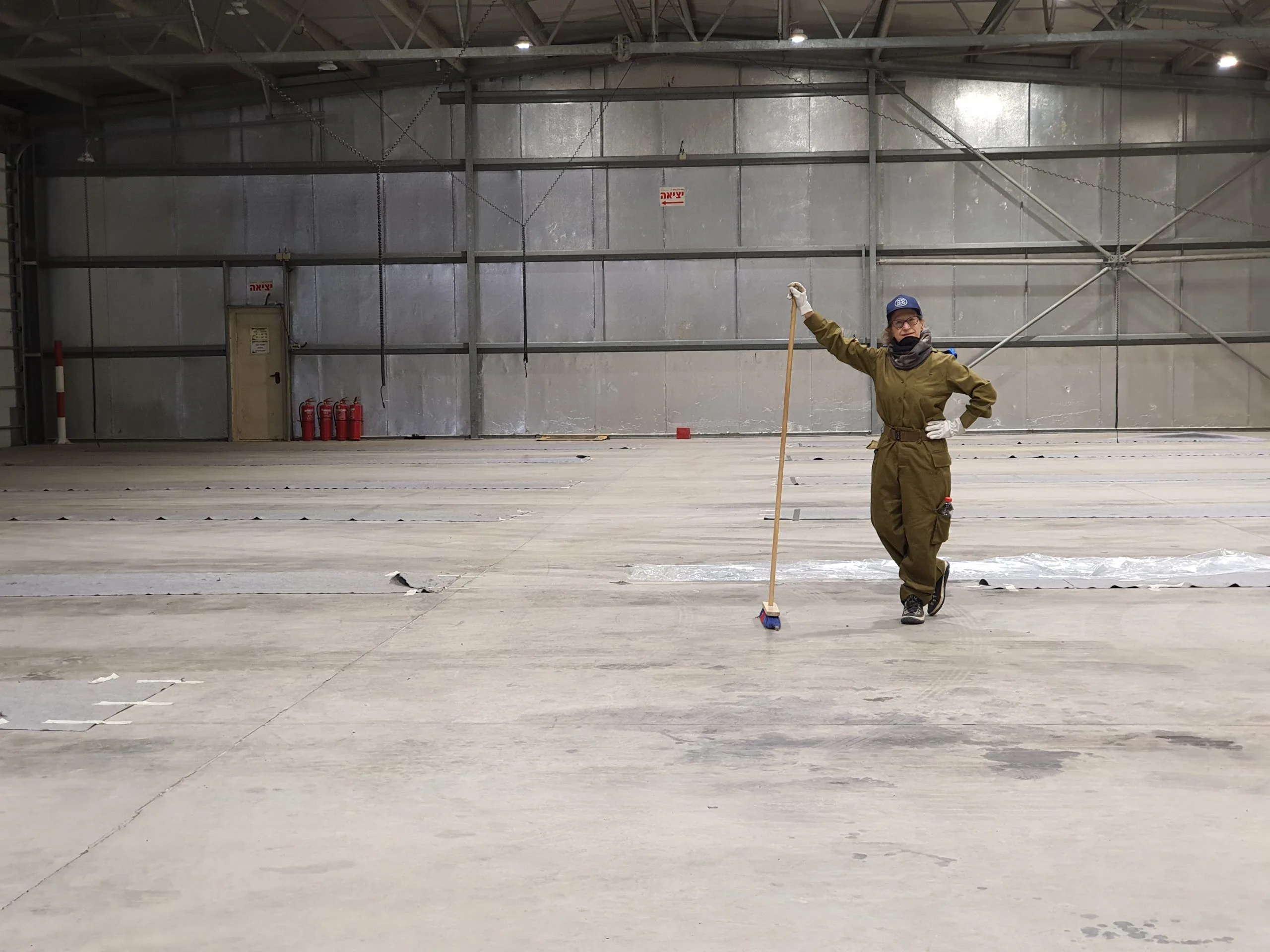
ירושלים, Israel
הייתי לפני שנתיים בסיום הדרן נשים בבנייני האומה והחלטתי להתחיל. אפילו רק כמה דפים, אולי רק פרק, אולי רק מסכת… בינתיים סיימתי רבע שס ותכף את כל סדר מועד בה.
הסביבה תומכת ומפרגנת. אני בת יחידה עם ארבעה אחים שכולם לומדים דף יומי. מדי פעם אנחנו עושים סיומים יחד באירועים משפחתיים. ממש מרגש. מסכת שבת סיימנו כולנו יחד עם אבא שלנו!
אני שומעת כל יום פודקאסט בהליכה או בנסיעה ואחכ לומדת את הגמרא.

מרכז שפירא, ישראל
. לא תמיד נהניתי מלימוד גמרא כילדה.,בל כהתבגרתי התחלתי לאהוב את זה שוב. התחלתי ללמוד מסכת סוטה בדף היומי לפני כחמש עשרה שנה ואז הפסקתי.הגעתי לסיום הגדול של הדרן לפני שנתיים וזה נתן לי השראה. והתחלתי ללמוד למשך כמה ימים ואז היתה לי פריצת דיסק והפסקתי…עד אלול השנה. אז התחלתי עם מסכת ביצה וב”ה אני מצליחה לעמוד בקצב. המשפחה מאוד תומכת בי ויש כמה שגם לומדים את זה במקביל. אני אוהבת שיש עוגן כל יום.

בית שמש, ישראל
בתחילת הסבב הנוכחי של לימוד הדף היומי, נחשפתי לחגיגות המרגשות באירועי הסיום ברחבי העולם. והבטחתי לעצמי שבקרוב אצטרף גם למעגל הלומדות. הסבב התחיל כאשר הייתי בתחילת דרכי בתוכנית קרן אריאל להכשרת יועצות הלכה של נשמ”ת. לא הצלחתי להוסיף את ההתחייבות לדף היומי על הלימוד האינטנסיבי של תוכנית היועצות. בבוקר למחרת המבחן הסופי בנשמ”ת, התחלתי את לימוד הדף במסכת סוכה ומאז לא הפסקתי.

קרית גת, ישראל
"התחלתי ללמוד דף יומי במחזור הזה, בח’ בטבת תש””ף. לקחתי על עצמי את הלימוד כדי ליצור תחום של התמדה יומיומית בחיים, והצטרפתי לקבוצת הלומדים בבית הכנסת בכפר אדומים. המשפחה והסביבה מתפעלים ותומכים.
בלימוד שלי אני מתפעלת בעיקר מכך שכדי ללמוד גמרא יש לדעת ולהכיר את כל הגמרא. זו מעין צבת בצבת עשויה שהיא עצומה בהיקפה.”

כפר אדומים, ישראל
לצערי גדלתי בדור שבו לימוד גמרא לנשים לא היה דבר שבשגרה ושנים שאני חולמת להשלים את הפער הזה.. עד שלפני מספר שבועות, כמעט במקרה, נתקלתי במודעת פרסומת הקוראת להצטרף ללימוד מסכת תענית. כשקראתי את המודעה הרגשתי שהיא כאילו נכתבה עבורי – "תמיד חלמת ללמוד גמרא ולא ידעת איך להתחיל”, "בואי להתנסות במסכת קצרה וקלה” (רק היה חסר שהמודעה תיפתח במילים "מיכי שלום”..). קפצתי למים ו- ב”ה אני בדרך להגשמת החלום:)

מורשת, ישראל
שמעתי על הסיום הענק של הדף היומי ע”י נשים בבנייני האומה. רציתי גם.
החלטתי להצטרף. התחלתי ושיכנעתי את בעלי ועוד שתי חברות להצטרף. עכשיו יש לי לימוד משותף איתו בשבת ומפגש חודשי איתן בנושא (והתכתבויות תדירות על דברים מיוחדים שקראנו). הצטרפנו לקבוצות שונות בווטסאפ. אנחנו ממש נהנות. אני שומעת את השיעור מידי יום (בד”כ מהרב יוני גוטמן) וקוראת ומצטרפת לסיומים של הדרן. גם מקפידה על דף משלהן (ונהנית מאד).

אפרת, ישראל
התחלתי ללמוד בעידוד שתי חברות אתן למדתי בעבר את הפרק היומי במסגרת 929.
בבית מתלהבים מאוד ובשבת אני לומדת את הדף עם בעלי שזה מפתיע ומשמח מאוד! לימוד הדף הוא חלק בלתי נפרד מהיום שלי. לומדת בצהריים ומחכה לזמן הזה מידי יום…

אפרת, ישראל
התחלתי להשתתף בשיעור נשים פעם בשבוע, תכננתי ללמוד רק דפים בודדים, לא האמנתי שאצליח יותר מכך.
לאט לאט נשאבתי פנימה לעולם הלימוד .משתדלת ללמוד כל בוקר ומתחילה את היום בתחושה של מלאות ומתוך התכווננות נכונה יותר.
הלימוד של הדף היומי ממלא אותי בתחושה של חיבור עמוק לעם היהודי ולכל הלומדים בעבר ובהווה.

אפרת, ישראל
מנחות כד
וְהִנִּיחוֹ בְּבִיסָא, וְנָגַע טְבוּל יוֹם בְּאֶחָד מֵהֶן, מַהוּ? כִּי תְּנַן: כְּלִי מְצָרֵף מַה שֶּׁבְּתוֹכוֹ לַקֹּדֶשׁ, הָנֵי מִילֵּי הֵיכָא דְּנָגְעִי בַּהֲדָדֵי, אֲבָל הֵיכָא דְּלָא נָגְעִי בַּהֲדָדֵי – לָא, אוֹ דִילְמָא לָא שְׁנָא?
and placed in a receptacle such that the flour of the measure was in two places, not in contact with each other, and one who was ritually impure who immersed that day and is waiting for nightfall for the purification process to be completed touched one of the portions of the meal offering, what is the halakha? Does he disqualify only the part of the meal offering that he touched, or the other part as well? When we learned in a mishna (Ḥagiga 20b) that a vessel joins all the food that is in it with regard to sacrificial food, meaning that if some of the contents become impure all the contents become impure as well, does this matter apply only where the contents are touching each other, but where the contents are not touching each other the ritual impurity is not imparted to the other contents? Or perhaps there is no difference.
אֲמַר לְהוּ אִיהוּ: מִי תְּנַן ״כְּלִי מְחַבֵּר״? ״כְּלִי מְצָרֵף״ תְּנַן, כֹּל דְּהוּ. הוֹשִׁיט אֶחָד לְבֵינֵיהֶן – מַהוּ?
Rav Kahana said to the sons of Rabbi Ḥiyya: Did we learn in the mishna that a vessel connects the contents within it? We learned that a vessel joins the contents within it, indicating that it does so in any case, whether or not the contents are in contact with one another. The sons of Rabbi Ḥiyya then asked Rav Kahana: If one inserted another one half-tenth of an ephah between them, and one who was ritually impure who immersed that day touched it, what is the halakha? Are the first two half-tenths rendered impure?
אֲמַר לְהוּ: צָרִיךְ לִכְלִי – כְּלִי מְצָרְפוֹ, אֵין צָרִיךְ לִכְלִי – אֵין כְּלִי מְצָרְפוֹ.
Rav Kahana said to them: Only when an item requires a vessel in order for it to be sanctified, e.g., in the case of the two half-tenths of an ephah of a meal offering, does the vessel join it together. In the case of an item that does not require a vessel, such as this half-tenth that was placed between them, the vessel does not join it.
הוֹשִׁיט טְבוּל יוֹם אֶת אֶצְבָּעוֹ בֵּינֵיהֶן, מַהוּ? אֲמַר לְהוּ: אֵין לְךָ דָּבָר שֶׁמְּטַמֵּא מֵאֲוִירוֹ אֶלָּא כְּלִי חֶרֶס בִּלְבַד.
The sons of Rabbi Ḥiyya then asked: If one who immersed that day inserted his finger between the two half-tenths of the ephah that were placed in the receptacle, without touching either one, what is the halakha? Are the two half-tenths rendered impure? Rav Kahana said to them in response: The only item you have that transmits impurity through its airspace is an earthenware vessel alone.
הֲדַר אִיהוּ בְּעָא מִינַּיְיהוּ: מַהוּ לִקְמוֹץ מִזֶּה עַל זֶה? צֵירוּף דְּאוֹרָיְיתָא אוֹ דְּרַבָּנַן?
Rav Kahana himself then asked the sons of Rabbi Ḥiyya: If two half-tenths of an ephah of a meal offering are placed in one vessel but are not in contact with each other, what is the halakha? Can one remove a handful from this half-tenth of an ephah on behalf of that half-tenth of an ephah? Is the joining of the contents of the vessel effective by Torah law or by rabbinic law? If it is effective by Torah law, then the removal of the handful is valid. If it is effective by rabbinic law, then the removal of the handful was not performed correctly, since it was not taken from the entire tenth of an ephah of the meal offering.
אָמְרוּ לוֹ: זוֹ לֹא שָׁמַעְנוּ, כַּיּוֹצֵא בּוֹ שָׁמַעְנוּ, דִּתְנַן: שְׁתֵּי מְנָחוֹת שֶׁלֹּא נִקְמְצוּ וְנִתְעָרְבוּ זוֹ בָּזוֹ, אִם יָכוֹל לִקְמוֹץ מִזּוֹ בִּפְנֵי עַצְמָהּ וּמִזּוֹ בִּפְנֵי עַצְמָהּ – כְּשֵׁירוֹת, וְאִם לָאו – פְּסוּלוֹת.
They said to Rav Kahana: We did not hear the halakha with regard to this case explicitly, but we heard the halakha with regard to a case similar to this. As we learned in the mishna: In the case of two meal offerings from which a handful was not removed and which were intermingled with each other, if the priest can remove a handful from this meal offering by itself and from that meal offering by itself, they are fit meal offerings, but if not, they are unfit, as the handful of each meal offering must be taken from its original source.
כִּי יָכוֹל לִקְמוֹץ מִיהָא כְּשֵׁירוֹת, אַמַּאי? הָךְ דִּמְעָרַב הָא לָא נָגַע!
They explain: In any event, the mishna teaches that in a case when he can remove a handful from each meal offering, the meal offerings are fit. Why is this considered a valid removal of the handful? But this part of the meal offering that is intermingled with the other meal offering does not touch the part of the meal offering from which the handful is removed. Evidently, the vessel joins the different parts of the meal offering together, and one can remove the handful from any part of its contents, even if they are not touching.
אָמַר רָבָא: דִּלְמָא בְּגוּשִּׁין הַמְחוּלָּקִין הָעֲשׂוּיִין כְּמַסְרֵק.
Rava said: This cannot be inferred from the mishna, as perhaps the ruling of the mishna is stated with regard to a case where the clumps of the meal offering are divided like the teeth of a comb, so that although the handful is removed from a clump of the meal offering that is separate from the clump that is intermingled with the other offering, all parts of the meal offering are still in contact with one another. It may still be that in the case presented by Rav Kahana, where the parts are truly separated from one another, it is possible that one cannot remove the handful from one part on behalf of the other.
מַאי הָוֵי עֲלַהּ? אָמַר רָבָא: תָּא שְׁמַע, דְּתַנְיָא: ״וְהֵרִים מִמֶּנּוּ״ – מִן הַמְחוּבָּר, שֶׁלֹּא יָבִיא עִשָּׂרוֹן בִּשְׁנֵי כֵּלִים וְיִקְמוֹץ. הָא בִּכְלִי אֶחָד דּוּמְיָא דִּשְׁנֵי כֵּלִים – קָמֵיץ.
The Gemara asks: Since this question was not resolved, what halakhic conclusion was reached about this matter? Rava said: Come and hear a proof, as it is taught in a baraita: The verse states: “And he shall take up from it his handful” (Leviticus 6:8), meaning that he shall take the handful from the meal offering that is connected. This teaches that one shall not bring a tenth of an ephah divided in two vessels and remove the handful from one on behalf of the other. It can therefore be inferred that in the case of one vessel that is similar to two vessels, as the entirety of the meal offering is brought in one vessel although the different parts are not touching, one may remove the handful from one part on behalf of the other part.
אֲמַר לֵיהּ אַבָּיֵי: דִּילְמָא שְׁנֵי כֵּלִים הֵיכִי דָּמֵי? כְּגוֹן קְפִיזָא בְּקַבָּא, דְּאַף עַל גַּב דַּעֲרִיבִי מֵעִילַּאי, כֵּיוָן דְּמִיפַּסְקָן מְחִיצָתָא דִּקְפִיזָא מִתַּתָּא.
Abaye said to Rava: Perhaps one could say: What are the circumstances when the baraita states that one may not bring a tenth of an ephah in two vessels? The circumstances are, for example, if one hollowed out the area of a smaller kefiza measure within the area of a larger kav measure, so that within the one receptacle there were two cavities divided by a partition that did not reach the top of the receptacle. In this case, even though the two are intermingled on top, above the partition, since the partition of the kefiza measure divides them below, they are still separated and not joined together.
הָא כְּלִי אֶחָד דּוּמְיָא דִּשְׁנֵי כֵּלִים, הֵיכִי דָּמֵי? כְּגוֹן עֲרֵיבַת תַּרְנְגוֹלִין, וְאַף עַל גַּב דְּמִיפַּסְקָן מְחִיצָתָא הָא נְגִיעַ, אֲבָל הָכָא דְּלָא נְגִיעַ כְּלָל – תִּיבְּעֵי לָךְ.
Abaye continues: What are the circumstances of one vessel that is similar to two vessels, with regard to which you inferred that one may remove the handful from one part on behalf of the other part? The circumstances are, for example, a hen trough that is filled with water or fodder, and even though a partition divides the top of the trough, the contents are touching below. But here, in the case of two half-tenths of an ephah that are placed in a receptacle that are not touching each other at all, you should raise the dilemma as to whether the handful may be removed from one part on behalf of the other.
בָּעֵי רַבִּי יִרְמְיָה: צֵירוּף כְּלִי וְחִיבּוּר מַיִם, מַהוּ?
Rabbi Yirmeya raises a dilemma: In a scenario where a vessel joins the two half-tenths of an ephah that are inside the vessel but not touching, and there is a connection by means of water between one of the half-tenths of the ephah inside the vessel and another half-tenth of an ephah that is outside the vessel, and one who immersed that day touched the other half-tenth of an ephah that is inside the vessel, what is the halakha? Does he also disqualify the half-tenth of an ephah that is outside the vessel?
כִּי תְּנַן כְּלִי מְצָרֵף מַה שֶּׁבְּתוֹכוֹ לַקֹּדֶשׁ, הָנֵי מִילֵּי דְּגַוַּאי, אֲבָל דְּבָרַאי – לָא, אוֹ דִילְמָא, כֵּיוָן דִּמְחַבַּר – מְחַבַּר.
When we learned in a mishna (Ḥagiga 20b) that a vessel joins all the food that is in it with regard to sacrificial food, meaning that if some of the contents become impure all the contents become impure as well, does this matter apply only to that which is inside the vessel, but not to that which is outside of it, despite the fact that the outer item is connected to an item inside the vessel? Or perhaps, since the half-tenth of an ephah found outside the vessel is connected to an impure item, it is connected and becomes impure.
וְאִם תִּימְצֵי לוֹמַר: כֵּיוָן דִּמְחַבַּר מְחַבַּר, חִיבּוּר מַיִם וְצֵירוּף כְּלִי, וְנָגַע טְבוּל יוֹם מִבַּחוּץ – מַהוּ?
Rabbi Yirmeya continues: And if you say that since the half-tenth of an ephah found outside the vessel is connected to an impure item, it is connected and becomes impure, one can raise another dilemma. In a case where there is a connection by means of water between a half-tenth of an ephah outside a vessel and another half-tenth of an ephah that is inside the vessel, and the vessel joins two half-tenths of an ephah that are inside the vessel, and one who immersed that day touched the half-tenth of an ephah that is outside the vessel, what is the halakha?
כִּי תְּנַן ״כְּלִי מְצָרֵף״, הָנֵי מִילֵּי דְּנָגַע מִגַּוַּאי, אֲבָל מִבָּרַאי – לָא, אוֹ דִילְמָא לָא שְׁנָא? תֵּיקוּ.
When we learned in a mishna that a vessel joins all the food that is in it with regard to sacrificial food, meaning that if some of the contents become impure all the contents become impure as well, does this matter apply only in a case where the one who immersed that day touched that which is inside the vessel, thereby transmitting impurity to all of the contents of the vessel, and due to the connection by means of water the impurity is then transmitted to that which is outside the vessel, but it does not apply in a case where the one who immersed that day touched that which is outside of the vessel, and only the half-tenth of an ephah that is connected to the outer item becomes impure? Or perhaps this case is no different, and the vessel joins all of its contents with regard to ritual impurity. The Gemara comments: The dilemma shall stand unresolved.
בָּעֵי רָבָא: עִשָּׂרוֹן שֶׁחִלְּקוֹ, וְנִטְמָא אֶחָד מֵהֶן, וְהִנִּיחוֹ בְּבִיסָא, וְחָזַר טְבוּל יוֹם וְנָגַע בְּאוֹתוֹ טָמֵא – מַהוּ? מִי אָמְרִינַן שְׂבַע לוֹ טוּמְאָה, אוֹ לָא?
§ It has been demonstrated that a vessel joins the contents that are found in it, even if they are not touching one another, with regard to ritual impurity, such that if some of the contents become impure, all of the contents are rendered impure. Rava raised a dilemma: With regard to a tenth of an ephah of a meal offering that one divided and then placed the two halves in different vessels, and one of them became impure and afterward he placed it in a receptacle along with the second half-tenth of an ephah, and then one who immersed that day touched that one that was already rendered impure, what is the halakha? Do we say that the item is already saturated with impurity and cannot be rendered impure a second time, and therefore the second half-tenth of the ephah is not rendered impure even though it is joined in the same receptacle, or not?
אֲמַר לֵיהּ אַבָּיֵי: וּמִי אָמְרִינַן שְׂבַע לֵיהּ טוּמְאָה? וְהָתְנַן: סָדִין טָמֵא
Abaye said to him: And do we say that an item that is already saturated with impurity cannot be rendered impure a second time? But didn’t we learn in a mishna (Kelim 27:9): With regard to a sheet that is impure due to ritual impurity
מִדְרָס וַעֲשָׂאוֹ וִילוֹן – טָהוֹר מִן הַמִּדְרָס, אֲבָל טָמֵא מַגַּע מִדְרָס.
imparted by treading, e.g., if a man who experiences a gonorrhea-like discharge [zav] lay down on it and transferred to it this severe impurity, and afterward one made a curtain [villon] of it, it is pure with regard to ritual impurity imparted by treading, as it is no longer fit for sitting or lying down. But it is impure due to having been in contact with an item that became ritually impure with impurity imparted by treading, as it is viewed as having been in contact with itself, and therefore it can impart impurity to food and drink.
אָמַר רַבִּי יוֹסֵי: בְּאֵיזֶה מִדְרָס נָגַע זֶה? אֶלָּא שֶׁאִם נָגַע בּוֹ הַזָּב, טָמֵא מַגַּע הַזָּב.
The mishna continues: Rabbi Yosei said: What source of impurity imparted by treading did this curtain touch? Rather, the halakha is that if a zav touched the sheet itself before it was made into a curtain, and did not only lie on it without touching it directly, then although the curtain is pure with regard to ritual impurity imparted by treading, it is nevertheless impure due to contact with a zav. This is because the impurity transmitted by contact with a zav applies in the case of a curtain, which is not the halakha with regard to impurity imparted by treading.
כִּי נָגַע בּוֹ הַזָּב מִיהָא טָמֵא, וַאֲפִילּוּ לְבַסּוֹף כְּטָמֵא מִדְרָס, וְאַחַר כָּךְ מַגַּע הַזָּב, אַמַּאי? לֵימָא: שְׂבַע לֵיהּ טוּמְאָה!
Abaye comments: When a zav touched the sheet, in any event it was rendered impure, even if he touched it after he lay on the sheet, thereby rendering it impure with impurity imparted by treading. In this manner, it was rendered impure with the ritual impurity imparted by treading, and afterward it was again rendered impure due to contact with a zav. According to the statement of Rava, why would this be the halakha? Let us say that the item is already saturated with impurity and cannot be rendered impure a second time.
אֲמַר לֵיהּ: וּמִמַּאי דְּהַאי ״שֶׁאִם נָגַע בּוֹ הַזָּב״ לְבָתַר מִדְרָס? דִּילְמָא מִקַּמֵּי מִדְרָס, דְּהָוְיָא טוּמְאָה חֲמוּרָה עַל טוּמְאָה קַלָּה.
Rava said to him in response: And from where do you know that this statement of Rabbi Yosei: That if a zav touched the sheet it is nevertheless impure due to contact with a zav, is referring to a case where a zav touched the sheet after it was rendered impure with the ritual impurity imparted by treading? Perhaps he was referring to a case where a zav touched the sheet, rendering it impure due to contact with a zav, before he lay on it and rendered it impure with the ritual impurity imparted by treading. In that case, the severe form of ritual impurity imparted by the treading of the zav, which is a primary source of ritual impurity that imparts impurity to all people and items, takes effect in addition to the lesser form of impurity imparted by contact with a zav, which imparts impurity only to food and drink.
אֲבָל הָכָא, דְּאִידֵּי וְאִידֵּי טוּמְאָה קַלָּה – לָא.
But here, in the case of part of a meal offering that was touched by one who immersed that day after having already become impure due to the touch of one who immersed that day, where both this and that are lesser forms of impurity, perhaps the impurity does not take effect a second time, as it is already impure.
אֶלָּא מִסֵּיפָא, מוֹדֶה רַבִּי יוֹסֵי בִּשְׁנֵי סְדִינִין הַמְקוּפָּלִין וּמוּנָּחִין זֶה עַל זֶה וְיָשַׁב זָב עֲלֵיהֶן, שֶׁהָעֶלְיוֹן טָמֵא מִדְרָס, וְהַתַּחְתּוֹן טָמֵא מִדְרָס וּמַגַּע מִדְרָס. וְאַמַּאי? לֵימָא: שְׂבַע לֵיהּ טוּמְאָה!
The Gemara suggests: Rather, the proof against the existence of a principle that an item can be saturated with impurity and not susceptible to becoming impure a second time is from the last clause of a baraita that corresponds to the mishna: Rabbi Yosei concedes that in a case of two sheets that are folded and placed on top of one another, and a zav sat upon them, the top sheet is rendered impure with the ritual impurity imparted by treading, and the bottom sheet is rendered impure with the ritual impurity imparted by treading and due to contact with the top sheet that has become ritually impure with impurity imparted by treading. The Gemara explains: But according to the opinion advanced in Rava’s dilemma, why would this be the case? Let us say that the bottom sheet is already saturated with impurity and cannot be rendered impure a second time.
הָתָם בְּבַת אַחַת, הָכָא בְּזֶה אַחַר זֶה.
The Gemara rejects this proof: There, with regard to the bottom sheet, the two types of impurity take effect simultaneously, whereas here, with regard to the impure meal offering, the two forms of impurity take effect one after the other. It is only in the latter case that Rava suggests that the second type of impurity does not take effect. Therefore, there is no conclusive proof, and the question raised by Rava remains unresolved.
אָמַר רָבָא: עִשָּׂרוֹן שֶׁחִלְּקוֹ, וְאָבַד אֶחָד מֵהֶן, וְהִפְרִישׁ אַחֵר תַּחְתָּיו, וְנִמְצָא הָרִאשׁוֹן, וַהֲרֵי שְׁלָשְׁתָּן מוּנָּחִין בְּבִיסָא – נִטְמָא אָבוּד, אָבוּד וְרִאשׁוֹן מִצְטָרְפִין, מוּפְרָשׁ אֵין מִצְטָרֵף.
§ Rava says: In a case where one divided a tenth of an ephah of a meal offering into two halves, and one half was lost and he separated another half in its stead, and afterward the first lost half was found, and all three are placed in a receptacle together, if the one that had been lost became impure, the previously lost half-tenth of an ephah and the first half-tenth of an ephah join together and become impure, in accordance with the mishna cited earlier (Ḥagiga 20b) that a vessel joins the two together with regard to ritual impurity. But the half-tenth of an ephah that was separated to replace the lost half-tenth does not join together with the other half-tenths, and it remains pure.
נִטְמָא מוּפְרָשׁ – מוּפְרָשׁ וְרִאשׁוֹן מִצְטָרְפִין, אָבוּד אֵין מִצְטָרֵף; נִטְמָא רִאשׁוֹן – שְׁנֵיהֶם מִצְטָרְפִין.
If the one that had been separated to replace the lost half-tenth became impure, then the separated half-tenth and the first half-tenth join together and become impure, since the former was separated in order to complete the tenth together with the first half-tenth, while the previously lost half-tenth does not join together with them. If the first half-tenth became impure, then both the previously lost half-tenth as well as the half-tenth that was separated as its replacement join together and become ritually impure, as each of them had at one point been part of the same tenth as the first half-tenth.
אַבָּיֵי אָמַר: אֲפִילּוּ נִטְמָא אֶחָד מֵהֶן נָמֵי – שְׁנֵיהֶם מִצְטָרְפִין, מַאי טַעְמָא? כּוּלְּהוּ בְּנֵי בִיקְתָּא דַּהֲדָדֵי נִינְהוּ.
Abaye says: Even if any one of the half-tenths became impure, both remaining half-tenths join together and become impure as well. What is the reason? They are all residents of one cabin, i.e., they were meant to be part of the same meal offering.
וְכֵן לְעִנְיַן קְמִיצָה, קָמַץ מִן הָאָבוּד – שְׁיָרָיו וְרִאשׁוֹן נֶאֱכָלִין, מוּפְרָשׁ אֵינוֹ נֶאֱכָל; קָמַץ מִן הַמּוּפְרָשׁ – שְׁיָרָיו וְרִאשׁוֹן נֶאֱכָלִין, אָבוּד אֵינוֹ נֶאֱכָל.
And similarly, according to Rava, with regard to the removal of the handful, if one removed the handful from the previously lost half-tenth, its remainder and the remainder of the first half-tenth of an ephah are eaten by the priests, while the half-tenth of an ephah that was separated in its stead is not eaten. Since it was not meant to join together with this other half-tenth, the removal of the handful does not permit its consumption. If one removed the handful from the one that had been separated in place of the lost half-tenth, then its remainder and the first half-tenth of an ephah are eaten, while the previously lost half-tenth is not eaten.
קָמַץ מִן רִאשׁוֹן – שְׁנֵיהֶם אֵינָן נֶאֱכָלִין.
If one removed the handful from the first half-tenth, then both the previously lost half-tenth as well as the half-tenth that had been separated in its stead are not eaten. This is because the removal of the handful allows the remainder of only one tenth to be eaten, and it is not known whether the consumption of the previously lost half-tenth or the replacement half-tenth has now been permitted.
אַבָּיֵי אָמַר: אֲפִילּוּ קָמַץ מֵאֶחָד מֵהֶן, שְׁנֵיהֶן אֵינָן נֶאֱכָלִין. מַאי טַעְמָא? כּוּלְּהוּ נָמֵי בְּנֵי בִיקְתָּא דַּהֲדָדֵי נִינְהוּ.
Abaye says: Even if one removed the handful from any one of them, both remaining half-tenths are not eaten. What is the reason? They are all residents of one cabin, and it is not possible to know whether the consumption of one or of the other has been permitted.
מַתְקֵיף לַהּ רַב פָּפָּא: וְשִׁירַיִם דִּידֵיהּ מִיהָא נֶאֱכָלִין? הָא אִיכָּא דַּנְקָא דְּקוֹמֶץ דְּלָא קָרֵיב!
Rav Pappa objects to this ruling of Abaye: And is that to say that in any event the remainder of the half-tenth itself from which the handful was taken is eaten? But one-sixth [danka] of the handful that was removed was not sacrificed to permit this remainder. The handful was removed to permit the consumption of the remainders of all three half-tenths of an ephah in the receptacle. Since the handful included one-third that was removed to account for the half-tenth that is not needed, it turns out that each of the two actual half-tenths should have had an additional one-sixth removed to render them permitted.
מַתְקֵיף לַהּ רַב יִצְחָק בְּרֵיהּ דְּרַב מְשַׁרְשְׁיָא: וְקוֹמֶץ גּוּפֵיהּ הֵיכִי קָרֵיב? הָא אִיכָּא תְּלָתָא חוּלִּין.
Rav Yitzḥak, son of Rav Mesharshiyya, also objects to this ruling of Abaye: And with regard to the handful itself, how can it be sacrificed? But one-third of it, i.e., the portion separated to permit the extraneous half-tenth of an ephah, is non-sacred.
רַב אָשֵׁי אָמַר: קוֹמֶץ בְּדַעְתָּא דְּכֹהֵן תַּלְיָא מִילְּתָא, וְכֹהֵן כִּי קָמֵיץ – אַעִשָּׂרוֹן קָא קָמֵיץ.
Rav Ashi said: These questions present no difficulty, since with regard to the removal of the handful, the matter is dependent on the intention of the priest. And when the priest removes the handful, he removes it to permit the remainder of the tenth of an ephah, and not the remainder of the extraneous half-tenth. Still, the other two halves may not be eaten because it is not possible to know whether the consumption of one or of the other has been permitted.

