






לימוד החודש מוקדש ע”י מרכי גלזר לע”נ רחל אביבה בת דבורה חנה
רוצה להקדיש שיעור?

תקציר

אם שיירי המנחה נטמאו, אבדו או נשרפו לפני הקטרת הקומץ, לפי שיטתם של רבי אליעזר ורבי יהושע בקרבנות בהמה, אפשר להבין שיחלקו גם פה האם ניתן להקטיר את הקומץ. בקרבנות בהמה לפי רבי אליעזר אם הבשר נטמא, אבד או נשרף לפני זריקת הדם – הזריקה כשרה, ולכן כאן ניתן להקטיר את הקומץ. לפי רבי יהושע, לא זורקים את הדם, ולכן גם אין להקטיר את הקומץ.
רב מסביר שרבי יהושע מחמיר רק במקרה שלא נשתייר דבר מהשיירים, אך אם נשתייר מקצתם, ניתן להקטיר את הקומץ. זאת בהתאם לשיטתו בקרבנות בהמה – שאם נשאר כזית מהבשר או כזית מהאימורים, ניתן לזרוק את הדם.
האם הקומץ טעון כלי שרת לאחר הקמיצה, או שמא ניתן להעלותו ישירות למזבח? רבי שמעון וחכמים נחלקו בדין זה, כאשר לדעת רבי שמעון אין צורך בכלי שרת בשלב זה. הגמרא בוחנת שלוש גישות שונות להסבר הטעם בשיטת רבי שמעון, ומביאה ברייתות המקשות על הדעות השונות.
אם הקומץ נחלק לשניים, המשנה קובעת שניתן להקטירו בשתי פעמים נפרדות. אולם, רבי יוחנן ורבי יהושע בן לוי נחלקו האם ניתן לחלקו ליותר משני חלקים; מהו יסוד המחלוקת ביניהם?
רבי יוחנן ורבי חנינא נחלקו באיזו נקודה בדיוק הקטרת הקומץ מתירה את השיירים באכילה.
כלים
לימוד החודש מוקדש ע”י מרכי גלזר לע”נ רחל אביבה בת דבורה חנה
מנחות כו
תָּא שְׁמַע: דָּם שֶׁנִּטְמָא וּזְרָקוֹ בְּשׁוֹגֵג הוּרְצָה, בְּמֵזִיד לֹא הוּרְצָה – הָכִי קָאָמַר: דָּם שֶׁנִּטְמָא וּזְרָקוֹ, בֵּין בְּשׁוֹגֵג בֵּין בְּמֵזִיד – נִטְמָא בְּשׁוֹגֵג הוּרְצָה, בְּמֵזִיד לֹא הוּרְצָה.
The Gemara suggests a refutation of Rav Sheila’s opinion based on the first baraita: Come and hear: In the case of blood of an offering that became impure and a priest sprinkled it on the altar, if he did so unwittingly, the offering is accepted and achieves atonement for the owner of the offering. If he sprinkled the blood intentionally, the offering is not accepted. This contradicts Rav Sheila’s statement that even if the priest sprinkled the blood intentionally, it is accepted. The Gemara rejects this proof: According to Rav Sheila, this is what the baraita is saying: In the case of blood that became impure and a priest sprinkled it, whether it was sprinkled unwittingly or intentionally, if it was rendered impure unwittingly it is accepted, but if it was rendered impure intentionally then it is not accepted.
מַתְנִי׳ נִטְמְאוּ שְׁיָרֶיהָ, נִשְׂרְפוּ שְׁיָרֶיהָ, אָבְדוּ שְׁיָרֶיהָ – כְּמִדַּת רַבִּי אֱלִיעֶזֶר כְּשֵׁירָה, וּכְמִדַּת רַבִּי יְהוֹשֻׁעַ פְּסוּלָה.
MISHNA: If after the handful was removed the remainder of the meal offering became ritually impure, or if the remainder of the meal offering was burned, or if the remainder of the meal offering was lost, according to the principle of Rabbi Eliezer, who says that with regard to an animal offering the blood is fit for sprinkling even if there is no meat that can be eaten, the meal offering is fit, and the priest burns the handful. But according to the principle of Rabbi Yehoshua, who says that with regard to an animal offering the blood is fit for sprinkling only if there is meat that can be eaten, it is unfit and the priest does not burn the handful, as the handful serves to render permitted the remainder.
גְּמָ׳ אָמַר רַב: וְהוּא שֶׁנִּטְמְאוּ כׇּל שְׁיָרֶיהָ, אֲבָל מִקְצָת שְׁיָרֶיהָ – לָא.
GEMARA: With regard to the mishna’s statement that according to Rabbi Yehoshua the meal offering is unfit if its remainder is rendered impure, Rav says: And this is the halakha only when all of its remainder became impure. But if only a part of its remainder became impure, the meal offering is not unfit.
קָא סָלְקָא דַּעְתָּךְ: נִטְמָא – אִין, אָבוּד וְשָׂרוּף – לָא. מַאי קָסָבַר? אִי קָסָבַר: שִׁיּוּרָא מִילְּתָא הִיא – אֲפִילּוּ אָבוּד וְשָׂרוּף נָמֵי! אִי קָסָבַר: שִׁיּוּרָא לָאו מִילְּתָא הִיא, וְנִטְמָא מַאי טַעְמָא – דִּמְרַצֵּה צִיץ? אִי הָכִי, כׇּל שְׁיָרֶיהָ נָמֵי!
The Gemara comments: It enters your mind that Rav holds that only if a part of the remainder became impure, then yes, the meal offering is fit; but if part of the remainder was lost or burned, then the meal offering is not fit. The Gemara asks: What does Rav hold? If he holds that what remains is significant, so that even if a portion of the remainder cannot be eaten the handful is still sacrificed to render the rest permitted, then why would this not also be the halakha even if part of the remainder was lost or burned? Alternatively, if he holds that what remains is not significant, and the Gemara interjects: And accordingly, what is the reason that the handful is sacrificed if a part of the remainder became impure? It is because the frontplate effects acceptance for the impurity; if that is so, then even if all of the remainder became impure, the handful should still be sacrificed.
לְעוֹלָם קָסָבַר: שִׁיּוּרָא מִילְּתָא הִיא, וְנִטְמָא – וְהוּא הַדִּין לְאָבוּד וְשָׂרוּף, וְהַאי דְּקָאָמַר ״נִטְמָא״ – רֵישַׁיְיהוּ נָקֵט.
The Gemara explains: Actually, he holds that what remains is significant, and just as when a part of the remainder became impure but the offering is still fit, the rest of the remainder is sacrificed, the same is true with regard to a case where a part of the remainder was lost or burned. And the reason that he stated this halakha specifically in a case where it became impure is that he employed the terminology of the beginning of the mishna, which discusses a case where the remainder became impure.
כִּדְתַנְיָא, רַבִּי יְהוֹשֻׁעַ אוֹמֵר: כׇּל הַזְּבָחִים שֶׁבְּתוֹרָה שֶׁנִּשְׁתַּיֵּיר מֵהֶן כְּזַיִת בָּשָׂר אוֹ כְּזַיִת חֵלֶב – זוֹרֵק אֶת הַדָּם.
Rava’s statement accords with the opinion of Rabbi Yehoshua, as it is taught in a baraita: Rabbi Yehoshua says: With regard to all the offerings in the Torah from which there remains an olive-bulk of meat that is fit to be eaten or an olive-bulk of fat that is fit to be sacrificed on the altar, the priest sprinkles the blood. Similarly, if a part of the remainder can be eaten the handful is still sacrificed, as the status of the remainder relative to the handful corresponds to the status of the meat relative to the blood.
כַּחֲצִי זַיִת בָּשָׂר וְכַחֲצִי זַיִת חֵלֶב – אֵינוֹ זוֹרֵק אֶת הַדָּם, וּבָעוֹלָה אֲפִילּוּ כַּחֲצִי זַיִת בָּשָׂר וְכַחֲצִי זַיִת חֵלֶב – זוֹרֵק אֶת הַדָּם, מִפְּנֵי שֶׁכּוּלָּהּ כָּלִיל, וּבַמִּנְחָה אֲפִילּוּ כּוּלָּהּ קַיֶּימֶת – לֹא יִזְרוֹק.
The Gemara cites the continuation of the baraita: If all that remains is half an olive-bulk of meat and half an olive-bulk of fat, the priest does not sprinkle the blood. This is because the half olive-bulk of meat and the half olive-bulk of fat do not combine to form one olive-bulk, since the former is eaten and the latter is sacrificed on the altar. And with regard to a burnt offering, even if all that was left was half an olive-bulk of meat and half an olive-bulk of fat, the priest sprinkles the blood, because it is consumed on the altar in its entirety. Since both the meat and the fat are sacrificed on the altar, they combine to form one olive-bulk. And with regard to a meal offering, although all of it remains pure, the priest shall not sprinkle the blood.
מִנְחָה מַאי עֲבִידְתַּהּ? אָמַר רַב פָּפָּא: מִנְחַת נְסָכִים, סָלְקָא דַּעְתָּךְ – הוֹאִיל וּבַהֲדֵי זֶבַח קָא אָתְיָא, כְּגוּפֵיהּ דְּזִיבְחָא דָּמְיָא, קָא מַשְׁמַע לַן.
The Gemara questions the last ruling of the baraita: What is the mention of a meal offering doing here? The discussion is about sprinkling blood, which is not relevant in the case of a meal offering. Rav Pappa said: The meal offering mentioned is the meal offering that accompanies the libations that accompany animal offerings. It could enter your mind to say: Since this meal offering accompanies the animal offering, it is comparable to the offering itself, and therefore if the offering became impure but the meal offering remained pure, the blood of the offering is sprinkled due to the remaining meal offering. To counter this, the baraita teaches us that this is not the halakha.
מְנָהָנֵי מִילֵּי? אָמַר רַבִּי יוֹחָנָן מִשּׁוּם רַבִּי יִשְׁמָעֵאל, וּמָטוּ בַּהּ מִשּׁוּם רַבִּי יְהוֹשֻׁעַ בֶּן חֲנַנְיָא: אָמַר קְרָא ״וְהִקְטִיר הַחֵלֶב לְרֵיחַ נִיחֹחַ לַה׳״, חֵלֶב – וְאַף עַל פִּי שֶׁאֵין בָּשָׂר.
The Gemara returns to its discussion of the halakha that if only an olive-bulk of the fat remains, the priest sprinkles the blood of the offering. From where is this matter derived? Rabbi Yoḥanan says in the name of Rabbi Yishmael, and there are those who determined that it was stated in the name of Rabbi Yehoshua ben Ḥananya: The verse states: “And the priest shall sprinkle the blood against the altar of the Lord at the door of the Tent of Meeting, and he shall make the fat smoke for a pleasing aroma to the Lord” (Leviticus 17:6). This verse never mentions the meat, but only the fat, indicating that the blood is sprinkled even if there is no ritually pure meat, but only fat.
וְאַשְׁכְּחַן חֵלֶב, יוֹתֶרֶת וּשְׁתֵּי כְּלָיוֹת מְנָלַן? דְּקָתָנֵי: וּבַמִּנְחָה, אֲפִילּוּ כּוּלָּהּ קַיֶּימֶת לֹא יִזְרוֹק. מִנְחָה הוּא דְּלֹא יִזְרוֹק, הָא יוֹתֶרֶת וּשְׁתֵּי כְּלָיוֹת – יִזְרוֹק.
The Gemara asks: And we found a source for the halakha that the priest sprinkles the blood if only fat remains. From where do we derive that the priest sprinkles the blood if all that is left is the lobe of the liver or the two kidneys, which are also sacrificed on the altar? The Gemara answers: The halakha that the priest sprinkles the blood in that case is derived from that which is taught at the end of the baraita: And with regard to a meal offering, although all of it remains pure, the priest shall not sprinkle the blood. This teaches that it is in the case of a meal offering that the priest shall not sprinkle the blood, as the meal offering is not part of the animal; but if the lobe of the liver or the two kidneys remain, the priest sprinkles the blood.
מְנָלַן? רַבִּי יוֹחָנָן דִּידֵיהּ אָמַר: ״לְרֵיחַ נִיחֹחַ״ – כֹּל שֶׁאַתָּה מַעֲלֶה לְרֵיחַ נִיחוֹחַ.
The Gemara asks: From where do we derive this halakha? The Gemara answers that Rabbi Yoḥanan himself says: The verse states: “For a pleasing aroma to the Lord” (Leviticus 17:6). This teaches that the blood is sprinkled whenever anything that you offer up on the altar for a pleasing aroma remains. This includes anything burned on the altar.
וְאִיצְטְרִיךְ לְמִכְתַּב ״חֵלֶב״, וְאִיצְטְרִיךְ לְמִיכְתַּב ״לְרֵיחַ נִיחֹחַ״, דְּאִי כְּתַב ״חֵלֶב״ הֲוָה אָמֵינָא: חֵלֶב – אִין, יוֹתֶרֶת וּשְׁתֵּי כְּלָיוֹת – לָא, כְּתַב רַחֲמָנָא ״רֵיחַ נִיחֹחַ״. וְאִי כְּתַב רַחֲמָנָא ״לְרֵיחַ נִיחֹחַ״ הֲוָה אָמֵינָא: אֲפִילּוּ מִנְחָה, כְּתַב רַחֲמָנָא ״חֵלֶב״.
The Gemara notes: And it was necessary to write “fat” in that verse, and it was necessary to write “for a pleasing aroma.” As, if the Merciful One had written only “fat,” I would say that if fat remains, yes, the priest sprinkles the blood, but if only the lobe of the liver or the two kidneys remain, since they are not as significant as the fat, the blood is not sprinkled. Therefore, the Merciful One wrote “for a pleasing aroma.” And if the Merciful One had written only “for a pleasing aroma,” I would say that it includes even a meal offering brought with the libations that accompany animal offerings. Therefore, the Merciful One wrote “fat,” to teach that this halakha applies only to sacrificial parts of the animal, but not to accompanying libations and meal offerings.
מַתְנִי׳ שֶׁלֹּא בִּכְלֵי שָׁרֵת – פָּסוּל, וְרַבִּי שִׁמְעוֹן מַכְשִׁיר. הִקְטִיר קוּמְצָהּ פַּעֲמַיִם – כְּשֵׁרָה.
MISHNA: A handful of a meal offering that was not sanctified in a service vessel is unfit, and Rabbi Shimon deems it fit. If the priest burned the handful of a meal offering twice, i.e., in two increments, it is fit.
גְּמָ׳ אָמַר רַבִּי יְהוּדָה בְּרֵיהּ דְּרַבִּי חִיָּיא: מַאי טַעְמָא דְּרַבִּי שִׁמְעוֹן? אָמַר קְרָא ״קֹדֶשׁ קָדָשִׁים הִיא כַּחַטָּאת וְכָאָשָׁם״. בָּא לְעוֹבְדָהּ בַּיָּד כְּחַטָּאת – עוֹבְדָהּ בְּיָמִין, כְּחַטָּאת. בִּכְלִי – עוֹבְדָהּ בִּשְׂמֹאל, כְּאָשָׁם.
GEMARA: Rabbi Yehuda, son of Rabbi Ḥiyya, says: What is the reasoning of Rabbi Shimon? The verse states with regard to a meal offering: “It is most holy, as the sin offering, and as the guilt offering” (Leviticus 6:10). Rabbi Shimon derives from here that the handful of the meal offering may be placed on the altar in the manner of the blood of either a sin offering or a guilt offering. If a priest comes to perform the sacrificial rites of a meal offering with his hand, as one performs the sprinkling of the blood of a sin offering, which is performed with the priest’s right index finger, he must perform its rites with his right hand, like the sin offering. If he performs the sacrificial rites with a vessel, as one performs the sprinkling of the blood of a guilt offering, whose blood is sprinkled from a vessel on the altar and whose sprinkling may be performed with the priest’s left hand, he may perform its rites with his left hand, like the guilt offering.
וְרַבִּי יַנַּאי אָמַר: כֵּיוָן שֶׁקְּמָצוֹ מִכְּלֵי שָׁרֵת, מַעֲלֵהוּ וּמַקְטִירוֹ אֲפִילּוּ בְּהֶמְיָינוֹ, וַאֲפִילּוּ בִּמְקִידָּה שֶׁל חֶרֶשׂ. רַב נַחְמָן בַּר יִצְחָק אָמַר: הַכֹּל מוֹדִים בַּקּוֹמֶץ שֶׁטָּעוּן קִידּוּשׁ.
And Rabbi Yannai says: According to Rabbi Shimon there are no restrictions on the manner in which the handful is sacrificed, as once the priest has removed the handful from a service vessel, he may bring it up and burn it even if he placed it in his belt, or even in an earthenware vessel. Rav Naḥman bar Yitzḥak says: All concede that the handful requires sanctification in a service vessel before it is sacrificed.
מֵיתִיבִי: הֶקְטֵר חֲלָבִים וְאֵבָרִים וְעֵצִים שֶׁהֶעֱלָן, בֵּין בַּיָּד בֵּין בִּכְלִי, בֵּין בְּיָמִין וּבֵין בִּשְׂמֹאל – כְּשֵׁרִין; הַקּוֹמֶץ וְהַקְּטוֹרֶת וְהַלְּבוֹנָה שֶׁהֶעֱלָן, בֵּין בַּיָּד בֵּין בִּכְלִי, בֵּין בְּיָמִין בֵּין בִּשְׂמֹאל – כְּשֵׁרִין. תְּיוּבְתָּא דְּרַבִּי יְהוּדָה בְּרֵיהּ דְּרַבִּי חִיָּיא!
The Gemara raises an objection to the statement of Rabbi Yehuda, son of Rabbi Ḥiyya, from a baraita (Tosefta, Zevaḥim 1:11): With regard to the burning of the fats, and the limbs, and the wood that were brought up to the altar, that the priest brought them up to the altar, whether by hand or with a vessel, whether with the right hand or with the left hand, they are fit. With regard to the handful, and the incense, and the frankincense, that the priest brought them up to the altar, whether by hand or with a vessel, whether with the right hand or with the left hand, they are fit. The Gemara suggests: This is a conclusive refutation of the opinion of Rabbi Yehuda, son of Rabbi Ḥiyya, who stated that if the handful is sacrificed by hand, it must be sacrificed only with the right hand.
אָמַר לָךְ רַבִּי יְהוּדָה בְּרֵיהּ דְּרַבִּי חִיָּיא: לִצְדָדִין קָתָנֵי – בַּיָּד בְּיָמִין, בִּכְלִי – בֵּין בְּיָמִין בֵּין בִּשְׂמֹאל.
The Gemara responds: Rabbi Yehuda, son of Rabbi Ḥiyya, could say to you that the tanna of the baraita teaches it disjunctively, and the statement should be understood as follows: If these items are brought up by hand, with the right hand, or with a vessel, whether with the right hand or with the left, they are fit.
תָּא שְׁמַע: קְמָצוֹ שֶׁלֹּא מִכְּלֵי שָׁרֵת, וְקִידְּשׁוֹ שֶׁלֹּא בִּכְלֵי שָׁרֵת, וְהֶעֱלוֹ וְהִקְטִירוֹ שֶׁלֹּא בִּכְלִי שָׁרֵת – פָּסוּל, רַבִּי אֶלְעָזָר וְרַבִּי שִׁמְעוֹן מַכְשִׁירִין בְּמַתַּן כְּלִי.
The Gemara attempts to refute the opinion of Rav Naḥman bar Yitzḥak that all concede that the handful requires sanctification in a service vessel before it is sacrificed. Come and hear that which is taught in a baraita: If the priest removed the handful, but not from a service vessel, and sanctified it, but not in a service vessel, and brought it up and burned it, but not in a service vessel, then it is unfit. Rabbi Elazar and Rabbi Shimon deem it fit in a case where the handful had been placed in any type of vessel. This contradicts Rav Naḥman bar Yitzḥak’s claim that all concede that the handful must be sanctified in a service vessel.
אֵימָא: מִמַּתַּן כְּלִי וְאֵילָךְ.
The Gemara responds: Say that according to Rabbi Elazar and Rabbi Shimon, from the point when the handful has been placed in a service vessel and sanctified and onward, it is no longer necessary to take it in a service vessel to the altar to sacrifice it. Therefore, the baraita does not contradict Rav Naḥman bar Yitzḥak’s statement.
תָּא שְׁמַע: וַחֲכָמִים אוֹמְרִים: קוֹמֶץ טָעוּן כְּלִי שָׁרֵת, כֵּיצַד? קוֹמְצוֹ מִכְּלִי שָׁרֵת, וּמְקַדְּשׁוֹ בִּכְלִי שָׁרֵת, וּמַעֲלוֹ וּמַקְטִירוֹ בִּכְלִי שָׁרֵת. רַבִּי שִׁמְעוֹן אוֹמֵר: כֵּיוָן שֶׁקְּמָצוֹ מִכְּלִי שָׁרֵת, מַעֲלוֹ וּמַקְטִירוֹ שֶׁלֹּא בִּכְלִי שָׁרֵת וְדַיּוֹ.
The Gemara suggests another refutation of Rav Naḥman bar Yitzḥak’s opinion from a baraita (Tosefta 4:15). Come and hear: And the Rabbis say: The handful requires sanctification in a service vessel. How is this sanctification performed? The priest removes the handful from a service vessel, and sanctifies it in a service vessel, and brings it up and burns it in a service vessel. Rabbi Shimon says: Once the handful is removed from a service vessel, the priest may bring it up and burn it even if it is not in a service vessel, and this is sufficient for it. This baraita demonstrates that, in contrast to Rav Naḥman bar Yitzḥak’s statement, Rabbi Shimon does not hold that the handful must be sanctified in a service vessel.
אֵימָא: כֵּיוָן שֶׁקְּמָצוֹ וְקִדְּשׁוֹ בִּכְלִי שָׁרֵת, מַעֲלוֹ וּמַקְטִירוֹ וְדַיּוֹ.
The Gemara answers: Say that according to Rabbi Shimon, once the priest removes the handful and sanctifies it in a service vessel, he may bring it up and burn it, and this is sufficient for it.
תָּא שְׁמַע: קָמַץ בִּימִינוֹ וְנָתַן בִּשְׂמֹאלוֹ – יַחְזִיר לִימִינוֹ, בִּשְׂמֹאלוֹ
The Gemara suggests another proof. Come and hear: If the priest removed the handful with his right hand and put it in his left hand, he shall return it to his right hand. If the handful was in his left hand
וְחִישֵּׁב עָלֶיהָ בֵּין חוּץ לִמְקוֹמוֹ בֵּין חוּץ לִזְמַנּוֹ – פָּסוּל, וְאֵין בּוֹ כָּרֵת.
and he intended to partake of the meal offering in an improper manner, whether outside its designated area or beyond its designated time, the offering is not valid, but there is no liability to receive karet if one partakes of it.
(לֹא) חִישֵּׁב עָלֶיהָ חוּץ לִמְקוֹמוֹ – פָּסוּל, וְאֵין בּוֹ כָּרֵת. חוּץ לִזְמַנּוֹ – פִּיגּוּל, וְחַיָּיבִין עָלָיו כָּרֵת, דִּבְרֵי רַבִּי אֶלְעָזָר וְרַבִּי שִׁמְעוֹן.
The Gemara presents an alternative version of this baraita: If, while the handful was in his right hand, he intended to partake of the meal offering outside its designated area, the offering is not valid, but there is no liability to receive karet if one partakes of it. If he intended to partake of it beyond its designated time, then the offering is piggul and one who partakes of it is liable to receive karet. This is the statement of Rabbi Elazar and Rabbi Shimon.
וַחֲכָמִים אוֹמְרִים: כֵּיוָן שֶׁנְּתָנוֹ לִשְׂמֹאל – פְּסָלַתּוּ מַתְּנָתוֹ, מַאי טַעְמָא? מִשּׁוּם דְּבָעֵי קְדוּשָּׁה בִּכְלִי, וְכֵיוָן שֶׁנְּתָנוֹ לִשְׂמֹאל – נַעֲשָׂה כְּדָם שֶׁנִּשְׁפַּךְ מִצַּוַּאר בְּהֵמָה עַל הָרִצְפָּה וַאֲסָפוֹ, שֶׁפָּסוּל.
And the Rabbis say: Once he put the handful in his left hand, the placing of it in his left hand renders it unfit and it cannot be rendered fit by returning it to his right hand. What is the reason? It is because it requires sanctification in a service vessel, and once he put it in his left hand, it is considered like blood that spilled from an animal’s neck onto the floor before being collected in a service vessel and one then gathered it, which is unfit and cannot be rendered fit by then being placed in a service vessel.
מִכְּלָל דְּרַבִּי אֶלְעָזָר וְרַבִּי שִׁמְעוֹן לָא בָּעוּ מַתַּן כְּלִי, תְּיוּבְתָּא דְּרַב נַחְמָן, תְּיוּבְתָּא.
The Gemara notes: By inference, one can conclude that Rabbi Elazar and Rabbi Shimon do not require sanctification of the handful by placing it in a service vessel. Accordingly, this serves as a conclusive refutation of the opinion of Rav Naḥman bar Yitzḥak, who stated that even Rabbi Shimon requires sanctification in a service vessel. The Gemara affirms: This is a conclusive refutation of his opinion.
לְרַבִּי יְהוּדָה בְּרֵיהּ דְּרַבִּי חִיָּיא מְסַיְּיעָא לֵיהּ, לְרַבִּי יַנַּאי לֵימָא תֶּיהְוֵי תְּיוּבְתָּא?
The baraita teaches that according to Rabbi Shimon, if the priest transferred the handful to his left hand he should return the handful to his right hand. The Gemara comments: This supports the statement of Rabbi Yehuda, son of Rabbi Ḥiyya, as he said that according to the opinion of Rabbi Shimon the rites of the meal offering must be performed with the priest’s right hand. The Gemara asks: Shall we say that this baraita is a conclusive refutation of the opinion of Rabbi Yannai, as it teaches that the handful must be transferred back to his right hand, whereas he states that once the handful has been removed from a service vessel it may be sacrificed in any manner?
אָמַר לָךְ רַבִּי יַנַּאי: אֲנָא דַּאֲמַרִי כְּתַנָּא דְּהֶקְטֵר, וְלָאו לִצְדָדִים קָתָנֵי.
The Gemara answers: Rabbi Yannai could say to you: I stated my ruling in accordance with the opinion of the tanna who taught that the burning of the fats and the limbs and the sacrifice of the meal offering can all take place with either the right or left hand. And I hold that he does not teach it disjunctively, as it was explained in order to reconcile the baraita with the statement of Rabbi Yehuda, son of Rabbi Ḥiyya. Rather, it is to be understood according to its straightforward meaning.
הִקְטִיר קוּמְצָהּ פַּעֲמַיִם – כְּשֵׁרָה. אָמַר רַבִּי יְהוֹשֻׁעַ בֶּן לֵוִי: ״פַּעֲמַיִם״ – וְלֹא פַּעֲמֵי פַעֲמַיִם, וְרַבִּי יוֹחָנָן אָמַר: ״פַּעֲמַיִם״ – וַאֲפִילּוּ פַּעֲמֵי פַעֲמַיִם.
§ The mishna teaches: If the priest burned the handful of a meal offering twice, i.e., in two increments, it is fit. The Gemara comments: Rabbi Yehoshua ben Levi says: The handful is fit if it is burned twice, where half of the handful is burned each time, but not if it is burned several times, in smaller increments. And Rabbi Yoḥanan says: It is fit if it is burned twice, and it is fit even if it is burned several times.
מַאי בֵּינַיְיהוּ? אָמַר רַבִּי זֵירָא: יֵשׁ קוֹמֶץ פָּחוֹת מִשְּׁנֵי זֵיתִים, וְיֵשׁ הַקְטָרָה פְּחוּתָה מִכְּזַיִת אִיכָּא בֵּינַיְיהוּ.
The Gemara asks: What is the basis for the dispute between the two opinions? Rabbi Zeira said: The dispute between the two is with regard to whether there is significance to a handful that is less than the size of two olives and whether there is significance to the burning of less than an olive-bulk on the altar.
רַבִּי יְהוֹשֻׁעַ בֶּן לֵוִי סָבַר: אֵין קוֹמֶץ פָּחוֹת מִשְּׁנֵי זֵיתִים, וְאֵין הַקְטָרָה פְּחוּתָה מִכְּזַיִת. וְרַבִּי יוֹחָנָן סָבַר: יֵשׁ קוֹמֶץ פָּחוֹת מִשְּׁנֵי זֵיתִים, וְיֵשׁ הַקְטָרָה פְּחוּתָה מִכְּזַיִת.
Rabbi Yehoshua ben Levi holds that there is no significance to a handful that is less than the size of two olives and there is no significance to the burning of less than an olive-bulk on the altar. Therefore, the mishna’s statement that the handful may be burned in two increments is meant literally, and the handful may be divided into only two equal portions, where each one contains exactly one olive-bulk. It may not be divided further, since doing so would result in the burning of less than an olive-bulk on the altar. And Rabbi Yoḥanan holds that there is significance to a handful that is less than the size of two olives and there is significance to the burning of less than an olive-bulk on the altar. Therefore, if the handful was divided into several small portions and each portion was burned separately, it is fit.
אִיתְּמַר: קוֹמֶץ מֵאֵימָתַי מַתִּיר שִׁירַיִם בַּאֲכִילָה? רַבִּי חֲנִינָא אוֹמֵר: מִשֶּׁמָּשְׁלָה בּוֹ (אֶת) הָאוּר, רַבִּי יוֹחָנָן אָמַר: מִשֶּׁתַּצִּית בּוֹ (אֶת) הָאוּר בְּרוּבּוֹ.
§ It was stated: From when precisely does the sacrifice of the handful render permitted the remainder of the meal offering for consumption by the priests? Rabbi Ḥanina says: From when the fire takes hold of it, i.e., when it ignites. Rabbi Yoḥanan says: From when the fire consumes most of the handful.
אֲמַר לֵיהּ רַב יְהוּדָה לְרַבָּה בַּר רַב יִצְחָק: אַסְבְּרַהּ לָךְ טַעְמָא דְּרַבִּי יוֹחָנָן, אָמַר קְרָא: ״וְהִנֵּה עָלָה קִיטֹר הָאָרֶץ כְּקִיטֹר הַכִּבְשָׁן״, אֵין כִּבְשָׁן מַעֲלֶה קִיטוֹר עַד שֶׁתַּצִּית הָאוּר בְּרוּבּוֹ.
Rav Yehuda said to Rabba bar Rav Yitzḥak: I will explain to you the reasoning of Rabbi Yoḥanan. The verse states: “And behold, the smoke of the land went up as the smoke of a furnace” (Genesis 19:28), and a furnace does not release smoke until the fire takes hold of the majority of the fuel. Rabbi Yoḥanan derived from this verse that the majority of the handful must be consumed by the fire, since the priests are instructed to make the handful smoke, as it is written: “And the priest shall make the memorial part thereof smoke upon the altar” (Leviticus 2:2).
אֲמַר לֵיהּ רָבִין בַּר רַב אַדָּא לְרָבָא: אָמְרִי תַּלְמִידֶיךָ אָמַר רַב עַמְרָם, תַּנְיָא: אֵין לִי אֶלָּא דְּבָרִים שֶׁדַּרְכָּן לִיקְרַב בַּלַּיְלָה, כְּגוֹן אֵבָרִים וּפְדָרִים, שֶׁמַּעֲלָן וּמַקְטִירָן מִבּוֹא הַשֶּׁמֶשׁ, וּמִתְעַכְּלִין וְהוֹלְכִין כׇּל הַלַּיְלָה כּוּלָּהּ.
Ravin bar Rav Adda said to Rava: Your students say that Rav Amram said that it is taught in a baraita: I have derived only with regard to items whose usual manner is to be sacrificed at night, for example, the limbs of the burnt offering and the fats [pedarim] of the burnt offering, that the priest may bring them up and burn them after sunset and they are consumed throughout the entire night. This is derived from the verse: “This is the law of the burnt offering: It is that which goes up on its firewood upon the altar all night unto the morning” (Leviticus 6:2).
דְּבָרִים שֶׁדַּרְכָּן לִיקְרַב בַּיּוֹם, כְּגוֹן: הַקּוֹמֶץ, וְהַלְּבוֹנָה, וְהַקְּטֹרֶת, וּמִנְחַת כֹּהֲנִים, וּמִנְחַת כֹּהֵן מָשׁוּחַ, וּמִנְחַת נְסָכִים, שֶׁמַּעֲלָן וּמַקְטִירָן מִבּוֹא הַשֶּׁמֶשׁ?
The baraita continues: With regard to items whose usual manner is to be sacrificed during the day, for example, the handful of the meal offering, the frankincense, the incense, the meal offering of priests, the meal offering of the anointed priest, i.e., the High Priest, and the meal offering that accompanies the libations, from where is it derived that the priest may bring them up and burn them after sunset?
וְהָא אָמְרַתְּ דַּרְכָּן לִיקְרַב בַּיּוֹם! אֶלָּא, עִם בֹּא הַשֶּׁמֶשׁ, שֶׁמִּתְעַכְּלִין וְהוֹלְכִין כׇּל הַלַּיְלָה – מִנַּיִן? תַּלְמוּד לוֹמַר: ״זֹאת תּוֹרַת הָעֹלָה״ – רִיבָּה.
The Gemara interjects: Why would they be allowed to be burned after sunset? But didn’t you say that these are items whose usual manner is to be sacrificed during the day? The Gemara clarifies: Rather, the question of the baraita is as follows: From where is it derived that these items may be brought up and burned concurrent with the setting of the sun, in which case they are consumed throughout the entire night and not during the day? The verse states: “This is the law of the burnt offering” (Leviticus 6:2), which included everything that is sacrificed on the altar.
וְהָא עִם בֹּא הַשֶּׁמֶשׁ – לָא מַשְׁכַּחַתְּ לַהּ שֶׁתַּצִּית הָאוּר בְּרוּבּוֹ. לָא קַשְׁיָא: כָּאן לִקְלוֹט, כָּאן לְהַתִּיר.
Ravin bar Rav Adda challenges: But if the handful is brought up and burned concurrent with the setting of the sun, you do not find that the majority of it is consumed by the fire before sunset. How does this baraita accord with Rabbi Yoḥanan’s statement that the majority of the handful must be consumed by the fire in order to render permitted the consumption of the remainder by the priests? The Gemara answers: This is not difficult. Here, where the baraita does not require the consumption by fire of the majority of the handful, it is referring only to that which is required in order for the altar to receive the handful, so that it is considered the food of the altar and may continue to burn all night long. There, Rabbi Yoḥanan states that in order to render permitted the consumption of the remainder by the priests, the majority of the handful must be consumed by the fire.
רַבִּי אֶלְעָזָר מַתְנֵי לַהּ ״מִבּוֹא הַשֶּׁמֶשׁ״, וּמוֹקֵים לַהּ בְּפוֹקְעִין, וְכֵן כִּי אֲתָא רַב דִּימִי אָמַר רַבִּי יַנַּאי: בְּפוֹקְעִין.
The Gemara notes: Rabbi Elazar teaches the baraita the way it was initially presented, as asking how it is known that items that are usually sacrificed during the day may be burned after sunset. And he interprets the baraita as referring to parts of the offering that were dislodged from the fire after sunset, which may be returned to the fire throughout the night. And similarly, when Rav Dimi came from Eretz Yisrael to Babylonia he said that Rabbi Yannai said the baraita is referring to parts that were dislodged from the fire after sunset.
וּמִי אָמַר רַבִּי יַנַּאי הָכִי? וְהָא אָמַר רַבִּי יַנַּאי: קְטֹרֶת שֶׁפָּקְעָה מֵעַל גַּבֵּי הַמִּזְבֵּחַ, אֲפִילּוּ קְרָטִין שֶׁבָּהּ אֵין מַחֲזִירִין אוֹתָן! וְתָנֵי רַב חֲנִינָא בַּר מִנְיוֹמֵי בִּדְבֵי רַבִּי אֱלִיעֶזֶר בֶּן יַעֲקֹב: ״אֲשֶׁר תֹּאכַל הָאֵשׁ אֶת הָעֹלָה עַל הַמִּזְבֵּחַ״ – עִיכּוּלֵי עוֹלָה אַתָּה מַחְזִיר, וְאִי אַתָּה מַחְזִיר עִיכּוּלֵי קְטֹרֶת! סְמִי מִיכָּן קְטֹרֶת.
The Gemara asks: And did Rabbi Yannai in fact say this? But doesn’t Rabbi Yannai say: In the case of incense that was dislodged from on top of the altar, the priests may not return even small lumps of it to the fire? And similarly, Rav Ḥanina bar Minyumi from the school of Rabbi Eliezer ben Ya’akov taught in a baraita: The verse states: “That which the fire will consume of the burnt offering on the altar” (Leviticus 6:3). This teaches that if parts of a burnt offering that were partially consumed were dislodged from the external altar you shall return them, but you do not return incense that was partially consumed and was dislodged from the internal altar. The Gemara answers: Remove from the baraita here the word incense, so that it is not included in the list of items that may be burned throughout the night.
אָמַר רַבִּי אַסִּי: כִּי פָּשֵׁיט רַבִּי אֶלְעָזָר בִּמְנָחוֹת, בָּעֵי הָכִי – בָּעֵי רַבִּי אֶלְעָזָר: קוֹמֶץ שֶׁסִּידְּרוֹ, וְסִידֵּר עָלָיו אֶת הַמַּעֲרָכָה, מַהוּ? דֶּרֶךְ הַקְטָרָה בְּכָךְ, אוֹ אֵין דֶּרֶךְ הַקְטָרָה בְּכָךְ? תֵּיקוּ.
Rabbi Asi said: When Rabbi Elazar would explain the halakhot of the meal offerings, he would raise this dilemma: Rabbi Elazar raises a dilemma: With regard to a handful that a priest arranged on the altar, and he arranged the arrangement of wood on the altar on top of it, what is the halakha? Is this considered a proper manner of burning, or is this not considered a proper manner of burning, since the handful is not arranged on top of the wood? The Gemara comments: No answer was found, and the dilemma shall stand unresolved.
בָּעֵי חִזְקִיָּה: אֵבָרִין שֶׁסִּידְרָן וְסִידֵּר עֲלֵיהֶן אֶת הַמַּעֲרָכָה, מַהוּ? ״עַל הָעֵצִים״ אָמַר רַחְמָנָא דַּוְקָא עַל הָעֵצִים, אוֹ דִלְמָא כֵּיוָן דִּכְתִיב קְרָא אַחֲרִינָא: ״אֲשֶׁר תֹּאכַל הָאֵשׁ אֶת הָעֹלָה עַל הַמִּזְבֵּחַ״, אִי בָּעֵי הָכִי עָבֵיד, אִי בָּעֵי הָכִי עָבֵיד? תֵּיקוּ.
Ḥizkiyya raises a dilemma: With regard to the limbs of the burnt offering that a priest arranged on the altar and arranged the arrangement of wood on the altar on top of them, what is the halakha? Do we say that the Merciful One states: “And Aaron’s sons, the priests, shall lay the pieces and the head, and the fat, in order upon the wood that is on the fire upon the altar” (Leviticus 1:8), teaching that they must be placed specifically upon the wood? Or perhaps, since it is written in another verse: “That which the fire will consume of the burnt offering on the altar” (Leviticus 6:3), indicating that the burnt offering may be arranged directly on the altar, if the priest desires to arrange the limbs in this manner he may do so, and if he desires to arrange them in that manner he may also do so. The Gemara comments: No answer was found, and the dilemma shall stand unresolved.
בָּעֵי רַבִּי יִצְחָק נַפָּחָא: אֵבָרִין שֶׁסִּידְּרָן בְּצִידֵּי הַמַּעֲרָכָה, מַהוּ? אַלִּיבָּא דְּמַאן דְּאָמַר ״עַל״ מַמָּשׁ – לָא תִּיבְּעֵי לָךְ,
Rabbi Yitzḥak Nappaḥa raises a dilemma: With regard to the limbs of an offering that a priest arranged adjacent to the arrangement of wood on the altar, what is the halakha? The Gemara explains: Do not raise the dilemma according to the opinion of the one who says that the phrase “upon [al] the wood” is meant literally,

כלים
העמקה
רוצה להבין מה באמת קורה מתחת לפני השטח של הסוגיה?
שיעורים, פודקאסטים והרחבות של מיטב המורות שלנו יפתחו לך עוד זוויות וכיווני חשיבה.

חציצה בהנפת המנחה: בין פתרון מציאותי לפתרון למדני – גפת עם הרבנית חנה גודינגר (דרייפוס)
חדשה בלימוד הגמרא?
זה הדף הראשון שלך? איזו התרגשות עצומה! יש לנו בדיוק את התכנים והכלים שיעזרו לך לעשות את הצעדים הראשונים ללמידה בקצב וברמה שלך, כך תוכלי להרגיש בנוח גם בתוך הסוגיות המורכבות ומאתגרות.
פסיפס הלומדות שלנו
גלי את קהילת הלומדות שלנו, מגוון נשים, רקעים וסיפורים. כולן חלק מתנועה ומסע מרגש ועוצמתי.
התחלתי לפני כמה שנים אבל רק בסבב הזה זכיתי ללמוד יום יום ולסיים מסכתות

רעננה, ישראל
A friend in the SF Bay Area said in Dec 2019 that she might start listening on her morning drive to work. I mentioned to my husband and we decided to try the Daf when it began in Jan 2020 as part of our preparing to make Aliyah in the summer.

ירושלים, Israel
התחלתי ללמוד דף יומי ממסכת נידה כי זה היה חומר הלימוד שלי אז. לאחר הסיום הגדול בבנייני האומה החלטתי להמשיך. וב”ה מאז עם הפסקות קטנות של קורונה ולידה אני משתדלת להמשיך ולהיות חלק.
זה משפיע מאוד על היום יום שלי ועל אף שאני עסוקה בלימודי הלכה ותורה כל יום, זאת המסגרת הקבועה והמחייבת ביותר שיש לי.

גבעת הראל, ישראל
התחלתי לפני 8 שנים במדרשה. לאחרונה סיימתי מסכת תענית בלמידה עצמית ועכשיו לקראת סיום מסכת מגילה.

רעננה, ישראל
למדתי גמרא מכיתה ז- ט ב Maimonides School ואחרי העליה שלי בגיל 14 לימוד הגמרא, שלא היה כל כך מקובל בימים אלה, היה די ספוראדי. אחרי "ההתגלות” בבנייני האומה התחלתי ללמוד בעיקר בדרך הביתה למדתי מפוקקטסים שונים. לאט לאט ראיתי שאני תמיד חוזרת לרבנית מישל פרבר. באיזה שהוא שלב התחלתי ללמוד בזום בשעה 7:10 .
היום "אין מצב” שאני אתחיל את היום שלי ללא לימוד עם הרבנית מישל עם כוס הקפה שלי!!

חשמונאים, ישראל
התחלתי ללמוד בסבב הנוכחי לפני כשנתיים .הסביבה מתפעלת ותומכת מאוד. אני משתדלת ללמוד מכל ההסכתים הנוספים שיש באתר הדרן. אני עורכת כל סיום מסכת שיעור בביתי לכ20 נשים שמחכות בקוצר רוח למפגשים האלו.
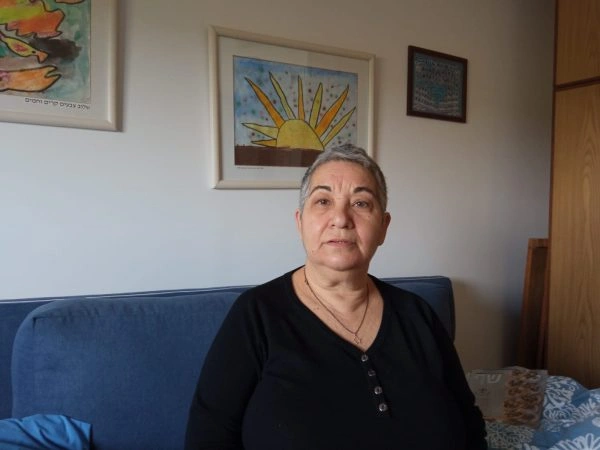
יהוד, ישראל
בתחילת הסבב הנוכחי הצטברו אצלי תחושות שאני לא מבינה מספיק מהי ההלכה אותה אני מקיימת בכל יום. כמו כן, כאמא לבנות רציתי לתת להן מודל נשי של לימוד תורה
שתי הסיבות האלו הובילו אותי להתחיל ללמוד. נתקלתי בתגובות מפרגנות וסקרניות איך אישה לומדת גמרא..
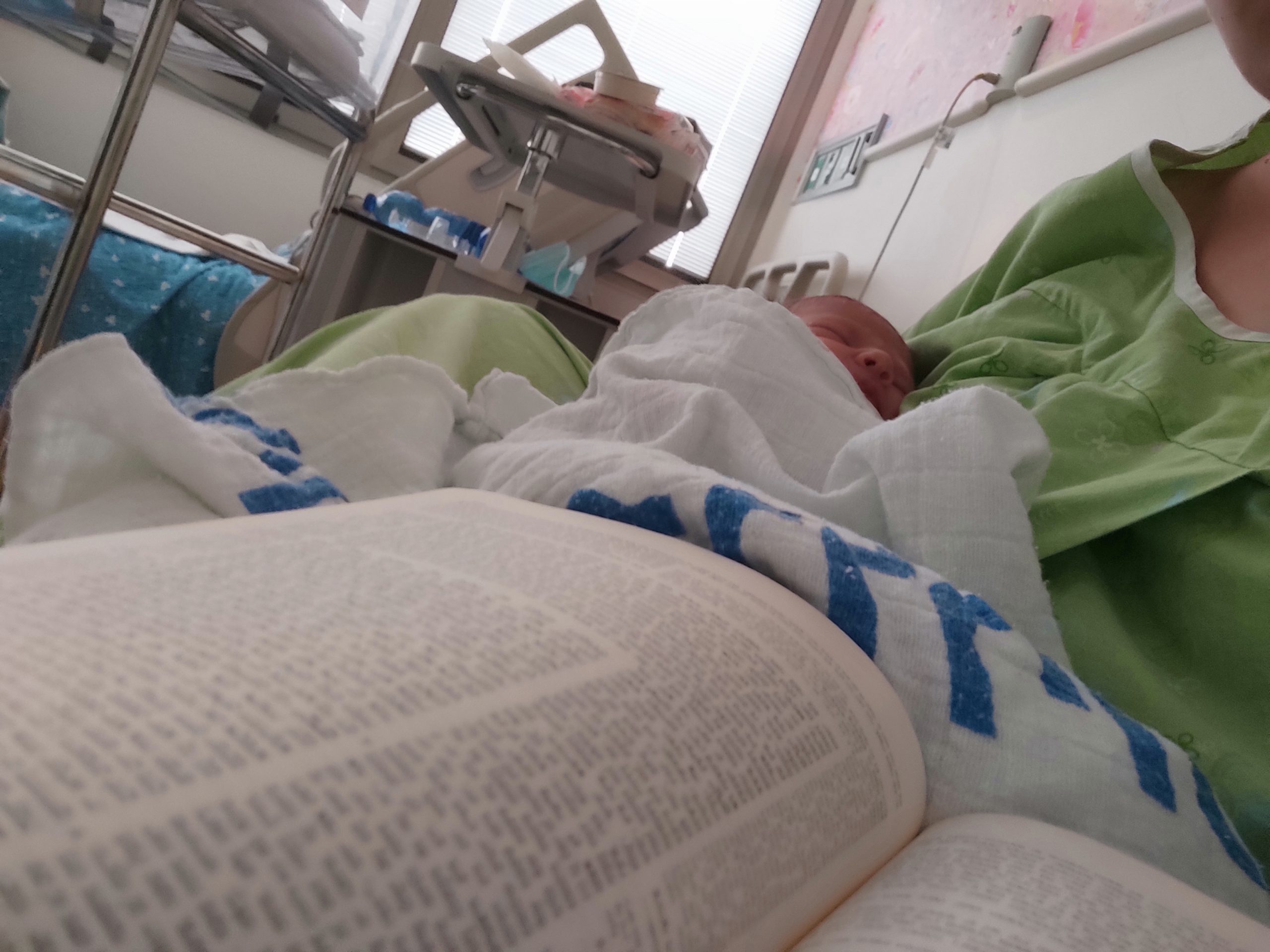
כמו שרואים בתמונה אני ממשיכה ללמוד גם היום ואפילו במחלקת יולדות אחרי לידת ביתי השלישית.
רבבה, ישראל
התחלתי ללמוד לפני 4.5 שנים, כשהודיה חברה שלי פתחה קבוצת ווטסאפ ללימוד דף יומי בתחילת מסכת סנהדרין. מאז לימוד הדף נכנס לתוך היום-יום שלי והפך לאחד ממגדירי הזהות שלי ממש.

ירושלים, ישראל
התחלתי ללמוד גמרא בבית הספר בגיל צעיר והתאהבתי. המשכתי בכך כל חיי ואף היייתי מורה לגמרא בבית הספר שקד בשדה אליהו (בית הספר בו למדתי בילדותי)בתחילת מחזור דף יומי הנוכחי החלטתי להצטרף ובע”ה מקווה להתמיד ולהמשיך. אני אוהבת את המפגש עם הדף את "דרישות השלום ” שמקבלת מקשרים עם דפים אחרים שלמדתי את הסנכרון שמתחולל בין התכנים.

מעלה גלבוע, ישראל
התחלתי מעט לפני תחילת הסבב הנוכחי. אני נהנית מהאתגר של להמשיך להתמיד, מרגעים של "אהה, מפה זה הגיע!” ומהאתגר האינטלקטואלי

לוד, ישראל
"
גם אני התחלתי בסבב הנוכחי וב””ה הצלחתי לסיים את רוב המסכתות . בזכות הרבנית מישל משתדלת לפתוח את היום בשיעור הזום בשעה 6:20 .הלימוד הפך להיות חלק משמעותי בחיי ויש ימים בהם אני מצליחה לחזור על הדף עם מלמדים נוספים ששיעוריהם נמצאים במרשתת. שמחה להיות חלק מקהילת לומדות ברחבי העולם. ובמיוחד לשמש דוגמה לנכדותיי שאי””ה יגדלו לדור שלימוד תורה לנשים יהיה משהו שבשגרה. "

נתניה, ישראל
התחלתי ללמוד דף יומי לפני שנתיים, עם מסכת שבת. בהתחלה ההתמדה היתה קשה אבל בזכות הקורונה והסגרים הצלחתי להדביק את הפערים בשבתות הארוכות, לסיים את מסכת שבת ולהמשיך עם המסכתות הבאות. עכשיו אני מסיימת בהתרגשות רבה את מסכת חגיגה וסדר מועד ומחכה לסדר הבא!

מודיעין, ישראל
אני לומדת גמרא כעשור במסגרות שונות, ואת הדף היומי התחלתי כשחברה הציעה שאצטרף אליה לסיום בבנייני האומה. מאז אני לומדת עם פודקסט הדרן, משתדלת באופן יומי אך אם לא מספיקה, מדביקה פערים עד ערב שבת. בסבב הזה הלימוד הוא "ממעוף הציפור”, מקשיבה במהירות מוגברת תוך כדי פעילויות כמו בישול או נהיגה, וכך רוכשת היכרות עם הסוגיות ואופן ניתוחם על ידי חז”ל. בע”ה בסבב הבא, ואולי לפני, אצלול לתוכו באופן מעמיק יותר.

רמת גן, ישראל
כבר סיפרתי בסיום של מועד קטן.
הלימוד מאוד משפיעה על היום שלי כי אני לומדת עם רבנית מישל על הבוקר בזום. זה נותן טון לכל היום – בסיס למחשבות שלי .זה זכות גדול להתחיל את היום בלימוד ובתפילה. תודה רבה !

ירושלים, ישראל
באירוע של הדרן בנייני האומה. בהשראתה של אמי שלי שסיימה את הש”ס בסבב הקודם ובעידוד מאיר , אישי, וילדיי וחברותיי ללימוד במכון למנהיגות הלכתית של רשת אור תורה סטון ומורתיי הרבנית ענת נובוסלסקי והרבנית דבורה עברון, ראש המכון למנהיגות הלכתית.
הלימוד מעשיר את יומי, מחזיר אותי גם למסכתות שכבר סיימתי וידוע שאינו דומה מי ששונה פרקו מאה לשונה פרקו מאה ואחת במיוחד מרתקים אותי החיבורים בין המסכתות
מודיעין, ישראל
התחלתי ללמוד דף לפני קצת יותר מ-5 שנים, כשלמדתי רבנות בישיבת מהר”ת בניו יורק. בדיעבד, עד אז, הייתי בלימוד הגמרא שלי כמו מישהו שאוסף חרוזים משרשרת שהתפזרה, פה משהו ושם משהו, ומאז נפתח עולם ומלואו…. הדף נותן לי לימוד בצורה מאורגנת, שיטתית, יום-יומית, ומלמד אותי לא רק ידע אלא את השפה ודרך החשיבה שלנו. לשמחתי, יש לי סביבה תומכת וההרגשה שלי היא כמו בציטוט שבחרתי: הדף משפיע לטובה על כל היום שלי.

חיפה, ישראל
למדתי גמרא מכיתה ז- ט ב Maimonides School ואחרי העליה שלי בגיל 14 לימוד הגמרא, שלא היה כל כך מקובל בימים אלה, היה די ספוראדי. אחרי "ההתגלות” בבנייני האומה התחלתי ללמוד בעיקר בדרך הביתה למדתי מפוקקטסים שונים. לאט לאט ראיתי שאני תמיד חוזרת לרבנית מישל פרבר. באיזה שהוא שלב התחלתי ללמוד בזום בשעה 7:10 .
היום "אין מצב” שאני אתחיל את היום שלי ללא לימוד עם הרבנית מישל עם כוס הקפה שלי!!
חשמונאים, ישראל
שמעתי על הסיום הענק של הדף היומי ע”י נשים בבנייני האומה. רציתי גם.
החלטתי להצטרף. התחלתי ושיכנעתי את בעלי ועוד שתי חברות להצטרף. עכשיו יש לי לימוד משותף איתו בשבת ומפגש חודשי איתן בנושא (והתכתבויות תדירות על דברים מיוחדים שקראנו). הצטרפנו לקבוצות שונות בווטסאפ. אנחנו ממש נהנות. אני שומעת את השיעור מידי יום (בד”כ מהרב יוני גוטמן) וקוראת ומצטרפת לסיומים של הדרן. גם מקפידה על דף משלהן (ונהנית מאד).

אפרת, ישראל
אמא שלי למדה איתי ש”ס משנה, והתחילה ללמוד דף יומי. אני החלטתי שאני רוצה ללמוד גם. בהתחלה למדתי איתה, אח”כ הצטרפתי ללימוד דף יומי שהרב דני וינט מעביר לנוער בנים בעתניאל. במסכת עירובין עוד חברה הצטרפה אלי וכשהתחלנו פסחים הרב דני פתח לנו שעור דף יומי לבנות. מאז אנחנו לומדות איתו קבוע כל יום את הדף היומי (ובשבת אבא שלי מחליף אותו). אני נהנית מהלימוד, הוא מאתגר ומעניין

עתניאל, ישראל
התחלתי ללמוד דף יומי ממסכת נידה כי זה היה חומר הלימוד שלי אז. לאחר הסיום הגדול בבנייני האומה החלטתי להמשיך. וב”ה מאז עם הפסקות קטנות של קורונה ולידה אני משתדלת להמשיך ולהיות חלק.
זה משפיע מאוד על היום יום שלי ועל אף שאני עסוקה בלימודי הלכה ותורה כל יום, זאת המסגרת הקבועה והמחייבת ביותר שיש לי.
גבעת הראל, ישראל
מנחות כו
תָּא שְׁמַע: דָּם שֶׁנִּטְמָא וּזְרָקוֹ בְּשׁוֹגֵג הוּרְצָה, בְּמֵזִיד לֹא הוּרְצָה – הָכִי קָאָמַר: דָּם שֶׁנִּטְמָא וּזְרָקוֹ, בֵּין בְּשׁוֹגֵג בֵּין בְּמֵזִיד – נִטְמָא בְּשׁוֹגֵג הוּרְצָה, בְּמֵזִיד לֹא הוּרְצָה.
The Gemara suggests a refutation of Rav Sheila’s opinion based on the first baraita: Come and hear: In the case of blood of an offering that became impure and a priest sprinkled it on the altar, if he did so unwittingly, the offering is accepted and achieves atonement for the owner of the offering. If he sprinkled the blood intentionally, the offering is not accepted. This contradicts Rav Sheila’s statement that even if the priest sprinkled the blood intentionally, it is accepted. The Gemara rejects this proof: According to Rav Sheila, this is what the baraita is saying: In the case of blood that became impure and a priest sprinkled it, whether it was sprinkled unwittingly or intentionally, if it was rendered impure unwittingly it is accepted, but if it was rendered impure intentionally then it is not accepted.
מַתְנִי׳ נִטְמְאוּ שְׁיָרֶיהָ, נִשְׂרְפוּ שְׁיָרֶיהָ, אָבְדוּ שְׁיָרֶיהָ – כְּמִדַּת רַבִּי אֱלִיעֶזֶר כְּשֵׁירָה, וּכְמִדַּת רַבִּי יְהוֹשֻׁעַ פְּסוּלָה.
MISHNA: If after the handful was removed the remainder of the meal offering became ritually impure, or if the remainder of the meal offering was burned, or if the remainder of the meal offering was lost, according to the principle of Rabbi Eliezer, who says that with regard to an animal offering the blood is fit for sprinkling even if there is no meat that can be eaten, the meal offering is fit, and the priest burns the handful. But according to the principle of Rabbi Yehoshua, who says that with regard to an animal offering the blood is fit for sprinkling only if there is meat that can be eaten, it is unfit and the priest does not burn the handful, as the handful serves to render permitted the remainder.
גְּמָ׳ אָמַר רַב: וְהוּא שֶׁנִּטְמְאוּ כׇּל שְׁיָרֶיהָ, אֲבָל מִקְצָת שְׁיָרֶיהָ – לָא.
GEMARA: With regard to the mishna’s statement that according to Rabbi Yehoshua the meal offering is unfit if its remainder is rendered impure, Rav says: And this is the halakha only when all of its remainder became impure. But if only a part of its remainder became impure, the meal offering is not unfit.
קָא סָלְקָא דַּעְתָּךְ: נִטְמָא – אִין, אָבוּד וְשָׂרוּף – לָא. מַאי קָסָבַר? אִי קָסָבַר: שִׁיּוּרָא מִילְּתָא הִיא – אֲפִילּוּ אָבוּד וְשָׂרוּף נָמֵי! אִי קָסָבַר: שִׁיּוּרָא לָאו מִילְּתָא הִיא, וְנִטְמָא מַאי טַעְמָא – דִּמְרַצֵּה צִיץ? אִי הָכִי, כׇּל שְׁיָרֶיהָ נָמֵי!
The Gemara comments: It enters your mind that Rav holds that only if a part of the remainder became impure, then yes, the meal offering is fit; but if part of the remainder was lost or burned, then the meal offering is not fit. The Gemara asks: What does Rav hold? If he holds that what remains is significant, so that even if a portion of the remainder cannot be eaten the handful is still sacrificed to render the rest permitted, then why would this not also be the halakha even if part of the remainder was lost or burned? Alternatively, if he holds that what remains is not significant, and the Gemara interjects: And accordingly, what is the reason that the handful is sacrificed if a part of the remainder became impure? It is because the frontplate effects acceptance for the impurity; if that is so, then even if all of the remainder became impure, the handful should still be sacrificed.
לְעוֹלָם קָסָבַר: שִׁיּוּרָא מִילְּתָא הִיא, וְנִטְמָא – וְהוּא הַדִּין לְאָבוּד וְשָׂרוּף, וְהַאי דְּקָאָמַר ״נִטְמָא״ – רֵישַׁיְיהוּ נָקֵט.
The Gemara explains: Actually, he holds that what remains is significant, and just as when a part of the remainder became impure but the offering is still fit, the rest of the remainder is sacrificed, the same is true with regard to a case where a part of the remainder was lost or burned. And the reason that he stated this halakha specifically in a case where it became impure is that he employed the terminology of the beginning of the mishna, which discusses a case where the remainder became impure.
כִּדְתַנְיָא, רַבִּי יְהוֹשֻׁעַ אוֹמֵר: כׇּל הַזְּבָחִים שֶׁבְּתוֹרָה שֶׁנִּשְׁתַּיֵּיר מֵהֶן כְּזַיִת בָּשָׂר אוֹ כְּזַיִת חֵלֶב – זוֹרֵק אֶת הַדָּם.
Rava’s statement accords with the opinion of Rabbi Yehoshua, as it is taught in a baraita: Rabbi Yehoshua says: With regard to all the offerings in the Torah from which there remains an olive-bulk of meat that is fit to be eaten or an olive-bulk of fat that is fit to be sacrificed on the altar, the priest sprinkles the blood. Similarly, if a part of the remainder can be eaten the handful is still sacrificed, as the status of the remainder relative to the handful corresponds to the status of the meat relative to the blood.
כַּחֲצִי זַיִת בָּשָׂר וְכַחֲצִי זַיִת חֵלֶב – אֵינוֹ זוֹרֵק אֶת הַדָּם, וּבָעוֹלָה אֲפִילּוּ כַּחֲצִי זַיִת בָּשָׂר וְכַחֲצִי זַיִת חֵלֶב – זוֹרֵק אֶת הַדָּם, מִפְּנֵי שֶׁכּוּלָּהּ כָּלִיל, וּבַמִּנְחָה אֲפִילּוּ כּוּלָּהּ קַיֶּימֶת – לֹא יִזְרוֹק.
The Gemara cites the continuation of the baraita: If all that remains is half an olive-bulk of meat and half an olive-bulk of fat, the priest does not sprinkle the blood. This is because the half olive-bulk of meat and the half olive-bulk of fat do not combine to form one olive-bulk, since the former is eaten and the latter is sacrificed on the altar. And with regard to a burnt offering, even if all that was left was half an olive-bulk of meat and half an olive-bulk of fat, the priest sprinkles the blood, because it is consumed on the altar in its entirety. Since both the meat and the fat are sacrificed on the altar, they combine to form one olive-bulk. And with regard to a meal offering, although all of it remains pure, the priest shall not sprinkle the blood.
מִנְחָה מַאי עֲבִידְתַּהּ? אָמַר רַב פָּפָּא: מִנְחַת נְסָכִים, סָלְקָא דַּעְתָּךְ – הוֹאִיל וּבַהֲדֵי זֶבַח קָא אָתְיָא, כְּגוּפֵיהּ דְּזִיבְחָא דָּמְיָא, קָא מַשְׁמַע לַן.
The Gemara questions the last ruling of the baraita: What is the mention of a meal offering doing here? The discussion is about sprinkling blood, which is not relevant in the case of a meal offering. Rav Pappa said: The meal offering mentioned is the meal offering that accompanies the libations that accompany animal offerings. It could enter your mind to say: Since this meal offering accompanies the animal offering, it is comparable to the offering itself, and therefore if the offering became impure but the meal offering remained pure, the blood of the offering is sprinkled due to the remaining meal offering. To counter this, the baraita teaches us that this is not the halakha.
מְנָהָנֵי מִילֵּי? אָמַר רַבִּי יוֹחָנָן מִשּׁוּם רַבִּי יִשְׁמָעֵאל, וּמָטוּ בַּהּ מִשּׁוּם רַבִּי יְהוֹשֻׁעַ בֶּן חֲנַנְיָא: אָמַר קְרָא ״וְהִקְטִיר הַחֵלֶב לְרֵיחַ נִיחֹחַ לַה׳״, חֵלֶב – וְאַף עַל פִּי שֶׁאֵין בָּשָׂר.
The Gemara returns to its discussion of the halakha that if only an olive-bulk of the fat remains, the priest sprinkles the blood of the offering. From where is this matter derived? Rabbi Yoḥanan says in the name of Rabbi Yishmael, and there are those who determined that it was stated in the name of Rabbi Yehoshua ben Ḥananya: The verse states: “And the priest shall sprinkle the blood against the altar of the Lord at the door of the Tent of Meeting, and he shall make the fat smoke for a pleasing aroma to the Lord” (Leviticus 17:6). This verse never mentions the meat, but only the fat, indicating that the blood is sprinkled even if there is no ritually pure meat, but only fat.
וְאַשְׁכְּחַן חֵלֶב, יוֹתֶרֶת וּשְׁתֵּי כְּלָיוֹת מְנָלַן? דְּקָתָנֵי: וּבַמִּנְחָה, אֲפִילּוּ כּוּלָּהּ קַיֶּימֶת לֹא יִזְרוֹק. מִנְחָה הוּא דְּלֹא יִזְרוֹק, הָא יוֹתֶרֶת וּשְׁתֵּי כְּלָיוֹת – יִזְרוֹק.
The Gemara asks: And we found a source for the halakha that the priest sprinkles the blood if only fat remains. From where do we derive that the priest sprinkles the blood if all that is left is the lobe of the liver or the two kidneys, which are also sacrificed on the altar? The Gemara answers: The halakha that the priest sprinkles the blood in that case is derived from that which is taught at the end of the baraita: And with regard to a meal offering, although all of it remains pure, the priest shall not sprinkle the blood. This teaches that it is in the case of a meal offering that the priest shall not sprinkle the blood, as the meal offering is not part of the animal; but if the lobe of the liver or the two kidneys remain, the priest sprinkles the blood.
מְנָלַן? רַבִּי יוֹחָנָן דִּידֵיהּ אָמַר: ״לְרֵיחַ נִיחֹחַ״ – כֹּל שֶׁאַתָּה מַעֲלֶה לְרֵיחַ נִיחוֹחַ.
The Gemara asks: From where do we derive this halakha? The Gemara answers that Rabbi Yoḥanan himself says: The verse states: “For a pleasing aroma to the Lord” (Leviticus 17:6). This teaches that the blood is sprinkled whenever anything that you offer up on the altar for a pleasing aroma remains. This includes anything burned on the altar.
וְאִיצְטְרִיךְ לְמִכְתַּב ״חֵלֶב״, וְאִיצְטְרִיךְ לְמִיכְתַּב ״לְרֵיחַ נִיחֹחַ״, דְּאִי כְּתַב ״חֵלֶב״ הֲוָה אָמֵינָא: חֵלֶב – אִין, יוֹתֶרֶת וּשְׁתֵּי כְּלָיוֹת – לָא, כְּתַב רַחֲמָנָא ״רֵיחַ נִיחֹחַ״. וְאִי כְּתַב רַחֲמָנָא ״לְרֵיחַ נִיחֹחַ״ הֲוָה אָמֵינָא: אֲפִילּוּ מִנְחָה, כְּתַב רַחֲמָנָא ״חֵלֶב״.
The Gemara notes: And it was necessary to write “fat” in that verse, and it was necessary to write “for a pleasing aroma.” As, if the Merciful One had written only “fat,” I would say that if fat remains, yes, the priest sprinkles the blood, but if only the lobe of the liver or the two kidneys remain, since they are not as significant as the fat, the blood is not sprinkled. Therefore, the Merciful One wrote “for a pleasing aroma.” And if the Merciful One had written only “for a pleasing aroma,” I would say that it includes even a meal offering brought with the libations that accompany animal offerings. Therefore, the Merciful One wrote “fat,” to teach that this halakha applies only to sacrificial parts of the animal, but not to accompanying libations and meal offerings.
מַתְנִי׳ שֶׁלֹּא בִּכְלֵי שָׁרֵת – פָּסוּל, וְרַבִּי שִׁמְעוֹן מַכְשִׁיר. הִקְטִיר קוּמְצָהּ פַּעֲמַיִם – כְּשֵׁרָה.
MISHNA: A handful of a meal offering that was not sanctified in a service vessel is unfit, and Rabbi Shimon deems it fit. If the priest burned the handful of a meal offering twice, i.e., in two increments, it is fit.
גְּמָ׳ אָמַר רַבִּי יְהוּדָה בְּרֵיהּ דְּרַבִּי חִיָּיא: מַאי טַעְמָא דְּרַבִּי שִׁמְעוֹן? אָמַר קְרָא ״קֹדֶשׁ קָדָשִׁים הִיא כַּחַטָּאת וְכָאָשָׁם״. בָּא לְעוֹבְדָהּ בַּיָּד כְּחַטָּאת – עוֹבְדָהּ בְּיָמִין, כְּחַטָּאת. בִּכְלִי – עוֹבְדָהּ בִּשְׂמֹאל, כְּאָשָׁם.
GEMARA: Rabbi Yehuda, son of Rabbi Ḥiyya, says: What is the reasoning of Rabbi Shimon? The verse states with regard to a meal offering: “It is most holy, as the sin offering, and as the guilt offering” (Leviticus 6:10). Rabbi Shimon derives from here that the handful of the meal offering may be placed on the altar in the manner of the blood of either a sin offering or a guilt offering. If a priest comes to perform the sacrificial rites of a meal offering with his hand, as one performs the sprinkling of the blood of a sin offering, which is performed with the priest’s right index finger, he must perform its rites with his right hand, like the sin offering. If he performs the sacrificial rites with a vessel, as one performs the sprinkling of the blood of a guilt offering, whose blood is sprinkled from a vessel on the altar and whose sprinkling may be performed with the priest’s left hand, he may perform its rites with his left hand, like the guilt offering.
וְרַבִּי יַנַּאי אָמַר: כֵּיוָן שֶׁקְּמָצוֹ מִכְּלֵי שָׁרֵת, מַעֲלֵהוּ וּמַקְטִירוֹ אֲפִילּוּ בְּהֶמְיָינוֹ, וַאֲפִילּוּ בִּמְקִידָּה שֶׁל חֶרֶשׂ. רַב נַחְמָן בַּר יִצְחָק אָמַר: הַכֹּל מוֹדִים בַּקּוֹמֶץ שֶׁטָּעוּן קִידּוּשׁ.
And Rabbi Yannai says: According to Rabbi Shimon there are no restrictions on the manner in which the handful is sacrificed, as once the priest has removed the handful from a service vessel, he may bring it up and burn it even if he placed it in his belt, or even in an earthenware vessel. Rav Naḥman bar Yitzḥak says: All concede that the handful requires sanctification in a service vessel before it is sacrificed.
מֵיתִיבִי: הֶקְטֵר חֲלָבִים וְאֵבָרִים וְעֵצִים שֶׁהֶעֱלָן, בֵּין בַּיָּד בֵּין בִּכְלִי, בֵּין בְּיָמִין וּבֵין בִּשְׂמֹאל – כְּשֵׁרִין; הַקּוֹמֶץ וְהַקְּטוֹרֶת וְהַלְּבוֹנָה שֶׁהֶעֱלָן, בֵּין בַּיָּד בֵּין בִּכְלִי, בֵּין בְּיָמִין בֵּין בִּשְׂמֹאל – כְּשֵׁרִין. תְּיוּבְתָּא דְּרַבִּי יְהוּדָה בְּרֵיהּ דְּרַבִּי חִיָּיא!
The Gemara raises an objection to the statement of Rabbi Yehuda, son of Rabbi Ḥiyya, from a baraita (Tosefta, Zevaḥim 1:11): With regard to the burning of the fats, and the limbs, and the wood that were brought up to the altar, that the priest brought them up to the altar, whether by hand or with a vessel, whether with the right hand or with the left hand, they are fit. With regard to the handful, and the incense, and the frankincense, that the priest brought them up to the altar, whether by hand or with a vessel, whether with the right hand or with the left hand, they are fit. The Gemara suggests: This is a conclusive refutation of the opinion of Rabbi Yehuda, son of Rabbi Ḥiyya, who stated that if the handful is sacrificed by hand, it must be sacrificed only with the right hand.
אָמַר לָךְ רַבִּי יְהוּדָה בְּרֵיהּ דְּרַבִּי חִיָּיא: לִצְדָדִין קָתָנֵי – בַּיָּד בְּיָמִין, בִּכְלִי – בֵּין בְּיָמִין בֵּין בִּשְׂמֹאל.
The Gemara responds: Rabbi Yehuda, son of Rabbi Ḥiyya, could say to you that the tanna of the baraita teaches it disjunctively, and the statement should be understood as follows: If these items are brought up by hand, with the right hand, or with a vessel, whether with the right hand or with the left, they are fit.
תָּא שְׁמַע: קְמָצוֹ שֶׁלֹּא מִכְּלֵי שָׁרֵת, וְקִידְּשׁוֹ שֶׁלֹּא בִּכְלֵי שָׁרֵת, וְהֶעֱלוֹ וְהִקְטִירוֹ שֶׁלֹּא בִּכְלִי שָׁרֵת – פָּסוּל, רַבִּי אֶלְעָזָר וְרַבִּי שִׁמְעוֹן מַכְשִׁירִין בְּמַתַּן כְּלִי.
The Gemara attempts to refute the opinion of Rav Naḥman bar Yitzḥak that all concede that the handful requires sanctification in a service vessel before it is sacrificed. Come and hear that which is taught in a baraita: If the priest removed the handful, but not from a service vessel, and sanctified it, but not in a service vessel, and brought it up and burned it, but not in a service vessel, then it is unfit. Rabbi Elazar and Rabbi Shimon deem it fit in a case where the handful had been placed in any type of vessel. This contradicts Rav Naḥman bar Yitzḥak’s claim that all concede that the handful must be sanctified in a service vessel.
אֵימָא: מִמַּתַּן כְּלִי וְאֵילָךְ.
The Gemara responds: Say that according to Rabbi Elazar and Rabbi Shimon, from the point when the handful has been placed in a service vessel and sanctified and onward, it is no longer necessary to take it in a service vessel to the altar to sacrifice it. Therefore, the baraita does not contradict Rav Naḥman bar Yitzḥak’s statement.
תָּא שְׁמַע: וַחֲכָמִים אוֹמְרִים: קוֹמֶץ טָעוּן כְּלִי שָׁרֵת, כֵּיצַד? קוֹמְצוֹ מִכְּלִי שָׁרֵת, וּמְקַדְּשׁוֹ בִּכְלִי שָׁרֵת, וּמַעֲלוֹ וּמַקְטִירוֹ בִּכְלִי שָׁרֵת. רַבִּי שִׁמְעוֹן אוֹמֵר: כֵּיוָן שֶׁקְּמָצוֹ מִכְּלִי שָׁרֵת, מַעֲלוֹ וּמַקְטִירוֹ שֶׁלֹּא בִּכְלִי שָׁרֵת וְדַיּוֹ.
The Gemara suggests another refutation of Rav Naḥman bar Yitzḥak’s opinion from a baraita (Tosefta 4:15). Come and hear: And the Rabbis say: The handful requires sanctification in a service vessel. How is this sanctification performed? The priest removes the handful from a service vessel, and sanctifies it in a service vessel, and brings it up and burns it in a service vessel. Rabbi Shimon says: Once the handful is removed from a service vessel, the priest may bring it up and burn it even if it is not in a service vessel, and this is sufficient for it. This baraita demonstrates that, in contrast to Rav Naḥman bar Yitzḥak’s statement, Rabbi Shimon does not hold that the handful must be sanctified in a service vessel.
אֵימָא: כֵּיוָן שֶׁקְּמָצוֹ וְקִדְּשׁוֹ בִּכְלִי שָׁרֵת, מַעֲלוֹ וּמַקְטִירוֹ וְדַיּוֹ.
The Gemara answers: Say that according to Rabbi Shimon, once the priest removes the handful and sanctifies it in a service vessel, he may bring it up and burn it, and this is sufficient for it.
תָּא שְׁמַע: קָמַץ בִּימִינוֹ וְנָתַן בִּשְׂמֹאלוֹ – יַחְזִיר לִימִינוֹ, בִּשְׂמֹאלוֹ
The Gemara suggests another proof. Come and hear: If the priest removed the handful with his right hand and put it in his left hand, he shall return it to his right hand. If the handful was in his left hand
וְחִישֵּׁב עָלֶיהָ בֵּין חוּץ לִמְקוֹמוֹ בֵּין חוּץ לִזְמַנּוֹ – פָּסוּל, וְאֵין בּוֹ כָּרֵת.
and he intended to partake of the meal offering in an improper manner, whether outside its designated area or beyond its designated time, the offering is not valid, but there is no liability to receive karet if one partakes of it.
(לֹא) חִישֵּׁב עָלֶיהָ חוּץ לִמְקוֹמוֹ – פָּסוּל, וְאֵין בּוֹ כָּרֵת. חוּץ לִזְמַנּוֹ – פִּיגּוּל, וְחַיָּיבִין עָלָיו כָּרֵת, דִּבְרֵי רַבִּי אֶלְעָזָר וְרַבִּי שִׁמְעוֹן.
The Gemara presents an alternative version of this baraita: If, while the handful was in his right hand, he intended to partake of the meal offering outside its designated area, the offering is not valid, but there is no liability to receive karet if one partakes of it. If he intended to partake of it beyond its designated time, then the offering is piggul and one who partakes of it is liable to receive karet. This is the statement of Rabbi Elazar and Rabbi Shimon.
וַחֲכָמִים אוֹמְרִים: כֵּיוָן שֶׁנְּתָנוֹ לִשְׂמֹאל – פְּסָלַתּוּ מַתְּנָתוֹ, מַאי טַעְמָא? מִשּׁוּם דְּבָעֵי קְדוּשָּׁה בִּכְלִי, וְכֵיוָן שֶׁנְּתָנוֹ לִשְׂמֹאל – נַעֲשָׂה כְּדָם שֶׁנִּשְׁפַּךְ מִצַּוַּאר בְּהֵמָה עַל הָרִצְפָּה וַאֲסָפוֹ, שֶׁפָּסוּל.
And the Rabbis say: Once he put the handful in his left hand, the placing of it in his left hand renders it unfit and it cannot be rendered fit by returning it to his right hand. What is the reason? It is because it requires sanctification in a service vessel, and once he put it in his left hand, it is considered like blood that spilled from an animal’s neck onto the floor before being collected in a service vessel and one then gathered it, which is unfit and cannot be rendered fit by then being placed in a service vessel.
מִכְּלָל דְּרַבִּי אֶלְעָזָר וְרַבִּי שִׁמְעוֹן לָא בָּעוּ מַתַּן כְּלִי, תְּיוּבְתָּא דְּרַב נַחְמָן, תְּיוּבְתָּא.
The Gemara notes: By inference, one can conclude that Rabbi Elazar and Rabbi Shimon do not require sanctification of the handful by placing it in a service vessel. Accordingly, this serves as a conclusive refutation of the opinion of Rav Naḥman bar Yitzḥak, who stated that even Rabbi Shimon requires sanctification in a service vessel. The Gemara affirms: This is a conclusive refutation of his opinion.
לְרַבִּי יְהוּדָה בְּרֵיהּ דְּרַבִּי חִיָּיא מְסַיְּיעָא לֵיהּ, לְרַבִּי יַנַּאי לֵימָא תֶּיהְוֵי תְּיוּבְתָּא?
The baraita teaches that according to Rabbi Shimon, if the priest transferred the handful to his left hand he should return the handful to his right hand. The Gemara comments: This supports the statement of Rabbi Yehuda, son of Rabbi Ḥiyya, as he said that according to the opinion of Rabbi Shimon the rites of the meal offering must be performed with the priest’s right hand. The Gemara asks: Shall we say that this baraita is a conclusive refutation of the opinion of Rabbi Yannai, as it teaches that the handful must be transferred back to his right hand, whereas he states that once the handful has been removed from a service vessel it may be sacrificed in any manner?
אָמַר לָךְ רַבִּי יַנַּאי: אֲנָא דַּאֲמַרִי כְּתַנָּא דְּהֶקְטֵר, וְלָאו לִצְדָדִים קָתָנֵי.
The Gemara answers: Rabbi Yannai could say to you: I stated my ruling in accordance with the opinion of the tanna who taught that the burning of the fats and the limbs and the sacrifice of the meal offering can all take place with either the right or left hand. And I hold that he does not teach it disjunctively, as it was explained in order to reconcile the baraita with the statement of Rabbi Yehuda, son of Rabbi Ḥiyya. Rather, it is to be understood according to its straightforward meaning.
הִקְטִיר קוּמְצָהּ פַּעֲמַיִם – כְּשֵׁרָה. אָמַר רַבִּי יְהוֹשֻׁעַ בֶּן לֵוִי: ״פַּעֲמַיִם״ – וְלֹא פַּעֲמֵי פַעֲמַיִם, וְרַבִּי יוֹחָנָן אָמַר: ״פַּעֲמַיִם״ – וַאֲפִילּוּ פַּעֲמֵי פַעֲמַיִם.
§ The mishna teaches: If the priest burned the handful of a meal offering twice, i.e., in two increments, it is fit. The Gemara comments: Rabbi Yehoshua ben Levi says: The handful is fit if it is burned twice, where half of the handful is burned each time, but not if it is burned several times, in smaller increments. And Rabbi Yoḥanan says: It is fit if it is burned twice, and it is fit even if it is burned several times.
מַאי בֵּינַיְיהוּ? אָמַר רַבִּי זֵירָא: יֵשׁ קוֹמֶץ פָּחוֹת מִשְּׁנֵי זֵיתִים, וְיֵשׁ הַקְטָרָה פְּחוּתָה מִכְּזַיִת אִיכָּא בֵּינַיְיהוּ.
The Gemara asks: What is the basis for the dispute between the two opinions? Rabbi Zeira said: The dispute between the two is with regard to whether there is significance to a handful that is less than the size of two olives and whether there is significance to the burning of less than an olive-bulk on the altar.
רַבִּי יְהוֹשֻׁעַ בֶּן לֵוִי סָבַר: אֵין קוֹמֶץ פָּחוֹת מִשְּׁנֵי זֵיתִים, וְאֵין הַקְטָרָה פְּחוּתָה מִכְּזַיִת. וְרַבִּי יוֹחָנָן סָבַר: יֵשׁ קוֹמֶץ פָּחוֹת מִשְּׁנֵי זֵיתִים, וְיֵשׁ הַקְטָרָה פְּחוּתָה מִכְּזַיִת.
Rabbi Yehoshua ben Levi holds that there is no significance to a handful that is less than the size of two olives and there is no significance to the burning of less than an olive-bulk on the altar. Therefore, the mishna’s statement that the handful may be burned in two increments is meant literally, and the handful may be divided into only two equal portions, where each one contains exactly one olive-bulk. It may not be divided further, since doing so would result in the burning of less than an olive-bulk on the altar. And Rabbi Yoḥanan holds that there is significance to a handful that is less than the size of two olives and there is significance to the burning of less than an olive-bulk on the altar. Therefore, if the handful was divided into several small portions and each portion was burned separately, it is fit.
אִיתְּמַר: קוֹמֶץ מֵאֵימָתַי מַתִּיר שִׁירַיִם בַּאֲכִילָה? רַבִּי חֲנִינָא אוֹמֵר: מִשֶּׁמָּשְׁלָה בּוֹ (אֶת) הָאוּר, רַבִּי יוֹחָנָן אָמַר: מִשֶּׁתַּצִּית בּוֹ (אֶת) הָאוּר בְּרוּבּוֹ.
§ It was stated: From when precisely does the sacrifice of the handful render permitted the remainder of the meal offering for consumption by the priests? Rabbi Ḥanina says: From when the fire takes hold of it, i.e., when it ignites. Rabbi Yoḥanan says: From when the fire consumes most of the handful.
אֲמַר לֵיהּ רַב יְהוּדָה לְרַבָּה בַּר רַב יִצְחָק: אַסְבְּרַהּ לָךְ טַעְמָא דְּרַבִּי יוֹחָנָן, אָמַר קְרָא: ״וְהִנֵּה עָלָה קִיטֹר הָאָרֶץ כְּקִיטֹר הַכִּבְשָׁן״, אֵין כִּבְשָׁן מַעֲלֶה קִיטוֹר עַד שֶׁתַּצִּית הָאוּר בְּרוּבּוֹ.
Rav Yehuda said to Rabba bar Rav Yitzḥak: I will explain to you the reasoning of Rabbi Yoḥanan. The verse states: “And behold, the smoke of the land went up as the smoke of a furnace” (Genesis 19:28), and a furnace does not release smoke until the fire takes hold of the majority of the fuel. Rabbi Yoḥanan derived from this verse that the majority of the handful must be consumed by the fire, since the priests are instructed to make the handful smoke, as it is written: “And the priest shall make the memorial part thereof smoke upon the altar” (Leviticus 2:2).
אֲמַר לֵיהּ רָבִין בַּר רַב אַדָּא לְרָבָא: אָמְרִי תַּלְמִידֶיךָ אָמַר רַב עַמְרָם, תַּנְיָא: אֵין לִי אֶלָּא דְּבָרִים שֶׁדַּרְכָּן לִיקְרַב בַּלַּיְלָה, כְּגוֹן אֵבָרִים וּפְדָרִים, שֶׁמַּעֲלָן וּמַקְטִירָן מִבּוֹא הַשֶּׁמֶשׁ, וּמִתְעַכְּלִין וְהוֹלְכִין כׇּל הַלַּיְלָה כּוּלָּהּ.
Ravin bar Rav Adda said to Rava: Your students say that Rav Amram said that it is taught in a baraita: I have derived only with regard to items whose usual manner is to be sacrificed at night, for example, the limbs of the burnt offering and the fats [pedarim] of the burnt offering, that the priest may bring them up and burn them after sunset and they are consumed throughout the entire night. This is derived from the verse: “This is the law of the burnt offering: It is that which goes up on its firewood upon the altar all night unto the morning” (Leviticus 6:2).
דְּבָרִים שֶׁדַּרְכָּן לִיקְרַב בַּיּוֹם, כְּגוֹן: הַקּוֹמֶץ, וְהַלְּבוֹנָה, וְהַקְּטֹרֶת, וּמִנְחַת כֹּהֲנִים, וּמִנְחַת כֹּהֵן מָשׁוּחַ, וּמִנְחַת נְסָכִים, שֶׁמַּעֲלָן וּמַקְטִירָן מִבּוֹא הַשֶּׁמֶשׁ?
The baraita continues: With regard to items whose usual manner is to be sacrificed during the day, for example, the handful of the meal offering, the frankincense, the incense, the meal offering of priests, the meal offering of the anointed priest, i.e., the High Priest, and the meal offering that accompanies the libations, from where is it derived that the priest may bring them up and burn them after sunset?
וְהָא אָמְרַתְּ דַּרְכָּן לִיקְרַב בַּיּוֹם! אֶלָּא, עִם בֹּא הַשֶּׁמֶשׁ, שֶׁמִּתְעַכְּלִין וְהוֹלְכִין כׇּל הַלַּיְלָה – מִנַּיִן? תַּלְמוּד לוֹמַר: ״זֹאת תּוֹרַת הָעֹלָה״ – רִיבָּה.
The Gemara interjects: Why would they be allowed to be burned after sunset? But didn’t you say that these are items whose usual manner is to be sacrificed during the day? The Gemara clarifies: Rather, the question of the baraita is as follows: From where is it derived that these items may be brought up and burned concurrent with the setting of the sun, in which case they are consumed throughout the entire night and not during the day? The verse states: “This is the law of the burnt offering” (Leviticus 6:2), which included everything that is sacrificed on the altar.
וְהָא עִם בֹּא הַשֶּׁמֶשׁ – לָא מַשְׁכַּחַתְּ לַהּ שֶׁתַּצִּית הָאוּר בְּרוּבּוֹ. לָא קַשְׁיָא: כָּאן לִקְלוֹט, כָּאן לְהַתִּיר.
Ravin bar Rav Adda challenges: But if the handful is brought up and burned concurrent with the setting of the sun, you do not find that the majority of it is consumed by the fire before sunset. How does this baraita accord with Rabbi Yoḥanan’s statement that the majority of the handful must be consumed by the fire in order to render permitted the consumption of the remainder by the priests? The Gemara answers: This is not difficult. Here, where the baraita does not require the consumption by fire of the majority of the handful, it is referring only to that which is required in order for the altar to receive the handful, so that it is considered the food of the altar and may continue to burn all night long. There, Rabbi Yoḥanan states that in order to render permitted the consumption of the remainder by the priests, the majority of the handful must be consumed by the fire.
רַבִּי אֶלְעָזָר מַתְנֵי לַהּ ״מִבּוֹא הַשֶּׁמֶשׁ״, וּמוֹקֵים לַהּ בְּפוֹקְעִין, וְכֵן כִּי אֲתָא רַב דִּימִי אָמַר רַבִּי יַנַּאי: בְּפוֹקְעִין.
The Gemara notes: Rabbi Elazar teaches the baraita the way it was initially presented, as asking how it is known that items that are usually sacrificed during the day may be burned after sunset. And he interprets the baraita as referring to parts of the offering that were dislodged from the fire after sunset, which may be returned to the fire throughout the night. And similarly, when Rav Dimi came from Eretz Yisrael to Babylonia he said that Rabbi Yannai said the baraita is referring to parts that were dislodged from the fire after sunset.
וּמִי אָמַר רַבִּי יַנַּאי הָכִי? וְהָא אָמַר רַבִּי יַנַּאי: קְטֹרֶת שֶׁפָּקְעָה מֵעַל גַּבֵּי הַמִּזְבֵּחַ, אֲפִילּוּ קְרָטִין שֶׁבָּהּ אֵין מַחֲזִירִין אוֹתָן! וְתָנֵי רַב חֲנִינָא בַּר מִנְיוֹמֵי בִּדְבֵי רַבִּי אֱלִיעֶזֶר בֶּן יַעֲקֹב: ״אֲשֶׁר תֹּאכַל הָאֵשׁ אֶת הָעֹלָה עַל הַמִּזְבֵּחַ״ – עִיכּוּלֵי עוֹלָה אַתָּה מַחְזִיר, וְאִי אַתָּה מַחְזִיר עִיכּוּלֵי קְטֹרֶת! סְמִי מִיכָּן קְטֹרֶת.
The Gemara asks: And did Rabbi Yannai in fact say this? But doesn’t Rabbi Yannai say: In the case of incense that was dislodged from on top of the altar, the priests may not return even small lumps of it to the fire? And similarly, Rav Ḥanina bar Minyumi from the school of Rabbi Eliezer ben Ya’akov taught in a baraita: The verse states: “That which the fire will consume of the burnt offering on the altar” (Leviticus 6:3). This teaches that if parts of a burnt offering that were partially consumed were dislodged from the external altar you shall return them, but you do not return incense that was partially consumed and was dislodged from the internal altar. The Gemara answers: Remove from the baraita here the word incense, so that it is not included in the list of items that may be burned throughout the night.
אָמַר רַבִּי אַסִּי: כִּי פָּשֵׁיט רַבִּי אֶלְעָזָר בִּמְנָחוֹת, בָּעֵי הָכִי – בָּעֵי רַבִּי אֶלְעָזָר: קוֹמֶץ שֶׁסִּידְּרוֹ, וְסִידֵּר עָלָיו אֶת הַמַּעֲרָכָה, מַהוּ? דֶּרֶךְ הַקְטָרָה בְּכָךְ, אוֹ אֵין דֶּרֶךְ הַקְטָרָה בְּכָךְ? תֵּיקוּ.
Rabbi Asi said: When Rabbi Elazar would explain the halakhot of the meal offerings, he would raise this dilemma: Rabbi Elazar raises a dilemma: With regard to a handful that a priest arranged on the altar, and he arranged the arrangement of wood on the altar on top of it, what is the halakha? Is this considered a proper manner of burning, or is this not considered a proper manner of burning, since the handful is not arranged on top of the wood? The Gemara comments: No answer was found, and the dilemma shall stand unresolved.
בָּעֵי חִזְקִיָּה: אֵבָרִין שֶׁסִּידְרָן וְסִידֵּר עֲלֵיהֶן אֶת הַמַּעֲרָכָה, מַהוּ? ״עַל הָעֵצִים״ אָמַר רַחְמָנָא דַּוְקָא עַל הָעֵצִים, אוֹ דִלְמָא כֵּיוָן דִּכְתִיב קְרָא אַחֲרִינָא: ״אֲשֶׁר תֹּאכַל הָאֵשׁ אֶת הָעֹלָה עַל הַמִּזְבֵּחַ״, אִי בָּעֵי הָכִי עָבֵיד, אִי בָּעֵי הָכִי עָבֵיד? תֵּיקוּ.
Ḥizkiyya raises a dilemma: With regard to the limbs of the burnt offering that a priest arranged on the altar and arranged the arrangement of wood on the altar on top of them, what is the halakha? Do we say that the Merciful One states: “And Aaron’s sons, the priests, shall lay the pieces and the head, and the fat, in order upon the wood that is on the fire upon the altar” (Leviticus 1:8), teaching that they must be placed specifically upon the wood? Or perhaps, since it is written in another verse: “That which the fire will consume of the burnt offering on the altar” (Leviticus 6:3), indicating that the burnt offering may be arranged directly on the altar, if the priest desires to arrange the limbs in this manner he may do so, and if he desires to arrange them in that manner he may also do so. The Gemara comments: No answer was found, and the dilemma shall stand unresolved.
בָּעֵי רַבִּי יִצְחָק נַפָּחָא: אֵבָרִין שֶׁסִּידְּרָן בְּצִידֵּי הַמַּעֲרָכָה, מַהוּ? אַלִּיבָּא דְּמַאן דְּאָמַר ״עַל״ מַמָּשׁ – לָא תִּיבְּעֵי לָךְ,
Rabbi Yitzḥak Nappaḥa raises a dilemma: With regard to the limbs of an offering that a priest arranged adjacent to the arrangement of wood on the altar, what is the halakha? The Gemara explains: Do not raise the dilemma according to the opinion of the one who says that the phrase “upon [al] the wood” is meant literally,

