






הלימוד החודש מוקדש ע”י מרכי גלזר לע”נ רחל אביבה בת דבורה חנה
רוצה להקדיש שיעור?

תקציר

במנורת המקדש היו חלקים שונים, ובהם גביעים, כפתורים ופרחים. הגמרא מפרטת כמה היו מכל אחד מהם והיכן הם מוקמו במנורה. רב הסביר שגובה המנורה היה תשעה טפחים מהנקודה שבה נפגשו הקנים התחתונים. הכתוב מתאר שהזהב ששימש למנורה היה "מכלות זהב”. רבי אמי הסביר שפירוש הביטוי הוא שכל הזהב המזוקק בימי שלמה שימש למנורה. רבי שמואל בר נחמני הסביר שהמנורה נקראת "טהורה” משום שהיא הראתה למשה כדמות שירדה מן השמים. הגמרא מסבירה מדוע הסבר זה אינו משמש ל”שולחן הטהור” (השולחן שעליו הונח לחם הפנים); שם הביטוי מלמד שהוא עלול לקבל טומאה. היו פריטים נוספים שהיה על הקב”ה להראות למשה, שכן הם היו קשים להבנתו.
המשנה מסבירה ששתי הפרשיות במזוזה הן מעכבות. בתחילה הניחו שהכוונה היא ל”קוצו של יוד”, אך דחו זאת כיוון שזהו דבר מובן מאליו, ובמקום זאת הציעו שהדבר בא לפסול מזוזה אם האותיות דבוקות זו לזו. רבנים שונים דנים בסוגיות שונות בנוגע לאותיות ה’ וי’ והאם הן נפסלות או לא.
רב יהודה אמר בשם רב שכאשר עלה משה למרום לקבל את התורה, הוא מצא את הקדוש ברוך הוא קושר כתרים לאותיות. כששאל משה לפשר הדבר, הראה לו ה’ את רבי עקיבא שהיה דורש תלי תלים של הלכות על כל קוץ וקוץ. משה חלשה דעתו כיוון שלא הבין את דבריו של רבי עקיבא. לאחר ששמע את רבי עקיבא עונה לשאלה "הלכה למשה מסיני”, נתיישבה דעתו של משה. אולם, כששאל את ה’ מה שכרו של תלמיד חכם גדול כרבי עקיבא, הראה לו ה’ את מיתתו הטרגית של רבי עקיבא ומשה שוב הזדעזע. בשני המקרים אמר ה’ למשה: "שתוק, כך עלה במחשבה לפני”.
שבע אותיות מעוטרות בשלושה כתרים. היו דרכים מיוחדות לכתיבת האותיות י’ ו-ח’, והובאו הסברים לכל אחת מהן. בסיום, הגמרא דנה באילו מצבים ניתן לתקן טעויות בספר תורה ובאילו מצבים אין לתקן אותן.
כלים
הלימוד החודש מוקדש ע”י מרכי גלזר לע”נ רחל אביבה בת דבורה חנה
מנחות כט
וְתַמְנֵי סְרֵי דְּקָנִים, הָא עֶשְׂרִין וְתַרְתֵּין. כַּפְתּוֹרִין נָמֵי אַחַד עָשָׂר כַּפְתּוֹרִין: תְּרֵי דִּידַהּ, וְשִׁשָּׁה דְּקָנִים, וְכַפְתֹּר וְכַפְתֹּר וְכַפְתֹּר, הָא חַד סָר.
and the eighteen of the six branches; this equals twenty-two goblets. Concerning the knobs as well, it is clear how the number eleven was reached. The Candelabrum contains the two knobs of its main shaft, as the verse states: “Its knobs” (Exodus 25:34), with the plural “knobs” indicating that there were two, and the six of the six branches, as it is written: “In one branch, a knob and a flower” (Exodus 25:33). In addition to these eight knobs, the verse states: “And a knob under two branches of one piece with it, and a knob under two branches of one piece with it, and a knob under two branches of one piece with it” (Exodus 25:35); this equals eleven knobs.
אֶלָּא פְּרָחִים תִּשְׁעָה מְנָלַן? פְּרָחִים תְּרֵי דִּידַהּ, וְשִׁשָּׁה דְּקָנִים – תְּמָנְיָא הָווּ! אָמַר רַב שַׁלְמָן: כְּתִיב ״עַד יְרֵכָהּ עַד פִּרְחָהּ מִקְשָׁה הִיא״.
But from where do we derive that the Candelabrum contained nine flowers? According to the verse there are the two flowers of its main shaft, as it is written: “And its flowers” (Exodus 25:34), and the six of the six branches, as it is written: “In one branch, a knob and a flower” (Exodus 25:33), meaning that there are eight, not nine, flowers on the Candelabrum. Rav Shalman said in response: It is written: “It was a beaten work, from the base to the flower” (Numbers 8:4), which teaches that there was a ninth flower near the base.
אָמַר רַב: גּוֹבְהָהּ שֶׁל מְנוֹרָה תִּשְׁעָה טְפָחִים. אֵיתִיבֵיהּ רַב שִׁימִי בַּר חִיָּיא לְרַב: אֶבֶן הָיְתָה לִפְנֵי מְנוֹרָה וּבָהּ שָׁלֹשׁ מַעֲלוֹת, שֶׁעָלֶיהָ הַכֹּהֵן עוֹמֵד וּמֵטִיב אֶת הַנֵּרוֹת.
Rav says: The height of the Candelabrum is nine handbreadths. Rav Shimi bar Ḥiyya raised an objection to the statement of Rav: We learned in a mishna (Tamid 30b): There was a stone before the Candelabrum and it had three steps, upon which the priest would stand and prepare the lamps for kindling. If the Candelabrum was only nine handbreadths high, why would it be necessary for the priest to stand on an elevated surface to reach the lamps?
אֲמַר לֵיהּ שִׁימִי: אַתְּ? כִּי קָאָמֵינָא מִשְּׂפַת קָנִים וּלְמַעְלָה.
Rav said to him: Shimi, is it you who is asking me such a question? When I said that the height of the Candelabrum is nine handbreadths, I was referring not to the total height, which is eighteen handbreadths; rather, I meant that the Candelabrum is nine handbreadths from the point at which the branches extend from the main shaft and above.
כְּתִיב: ״וְהַפֶּרַח וְהַנֵּרוֹת וְהַמֶּלְקַחַיִם זָהָב הוּא מִכְלוֹת זָהָב״. מַאי ״מִיכְלוֹת זָהָב״? אָמַר רַב אַמֵּי: שֶׁכִּילַּתּוּ לְכׇל זָהָב סָגוּר שֶׁל שְׁלֹמֹה, דְּאָמַר רַב יְהוּדָה אָמַר רַב: עֶשֶׂר מְנוֹרוֹת עָשָׂה שְׁלֹמֹה, וְכׇל אַחַת וְאַחַת הֵבִיא לָהּ אֶלֶף כִּכַּר זָהָב, וְהִכְנִיסוּהוּ אֶלֶף פְּעָמִים לְכוֹר, וְהֶעֱמִידוּהוּ עַל כִּכָּר.
§ It is written: “And the flowers, and the lamps, and the tongs, of gold, and that perfect gold [mikhlot zahav]” (II Chronicles 4:21). The Gemara asks: What is meant by mikhlot zahav? Rav Ami says: It is a reference to the fact that the Candelabrum and its vessels exhausted [kilattu] all of Solomon’s pure [sagur] gold [zahav], which was used in its fashioning in such great quantities. As Rav Yehuda says that Rav said: Solomon made ten Candelabrums, and for each and every one he brought one thousand talents of gold, and they placed the gold in the furnace to refine it one thousand times, until they reduced the gold to one talent for each Candelabrum, as it is stated: “Of a talent of pure gold shall it be made” (Exodus 25:39).
אִינִי? וְהָכְתִיב: ״וְכׇל כְּלֵי מַשְׁקֵה הַמֶּלֶךְ שְׁלֹמֹה זָהָב וְכֹל כְּלֵי בֵּית יַעַר הַלְּבָנוֹן זָהָב סָגוּר אֵין כֶּסֶף נֶחְשָׁב בִּימֵי שְׁלֹמֹה לִמְאוּמָה״! זָהָב סָגוּר קָא אָמְרִינַן.
The Gemara asks: Is that so that all of Solomon’s gold was exhausted for the fashioning of the Candelabrum and its vessels? But isn’t it written: “And all King Solomon’s drinking vessels were of gold, and all the vessels of the house of the forest of Lebanon were of pure gold; silver was nothing accounted of in the days of Solomon” (II Chronicles 9:20)? The Gemara answers: We are saying that Solomon’s pure gold was exhausted for the fashioning of the Candelabrum, but not all of his gold.
וּמִי חֲסַר כּוּלֵּי הַאי? וְהָתַנְיָא: רַבִּי יוֹסֵי בְּרַבִּי יְהוּדָה אוֹמֵר: מַעֲשֶׂה וְהָיְתָה [מְנוֹרַת] בֵּית הַמִּקְדָּשׁ יְתֵירָה עַל שֶׁל מֹשֶׁה בְּדִינַר זָהָב קוּרְדְיָקֵינִי, וְהִכְנִיסוּהָ שְׁמוֹנִים פְּעָמִים לְכוֹר, וְהֶעֱמִידוּהָ עַל כִּכָּר. כֵּיוָן דְּקָאֵי קָאֵי.
The Gemara asks: And would refining the gold reduce it to this extent, that one thousand talents of gold would be reduced to one talent? But isn’t it taught in a baraita: Rabbi Yosei, son of Rabbi Yehuda, says: An incident occurred where the weight of the Candelabrum of the Temple was found to be greater than the weight of the Candelabrum of Moses by one Kordikini gold dinar, and they placed it in the furnace eighty times until the weight of the Candelabrum stood at precisely one talent. Evidently, putting the Candelabrum into a furnace reduces its weight by very little. The Gemara answers: Once it is standing, it is standing, i.e., since the gold was refined to such a degree in the time of Solomon, later when it was refined eighty times it was reduced by the weight of only one dinar.
אָמַר רַבִּי שְׁמוּאֵל בַּר נַחְמָנִי, אָמַר רַבִּי יוֹנָתָן, מַאי דִּכְתִיב: ״עַל הַמְּנֹרָה הַטְּהֹרָה״, שֶׁיָּרְדוּ מַעֲשֶׂיהָ מִמְּקוֹם טׇהֳרָה. אֶלָּא מֵעַתָּה, ״עַל הַשֻּׁלְחָן הַטָּהוֹר״ שֶׁיָּרְדוּ מַעֲשָׂיו מִמָּקוֹם טָהוֹר? אֶלָּא טָהוֹר – מִכְּלָל שֶׁהוּא טָמֵא, הָכָא נָמֵי טְהוֹרָה – מִכְּלָל שֶׁהִיא טְמֵאָה.
§ Rabbi Shmuel bar Naḥmani says that Rabbi Yonatan says: What is the meaning of that which is written: “Upon the pure Candelabrum” (Leviticus 24:4)? It teaches that the procedure for fashioning it descended, i.e., was shown to Moses, from the place of purity, i.e., by God, who showed Moses a model of the Candelabrum. The Gemara asks: If that is so, is that to say that phrase “upon the pure Table” (Leviticus 24:6) also teaches that the procedure for fashioning it was shown to Moses from the place of purity? Rather, the expression “the pure Table” teaches, by inference, that it is susceptible to becoming ritually impure. Here too, the expression “the pure Candelabrum” teaches, by inference, that it is susceptible to becoming ritually impure.
בִּשְׁלָמָא הָתָם, כִּדְרֵישׁ לָקִישׁ, דְּאָמַר רֵישׁ לָקִישׁ: מַאי דִּכְתִיב ״עַל הַשֻּׁלְחָן הַטָּהוֹר״, מִכְּלָל שֶׁהוּא טָמֵא? כְּלִי עֵץ הֶעָשׂוּי לְנַחַת הוּא, וְכׇל כְּלִי עֵץ הֶעָשׂוּי לְנַחַת אֵינוֹ מְקַבֵּל טוּמְאָה! אֶלָּא מְלַמֵּד שֶׁמַּגְבִּיהִין אוֹתוֹ לְעוֹלֵי רְגָלִים, וּמַרְאִים לָהֶם לֶחֶם הַפָּנִים, וְאוֹמֵר לָהֶם: רְאוּ חִיבַּתְכֶם לִפְנֵי הַמָּקוֹם.
The Gemara rejects this: Granted, the inference drawn there with regard to the Table is in accordance with that which Reish Lakish says; as Reish Lakish says: What is the meaning of that which is written: “Upon the pure Table” (Leviticus 24:6)? The expression “pure Table” teaches, by inference, that it is susceptible to becoming ritually impure, but why? Isn’t the Table a wooden vessel designated to rest in a fixed place, and any wooden vessel that is designated to rest in a fixed place is not susceptible to becoming ritually impure? Rather, this teaches that the Table was not always left in a fixed place; the priests would lift the Table with its shewbread to display the shewbread to the pilgrims standing in the Temple courtyard, and a priest would say to them: See your affection before the Omnipresent. For this reason, the Table is susceptible to becoming ritually impure.
מַאי חִיבַּתְכֶם? כִּדְרַבִּי יְהוֹשֻׁעַ בֶּן לֵוִי, דְּאָמַר רַבִּי יְהוֹשֻׁעַ בֶּן לֵוִי: נֵס גָּדוֹל נַעֲשָׂה בְּלֶחֶם הַפָּנִים, סִילּוּקוֹ כְּסִידּוּרוֹ, שֶׁנֶּאֱמַר: ״לָשׂוּם לֶחֶם חֹם בְּיוֹם הִלָּקְחוֹ״.
Parenthetically, the Gemara asks: What is meant by: See your affection before God? It is in accordance with that which Rabbi Yehoshua ben Levi says, as Rabbi Yehoshua ben Levi says: A great miracle was performed with the shewbread: Its condition at the time of its removal from the Table, after having been left there for a week, was like its condition at the time of its arrangement on the Table, as it is stated: “To place hot bread on the day when it was taken away” (I Samuel 21:7), indicating that it was as hot on the day of its removal as it was on the day when it was placed on the Table.
אֶלָּא הָכָא, ״טְהוֹרָה״ מִכְּלָל שֶׁהִיא טְמֵאָה? פְּשִׁיטָא, כְּלֵי מַתָּכוֹת נִינְהוּ, וּכְלֵי מַתָּכוֹת מְקַבְּלִין טוּמְאָה! אֶלָּא, שֶׁיָּרְדוּ מַעֲשֶׂיהָ מִמְּקוֹם טׇהֳרָה.
The Gemara resumes stating its objection: But here, with regard to the Candelabrum, there is no reason to explain that the expression “the pure Candelabrum” teaches, by inference, that it is susceptible to becoming ritually impure; this is obvious, as the Candelabrums are metal vessels, and metal vessels are susceptible to becoming ritually impure whether or not they remain in a fixed location. Rather, it must be that the expression “the pure Candelabrum” teaches that the procedure for fashioning it descended, i.e., was shown to Moses, from the place of purity.
תַּנְיָא, רַבִּי יוֹסֵי בְּרַבִּי יְהוּדָה אוֹמֵר: אָרוֹן שֶׁל אֵשׁ וְשֻׁלְחָן שֶׁל אֵשׁ וּמְנוֹרָה שֶׁל אֵשׁ יָרְדוּ מִן הַשָּׁמַיִם, וְרָאָה מֹשֶׁה וְעָשָׂה כְּמוֹתָם, שֶׁנֶּאֱמַר: ״וּרְאֵה וַעֲשֵׂה כְּתַבְנִיתָם אֲשֶׁר אַתָּה מׇרְאֶה בָּהָר״.
§ It is taught in a baraita: Rabbi Yosei, son of Rabbi Yehuda, says: An Ark of fire and a Table of fire and a Candelabrum of fire descended from the Heavens, and Moses saw their format and fashioned the vessels for the Tabernacle in their likeness. As it is stated after the command to fashion these items: “And see that you make them after their pattern, which is being shown to you in the mount” (Exodus 25:40).
אֶלָּא מֵעַתָּה, ״וַהֲקֵמֹתָ אֶת הַמִּשְׁכָּן כְּמִשְׁפָּטוֹ אֲשֶׁר הׇרְאֵיתָ בָּהָר״, הָכִי נָמֵי? הָכָא כְּתִיב ״כְּמִשְׁפָּטוֹ״, הָתָם כְּתִיב ״כְּתַבְנִיתָם״.
The Gemara asks: If that is so, is that to say that the verse: “And you shall set up the Tabernacle according to its fashion which has been shown to you in the mount” (Exodus 26:30), also indicates that God showed Moses a Tabernacle of fire? The Gemara answers: Here, with regard to the Tabernacle, it is written: “According to its fashion,” meaning that it should be built according to the instructions given to Moses, whereas there, with regard to the Ark, Table, and Candelabrum, it is written: “After their pattern,” indicating that an actual model of the items was shown to Moses.
אָמַר רַבִּי חִיָּיא בַּר אַבָּא, אָמַר רַבִּי יוֹחָנָן: גַּבְרִיאֵל חָגוּר כְּמִין פְּסִיקְיָא הָיָה, וְהֶרְאָה לוֹ לְמֹשֶׁה מַעֲשֵׂה מְנוֹרָה, דִּכְתִיב: ״וְזֶה מַעֲשֵׂה הַמְּנֹרָה״.
Apropos this discussion the Gemara relates: Rabbi Ḥiyya bar Abba says that Rabbi Yoḥanan says: The angel Gabriel was girded with a type of wide belt [pesikiyya] in the manner of artisans who tie up their clothes to prevent these clothes from hindering them in their work. And he showed the precise way to fashion the Candelabrum to Moses, as it is written: “And this is the work of the Candelabrum” (Numbers 8:4), and the term “this” indicates that an exact replica was shown to him.
תָּנָא דְּבֵי רַבִּי יִשְׁמָעֵאל: שְׁלֹשָׁה דְּבָרִים הָיוּ קָשִׁין לוֹ לְמֹשֶׁה, עַד שֶׁהֶרְאָה לוֹ הַקָּדוֹשׁ בָּרוּךְ הוּא בְּאֶצְבָּעוֹ, וְאֵלּוּ הֵן: מְנוֹרָה, וְרֹאשׁ חֹדֶשׁ, וּשְׁרָצִים. מְנוֹרָה – דִּכְתִיב: ״וְזֶה מַעֲשֵׂה הַמְּנֹרָה״, רֹאשׁ חוֹדֶשׁ – דִּכְתִיב: ״הַחֹדֶשׁ הַזֶּה לָכֶם רֹאשׁ חֳדָשִׁים״, שְׁרָצִים – דִּכְתִיב: ״וְזֶה לָכֶם הַטָּמֵא״. וְיֵשׁ אוֹמְרִים: אַף הִלְכוֹת שְׁחִיטָה, שֶׁנֶּאֱמַר: ״וְזֶה אֲשֶׁר תַּעֲשֶׂה עַל הַמִּזְבֵּחַ״.
The school of Rabbi Yishmael taught: Three matters were difficult for Moses to comprehend precisely, until the Holy One, Blessed be He, showed them to him with His finger, and these are the three matters: The form of the Candelabrum, and the exact size of the new moon, and the impure creeping animals. The Candelabrum was shown to him, as it is written: “And this is the work of the Candelabrum” (Numbers 8:4). The new moon was shown to him, as it is written: “This month shall be for you the beginning of months” (Exodus 12:2). The creeping animals were shown to him, as it is written: “And these are they which are unclean for you among the swarming things” (Leviticus 11:29). And there are those who say that God also showed Moses the halakhot of slaughtering, as it is stated: “Now this is that which you shall sacrifice upon the altar” (Exodus 29:38), and slaughtering is the first ritual of sacrifice.
שְׁתֵּי פָּרָשִׁיּוֹת שֶׁבַּמְּזוּזָה מְעַכְּבוֹת זוֹ אֶת זוֹ, וַאֲפִילּוּ כְּתָב אֶחָד מְעַכְּבָן. פְּשִׁיטָא!
§ The mishna teaches: With regard to the two passages that are in the mezuza, the absence of each prevents fulfillment of the mitzva with the others. And furthermore, the absence of even one letter prevents fulfillment of the mitzva with the rest of them. The Gemara asks: Isn’t it obvious that the absence of even one letter prevents fulfillment of the mitzva, since it is written: “And you shall write them [ukhtavtam]” (Deuteronomy 6:9), which teaches that the writing [ketav] must be complete [tam]?
אָמַר רַב יְהוּדָה, אָמַר רַב: לֹא נִצְרְכָה אֶלָּא לְקוֹצָהּ שֶׁל יוֹד. וְהָא נָמֵי פְּשִׁיטָא! אֶלָּא לִכְאִידַּךְ דְּרַב יְהוּדָה אָמַר רַב, דְּאָמַר רַב יְהוּדָה אָמַר רַב: כׇּל אוֹת שֶׁאֵין גְּוִיל מוּקָּף לָהּ מֵאַרְבַּע רוּחוֹתֶיהָ – פְּסוּלָה.
Rav Yehuda says that Rav says: It was necessary to state that only to teach that even the absence of the thorn, i.e., the small stroke, of a letter yod prevents fulfillment of the mitzva. The Gemara asks: But isn’t this also obvious, since the letter is not formed properly? Rather, it is necessary according to another statement that Rav Yehuda says that Rav says, as Rav Yehuda says that Rav says: Any letter that is not encircled with blank parchment on all four of its sides, i.e., where its ink connects to the letter above it, below it, preceding it, or succeeding it, is unfit. When the mishna makes reference to one letter preventing fulfillment of the mitzva, it is referring to a letter that touches an adjacent letter.
אָמַר אַשְׁיָאן בַּר נַדְבָּךְ מִשְּׁמֵיהּ דְּרַב יְהוּדָה: נִיקַּב תּוֹכוֹ שֶׁל הֵ״י כָּשֵׁר, יְרֵיכוֹ פָּסוּל. אָמַר רַבִּי זֵירָא: לְדִידִי מִפָּרְשָׁה לִי מִינֵּיהּ דְּרַב הוּנָא, וְרַבִּי יַעֲקֹב אָמַר: לְדִידִי מִפָּרְשָׁה לִי מִינֵּיהּ דְּרַב יְהוּדָה: נִיקַּב תּוֹכוֹ שֶׁל הֵ״י כָּשֵׁר, יְרֵיכוֹ – אִם נִשְׁתַּיֵּיר בּוֹ כְּשִׁיעוּר אוֹת קְטַנָּה כָּשֵׁר, וְאִם לָאו – פָּסוּל.
Ashiyan bar Nadbakh says in the name of Rav Yehuda: If the inner part of the letter heh was perforated it is fit, but if the perforation was in the leg of the letter heh it is unfit. Rabbi Zeira says: This matter was explained to me by Rav Huna, and Rabbi Ya’akov says: This matter was explained to me by Rav Yehuda: If the inner part of the letter heh was perforated it is fit. In a case where the perforation was in the leg of the letter heh, then if there remained in the leg that is attached to the roof of the letter the equivalent of the measure of a small letter, i.e., the letter yod, then it is fit. But if not, it is unfit.
אַגְרָא חֲמוּהּ דְּרַבִּי אַבָּא,
The Gemara relates: Agra, the father-in-law of Rabbi Abba,
אִיפְּסִיקָא לֵיהּ כַּרְעָא דְּהֵ״י דְּ״הָעָם״ בְּנִיקְבָּא, אֲתָא לְקַמֵּיהּ דְּרַבִּי אַבָּא. אֲמַר לֵיהּ: אִם (מִשְׁתַּיַּיר) [נִשְׁתַּיֵּיר] בּוֹ כְּשִׁיעוּר אוֹת קְטַנָּה – כָּשֵׁר, וְאִם לָאו – פָּסוּל.
had the leg of the letter heh in the term: “The nation [ha’am]” (Exodus 13:3), written in his phylacteries, severed by a perforation. He came before his son-in-law Rabbi Abba to clarify the halakha. Rabbi Abba said to him: If there remains in the leg that is attached to the roof of the letter the equivalent of the measure of a small letter, i.e., the letter yod, it is fit. But if not, it is unfit.
רָאמֵי בַּר תַּמְרֵי, דְּהוּא חֲמוּהּ דְּרָמֵי בַּר דִּיקּוּלֵי, אִיפְּסִיקָא לֵיהּ כַּרְעָא דְּוָי״ו דְּ״וַיַהֲרֹג״ בְּנִיקְבָּא, אֲתָא לְקַמֵּיהּ דְּרַבִּי זֵירָא. אֲמַר לֵיהּ: זִיל אַיְיתִי יָנוֹקָא דְּלָא חַכִּים וְלָא טִפֵּשׁ – אִי קָרֵי לֵיהּ ״וַיַּהֲרֹג״ כָּשֵׁר, אִי לָא – ״יֵהָרֵג״ הוּא, וּפָסוּל.
The Gemara relates: Rami bar Tamrei, who was the father-in-law of Rami bar Dikkulei, had the leg of the letter vav in the term: “And the Lord slew [vayaharog] all the firstborn” (Exodus 13:15), written in his phylacteries, severed by a perforation. He came before Rabbi Zeira to clarify the halakha. Rabbi Zeira said to him: Go bring a child who is neither wise nor stupid, but of average intelligence; if he reads the term as “And the Lord slew [vayaharog]” then it is fit, as despite the perforation the letter is still seen as a vav. But if not, then it is as though the term were: Will be slain [yehareg], written without the letter vav, and it is unfit.
אָמַר רַב יְהוּדָה, אָמַר רַב: בְּשָׁעָה שֶׁעָלָה מֹשֶׁה לַמָּרוֹם, מְצָאוֹ לְהַקָּדוֹשׁ בָּרוּךְ הוּא שֶׁיּוֹשֵׁב וְקוֹשֵׁר כְּתָרִים לָאוֹתִיּוֹת, אָמַר לְפָנָיו: רִבּוֹנוֹ שֶׁל עוֹלָם, מִי מְעַכֵּב עַל יָדֶךָ? אָמַר לוֹ: אָדָם אֶחָד יֵשׁ שֶׁעָתִיד לִהְיוֹת בְּסוֹף כַּמָּה דּוֹרוֹת וַעֲקִיבָא בֶּן יוֹסֵף שְׁמוֹ, שֶׁעָתִיד לִדְרוֹשׁ עַל כׇּל קוֹץ וָקוֹץ תִּילִּין תִּילִּין שֶׁל הֲלָכוֹת.
§ Rav Yehuda says that Rav says: When Moses ascended on High, he found the Holy One, Blessed be He, sitting and tying crowns on the letters of the Torah. Moses said before God: Master of the Universe, who is preventing You from giving the Torah without these additions? God said to him: There is a man who is destined to be born after several generations, and Akiva ben Yosef is his name; he is destined to derive from each and every thorn of these crowns mounds upon mounds of halakhot. It is for his sake that the crowns must be added to the letters of the Torah.
אָמַר לְפָנָיו: רִבּוֹנוֹ שֶׁל עוֹלָם, הַרְאֵהוּ לִי, אָמַר לוֹ: חֲזוֹר לַאֲחוֹרֶךָ. הָלַךְ וְיָשַׁב בְּסוֹף שְׁמוֹנֶה שׁוּרוֹת, וְלֹא הָיָה יוֹדֵעַ מָה הֵן אוֹמְרִים, תָּשַׁשׁ כֹּחוֹ. כֵּיוָן שֶׁהִגִּיעַ לְדָבָר אֶחָד, אָמְרוּ לוֹ תַּלְמִידָיו: רַבִּי, מִנַּיִן לָךְ? אָמַר לָהֶן: ״הֲלָכָה לְמֹשֶׁה מִסִּינַי״, נִתְיַישְּׁבָה דַּעְתּוֹ.
Moses said before God: Master of the Universe, show him to me. God said to him: Return behind you. Moses went and sat at the end of the eighth row in Rabbi Akiva’s study hall and did not understand what they were saying. Moses’ strength waned, as he thought his Torah knowledge was deficient. When Rabbi Akiva arrived at the discussion of one matter, his students said to him: My teacher, from where do you derive this? Rabbi Akiva said to them: It is a halakha transmitted to Moses from Sinai. When Moses heard this, his mind was put at ease, as this too was part of the Torah that he was to receive.
חָזַר וּבָא לִפְנֵי הַקָּדוֹשׁ בָּרוּךְ הוּא, אָמַר לְפָנָיו: רִבּוֹנוֹ שֶׁל עוֹלָם, יֵשׁ לְךָ אָדָם כָּזֶה וְאַתָּה נוֹתֵן תּוֹרָה עַל יָדִי? אָמַר לוֹ: שְׁתוֹק, כָּךְ עָלָה בְּמַחְשָׁבָה לְפָנַי. אָמַר לְפָנָיו: רִבּוֹנוֹ שֶׁל עוֹלָם, הִרְאִיתַנִי תּוֹרָתוֹ, הַרְאֵנִי שְׂכָרוֹ. אָמַר לוֹ: חֲזוֹר. חָזַר לַאֲחוֹרָיו, רָאָה שֶׁשּׁוֹקְלִין בְּשָׂרוֹ בְּמָקוֹלִין. אָמַר לְפָנָיו: רִבּוֹנוֹ שֶׁל עוֹלָם, זוֹ תּוֹרָה וְזוֹ שְׂכָרָהּ? אָמַר לוֹ: שְׁתוֹק, כָּךְ עָלָה בְּמַחְשָׁבָה לְפָנַי.
Moses returned and came before the Holy One, Blessed be He, and said before Him: Master of the Universe, You have a man as great as this and yet You still choose to give the Torah through me. Why? God said to him: Be silent; this intention arose before Me. Moses said before God: Master of the Universe, You have shown me Rabbi Akiva’s Torah, now show me his reward. God said to him: Return to where you were. Moses went back and saw that they were weighing Rabbi Akiva’s flesh in a butcher shop [bemakkulin], as Rabbi Akiva was tortured to death by the Romans. Moses said before Him: Master of the Universe, this is Torah and this is its reward? God said to him: Be silent; this intention arose before Me.
אָמַר רָבָא: שֶׁבַעה אוֹתִיּוֹת צְרִיכוֹת שְׁלֹשָׁה זִיּוּנִין, וְאֵלּוּ הֵן: שעטנ״ז ג״ץ. אָמַר רַב אָשֵׁי: חֲזֵינָא לְהוּ לְסָפְרֵי דַּוְוקָנֵי דְּבֵי רַב, דְּחָטְרִי לְהוּ לְגַגֵּיהּ דְּחֵי״ת, וְתָלוּ לֵיהּ לְכַרְעֵיהּ דְּהֵ״י.
§ The Gemara continues its discussion of the crowns on letters of the Torah: Rava says: Seven letters require three crowns [ziyyunin], and they are the letters shin, ayin, tet, nun, zayin; gimmel and tzadi. Rav Ashi says: I have seen that the exacting scribes of the study hall of Rav would put a hump-like stroke on the roof of the letter ḥet and they would suspend the left leg of the letter heh, i.e., they would ensure that it is not joined to the roof of the letter.
חׇטְרִי לְהוּ לְגַגֵּיהּ דְּחֵי״ת, כְּלוֹמַר: חַי הוּא בְּרוּמוֹ שֶׁל עוֹלָם, וְתָלוּ לֵיהּ לְכַרְעֵיהּ דְּהֵ״י, כְּדִבְעָא מִינֵּיהּ רַבִּי יְהוּדָה נְשִׂיאָה מֵרַבִּי אַמֵּי: מַאי דִּכְתִיב ״בִּטְחוּ בַּייָ עֲדֵי עַד כִּי בְּיָהּ יְיָ צוּר עוֹלָמִים״? אֲמַר לֵיהּ: כָּל הַתּוֹלֶה בִּטְחוֹנוֹ בְּהַקָּדוֹשׁ בָּרוּךְ הוּא הֲרֵי לוֹ מַחְסֶה בָּעוֹלָם הַזֶּה וְלָעוֹלָם הַבָּא.
Rava explains: They would put a hump-like stroke on the roof of the letter ḥet as if to thereby say: The Holy One, Blessed be He, lives [ḥai] in the heights of the universe. And they would suspend the left leg of the letter heh, as Rabbi Yehuda Nesia asked Rabbi Ami: What is the meaning of that which is written: “Trust in the Lord forever, for in the Lord [beYah] is God, an everlasting [olamim] Rock” (Isaiah 26:4)? Rabbi Ami said to him: Anyone who puts their trust in the Holy One, Blessed be He, will have Him as his refuge in this world and in the World-to-Come. This is alluded to in the word “olamim,” which can also mean: Worlds.
אֲמַר לֵיהּ: אֲנָא הָכִי קָא קַשְׁיָא לִי, מַאי שְׁנָא דִּכְתִיב ״בְּיָהּ״ וְלָא כְּתִיב ״יָהּ״?
Rabbi Yehuda Nesia said to Rabbi Ami: I was not asking about the literal meaning of the verse; this is what poses a difficulty for me: What is different about that which is written: “For in the Lord [beYah],” and it is not written: For the Lord [Yah]?
כִּדְדָרֵשׁ רַבִּי יְהוּדָה בַּר רַבִּי אִילְעַאי: אֵלּוּ שְׁנֵי עוֹלָמוֹת שֶׁבָּרָא הַקָּדוֹשׁ בָּרוּךְ הוּא, אֶחָד בְּהֵ״י וְאֶחָד בְּיוֹ״ד, וְאֵינִי יוֹדֵעַ אִם הָעוֹלָם הַבָּא בְּיוֹ״ד וְהָעוֹלָם הַזֶּה בְּהֵ״י, אִם הָעוֹלָם הַזֶּה בְּיוֹ״ד וְהָעוֹלָם הַבָּא בְּהֵ״י.
Rav Ashi responded: It is as Rabbi Yehuda bar Rabbi Elai taught: The verse “For in the Lord [beYah] is God, an everlasting Rock [Tzur olamim]” is understood as follows: The term “Tzur olamim” can also mean Creator of worlds. These letters yod and heh that constitute the word yah are referring to the two worlds that the Holy One, Blessed be He, created; one with [be] the letter heh and one with [be] the letter yod. And I do not know whether the World-to-Come was created with the letter yod and this world was created with the letter heh, or whether this world was created with the letter yod and the World-to-Come was created with the letter heh.
כְּשֶׁהוּא אוֹמֵר: ״אֵלֶּה תוֹלְדוֹת הַשָּׁמַיִם וְהָאָרֶץ בְּהִבָּרְאָם״, אַל תִּקְרֵי ״בְּהִבָּרְאָם״ אֶלָּא: בְּהֵ״י בְּרָאָם.
When the verse states: “These are the generations of the heaven and of the earth when they were created [behibare’am]” (Genesis 2:4), do not read it as behibare’am, meaning: When they were created; rather, read it as beheh bera’am, meaning: He created them with the letter heh. This verse demonstrates that the heaven and the earth, i.e., this world, were created with the letter heh, and therefore the World-to-Come must have been created with the letter yod.
וּמִפְּנֵי מָה נִבְרָא הָעוֹלָם הַזֶּה בְּהֵ״י? מִפְּנֵי שֶׁדּוֹמֶה לְאַכְסַדְרָה, שֶׁכׇּל הָרוֹצֶה לָצֵאת יֵצֵא. וּמַאי טַעְמָא תַּלְיָא כַּרְעֵיהּ? דְּאִי הָדַר בִּתְשׁוּבָה מְעַיְּילִי לֵיהּ.
And for what reason was this world created specifically with the letter heh? It is because the letter heh, which is open on its bottom, has a similar appearance to a portico, which is open on one side. And it alludes to this world, where anyone who wishes to leave may leave, i.e., every person has the ability to choose to do evil. And what is the reason that the left leg of the letter heh is suspended, i.e., is not joined to the roof of the letter? It is because if one repents, he is brought back in through the opening at the top.
וְלִיעַיֵּיל בְּהָךְ, לָא מִסְתַּיְּיעָא מִילְּתָא, כִּדְרֵישׁ לָקִישׁ, דְּאָמַר רֵישׁ לָקִישׁ: מַאי דִּכְתִיב ״אִם לַלֵּצִים הוּא יָלִיץ וְלַעֲנָוִים יִתֶּן חֵן״? בָּא לִטָּהֵר – מְסַיְּיעִין אוֹתוֹ, בָּא לִטַּמֵּא – פּוֹתְחִין לוֹ. וּמַאי טַעְמָא אִית לֵיהּ תָּאגָא? אָמַר הַקָּדוֹשׁ בָּרוּךְ הוּא: אִם חוֹזֵר – אֲנִי קוֹשֵׁר לוֹ קֶשֶׁר.
The Gemara asks: But why not let him enter through that same way that he left? The Gemara answers: That would not be effective, since one requires assistance from Heaven in order to repent, in accordance with the statement of Reish Lakish. As Reish Lakish says: What is the meaning of that which is written: “If it concerns the scorners, He scorns them, but to the humble He gives grace” (Proverbs 3:34)? Concerning one who comes in order to become pure, he is assisted from Heaven, as it is written: “But to the humble He gives grace.” Concerning one who comes to become impure, he is provided with an opening to do so. The Gemara asks: And what is the reason that the letter heh has a crown on its roof? The Gemara answers: The Holy One, Blessed be He, says: If a sinner returns, repenting for his sin, I tie a crown for him from above.
מִפְּנֵי מָה נִבְרָא הָעוֹלָם הַבָּא בְּיוֹ״ד? מִפְּנֵי שֶׁצַּדִּיקִים שֶׁבּוֹ מוּעָטִים. וּמִפְּנֵי מָה כָּפוּף רֹאשׁוֹ? מִפְּנֵי שֶׁצַּדִּיקִים שֶׁבּוֹ כָּפוּף רָאשֵׁיהֶם מִפְּנֵי מַעֲשֵׂיהֶן, שֶׁאֵינָן דּוֹמִין זֶה לָזֶה.
The Gemara asks: For what reason was the World-to-Come created specifically with the letter yod, the smallest letter in the Hebrew alphabet? The Gemara answers: It is because the righteous of the world are so few. And for what reason is the left side of the top of the letter yod bent downward? It is because the righteous who are in the World-to-Come hang their heads in shame, since the actions of one are not similar to those of another. In the World-to-Come some of the righteous will be shown to be of greater stature than others.
אָמַר רַב יוֹסֵף: הָנֵי תַּרְתֵּי מִילֵּי אָמַר רַב בִּסְפָרִים, וְתַנְיָא תְּיוּבְתֵּיהּ. חֲדָא, הָא דְּאָמַר רַב: סֵפֶר תּוֹרָה שֶׁיֵּשׁ בּוֹ שְׁתֵּי טָעִיּוֹת בְּכׇל דַּף וָדַף – יְתַקֵּן, שָׁלֹשׁ – יִגָּנֵז.
§ Rav Yosef says: Rav states these two matters with regard to scrolls, and in each case a statement is taught in a baraita that constitutes a refutation of his ruling. One is that which Rav says: A Torah scroll that contains two errors on each and every column may be corrected, but if there are three errors on each and every column then it shall be interred.
וְתַנְיָא תְּיוּבְתֵּיהּ: שָׁלֹשׁ – יְתַקֵּן, אַרְבַּע – יִגָּנֵז. תָּנָא: אִם יֵשׁ בּוֹ דַּף אַחַת שְׁלֵימָה – מַצֶּלֶת עַל כּוּלּוֹ. אָמַר רַבִּי יִצְחָק בַּר שְׁמוּאֵל בַּר מָרְתָא מִשְּׁמֵיהּ דְּרַב: וְהוּא דִּכְתִיב רוּבֵּיהּ דְּסִפְרָא שַׁפִּיר.
And a statement is taught in a baraita that constitutes a refutation of his ruling: A Torah scroll that contains three errors on every column may be corrected, but if there are four errors on every column then it shall be interred. A tanna taught in a baraita: If the Torah scroll contains one complete column with no errors, it saves the entire Torah scroll, and it is permitted to correct the scroll rather than interring it. Rabbi Yitzḥak bar Shmuel bar Marta says in the name of Rav: And this is the halakha only when the majority of the scroll is written properly and is not full of errors.
אֲמַר לֵיהּ אַבָּיֵי לְרַב יוֹסֵף: אִי אִית בְּהָהוּא דַּף שָׁלֹשׁ טָעִיּוֹת, מַאי? אֲמַר לֵיהּ: הוֹאִיל וְאִיתְיְהֵיב לְאִיתְּקוֹנֵי מִיתְּקַן. וְהָנֵי מִילֵּי חֲסֵירוֹת, אֲבָל יְתֵירוֹת לֵית לַן בַּהּ. חֲסֵירוֹת מַאי טַעְמָא לָא? אָמַר רַב כָּהֲנָא: מִשּׁוּם דְּמִיחֲזֵי כִּמְנוּמָּר.
Abaye said to Rav Yosef: If that column contained three errors, what is the halakha? Rav Yosef said to him: Since the column itself may be corrected, it enables the correction of the entire scroll. The Gemara adds: And with regard to the halakha that a Torah scroll may not be fixed if it is full of errors, this statement applies when letters are missing and must be added in the space between the lines. But if there were extraneous letters, we have no problem with it, since they can easily be erased. The Gemara asks: What is the reason that a scroll with letters missing may not be corrected? Rav Kahana said: Because it would look speckled if one adds all of the missing letters in the spaces between the lines.
אַגְרָא חֲמוּהּ דְּרַבִּי אַבָּא הֲוָה לֵיהּ יְתֵירוֹת בְּסִיפְרֵיהּ, אֲתָא לְקַמֵּיהּ דְּרַבִּי אַבָּא, אֲמַר לֵיהּ: לָא אֲמַרַן אֶלָּא בַּחֲסֵירוֹת,
The Gemara relates: Agra, the father-in-law of Rabbi Abba, had many extraneous letters in his scroll. He came before Rabbi Abba to clarify the halakha. Rabbi Abba said to him: We said that one may not correct the scroll only in a case where the letters are missing.

כלים
העמקה
רוצה להבין מה באמת קורה מתחת לפני השטח של הסוגיה?
שיעורים, פודקאסטים והרחבות של מיטב המורות שלנו יפתחו לך עוד זוויות וכיווני חשיבה.

חציצה בהנפת המנחה: בין פתרון מציאותי לפתרון למדני – גפת עם הרבנית חנה גודינגר (דרייפוס)
חדשה בלימוד הגמרא?
זה הדף הראשון שלך? איזו התרגשות עצומה! יש לנו בדיוק את התכנים והכלים שיעזרו לך לעשות את הצעדים הראשונים ללמידה בקצב וברמה שלך, כך תוכלי להרגיש בנוח גם בתוך הסוגיות המורכבות ומאתגרות.
פסיפס הלומדות שלנו
גלי את קהילת הלומדות שלנו, מגוון נשים, רקעים וסיפורים. כולן חלק מתנועה ומסע מרגש ועוצמתי.
התחלתי ללמוד דף יומי ממסכת נידה כי זה היה חומר הלימוד שלי אז. לאחר הסיום הגדול בבנייני האומה החלטתי להמשיך. וב”ה מאז עם הפסקות קטנות של קורונה ולידה אני משתדלת להמשיך ולהיות חלק.
זה משפיע מאוד על היום יום שלי ועל אף שאני עסוקה בלימודי הלכה ותורה כל יום, זאת המסגרת הקבועה והמחייבת ביותר שיש לי.

גבעת הראל, ישראל
My explorations into Gemara started a few days into the present cycle. I binged learnt and become addicted. I’m fascinated by the rich "tapestry” of intertwined themes, connections between Masechtot, conversations between generations of Rabbanim and learners past and present all over the world. My life has acquired a golden thread, linking generations with our amazing heritage.
Thank you.

חשמונאים, Israel
לצערי גדלתי בדור שבו לימוד גמרא לנשים לא היה דבר שבשגרה ושנים שאני חולמת להשלים את הפער הזה.. עד שלפני מספר שבועות, כמעט במקרה, נתקלתי במודעת פרסומת הקוראת להצטרף ללימוד מסכת תענית. כשקראתי את המודעה הרגשתי שהיא כאילו נכתבה עבורי – "תמיד חלמת ללמוד גמרא ולא ידעת איך להתחיל”, "בואי להתנסות במסכת קצרה וקלה” (רק היה חסר שהמודעה תיפתח במילים "מיכי שלום”..). קפצתי למים ו- ב”ה אני בדרך להגשמת החלום:)
מורשת, ישראל
הצטרפתי ללומדות בתחילת מסכת תענית. ההתרגשות שלי ושל המשפחה היתה גדולה מאוד, והיא הולכת וגוברת עם כל סיום שאני זוכה לו. במשך שנים רבות רציתי להצטרף ומשום מה זה לא קרה… ב”ה מצאתי לפני מספר חודשים פרסום של הדרן, ומיד הצטרפתי והתאהבתי. הדף היומי שינה את חיי ממש והפך כל יום- ליום של תורה. מודה לכן מקרב ליבי ומאחלת לכולנו לימוד פורה מתוך אהבת התורה ולומדיה.

חיספין רמת הגולן, ישראל
A friend in the SF Bay Area said in Dec 2019 that she might start listening on her morning drive to work. I mentioned to my husband and we decided to try the Daf when it began in Jan 2020 as part of our preparing to make Aliyah in the summer.
ירושלים, Israel
התחלתי ללמוד דף יומי שהתחילו מסכת כתובות, לפני 7 שנים, במסגרת קבוצת לימוד שהתפרקה די מהר, ומשם המשכתי לבד בתמיכת האיש שלי. נעזרתי בגמרת שטיינזלץ ובשיעורים מוקלטים.
הסביבה מאד תומכת ואני מקבלת המון מילים טובות לאורך כל הדרך. מאז הסיום הגדול יש תחושה שאני חלק מדבר גדול יותר.
אני לומדת בשיטת ה”7 דפים בשבוע” של הרבנית תרצה קלמן – כלומר, לא נורא אם לא הצלחת ללמוד כל יום, העיקר שגמרת ארבעה דפים בשבוע

עתניאל, ישראל
רציתי לקבל ידע בתחום שהרגשתי שהוא גדול וחשוב אך נעלם ממני. הלימוד מעניק אתגר וסיפוק ומעמיק את תחושת השייכות שלי לתורה וליהדות
עלי זהב – לשם, ישראל
התחלתי ללמוד לפני 4.5 שנים, כשהודיה חברה שלי פתחה קבוצת ווטסאפ ללימוד דף יומי בתחילת מסכת סנהדרין. מאז לימוד הדף נכנס לתוך היום-יום שלי והפך לאחד ממגדירי הזהות שלי ממש.

ירושלים, ישראל
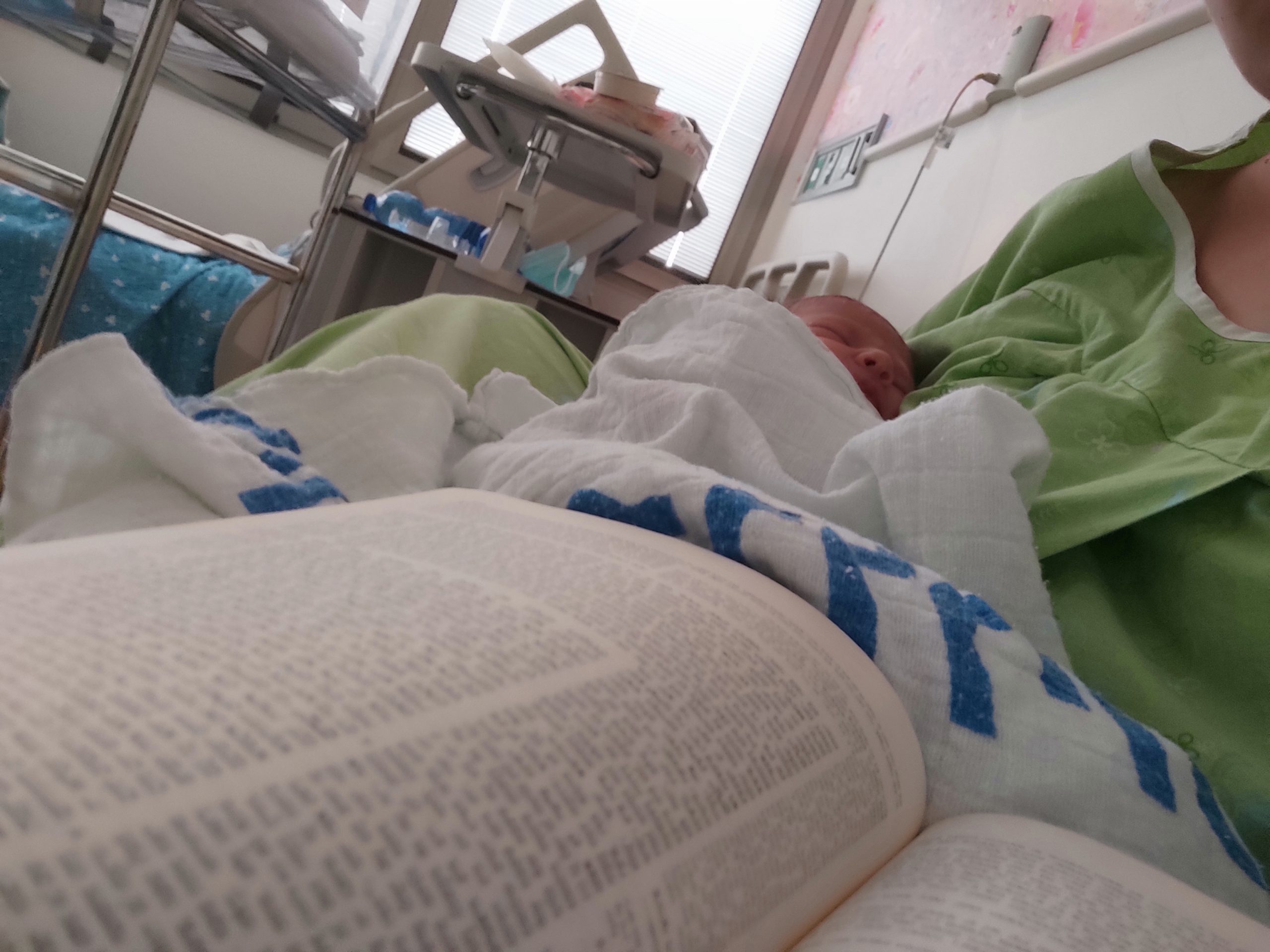
בתחילת הסבב הנוכחי הצטברו אצלי תחושות שאני לא מבינה מספיק מהי ההלכה אותה אני מקיימת בכל יום. כמו כן, כאמא לבנות רציתי לתת להן מודל נשי של לימוד תורה
שתי הסיבות האלו הובילו אותי להתחיל ללמוד. נתקלתי בתגובות מפרגנות וסקרניות איך אישה לומדת גמרא..
כמו שרואים בתמונה אני ממשיכה ללמוד גם היום ואפילו במחלקת יולדות אחרי לידת ביתי השלישית.
רבבה, ישראל
סיום השס לנשים נתן לי מוטביציה להתחיל ללמוד דף יומי. עד אז למדתי גמרא בשבתות ועשיתי כמה סיומים. אבל לימוד יומיומי זה שונה לגמרי ופתאום כל דבר שקורה בחיים מתקשר לדף היומי.
רתמים, ישראל
התחלתי ללמוד את הדף היומי מעט אחרי שבני הקטן נולד. בהתחלה בשמיעה ולימוד באמצעות השיעור של הרבנית שפרבר. ובהמשך העזתי וקניתי לעצמי גמרא. מאז ממשיכה יום יום ללמוד עצמאית, ולפעמים בעזרת השיעור של הרבנית, כל יום. כל סיום של מסכת מביא לאושר גדול וסיפוק. הילדים בבית נהיו חלק מהלימוד, אני משתפת בסוגיות מעניינות ונהנית לשמוע את דעתם.

מעלה מכמש, ישראל
התחלתי ללמוד דף לפני קצת יותר מ-5 שנים, כשלמדתי רבנות בישיבת מהר”ת בניו יורק. בדיעבד, עד אז, הייתי בלימוד הגמרא שלי כמו מישהו שאוסף חרוזים משרשרת שהתפזרה, פה משהו ושם משהו, ומאז נפתח עולם ומלואו…. הדף נותן לי לימוד בצורה מאורגנת, שיטתית, יום-יומית, ומלמד אותי לא רק ידע אלא את השפה ודרך החשיבה שלנו. לשמחתי, יש לי סביבה תומכת וההרגשה שלי היא כמו בציטוט שבחרתי: הדף משפיע לטובה על כל היום שלי.
חיפה, ישראל
התחלתי ללמוד דף יומי שהתחילו מסכת כתובות, לפני 7 שנים, במסגרת קבוצת לימוד שהתפרקה די מהר, ומשם המשכתי לבד בתמיכת האיש שלי. נעזרתי בגמרת שטיינזלץ ובשיעורים מוקלטים.
הסביבה מאד תומכת ואני מקבלת המון מילים טובות לאורך כל הדרך. מאז הסיום הגדול יש תחושה שאני חלק מדבר גדול יותר.
אני לומדת בשיטת ה”7 דפים בשבוע” של הרבנית תרצה קלמן – כלומר, לא נורא אם לא הצלחת ללמוד כל יום, העיקר שגמרת ארבעה דפים בשבוע
עתניאל, ישראל
התחלתי מחוג במסכת קידושין שהעבירה הרבנית רייסנר במסגרת בית המדרש כלנה בגבעת שמואל; לאחר מכן התחיל סבב הדף היומי אז הצטרפתי. לסביבה לקח זמן לעכל אבל היום כולם תומכים ומשתתפים איתי. הלימוד לעתים מעניין ומעשיר ולעתים קשה ואף הזוי… אך אני ממשיכה קדימה. הוא משפיע על היומיום שלי קודם כל במרדף אחרי הדף, וגם במושגים הרבים שלמדתי ובידע שהועשרתי בו, חלקו ממש מעשי

ראש העין, ישראל
רציתי לקבל ידע בתחום שהרגשתי שהוא גדול וחשוב אך נעלם ממני. הלימוד מעניק אתגר וסיפוק ומעמיק את תחושת השייכות שלי לתורה וליהדות
עלי זהב – לשם, ישראל
ראיתי את הסיום הגדול בבנייני האומה וכל כך התרשמתי ורציתי לקחת חלק.. אבל לקח לי עוד כשנה וחצי )באמצע מסיכת שבת להצטרף..
הלימוד חשוב לי מאוד.. אני תמיד במרדף אחרי הדף וגונבת כל פעם חצי דף כשהילדים עסוקים ומשלימה אח”כ אחרי שכולם הלכו לישון..

ירושלים, ישראל
כבר סיפרתי בסיום של מועד קטן.
הלימוד מאוד משפיעה על היום שלי כי אני לומדת עם רבנית מישל על הבוקר בזום. זה נותן טון לכל היום – בסיס למחשבות שלי .זה זכות גדול להתחיל את היום בלימוד ובתפילה. תודה רבה !

ירושלים, ישראל
התחלתי ללמוד לפני 4.5 שנים, כשהודיה חברה שלי פתחה קבוצת ווטסאפ ללימוד דף יומי בתחילת מסכת סנהדרין. מאז לימוד הדף נכנס לתוך היום-יום שלי והפך לאחד ממגדירי הזהות שלי ממש.
ירושלים, ישראל
הייתי לפני שנתיים בסיום הדרן נשים בבנייני האומה והחלטתי להתחיל. אפילו רק כמה דפים, אולי רק פרק, אולי רק מסכת… בינתיים סיימתי רבע שס ותכף את כל סדר מועד בה.
הסביבה תומכת ומפרגנת. אני בת יחידה עם ארבעה אחים שכולם לומדים דף יומי. מדי פעם אנחנו עושים סיומים יחד באירועים משפחתיים. ממש מרגש. מסכת שבת סיימנו כולנו יחד עם אבא שלנו!
אני שומעת כל יום פודקאסט בהליכה או בנסיעה ואחכ לומדת את הגמרא.

מרכז שפירא, ישראל
התחלתי ללמוד דף יומי ממסכת נידה כי זה היה חומר הלימוד שלי אז. לאחר הסיום הגדול בבנייני האומה החלטתי להמשיך. וב”ה מאז עם הפסקות קטנות של קורונה ולידה אני משתדלת להמשיך ולהיות חלק.
זה משפיע מאוד על היום יום שלי ועל אף שאני עסוקה בלימודי הלכה ותורה כל יום, זאת המסגרת הקבועה והמחייבת ביותר שיש לי.
גבעת הראל, ישראל
מנחות כט
וְתַמְנֵי סְרֵי דְּקָנִים, הָא עֶשְׂרִין וְתַרְתֵּין. כַּפְתּוֹרִין נָמֵי אַחַד עָשָׂר כַּפְתּוֹרִין: תְּרֵי דִּידַהּ, וְשִׁשָּׁה דְּקָנִים, וְכַפְתֹּר וְכַפְתֹּר וְכַפְתֹּר, הָא חַד סָר.
and the eighteen of the six branches; this equals twenty-two goblets. Concerning the knobs as well, it is clear how the number eleven was reached. The Candelabrum contains the two knobs of its main shaft, as the verse states: “Its knobs” (Exodus 25:34), with the plural “knobs” indicating that there were two, and the six of the six branches, as it is written: “In one branch, a knob and a flower” (Exodus 25:33). In addition to these eight knobs, the verse states: “And a knob under two branches of one piece with it, and a knob under two branches of one piece with it, and a knob under two branches of one piece with it” (Exodus 25:35); this equals eleven knobs.
אֶלָּא פְּרָחִים תִּשְׁעָה מְנָלַן? פְּרָחִים תְּרֵי דִּידַהּ, וְשִׁשָּׁה דְּקָנִים – תְּמָנְיָא הָווּ! אָמַר רַב שַׁלְמָן: כְּתִיב ״עַד יְרֵכָהּ עַד פִּרְחָהּ מִקְשָׁה הִיא״.
But from where do we derive that the Candelabrum contained nine flowers? According to the verse there are the two flowers of its main shaft, as it is written: “And its flowers” (Exodus 25:34), and the six of the six branches, as it is written: “In one branch, a knob and a flower” (Exodus 25:33), meaning that there are eight, not nine, flowers on the Candelabrum. Rav Shalman said in response: It is written: “It was a beaten work, from the base to the flower” (Numbers 8:4), which teaches that there was a ninth flower near the base.
אָמַר רַב: גּוֹבְהָהּ שֶׁל מְנוֹרָה תִּשְׁעָה טְפָחִים. אֵיתִיבֵיהּ רַב שִׁימִי בַּר חִיָּיא לְרַב: אֶבֶן הָיְתָה לִפְנֵי מְנוֹרָה וּבָהּ שָׁלֹשׁ מַעֲלוֹת, שֶׁעָלֶיהָ הַכֹּהֵן עוֹמֵד וּמֵטִיב אֶת הַנֵּרוֹת.
Rav says: The height of the Candelabrum is nine handbreadths. Rav Shimi bar Ḥiyya raised an objection to the statement of Rav: We learned in a mishna (Tamid 30b): There was a stone before the Candelabrum and it had three steps, upon which the priest would stand and prepare the lamps for kindling. If the Candelabrum was only nine handbreadths high, why would it be necessary for the priest to stand on an elevated surface to reach the lamps?
אֲמַר לֵיהּ שִׁימִי: אַתְּ? כִּי קָאָמֵינָא מִשְּׂפַת קָנִים וּלְמַעְלָה.
Rav said to him: Shimi, is it you who is asking me such a question? When I said that the height of the Candelabrum is nine handbreadths, I was referring not to the total height, which is eighteen handbreadths; rather, I meant that the Candelabrum is nine handbreadths from the point at which the branches extend from the main shaft and above.
כְּתִיב: ״וְהַפֶּרַח וְהַנֵּרוֹת וְהַמֶּלְקַחַיִם זָהָב הוּא מִכְלוֹת זָהָב״. מַאי ״מִיכְלוֹת זָהָב״? אָמַר רַב אַמֵּי: שֶׁכִּילַּתּוּ לְכׇל זָהָב סָגוּר שֶׁל שְׁלֹמֹה, דְּאָמַר רַב יְהוּדָה אָמַר רַב: עֶשֶׂר מְנוֹרוֹת עָשָׂה שְׁלֹמֹה, וְכׇל אַחַת וְאַחַת הֵבִיא לָהּ אֶלֶף כִּכַּר זָהָב, וְהִכְנִיסוּהוּ אֶלֶף פְּעָמִים לְכוֹר, וְהֶעֱמִידוּהוּ עַל כִּכָּר.
§ It is written: “And the flowers, and the lamps, and the tongs, of gold, and that perfect gold [mikhlot zahav]” (II Chronicles 4:21). The Gemara asks: What is meant by mikhlot zahav? Rav Ami says: It is a reference to the fact that the Candelabrum and its vessels exhausted [kilattu] all of Solomon’s pure [sagur] gold [zahav], which was used in its fashioning in such great quantities. As Rav Yehuda says that Rav said: Solomon made ten Candelabrums, and for each and every one he brought one thousand talents of gold, and they placed the gold in the furnace to refine it one thousand times, until they reduced the gold to one talent for each Candelabrum, as it is stated: “Of a talent of pure gold shall it be made” (Exodus 25:39).
אִינִי? וְהָכְתִיב: ״וְכׇל כְּלֵי מַשְׁקֵה הַמֶּלֶךְ שְׁלֹמֹה זָהָב וְכֹל כְּלֵי בֵּית יַעַר הַלְּבָנוֹן זָהָב סָגוּר אֵין כֶּסֶף נֶחְשָׁב בִּימֵי שְׁלֹמֹה לִמְאוּמָה״! זָהָב סָגוּר קָא אָמְרִינַן.
The Gemara asks: Is that so that all of Solomon’s gold was exhausted for the fashioning of the Candelabrum and its vessels? But isn’t it written: “And all King Solomon’s drinking vessels were of gold, and all the vessels of the house of the forest of Lebanon were of pure gold; silver was nothing accounted of in the days of Solomon” (II Chronicles 9:20)? The Gemara answers: We are saying that Solomon’s pure gold was exhausted for the fashioning of the Candelabrum, but not all of his gold.
וּמִי חֲסַר כּוּלֵּי הַאי? וְהָתַנְיָא: רַבִּי יוֹסֵי בְּרַבִּי יְהוּדָה אוֹמֵר: מַעֲשֶׂה וְהָיְתָה [מְנוֹרַת] בֵּית הַמִּקְדָּשׁ יְתֵירָה עַל שֶׁל מֹשֶׁה בְּדִינַר זָהָב קוּרְדְיָקֵינִי, וְהִכְנִיסוּהָ שְׁמוֹנִים פְּעָמִים לְכוֹר, וְהֶעֱמִידוּהָ עַל כִּכָּר. כֵּיוָן דְּקָאֵי קָאֵי.
The Gemara asks: And would refining the gold reduce it to this extent, that one thousand talents of gold would be reduced to one talent? But isn’t it taught in a baraita: Rabbi Yosei, son of Rabbi Yehuda, says: An incident occurred where the weight of the Candelabrum of the Temple was found to be greater than the weight of the Candelabrum of Moses by one Kordikini gold dinar, and they placed it in the furnace eighty times until the weight of the Candelabrum stood at precisely one talent. Evidently, putting the Candelabrum into a furnace reduces its weight by very little. The Gemara answers: Once it is standing, it is standing, i.e., since the gold was refined to such a degree in the time of Solomon, later when it was refined eighty times it was reduced by the weight of only one dinar.
אָמַר רַבִּי שְׁמוּאֵל בַּר נַחְמָנִי, אָמַר רַבִּי יוֹנָתָן, מַאי דִּכְתִיב: ״עַל הַמְּנֹרָה הַטְּהֹרָה״, שֶׁיָּרְדוּ מַעֲשֶׂיהָ מִמְּקוֹם טׇהֳרָה. אֶלָּא מֵעַתָּה, ״עַל הַשֻּׁלְחָן הַטָּהוֹר״ שֶׁיָּרְדוּ מַעֲשָׂיו מִמָּקוֹם טָהוֹר? אֶלָּא טָהוֹר – מִכְּלָל שֶׁהוּא טָמֵא, הָכָא נָמֵי טְהוֹרָה – מִכְּלָל שֶׁהִיא טְמֵאָה.
§ Rabbi Shmuel bar Naḥmani says that Rabbi Yonatan says: What is the meaning of that which is written: “Upon the pure Candelabrum” (Leviticus 24:4)? It teaches that the procedure for fashioning it descended, i.e., was shown to Moses, from the place of purity, i.e., by God, who showed Moses a model of the Candelabrum. The Gemara asks: If that is so, is that to say that phrase “upon the pure Table” (Leviticus 24:6) also teaches that the procedure for fashioning it was shown to Moses from the place of purity? Rather, the expression “the pure Table” teaches, by inference, that it is susceptible to becoming ritually impure. Here too, the expression “the pure Candelabrum” teaches, by inference, that it is susceptible to becoming ritually impure.
בִּשְׁלָמָא הָתָם, כִּדְרֵישׁ לָקִישׁ, דְּאָמַר רֵישׁ לָקִישׁ: מַאי דִּכְתִיב ״עַל הַשֻּׁלְחָן הַטָּהוֹר״, מִכְּלָל שֶׁהוּא טָמֵא? כְּלִי עֵץ הֶעָשׂוּי לְנַחַת הוּא, וְכׇל כְּלִי עֵץ הֶעָשׂוּי לְנַחַת אֵינוֹ מְקַבֵּל טוּמְאָה! אֶלָּא מְלַמֵּד שֶׁמַּגְבִּיהִין אוֹתוֹ לְעוֹלֵי רְגָלִים, וּמַרְאִים לָהֶם לֶחֶם הַפָּנִים, וְאוֹמֵר לָהֶם: רְאוּ חִיבַּתְכֶם לִפְנֵי הַמָּקוֹם.
The Gemara rejects this: Granted, the inference drawn there with regard to the Table is in accordance with that which Reish Lakish says; as Reish Lakish says: What is the meaning of that which is written: “Upon the pure Table” (Leviticus 24:6)? The expression “pure Table” teaches, by inference, that it is susceptible to becoming ritually impure, but why? Isn’t the Table a wooden vessel designated to rest in a fixed place, and any wooden vessel that is designated to rest in a fixed place is not susceptible to becoming ritually impure? Rather, this teaches that the Table was not always left in a fixed place; the priests would lift the Table with its shewbread to display the shewbread to the pilgrims standing in the Temple courtyard, and a priest would say to them: See your affection before the Omnipresent. For this reason, the Table is susceptible to becoming ritually impure.
מַאי חִיבַּתְכֶם? כִּדְרַבִּי יְהוֹשֻׁעַ בֶּן לֵוִי, דְּאָמַר רַבִּי יְהוֹשֻׁעַ בֶּן לֵוִי: נֵס גָּדוֹל נַעֲשָׂה בְּלֶחֶם הַפָּנִים, סִילּוּקוֹ כְּסִידּוּרוֹ, שֶׁנֶּאֱמַר: ״לָשׂוּם לֶחֶם חֹם בְּיוֹם הִלָּקְחוֹ״.
Parenthetically, the Gemara asks: What is meant by: See your affection before God? It is in accordance with that which Rabbi Yehoshua ben Levi says, as Rabbi Yehoshua ben Levi says: A great miracle was performed with the shewbread: Its condition at the time of its removal from the Table, after having been left there for a week, was like its condition at the time of its arrangement on the Table, as it is stated: “To place hot bread on the day when it was taken away” (I Samuel 21:7), indicating that it was as hot on the day of its removal as it was on the day when it was placed on the Table.
אֶלָּא הָכָא, ״טְהוֹרָה״ מִכְּלָל שֶׁהִיא טְמֵאָה? פְּשִׁיטָא, כְּלֵי מַתָּכוֹת נִינְהוּ, וּכְלֵי מַתָּכוֹת מְקַבְּלִין טוּמְאָה! אֶלָּא, שֶׁיָּרְדוּ מַעֲשֶׂיהָ מִמְּקוֹם טׇהֳרָה.
The Gemara resumes stating its objection: But here, with regard to the Candelabrum, there is no reason to explain that the expression “the pure Candelabrum” teaches, by inference, that it is susceptible to becoming ritually impure; this is obvious, as the Candelabrums are metal vessels, and metal vessels are susceptible to becoming ritually impure whether or not they remain in a fixed location. Rather, it must be that the expression “the pure Candelabrum” teaches that the procedure for fashioning it descended, i.e., was shown to Moses, from the place of purity.
תַּנְיָא, רַבִּי יוֹסֵי בְּרַבִּי יְהוּדָה אוֹמֵר: אָרוֹן שֶׁל אֵשׁ וְשֻׁלְחָן שֶׁל אֵשׁ וּמְנוֹרָה שֶׁל אֵשׁ יָרְדוּ מִן הַשָּׁמַיִם, וְרָאָה מֹשֶׁה וְעָשָׂה כְּמוֹתָם, שֶׁנֶּאֱמַר: ״וּרְאֵה וַעֲשֵׂה כְּתַבְנִיתָם אֲשֶׁר אַתָּה מׇרְאֶה בָּהָר״.
§ It is taught in a baraita: Rabbi Yosei, son of Rabbi Yehuda, says: An Ark of fire and a Table of fire and a Candelabrum of fire descended from the Heavens, and Moses saw their format and fashioned the vessels for the Tabernacle in their likeness. As it is stated after the command to fashion these items: “And see that you make them after their pattern, which is being shown to you in the mount” (Exodus 25:40).
אֶלָּא מֵעַתָּה, ״וַהֲקֵמֹתָ אֶת הַמִּשְׁכָּן כְּמִשְׁפָּטוֹ אֲשֶׁר הׇרְאֵיתָ בָּהָר״, הָכִי נָמֵי? הָכָא כְּתִיב ״כְּמִשְׁפָּטוֹ״, הָתָם כְּתִיב ״כְּתַבְנִיתָם״.
The Gemara asks: If that is so, is that to say that the verse: “And you shall set up the Tabernacle according to its fashion which has been shown to you in the mount” (Exodus 26:30), also indicates that God showed Moses a Tabernacle of fire? The Gemara answers: Here, with regard to the Tabernacle, it is written: “According to its fashion,” meaning that it should be built according to the instructions given to Moses, whereas there, with regard to the Ark, Table, and Candelabrum, it is written: “After their pattern,” indicating that an actual model of the items was shown to Moses.
אָמַר רַבִּי חִיָּיא בַּר אַבָּא, אָמַר רַבִּי יוֹחָנָן: גַּבְרִיאֵל חָגוּר כְּמִין פְּסִיקְיָא הָיָה, וְהֶרְאָה לוֹ לְמֹשֶׁה מַעֲשֵׂה מְנוֹרָה, דִּכְתִיב: ״וְזֶה מַעֲשֵׂה הַמְּנֹרָה״.
Apropos this discussion the Gemara relates: Rabbi Ḥiyya bar Abba says that Rabbi Yoḥanan says: The angel Gabriel was girded with a type of wide belt [pesikiyya] in the manner of artisans who tie up their clothes to prevent these clothes from hindering them in their work. And he showed the precise way to fashion the Candelabrum to Moses, as it is written: “And this is the work of the Candelabrum” (Numbers 8:4), and the term “this” indicates that an exact replica was shown to him.
תָּנָא דְּבֵי רַבִּי יִשְׁמָעֵאל: שְׁלֹשָׁה דְּבָרִים הָיוּ קָשִׁין לוֹ לְמֹשֶׁה, עַד שֶׁהֶרְאָה לוֹ הַקָּדוֹשׁ בָּרוּךְ הוּא בְּאֶצְבָּעוֹ, וְאֵלּוּ הֵן: מְנוֹרָה, וְרֹאשׁ חֹדֶשׁ, וּשְׁרָצִים. מְנוֹרָה – דִּכְתִיב: ״וְזֶה מַעֲשֵׂה הַמְּנֹרָה״, רֹאשׁ חוֹדֶשׁ – דִּכְתִיב: ״הַחֹדֶשׁ הַזֶּה לָכֶם רֹאשׁ חֳדָשִׁים״, שְׁרָצִים – דִּכְתִיב: ״וְזֶה לָכֶם הַטָּמֵא״. וְיֵשׁ אוֹמְרִים: אַף הִלְכוֹת שְׁחִיטָה, שֶׁנֶּאֱמַר: ״וְזֶה אֲשֶׁר תַּעֲשֶׂה עַל הַמִּזְבֵּחַ״.
The school of Rabbi Yishmael taught: Three matters were difficult for Moses to comprehend precisely, until the Holy One, Blessed be He, showed them to him with His finger, and these are the three matters: The form of the Candelabrum, and the exact size of the new moon, and the impure creeping animals. The Candelabrum was shown to him, as it is written: “And this is the work of the Candelabrum” (Numbers 8:4). The new moon was shown to him, as it is written: “This month shall be for you the beginning of months” (Exodus 12:2). The creeping animals were shown to him, as it is written: “And these are they which are unclean for you among the swarming things” (Leviticus 11:29). And there are those who say that God also showed Moses the halakhot of slaughtering, as it is stated: “Now this is that which you shall sacrifice upon the altar” (Exodus 29:38), and slaughtering is the first ritual of sacrifice.
שְׁתֵּי פָּרָשִׁיּוֹת שֶׁבַּמְּזוּזָה מְעַכְּבוֹת זוֹ אֶת זוֹ, וַאֲפִילּוּ כְּתָב אֶחָד מְעַכְּבָן. פְּשִׁיטָא!
§ The mishna teaches: With regard to the two passages that are in the mezuza, the absence of each prevents fulfillment of the mitzva with the others. And furthermore, the absence of even one letter prevents fulfillment of the mitzva with the rest of them. The Gemara asks: Isn’t it obvious that the absence of even one letter prevents fulfillment of the mitzva, since it is written: “And you shall write them [ukhtavtam]” (Deuteronomy 6:9), which teaches that the writing [ketav] must be complete [tam]?
אָמַר רַב יְהוּדָה, אָמַר רַב: לֹא נִצְרְכָה אֶלָּא לְקוֹצָהּ שֶׁל יוֹד. וְהָא נָמֵי פְּשִׁיטָא! אֶלָּא לִכְאִידַּךְ דְּרַב יְהוּדָה אָמַר רַב, דְּאָמַר רַב יְהוּדָה אָמַר רַב: כׇּל אוֹת שֶׁאֵין גְּוִיל מוּקָּף לָהּ מֵאַרְבַּע רוּחוֹתֶיהָ – פְּסוּלָה.
Rav Yehuda says that Rav says: It was necessary to state that only to teach that even the absence of the thorn, i.e., the small stroke, of a letter yod prevents fulfillment of the mitzva. The Gemara asks: But isn’t this also obvious, since the letter is not formed properly? Rather, it is necessary according to another statement that Rav Yehuda says that Rav says, as Rav Yehuda says that Rav says: Any letter that is not encircled with blank parchment on all four of its sides, i.e., where its ink connects to the letter above it, below it, preceding it, or succeeding it, is unfit. When the mishna makes reference to one letter preventing fulfillment of the mitzva, it is referring to a letter that touches an adjacent letter.
אָמַר אַשְׁיָאן בַּר נַדְבָּךְ מִשְּׁמֵיהּ דְּרַב יְהוּדָה: נִיקַּב תּוֹכוֹ שֶׁל הֵ״י כָּשֵׁר, יְרֵיכוֹ פָּסוּל. אָמַר רַבִּי זֵירָא: לְדִידִי מִפָּרְשָׁה לִי מִינֵּיהּ דְּרַב הוּנָא, וְרַבִּי יַעֲקֹב אָמַר: לְדִידִי מִפָּרְשָׁה לִי מִינֵּיהּ דְּרַב יְהוּדָה: נִיקַּב תּוֹכוֹ שֶׁל הֵ״י כָּשֵׁר, יְרֵיכוֹ – אִם נִשְׁתַּיֵּיר בּוֹ כְּשִׁיעוּר אוֹת קְטַנָּה כָּשֵׁר, וְאִם לָאו – פָּסוּל.
Ashiyan bar Nadbakh says in the name of Rav Yehuda: If the inner part of the letter heh was perforated it is fit, but if the perforation was in the leg of the letter heh it is unfit. Rabbi Zeira says: This matter was explained to me by Rav Huna, and Rabbi Ya’akov says: This matter was explained to me by Rav Yehuda: If the inner part of the letter heh was perforated it is fit. In a case where the perforation was in the leg of the letter heh, then if there remained in the leg that is attached to the roof of the letter the equivalent of the measure of a small letter, i.e., the letter yod, then it is fit. But if not, it is unfit.
אַגְרָא חֲמוּהּ דְּרַבִּי אַבָּא,
The Gemara relates: Agra, the father-in-law of Rabbi Abba,
אִיפְּסִיקָא לֵיהּ כַּרְעָא דְּהֵ״י דְּ״הָעָם״ בְּנִיקְבָּא, אֲתָא לְקַמֵּיהּ דְּרַבִּי אַבָּא. אֲמַר לֵיהּ: אִם (מִשְׁתַּיַּיר) [נִשְׁתַּיֵּיר] בּוֹ כְּשִׁיעוּר אוֹת קְטַנָּה – כָּשֵׁר, וְאִם לָאו – פָּסוּל.
had the leg of the letter heh in the term: “The nation [ha’am]” (Exodus 13:3), written in his phylacteries, severed by a perforation. He came before his son-in-law Rabbi Abba to clarify the halakha. Rabbi Abba said to him: If there remains in the leg that is attached to the roof of the letter the equivalent of the measure of a small letter, i.e., the letter yod, it is fit. But if not, it is unfit.
רָאמֵי בַּר תַּמְרֵי, דְּהוּא חֲמוּהּ דְּרָמֵי בַּר דִּיקּוּלֵי, אִיפְּסִיקָא לֵיהּ כַּרְעָא דְּוָי״ו דְּ״וַיַהֲרֹג״ בְּנִיקְבָּא, אֲתָא לְקַמֵּיהּ דְּרַבִּי זֵירָא. אֲמַר לֵיהּ: זִיל אַיְיתִי יָנוֹקָא דְּלָא חַכִּים וְלָא טִפֵּשׁ – אִי קָרֵי לֵיהּ ״וַיַּהֲרֹג״ כָּשֵׁר, אִי לָא – ״יֵהָרֵג״ הוּא, וּפָסוּל.
The Gemara relates: Rami bar Tamrei, who was the father-in-law of Rami bar Dikkulei, had the leg of the letter vav in the term: “And the Lord slew [vayaharog] all the firstborn” (Exodus 13:15), written in his phylacteries, severed by a perforation. He came before Rabbi Zeira to clarify the halakha. Rabbi Zeira said to him: Go bring a child who is neither wise nor stupid, but of average intelligence; if he reads the term as “And the Lord slew [vayaharog]” then it is fit, as despite the perforation the letter is still seen as a vav. But if not, then it is as though the term were: Will be slain [yehareg], written without the letter vav, and it is unfit.
אָמַר רַב יְהוּדָה, אָמַר רַב: בְּשָׁעָה שֶׁעָלָה מֹשֶׁה לַמָּרוֹם, מְצָאוֹ לְהַקָּדוֹשׁ בָּרוּךְ הוּא שֶׁיּוֹשֵׁב וְקוֹשֵׁר כְּתָרִים לָאוֹתִיּוֹת, אָמַר לְפָנָיו: רִבּוֹנוֹ שֶׁל עוֹלָם, מִי מְעַכֵּב עַל יָדֶךָ? אָמַר לוֹ: אָדָם אֶחָד יֵשׁ שֶׁעָתִיד לִהְיוֹת בְּסוֹף כַּמָּה דּוֹרוֹת וַעֲקִיבָא בֶּן יוֹסֵף שְׁמוֹ, שֶׁעָתִיד לִדְרוֹשׁ עַל כׇּל קוֹץ וָקוֹץ תִּילִּין תִּילִּין שֶׁל הֲלָכוֹת.
§ Rav Yehuda says that Rav says: When Moses ascended on High, he found the Holy One, Blessed be He, sitting and tying crowns on the letters of the Torah. Moses said before God: Master of the Universe, who is preventing You from giving the Torah without these additions? God said to him: There is a man who is destined to be born after several generations, and Akiva ben Yosef is his name; he is destined to derive from each and every thorn of these crowns mounds upon mounds of halakhot. It is for his sake that the crowns must be added to the letters of the Torah.
אָמַר לְפָנָיו: רִבּוֹנוֹ שֶׁל עוֹלָם, הַרְאֵהוּ לִי, אָמַר לוֹ: חֲזוֹר לַאֲחוֹרֶךָ. הָלַךְ וְיָשַׁב בְּסוֹף שְׁמוֹנֶה שׁוּרוֹת, וְלֹא הָיָה יוֹדֵעַ מָה הֵן אוֹמְרִים, תָּשַׁשׁ כֹּחוֹ. כֵּיוָן שֶׁהִגִּיעַ לְדָבָר אֶחָד, אָמְרוּ לוֹ תַּלְמִידָיו: רַבִּי, מִנַּיִן לָךְ? אָמַר לָהֶן: ״הֲלָכָה לְמֹשֶׁה מִסִּינַי״, נִתְיַישְּׁבָה דַּעְתּוֹ.
Moses said before God: Master of the Universe, show him to me. God said to him: Return behind you. Moses went and sat at the end of the eighth row in Rabbi Akiva’s study hall and did not understand what they were saying. Moses’ strength waned, as he thought his Torah knowledge was deficient. When Rabbi Akiva arrived at the discussion of one matter, his students said to him: My teacher, from where do you derive this? Rabbi Akiva said to them: It is a halakha transmitted to Moses from Sinai. When Moses heard this, his mind was put at ease, as this too was part of the Torah that he was to receive.
חָזַר וּבָא לִפְנֵי הַקָּדוֹשׁ בָּרוּךְ הוּא, אָמַר לְפָנָיו: רִבּוֹנוֹ שֶׁל עוֹלָם, יֵשׁ לְךָ אָדָם כָּזֶה וְאַתָּה נוֹתֵן תּוֹרָה עַל יָדִי? אָמַר לוֹ: שְׁתוֹק, כָּךְ עָלָה בְּמַחְשָׁבָה לְפָנַי. אָמַר לְפָנָיו: רִבּוֹנוֹ שֶׁל עוֹלָם, הִרְאִיתַנִי תּוֹרָתוֹ, הַרְאֵנִי שְׂכָרוֹ. אָמַר לוֹ: חֲזוֹר. חָזַר לַאֲחוֹרָיו, רָאָה שֶׁשּׁוֹקְלִין בְּשָׂרוֹ בְּמָקוֹלִין. אָמַר לְפָנָיו: רִבּוֹנוֹ שֶׁל עוֹלָם, זוֹ תּוֹרָה וְזוֹ שְׂכָרָהּ? אָמַר לוֹ: שְׁתוֹק, כָּךְ עָלָה בְּמַחְשָׁבָה לְפָנַי.
Moses returned and came before the Holy One, Blessed be He, and said before Him: Master of the Universe, You have a man as great as this and yet You still choose to give the Torah through me. Why? God said to him: Be silent; this intention arose before Me. Moses said before God: Master of the Universe, You have shown me Rabbi Akiva’s Torah, now show me his reward. God said to him: Return to where you were. Moses went back and saw that they were weighing Rabbi Akiva’s flesh in a butcher shop [bemakkulin], as Rabbi Akiva was tortured to death by the Romans. Moses said before Him: Master of the Universe, this is Torah and this is its reward? God said to him: Be silent; this intention arose before Me.
אָמַר רָבָא: שֶׁבַעה אוֹתִיּוֹת צְרִיכוֹת שְׁלֹשָׁה זִיּוּנִין, וְאֵלּוּ הֵן: שעטנ״ז ג״ץ. אָמַר רַב אָשֵׁי: חֲזֵינָא לְהוּ לְסָפְרֵי דַּוְוקָנֵי דְּבֵי רַב, דְּחָטְרִי לְהוּ לְגַגֵּיהּ דְּחֵי״ת, וְתָלוּ לֵיהּ לְכַרְעֵיהּ דְּהֵ״י.
§ The Gemara continues its discussion of the crowns on letters of the Torah: Rava says: Seven letters require three crowns [ziyyunin], and they are the letters shin, ayin, tet, nun, zayin; gimmel and tzadi. Rav Ashi says: I have seen that the exacting scribes of the study hall of Rav would put a hump-like stroke on the roof of the letter ḥet and they would suspend the left leg of the letter heh, i.e., they would ensure that it is not joined to the roof of the letter.
חׇטְרִי לְהוּ לְגַגֵּיהּ דְּחֵי״ת, כְּלוֹמַר: חַי הוּא בְּרוּמוֹ שֶׁל עוֹלָם, וְתָלוּ לֵיהּ לְכַרְעֵיהּ דְּהֵ״י, כְּדִבְעָא מִינֵּיהּ רַבִּי יְהוּדָה נְשִׂיאָה מֵרַבִּי אַמֵּי: מַאי דִּכְתִיב ״בִּטְחוּ בַּייָ עֲדֵי עַד כִּי בְּיָהּ יְיָ צוּר עוֹלָמִים״? אֲמַר לֵיהּ: כָּל הַתּוֹלֶה בִּטְחוֹנוֹ בְּהַקָּדוֹשׁ בָּרוּךְ הוּא הֲרֵי לוֹ מַחְסֶה בָּעוֹלָם הַזֶּה וְלָעוֹלָם הַבָּא.
Rava explains: They would put a hump-like stroke on the roof of the letter ḥet as if to thereby say: The Holy One, Blessed be He, lives [ḥai] in the heights of the universe. And they would suspend the left leg of the letter heh, as Rabbi Yehuda Nesia asked Rabbi Ami: What is the meaning of that which is written: “Trust in the Lord forever, for in the Lord [beYah] is God, an everlasting [olamim] Rock” (Isaiah 26:4)? Rabbi Ami said to him: Anyone who puts their trust in the Holy One, Blessed be He, will have Him as his refuge in this world and in the World-to-Come. This is alluded to in the word “olamim,” which can also mean: Worlds.
אֲמַר לֵיהּ: אֲנָא הָכִי קָא קַשְׁיָא לִי, מַאי שְׁנָא דִּכְתִיב ״בְּיָהּ״ וְלָא כְּתִיב ״יָהּ״?
Rabbi Yehuda Nesia said to Rabbi Ami: I was not asking about the literal meaning of the verse; this is what poses a difficulty for me: What is different about that which is written: “For in the Lord [beYah],” and it is not written: For the Lord [Yah]?
כִּדְדָרֵשׁ רַבִּי יְהוּדָה בַּר רַבִּי אִילְעַאי: אֵלּוּ שְׁנֵי עוֹלָמוֹת שֶׁבָּרָא הַקָּדוֹשׁ בָּרוּךְ הוּא, אֶחָד בְּהֵ״י וְאֶחָד בְּיוֹ״ד, וְאֵינִי יוֹדֵעַ אִם הָעוֹלָם הַבָּא בְּיוֹ״ד וְהָעוֹלָם הַזֶּה בְּהֵ״י, אִם הָעוֹלָם הַזֶּה בְּיוֹ״ד וְהָעוֹלָם הַבָּא בְּהֵ״י.
Rav Ashi responded: It is as Rabbi Yehuda bar Rabbi Elai taught: The verse “For in the Lord [beYah] is God, an everlasting Rock [Tzur olamim]” is understood as follows: The term “Tzur olamim” can also mean Creator of worlds. These letters yod and heh that constitute the word yah are referring to the two worlds that the Holy One, Blessed be He, created; one with [be] the letter heh and one with [be] the letter yod. And I do not know whether the World-to-Come was created with the letter yod and this world was created with the letter heh, or whether this world was created with the letter yod and the World-to-Come was created with the letter heh.
כְּשֶׁהוּא אוֹמֵר: ״אֵלֶּה תוֹלְדוֹת הַשָּׁמַיִם וְהָאָרֶץ בְּהִבָּרְאָם״, אַל תִּקְרֵי ״בְּהִבָּרְאָם״ אֶלָּא: בְּהֵ״י בְּרָאָם.
When the verse states: “These are the generations of the heaven and of the earth when they were created [behibare’am]” (Genesis 2:4), do not read it as behibare’am, meaning: When they were created; rather, read it as beheh bera’am, meaning: He created them with the letter heh. This verse demonstrates that the heaven and the earth, i.e., this world, were created with the letter heh, and therefore the World-to-Come must have been created with the letter yod.
וּמִפְּנֵי מָה נִבְרָא הָעוֹלָם הַזֶּה בְּהֵ״י? מִפְּנֵי שֶׁדּוֹמֶה לְאַכְסַדְרָה, שֶׁכׇּל הָרוֹצֶה לָצֵאת יֵצֵא. וּמַאי טַעְמָא תַּלְיָא כַּרְעֵיהּ? דְּאִי הָדַר בִּתְשׁוּבָה מְעַיְּילִי לֵיהּ.
And for what reason was this world created specifically with the letter heh? It is because the letter heh, which is open on its bottom, has a similar appearance to a portico, which is open on one side. And it alludes to this world, where anyone who wishes to leave may leave, i.e., every person has the ability to choose to do evil. And what is the reason that the left leg of the letter heh is suspended, i.e., is not joined to the roof of the letter? It is because if one repents, he is brought back in through the opening at the top.
וְלִיעַיֵּיל בְּהָךְ, לָא מִסְתַּיְּיעָא מִילְּתָא, כִּדְרֵישׁ לָקִישׁ, דְּאָמַר רֵישׁ לָקִישׁ: מַאי דִּכְתִיב ״אִם לַלֵּצִים הוּא יָלִיץ וְלַעֲנָוִים יִתֶּן חֵן״? בָּא לִטָּהֵר – מְסַיְּיעִין אוֹתוֹ, בָּא לִטַּמֵּא – פּוֹתְחִין לוֹ. וּמַאי טַעְמָא אִית לֵיהּ תָּאגָא? אָמַר הַקָּדוֹשׁ בָּרוּךְ הוּא: אִם חוֹזֵר – אֲנִי קוֹשֵׁר לוֹ קֶשֶׁר.
The Gemara asks: But why not let him enter through that same way that he left? The Gemara answers: That would not be effective, since one requires assistance from Heaven in order to repent, in accordance with the statement of Reish Lakish. As Reish Lakish says: What is the meaning of that which is written: “If it concerns the scorners, He scorns them, but to the humble He gives grace” (Proverbs 3:34)? Concerning one who comes in order to become pure, he is assisted from Heaven, as it is written: “But to the humble He gives grace.” Concerning one who comes to become impure, he is provided with an opening to do so. The Gemara asks: And what is the reason that the letter heh has a crown on its roof? The Gemara answers: The Holy One, Blessed be He, says: If a sinner returns, repenting for his sin, I tie a crown for him from above.
מִפְּנֵי מָה נִבְרָא הָעוֹלָם הַבָּא בְּיוֹ״ד? מִפְּנֵי שֶׁצַּדִּיקִים שֶׁבּוֹ מוּעָטִים. וּמִפְּנֵי מָה כָּפוּף רֹאשׁוֹ? מִפְּנֵי שֶׁצַּדִּיקִים שֶׁבּוֹ כָּפוּף רָאשֵׁיהֶם מִפְּנֵי מַעֲשֵׂיהֶן, שֶׁאֵינָן דּוֹמִין זֶה לָזֶה.
The Gemara asks: For what reason was the World-to-Come created specifically with the letter yod, the smallest letter in the Hebrew alphabet? The Gemara answers: It is because the righteous of the world are so few. And for what reason is the left side of the top of the letter yod bent downward? It is because the righteous who are in the World-to-Come hang their heads in shame, since the actions of one are not similar to those of another. In the World-to-Come some of the righteous will be shown to be of greater stature than others.
אָמַר רַב יוֹסֵף: הָנֵי תַּרְתֵּי מִילֵּי אָמַר רַב בִּסְפָרִים, וְתַנְיָא תְּיוּבְתֵּיהּ. חֲדָא, הָא דְּאָמַר רַב: סֵפֶר תּוֹרָה שֶׁיֵּשׁ בּוֹ שְׁתֵּי טָעִיּוֹת בְּכׇל דַּף וָדַף – יְתַקֵּן, שָׁלֹשׁ – יִגָּנֵז.
§ Rav Yosef says: Rav states these two matters with regard to scrolls, and in each case a statement is taught in a baraita that constitutes a refutation of his ruling. One is that which Rav says: A Torah scroll that contains two errors on each and every column may be corrected, but if there are three errors on each and every column then it shall be interred.
וְתַנְיָא תְּיוּבְתֵּיהּ: שָׁלֹשׁ – יְתַקֵּן, אַרְבַּע – יִגָּנֵז. תָּנָא: אִם יֵשׁ בּוֹ דַּף אַחַת שְׁלֵימָה – מַצֶּלֶת עַל כּוּלּוֹ. אָמַר רַבִּי יִצְחָק בַּר שְׁמוּאֵל בַּר מָרְתָא מִשְּׁמֵיהּ דְּרַב: וְהוּא דִּכְתִיב רוּבֵּיהּ דְּסִפְרָא שַׁפִּיר.
And a statement is taught in a baraita that constitutes a refutation of his ruling: A Torah scroll that contains three errors on every column may be corrected, but if there are four errors on every column then it shall be interred. A tanna taught in a baraita: If the Torah scroll contains one complete column with no errors, it saves the entire Torah scroll, and it is permitted to correct the scroll rather than interring it. Rabbi Yitzḥak bar Shmuel bar Marta says in the name of Rav: And this is the halakha only when the majority of the scroll is written properly and is not full of errors.
אֲמַר לֵיהּ אַבָּיֵי לְרַב יוֹסֵף: אִי אִית בְּהָהוּא דַּף שָׁלֹשׁ טָעִיּוֹת, מַאי? אֲמַר לֵיהּ: הוֹאִיל וְאִיתְיְהֵיב לְאִיתְּקוֹנֵי מִיתְּקַן. וְהָנֵי מִילֵּי חֲסֵירוֹת, אֲבָל יְתֵירוֹת לֵית לַן בַּהּ. חֲסֵירוֹת מַאי טַעְמָא לָא? אָמַר רַב כָּהֲנָא: מִשּׁוּם דְּמִיחֲזֵי כִּמְנוּמָּר.
Abaye said to Rav Yosef: If that column contained three errors, what is the halakha? Rav Yosef said to him: Since the column itself may be corrected, it enables the correction of the entire scroll. The Gemara adds: And with regard to the halakha that a Torah scroll may not be fixed if it is full of errors, this statement applies when letters are missing and must be added in the space between the lines. But if there were extraneous letters, we have no problem with it, since they can easily be erased. The Gemara asks: What is the reason that a scroll with letters missing may not be corrected? Rav Kahana said: Because it would look speckled if one adds all of the missing letters in the spaces between the lines.
אַגְרָא חֲמוּהּ דְּרַבִּי אַבָּא הֲוָה לֵיהּ יְתֵירוֹת בְּסִיפְרֵיהּ, אֲתָא לְקַמֵּיהּ דְּרַבִּי אַבָּא, אֲמַר לֵיהּ: לָא אֲמַרַן אֶלָּא בַּחֲסֵירוֹת,
The Gemara relates: Agra, the father-in-law of Rabbi Abba, had many extraneous letters in his scroll. He came before Rabbi Abba to clarify the halakha. Rabbi Abba said to him: We said that one may not correct the scroll only in a case where the letters are missing.

