






הלימוד השבוע מוקדש לזכות ולשלום הַיְימׇנוֹט אֱמוּנָה בַּת באנצ’י (קָסָאוּ) בת 11 שנעלמה במקום מגוריה בצפת, לפני שנתיים, ביום ט”ז אדר תשפ”ד (25.2.24), ולא נודעו עקבותיה.
הלימוד השבוע מוקדש למען ביטחון המדינה, החיילים והאזרחים, ולמען חירותו של העם האיראני. שנזכה בקרוב שיתקיים בנו הפסוק: "לַיְּהוּדִים הָיְתָה אוֹרָה וְשִׂמְחָה וְשָׂשֹׂן וִיקָר”.
רוצה להקדיש שיעור?

תקציר

רב יהודה בשם שמואל קובע כי מזוזה שנכתבה על שני דפים פסולה. הגמרא מקשה על כך מברייתא הפוסלת מזוזה שנכתבה על שני דפים רק כאשר היא מונחת בתוך שני ספין (מזוזות פתח) נפרדים, ומדייקת מכך שאם הונחה בסף אחד היא כשרה. הקושי מיושב בהסבר שכוונת שמואל היא שאפילו אם הונחה בסף אחד, עצם היותה "ראויה” או עשויה להיחלק לשני ספין פוסלת אותה, שכן המזוזה צריכה להוות יחידה אחת המוגדרת כ”ספר”.
בעניין קביעת צד הימין בפתחים שבין שני חדרים, קובע שמואל שיש ללכת אחר "היכר ציר”. רב אדא מסביר שהכוונה היא לחור בו סובב ציר הדלת (אבקתא); הצד שאליו הדלת נפתחת נחשב לחדר העיקרי, ועל פי כיוון הכניסה לאותו חדר קובעים את צד הימין. הורה רב נחמן לריש גלותא, שביקש לקבוע מזוזה בביתו שבנייתו טרם הושלמה, כי עליו לתלות תחילה את הדלתות ורק לאחר מכן לקבוע את המזוזה.
בנוגע לאופן הנחת המזוזה, רב יהודה בשם רב פוסל מזוזה שהונחה "כמין נגר”, כלומר כבריח המושחל בפתח. הגמרא מקשה מהנהגת ביתו של רבי, שם היו המזוזות מונחות כמין נגר, ומיישבת בחילוק בין הנחה בעמידה לגמרי לבין הנחה בשכיבה. עוד מובא בעניין זה כי רב הונא היה קובע מזוזה בפתח בין ביתו לבית המדרש למרות שרבי לא נהג כן, משום שרב הונא הלך אחר מנהג הרגילים להשתמש באותו פתח, מה שהופך אותו לפתח המחויב במזוזה.
בסוגיית גובה המזוזה, שמואל פוסק שיש להניחה בתחילת השליש העליון של גובה הפתח. רב הונא חולק וסובר שכל שטח הפתח כשר, ובלבד שהמזוזה תהיה רחוקה טפח מהקרקע וטפח מהתקרה. הגמרא מקשה על שמואל מברייתא ומיישבת ששמואל פוסק כרבי יוסי, הלומד מהיקש בין "וקשרתם” ל”וכתבתם” שכשם שתפילין מונחים בגובה (על הראש), כך המזוזה צריכה להיות בגובה הפתח.
רבא מוסיף שיש להניח את המזוזה בטפח הסמוך לרשות הרבים כדי שהאדם ייפגע במצווה מיד עם כניסתו, ורבי חנינא מוסיף לכך פן רעיוני: בניגוד למלך בשר ודם שיושב בפנים ועבדיו משמרים אותו מבחוץ, הקדוש ברוך הוא משמר את עבדיו מבחוץ בעודם יושבים בפנים, ככתוב "ה’ שומרך”.
דינים נוספים הנדונים בדף עוסקים במבנה הפתח והחדר. רב יוסף בשם רבא פוסל מזוזה שהועמקה בתוך עובי הכותל למעלה מטפח. רבא פוטר "פתחי שימאי” (פתחים פגומים) ממזוזה, כאשר נחלקו האמוראים אם הכוונה לפתח ללא תקרה או ללא משקוף עליון. כמו כן, אכסדרה פטורה ממזוזה כיוון שהעמודים שבה נועדו לחיזוק התקרה ולא לשם יצירת פתח, אלא אם כן מדובר ב”אכסדרה דבי רב” שהיא סגורה כחדר. לבסוף, בבית שער שנפתח גם לבית וגם לגינה, נחלקו התנאים ובדבריהם נחלקו אמוראים האם החובה נקבעת לפי הכניסה לבית או היציאה לגינה; רב אשי פוסק כחומרת רב ושמואל, שכל פתח המשמש לכניסה לבית, גם אם הוא מוביל למרחב פתוח כמו גינה, מחויב במזוזה.
כלים
הלימוד השבוע מוקדש לזכות ולשלום הַיְימׇנוֹט אֱמוּנָה בַּת באנצ’י (קָסָאוּ) בת 11 שנעלמה במקום מגוריה בצפת, לפני שנתיים, ביום ט”ז אדר תשפ”ד (25.2.24), ולא נודעו עקבותיה.
הלימוד השבוע מוקדש למען ביטחון המדינה, החיילים והאזרחים, ולמען חירותו של העם האיראני. שנזכה בקרוב שיתקיים בנו הפסוק: "לַיְּהוּדִים הָיְתָה אוֹרָה וְשִׂמְחָה וְשָׂשֹׂן וִיקָר”.
הדף היום מוקדש ע”י מירי דרכי לע”נ אהרון שמעון בן דוד ומלכה צירל, במלאת 5 שנים לפטירתו "אשר נטע בי בחכמתו הרבה את אהבת לימוד התורה.”
הדף היום מוקדש ע”י אלישבע גריי לע”נ יואל מלך בן משה ושרה.
מנחות לג
בְּטֶפַח הַסָּמוּךְ לִרְשׁוּת הָרַבִּים, כַּמָּה דִּמְרַחַק מְעַלֵּי, קָא מַשְׁמַע לַן.
in the handbreadth adjacent to the public domain, perhaps the further the mezuza is from the inside of the house the better, and one may affix it even fully outside the airspace of the entrance. To counter this, Shmuel teaches us that the mezuza must be within the airspace of the entrance itself.
וְאָמַר רַב יְהוּדָה, אָמַר שְׁמוּאֵל: כְּתָבָהּ עַל שְׁנֵי דַּפִּין – פְּסוּלָה. מֵיתִיבִי: כְּתָבָהּ עַל שְׁנֵי דַּפִּין וְהִנִּיחָה בִּשְׁנֵי סִיפִּין – פְּסוּלָה, הָא בְּסַף אֶחָד – כְּשֵׁרָה! רְאוּיָה לִשְׁנֵי סִיפִּין קָאָמַר.
And Rav Yehuda says that Shmuel says: If one wrote a mezuza on two sheets it is unfit. The Gemara raises an objection from a baraita that teaches: If one wrote a mezuza on two sheets and placed it on the two doorposts of the entrance, it is unfit. The Gemara states the objection: By inference, if the mezuza was affixed on one doorpost, it is fit, despite the fact that it is written on two sheets. The Gemara answers: The baraita is not referring to a case where one affixed the mezuza on two doorposts. Rather, the baraita is saying that if it was written on two sheets in such a manner that it is fit to be affixed to two doorposts, i.e., there is a space between the writing of the first and second passages, so that one can separate the two sheets for different doorposts, it is unfit. This is in accordance with the statement of Rav Yehuda, citing Shmuel.
וְאָמַר רַב יְהוּדָה, אָמַר שְׁמוּאֵל: בִּמְזוּזָה, הַלֵּךְ אַחַר הֶיכֵּר צִיר. מַאי הֶיכֵּר צִיר? אָמַר רַב אַדָּא: אֲבַקְתָּא. הֵיכִי דָּמֵי? כְּגוֹן פִּיתְחָא דְּבֵין תְּרֵי בָּתֵּי, בֵּין בֵּי גַבְרֵי לְבֵי נְשֵׁי.
And Rav Yehuda says that Shmuel says: The halakha is that a mezuza must be affixed to the doorpost on its right side, and the right side is determined by the direction from which one enters the room. With regard to a mezuza, when deciding which side is the right side, one should follow the indication of the hinge. The Gemara asks: What is the indication of the hinge? Rav Adda said: The socket into which the hinge is inserted. The room with the socket is considered the inside room, and the mezuza is affixed to the side which is on one’s right when entering that room. The Gemara asks: What are the circumstances, i.e., in what kind of case was this guideline to follow the indication of the hinge necessary? The Gemara answers: This indication is necessary in a case where there is an entrance that is between two houses, e.g., between a room for men and a room for women, as in such a situation the direction of the entrance is unclear.
רֵישׁ גָּלוּתָא בְּנָא בֵּיתָא, אֲמַר לֵיהּ לְרַב נַחְמָן: ״קְבַע לִי מְזוּזְתָּא״, אָמַר רַב נַחְמָן: ״תְּלִי דַּשֵּׁי בְּרֵישָׁא״.
The Gemara relates: The Exilarch built a new house. He said to Rav Naḥman: Affix mezuzot for me in the house. Rav Naḥman said: First erect the doors, so that I can affix the mezuzot in the appropriate places, according to the placement of the hinges.
אָמַר רַב יְהוּדָה, אָמַר רַב: עֲשָׂאָהּ כְּמִין נֶגֶר – פְּסוּלָה. אִינִי? וְהָא כִּי אֲתָא רַב יִצְחָק בַּר יוֹסֵף אָמַר: כּוּלְּהוּ מְזוּזָתָא דְּבֵי רַבִּי כְּמִין נֶגֶר הֲווֹ עֲבִידָן, וְהַהִיא פִּיתְחָא דְּעָיֵיל בֵּיהּ רַבִּי לְבֵי מִדְרְשָׁא לָא הֲוָה לַהּ מְזוּזָה! לָא קַשְׁיָא: הָא דַּעֲבִידָא כְּסִיכְּתָא, הָא דַּעֲבִידָא כְּאִיסְתָּוִירָא.
Rav Yehuda says that Rav says: If one fashioned a mezuza like a bolt, i.e., he wedged it into a hole in the doorpost of a gate, or affixed it to the doorpost horizontally, it is unfit. The Gemara raises a difficulty: Is that so? But when Rav Yitzḥak bar Yosef came from Eretz Yisrael to Babylonia, he said: All the mezuzot in the house of Rabbi Yehuda HaNasi were fashioned like a bolt, and he also said: That entrance by which Rabbi Yehuda HaNasi entered the study hall did not have a mezuza. The Gemara answers: This is not difficult. This ruling, that it is unfit, is referring to a case where it is prepared like a peg, i.e., he inserted it deep into the doorpost while it was lying horizontally. That ruling, that it is fit, is referring to a case where it is prepared like an ankle [ke’istevira], i.e., it is vertical.
אִינִי? וְהָא הָהוּא פִּיתְחָא דַּהֲוָה עָיֵיל בַּהּ רַב הוּנָא לְבֵי מִדְרְשָׁא, וְהַוְיָא לֵהּ מְזוּזָה! הָהוּא רְגִיל הֲוָה, דְּאָמַר רַב יְהוּדָה אָמַר רַב: בִּמְזוּזָה הַלֵּךְ אַחַר הָרָגִיל.
With regard to the second element of Rav Yitzḥak bar Yosef’s statement, that the entrance by which Rabbi Yehuda HaNasi entered the study hall did not have a mezuza, the Gemara asks: Is that so? But what of that entrance by which Rav Huna would enter the study hall, which had a mezuza? The Gemara answers: That entrance was the one through which all were accustomed to enter the study hall. By contrast, the entrance that Rabbi Yehuda HaNasi used was a side entrance, which was designated for him alone. Consequently, it was exempt from the obligation to affix a mezuza, as Rav Yehuda says that Rav says: With regard to a mezuza, follow the entrance that people are accustomed to using.
אָמַר רַבִּי זֵירָא אָמַר רַב מַתְנָא אָמַר שְׁמוּאֵל: מִצְוָה לְהַנִּיחָהּ בִּתְחִלַּת שְׁלִישׁ הָעֶלְיוֹן, וְרַב הוּנָא אָמַר: מַגְבִּיהַּ מִן הַקַּרְקַע טֶפַח, וּמַרְחִיק מִן הַקּוֹרָה טֶפַח, וְכׇל הַפֶּתַח כּוּלּוֹ כָּשֵׁר לִמְזוּזָה.
§ Rabbi Zeira says that Rav Mattana says that Shmuel says: It is a mitzva to place the mezuza at the beginning of the upper third of the doorpost. And Rav Huna says: One raises the mezuza a handbreadth from the ground, or one distances it from the cross beam, i.e., the lintel, a handbreadth, and the entire entrance between those two handbreadths is fit for the placement of the mezuza.
מֵיתִיבִי: מַגְבִּיהַּ מִן הַקַּרְקַע טֶפַח, וּמַרְחִיק מִן הַקּוֹרָה טֶפַח, וְכׇל הַפֶּתַח כּוּלּוֹ כָּשֵׁר לִמְזוּזָה, דִּבְרֵי רַבִּי יְהוּדָה. רַבִּי יוֹסֵי אוֹמֵר: ״וּקְשַׁרְתָּם״ ״וּכְתַבְתָּם״, מָה קְשִׁירָה בְּגוֹבַהּ – אַף כְּתִיבָה בְּגוֹבַהּ.
The Gemara raises an objection from a baraita: One raises the mezuza a handbreadth from the ground, or one distances it from the cross beam a handbreadth, and the entire entrance between those two handbreadths is fit for the placement of the mezuza; this is the statement of Rabbi Yehuda. Rabbi Yosei says: The verse states: “And you shall bind them for a sign upon your arm” (Deuteronomy 6:8), and then it states: “And you shall write them upon the doorposts of your house” (Deuteronomy 6:9). Just as the binding of the phylacteries is performed on the upper part of the arm, so too, the writing, i.e., the placement, of a mezuza must be specifically on the upper part of the entrance.
בִּשְׁלָמָא לְרַב הוּנָא, הוּא דְּאָמַר כְּרַבִּי יְהוּדָה, אֶלָּא לִשְׁמוּאֵל דְּאָמַר – כְּמַאן? לֹא כְּרַבִּי יְהוּדָה וְלֹא כְּרַבִּי יוֹסֵי!
The Gemara explains the objection: Granted, according to Rav Huna, he states his ruling in accordance with the opinion of Rabbi Yehuda; but according to Shmuel, in accordance with whose opinion does he state his ruling? It is not in accordance with the opinion of Rabbi Yehuda, and it is not in accordance with the opinion of Rabbi Yosei.
אָמַר רַב הוּנָא בְּרֵיהּ דְּרַב נָתָן: לְעוֹלָם כְּרַבִּי יוֹסֵי,
Rav Huna, son of Rav Natan, said: Actually, Shmuel’s ruling is in accordance with the opinion of Rabbi Yosei,
וּמַאי תְּחִילַּת שְׁלִישׁ הָעֶלְיוֹן דְּקָא אָמַר? לְהַרְחִיקָהּ (שֶׁלֹּא לְהַרְחִיקָהּ מִן הַקּוֹרָה שֶׁל מַעְלָה יוֹתֵר מִשְּׁלִישׁ).
and what is the meaning of the phrase: The beginning of the upper third of the entrance, that Shmuel says? This is referring to the maximum distancing of the mezuza from the doorframe, i.e., that one should not distance it from the upper cross beam more than one-third of the height of the entrance.
אָמַר רָבָא: מִצְוָה לְהַנִּיחָהּ בְּטֶפַח הַסָּמוּךְ לִרְשׁוּת הָרַבִּים. מַאי טַעְמָא? רַבָּנַן אָמְרִי: כְּדֵי שֶׁיִּפְגַּע בַּמְּזוּזָה מִיָּד. רַב חֲנִינָא מִסּוּרָא אוֹמֵר: כִּי הֵיכִי דְּתִינְטְרֵיהּ.
§ Rava says: It is a mitzva to place the mezuza in the handbreadth adjacent to the public domain. The Gemara asks: What is the reason for this? The Rabbis say that it is in order that one encounter the mezuza immediately upon one’s entrance to the house. Rav Ḥanina from Sura says: It is in order that the mezuza protect the entire house, by placing it as far outside as one can.
אָמַר רַבִּי חֲנִינָא: בּוֹא וּרְאֵה שֶׁלֹּא כְּמִדַּת הַקָּדוֹשׁ בָּרוּךְ הוּא מִדַּת בָּשָׂר וְדָם, מִדַּת בָּשָׂר וָדָם – מֶלֶךְ יוֹשֵׁב מִבִּפְנִים וְעַם מְשַׁמְּרִין אוֹתוֹ מִבַּחוּץ, מִדַּת הַקָּדוֹשׁ בָּרוּךְ הוּא אֵינוֹ כֵּן, עֲבָדָיו יוֹשְׁבִין מִבִּפְנִים וְהוּא מְשַׁמְּרָן מִבַּחוּץ, שֶׁנֶּאֱמַר: ״ה׳ שׁוֹמְרֶךָ ה׳ צִלְּךָ עַל יַד יְמִינֶךָ״.
The Gemara adds: Rabbi Ḥanina says: Come and see that the attribute of flesh and blood is not like the attribute of the Holy One, Blessed be He. The attribute of flesh and blood is that a king sits inside his palace, and the people protect him from the outside, whereas with regard to the attribute of the Holy One, Blessed be He, it is not so. Rather, His servants, the Jewish people, sit inside their homes, and He protects them from the outside. As it is stated: “The Lord is your keeper, the Lord is your shade upon your right hand” (Psalms 121:5).
דָּרֵשׁ רַב יוֹסֵף בְּרֵיהּ דְּרָבָא מִשְּׁמֵיהּ דְּרָבָא: הֶעֱמִיק לָהּ טֶפַח – פְּסוּלָה. לֵימָא מְסַיְּיעָא לֵיהּ: הַנִּיחָה בְּפַצִּין, אוֹ שֶׁטָּלָה עָלֶיהָ מַלְבֵּן, אִם יֵשׁ שָׁם טֶפַח – צָרִיךְ מְזוּזָה אַחֶרֶת, אִם לָאו – אֵינוֹ צָרִיךְ מְזוּזָה אַחֶרֶת.
Rav Yosef, son of Rava, taught in the name of Rava: If one dug one handbreadth deep into the doorpost and placed a mezuza there, it is unfit. The Gemara suggests: Let us say that the following baraita supports his ruling: In a case where one affixed a mezuza deep in the wooden doorpost of an entrance, or after placing it in the entrance one added [tala] an inner framework [malben] to it that covers the doorpost, if there is a depth of one handbreadth there, one requires another mezuza, but if not, one does not require another mezuza.
כִּי תַּנְיָא הָהִיא, בְּפֶתַח שֶׁאֲחוֹרֵי הַדֶּלֶת.
The Gemara deflects the support: When that baraita is taught, it is referring to an entrance that is behind the door, i.e., there is another entrance on the other side of the framework, which serves for both entrances. The baraita is teaching that if the framework is one handbreadth thick, then each side is considered a separate entrance, and each requires its own mezuza.
הָא בְּהֶדְיָא קָתָנֵי לַהּ: פֶּתַח שֶׁאֲחוֹרֵי הַדֶּלֶת, אִם יֵשׁ שָׁם טֶפַח – צָרִיךְ מְזוּזָה אַחֶרֶת, וְאִם לָאו – אֵינוֹ צָרִיךְ מְזוּזָה אַחֶרֶת! כֵּיצַד קָתָנֵי.
The Gemara raises a difficulty: But the same baraita teaches explicitly this ruling of the case of another entrance: With regard to an entrance that is behind the door, if there is a depth of one handbreadth there, one requires another mezuza, but if not, one does not require another mezuza. The Gemara explains: This clause of the baraita is teaching which case is the subject of the previous clause, i.e., the baraita does not state two halakhot but only one, which it explains as it proceeds: In what case is it taught that if there is a depth of a handbreadth there, one requires another mezuza? It is taught in the case of an entrance that is behind the door.
תָּנָא: הֶעֱמִיד לָהּ מַלְבֵּן שֶׁל קָנִים, חוֹתֵךְ שְׁפוֹפֶרֶת וּמַנִּיחָהּ. אָמַר רַב אַחָא בְּרֵיהּ דְּרָבָא: לֹא שָׁנוּ אֶלָּא שֶׁהֶעֱמִיד וּלְבַסּוֹף חָתַךְ וְהִנִּיחָהּ, אֲבָל חָתַךְ וְהִנִּיחַ וּלְבַסּוֹף הֶעֱמִיד – פְּסוּלָה, ״תַּעֲשֶׂה״ וְלֹא מִן הֶעָשׂוּי.
§ It is taught in a baraita with regard to the affixing of a mezuza: If one positions a mezuza in an entrance which was a framework of reeds, to which one cannot affix the mezuza with nails, he carves a kind of tube from the reed on the right side and places the mezuza in that tube. Rav Aḥa, son of Rava, says: They taught that one may affix the mezuza in this manner only in a case where one positioned the framework in its place first, and ultimately carved a tube and then placed the mezuza in it. But if before positioning the framework one carved a tube and placed the mezuza in it, and ultimately positioned the framework, the mezuza is unfit. This in accordance with the principle stated with regard to objects used for mitzvot: Prepare it, and not from what has already been prepared. In this case he affixed the mezuza before the obligation took effect with regard to the framework.
וְאָמַר רָבָא: הָנֵי פִּיתְחֵי שִׁימָאֵי פְּטוּרִין מִן הַמְּזוּזָה. מַאי פִּיתְחֵי שִׁימָאֵי? פְּלִיגִי בַּהּ רַב רִיחוּמִי וְאַבָּא יוֹסֵי, חַד אָמַר: דְּלֵית לְהוּ תִּקְרָה, וְחַד אָמַר: דְּלֵית לְהוּ שְׁקוֹפֵי.
And Rava says: With regard to these broken entrances [pitḥei shima’ei], which lack the proper form of doorways, one is exempt from the obligation of placing a mezuza. The Gemara asks: What are broken entrances? Rav Riḥumi and Abba Yosei disagree with regard to this. One says that they do not have a proper ceiling, and one says that they do not have lintels [shakofei] above the openings.
אָמַר רַבָּה בַּר שֵׁילָא, אָמַר רַב חִסְדָּא: אַכְסַדְרָה פְּטוּרָה מִן הַמְּזוּזָה, לְפִי שֶׁאֵין לָהּ פַּצִּימִין. הָא יֵשׁ לָהּ פַּצִּימִין חַיָּיב? לְחִיזּוּק תִּקְרָה הוּא דַּעֲבִידִי!
Rabba bar Sheila says that Rav Ḥisda says: With regard to a portico, i.e., a structure at the entrance to a house that is entirely open on its front side, one is exempt from the obligation of placing a mezuza, because it does not have doorposts [patzimin] on its sides. The Gemara questions this reason: This indicates that if it has doorposts, one would be obligated to place a mezuza. But that is not logical, as these doorposts are not there to serve as an entrance; rather, they are made to strengthen the ceiling. In that case, why should one be obligated?
הָכִי קָאָמַר: אַף עַל פִּי שֶׁיֵּשׁ לָהּ פַּצִּימִין – פְּטוּרָה, שֶׁאֵין עֲשׂוּיִין אֶלָּא לְחִיזּוּק לַתִּקְרָה. אָמַר אַבָּיֵי: חֲזֵינָא לְהוּ לְאִיסְפְּלִידִי דְּבֵי מָר, דְּאִית לְהוּ פַּצִּימֵי וְלֵית לְהוּ מְזוּזָתָא. קָסָבַר: לְחִיזּוּק תִּקְרָה הוּא דַּעֲבִידִי.
The Gemara answers: This is what Rav Ḥisda is saying: Even if it has doorposts, one is exempt from the obligation to place a mezuza there, because they are made only to strengthen the ceiling, not as an entrance. Similarly, Abaye said: I saw the porticos [le’ispelidei] of the house of the Master, Rabba, that they had doorposts but they did not have mezuzot. Rabba evidently holds that its doorposts are made to strengthen the ceiling.
מֵיתִיבִי: בֵּית שַׁעַר, אַכְסַדְרָה וּמִרְפֶּסֶת – חַיָּיבִין בִּמְזוּזָה! בְּאַכְסַדְרָה דְּבֵי רַב. אַכְסַדְרָה דְּבֵי רַב כְּאִינְדְּרוֹנָא מְעַלַּיְיתָא הוּא! בְּאַכְסַדְרָה רוֹמְיָתָא.
The Gemara raises an objection from a baraita: With regard to a gatehouse, a portico, and a balcony, one is obligated to place a mezuza. The Gemara answers: The halakha of the baraita is stated with regard to a specific type of portico, the portico of a study hall, which is closed on all sides, but its walls do not reach the ceiling. The Gemara raises a difficulty: A portico of a study hall is like a full-fledged room [inderona], and therefore it should not be labeled a portico with regard to the halakhot of mezuza. The Gemara answers: The halakha of the baraita is stated with regard to a Roman portico, which is more open than the portico of a study hall, as it is built with many windows instead of proper walls. The baraita is teaching that one is obligated to place a mezuza on this type of portico.
אָמַר רַחֲבָה, אָמַר רַב יְהוּדָה: בֵּי הַרְזִיקֵי חַיָּיב בִּשְׁתֵּי מְזוּזוֹת. מַאי בֵּי הַרְזִיקֵי? אָמַר רַב פָּפָּא סָבָא מִשְּׁמֵיהּ דְּרַב: בֵּית שַׁעַר הַפָּתוּחַ לְחָצֵר, וּבָתִּים פְּתוּחִין לְבֵית שַׁעַר.
§ Raḥava says that Rav Yehuda says: With regard to a bei harziki, one is obligated to place two mezuzot. The Gemara asks: What is a bei harziki? Rav Pappa the Elder says in the name of Rav: It is a gatehouse that opens to a courtyard, and houses also open directly to the gatehouse. It requires two mezuzot, one for the entrance from the courtyard to the gatehouse, and one for the entrance from the gatehouse to the houses.
תָּנוּ רַבָּנַן: בֵּית שַׁעַר הַפָּתוּחַ לְגִינָּה וּלְקִיטוֹנִית – רַבִּי יוֹסֵי אוֹמֵר: נִידּוֹן כְּקִיטוֹנִית, וַחֲכָמִים אוֹמְרִים: נִידּוֹן כְּבֵית שַׁעַר. רַב וּשְׁמוּאֵל דְּאָמְרִי תַּרְוַיְיהוּ: מִגִּינָּה לְבַיִת – כּוּלֵּי עָלְמָא לָא פְּלִיגִי דְּחַיָּיב, מַאי טַעְמָא? בִּיאָה דְּבַיִת הִיא.
The Sages taught in a baraita: With regard to a gatehouse that has two entrances, as it opens both to a garden, which is exempt from a mezuza, and to a small room [ulekitonit], Rabbi Yosei says: Its halakhic status is like that of a small room, and it requires a mezuza, and the Rabbis say: Its halakhic status is like that of a gatehouse, and it does not require a mezuza. There is a difference of opinion among amora’im with regard to this dispute. Rav and Shmuel both say: With regard to the entrance through which one enters from the garden to the house, i.e., the entrance of the gatehouse to the small room, everyone agrees that one is obligated to place a mezuza. What is the reason? It is the way of entering the house, and the house requires a mezuza.
כִּי פְּלִיגִי מִבַּיִת לְגִינָּה, מָר סָבַר: קִיטוֹנִית עִיקָּר, וּמָר סָבַר: גִּינָּה עִיקָּר.
Rav and Shmuel continue: When they disagree it is with regard to the entrance through which one enters from the house to the garden, i.e., the entrance of the gatehouse to the garden. One Sage, Rabbi Yosei, holds that the small room into which the gatehouse opens is the main area, and therefore the gatehouse, which is used for entering the small room, is considered like a regular gatehouse to a house, and all its entrances require a mezuza. And one Sage, the Rabbis, hold that the garden is the main area, and therefore this entrance does not require a mezuza.
רַבָּה וְרַב יוֹסֵף דְּאָמְרִי תַּרְוַיְיהוּ: מִבַּיִת לְגִינָּה, דְּכוּלֵּי עָלְמָא לָא פְּלִיגִי דְּפָטוּר. מַאי טַעְמָא? פִּיתְחָא דְּגִינָּה הוּא. כִּי פְּלִיגִי – מִגִּינָּה לְבַיִת, מָר סָבַר: בִּיאָה דְּבַיִת הוּא, וּמָר סָבַר: כּוּלַּהּ
Conversely, Rabba and Rav Yosef both say: With regard to the entrance through which one enters from the house to the garden, i.e., the entrance between the gatehouse and the garden, everyone agrees that one is exempt from placing a mezuza. What is the reason? It is the entrance to the garden, and the garden does not require a mezuza. When they disagree it is with regard to the entrance from the garden to the house, i.e., the entrance between the gatehouse and the small room. One Sage, Rabbi Yosei, holds that it is the way of entering the house, and the house requires a mezuza, and one Sage, the Rabbis, holds that the entire

כלים
העמקה
רוצה להבין מה באמת קורה מתחת לפני השטח של הסוגיה?
שיעורים, פודקאסטים והרחבות של מיטב המורות שלנו יפתחו לך עוד זוויות וכיווני חשיבה.

חדשה בלימוד הגמרא?
זה הדף הראשון שלך? איזו התרגשות עצומה! יש לנו בדיוק את התכנים והכלים שיעזרו לך לעשות את הצעדים הראשונים ללמידה בקצב וברמה שלך, כך תוכלי להרגיש בנוח גם בתוך הסוגיות המורכבות ומאתגרות.
פסיפס הלומדות שלנו
גלי את קהילת הלומדות שלנו, מגוון נשים, רקעים וסיפורים. כולן חלק מתנועה ומסע מרגש ועוצמתי.
הייתי לפני שנתיים בסיום הדרן נשים בבנייני האומה והחלטתי להתחיל. אפילו רק כמה דפים, אולי רק פרק, אולי רק מסכת… בינתיים סיימתי רבע שס ותכף את כל סדר מועד בה.
הסביבה תומכת ומפרגנת. אני בת יחידה עם ארבעה אחים שכולם לומדים דף יומי. מדי פעם אנחנו עושים סיומים יחד באירועים משפחתיים. ממש מרגש. מסכת שבת סיימנו כולנו יחד עם אבא שלנו!
אני שומעת כל יום פודקאסט בהליכה או בנסיעה ואחכ לומדת את הגמרא.

מרכז שפירא, ישראל
שמעתי על הסיום הענק של הדף היומי ע”י נשים בבנייני האומה. רציתי גם.
החלטתי להצטרף. התחלתי ושיכנעתי את בעלי ועוד שתי חברות להצטרף. עכשיו יש לי לימוד משותף איתו בשבת ומפגש חודשי איתן בנושא (והתכתבויות תדירות על דברים מיוחדים שקראנו). הצטרפנו לקבוצות שונות בווטסאפ. אנחנו ממש נהנות. אני שומעת את השיעור מידי יום (בד”כ מהרב יוני גוטמן) וקוראת ומצטרפת לסיומים של הדרן. גם מקפידה על דף משלהן (ונהנית מאד).

אפרת, ישראל
לפני 15 שנה, אחרי עשרות שנים של "ג’ינגול” בין משפחה לקריירה תובענית בהייטק, הצטרפתי לשיעורי גמרא במתן רעננה. הלימוד המעמיק והייחודי של הרבנית אושרה קורן יחד עם קבוצת הנשים המגוונת הייתה חוויה מאלפת ומעשירה. לפני כשמונה שנים כאשר מחזור הדף היומי הגיע למסכת תענית הצטרפתי כ”חברותא” לבעלי. זו השעה היומית שלנו ביחד כאשר דפי הגמרא משתלבים בחיי היום יום, משפיעים ומושפעים, וכשלא מספיקים תמיד משלימים בשבת

רעננה, ישראל
התחלתי כשהייתי בחופש, עם הפרסומים על תחילת המחזור, הסביבה קיבלה את זה כמשהו מתמיד ומשמעותי ובהערכה, הלימוד זה עוגן יציב ביום יום, יש שבועות יותר ויש שפחות אבל זה משהו שנמצא שם אמין ובעל משמעות בחיים שלי….

גמזו, ישראל
רבנית מישל הציתה אש התלמוד בלבבות בביניני האומה ואני נדלקתי. היא פתחה פתח ותמכה במתחילות כמוני ואפשרה לנו להתקדם בצעדים נכונים וטובים. הקימה מערך שלם שמסובב את הלומדות בסביבה תומכת וכך נכנסתי למסלול לימוד מעשיר שאין כמוה. הדרן יצר קהילה גדולה וחזקה שמאפשרת התקדמות מכל נקודת מוצא. יש דיבוק לומדות שמחזק את ההתמדה של כולנו. כל פניה ושאלה נענית בזריזות ויסודיות. תודה גם למגי על כל העזרה.
נתניה, ישראל
התחלתי ללמוד בשנת המדרשה במגדל עוז, בינתיים נהנית מאוד מהלימוד ומהגמרא, מעניין ומשמח מאוד!
משתדלת להצליח לעקוב כל יום, לפעמים משלימה קצת בהמשך השבוע.. מרגישה שיש עוגן מקובע ביום שלי והוא משמח מאוד!

חיפה , ישראל
התחלתי ללמוד דף יומי בתחילת מסכת ברכות, עוד לא ידעתי כלום. נחשפתי לסיום הש״ס, ובעצם להתחלה מחדש בתקשורת, הפתיע אותי לטובה שהיה מקום לעיסוק בתורה.
את המסכתות הראשונות למדתי, אבל לא סיימתי (חוץ מעירובין איכשהו). השנה כשהגעתי למדרשה, נכנסתי ללופ, ואני מצליחה להיות חלק, סיימתי עם החברותא שלי את כל המסכתות הקצרות, גם כשהיינו חולות קורונה ובבידודים, למדנו לבד, העיקר לא לצבור פער, ומחכות ליבמות 🙂

מזכרת בתיה, ישראל
התחלתי בסיום הש”ס, יצאתי באורות. נשברתי פעמיים, ובשתיהם הרבנית מישל עודדה להמשיך איפה שכולם בסבב ולהשלים כשאוכל, וכך עשיתי וכיום השלמתי הכל. מדהים אותי שאני לומדת כל יום קצת, אפילו בחדר הלידה, בבידוד או בחו”ל. לאט לאט יותר נינוחה בסוגיות. לא כולם מבינים את הרצון, בפרט כפמניסטית. חשה סיפוק גדול להכיר את המושגים וצורת החשיבה. החלום זה להמשיך ולהתמיד ובמקביל ללמוד איך מהסוגיות נוצרה והתפתחה ההלכה.

מודיעין, ישראל
אמא שלי למדה איתי ש”ס משנה, והתחילה ללמוד דף יומי. אני החלטתי שאני רוצה ללמוד גם. בהתחלה למדתי איתה, אח”כ הצטרפתי ללימוד דף יומי שהרב דני וינט מעביר לנוער בנים בעתניאל. במסכת עירובין עוד חברה הצטרפה אלי וכשהתחלנו פסחים הרב דני פתח לנו שעור דף יומי לבנות. מאז אנחנו לומדות איתו קבוע כל יום את הדף היומי (ובשבת אבא שלי מחליף אותו). אני נהנית מהלימוד, הוא מאתגר ומעניין
עתניאל, ישראל
A life-changing journey started with a Chanukah family tiyul to Zippori, home of the Sanhedrin 2 years ago and continued with the Syum in Binanei Hauma where I was awed by the energy of 3000 women dedicated to learning daf Yomi. Opening my morning daily with a fresh daf, I am excited with the new insights I find enriching my life and opening new and deeper horizons for me.

Elazar gush etzion, Israel
התחלתי ללמוד את הדף היומי מעט אחרי שבני הקטן נולד. בהתחלה בשמיעה ולימוד באמצעות השיעור של הרבנית שפרבר. ובהמשך העזתי וקניתי לעצמי גמרא. מאז ממשיכה יום יום ללמוד עצמאית, ולפעמים בעזרת השיעור של הרבנית, כל יום. כל סיום של מסכת מביא לאושר גדול וסיפוק. הילדים בבית נהיו חלק מהלימוד, אני משתפת בסוגיות מעניינות ונהנית לשמוע את דעתם.

מעלה מכמש, ישראל
התחלתי כשהייתי בחופש, עם הפרסומים על תחילת המחזור, הסביבה קיבלה את זה כמשהו מתמיד ומשמעותי ובהערכה, הלימוד זה עוגן יציב ביום יום, יש שבועות יותר ויש שפחות אבל זה משהו שנמצא שם אמין ובעל משמעות בחיים שלי….
גמזו, ישראל
הצטרפתי ללומדות בתחילת מסכת תענית. ההתרגשות שלי ושל המשפחה היתה גדולה מאוד, והיא הולכת וגוברת עם כל סיום שאני זוכה לו. במשך שנים רבות רציתי להצטרף ומשום מה זה לא קרה… ב”ה מצאתי לפני מספר חודשים פרסום של הדרן, ומיד הצטרפתי והתאהבתי. הדף היומי שינה את חיי ממש והפך כל יום- ליום של תורה. מודה לכן מקרב ליבי ומאחלת לכולנו לימוד פורה מתוך אהבת התורה ולומדיה.

חיספין רמת הגולן, ישראל
רבנית מישל הציתה אש התלמוד בלבבות בביניני האומה ואני נדלקתי. היא פתחה פתח ותמכה במתחילות כמוני ואפשרה לנו להתקדם בצעדים נכונים וטובים. הקימה מערך שלם שמסובב את הלומדות בסביבה תומכת וכך נכנסתי למסלול לימוד מעשיר שאין כמוה. הדרן יצר קהילה גדולה וחזקה שמאפשרת התקדמות מכל נקודת מוצא. יש דיבוק לומדות שמחזק את ההתמדה של כולנו. כל פניה ושאלה נענית בזריזות ויסודיות. תודה גם למגי על כל העזרה.
נתניה, ישראל
אחרי שראיתי את הסיום הנשי של הדף היומי בבנייני האומה זה ריגש אותי ועורר בי את הרצון להצטרף. לא למדתי גמרא קודם לכן בכלל, אז הכל היה לי חדש, ולכן אני לומדת בעיקר מהשיעורים פה בהדרן, בשוטנשטיין או בחוברות ושיננתם.

בית שמש, ישראל
למדתי גמרא מכיתה ז- ט ב Maimonides School ואחרי העליה שלי בגיל 14 לימוד הגמרא, שלא היה כל כך מקובל בימים אלה, היה די ספוראדי. אחרי "ההתגלות” בבנייני האומה התחלתי ללמוד בעיקר בדרך הביתה למדתי מפוקקטסים שונים. לאט לאט ראיתי שאני תמיד חוזרת לרבנית מישל פרבר. באיזה שהוא שלב התחלתי ללמוד בזום בשעה 7:10 .
היום "אין מצב” שאני אתחיל את היום שלי ללא לימוד עם הרבנית מישל עם כוס הקפה שלי!!
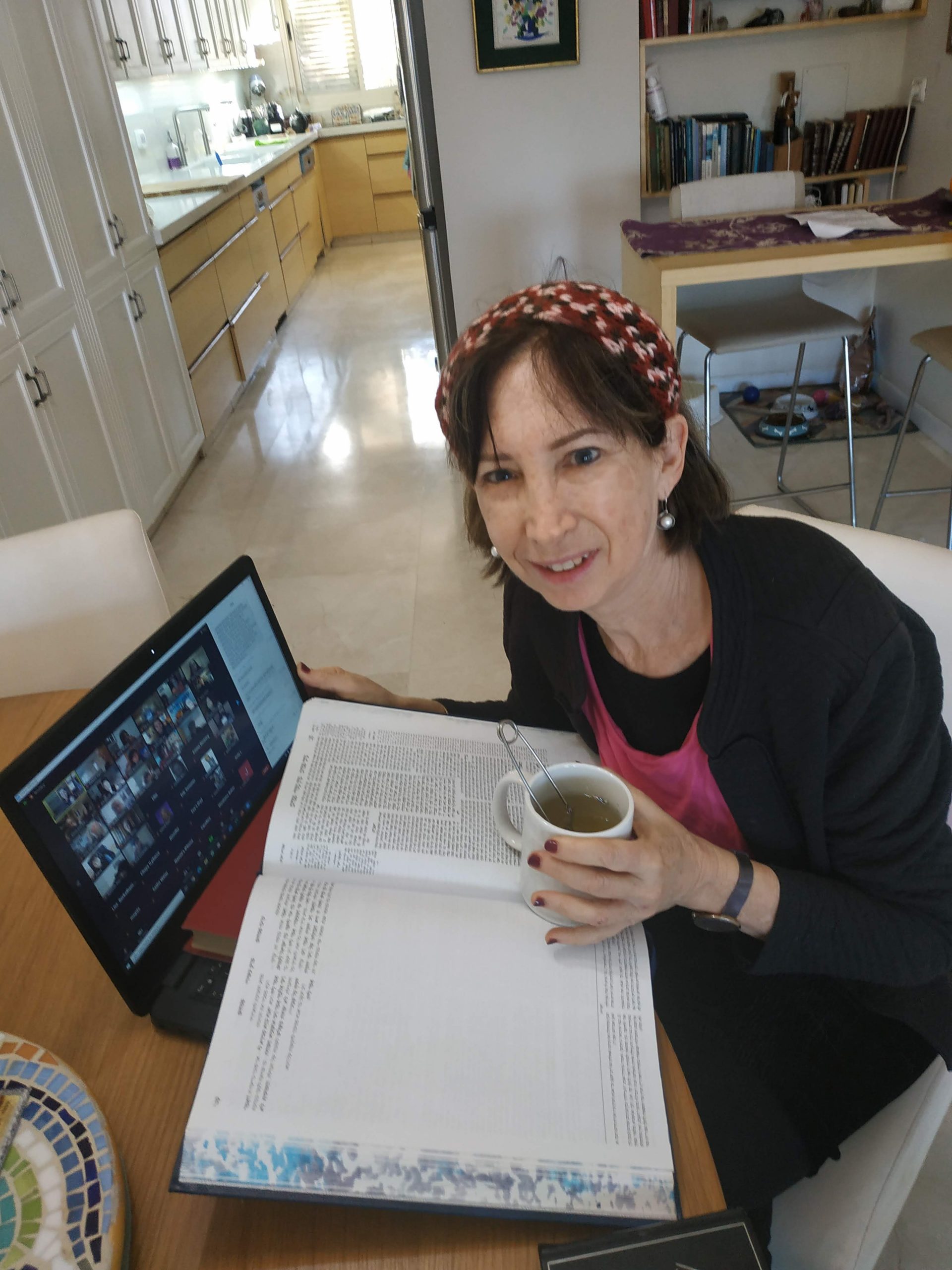
חשמונאים, ישראל
התחלתי בסיום הש”ס, יצאתי באורות. נשברתי פעמיים, ובשתיהם הרבנית מישל עודדה להמשיך איפה שכולם בסבב ולהשלים כשאוכל, וכך עשיתי וכיום השלמתי הכל. מדהים אותי שאני לומדת כל יום קצת, אפילו בחדר הלידה, בבידוד או בחו”ל. לאט לאט יותר נינוחה בסוגיות. לא כולם מבינים את הרצון, בפרט כפמניסטית. חשה סיפוק גדול להכיר את המושגים וצורת החשיבה. החלום זה להמשיך ולהתמיד ובמקביל ללמוד איך מהסוגיות נוצרה והתפתחה ההלכה.
מודיעין, ישראל
"התחלתי ללמוד דף יומי במחזור הזה, בח’ בטבת תש””ף. לקחתי על עצמי את הלימוד כדי ליצור תחום של התמדה יומיומית בחיים, והצטרפתי לקבוצת הלומדים בבית הכנסת בכפר אדומים. המשפחה והסביבה מתפעלים ותומכים.
בלימוד שלי אני מתפעלת בעיקר מכך שכדי ללמוד גמרא יש לדעת ולהכיר את כל הגמרא. זו מעין צבת בצבת עשויה שהיא עצומה בהיקפה.”

כפר אדומים, ישראל
סיום השס לנשים נתן לי מוטביציה להתחיל ללמוד דף יומי. עד אז למדתי גמרא בשבתות ועשיתי כמה סיומים. אבל לימוד יומיומי זה שונה לגמרי ופתאום כל דבר שקורה בחיים מתקשר לדף היומי.

רתמים, ישראל
התחלתי בתחילת הסבב, והתמכרתי. זה נותן משמעות נוספת ליומיום ומאוד מחזק לתת לזה מקום בתוך כל שגרת הבית-עבודה השוטפת.
בית שמש, ישראל
מנחות לג
בְּטֶפַח הַסָּמוּךְ לִרְשׁוּת הָרַבִּים, כַּמָּה דִּמְרַחַק מְעַלֵּי, קָא מַשְׁמַע לַן.
in the handbreadth adjacent to the public domain, perhaps the further the mezuza is from the inside of the house the better, and one may affix it even fully outside the airspace of the entrance. To counter this, Shmuel teaches us that the mezuza must be within the airspace of the entrance itself.
וְאָמַר רַב יְהוּדָה, אָמַר שְׁמוּאֵל: כְּתָבָהּ עַל שְׁנֵי דַּפִּין – פְּסוּלָה. מֵיתִיבִי: כְּתָבָהּ עַל שְׁנֵי דַּפִּין וְהִנִּיחָה בִּשְׁנֵי סִיפִּין – פְּסוּלָה, הָא בְּסַף אֶחָד – כְּשֵׁרָה! רְאוּיָה לִשְׁנֵי סִיפִּין קָאָמַר.
And Rav Yehuda says that Shmuel says: If one wrote a mezuza on two sheets it is unfit. The Gemara raises an objection from a baraita that teaches: If one wrote a mezuza on two sheets and placed it on the two doorposts of the entrance, it is unfit. The Gemara states the objection: By inference, if the mezuza was affixed on one doorpost, it is fit, despite the fact that it is written on two sheets. The Gemara answers: The baraita is not referring to a case where one affixed the mezuza on two doorposts. Rather, the baraita is saying that if it was written on two sheets in such a manner that it is fit to be affixed to two doorposts, i.e., there is a space between the writing of the first and second passages, so that one can separate the two sheets for different doorposts, it is unfit. This is in accordance with the statement of Rav Yehuda, citing Shmuel.
וְאָמַר רַב יְהוּדָה, אָמַר שְׁמוּאֵל: בִּמְזוּזָה, הַלֵּךְ אַחַר הֶיכֵּר צִיר. מַאי הֶיכֵּר צִיר? אָמַר רַב אַדָּא: אֲבַקְתָּא. הֵיכִי דָּמֵי? כְּגוֹן פִּיתְחָא דְּבֵין תְּרֵי בָּתֵּי, בֵּין בֵּי גַבְרֵי לְבֵי נְשֵׁי.
And Rav Yehuda says that Shmuel says: The halakha is that a mezuza must be affixed to the doorpost on its right side, and the right side is determined by the direction from which one enters the room. With regard to a mezuza, when deciding which side is the right side, one should follow the indication of the hinge. The Gemara asks: What is the indication of the hinge? Rav Adda said: The socket into which the hinge is inserted. The room with the socket is considered the inside room, and the mezuza is affixed to the side which is on one’s right when entering that room. The Gemara asks: What are the circumstances, i.e., in what kind of case was this guideline to follow the indication of the hinge necessary? The Gemara answers: This indication is necessary in a case where there is an entrance that is between two houses, e.g., between a room for men and a room for women, as in such a situation the direction of the entrance is unclear.
רֵישׁ גָּלוּתָא בְּנָא בֵּיתָא, אֲמַר לֵיהּ לְרַב נַחְמָן: ״קְבַע לִי מְזוּזְתָּא״, אָמַר רַב נַחְמָן: ״תְּלִי דַּשֵּׁי בְּרֵישָׁא״.
The Gemara relates: The Exilarch built a new house. He said to Rav Naḥman: Affix mezuzot for me in the house. Rav Naḥman said: First erect the doors, so that I can affix the mezuzot in the appropriate places, according to the placement of the hinges.
אָמַר רַב יְהוּדָה, אָמַר רַב: עֲשָׂאָהּ כְּמִין נֶגֶר – פְּסוּלָה. אִינִי? וְהָא כִּי אֲתָא רַב יִצְחָק בַּר יוֹסֵף אָמַר: כּוּלְּהוּ מְזוּזָתָא דְּבֵי רַבִּי כְּמִין נֶגֶר הֲווֹ עֲבִידָן, וְהַהִיא פִּיתְחָא דְּעָיֵיל בֵּיהּ רַבִּי לְבֵי מִדְרְשָׁא לָא הֲוָה לַהּ מְזוּזָה! לָא קַשְׁיָא: הָא דַּעֲבִידָא כְּסִיכְּתָא, הָא דַּעֲבִידָא כְּאִיסְתָּוִירָא.
Rav Yehuda says that Rav says: If one fashioned a mezuza like a bolt, i.e., he wedged it into a hole in the doorpost of a gate, or affixed it to the doorpost horizontally, it is unfit. The Gemara raises a difficulty: Is that so? But when Rav Yitzḥak bar Yosef came from Eretz Yisrael to Babylonia, he said: All the mezuzot in the house of Rabbi Yehuda HaNasi were fashioned like a bolt, and he also said: That entrance by which Rabbi Yehuda HaNasi entered the study hall did not have a mezuza. The Gemara answers: This is not difficult. This ruling, that it is unfit, is referring to a case where it is prepared like a peg, i.e., he inserted it deep into the doorpost while it was lying horizontally. That ruling, that it is fit, is referring to a case where it is prepared like an ankle [ke’istevira], i.e., it is vertical.
אִינִי? וְהָא הָהוּא פִּיתְחָא דַּהֲוָה עָיֵיל בַּהּ רַב הוּנָא לְבֵי מִדְרְשָׁא, וְהַוְיָא לֵהּ מְזוּזָה! הָהוּא רְגִיל הֲוָה, דְּאָמַר רַב יְהוּדָה אָמַר רַב: בִּמְזוּזָה הַלֵּךְ אַחַר הָרָגִיל.
With regard to the second element of Rav Yitzḥak bar Yosef’s statement, that the entrance by which Rabbi Yehuda HaNasi entered the study hall did not have a mezuza, the Gemara asks: Is that so? But what of that entrance by which Rav Huna would enter the study hall, which had a mezuza? The Gemara answers: That entrance was the one through which all were accustomed to enter the study hall. By contrast, the entrance that Rabbi Yehuda HaNasi used was a side entrance, which was designated for him alone. Consequently, it was exempt from the obligation to affix a mezuza, as Rav Yehuda says that Rav says: With regard to a mezuza, follow the entrance that people are accustomed to using.
אָמַר רַבִּי זֵירָא אָמַר רַב מַתְנָא אָמַר שְׁמוּאֵל: מִצְוָה לְהַנִּיחָהּ בִּתְחִלַּת שְׁלִישׁ הָעֶלְיוֹן, וְרַב הוּנָא אָמַר: מַגְבִּיהַּ מִן הַקַּרְקַע טֶפַח, וּמַרְחִיק מִן הַקּוֹרָה טֶפַח, וְכׇל הַפֶּתַח כּוּלּוֹ כָּשֵׁר לִמְזוּזָה.
§ Rabbi Zeira says that Rav Mattana says that Shmuel says: It is a mitzva to place the mezuza at the beginning of the upper third of the doorpost. And Rav Huna says: One raises the mezuza a handbreadth from the ground, or one distances it from the cross beam, i.e., the lintel, a handbreadth, and the entire entrance between those two handbreadths is fit for the placement of the mezuza.
מֵיתִיבִי: מַגְבִּיהַּ מִן הַקַּרְקַע טֶפַח, וּמַרְחִיק מִן הַקּוֹרָה טֶפַח, וְכׇל הַפֶּתַח כּוּלּוֹ כָּשֵׁר לִמְזוּזָה, דִּבְרֵי רַבִּי יְהוּדָה. רַבִּי יוֹסֵי אוֹמֵר: ״וּקְשַׁרְתָּם״ ״וּכְתַבְתָּם״, מָה קְשִׁירָה בְּגוֹבַהּ – אַף כְּתִיבָה בְּגוֹבַהּ.
The Gemara raises an objection from a baraita: One raises the mezuza a handbreadth from the ground, or one distances it from the cross beam a handbreadth, and the entire entrance between those two handbreadths is fit for the placement of the mezuza; this is the statement of Rabbi Yehuda. Rabbi Yosei says: The verse states: “And you shall bind them for a sign upon your arm” (Deuteronomy 6:8), and then it states: “And you shall write them upon the doorposts of your house” (Deuteronomy 6:9). Just as the binding of the phylacteries is performed on the upper part of the arm, so too, the writing, i.e., the placement, of a mezuza must be specifically on the upper part of the entrance.
בִּשְׁלָמָא לְרַב הוּנָא, הוּא דְּאָמַר כְּרַבִּי יְהוּדָה, אֶלָּא לִשְׁמוּאֵל דְּאָמַר – כְּמַאן? לֹא כְּרַבִּי יְהוּדָה וְלֹא כְּרַבִּי יוֹסֵי!
The Gemara explains the objection: Granted, according to Rav Huna, he states his ruling in accordance with the opinion of Rabbi Yehuda; but according to Shmuel, in accordance with whose opinion does he state his ruling? It is not in accordance with the opinion of Rabbi Yehuda, and it is not in accordance with the opinion of Rabbi Yosei.
אָמַר רַב הוּנָא בְּרֵיהּ דְּרַב נָתָן: לְעוֹלָם כְּרַבִּי יוֹסֵי,
Rav Huna, son of Rav Natan, said: Actually, Shmuel’s ruling is in accordance with the opinion of Rabbi Yosei,
וּמַאי תְּחִילַּת שְׁלִישׁ הָעֶלְיוֹן דְּקָא אָמַר? לְהַרְחִיקָהּ (שֶׁלֹּא לְהַרְחִיקָהּ מִן הַקּוֹרָה שֶׁל מַעְלָה יוֹתֵר מִשְּׁלִישׁ).
and what is the meaning of the phrase: The beginning of the upper third of the entrance, that Shmuel says? This is referring to the maximum distancing of the mezuza from the doorframe, i.e., that one should not distance it from the upper cross beam more than one-third of the height of the entrance.
אָמַר רָבָא: מִצְוָה לְהַנִּיחָהּ בְּטֶפַח הַסָּמוּךְ לִרְשׁוּת הָרַבִּים. מַאי טַעְמָא? רַבָּנַן אָמְרִי: כְּדֵי שֶׁיִּפְגַּע בַּמְּזוּזָה מִיָּד. רַב חֲנִינָא מִסּוּרָא אוֹמֵר: כִּי הֵיכִי דְּתִינְטְרֵיהּ.
§ Rava says: It is a mitzva to place the mezuza in the handbreadth adjacent to the public domain. The Gemara asks: What is the reason for this? The Rabbis say that it is in order that one encounter the mezuza immediately upon one’s entrance to the house. Rav Ḥanina from Sura says: It is in order that the mezuza protect the entire house, by placing it as far outside as one can.
אָמַר רַבִּי חֲנִינָא: בּוֹא וּרְאֵה שֶׁלֹּא כְּמִדַּת הַקָּדוֹשׁ בָּרוּךְ הוּא מִדַּת בָּשָׂר וְדָם, מִדַּת בָּשָׂר וָדָם – מֶלֶךְ יוֹשֵׁב מִבִּפְנִים וְעַם מְשַׁמְּרִין אוֹתוֹ מִבַּחוּץ, מִדַּת הַקָּדוֹשׁ בָּרוּךְ הוּא אֵינוֹ כֵּן, עֲבָדָיו יוֹשְׁבִין מִבִּפְנִים וְהוּא מְשַׁמְּרָן מִבַּחוּץ, שֶׁנֶּאֱמַר: ״ה׳ שׁוֹמְרֶךָ ה׳ צִלְּךָ עַל יַד יְמִינֶךָ״.
The Gemara adds: Rabbi Ḥanina says: Come and see that the attribute of flesh and blood is not like the attribute of the Holy One, Blessed be He. The attribute of flesh and blood is that a king sits inside his palace, and the people protect him from the outside, whereas with regard to the attribute of the Holy One, Blessed be He, it is not so. Rather, His servants, the Jewish people, sit inside their homes, and He protects them from the outside. As it is stated: “The Lord is your keeper, the Lord is your shade upon your right hand” (Psalms 121:5).
דָּרֵשׁ רַב יוֹסֵף בְּרֵיהּ דְּרָבָא מִשְּׁמֵיהּ דְּרָבָא: הֶעֱמִיק לָהּ טֶפַח – פְּסוּלָה. לֵימָא מְסַיְּיעָא לֵיהּ: הַנִּיחָה בְּפַצִּין, אוֹ שֶׁטָּלָה עָלֶיהָ מַלְבֵּן, אִם יֵשׁ שָׁם טֶפַח – צָרִיךְ מְזוּזָה אַחֶרֶת, אִם לָאו – אֵינוֹ צָרִיךְ מְזוּזָה אַחֶרֶת.
Rav Yosef, son of Rava, taught in the name of Rava: If one dug one handbreadth deep into the doorpost and placed a mezuza there, it is unfit. The Gemara suggests: Let us say that the following baraita supports his ruling: In a case where one affixed a mezuza deep in the wooden doorpost of an entrance, or after placing it in the entrance one added [tala] an inner framework [malben] to it that covers the doorpost, if there is a depth of one handbreadth there, one requires another mezuza, but if not, one does not require another mezuza.
כִּי תַּנְיָא הָהִיא, בְּפֶתַח שֶׁאֲחוֹרֵי הַדֶּלֶת.
The Gemara deflects the support: When that baraita is taught, it is referring to an entrance that is behind the door, i.e., there is another entrance on the other side of the framework, which serves for both entrances. The baraita is teaching that if the framework is one handbreadth thick, then each side is considered a separate entrance, and each requires its own mezuza.
הָא בְּהֶדְיָא קָתָנֵי לַהּ: פֶּתַח שֶׁאֲחוֹרֵי הַדֶּלֶת, אִם יֵשׁ שָׁם טֶפַח – צָרִיךְ מְזוּזָה אַחֶרֶת, וְאִם לָאו – אֵינוֹ צָרִיךְ מְזוּזָה אַחֶרֶת! כֵּיצַד קָתָנֵי.
The Gemara raises a difficulty: But the same baraita teaches explicitly this ruling of the case of another entrance: With regard to an entrance that is behind the door, if there is a depth of one handbreadth there, one requires another mezuza, but if not, one does not require another mezuza. The Gemara explains: This clause of the baraita is teaching which case is the subject of the previous clause, i.e., the baraita does not state two halakhot but only one, which it explains as it proceeds: In what case is it taught that if there is a depth of a handbreadth there, one requires another mezuza? It is taught in the case of an entrance that is behind the door.
תָּנָא: הֶעֱמִיד לָהּ מַלְבֵּן שֶׁל קָנִים, חוֹתֵךְ שְׁפוֹפֶרֶת וּמַנִּיחָהּ. אָמַר רַב אַחָא בְּרֵיהּ דְּרָבָא: לֹא שָׁנוּ אֶלָּא שֶׁהֶעֱמִיד וּלְבַסּוֹף חָתַךְ וְהִנִּיחָהּ, אֲבָל חָתַךְ וְהִנִּיחַ וּלְבַסּוֹף הֶעֱמִיד – פְּסוּלָה, ״תַּעֲשֶׂה״ וְלֹא מִן הֶעָשׂוּי.
§ It is taught in a baraita with regard to the affixing of a mezuza: If one positions a mezuza in an entrance which was a framework of reeds, to which one cannot affix the mezuza with nails, he carves a kind of tube from the reed on the right side and places the mezuza in that tube. Rav Aḥa, son of Rava, says: They taught that one may affix the mezuza in this manner only in a case where one positioned the framework in its place first, and ultimately carved a tube and then placed the mezuza in it. But if before positioning the framework one carved a tube and placed the mezuza in it, and ultimately positioned the framework, the mezuza is unfit. This in accordance with the principle stated with regard to objects used for mitzvot: Prepare it, and not from what has already been prepared. In this case he affixed the mezuza before the obligation took effect with regard to the framework.
וְאָמַר רָבָא: הָנֵי פִּיתְחֵי שִׁימָאֵי פְּטוּרִין מִן הַמְּזוּזָה. מַאי פִּיתְחֵי שִׁימָאֵי? פְּלִיגִי בַּהּ רַב רִיחוּמִי וְאַבָּא יוֹסֵי, חַד אָמַר: דְּלֵית לְהוּ תִּקְרָה, וְחַד אָמַר: דְּלֵית לְהוּ שְׁקוֹפֵי.
And Rava says: With regard to these broken entrances [pitḥei shima’ei], which lack the proper form of doorways, one is exempt from the obligation of placing a mezuza. The Gemara asks: What are broken entrances? Rav Riḥumi and Abba Yosei disagree with regard to this. One says that they do not have a proper ceiling, and one says that they do not have lintels [shakofei] above the openings.
אָמַר רַבָּה בַּר שֵׁילָא, אָמַר רַב חִסְדָּא: אַכְסַדְרָה פְּטוּרָה מִן הַמְּזוּזָה, לְפִי שֶׁאֵין לָהּ פַּצִּימִין. הָא יֵשׁ לָהּ פַּצִּימִין חַיָּיב? לְחִיזּוּק תִּקְרָה הוּא דַּעֲבִידִי!
Rabba bar Sheila says that Rav Ḥisda says: With regard to a portico, i.e., a structure at the entrance to a house that is entirely open on its front side, one is exempt from the obligation of placing a mezuza, because it does not have doorposts [patzimin] on its sides. The Gemara questions this reason: This indicates that if it has doorposts, one would be obligated to place a mezuza. But that is not logical, as these doorposts are not there to serve as an entrance; rather, they are made to strengthen the ceiling. In that case, why should one be obligated?
הָכִי קָאָמַר: אַף עַל פִּי שֶׁיֵּשׁ לָהּ פַּצִּימִין – פְּטוּרָה, שֶׁאֵין עֲשׂוּיִין אֶלָּא לְחִיזּוּק לַתִּקְרָה. אָמַר אַבָּיֵי: חֲזֵינָא לְהוּ לְאִיסְפְּלִידִי דְּבֵי מָר, דְּאִית לְהוּ פַּצִּימֵי וְלֵית לְהוּ מְזוּזָתָא. קָסָבַר: לְחִיזּוּק תִּקְרָה הוּא דַּעֲבִידִי.
The Gemara answers: This is what Rav Ḥisda is saying: Even if it has doorposts, one is exempt from the obligation to place a mezuza there, because they are made only to strengthen the ceiling, not as an entrance. Similarly, Abaye said: I saw the porticos [le’ispelidei] of the house of the Master, Rabba, that they had doorposts but they did not have mezuzot. Rabba evidently holds that its doorposts are made to strengthen the ceiling.
מֵיתִיבִי: בֵּית שַׁעַר, אַכְסַדְרָה וּמִרְפֶּסֶת – חַיָּיבִין בִּמְזוּזָה! בְּאַכְסַדְרָה דְּבֵי רַב. אַכְסַדְרָה דְּבֵי רַב כְּאִינְדְּרוֹנָא מְעַלַּיְיתָא הוּא! בְּאַכְסַדְרָה רוֹמְיָתָא.
The Gemara raises an objection from a baraita: With regard to a gatehouse, a portico, and a balcony, one is obligated to place a mezuza. The Gemara answers: The halakha of the baraita is stated with regard to a specific type of portico, the portico of a study hall, which is closed on all sides, but its walls do not reach the ceiling. The Gemara raises a difficulty: A portico of a study hall is like a full-fledged room [inderona], and therefore it should not be labeled a portico with regard to the halakhot of mezuza. The Gemara answers: The halakha of the baraita is stated with regard to a Roman portico, which is more open than the portico of a study hall, as it is built with many windows instead of proper walls. The baraita is teaching that one is obligated to place a mezuza on this type of portico.
אָמַר רַחֲבָה, אָמַר רַב יְהוּדָה: בֵּי הַרְזִיקֵי חַיָּיב בִּשְׁתֵּי מְזוּזוֹת. מַאי בֵּי הַרְזִיקֵי? אָמַר רַב פָּפָּא סָבָא מִשְּׁמֵיהּ דְּרַב: בֵּית שַׁעַר הַפָּתוּחַ לְחָצֵר, וּבָתִּים פְּתוּחִין לְבֵית שַׁעַר.
§ Raḥava says that Rav Yehuda says: With regard to a bei harziki, one is obligated to place two mezuzot. The Gemara asks: What is a bei harziki? Rav Pappa the Elder says in the name of Rav: It is a gatehouse that opens to a courtyard, and houses also open directly to the gatehouse. It requires two mezuzot, one for the entrance from the courtyard to the gatehouse, and one for the entrance from the gatehouse to the houses.
תָּנוּ רַבָּנַן: בֵּית שַׁעַר הַפָּתוּחַ לְגִינָּה וּלְקִיטוֹנִית – רַבִּי יוֹסֵי אוֹמֵר: נִידּוֹן כְּקִיטוֹנִית, וַחֲכָמִים אוֹמְרִים: נִידּוֹן כְּבֵית שַׁעַר. רַב וּשְׁמוּאֵל דְּאָמְרִי תַּרְוַיְיהוּ: מִגִּינָּה לְבַיִת – כּוּלֵּי עָלְמָא לָא פְּלִיגִי דְּחַיָּיב, מַאי טַעְמָא? בִּיאָה דְּבַיִת הִיא.
The Sages taught in a baraita: With regard to a gatehouse that has two entrances, as it opens both to a garden, which is exempt from a mezuza, and to a small room [ulekitonit], Rabbi Yosei says: Its halakhic status is like that of a small room, and it requires a mezuza, and the Rabbis say: Its halakhic status is like that of a gatehouse, and it does not require a mezuza. There is a difference of opinion among amora’im with regard to this dispute. Rav and Shmuel both say: With regard to the entrance through which one enters from the garden to the house, i.e., the entrance of the gatehouse to the small room, everyone agrees that one is obligated to place a mezuza. What is the reason? It is the way of entering the house, and the house requires a mezuza.
כִּי פְּלִיגִי מִבַּיִת לְגִינָּה, מָר סָבַר: קִיטוֹנִית עִיקָּר, וּמָר סָבַר: גִּינָּה עִיקָּר.
Rav and Shmuel continue: When they disagree it is with regard to the entrance through which one enters from the house to the garden, i.e., the entrance of the gatehouse to the garden. One Sage, Rabbi Yosei, holds that the small room into which the gatehouse opens is the main area, and therefore the gatehouse, which is used for entering the small room, is considered like a regular gatehouse to a house, and all its entrances require a mezuza. And one Sage, the Rabbis, hold that the garden is the main area, and therefore this entrance does not require a mezuza.
רַבָּה וְרַב יוֹסֵף דְּאָמְרִי תַּרְוַיְיהוּ: מִבַּיִת לְגִינָּה, דְּכוּלֵּי עָלְמָא לָא פְּלִיגִי דְּפָטוּר. מַאי טַעְמָא? פִּיתְחָא דְּגִינָּה הוּא. כִּי פְּלִיגִי – מִגִּינָּה לְבַיִת, מָר סָבַר: בִּיאָה דְּבַיִת הוּא, וּמָר סָבַר: כּוּלַּהּ
Conversely, Rabba and Rav Yosef both say: With regard to the entrance through which one enters from the house to the garden, i.e., the entrance between the gatehouse and the garden, everyone agrees that one is exempt from placing a mezuza. What is the reason? It is the entrance to the garden, and the garden does not require a mezuza. When they disagree it is with regard to the entrance from the garden to the house, i.e., the entrance between the gatehouse and the small room. One Sage, Rabbi Yosei, holds that it is the way of entering the house, and the house requires a mezuza, and one Sage, the Rabbis, holds that the entire

