






הלימוד החודש מוקדש ע”י מרכי גלזר לע”נ רחל אביבה בת דבורה חנה
רוצה להקדיש שיעור?

תקציר

בית שמאי ובית הלל נחלקו בדין סדין (בגד פשתן) בציצית; בעוד שבית שמאי פוטרים את הסדין מחובת ציצית כדי להימנע מאיסור שעטנז, בית הלל מחייבים, שכן סמיכות הפרשיות של שעטנז וציצית באה להגיד ש”עשה” של ציצית דוחה את ה”לא תעשה” של שעטנז. אף שהלכה כבית הלל, ר”א ברבי צדוק מעיד כי המטיל תכלת בסדין בירושלים נחשב מן ה”מתמיהין” – גורם לאנשים לחשוב ששעטנז מותר. רבי מסביר כי חכמים אסרו את הדבר בגלל שאנשים לא היו בקיאים בהיתר.
כיון שהעלו קושיות נגד שיטת רבי, רבא ורבי זירא מציעים כמה אפשרויות אחרות, אבל גם עליהם מעלים קושיות.
- גזירה משום קלא אילן: קיים חשש שמא ישתמשו בצבע דמוי תכלת (אינדיגו) שאינו צמר חילזון. במקרה כזה, הלובש עובר על איסור שעטנז (צמר ופשתן) מבלי שקיים את המצווה המתירה זאת.
- גזירה משום טעימה: חשש מפני פסול בציצית – שמא השתמש בתכלת העשוייה תוך כדי בדיקת הצבע (טעימה) שהיא פסולה (כי לא נעשתה לשמה).
- חשש "תעשה ולא מן העשוי”: רבא ורבי זירא מסבירים כי קיים חשש שמא ייקרע הסדין בתוך שלוש אצבעות לשפתו והאדם יתפרנו וישאיר חוטים מהתפירה לציצית. בכך הציצית פסול משום "תעשה ולא מן העשוי”, שכן התורה הצריכה שהמצווה תיווצר על ידי הטלת הציצית לבגד ולא שיהיו קיימים כבר.
- גזירה משום כסות לילה, שכן בגד לילה פטור מציצית, ולבישתו עם ציציות שעטנז מהווה איסור ללא מצווה להתירו.
יש דיון על הגדרת הבגד המחויב בציצית. בגד המורכב מעור ואריג: רבא קובע כי הולכים אחר עיקר הבגד. אם גוף הבגד מאריג וכנפיו מעור – חייב בציצית; אם הבגד מעור וכנפיו מאריג – פטור. רב אחאי חולק וסובר שיש ללכת אחר חומר הכנף עצמה.
רב הונא פוסק כי מי שהטיל ציצית בבגד בעל שלוש כנפות ואז השלים את הכנף הרביעית – הציצית פסולה משום "תעשה ולא מן העשוי”. הגמרא מקשה מהנהגת "חסידים ראשונים” שהיו מטילים תכלת לאחר אריגת שלושה אצבעות, ומיישבת שמדובר במקרה שבו כבר נחתכו צורת ארבע הכנפות.
הגמרא מקשה על הפסול של תעשה ולא מן העשוי מדברי רבי זירא שהכשיר הטלת ציצית חדשה על בגד שכבר יש בו ציצית ואח”כ מוריד את הציצית שהיו שם מקודם. רבא מתרץ כי יש בכך משום איסור "בל תוסיף” ועל כן הטלת החוט לפני החיוב לא נחשב כמעשה, אולם רב פפא מקשה על תירות רבא ומסביר שהדבר תלוי בכוונת האדם: האם בכוונתו להוסיף על המצווה או לבטל את הראשונות ולהחליפן בחדשות. אם כוונתו לבטל את הראשונות זה כן נחשב מעשה ולכאורה נראה שיצר ציצית ע”י מעשה לפני שחייב במצווה ואם כן, למה פסלו מקרה שהטליו ציצית לפני שהיו חייבים במצווה?
כלים
הלימוד החודש מוקדש ע”י מרכי גלזר לע”נ רחל אביבה בת דבורה חנה
מנחות מ
תָּנוּ רַבָּנַן: סָדִין בְּצִיצִית – בֵּית שַׁמַּאי פּוֹטְרִין וּבֵית הִלֵּל מְחַיְּיבִין, וַהֲלָכָה כְּדִבְרֵי בֵּית הִלֵּל.
The Sages taught in a baraita: With regard to ritual fringes on a linen cloak, Beit Shammai deem the cloak exempt from ritual fringes due to the fact that the sky-blue strings must be made from wool, and there is a Torah prohibition against wearing a mixture of wool and linen. And Beit Hillel deem a linen cloak obligated in the mitzva of ritual fringes. And the halakha is in accordance with the statement of Beit Hillel.
אָמַר רַבִּי אֱלִיעֶזֶר בֶּן רַבִּי צָדוֹק: וַהֲלֹא כׇּל הַמֵּטִיל תְּכֵלֶת בִּירוּשָׁלַיִם אֵינוֹ אֶלָּא מִן הַמַּתְמִיהִין!
Rabbi Eliezer ben Rabbi Tzadok says: But is it not the case that anyone who affixes sky-blue strings to a linen cloak in Jerusalem is considered nothing other than one of those who causes others to be astonished at their behavior, as it appears that he is violating the prohibition against wearing a garment containing wool and linen?
אָמַר רַבִּי: אִם כֵּן, לָמָּה אֲסָרוּהָ? לְפִי שֶׁאֵין בְּקִיאִין.
The baraita concludes: Rabbi Yehuda HaNasi says: If so, that the halakha is in accordance with Beit Hillel and a linen cloak is required to have ritual fringes, why did the Sages prohibit attaching ritual fringes to linen garments in Jerusalem? It is because people are not well versed in the halakha and might ultimately wear garments of wool and linen even when it is not necessary for the mitzva of ritual fringes.
אֲמַר לֵיהּ רָבָא בַּר רַב חָנָא לְרָבָא: וְלִרְמוֹ בֵּי עַשְׂרָה וְנִפְּקוּ לְשׁוּקָא וּמִפַּרְסְמָא (למילתא) [מִילְּתָא]! כׇּל שֶׁכֵּן דְּמַתְמְהוּ עִילָּוַן.
Rava bar Rav Ḥana said to Rava: If that is the concern, then let ten people take linen cloaks with ritual fringes and go out to the marketplace and thereby publicize the matter, i.e., that it is permitted to affix wool strings to a linen garment due to the mitzva. Rava answered: All the more so people would be astonished at us for acting in such an unconventional manner.
וְלִידְרְשַׁהּ בְּפִירְקָא! גְּזֵירָה מִשּׁוּם קָלָא אִילָן.
The Gemara suggests: Let the Rabbis teach during their public lecture that affixing wool strings to a linen garment is permitted for the mitzva of ritual fringes. The Gemara answers: Wearing strings on a linen garment is prohibited because of a rabbinic decree due to the concern that people might use strings that were dyed blue with indigo [kala ilan], instead of with tekhelet, the sky-blue dye produced from the ḥilazon (see 44b), in which case they would not fulfill the mitzva of ritual fringes and would violate the prohibition against wearing garments containing wool and linen.
וְלֹא יְהֵא אֶלָּא לָבָן! כֵּיוָן דְּאֶפְשָׁר בְּמִינָן – לָא.
The Gemara suggests: Even if one’s blue strings are not dyed with tekhelet as required for the mitzva, let them be considered merely as white strings. In the absence of tekhelet one fulfills the mitzva with white strings, and therefore it should be permitted to affix white woolen strings to a linen garment. The Gemara explains: Since it is possible to affix white strings that are the same type of material as the garment, i.e., linen, and thereby fulfill the mitzva without overriding the prohibition against wearing a garment made from wool and linen, one may not affix white wool strings to a linen garment.
כִּדְרֵישׁ לָקִישׁ, דְּאָמַר רֵישׁ לָקִישׁ: כׇּל מָקוֹם שֶׁאַתָּה מוֹצֵא עֲשֵׂה וְלֹא תַעֲשֶׂה, אִם אַתָּה יָכוֹל לְקַיֵּים אֶת שְׁנֵיהֶם – מוּטָב, וְאִם לָאו – יָבוֹא עֲשֵׂה וְיִדְחֶה אֶת לֹא תַעֲשֶׂה.
The Gemara notes: This is in accordance with the opinion of Reish Lakish. As Reish Lakish says: Any place where you find a positive mitzva and a prohibition that clash with one another, if you are able to fulfill both of them, that is preferable; and if that is not possible, the positive mitzva shall come and override the prohibition. In this case, the clash is between the mitzva of ritual fringes and the prohibition against wearing a garment that contains wool and linen. One can fulfill both of them by using white strings that are linen instead of wool if the garment is made from linen.
וְלִיבְדְּקוּהָ, אֶלָּא גְּזֵירָה מִשּׁוּם טְעִימָה.
The Gemara suggests: And let them test the strings to ascertain whether they are dyed with indigo or with tekhelet, as explained by the Gemara (42b). The Gemara responds: Rather, the prohibition against affixing ritual fringes to a linen garment is a rabbinic decree due to the concern that perhaps the sky-blue strings were colored with tekhelet dye that had been used for testing the color of the dye in the vat and therefore became unfit (see 42b). In such a case, there would be no fulfillment of the mitzva of sky-blue ritual fringes to override the prohibition against wearing a garment of wool and linen.
וְלִיכְתְּבָה אַדִּיסְקֵי! אַדִּיסְקֵי לֵיקוּם וְלִיסְמוֹךְ? אָמַר רָבָא: הַשְׁתָּא
The Gemara suggests: Let the Sages write letters informing dye producers that tekhelet that was used for testing the color of the dye in the vat is unfit for ritual fringes. The Gemara explains: Shall we go and rely on letters, assuming that dye producers will follow the instructions they contain? Rava responded to this and said: Now,
חָמֵץ בְּפֶסַח וְיוֹם הַכִּפּוּרִים דְּכָרֵת – סָמְכִינַן אַדִּיסְקֵי, הָכָא דַּעֲשֵׂה בְּעָלְמָא לֹא כׇּל שֶׁכֵּן!
with regard to the prohibitions against eating leavened bread on Passover and eating on Yom Kippur, which are punishable by karet, we rely on letters sent from the rabbinical court in Eretz Yisrael publicizing whether the year was declared a leap year and when they have declared the New Moon; here, with regard to the mitzva of ritual fringes, which is merely a positive mitzva, is it not all the more so correct that letters can be relied on?
אֶלָּא אָמַר רָבָא: הָא מִילְּתָא אָמְרִי, וְאִיתְּמַר בְּמַעְרְבָא מִשּׁוּם דְּרַבִּי זֵירָא כְּוָותִי: שֶׁמָּא יִקָּרַע סְדִינוֹ בְּתוֹךְ שָׁלֹשׁ וְיִתְפְּרֶנּוּ.
Rather, Rava said: This is a statement that I said, and it was stated in the West, Eretz Yisrael, in the name of Rabbi Zeira in accordance with my opinion: The reason for the rabbinic decree is lest one’s cloak rip within three fingerbreadths of the edge of the corner of the garment, which is where the ritual fringes are placed, and he sew it with linen string and then use the excess string for ritual fringes.
וְהַתּוֹרָה אָמְרָה: ״תַּעֲשֶׂה״ – וְלֹא מִן הֶעָשׂוּי.
And in such a case the ritual fringes would be unfit because the Torah states: “You shall prepare yourself twisted cords” (Deuteronomy 22:12), which teaches: Prepare it, and not from what has already been prepared. Consequently, the strings must be attached to the garment for the sake of the mitzva of ritual fringes. When the individual places the linen string there in order to stitch the garment and then decides to use it for the mitzva of ritual fringes and adds sky-blue wool strings, he does not fulfill the mitzva of ritual fringes and violates the prohibition against wearing a garment of wool and linen.
שְׁרָא רַבִּי זֵירָא לִסְדִינֵיהּ. רַב זֵירָא אָמַר: גְּזֵירָה נָמֵי מִשּׁוּם כְּסוּת לַיְלָה.
Because of this rabbinic decree, Rabbi Zeira untied the ritual fringes and removed them from his linen cloak. Rav Zeira said: The rabbinic decree prohibiting ritual fringes on a linen garment is also due to the concern that one might affix ritual fringes to a nighttime garment. Since the mitzva of ritual fringes does not apply in that case, if one wears the garment he would not fulfill the mitzva and would violate the prohibition against wearing a garment with wool and linen.
וְאָמַר רָבָא: הָא מִילְּתָא אֲמַרִי, וְאִיתְּמַר בְּמַעְרְבָא מִשְּׁמֵיהּ דְּרַבִּי זֵירָא כְּוָותִי: הִיא שֶׁל בֶּגֶד וּכְנָפֶיהָ שֶׁל עוֹר – חַיֶּיבֶת, הִיא שֶׁל עוֹר וּכְנָפֶיהָ שֶׁל בֶּגֶד – פְּטוּרָה. מַאי טַעְמָא? עִיקַּר בֶּגֶד בָּעֵינַן.
And Rava said: This is a statement that I said, and it was stated in the West, Eretz Yisrael, in the name of Rabbi Zeira in accordance with my opinion: If a garment is made from cloth and its corners are made from leather, it is required to have ritual fringes. Conversely, if a cloak is made from leather and its corners are made from cloth, it is exempt from the mitzva of ritual fringes. What is the reason for this? We require that the main part of the garment be obligated, and a leather garment is not required to have ritual fringes.
רַב אַחַאי אָזֵיל בָּתַר כָּנָף.
The Gemara notes: Rav Aḥai would follow the corner in determining whether the garment is required to have ritual fringes or not, because the Torah states: “On the corners of their garments” (Numbers 15:38).
אָמַר רָבָא אָמַר רַב סְחוֹרָה אָמַר רַב הוּנָא: הֵטִיל לְבַעֲלַת שָׁלֹשׁ, וְהִשְׁלִימָהּ לְאַרְבַּע – פְּסוּלָה, ״תַּעֲשֶׂה״ – וְלֹא מִן הֶעָשׂוּי.
§ Rava says that Rav Seḥora says that Rav Huna says: In a case where one affixed ritual fringes to a garment possessing only three corners, which is not required to have ritual fringes, and then completed its fourth corner by sewing on additional material or cutting away some of the material, the ritual fringes he attached to the original three corners are unfit. This is due to the principle: Prepare it, and not from what has already been prepared. Once the garment is required to have ritual fringes one may attach the ritual fringes; the strings that were attached before the garment was required to have them are not fit.
מֵיתִיבִי: חֲסִידִים הָרִאשׁוֹנִים, כֵּיוָן שֶׁאָרְגוּ בָּהּ שָׁלֹשׁ, הָיוּ מְטִילִין לָהּ תְּכֵלֶת. אֵימָא: כֵּיוָן שֶׁפָּצְעוּ בָּהּ שָׁלֹשׁ, הָיוּ מְטִילִין לָהּ תְּכֵלֶת.
The Gemara raises an objection from a baraita: It is told of the early generations of pious men that once they weaved three fingerbreadths of the length of the garment, they would affix the white and sky-blue strings to the first two corners, even though the garment was not yet long enough to be obligated to have ritual fringes. The Gemara answers: Say that the baraita should read as follows: Once they completed [shepatzu] the garment until there were only three fingerbreadths left to weave, they would affix the white and sky-blue strings to the first two corners.
וּמִי אָמְרִינַן ״תַּעֲשֶׂה״ – וְלֹא מִן הֶעָשׂוּי? (אִינִי), וְהָאָמַר רַבִּי זֵירָא: הֵטִיל לְמוּטֶּלֶת – כְּשֵׁרָה.
The Gemara asks: And do we say: Prepare it, and not from what has already been prepared? Is that so that this principle disqualifies ritual fringes that one affixed to a garment before he was required to do so? But doesn’t Rabbi Zeira say: If one affixed ritual fringes to a garment that already had ritual fringes affixed to it and then removed the original strings, it is fit, despite the fact that when he attached the second set they were superfluous? This indicates that even if one attaches ritual fringes to a garment when there is no obligation to attach them, the ritual fringes are fit.
אָמַר רָבָא: הַשְׁתָּא בְּ״בַל תּוֹסִיף״ קָאֵי, מַעֲשֶׂה לָא הָוֵי?
Rava said: This does not present a difficulty, because now that he adds a second, unnecessary set of ritual fringes and is liable for violating the prohibition of adding to a mitzva (see Deuteronomy 13:1), is it not considered an action?
מַתְקֵיף לַהּ רַב פָּפָּא: מִמַּאי דְּגַבְרָא לְאוֹסוֹפֵי קָא מִיכַּוֵּין? דִּלְמָא לְבַטּוֹלֵי קָא מִיכַּוֵּין, וּ״בַל תּוֹסִיף״ לֵיכָּא, מַעֲשֶׂה אִיכָּא!
Rav Pappa objects to this: From where is it known that Rabbi Zeira is discussing a case where the person intended to add to the original set of ritual fringes? Perhaps Rabbi Zeira is discussing a case where he intended to nullify the original strings, and therefore there is no prohibition of adding to a mitzva, and there is an action.
אָמַר רַבִּי זֵירָא אָמַר רַב מַתְנָא אָמַר שְׁמוּאֵל: תְּכֵלֶת אֵין בָּהּ מִשּׁוּם כִּלְאַיִם, וַאֲפִילּוּ בְּטַלִּית פְּטוּרָה.
With regard to the issue of affixing ritual fringes to a garment that already has ritual fringes, the Gemara relates: Rabbi Zeira says that Rav Mattana says that Shmuel says: White and sky-blue strings are not subject to the prohibition of diverse kinds, and this is the halakha even if they are affixed to a cloak that is exempt from ritual fringes.
מַאי טַלִּית פְּטוּרָה? אִילֵּימָא דְּלֵית בַּהּ שִׁיעוּרָא, וְהָתַנְיָא: טַלִּית שֶׁהַקָּטָן מִתְכַּסֶּה בּוֹ רֹאשׁוֹ וְרוּבּוֹ
The Gemara asks: What is meant by: A cloak that is exempt from ritual fringes? If we say that it is referring to a cloak that is not of the size necessary to require the affixing of ritual fringes, that is difficult: But isn’t it taught in a baraita: With regard to a cloak that is large enough for a minor to cover his head and most of his body with it,

כלים
העמקה
רוצה להבין מה באמת קורה מתחת לפני השטח של הסוגיה?
שיעורים, פודקאסטים והרחבות של מיטב המורות שלנו יפתחו לך עוד זוויות וכיווני חשיבה.


חציצה בהנפת המנחה: בין פתרון מציאותי לפתרון למדני – גפת עם הרבנית חנה גודינגר (דרייפוס)

חדשה בלימוד הגמרא?
זה הדף הראשון שלך? איזו התרגשות עצומה! יש לנו בדיוק את התכנים והכלים שיעזרו לך לעשות את הצעדים הראשונים ללמידה בקצב וברמה שלך, כך תוכלי להרגיש בנוח גם בתוך הסוגיות המורכבות ומאתגרות.
פסיפס הלומדות שלנו
גלי את קהילת הלומדות שלנו, מגוון נשים, רקעים וסיפורים. כולן חלק מתנועה ומסע מרגש ועוצמתי.
רבנית מישל הציתה אש התלמוד בלבבות בביניני האומה ואני נדלקתי. היא פתחה פתח ותמכה במתחילות כמוני ואפשרה לנו להתקדם בצעדים נכונים וטובים. הקימה מערך שלם שמסובב את הלומדות בסביבה תומכת וכך נכנסתי למסלול לימוד מעשיר שאין כמוה. הדרן יצר קהילה גדולה וחזקה שמאפשרת התקדמות מכל נקודת מוצא. יש דיבוק לומדות שמחזק את ההתמדה של כולנו. כל פניה ושאלה נענית בזריזות ויסודיות. תודה גם למגי על כל העזרה.

נתניה, ישראל
התחלתי כשהייתי בחופש, עם הפרסומים על תחילת המחזור, הסביבה קיבלה את זה כמשהו מתמיד ומשמעותי ובהערכה, הלימוד זה עוגן יציב ביום יום, יש שבועות יותר ויש שפחות אבל זה משהו שנמצא שם אמין ובעל משמעות בחיים שלי….

גמזו, ישראל
A friend in the SF Bay Area said in Dec 2019 that she might start listening on her morning drive to work. I mentioned to my husband and we decided to try the Daf when it began in Jan 2020 as part of our preparing to make Aliyah in the summer.

ירושלים, Israel
אמא שלי למדה איתי ש”ס משנה, והתחילה ללמוד דף יומי. אני החלטתי שאני רוצה ללמוד גם. בהתחלה למדתי איתה, אח”כ הצטרפתי ללימוד דף יומי שהרב דני וינט מעביר לנוער בנים בעתניאל. במסכת עירובין עוד חברה הצטרפה אלי וכשהתחלנו פסחים הרב דני פתח לנו שעור דף יומי לבנות. מאז אנחנו לומדות איתו קבוע כל יום את הדף היומי (ובשבת אבא שלי מחליף אותו). אני נהנית מהלימוד, הוא מאתגר ומעניין

עתניאל, ישראל
בתחילת הסבב הנוכחי של לימוד הדף היומי, נחשפתי לחגיגות המרגשות באירועי הסיום ברחבי העולם. והבטחתי לעצמי שבקרוב אצטרף גם למעגל הלומדות. הסבב התחיל כאשר הייתי בתחילת דרכי בתוכנית קרן אריאל להכשרת יועצות הלכה של נשמ”ת. לא הצלחתי להוסיף את ההתחייבות לדף היומי על הלימוד האינטנסיבי של תוכנית היועצות. בבוקר למחרת המבחן הסופי בנשמ”ת, התחלתי את לימוד הדף במסכת סוכה ומאז לא הפסקתי.

קרית גת, ישראל
. לא תמיד נהניתי מלימוד גמרא כילדה.,בל כהתבגרתי התחלתי לאהוב את זה שוב. התחלתי ללמוד מסכת סוטה בדף היומי לפני כחמש עשרה שנה ואז הפסקתי.הגעתי לסיום הגדול של הדרן לפני שנתיים וזה נתן לי השראה. והתחלתי ללמוד למשך כמה ימים ואז היתה לי פריצת דיסק והפסקתי…עד אלול השנה. אז התחלתי עם מסכת ביצה וב”ה אני מצליחה לעמוד בקצב. המשפחה מאוד תומכת בי ויש כמה שגם לומדים את זה במקביל. אני אוהבת שיש עוגן כל יום.

בית שמש, ישראל
אחרי שראיתי את הסיום הנשי של הדף היומי בבנייני האומה זה ריגש אותי ועורר בי את הרצון להצטרף. לא למדתי גמרא קודם לכן בכלל, אז הכל היה לי חדש, ולכן אני לומדת בעיקר מהשיעורים פה בהדרן, בשוטנשטיין או בחוברות ושיננתם.

בית שמש, ישראל
אני לומדת גמרא כעשור במסגרות שונות, ואת הדף היומי התחלתי כשחברה הציעה שאצטרף אליה לסיום בבנייני האומה. מאז אני לומדת עם פודקסט הדרן, משתדלת באופן יומי אך אם לא מספיקה, מדביקה פערים עד ערב שבת. בסבב הזה הלימוד הוא "ממעוף הציפור”, מקשיבה במהירות מוגברת תוך כדי פעילויות כמו בישול או נהיגה, וכך רוכשת היכרות עם הסוגיות ואופן ניתוחם על ידי חז”ל. בע”ה בסבב הבא, ואולי לפני, אצלול לתוכו באופן מעמיק יותר.

רמת גן, ישראל
התחלתי ללמוד לפני כשנתיים בשאיפה לסיים לראשונה מסכת אחת במהלך חופשת הלידה.
אחרי מסכת אחת כבר היה קשה להפסיק…

ירוחם, ישראל
התחלתי מעט לפני תחילת הסבב הנוכחי. אני נהנית מהאתגר של להמשיך להתמיד, מרגעים של "אהה, מפה זה הגיע!” ומהאתגר האינטלקטואלי

לוד, ישראל
בתחילת הסבב הנוכחי הצטברו אצלי תחושות שאני לא מבינה מספיק מהי ההלכה אותה אני מקיימת בכל יום. כמו כן, כאמא לבנות רציתי לתת להן מודל נשי של לימוד תורה
שתי הסיבות האלו הובילו אותי להתחיל ללמוד. נתקלתי בתגובות מפרגנות וסקרניות איך אישה לומדת גמרא..
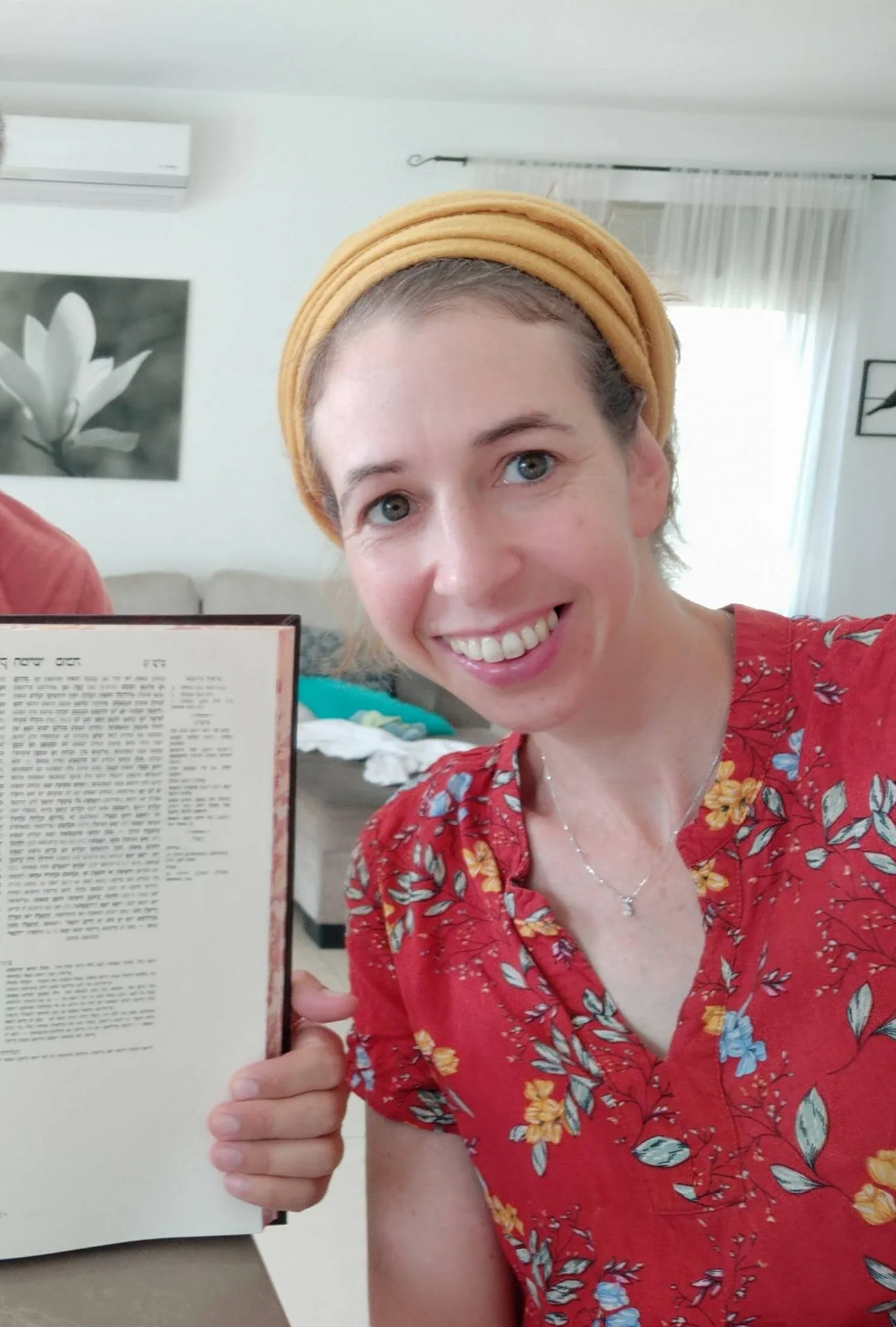
כמו שרואים בתמונה אני ממשיכה ללמוד גם היום ואפילו במחלקת יולדות אחרי לידת ביתי השלישית.

רבבה, ישראל
רציתי לקבל ידע בתחום שהרגשתי שהוא גדול וחשוב אך נעלם ממני. הלימוד מעניק אתגר וסיפוק ומעמיק את תחושת השייכות שלי לתורה וליהדות
עלי זהב – לשם, ישראל
לצערי גדלתי בדור שבו לימוד גמרא לנשים לא היה דבר שבשגרה ושנים שאני חולמת להשלים את הפער הזה.. עד שלפני מספר שבועות, כמעט במקרה, נתקלתי במודעת פרסומת הקוראת להצטרף ללימוד מסכת תענית. כשקראתי את המודעה הרגשתי שהיא כאילו נכתבה עבורי – "תמיד חלמת ללמוד גמרא ולא ידעת איך להתחיל”, "בואי להתנסות במסכת קצרה וקלה” (רק היה חסר שהמודעה תיפתח במילים "מיכי שלום”..). קפצתי למים ו- ב”ה אני בדרך להגשמת החלום:)

מורשת, ישראל
רבנית מישל הציתה אש התלמוד בלבבות בביניני האומה ואני נדלקתי. היא פתחה פתח ותמכה במתחילות כמוני ואפשרה לנו להתקדם בצעדים נכונים וטובים. הקימה מערך שלם שמסובב את הלומדות בסביבה תומכת וכך נכנסתי למסלול לימוד מעשיר שאין כמוה. הדרן יצר קהילה גדולה וחזקה שמאפשרת התקדמות מכל נקודת מוצא. יש דיבוק לומדות שמחזק את ההתמדה של כולנו. כל פניה ושאלה נענית בזריזות ויסודיות. תודה גם למגי על כל העזרה.
נתניה, ישראל
התחלתי ללמוד דף יומי ממסכת נידה כי זה היה חומר הלימוד שלי אז. לאחר הסיום הגדול בבנייני האומה החלטתי להמשיך. וב”ה מאז עם הפסקות קטנות של קורונה ולידה אני משתדלת להמשיך ולהיות חלק.
זה משפיע מאוד על היום יום שלי ועל אף שאני עסוקה בלימודי הלכה ותורה כל יום, זאת המסגרת הקבועה והמחייבת ביותר שיש לי.

גבעת הראל, ישראל
התחלתי ללמוד לפני 4.5 שנים, כשהודיה חברה שלי פתחה קבוצת ווטסאפ ללימוד דף יומי בתחילת מסכת סנהדרין. מאז לימוד הדף נכנס לתוך היום-יום שלי והפך לאחד ממגדירי הזהות שלי ממש.

ירושלים, ישראל
התחלתי ללמוד דף יומי בתחילת מסכת ברכות, עוד לא ידעתי כלום. נחשפתי לסיום הש״ס, ובעצם להתחלה מחדש בתקשורת, הפתיע אותי לטובה שהיה מקום לעיסוק בתורה.
את המסכתות הראשונות למדתי, אבל לא סיימתי (חוץ מעירובין איכשהו). השנה כשהגעתי למדרשה, נכנסתי ללופ, ואני מצליחה להיות חלק, סיימתי עם החברותא שלי את כל המסכתות הקצרות, גם כשהיינו חולות קורונה ובבידודים, למדנו לבד, העיקר לא לצבור פער, ומחכות ליבמות 🙂

מזכרת בתיה, ישראל
התחלתי ללמוד דף יומי בסבב הקודם. זכיתי לסיים אותו במעמד המרגש של הדרן. בסבב הראשון ליווה אותי הספק, שאולי לא אצליח לעמוד בקצב ולהתמיד. בסבב השני אני לומדת ברוגע, מתוך אמונה ביכולתי ללמוד ולסיים. בסבב הלימוד הראשון ליוותה אותי חוויה מסויימת של בדידות. הדרן העניקה לי קהילת לימוד ואחוות נשים. החוויה של סיום הש”ס במעמד כה גדול כשנשים שאינן מכירות אותי, שמחות ומתרגשות עבורי , היתה חוויה מרוממת נפש

קיבוץ מגדל עוז, ישראל
באירוע של הדרן בנייני האומה. בהשראתה של אמי שלי שסיימה את הש”ס בסבב הקודם ובעידוד מאיר , אישי, וילדיי וחברותיי ללימוד במכון למנהיגות הלכתית של רשת אור תורה סטון ומורתיי הרבנית ענת נובוסלסקי והרבנית דבורה עברון, ראש המכון למנהיגות הלכתית.
הלימוד מעשיר את יומי, מחזיר אותי גם למסכתות שכבר סיימתי וידוע שאינו דומה מי ששונה פרקו מאה לשונה פרקו מאה ואחת במיוחד מרתקים אותי החיבורים בין המסכתות

מודיעין, ישראל
ראיתי את הסיום הגדול בבנייני האומה וכל כך התרשמתי ורציתי לקחת חלק.. אבל לקח לי עוד כשנה וחצי )באמצע מסיכת שבת להצטרף..
הלימוד חשוב לי מאוד.. אני תמיד במרדף אחרי הדף וגונבת כל פעם חצי דף כשהילדים עסוקים ומשלימה אח”כ אחרי שכולם הלכו לישון..

ירושלים, ישראל
מנחות מ
תָּנוּ רַבָּנַן: סָדִין בְּצִיצִית – בֵּית שַׁמַּאי פּוֹטְרִין וּבֵית הִלֵּל מְחַיְּיבִין, וַהֲלָכָה כְּדִבְרֵי בֵּית הִלֵּל.
The Sages taught in a baraita: With regard to ritual fringes on a linen cloak, Beit Shammai deem the cloak exempt from ritual fringes due to the fact that the sky-blue strings must be made from wool, and there is a Torah prohibition against wearing a mixture of wool and linen. And Beit Hillel deem a linen cloak obligated in the mitzva of ritual fringes. And the halakha is in accordance with the statement of Beit Hillel.
אָמַר רַבִּי אֱלִיעֶזֶר בֶּן רַבִּי צָדוֹק: וַהֲלֹא כׇּל הַמֵּטִיל תְּכֵלֶת בִּירוּשָׁלַיִם אֵינוֹ אֶלָּא מִן הַמַּתְמִיהִין!
Rabbi Eliezer ben Rabbi Tzadok says: But is it not the case that anyone who affixes sky-blue strings to a linen cloak in Jerusalem is considered nothing other than one of those who causes others to be astonished at their behavior, as it appears that he is violating the prohibition against wearing a garment containing wool and linen?
אָמַר רַבִּי: אִם כֵּן, לָמָּה אֲסָרוּהָ? לְפִי שֶׁאֵין בְּקִיאִין.
The baraita concludes: Rabbi Yehuda HaNasi says: If so, that the halakha is in accordance with Beit Hillel and a linen cloak is required to have ritual fringes, why did the Sages prohibit attaching ritual fringes to linen garments in Jerusalem? It is because people are not well versed in the halakha and might ultimately wear garments of wool and linen even when it is not necessary for the mitzva of ritual fringes.
אֲמַר לֵיהּ רָבָא בַּר רַב חָנָא לְרָבָא: וְלִרְמוֹ בֵּי עַשְׂרָה וְנִפְּקוּ לְשׁוּקָא וּמִפַּרְסְמָא (למילתא) [מִילְּתָא]! כׇּל שֶׁכֵּן דְּמַתְמְהוּ עִילָּוַן.
Rava bar Rav Ḥana said to Rava: If that is the concern, then let ten people take linen cloaks with ritual fringes and go out to the marketplace and thereby publicize the matter, i.e., that it is permitted to affix wool strings to a linen garment due to the mitzva. Rava answered: All the more so people would be astonished at us for acting in such an unconventional manner.
וְלִידְרְשַׁהּ בְּפִירְקָא! גְּזֵירָה מִשּׁוּם קָלָא אִילָן.
The Gemara suggests: Let the Rabbis teach during their public lecture that affixing wool strings to a linen garment is permitted for the mitzva of ritual fringes. The Gemara answers: Wearing strings on a linen garment is prohibited because of a rabbinic decree due to the concern that people might use strings that were dyed blue with indigo [kala ilan], instead of with tekhelet, the sky-blue dye produced from the ḥilazon (see 44b), in which case they would not fulfill the mitzva of ritual fringes and would violate the prohibition against wearing garments containing wool and linen.
וְלֹא יְהֵא אֶלָּא לָבָן! כֵּיוָן דְּאֶפְשָׁר בְּמִינָן – לָא.
The Gemara suggests: Even if one’s blue strings are not dyed with tekhelet as required for the mitzva, let them be considered merely as white strings. In the absence of tekhelet one fulfills the mitzva with white strings, and therefore it should be permitted to affix white woolen strings to a linen garment. The Gemara explains: Since it is possible to affix white strings that are the same type of material as the garment, i.e., linen, and thereby fulfill the mitzva without overriding the prohibition against wearing a garment made from wool and linen, one may not affix white wool strings to a linen garment.
כִּדְרֵישׁ לָקִישׁ, דְּאָמַר רֵישׁ לָקִישׁ: כׇּל מָקוֹם שֶׁאַתָּה מוֹצֵא עֲשֵׂה וְלֹא תַעֲשֶׂה, אִם אַתָּה יָכוֹל לְקַיֵּים אֶת שְׁנֵיהֶם – מוּטָב, וְאִם לָאו – יָבוֹא עֲשֵׂה וְיִדְחֶה אֶת לֹא תַעֲשֶׂה.
The Gemara notes: This is in accordance with the opinion of Reish Lakish. As Reish Lakish says: Any place where you find a positive mitzva and a prohibition that clash with one another, if you are able to fulfill both of them, that is preferable; and if that is not possible, the positive mitzva shall come and override the prohibition. In this case, the clash is between the mitzva of ritual fringes and the prohibition against wearing a garment that contains wool and linen. One can fulfill both of them by using white strings that are linen instead of wool if the garment is made from linen.
וְלִיבְדְּקוּהָ, אֶלָּא גְּזֵירָה מִשּׁוּם טְעִימָה.
The Gemara suggests: And let them test the strings to ascertain whether they are dyed with indigo or with tekhelet, as explained by the Gemara (42b). The Gemara responds: Rather, the prohibition against affixing ritual fringes to a linen garment is a rabbinic decree due to the concern that perhaps the sky-blue strings were colored with tekhelet dye that had been used for testing the color of the dye in the vat and therefore became unfit (see 42b). In such a case, there would be no fulfillment of the mitzva of sky-blue ritual fringes to override the prohibition against wearing a garment of wool and linen.
וְלִיכְתְּבָה אַדִּיסְקֵי! אַדִּיסְקֵי לֵיקוּם וְלִיסְמוֹךְ? אָמַר רָבָא: הַשְׁתָּא
The Gemara suggests: Let the Sages write letters informing dye producers that tekhelet that was used for testing the color of the dye in the vat is unfit for ritual fringes. The Gemara explains: Shall we go and rely on letters, assuming that dye producers will follow the instructions they contain? Rava responded to this and said: Now,
חָמֵץ בְּפֶסַח וְיוֹם הַכִּפּוּרִים דְּכָרֵת – סָמְכִינַן אַדִּיסְקֵי, הָכָא דַּעֲשֵׂה בְּעָלְמָא לֹא כׇּל שֶׁכֵּן!
with regard to the prohibitions against eating leavened bread on Passover and eating on Yom Kippur, which are punishable by karet, we rely on letters sent from the rabbinical court in Eretz Yisrael publicizing whether the year was declared a leap year and when they have declared the New Moon; here, with regard to the mitzva of ritual fringes, which is merely a positive mitzva, is it not all the more so correct that letters can be relied on?
אֶלָּא אָמַר רָבָא: הָא מִילְּתָא אָמְרִי, וְאִיתְּמַר בְּמַעְרְבָא מִשּׁוּם דְּרַבִּי זֵירָא כְּוָותִי: שֶׁמָּא יִקָּרַע סְדִינוֹ בְּתוֹךְ שָׁלֹשׁ וְיִתְפְּרֶנּוּ.
Rather, Rava said: This is a statement that I said, and it was stated in the West, Eretz Yisrael, in the name of Rabbi Zeira in accordance with my opinion: The reason for the rabbinic decree is lest one’s cloak rip within three fingerbreadths of the edge of the corner of the garment, which is where the ritual fringes are placed, and he sew it with linen string and then use the excess string for ritual fringes.
וְהַתּוֹרָה אָמְרָה: ״תַּעֲשֶׂה״ – וְלֹא מִן הֶעָשׂוּי.
And in such a case the ritual fringes would be unfit because the Torah states: “You shall prepare yourself twisted cords” (Deuteronomy 22:12), which teaches: Prepare it, and not from what has already been prepared. Consequently, the strings must be attached to the garment for the sake of the mitzva of ritual fringes. When the individual places the linen string there in order to stitch the garment and then decides to use it for the mitzva of ritual fringes and adds sky-blue wool strings, he does not fulfill the mitzva of ritual fringes and violates the prohibition against wearing a garment of wool and linen.
שְׁרָא רַבִּי זֵירָא לִסְדִינֵיהּ. רַב זֵירָא אָמַר: גְּזֵירָה נָמֵי מִשּׁוּם כְּסוּת לַיְלָה.
Because of this rabbinic decree, Rabbi Zeira untied the ritual fringes and removed them from his linen cloak. Rav Zeira said: The rabbinic decree prohibiting ritual fringes on a linen garment is also due to the concern that one might affix ritual fringes to a nighttime garment. Since the mitzva of ritual fringes does not apply in that case, if one wears the garment he would not fulfill the mitzva and would violate the prohibition against wearing a garment with wool and linen.
וְאָמַר רָבָא: הָא מִילְּתָא אֲמַרִי, וְאִיתְּמַר בְּמַעְרְבָא מִשְּׁמֵיהּ דְּרַבִּי זֵירָא כְּוָותִי: הִיא שֶׁל בֶּגֶד וּכְנָפֶיהָ שֶׁל עוֹר – חַיֶּיבֶת, הִיא שֶׁל עוֹר וּכְנָפֶיהָ שֶׁל בֶּגֶד – פְּטוּרָה. מַאי טַעְמָא? עִיקַּר בֶּגֶד בָּעֵינַן.
And Rava said: This is a statement that I said, and it was stated in the West, Eretz Yisrael, in the name of Rabbi Zeira in accordance with my opinion: If a garment is made from cloth and its corners are made from leather, it is required to have ritual fringes. Conversely, if a cloak is made from leather and its corners are made from cloth, it is exempt from the mitzva of ritual fringes. What is the reason for this? We require that the main part of the garment be obligated, and a leather garment is not required to have ritual fringes.
רַב אַחַאי אָזֵיל בָּתַר כָּנָף.
The Gemara notes: Rav Aḥai would follow the corner in determining whether the garment is required to have ritual fringes or not, because the Torah states: “On the corners of their garments” (Numbers 15:38).
אָמַר רָבָא אָמַר רַב סְחוֹרָה אָמַר רַב הוּנָא: הֵטִיל לְבַעֲלַת שָׁלֹשׁ, וְהִשְׁלִימָהּ לְאַרְבַּע – פְּסוּלָה, ״תַּעֲשֶׂה״ – וְלֹא מִן הֶעָשׂוּי.
§ Rava says that Rav Seḥora says that Rav Huna says: In a case where one affixed ritual fringes to a garment possessing only three corners, which is not required to have ritual fringes, and then completed its fourth corner by sewing on additional material or cutting away some of the material, the ritual fringes he attached to the original three corners are unfit. This is due to the principle: Prepare it, and not from what has already been prepared. Once the garment is required to have ritual fringes one may attach the ritual fringes; the strings that were attached before the garment was required to have them are not fit.
מֵיתִיבִי: חֲסִידִים הָרִאשׁוֹנִים, כֵּיוָן שֶׁאָרְגוּ בָּהּ שָׁלֹשׁ, הָיוּ מְטִילִין לָהּ תְּכֵלֶת. אֵימָא: כֵּיוָן שֶׁפָּצְעוּ בָּהּ שָׁלֹשׁ, הָיוּ מְטִילִין לָהּ תְּכֵלֶת.
The Gemara raises an objection from a baraita: It is told of the early generations of pious men that once they weaved three fingerbreadths of the length of the garment, they would affix the white and sky-blue strings to the first two corners, even though the garment was not yet long enough to be obligated to have ritual fringes. The Gemara answers: Say that the baraita should read as follows: Once they completed [shepatzu] the garment until there were only three fingerbreadths left to weave, they would affix the white and sky-blue strings to the first two corners.
וּמִי אָמְרִינַן ״תַּעֲשֶׂה״ – וְלֹא מִן הֶעָשׂוּי? (אִינִי), וְהָאָמַר רַבִּי זֵירָא: הֵטִיל לְמוּטֶּלֶת – כְּשֵׁרָה.
The Gemara asks: And do we say: Prepare it, and not from what has already been prepared? Is that so that this principle disqualifies ritual fringes that one affixed to a garment before he was required to do so? But doesn’t Rabbi Zeira say: If one affixed ritual fringes to a garment that already had ritual fringes affixed to it and then removed the original strings, it is fit, despite the fact that when he attached the second set they were superfluous? This indicates that even if one attaches ritual fringes to a garment when there is no obligation to attach them, the ritual fringes are fit.
אָמַר רָבָא: הַשְׁתָּא בְּ״בַל תּוֹסִיף״ קָאֵי, מַעֲשֶׂה לָא הָוֵי?
Rava said: This does not present a difficulty, because now that he adds a second, unnecessary set of ritual fringes and is liable for violating the prohibition of adding to a mitzva (see Deuteronomy 13:1), is it not considered an action?
מַתְקֵיף לַהּ רַב פָּפָּא: מִמַּאי דְּגַבְרָא לְאוֹסוֹפֵי קָא מִיכַּוֵּין? דִּלְמָא לְבַטּוֹלֵי קָא מִיכַּוֵּין, וּ״בַל תּוֹסִיף״ לֵיכָּא, מַעֲשֶׂה אִיכָּא!
Rav Pappa objects to this: From where is it known that Rabbi Zeira is discussing a case where the person intended to add to the original set of ritual fringes? Perhaps Rabbi Zeira is discussing a case where he intended to nullify the original strings, and therefore there is no prohibition of adding to a mitzva, and there is an action.
אָמַר רַבִּי זֵירָא אָמַר רַב מַתְנָא אָמַר שְׁמוּאֵל: תְּכֵלֶת אֵין בָּהּ מִשּׁוּם כִּלְאַיִם, וַאֲפִילּוּ בְּטַלִּית פְּטוּרָה.
With regard to the issue of affixing ritual fringes to a garment that already has ritual fringes, the Gemara relates: Rabbi Zeira says that Rav Mattana says that Shmuel says: White and sky-blue strings are not subject to the prohibition of diverse kinds, and this is the halakha even if they are affixed to a cloak that is exempt from ritual fringes.
מַאי טַלִּית פְּטוּרָה? אִילֵּימָא דְּלֵית בַּהּ שִׁיעוּרָא, וְהָתַנְיָא: טַלִּית שֶׁהַקָּטָן מִתְכַּסֶּה בּוֹ רֹאשׁוֹ וְרוּבּוֹ
The Gemara asks: What is meant by: A cloak that is exempt from ritual fringes? If we say that it is referring to a cloak that is not of the size necessary to require the affixing of ritual fringes, that is difficult: But isn’t it taught in a baraita: With regard to a cloak that is large enough for a minor to cover his head and most of his body with it,

