






הלימוד החודש מוקדש ע”י מרכי גלזר לע”נ רחל אביבה בת דבורה חנה
רוצה להקדיש שיעור?

כלים
הלימוד החודש מוקדש ע”י מרכי גלזר לע”נ רחל אביבה בת דבורה חנה
הדף היום מוקדש ע”י אבי סוסלנד לע”נ הרב יצחק אבי בן בנימין ולאה.
מנחות עד
מִנְחַת חוֹטֵא שֶׁל כֹּהֲנִים כְּמִנְחַת חוֹטֵא שֶׁל יִשְׂרָאֵל – מָה מִנְחַת חוֹטֵא שֶׁל יִשְׂרָאֵל נִקְמֶצֶת, אַף מִנְחַת חוֹטֵא שֶׁל כֹּהֲנִים נִקְמֶצֶת.
the meal offering of a sinner brought by one of the priests as equivalent to the status of a meal offering of a sinner brought by an Israelite. Just as with regard to the meal offering of a sinner brought by an Israelite, a handful is removed, so too, with regard to the meal offering of a sinner brought by one of the priests, a handful is removed.
אִי מָה מִנְחַת חוֹטֵא שֶׁל יִשְׂרָאֵל נִקְמֶצֶת וּשְׁיָרֶיהָ נֶאֱכָלִין, אַף מִנְחַת חוֹטֵא שֶׁל כֹּהֲנִים נִקְמֶצֶת וּשְׁיָרֶיהָ נֶאֱכָלִין?
The baraita challenges this: If so, then say as follows: Just as with regard to the meal offering of a sinner brought by an Israelite, a handful is removed and its remainder is eaten, so too, with regard to the meal offering of a sinner brought by one of the priests, a handful should be removed and its remainder eaten.
תַּלְמוּד לוֹמַר ״לַכֹּהֵן כַּמִּנְחָה״, לַכֹּהֵן כַּמִּנְחָה, וְלֹא לָאִשִּׁים כַּמִּנְחָה. הָא כֵּיצַד? קוֹמֶץ קָרֵב בְּעַצְמוֹ, וְשִׁירַיִם קְרֵיבִין בְּעַצְמָן.
Therefore, the verse states: “And the remainder shall be the priest’s, as the meal offering,” which is interpreted to mean that with regard to the rite performed by the priest, his meal offering is like the meal offering of the Israelite, but it is not like the meal offering of the Israelite with regard to consumption by the fires of the altar. How is this possible? In what ways does the meal offering of a priest resemble that of an Israelite in some respects and not in others? The priest’s handful is sacrificed by itself, like that of the Israelite, and the remainder is sacrificed by itself, unlike those of the Israelite, which are eaten.
הָא שֶׁתְּהֵא עֲבוֹדָתָהּ כְּשֵׁרָה בּוֹ, מֵהָכָא נָפְקָא?
§ According to the opinion of the first tanna in the baraita cited earlier, a priest may perform the rites of a meal offering of a sinner that he brings for himself based on the verse “And the remainder shall be the priest’s, as the meal offering.” The Gemara now asks: With regard to this halakha that its rite is valid when performed by him, is it derived from here?
מֵהָתָם נָפְקָא, מִנַּיִן לַכֹּהֵן שֶׁבָּא וּמַקְרִיב קׇרְבְּנוֹתָיו בְּכׇל עֵת וּבְכׇל שָׁעָה שֶׁיִּרְצֶה? תַּלְמוּד לוֹמַר: ״וּבָא בְּכׇל אַוַּת נַפְשׁוֹ וְשֵׁרֵת״.
It is derived from there, another verse cited in a baraita, which states: From where is it derived with regard to a priest that he may come and sacrifice his offerings at any time and at any hour that he desires, even when it is not during the period of his priestly watch? The verse states: “And if a Levite comes from any of your gates from all of Israel, where he lives, and comes with all the desire of his soul to the place which the Lord shall choose, then he shall serve in the name of the Lord his God, as all his brothers the Levites do, who stand there before the Lord” (Deuteronomy 18:6–7).
אִי מֵהָתָם, הֲוָה אָמֵינָא: הָנֵי מִילֵּי – דָּבָר שֶׁאֵין בָּא עַל חֵטְא, אֲבָל דָּבָר שֶׁבָּא עַל חֵטְא – אֵימָא לָא.
The Gemara answers: If the halakha were derived from there, the verse in Deuteronomy, I would say: This statement, that a priest may perform his rites whenever he chooses, applies only to a matter that does not come to atone for a sin, as the verse is referring to an offering that he desires to bring. But with regard to a matter that comes to atone for a sin, I would say that he may not perform the rite himself. Therefore, the halakha of the meal offering of a sinner must be derived from the verse in Leviticus: “And the remainder shall be the priest’s, as the meal offering.”
וְהָא נָמֵי מֵהָכָא נָפְקָא? מֵהָתָם נָפְקָא: ״וְכִפֶּר הַכֹּהֵן עַל הַנֶּפֶשׁ הַשֹּׁגֶגֶת בְּחֶטְאָה בִשְׁגָגָה״, מְלַמֵּד שֶׁהַכֹּהֵן מִתְכַּפֵּר עַל יְדֵי עַצְמוֹ!
The Gemara asks: And is this halakha that a priest may perform the rite of his own sin offering also derived from here, i.e., the verse: “And the remainder shall be the priest’s, as the meal offering”? It is derived from there: “And the priest shall effect atonement for the soul that sins unwittingly, when he sins unwittingly” (Numbers 15:28). The term “for the soul that sins unwittingly” teaches that the priest may effect atonement even through himself, when he performs the rite.
אִי מֵהָהוּא, הֲוָה אָמֵינָא: הָנֵי מִילֵּי – בְּשׁוֹגֵג, אֲבָל בְּמֵזִיד – לָא, קָא מַשְׁמַע לַן.
The Gemara answers: If the halakha were derived from that latter verse, I would say: This statement, permitting him to effect his own atonement, applies when the offering is brought for a sin committed unwittingly. But with regard to an offering brought for a sin committed intentionally, the priest may not effect his own atonement. Therefore, the verse that states: “And the remainder shall be the priest’s, as the meal offering,” teaches us that the priest may perform the rite even for an offering that he brings for an intentional sin.
בְּמֵזִיד, הֵיכִי מַשְׁכַּחַתְּ לַהּ? בִּזְדוֹן שְׁבוּעָה.
The Gemara clarifies: With regard to an offering brought for a sin committed intentionally, how can you find these circumstances? The Gemara answers: You can find them in the instance of a meal offering brought as atonement for intentionally taking a false oath of testimony that he was not aware of a certain incident involving another individual. The priest may perform the rites for a meal offering that he brings to atone for such a sin.
תַּנְיָא אִידַּךְ, רַבִּי שִׁמְעוֹן אוֹמֵר: מִנְחַת חוֹטֵא שֶׁל כֹּהֲנִים נִקְמֶצֶת, וְהַקּוֹמֵץ קָרֵב בִּפְנֵי עַצְמוֹ, וְהַשִּׁירַיִם קְרֵיבִין בִּפְנֵי עַצְמָן. רַבִּי אֶלְעָזָר בְּרַבִּי שִׁמְעוֹן אוֹמֵר: הַקּוֹמֶץ קָרֵב בְּעַצְמוֹ, וְהַשִּׁירַיִם מִתְפַּזְּרִין עַל בֵּית הַדֶּשֶׁן.
§ With regard to the opinion of Rabbi Shimon that a handful of the meal offering of a sinner brought by a priest is separated and offered upon the altar, it is taught in another baraita that Rabbi Shimon says: With regard to the meal offering of a sinner brought by one of the priests, a handful is removed; and the handful is sacrificed by itself, and the remainder is sacrificed by itself. Rabbi Elazar, son of Rabbi Shimon, says: The handful is sacrificed by itself, and the remainder is scattered upon the place of the ashes.
אָמַר רַבִּי חִיָּיא בַּר אַבָּא: הָוֵי בַּהּ רַבִּי יוֹחָנָן, בֵּית הַדֶּשֶׁן דְּהֵיכָא? אִי דִּלְמַעְלָה – הַיְינוּ אֲבוּהּ, אִי דִּלְמַטָּה – יֵשׁ לְךָ דָּבָר שֶׁקָּרֵב לְמַטָּה?
With regard to the opinion of Rabbi Elazar, son of Rabbi Shimon, Rabbi Ḥiyya bar Abba said that Rabbi Yoḥanan discusses it and asks: To which place of the ashes in the Temple is he referring? If he is referring to the one that is above, upon the altar, his opinion is identical to that of his father, Rabbi Shimon, who stated that the remainder is offered and burned upon the altar, after which the ashes are swept onto the ash heap upon the altar. If so, according to both opinions, the remainder is taken to the same place. And if Rabbi Elazar, son of Rabbi Shimon, is referring to the ash heap that is below the altar, that is difficult: Do you have any item that is sacrificed below the altar?
אֲמַר לֵיהּ רַבִּי אַבָּא: דִּלְמָא לְאִיבּוּד? אַחִיכוּ עֲלֵיהּ, וְכִי יֵשׁ לְךָ דָּבָר שֶׁקָּרֵב לְאִיבּוּד?
Rabbi Abba said to Rabbi Ḥiyya bar Abba: Perhaps Rabbi Elazar, son of Rabbi Shimon, means that the remainder is scattered there to be wasted. When the Sages heard this, they laughed at him, saying: But do you have any item that is sacrificed as part of the Temple service in order to be wasted?
תָּנֵי אֲבוּהּ דְּרַבִּי אָבִין: ״כׇּל מִנְחַת כֹּהֵן כָּלִיל תִּהְיֶה לֹא תֵאָכֵל״ – לַאֲכִילָה הִקַּשְׁתִּיהָ, וְלֹא לְדָבָר אַחֵר.
The Gemara answers that there are consecrated items that are intentionally wasted. With regard to such items, the father of Rabbi Avin teaches: “And every meal offering of the priest shall be offered in its entirety; it shall not be eaten” (Leviticus 6:16). Why must this verse, which follows those discussing the High Priest’s daily griddle-cake offering, state that it shall not be eaten, after it already states that it is entirely offered? The verse teaches: I have likened the meal offering of a sinner brought by a priest to the daily griddle-cake offering brought by the High Priest with regard to eating, insofar as it is not eaten, but I have not likened it with regard to another matter, i.e., that the meal offering of a sinner is not burned in the manner of the griddle-cake offering.
מַאי קָא אָמַר? אָמַר אַבָּיֵי: הָכִי קָא אָמַר – ״כׇּל מִנְחַת כֹּהֵן … לֹא תֵאָכֵל״ – חוֹבָתוֹ, ״כָּלִיל תִּהְיֶה״ – נִדְבָתוֹ. אֲמַר לֵיהּ רָבָא: סַכִּינָא חֲרִיפָא מַפְסְקָא קְרָאֵי!
The Gemara asks: What is he saying, as the verse states explicitly that it must be entirely offered? Abaye said that this is what he is saying: This is how the verse is to be read: “Every meal offering of the priest…shall not be eaten,” when the offering is sacrificed to fulfill his obligation, such as the meal offering of a sinner. It is neither eaten nor completely burned, but rather placed on the ash heap. When the verse states: “Shall be offered in its entirety,” this is referring to his gift offering, which is completely burned in the manner of a griddle-cake offering. Rava said to him: This reading is like a sharp knife cutting the verses to pieces, as it interprets the beginning and end of the verse together, ignoring the middle.
אֶלָּא אָמַר רָבָא: ״כׇּל מִנְחַת כֹּהֵן כָּלִיל תִּהְיֶה״ – נִדְבָתוֹ, ״לֹא תֵאָכֵל״ – חוֹבָתוֹ.
Rather, Rava says: When the verse states: “Every meal offering of the priest shall be offered in its entirety,” this is referring to his gift offering, which is entirely offered. When the verse states that it “shall not be eaten,” this is referring to his obligatory meal offering, which is neither eaten nor entirely offered.
וְאֵיפוֹךְ אֲנָא? מִסְתַּבְּרָא נִדְבָתוֹ הֲוָה לֵיהּ לְרַבּוֹיֵי, שֶׁכֵּן תְּדִירָה, לָא חָטֵי, בְּסִים רֵיחֵיהּ.
The Gemara asks: But why should the verse be read that way? I can reverse the interpretation and say that the priest’s obligatory meal offering is entirely offered, and his gift offering shall be neither eaten nor entirely offered. The Gemara answers: It stands to reason that his gift offering should be included in the phrase “shall be offered in its entirety,” as it resembles the griddle-cake offering and differs from the meal offering of a sinner in several respects, namely, that it is frequent, that the priest bringing it did not sin, and that its scent is fragrant, as it is mixed with oil, and frankincense is added to it.
אַדְּרַבָּה, חוֹבָתוֹ הֲוָה לֵיהּ לְרַבּוֹיֵי, שֶׁכֵּן עִשָּׂרוֹן חוֹבָה! הָנָךְ נְפִישָׁן.
The Gemara asks: On the contrary, the verse should be interpreted to include his obligatory meal offering, as the obligatory meal offering is similar to the griddle-cake offering in that, unlike the gift offering, it comprises a tenth of an ephah and bringing it is an obligation. The Gemara responds: Because these similarities between the gift offering and the griddle-cake offering are more numerous than those between the obligatory offering and the griddle-cake offering, it is logical that the verse is comparing the gift offering to the griddle-cake offering.
וְרַבָּנַן, הַאי ״כׇּל מִנְחַת כֹּהֵן כָּלִיל תִּהְיֶה לֹא תֵאָכֵל״, מַאי עָבְדִי לֵיהּ?
§ After discussing the opinions of Rabbi Shimon and Rabbi Elazar, son of Rabbi Shimon, the Gemara asks: And as for the opinion of the Rabbis that no handful is removed from any of the meal offerings of the priests, with regard to this verse: “And every meal offering of the priest shall be offered in its entirety; it shall not be eaten,” what do they do with it? How do they interpret the superfluous phrase: “It shall not be eaten”?
מִיבְּעֵי לְהוּ לְכִדְתַנְיָא: אֵין לִי אֶלָּא עֶלְיוֹנָה בְּ״כָלִיל תׇּקְטָר״, וְתַחְתּוֹנָה בְּ״לֹא תֵאָכֵל״.
The Gemara answers: They require it for that which is taught in a baraita: Concerning the griddle-cake offering, the verse states: “It shall be entirely smoked for the Lord” (Leviticus 6:15). From this verse and the verse that follows it, which states: “And every meal offering of the priest shall be offered in its entirety; it shall not be eaten,” I have derived only that the griddle-cake offering mentioned above, in the first verse, is subject to: “It shall be entirely smoked,” and that other meal offerings of priests mentioned below, in the second verse, are subject to: “It shall not be eaten.”
מִנַּיִן לִיתֵּן אֶת הָאָמוּר שֶׁל זֶה בָּזֶה, וְאֶת הָאָמוּר שֶׁל זֶה בָּזֶה? תַּלְמוּד לוֹמַר ״כָּלִיל״ ״כָּלִיל״ לִגְזֵירָה שָׁוָה: נֶאֱמַר כָּאן ״כָּלִיל״, וְנֶאֱמַר לְהַלָּן ״כָּלִיל״,
From where is it derived to apply the prohibition that was said about this case to that case, and the prohibition that was said about that case to this case, to teach that the priests’ meal offerings shall be entirely smoked and the griddle-cake offering shall not be eaten? The verse states: “Entirely,” in the first verse, and: “Entirely,” in the second, to be utilized as a verbal analogy: It is stated here, with regard to the priests’ meal offerings: “Entirely,” and it is stated there, with regard to the griddle-cake offering: “Entirely.”
מָה לְהַלָּן בְּ״כָלִיל תׇּקְטָר״, אַף כָּאן בְּ״כָלִיל תׇּקְטָר״. וּמָה כָּאן לִיתֵּן לֹא תַעֲשֶׂה עַל אֲכִילָתוֹ, אַף לְהַלָּן לִיתֵּן לֹא תַעֲשֶׂה עַל אֲכִילָתוֹ.
Just as there, the offering is subject to the prohibition of: “It shall be entirely smoked,” so too here, the offerings are subject to the prohibition of: “It shall be entirely smoked.” And just as here, with regard to the meal offering of the priest, the verse serves to impose a prohibition upon eating it, so too there, with regard to the griddle-cake offering, the verse serves to impose a prohibition upon eating it.
בָּעֵי רָבִינָא: כֹּהֵן שֶׁאָכַל מִן הָאֵימוּרִין, מָה הוּא? לָאו דְּזָרוּת
§ With regard to the prohibition against eating from certain offerings derived from the verse that states: “Shall be offered in its entirety; it shall not be eaten,” Ravina asks: In the case of a priest who ate from the sacrificial portions, what is the halakha? As to whether this priest violates the prohibition of a non-priest eating certain types of sacrificial meat, expressed in the verse: “No non-priest shall eat of the sacrificial meat” (Leviticus 22:10),
לָא קָא מִיבַּעְיָא לִי, כִּי קָא מִבַּעְיָא לִי לָאו דְּ״כָלִיל תִּהְיֶה״, מַאי?
I do not raise the dilemma. When I raise the dilemma, it is with regard to the prohibition of: “Shall be offered in its entirety; it shall not be eaten.” What is the halakha? Is this prohibition applicable only to the meal offering of a priest mentioned in the verse, or does it apply to a priest who eats from the sacrificial portions as well?
אָמַר רַב אַהֲרֹן לְרָבִינָא: תָּא שְׁמַע דְּתַנְיָא, רַבִּי אֱלִיעֶזֶר אוֹמֵר: כֹּל שֶׁהוּא בְּ״כָלִיל תִּהְיֶה״, לִיתֵּן לֹא תַעֲשֶׂה עַל אֲכִילָתוֹ.
Rav Aharon said to Ravina: Come and hear an answer to this question from that which is taught in a baraita: Rabbi Eliezer says: With regard to every sacrificial item, not just the meal offering of a priest, such as the sacrificial portions, which is included in the category of “shall be offered in its entirety” that requires it to be burned, the verse serves to impose a prohibition against eating it.
מַתְנִי׳ מִנְחַת כֹּהֲנִים, וּמִנְחַת כֹּהֵן מָשִׁיחַ, וּמִנְחַת נְסָכִים – לַמִּזְבֵּחַ, וְאֵין בָּהֶן לַכֹּהֲנִים. וּבָזֶה יִפָּה כֹּחַ מִזְבֵּחַ מִכֹּחַ הַכֹּהֲנִים. שְׁתֵּי הַלֶּחֶם וְלֶחֶם הַפָּנִים – נֶאֱכָלִין לַכֹּהֲנִים, וְאֵין בָּהֶם לַמִּזְבֵּחַ. וּבָזֶה יִפָּה כֹּחַ הַכֹּהֲנִים מִכֹּחַ הַמִּזְבֵּחַ.
MISHNA: The meal offering of priests, the meal offering of the anointed priest, i.e., the High Priest, and the meal offering brought with libations that accompany burnt offerings and peace offerings are burned in their entirety on the altar, and there is no part of them for the priests. And in the case of those offerings, the power of the altar is greater than the power of the priests. The two loaves, i.e., the public offering on Shavuot of two loaves baked from new wheat, and the shewbread, i.e., the twelve loaves that were placed on the sacred Table in the Sanctuary each Shabbat, are eaten by the priests, and there is no part of them burned on the altar. And in the case of those offerings, the power of the priests is greater than the power of the altar.
גְּמָ׳ וְתוּ לֵיכָּא? וְהָא אִיכָּא עוֹלָה! אִיכָּא עוֹרָהּ לַכֹּהֲנִים. וְהָא אִיכָּא עוֹלַת הָעוֹף! אִיכָּא מוּרְאָה וְנוֹצָה. וְהָא אִיכָּא נְסָכִים! לְשִׁיתִין אָזְלִי.
GEMARA: The Gemara asks: And are there no additional cases of sacrificial items that are completely placed on the altar, with none of their parts given to the priests? But isn’t there the burnt offering, which is completely burned on the altar? The Gemara answers: There is the burnt offering’s hide, which is given to the priests. The Gemara asks: But isn’t there the bird sacrificed as a burnt offering, whose skin is not given to the priests? The Gemara answers: There is the bird burnt offering’s crop and its feathers, which are not burned upon the altar. The Gemara asks: But aren’t there wine libations, which are completely poured onto the altar? The Gemara answers: The libations go to the drainpipes, and pouring the wine into the drainpipes is not considered placing it upon the altar.
וּמַאי ״בָּזוֹ״? לְאַפּוֹקֵי מִדִּשְׁמוּאֵל, דְּאָמַר שְׁמוּאֵל: הַמִּתְנַדֵּב יַיִן מְבִיאוֹ וּמְזַלְּפוֹ עַל גַּבֵּי אִישִּׁים, קָא מַשְׁמַע לַן דִּלְשִׁיתִין אָזְלִי.
The Gemara asks: And what is meant when the mishna emphasizes: And in the case of those offerings, the power of the altar is greater than the power of the priests, indicating that there are other items that one might have thought are burned entirely on the altar as well? The Gemara answers: The mishna’s wording serves to exclude the opinion of Shmuel, as Shmuel said: One who donates wine brings it and pours it over the fires of the altar, such that it is offered in the manner of an animal offering and not as a libation. Therefore, the mishna’s wording teaches us that wine donated in this manner goes to the drainpipes, unlike according to the opinion of Shmuel that it is entirely burned.
מְסַיַּיע לֵיהּ לִשְׁמוּאֵל, דְּאָמַר שְׁמוּאֵל: הַמִּתְנַדֵּב שֶׁמֶן – קוֹמְצוֹ, וּשְׁיָרָיו נֶאֱכָלִין.
The Gemara adds: With regard to another ruling, the mishna supports a different statement of Shmuel. As Shmuel said: One who donates oil to the Temple removes a handful and sacrifices it on the altar, and its remainder is eaten by the priests. Shmuel’s ruling is in accordance with the mishna, which does not list a donation of oil as one of the offerings given completely to the altar.
שְׁתֵּי הַלֶּחֶם וְלֶחֶם הַפָּנִים, וְתוּ לֵיכָּא? וְהָא אִיכָּא חַטַּאת הָעוֹף! אִיכָּא דָּמָהּ.
§ According to the mishna, with regard to the two loaves and the shewbread, the power of the priests is greater than the power of the altar. The Gemara asks: And are there no more cases of sacrificial items that are given completely to the priests, with none of their parts placed upon the altar? But isn’t there the bird sacrificed as a sin offering, which is eaten entirely by the priests, and none of it is placed upon the altar? The Gemara answers: There is its blood, which is sprinkled upon the altar.
וְהָאִיכָּא לוֹג שֶׁמֶן שֶׁל מְצוֹרָע! אִיכָּא מַתְּנוֹתָיו.
The Gemara asks: But isn’t there the log of oil of a leper that he brings on the day that he becomes ritually clean, which is given completely to the priests? The Gemara answers: It is not given completely to the priests, as there are its placements, when oil is sprinkled seven times “before the Lord” (Leviticus 14:16), and applied to the leper’s right ear, thumb, and big toe (see Leviticus 14:17).
וּמַאי ״בָּזוֹ״? לְאַפּוֹקֵי מִמַּאן דְּאָמַר: שְׁתֵּי הַלֶּחֶם הַבָּאוֹת בִּפְנֵי עַצְמָן לִשְׂרֵיפָה אָתְיָין, קָמַשְׁמַע לַן דְּבָזוֹ יִפָּה כֹּחַ כֹּהֲנִים לְעוֹלָם.
The Gemara asks: And what is meant when the mishna emphasizes: And in the case of those offerings, the power of the priests is greater than the power of the altar? The Gemara answers: This wording serves to exclude the opinion of the one who says: The two loaves that are brought by themselves, unaccompanied by the requisite two lambs, may not be offered, and instead of being eaten they go to be burned. By emphasizing that the two loaves and the shewbread are eaten by the priests and not placed on the altar, the mishna teaches us that in this case, the power of the priests is always greater, even if the two lambs are not offered with the two loaves.
מַתְנִי׳ כׇּל הַמְּנָחוֹת הַנַּעֲשׂוֹת בִּכְלִי, טְעוּנוֹת שְׁלֹשָׁה מַתָּנוֹת שֶׁמֶן: יְצִיקָה, וּבְלִילָה, וּמַתַּן שֶׁמֶן בִּכְלִי קוֹדֵם לַעֲשִׂיָּיתָן.
MISHNA: All the meal offerings that are prepared in a vessel, e.g., the offerings prepared in a pan or deep pan, require three placements of oil, listed here in the reverse order of their placement: Pouring oil on the cakes after they have been cooked, and mixing oil into the flour, and placement of oil into the vessel prior to preparation of the meal offerings.
חַלּוֹת בּוֹלְלָן, דִּבְרֵי רַבִּי, וַחֲכָמִים אוֹמְרִים: סוֹלֶת. הַחַלּוֹת טְעוּנוֹת בְּלִילָה, וּרְקִיקִין – מְשִׁיחָה. כֵּיצַד מוֹשְׁחָן? כְּמִין כִּי, וְהַשְּׁאָר נֶאֱכָלִין לַכֹּהֲנִים.
In the meal offerings that come as loaves, it is after the flour has been baked into loaves that one breaks them into pieces and mixes them with oil; this is the statement of Rabbi Yehuda HaNasi. And the Rabbis say: It is with fine flour that one mixes the oil. Although the loaves of the meal offering baked in an oven require mixing of their flour with oil, wafers do not require mixing, but rather a smearing of oil on them after baking. How does one smear oil on them? He does so in a shape similar to the Greek letter chi, Χ, and the rest of the oil remaining after smearing is eaten by priests.
גְּמָ׳ לְמַעוֹטֵי מַאי? אָמַר רַב פָּפָּא: לְמַעוֹטֵי מִנְחַת מַאֲפֶה.
GEMARA: With regard to the statement of the mishna that all the meal offerings prepared in a vessel require three placements of oil, the Gemara asks: To exclude what does the mishna specify: Meal offerings prepared in a vessel? Rav Pappa said: The mishna serves to exclude the oven-baked meal offering, whose preparation does not require the use of a service vessel, as it is merely baked in an oven. Such a meal offering does not require the pouring of the oil.
תָּנוּ רַבָּנַן: ״וְאִם מִנְחַת מַרְחֶשֶׁת קׇרְבָּנֶךָ סֹלֶת בַּשֶּׁמֶן תֵּעָשֶׂה״, מְלַמֵּד שֶׁטְּעוּנָה מַתַּן שֶׁמֶן בִּכְלִי. ״קׇרְבָּנֶךָ״ ״קׇרְבָּנֶךָ״ לִגְזֵרָה שָׁוָה,
With regard to the three placements of oil in a pan meal offering and a deep-pan meal offering, the Sages taught that the verse states: “And if your offering is a deep-pan meal offering, it shall be made of fine flour in oil” (Leviticus 2:7). This teaches that it requires the placement of oil in an empty vessel, and the flour is added afterward. In addition, the term “your offering” in this verse and the term “your offering” (Leviticus 2:5), written with regard to the meal offering prepared in a pan, are understood to teach a verbal analogy:

כלים
העמקה
רוצה להבין מה באמת קורה מתחת לפני השטח של הסוגיה?
שיעורים, פודקאסטים והרחבות של מיטב המורות שלנו יפתחו לך עוד זוויות וכיווני חשיבה.

חציצה בהנפת המנחה: בין פתרון מציאותי לפתרון למדני – גפת עם הרבנית חנה גודינגר (דרייפוס)
חדשה בלימוד הגמרא?
זה הדף הראשון שלך? איזו התרגשות עצומה! יש לנו בדיוק את התכנים והכלים שיעזרו לך לעשות את הצעדים הראשונים ללמידה בקצב וברמה שלך, כך תוכלי להרגיש בנוח גם בתוך הסוגיות המורכבות ומאתגרות.
פסיפס הלומדות שלנו
גלי את קהילת הלומדות שלנו, מגוון נשים, רקעים וסיפורים. כולן חלק מתנועה ומסע מרגש ועוצמתי.
התחלתי ללמוד דף יומי בסבב הקודם. זכיתי לסיים אותו במעמד המרגש של הדרן. בסבב הראשון ליווה אותי הספק, שאולי לא אצליח לעמוד בקצב ולהתמיד. בסבב השני אני לומדת ברוגע, מתוך אמונה ביכולתי ללמוד ולסיים. בסבב הלימוד הראשון ליוותה אותי חוויה מסויימת של בדידות. הדרן העניקה לי קהילת לימוד ואחוות נשים. החוויה של סיום הש”ס במעמד כה גדול כשנשים שאינן מכירות אותי, שמחות ומתרגשות עבורי , היתה חוויה מרוממת נפש

קיבוץ מגדל עוז, ישראל
"התחלתי ללמוד דף יומי במחזור הזה, בח’ בטבת תש””ף. לקחתי על עצמי את הלימוד כדי ליצור תחום של התמדה יומיומית בחיים, והצטרפתי לקבוצת הלומדים בבית הכנסת בכפר אדומים. המשפחה והסביבה מתפעלים ותומכים.
בלימוד שלי אני מתפעלת בעיקר מכך שכדי ללמוד גמרא יש לדעת ולהכיר את כל הגמרא. זו מעין צבת בצבת עשויה שהיא עצומה בהיקפה.”

כפר אדומים, ישראל
למדתי גמרא מכיתה ז- ט ב Maimonides School ואחרי העליה שלי בגיל 14 לימוד הגמרא, שלא היה כל כך מקובל בימים אלה, היה די ספוראדי. אחרי "ההתגלות” בבנייני האומה התחלתי ללמוד בעיקר בדרך הביתה למדתי מפוקקטסים שונים. לאט לאט ראיתי שאני תמיד חוזרת לרבנית מישל פרבר. באיזה שהוא שלב התחלתי ללמוד בזום בשעה 7:10 .
היום "אין מצב” שאני אתחיל את היום שלי ללא לימוד עם הרבנית מישל עם כוס הקפה שלי!!

חשמונאים, ישראל
"
גם אני התחלתי בסבב הנוכחי וב””ה הצלחתי לסיים את רוב המסכתות . בזכות הרבנית מישל משתדלת לפתוח את היום בשיעור הזום בשעה 6:20 .הלימוד הפך להיות חלק משמעותי בחיי ויש ימים בהם אני מצליחה לחזור על הדף עם מלמדים נוספים ששיעוריהם נמצאים במרשתת. שמחה להיות חלק מקהילת לומדות ברחבי העולם. ובמיוחד לשמש דוגמה לנכדותיי שאי””ה יגדלו לדור שלימוד תורה לנשים יהיה משהו שבשגרה. "

נתניה, ישראל
התחלתי ללמוד דף יומי ממסכת נידה כי זה היה חומר הלימוד שלי אז. לאחר הסיום הגדול בבנייני האומה החלטתי להמשיך. וב”ה מאז עם הפסקות קטנות של קורונה ולידה אני משתדלת להמשיך ולהיות חלק.
זה משפיע מאוד על היום יום שלי ועל אף שאני עסוקה בלימודי הלכה ותורה כל יום, זאת המסגרת הקבועה והמחייבת ביותר שיש לי.

גבעת הראל, ישראל
התחלתי ללמוד גמרא בבית הספר בגיל צעיר והתאהבתי. המשכתי בכך כל חיי ואף היייתי מורה לגמרא בבית הספר שקד בשדה אליהו (בית הספר בו למדתי בילדותי)בתחילת מחזור דף יומי הנוכחי החלטתי להצטרף ובע”ה מקווה להתמיד ולהמשיך. אני אוהבת את המפגש עם הדף את "דרישות השלום ” שמקבלת מקשרים עם דפים אחרים שלמדתי את הסנכרון שמתחולל בין התכנים.

מעלה גלבוע, ישראל
התחלתי ללמוד דף יומי לפני שנתיים, עם מסכת שבת. בהתחלה ההתמדה היתה קשה אבל בזכות הקורונה והסגרים הצלחתי להדביק את הפערים בשבתות הארוכות, לסיים את מסכת שבת ולהמשיך עם המסכתות הבאות. עכשיו אני מסיימת בהתרגשות רבה את מסכת חגיגה וסדר מועד ומחכה לסדר הבא!

מודיעין, ישראל
התחלתי ללמוד לפני כשנתיים בשאיפה לסיים לראשונה מסכת אחת במהלך חופשת הלידה.
אחרי מסכת אחת כבר היה קשה להפסיק…

ירוחם, ישראל
התחלתי ללמוד דף יומי באמצע תקופת הקורונה, שאבא שלי סיפר לי על קבוצה של בנות שתיפתח ביישוב שלנו ותלמד דף יומי כל יום. הרבה זמן רציתי להצטרף לזה וזאת הייתה ההזדמנות בשבילי. הצטרפתי במסכת שקלים ובאמצע הייתה הפסקה קצרה. כיום אני כבר לומדת באולפנה ולומדת דף יומי לבד מתוך גמרא של טיינזלץ.

עתניאל, ישראל
הייתי לפני שנתיים בסיום הדרן נשים בבנייני האומה והחלטתי להתחיל. אפילו רק כמה דפים, אולי רק פרק, אולי רק מסכת… בינתיים סיימתי רבע שס ותכף את כל סדר מועד בה.
הסביבה תומכת ומפרגנת. אני בת יחידה עם ארבעה אחים שכולם לומדים דף יומי. מדי פעם אנחנו עושים סיומים יחד באירועים משפחתיים. ממש מרגש. מסכת שבת סיימנו כולנו יחד עם אבא שלנו!
אני שומעת כל יום פודקאסט בהליכה או בנסיעה ואחכ לומדת את הגמרא.

מרכז שפירא, ישראל
התחלתי לפני 8 שנים במדרשה. לאחרונה סיימתי מסכת תענית בלמידה עצמית ועכשיו לקראת סיום מסכת מגילה.

רעננה, ישראל
בתחילת הסבב הנוכחי של לימוד הדף היומי, נחשפתי לחגיגות המרגשות באירועי הסיום ברחבי העולם. והבטחתי לעצמי שבקרוב אצטרף גם למעגל הלומדות. הסבב התחיל כאשר הייתי בתחילת דרכי בתוכנית קרן אריאל להכשרת יועצות הלכה של נשמ”ת. לא הצלחתי להוסיף את ההתחייבות לדף היומי על הלימוד האינטנסיבי של תוכנית היועצות. בבוקר למחרת המבחן הסופי בנשמ”ת, התחלתי את לימוד הדף במסכת סוכה ומאז לא הפסקתי.

קרית גת, ישראל
התחלתי ללמוד בשנת המדרשה במגדל עוז, בינתיים נהנית מאוד מהלימוד ומהגמרא, מעניין ומשמח מאוד!
משתדלת להצליח לעקוב כל יום, לפעמים משלימה קצת בהמשך השבוע.. מרגישה שיש עוגן מקובע ביום שלי והוא משמח מאוד!

חיפה , ישראל
סיום השס לנשים נתן לי מוטביציה להתחיל ללמוד דף יומי. עד אז למדתי גמרא בשבתות ועשיתי כמה סיומים. אבל לימוד יומיומי זה שונה לגמרי ופתאום כל דבר שקורה בחיים מתקשר לדף היומי.
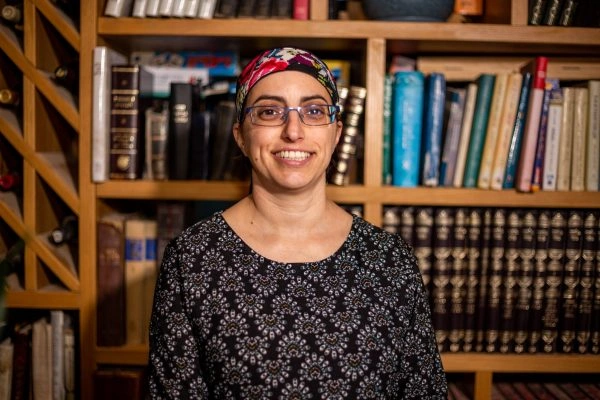
רתמים, ישראל
התחלתי להשתתף בשיעור נשים פעם בשבוע, תכננתי ללמוד רק דפים בודדים, לא האמנתי שאצליח יותר מכך.
לאט לאט נשאבתי פנימה לעולם הלימוד .משתדלת ללמוד כל בוקר ומתחילה את היום בתחושה של מלאות ומתוך התכווננות נכונה יותר.
הלימוד של הדף היומי ממלא אותי בתחושה של חיבור עמוק לעם היהודי ולכל הלומדים בעבר ובהווה.

אפרת, ישראל
התחלתי ללמוד דף יומי שהתחילו מסכת כתובות, לפני 7 שנים, במסגרת קבוצת לימוד שהתפרקה די מהר, ומשם המשכתי לבד בתמיכת האיש שלי. נעזרתי בגמרת שטיינזלץ ובשיעורים מוקלטים.
הסביבה מאד תומכת ואני מקבלת המון מילים טובות לאורך כל הדרך. מאז הסיום הגדול יש תחושה שאני חלק מדבר גדול יותר.
אני לומדת בשיטת ה”7 דפים בשבוע” של הרבנית תרצה קלמן – כלומר, לא נורא אם לא הצלחת ללמוד כל יום, העיקר שגמרת ארבעה דפים בשבוע

עתניאל, ישראל
לצערי גדלתי בדור שבו לימוד גמרא לנשים לא היה דבר שבשגרה ושנים שאני חולמת להשלים את הפער הזה.. עד שלפני מספר שבועות, כמעט במקרה, נתקלתי במודעת פרסומת הקוראת להצטרף ללימוד מסכת תענית. כשקראתי את המודעה הרגשתי שהיא כאילו נכתבה עבורי – "תמיד חלמת ללמוד גמרא ולא ידעת איך להתחיל”, "בואי להתנסות במסכת קצרה וקלה” (רק היה חסר שהמודעה תיפתח במילים "מיכי שלום”..). קפצתי למים ו- ב”ה אני בדרך להגשמת החלום:)
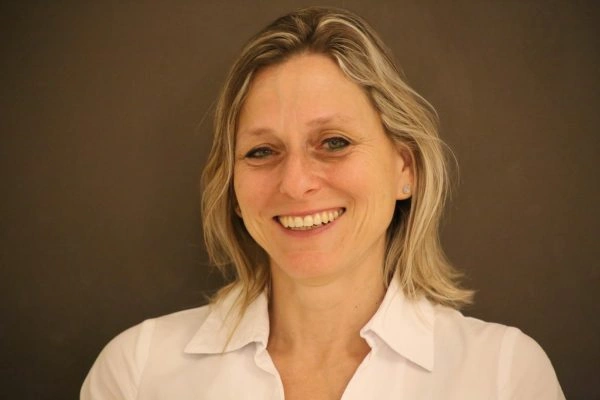
מורשת, ישראל
בתחילת הסבב הנוכחי הצטברו אצלי תחושות שאני לא מבינה מספיק מהי ההלכה אותה אני מקיימת בכל יום. כמו כן, כאמא לבנות רציתי לתת להן מודל נשי של לימוד תורה
שתי הסיבות האלו הובילו אותי להתחיל ללמוד. נתקלתי בתגובות מפרגנות וסקרניות איך אישה לומדת גמרא..
כמו שרואים בתמונה אני ממשיכה ללמוד גם היום ואפילו במחלקת יולדות אחרי לידת ביתי השלישית.
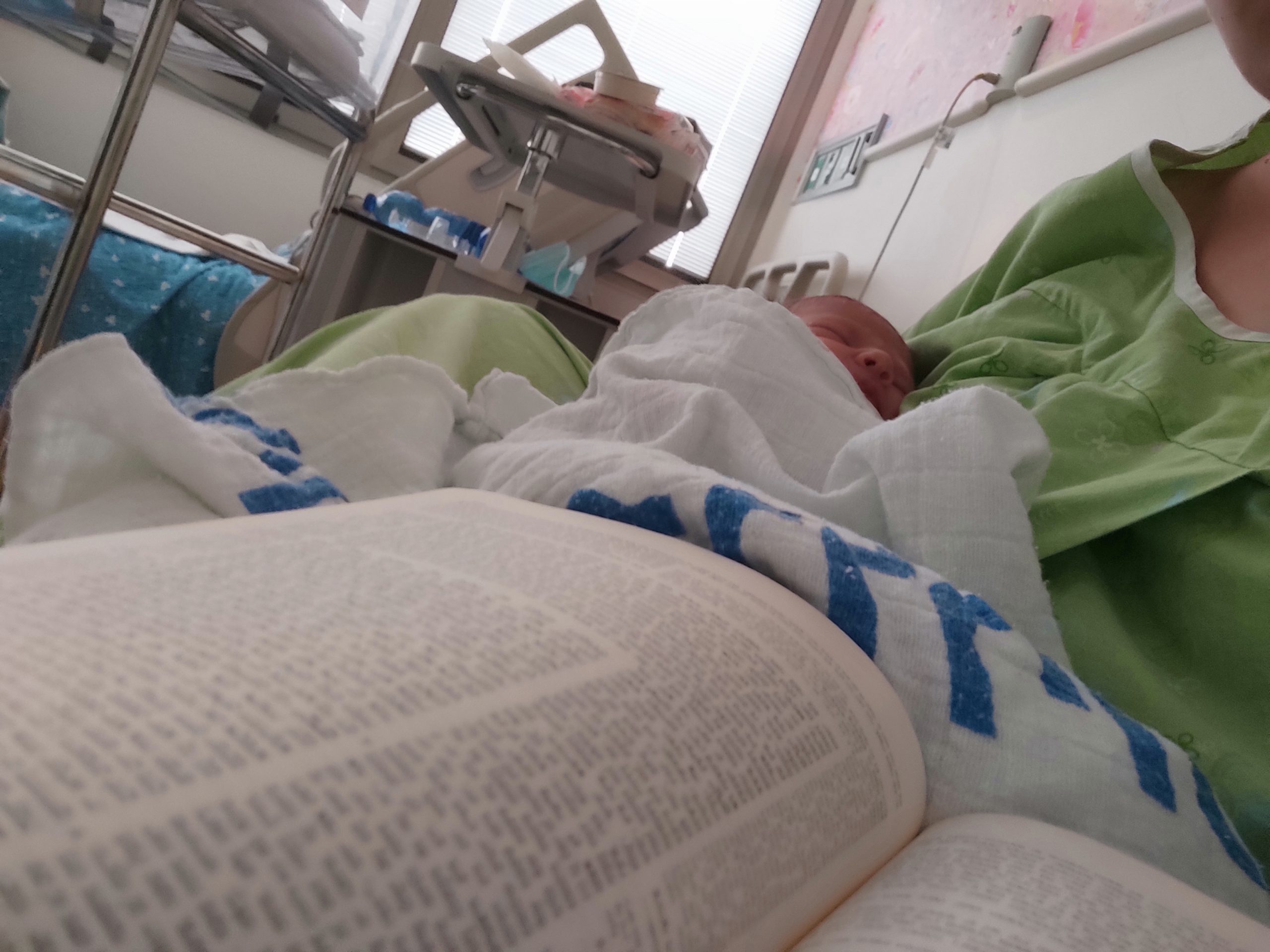
רבבה, ישראל
באירוע של הדרן בנייני האומה. בהשראתה של אמי שלי שסיימה את הש”ס בסבב הקודם ובעידוד מאיר , אישי, וילדיי וחברותיי ללימוד במכון למנהיגות הלכתית של רשת אור תורה סטון ומורתיי הרבנית ענת נובוסלסקי והרבנית דבורה עברון, ראש המכון למנהיגות הלכתית.
הלימוד מעשיר את יומי, מחזיר אותי גם למסכתות שכבר סיימתי וידוע שאינו דומה מי ששונה פרקו מאה לשונה פרקו מאה ואחת במיוחד מרתקים אותי החיבורים בין המסכתות
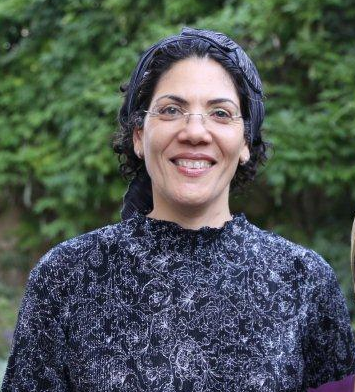
מודיעין, ישראל
התחלתי בתחילת הסבב, והתמכרתי. זה נותן משמעות נוספת ליומיום ומאוד מחזק לתת לזה מקום בתוך כל שגרת הבית-עבודה השוטפת.
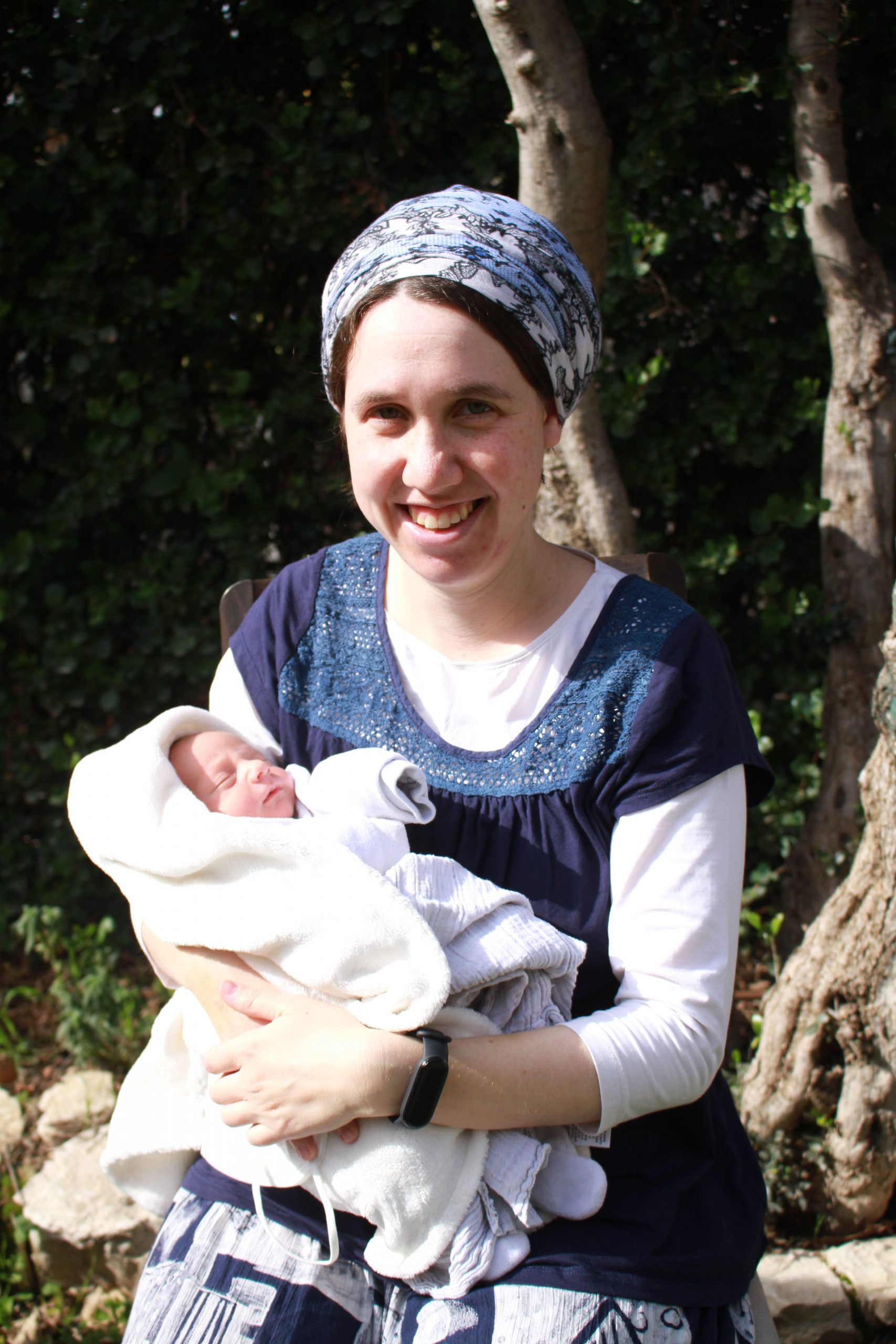
בית שמש, ישראל
מנחות עד
מִנְחַת חוֹטֵא שֶׁל כֹּהֲנִים כְּמִנְחַת חוֹטֵא שֶׁל יִשְׂרָאֵל – מָה מִנְחַת חוֹטֵא שֶׁל יִשְׂרָאֵל נִקְמֶצֶת, אַף מִנְחַת חוֹטֵא שֶׁל כֹּהֲנִים נִקְמֶצֶת.
the meal offering of a sinner brought by one of the priests as equivalent to the status of a meal offering of a sinner brought by an Israelite. Just as with regard to the meal offering of a sinner brought by an Israelite, a handful is removed, so too, with regard to the meal offering of a sinner brought by one of the priests, a handful is removed.
אִי מָה מִנְחַת חוֹטֵא שֶׁל יִשְׂרָאֵל נִקְמֶצֶת וּשְׁיָרֶיהָ נֶאֱכָלִין, אַף מִנְחַת חוֹטֵא שֶׁל כֹּהֲנִים נִקְמֶצֶת וּשְׁיָרֶיהָ נֶאֱכָלִין?
The baraita challenges this: If so, then say as follows: Just as with regard to the meal offering of a sinner brought by an Israelite, a handful is removed and its remainder is eaten, so too, with regard to the meal offering of a sinner brought by one of the priests, a handful should be removed and its remainder eaten.
תַּלְמוּד לוֹמַר ״לַכֹּהֵן כַּמִּנְחָה״, לַכֹּהֵן כַּמִּנְחָה, וְלֹא לָאִשִּׁים כַּמִּנְחָה. הָא כֵּיצַד? קוֹמֶץ קָרֵב בְּעַצְמוֹ, וְשִׁירַיִם קְרֵיבִין בְּעַצְמָן.
Therefore, the verse states: “And the remainder shall be the priest’s, as the meal offering,” which is interpreted to mean that with regard to the rite performed by the priest, his meal offering is like the meal offering of the Israelite, but it is not like the meal offering of the Israelite with regard to consumption by the fires of the altar. How is this possible? In what ways does the meal offering of a priest resemble that of an Israelite in some respects and not in others? The priest’s handful is sacrificed by itself, like that of the Israelite, and the remainder is sacrificed by itself, unlike those of the Israelite, which are eaten.
הָא שֶׁתְּהֵא עֲבוֹדָתָהּ כְּשֵׁרָה בּוֹ, מֵהָכָא נָפְקָא?
§ According to the opinion of the first tanna in the baraita cited earlier, a priest may perform the rites of a meal offering of a sinner that he brings for himself based on the verse “And the remainder shall be the priest’s, as the meal offering.” The Gemara now asks: With regard to this halakha that its rite is valid when performed by him, is it derived from here?
מֵהָתָם נָפְקָא, מִנַּיִן לַכֹּהֵן שֶׁבָּא וּמַקְרִיב קׇרְבְּנוֹתָיו בְּכׇל עֵת וּבְכׇל שָׁעָה שֶׁיִּרְצֶה? תַּלְמוּד לוֹמַר: ״וּבָא בְּכׇל אַוַּת נַפְשׁוֹ וְשֵׁרֵת״.
It is derived from there, another verse cited in a baraita, which states: From where is it derived with regard to a priest that he may come and sacrifice his offerings at any time and at any hour that he desires, even when it is not during the period of his priestly watch? The verse states: “And if a Levite comes from any of your gates from all of Israel, where he lives, and comes with all the desire of his soul to the place which the Lord shall choose, then he shall serve in the name of the Lord his God, as all his brothers the Levites do, who stand there before the Lord” (Deuteronomy 18:6–7).
אִי מֵהָתָם, הֲוָה אָמֵינָא: הָנֵי מִילֵּי – דָּבָר שֶׁאֵין בָּא עַל חֵטְא, אֲבָל דָּבָר שֶׁבָּא עַל חֵטְא – אֵימָא לָא.
The Gemara answers: If the halakha were derived from there, the verse in Deuteronomy, I would say: This statement, that a priest may perform his rites whenever he chooses, applies only to a matter that does not come to atone for a sin, as the verse is referring to an offering that he desires to bring. But with regard to a matter that comes to atone for a sin, I would say that he may not perform the rite himself. Therefore, the halakha of the meal offering of a sinner must be derived from the verse in Leviticus: “And the remainder shall be the priest’s, as the meal offering.”
וְהָא נָמֵי מֵהָכָא נָפְקָא? מֵהָתָם נָפְקָא: ״וְכִפֶּר הַכֹּהֵן עַל הַנֶּפֶשׁ הַשֹּׁגֶגֶת בְּחֶטְאָה בִשְׁגָגָה״, מְלַמֵּד שֶׁהַכֹּהֵן מִתְכַּפֵּר עַל יְדֵי עַצְמוֹ!
The Gemara asks: And is this halakha that a priest may perform the rite of his own sin offering also derived from here, i.e., the verse: “And the remainder shall be the priest’s, as the meal offering”? It is derived from there: “And the priest shall effect atonement for the soul that sins unwittingly, when he sins unwittingly” (Numbers 15:28). The term “for the soul that sins unwittingly” teaches that the priest may effect atonement even through himself, when he performs the rite.
אִי מֵהָהוּא, הֲוָה אָמֵינָא: הָנֵי מִילֵּי – בְּשׁוֹגֵג, אֲבָל בְּמֵזִיד – לָא, קָא מַשְׁמַע לַן.
The Gemara answers: If the halakha were derived from that latter verse, I would say: This statement, permitting him to effect his own atonement, applies when the offering is brought for a sin committed unwittingly. But with regard to an offering brought for a sin committed intentionally, the priest may not effect his own atonement. Therefore, the verse that states: “And the remainder shall be the priest’s, as the meal offering,” teaches us that the priest may perform the rite even for an offering that he brings for an intentional sin.
בְּמֵזִיד, הֵיכִי מַשְׁכַּחַתְּ לַהּ? בִּזְדוֹן שְׁבוּעָה.
The Gemara clarifies: With regard to an offering brought for a sin committed intentionally, how can you find these circumstances? The Gemara answers: You can find them in the instance of a meal offering brought as atonement for intentionally taking a false oath of testimony that he was not aware of a certain incident involving another individual. The priest may perform the rites for a meal offering that he brings to atone for such a sin.
תַּנְיָא אִידַּךְ, רַבִּי שִׁמְעוֹן אוֹמֵר: מִנְחַת חוֹטֵא שֶׁל כֹּהֲנִים נִקְמֶצֶת, וְהַקּוֹמֵץ קָרֵב בִּפְנֵי עַצְמוֹ, וְהַשִּׁירַיִם קְרֵיבִין בִּפְנֵי עַצְמָן. רַבִּי אֶלְעָזָר בְּרַבִּי שִׁמְעוֹן אוֹמֵר: הַקּוֹמֶץ קָרֵב בְּעַצְמוֹ, וְהַשִּׁירַיִם מִתְפַּזְּרִין עַל בֵּית הַדֶּשֶׁן.
§ With regard to the opinion of Rabbi Shimon that a handful of the meal offering of a sinner brought by a priest is separated and offered upon the altar, it is taught in another baraita that Rabbi Shimon says: With regard to the meal offering of a sinner brought by one of the priests, a handful is removed; and the handful is sacrificed by itself, and the remainder is sacrificed by itself. Rabbi Elazar, son of Rabbi Shimon, says: The handful is sacrificed by itself, and the remainder is scattered upon the place of the ashes.
אָמַר רַבִּי חִיָּיא בַּר אַבָּא: הָוֵי בַּהּ רַבִּי יוֹחָנָן, בֵּית הַדֶּשֶׁן דְּהֵיכָא? אִי דִּלְמַעְלָה – הַיְינוּ אֲבוּהּ, אִי דִּלְמַטָּה – יֵשׁ לְךָ דָּבָר שֶׁקָּרֵב לְמַטָּה?
With regard to the opinion of Rabbi Elazar, son of Rabbi Shimon, Rabbi Ḥiyya bar Abba said that Rabbi Yoḥanan discusses it and asks: To which place of the ashes in the Temple is he referring? If he is referring to the one that is above, upon the altar, his opinion is identical to that of his father, Rabbi Shimon, who stated that the remainder is offered and burned upon the altar, after which the ashes are swept onto the ash heap upon the altar. If so, according to both opinions, the remainder is taken to the same place. And if Rabbi Elazar, son of Rabbi Shimon, is referring to the ash heap that is below the altar, that is difficult: Do you have any item that is sacrificed below the altar?
אֲמַר לֵיהּ רַבִּי אַבָּא: דִּלְמָא לְאִיבּוּד? אַחִיכוּ עֲלֵיהּ, וְכִי יֵשׁ לְךָ דָּבָר שֶׁקָּרֵב לְאִיבּוּד?
Rabbi Abba said to Rabbi Ḥiyya bar Abba: Perhaps Rabbi Elazar, son of Rabbi Shimon, means that the remainder is scattered there to be wasted. When the Sages heard this, they laughed at him, saying: But do you have any item that is sacrificed as part of the Temple service in order to be wasted?
תָּנֵי אֲבוּהּ דְּרַבִּי אָבִין: ״כׇּל מִנְחַת כֹּהֵן כָּלִיל תִּהְיֶה לֹא תֵאָכֵל״ – לַאֲכִילָה הִקַּשְׁתִּיהָ, וְלֹא לְדָבָר אַחֵר.
The Gemara answers that there are consecrated items that are intentionally wasted. With regard to such items, the father of Rabbi Avin teaches: “And every meal offering of the priest shall be offered in its entirety; it shall not be eaten” (Leviticus 6:16). Why must this verse, which follows those discussing the High Priest’s daily griddle-cake offering, state that it shall not be eaten, after it already states that it is entirely offered? The verse teaches: I have likened the meal offering of a sinner brought by a priest to the daily griddle-cake offering brought by the High Priest with regard to eating, insofar as it is not eaten, but I have not likened it with regard to another matter, i.e., that the meal offering of a sinner is not burned in the manner of the griddle-cake offering.
מַאי קָא אָמַר? אָמַר אַבָּיֵי: הָכִי קָא אָמַר – ״כׇּל מִנְחַת כֹּהֵן … לֹא תֵאָכֵל״ – חוֹבָתוֹ, ״כָּלִיל תִּהְיֶה״ – נִדְבָתוֹ. אֲמַר לֵיהּ רָבָא: סַכִּינָא חֲרִיפָא מַפְסְקָא קְרָאֵי!
The Gemara asks: What is he saying, as the verse states explicitly that it must be entirely offered? Abaye said that this is what he is saying: This is how the verse is to be read: “Every meal offering of the priest…shall not be eaten,” when the offering is sacrificed to fulfill his obligation, such as the meal offering of a sinner. It is neither eaten nor completely burned, but rather placed on the ash heap. When the verse states: “Shall be offered in its entirety,” this is referring to his gift offering, which is completely burned in the manner of a griddle-cake offering. Rava said to him: This reading is like a sharp knife cutting the verses to pieces, as it interprets the beginning and end of the verse together, ignoring the middle.
אֶלָּא אָמַר רָבָא: ״כׇּל מִנְחַת כֹּהֵן כָּלִיל תִּהְיֶה״ – נִדְבָתוֹ, ״לֹא תֵאָכֵל״ – חוֹבָתוֹ.
Rather, Rava says: When the verse states: “Every meal offering of the priest shall be offered in its entirety,” this is referring to his gift offering, which is entirely offered. When the verse states that it “shall not be eaten,” this is referring to his obligatory meal offering, which is neither eaten nor entirely offered.
וְאֵיפוֹךְ אֲנָא? מִסְתַּבְּרָא נִדְבָתוֹ הֲוָה לֵיהּ לְרַבּוֹיֵי, שֶׁכֵּן תְּדִירָה, לָא חָטֵי, בְּסִים רֵיחֵיהּ.
The Gemara asks: But why should the verse be read that way? I can reverse the interpretation and say that the priest’s obligatory meal offering is entirely offered, and his gift offering shall be neither eaten nor entirely offered. The Gemara answers: It stands to reason that his gift offering should be included in the phrase “shall be offered in its entirety,” as it resembles the griddle-cake offering and differs from the meal offering of a sinner in several respects, namely, that it is frequent, that the priest bringing it did not sin, and that its scent is fragrant, as it is mixed with oil, and frankincense is added to it.
אַדְּרַבָּה, חוֹבָתוֹ הֲוָה לֵיהּ לְרַבּוֹיֵי, שֶׁכֵּן עִשָּׂרוֹן חוֹבָה! הָנָךְ נְפִישָׁן.
The Gemara asks: On the contrary, the verse should be interpreted to include his obligatory meal offering, as the obligatory meal offering is similar to the griddle-cake offering in that, unlike the gift offering, it comprises a tenth of an ephah and bringing it is an obligation. The Gemara responds: Because these similarities between the gift offering and the griddle-cake offering are more numerous than those between the obligatory offering and the griddle-cake offering, it is logical that the verse is comparing the gift offering to the griddle-cake offering.
וְרַבָּנַן, הַאי ״כׇּל מִנְחַת כֹּהֵן כָּלִיל תִּהְיֶה לֹא תֵאָכֵל״, מַאי עָבְדִי לֵיהּ?
§ After discussing the opinions of Rabbi Shimon and Rabbi Elazar, son of Rabbi Shimon, the Gemara asks: And as for the opinion of the Rabbis that no handful is removed from any of the meal offerings of the priests, with regard to this verse: “And every meal offering of the priest shall be offered in its entirety; it shall not be eaten,” what do they do with it? How do they interpret the superfluous phrase: “It shall not be eaten”?
מִיבְּעֵי לְהוּ לְכִדְתַנְיָא: אֵין לִי אֶלָּא עֶלְיוֹנָה בְּ״כָלִיל תׇּקְטָר״, וְתַחְתּוֹנָה בְּ״לֹא תֵאָכֵל״.
The Gemara answers: They require it for that which is taught in a baraita: Concerning the griddle-cake offering, the verse states: “It shall be entirely smoked for the Lord” (Leviticus 6:15). From this verse and the verse that follows it, which states: “And every meal offering of the priest shall be offered in its entirety; it shall not be eaten,” I have derived only that the griddle-cake offering mentioned above, in the first verse, is subject to: “It shall be entirely smoked,” and that other meal offerings of priests mentioned below, in the second verse, are subject to: “It shall not be eaten.”
מִנַּיִן לִיתֵּן אֶת הָאָמוּר שֶׁל זֶה בָּזֶה, וְאֶת הָאָמוּר שֶׁל זֶה בָּזֶה? תַּלְמוּד לוֹמַר ״כָּלִיל״ ״כָּלִיל״ לִגְזֵירָה שָׁוָה: נֶאֱמַר כָּאן ״כָּלִיל״, וְנֶאֱמַר לְהַלָּן ״כָּלִיל״,
From where is it derived to apply the prohibition that was said about this case to that case, and the prohibition that was said about that case to this case, to teach that the priests’ meal offerings shall be entirely smoked and the griddle-cake offering shall not be eaten? The verse states: “Entirely,” in the first verse, and: “Entirely,” in the second, to be utilized as a verbal analogy: It is stated here, with regard to the priests’ meal offerings: “Entirely,” and it is stated there, with regard to the griddle-cake offering: “Entirely.”
מָה לְהַלָּן בְּ״כָלִיל תׇּקְטָר״, אַף כָּאן בְּ״כָלִיל תׇּקְטָר״. וּמָה כָּאן לִיתֵּן לֹא תַעֲשֶׂה עַל אֲכִילָתוֹ, אַף לְהַלָּן לִיתֵּן לֹא תַעֲשֶׂה עַל אֲכִילָתוֹ.
Just as there, the offering is subject to the prohibition of: “It shall be entirely smoked,” so too here, the offerings are subject to the prohibition of: “It shall be entirely smoked.” And just as here, with regard to the meal offering of the priest, the verse serves to impose a prohibition upon eating it, so too there, with regard to the griddle-cake offering, the verse serves to impose a prohibition upon eating it.
בָּעֵי רָבִינָא: כֹּהֵן שֶׁאָכַל מִן הָאֵימוּרִין, מָה הוּא? לָאו דְּזָרוּת
§ With regard to the prohibition against eating from certain offerings derived from the verse that states: “Shall be offered in its entirety; it shall not be eaten,” Ravina asks: In the case of a priest who ate from the sacrificial portions, what is the halakha? As to whether this priest violates the prohibition of a non-priest eating certain types of sacrificial meat, expressed in the verse: “No non-priest shall eat of the sacrificial meat” (Leviticus 22:10),
לָא קָא מִיבַּעְיָא לִי, כִּי קָא מִבַּעְיָא לִי לָאו דְּ״כָלִיל תִּהְיֶה״, מַאי?
I do not raise the dilemma. When I raise the dilemma, it is with regard to the prohibition of: “Shall be offered in its entirety; it shall not be eaten.” What is the halakha? Is this prohibition applicable only to the meal offering of a priest mentioned in the verse, or does it apply to a priest who eats from the sacrificial portions as well?
אָמַר רַב אַהֲרֹן לְרָבִינָא: תָּא שְׁמַע דְּתַנְיָא, רַבִּי אֱלִיעֶזֶר אוֹמֵר: כֹּל שֶׁהוּא בְּ״כָלִיל תִּהְיֶה״, לִיתֵּן לֹא תַעֲשֶׂה עַל אֲכִילָתוֹ.
Rav Aharon said to Ravina: Come and hear an answer to this question from that which is taught in a baraita: Rabbi Eliezer says: With regard to every sacrificial item, not just the meal offering of a priest, such as the sacrificial portions, which is included in the category of “shall be offered in its entirety” that requires it to be burned, the verse serves to impose a prohibition against eating it.
מַתְנִי׳ מִנְחַת כֹּהֲנִים, וּמִנְחַת כֹּהֵן מָשִׁיחַ, וּמִנְחַת נְסָכִים – לַמִּזְבֵּחַ, וְאֵין בָּהֶן לַכֹּהֲנִים. וּבָזֶה יִפָּה כֹּחַ מִזְבֵּחַ מִכֹּחַ הַכֹּהֲנִים. שְׁתֵּי הַלֶּחֶם וְלֶחֶם הַפָּנִים – נֶאֱכָלִין לַכֹּהֲנִים, וְאֵין בָּהֶם לַמִּזְבֵּחַ. וּבָזֶה יִפָּה כֹּחַ הַכֹּהֲנִים מִכֹּחַ הַמִּזְבֵּחַ.
MISHNA: The meal offering of priests, the meal offering of the anointed priest, i.e., the High Priest, and the meal offering brought with libations that accompany burnt offerings and peace offerings are burned in their entirety on the altar, and there is no part of them for the priests. And in the case of those offerings, the power of the altar is greater than the power of the priests. The two loaves, i.e., the public offering on Shavuot of two loaves baked from new wheat, and the shewbread, i.e., the twelve loaves that were placed on the sacred Table in the Sanctuary each Shabbat, are eaten by the priests, and there is no part of them burned on the altar. And in the case of those offerings, the power of the priests is greater than the power of the altar.
גְּמָ׳ וְתוּ לֵיכָּא? וְהָא אִיכָּא עוֹלָה! אִיכָּא עוֹרָהּ לַכֹּהֲנִים. וְהָא אִיכָּא עוֹלַת הָעוֹף! אִיכָּא מוּרְאָה וְנוֹצָה. וְהָא אִיכָּא נְסָכִים! לְשִׁיתִין אָזְלִי.
GEMARA: The Gemara asks: And are there no additional cases of sacrificial items that are completely placed on the altar, with none of their parts given to the priests? But isn’t there the burnt offering, which is completely burned on the altar? The Gemara answers: There is the burnt offering’s hide, which is given to the priests. The Gemara asks: But isn’t there the bird sacrificed as a burnt offering, whose skin is not given to the priests? The Gemara answers: There is the bird burnt offering’s crop and its feathers, which are not burned upon the altar. The Gemara asks: But aren’t there wine libations, which are completely poured onto the altar? The Gemara answers: The libations go to the drainpipes, and pouring the wine into the drainpipes is not considered placing it upon the altar.
וּמַאי ״בָּזוֹ״? לְאַפּוֹקֵי מִדִּשְׁמוּאֵל, דְּאָמַר שְׁמוּאֵל: הַמִּתְנַדֵּב יַיִן מְבִיאוֹ וּמְזַלְּפוֹ עַל גַּבֵּי אִישִּׁים, קָא מַשְׁמַע לַן דִּלְשִׁיתִין אָזְלִי.
The Gemara asks: And what is meant when the mishna emphasizes: And in the case of those offerings, the power of the altar is greater than the power of the priests, indicating that there are other items that one might have thought are burned entirely on the altar as well? The Gemara answers: The mishna’s wording serves to exclude the opinion of Shmuel, as Shmuel said: One who donates wine brings it and pours it over the fires of the altar, such that it is offered in the manner of an animal offering and not as a libation. Therefore, the mishna’s wording teaches us that wine donated in this manner goes to the drainpipes, unlike according to the opinion of Shmuel that it is entirely burned.
מְסַיַּיע לֵיהּ לִשְׁמוּאֵל, דְּאָמַר שְׁמוּאֵל: הַמִּתְנַדֵּב שֶׁמֶן – קוֹמְצוֹ, וּשְׁיָרָיו נֶאֱכָלִין.
The Gemara adds: With regard to another ruling, the mishna supports a different statement of Shmuel. As Shmuel said: One who donates oil to the Temple removes a handful and sacrifices it on the altar, and its remainder is eaten by the priests. Shmuel’s ruling is in accordance with the mishna, which does not list a donation of oil as one of the offerings given completely to the altar.
שְׁתֵּי הַלֶּחֶם וְלֶחֶם הַפָּנִים, וְתוּ לֵיכָּא? וְהָא אִיכָּא חַטַּאת הָעוֹף! אִיכָּא דָּמָהּ.
§ According to the mishna, with regard to the two loaves and the shewbread, the power of the priests is greater than the power of the altar. The Gemara asks: And are there no more cases of sacrificial items that are given completely to the priests, with none of their parts placed upon the altar? But isn’t there the bird sacrificed as a sin offering, which is eaten entirely by the priests, and none of it is placed upon the altar? The Gemara answers: There is its blood, which is sprinkled upon the altar.
וְהָאִיכָּא לוֹג שֶׁמֶן שֶׁל מְצוֹרָע! אִיכָּא מַתְּנוֹתָיו.
The Gemara asks: But isn’t there the log of oil of a leper that he brings on the day that he becomes ritually clean, which is given completely to the priests? The Gemara answers: It is not given completely to the priests, as there are its placements, when oil is sprinkled seven times “before the Lord” (Leviticus 14:16), and applied to the leper’s right ear, thumb, and big toe (see Leviticus 14:17).
וּמַאי ״בָּזוֹ״? לְאַפּוֹקֵי מִמַּאן דְּאָמַר: שְׁתֵּי הַלֶּחֶם הַבָּאוֹת בִּפְנֵי עַצְמָן לִשְׂרֵיפָה אָתְיָין, קָמַשְׁמַע לַן דְּבָזוֹ יִפָּה כֹּחַ כֹּהֲנִים לְעוֹלָם.
The Gemara asks: And what is meant when the mishna emphasizes: And in the case of those offerings, the power of the priests is greater than the power of the altar? The Gemara answers: This wording serves to exclude the opinion of the one who says: The two loaves that are brought by themselves, unaccompanied by the requisite two lambs, may not be offered, and instead of being eaten they go to be burned. By emphasizing that the two loaves and the shewbread are eaten by the priests and not placed on the altar, the mishna teaches us that in this case, the power of the priests is always greater, even if the two lambs are not offered with the two loaves.
מַתְנִי׳ כׇּל הַמְּנָחוֹת הַנַּעֲשׂוֹת בִּכְלִי, טְעוּנוֹת שְׁלֹשָׁה מַתָּנוֹת שֶׁמֶן: יְצִיקָה, וּבְלִילָה, וּמַתַּן שֶׁמֶן בִּכְלִי קוֹדֵם לַעֲשִׂיָּיתָן.
MISHNA: All the meal offerings that are prepared in a vessel, e.g., the offerings prepared in a pan or deep pan, require three placements of oil, listed here in the reverse order of their placement: Pouring oil on the cakes after they have been cooked, and mixing oil into the flour, and placement of oil into the vessel prior to preparation of the meal offerings.
חַלּוֹת בּוֹלְלָן, דִּבְרֵי רַבִּי, וַחֲכָמִים אוֹמְרִים: סוֹלֶת. הַחַלּוֹת טְעוּנוֹת בְּלִילָה, וּרְקִיקִין – מְשִׁיחָה. כֵּיצַד מוֹשְׁחָן? כְּמִין כִּי, וְהַשְּׁאָר נֶאֱכָלִין לַכֹּהֲנִים.
In the meal offerings that come as loaves, it is after the flour has been baked into loaves that one breaks them into pieces and mixes them with oil; this is the statement of Rabbi Yehuda HaNasi. And the Rabbis say: It is with fine flour that one mixes the oil. Although the loaves of the meal offering baked in an oven require mixing of their flour with oil, wafers do not require mixing, but rather a smearing of oil on them after baking. How does one smear oil on them? He does so in a shape similar to the Greek letter chi, Χ, and the rest of the oil remaining after smearing is eaten by priests.
גְּמָ׳ לְמַעוֹטֵי מַאי? אָמַר רַב פָּפָּא: לְמַעוֹטֵי מִנְחַת מַאֲפֶה.
GEMARA: With regard to the statement of the mishna that all the meal offerings prepared in a vessel require three placements of oil, the Gemara asks: To exclude what does the mishna specify: Meal offerings prepared in a vessel? Rav Pappa said: The mishna serves to exclude the oven-baked meal offering, whose preparation does not require the use of a service vessel, as it is merely baked in an oven. Such a meal offering does not require the pouring of the oil.
תָּנוּ רַבָּנַן: ״וְאִם מִנְחַת מַרְחֶשֶׁת קׇרְבָּנֶךָ סֹלֶת בַּשֶּׁמֶן תֵּעָשֶׂה״, מְלַמֵּד שֶׁטְּעוּנָה מַתַּן שֶׁמֶן בִּכְלִי. ״קׇרְבָּנֶךָ״ ״קׇרְבָּנֶךָ״ לִגְזֵרָה שָׁוָה,
With regard to the three placements of oil in a pan meal offering and a deep-pan meal offering, the Sages taught that the verse states: “And if your offering is a deep-pan meal offering, it shall be made of fine flour in oil” (Leviticus 2:7). This teaches that it requires the placement of oil in an empty vessel, and the flour is added afterward. In addition, the term “your offering” in this verse and the term “your offering” (Leviticus 2:5), written with regard to the meal offering prepared in a pan, are understood to teach a verbal analogy:

