






הלימוד החודש מוקדש ע”י מרכי גלזר לע”נ רחל אביבה בת דבורה חנה
רוצה להקדיש שיעור?

תקציר

ישנה מסורת ששני קרבנות ציבור בלבד טעונים סמיכה. רבי יהודה ורבי שמעון נחלקו באשר לזהותם של אותם שניים. שניהם מסכימים שפר העלם דבר של ציבור טעון סמיכה על ידי הזקנים, אך הם חולקים לגבי זהותו של הקרבן השני. רבי יהודה סובר שזהו השעיר המשתלח של יום הכיפורים, ומציין כי על פי הפסוק בתורה, הכהן הגדול סומך עליו. רבי שמעון חולק על כך משום שהוא סובר שסמיכה חייבת להתבצע על ידי הבעלים, ולטענתו הכהן הגדול אינו נחשב לבעלים של אותו קרבן; השעיר המשתלח מכפר רק על חטאי בני ישראל, בעוד שהכהנים מקבלים את כפרתם באמצעות הווידוי של הכהן הגדול על פרו שלו. רבי יהודה חולק על עמדת רבי שמעון וסובר שהשעיר המשתלח מכפר גם על חטאי הכהנים, דבר ההופך את הכהן הגדול לאחד מבעלי הקרבן.
רבי שמעון כולל את שעיר עבודה זרה כקרבן הציבור השני הטעון סמיכה, כשהוא לומד זאת מהמילה "השעיר” הכתובה בהקשר של סמיכת חטאת הנשיא (ויקרא ד:כד); המילה המיותרת מרבה שעיר נוסף – שעיר עבודה זרה – שיהיה כלול בחובת הסמיכה. לעומת זאת, רבי יהודה משתמש בפסוק בפר העלם דבר של ציבור (ויקרא ד:טו), המדגיש את המילים "הפר”, כדי למעט את השעיר ולהגביל את חובת הסמיכה לפר לבדו. הגמרא שואלת מדוע כל תנא זקוק לפסוק מיוחד להוכחת דעתו, כשיכלו פשוט להסתמך על המסורת המקובלת שרק שני קרבנות ציבור טעונים סמיכה.
כל קרבנות היחיד טעונים סמיכה, למעט בכור, מעשר בהמה וקרבן פסח. המיעוט של שלושת אלו נלמד מהפסוקים העוסקים בקרבן שלמים, במילה החוזרת כמה פעמים "קרבנו”, המרמז על קרבן המוגדר כ”שלו” מכוח רצון שלו ולא כי בא בחובה.
כלים
הלימוד החודש מוקדש ע”י מרכי גלזר לע”נ רחל אביבה בת דבורה חנה
מנחות צב
נִסְכֵי רְחֵלָה בְּכַמָּה? וּפָשְׁטִינָא לֵיהּ מִמַּתְנִיתִין: גְּדִי מְשַׁמֵּשׁ נִסְכֵי צֹאן שֶׁל גְּדוֹלִים וְשֶׁל קְטַנִּים, שֶׁל זְכָרִים וְשֶׁל נְקֵבוֹת, חוּץ מִשֶּׁל אֵילִים.
How much wine is used for the libations of a ewe? And I resolved this question from that which is stated in a mishna (Shekalim 14b): Generally, the wine for libations would be procured from the supplies of the Temple. One bringing an offering would pay the Temple treasurer for the quantity of wine required, and then the treasurer would give him a token as a receipt indicating what had been paid for. The individual would then proceed to the official appointed over the Temple’s supplies to collect the wine he had paid for. If the token had the word: Kid, it could be used to collect wine for libations for sheep, whether large or small, male or female, except for those of rams. Evidently, the same quantity is required for the libations of ewes as for lambs.
מַתְנִי׳ כׇּל קׇרְבְּנוֹת הַצִּבּוּר אֵין בָּהֶן סְמִיכָה, חוּץ מִן הַפָּר הַבָּא עַל כׇּל הַמִּצְוֹת, וְשָׂעִיר הַמִּשְׁתַּלֵּחַ. רַבִּי שִׁמְעוֹן אוֹמֵר: אַף שָׂעִיר עֲבוֹדָה זָרָה.
MISHNA: For all communal offerings there is no mitzva of placing hands on the head of the offering, except for the bull that comes to atone for a community-wide violation of any one of the mitzvot that was perpetrated due to an erroneous ruling of the Sanhedrin, where the judges of the Sanhedrin are required to place their hands upon its head (see Leviticus 4:13–21); and the scapegoat brought on Yom Kippur, upon which the High Priest places his hands (see Leviticus, chapter 16). Rabbi Shimon says: Also in the case of the goat that comes to atone for a community-wide perpetration of idol worship that occurred due to an erroneous ruling of the Sanhedrin, the judges of the Sanhedrin are required to place their hands upon its head (see Numbers 15:22–26).
כׇּל קׇרְבְּנוֹת הַיָּחִיד טְעוּנִין סְמִיכָה, חוּץ מִן הַבְּכוֹר וְהַמַּעֲשֵׂר וְהַפֶּסַח.
All offerings of an individual require placing hands, except for the firstborn offering, the animal tithe offering, and the Paschal offering.
וְהַיּוֹרֵשׁ סוֹמֵךְ, וּמֵבִיא נְסָכִים, וּמֵימֵר.
The mitzva of placing hands is performed by the owner of the offering. The mishna adds: And if the owner died, then the heir is regarded as the offering’s owner and so he places his hands on the offering and brings the accompanying libations. And furthermore, he can substitute a non-sacred animal for it. Although it is prohibited to perform an act of substitution, if the owner of an offering does this, his attempt is successful to the extent that the non-sacred animal is thereby consecrated, even though the original offering also remains sacred.
גְּמָ׳ תָּנוּ רַבָּנַן: כׇּל קׇרְבְּנוֹת הַצִּבּוּר אֵין בָּהֶן סְמִיכָה, חוּץ מִפַּר הַבָּא עַל כׇּל הַמִּצְוֹת וּשְׂעִירֵי עֲבוֹדָה זָרָה, דִּבְרֵי רַבִּי שִׁמְעוֹן. רַבִּי יְהוּדָה אוֹמֵר: שְׂעִירֵי עֲבוֹדָה זָרָה אֵין בָּהֶן סְמִיכָה, וְאֶת מִי אָבִיא תַּחְתֵּיהֶם – שָׂעִיר הַמִּשְׁתַּלֵּחַ.
GEMARA: The Sages taught in a baraita: For all communal offerings there is no mitzva of placing hands, except for the bull that comes to atone for a community-wide violation of any one of the mitzvot, and the goats that come to atone for a community-wide violation of the prohibition of idol worship; this is the statement of Rabbi Shimon. Rabbi Yehuda says: There is no mitzva of placing hands with regard to the goats that come to atone for idol worship. But if this is the halakha, which offering shall I bring in their place? The scapegoat.
לָא סַגִּיא דְּלָא מְעַיֵּיל? אָמַר רָבִינָא: גְּמִירִי שְׁתֵּי סְמִיכוֹת בְּצִבּוּר.
The Gemara interrupts the citation of the baraita with a question: Why does Rabbi Yehuda search for an additional case? Is it not possible not to insert an additional case? Ravina said: It is learned as a tradition that there are two instances in which placing hands is required for communal offerings.
אָמַר לוֹ רַבִּי שִׁמְעוֹן: וַהֲלֹא אֵין סְמִיכָה אֶלָּא בִּבְעָלִים, וְזֶה – אַהֲרֹן וּבָנָיו סוֹמְכִין בּוֹ! אָמַר לוֹ: אַף זֶה – אַהֲרֹן וּבָנָיו מִתְכַּפְּרִין בּוֹ.
The baraita continues: Rabbi Shimon said to Rabbi Yehuda: How can you include the scapegoat as one of the two cases requiring the placing of hands? Isn’t it the halakha that placing hands can be performed only by the offering’s owner, i.e., the one who will achieve atonement through the sacrifice of the offering? And with regard to this offering, the scapegoat, it is Aaron the High Priest or whichever of his sons serves as High Priest who places his hands on it, and yet it is not he who achieves atonement through it. Rabbi Yehuda said to him: With regard to this offering as well, that halakha is fulfilled because Aaron and his sons are considered owners, as they also achieve atonement through it together with the rest of the community.
אָמַר רַבִּי יִרְמְיָה: וְאָזְדוּ לְטַעְמַיְיהוּ.
The Gemara elaborates on the dispute. Rabbi Yirmeya said: And Rabbi Shimon and Rabbi Yehuda, who disagree as to whether the High Priest achieves atonement through the scapegoat, each follow their standard line of reasoning.
דְּתַנְיָא: ״וְכִפֶּר אֶת מִקְדַּשׁ הַקֹּדֶשׁ״ – זֶה לִפְנַי וְלִפְנִים, ״וְאֶת אֹהֶל מוֹעֵד״ – זֶה הֵיכָל, ״מִזְבֵּחַ״ – כְּמַשְׁמָעוֹ, ״יְכַפֵּר״ – אֵלּוּ הָעֲזָרוֹת, ״כֹּהֲנִים״ – כְּמַשְׁמָעָן, ״עַל כׇּל עַם הַקָּהָל״ – אֵלּוּ יִשְׂרָאֵל, ״יְכַפֵּר״ – אֵלּוּ הַלְוִיִּם.
This is as it is taught in a baraita: At the end of the passage delineating the Yom Kippur Temple service, the verse states: “He shall bring atonement upon the sanctum of the sacred, and upon the Tent of Meeting and the altar he shall effect atonement; and upon the priests and upon all the people, shall he bring atonement” (Leviticus 16:33). “He shall bring atonement upon the sanctum of the sacred”; this is referring to the innermost sanctum, i.e., the Holy of Holies. “And upon the Tent of Meeting”; this is referring to the Sanctuary. “And the altar”; this is understood in accordance with its plain meaning. “He shall effect atonement”; this is referring to the Temple courtyards. “And upon the priests”; this is understood in accordance with its plain meaning. “And upon all the people”; these are the Israelites. “Shall he bring atonement”; this is referring to the Levites.
הוּשְׁווּ כּוּלָּן לְכַפָּרָה אַחַת, שֶׁמִּתְכַּפְּרִין בְּשָׂעִיר הַמִּשְׁתַּלֵּחַ, דִּבְרֵי רַבִּי יְהוּדָה.
All of them are equated with regard to the fact that they are all atoned for through one atonement, i.e., that they are atoned for by the scapegoat for all transgressions other than the defiling of the Temple or its sacrificial foods. This is the statement of Rabbi Yehuda.
רַבִּי שִׁמְעוֹן אוֹמֵר: כְּשֵׁם שֶׁדַּם שָׂעִיר הַנַּעֲשֶׂה בִּפְנִים מְכַפֵּר עַל יִשְׂרָאֵל עַל טוּמְאַת מִקְדָּשׁ וְקָדָשָׁיו – כָּךְ דַּם הַפָּר מְכַפֵּר עַל הַכֹּהֲנִים עַל טוּמְאַת מִקְדָּשׁ וְקָדָשָׁיו. כְּשֵׁם שֶׁוִּידּוּי שֶׁל שָׂעִיר הַמִּשְׁתַּלֵּחַ מְכַפֵּר עַל יִשְׂרָאֵל בִּשְׁאָר עֲבֵירוֹת – כָּךְ וִידּוּי שֶׁל פָּר מְכַפֵּר עַל הַכֹּהֲנִים בִּשְׁאָר עֲבֵירוֹת.
The baraita continues: Rabbi Shimon says: Just as the blood of the goat whose blood presentation is performed inside the Sanctuary atones for Israelites for their defiling of the Temple or its sacrificial foods, so too, the blood of the bull of the High Priest, whose blood presentation is also performed inside the Sanctuary, atones for the priests for their defiling of the Temple or its sacrificial foods. And just as the confession made over the scapegoat atones for Israelites for other transgressions, so too, the confession made over the bull atones for the priests for other transgressions. It is apparent from the baraita that it is only according to the opinion of Rabbi Yehuda that the scapegoat atones for both Israelites and priests, and consequently the High Priest may be considered an owner with regard to the mitzva of placing hands.
וְרַבִּי שִׁמְעוֹן, הָא וַדַּאי הוּשְׁווּ? אִין, הוּשְׁווּ דִּבְנֵי כַּפָּרָה נִינְהוּ, מִיהוּ כֹּל חַד וְחַד מְכַפֵּר בִּדְנַפְשֵׁיהּ.
The Gemara analyzes Rabbi Shimon’s opinion: And according to Rabbi Shimon, one can ask: Weren’t both Israelites and priests certainly equated in the verse in Leviticus? In what way are they equated in the verse? The Gemara explains: Yes, according to his opinion they are equated in that they are all subject to atonement on Yom Kippur, but each one of the groups achieves atonement in its own way. The priests achieve atonement through the bull brought by the High Priest and his confession, while the Israelites and Levites achieve atonement through the confession over the scapegoat.
לְרַבִּי יְהוּדָה – טוּמְאַת מִקְדָּשׁ וְקָדָשָׁיו, יִשְׂרָאֵל מְכַפְּרִי בְּדַם שָׂעִיר הַנַּעֲשֶׂה בִּפְנִים, וְכֹהֲנִים בְּפַר שֶׁל אַהֲרֹן. בִּשְׁאָר עֲבֵירוֹת, אֵלּוּ וָאֵלּוּ מְכַפְּרִי בְּוִידּוּי שָׂעִיר הַמִּשְׁתַּלֵּחַ. וּלְרַבִּי שִׁמְעוֹן – בִּשְׁאָר עֲבֵירוֹת נָמֵי, כֹּהֲנִים בְּוִידּוּי דְּפַר מִתְכַּפְּרִי.
The Gemara summarizes: According to the opinion of Rabbi Yehuda, for the defiling of the Temple or its sacrificial foods, Israelites achieve atonemment through the presentation of the blood of the goat whose blood presentation is performed inside the Sanctuary, and the priests achieve atonemment through the presentation of the blood of the bull of Aaron, i.e., of the High Priest. And for other transgressions, both these Israelites and those priests achieve atonement through the confession made over the scapegoat. But according to Rabbi Shimon, for other transgressions as well, the priests achieve atonement through the confession made over the bull of the High Priest.
כִּדְקָתָנֵי: אֶחָד יִשְׂרָאֵל וְאֶחָד כֹּהֲנִים וְאֶחָד כֹּהֵן מָשִׁיחַ, מָה בֵּין יִשְׂרָאֵל לְכֹהֲנִים וּלְכֹהֵן מָשִׁיחַ? אֶלָּא שֶׁדַּם הַפָּר מְכַפֵּר עַל הַכֹּהֲנִים עַל טוּמְאַת מִקְדָּשׁ וְקָדָשָׁיו, זוֹ דִּבְרֵי רַבִּי יְהוּדָה.
This understanding of their dispute is just like that which is taught in a mishna (Shevuot 2b): Israelites and priests and the anointed priest, i.e., the High Priest, achieve atonement from the scapegoat equally. What is the difference between Israelites, priests, and the anointed priest? It is only that the bull of the High Priest that he offers on Yom Kippur atones for the priests for their defiling of the Temple or its sacrificial foods, whereas the Israelites achieve atonement for defiling caused by them through the goats that are sacrificed on Yom Kippur; this is the statement of Rabbi Yehuda.
וְרַבִּי שִׁמְעוֹן אוֹמֵר: כְּשֵׁם שֶׁדַּם הַשָּׂעִיר הַנַּעֲשֶׂה בִּפְנִים מְכַפֵּר עַל יִשְׂרָאֵל – כָּךְ דַּם הַפָּר מְכַפֵּר עַל הַכֹּהֲנִים. כְּשֵׁם שֶׁוִּידּוּיוֹ שֶׁל שָׂעִיר הַמִּשְׁתַּלֵּחַ מְכַפֵּר עַל יִשְׂרָאֵל – כָּךְ וִידּוּיוֹ שֶׁל פָּר מְכַפֵּר עַל הַכֹּהֲנִים.
And Rabbi Shimon says: With regard to the defiling of the Temple or its sacrificial foods, just as the blood of the goat, whose blood presentation is performed inside the Sanctuary, atones for Israelites, so too, the blood of the bull of the High Priest, whose blood presentation is also performed inside the Sanctuary, atones for the priests. And for all other transgressions, just as the confession made over the scapegoat atones for Israelites, so too, the confession made over the bull atones for the priests.
תָּנוּ רַבָּנַן: ״וְסָמְכוּ זִקְנֵי הָעֵדָה אֶת יְדֵיהֶם עַל רֹאשׁ הַפָּר״ – פַּר טָעוּן סְמִיכָה, וְאֵין שְׂעִירֵי עֲבוֹדָה זָרָה טְעוּנִין סְמִיכָה, דִּבְרֵי רַבִּי יְהוּדָה.
§ The mishna teaches that Rabbi Yehuda and Rabbi Shimon disagree as to whether or not the goats that come for a community-wide violation of the prohibition against idol worship require the rite of placing hands. With regard to this, the Sages taught in a baraita: The verse states with regard to the bull that comes to atone for a community-wide violation of one of the mitzvot: “And the elders of the congregation shall place their hands upon the head of the bull before the Lord” (Leviticus 4:15). The verse specifies that this requirement applies to the bull to indicate that, with regard to offerings brought for community-wide transgressions, only the bull requires placing hands, but the goats brought for idol worship do not require placing hands; this is the statement of Rabbi Yehuda.
רַבִּי שִׁמְעוֹן אוֹמֵר: פַּר טָעוּן סְמִיכָה בִּזְקֵנִים, וְאֵין שְׂעִירֵי עֲבוֹדָה זָרָה טָעוּן סְמִיכָה בִּזְקֵנִים, אֶלָּא בְּאַהֲרֹן.
Rabbi Shimon says: Both offerings require placing hands. The verse specifies the requirement with regard to the bull because only it requires that placing hands be performed by Elders of the Sanhedrin, but the goats brought for idol worship do not require that placing hands be performed by the Elders, but rather by Aaron, i.e., the High Priest.
וּרְמִינְהוּ: ״הַחַי״ – הַחַי טָעוּן סְמִיכָה, וְאֵין שְׂעִירֵי עֲבוֹדָה זָרָה טְעוּנִין סְמִיכָה, דִּבְרֵי רַבִּי יְהוּדָה. רַבִּי שִׁמְעוֹן אוֹמֵר: חַי״ טָעוּן סְמִיכָה בְּאַהֲרֹן,
And the Gemara raises a contradiction from another baraita: With regard to the Yom Kippur scapegoat, the verse states: “And Aaron shall place both his hands upon the head of the live goat, and confess over him all the iniquities of the children of Israel, and all their transgressions, even all their sins” (Leviticus 16:21). The emphasis of “the live goat” indicates that with regard to communal offerings of goats, only the live goat, i.e., the scapegoat, requires placing hands, but the goats brought for idol worship do not require placing hands; this is the statement of Rabbi Yehuda. Rabbi Shimon says: Both offerings require placing hands. The verse specifies the requirement with regard to the live goat to teach that it requires that placing hands be performed by Aaron, i.e., the High Priest,
וְאֵין שְׂעִירֵי עֲבוֹדָה זָרָה טְעוּנִין סְמִיכָה בְּאַהֲרֹן, אֶלָּא בִּזְקֵנִים.
but the goats brought for idol worship do not require that placing hands be performed by Aaron. Rather, they require that it be performed by the Elders of the Sanhedrin. This contradicts the baraita that states that Rabbi Shimon holds that placing hands on the goats brought for idol worship is performed by the High Priest.
אָמַר רַב שֵׁשֶׁת: וְתִסְבְּרָא דְּהָךְ קַמַּיְיתָא מְתָרַצְתָּא הִיא? הָא אָמַר רַבִּי שִׁמְעוֹן: סְמִיכָה בִּבְעָלִים בָּעֵינַן!
Rav Sheshet said: And how can you understand that this first baraita is accurate, in order to use it as the basis for a contradiction? But didn’t Rabbi Shimon say that we require that placing hands be performed by the owners, i.e., those who will achieve atonement through the offering? The goat brought for idol worship is brought to atone for the Sanhedrin and the people, not for the High Priest.
אֶלָּא תָּרֵיץ הָכִי: ״הַפָּר״ – פַּר טָעוּן סְמִיכָה, וְאֵין שְׂעִירֵי עֲבוֹדָה זָרָה טְעוּנִין סְמִיכָה, דִּבְרֵי רַבִּי יְהוּדָה. רַבִּי שִׁמְעוֹן אוֹמֵר: ״הַחַי״ – חַי טָעוּן סְמִיכָה בְּאַהֲרֹן, וְאֵין שְׂעִירֵי עֲבוֹדָה זָרָה טְעוּנִין סְמִיכָה בְּאַהֲרֹן, אֶלָּא בִּזְקֵנִים.
Rather, answer that the earlier baraita teaches as follows: The verse specifies the requirement of placing hands with regard to the bull brought for a community-wide transgression to indicate that only that bull requires placing hands, but the goats brought for idol worship do not require placing hands; this is the statement of Rabbi Yehuda. Rabbi Shimon says: The verse specifies the requirement of placing hands with regard to the live goat, i.e., the scapegoat, to indicate that only that live goat requires that placing hands be performed by Aaron, i.e., the High Priest, but the goats brought for a community-wide perpetration of idol worship do not require that placing hands be performed by Aaron. Rather, they require that it be performed by the Elders of the Sanhedrin.
וְהָכִי קָא אָמַר לֵיהּ רַבִּי שִׁמְעוֹן לְרַבִּי יְהוּדָה: שְׂעִירֵי עֲבוֹדָה זָרָה בָּעוּ סְמִיכָה, וְאִי שְׁמִיעַ לָךְ דְּלָא בָּעוּ סְמִיכָה – בְּאַהֲרֹן הוּא דִּשְׁמִיעַ לָךְ, וּמִיעוּטָא מֵ״הַחַי״ הוּא.
The Gemara adds: And this is what Rabbi Shimon was saying to Rabbi Yehuda: Goats brought for idol worship require placing hands. And if you heard a tradition that they do not require placing hands, it is only with regard to the fact that it is not to be performed by Aaron, i.e., the High Priest, that you heard that tradition, and the exclusion of the High Priest from having to place hands is derived from the term “the live goat.”
וְרַבִּי יְהוּדָה, לְמָה לִי לְמַעֹטִינְהוּ מִקְּרָא? וְהָא אָמַר רָבִינָא: גְּמִירִי שְׁתֵּי סְמִיכוֹת בְּצִבּוּר, גִּירְסָא בְּעָלְמָא.
The Gemara questions Rabbi Yehuda’s statement: And according to Rabbi Yehuda, why do I need to exclude the goats brought for idol worship from the requirement of placing hands by deriving this exclusion from a verse? Didn’t Ravina say that it is learned as a tradition that there are two instances in which placing hands is required for communal offerings? Accordingly, once it has been established that placing hands is required for the bull brought for a community-wide transgression and for the scapegoat, it follows that it is not required in any other case. The Gemara explains: Rabbi Yehuda holds that the tradition Ravina cited is merely a well-known statement. It is not a tradition that was transmitted to Moses; rather, the Sages formulated it to remember the halakha that they derived from the verses.
וְרַבִּי שִׁמְעוֹן, שְׂעִירֵי עֲבוֹדָה זָרָה דְּבָעֲיָא סְמִיכָה – מְנָלַן?
The Gemara questions Rabbi Shimon’s statement: And according to Rabbi Shimon, from where do we derive that the goats brought for idol worship require placing hands?
נָפְקָא לַן מִדְּתַנְיָא: ״וְסָמַךְ יָדוֹ עַל רֹאשׁ הַשָּׂעִיר״ – לְרַבּוֹת שְׂעִיר נַחְשׁוֹן לִסְמִיכָה, דִּבְרֵי רַבִּי יְהוּדָה. רַבִּי שִׁמְעוֹן אוֹמֵר: לְרַבּוֹת שְׂעִירֵי עֲבוֹדָה זָרָה לִסְמִיכָה, שֶׁהָיָה רַבִּי שִׁמְעוֹן אוֹמֵר: כׇּל חַטָּאת שֶׁנִּכְנַס דָּמָהּ לִפְנִים טְעוּנָה סְמִיכָה.
The Gemara answers that we derive it from that which is taught in a baraita: The verse states: “When a king sins…he shall bring for his offering an unblemished male goat. And he shall place his hand upon the head of the goat” (Leviticus 4:22–24). The verse could have stated: Upon its head. The reason it adds “of the goat” is to include the goat brought as a sin offering by Nahshon (see Numbers 7:12–17) in the requirement of placing hands on the head of an offering. This is the statement of Rabbi Yehuda. Rabbi Shimon says: The term “of the goat” serves to include the goats brought as sin offerings for communal idol worship in the requirement of placing hands on the head of an offering, as Rabbi Shimon would say: Any sin offering whose blood enters inside the Sanctuary requires placing hands.
לְמָה לִי לְמֵימְרָא ״שֶׁהָיָה״? סִימָנָא בְּעָלְמָא.
The Gemara questions the concluding statement of the baraita: Why do I need the baraita to state: As Rabbi Shimon would say? The statement would appear to explain that Rabbi Shimon’s ruling is merely an expression of a principle that he held, while the baraita itself explains that Rabbi Shimon derived the matter from the repetition of the word “goat.” The Gemara explains: The statement is not presenting the basis of his ruling but is merely a mnemonic to aid in remembering it.
וְאֵימָא: שָׂעִיר הַנַּעֲשֶׂה בִּפְנִים! דּוּמְיָא דִּשְׂעִיר נָשִׂיא, דִּמְכַפֵּר עַל עֲבֵירוֹת מִצְוָה יְדוּעָה.
The Gemara questions why Rabbi Shimon expounds the word “goat” as referring to goats brought for idol worship: But why not say that the word “goat” includes the goat whose blood presentation is performed inside the Sanctuary on Yom Kippur? The Gemara answers: It is more reasonable to include a goat offering that is similar to the offering mentioned in that verse, i.e., the goat of a king, which atones for known transgressions of a mitzva. A goat brought for idol worship is similar in this regard, whereas the goat brought on Yom Kippur atones specifically for transgressions of which the transgressor is unaware.
וּלְרָבִינָא דְּאָמַר: גְּמִירִי שְׁתֵּי סְמִיכוֹת בְּצִיבּוּר, קְרָאֵי לְמָה לִי?
The Gemara questions why Rabbi Shimon needs a verse at all: And according to the opinion of Ravina, who said: It is learned as a tradition that there are two instances in which placing hands is required for communal offerings, why do I need any verses, i.e., why do I need the word “goat,” to include goats brought for idol worship in the requirement of placing hands? Since he holds that the priests do not achieve atonement through the scapegoat, perforce the goat brought to atone for idol worship must require placing hands, as otherwise there would not be two instances.
אִיצְטְרִיךְ הִלְכְתָא, וְאִיצְטְרִיךְ קְרָאי.
The Gemara explains: The halakha learned by tradition was necessary, and the exposition of the verses was necessary as well.
דְּאִי מִקְּרָא, הֲוָה אָמֵינָא: זִבְחֵי שַׁלְמֵי צִיבּוּר.
The Gemara elaborates: As, if the halakha were to be derived only from the verse, I would say through an a fortiori inference that even communal peace offerings, i.e., the two lambs brought with the two loaves on the festival of Shavuot, require placing of the hands.
כִּי קֻשְׁיָא אַמַּתְנִיתִין דְּהָךְ פִּירְקָא, דְּ״כׇל הַמְּנָחוֹת בָּאוֹת״, אָמַר רַבִּי שִׁמְעוֹן: שְׁלֹשָׁה מִינִין טְעוּנִין שָׁלֹשׁ מִצְוֹת.
The Gemara explains: This is like the difficulty raised against the mishna of that chapter, i.e., Chapter Five, which begins: All the meal offerings come to be offered as matza. The mishna there states (61a): Rabbi Shimon says: There are three types of offerings that require performance of three mitzvot; in each case, two of the mitzvot apply, but not the third. The mishna continues: Peace offerings brought by individuals require placing hands on the head of the animal while the animal is still alive, and waving after it is slaughtered, but there is no obligation to wave it while it is alive. Communal peace offerings require waving both while they are alive and after they are slaughtered, but there is no obligation to place hands on them. And the guilt offering of the leper requires placing hands and waving while alive, but there is no obligation to wave it after it is slaughtered.
לֵיתֵי בְּקַל וָחוֹמֶר, וִיהוּ זִבְחֵי שַׁלְמֵי צִיבּוּר טְעוּנִין סְמִיכָה מִקַּל וְחוֹמֶר: מָה שַׁלְמֵי יָחִיד, שֶׁאֵין טְעוּנִין תְּנוּפָה חַיִּים, טְעוּנִין סְמִיכָה חַיִּים וְכוּ׳. אִיצְטְרִיךְ הִלְכְתָא.
The Gemara there (62b) raises the following difficulty: Let us bring an a fortiori inference to the contrary, i.e., conclude that communal peace offerings should require placing hands through an a fortiori inference: If peace offerings brought by an individual, whose halakha is more lenient than that of communal peace offerings in that they do not require waving while alive, nevertheless require placing hands, then with regard to communal peace offerings, which do require waving when alive, is it not logical to conclude that they require placing hands? To counter this inference it was necessary to have the halakha learned by tradition to limit the requirement of placing hands to only two instances.
וְאִי מֵהִלְכְתָא, הֲוָה אָמֵינָא לָא יָדְעִינַן הֵי נִינְהוּ, קָמַשְׁמַע לַן דּוּמְיָא דִּשְׂעִיר נָשִׂיא, דִּמְכַפֵּר עַל עֲבֵירוֹת מִצְוָה יְדוּעָה.
And conversely, if it were derived only from the halakha learned by tradition, without the exposition of the verse, I would say that we do not know exactly which offering other than the bull brought for a community-wide transgression requires placing hands. Therefore, the word “goat” teaches us that the second instance is a goat offering similar to the offering mentioned in that verse, specifically the goat of a king, which atones for known transgressions of a mitzva, i.e., a goat brought for idol worship.
כׇּל קׇרְבְּנוֹת הַיָּחִיד טְעוּנִין סְמִיכָה, חוּץ מִבְּכוֹר וּמַעֲשֵׂר וּפֶסַח.
§ The mishna teaches: All offerings of an individual require placing hands except for the firstborn offering, the animal tithe offering, and the Paschal offering.
תָּנוּ רַבָּנַן: ״קׇרְבָּנוֹ״ – וְלֹא הַבְּכוֹר, שֶׁיָּכוֹל וַהֲלֹא דִּין הוּא: וּמָה שְׁלָמִים שֶׁאֵין קְדוּשָּׁתָן מֵרֶחֶם טְעוּנִין סְמִיכָה, בְּכוֹר שֶׁקְּדוּשָּׁתוֹ מֵרֶחֶם אֵינוֹ דִּין שֶׁטָּעוּן סְמִיכָה! תַּלְמוּד לוֹמַר: ״קׇרְבָּנוֹ״ – וְלֹא הַבְּכוֹר.
Leviticus, chapter 3, discusses peace offerings and details the obligation of placing hands. The term “his offering” is mentioned a number of times. Each time serves to emphasize that peace offerings require placing hands and to exclude another type of offering from that requirement. The Sages taught a baraita detailing which offerings are excluded and why one might have thought otherwise. “His offering” (Leviticus 3:1) requires placing hands, but not the firstborn offering. As one might have thought: Could this not be derived through an a fortiori inference, as follows: If a peace offering, whose consecration does not originate from being in its mother’s womb, nevertheless requires placing hands, then with regard to a firstborn offering, whose consecration originates from the womb, is it not logical that it requires placing hands? To counter this inference, the verse states: “His offering,” teaching that a peace offering requires placing hands but the firstborn offering does not.
״קׇרְבָּנוֹ״ – וְלֹא מַעֲשֵׂר, שֶׁיָּכוֹל וַהֲלֹא דִּין הוּא: וּמָה שְׁלָמִים שֶׁאֵין מְקַדְּשִׁין לִפְנֵיהֶם וּלְאַחֲרֵיהֶם טְעוּנִין סְמִיכָה, מַעֲשֵׂר שֶׁמְּקַדֵּשׁ לְפָנָיו וּלְאַחֲרָיו – אֵינוֹ דִּין שֶׁטָּעוּן סְמִיכָה! תַּלְמוּד לוֹמַר: ״קׇרְבָּנוֹ״ – וְלֹא מַעֲשֵׂר.
“His offering” (Leviticus 3:2) requires placing hands, but not the animal tithe offering. As one might have thought: Could this not be derived through an a fortiori inference, as follows: If peace offerings, which are unlike the animal tithe in that their designation does not consecrate the animals before and after them, i.e., this unique stringency of animal tithe does not apply to them, nevertheless require placing hands, then with regard to an animal tithe offering, which can consecrate the animals before and after it, as in the case where the ninth or eleventh animal to be counted was mistakenly designated as the tenth animal, is it not logical that it requires placing hands? To counter this inference, the verse states: “His offering,” teaching that a peace offering requires placing hands, but the animal tithe offering does not.
״קׇרְבָּנוֹ״ – וְלֹא פֶּסַח, שֶׁיָּכוֹל וַהֲלֹא דִּין הוּא: וּמָה שְׁלָמִים שֶׁאֵינוֹ בַּ״עֲמוֹד וְהָבֵא״ טְעוּנִין סְמִיכָה, פֶּסַח שֶׁהוּא בַּ״עֲמוֹד וְהָבֵא״ אֵינוֹ דִּין שֶׁטָּעוּן סְמִיכָה! תַּלְמוּד לוֹמַר: ״קׇרְבָּנוֹ״ – וְלֹא פֶּסַח.
The baraita concludes: “His offering” (Leviticus 3:6) requires placing hands, but not the Paschal offering. As one might have thought: Could this not be derived through an a fortiori inference, as follows: If peace offerings, which are not subject to a positive mitzva to arise and bring them, nevertheless require placing hands, then with regard to a Paschal offering, which is subject to a positive mitzva to arise and bring it, is it not logical that it requires placing hands? To counter this inference, the verse states: “His offering,” teaching that a peace offering requires placing hands, but the Paschal offering does not.
אִיכָּא לְמִיפְרַךְ: מָה לִשְׁלָמִים שֶׁכֵּן טְעוּנִין נְסָכִים וּתְנוּפַת חָזֶה וָשׁוֹק? קְרָאֵי אַסְמַכְתָּא בְּעָלְמָא.
The Gemara rejects the inferences of the baraita: Each of these a fortiori inferences can be refuted. What is notable about peace offerings? They are notable in that they require libations and the waving of the breast and thigh. Therefore, a halakha that applies to peace offerings cannot necessarily be applied to the firstborn offering, animal tithe offering, or Paschal offering, which do not share those requirements. Accordingly, the verses that the baraita cites must be understood as a mere support, but are not actually necessary to counter the a fortiori inferences.
אֶלָּא
The Gemara asks: But

כלים
העמקה
רוצה להבין מה באמת קורה מתחת לפני השטח של הסוגיה?
שיעורים, פודקאסטים והרחבות של מיטב המורות שלנו יפתחו לך עוד זוויות וכיווני חשיבה.
השקעה כיד המלך או זהירות בכספי ציבור? – גפת עם הרבנית חנה גודינגר (דרייפוס)

חציצה בהנפת המנחה: בין פתרון מציאותי לפתרון למדני – גפת עם הרבנית חנה גודינגר (דרייפוס)
חדשה בלימוד הגמרא?
זה הדף הראשון שלך? איזו התרגשות עצומה! יש לנו בדיוק את התכנים והכלים שיעזרו לך לעשות את הצעדים הראשונים ללמידה בקצב וברמה שלך, כך תוכלי להרגיש בנוח גם בתוך הסוגיות המורכבות ומאתגרות.
פסיפס הלומדות שלנו
גלי את קהילת הלומדות שלנו, מגוון נשים, רקעים וסיפורים. כולן חלק מתנועה ומסע מרגש ועוצמתי.
התחלתי ללמוד דף יומי ממסכת נידה כי זה היה חומר הלימוד שלי אז. לאחר הסיום הגדול בבנייני האומה החלטתי להמשיך. וב”ה מאז עם הפסקות קטנות של קורונה ולידה אני משתדלת להמשיך ולהיות חלק.
זה משפיע מאוד על היום יום שלי ועל אף שאני עסוקה בלימודי הלכה ותורה כל יום, זאת המסגרת הקבועה והמחייבת ביותר שיש לי.

גבעת הראל, ישראל
התחלתי מחוג במסכת קידושין שהעבירה הרבנית רייסנר במסגרת בית המדרש כלנה בגבעת שמואל; לאחר מכן התחיל סבב הדף היומי אז הצטרפתי. לסביבה לקח זמן לעכל אבל היום כולם תומכים ומשתתפים איתי. הלימוד לעתים מעניין ומעשיר ולעתים קשה ואף הזוי… אך אני ממשיכה קדימה. הוא משפיע על היומיום שלי קודם כל במרדף אחרי הדף, וגם במושגים הרבים שלמדתי ובידע שהועשרתי בו, חלקו ממש מעשי

ראש העין, ישראל
אמא שלי למדה איתי ש”ס משנה, והתחילה ללמוד דף יומי. אני החלטתי שאני רוצה ללמוד גם. בהתחלה למדתי איתה, אח”כ הצטרפתי ללימוד דף יומי שהרב דני וינט מעביר לנוער בנים בעתניאל. במסכת עירובין עוד חברה הצטרפה אלי וכשהתחלנו פסחים הרב דני פתח לנו שעור דף יומי לבנות. מאז אנחנו לומדות איתו קבוע כל יום את הדף היומי (ובשבת אבא שלי מחליף אותו). אני נהנית מהלימוד, הוא מאתגר ומעניין

עתניאל, ישראל
למדתי גמרא מכיתה ז- ט ב Maimonides School ואחרי העליה שלי בגיל 14 לימוד הגמרא, שלא היה כל כך מקובל בימים אלה, היה די ספוראדי. אחרי "ההתגלות” בבנייני האומה התחלתי ללמוד בעיקר בדרך הביתה למדתי מפוקקטסים שונים. לאט לאט ראיתי שאני תמיד חוזרת לרבנית מישל פרבר. באיזה שהוא שלב התחלתי ללמוד בזום בשעה 7:10 .
היום "אין מצב” שאני אתחיל את היום שלי ללא לימוד עם הרבנית מישל עם כוס הקפה שלי!!

חשמונאים, ישראל
. לא תמיד נהניתי מלימוד גמרא כילדה.,בל כהתבגרתי התחלתי לאהוב את זה שוב. התחלתי ללמוד מסכת סוטה בדף היומי לפני כחמש עשרה שנה ואז הפסקתי.הגעתי לסיום הגדול של הדרן לפני שנתיים וזה נתן לי השראה. והתחלתי ללמוד למשך כמה ימים ואז היתה לי פריצת דיסק והפסקתי…עד אלול השנה. אז התחלתי עם מסכת ביצה וב”ה אני מצליחה לעמוד בקצב. המשפחה מאוד תומכת בי ויש כמה שגם לומדים את זה במקביל. אני אוהבת שיש עוגן כל יום.

בית שמש, ישראל
התחלתי ללמוד בסבב הנוכחי לפני כשנתיים .הסביבה מתפעלת ותומכת מאוד. אני משתדלת ללמוד מכל ההסכתים הנוספים שיש באתר הדרן. אני עורכת כל סיום מסכת שיעור בביתי לכ20 נשים שמחכות בקוצר רוח למפגשים האלו.
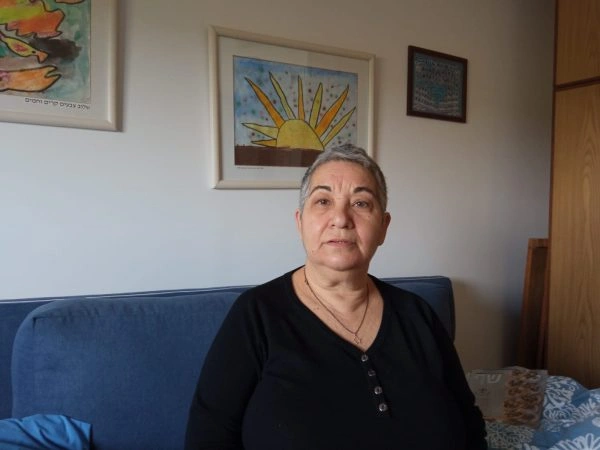
יהוד, ישראל
רבנית מישל הציתה אש התלמוד בלבבות בביניני האומה ואני נדלקתי. היא פתחה פתח ותמכה במתחילות כמוני ואפשרה לנו להתקדם בצעדים נכונים וטובים. הקימה מערך שלם שמסובב את הלומדות בסביבה תומכת וכך נכנסתי למסלול לימוד מעשיר שאין כמוה. הדרן יצר קהילה גדולה וחזקה שמאפשרת התקדמות מכל נקודת מוצא. יש דיבוק לומדות שמחזק את ההתמדה של כולנו. כל פניה ושאלה נענית בזריזות ויסודיות. תודה גם למגי על כל העזרה.

נתניה, ישראל
התחלתי ללמוד לפני 4.5 שנים, כשהודיה חברה שלי פתחה קבוצת ווטסאפ ללימוד דף יומי בתחילת מסכת סנהדרין. מאז לימוד הדף נכנס לתוך היום-יום שלי והפך לאחד ממגדירי הזהות שלי ממש.

ירושלים, ישראל
סיום השס לנשים נתן לי מוטביציה להתחיל ללמוד דף יומי. עד אז למדתי גמרא בשבתות ועשיתי כמה סיומים. אבל לימוד יומיומי זה שונה לגמרי ופתאום כל דבר שקורה בחיים מתקשר לדף היומי.

רתמים, ישראל
בתחילת הסבב הנוכחי הצטברו אצלי תחושות שאני לא מבינה מספיק מהי ההלכה אותה אני מקיימת בכל יום. כמו כן, כאמא לבנות רציתי לתת להן מודל נשי של לימוד תורה
שתי הסיבות האלו הובילו אותי להתחיל ללמוד. נתקלתי בתגובות מפרגנות וסקרניות איך אישה לומדת גמרא..
כמו שרואים בתמונה אני ממשיכה ללמוד גם היום ואפילו במחלקת יולדות אחרי לידת ביתי השלישית.

רבבה, ישראל
לפני 15 שנה, אחרי עשרות שנים של "ג’ינגול” בין משפחה לקריירה תובענית בהייטק, הצטרפתי לשיעורי גמרא במתן רעננה. הלימוד המעמיק והייחודי של הרבנית אושרה קורן יחד עם קבוצת הנשים המגוונת הייתה חוויה מאלפת ומעשירה. לפני כשמונה שנים כאשר מחזור הדף היומי הגיע למסכת תענית הצטרפתי כ”חברותא” לבעלי. זו השעה היומית שלנו ביחד כאשר דפי הגמרא משתלבים בחיי היום יום, משפיעים ומושפעים, וכשלא מספיקים תמיד משלימים בשבת

רעננה, ישראל
התחלתי ללמוד לפני כשנתיים בשאיפה לסיים לראשונה מסכת אחת במהלך חופשת הלידה.
אחרי מסכת אחת כבר היה קשה להפסיק…

ירוחם, ישראל
התחלתי לפני כמה שנים אבל רק בסבב הזה זכיתי ללמוד יום יום ולסיים מסכתות

רעננה, ישראל
My explorations into Gemara started a few days into the present cycle. I binged learnt and become addicted. I’m fascinated by the rich "tapestry” of intertwined themes, connections between Masechtot, conversations between generations of Rabbanim and learners past and present all over the world. My life has acquired a golden thread, linking generations with our amazing heritage.
Thank you.

חשמונאים, Israel
בתחילת הסבב הנוכחי הצטברו אצלי תחושות שאני לא מבינה מספיק מהי ההלכה אותה אני מקיימת בכל יום. כמו כן, כאמא לבנות רציתי לתת להן מודל נשי של לימוד תורה
שתי הסיבות האלו הובילו אותי להתחיל ללמוד. נתקלתי בתגובות מפרגנות וסקרניות איך אישה לומדת גמרא..
כמו שרואים בתמונה אני ממשיכה ללמוד גם היום ואפילו במחלקת יולדות אחרי לידת ביתי השלישית.
רבבה, ישראל
התחלתי ללמוד דף יומי לפני שנתיים, עם מסכת שבת. בהתחלה ההתמדה היתה קשה אבל בזכות הקורונה והסגרים הצלחתי להדביק את הפערים בשבתות הארוכות, לסיים את מסכת שבת ולהמשיך עם המסכתות הבאות. עכשיו אני מסיימת בהתרגשות רבה את מסכת חגיגה וסדר מועד ומחכה לסדר הבא!

מודיעין, ישראל
"התחלתי ללמוד דף יומי במחזור הזה, בח’ בטבת תש””ף. לקחתי על עצמי את הלימוד כדי ליצור תחום של התמדה יומיומית בחיים, והצטרפתי לקבוצת הלומדים בבית הכנסת בכפר אדומים. המשפחה והסביבה מתפעלים ותומכים.
בלימוד שלי אני מתפעלת בעיקר מכך שכדי ללמוד גמרא יש לדעת ולהכיר את כל הגמרא. זו מעין צבת בצבת עשויה שהיא עצומה בהיקפה.”

כפר אדומים, ישראל
התחלתי ללמוד את הדף היומי מעט אחרי שבני הקטן נולד. בהתחלה בשמיעה ולימוד באמצעות השיעור של הרבנית שפרבר. ובהמשך העזתי וקניתי לעצמי גמרא. מאז ממשיכה יום יום ללמוד עצמאית, ולפעמים בעזרת השיעור של הרבנית, כל יום. כל סיום של מסכת מביא לאושר גדול וסיפוק. הילדים בבית נהיו חלק מהלימוד, אני משתפת בסוגיות מעניינות ונהנית לשמוע את דעתם.

מעלה מכמש, ישראל
התחלתי ללמוד גמרא בבית הספר בגיל צעיר והתאהבתי. המשכתי בכך כל חיי ואף היייתי מורה לגמרא בבית הספר שקד בשדה אליהו (בית הספר בו למדתי בילדותי)בתחילת מחזור דף יומי הנוכחי החלטתי להצטרף ובע”ה מקווה להתמיד ולהמשיך. אני אוהבת את המפגש עם הדף את "דרישות השלום ” שמקבלת מקשרים עם דפים אחרים שלמדתי את הסנכרון שמתחולל בין התכנים.

מעלה גלבוע, ישראל
הייתי לפני שנתיים בסיום הדרן נשים בבנייני האומה והחלטתי להתחיל. אפילו רק כמה דפים, אולי רק פרק, אולי רק מסכת… בינתיים סיימתי רבע שס ותכף את כל סדר מועד בה.
הסביבה תומכת ומפרגנת. אני בת יחידה עם ארבעה אחים שכולם לומדים דף יומי. מדי פעם אנחנו עושים סיומים יחד באירועים משפחתיים. ממש מרגש. מסכת שבת סיימנו כולנו יחד עם אבא שלנו!
אני שומעת כל יום פודקאסט בהליכה או בנסיעה ואחכ לומדת את הגמרא.

מרכז שפירא, ישראל
מנחות צב
נִסְכֵי רְחֵלָה בְּכַמָּה? וּפָשְׁטִינָא לֵיהּ מִמַּתְנִיתִין: גְּדִי מְשַׁמֵּשׁ נִסְכֵי צֹאן שֶׁל גְּדוֹלִים וְשֶׁל קְטַנִּים, שֶׁל זְכָרִים וְשֶׁל נְקֵבוֹת, חוּץ מִשֶּׁל אֵילִים.
How much wine is used for the libations of a ewe? And I resolved this question from that which is stated in a mishna (Shekalim 14b): Generally, the wine for libations would be procured from the supplies of the Temple. One bringing an offering would pay the Temple treasurer for the quantity of wine required, and then the treasurer would give him a token as a receipt indicating what had been paid for. The individual would then proceed to the official appointed over the Temple’s supplies to collect the wine he had paid for. If the token had the word: Kid, it could be used to collect wine for libations for sheep, whether large or small, male or female, except for those of rams. Evidently, the same quantity is required for the libations of ewes as for lambs.
מַתְנִי׳ כׇּל קׇרְבְּנוֹת הַצִּבּוּר אֵין בָּהֶן סְמִיכָה, חוּץ מִן הַפָּר הַבָּא עַל כׇּל הַמִּצְוֹת, וְשָׂעִיר הַמִּשְׁתַּלֵּחַ. רַבִּי שִׁמְעוֹן אוֹמֵר: אַף שָׂעִיר עֲבוֹדָה זָרָה.
MISHNA: For all communal offerings there is no mitzva of placing hands on the head of the offering, except for the bull that comes to atone for a community-wide violation of any one of the mitzvot that was perpetrated due to an erroneous ruling of the Sanhedrin, where the judges of the Sanhedrin are required to place their hands upon its head (see Leviticus 4:13–21); and the scapegoat brought on Yom Kippur, upon which the High Priest places his hands (see Leviticus, chapter 16). Rabbi Shimon says: Also in the case of the goat that comes to atone for a community-wide perpetration of idol worship that occurred due to an erroneous ruling of the Sanhedrin, the judges of the Sanhedrin are required to place their hands upon its head (see Numbers 15:22–26).
כׇּל קׇרְבְּנוֹת הַיָּחִיד טְעוּנִין סְמִיכָה, חוּץ מִן הַבְּכוֹר וְהַמַּעֲשֵׂר וְהַפֶּסַח.
All offerings of an individual require placing hands, except for the firstborn offering, the animal tithe offering, and the Paschal offering.
וְהַיּוֹרֵשׁ סוֹמֵךְ, וּמֵבִיא נְסָכִים, וּמֵימֵר.
The mitzva of placing hands is performed by the owner of the offering. The mishna adds: And if the owner died, then the heir is regarded as the offering’s owner and so he places his hands on the offering and brings the accompanying libations. And furthermore, he can substitute a non-sacred animal for it. Although it is prohibited to perform an act of substitution, if the owner of an offering does this, his attempt is successful to the extent that the non-sacred animal is thereby consecrated, even though the original offering also remains sacred.
גְּמָ׳ תָּנוּ רַבָּנַן: כׇּל קׇרְבְּנוֹת הַצִּבּוּר אֵין בָּהֶן סְמִיכָה, חוּץ מִפַּר הַבָּא עַל כׇּל הַמִּצְוֹת וּשְׂעִירֵי עֲבוֹדָה זָרָה, דִּבְרֵי רַבִּי שִׁמְעוֹן. רַבִּי יְהוּדָה אוֹמֵר: שְׂעִירֵי עֲבוֹדָה זָרָה אֵין בָּהֶן סְמִיכָה, וְאֶת מִי אָבִיא תַּחְתֵּיהֶם – שָׂעִיר הַמִּשְׁתַּלֵּחַ.
GEMARA: The Sages taught in a baraita: For all communal offerings there is no mitzva of placing hands, except for the bull that comes to atone for a community-wide violation of any one of the mitzvot, and the goats that come to atone for a community-wide violation of the prohibition of idol worship; this is the statement of Rabbi Shimon. Rabbi Yehuda says: There is no mitzva of placing hands with regard to the goats that come to atone for idol worship. But if this is the halakha, which offering shall I bring in their place? The scapegoat.
לָא סַגִּיא דְּלָא מְעַיֵּיל? אָמַר רָבִינָא: גְּמִירִי שְׁתֵּי סְמִיכוֹת בְּצִבּוּר.
The Gemara interrupts the citation of the baraita with a question: Why does Rabbi Yehuda search for an additional case? Is it not possible not to insert an additional case? Ravina said: It is learned as a tradition that there are two instances in which placing hands is required for communal offerings.
אָמַר לוֹ רַבִּי שִׁמְעוֹן: וַהֲלֹא אֵין סְמִיכָה אֶלָּא בִּבְעָלִים, וְזֶה – אַהֲרֹן וּבָנָיו סוֹמְכִין בּוֹ! אָמַר לוֹ: אַף זֶה – אַהֲרֹן וּבָנָיו מִתְכַּפְּרִין בּוֹ.
The baraita continues: Rabbi Shimon said to Rabbi Yehuda: How can you include the scapegoat as one of the two cases requiring the placing of hands? Isn’t it the halakha that placing hands can be performed only by the offering’s owner, i.e., the one who will achieve atonement through the sacrifice of the offering? And with regard to this offering, the scapegoat, it is Aaron the High Priest or whichever of his sons serves as High Priest who places his hands on it, and yet it is not he who achieves atonement through it. Rabbi Yehuda said to him: With regard to this offering as well, that halakha is fulfilled because Aaron and his sons are considered owners, as they also achieve atonement through it together with the rest of the community.
אָמַר רַבִּי יִרְמְיָה: וְאָזְדוּ לְטַעְמַיְיהוּ.
The Gemara elaborates on the dispute. Rabbi Yirmeya said: And Rabbi Shimon and Rabbi Yehuda, who disagree as to whether the High Priest achieves atonement through the scapegoat, each follow their standard line of reasoning.
דְּתַנְיָא: ״וְכִפֶּר אֶת מִקְדַּשׁ הַקֹּדֶשׁ״ – זֶה לִפְנַי וְלִפְנִים, ״וְאֶת אֹהֶל מוֹעֵד״ – זֶה הֵיכָל, ״מִזְבֵּחַ״ – כְּמַשְׁמָעוֹ, ״יְכַפֵּר״ – אֵלּוּ הָעֲזָרוֹת, ״כֹּהֲנִים״ – כְּמַשְׁמָעָן, ״עַל כׇּל עַם הַקָּהָל״ – אֵלּוּ יִשְׂרָאֵל, ״יְכַפֵּר״ – אֵלּוּ הַלְוִיִּם.
This is as it is taught in a baraita: At the end of the passage delineating the Yom Kippur Temple service, the verse states: “He shall bring atonement upon the sanctum of the sacred, and upon the Tent of Meeting and the altar he shall effect atonement; and upon the priests and upon all the people, shall he bring atonement” (Leviticus 16:33). “He shall bring atonement upon the sanctum of the sacred”; this is referring to the innermost sanctum, i.e., the Holy of Holies. “And upon the Tent of Meeting”; this is referring to the Sanctuary. “And the altar”; this is understood in accordance with its plain meaning. “He shall effect atonement”; this is referring to the Temple courtyards. “And upon the priests”; this is understood in accordance with its plain meaning. “And upon all the people”; these are the Israelites. “Shall he bring atonement”; this is referring to the Levites.
הוּשְׁווּ כּוּלָּן לְכַפָּרָה אַחַת, שֶׁמִּתְכַּפְּרִין בְּשָׂעִיר הַמִּשְׁתַּלֵּחַ, דִּבְרֵי רַבִּי יְהוּדָה.
All of them are equated with regard to the fact that they are all atoned for through one atonement, i.e., that they are atoned for by the scapegoat for all transgressions other than the defiling of the Temple or its sacrificial foods. This is the statement of Rabbi Yehuda.
רַבִּי שִׁמְעוֹן אוֹמֵר: כְּשֵׁם שֶׁדַּם שָׂעִיר הַנַּעֲשֶׂה בִּפְנִים מְכַפֵּר עַל יִשְׂרָאֵל עַל טוּמְאַת מִקְדָּשׁ וְקָדָשָׁיו – כָּךְ דַּם הַפָּר מְכַפֵּר עַל הַכֹּהֲנִים עַל טוּמְאַת מִקְדָּשׁ וְקָדָשָׁיו. כְּשֵׁם שֶׁוִּידּוּי שֶׁל שָׂעִיר הַמִּשְׁתַּלֵּחַ מְכַפֵּר עַל יִשְׂרָאֵל בִּשְׁאָר עֲבֵירוֹת – כָּךְ וִידּוּי שֶׁל פָּר מְכַפֵּר עַל הַכֹּהֲנִים בִּשְׁאָר עֲבֵירוֹת.
The baraita continues: Rabbi Shimon says: Just as the blood of the goat whose blood presentation is performed inside the Sanctuary atones for Israelites for their defiling of the Temple or its sacrificial foods, so too, the blood of the bull of the High Priest, whose blood presentation is also performed inside the Sanctuary, atones for the priests for their defiling of the Temple or its sacrificial foods. And just as the confession made over the scapegoat atones for Israelites for other transgressions, so too, the confession made over the bull atones for the priests for other transgressions. It is apparent from the baraita that it is only according to the opinion of Rabbi Yehuda that the scapegoat atones for both Israelites and priests, and consequently the High Priest may be considered an owner with regard to the mitzva of placing hands.
וְרַבִּי שִׁמְעוֹן, הָא וַדַּאי הוּשְׁווּ? אִין, הוּשְׁווּ דִּבְנֵי כַּפָּרָה נִינְהוּ, מִיהוּ כֹּל חַד וְחַד מְכַפֵּר בִּדְנַפְשֵׁיהּ.
The Gemara analyzes Rabbi Shimon’s opinion: And according to Rabbi Shimon, one can ask: Weren’t both Israelites and priests certainly equated in the verse in Leviticus? In what way are they equated in the verse? The Gemara explains: Yes, according to his opinion they are equated in that they are all subject to atonement on Yom Kippur, but each one of the groups achieves atonement in its own way. The priests achieve atonement through the bull brought by the High Priest and his confession, while the Israelites and Levites achieve atonement through the confession over the scapegoat.
לְרַבִּי יְהוּדָה – טוּמְאַת מִקְדָּשׁ וְקָדָשָׁיו, יִשְׂרָאֵל מְכַפְּרִי בְּדַם שָׂעִיר הַנַּעֲשֶׂה בִּפְנִים, וְכֹהֲנִים בְּפַר שֶׁל אַהֲרֹן. בִּשְׁאָר עֲבֵירוֹת, אֵלּוּ וָאֵלּוּ מְכַפְּרִי בְּוִידּוּי שָׂעִיר הַמִּשְׁתַּלֵּחַ. וּלְרַבִּי שִׁמְעוֹן – בִּשְׁאָר עֲבֵירוֹת נָמֵי, כֹּהֲנִים בְּוִידּוּי דְּפַר מִתְכַּפְּרִי.
The Gemara summarizes: According to the opinion of Rabbi Yehuda, for the defiling of the Temple or its sacrificial foods, Israelites achieve atonemment through the presentation of the blood of the goat whose blood presentation is performed inside the Sanctuary, and the priests achieve atonemment through the presentation of the blood of the bull of Aaron, i.e., of the High Priest. And for other transgressions, both these Israelites and those priests achieve atonement through the confession made over the scapegoat. But according to Rabbi Shimon, for other transgressions as well, the priests achieve atonement through the confession made over the bull of the High Priest.
כִּדְקָתָנֵי: אֶחָד יִשְׂרָאֵל וְאֶחָד כֹּהֲנִים וְאֶחָד כֹּהֵן מָשִׁיחַ, מָה בֵּין יִשְׂרָאֵל לְכֹהֲנִים וּלְכֹהֵן מָשִׁיחַ? אֶלָּא שֶׁדַּם הַפָּר מְכַפֵּר עַל הַכֹּהֲנִים עַל טוּמְאַת מִקְדָּשׁ וְקָדָשָׁיו, זוֹ דִּבְרֵי רַבִּי יְהוּדָה.
This understanding of their dispute is just like that which is taught in a mishna (Shevuot 2b): Israelites and priests and the anointed priest, i.e., the High Priest, achieve atonement from the scapegoat equally. What is the difference between Israelites, priests, and the anointed priest? It is only that the bull of the High Priest that he offers on Yom Kippur atones for the priests for their defiling of the Temple or its sacrificial foods, whereas the Israelites achieve atonement for defiling caused by them through the goats that are sacrificed on Yom Kippur; this is the statement of Rabbi Yehuda.
וְרַבִּי שִׁמְעוֹן אוֹמֵר: כְּשֵׁם שֶׁדַּם הַשָּׂעִיר הַנַּעֲשֶׂה בִּפְנִים מְכַפֵּר עַל יִשְׂרָאֵל – כָּךְ דַּם הַפָּר מְכַפֵּר עַל הַכֹּהֲנִים. כְּשֵׁם שֶׁוִּידּוּיוֹ שֶׁל שָׂעִיר הַמִּשְׁתַּלֵּחַ מְכַפֵּר עַל יִשְׂרָאֵל – כָּךְ וִידּוּיוֹ שֶׁל פָּר מְכַפֵּר עַל הַכֹּהֲנִים.
And Rabbi Shimon says: With regard to the defiling of the Temple or its sacrificial foods, just as the blood of the goat, whose blood presentation is performed inside the Sanctuary, atones for Israelites, so too, the blood of the bull of the High Priest, whose blood presentation is also performed inside the Sanctuary, atones for the priests. And for all other transgressions, just as the confession made over the scapegoat atones for Israelites, so too, the confession made over the bull atones for the priests.
תָּנוּ רַבָּנַן: ״וְסָמְכוּ זִקְנֵי הָעֵדָה אֶת יְדֵיהֶם עַל רֹאשׁ הַפָּר״ – פַּר טָעוּן סְמִיכָה, וְאֵין שְׂעִירֵי עֲבוֹדָה זָרָה טְעוּנִין סְמִיכָה, דִּבְרֵי רַבִּי יְהוּדָה.
§ The mishna teaches that Rabbi Yehuda and Rabbi Shimon disagree as to whether or not the goats that come for a community-wide violation of the prohibition against idol worship require the rite of placing hands. With regard to this, the Sages taught in a baraita: The verse states with regard to the bull that comes to atone for a community-wide violation of one of the mitzvot: “And the elders of the congregation shall place their hands upon the head of the bull before the Lord” (Leviticus 4:15). The verse specifies that this requirement applies to the bull to indicate that, with regard to offerings brought for community-wide transgressions, only the bull requires placing hands, but the goats brought for idol worship do not require placing hands; this is the statement of Rabbi Yehuda.
רַבִּי שִׁמְעוֹן אוֹמֵר: פַּר טָעוּן סְמִיכָה בִּזְקֵנִים, וְאֵין שְׂעִירֵי עֲבוֹדָה זָרָה טָעוּן סְמִיכָה בִּזְקֵנִים, אֶלָּא בְּאַהֲרֹן.
Rabbi Shimon says: Both offerings require placing hands. The verse specifies the requirement with regard to the bull because only it requires that placing hands be performed by Elders of the Sanhedrin, but the goats brought for idol worship do not require that placing hands be performed by the Elders, but rather by Aaron, i.e., the High Priest.
וּרְמִינְהוּ: ״הַחַי״ – הַחַי טָעוּן סְמִיכָה, וְאֵין שְׂעִירֵי עֲבוֹדָה זָרָה טְעוּנִין סְמִיכָה, דִּבְרֵי רַבִּי יְהוּדָה. רַבִּי שִׁמְעוֹן אוֹמֵר: חַי״ טָעוּן סְמִיכָה בְּאַהֲרֹן,
And the Gemara raises a contradiction from another baraita: With regard to the Yom Kippur scapegoat, the verse states: “And Aaron shall place both his hands upon the head of the live goat, and confess over him all the iniquities of the children of Israel, and all their transgressions, even all their sins” (Leviticus 16:21). The emphasis of “the live goat” indicates that with regard to communal offerings of goats, only the live goat, i.e., the scapegoat, requires placing hands, but the goats brought for idol worship do not require placing hands; this is the statement of Rabbi Yehuda. Rabbi Shimon says: Both offerings require placing hands. The verse specifies the requirement with regard to the live goat to teach that it requires that placing hands be performed by Aaron, i.e., the High Priest,
וְאֵין שְׂעִירֵי עֲבוֹדָה זָרָה טְעוּנִין סְמִיכָה בְּאַהֲרֹן, אֶלָּא בִּזְקֵנִים.
but the goats brought for idol worship do not require that placing hands be performed by Aaron. Rather, they require that it be performed by the Elders of the Sanhedrin. This contradicts the baraita that states that Rabbi Shimon holds that placing hands on the goats brought for idol worship is performed by the High Priest.
אָמַר רַב שֵׁשֶׁת: וְתִסְבְּרָא דְּהָךְ קַמַּיְיתָא מְתָרַצְתָּא הִיא? הָא אָמַר רַבִּי שִׁמְעוֹן: סְמִיכָה בִּבְעָלִים בָּעֵינַן!
Rav Sheshet said: And how can you understand that this first baraita is accurate, in order to use it as the basis for a contradiction? But didn’t Rabbi Shimon say that we require that placing hands be performed by the owners, i.e., those who will achieve atonement through the offering? The goat brought for idol worship is brought to atone for the Sanhedrin and the people, not for the High Priest.
אֶלָּא תָּרֵיץ הָכִי: ״הַפָּר״ – פַּר טָעוּן סְמִיכָה, וְאֵין שְׂעִירֵי עֲבוֹדָה זָרָה טְעוּנִין סְמִיכָה, דִּבְרֵי רַבִּי יְהוּדָה. רַבִּי שִׁמְעוֹן אוֹמֵר: ״הַחַי״ – חַי טָעוּן סְמִיכָה בְּאַהֲרֹן, וְאֵין שְׂעִירֵי עֲבוֹדָה זָרָה טְעוּנִין סְמִיכָה בְּאַהֲרֹן, אֶלָּא בִּזְקֵנִים.
Rather, answer that the earlier baraita teaches as follows: The verse specifies the requirement of placing hands with regard to the bull brought for a community-wide transgression to indicate that only that bull requires placing hands, but the goats brought for idol worship do not require placing hands; this is the statement of Rabbi Yehuda. Rabbi Shimon says: The verse specifies the requirement of placing hands with regard to the live goat, i.e., the scapegoat, to indicate that only that live goat requires that placing hands be performed by Aaron, i.e., the High Priest, but the goats brought for a community-wide perpetration of idol worship do not require that placing hands be performed by Aaron. Rather, they require that it be performed by the Elders of the Sanhedrin.
וְהָכִי קָא אָמַר לֵיהּ רַבִּי שִׁמְעוֹן לְרַבִּי יְהוּדָה: שְׂעִירֵי עֲבוֹדָה זָרָה בָּעוּ סְמִיכָה, וְאִי שְׁמִיעַ לָךְ דְּלָא בָּעוּ סְמִיכָה – בְּאַהֲרֹן הוּא דִּשְׁמִיעַ לָךְ, וּמִיעוּטָא מֵ״הַחַי״ הוּא.
The Gemara adds: And this is what Rabbi Shimon was saying to Rabbi Yehuda: Goats brought for idol worship require placing hands. And if you heard a tradition that they do not require placing hands, it is only with regard to the fact that it is not to be performed by Aaron, i.e., the High Priest, that you heard that tradition, and the exclusion of the High Priest from having to place hands is derived from the term “the live goat.”
וְרַבִּי יְהוּדָה, לְמָה לִי לְמַעֹטִינְהוּ מִקְּרָא? וְהָא אָמַר רָבִינָא: גְּמִירִי שְׁתֵּי סְמִיכוֹת בְּצִבּוּר, גִּירְסָא בְּעָלְמָא.
The Gemara questions Rabbi Yehuda’s statement: And according to Rabbi Yehuda, why do I need to exclude the goats brought for idol worship from the requirement of placing hands by deriving this exclusion from a verse? Didn’t Ravina say that it is learned as a tradition that there are two instances in which placing hands is required for communal offerings? Accordingly, once it has been established that placing hands is required for the bull brought for a community-wide transgression and for the scapegoat, it follows that it is not required in any other case. The Gemara explains: Rabbi Yehuda holds that the tradition Ravina cited is merely a well-known statement. It is not a tradition that was transmitted to Moses; rather, the Sages formulated it to remember the halakha that they derived from the verses.
וְרַבִּי שִׁמְעוֹן, שְׂעִירֵי עֲבוֹדָה זָרָה דְּבָעֲיָא סְמִיכָה – מְנָלַן?
The Gemara questions Rabbi Shimon’s statement: And according to Rabbi Shimon, from where do we derive that the goats brought for idol worship require placing hands?
נָפְקָא לַן מִדְּתַנְיָא: ״וְסָמַךְ יָדוֹ עַל רֹאשׁ הַשָּׂעִיר״ – לְרַבּוֹת שְׂעִיר נַחְשׁוֹן לִסְמִיכָה, דִּבְרֵי רַבִּי יְהוּדָה. רַבִּי שִׁמְעוֹן אוֹמֵר: לְרַבּוֹת שְׂעִירֵי עֲבוֹדָה זָרָה לִסְמִיכָה, שֶׁהָיָה רַבִּי שִׁמְעוֹן אוֹמֵר: כׇּל חַטָּאת שֶׁנִּכְנַס דָּמָהּ לִפְנִים טְעוּנָה סְמִיכָה.
The Gemara answers that we derive it from that which is taught in a baraita: The verse states: “When a king sins…he shall bring for his offering an unblemished male goat. And he shall place his hand upon the head of the goat” (Leviticus 4:22–24). The verse could have stated: Upon its head. The reason it adds “of the goat” is to include the goat brought as a sin offering by Nahshon (see Numbers 7:12–17) in the requirement of placing hands on the head of an offering. This is the statement of Rabbi Yehuda. Rabbi Shimon says: The term “of the goat” serves to include the goats brought as sin offerings for communal idol worship in the requirement of placing hands on the head of an offering, as Rabbi Shimon would say: Any sin offering whose blood enters inside the Sanctuary requires placing hands.
לְמָה לִי לְמֵימְרָא ״שֶׁהָיָה״? סִימָנָא בְּעָלְמָא.
The Gemara questions the concluding statement of the baraita: Why do I need the baraita to state: As Rabbi Shimon would say? The statement would appear to explain that Rabbi Shimon’s ruling is merely an expression of a principle that he held, while the baraita itself explains that Rabbi Shimon derived the matter from the repetition of the word “goat.” The Gemara explains: The statement is not presenting the basis of his ruling but is merely a mnemonic to aid in remembering it.
וְאֵימָא: שָׂעִיר הַנַּעֲשֶׂה בִּפְנִים! דּוּמְיָא דִּשְׂעִיר נָשִׂיא, דִּמְכַפֵּר עַל עֲבֵירוֹת מִצְוָה יְדוּעָה.
The Gemara questions why Rabbi Shimon expounds the word “goat” as referring to goats brought for idol worship: But why not say that the word “goat” includes the goat whose blood presentation is performed inside the Sanctuary on Yom Kippur? The Gemara answers: It is more reasonable to include a goat offering that is similar to the offering mentioned in that verse, i.e., the goat of a king, which atones for known transgressions of a mitzva. A goat brought for idol worship is similar in this regard, whereas the goat brought on Yom Kippur atones specifically for transgressions of which the transgressor is unaware.
וּלְרָבִינָא דְּאָמַר: גְּמִירִי שְׁתֵּי סְמִיכוֹת בְּצִיבּוּר, קְרָאֵי לְמָה לִי?
The Gemara questions why Rabbi Shimon needs a verse at all: And according to the opinion of Ravina, who said: It is learned as a tradition that there are two instances in which placing hands is required for communal offerings, why do I need any verses, i.e., why do I need the word “goat,” to include goats brought for idol worship in the requirement of placing hands? Since he holds that the priests do not achieve atonement through the scapegoat, perforce the goat brought to atone for idol worship must require placing hands, as otherwise there would not be two instances.
אִיצְטְרִיךְ הִלְכְתָא, וְאִיצְטְרִיךְ קְרָאי.
The Gemara explains: The halakha learned by tradition was necessary, and the exposition of the verses was necessary as well.
דְּאִי מִקְּרָא, הֲוָה אָמֵינָא: זִבְחֵי שַׁלְמֵי צִיבּוּר.
The Gemara elaborates: As, if the halakha were to be derived only from the verse, I would say through an a fortiori inference that even communal peace offerings, i.e., the two lambs brought with the two loaves on the festival of Shavuot, require placing of the hands.
כִּי קֻשְׁיָא אַמַּתְנִיתִין דְּהָךְ פִּירְקָא, דְּ״כׇל הַמְּנָחוֹת בָּאוֹת״, אָמַר רַבִּי שִׁמְעוֹן: שְׁלֹשָׁה מִינִין טְעוּנִין שָׁלֹשׁ מִצְוֹת.
The Gemara explains: This is like the difficulty raised against the mishna of that chapter, i.e., Chapter Five, which begins: All the meal offerings come to be offered as matza. The mishna there states (61a): Rabbi Shimon says: There are three types of offerings that require performance of three mitzvot; in each case, two of the mitzvot apply, but not the third. The mishna continues: Peace offerings brought by individuals require placing hands on the head of the animal while the animal is still alive, and waving after it is slaughtered, but there is no obligation to wave it while it is alive. Communal peace offerings require waving both while they are alive and after they are slaughtered, but there is no obligation to place hands on them. And the guilt offering of the leper requires placing hands and waving while alive, but there is no obligation to wave it after it is slaughtered.
לֵיתֵי בְּקַל וָחוֹמֶר, וִיהוּ זִבְחֵי שַׁלְמֵי צִיבּוּר טְעוּנִין סְמִיכָה מִקַּל וְחוֹמֶר: מָה שַׁלְמֵי יָחִיד, שֶׁאֵין טְעוּנִין תְּנוּפָה חַיִּים, טְעוּנִין סְמִיכָה חַיִּים וְכוּ׳. אִיצְטְרִיךְ הִלְכְתָא.
The Gemara there (62b) raises the following difficulty: Let us bring an a fortiori inference to the contrary, i.e., conclude that communal peace offerings should require placing hands through an a fortiori inference: If peace offerings brought by an individual, whose halakha is more lenient than that of communal peace offerings in that they do not require waving while alive, nevertheless require placing hands, then with regard to communal peace offerings, which do require waving when alive, is it not logical to conclude that they require placing hands? To counter this inference it was necessary to have the halakha learned by tradition to limit the requirement of placing hands to only two instances.
וְאִי מֵהִלְכְתָא, הֲוָה אָמֵינָא לָא יָדְעִינַן הֵי נִינְהוּ, קָמַשְׁמַע לַן דּוּמְיָא דִּשְׂעִיר נָשִׂיא, דִּמְכַפֵּר עַל עֲבֵירוֹת מִצְוָה יְדוּעָה.
And conversely, if it were derived only from the halakha learned by tradition, without the exposition of the verse, I would say that we do not know exactly which offering other than the bull brought for a community-wide transgression requires placing hands. Therefore, the word “goat” teaches us that the second instance is a goat offering similar to the offering mentioned in that verse, specifically the goat of a king, which atones for known transgressions of a mitzva, i.e., a goat brought for idol worship.
כׇּל קׇרְבְּנוֹת הַיָּחִיד טְעוּנִין סְמִיכָה, חוּץ מִבְּכוֹר וּמַעֲשֵׂר וּפֶסַח.
§ The mishna teaches: All offerings of an individual require placing hands except for the firstborn offering, the animal tithe offering, and the Paschal offering.
תָּנוּ רַבָּנַן: ״קׇרְבָּנוֹ״ – וְלֹא הַבְּכוֹר, שֶׁיָּכוֹל וַהֲלֹא דִּין הוּא: וּמָה שְׁלָמִים שֶׁאֵין קְדוּשָּׁתָן מֵרֶחֶם טְעוּנִין סְמִיכָה, בְּכוֹר שֶׁקְּדוּשָּׁתוֹ מֵרֶחֶם אֵינוֹ דִּין שֶׁטָּעוּן סְמִיכָה! תַּלְמוּד לוֹמַר: ״קׇרְבָּנוֹ״ – וְלֹא הַבְּכוֹר.
Leviticus, chapter 3, discusses peace offerings and details the obligation of placing hands. The term “his offering” is mentioned a number of times. Each time serves to emphasize that peace offerings require placing hands and to exclude another type of offering from that requirement. The Sages taught a baraita detailing which offerings are excluded and why one might have thought otherwise. “His offering” (Leviticus 3:1) requires placing hands, but not the firstborn offering. As one might have thought: Could this not be derived through an a fortiori inference, as follows: If a peace offering, whose consecration does not originate from being in its mother’s womb, nevertheless requires placing hands, then with regard to a firstborn offering, whose consecration originates from the womb, is it not logical that it requires placing hands? To counter this inference, the verse states: “His offering,” teaching that a peace offering requires placing hands but the firstborn offering does not.
״קׇרְבָּנוֹ״ – וְלֹא מַעֲשֵׂר, שֶׁיָּכוֹל וַהֲלֹא דִּין הוּא: וּמָה שְׁלָמִים שֶׁאֵין מְקַדְּשִׁין לִפְנֵיהֶם וּלְאַחֲרֵיהֶם טְעוּנִין סְמִיכָה, מַעֲשֵׂר שֶׁמְּקַדֵּשׁ לְפָנָיו וּלְאַחֲרָיו – אֵינוֹ דִּין שֶׁטָּעוּן סְמִיכָה! תַּלְמוּד לוֹמַר: ״קׇרְבָּנוֹ״ – וְלֹא מַעֲשֵׂר.
“His offering” (Leviticus 3:2) requires placing hands, but not the animal tithe offering. As one might have thought: Could this not be derived through an a fortiori inference, as follows: If peace offerings, which are unlike the animal tithe in that their designation does not consecrate the animals before and after them, i.e., this unique stringency of animal tithe does not apply to them, nevertheless require placing hands, then with regard to an animal tithe offering, which can consecrate the animals before and after it, as in the case where the ninth or eleventh animal to be counted was mistakenly designated as the tenth animal, is it not logical that it requires placing hands? To counter this inference, the verse states: “His offering,” teaching that a peace offering requires placing hands, but the animal tithe offering does not.
״קׇרְבָּנוֹ״ – וְלֹא פֶּסַח, שֶׁיָּכוֹל וַהֲלֹא דִּין הוּא: וּמָה שְׁלָמִים שֶׁאֵינוֹ בַּ״עֲמוֹד וְהָבֵא״ טְעוּנִין סְמִיכָה, פֶּסַח שֶׁהוּא בַּ״עֲמוֹד וְהָבֵא״ אֵינוֹ דִּין שֶׁטָּעוּן סְמִיכָה! תַּלְמוּד לוֹמַר: ״קׇרְבָּנוֹ״ – וְלֹא פֶּסַח.
The baraita concludes: “His offering” (Leviticus 3:6) requires placing hands, but not the Paschal offering. As one might have thought: Could this not be derived through an a fortiori inference, as follows: If peace offerings, which are not subject to a positive mitzva to arise and bring them, nevertheless require placing hands, then with regard to a Paschal offering, which is subject to a positive mitzva to arise and bring it, is it not logical that it requires placing hands? To counter this inference, the verse states: “His offering,” teaching that a peace offering requires placing hands, but the Paschal offering does not.
אִיכָּא לְמִיפְרַךְ: מָה לִשְׁלָמִים שֶׁכֵּן טְעוּנִין נְסָכִים וּתְנוּפַת חָזֶה וָשׁוֹק? קְרָאֵי אַסְמַכְתָּא בְּעָלְמָא.
The Gemara rejects the inferences of the baraita: Each of these a fortiori inferences can be refuted. What is notable about peace offerings? They are notable in that they require libations and the waving of the breast and thigh. Therefore, a halakha that applies to peace offerings cannot necessarily be applied to the firstborn offering, animal tithe offering, or Paschal offering, which do not share those requirements. Accordingly, the verses that the baraita cites must be understood as a mere support, but are not actually necessary to counter the a fortiori inferences.
אֶלָּא
The Gemara asks: But

