חיפוש

עבודה זרה כח

רוצה להקדיש שיעור?

תקציר

מובאות שתי דעות שונות בנוגע לשאלה האם ומתי מותר לקבל טיפול רפואי מעובד עבודה זרה. רב יהודה אוסר זאת לחלוטין, למעט טיפול בבעלי חיים. לעומת זאת, רבי יוחנן מתיר זאת כאשר החולה עלול למות ללא טיפול. בנוסף, מובאות שתי גרסאות לדברי רבי יוחנן שחלוקות על רב יהודה. לפי הגרסה הראשונה, הוא אוסר לקבל טיפול מעובד עבודה זרה במקרה של מחלה חמורה שמצדיקה חילול שבת, אבל מתיר במקרים אחרים. לפי הגרסה השנייה, הוא אוסר זאת רק במקרה של פציעה פנימית. מה ההבדל המעשי בין שתי הגרסאות?

רב ורבי יוחנן מציעים גם קריטריונים שונים לשאלה מתי מותר לחלל שבת לצורך טיפול רפואי. רב מגדיר זאת כפצע שדורש הערכה האם האדם ישרוד. רבי יוחנן, לעומתו, מתיר זאת במקרה של פציעה פנימית. מכאן עולה שאלה: האם כאבי שיניים נחשבים לפציעה פנימית? מובאות שתי מקורות לבירור השאלה, אך אף אחד מהם אינו מספק תשובה חד-משמעית. המקור השני מספר סיפור שבו רבי יוחנן עצמו פנה לעובדת עבודה זרה לקבלת תרופה לכאב שיניים והיה מוכן לחלל שבת לשם כך. הדבר נראה כסותר את דבריו שאסור לקבל טיפול מעובד כוכבים במחלה שמצדיקה חילול שבת. כיצד אם כן הותר לו לפעול כך?

הגמרא מביאה תרופות שונות שהציעו חכמים למגוון מחלות, כגון חתך מחרב, שחין, חום גבוה, טחורים, כאבי אוזניים ולסת או עין שיצאו ממקומם.

עבודה זרה כח

מַכָּה שֶׁל חָלָל — אֵין מִתְרַפְּאִין מֵהֶן. מַאי בֵּינַיְיהוּ? אִיכָּא בֵּינַיְיהוּ גַּב הַיָּד וְגַב הָרֶגֶל, דְּאָמַר רַב אַדָּא בַּר מַתְנָה אָמַר רַב: גַּב הַיָּד וְגַב הָרֶגֶל הֲרֵי הֵן כְּמַכָּה שֶׁל חָלָל, וּמְחַלְּלִין עֲלֵיהֶן אֶת הַשַּׁבָּת.

internal injury, one may not be treated by them. The Gemara asks: What is the difference between the two versions of Rabbi Yoḥanan’s statement? There is a difference between them with regard to the case of one who was injured on the back of the hand or the back of the foot. As Rav Adda bar Mattana says that Rav says: Injuries to the back of the hand and the back, i.e., the top, of the foot are like an internal injury, and one may desecrate Shabbat for their treatment.

אָמַר רַב זוּטְרָא בַּר טוֹבִיָּה אָמַר רַב: כׇּל מַכָּה שֶׁצְּרִיכָה אוֹמֶד, מְחַלְּלִין עָלֶיהָ אֶת הַשַּׁבָּת. אָמַר רַב שֶׁמֶן בַּר אַבָּא אָמַר רַבִּי יוֹחָנָן: וְהַאי אִישָּׁתָא צְמִירְתָּא כְּמַכָּה שֶׁל חָלָל דָּמֵי, וּמְחַלְּלִין עָלֶיהָ אֶת הַשַּׁבָּת.

Rav Zutra bar Toviyya says that Rav says: With regard to any injury that requires a medical evaluation to determine whether or not it is fatal, one may desecrate Shabbat for its treatment. Rav Shemen bar Abba says that Rabbi Yoḥanan says: And a burning fever is similar to an internal injury, and therefore one may desecrate Shabbat for its treatment.

מֵהֵיכָן מַכָּה שֶׁל חָלָל? פֵּירֵשׁ רַבִּי אַמֵּי: מִן הַשָּׂפָה וְלִפְנִים. בָּעֵי רַבִּי אֱלִיעֶזֶר: כַּכֵּי וְשִׁינֵּי מַאי? כֵּיוָן דַּאֲקוּשֵׁי נִינְהוּ כְּמַכָּה דְּבָרָאֵי דָּמוּ, אוֹ דִלְמָא, כֵּיוָן דְּגַוָּאֵי קָיְימִי, כְּמַכָּה שֶׁל חָלָל דָּמוּ?

The Gemara inquires: From what point on the body is a wound considered an internal injury? Rabbi Ami explained: From the lips inward. Rabbi Eliezer raises a dilemma: With regard to afflictions located in the gums [kakhei] or teeth, what is the halakha? Do we say that since they are located in firm parts of the body, they are similar to external injuries, or perhaps we say that since they are situated within the mouth, they are similar to internal injuries?

אָמַר אַבָּיֵי, תָּא שְׁמַע: הַחוֹשֵׁשׁ בְּשִׁינָּיו לֹא יְגַמֵּעַ בָּהֶן אֶת הַחוֹמֶץ. חוֹשֵׁשׁ הוּא דְּלָא, הָא כָּאֵיב לֵיהּ טוּבָא — שַׁפִּיר דָּמֵי. דִּלְמָא תַּנָּא הֵיכָא דְּכָאֵיב לֵיהּ טוּבָא ״חוֹשֵׁשׁ״ נָמֵי קָרֵי לֵיהּ.

Abaye said: Come and hear a proof from a mishna (Shabbat 111a): One who is concerned about pain in his teeth may not sip vinegar through them on Shabbat for medicinal purposes, as it is generally prohibited by rabbinic law to perform acts of healing on Shabbat. Abaye infers: It is only when he is merely concerned about pain in his teeth that he may not treat them, which indicates that if it hurts him greatly, it is permitted to seek treatment. The Gemara rejects this inference: Perhaps the tanna also characterizes a situation where it hurts one greatly as one of mere concern.

תָּא שְׁמַע: רַבִּי יוֹחָנָן חָשׁ בְּצַפְדִּינָא, אֲזַל לְגַבַּהּ דְּהַהִיא מַטְרוֹנִיתָא, עֲבַדָה חַמְשָׁא וּמַעֲלֵי שַׁבְּתָא. אֲמַר לַהּ: לְמָחָר מַאי? אֲמַרָה לֵיהּ: לָא צְרִיכַתְּ. אִי צְרִיכְנָא מַאי? אֲמַרָה: אִשְׁתְּבַע לִי דְּלָא מְגַלֵּית. אִישְׁתְּבַע לַהּ: ״לֵאלָהָא יִשְׂרָאֵל לָא מְגַלֵּינָא״. גַּלִּיָיהּ לֵיהּ, לִמְחַר נְפַק דַּרְשַׁהּ בְּפִירְקָא.

The Gemara suggests a different proof: Come and hear the following incident: Rabbi Yoḥanan suffered from the illness tzafdina, which affects the teeth and gums. He went to a certain gentile matron who was a well-known healer. She prepared a medicine for him on Thursday and Friday. Rabbi Yoḥanan said to her: What shall I do tomorrow, on Shabbat, when I cannot come to collect the medicine from you? She said to him: You will not need it. Rabbi Yoḥanan asked her: If I do need it, what shall I do? She said to him: Take an oath to me that you will not reveal the remedy, and I will tell you, so that you can prepare it yourself should you need it. Rabbi Yoḥanan took an oath to her: To the God of the Jews, I will not reveal it. She revealed the remedy to him. On the following day Rabbi Yoḥanan went out and taught it publicly, revealing the secret of the remedy.

וְהָא אִישְׁתְּבַע לַהּ! ״לֵאלָהָא דְיִשְׂרָאֵל לָא מְגַלֵּינָא״, אֲבָל לְעַמֵּיהּ יִשְׂרָאֵל מְגַלֵּינָא. וְהָאִיכָּא חִילּוּל הַשֵּׁם! דְּגַלִּי לַהּ מֵעִיקָּרָא.

The Gemara challenges: But Rabbi Yoḥanan took an oath to her that he would not reveal her secret. The Gemara explains that his vow meant: I will not reveal it to the God of the Jews, which indicates: But I will reveal it to His people, the Jews. The Gemara challenges: But even so, isn’t there a desecration of God’s name, as the matron now thinks that a great man of Rabbi Yoḥanan’s stature violated his vow? The Gemara answers that he revealed it to her at the outset. As soon as she disclosed the remedy to him, he informed her that his vow would not prevent him from publicizing it.

אַלְמָא כְּמַכָּה שֶׁל חָלָל דָּמְיָא. אָמַר רַב נַחְמָן בַּר יִצְחָק: שָׁאנֵי צַפְדִּינָא, הוֹאִיל וּמַתְחִיל בְּפֶה וְגוֹמֵר בִּבְנֵי מֵעַיִים.

With regard to the issue at hand, the Gemara infers: Apparently, an affliction that affects the gums is similar to an internal injury, as it was permitted for Rabbi Yoḥanan to prepare the remedy on Shabbat. Rav Naḥman bar Yitzḥak said: Tzafdina is different, since it begins in the mouth, and ends in the intestines, i.e., the disease spreads until it infects one’s intestines, and therefore it is considered an internal affliction even while it is only in the mouth. Consequently, the incident involving Rabbi Yoḥanan affords no proof, and Rabbi Eliezer’s dilemma remains unresolved.

מַאי סִימָנֵיהּ? רָמֵי מִידֵּי בֵּי כַכֵּי, וּמַיְיתֵי דְּמָא מִבֵּי דָרֵי. מִמַּאי הָוֵי? מִקָּרִירֵי קָרִירֵי דְּחִיטֵּי, וּמֵחַמִּימֵי חַמִּימֵי דִּשְׂעָרֵי, וּמִשִּׁיּוּרֵי כָּסָא דְּהַרְסָנָא. מַאי עֲבַדָא לֵיהּ? אָמַר רַבִּי אַחָא בְּרֵיהּ דְּרָבָא: מֵי שְׂאוֹר וְשֶׁמֶן זַיִת וָמֶלַח, וּמָר בַּר רַב אָשֵׁי אָמַר: מִשְׁחָא דַּאֲוָוזָא בְּגַדְפָּא דַאֲוָוזָא.

The Gemara inquires: What are the symptoms of tzafdina? If one places an item between his teeth, blood flows from the rows of teeth. From what does it result? It results from the consumption of very cold wheat foods, and from very hot barley foods, and from remains of fried fish [kasa deharsena]. With what remedy did the gentile matron treat Rabbi Yoḥanan? Rabbi Aḥa, son of Rava, said: It was water in which leaven was steeped, olive oil, and salt. And Mar bar Rav Ashi said: She smeared goose fat over his gums with a goose feather.

אָמַר אַבָּיֵי: אֲנָא עֲבַדִי כּוּלְּהוּ וְלָא אִיתַּסַּאי, עַד דַּאֲמַר לִי הַהוּא טַיָּיעָא: אַיְיתִי קַשְׁיָיתָא דְּזֵיתָא דְּלָא מְלוֹ תִּילְתָּא, וּקְלִנְהוּ אַמָּרָא חַדְתָּא, וְדַבֵּיק (בֵּיהּ) [אַבֵּי] דְּדָרֵיךְ. עֲבַדִי הָכִי וְאִיתַּסַּאי.

Abaye said: I prepared all of these medicines and was not cured from this ailment until a certain Arab told me the remedy for it: Take olive seeds that are less than one-third ripe, and burn them in a fire on top of a new hoe, and stick them along the row of gums. I did this and was cured.

וְרַבִּי יוֹחָנָן הֵיכִי עָבֵיד הָכִי? וְהָאָמַר רַבָּה בַּר בַּר חָנָה אָמַר רַבִּי יוֹחָנָן: כׇּל מַכָּה שֶׁמְּחַלְּלִין עָלֶיהָ אֶת הַשַּׁבָּת — אֵין מִתְרַפְּאִין מֵהֶן! אָדָם חָשׁוּב שָׁאנֵי.

§ It was stated above that Rabbi Yoḥanan sought the medical attention of a gentile. The Gemara asks: And how could Rabbi Yoḥanan do so? But doesn’t Rabba bar bar Ḥana say that Rabbi Yoḥanan says: With regard to any injury for which Shabbat is desecrated, one may not be treated by gentiles. Tzafdina is a disease for which Shabbat is desecrated, and yet Rabbi Yoḥanan was treated by a gentile. The Gemara answers: An important person such as Rabbi Yoḥanan is different, as gentiles would not dare to kill him.

וְהָא רַבִּי אֲבָהוּ, דְּאָדָם חָשׁוּב הֲוָה, וּרְמָא לֵיהּ יַעֲקֹב מִינָאָה סַמָּא אַשָּׁקֵיהּ, וְאִי לָא רַבִּי אַמֵּי וְרַבִּי אַסִּי דְּלַחֲכוּהּ לְשָׁקֵיהּ, פַּסְקֵיהּ לְשָׁקֵיהּ!

The Gemara questions this: But Rabbi Abbahu was an important person, and yet Ya’akov the heretic placed upon his leg a salve that was actually a poison. And if it were not for Rabbi Ami and Rabbi Asi, who licked his leg to remove the poison, his leg would have had to be amputated. Apparently, Ya’akov the heretic attempted to kill Rabbi Abbahu despite the fact that Rabbi Abbahu was an important person.

דְּרַבִּי יוֹחָנָן רוֹפֵא מוּמְחֶה הֲוָה, דְּרַבִּי אֲבָהוּ נָמֵי רוֹפֵא מוּמְחֶה הֲוָה, שָׁאנֵי רַבִּי אֲבָהוּ דְּמוֹקְמִי בֵּיהּ מִינֵי בְּנַפְשַׁיְיהוּ ״תָּמֹת נַפְשִׁי עִם פְּלִשְׁתִּים״.

The Gemara explains: The healer of Rabbi Yoḥanan was an expert physician who would not jeopardize her reputation by harming him. The Gemara rejects this explanation: But the healer of Rabbi Abbahu was also an expert physician. The Gemara answers: The case involving Rabbi Abbahu is different, as heretics establish within themselves the attitude of: “Let me die with the Philistines” (Judges 16:30), i.e., heretics are willing to risk their lives in order to hurt Jews, due to their religious disputes. By contrast, gentiles will not jeopardize their own reputation for this purpose, and therefore it was permitted for Rabbi Yoḥanan to be treated by the matron.

אָמַר שְׁמוּאֵל: הַאי פְּדַעְתָּא סַכַּנְתָּא הִיא, וּמְחַלְּלִין עָלֶיהָ אֶת הַשַּׁבָּת. מַאי אָסוּתַאּ? לְמִיפְסַק דְּמָא — תַּחְלֵי בְּחַלָּא, לְאַסּוֹקֵי — גִּרְדָּא דְּיַבְלָא וְגִירְדָּא דַּאֲסַנָּא, אוֹ נִיקְרָא מִקִּילְקַלְתָּא.

§ The Gemara lists a series of afflictions and their remedies. Shmuel said: This gash caused by a sword is considered a danger to one’s life, and one may desecrate Shabbat for its treatment. The Gemara asks: What is the remedy for this wound? To stop the blood flow one should consume cress soaked in vinegar. To cause flesh to emerge over the gash, one applies a salve made of yavla scrapings and thornbush scrapings, or a salve made from the worms of the trash.

אָמַר רַב סָפְרָא: הַאי עִינְבְּתָא פַּרְוַונְקָא דְּמַלְאֲכָא דְמוֹתָא הִיא. מַאי אָסוּתַאּ? טִיגְנָא בְּדוּבְשָׁא, אוֹ כַּרְפְּסָא בְּטִילְיָיא. אַדְּהָכִי וְהָכִי, לַיְתֵי עִינְבְּתָא בַּת מִינַאּ וְנִיגַּנְדַּר (עילוי) [עִילָּוַיהּ], חִיוָּרְתִּי לְחִיוָּרְתִּי וְאוּכַּמְתִּי לְאוּכַּמְתִּי.

Rav Safra said: These grapelike boils are the forerunners [parvanka] of the Angel of Death, i.e., they often precede one’s death. The Gemara asks: What is the remedy? The remedy is either a tigna plant soaked in honey or parsley soaked in wine. In the meantime, while the plants are soaking, one should bring a grape of the same size and rub it on the boil, a white grape for a white boil, and a black grape for a black boil.

אָמַר רָבָא: הַאי סִימְטָא פַּרְוַונְקָא דְּאִשָּׁתָא הִיא, מַאי אָסוּתֵאּ? לִמְחֲיֵיהּ שִׁיתִּין אִיתְקוּטְלֵי, וְלִיקְרְעֵיהּ שְׁתִי וָעֵרֶב, וְהָנֵי מִילֵּי דְּלָא חִיוָּר רֵישֵׁיהּ, אֲבָל חִיוָּר רֵישֵׁיהּ לֵית לַן בַּהּ.

Rava said: This abscess [simta] is the forerunner of fever. The Gemara asks: What is the remedy? One should snap [itkutlei] the boil sixty times with his fingers, i.e., click one’s fingers on the boil, and then he should tear it vertically and horizontally. The Gemara comments: And this statement applies only in a case where the head of the abscess has not whitened, but if its head has whitened, we have no problem with it, i.e., it is in the process of healing, and it does not pose any danger.

רַבִּי יַעֲקֹב חָשׁ

Rabbi Ya’akov suffered

בְּפִיקְעָא, אוֹרִי לֵיהּ רַבִּי אַמֵּי, וְאָמְרִי לַהּ רַבִּי אַסִּי אוֹרִי לֵיהּ: לַיְתֵי שַׁב בִּינֵי אַהֲלָא תּוֹלָנָא, וְצָיַיר לֵיהּ בַּחֲלָלָא דְבֵי צַוְּארָא, וְלִיכְרִיךְ עִילָּוֵיהּ נִירָא בַּרְקָא, וְטָמֵישׁ לֵיהּ בְּנִטְפָא חִיוָּרָא, וְלִיקְלְיֵהּ וּבָדַר לֵיהּ עִילָּוֵיהּ. אַדְּהָכִי וְהָכִי, לַיְתֵי קַשְׁיָתָא דַּאֲסַנָּא, לַינַּח פִּיקְעָא לַהֲדֵי פִּיקְעָא.

from hemorrhoids. Rabbi Ami instructed him, and some say that Rabbi Asi instructed him that he should bring seven seeds of ice plant that are red like a worm and bind them in the collar of a shirt, and then he should wrap a strip of hair around it, and dip the bundle in white naphtha and he should burn it and spread the ashes upon the sores. In the meantime, he should bring the kernel of a bramble [asna] fruit and place its crevice against his own crevice, i.e., the anus.

וְהָנֵי מִילֵּי פִּיקְעָא עִילָּאָה, פִּיקְעָא תַּתָּאָה מַאי? לַיְיתֵי תַּרְבָּא דִּצְפִירְתָּא דְּלָא אִפְּתַח, וְלִיפַשַּׁר וְלִישְׁדֵּי בֵּיהּ.

The Gemara remarks: And this matter applies only to the upper crevice, which is located at the outer edge of the anus and can be treated with bramble fruit. What should one do if he is experiencing pain in the lower crevice, located deeper within the rectum? He should bring the fat of a goat that has not yet opened, i.e., given birth, and he should melt it and then he should apply it to the irritated area.

וְאִי לָא, לַיְיתֵי תְּלָת טַרְפֵא קָרָא דִּמְיַיבְּשִׁי בְּטוּלָּא, וְלִיקְלֵי וְלִיבַדַּר עִילָּוֵיהּ. וְאִי לָא, לַיְיתֵי מְשַׁקְּדֵי חֶלְזוֹנֵי. וְאִי לָא, מַיְיתֵי מְשַׁח קִירָא, וְלִינְקוֹט בְּשַׁחְקֵי דְכִיתָּנָא בְּקַיְיטָא, וְדַעֲמַר גּוּפְנָא בְּסִיתְוָוא.

And if this is not possible, he should bring three pumpkin leaves that were dried in the shade and he should burn them, and then he should spread the ashes upon the irritated area. And if this is not possible, he should bring snail shells instead. And if this is also not possible, he should bring oil mixed with wax [kira] and he should smear it upon worn flax clothing in summer, or worn cotton clothing in winter, and place it upon the irritated area.

רַבִּי אֲבָהוּ חַשׁ בְּאוּדְנֵיהּ, אוֹרִי לֵיהּ רַבִּי יוֹחָנָן, וְאָמְרִי לַיהּ בֵּי מִדְרְשָׁא. מַאי אוֹרִי לֵיהּ? כִּי הָא דְּאָמַר אַבָּיֵי: אֲמַרָה לִי אֵם — לָא אִיבְּרַי כּוּלְיְיתָא אֶלָּא לְאוּדְנָא. וְאָמַר רָבָא: אֲמַר לִי מִנְיוֹמֵי אָסְיָא — כּוּלְּהוּ (שַׁקְיָינוּ) [שַׁקְיָינֵי] קָשׁוּ לְאוּדְנָא, לְבַר מִמַּיָּא דְּכוּלְיְיתָא. לַיְיתֵי כּוּלְיְיתָא דְּבַרְחָא קַרְחָא, וְלִיקְרְעַיהּ שְׁתִי וָעֵרֶב, וְלַינַּח אַמִּלְּלָא דְּנוּרָא, וְהָנְהוּ מַיָּא דְּנָפְקִי מִינֵּיהּ לִישְׁדִּינְהוּ בְּאוּדְנֵיהּ — לָא קָרִירֵי וְלָא חַמִּימֵי, אֶלָּא פָּשׁוֹרֵי.

Rabbi Abbahu suffered from pain in his ear. Rabbi Yoḥanan instructed him, and some say that other Sages from the study hall instructed him, how to heal it. The Gemara asks: What did they instruct him? They told him to act in a fashion similar to that which Abaye said: My mother told me that the kidney was created only for the ear, i.e., it can be extremely beneficial to the ear. And Rava said: Minyumi the physician said to me: All liquids are harmful to the ear except for the fluid of the kidneys. Therefore, Rabbi Abbahu should bring the kidney of a bald goat [barḥa] and tear it vertically and horizontally and then place it upon dimming coals. And as for those fluids that issue from it, he should apply them to his ear while they are neither cold nor hot, but tepid.

וְאִי לָא, לַיְיתֵי תַּרְבָּא דְּחִיפּוּשְׁתָּא גַּמְלָנִיתָא, וְלִיפַשַּׁר וְלִישְׁדֵּי בֵּיהּ. וְאִי לָא, לְמַלְּיֵיהּ לְאוּדְנֵיהּ מִישְׁחָא, וְלֶיעְבֵּד שַׁב פְּתִילָתָא דְּאַסְפַּסְתָּא, וְלַיְתֵי שׁוּפְתָּא דְּתוּמָא, וְלֹיתֵוב בַּרְקָא בְּחַד רֵישָׁא, וְלִיתְלֵי בְּהוּ נוּרָא, וְאִידַּךְ רֵישָׁא מוֹתֵבא בְּאוּדְנָא, וְלֹיתֵוב אוּדְנֵיהּ לְהָדָא נוּרָא, וְיִזְדְּהַר מִזִּיקָא, וְנִישְׁקוֹל חֲדָא וְנַנַּח חֲדָא.

The Gemara adds: And if this is not possible, he should bring the fat of a large beetle and melt it and apply it to the ear. And if not, he should fill his ear with oil and prepare seven wicks made of alfalfa [aspasta] and bring dried garlic ends, and tie the ends to the wicks with a strip of hair at one end, and set the wicks aflame. And he should place the other end of each wick in his ear one at a time, and place his ear opposite the flame. Parenthetically, the Gemara notes: And he should be cautious of drafts and avoid them, as they will harm his ear. The Gemara continues: And he should take one wick and remove one wick, i.e., replace each wick as it is consumed until all seven have been used.

לִישָּׁנָא אַחֲרִינָא: וְאִי לָא, לַיְיתֵי שַׁב פְּתִילָתָא בִּיקְרָא, וְשָׁיֵיף לֵיהּ מִישְׁחָא דְּאַסְפַּסְתָּא, וְנַיְיתֵי חַד רֵישָׁא בְּנוּרָא וְחַד רֵישָׁא בְּאוּדְנֵיהּ, וְנִשְׁקוֹל חֲדָא וְנַנַּח חֲדָא, וְיִזְדְּהַר מִזִּיקָא.

The Gemara presents another version of this remedy: And if not, he should bring seven wicks of wax tapers and smear them with alfalfa oil, and place one end of each wick in the flame and one end in his ear, and take one wick and remove one wick. And again he should be cautious of drafts.

וְאִי לָא, לַיְיתֵי אוּדְרָא דְּנָדָא דְּלָא מְשַׁקֵּף וְנַנַּח בַּהּ, וְלִתְלְיַּיהּ לְאוּדְנֵיהּ לַהֲדֵי נוּרָא, וּמִזְדְּהַר מִזִּיקָא. וְאִי לָא, לַיְיתֵי גּוּבְתָּא דְּקַנְיָא עַתִּיקָא בַּר מְאָה שְׁנִין, וְלִימְלְחֵיהּ מִילְחָא גְּלָלְנִיתָא, וְלִקְלֵי וְלִידַבֵּק. וְסִימָנָךְ: רַטִּיבָא לְיַבִּשְׁתָּא וְיַבִּשְׁתָּא לְרַטִּיבָא.

And if this is not possible, he should bring fiber that was dried but not combed and place it in his ear, and then bring his ear opposite the flame. And he should be cautious of drafts. And if not, he should bring the tube of an aged reed that is one hundred years old, i.e., that has been detached from the ground for a century, and salt it with rock salt and then burn it and stick it in his ear. The Gemara adds: And your mnemonic to remember these remedies is this: Moist cures are prescribed for dry afflictions, and dry cures are prescribed for moist afflictions.

אָמַר רַבָּה בַּר זוּטְרָא אָמַר רַבִּי חֲנִינָא: מַעֲלִין אׇזְנַיִם בְּשַׁבָּת. תָּנֵי רַב שְׁמוּאֵל בַּר יְהוּדָה: בַּיָּד אֲבָל לֹא בְּסַם. אִיכָּא דְּאָמְרִי: בְּסַם אֲבָל לֹא בַּיָּד. מַאי טַעְמָא? מִזְרָיף זָרֵיף.

§ The Gemara returns to the issue of medical treatment on Shabbat. Rabba bar Zutra says that Rabbi Ḥanina says: One may raise his ears to their appropriate position, i.e., set his dislocated jaw, on Shabbat. Rav Shmuel bar Yehuda teaches: This applies only if one raises it by hand, but not by means of medicine. There are those who say the opposite: One may raise his ears by means of medicine, but not by hand. What is the reason that one may not manually raise the ear? It is because doing so might injure [zareif ] the ear, which would constitute a violation of Torah law, whereas applying medicine is a violation of rabbinic law.

אָמַר רַב זוּטְרָא בַּר טוֹבִיָּה אָמַר רַב: עַיִן שֶׁמָּרְדָה מוּתָּר לְכוֹחְלָהּ בְּשַׁבָּת. סְבוּר מִינֵּיהּ: הָנֵי מִילֵּי הוּא דִּשְׁחִקִי סַמָּנִין מֵאֶתְמוֹל, אֲבָל מִשְׁחָק בְּשַׁבָּת וְאֵתוֹיֵי דֶּרֶךְ רְשׁוּת הָרַבִּים — לָא. אֲמַר לֵיהּ הָהוּא מֵרַבָּנַן וְרַבִּי יַעֲקֹב שְׁמֵיהּ: לְדִידִי מִיפָּרְשָׁא מִינֵּיהּ דְּרַב יְהוּדָה, אֲפִילּוּ מִישְׁחָק בְּשַׁבָּת וְאֵתוֹיֵי דֶּרֶךְ רְשׁוּת הָרַבִּים — מוּתָּר.

Rav Zutra bar Toviyya says that Rav says: With regard to an eye that rebelled, i.e., which is apt to pop out of its socket, it is permitted to apply blue eye shadow to it on Shabbat. The Sages initially concluded from this that this statement applies only where one had already ground the ingredients yesterday, i.e., on Shabbat eve, but if he planned to grind them on Shabbat, or to bring them through a public domain, it would not be permitted, as this would constitute a desecration of Shabbat by Torah law. To dispel this notion, one of the Sages, named Rabbi Ya’akov, said to them: This matter was explained to me by Rav Yehuda, who said that even if he plans to grind the ingredients on Shabbat and bring it through a public domain, it is permitted.

רַב יְהוּדָה שְׁרָא לְמִיכְחַל עֵינָא בְּשַׁבָּת. אֲמַר לְהוּ רַב שְׁמוּאֵל בַּר יְהוּדָה: מַאן צָיֵית לִיהוּדָה מַחֵיל שַׁבֵּי? לְסוֹף חַשׁ בְּעֵינֵיהּ, שְׁלַח לֵיהּ: שְׁרֵי אוֹ אֲסִיר? שְׁלַח לֵיהּ: לְכוּלֵּי עָלְמָא שְׁרֵי, לְדִידָךְ אֲסִיר.

The Gemara relates that Rav Yehuda permitted someone to apply blue eye shadow to the eye on Shabbat. Rav Shmuel bar Yehuda said to the Sages: One who adheres to the ruling of Yehuda desecrates Shabbat. Ultimately, Rav Shmuel bar Yehuda himself suffered pain in his eye. He sent a message to Rav Yehuda, asking: Is it permitted or prohibited for me to treat my eye on Shabbat? Rav Yehuda sent back to him: For everyone else, it is permitted; for you, it is prohibited, as you treated my lenient ruling with disdain.

וְכִי מִדִּידִי הוּא? דְּמָר שְׁמוּאֵל הִיא! הָהִיא אַמְתָּא דַּהֲוַאי בֵּי מָר שְׁמוּאֵל, דִּקְדַחָא לַהּ עֵינָא בְּשַׁבְּתָא, צְוַוחָא, וְלֵיכָּא דְּאַשְׁגַּח בַּהּ. פְּקַעָא עֵינַאּ. לִמְחַר נְפַק מָר שְׁמוּאֵל וּדְרַשׁ: עַיִן שֶׁמָּרְדָה — מוּתָּר לְכוֹחְלָהּ בְּשַׁבָּת. מַאי טַעְמָא? דְּשׁוּרְיָינֵי דְּעֵינָא בְּאוֹבַנְתָּא דְּלִיבָּא תְּלוּ.

Rav Yehuda continues: But was it of my own accord that I issued this ruling? It is the ruling of Mar Shmuel, as demonstrated in the following incident: There was a certain maidservant who was in the house of Mar Shmuel whose eye became infected on Shabbat. She screamed in pain, but there was no one who attended to her. Eventually, her eye popped out of its socket. The next day, Mar Shmuel went out and taught: With regard to an eye that rebelled, it is permitted to apply blue eye shadow to it on Shabbat. What is the reason for this leniency, seeing as one may desecrate Shabbat only to treat life-threatening afflictions? The reason is that the tendons [shuraynei] of the eye are dependent upon the valves of the heart.

כְּגוֹן מַאי? אָמַר רַב יְהוּדָה: כְּגוֹן רִירָא, דִּיצָא, דְּמָא, דִּימְעֲתָא, וְקִידְחָא, וּתְחִלַּת אוּכְלָא, לְאַפּוֹקֵי סוֹף אוּכְלָא וּפַצּוֹחֵי עֵינָא — דְּלָא.

The Gemara asks: What ailment of the eye, for example, is considered life-threatening? Rav Yehuda said: For example, any of the following: Abnormal discharge; the sensation of pricking; blood flow from the eye; excessive tearing; and inflammation; and the onset of infection. This list serves to exclude the final stages of a waning infection that is mostly healed, and the opening of the eye, i.e., treatment administered to improve one’s eyesight, which are not life-threatening and therefore one is not permitted to treat them on Shabbat.

אָמַר רַב יְהוּדָה: זִיבּוּרָא, וּדְחַרְזֵיהּ סִילְוָא, וְסִמְטָא, וּדְכָאֵיב לֵיהּ עֵינָא, וְאָתֵי עִילָּוֵיהּ אִישָּׁתָא — כּוּלְּהוּ בֵּי בָנֵי סַכַּנְתָּא. חַמָּה לְחַמָּה, וְסִילְקָא לְצִינָּא, וְחִילּוּפָא סַכַּנְתָּא. חַמִּימֵי לְעַקְרַבָּא וְקָרִירֵי לְזִיבּוּרָא, וְחִילּוּפָא סַכַּנְתָּא. חַמִּימֵי לְסִילְוָא וְקָרִירֵי

Rav Yehuda says: With regard to one who suffers from the sting of a hornet, or the prick of a thorn [silva], or an abscess, or one whose eye pains him, or one overcome by a fever, bathing in a bathhouse is a life-threatening danger for all of these. Additionally, eating radish [ḥamma] is good for a fever [ḥamma], and eating beets [silka] is good for chills [tzina], but the reverse, i.e., eating radish when one has chills or beets when one has a fever, poses a danger. Similarly, eating hot foods is good for the sting of a scorpion, and cold foods are good for a hornet sting, but the reverse poses a danger. Hot water is good for a thorn embedded in one’s skin, and cold water is good

העמקה

רוצה להבין מה באמת קורה מתחת לפני השטח של הסוגיה?
שיעורים, פודקאסטים והרחבות של מיטב המורות שלנו יפתחו לך עוד זוויות וכיווני חשיבה.

לשיעורי עוד על הדף באנגלית, לחצי כאן

חדשה בלימוד הגמרא?

זה הדף הראשון שלך? איזו התרגשות עצומה! יש לנו בדיוק את התכנים והכלים שיעזרו לך לעשות את הצעדים הראשונים ללמידה בקצב וברמה שלך, כך תוכלי להרגיש בנוח גם בתוך הסוגיות המורכבות ומאתגרות.

פסיפס הלומדות שלנו

גלי את קהילת הלומדות שלנו, מגוון נשים, רקעים וסיפורים. כולן חלק מתנועה ומסע מרגש ועוצמתי.

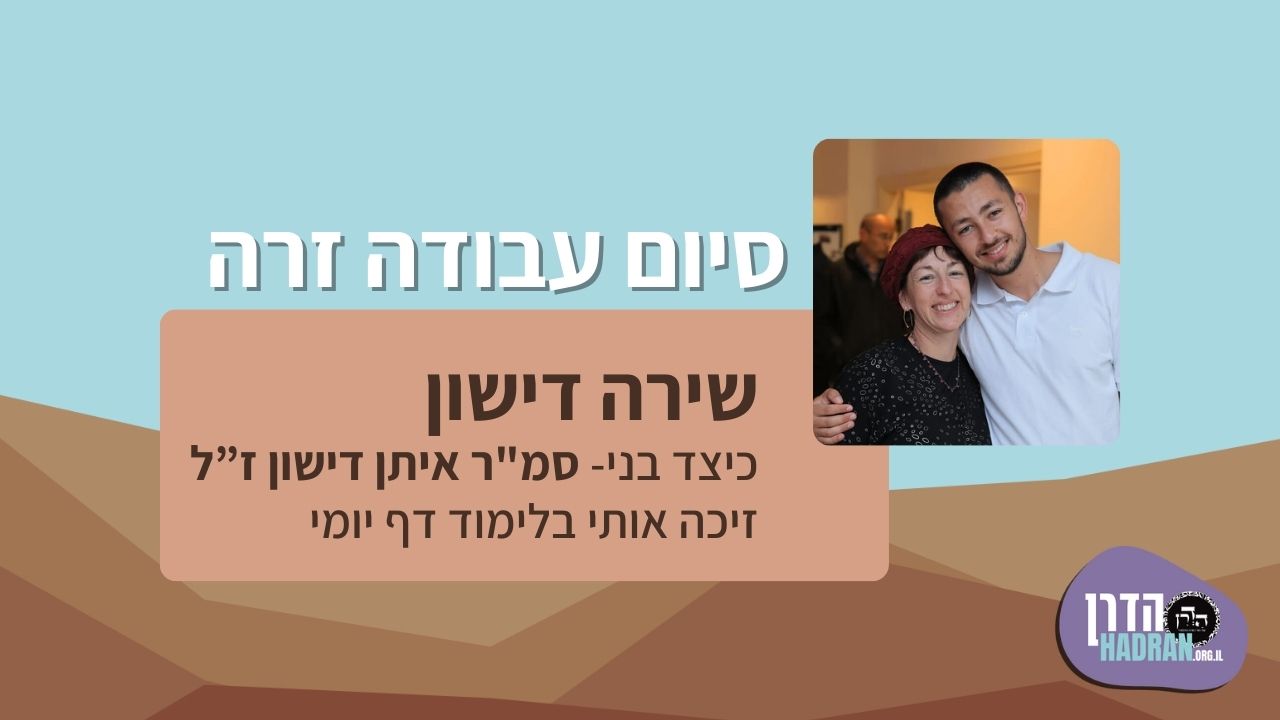
סיום השס לנשים נתן לי מוטביציה להתחיל ללמוד דף יומי. עד אז למדתי גמרא בשבתות ועשיתי כמה סיומים. אבל לימוד יומיומי זה שונה לגמרי ופתאום כל דבר שקורה בחיים מתקשר לדף היומי.

Fogel Foundation
קרן פוגל

רתמים, ישראל

התחלתי ללמוד דף יומי באמצע תקופת הקורונה, שאבא שלי סיפר לי על קבוצה של בנות שתיפתח ביישוב שלנו ותלמד דף יומי כל יום. הרבה זמן רציתי להצטרף לזה וזאת הייתה ההזדמנות בשבילי. הצטרפתי במסכת שקלים ובאמצע הייתה הפסקה קצרה. כיום אני כבר לומדת באולפנה ולומדת דף יומי לבד מתוך גמרא של טיינזלץ.

Saturdays in Raleigh
שבות בראלי

עתניאל, ישראל

ראיתי את הסיום הגדול בבנייני האומה וכל כך התרשמתי ורציתי לקחת חלק.. אבל לקח לי עוד כשנה וחצי )באמצע מסיכת שבת להצטרף..
הלימוד חשוב לי מאוד.. אני תמיד במרדף אחרי הדף וגונבת כל פעם חצי דף כשהילדים עסוקים ומשלימה אח”כ אחרי שכולם הלכו לישון..

Olga Mizrahi
אולגה מזרחי

ירושלים, ישראל

אמא שלי למדה איתי ש”ס משנה, והתחילה ללמוד דף יומי. אני החלטתי שאני רוצה ללמוד גם. בהתחלה למדתי איתה, אח”כ הצטרפתי ללימוד דף יומי שהרב דני וינט מעביר לנוער בנים בעתניאל. במסכת עירובין עוד חברה הצטרפה אלי וכשהתחלנו פסחים הרב דני פתח לנו שעור דף יומי לבנות. מאז אנחנו לומדות איתו קבוע כל יום את הדף היומי (ובשבת אבא שלי מחליף אותו). אני נהנית מהלימוד, הוא מאתגר ומעניין

Renana Hellman
רננה הלמן

עתניאל, ישראל

התחלתי ללמוד גמרא בבית הספר בגיל צעיר והתאהבתי. המשכתי בכך כל חיי ואף היייתי מורה לגמרא בבית הספר שקד בשדה אליהו (בית הספר בו למדתי בילדותי)בתחילת מחזור דף יומי הנוכחי החלטתי להצטרף ובע”ה מקווה להתמיד ולהמשיך. אני אוהבת את המפגש עם הדף את "דרישות השלום ” שמקבלת מקשרים עם דפים אחרים שלמדתי את הסנכרון שמתחולל בין התכנים.

Ariela Bigman
אריאלה ביגמן

מעלה גלבוע, ישראל

רבנית מישל הציתה אש התלמוד בלבבות בביניני האומה ואני נדלקתי. היא פתחה פתח ותמכה במתחילות כמוני ואפשרה לנו להתקדם בצעדים נכונים וטובים. הקימה מערך שלם שמסובב את הלומדות בסביבה תומכת וכך נכנסתי למסלול לימוד מעשיר שאין כמוה. הדרן יצר קהילה גדולה וחזקה שמאפשרת התקדמות מכל נקודת מוצא. יש דיבוק לומדות שמחזק את ההתמדה של כולנו. כל פניה ושאלה נענית בזריזות ויסודיות. תודה גם למגי על כל העזרה.

Sarah Aber
שרה אבר

נתניה, ישראל

התחלתי ללמוד בסבב הנוכחי לפני כשנתיים .הסביבה מתפעלת ותומכת מאוד. אני משתדלת ללמוד מכל ההסכתים הנוספים שיש באתר הדרן. אני עורכת כל סיום מסכת שיעור בביתי לכ20 נשים שמחכות בקוצר רוח למפגשים האלו.

Yael Asher
יעל אשר

יהוד, ישראל

לפני 15 שנה, אחרי עשרות שנים של "ג’ינגול” בין משפחה לקריירה תובענית בהייטק, הצטרפתי לשיעורי גמרא במתן רעננה. הלימוד המעמיק והייחודי של הרבנית אושרה קורן יחד עם קבוצת הנשים המגוונת הייתה חוויה מאלפת ומעשירה. לפני כשמונה שנים כאשר מחזור הדף היומי הגיע למסכת תענית הצטרפתי כ”חברותא” לבעלי. זו השעה היומית שלנו ביחד כאשר דפי הגמרא משתלבים בחיי היום יום, משפיעים ומושפעים, וכשלא מספיקים תמיד משלימים בשבת

Yodi Askoff
יודי אסקוף

רעננה, ישראל

התחלתי לפני כמה שנים אבל רק בסבב הזה זכיתי ללמוד יום יום ולסיים מסכתות

Sigal Tel
סיגל טל

רעננה, ישראל

התחלתי ללמוד דף יומי שהתחילו מסכת כתובות, לפני 7 שנים, במסגרת קבוצת לימוד שהתפרקה די מהר, ומשם המשכתי לבד בתמיכת האיש שלי. נעזרתי בגמרת שטיינזלץ ובשיעורים מוקלטים.
הסביבה מאד תומכת ואני מקבלת המון מילים טובות לאורך כל הדרך. מאז הסיום הגדול יש תחושה שאני חלק מדבר גדול יותר.
אני לומדת בשיטת ה”7 דפים בשבוע” של הרבנית תרצה קלמן – כלומר, לא נורא אם לא הצלחת ללמוד כל יום, העיקר שגמרת ארבעה דפים בשבוע

Rachel Goldstein
רחל גולדשטיין

עתניאל, ישראל

התחלתי לפני כמה שנים אבל רק בסבב הזה זכיתי ללמוד יום יום ולסיים מסכתות

Sigal Tel
סיגל טל

רעננה, ישראל

התחלתי מעט לפני תחילת הסבב הנוכחי. אני נהנית מהאתגר של להמשיך להתמיד, מרגעים של "אהה, מפה זה הגיע!” ומהאתגר האינטלקטואלי

Eilat-Chen and Deller
אילת-חן ודלר

לוד, ישראל

התחלתי ללמוד דף יומי שהתחילו מסכת כתובות, לפני 7 שנים, במסגרת קבוצת לימוד שהתפרקה די מהר, ומשם המשכתי לבד בתמיכת האיש שלי. נעזרתי בגמרת שטיינזלץ ובשיעורים מוקלטים.
הסביבה מאד תומכת ואני מקבלת המון מילים טובות לאורך כל הדרך. מאז הסיום הגדול יש תחושה שאני חלק מדבר גדול יותר.
אני לומדת בשיטת ה”7 דפים בשבוע” של הרבנית תרצה קלמן – כלומר, לא נורא אם לא הצלחת ללמוד כל יום, העיקר שגמרת ארבעה דפים בשבוע

Rachel Goldstein
רחל גולדשטיין

עתניאל, ישראל

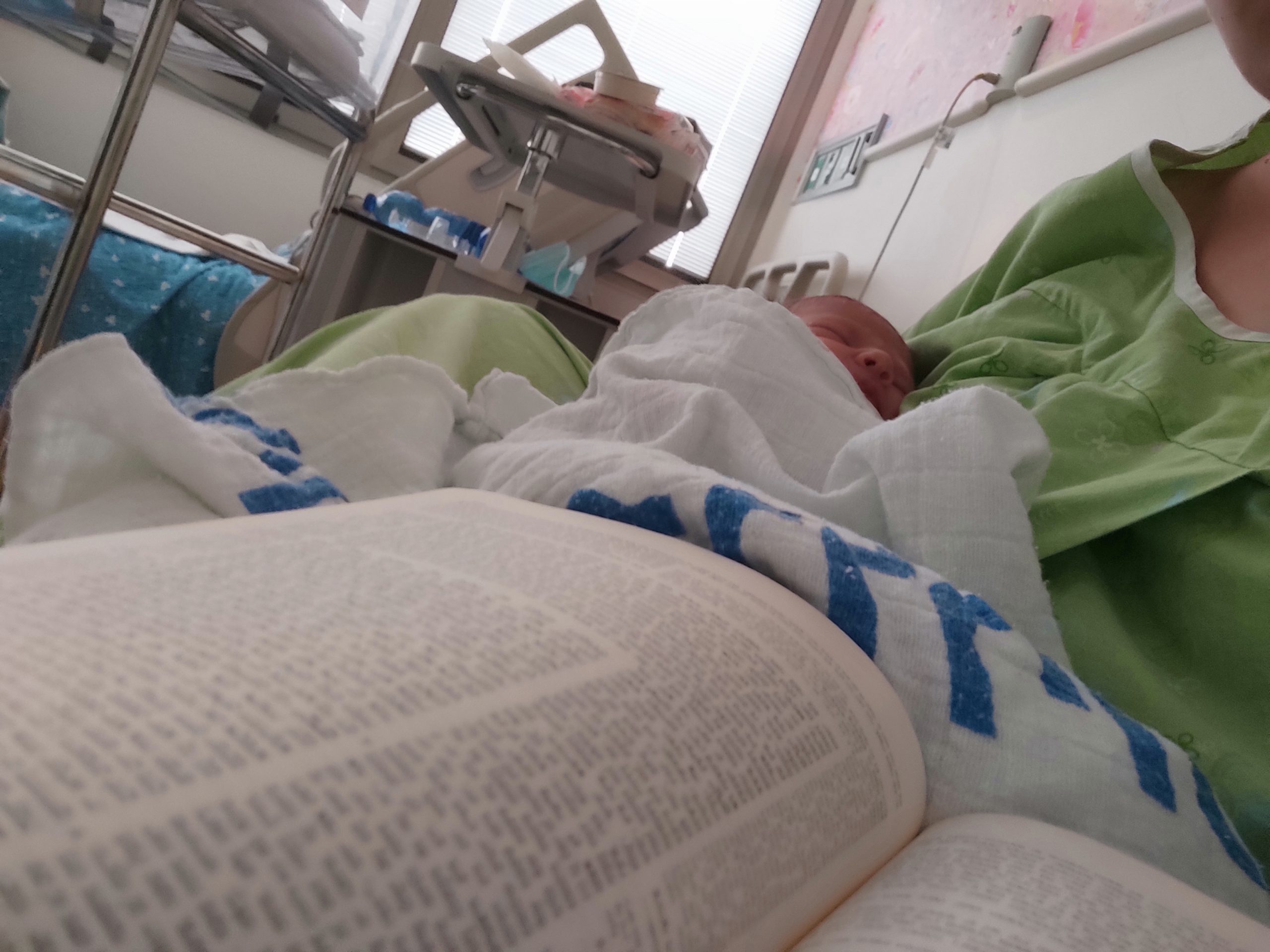
בתחילת הסבב הנוכחי הצטברו אצלי תחושות שאני לא מבינה מספיק מהי ההלכה אותה אני מקיימת בכל יום. כמו כן, כאמא לבנות רציתי לתת להן מודל נשי של לימוד תורה
שתי הסיבות האלו הובילו אותי להתחיל ללמוד. נתקלתי בתגובות מפרגנות וסקרניות איך אישה לומדת גמרא..
כמו שרואים בתמונה אני ממשיכה ללמוד גם היום ואפילו במחלקת יולדות אחרי לידת ביתי השלישית.

Noa Shiloh
נועה שילה

רבבה, ישראל

. לא תמיד נהניתי מלימוד גמרא כילדה.,בל כהתבגרתי התחלתי לאהוב את זה שוב. התחלתי ללמוד מסכת סוטה בדף היומי לפני כחמש עשרה שנה ואז הפסקתי.הגעתי לסיום הגדול של הדרן לפני שנתיים וזה נתן לי השראה. והתחלתי ללמוד למשך כמה ימים ואז היתה לי פריצת דיסק והפסקתי…עד אלול השנה. אז התחלתי עם מסכת ביצה וב”ה אני מצליחה לעמוד בקצב. המשפחה מאוד תומכת בי ויש כמה שגם לומדים את זה במקביל. אני אוהבת שיש עוגן כל יום.

Rebecca Darshan
רבקה דרשן

בית שמש, ישראל

התחלתי ללמוד דף יומי ממסכת נידה כי זה היה חומר הלימוד שלי אז. לאחר הסיום הגדול בבנייני האומה החלטתי להמשיך. וב”ה מאז עם הפסקות קטנות של קורונה ולידה אני משתדלת להמשיך ולהיות חלק.

זה משפיע מאוד על היום יום שלי ועל אף שאני עסוקה בלימודי הלכה ותורה כל יום, זאת המסגרת הקבועה והמחייבת ביותר שיש לי.

Moriah Taesan Michaeli
מוריה תעסן מיכאלי

גבעת הראל, ישראל

התחלתי ללמוד דף יומי בתחילת מסכת ברכות, עוד לא ידעתי כלום. נחשפתי לסיום הש״ס, ובעצם להתחלה מחדש בתקשורת, הפתיע אותי לטובה שהיה מקום לעיסוק בתורה.
את המסכתות הראשונות למדתי, אבל לא סיימתי (חוץ מעירובין איכשהו). השנה כשהגעתי למדרשה, נכנסתי ללופ, ואני מצליחה להיות חלק, סיימתי עם החברותא שלי את כל המסכתות הקצרות, גם כשהיינו חולות קורונה ובבידודים, למדנו לבד, העיקר לא לצבור פער, ומחכות ליבמות 🙂

Eden Yeshuron
עדן ישורון

מזכרת בתיה, ישראל

התחלתי ללמוד דף יומי בסבב הקודם. זכיתי לסיים אותו במעמד המרגש של הדרן. בסבב הראשון ליווה אותי הספק, שאולי לא אצליח לעמוד בקצב ולהתמיד. בסבב השני אני לומדת ברוגע, מתוך אמונה ביכולתי ללמוד ולסיים. בסבב הלימוד הראשון ליוותה אותי חוויה מסויימת של בדידות. הדרן העניקה לי קהילת לימוד ואחוות נשים. החוויה של סיום הש”ס במעמד כה גדול כשנשים שאינן מכירות אותי, שמחות ומתרגשות עבורי , היתה חוויה מרוממת נפש

Ilanit Weil
אילנית ווייל

קיבוץ מגדל עוז, ישראל

התחלתי ללמוד דף יומי כאשר קיבלתי במייל ממכון שטיינזלץ את הדפים הראשונים של מסכת ברכות במייל. קודם לא ידעתי איך לקרוא אותם עד שנתתי להם להדריך אותי. הסביבה שלי לא מודעת לעניין כי אני לא מדברת על כך בפומבי. למדתי מהדפים דברים חדשים, כמו הקשר בין המבנה של בית המקדש והמשכן לגופו של האדם (יומא מה, ע”א) והקשר שלו למשפט מפורסם שמופיע בספר ההינדי "בהגוד-גיתא”. מתברר שזה רעיון כלל עולמי ולא רק יהודי

Elena Arenburg
אלנה ארנבורג

נשר, ישראל

סיום השס לנשים נתן לי מוטביציה להתחיל ללמוד דף יומי. עד אז למדתי גמרא בשבתות ועשיתי כמה סיומים. אבל לימוד יומיומי זה שונה לגמרי ופתאום כל דבר שקורה בחיים מתקשר לדף היומי.

Fogel Foundation
קרן פוגל

רתמים, ישראל

עבודה זרה כח

מַכָּה שֶׁל חָלָל — אֵין מִתְרַפְּאִין מֵהֶן. מַאי בֵּינַיְיהוּ? אִיכָּא בֵּינַיְיהוּ גַּב הַיָּד וְגַב הָרֶגֶל, דְּאָמַר רַב אַדָּא בַּר מַתְנָה אָמַר רַב: גַּב הַיָּד וְגַב הָרֶגֶל הֲרֵי הֵן כְּמַכָּה שֶׁל חָלָל, וּמְחַלְּלִין עֲלֵיהֶן אֶת הַשַּׁבָּת.

internal injury, one may not be treated by them. The Gemara asks: What is the difference between the two versions of Rabbi Yoḥanan’s statement? There is a difference between them with regard to the case of one who was injured on the back of the hand or the back of the foot. As Rav Adda bar Mattana says that Rav says: Injuries to the back of the hand and the back, i.e., the top, of the foot are like an internal injury, and one may desecrate Shabbat for their treatment.

אָמַר רַב זוּטְרָא בַּר טוֹבִיָּה אָמַר רַב: כׇּל מַכָּה שֶׁצְּרִיכָה אוֹמֶד, מְחַלְּלִין עָלֶיהָ אֶת הַשַּׁבָּת. אָמַר רַב שֶׁמֶן בַּר אַבָּא אָמַר רַבִּי יוֹחָנָן: וְהַאי אִישָּׁתָא צְמִירְתָּא כְּמַכָּה שֶׁל חָלָל דָּמֵי, וּמְחַלְּלִין עָלֶיהָ אֶת הַשַּׁבָּת.

Rav Zutra bar Toviyya says that Rav says: With regard to any injury that requires a medical evaluation to determine whether or not it is fatal, one may desecrate Shabbat for its treatment. Rav Shemen bar Abba says that Rabbi Yoḥanan says: And a burning fever is similar to an internal injury, and therefore one may desecrate Shabbat for its treatment.

מֵהֵיכָן מַכָּה שֶׁל חָלָל? פֵּירֵשׁ רַבִּי אַמֵּי: מִן הַשָּׂפָה וְלִפְנִים. בָּעֵי רַבִּי אֱלִיעֶזֶר: כַּכֵּי וְשִׁינֵּי מַאי? כֵּיוָן דַּאֲקוּשֵׁי נִינְהוּ כְּמַכָּה דְּבָרָאֵי דָּמוּ, אוֹ דִלְמָא, כֵּיוָן דְּגַוָּאֵי קָיְימִי, כְּמַכָּה שֶׁל חָלָל דָּמוּ?

The Gemara inquires: From what point on the body is a wound considered an internal injury? Rabbi Ami explained: From the lips inward. Rabbi Eliezer raises a dilemma: With regard to afflictions located in the gums [kakhei] or teeth, what is the halakha? Do we say that since they are located in firm parts of the body, they are similar to external injuries, or perhaps we say that since they are situated within the mouth, they are similar to internal injuries?

אָמַר אַבָּיֵי, תָּא שְׁמַע: הַחוֹשֵׁשׁ בְּשִׁינָּיו לֹא יְגַמֵּעַ בָּהֶן אֶת הַחוֹמֶץ. חוֹשֵׁשׁ הוּא דְּלָא, הָא כָּאֵיב לֵיהּ טוּבָא — שַׁפִּיר דָּמֵי. דִּלְמָא תַּנָּא הֵיכָא דְּכָאֵיב לֵיהּ טוּבָא ״חוֹשֵׁשׁ״ נָמֵי קָרֵי לֵיהּ.

Abaye said: Come and hear a proof from a mishna (Shabbat 111a): One who is concerned about pain in his teeth may not sip vinegar through them on Shabbat for medicinal purposes, as it is generally prohibited by rabbinic law to perform acts of healing on Shabbat. Abaye infers: It is only when he is merely concerned about pain in his teeth that he may not treat them, which indicates that if it hurts him greatly, it is permitted to seek treatment. The Gemara rejects this inference: Perhaps the tanna also characterizes a situation where it hurts one greatly as one of mere concern.

תָּא שְׁמַע: רַבִּי יוֹחָנָן חָשׁ בְּצַפְדִּינָא, אֲזַל לְגַבַּהּ דְּהַהִיא מַטְרוֹנִיתָא, עֲבַדָה חַמְשָׁא וּמַעֲלֵי שַׁבְּתָא. אֲמַר לַהּ: לְמָחָר מַאי? אֲמַרָה לֵיהּ: לָא צְרִיכַתְּ. אִי צְרִיכְנָא מַאי? אֲמַרָה: אִשְׁתְּבַע לִי דְּלָא מְגַלֵּית. אִישְׁתְּבַע לַהּ: ״לֵאלָהָא יִשְׂרָאֵל לָא מְגַלֵּינָא״. גַּלִּיָיהּ לֵיהּ, לִמְחַר נְפַק דַּרְשַׁהּ בְּפִירְקָא.

The Gemara suggests a different proof: Come and hear the following incident: Rabbi Yoḥanan suffered from the illness tzafdina, which affects the teeth and gums. He went to a certain gentile matron who was a well-known healer. She prepared a medicine for him on Thursday and Friday. Rabbi Yoḥanan said to her: What shall I do tomorrow, on Shabbat, when I cannot come to collect the medicine from you? She said to him: You will not need it. Rabbi Yoḥanan asked her: If I do need it, what shall I do? She said to him: Take an oath to me that you will not reveal the remedy, and I will tell you, so that you can prepare it yourself should you need it. Rabbi Yoḥanan took an oath to her: To the God of the Jews, I will not reveal it. She revealed the remedy to him. On the following day Rabbi Yoḥanan went out and taught it publicly, revealing the secret of the remedy.

וְהָא אִישְׁתְּבַע לַהּ! ״לֵאלָהָא דְיִשְׂרָאֵל לָא מְגַלֵּינָא״, אֲבָל לְעַמֵּיהּ יִשְׂרָאֵל מְגַלֵּינָא. וְהָאִיכָּא חִילּוּל הַשֵּׁם! דְּגַלִּי לַהּ מֵעִיקָּרָא.

The Gemara challenges: But Rabbi Yoḥanan took an oath to her that he would not reveal her secret. The Gemara explains that his vow meant: I will not reveal it to the God of the Jews, which indicates: But I will reveal it to His people, the Jews. The Gemara challenges: But even so, isn’t there a desecration of God’s name, as the matron now thinks that a great man of Rabbi Yoḥanan’s stature violated his vow? The Gemara answers that he revealed it to her at the outset. As soon as she disclosed the remedy to him, he informed her that his vow would not prevent him from publicizing it.

אַלְמָא כְּמַכָּה שֶׁל חָלָל דָּמְיָא. אָמַר רַב נַחְמָן בַּר יִצְחָק: שָׁאנֵי צַפְדִּינָא, הוֹאִיל וּמַתְחִיל בְּפֶה וְגוֹמֵר בִּבְנֵי מֵעַיִים.

With regard to the issue at hand, the Gemara infers: Apparently, an affliction that affects the gums is similar to an internal injury, as it was permitted for Rabbi Yoḥanan to prepare the remedy on Shabbat. Rav Naḥman bar Yitzḥak said: Tzafdina is different, since it begins in the mouth, and ends in the intestines, i.e., the disease spreads until it infects one’s intestines, and therefore it is considered an internal affliction even while it is only in the mouth. Consequently, the incident involving Rabbi Yoḥanan affords no proof, and Rabbi Eliezer’s dilemma remains unresolved.

מַאי סִימָנֵיהּ? רָמֵי מִידֵּי בֵּי כַכֵּי, וּמַיְיתֵי דְּמָא מִבֵּי דָרֵי. מִמַּאי הָוֵי? מִקָּרִירֵי קָרִירֵי דְּחִיטֵּי, וּמֵחַמִּימֵי חַמִּימֵי דִּשְׂעָרֵי, וּמִשִּׁיּוּרֵי כָּסָא דְּהַרְסָנָא. מַאי עֲבַדָא לֵיהּ? אָמַר רַבִּי אַחָא בְּרֵיהּ דְּרָבָא: מֵי שְׂאוֹר וְשֶׁמֶן זַיִת וָמֶלַח, וּמָר בַּר רַב אָשֵׁי אָמַר: מִשְׁחָא דַּאֲוָוזָא בְּגַדְפָּא דַאֲוָוזָא.

The Gemara inquires: What are the symptoms of tzafdina? If one places an item between his teeth, blood flows from the rows of teeth. From what does it result? It results from the consumption of very cold wheat foods, and from very hot barley foods, and from remains of fried fish [kasa deharsena]. With what remedy did the gentile matron treat Rabbi Yoḥanan? Rabbi Aḥa, son of Rava, said: It was water in which leaven was steeped, olive oil, and salt. And Mar bar Rav Ashi said: She smeared goose fat over his gums with a goose feather.

אָמַר אַבָּיֵי: אֲנָא עֲבַדִי כּוּלְּהוּ וְלָא אִיתַּסַּאי, עַד דַּאֲמַר לִי הַהוּא טַיָּיעָא: אַיְיתִי קַשְׁיָיתָא דְּזֵיתָא דְּלָא מְלוֹ תִּילְתָּא, וּקְלִנְהוּ אַמָּרָא חַדְתָּא, וְדַבֵּיק (בֵּיהּ) [אַבֵּי] דְּדָרֵיךְ. עֲבַדִי הָכִי וְאִיתַּסַּאי.

Abaye said: I prepared all of these medicines and was not cured from this ailment until a certain Arab told me the remedy for it: Take olive seeds that are less than one-third ripe, and burn them in a fire on top of a new hoe, and stick them along the row of gums. I did this and was cured.

וְרַבִּי יוֹחָנָן הֵיכִי עָבֵיד הָכִי? וְהָאָמַר רַבָּה בַּר בַּר חָנָה אָמַר רַבִּי יוֹחָנָן: כׇּל מַכָּה שֶׁמְּחַלְּלִין עָלֶיהָ אֶת הַשַּׁבָּת — אֵין מִתְרַפְּאִין מֵהֶן! אָדָם חָשׁוּב שָׁאנֵי.

§ It was stated above that Rabbi Yoḥanan sought the medical attention of a gentile. The Gemara asks: And how could Rabbi Yoḥanan do so? But doesn’t Rabba bar bar Ḥana say that Rabbi Yoḥanan says: With regard to any injury for which Shabbat is desecrated, one may not be treated by gentiles. Tzafdina is a disease for which Shabbat is desecrated, and yet Rabbi Yoḥanan was treated by a gentile. The Gemara answers: An important person such as Rabbi Yoḥanan is different, as gentiles would not dare to kill him.

וְהָא רַבִּי אֲבָהוּ, דְּאָדָם חָשׁוּב הֲוָה, וּרְמָא לֵיהּ יַעֲקֹב מִינָאָה סַמָּא אַשָּׁקֵיהּ, וְאִי לָא רַבִּי אַמֵּי וְרַבִּי אַסִּי דְּלַחֲכוּהּ לְשָׁקֵיהּ, פַּסְקֵיהּ לְשָׁקֵיהּ!

The Gemara questions this: But Rabbi Abbahu was an important person, and yet Ya’akov the heretic placed upon his leg a salve that was actually a poison. And if it were not for Rabbi Ami and Rabbi Asi, who licked his leg to remove the poison, his leg would have had to be amputated. Apparently, Ya’akov the heretic attempted to kill Rabbi Abbahu despite the fact that Rabbi Abbahu was an important person.

דְּרַבִּי יוֹחָנָן רוֹפֵא מוּמְחֶה הֲוָה, דְּרַבִּי אֲבָהוּ נָמֵי רוֹפֵא מוּמְחֶה הֲוָה, שָׁאנֵי רַבִּי אֲבָהוּ דְּמוֹקְמִי בֵּיהּ מִינֵי בְּנַפְשַׁיְיהוּ ״תָּמֹת נַפְשִׁי עִם פְּלִשְׁתִּים״.

The Gemara explains: The healer of Rabbi Yoḥanan was an expert physician who would not jeopardize her reputation by harming him. The Gemara rejects this explanation: But the healer of Rabbi Abbahu was also an expert physician. The Gemara answers: The case involving Rabbi Abbahu is different, as heretics establish within themselves the attitude of: “Let me die with the Philistines” (Judges 16:30), i.e., heretics are willing to risk their lives in order to hurt Jews, due to their religious disputes. By contrast, gentiles will not jeopardize their own reputation for this purpose, and therefore it was permitted for Rabbi Yoḥanan to be treated by the matron.

אָמַר שְׁמוּאֵל: הַאי פְּדַעְתָּא סַכַּנְתָּא הִיא, וּמְחַלְּלִין עָלֶיהָ אֶת הַשַּׁבָּת. מַאי אָסוּתַאּ? לְמִיפְסַק דְּמָא — תַּחְלֵי בְּחַלָּא, לְאַסּוֹקֵי — גִּרְדָּא דְּיַבְלָא וְגִירְדָּא דַּאֲסַנָּא, אוֹ נִיקְרָא מִקִּילְקַלְתָּא.

§ The Gemara lists a series of afflictions and their remedies. Shmuel said: This gash caused by a sword is considered a danger to one’s life, and one may desecrate Shabbat for its treatment. The Gemara asks: What is the remedy for this wound? To stop the blood flow one should consume cress soaked in vinegar. To cause flesh to emerge over the gash, one applies a salve made of yavla scrapings and thornbush scrapings, or a salve made from the worms of the trash.

אָמַר רַב סָפְרָא: הַאי עִינְבְּתָא פַּרְוַונְקָא דְּמַלְאֲכָא דְמוֹתָא הִיא. מַאי אָסוּתַאּ? טִיגְנָא בְּדוּבְשָׁא, אוֹ כַּרְפְּסָא בְּטִילְיָיא. אַדְּהָכִי וְהָכִי, לַיְתֵי עִינְבְּתָא בַּת מִינַאּ וְנִיגַּנְדַּר (עילוי) [עִילָּוַיהּ], חִיוָּרְתִּי לְחִיוָּרְתִּי וְאוּכַּמְתִּי לְאוּכַּמְתִּי.

Rav Safra said: These grapelike boils are the forerunners [parvanka] of the Angel of Death, i.e., they often precede one’s death. The Gemara asks: What is the remedy? The remedy is either a tigna plant soaked in honey or parsley soaked in wine. In the meantime, while the plants are soaking, one should bring a grape of the same size and rub it on the boil, a white grape for a white boil, and a black grape for a black boil.

אָמַר רָבָא: הַאי סִימְטָא פַּרְוַונְקָא דְּאִשָּׁתָא הִיא, מַאי אָסוּתֵאּ? לִמְחֲיֵיהּ שִׁיתִּין אִיתְקוּטְלֵי, וְלִיקְרְעֵיהּ שְׁתִי וָעֵרֶב, וְהָנֵי מִילֵּי דְּלָא חִיוָּר רֵישֵׁיהּ, אֲבָל חִיוָּר רֵישֵׁיהּ לֵית לַן בַּהּ.

Rava said: This abscess [simta] is the forerunner of fever. The Gemara asks: What is the remedy? One should snap [itkutlei] the boil sixty times with his fingers, i.e., click one’s fingers on the boil, and then he should tear it vertically and horizontally. The Gemara comments: And this statement applies only in a case where the head of the abscess has not whitened, but if its head has whitened, we have no problem with it, i.e., it is in the process of healing, and it does not pose any danger.

רַבִּי יַעֲקֹב חָשׁ

Rabbi Ya’akov suffered

בְּפִיקְעָא, אוֹרִי לֵיהּ רַבִּי אַמֵּי, וְאָמְרִי לַהּ רַבִּי אַסִּי אוֹרִי לֵיהּ: לַיְתֵי שַׁב בִּינֵי אַהֲלָא תּוֹלָנָא, וְצָיַיר לֵיהּ בַּחֲלָלָא דְבֵי צַוְּארָא, וְלִיכְרִיךְ עִילָּוֵיהּ נִירָא בַּרְקָא, וְטָמֵישׁ לֵיהּ בְּנִטְפָא חִיוָּרָא, וְלִיקְלְיֵהּ וּבָדַר לֵיהּ עִילָּוֵיהּ. אַדְּהָכִי וְהָכִי, לַיְתֵי קַשְׁיָתָא דַּאֲסַנָּא, לַינַּח פִּיקְעָא לַהֲדֵי פִּיקְעָא.

from hemorrhoids. Rabbi Ami instructed him, and some say that Rabbi Asi instructed him that he should bring seven seeds of ice plant that are red like a worm and bind them in the collar of a shirt, and then he should wrap a strip of hair around it, and dip the bundle in white naphtha and he should burn it and spread the ashes upon the sores. In the meantime, he should bring the kernel of a bramble [asna] fruit and place its crevice against his own crevice, i.e., the anus.

וְהָנֵי מִילֵּי פִּיקְעָא עִילָּאָה, פִּיקְעָא תַּתָּאָה מַאי? לַיְיתֵי תַּרְבָּא דִּצְפִירְתָּא דְּלָא אִפְּתַח, וְלִיפַשַּׁר וְלִישְׁדֵּי בֵּיהּ.

The Gemara remarks: And this matter applies only to the upper crevice, which is located at the outer edge of the anus and can be treated with bramble fruit. What should one do if he is experiencing pain in the lower crevice, located deeper within the rectum? He should bring the fat of a goat that has not yet opened, i.e., given birth, and he should melt it and then he should apply it to the irritated area.

וְאִי לָא, לַיְיתֵי תְּלָת טַרְפֵא קָרָא דִּמְיַיבְּשִׁי בְּטוּלָּא, וְלִיקְלֵי וְלִיבַדַּר עִילָּוֵיהּ. וְאִי לָא, לַיְיתֵי מְשַׁקְּדֵי חֶלְזוֹנֵי. וְאִי לָא, מַיְיתֵי מְשַׁח קִירָא, וְלִינְקוֹט בְּשַׁחְקֵי דְכִיתָּנָא בְּקַיְיטָא, וְדַעֲמַר גּוּפְנָא בְּסִיתְוָוא.

And if this is not possible, he should bring three pumpkin leaves that were dried in the shade and he should burn them, and then he should spread the ashes upon the irritated area. And if this is not possible, he should bring snail shells instead. And if this is also not possible, he should bring oil mixed with wax [kira] and he should smear it upon worn flax clothing in summer, or worn cotton clothing in winter, and place it upon the irritated area.

רַבִּי אֲבָהוּ חַשׁ בְּאוּדְנֵיהּ, אוֹרִי לֵיהּ רַבִּי יוֹחָנָן, וְאָמְרִי לַיהּ בֵּי מִדְרְשָׁא. מַאי אוֹרִי לֵיהּ? כִּי הָא דְּאָמַר אַבָּיֵי: אֲמַרָה לִי אֵם — לָא אִיבְּרַי כּוּלְיְיתָא אֶלָּא לְאוּדְנָא. וְאָמַר רָבָא: אֲמַר לִי מִנְיוֹמֵי אָסְיָא — כּוּלְּהוּ (שַׁקְיָינוּ) [שַׁקְיָינֵי] קָשׁוּ לְאוּדְנָא, לְבַר מִמַּיָּא דְּכוּלְיְיתָא. לַיְיתֵי כּוּלְיְיתָא דְּבַרְחָא קַרְחָא, וְלִיקְרְעַיהּ שְׁתִי וָעֵרֶב, וְלַינַּח אַמִּלְּלָא דְּנוּרָא, וְהָנְהוּ מַיָּא דְּנָפְקִי מִינֵּיהּ לִישְׁדִּינְהוּ בְּאוּדְנֵיהּ — לָא קָרִירֵי וְלָא חַמִּימֵי, אֶלָּא פָּשׁוֹרֵי.

Rabbi Abbahu suffered from pain in his ear. Rabbi Yoḥanan instructed him, and some say that other Sages from the study hall instructed him, how to heal it. The Gemara asks: What did they instruct him? They told him to act in a fashion similar to that which Abaye said: My mother told me that the kidney was created only for the ear, i.e., it can be extremely beneficial to the ear. And Rava said: Minyumi the physician said to me: All liquids are harmful to the ear except for the fluid of the kidneys. Therefore, Rabbi Abbahu should bring the kidney of a bald goat [barḥa] and tear it vertically and horizontally and then place it upon dimming coals. And as for those fluids that issue from it, he should apply them to his ear while they are neither cold nor hot, but tepid.

וְאִי לָא, לַיְיתֵי תַּרְבָּא דְּחִיפּוּשְׁתָּא גַּמְלָנִיתָא, וְלִיפַשַּׁר וְלִישְׁדֵּי בֵּיהּ. וְאִי לָא, לְמַלְּיֵיהּ לְאוּדְנֵיהּ מִישְׁחָא, וְלֶיעְבֵּד שַׁב פְּתִילָתָא דְּאַסְפַּסְתָּא, וְלַיְתֵי שׁוּפְתָּא דְּתוּמָא, וְלֹיתֵוב בַּרְקָא בְּחַד רֵישָׁא, וְלִיתְלֵי בְּהוּ נוּרָא, וְאִידַּךְ רֵישָׁא מוֹתֵבא בְּאוּדְנָא, וְלֹיתֵוב אוּדְנֵיהּ לְהָדָא נוּרָא, וְיִזְדְּהַר מִזִּיקָא, וְנִישְׁקוֹל חֲדָא וְנַנַּח חֲדָא.

The Gemara adds: And if this is not possible, he should bring the fat of a large beetle and melt it and apply it to the ear. And if not, he should fill his ear with oil and prepare seven wicks made of alfalfa [aspasta] and bring dried garlic ends, and tie the ends to the wicks with a strip of hair at one end, and set the wicks aflame. And he should place the other end of each wick in his ear one at a time, and place his ear opposite the flame. Parenthetically, the Gemara notes: And he should be cautious of drafts and avoid them, as they will harm his ear. The Gemara continues: And he should take one wick and remove one wick, i.e., replace each wick as it is consumed until all seven have been used.

לִישָּׁנָא אַחֲרִינָא: וְאִי לָא, לַיְיתֵי שַׁב פְּתִילָתָא בִּיקְרָא, וְשָׁיֵיף לֵיהּ מִישְׁחָא דְּאַסְפַּסְתָּא, וְנַיְיתֵי חַד רֵישָׁא בְּנוּרָא וְחַד רֵישָׁא בְּאוּדְנֵיהּ, וְנִשְׁקוֹל חֲדָא וְנַנַּח חֲדָא, וְיִזְדְּהַר מִזִּיקָא.

The Gemara presents another version of this remedy: And if not, he should bring seven wicks of wax tapers and smear them with alfalfa oil, and place one end of each wick in the flame and one end in his ear, and take one wick and remove one wick. And again he should be cautious of drafts.

וְאִי לָא, לַיְיתֵי אוּדְרָא דְּנָדָא דְּלָא מְשַׁקֵּף וְנַנַּח בַּהּ, וְלִתְלְיַּיהּ לְאוּדְנֵיהּ לַהֲדֵי נוּרָא, וּמִזְדְּהַר מִזִּיקָא. וְאִי לָא, לַיְיתֵי גּוּבְתָּא דְּקַנְיָא עַתִּיקָא בַּר מְאָה שְׁנִין, וְלִימְלְחֵיהּ מִילְחָא גְּלָלְנִיתָא, וְלִקְלֵי וְלִידַבֵּק. וְסִימָנָךְ: רַטִּיבָא לְיַבִּשְׁתָּא וְיַבִּשְׁתָּא לְרַטִּיבָא.

And if this is not possible, he should bring fiber that was dried but not combed and place it in his ear, and then bring his ear opposite the flame. And he should be cautious of drafts. And if not, he should bring the tube of an aged reed that is one hundred years old, i.e., that has been detached from the ground for a century, and salt it with rock salt and then burn it and stick it in his ear. The Gemara adds: And your mnemonic to remember these remedies is this: Moist cures are prescribed for dry afflictions, and dry cures are prescribed for moist afflictions.

אָמַר רַבָּה בַּר זוּטְרָא אָמַר רַבִּי חֲנִינָא: מַעֲלִין אׇזְנַיִם בְּשַׁבָּת. תָּנֵי רַב שְׁמוּאֵל בַּר יְהוּדָה: בַּיָּד אֲבָל לֹא בְּסַם. אִיכָּא דְּאָמְרִי: בְּסַם אֲבָל לֹא בַּיָּד. מַאי טַעְמָא? מִזְרָיף זָרֵיף.

§ The Gemara returns to the issue of medical treatment on Shabbat. Rabba bar Zutra says that Rabbi Ḥanina says: One may raise his ears to their appropriate position, i.e., set his dislocated jaw, on Shabbat. Rav Shmuel bar Yehuda teaches: This applies only if one raises it by hand, but not by means of medicine. There are those who say the opposite: One may raise his ears by means of medicine, but not by hand. What is the reason that one may not manually raise the ear? It is because doing so might injure [zareif ] the ear, which would constitute a violation of Torah law, whereas applying medicine is a violation of rabbinic law.

אָמַר רַב זוּטְרָא בַּר טוֹבִיָּה אָמַר רַב: עַיִן שֶׁמָּרְדָה מוּתָּר לְכוֹחְלָהּ בְּשַׁבָּת. סְבוּר מִינֵּיהּ: הָנֵי מִילֵּי הוּא דִּשְׁחִקִי סַמָּנִין מֵאֶתְמוֹל, אֲבָל מִשְׁחָק בְּשַׁבָּת וְאֵתוֹיֵי דֶּרֶךְ רְשׁוּת הָרַבִּים — לָא. אֲמַר לֵיהּ הָהוּא מֵרַבָּנַן וְרַבִּי יַעֲקֹב שְׁמֵיהּ: לְדִידִי מִיפָּרְשָׁא מִינֵּיהּ דְּרַב יְהוּדָה, אֲפִילּוּ מִישְׁחָק בְּשַׁבָּת וְאֵתוֹיֵי דֶּרֶךְ רְשׁוּת הָרַבִּים — מוּתָּר.

Rav Zutra bar Toviyya says that Rav says: With regard to an eye that rebelled, i.e., which is apt to pop out of its socket, it is permitted to apply blue eye shadow to it on Shabbat. The Sages initially concluded from this that this statement applies only where one had already ground the ingredients yesterday, i.e., on Shabbat eve, but if he planned to grind them on Shabbat, or to bring them through a public domain, it would not be permitted, as this would constitute a desecration of Shabbat by Torah law. To dispel this notion, one of the Sages, named Rabbi Ya’akov, said to them: This matter was explained to me by Rav Yehuda, who said that even if he plans to grind the ingredients on Shabbat and bring it through a public domain, it is permitted.

רַב יְהוּדָה שְׁרָא לְמִיכְחַל עֵינָא בְּשַׁבָּת. אֲמַר לְהוּ רַב שְׁמוּאֵל בַּר יְהוּדָה: מַאן צָיֵית לִיהוּדָה מַחֵיל שַׁבֵּי? לְסוֹף חַשׁ בְּעֵינֵיהּ, שְׁלַח לֵיהּ: שְׁרֵי אוֹ אֲסִיר? שְׁלַח לֵיהּ: לְכוּלֵּי עָלְמָא שְׁרֵי, לְדִידָךְ אֲסִיר.

The Gemara relates that Rav Yehuda permitted someone to apply blue eye shadow to the eye on Shabbat. Rav Shmuel bar Yehuda said to the Sages: One who adheres to the ruling of Yehuda desecrates Shabbat. Ultimately, Rav Shmuel bar Yehuda himself suffered pain in his eye. He sent a message to Rav Yehuda, asking: Is it permitted or prohibited for me to treat my eye on Shabbat? Rav Yehuda sent back to him: For everyone else, it is permitted; for you, it is prohibited, as you treated my lenient ruling with disdain.

וְכִי מִדִּידִי הוּא? דְּמָר שְׁמוּאֵל הִיא! הָהִיא אַמְתָּא דַּהֲוַאי בֵּי מָר שְׁמוּאֵל, דִּקְדַחָא לַהּ עֵינָא בְּשַׁבְּתָא, צְוַוחָא, וְלֵיכָּא דְּאַשְׁגַּח בַּהּ. פְּקַעָא עֵינַאּ. לִמְחַר נְפַק מָר שְׁמוּאֵל וּדְרַשׁ: עַיִן שֶׁמָּרְדָה — מוּתָּר לְכוֹחְלָהּ בְּשַׁבָּת. מַאי טַעְמָא? דְּשׁוּרְיָינֵי דְּעֵינָא בְּאוֹבַנְתָּא דְּלִיבָּא תְּלוּ.

Rav Yehuda continues: But was it of my own accord that I issued this ruling? It is the ruling of Mar Shmuel, as demonstrated in the following incident: There was a certain maidservant who was in the house of Mar Shmuel whose eye became infected on Shabbat. She screamed in pain, but there was no one who attended to her. Eventually, her eye popped out of its socket. The next day, Mar Shmuel went out and taught: With regard to an eye that rebelled, it is permitted to apply blue eye shadow to it on Shabbat. What is the reason for this leniency, seeing as one may desecrate Shabbat only to treat life-threatening afflictions? The reason is that the tendons [shuraynei] of the eye are dependent upon the valves of the heart.

כְּגוֹן מַאי? אָמַר רַב יְהוּדָה: כְּגוֹן רִירָא, דִּיצָא, דְּמָא, דִּימְעֲתָא, וְקִידְחָא, וּתְחִלַּת אוּכְלָא, לְאַפּוֹקֵי סוֹף אוּכְלָא וּפַצּוֹחֵי עֵינָא — דְּלָא.

The Gemara asks: What ailment of the eye, for example, is considered life-threatening? Rav Yehuda said: For example, any of the following: Abnormal discharge; the sensation of pricking; blood flow from the eye; excessive tearing; and inflammation; and the onset of infection. This list serves to exclude the final stages of a waning infection that is mostly healed, and the opening of the eye, i.e., treatment administered to improve one’s eyesight, which are not life-threatening and therefore one is not permitted to treat them on Shabbat.

אָמַר רַב יְהוּדָה: זִיבּוּרָא, וּדְחַרְזֵיהּ סִילְוָא, וְסִמְטָא, וּדְכָאֵיב לֵיהּ עֵינָא, וְאָתֵי עִילָּוֵיהּ אִישָּׁתָא — כּוּלְּהוּ בֵּי בָנֵי סַכַּנְתָּא. חַמָּה לְחַמָּה, וְסִילְקָא לְצִינָּא, וְחִילּוּפָא סַכַּנְתָּא. חַמִּימֵי לְעַקְרַבָּא וְקָרִירֵי לְזִיבּוּרָא, וְחִילּוּפָא סַכַּנְתָּא. חַמִּימֵי לְסִילְוָא וְקָרִירֵי

Rav Yehuda says: With regard to one who suffers from the sting of a hornet, or the prick of a thorn [silva], or an abscess, or one whose eye pains him, or one overcome by a fever, bathing in a bathhouse is a life-threatening danger for all of these. Additionally, eating radish [ḥamma] is good for a fever [ḥamma], and eating beets [silka] is good for chills [tzina], but the reverse, i.e., eating radish when one has chills or beets when one has a fever, poses a danger. Similarly, eating hot foods is good for the sting of a scorpion, and cold foods are good for a hornet sting, but the reverse poses a danger. Hot water is good for a thorn embedded in one’s skin, and cold water is good

רוצה לעקוב אחרי התכנים ולהמשיך ללמוד?

ביצירת חשבון עוד היום ניתן לעקוב אחרי ההתקדמות שלך, לסמן מה למדת, ולעקוב אחרי השיעורים שמעניינים אותך.

לנקות את כל הפריטים מהרשימה?

פעולה זו תסיר את כל הפריטים בחלק זה כולל ההתקדמות וההיסטוריה. שימי לב: לא ניתן לשחזר פעולה זו.

ביטול
מחיקה

האם את/ה בטוח/ה שברצונך למחוק פריט זה?

תאבד/י את כל ההתקדמות או ההיסטוריה הקשורות לפריט זה.

ביטול
מחיקה